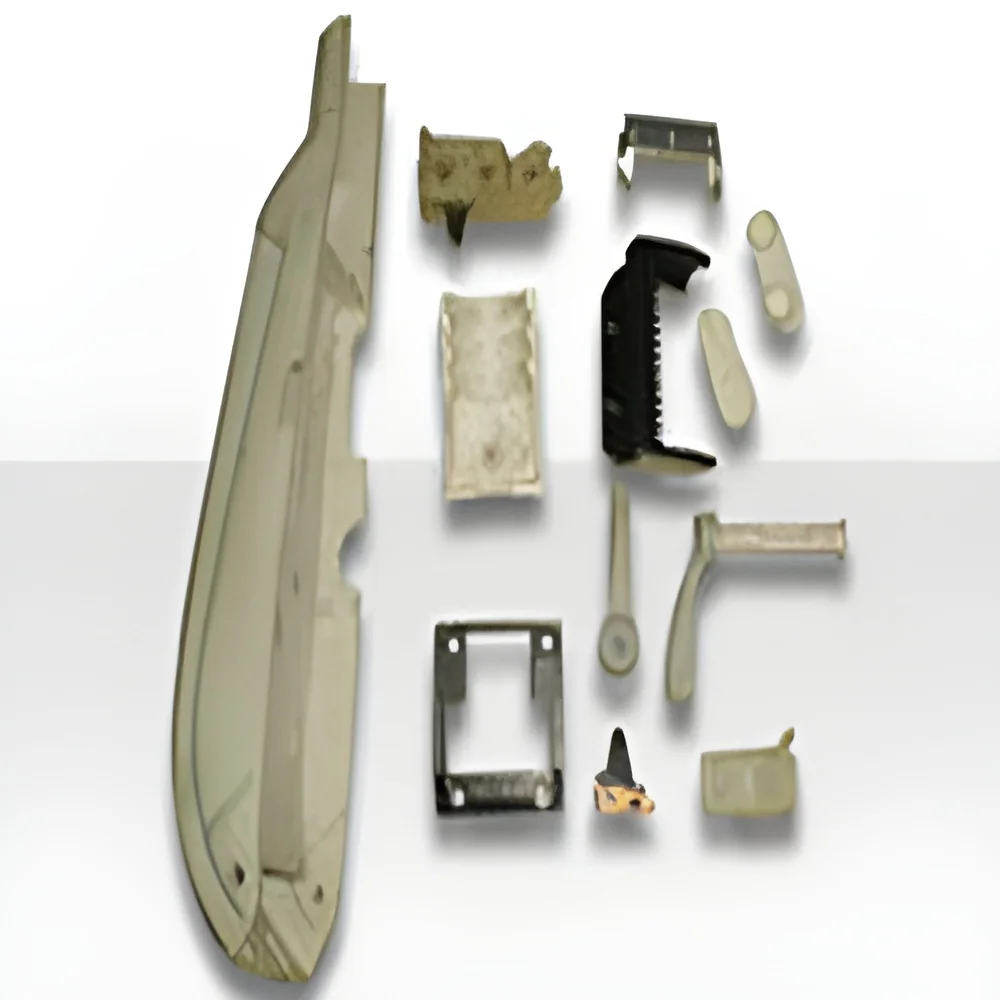
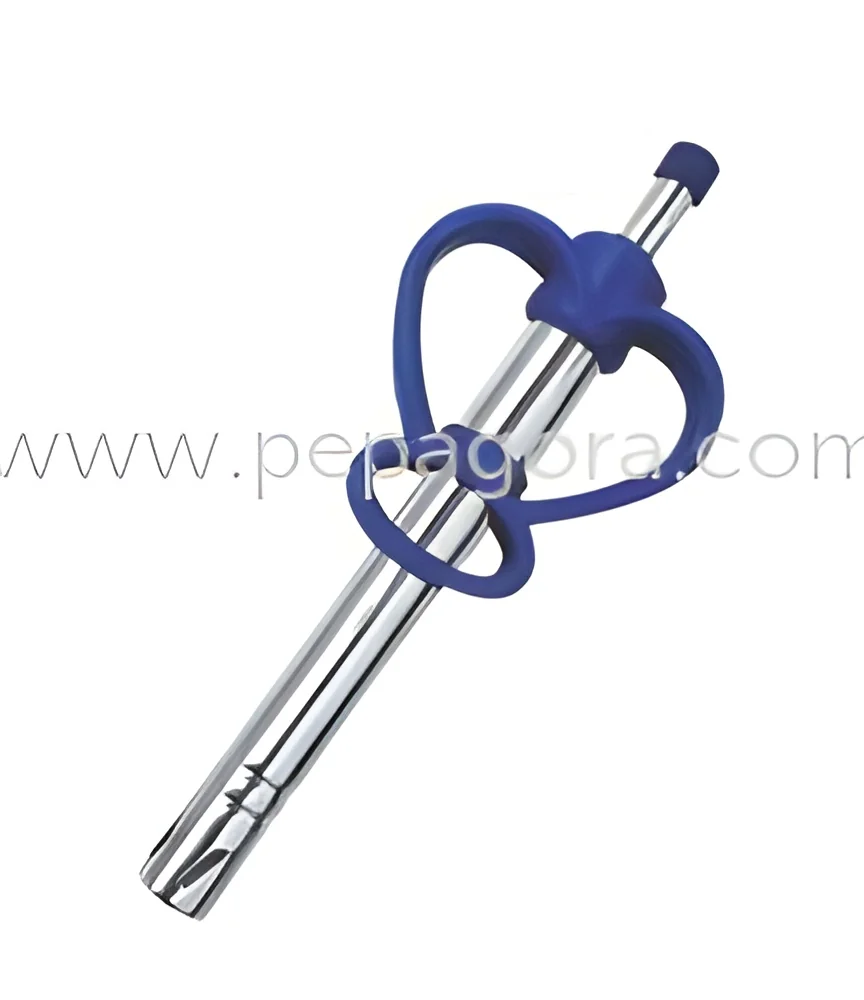
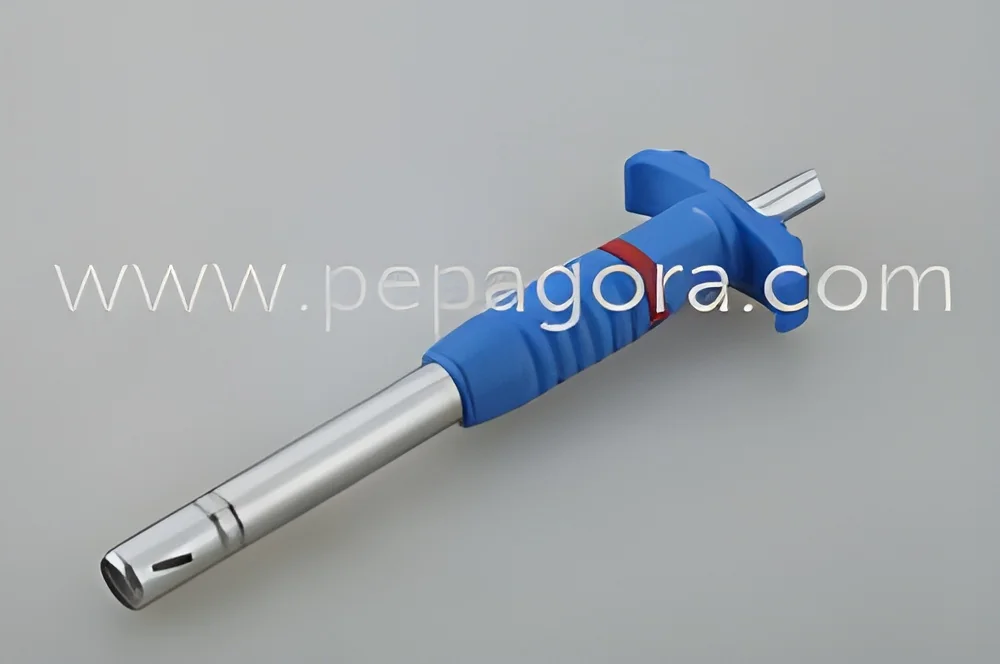
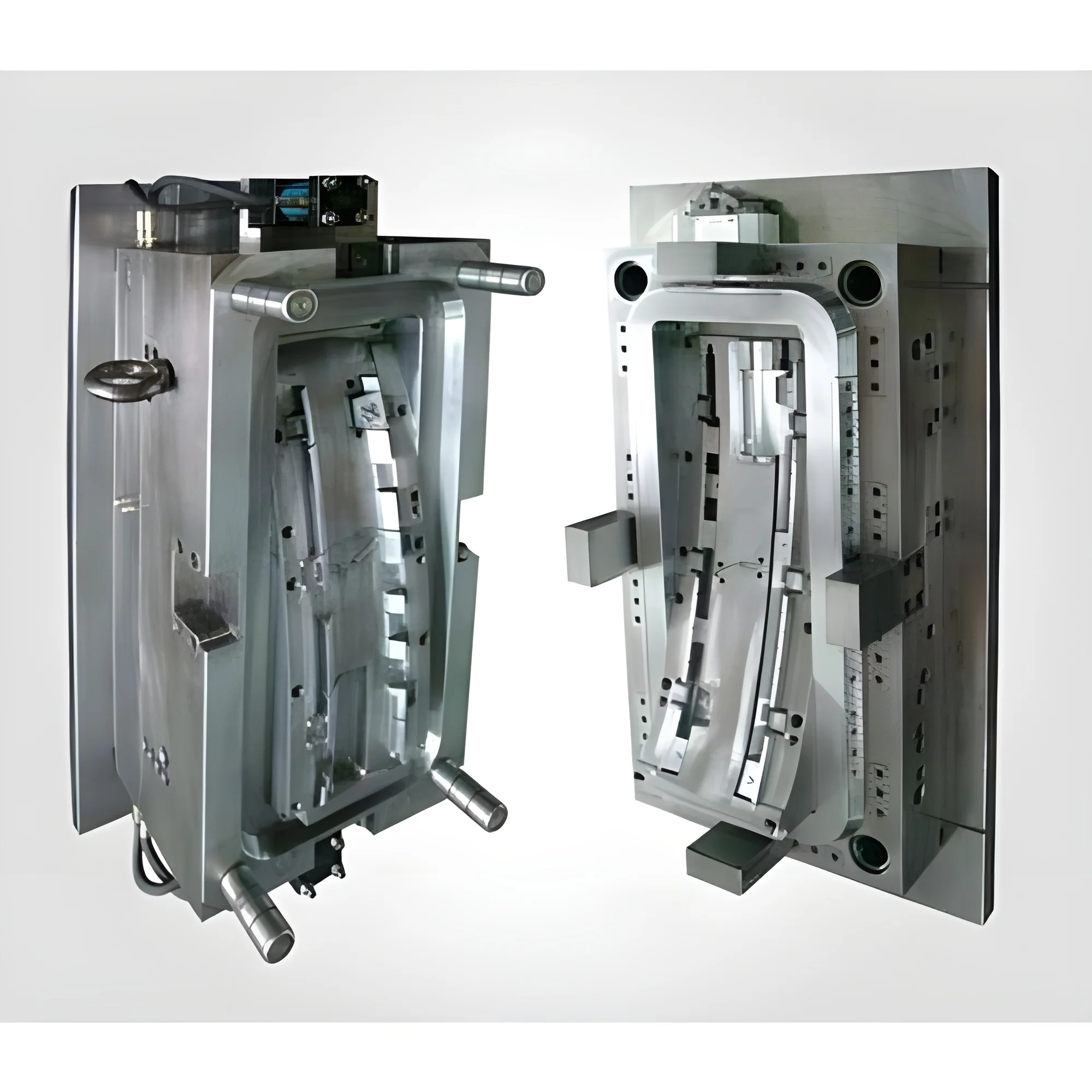
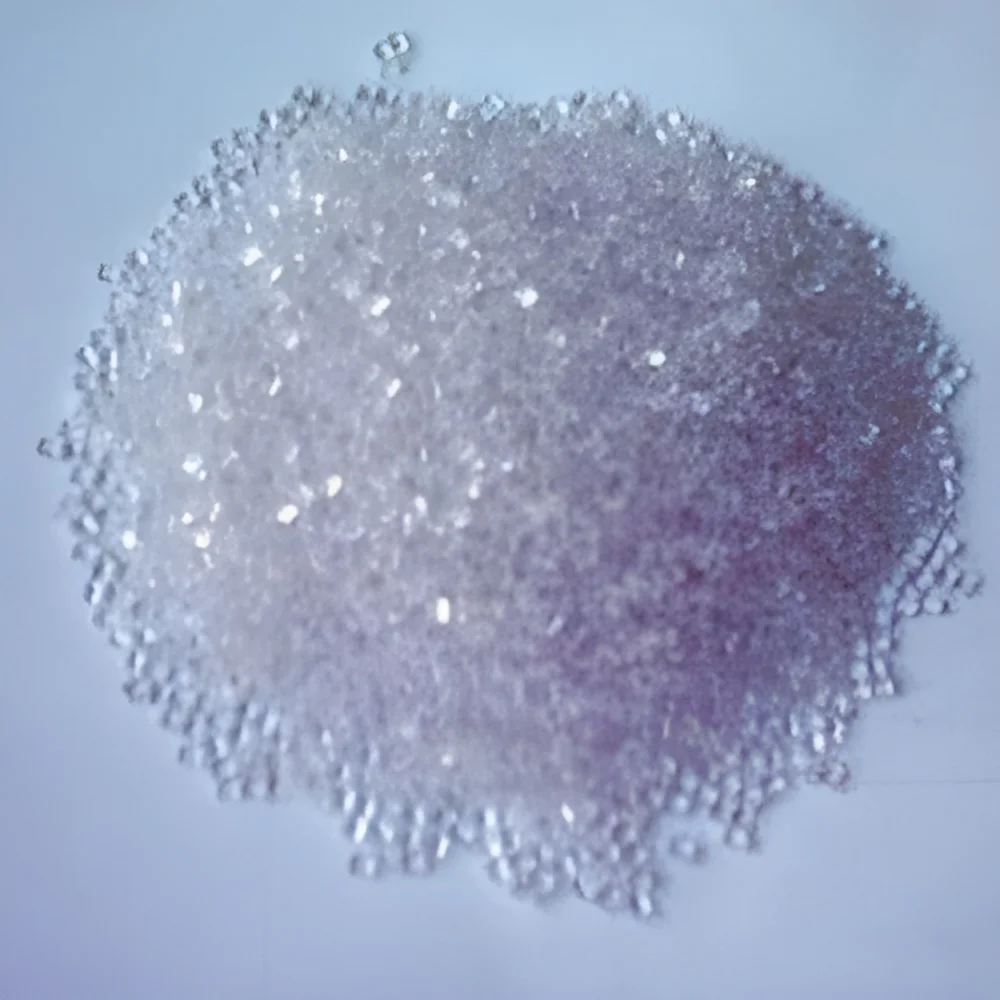
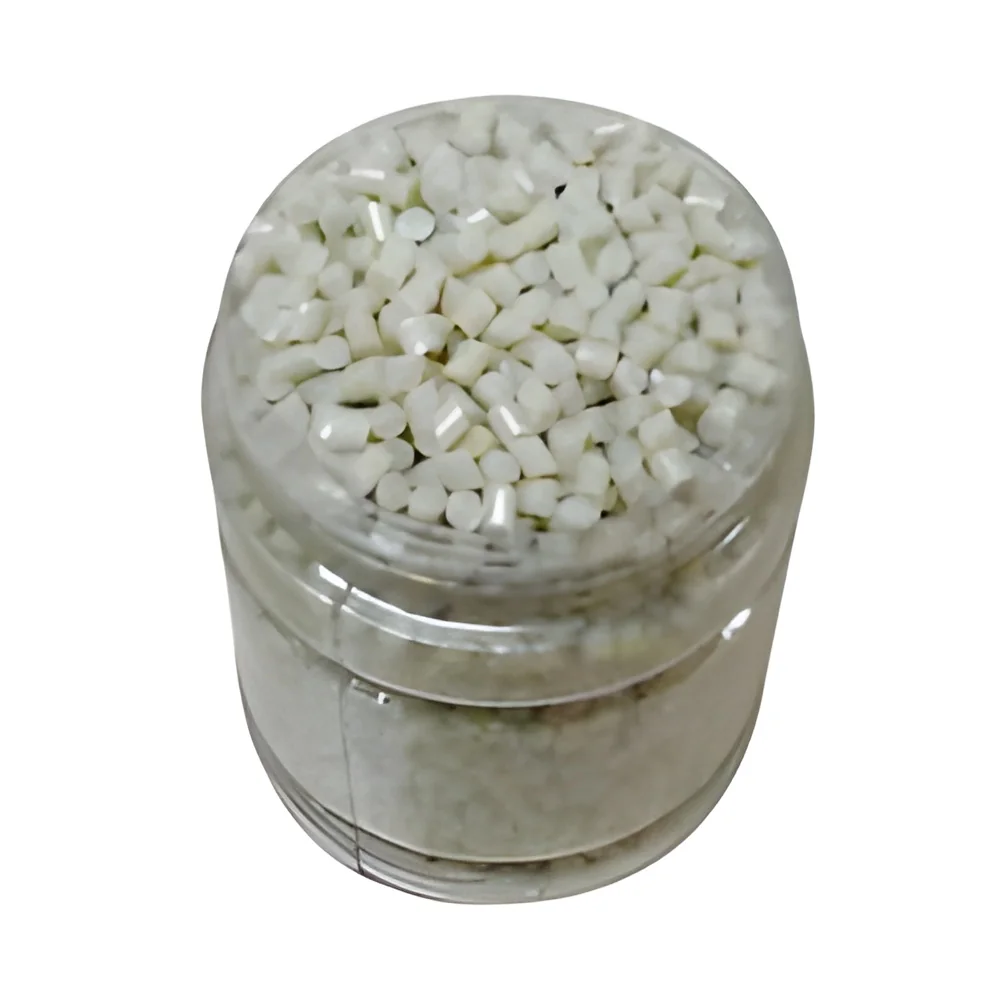
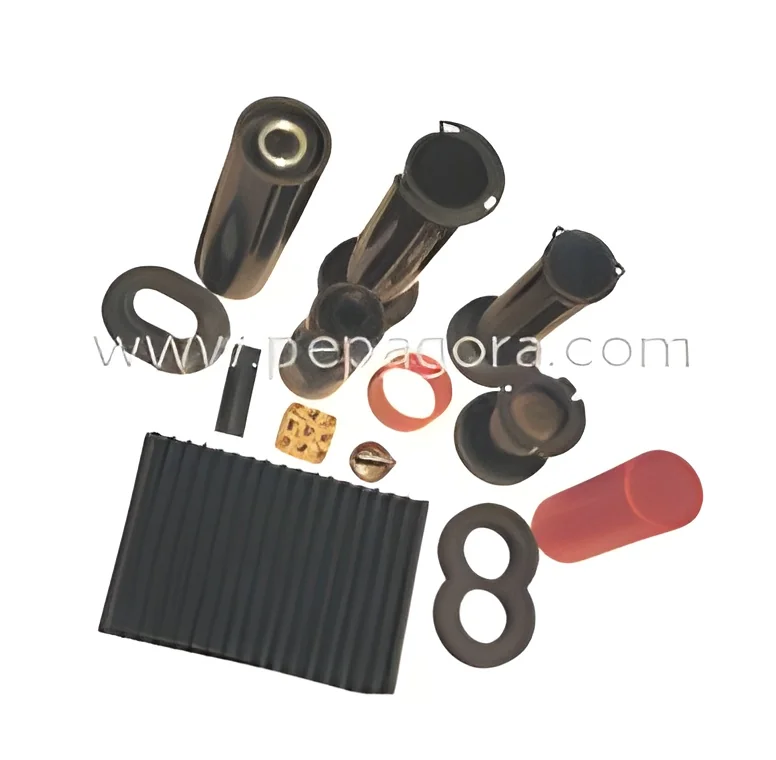
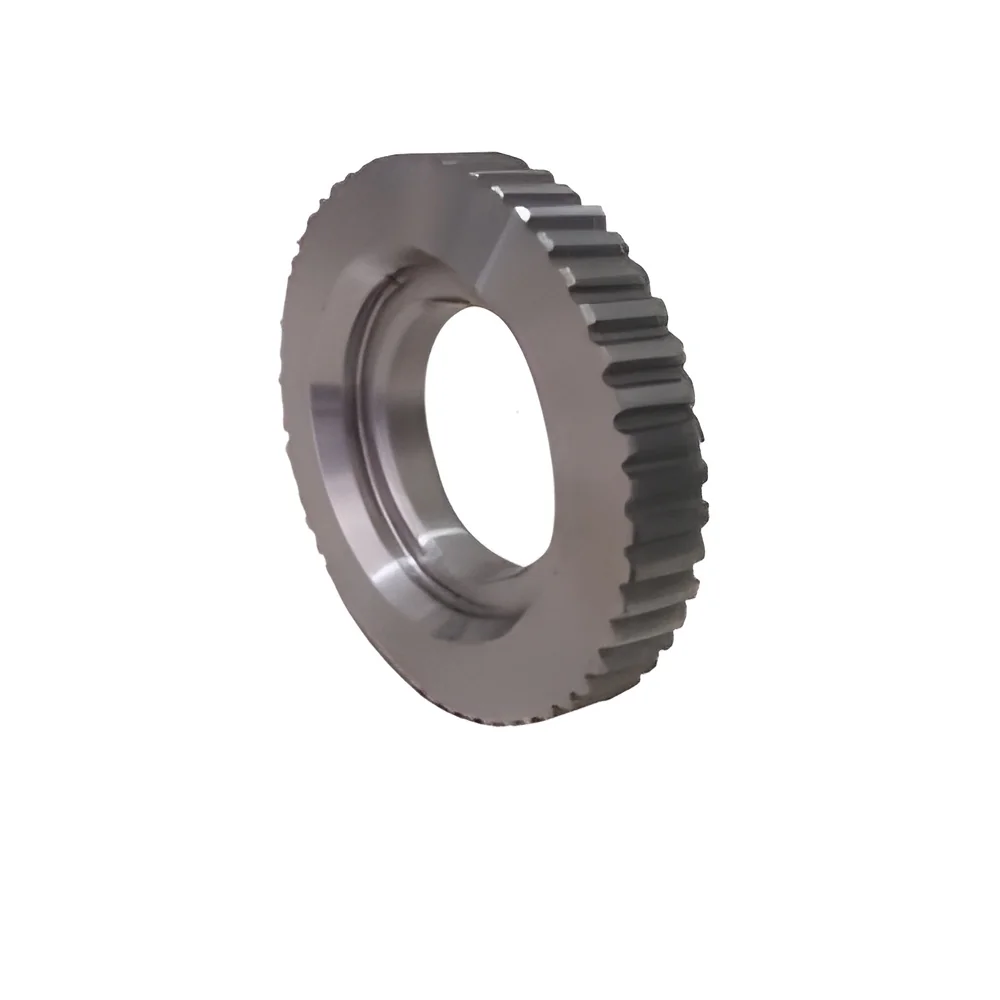
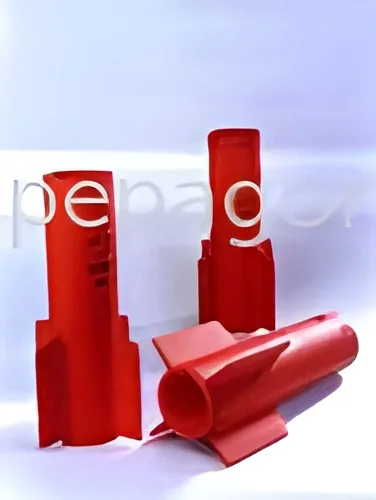
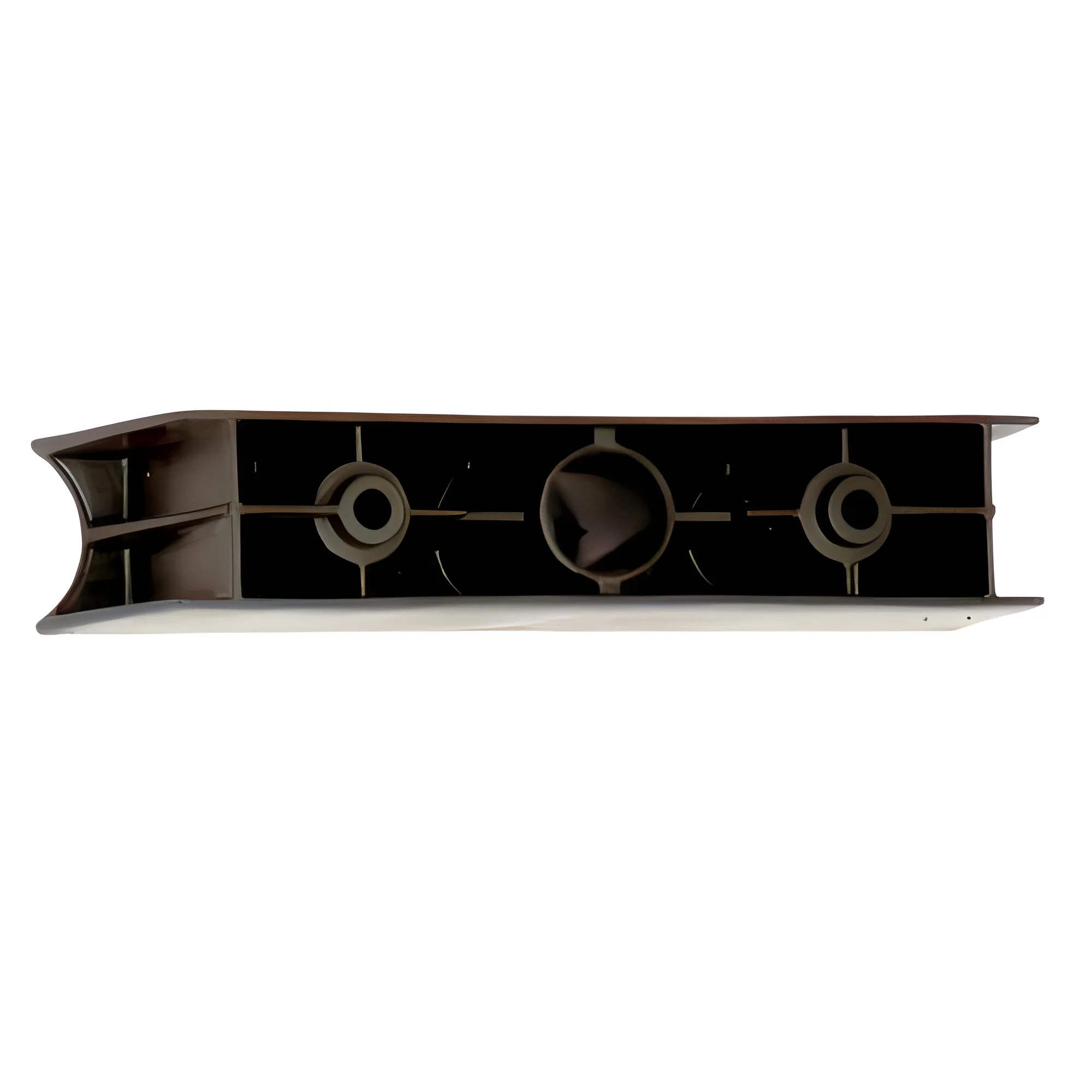
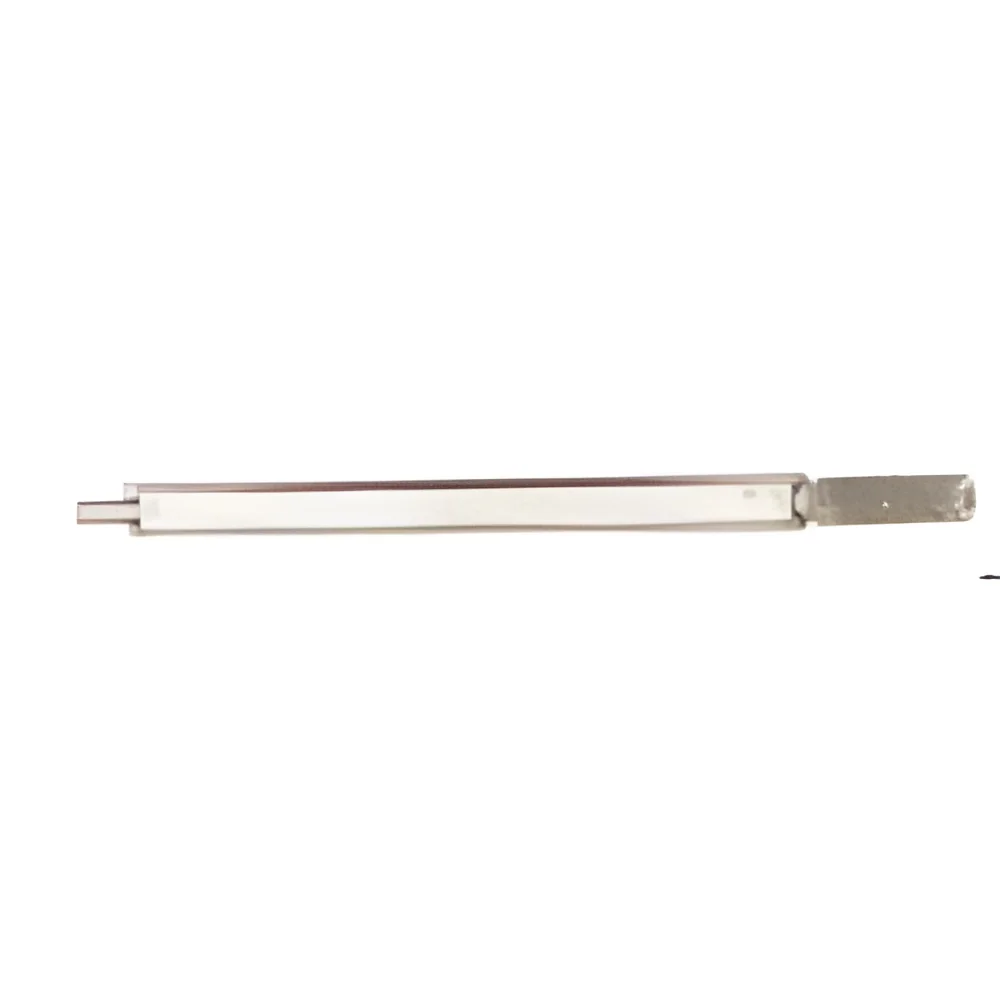
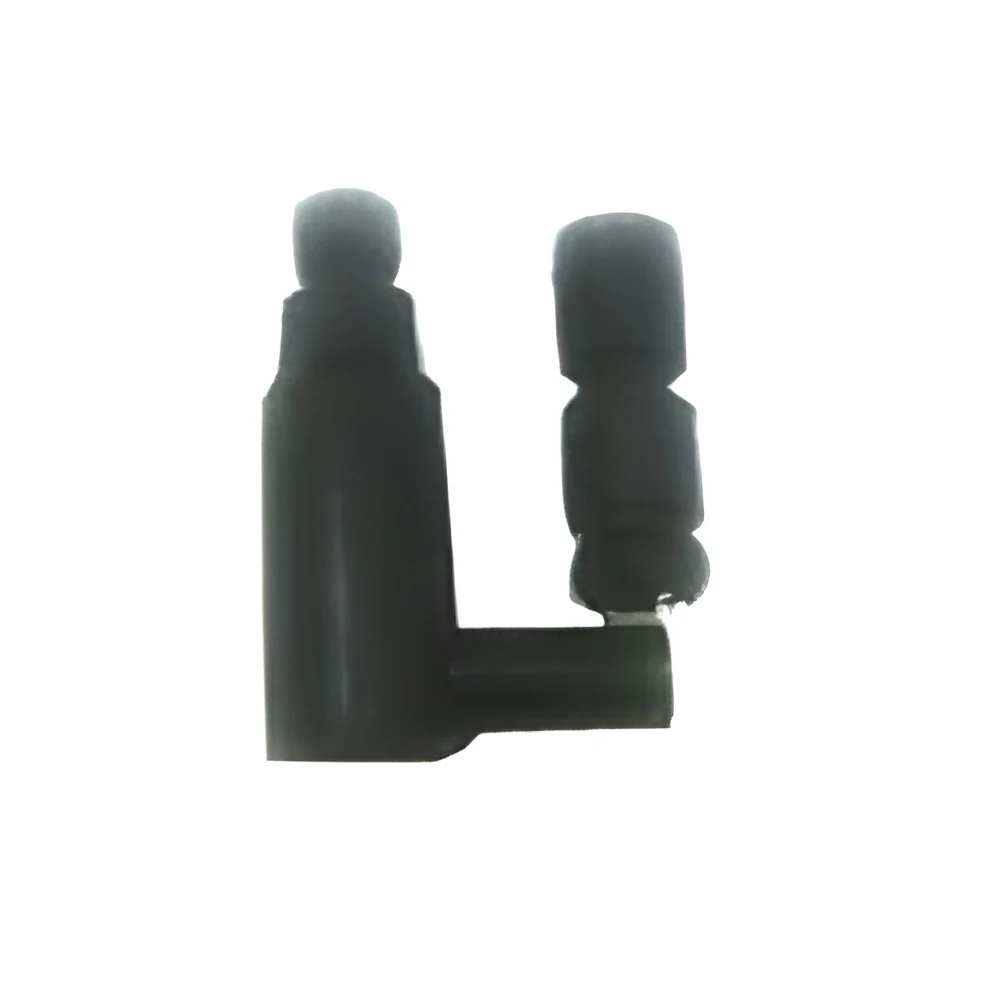
What are ABS Components?
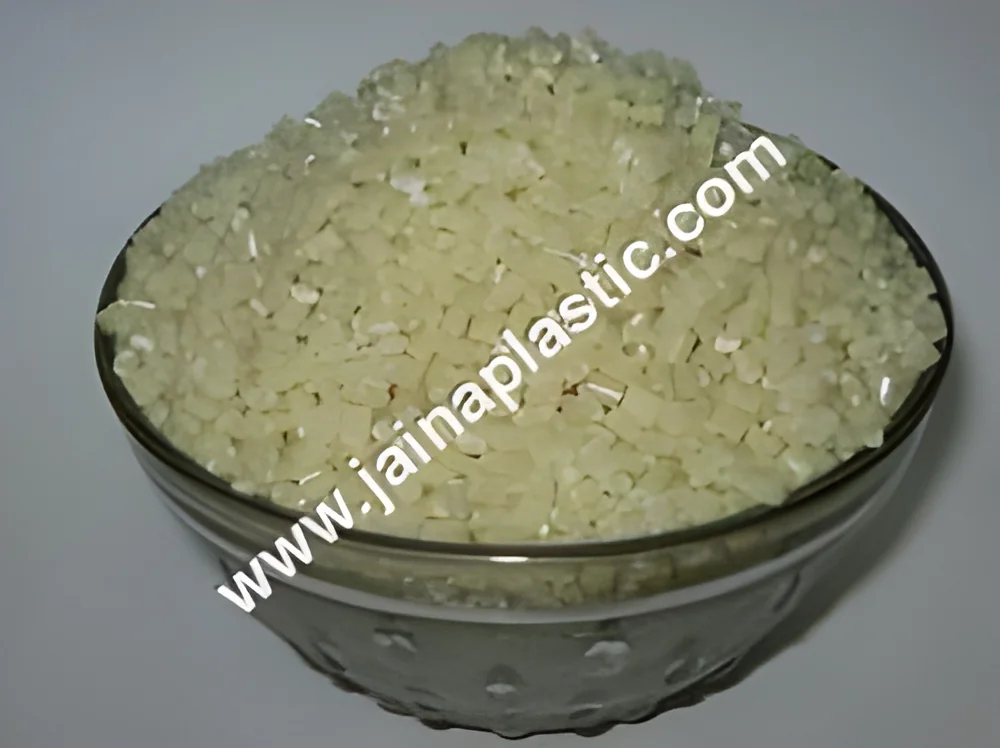
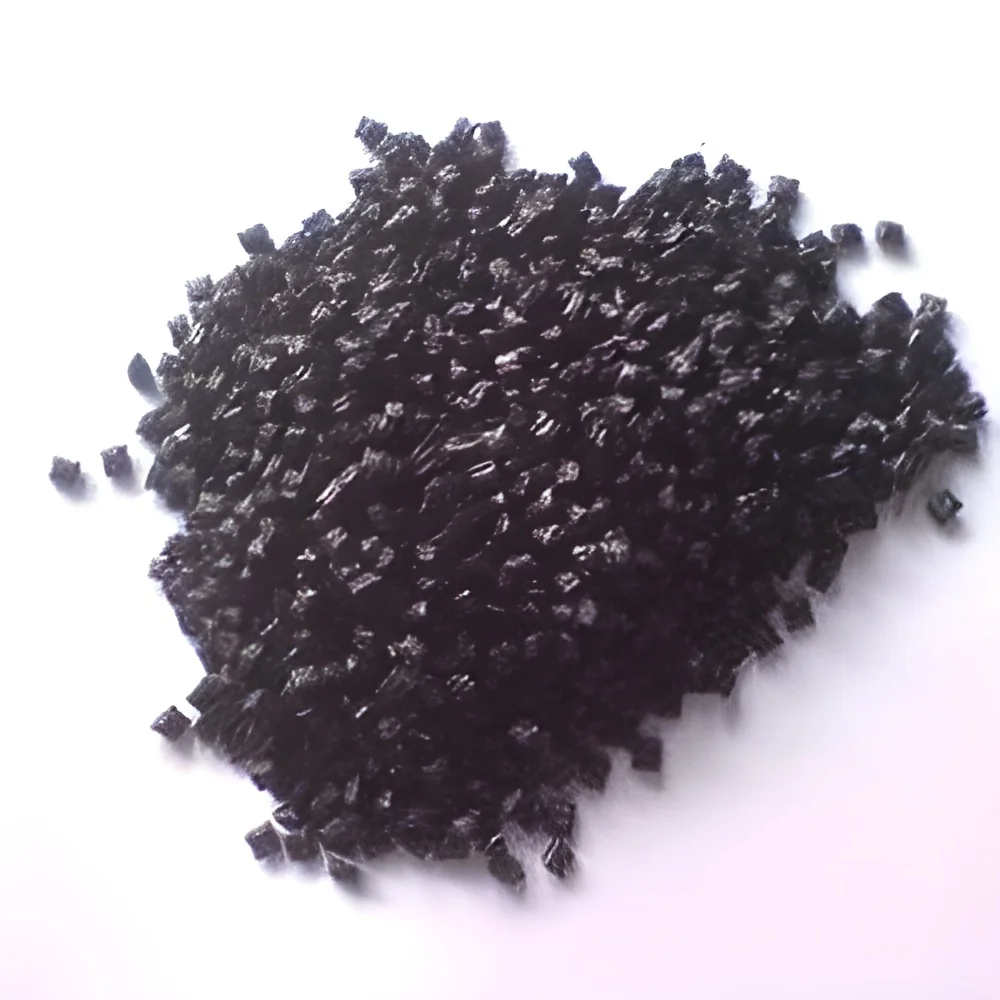
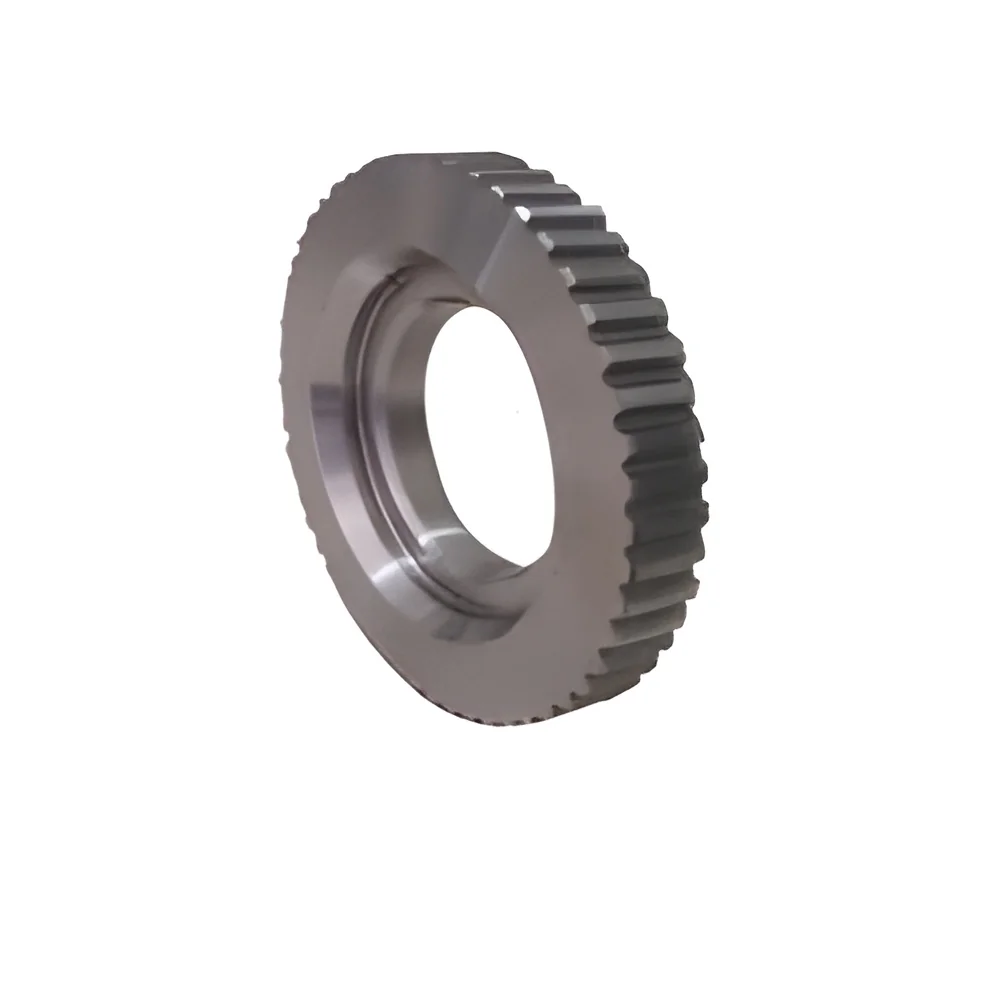
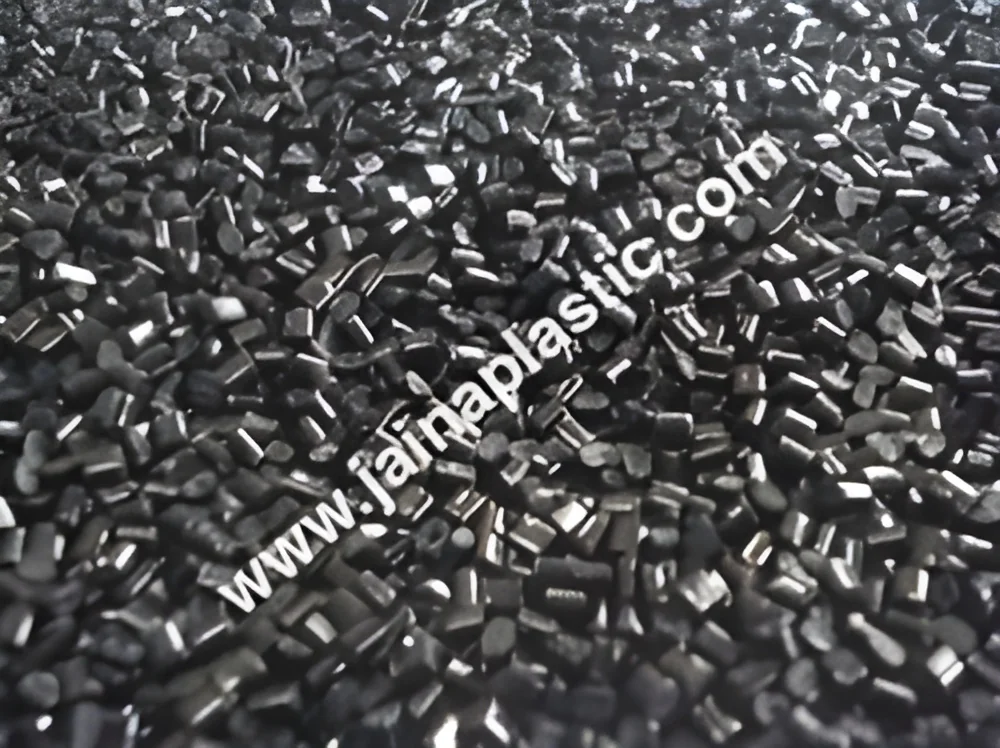
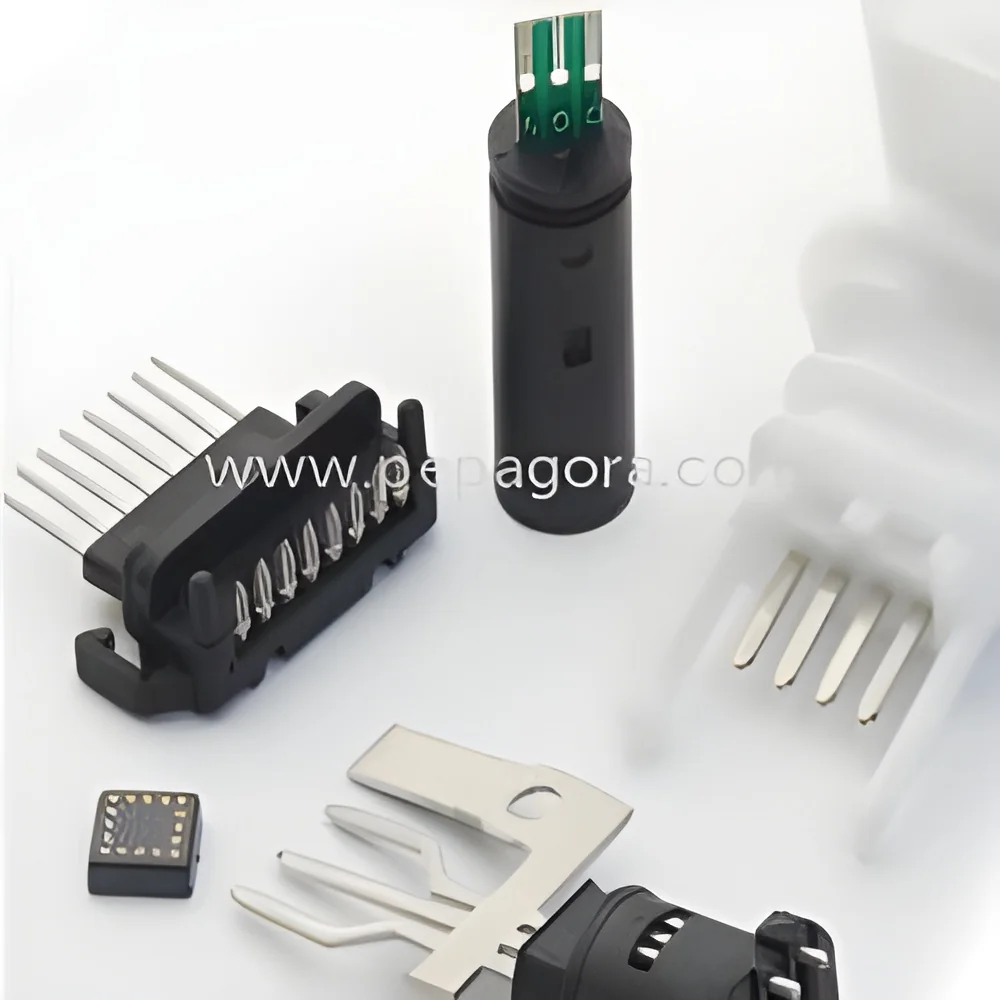
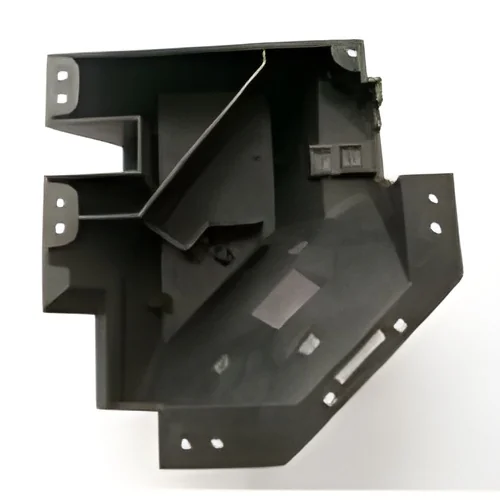
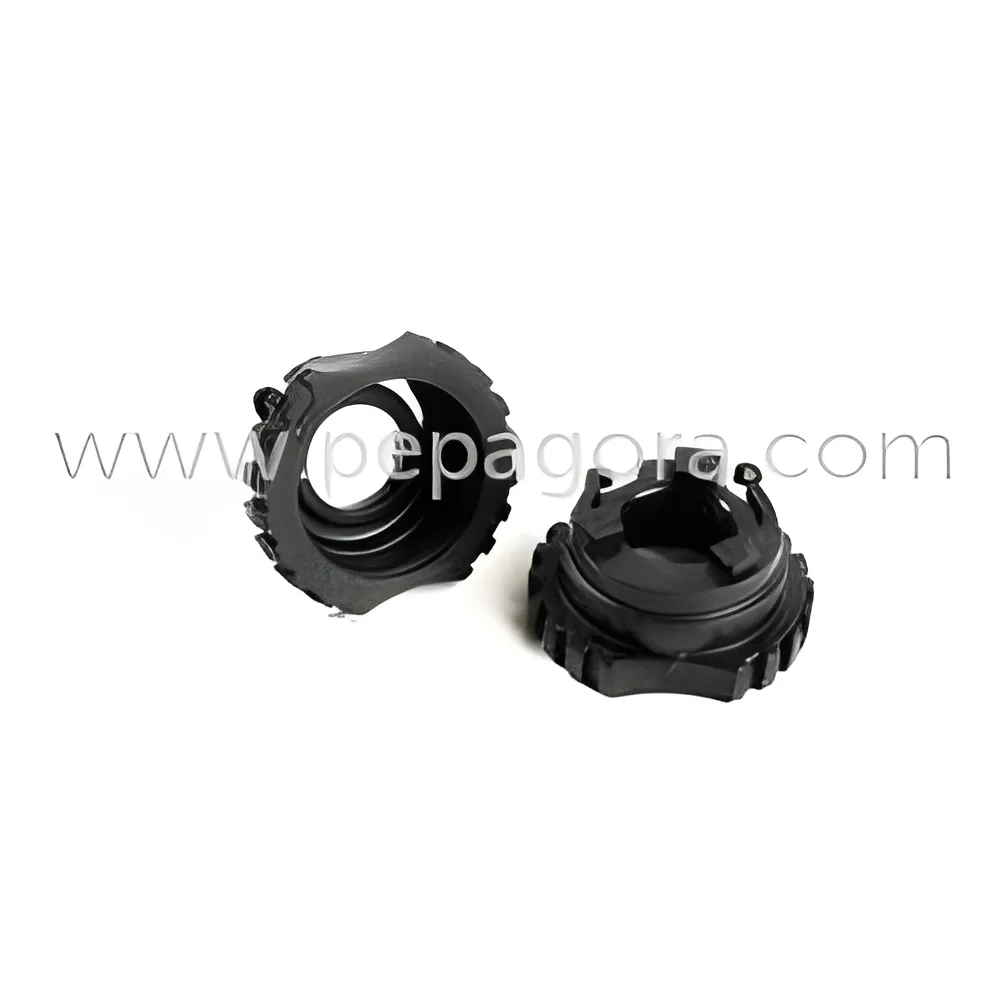
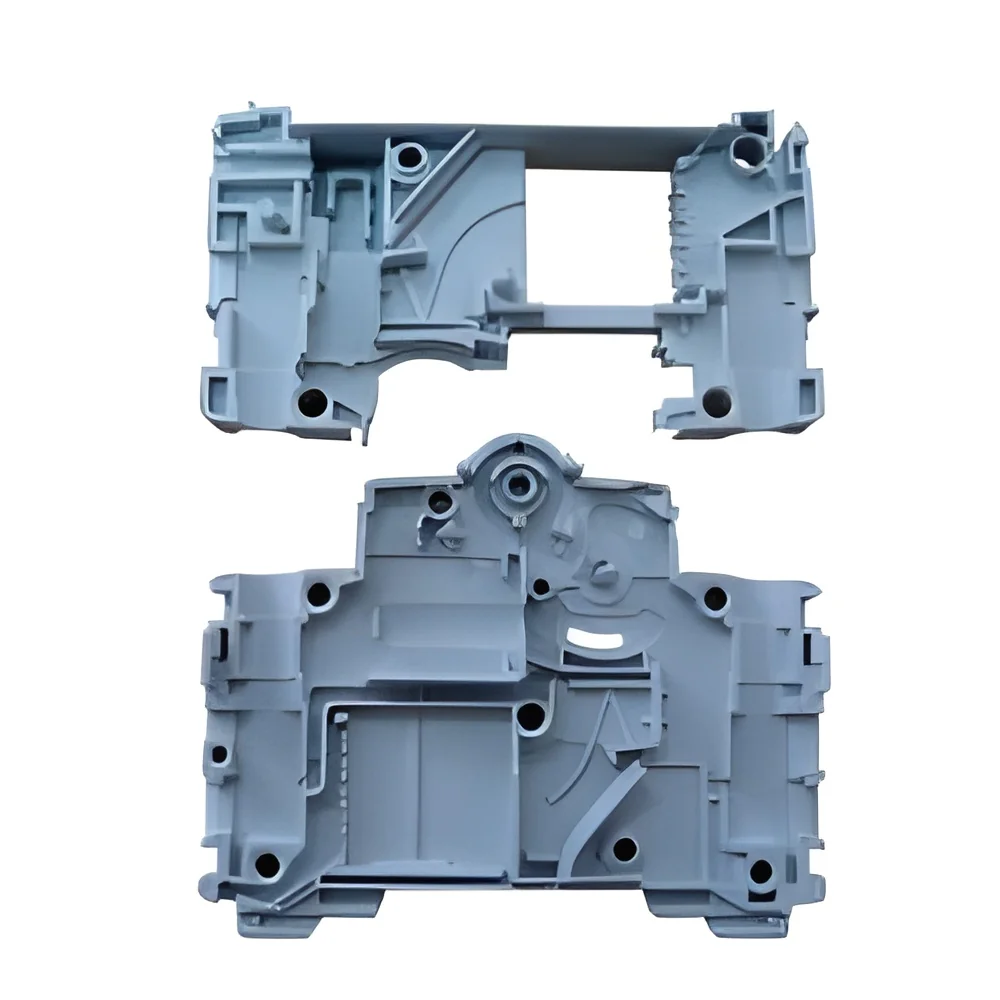
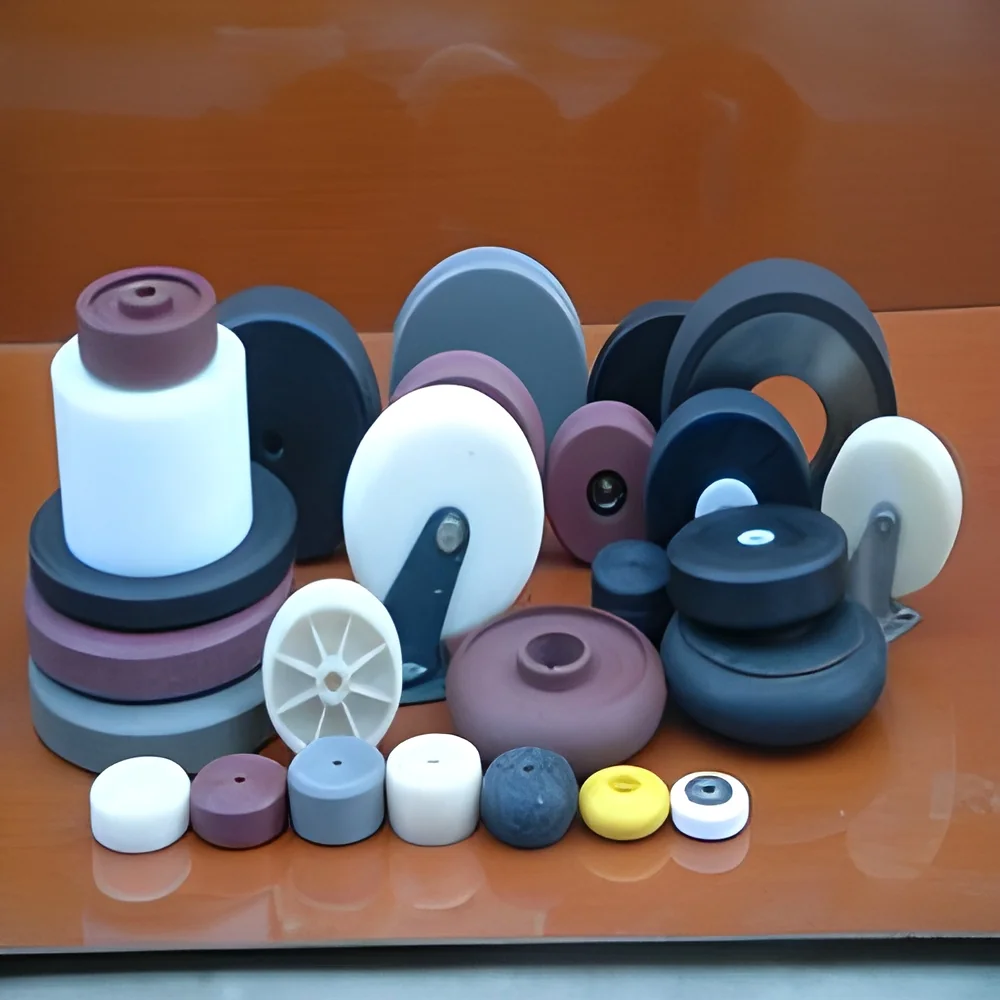
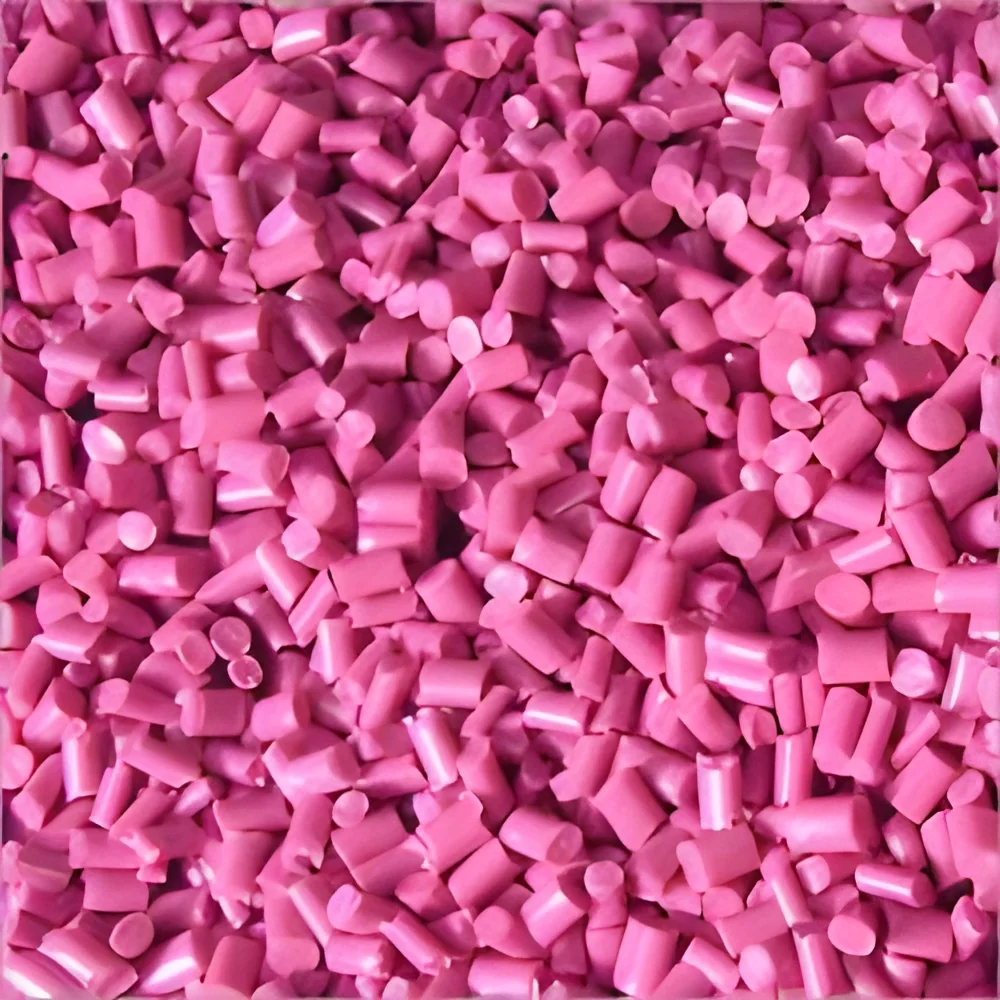
ABS components are products made from Acrylonitrile Butadiene Styrene, a thermoplastic polymer known for its strength, durability, and versatility. ABS is a popular material choice because it combines the rigidity of Acrylonitrile and the toughness of Butadiene. This results in a product that is not only strong but also resistant to impact and chemical damage, making it suitable for various applications across multiple industries.
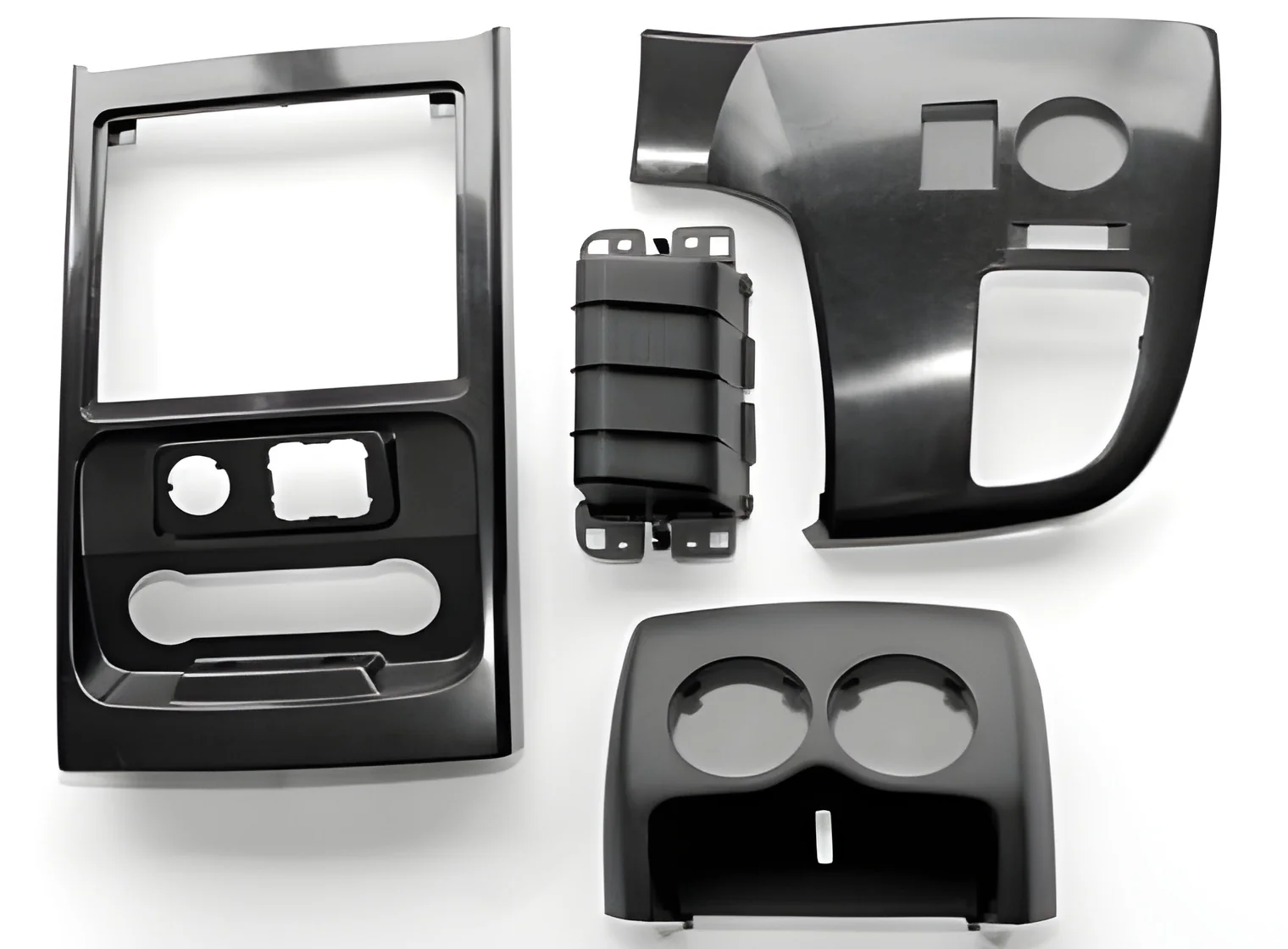
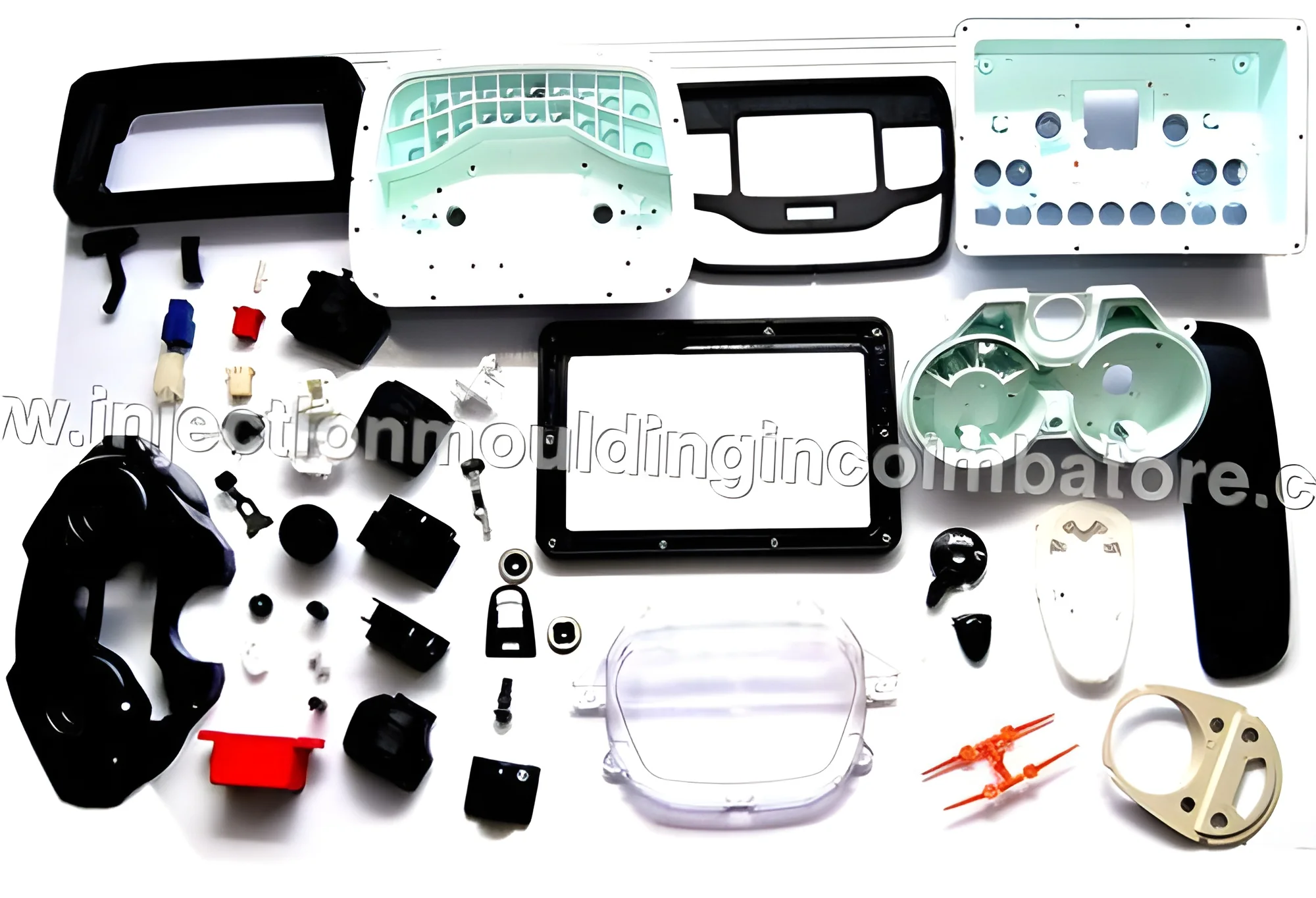
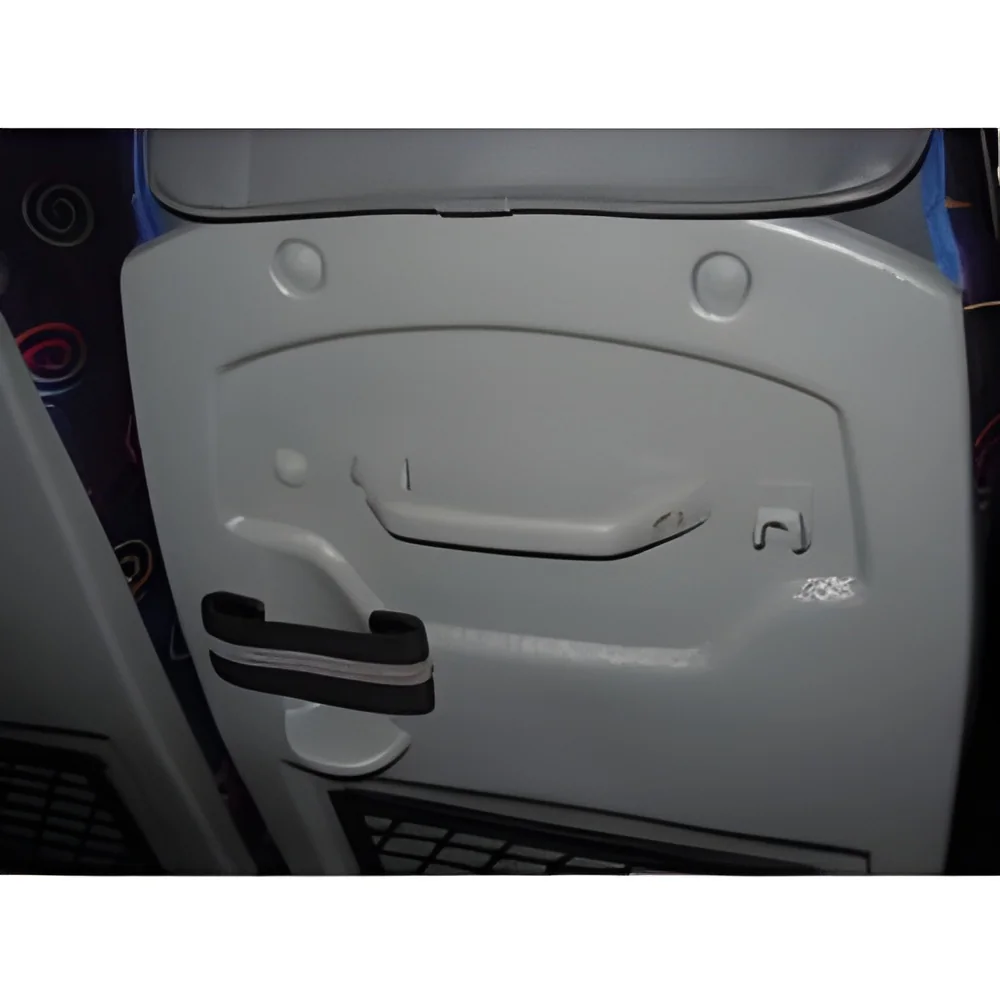
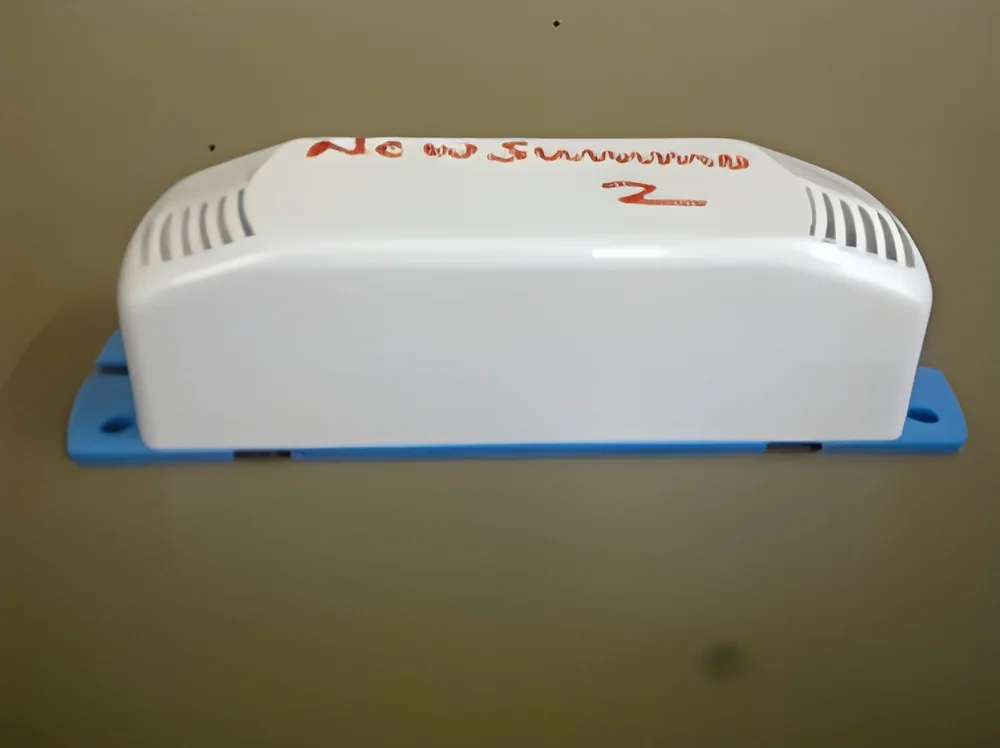
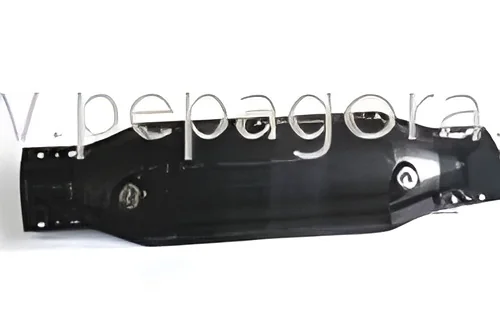
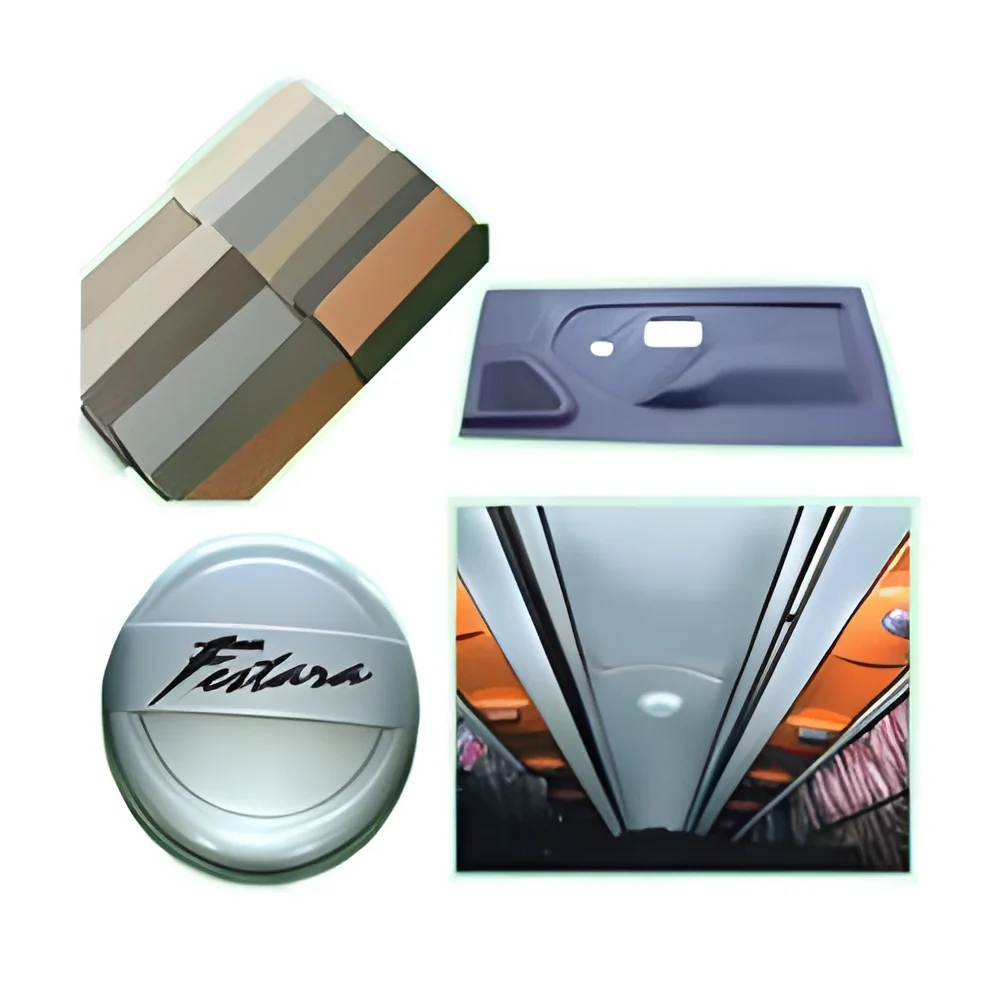
These components are commonly used in industries such as automotive, consumer electronics, and construction. In automotive manufacturing, ABS components are utilized for dashboards, trim, and interior fittings due to their aesthetic appeal and resilience. In consumer electronics, ABS is favored for housings and internal parts because it can withstand heat and impact. The construction industry also uses ABS for plumbing fixtures and piping systems, benefiting from its lightweight yet sturdy nature.
The relevance of ABS components in the market is significant, as industries continuously seek materials that offer both performance and cost-effectiveness. As manufacturing processes evolve, the demand for high-quality ABS components is expected to grow, driven by the need for innovative and sustainable solutions.
Key Features and Specifications
ABS components are recognized for their excellent mechanical and thermal properties, making them suitable for a wide range of applications. Understanding the key specifications can assist businesses in selecting the right products for their needs.
Key specifications include:
1. Impact Resistance
- ABS components exhibit high impact strength, making them ideal for applications requiring durability.
- Typically rated for impact tests, ensuring they can withstand shocks and drops.
2. Heat Resistance
- These components can operate effectively within a specific temperature range, ensuring stability under thermal stress.
- Generally, ABS maintains performance at temperatures up to 80°C.
3. Chemical Resistance
- ABS is resistant to many chemicals, making it suitable for environments where exposure to solvents or acids is common.
- Ensures longevity in industrial applications.
4. Surface Finish
- ABS components can be easily molded to achieve smooth surfaces, enhancing their aesthetic quality.
- Available in various finishes to meet diverse design requirements.
5. Color Availability
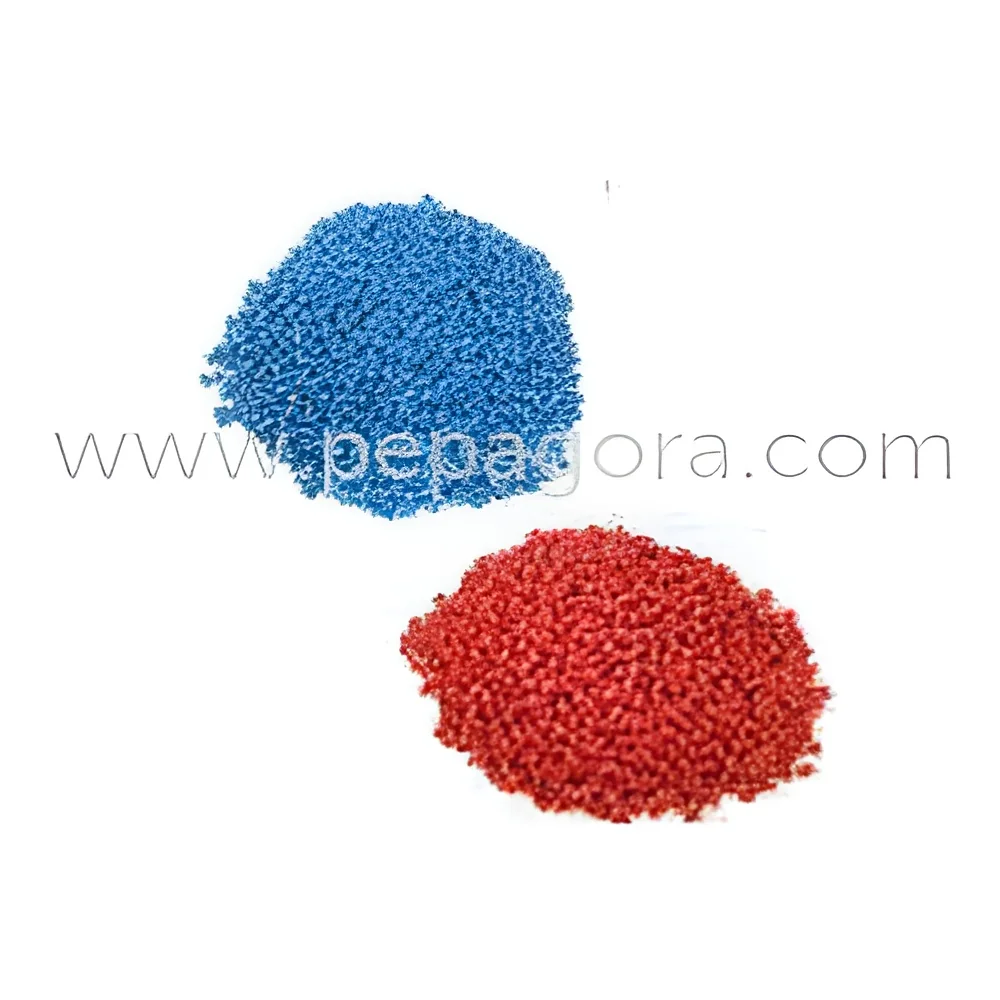
- ABS can be easily colored, allowing for customization in product design.
- Available in a wide range of colors to match specific branding or design needs.
6. Electrical Insulation
- ABS materials offer good electrical insulating properties, making them suitable for electronic applications.
- Ensures safety and performance in electrical components.
7. Dimensional Stability
- ABS maintains its dimensions under varying temperatures and humidity levels, ensuring consistent performance.
- Critical for applications requiring precision.
8. Recyclability
- ABS is a recyclable material, contributing to sustainability efforts in manufacturing.
- Promotes responsible usage and waste management.
In summary, the diverse features and specifications of ABS components make them an essential choice for industries looking for reliable and cost-effective materials.
Common Applications and Use Cases
ABS components find extensive use across various industries due to their versatile properties.
1. Automotive: In the automotive sector, ABS is used for manufacturing dashboards, bumpers, and interior trim, providing both aesthetic appeal and durability.
2. Consumer Electronics: ABS components are commonly found in electronic devices such as computer housings, mobile phone cases, and kitchen appliances, where impact resistance is crucial.
3. Construction: In construction, ABS is utilized for plumbing fixtures and piping systems, offering lightweight yet robust solutions that resist corrosion.
4. Toys: The toy industry benefits from ABS's safety and durability, making it a popular choice for manufacturing various toys that require intricate designs.
5. Medical Devices: ABS components are used in certain medical devices due to their strength and ability to withstand sterilization processes, ensuring safety in healthcare applications.
6. Furniture: ABS is also utilized in furniture components, where lightweight and robust materials are necessary for modern designs.
7. 3D Printing: In the realm of 3D printing, ABS is a favored material due to its ease of use and ability to produce high-quality prints with good structural integrity.
Product Variants and Subcategories
The diversity of ABS components allows for various product variants, each tailored to specific applications.
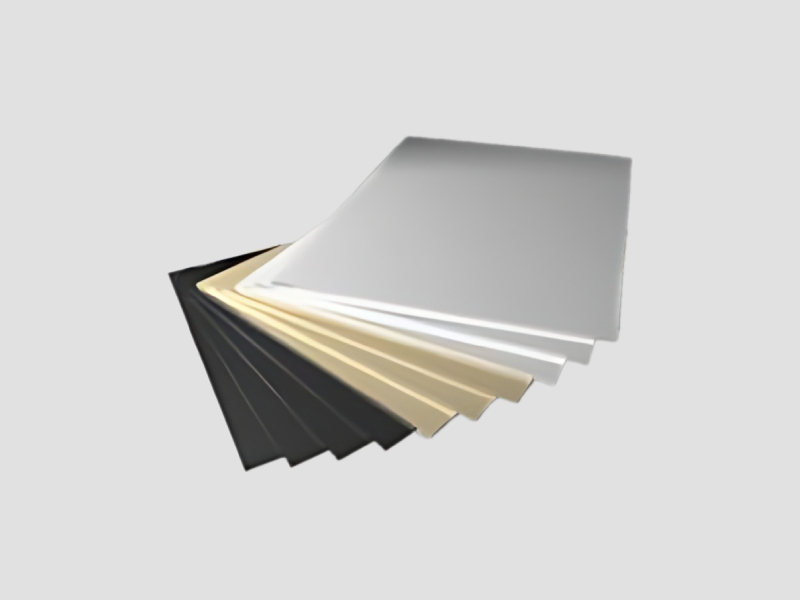
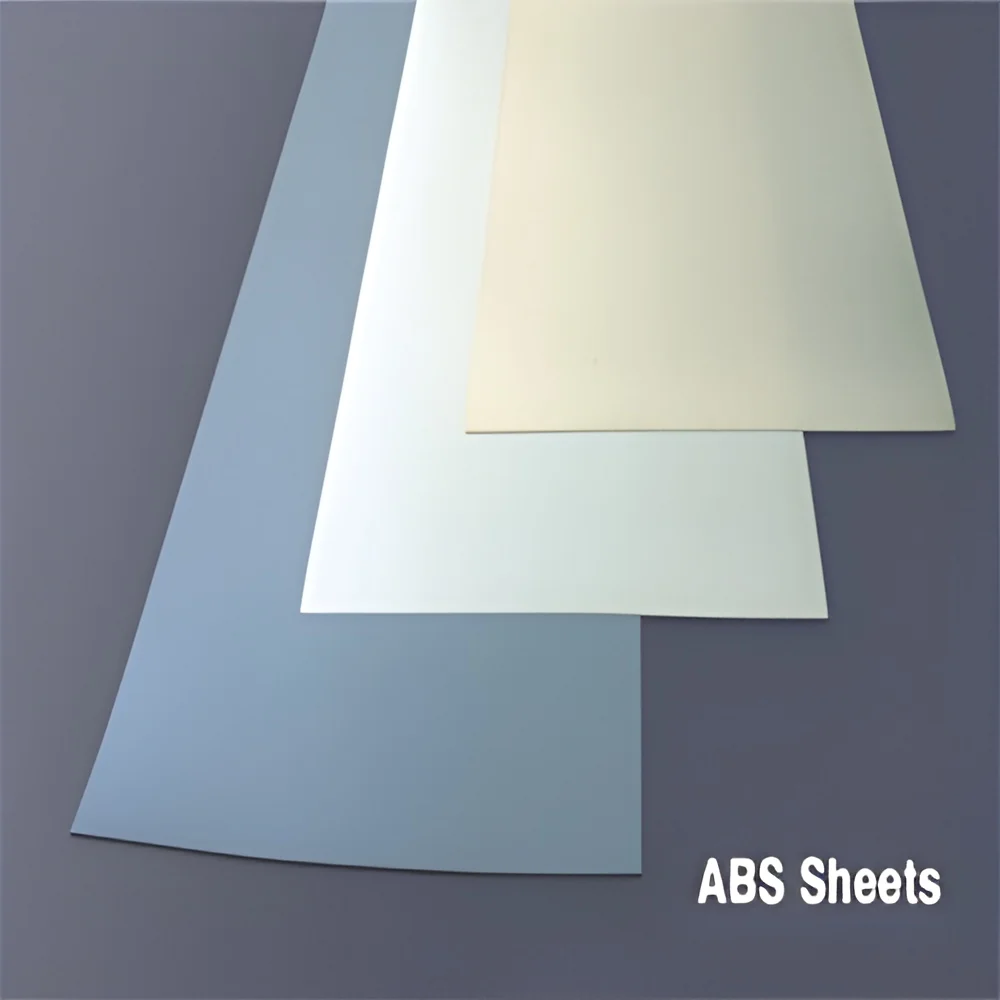
Variant 1: ABS Sheets
ABS sheets are used for a variety of applications including signage, display cases, and industrial fabrication. They offer a balance of strength and lightweight properties, making them easy to work with and shape.
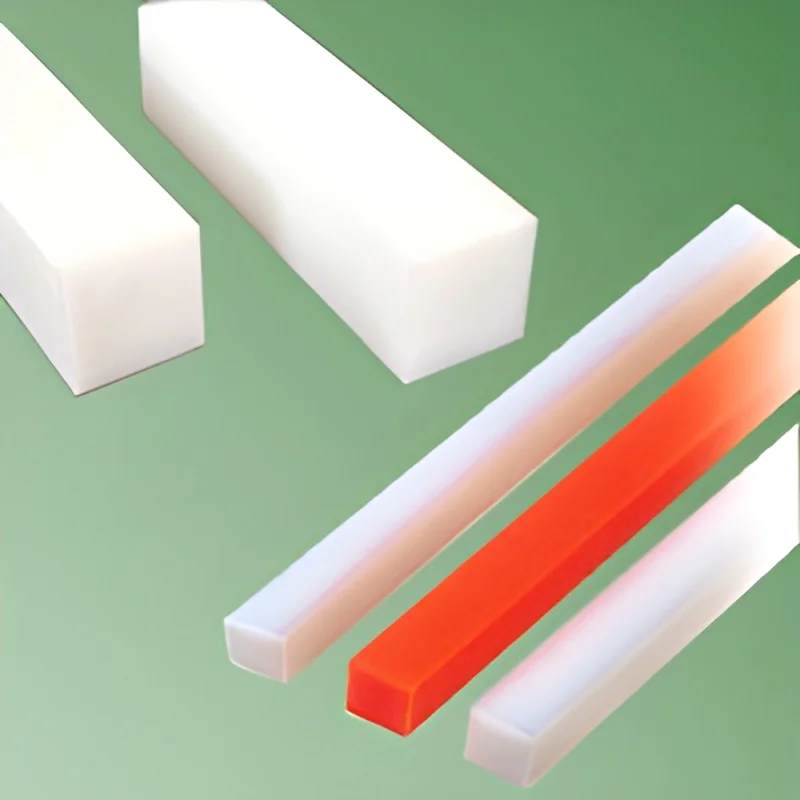
Variant 2: ABS Rods
ABS rods are commonly used in machining applications and for creating custom parts. They provide excellent machinability and can be cut, drilled, and shaped to meet specific design requirements.
Variant 3: ABS Tubes
ABS tubes are ideal for plumbing and other piping applications. Their strength and resistance to chemicals make them suitable for both residential and industrial use.
Benefits and Advantages
Sourcing ABS components provides numerous advantages for businesses looking to optimize their operations.
1. Cost-Effectiveness: ABS offers a favorable balance between performance and cost, making it an economical choice for large-scale production.
2. Lightweight: The lightweight nature of ABS components reduces shipping costs and makes handling easier during manufacturing processes.
3. Customization: The ability to easily mold and color ABS allows for customization, meeting specific design and branding requirements.
4. Durability: ABS components are highly durable and resistant to impact, ensuring long-lasting performance in various applications.
5. Ease of Fabrication: ABS can be easily machined and fabricated, facilitating quick production and prototyping.
6. Environmental Considerations: The recyclability of ABS contributes to sustainable manufacturing practices, aligning with growing environmental concerns.
Buying Guide for B2B Buyers
When sourcing ABS components, several factors should be considered to ensure optimal purchasing decisions.
1. Quality Assessment: Evaluate quality through certifications and standards compliance. Look for suppliers who adhere to recognized quality management systems.
2. Supplier Verification: Conduct thorough vetting of suppliers to ensure reliability and reputation in the market. Consider supplier experience and customer feedback.
3. Pricing and MOQ: Understand the pricing structures and minimum order quantities (MOQ) to plan budgets effectively. Compare offers from multiple suppliers for competitive pricing.
4. Delivery and Lead Times: Assess delivery schedules and lead times to ensure timely production and project completion. Discuss logistics with suppliers upfront.
5. Compliance Requirements: Ensure that the ABS components meet relevant regulatory and safety standards applicable to your industry. Verify compliance with certifications like CE.
Compliance and Certifications
Compliance and certification are crucial for ensuring the quality and safety of ABS components. Key quality standards such as ISO 9001 ensure that manufacturers adhere to established quality management principles, promoting continuous improvement and customer satisfaction.
Additionally, industry certifications like CE indicate that the products meet European health, safety, and environmental protection standards, providing assurance to buyers. Safety and testing requirements must be strictly followed to ensure that ABS components are safe for use in various applications, particularly in sensitive industries such as medical and consumer goods.
Regional compliance considerations may vary, so it is essential for manufacturers and suppliers to stay informed about local regulations and standards to facilitate smooth market entry.
Why Source ABS Components from Pepagora?
Pepagora provides a trusted platform for sourcing ABS components, offering several key advantages that make it a preferred choice for B2B buyers.
Verified Supplier Network: Pepagora features a comprehensive network of verified suppliers, ensuring that buyers can trust the quality and reliability of the products they purchase. This verification process mitigates risks associated with sourcing.
Streamlined RFQ Process: The platform offers a streamlined Request for Quotation (RFQ) process, allowing buyers to easily compare offers and select the best option based on their specific needs. This efficiency reduces procurement time and aids in better decision-making.
Trade Assurance and Support: Buyers benefit from trade assurance measures that protect their purchases. Pepagora provides customer support to assist buyers throughout the sourcing process, ensuring a smooth transaction.
Regional Coverage: Pepagora's geographic reach spans India, the GCC, and Southeast Asia, providing access to a diverse range of suppliers and products. This extensive coverage facilitates connections with local and regional businesses for tailored solutions.
By leveraging the strengths of Pepagora, businesses can confidently source high-quality ABS components to meet their operational needs and enhance their product offerings.

 IN
IN