IN
IN₹
Apparel & Fashion
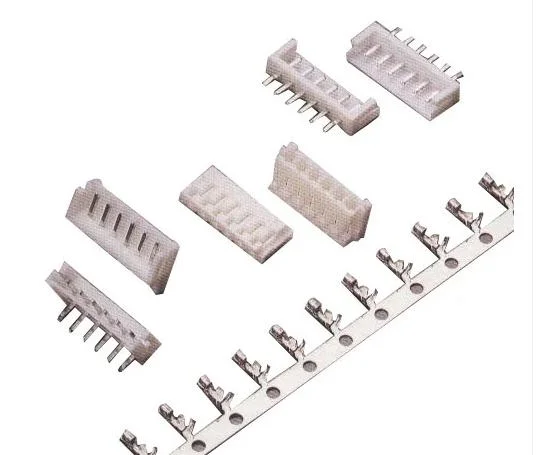
Description
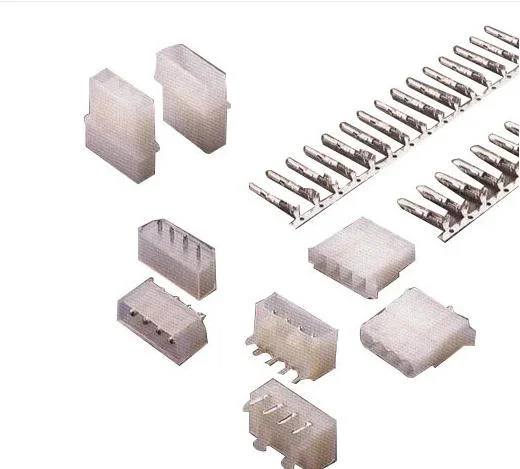
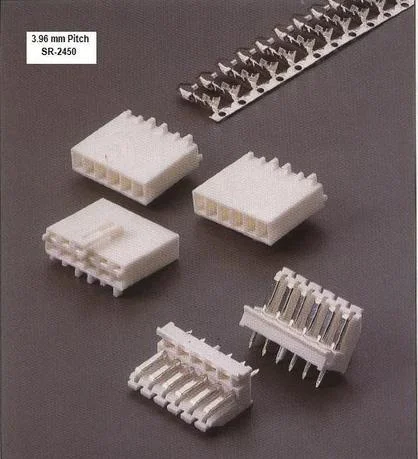
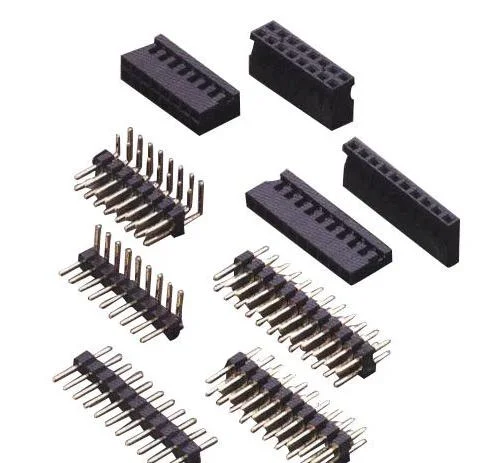
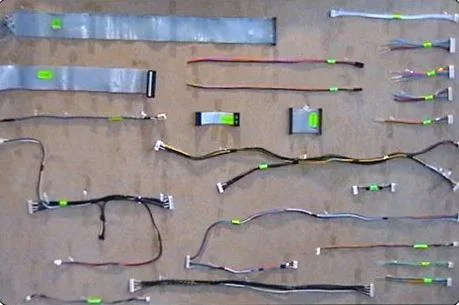
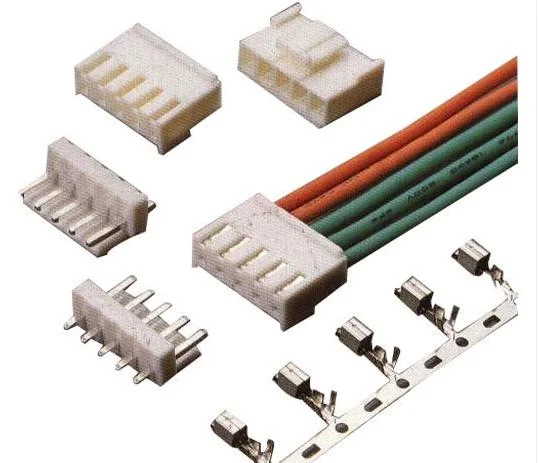
Cable assembly connectors serve as critical components in electrical and electronic systems, creating secure and stable connections between cables that ensure uninterrupted signal transmission and power delivery. These connectors are engineered with precision to maintain electrical integrity across various applications, from simple device connections to complex industrial wiring networks. Their design focuses on creating reliable interfaces that withstand environmental challenges while providing consistent performance over extended periods. The connectors feature durable materials and construction methods that prevent connection failures, signal degradation, or power interruptions that could disrupt operations.

These connectors find extensive use across multiple industries where electrical reliability is paramount. In manufacturing and industrial settings, they connect machinery, sensors, and control systems that drive production processes. The electronics industry utilizes them in de...
Cable assembly connectors serve as critical components in electrical and electronic systems, creating secure and stable connections between cables that ensure uninterrupted signal transmission and power delivery. These connectors are engineered with precision to maintain electrical integrity across various applications, from simple device connections to complex industrial wiring networks. Their design focuses on creating reliable interfaces that withstand environmental challenges while providing consistent performance over extended periods. The connectors feature durable materials and construction methods that prevent connection failures, signal degradation, or power interruptions that could disrupt operations.

These connectors find extensive use across multiple industries where electrical reliability is paramount. In manufacturing and industrial settings, they connect machinery, sensors, and control systems that drive production processes. The electronics industry utilizes them in device assembly, telecommunications equipment, and computing systems. Infrastructure projects incorporate these connectors in power distribution networks, building management systems, and transportation applications. Their versatility extends to medical equipment, renewable energy systems, and automation technologies where stable electrical connections directly impact system performance and safety.

The business value of these cable assembly connectors lies in their ability to enhance operational reliability while reducing maintenance costs and downtime. By providing consistent electrical performance, they help prevent equipment failures that could disrupt production schedules or service delivery. Their durable construction minimizes replacement needs, offering long-term cost savings through extended service life. The connectors support efficient installation processes, saving labor time during setup or system modifications. Their reliability translates to fewer service interruptions, maintaining productivity and protecting investments in connected equipment and systems.

Key Features:
- Precision-engineered connections for stable electrical transmission
- Durable construction with robust materials for long service life
- Designed to withstand environmental factors like vibration and temperature changes
- Simplified installation with user-friendly connection mechanisms
- Consistent performance across various industrial and electronic applications

Benefits:
- Enhanced operational reliability with fewer electrical connection failures
- Reduced maintenance requirements and associated downtime costs
- Extended equipment service life through durable component construction
- Improved installation efficiency with straightforward connection processes
- Consistent signal and power delivery for optimal system performance
Specifications
| Additional Information | |
|---|---|
| Country of Origin | India |
Application
These cable assembly connectors are essential components in industrial environments where reliable electrical connections are critical. They facilitate secure wiring between equipment, control systems, and power sources, maintaining consistent performance even in demanding conditions with vibration, temperature fluctuations, or moisture exposure.
Engineers and technicians rely on these connectors for their precision engineering and robust design. The connectors simplify installation processes while ensuring long-term reliability, reducing maintenance requirements and minimizing downtime in production facilities, manufacturing plants, and electronic assembly operations.
Real-world applications:
- Industrial machinery wiring for motors, sensors, and control panels in manufacturing facilities
- Electrical panel connections in automation systems and process control equipment
- Electronic device assembly for computers, telecommunications equipment, and medical devices
- Power distribution systems in commercial buildings and infrastructure projects
- Automotive and transportation electrical systems for vehicles and charging stations
Trade Details
| Available Stock | In Stock |
| Sample Availability | No |
Payment Terms
| Payment Terms |
|
| Payment Methods |
|
Company Profile

S R Enterprises, Karnataka
 Karnataka, India
Karnataka, IndiaElectronics & Electrical•Manufacturer
Factory Details
Factory SizeBelow 1000 sqm
Industrial Electrical Wiring Cable Assembly Connectors For Reliable Signal Transmission
Cable assembly connectors provide stable electrical connections for industrial wiring systems, ensuring reliable signal transmission and power flow in machinery and electronic devices with durable construction.
Min. Order Quantity: 1 piece
Shipping
Shipping fee and delivery date to be negotiated. Contact supplier now for more details.
S R Enterprises
 Karnataka, India
Karnataka, IndiaElectronics & ElectricalManufacturer