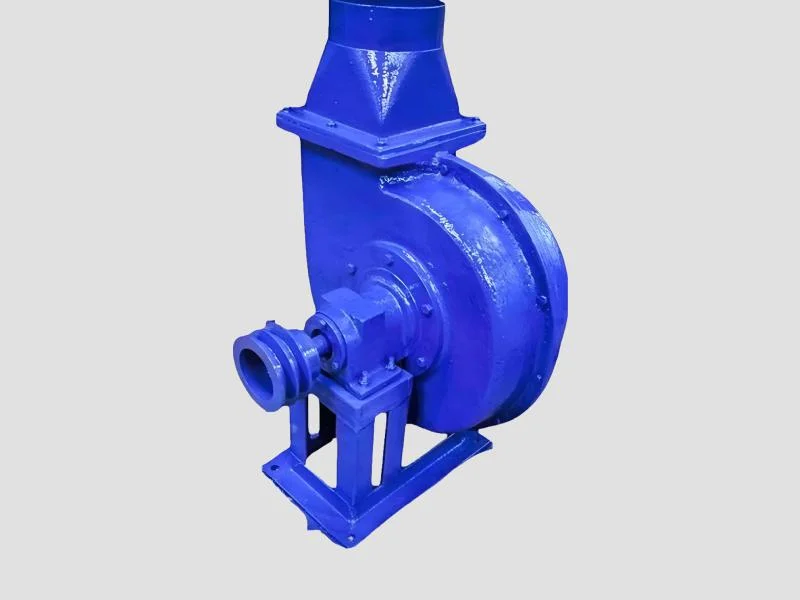
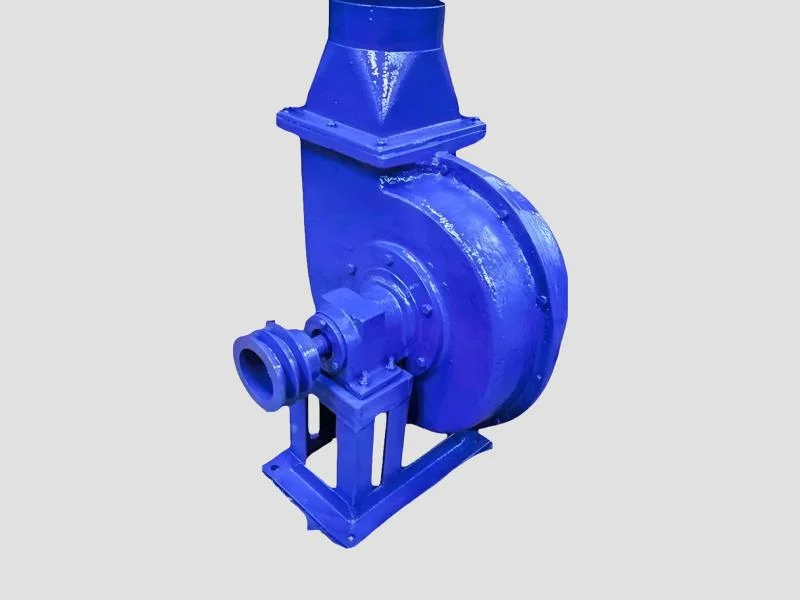
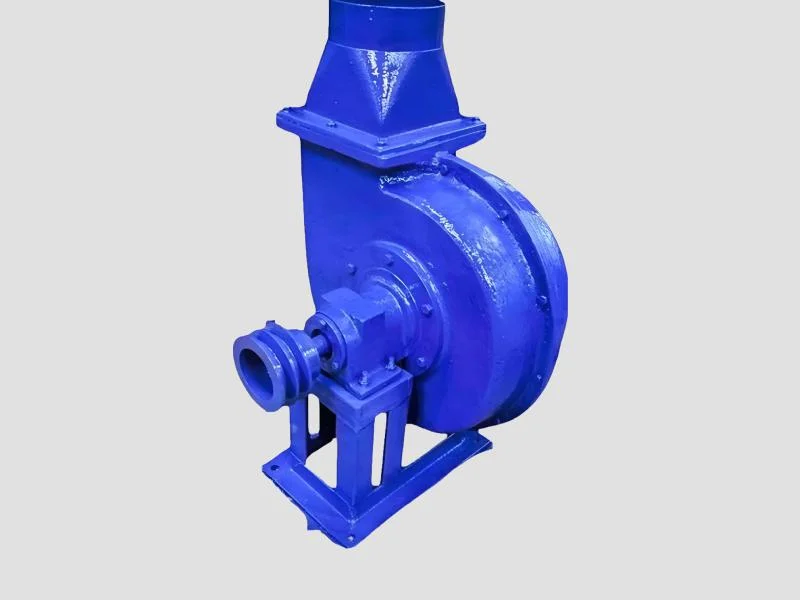
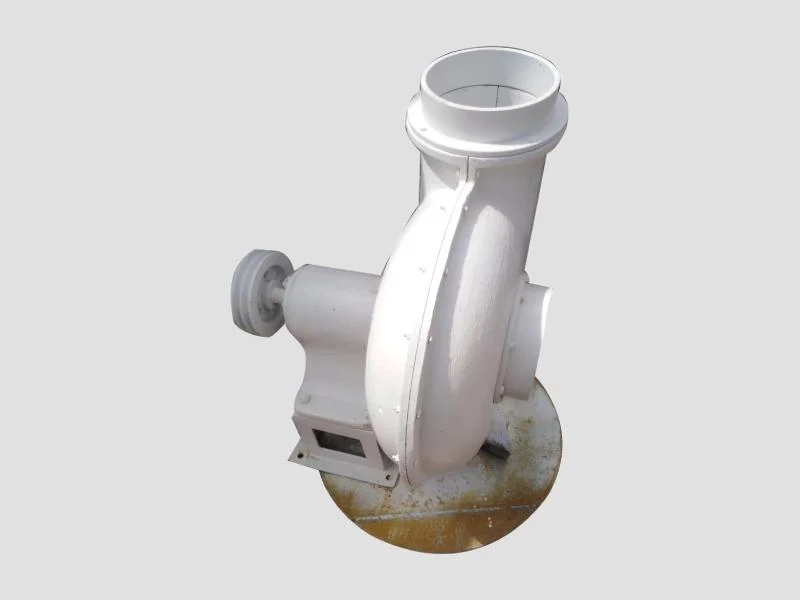
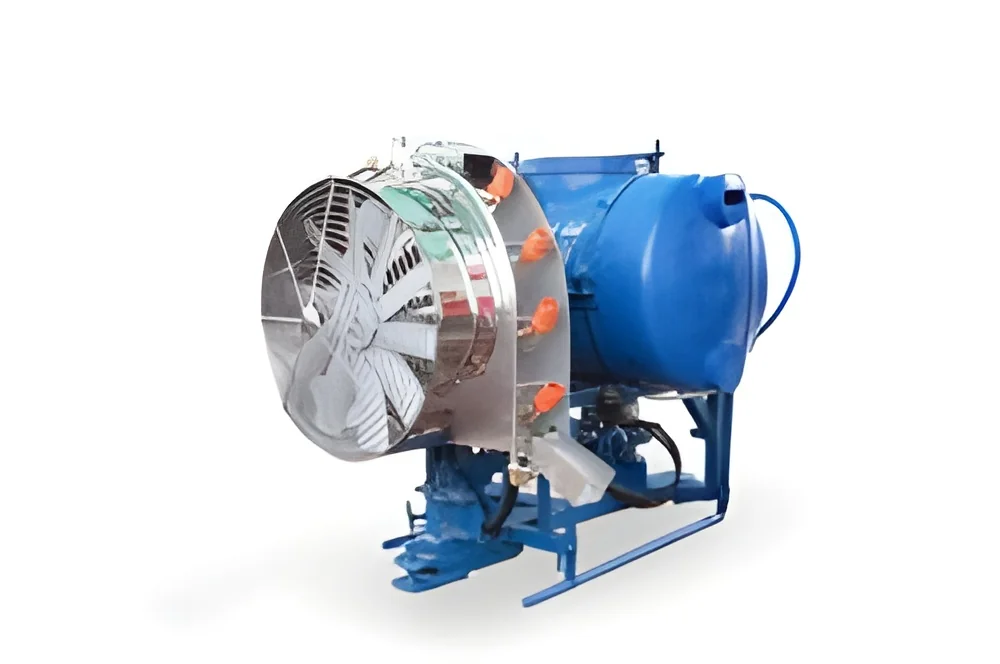
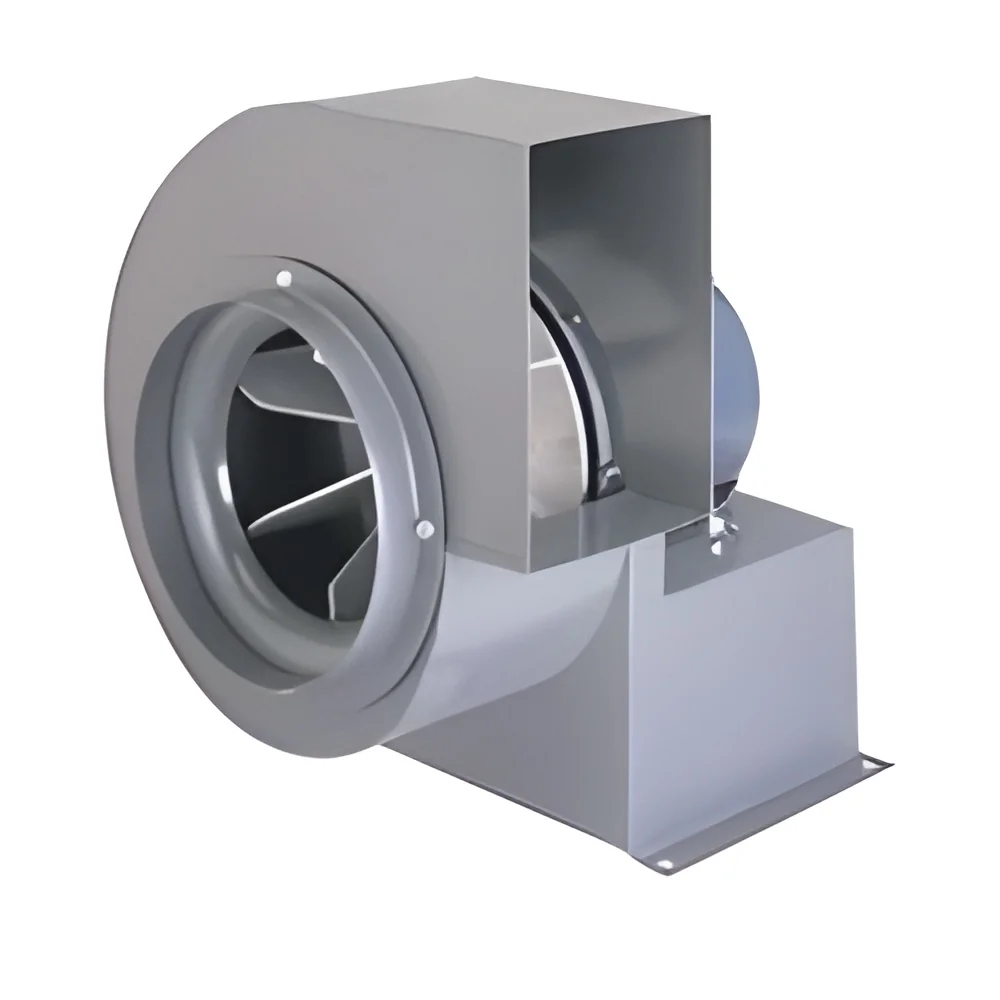
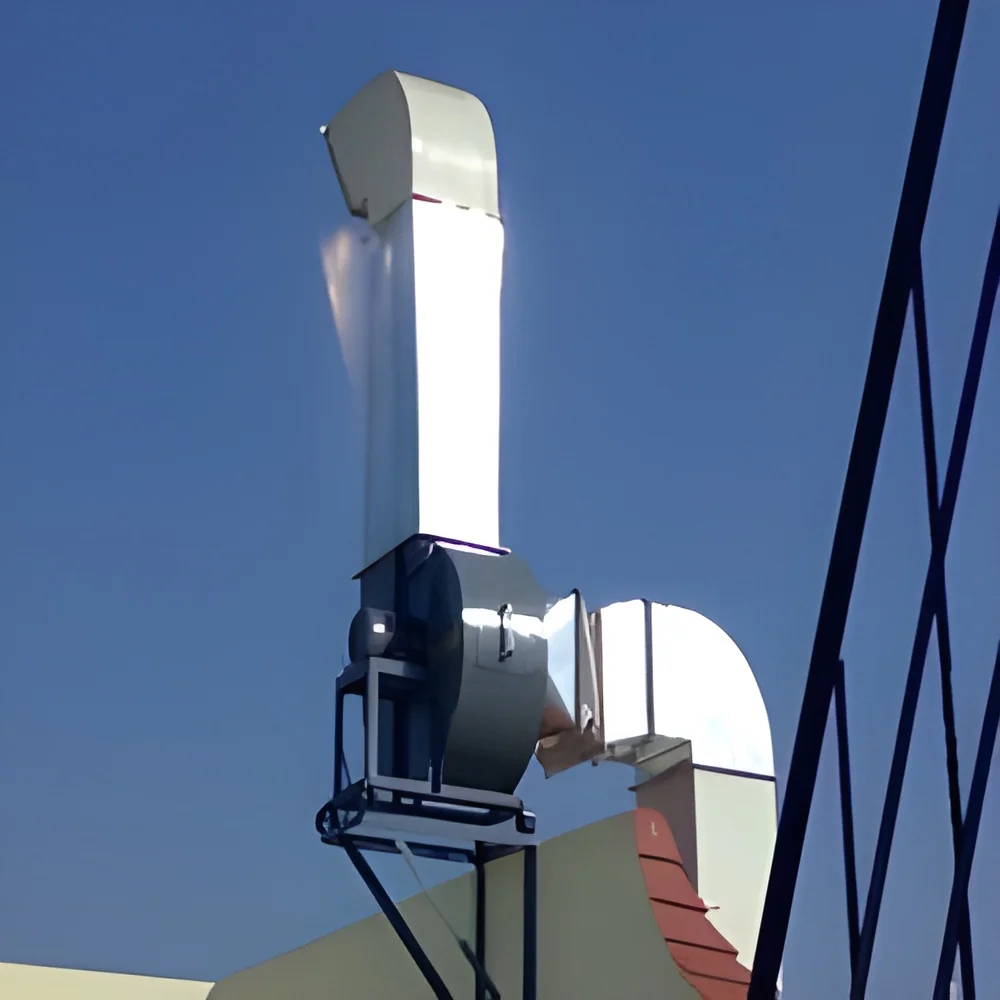
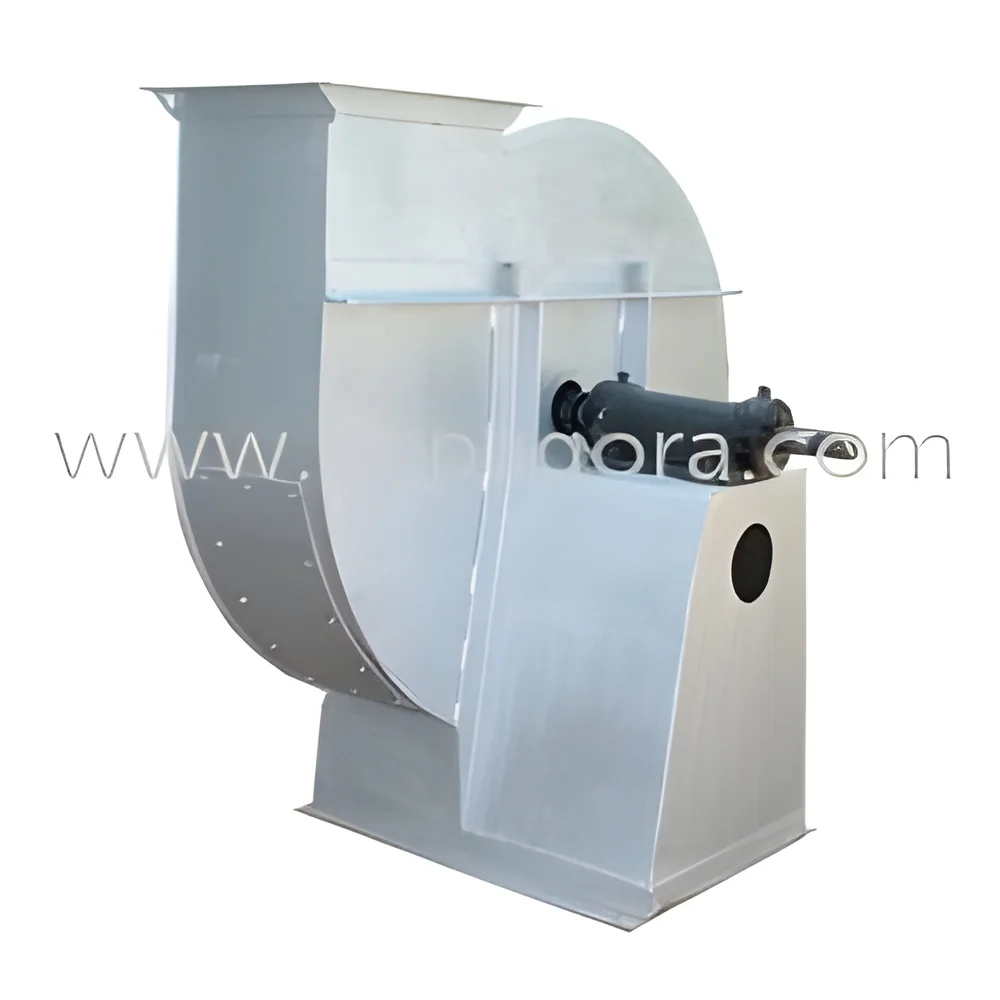
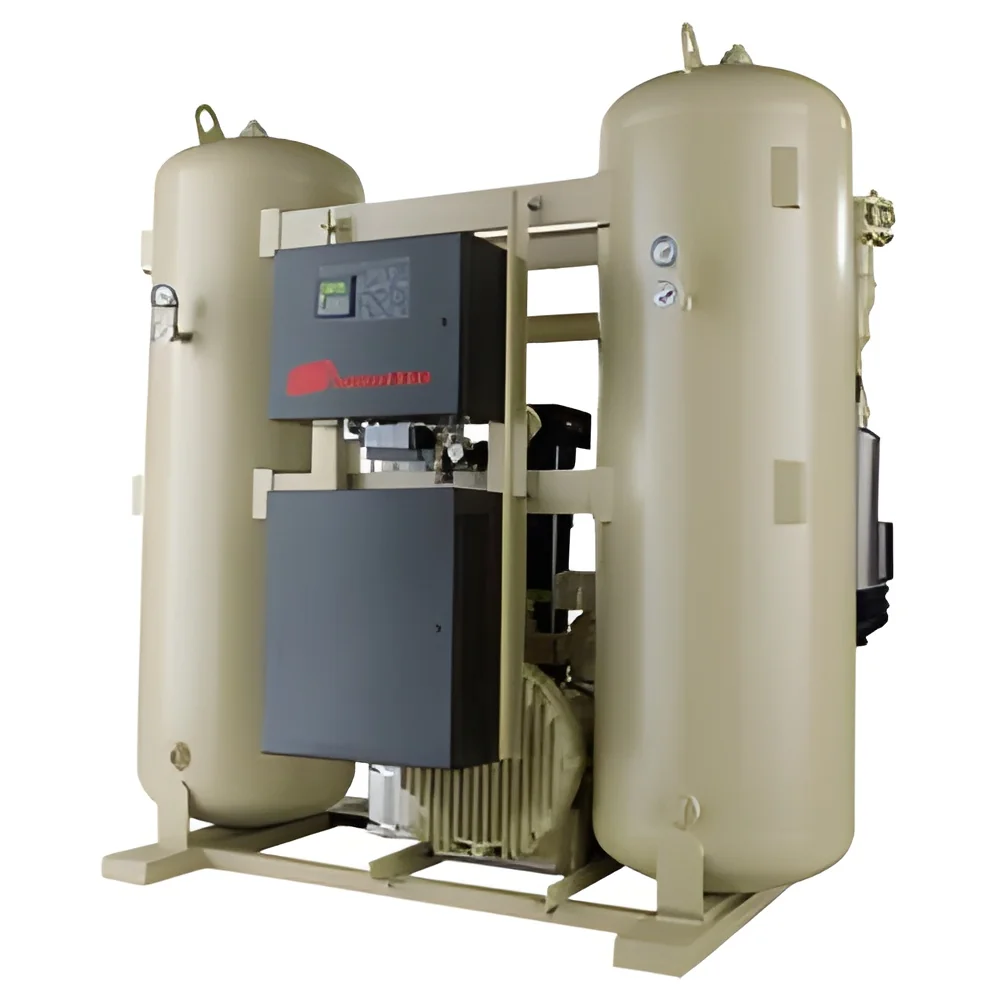
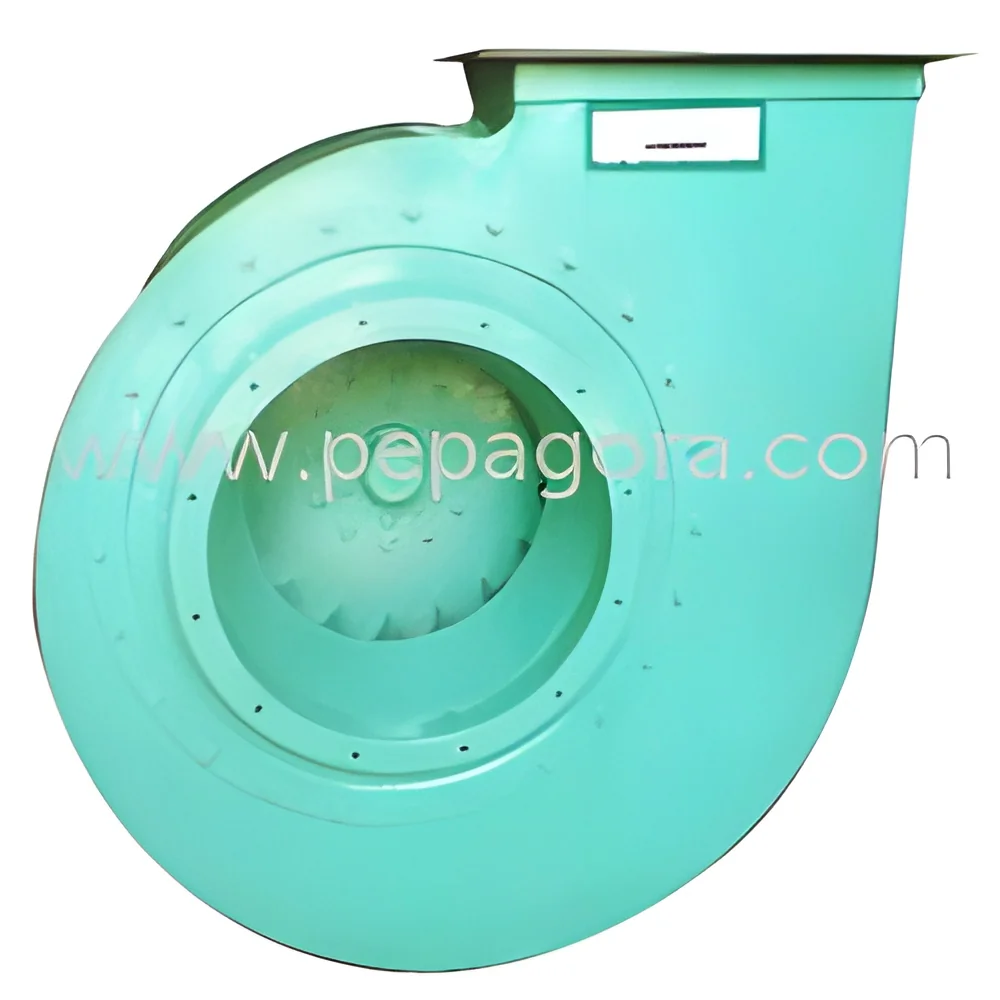
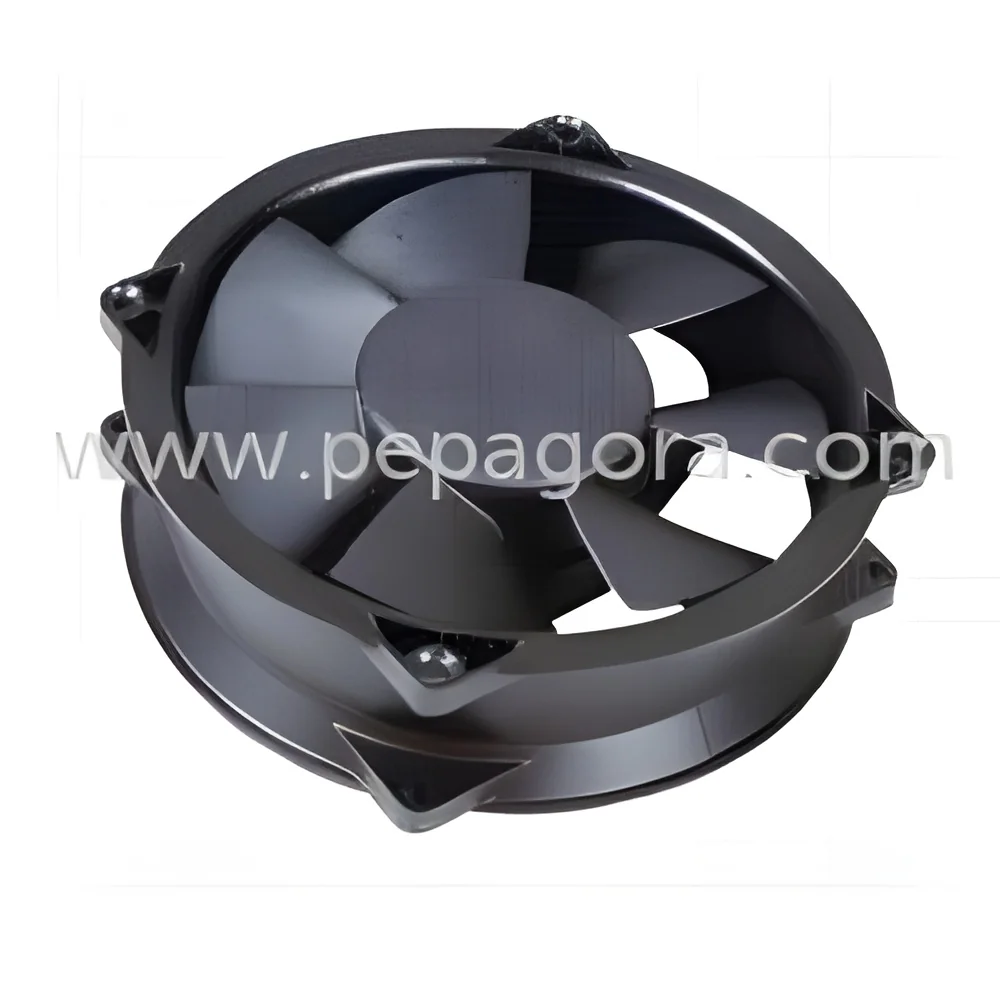
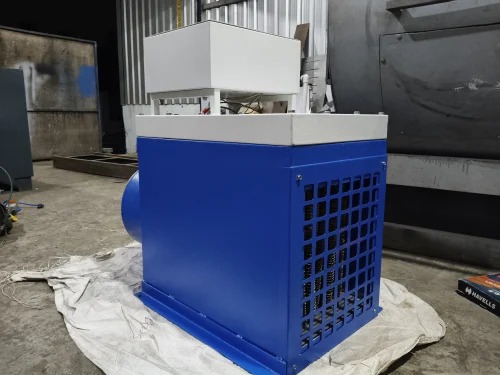
What are Heaters & Blowers?
Heaters and blowers are essential equipment used to regulate temperature and airflow in various industrial settings. Heaters are designed to increase the temperature of air or fluids, while blowers facilitate the movement of air or gas. Both components work in tandem to create a controlled environment suitable for various processes, including drying, heating, and ventilation.
In industrial applications, heaters and blowers are commonly used in sectors such as manufacturing, food processing, and HVAC systems. They play a crucial role in maintaining optimal conditions for production and ensuring the quality of products. These devices are integral in processes like curing, drying, and temperature control, making them vital for operational efficiency.
The demand for heaters and blowers has grown with the expansion of industries requiring precise temperature and airflow management. With advancements in technology, manufacturers are developing more efficient and reliable systems that cater to specific applications. This has led to a competitive market where businesses seek high-quality, energy-efficient solutions to meet their operational needs.
Key Features and Specifications
Heaters and blowers come with various features and specifications tailored to specific applications. It is essential to understand these details to select the right equipment for your needs.
Key specifications include:
1. Heating Capacity
- This specification indicates the amount of heat energy the heater can provide, usually measured in BTUs or kilowatts.
- Typical ranges may vary depending on the model and application.
2. Airflow Rate
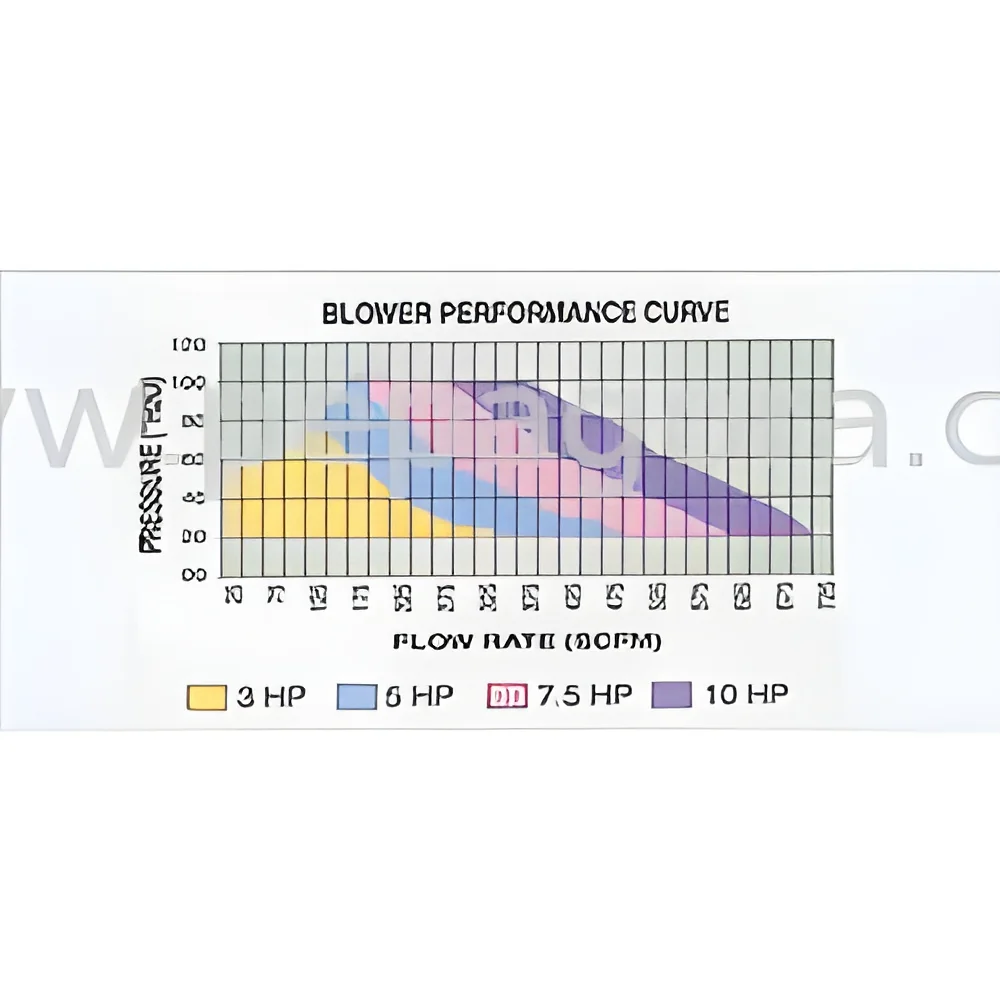
- Measured in cubic feet per minute (CFM), this parameter indicates how much air the blower can move.
- Different applications require different airflow rates for optimal performance.
3. Temperature Range
- This indicates the range of temperatures the heater can achieve.
- Specific temperature ranges depend on the type of heater and its intended use.
4. Power Source
- Heaters and blowers can operate on various power sources, including electricity, gas, or diesel.
- The choice of power source impacts installation and operational costs.
5. Control Features
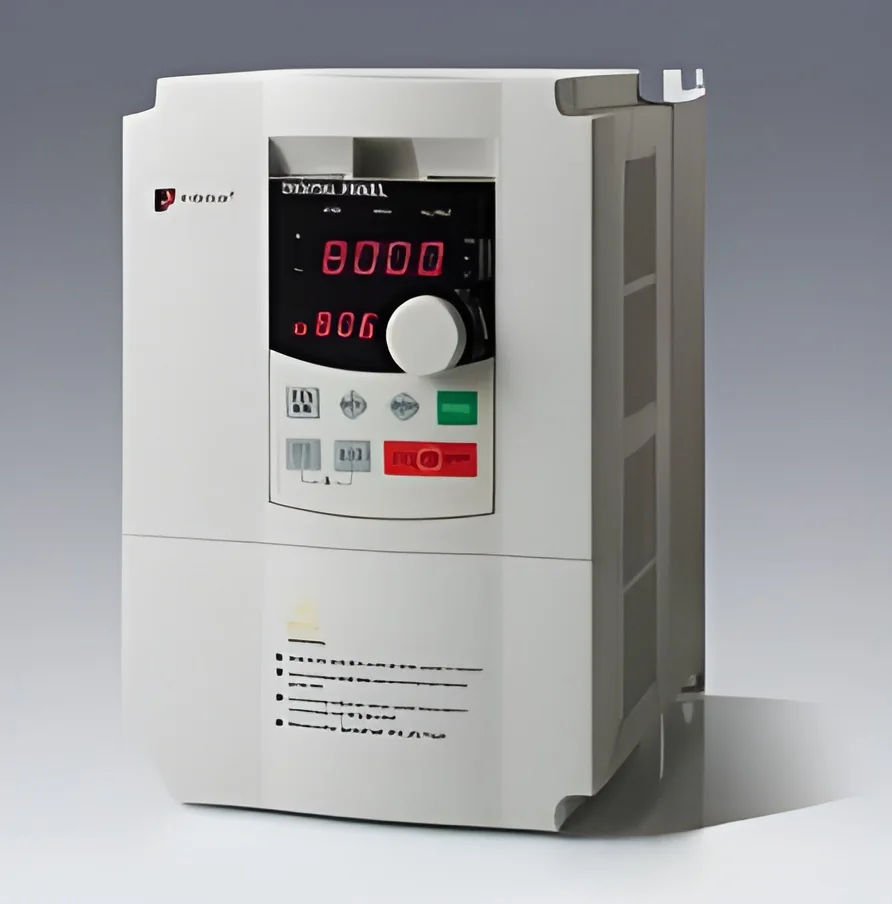
- Many modern heaters and blowers come with advanced control systems for precise temperature and airflow management.
- Features may include digital displays, remote controls, and programmable settings.
6. Safety Features
- Essential safety features ensure safe operation, such as automatic shut-off systems and overheat protection.
- Compliance with safety standards is crucial for industrial applications.
7. Noise Level
- Measured in decibels (dB), this specification indicates the operational noise of the blower.
- Lower noise levels are preferable in environments where sound sensitivity is a concern.
In summary, understanding the key features and specifications of heaters and blowers helps in making informed purchasing decisions. Selecting the right equipment ensures efficiency, safety, and cost-effectiveness in industrial applications.
Common Applications and Use Cases
Heaters and blowers are versatile devices utilized across multiple industries. Their ability to regulate temperature and enhance airflow makes them suitable for various applications.
1. Manufacturing: In manufacturing settings, heaters are used to maintain specific temperatures during production processes such as molding and curing. Blowers ensure proper ventilation and air circulation, enhancing worker safety and product quality.
2. Food Processing: Heaters are critical in food processing for cooking, drying, and pasteurizing food products. Blowers help in cooling and packaging processes, ensuring that products meet safety standards.
3. HVAC Systems: In heating, ventilation, and air conditioning (HVAC) systems, heaters and blowers maintain comfortable indoor climates. They are essential for temperature control in residential, commercial, and industrial buildings.
4. Chemical Processing: Heaters are used to maintain reaction temperatures in chemical processes, while blowers transport gases and vapors safely through production lines.
5. Agriculture: Heaters provide warmth in greenhouses, promoting plant growth, while blowers facilitate air movement to prevent humidity-related issues.
6. Textile Industry: Heaters are employed in drying processes, while blowers assist in cooling and setting fabrics during production.
7. Construction: Temporary heating solutions are often required for construction sites, and blowers are used for drying paint and other materials.
Product Variants and Subcategories
Heaters and blowers come in various types designed for specific applications, allowing businesses to choose the best options for their needs.
Electric Heaters: These heaters are popular for their efficiency and ease of use. They provide consistent heating and are suitable for both small and large-scale applications.
Gas Heaters: Utilizing natural gas or propane, gas heaters are ideal for environments where electricity is limited or costly. They offer high heating capacity and quick response times.
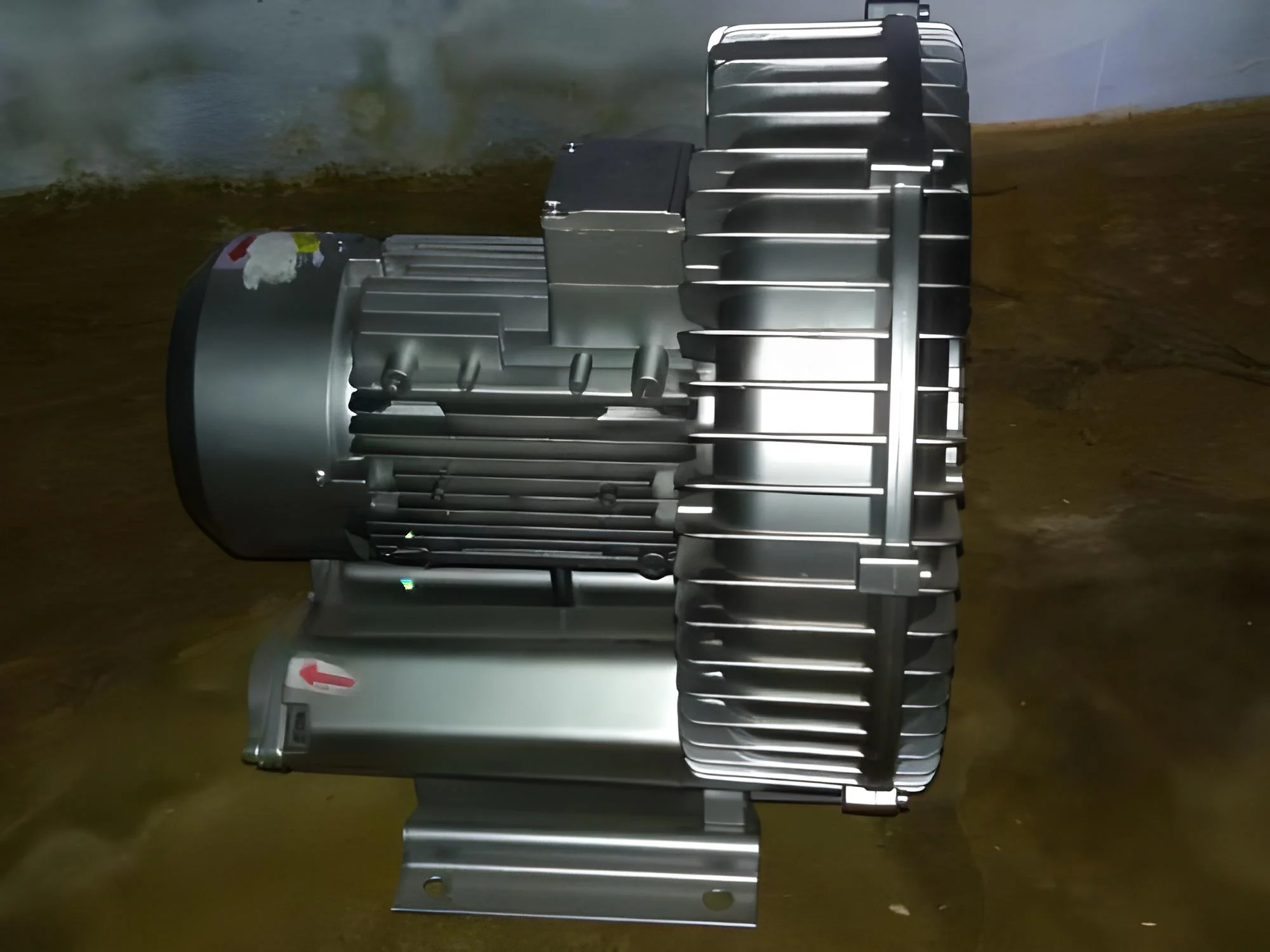
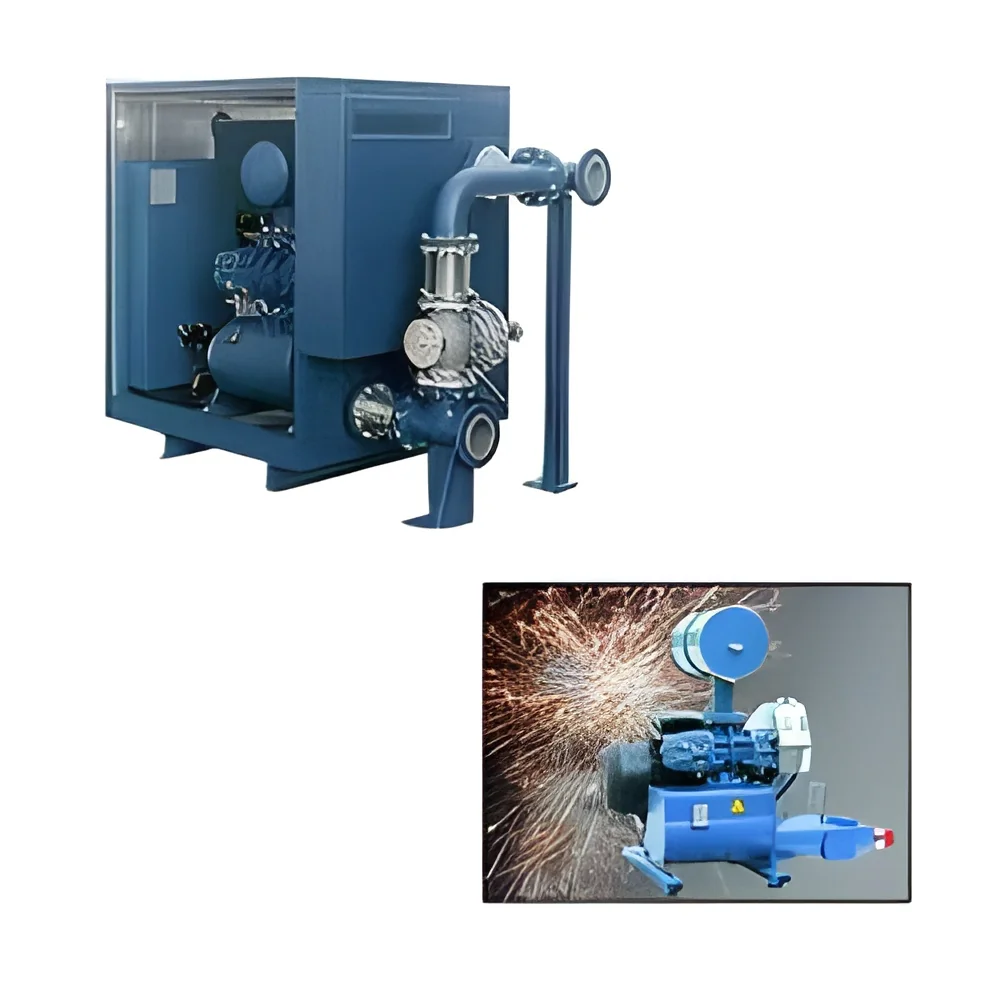
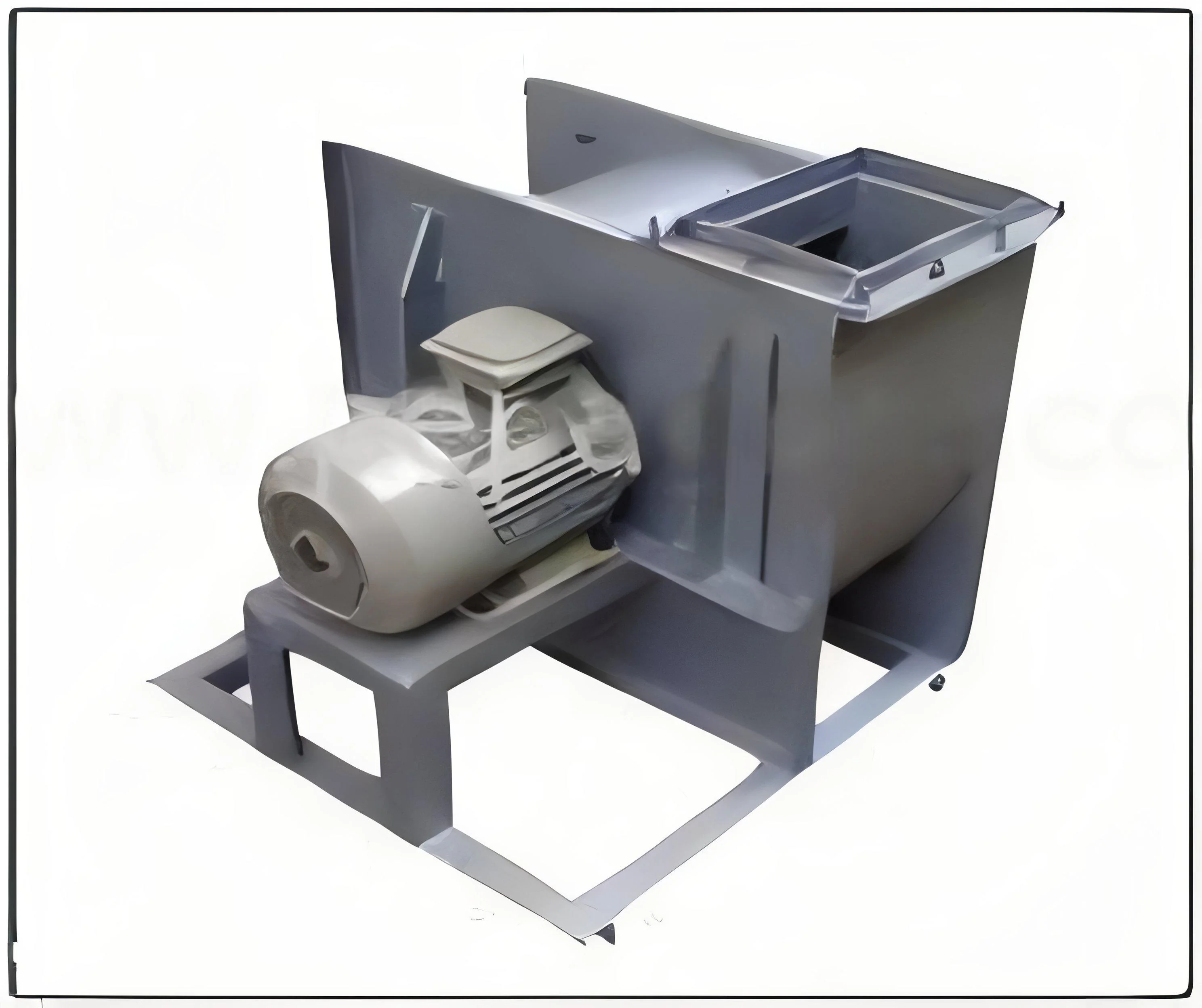
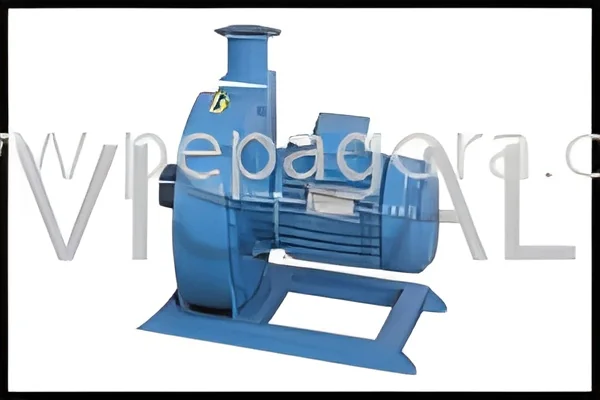
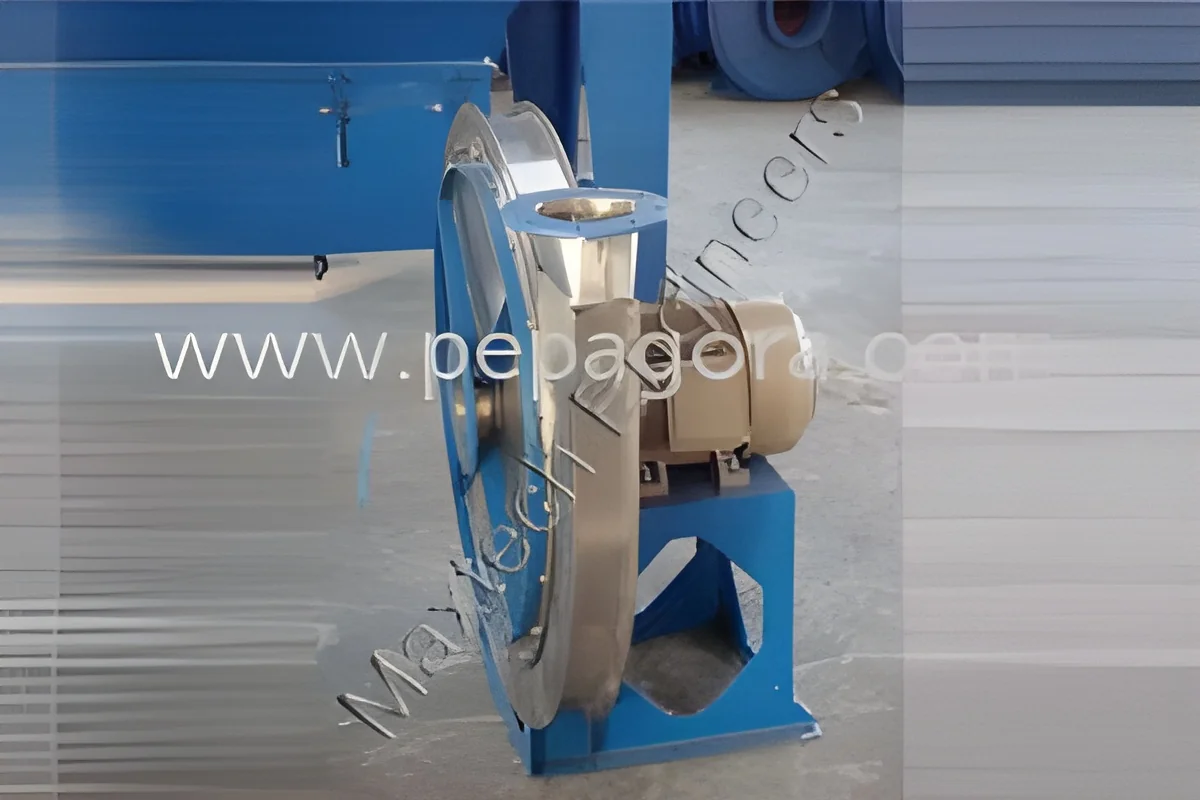
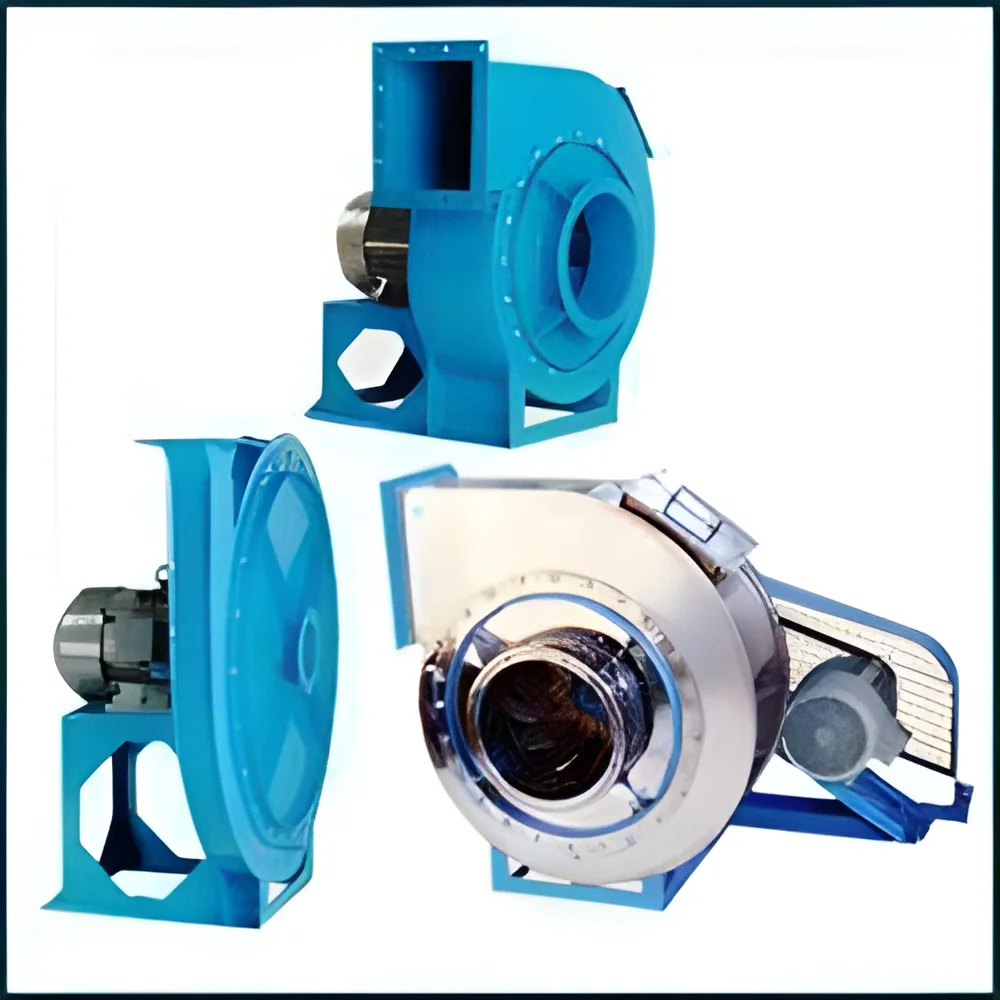
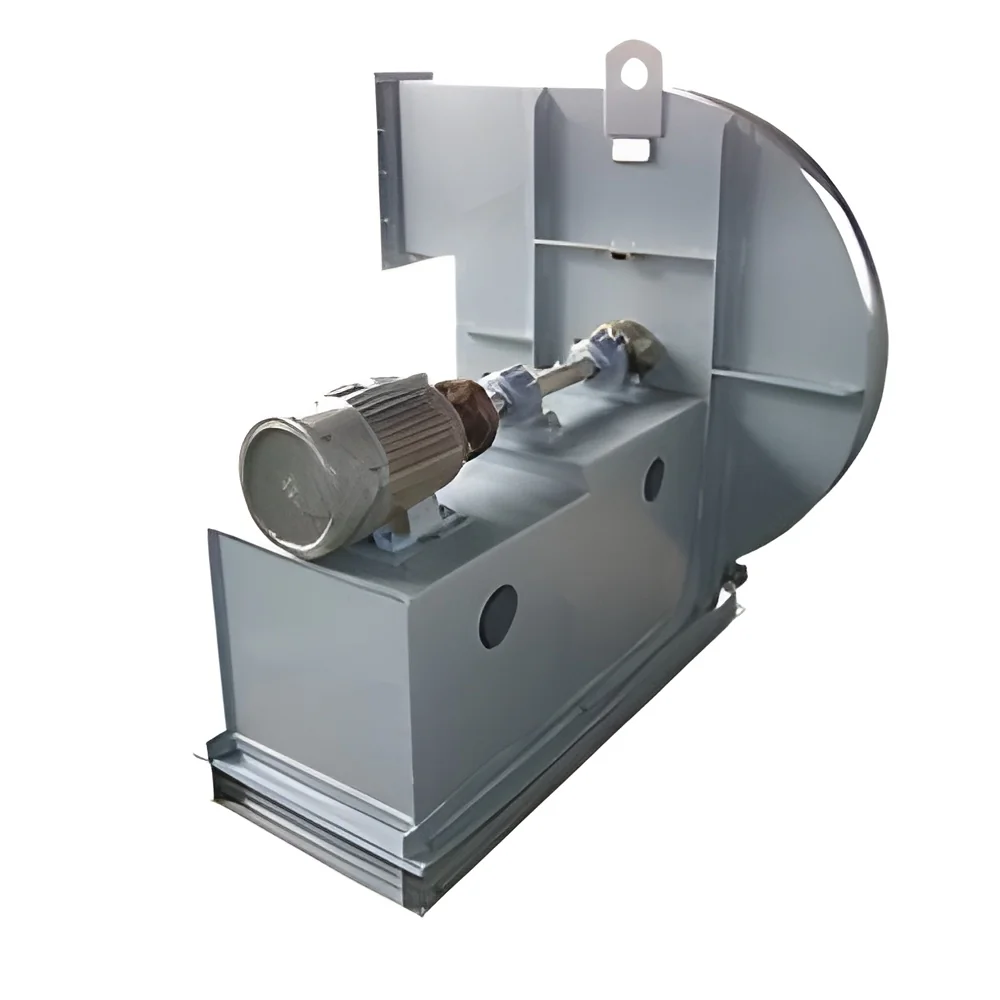
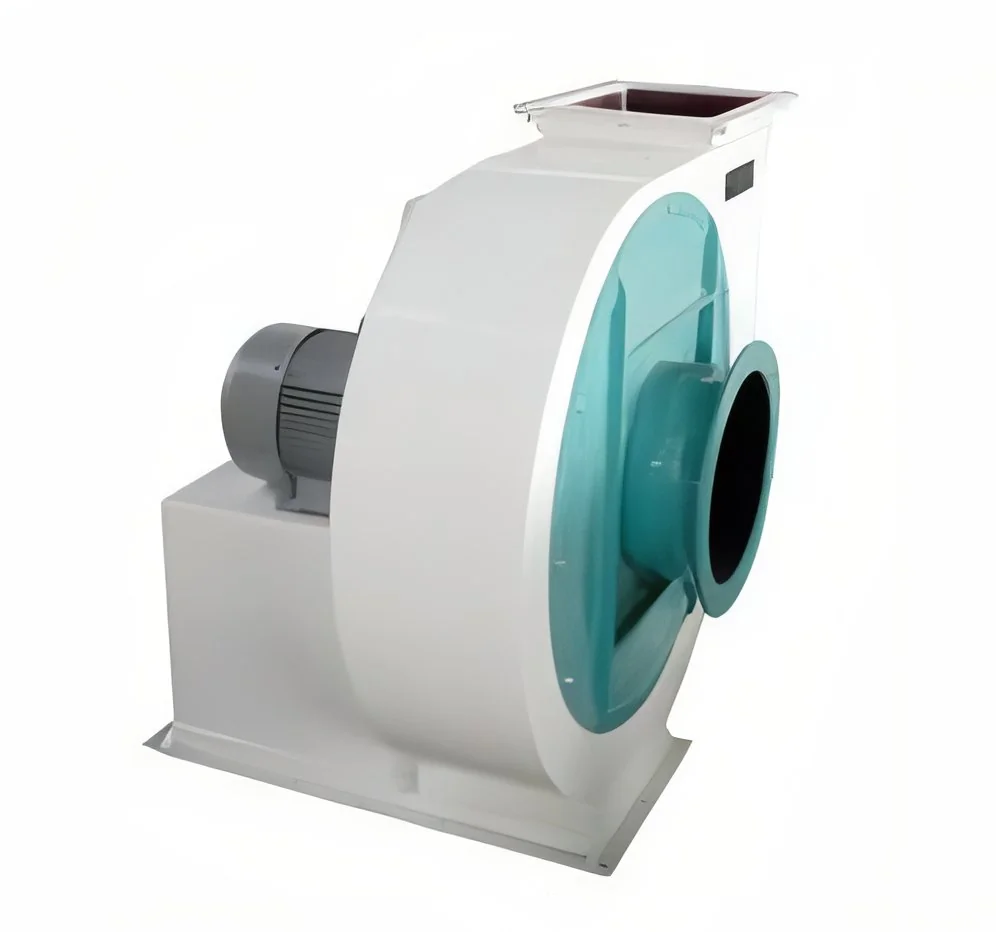
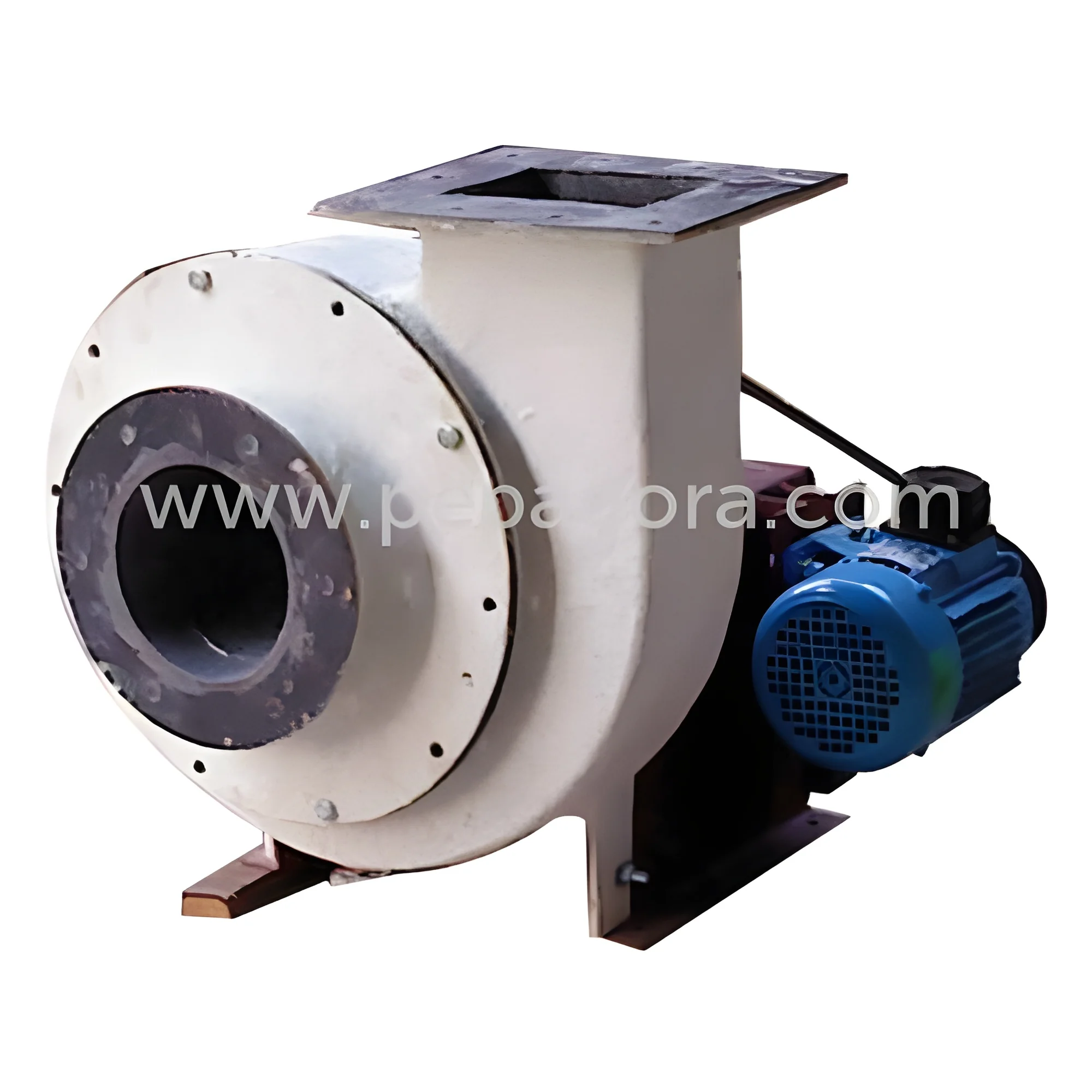
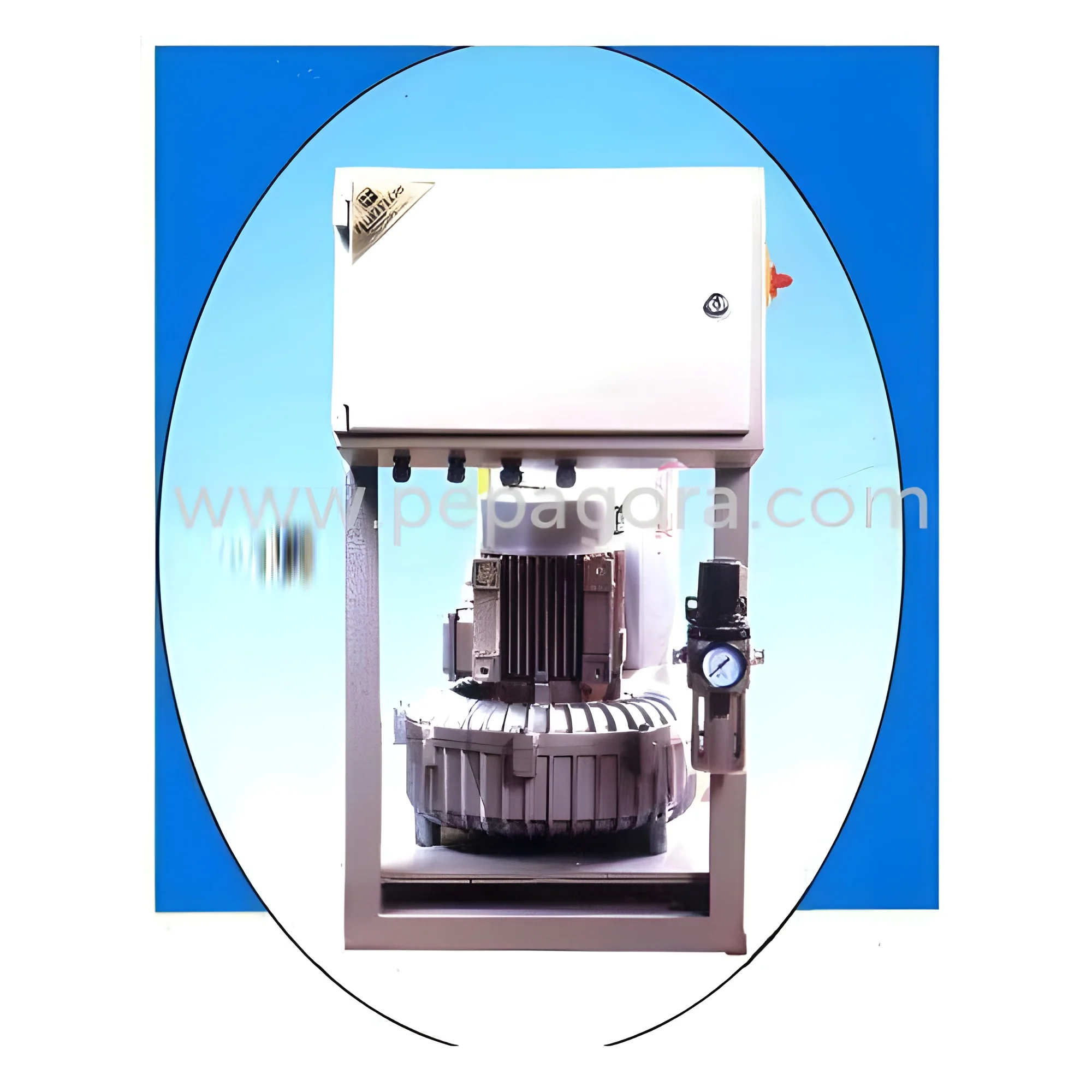
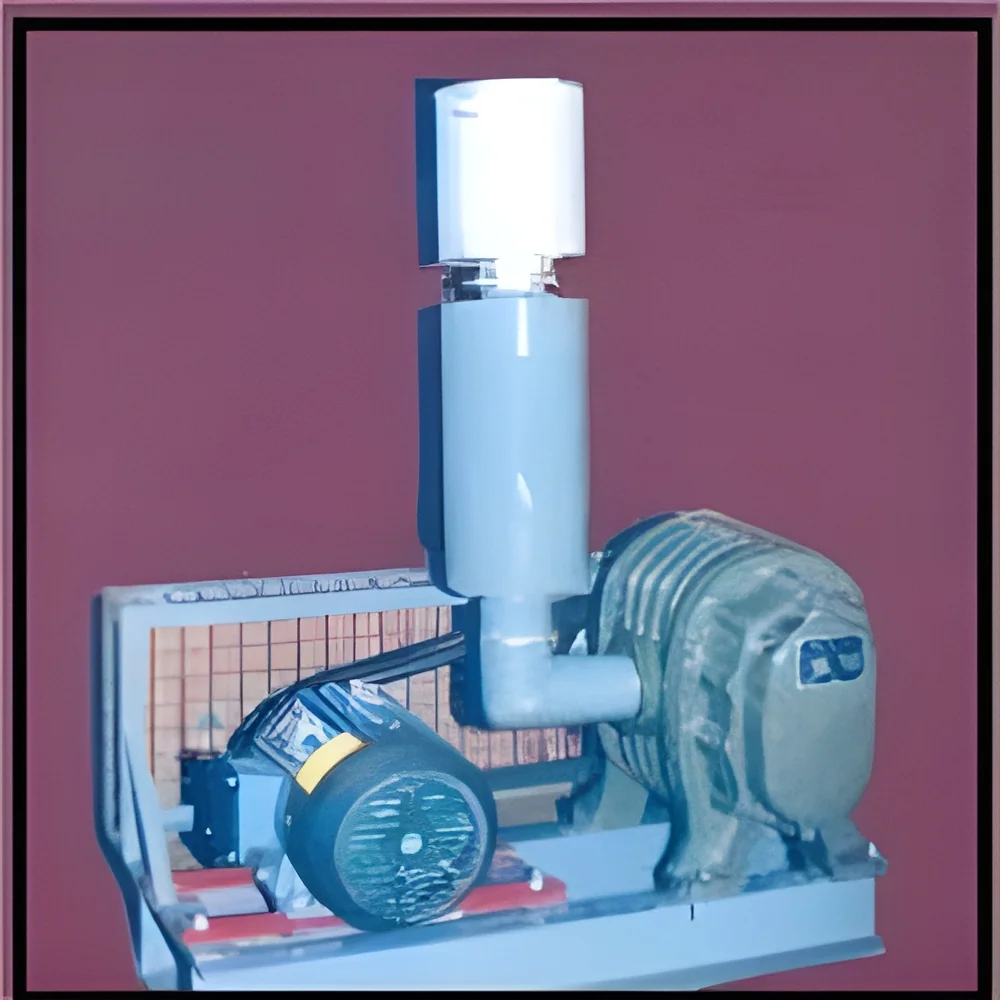
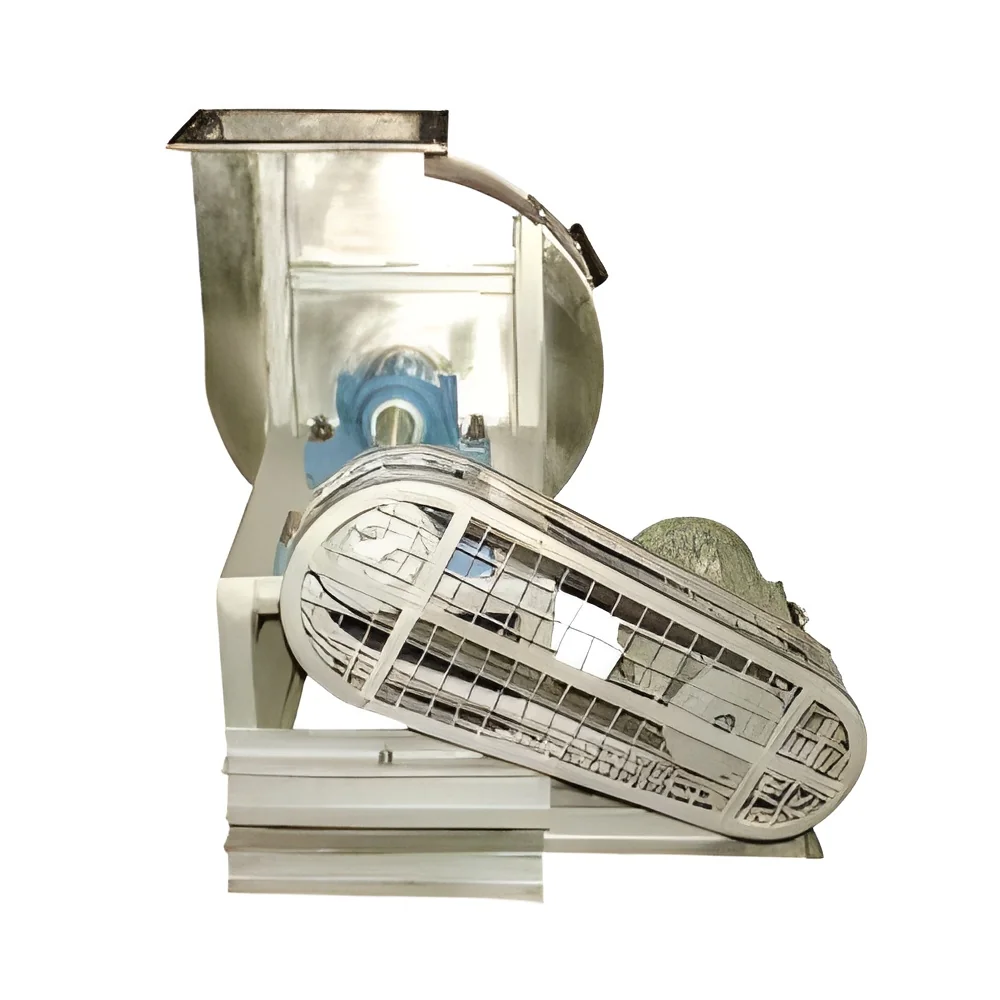
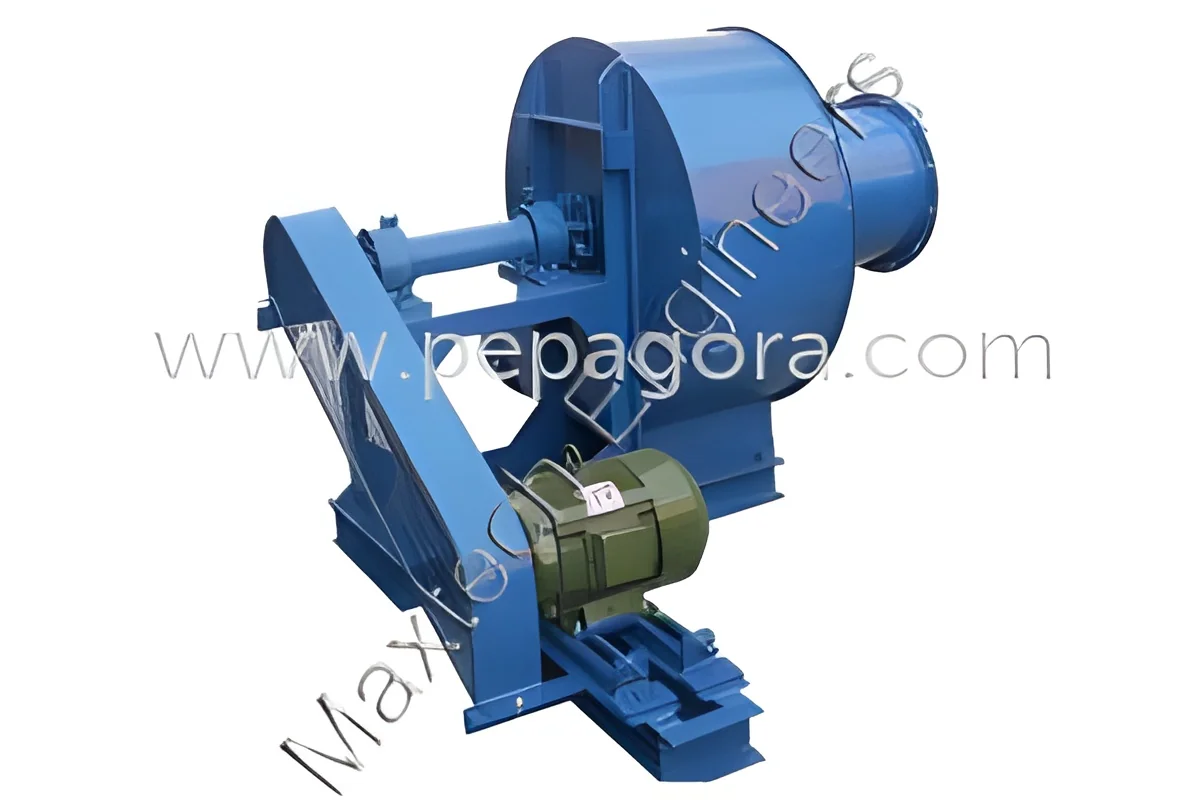
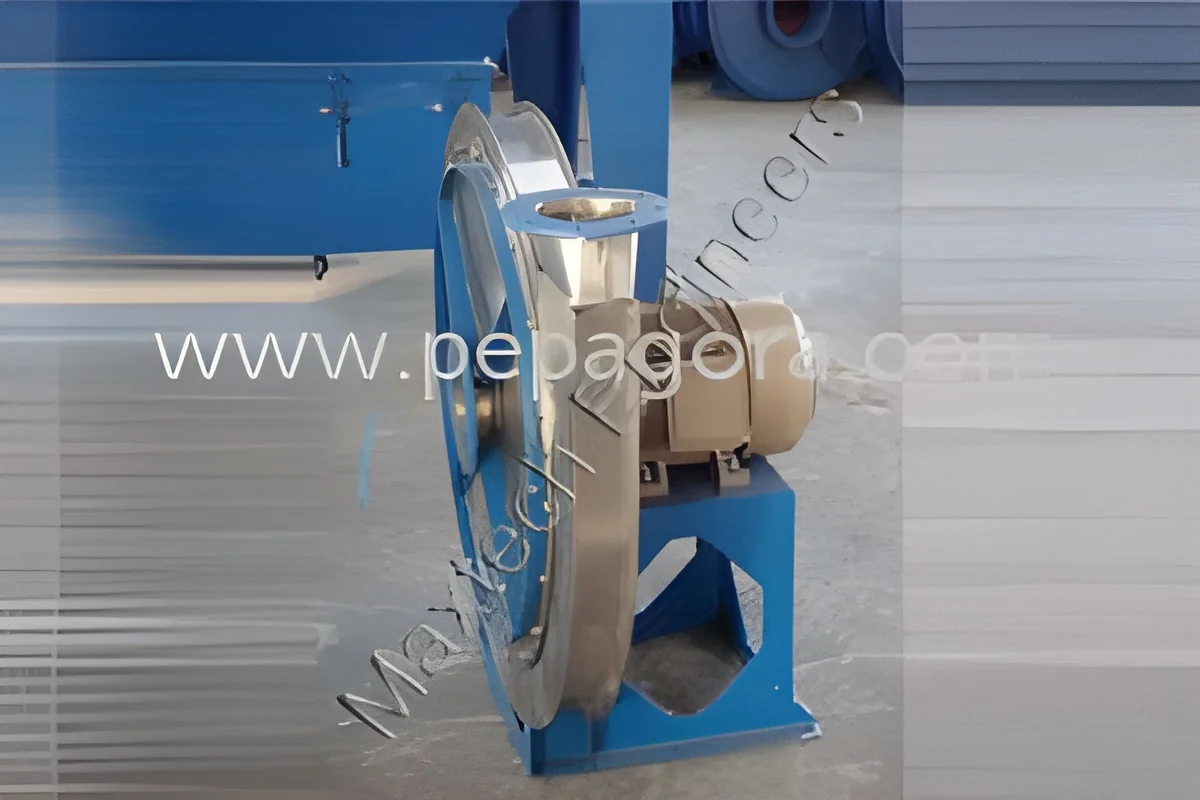
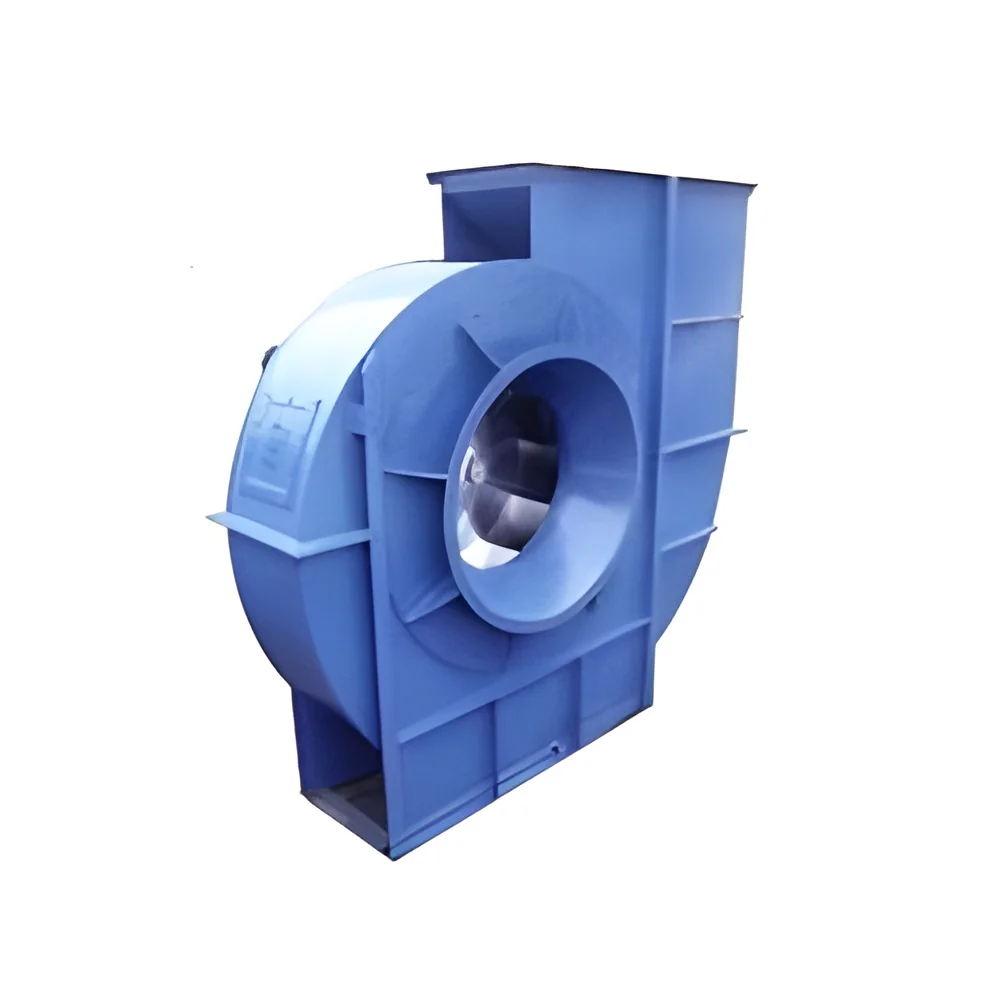
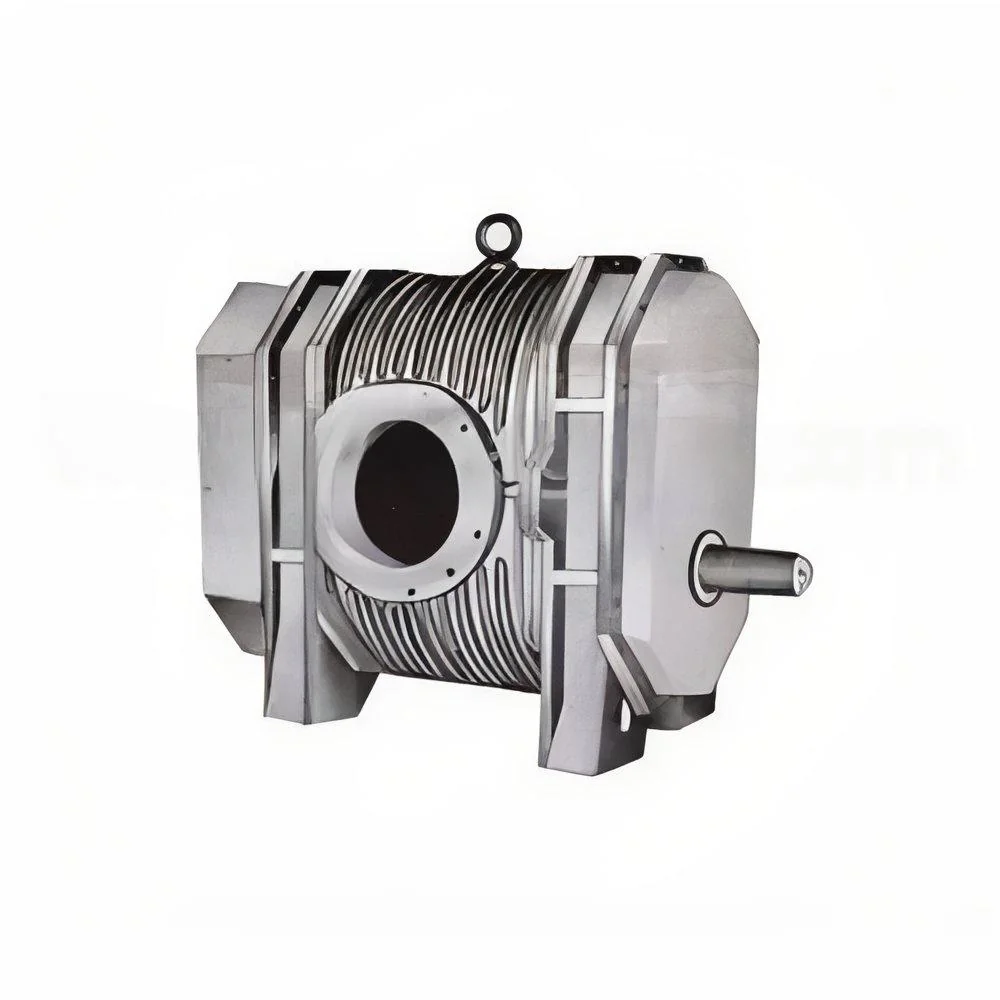
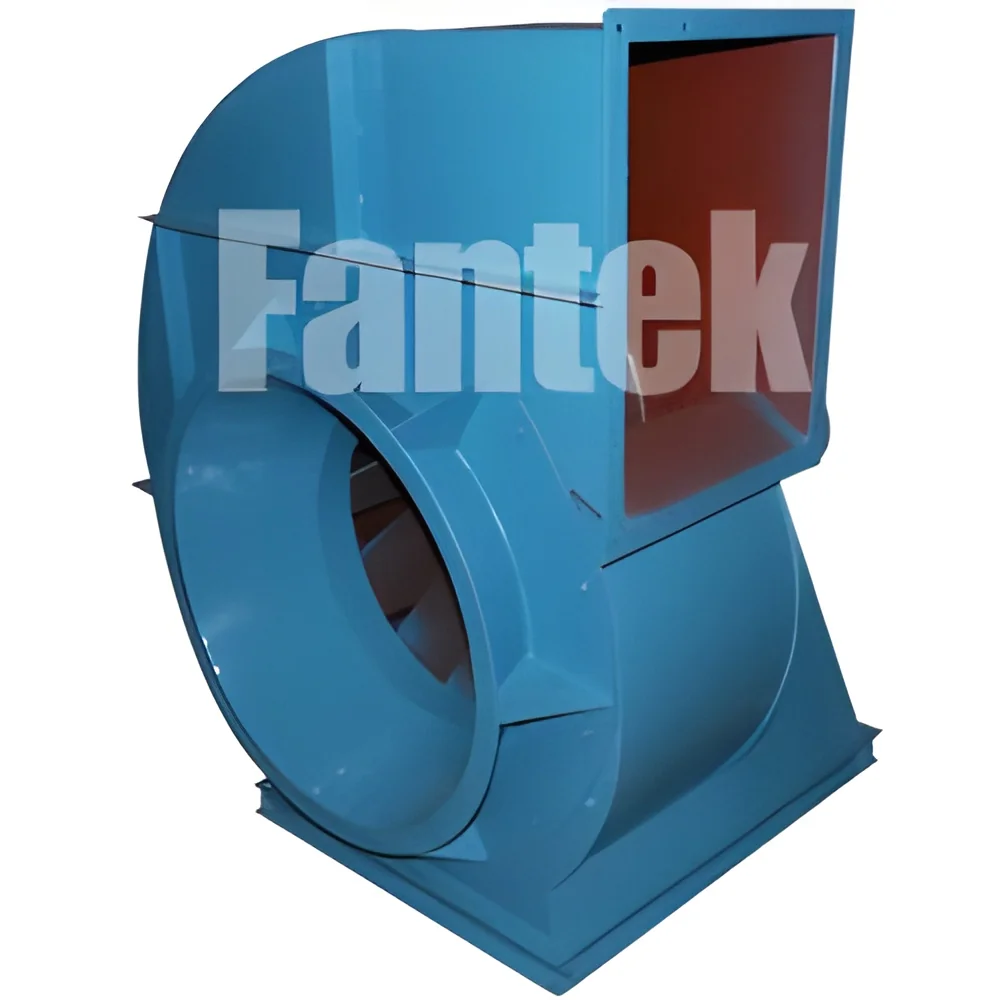
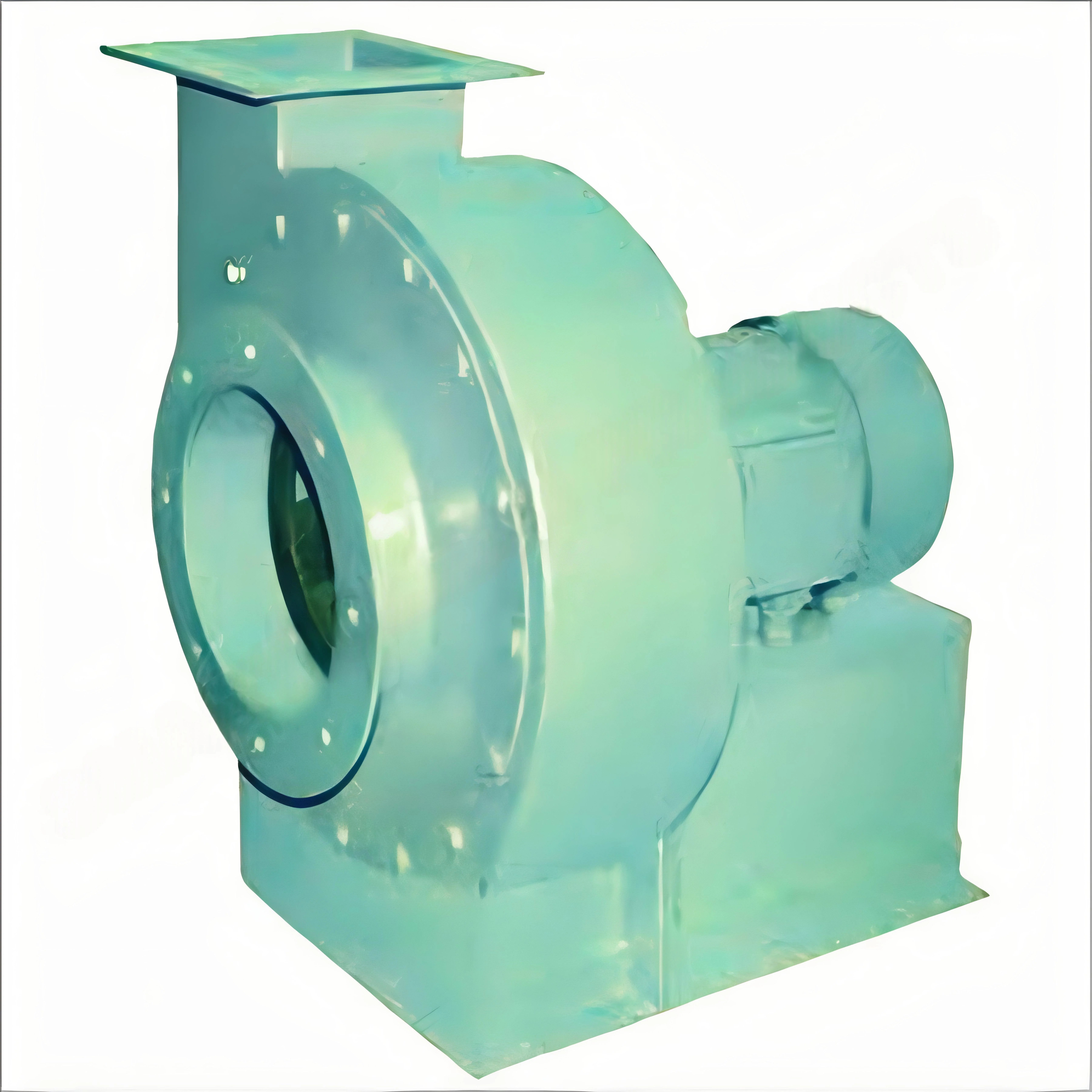
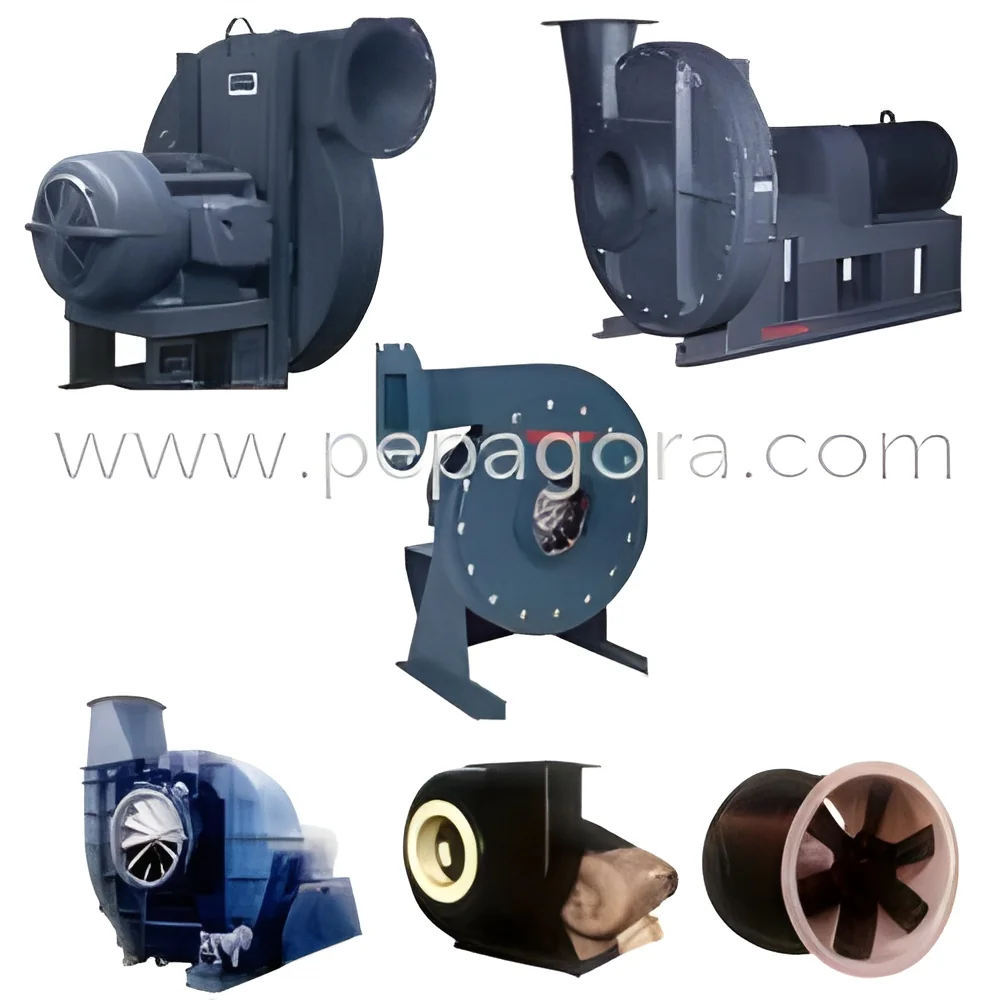
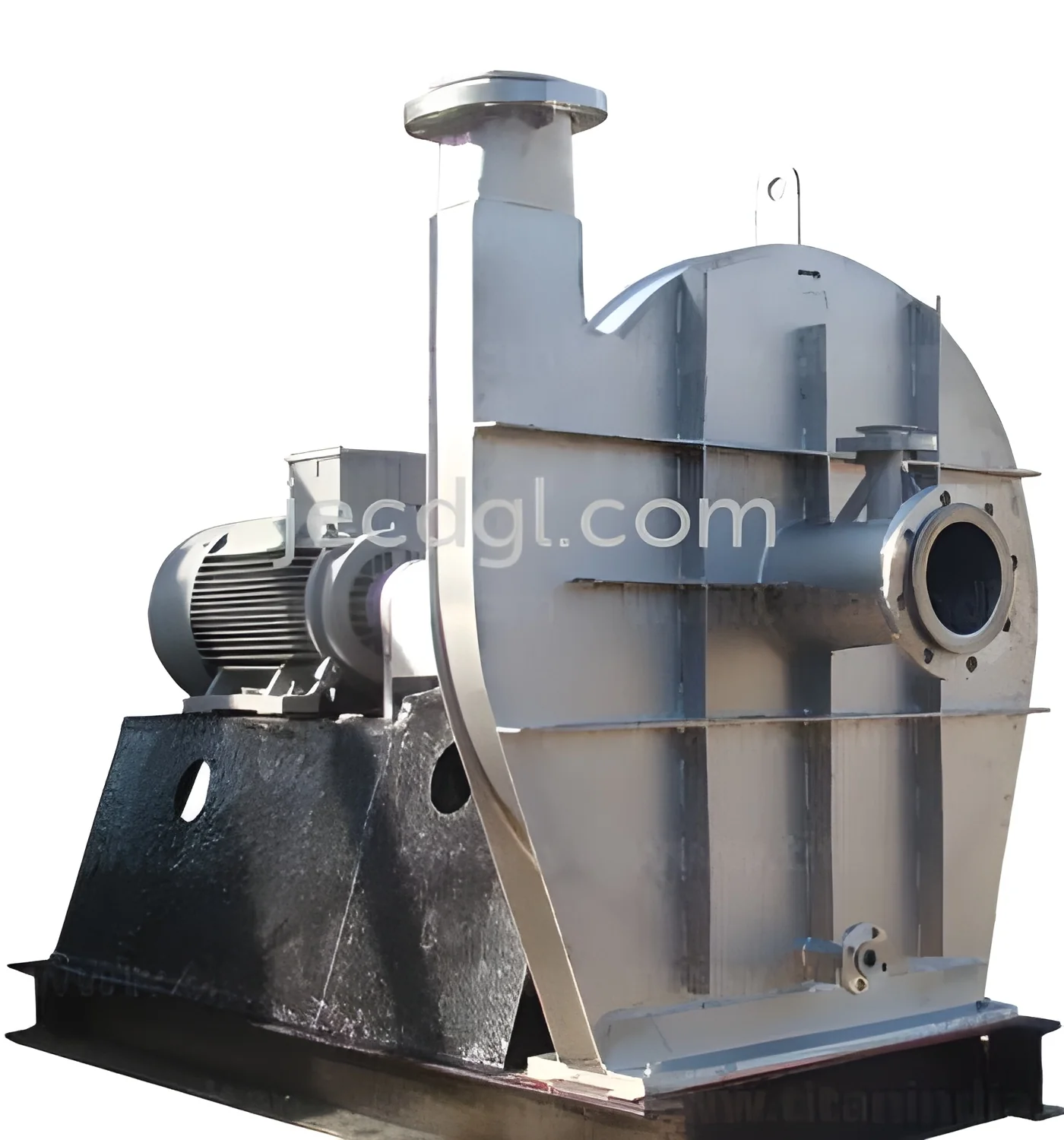
Industrial Blowers: Designed for heavy-duty applications, these blowers handle large volumes of air and are used in manufacturing and chemical processing.
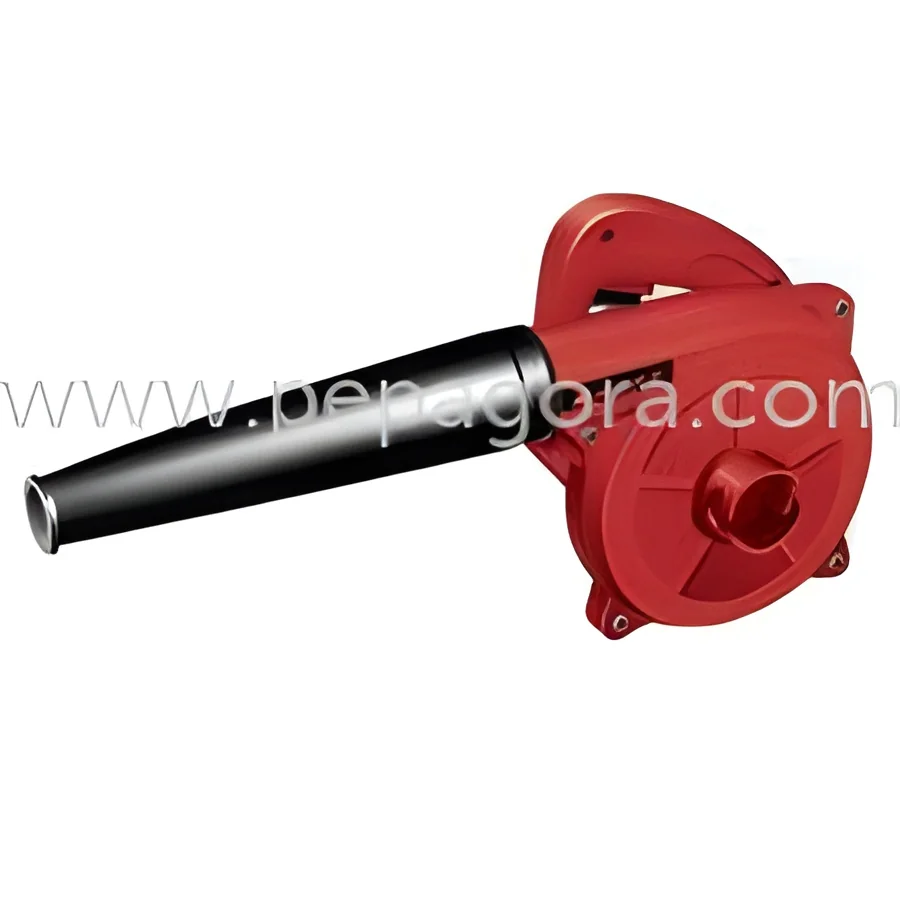
Portable Heaters: These versatile heaters can be moved as needed and are suitable for temporary heating solutions in construction sites or outdoor events.
Ducted Heating Systems: These systems distribute heated air through ductwork, providing consistent warmth in large spaces such as warehouses or factories.
Benefits and Advantages
Investing in heaters and blowers offers numerous advantages for businesses. Understanding these benefits can aid in making informed purchasing decisions.
1. Energy Efficiency: Modern heaters and blowers are designed to operate efficiently, reducing energy consumption and costs over time.
2. Improved Productivity: By maintaining optimal temperature and airflow, these devices enhance workplace conditions, leading to increased employee productivity.
3. Versatility: Heaters and blowers can be used in a wide range of applications across various industries, making them versatile solutions for many businesses.
4. Enhanced Safety: With proper safety features, heaters and blowers minimize risks associated with temperature fluctuations and poor air quality.
5. Cost Savings: Investing in high-quality heaters and blowers leads to long-term cost savings through reduced maintenance and operational expenses.
6. Customization Options: Many manufacturers offer customizable solutions to meet specific industry requirements, ensuring that businesses get the right equipment for their needs.
Buying Guide for B2B Buyers
When sourcing heaters and blowers, it is crucial to consider several factors to ensure the right choice for your business.
1. Quality Assessment: Evaluate the quality of the products by reviewing manufacturer certifications, user reviews, and performance metrics to ensure reliability and durability.
2. Supplier Verification: Vet suppliers by checking references, certifications, and their track record in delivering quality products. Reliable suppliers will provide necessary documentation and after-sales support.
3. Pricing and MOQ: Understand the price range for heaters and blowers and consider the minimum order quantity (MOQ) required by suppliers. This information helps in budgeting and planning.
4. Delivery and Lead Times: Inquire about delivery schedules and lead times to ensure that the equipment is available when needed. Timely delivery is essential for maintaining operational efficiency.
5. Compliance Requirements: Ensure that the products meet industry-specific compliance and regulatory standards. This may include safety certifications and environmental regulations.
Compliance and Certifications
Compliance with industry standards and regulations is essential when sourcing heaters and blowers. Key quality standards include ISO 9001, which ensures quality management systems are in place, and other relevant standards such as HACCP and GDP for food safety.
Manufacturers should also possess certifications like CE, indicating compliance with European health, safety, and environmental protection standards. These certifications provide assurance regarding product safety and reliability.
Safety and testing requirements must be thoroughly reviewed to ensure that heaters and blowers operate safely in various industrial environments. Regional compliance considerations may vary, necessitating an understanding of local regulations to avoid operational disruptions.
Why Source Heaters & Blowers from Pepagora?
Pepagora offers a reliable platform for sourcing heaters and blowers, providing numerous advantages to B2B buyers.
Verified Supplier Network: Pepagora features a network of verified suppliers, ensuring that buyers have access to high-quality products from reputable manufacturers. This reduces the risks associated with sourcing equipment.
Streamlined RFQ Process: The platform simplifies the request for quotation (RFQ) process, enabling buyers to receive competitive quotes quickly. This efficiency supports timely decision-making and procurement.
Trade Assurance and Support: Pepagora provides trade assurance, offering buyers protection against potential issues during transactions. Their dedicated support team is available to assist with inquiries and resolve any concerns.
Regional Coverage: With a strong presence in India, the GCC region, and Southeast Asia, Pepagora facilitates access to heaters and blowers across diverse markets. This geographical reach allows businesses to find suitable solutions tailored to their specific needs.

 IN
IN