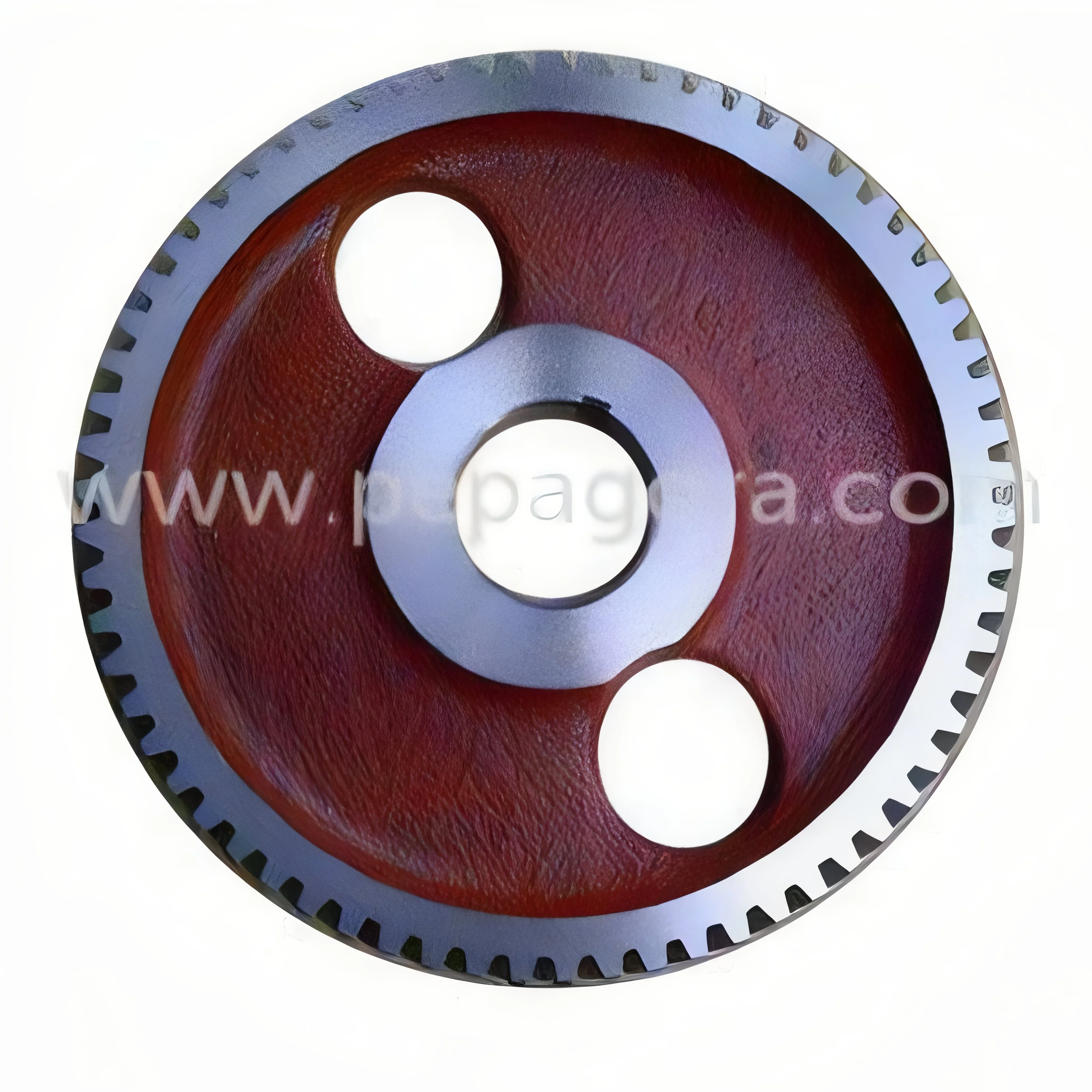
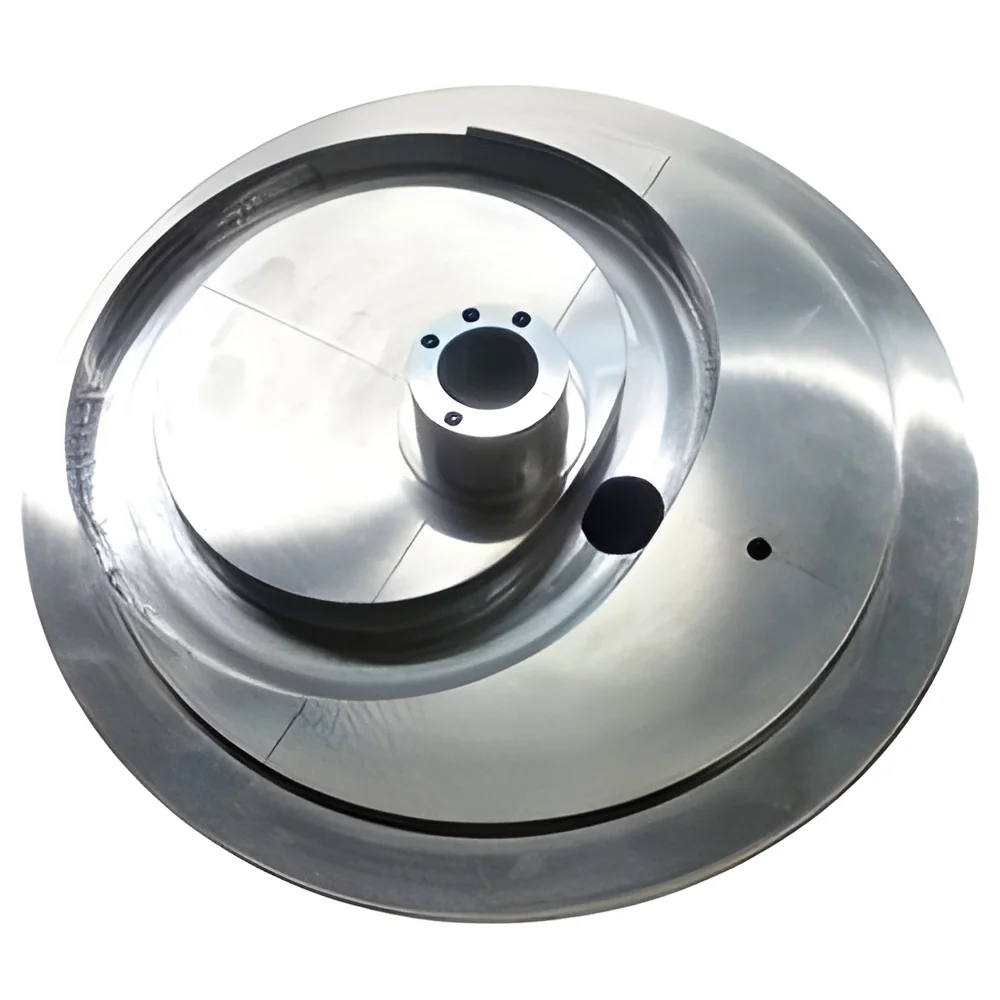
๐ช๐ต๐ฎ๐ ๐ฎ๐ฟ๐ฒ ๐๐ฟ๐ฎ๐ป๐ธ๐๐ต๐ฎ๐ณ๐๐ & ๐๐ฎ๐บ๐๐ต๐ฎ๐ณ๐๐?
Crankshafts and camshafts are vital components in internal combustion engines. The crankshaft converts the linear motion of the pistons into rotational motion, which ultimately drives the vehicleโs wheels. It is a key element that ensures the engine operates smoothly and efficiently. Meanwhile, the camshaft controls the timing of the engineโs intake and exhaust valves, allowing for optimal air-fuel mixture and exhaust expulsion. Together, these components are essential for engine performance and efficiency.
These components find primary applications in various industries, including automotive, aerospace, and industrial machinery. In the automotive sector, crankshafts and camshafts are integral to engine design and functionality. In aerospace, they contribute to the performance of aircraft engines. Industrial machinery also relies on these components for heavy equipment and power generation applications. The demand for crankshafts and camshafts is driven by the need for higher efficiency and performance in engines, making them highly relevant in today's competitive market.
๐๐ฒ๐ ๐๐ฒ๐ฎ๐๐๐ฟ๐ฒ๐ ๐ฎ๐ป๐ฑ ๐ฆ๐ฝ๐ฒ๐ฐ๐ถ๐ณ๐ถ๐ฐ๐ฎ๐๐ถ๐ผ๐ป๐
Crankshafts and camshafts come with several key features and specifications that determine their performance and applicability. Understanding these specifications is critical for selecting the right components for specific applications.
Key specifications include:
1. Material Composition
- Typically made from alloy steel, cast iron, or forged steel.
- Durability and strength are paramount for longevity.
2. Weight and Size
- Dimensions vary based on engine types and configurations.
- Lightweight designs enhance efficiency without sacrificing strength.
3. Tolerance Levels
- Precision machining to ensure proper fit and function.
- Tolerance levels typically range from 0.01mm to 0.05mm.
4. Surface Finish
- Smooth finishes reduce friction and wear.
- Surface treatments can enhance corrosion resistance.
5. Heat Treatment
- Processes like quenching and tempering improve material hardness.
- Essential for high-performance applications.
6. Balancing Specifications
- Properly balanced crankshafts reduce vibrations and improve engine stability.
- Dynamic balancing techniques are employed during manufacturing.
7. Camshaft Profile
- Different profiles (e.g., roller, flat tappet) influence valve timing and lift.
- Custom profiles can be designed for specific performance needs.
8. Certification Standards
- Compliance with industry standards such as CE for safety and quality.
- Ensures reliability and performance consistency.
In summary, selecting the right crankshaft and camshaft requires an understanding of these key features and specifications to meet specific operational demands.
๐๐ผ๐บ๐บ๐ผ๐ป ๐๐ฝ๐ฝ๐น๐ถ๐ฐ๐ฎ๐๐ถ๐ผ๐ป๐ ๐ฎ๐ป๐ฑ ๐จ๐๐ฒ ๐๐ฎ๐๐ฒ๐
Crankshafts and camshafts are used in a variety of industrial applications.
1. Automotive Industry: These components are fundamental in the design of gasoline and diesel engines, affecting performance, efficiency, and emissions.
2. Aerospace Sector: In aircraft engines, crankshafts and camshafts play critical roles in ensuring smooth operation and reliability under extreme conditions.
3. Marine Applications: Used in marine engines to power boats and ships, providing the necessary torque and power for propulsion.
4. Industrial Machinery: Heavy machinery, such as construction equipment, relies on robust crankshafts and camshafts for reliable operation.
5. Power Generation: In generators and turbines, these components are essential for converting fuel energy into mechanical energy.
6. Motorcycle Engines: High-performance motorcycles utilize specialized crankshafts and camshafts for enhanced speed and agility.
7. Agricultural Equipment: Tractors and harvesters depend on these components for effective performance in various farming tasks.
๐ฃ๐ฟ๐ผ๐ฑ๐๐ฐ๐ ๐ฉ๐ฎ๐ฟ๐ถ๐ฎ๐ป๐๐ ๐ฎ๐ป๐ฑ ๐ฆ๐๐ฏ๐ฐ๐ฎ๐๐ฒ๐ด๐ผ๐ฟ๐ถ๐ฒ๐
Crankshafts and camshafts are available in various designs and specifications to cater to different applications.
Standard Crankshaft
This variant is designed for general automotive use, featuring enhanced durability and strength for typical engine configurations.
Performance Crankshaft
Engineered for high-performance vehicles, this variant offers lightweight construction and optimized balancing for racing applications.
Standard Camshaft
Commonly used in everyday vehicles, this camshaft variant optimizes valve timing for efficiency and emissions control.
Performance Camshaft
Designed for performance vehicles, this variant enhances engine power and throttle response through specialized profiles.
๐๐ฒ๐ป๐ฒ๐ณ๐ถ๐๐ ๐ฎ๐ป๐ฑ ๐๐ฑ๐๐ฎ๐ป๐๐ฎ๐ด๐ฒ๐
Investing in high-quality crankshafts and camshafts brings several advantages to businesses.
1. Enhanced Engine Performance: Well-designed components improve engine efficiency, power output, and responsiveness.
2. Increased Durability: Quality materials and manufacturing processes extend lifespan and reduce maintenance needs.
3. Customization Options: Tailored designs allow for specific performance needs, accommodating various engine types and applications.
4. Compliance Assurance: Sourcing certified components ensures adherence to industry standards, enhancing safety and reliability.
5. Cost Efficiency: Reliable components lead to lower operational costs through reduced downtime and maintenance.
6. Improved Fuel Efficiency: Optimized designs help in achieving better fuel consumption, which is crucial for cost management in large fleets.
๐๐๐๐ถ๐ป๐ด ๐๐๐ถ๐ฑ๐ฒ ๐ณ๐ผ๐ฟ ๐๐ฎ๐ ๐๐๐๐ฒ๐ฟ๐
When sourcing crankshafts and camshafts, several factors should be considered to ensure the right choice for your business needs.
1. Quality Assessment: Evaluate the materials and manufacturing processes to ensure high-quality standards. Look for certifications that indicate reliability.
2. Supplier Verification: Vet suppliers by checking their reputation, experience, and customer feedback. A reliable supplier can prevent future issues.
3. Pricing and MOQ: Understand the pricing structure and minimum order quantities. This helps in budgeting and ensures you have enough inventory.
4. Delivery and Lead Times: Assess the supplier's logistics capabilities to ensure timely delivery. This is crucial for maintaining production schedules.
5. Compliance Requirements: Ensure that the components meet relevant regulatory standards for your industry. Compliance is essential for legal and operational efficiency.
๐๐ผ๐บ๐ฝ๐น๐ถ๐ฎ๐ป๐ฐ๐ฒ ๐ฎ๐ป๐ฑ ๐๐ฒ๐ฟ๐๐ถ๐ณ๐ถ๐ฐ๐ฎ๐๐ถ๐ผ๐ป๐
Crankshafts and camshafts must adhere to various compliance and certification standards to ensure safety and quality.
ISO 9001 is a key quality management standard that many manufacturers follow. It ensures that companies consistently meet customer and regulatory requirements.
CE certification is also significant, particularly in Europe. It indicates that the product meets EU safety and environmental protection requirements.
Safety and testing requirements are critical for these components, as they operate under high-stress conditions. Regular testing for durability and performance ensures reliability in operation.
Regional compliance considerations may vary. It is essential to be aware of local regulations regarding manufacturing and importing these components in different markets.
๐ช๐ต๐ ๐ฆ๐ผ๐๐ฟ๐ฐ๐ฒ ๐๐ฟ๐ฎ๐ป๐ธ๐๐ต๐ฎ๐ณ๐๐ & ๐๐ฎ๐บ๐๐ต๐ฎ๐ณ๐๐ ๐ณ๐ฟ๐ผ๐บ ๐ฃ๐ฒ๐ฝ๐ฎ๐ด๐ผ๐ฟ๐ฎ?
Pepagora provides a trusted platform for sourcing crankshafts and camshafts, offering several key advantages to B2B buyers.
Verified Supplier Network: Pepagora connects you with a network of verified suppliers, ensuring that you engage with reputable manufacturers. This reduces the risk of sourcing low-quality products.
Streamlined RFQ Process: The platform features an efficient Request for Quotation process, allowing buyers to quickly receive competitive pricing from multiple suppliers. This saves time and helps in making informed purchasing decisions.
Trade Assurance and Support: Buyers are protected through trade assurance measures, ensuring that transactions are secure and that products meet agreed specifications. This support builds trust in the sourcing process.
Regional Coverage: Pepagora has a broad geographic reach, covering regions such as India, the GCC, and Southeast Asia. This enables buyers to access a wide variety of products and suppliers, catering to diverse industrial needs.