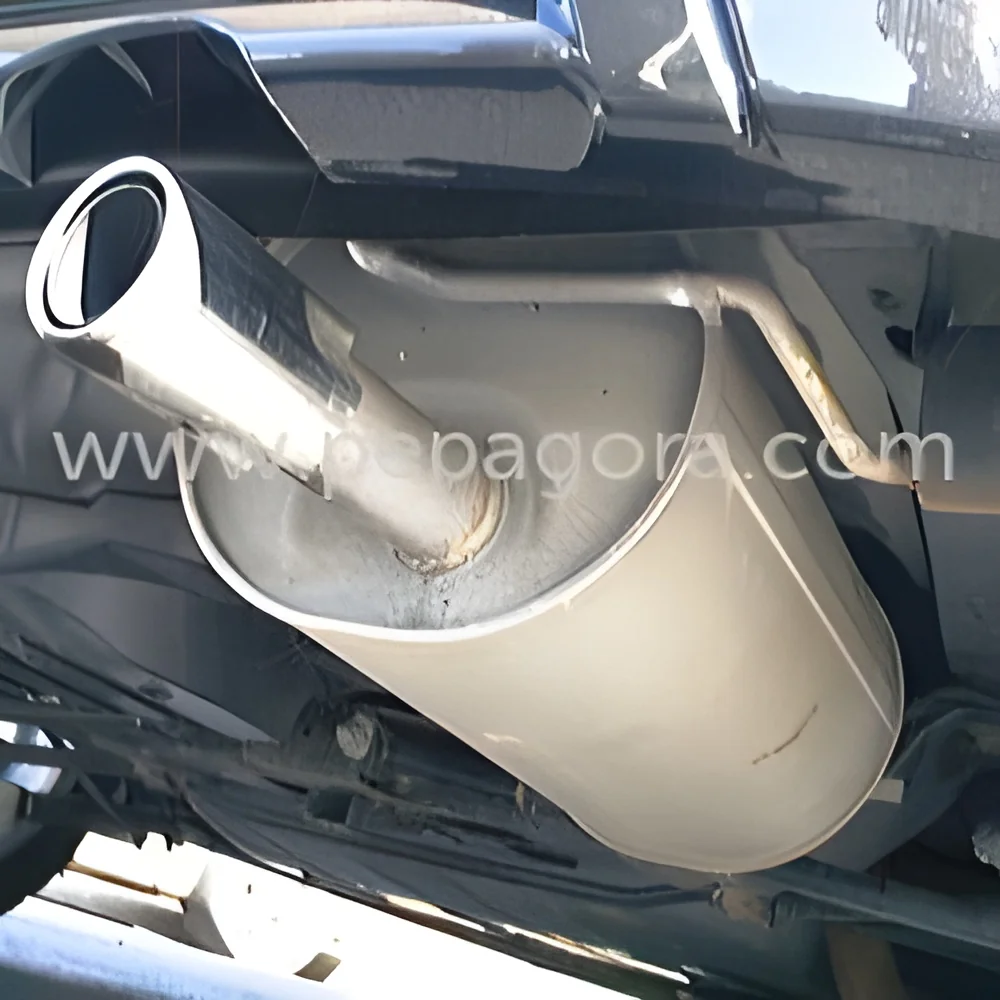
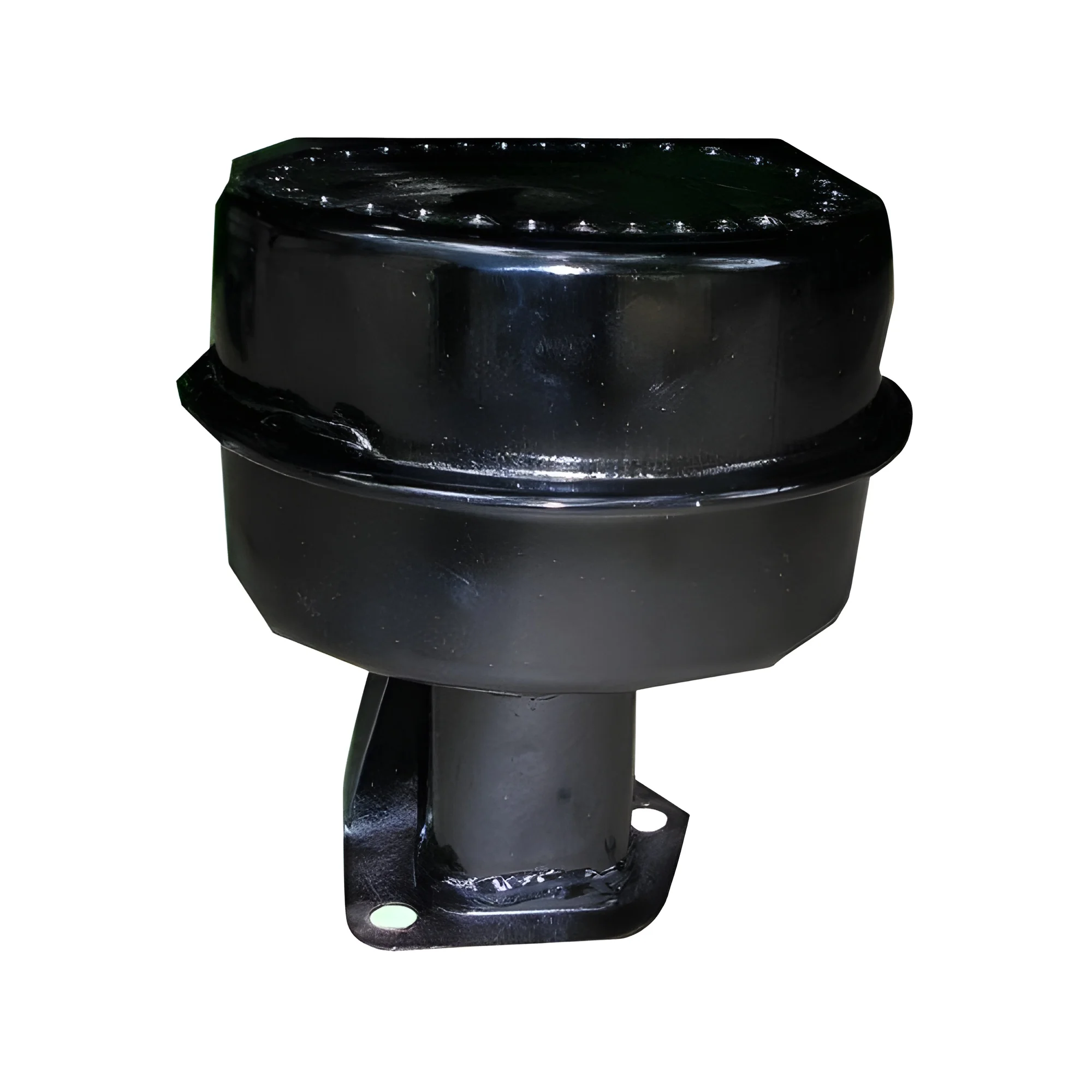
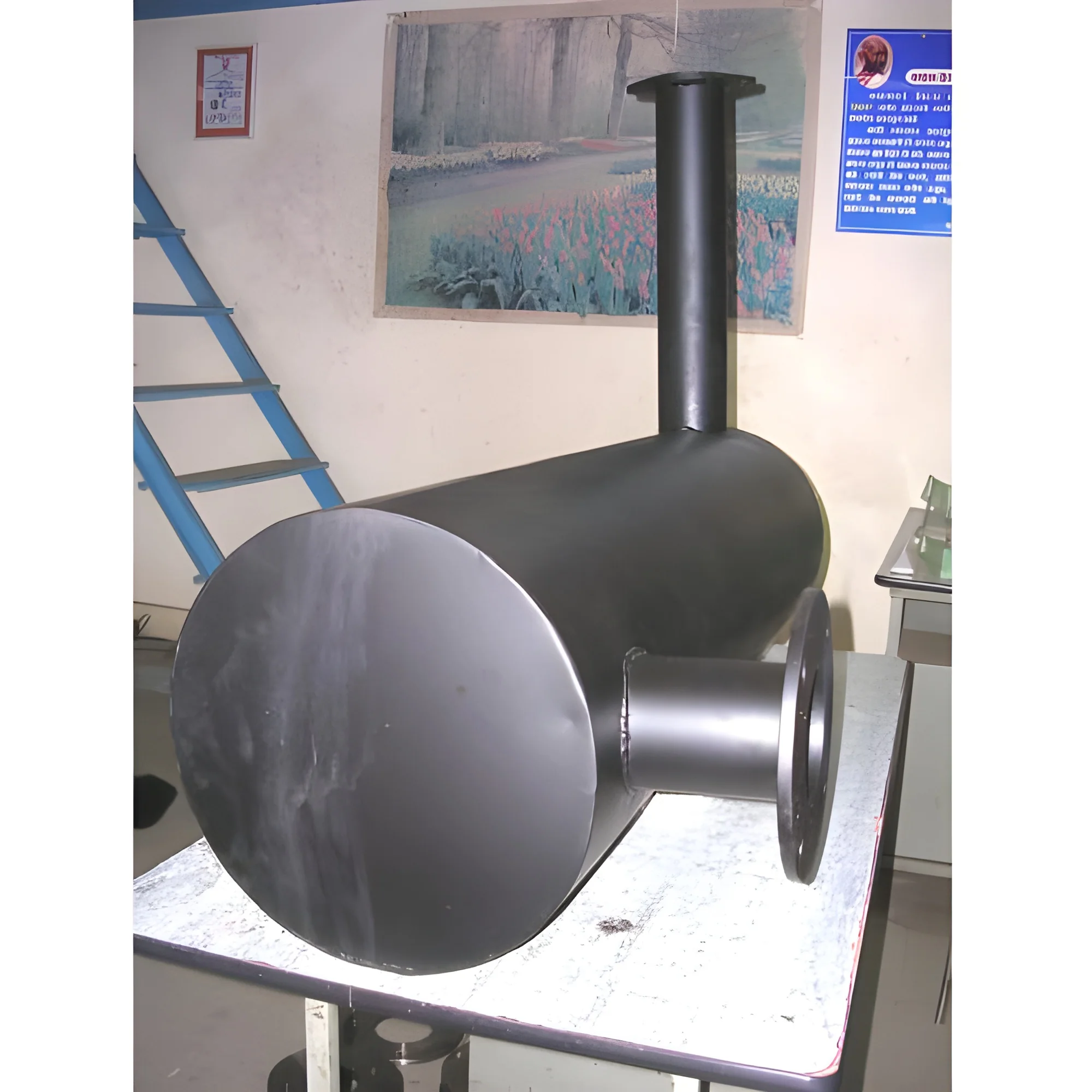
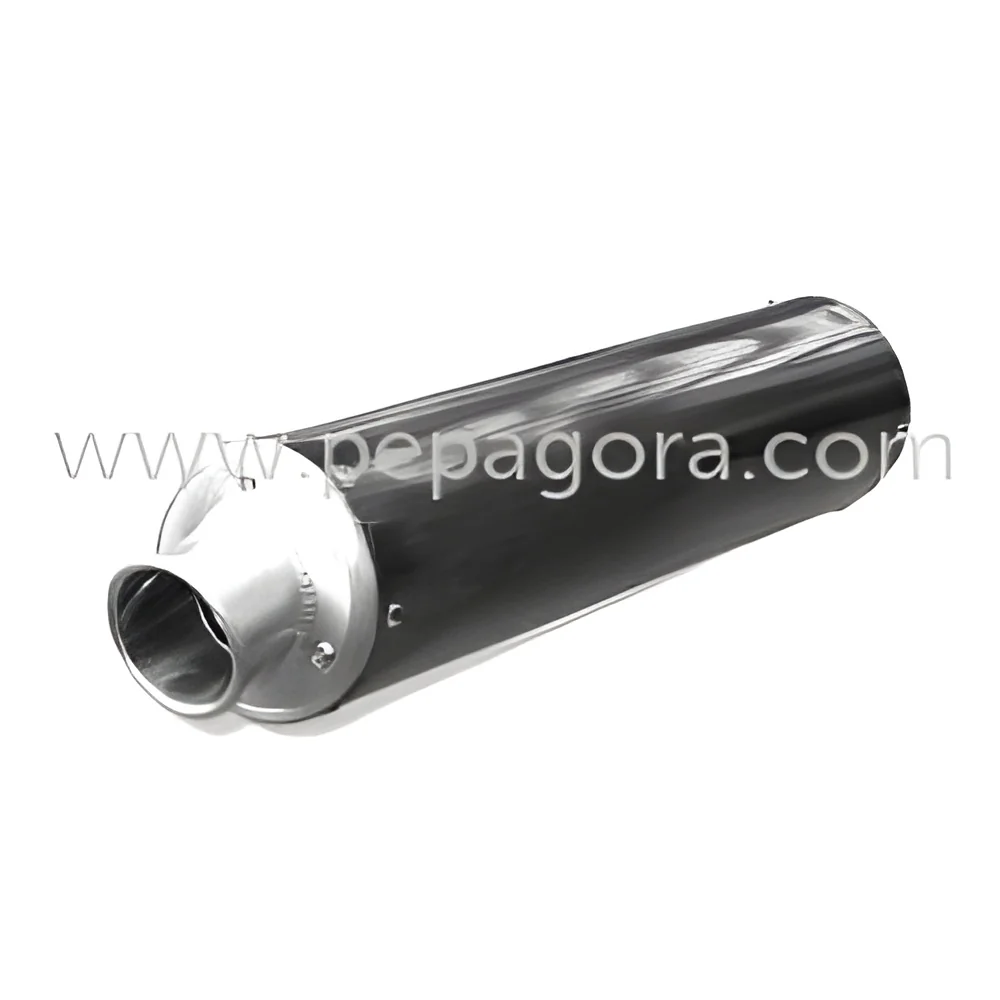
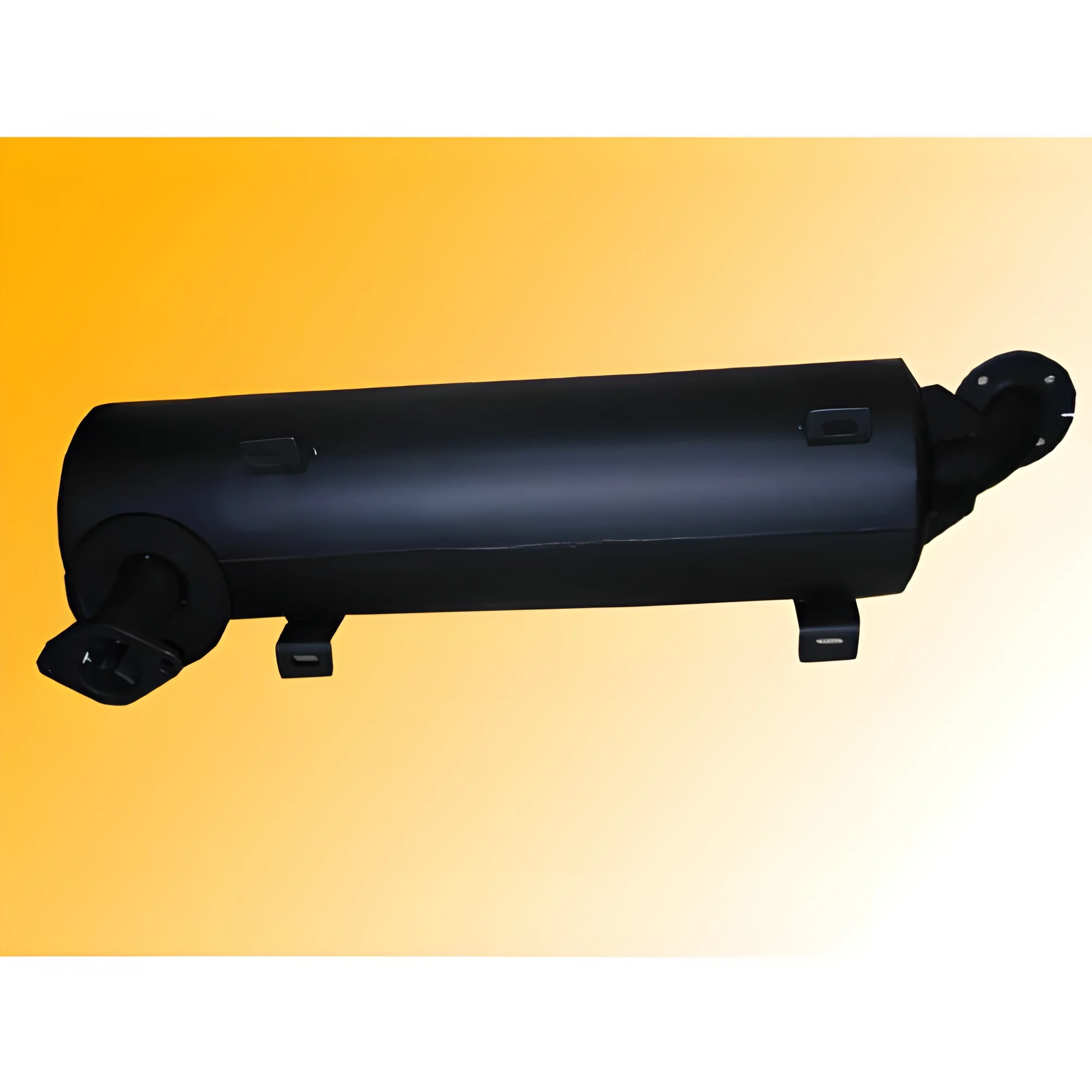
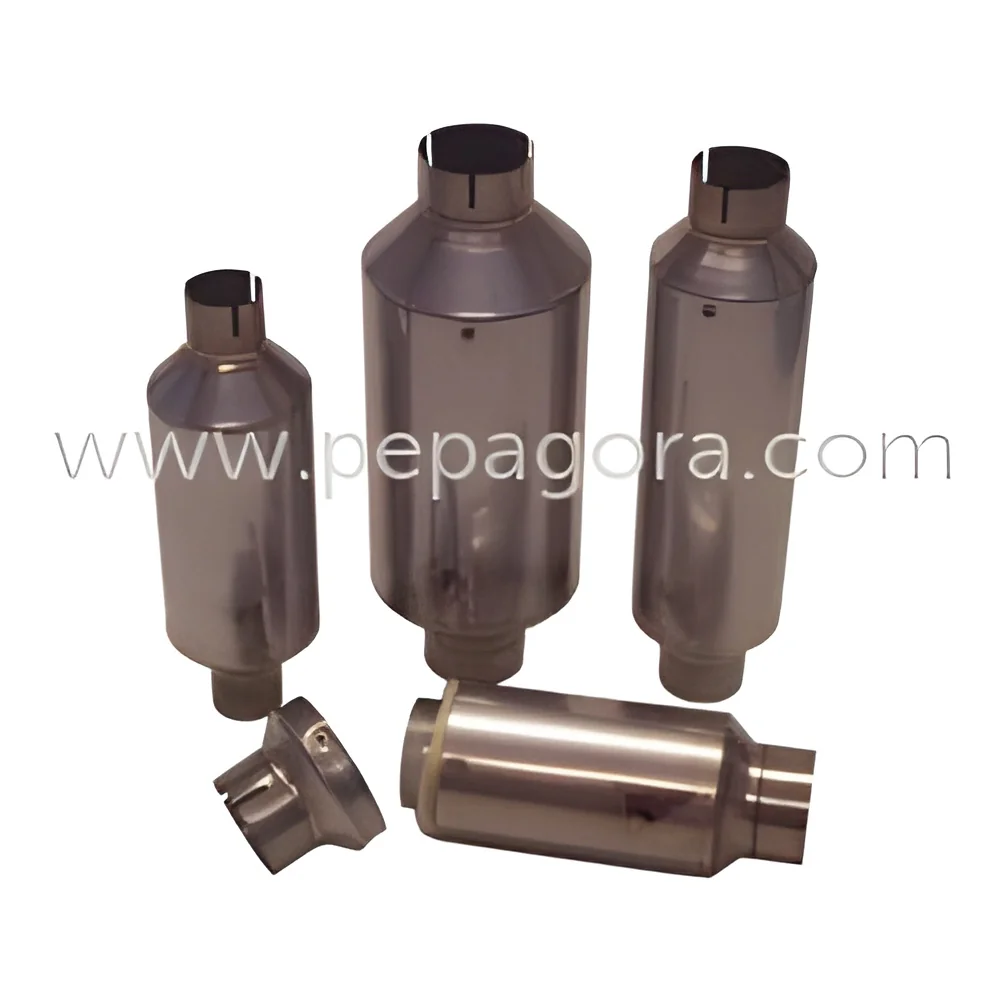
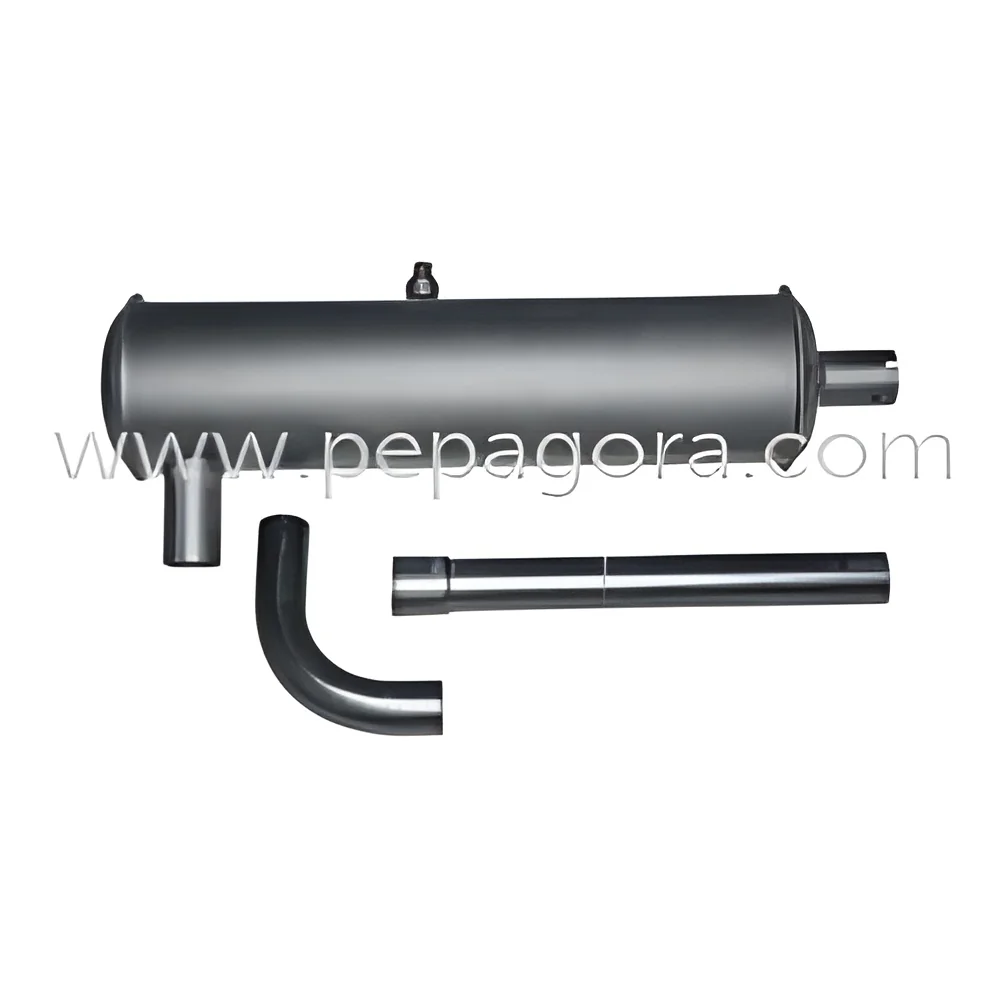
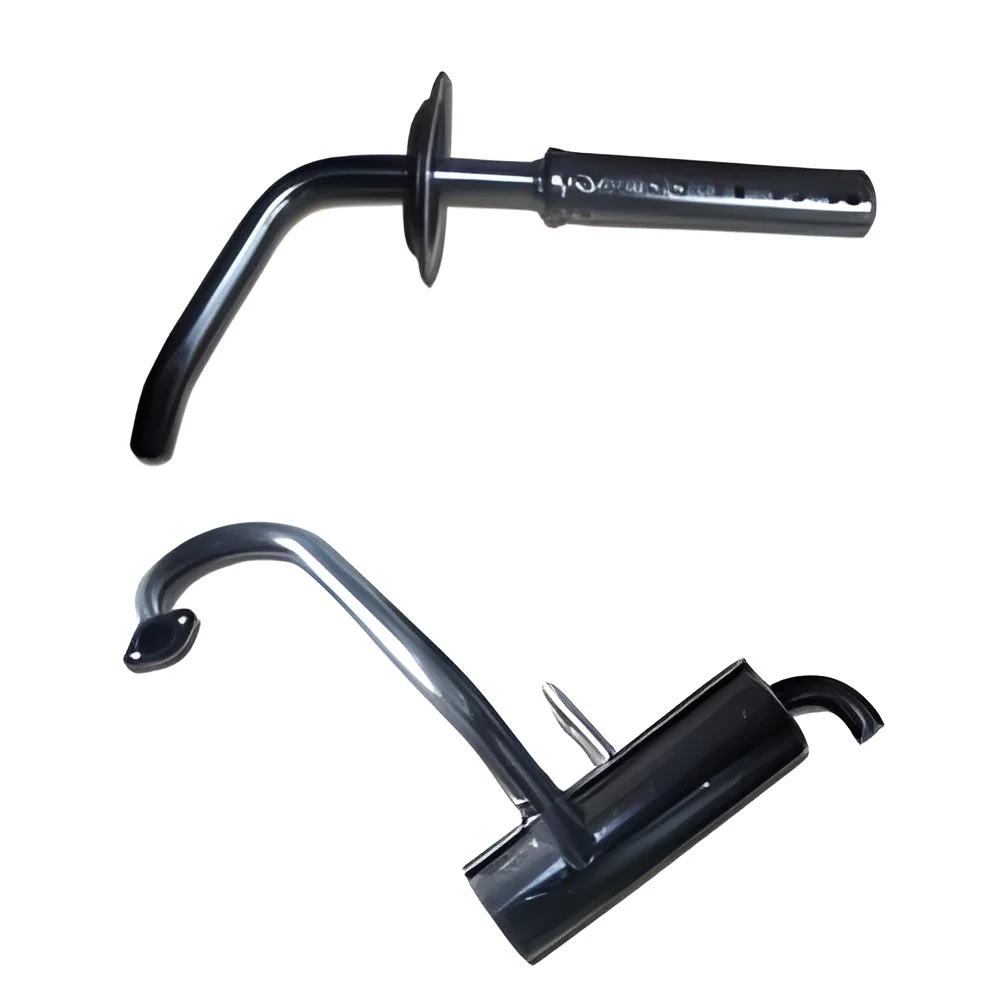
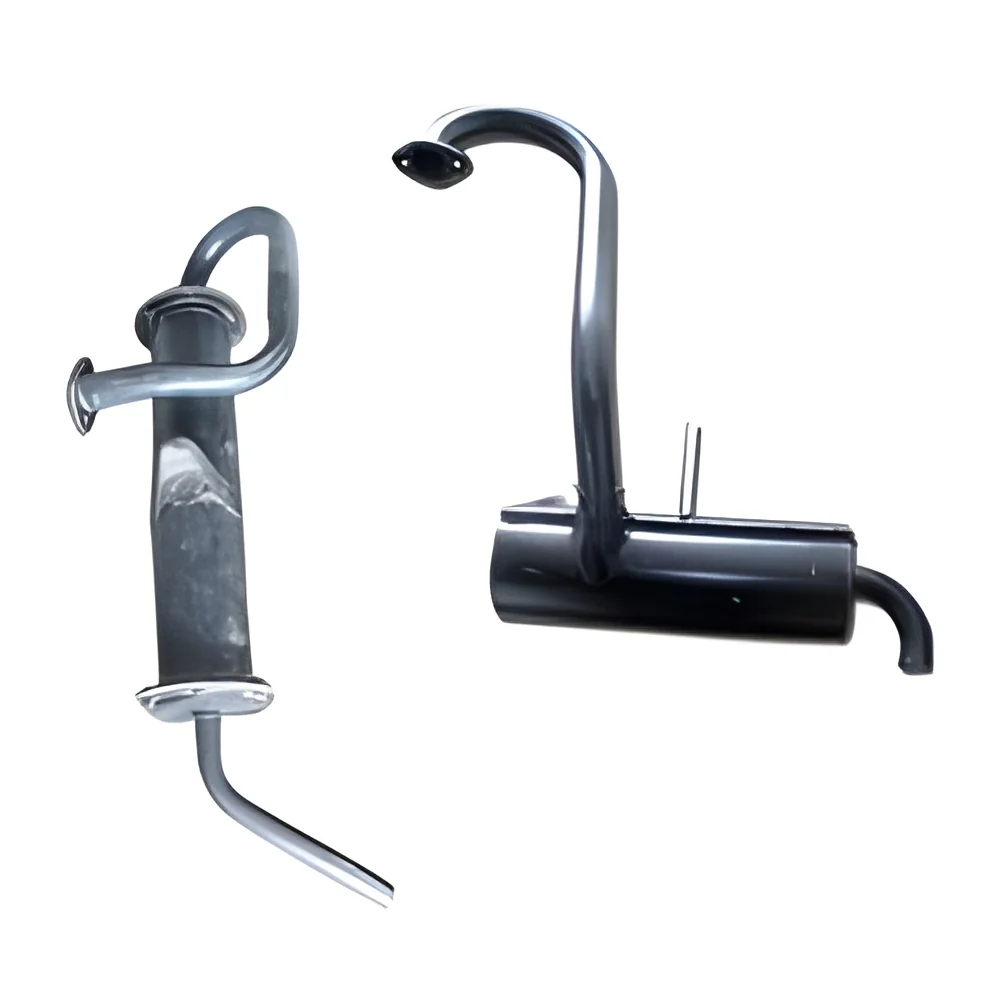
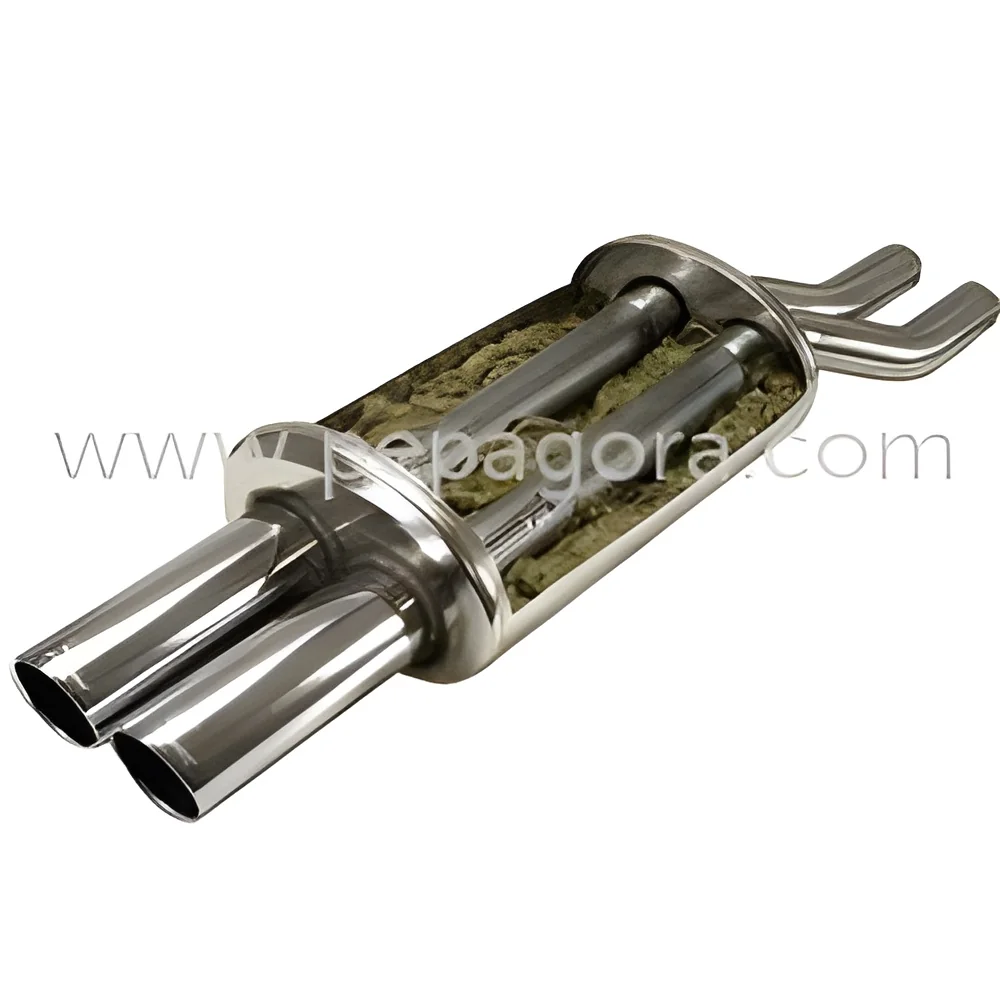
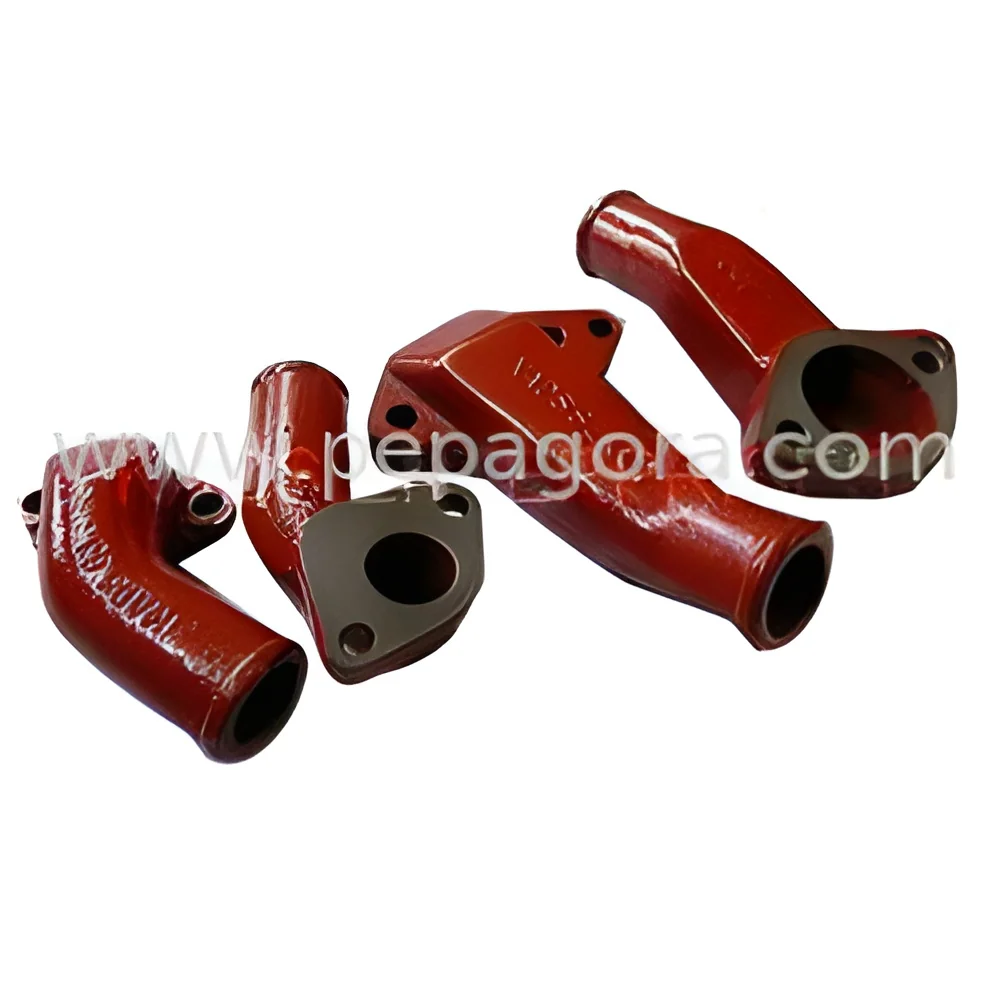
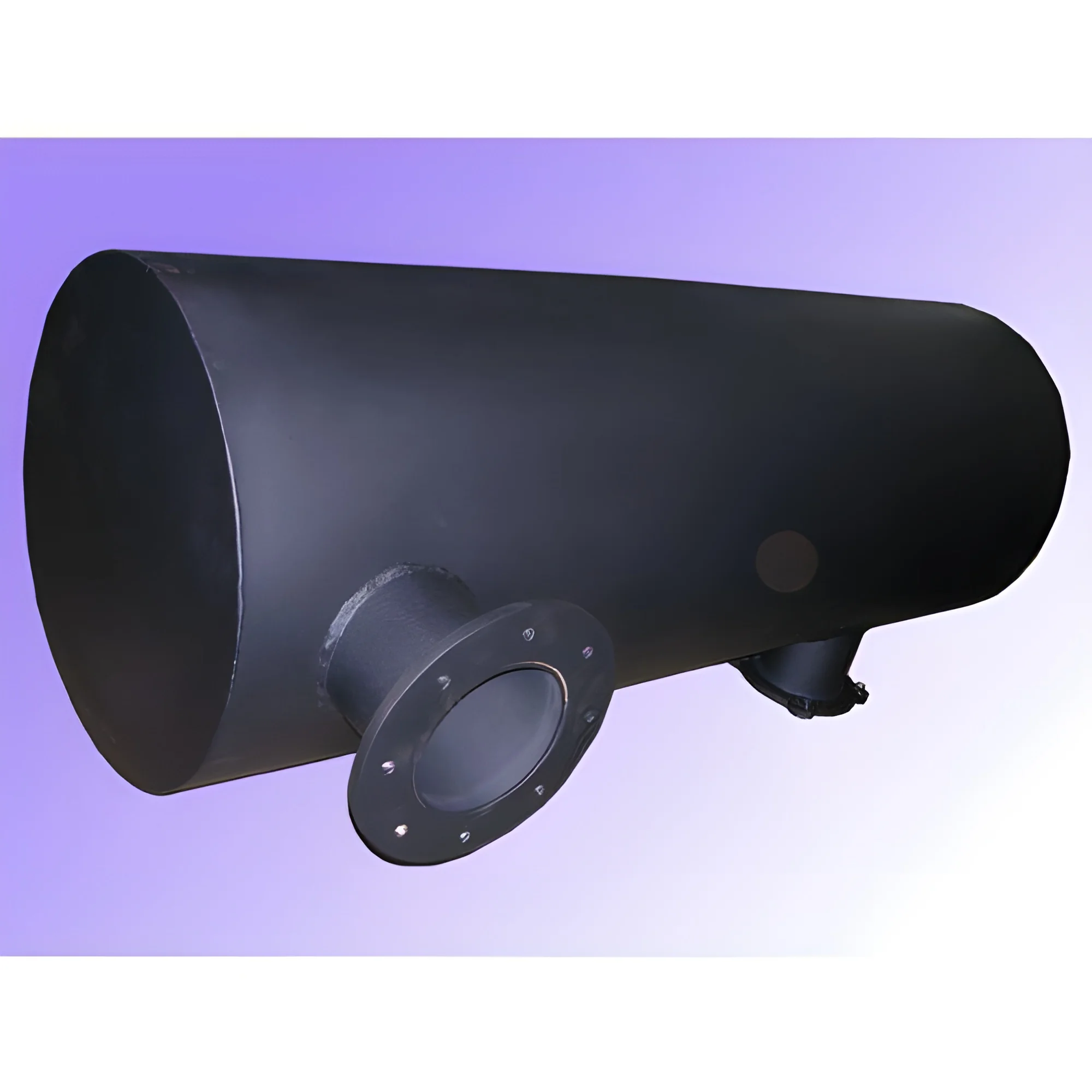
What are Exhaust Manifolds?
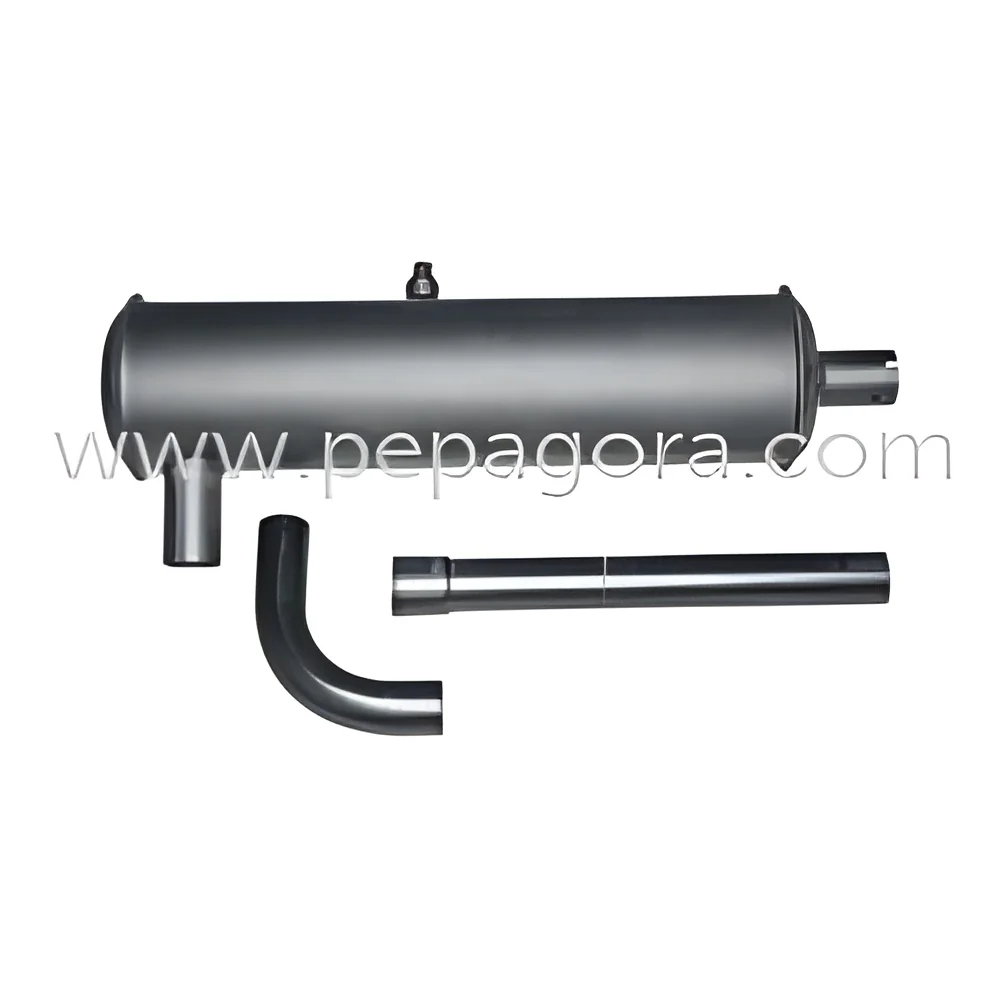
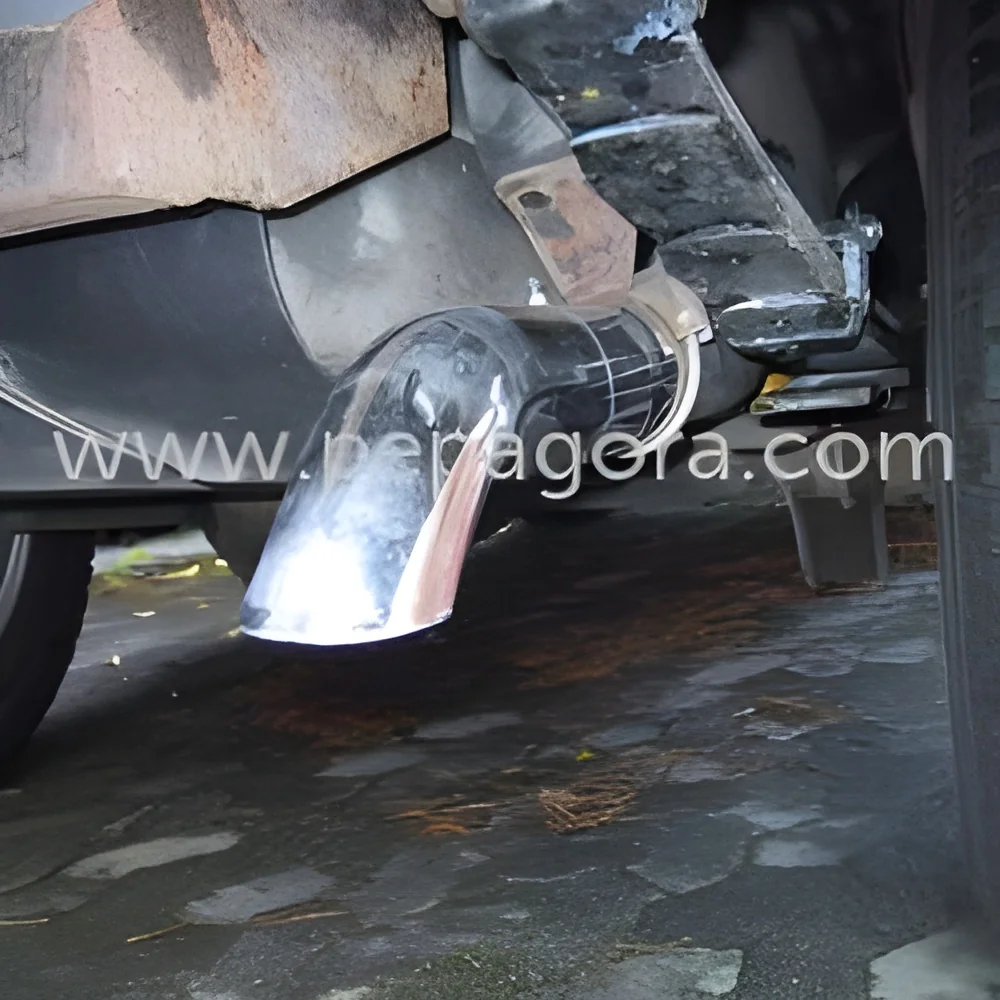
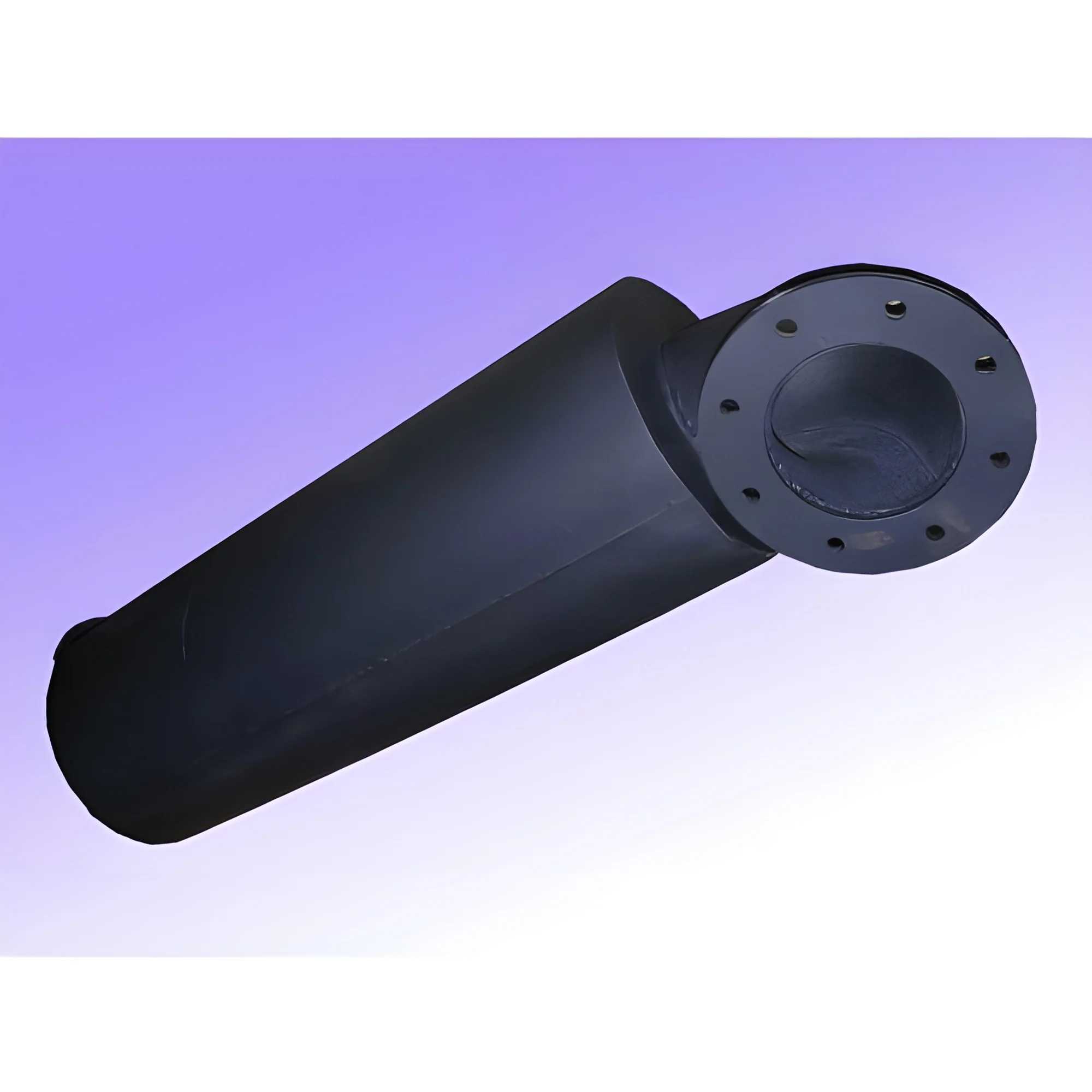
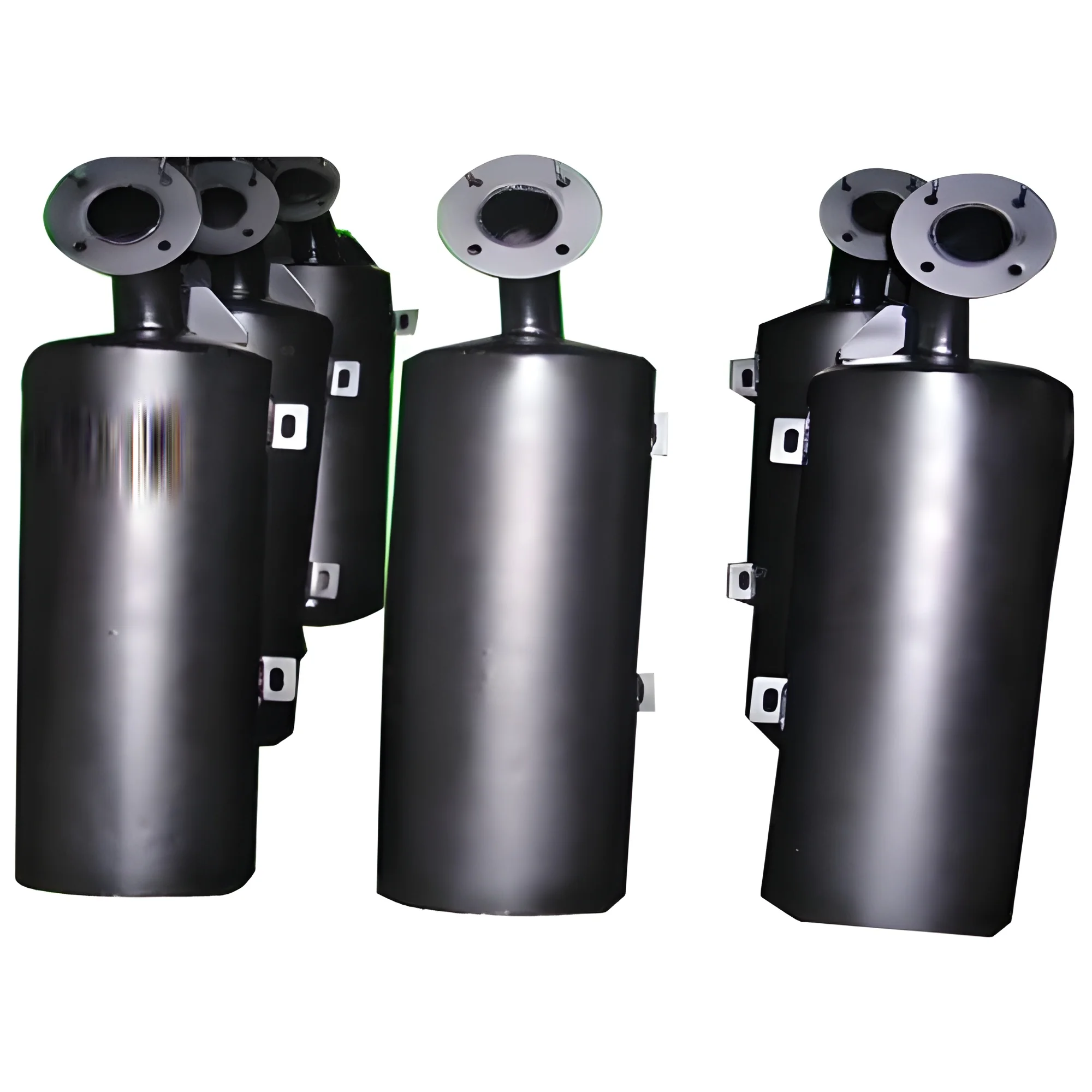
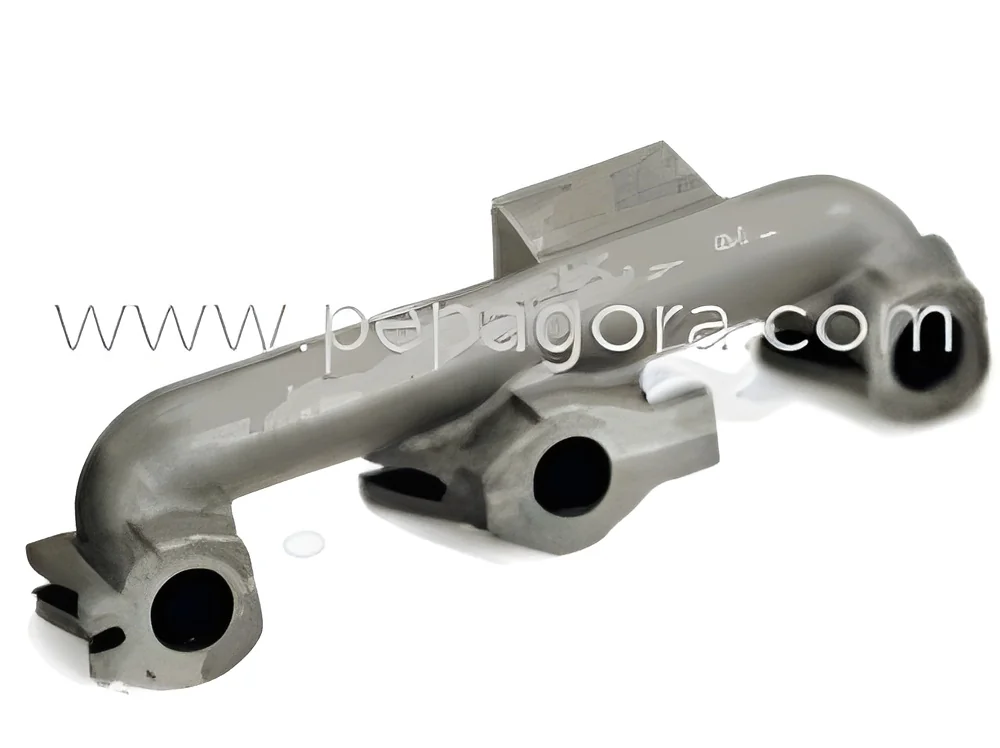
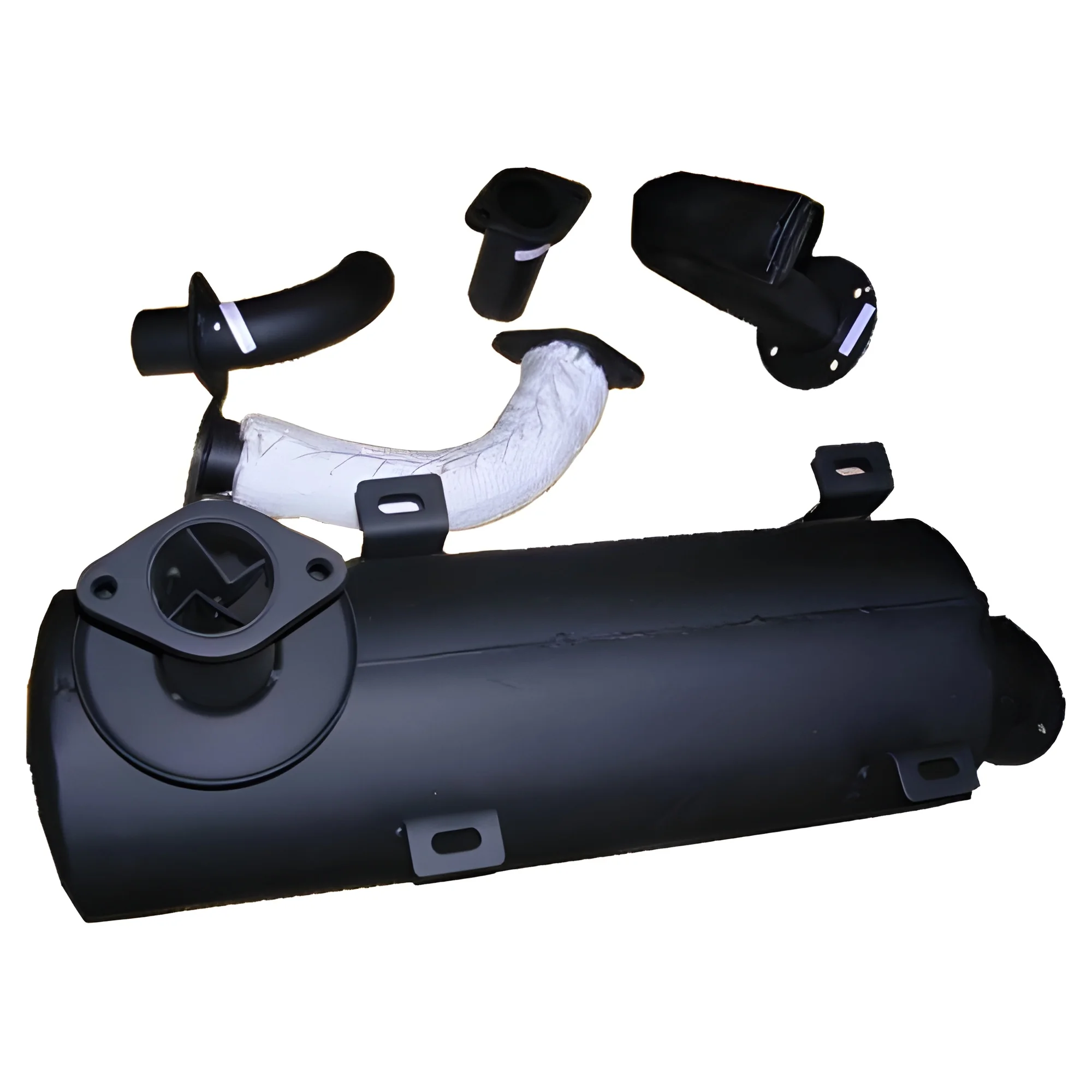
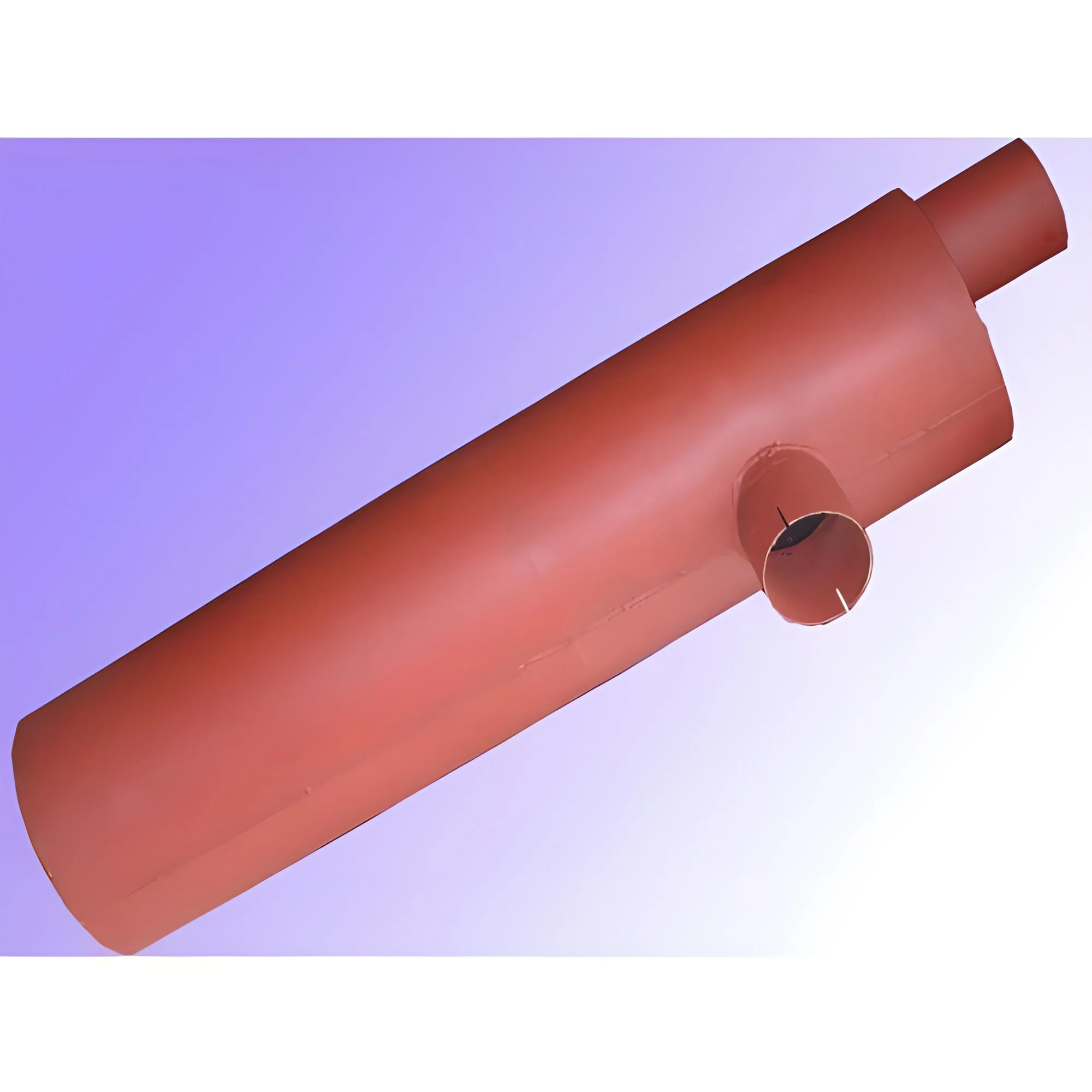
Exhaust manifolds are critical components in internal combustion engines, designed to collect and channel exhaust gases from multiple cylinders into a single outlet. They play a vital role in enhancing engine efficiency and performance. By efficiently directing exhaust flow, they help reduce back pressure, which can improve engine power output and fuel efficiency.
Exhaust manifolds are commonly used in various types of vehicles and machinery, including cars, trucks, industrial equipment, and marine engines. Their primary function is to facilitate the safe and efficient expulsion of exhaust gases, thereby minimizing the risk of harmful emissions and ensuring compliance with environmental regulations. As vehicles and machinery evolve, the demand for high-quality exhaust manifolds that meet rigorous performance standards continues to grow.
In the context of the industrial market, exhaust manifolds are essential in sectors such as automotive, aerospace, and manufacturing. As industries strive for better fuel economy and lower emissions, the relevance of advanced exhaust manifold designs becomes increasingly significant. This makes understanding the characteristics and applications of exhaust manifolds crucial for businesses looking to optimize their operations.
Key Features and Specifications
Exhaust manifolds come with a variety of features that enhance their functionality and durability. When selecting an exhaust manifold, it is essential to consider specifications that align with specific engine types and operational requirements.
Key specifications include:
1. Material Composition
- Typically made from cast iron or stainless steel
- Offers durability and resistance to high temperatures
2. Design Type
- Available in various configurations such as log-style, tubular, or split manifold designs
- Each type has its advantages depending on the engine setup
3. Fitment
- Engine-specific designs to ensure compatibility with various makes and models
- Customization options are often available for unique engine setups
4. Heat Resistance
- Capable of withstanding high exhaust temperatures
- Essential for maintaining performance and longevity
5. Surface Finish
- Options for ceramic coating or bare metal
- Coatings can improve thermal efficiency and reduce corrosion
6. Port Size
- Varies based on engine specifications
- Important for optimizing exhaust flow and performance
7. Weight
- Lightweight options available for improved vehicle performance
- Heavier models offer durability but may impact overall weight
8. Certification
- Many exhaust manifolds are CE certified
- Ensures compliance with European safety and environmental standards
In summary, understanding the key features and specifications of exhaust manifolds is crucial for making informed purchase decisions. These factors significantly influence the performance and suitability of exhaust manifolds for specific applications.
Common Applications and Use Cases
Exhaust manifolds serve a wide range of industries and applications. Their design and functionality cater to various operational needs.
1. Automotive Industry: Exhaust manifolds are essential in passenger vehicles, trucks, and performance cars. They help optimize engine performance and reduce emissions, meeting stringent environmental regulations.
2. Marine Applications: In boats and ships, exhaust manifolds manage engine emissions efficiently. They are designed to withstand harsh marine environments while maintaining engine performance.
3. Industrial Equipment: Many types of heavy machinery rely on exhaust manifolds to direct exhaust flow. This includes construction equipment, generators, and agricultural machinery, which all benefit from improved engine efficiency.
4. Aerospace Sector: Aircraft engines utilize specialized exhaust manifolds to manage exhaust gases at high altitudes. These components are engineered for lightweight and robust performance.
5. Commercial Vehicles: Trucks and buses depend on exhaust manifolds for effective emissions control. They play a vital role in meeting regulatory standards for commercial transportation.
6. Power Generation: Exhaust manifolds are used in power plants to manage exhaust from turbines and generators, ensuring efficient operation and compliance with environmental regulations.
7. Off-Road Vehicles: In ATVs and other off-road machinery, exhaust manifolds help enhance engine performance in rugged conditions, showcasing their versatility.
Product Variants and Subcategories
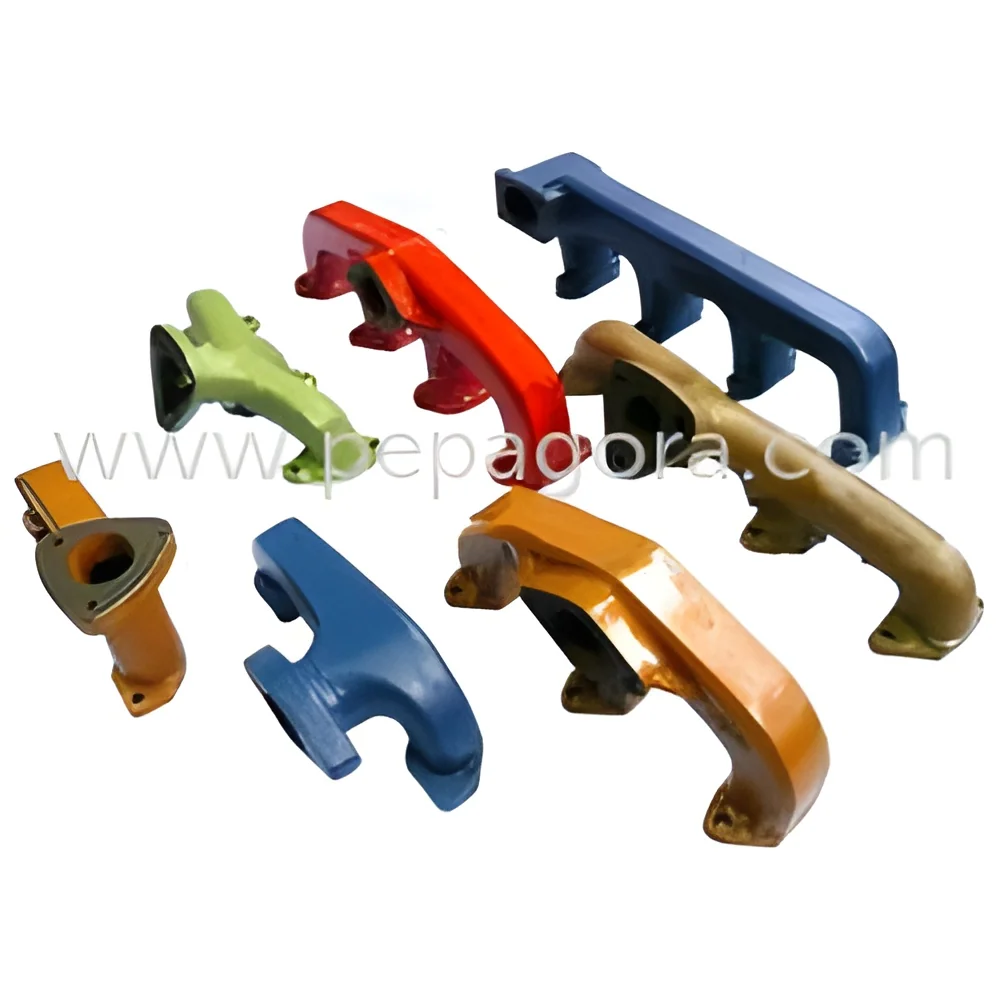
Exhaust manifolds come in various designs tailored to specific engine configurations and operational needs.
Log-Style Manifold: This design features a compact shape, suitable for applications with limited space. It offers a simple solution for many standard engines, facilitating efficient gas flow.
Tubular Manifold: Known for their performance advantages, tubular manifolds feature individual tubes for each exhaust port. They provide improved exhaust flow and are popular in high-performance vehicles.
Split Manifold: This variant divides the exhaust flow into separate channels, allowing for enhanced performance in turbocharged engines. They are often used in racing applications.
High-Performance Manifold: Designed for racing and performance applications, these manifolds are engineered for maximum exhaust flow and minimal back pressure. They often come with custom fit options.
Benefits and Advantages
Choosing the right exhaust manifold can provide numerous advantages for businesses and manufacturers.
1. Enhanced Engine Efficiency: A well-designed exhaust manifold optimizes exhaust flow, improving overall engine performance and fuel efficiency.
2. Reduced Emissions: High-quality exhaust manifolds help control harmful emissions, ensuring compliance with environmental regulations and promoting sustainability.
3. Durability and Longevity: Quality materials and design can lead to longer-lasting components, reducing maintenance costs and downtime.
4. Customization Options: Many suppliers offer customizable exhaust manifolds tailored to specific engine requirements, enhancing compatibility and performance.
5. Improved Performance: Upgrading to a high-performance exhaust manifold can significantly boost horsepower and torque, making it an attractive option for performance-oriented applications.
6. Cost-Effectiveness: Investing in reliable exhaust manifolds can lead to savings in fuel consumption and maintenance, providing long-term financial benefits.
Buying Guide for B2B Buyers
When sourcing exhaust manifolds for business applications, several key factors should be considered to ensure the best purchase decision.
1. Quality Assessment: Evaluate the materials and manufacturing processes used in the exhaust manifolds. Look for certifications that ensure compliance with industry standards and durability.
2. Supplier Verification: Vet potential suppliers for their reputation, reliability, and customer service. A trusted supplier can provide quality products and support throughout the purchasing process.
3. Pricing and MOQ: Understand the pricing structure and minimum order quantities (MOQ) from suppliers. This can help in budgeting and ensuring that you receive the best value for your investment.
4. Delivery and Lead Times: Assess the supplier's ability to meet your delivery requirements. Timely delivery is crucial for maintaining production schedules and avoiding disruptions.
5. Compliance Requirements: Ensure that the exhaust manifolds meet necessary regulatory and certification standards relevant to your industry. This is essential for legal compliance and operational efficiency.
Compliance and Certifications
Exhaust manifolds must adhere to various quality standards and certifications to ensure safety and performance.
ISO 9001 is a widely recognized quality management standard that ensures manufacturers maintain high-quality processes in their production. Compliance with ISO 9001 indicates a commitment to consistent quality and customer satisfaction.
In addition to ISO standards, many exhaust manifolds receive CE certification, which signifies compliance with European health, safety, and environmental protection standards. This is particularly important for businesses operating in or exporting to Europe.
Safety and testing requirements are also paramount in the manufacturing of exhaust manifolds. Products must undergo rigorous testing to ensure they can withstand high temperatures and pressures, common in automotive applications.
Regional compliance considerations may vary depending on local regulations. Businesses should ensure that their chosen exhaust manifolds meet the specific legal requirements in their operational regions.
Why Source Exhaust Manifolds from Pepagora?
Pepagora provides a trusted platform for sourcing exhaust manifolds, offering several key advantages for businesses.
Verified Supplier Network: Pepagora features a robust network of verified suppliers, ensuring that buyers can access high-quality products from reputable manufacturers. This helps build trust in the sourcing process.
Streamlined RFQ Process: The request for quotation (RFQ) system simplifies the purchasing process, allowing buyers to receive competitive quotes from multiple suppliers quickly. This efficiency can save time and resources.
Trade Assurance and Support: Pepagora offers trade assurance, providing buyers with protection throughout their transactions. This ensures that customers can shop with confidence and receive reliable support.
Regional Coverage: With a broad geographic reach including India, the GCC, and Southeast Asia, Pepagora connects buyers with suppliers across key markets. This facilitates better sourcing options and access to a diverse range of products.
By choosing Pepagora, businesses can enhance their sourcing strategy for exhaust manifolds, benefiting from verified suppliers, competitive pricing, and comprehensive support.

 IN
IN