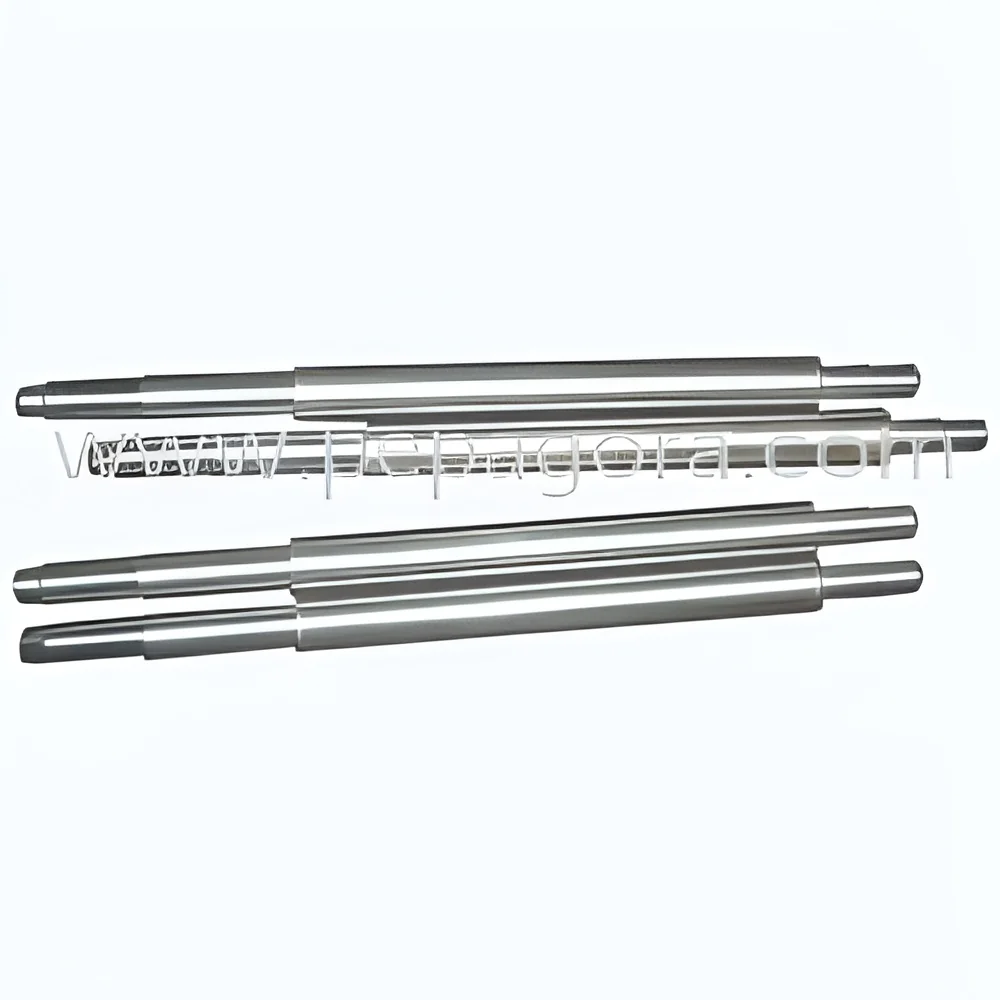
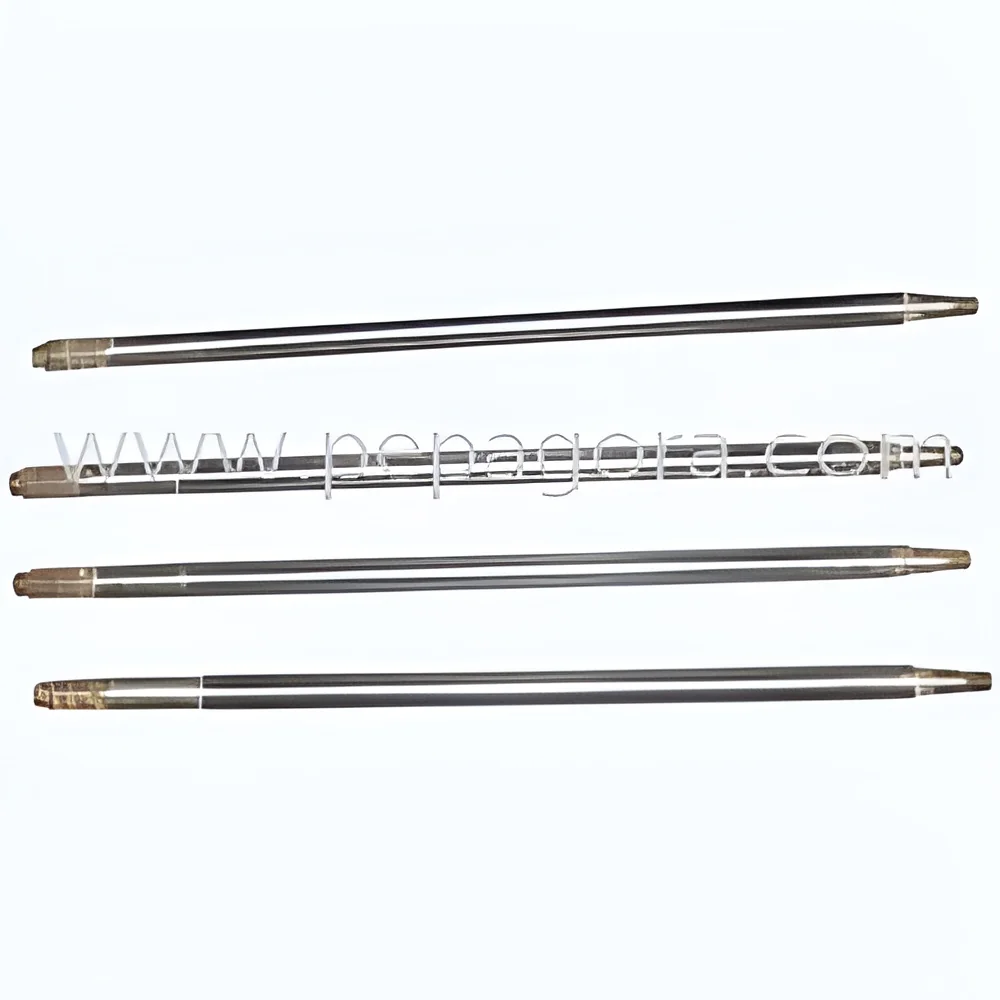
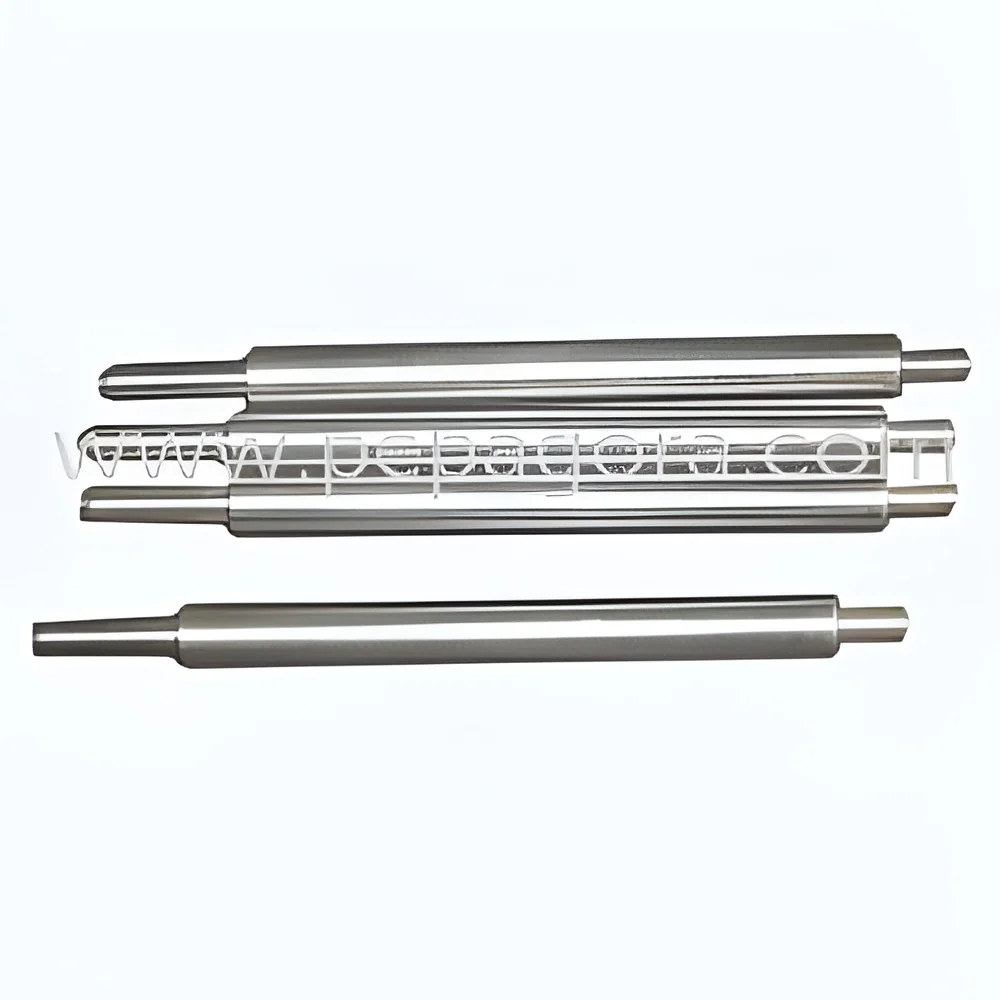
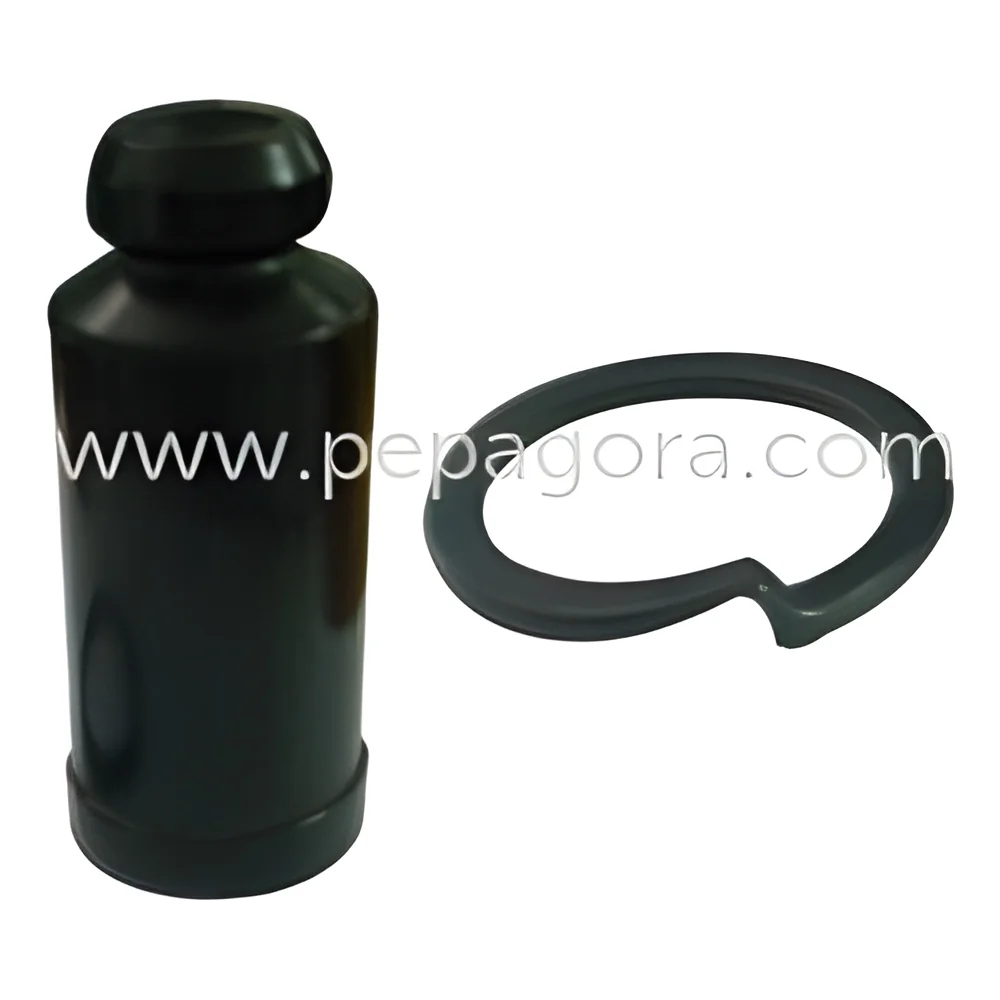
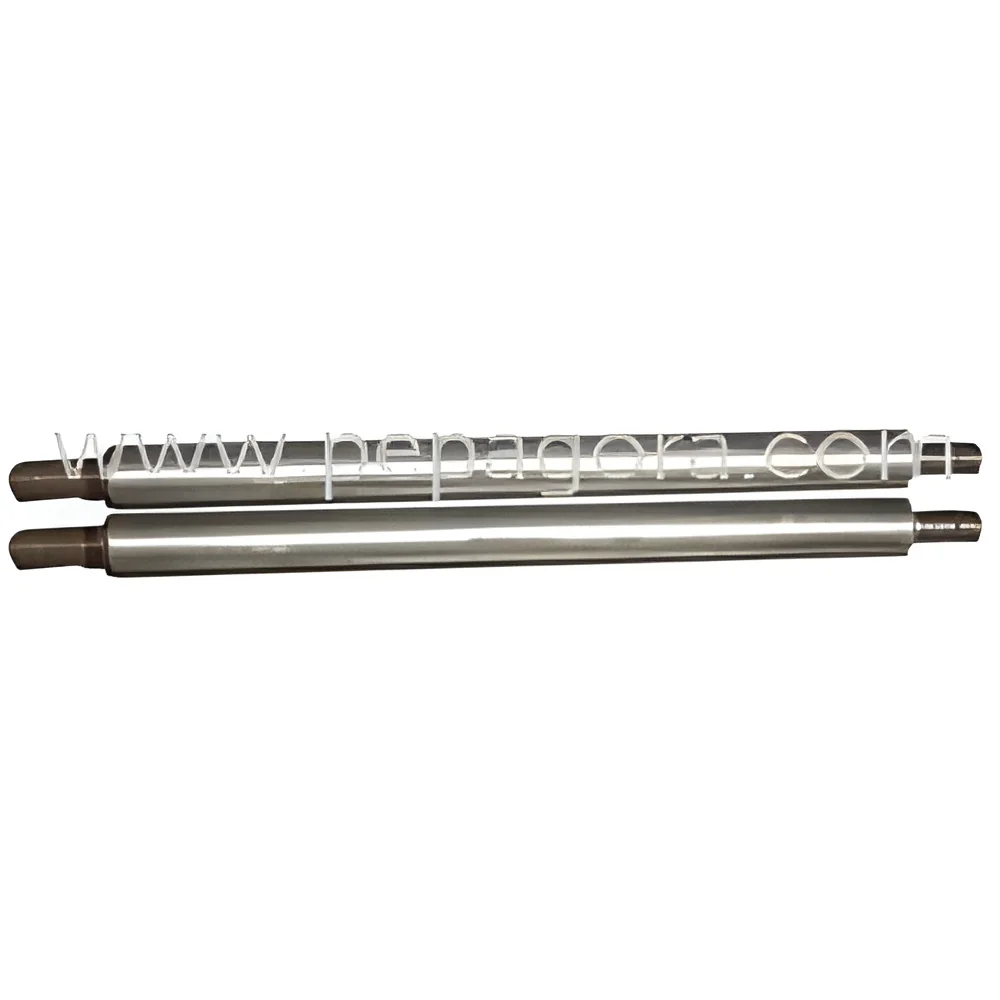
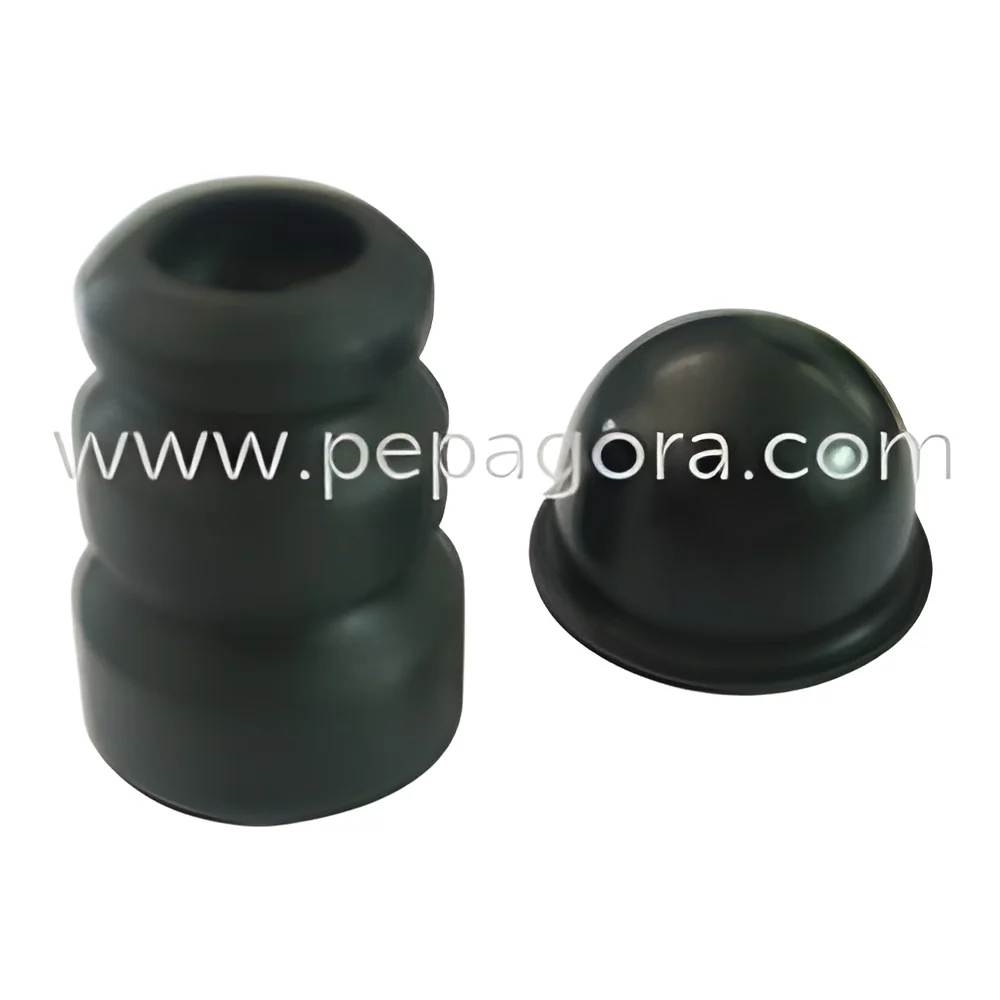
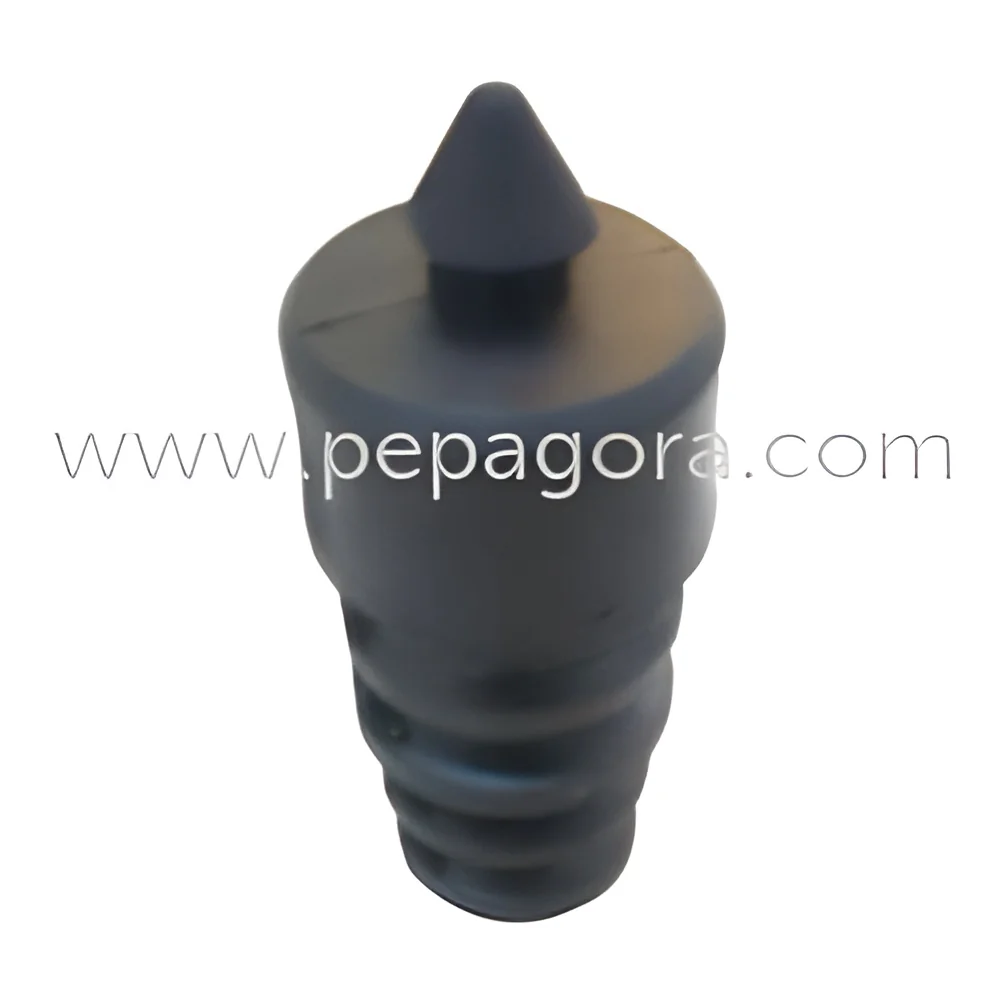
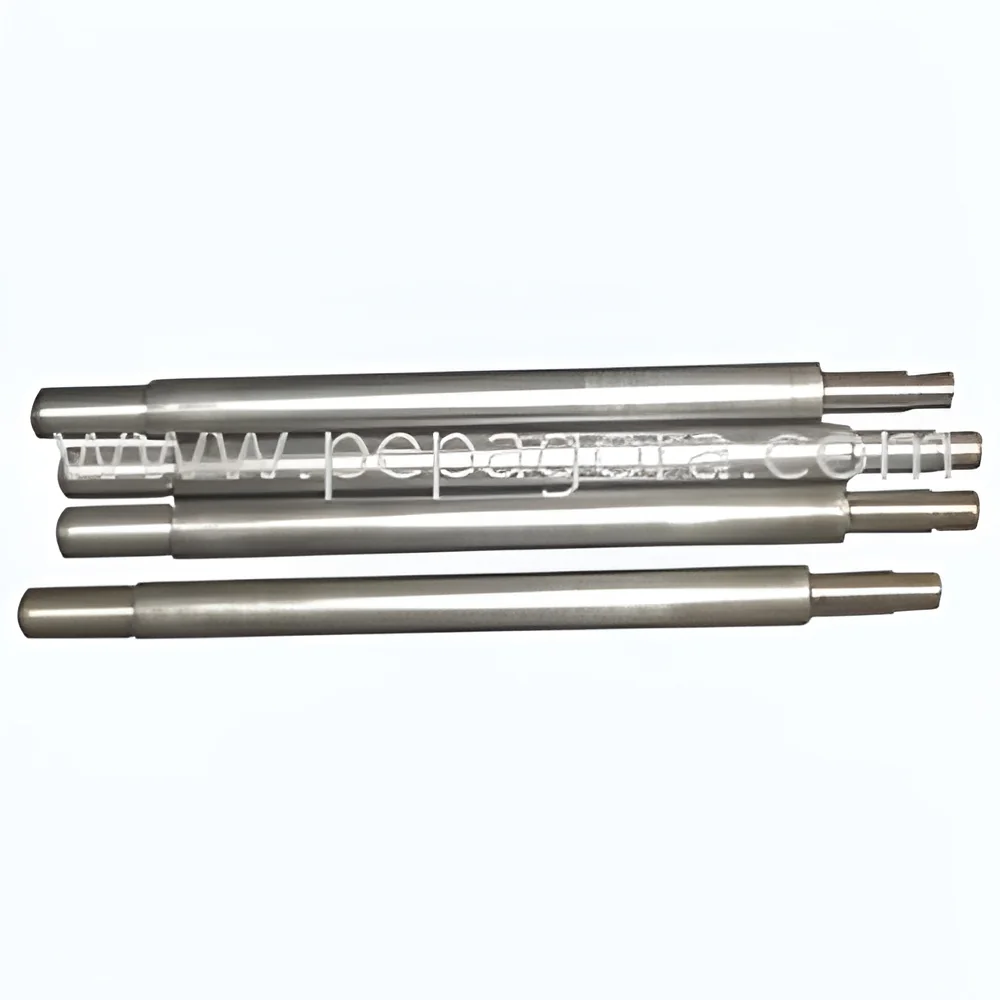
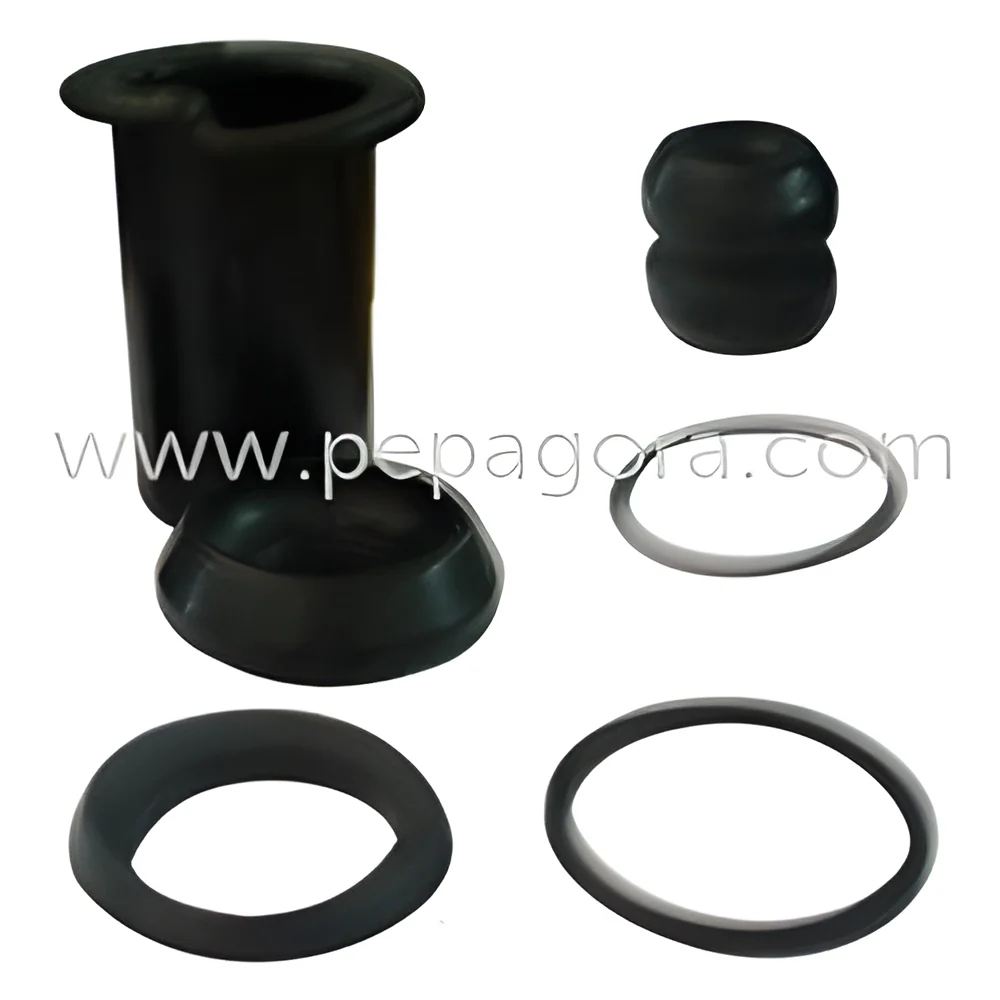
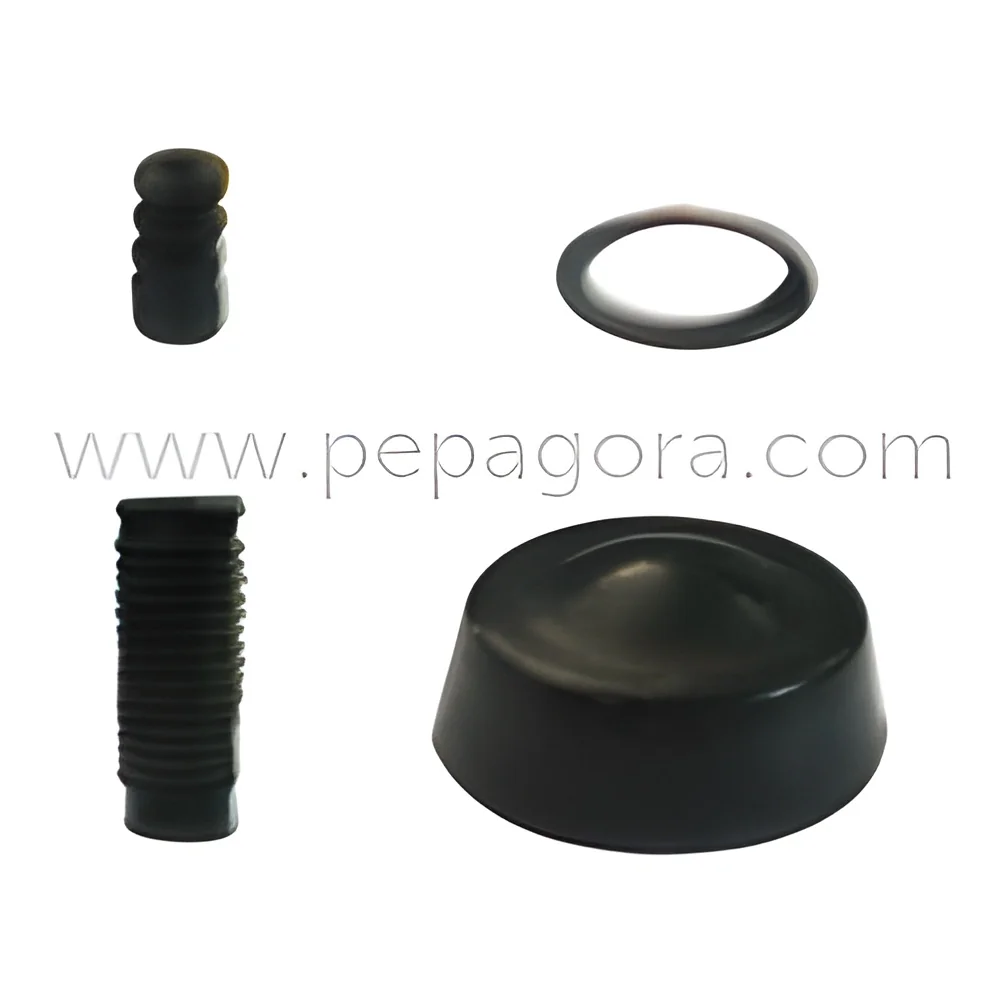
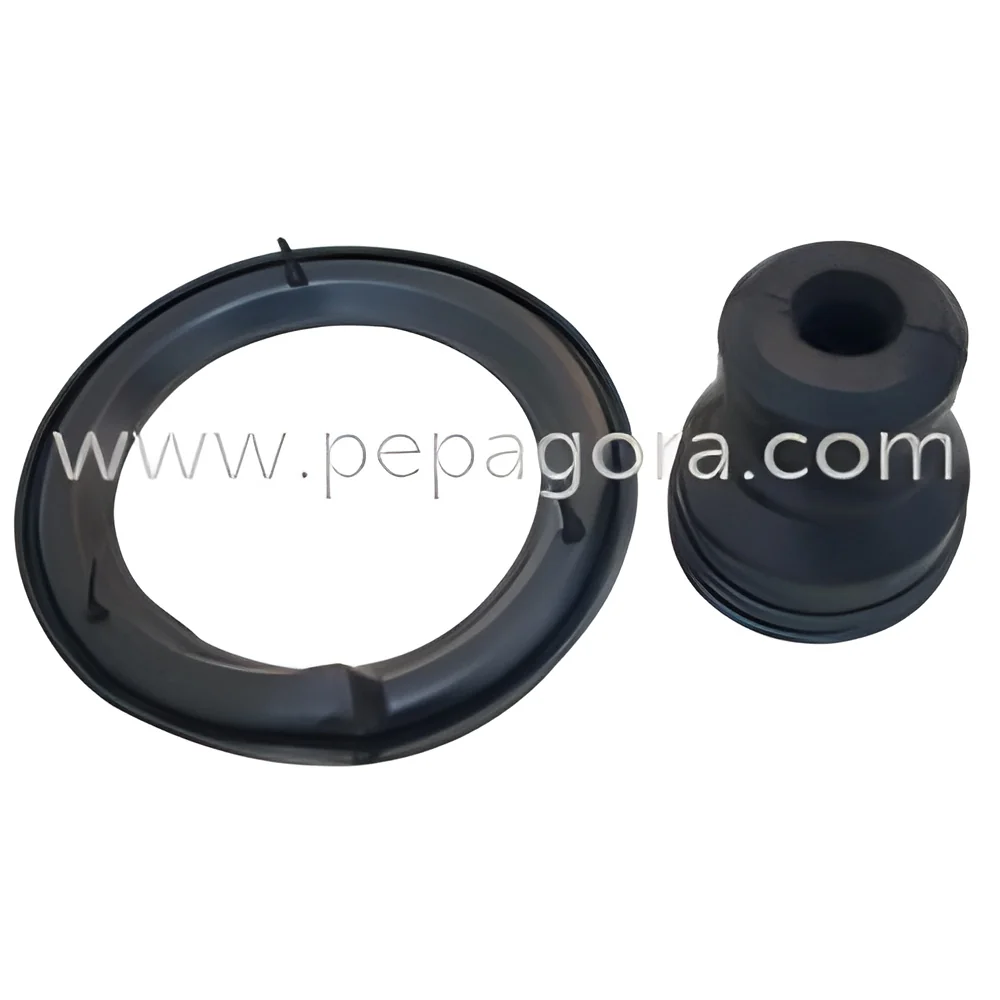
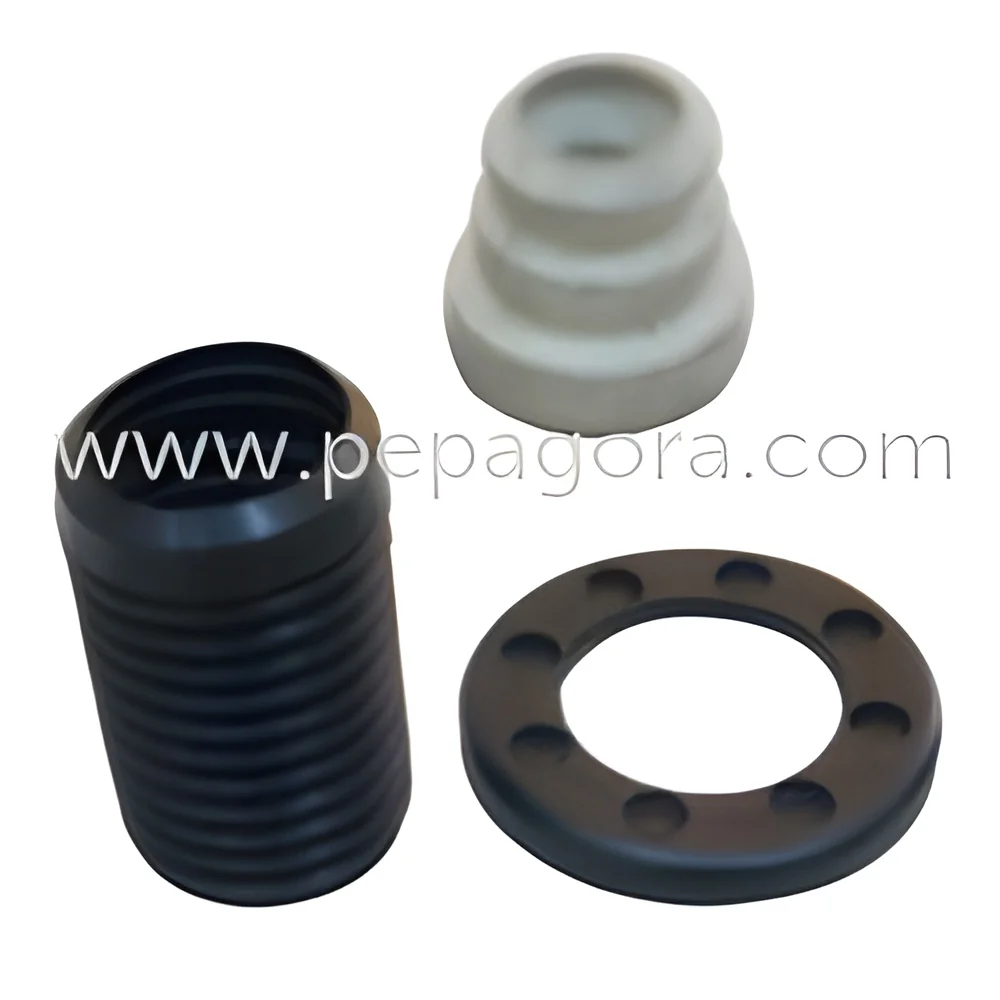
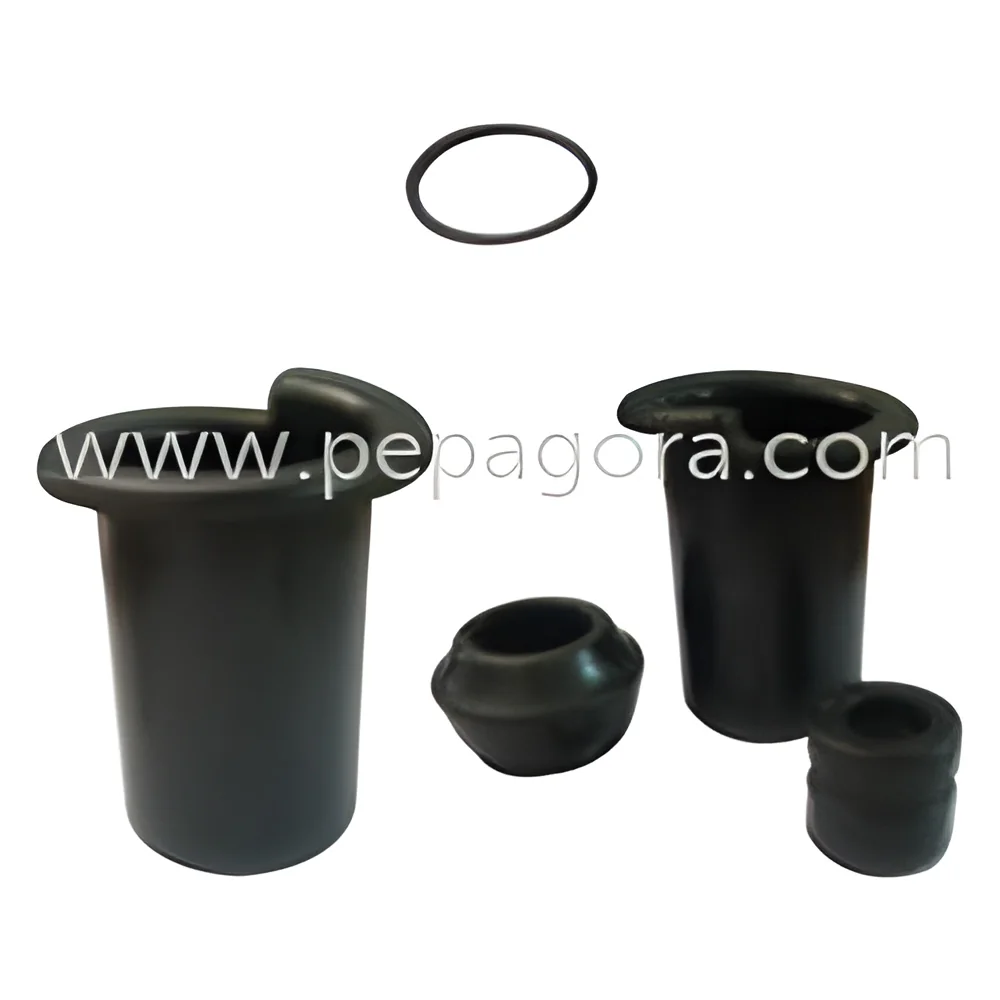
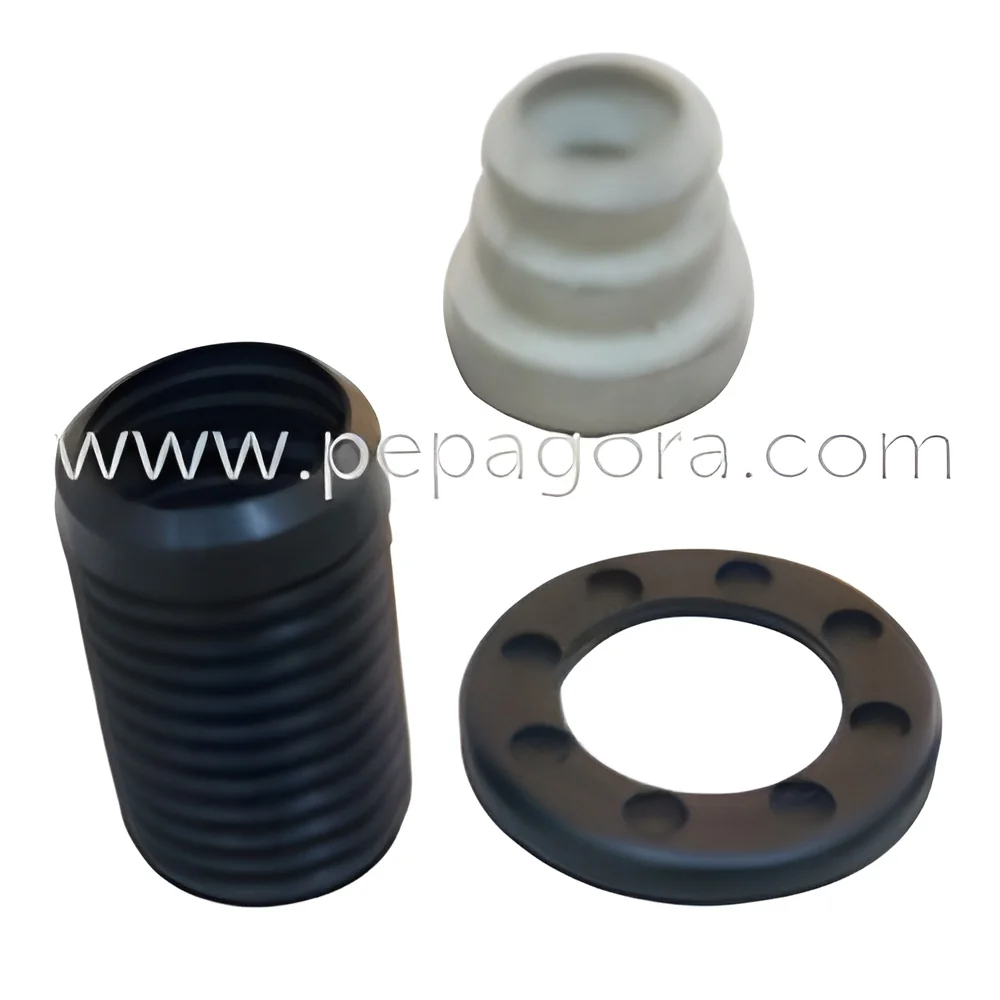
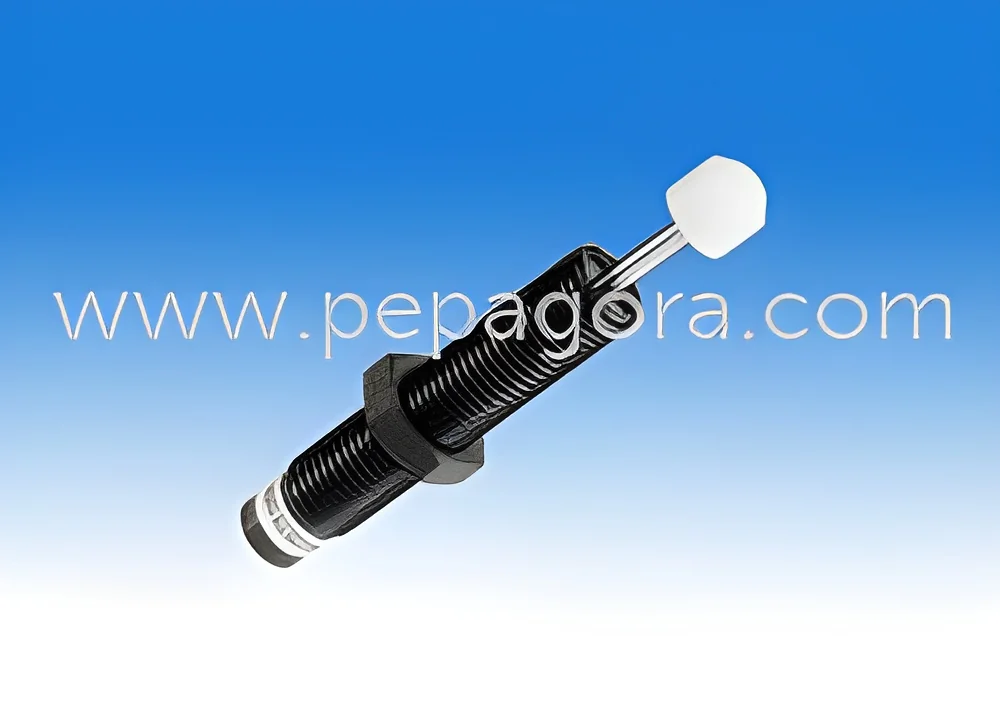
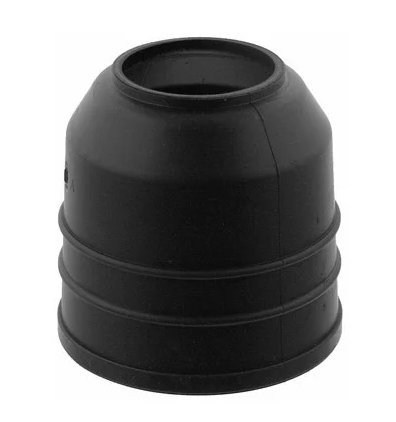
What are Shock Absorbers?
Shock absorbers are mechanical devices designed to dampen and control the energy generated by impacts and vibrations in various applications. Their primary function is to provide a smoother ride by absorbing shocks and reducing the oscillations caused by road irregularities or other disturbances. By converting kinetic energy into thermal energy, shock absorbers help maintain vehicle stability and enhance comfort.
In the business context, shock absorbers are utilized across numerous industries, including automotive, construction, aerospace, and manufacturing. They play a crucial role in ensuring the durability and safety of machinery and vehicles by minimizing wear and tear. As industries continue to evolve, the demand for high-quality shock absorbers remains significant, driven by advancements in technology and a focus on safety and performance.
The shock absorber market is influenced by various factors, including increasing vehicle production, urbanization, and stringent safety regulations. With the growing need for efficient and reliable equipment in various sectors, the relevance of shock absorbers continues to expand, making them a vital component in modern engineering and manufacturing processes.
Key Features and Specifications
Shock absorbers come with a range of features designed to enhance performance and reliability. Understanding these specifications is crucial for selecting the right product for specific applications.
Key specifications include:
1. Damping Type
- Options include twin-tube and mono-tube designs.
- Each type offers different performance characteristics and applications.
2. Load Capacity
- Indicates the maximum load the shock absorber can handle.
- Specifications typically range from light-duty for passenger vehicles to heavy-duty for industrial applications.
3. Stroke Length
- Refers to the distance the shock absorber can compress and extend.
- Lengths vary based on vehicle or machinery requirements.
4. Pressure Range
- Operating pressure levels for optimal performance.
- Pressure ranges can vary based on the specific design and application.
5. Mounting Style
- Includes eyelet, stud, and other mounting configurations.
- Matching the mounting style to the application is essential for installation.
6. Material Composition
- Common materials include steel and aluminum for durability.
- Material choice impacts weight and corrosion resistance.
7. Temperature Range
- Performance under various temperature conditions.
- Specific temperature ranges are not available.
8. Compliance Standards
- Compliance with industry standards such as CE.
- Ensures safety and reliability in usage.
In summary, understanding these features and specifications is essential for selecting shock absorbers that meet performance and application requirements.
Common Applications and Use Cases
Shock absorbers are versatile and find applications in various sectors. Their ability to manage shock and vibration makes them indispensable in numerous fields.
1. Automotive Industry: Shock absorbers are crucial in vehicles for improving ride quality and handling. They mitigate the impact of uneven road surfaces, enhancing passenger comfort and vehicle stability.
2. Construction Equipment: In heavy machinery, shock absorbers help reduce vibrations, ensuring smoother operation. They prolong equipment life by minimizing wear and tear.
3. Aerospace: Shock absorbers are used in aircraft systems to manage landing impacts and maintain stability during flight. They contribute to safety and performance in aviation.
4. Manufacturing: In production machinery, shock absorbers help reduce vibrations that can lead to equipment failure. They ensure precision and longevity in manufacturing processes.
5. Railway Systems: Shock absorbers are integral in train systems to provide smooth rides and reduce wear on tracks. They enhance passenger comfort and safety.
6. Medical Equipment: In medical devices, shock absorbers help protect sensitive instruments from vibrations, ensuring accurate readings and functionality.
7. Sports Equipment: Shock absorbers are also found in sports gear, such as bicycles and fitness machines, improving user experience by reducing stress on joints.
Product Variants and Subcategories
Shock absorbers come in various types, each designed for specific applications and performance needs. This diversity allows businesses to choose the most suitable option for their requirements.
Standard Shock Absorbers
These are the most common type, used in everyday vehicles and machinery. They provide reliable performance and are designed for general use in various applications.
Performance Shock Absorbers
Designed for high-performance vehicles, these shock absorbers offer enhanced handling and stability. They are suitable for racing and other demanding applications where control is critical.
Heavy-Duty Shock Absorbers
These are built for industrial and commercial applications, capable of handling significant loads and harsh conditions. They are ideal for construction equipment and heavy machinery.
Adjustable Shock Absorbers
These allow users to customize damping settings based on specific needs. Adjustable options are popular in motorsports and specialized applications requiring fine-tuning.
Benefits and Advantages
Choosing the right shock absorbers can lead to significant benefits for businesses and operators. Understanding these advantages is essential for making informed purchasing decisions.
Key benefits include:
1. Improved Comfort: Shock absorbers enhance ride quality by reducing harsh impacts, leading to a more comfortable experience for users.
2. Enhanced Safety: By stabilizing vehicles and machinery, shock absorbers contribute to safer operations, reducing the risk of accidents.
3. Prolonged Equipment Life: By minimizing wear and tear, shock absorbers help extend the lifespan of vehicles and machinery.
4. Better Handling: They improve handling characteristics, allowing for better control in various operating conditions.
5. Reduced Maintenance Costs: By preventing damage to other components, shock absorbers can lead to lower maintenance and repair expenses.
6. Increased Efficiency: Shock absorbers enable smoother operation, which can improve overall efficiency in various processes and applications.
Buying Guide for B2B Buyers
When sourcing shock absorbers, it is essential to consider several key factors to ensure the right choice for your needs.
1. Quality Assessment: Evaluate the quality of shock absorbers based on materials, construction, and performance ratings. Look for products that meet industry standards.
2. Supplier Verification: Vet suppliers by checking their credentials, reviews, and track records. Reliable suppliers should have a history of delivering quality products promptly.
3. Pricing and MOQ: Compare prices among different suppliers, and be aware of minimum order quantities (MOQ) to avoid unnecessary costs. Ensure that pricing aligns with your budget.
4. Delivery and Lead Times: Understand the logistics of delivery, including lead times. Timely deliveries are crucial to maintaining operational efficiency.
5. Compliance Requirements: Verify that the shock absorbers meet necessary compliance and regulatory standards. This ensures safety and reliability in usage.
Compliance and Certifications
Compliance and certifications play a vital role in determining the quality and reliability of shock absorbers. Adherence to recognized standards ensures that products meet specific safety and performance criteria.
Relevant quality standards include ISO 9001, which focuses on quality management systems, and CE certification, which signifies compliance with European safety regulations. These standards help ensure consistency in manufacturing and product reliability.
In addition to these certifications, shock absorbers must meet safety and testing requirements that vary by industry. Regular testing and quality control measures are essential to maintain high performance and safety standards.
Regional compliance considerations are also crucial, as different regions may have specific regulations governing the use of shock absorbers. Understanding these requirements is essential for businesses operating in multiple jurisdictions.
Why Source Shock Absorbers from Pepagora?
Pepagora provides a trusted platform for sourcing shock absorbers, offering several key advantages for B2B buyers.
Verified Supplier Network: Pepagora connects buyers with a network of verified suppliers. This ensures that businesses can source high-quality products from reputable manufacturers.
Streamlined RFQ Process: The request for quotation (RFQ) process is designed to be user-friendly, allowing buyers to receive competitive quotes efficiently. This streamlines procurement and helps in timely decision-making.
Trade Assurance and Support: Pepagora offers trade assurance, providing buyers with protection against potential risks. Their support team is available to assist in resolving any issues that may arise during the purchasing process.
Regional Coverage: With a strong presence in regions such as India, the GCC, and Southeast Asia, Pepagora facilitates sourcing for businesses looking to expand their operations in these markets. Their geographic reach enhances accessibility and convenience for buyers.

 IN
IN