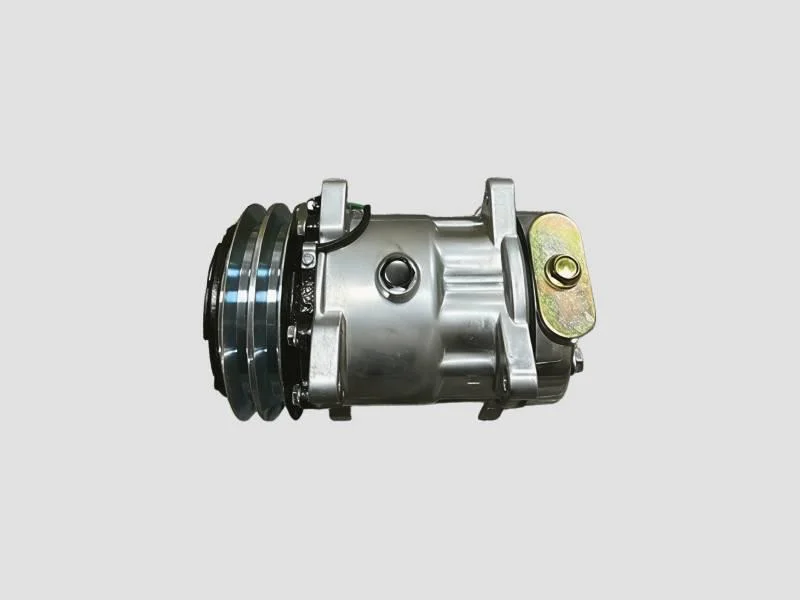
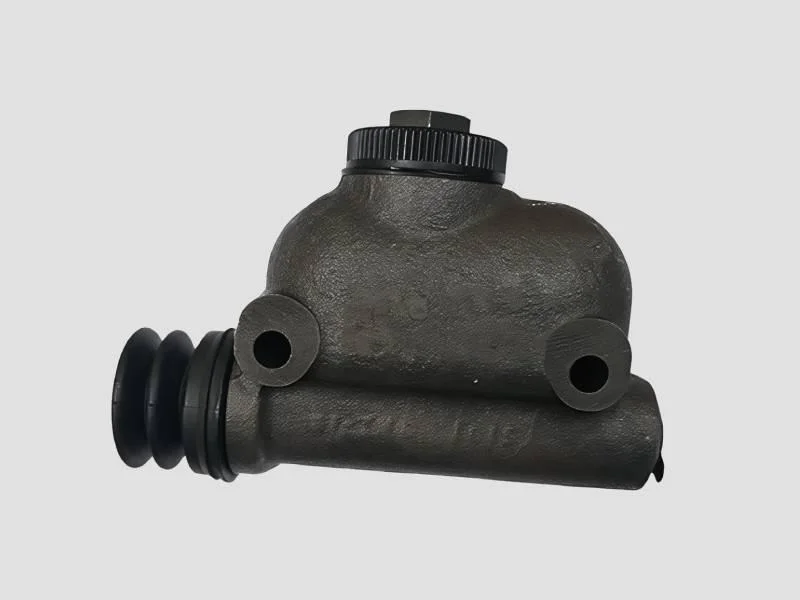
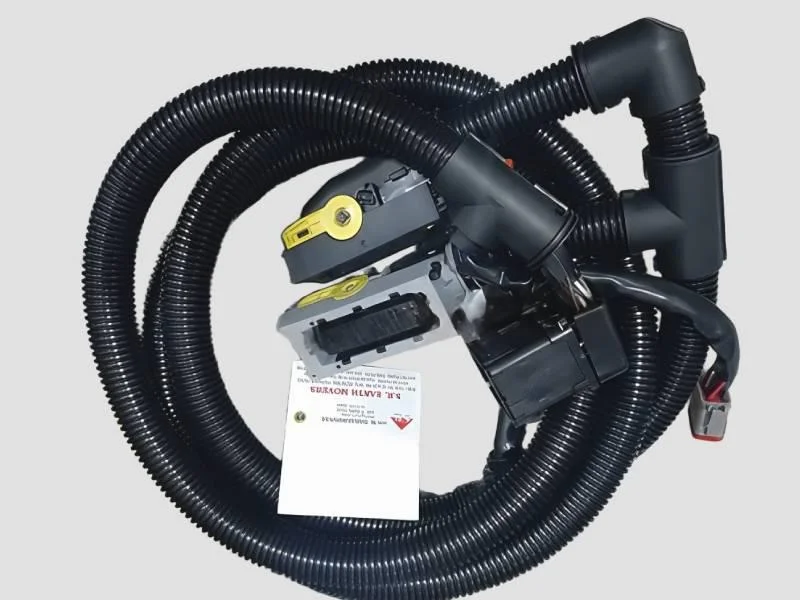
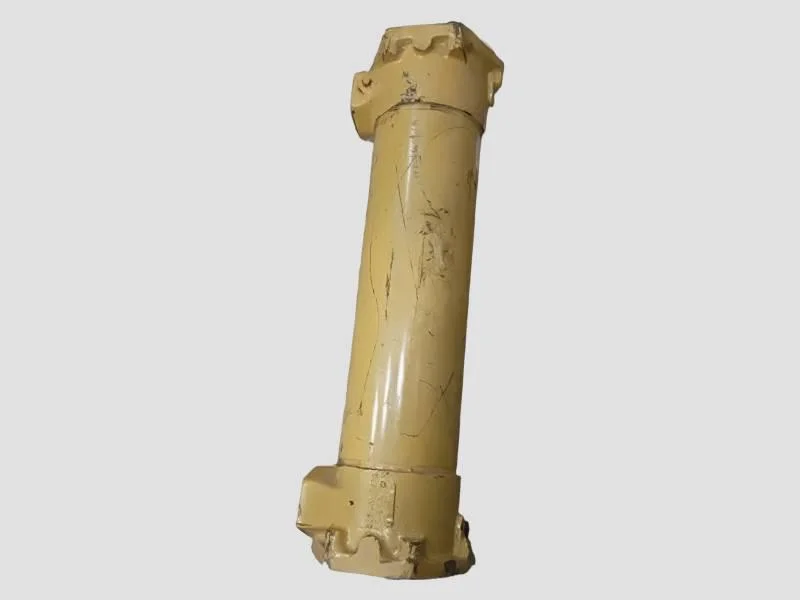
𝗪𝗵𝗮𝘁 𝗮𝗿𝗲 𝗢𝗘𝗠 𝗣𝗮𝗿𝘁𝘀 𝗦𝘂𝗽𝗽𝗹𝗶𝗲𝗿𝘀?
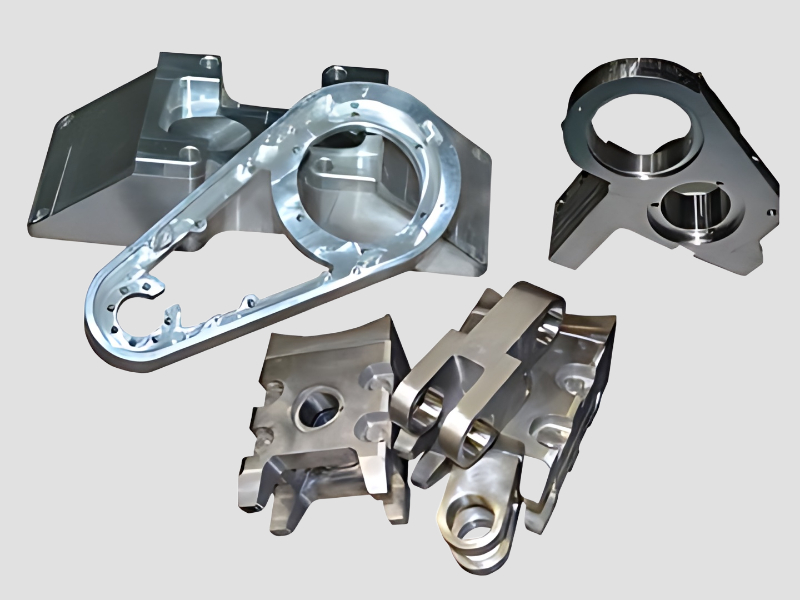
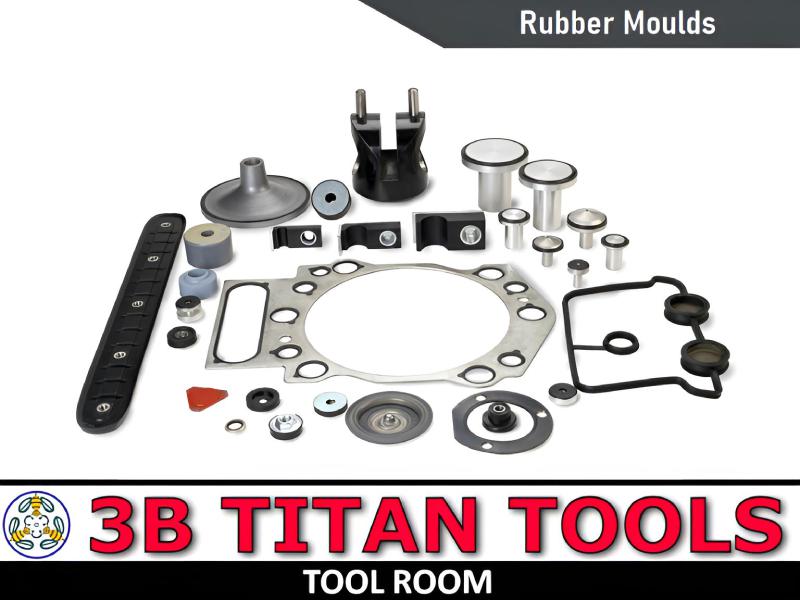
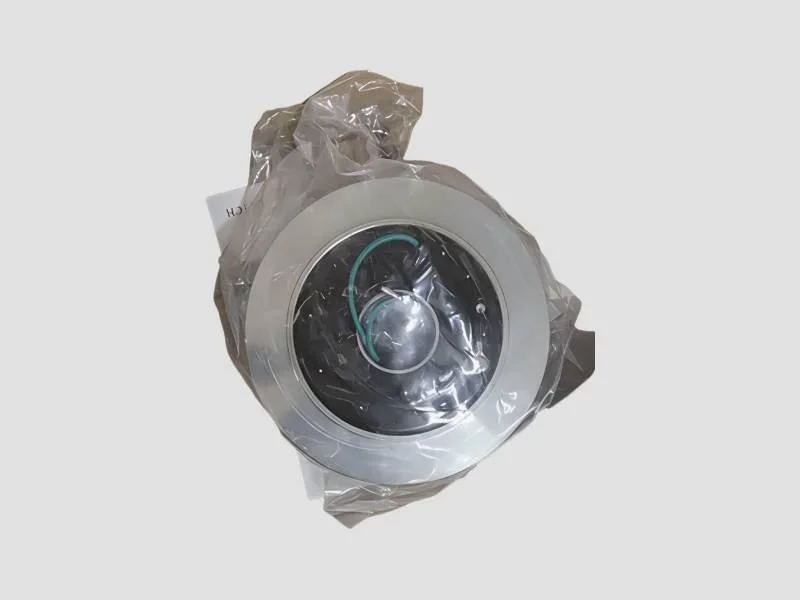
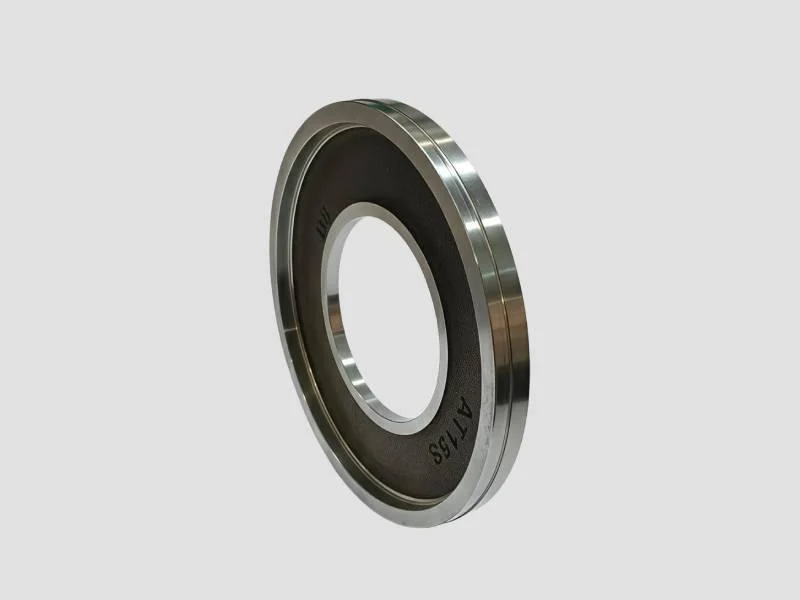
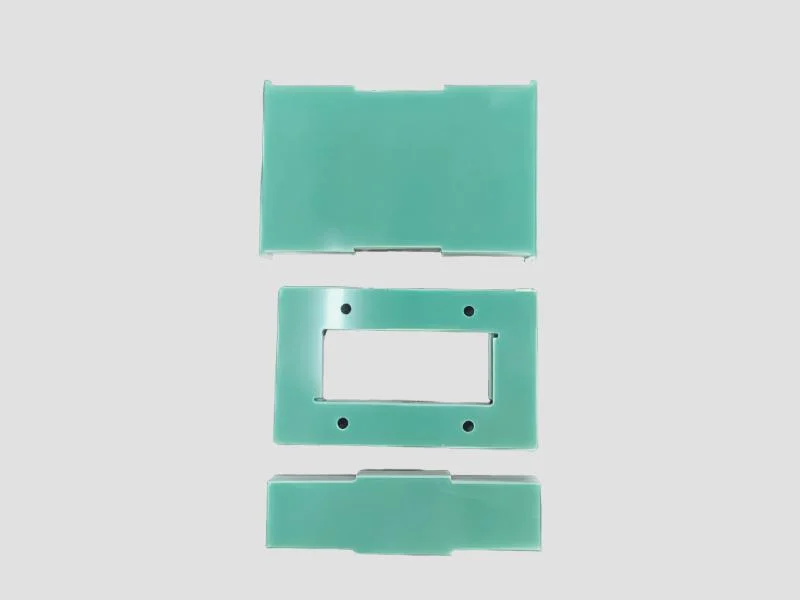
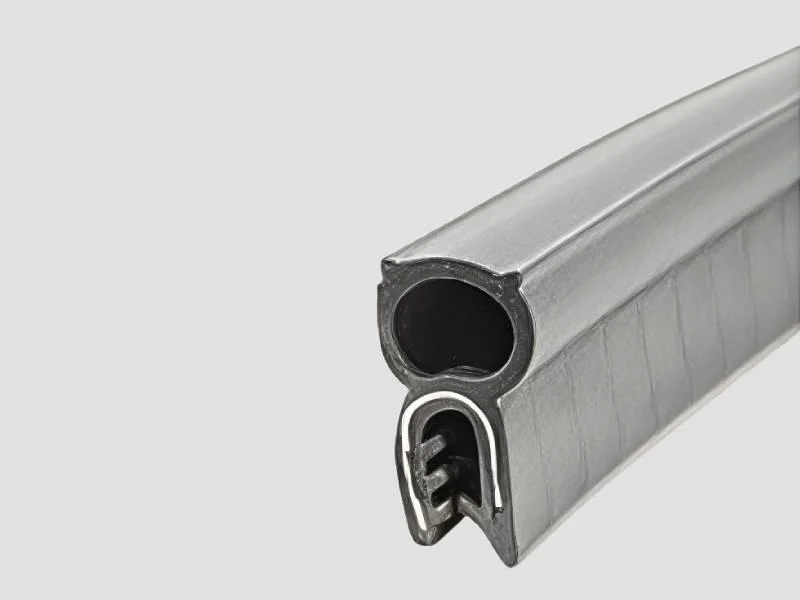
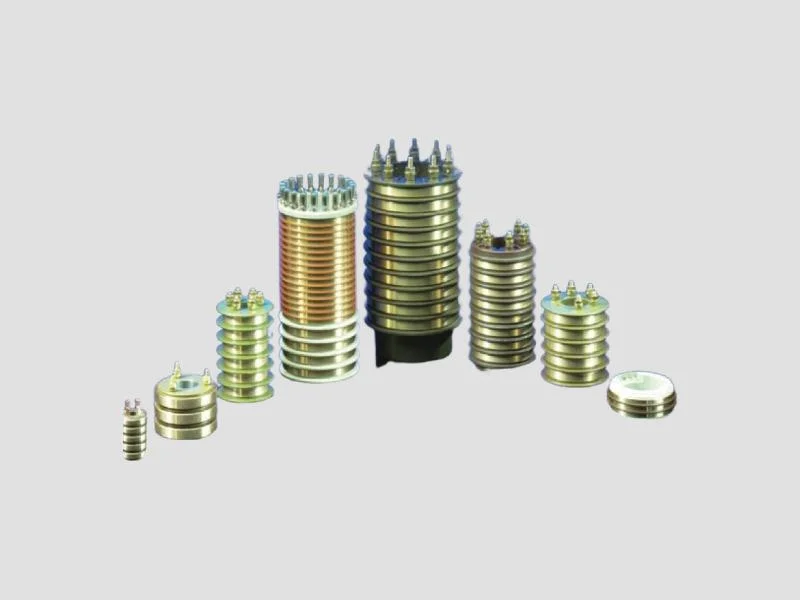
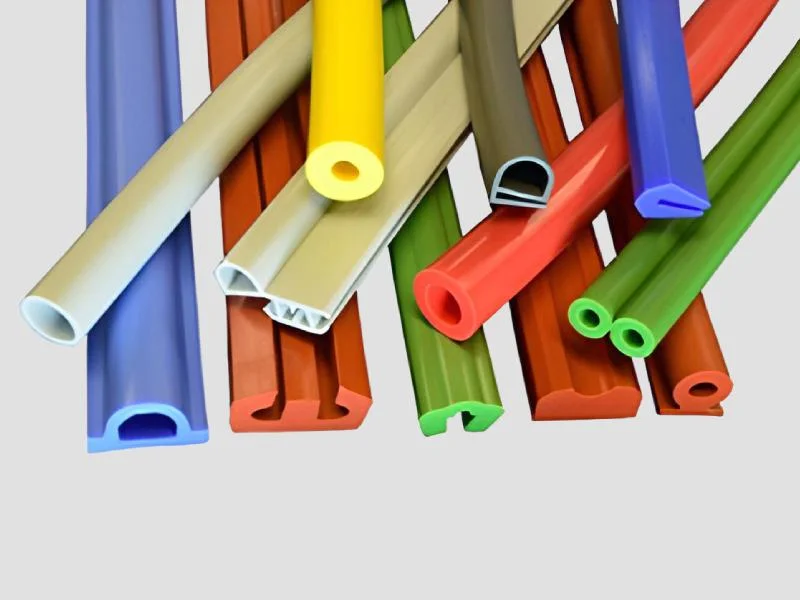
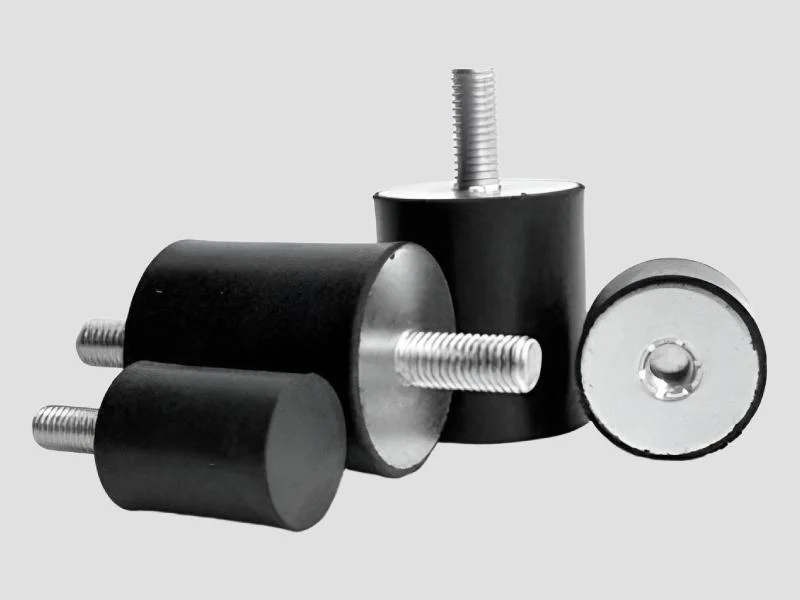
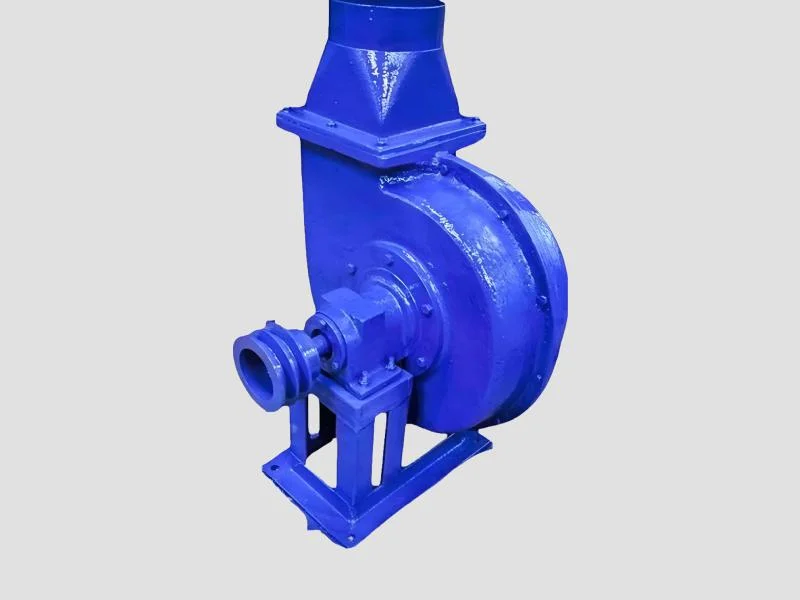
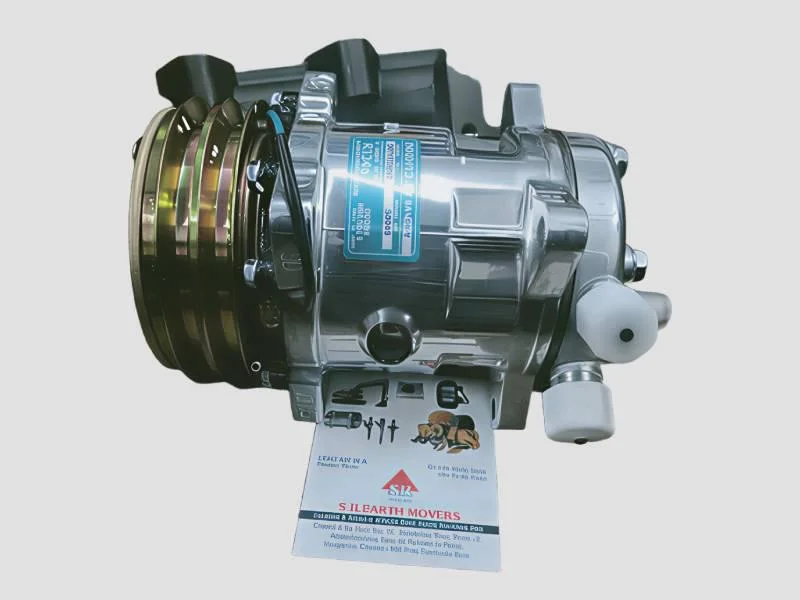
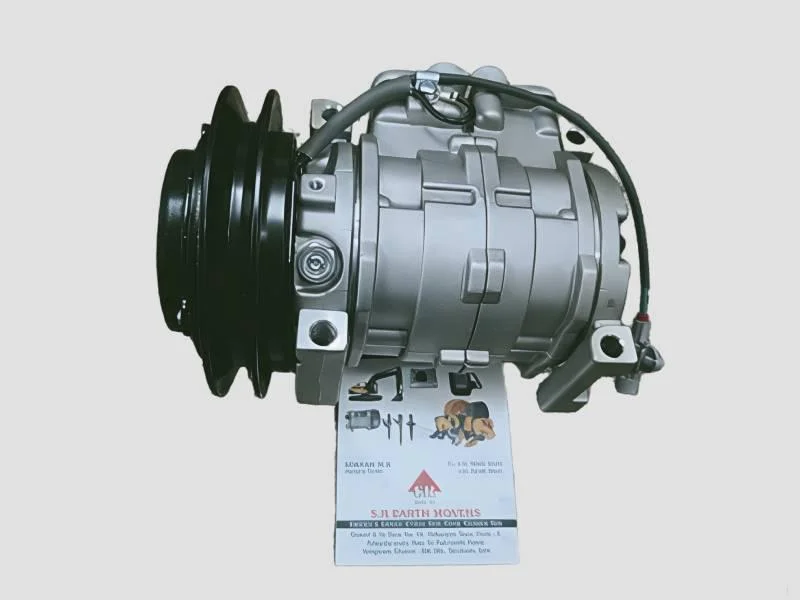
OEM Parts Suppliers are businesses that provide original equipment manufacturer parts which are essential components used in the production of various industrial machinery and equipment. These suppliers focus on delivering high-quality parts that are specifically designed to meet the original specifications set by the manufacturers. The parts supplied can range from mechanical components to electronic assemblies, ensuring that the replacement parts maintain the same performance and reliability as the original.
The primary applications of OEM parts are found across a wide range of industries, including automotive, aerospace, electronics, and manufacturing. Businesses rely on these parts to maintain their production lines, ensure product quality, and reduce downtime. By sourcing from OEM Parts Suppliers, companies can ensure that they receive components that are compatible and reliable, which is critical for operational efficiency.
In the current market context, the demand for OEM parts is driven by the need for high-quality replacements in a competitive landscape. As industries evolve and technology advances, the role of OEM Parts Suppliers becomes increasingly vital. They not only provide essential components but also contribute to the overall improvement of product quality and safety standards across various sectors.
𝗞𝗲𝘆 𝗙𝗲𝗮𝘁𝘂𝗿𝗲𝘀 𝗮𝗻𝗱 𝗦𝗽𝗲𝗰𝗶𝗳𝗶𝗰𝗮𝘁𝗶𝗼𝗻𝘀
OEM Parts Suppliers offer a range of features and specifications that cater to the diverse needs of businesses. These specifications ensure that the parts meet industry standards and operational requirements.
Key specifications include:
1. Quality Assurance
- Parts are manufactured in compliance with strict quality standards.
- Regular testing ensures reliability and performance.
2. Compatibility
- Parts are designed to fit specific machinery models.
- Ensures seamless integration with existing systems.
3. Material Standards
- Use of high-grade materials for durability.
- Materials are often resistant to wear, corrosion, and environmental factors.
4. Customization Options
- Some suppliers offer customization to meet unique specifications.
- Allows for tailored solutions based on client needs.
5. Technical Support
- Many suppliers provide technical assistance for installation and use.
- Helps clients troubleshoot issues effectively.
6. Regulatory Compliance
- Parts adhere to local and international safety regulations.
- Ensures that products are safe to use in their intended applications.
7. Warranty and Support
- Many OEM parts come with warranties for peace of mind.
- Support services help clients with any post-purchase queries.
In summary, OEM Parts Suppliers provide critical components characterized by high quality, compatibility, and compliance with industry standards, making them essential partners in various manufacturing processes.
𝗖𝗼𝗺𝗺𝗼𝗻 𝗔𝗽𝗽𝗹𝗶𝗰𝗮𝘁𝗶𝗼𝗻𝘀 𝗮𝗻𝗱 𝗨𝘀𝗲 𝗖𝗮𝘀𝗲𝘀
OEM Parts Suppliers serve a wide range of industries, each with specific applications and needs.
1. Automotive: OEM parts are crucial for vehicle maintenance, ensuring that replacements match the original specifications for safety and performance.
2. Aerospace: In the aerospace industry, OEM parts are essential for maintaining safety and reliability in aircraft, where precision is paramount.
3. Electronics: OEM suppliers provide components for electronic devices, ensuring compatibility and performance in consumer and industrial applications.
4. Manufacturing: In manufacturing, OEM parts help maintain machinery and equipment, reducing downtime and enhancing productivity.
5. Medical Equipment: OEM parts are vital for medical devices, ensuring compliance with strict regulatory standards and operational reliability.
6. HVAC Systems: In heating, ventilation, and air conditioning, OEM parts ensure systems operate efficiently, maintaining environmental control.
7. Industrial Equipment: For industrial machinery, OEM parts are necessary for optimal operation and long-term reliability.
𝗣𝗿𝗼𝗱𝘂𝗰𝘁 𝗩𝗮𝗿𝗶𝗮𝗻𝘁𝘀 𝗮𝗻𝗱 𝗦𝘂𝗯𝗰𝗮𝘁𝗲𝗴𝗼𝗿𝗶𝗲𝘀
OEM Parts Suppliers offer a variety of products to meet the specific needs of different industries. This diversity allows businesses to find parts that best suit their operational requirements.
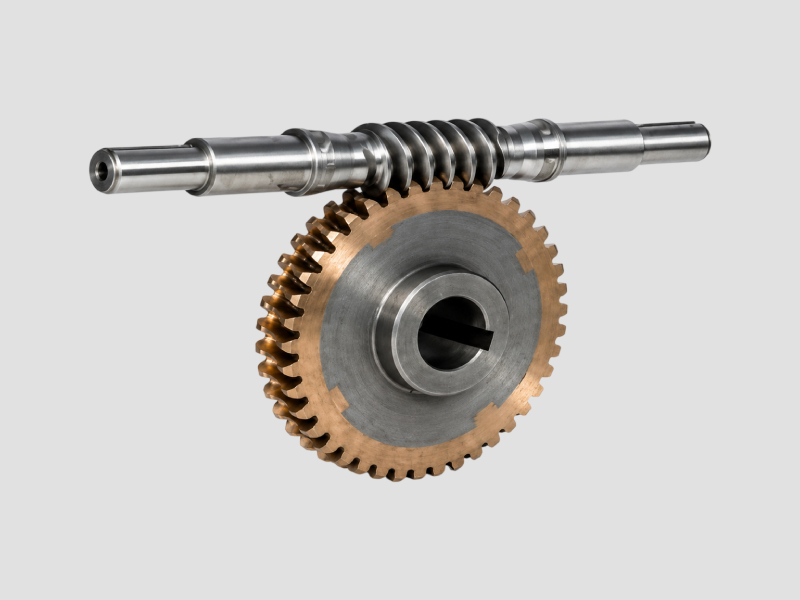
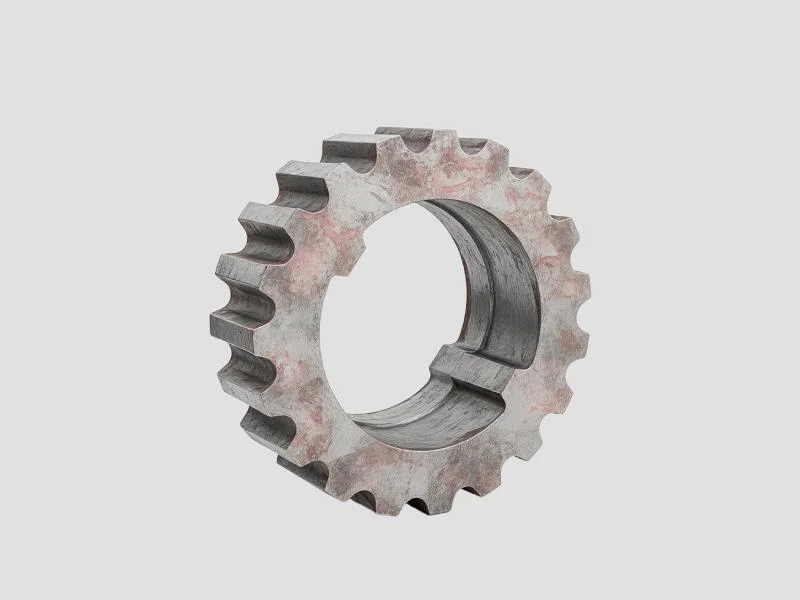
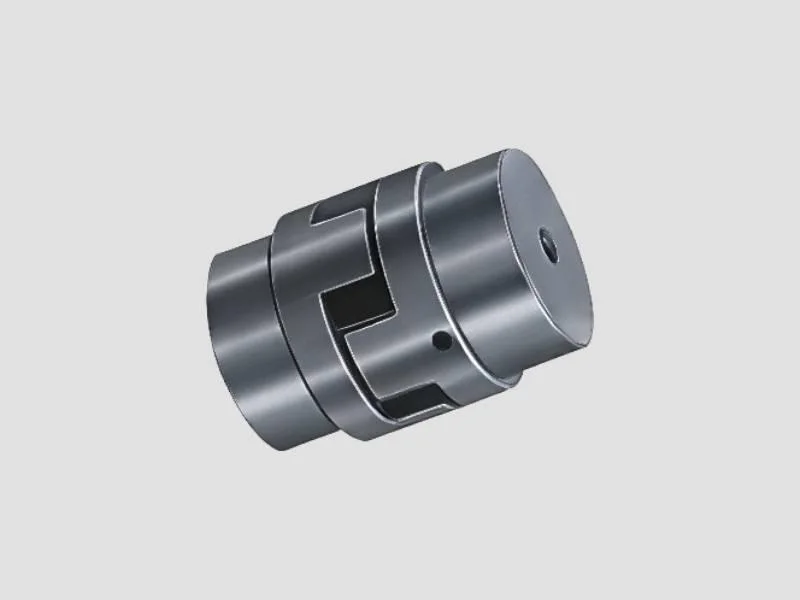
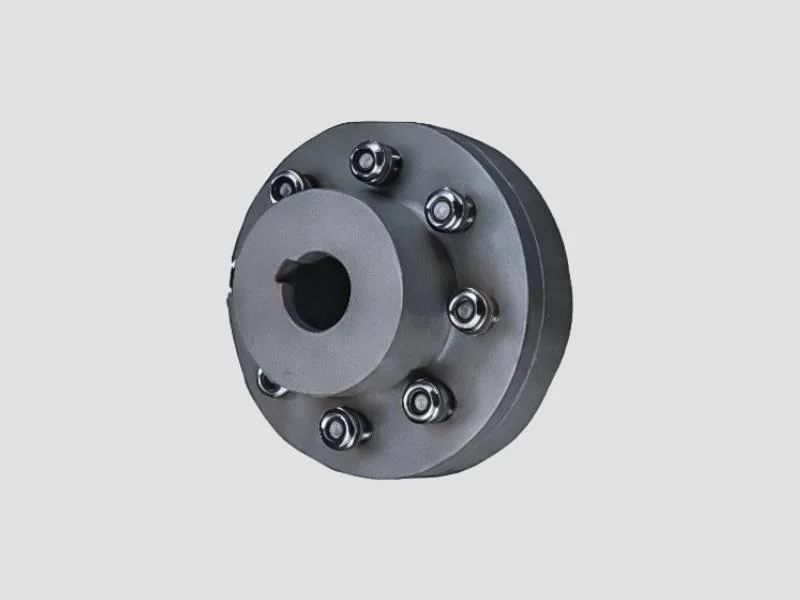
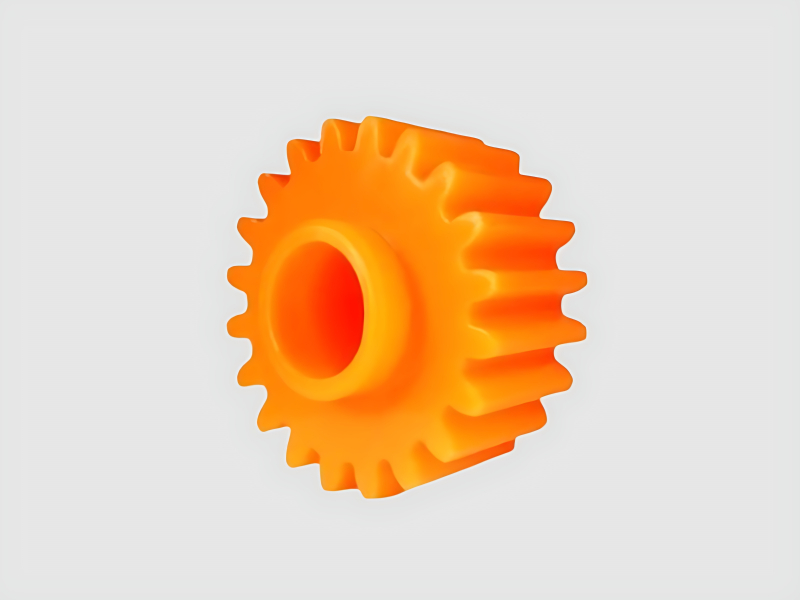
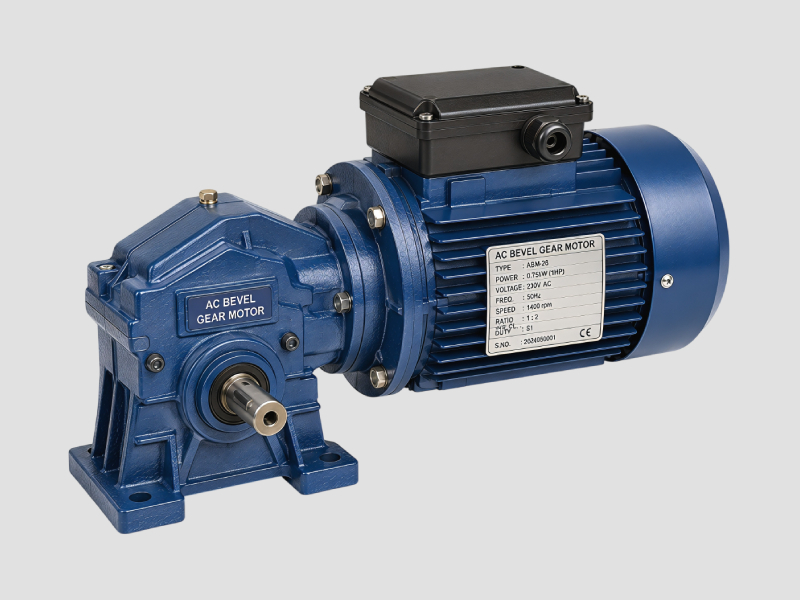
Mechanical Components: These include gears, bearings, and shafts designed for various machinery, providing essential movement and functionality.
Electronic Assemblies: This variant consists of circuit boards and electronic parts that ensure the proper functioning of devices in industries like automotive and electronics.
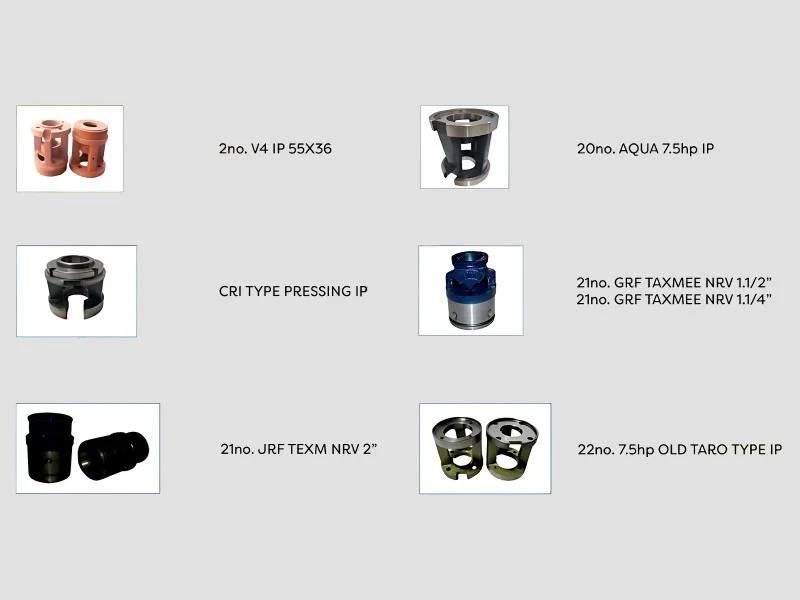
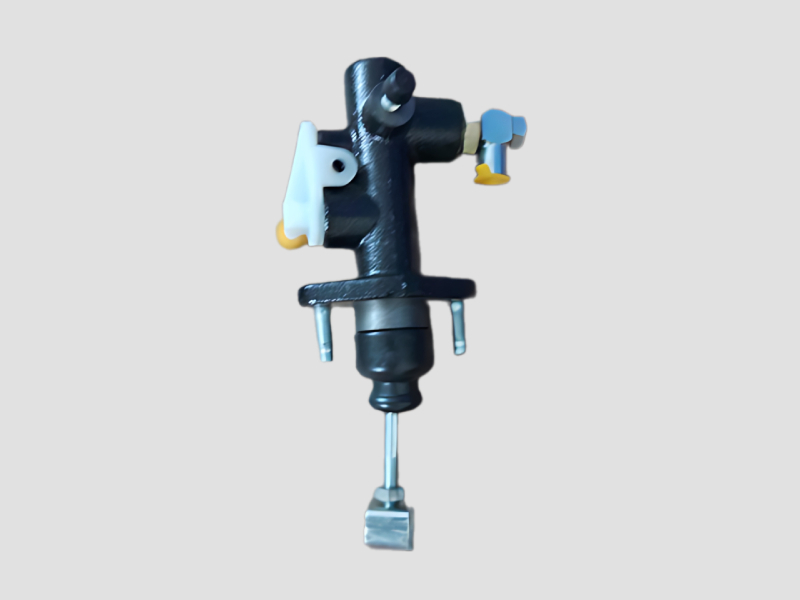
Hydraulic Parts: These components are vital for machinery that relies on hydraulic systems, ensuring efficient power transmission.
Fasteners: Including bolts, screws, and nuts, these are essential for securing components in various applications across numerous industries.
𝗕𝗲𝗻𝗲𝗳𝗶𝘁𝘀 𝗮𝗻𝗱 𝗔𝗱𝘃𝗮𝗻𝘁𝗮𝗴𝗲𝘀
Sourcing from OEM Parts Suppliers provides numerous advantages for businesses looking to maintain high operational standards.
Key benefits include:
1. Reliability: OEM parts are made to original specifications, ensuring consistent performance and reducing the risk of failure.
2. Quality Assurance: High-quality materials and manufacturing processes lead to superior durability.
3. Reduced Downtime: Reliable parts minimize operational interruptions, enhancing productivity.
4. Compliance: OEM parts often meet regulatory standards, ensuring safety and quality.
5. Technical Support: Suppliers typically offer assistance, helping businesses address any issues quickly.
6. Cost Efficiency: While initial costs may be higher, the long-term savings from reduced maintenance and downtime are significant.
𝗕𝘂𝘆𝗶𝗻𝗴 𝗚𝘂𝗶𝗱𝗲 𝗳𝗼𝗿 𝗕𝟮𝗕 𝗕𝘂𝘆𝗲𝗿𝘀
When sourcing OEM Parts Suppliers, it is essential to consider various factors to ensure a successful partnership.
1. Quality Assessment: Evaluate the supplier's quality control processes and certifications to ensure the parts meet your industry standards.
2. Supplier Verification: Conduct background checks and seek references to confirm the supplier's reliability and reputation in the market.
3. Pricing and MOQ: Understand the pricing structure and minimum order quantities to align with your budget and inventory needs.
4. Delivery and Lead Times: Assess the supplier's ability to meet your delivery schedules to avoid disruptions in your operations.
5. Compliance Requirements: Ensure that the parts comply with necessary regulations and industry standards to maintain product safety and reliability.
𝗖𝗼𝗺𝗽𝗹𝗶𝗮𝗻𝗰𝗲 𝗮𝗻𝗱 𝗖𝗲𝗿𝘁𝗶𝗳𝗶𝗰𝗮𝘁𝗶𝗼𝗻𝘀
Compliance and certifications are critical factors when selecting OEM Parts Suppliers. Adhering to relevant quality standards ensures that the parts meet industry expectations for safety and performance.
ISO 9001 is a widely recognized standard that focuses on quality management systems. Suppliers that adhere to this standard demonstrate their commitment to consistent quality and continuous improvement.
CE certification indicates compliance with European health, safety, and environmental protection standards. This certification reassures buyers that the products meet essential requirements for safety and efficacy.
Safety and testing requirements are paramount, especially in industries such as medical and aerospace. Suppliers must conduct rigorous testing to ensure that their products comply with safety regulations.
Regional compliance considerations may vary, necessitating that suppliers understand and adhere to local laws and regulations regarding manufacturing and distribution.
𝗪𝗵𝘆 𝗦𝗼𝘂𝗿𝗰𝗲 𝗢𝗘𝗠 𝗣𝗮𝗿𝘁𝘀 𝗦𝘂𝗽𝗽𝗹𝗶𝗲𝗿𝘀 𝗳𝗿𝗼𝗺 𝗣𝗲𝗽𝗮𝗴𝗼𝗿𝗮?
Pepagora is an ideal platform for sourcing OEM Parts Suppliers, offering several key advantages that enhance the purchasing experience.
Verified Supplier Network: Pepagora provides access to a network of verified suppliers, ensuring that buyers can trust the quality and reliability of the parts they source.
Streamlined RFQ Process: The platform simplifies the request for quotation process, allowing buyers to receive competitive offers from multiple suppliers quickly, facilitating informed decision-making.
Trade Assurance and Support: Pepagora offers trade assurance, providing buyers with protection and support throughout the purchasing process, ensuring transactions are secure and trustworthy.
Regional Coverage: With a focus on markets like India, the GCC, and Southeast Asia, Pepagora ensures that buyers can find suppliers that cater to their specific regional needs, enhancing logistics and service efficiency.

 IN
IN