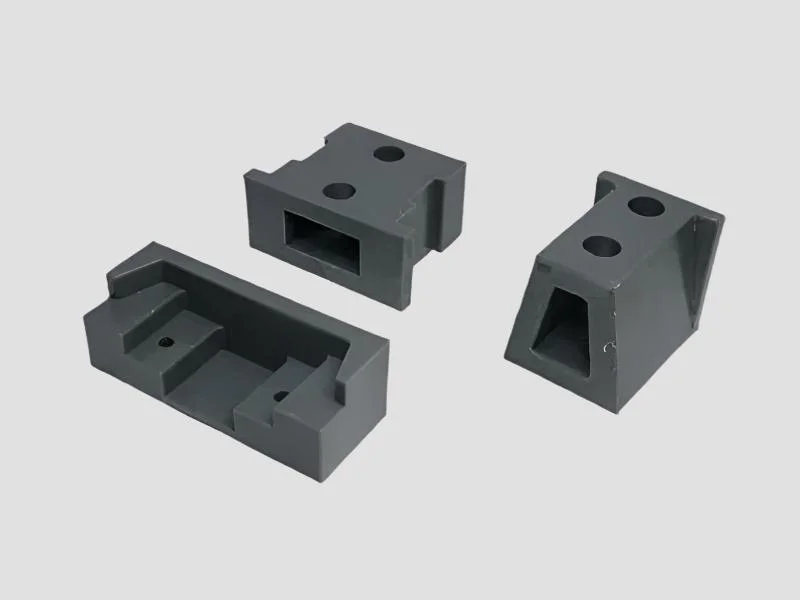
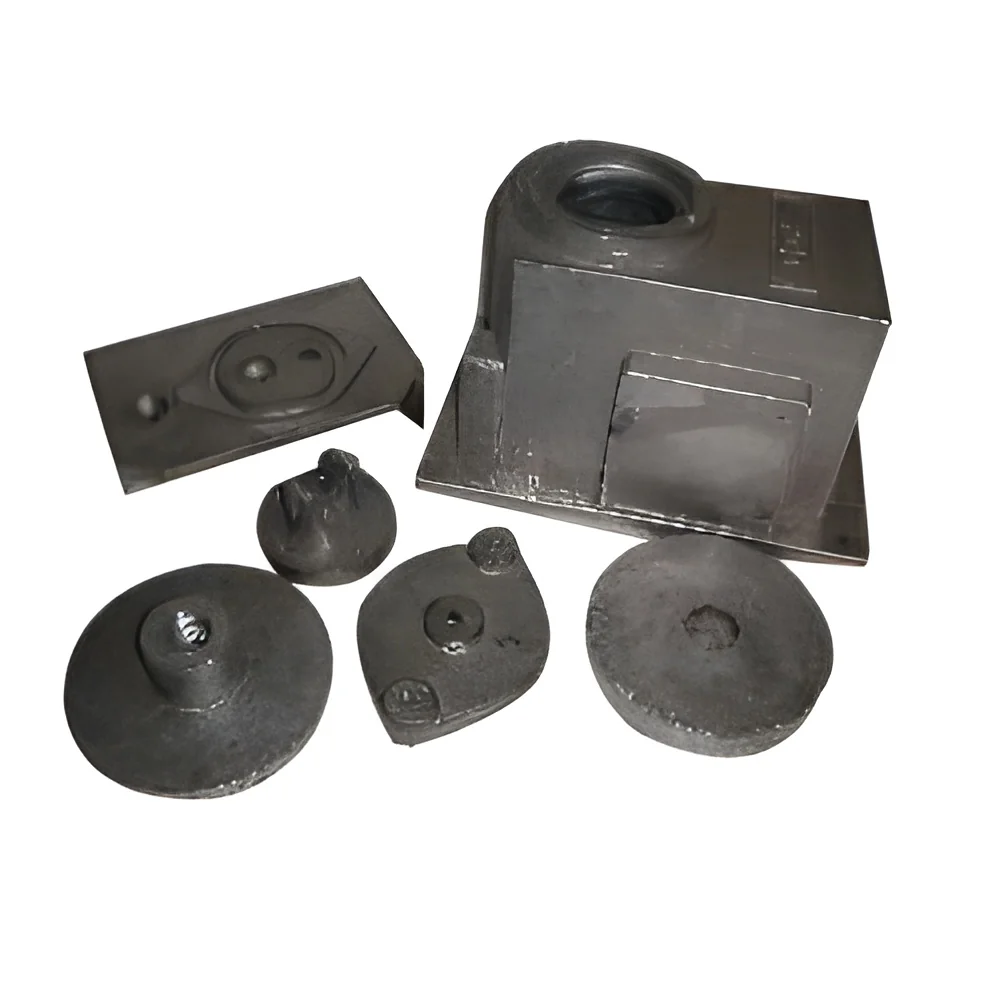
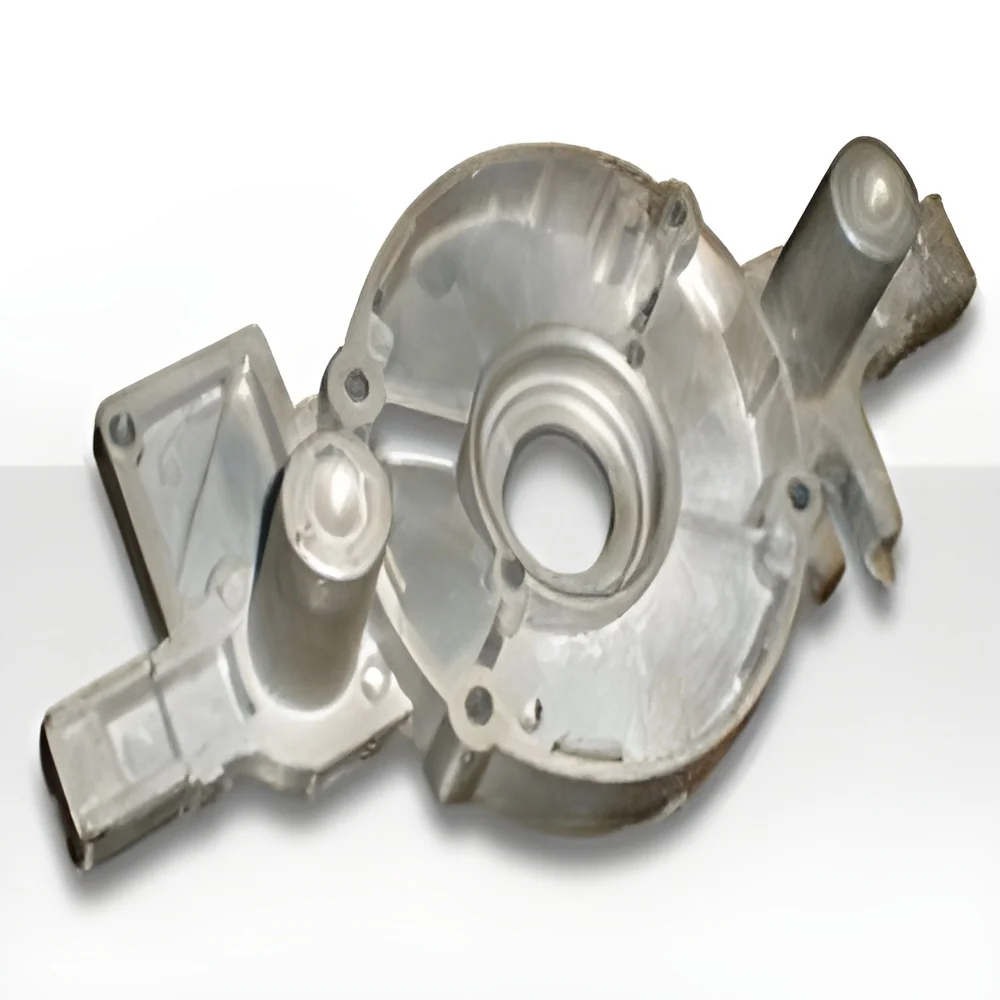
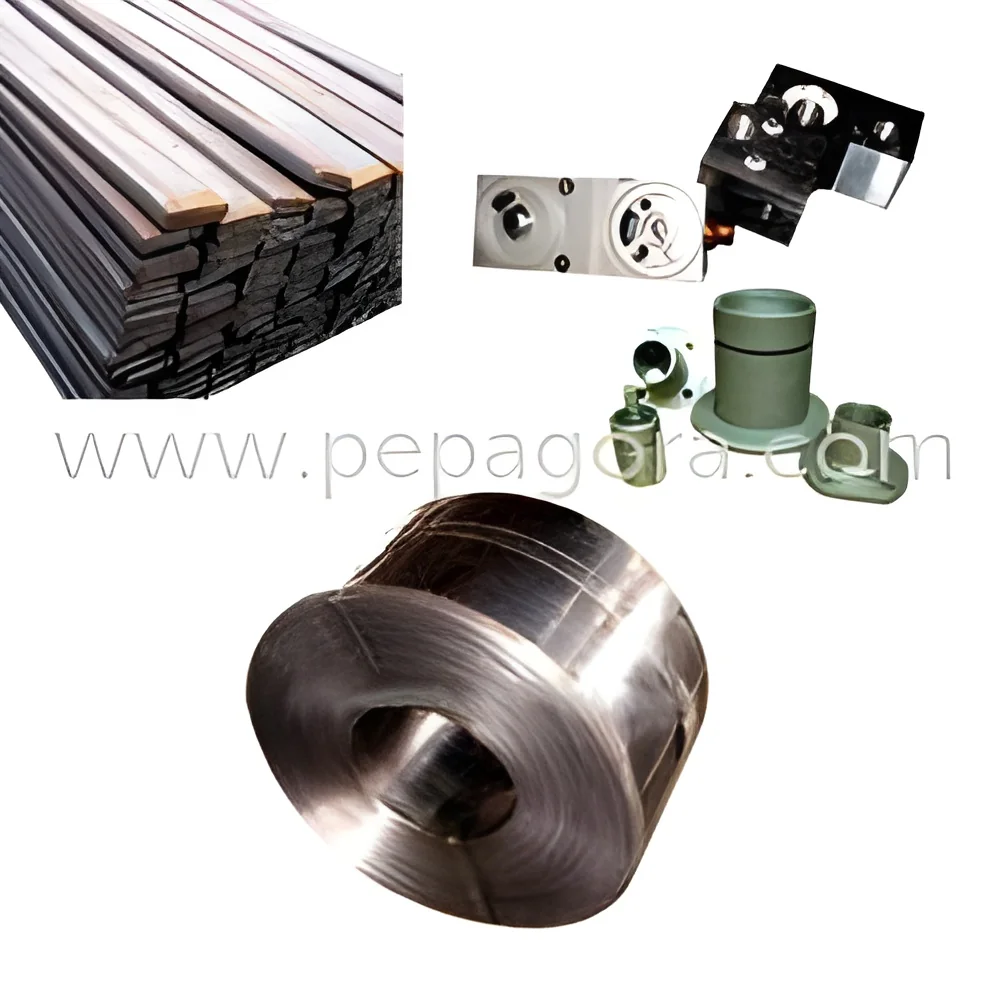
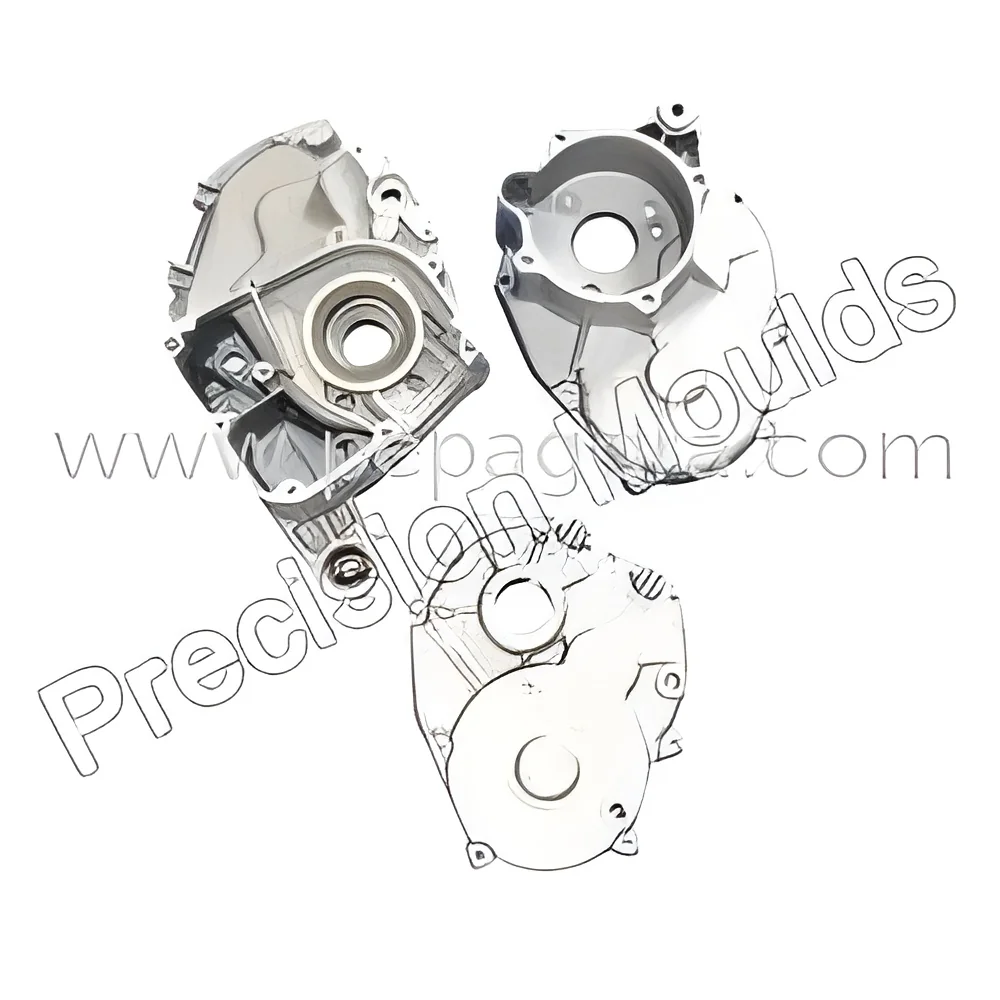
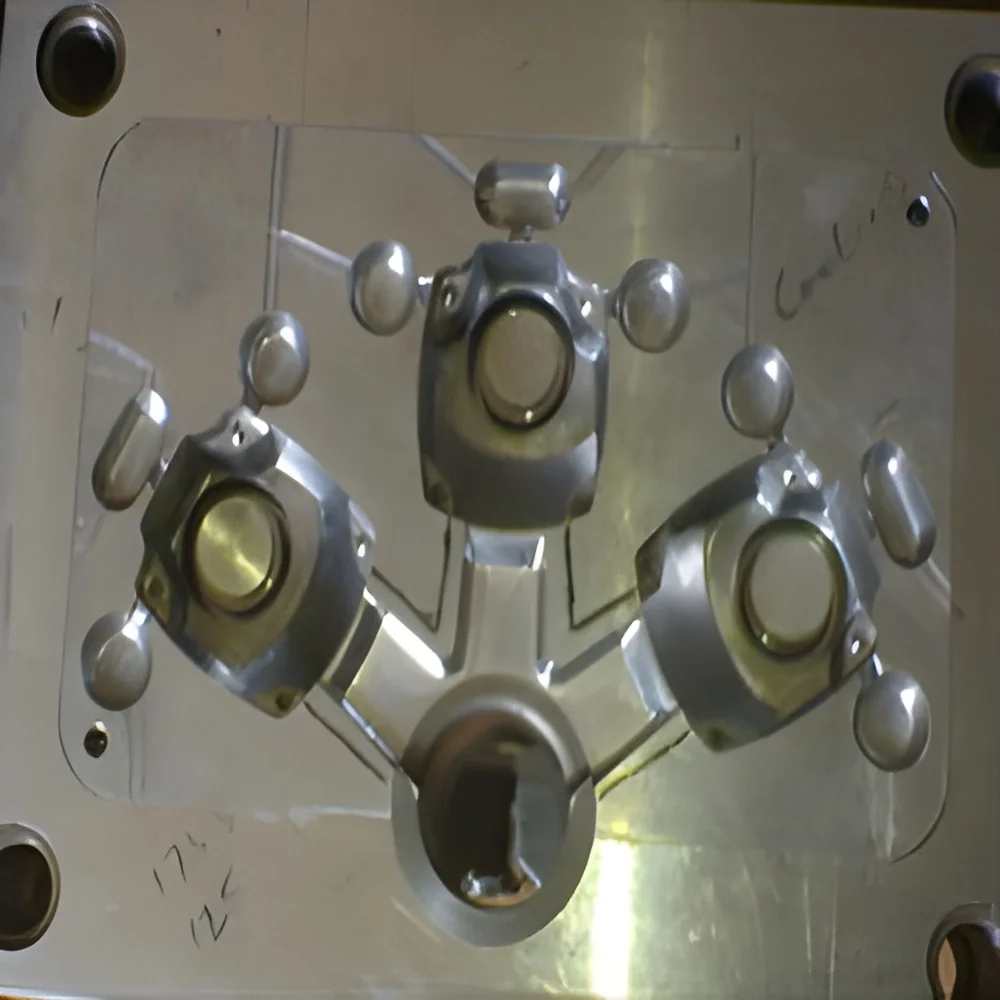
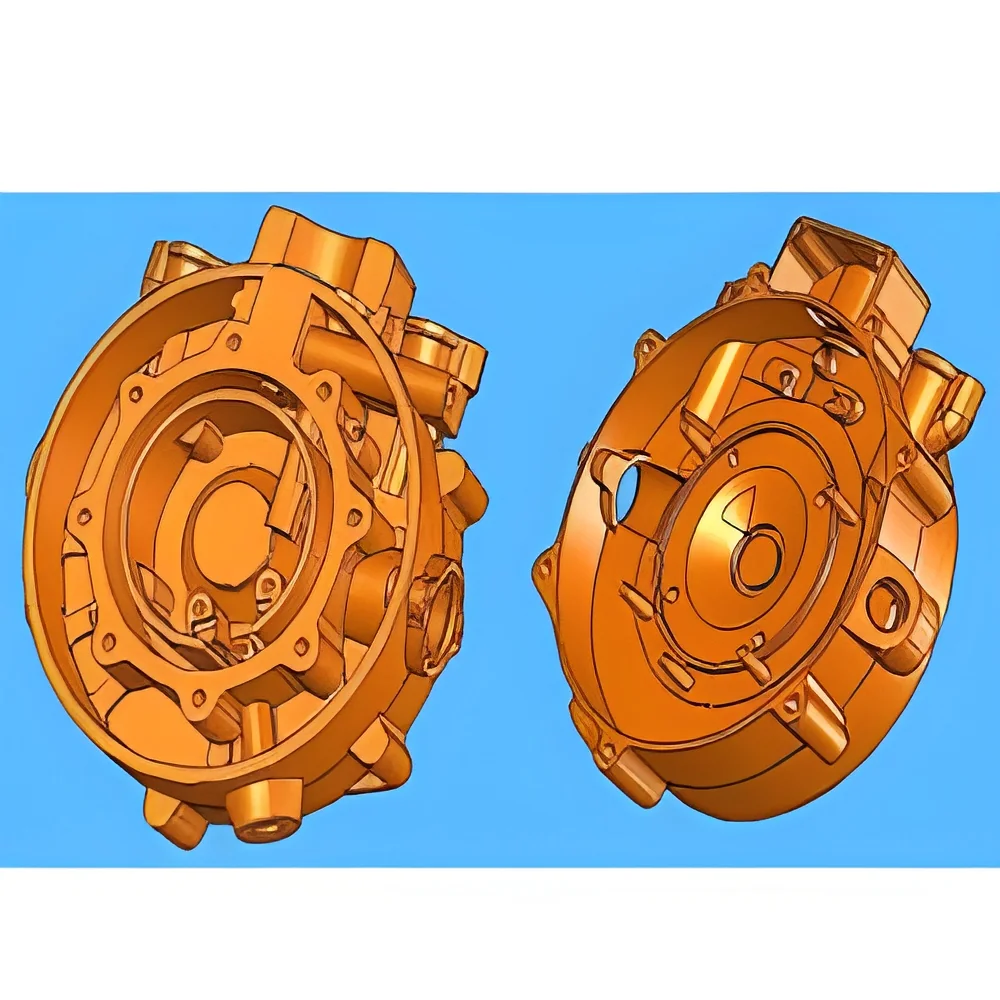
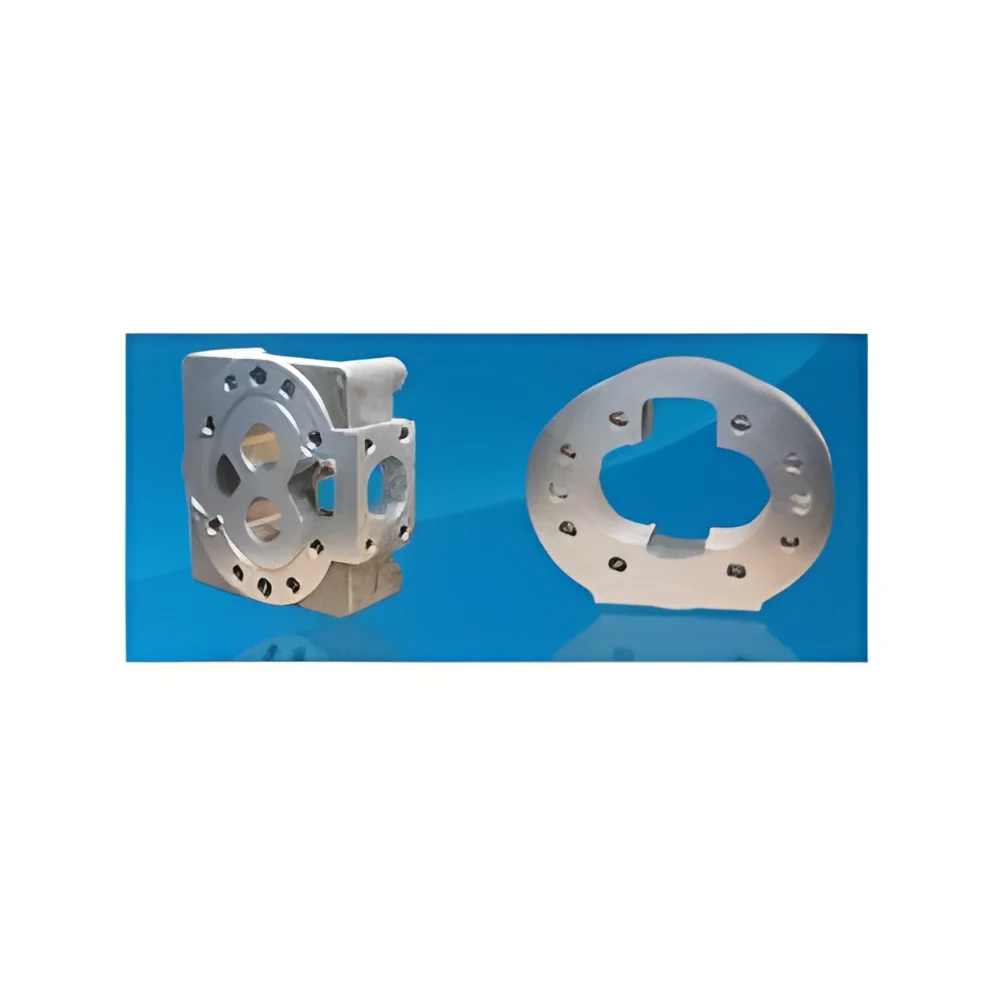
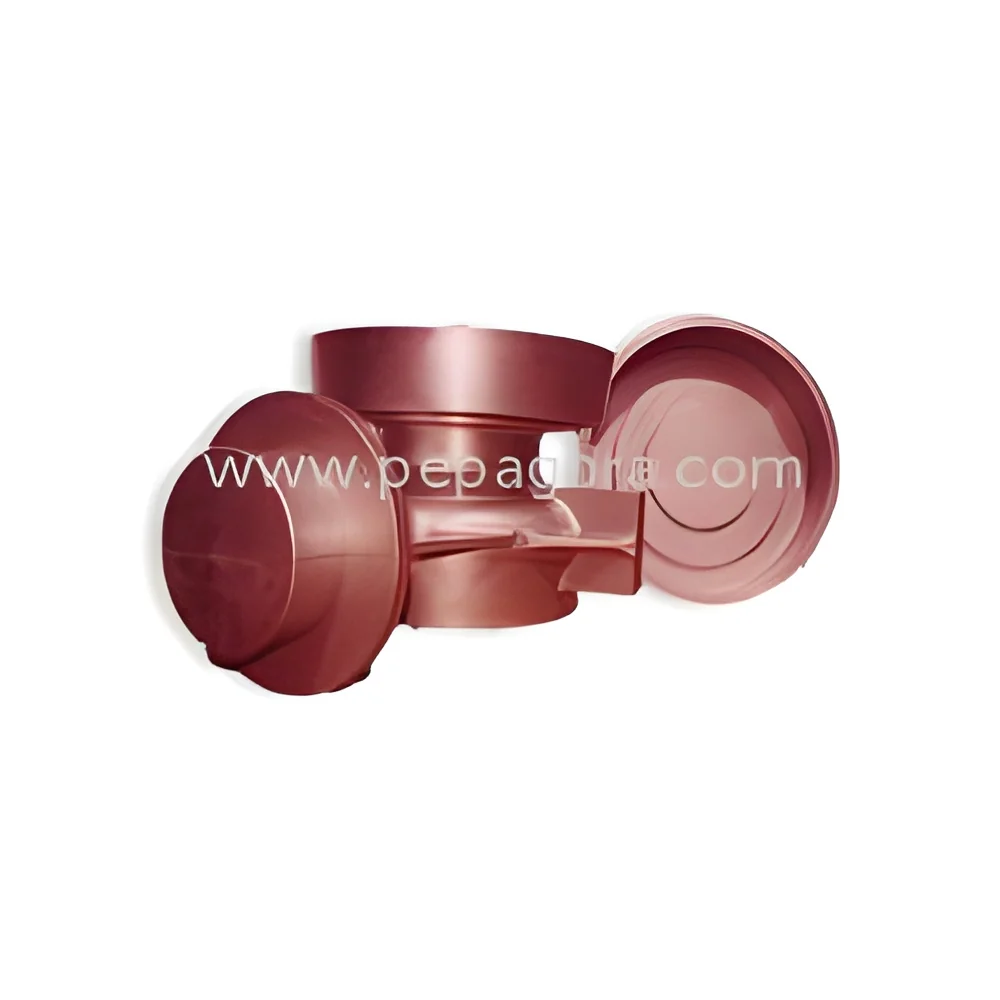
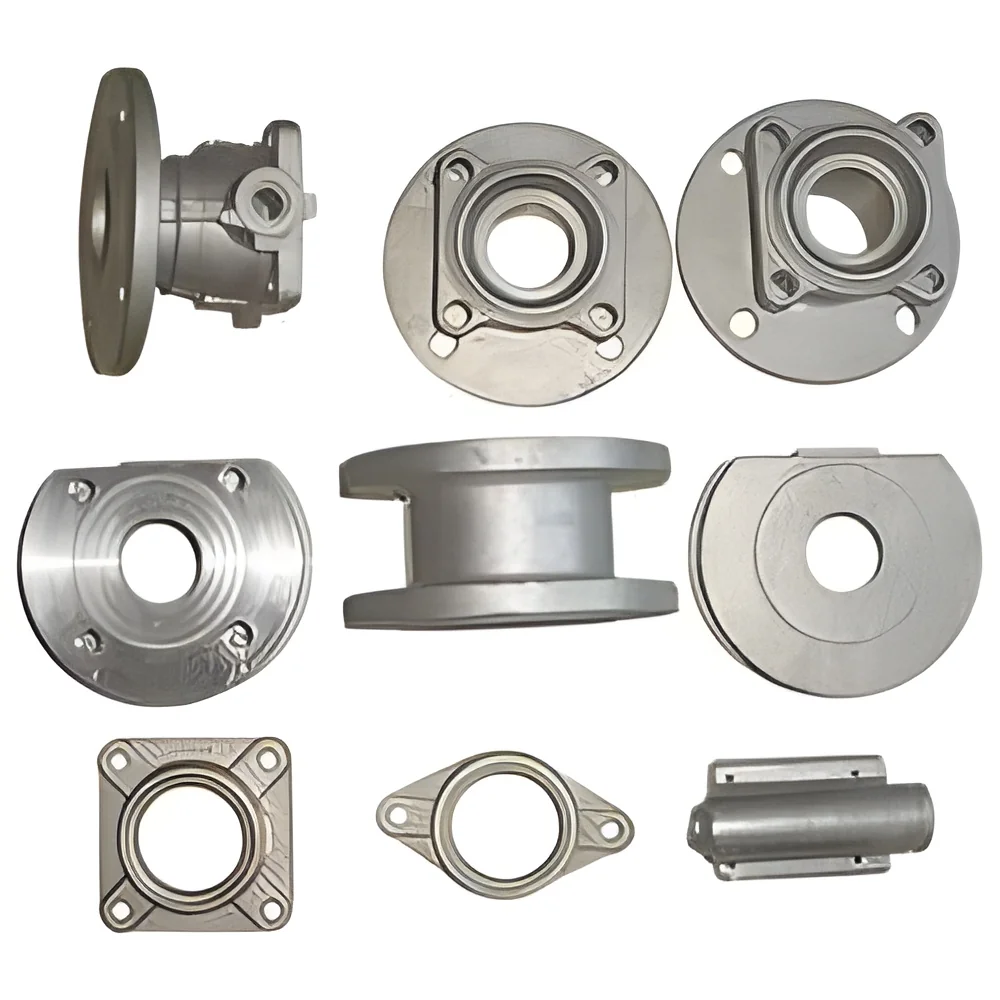
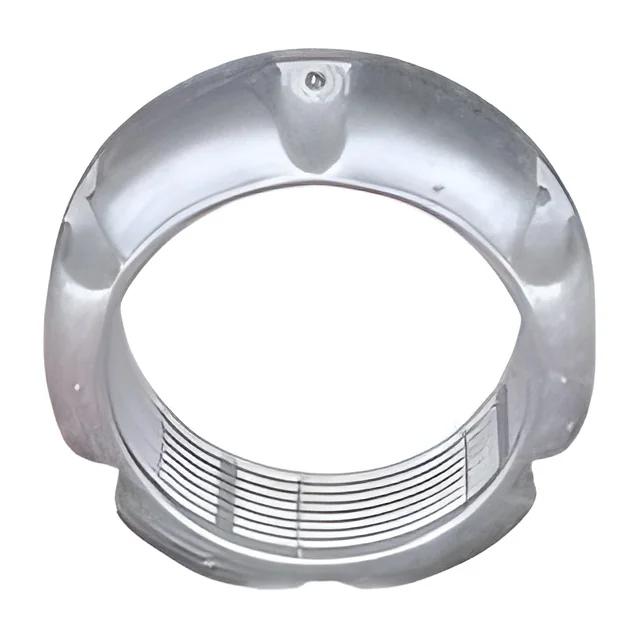
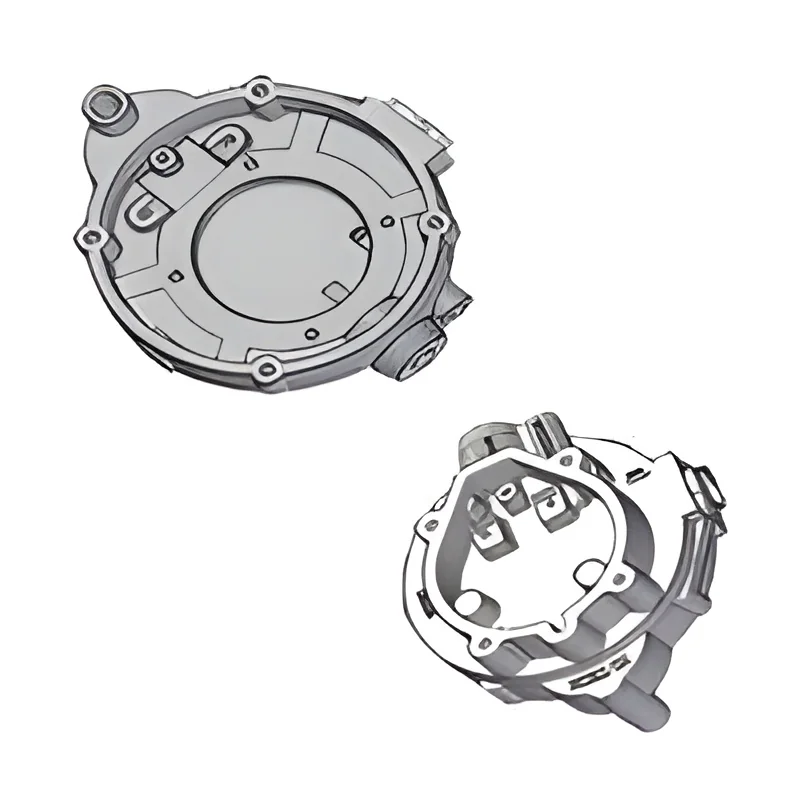
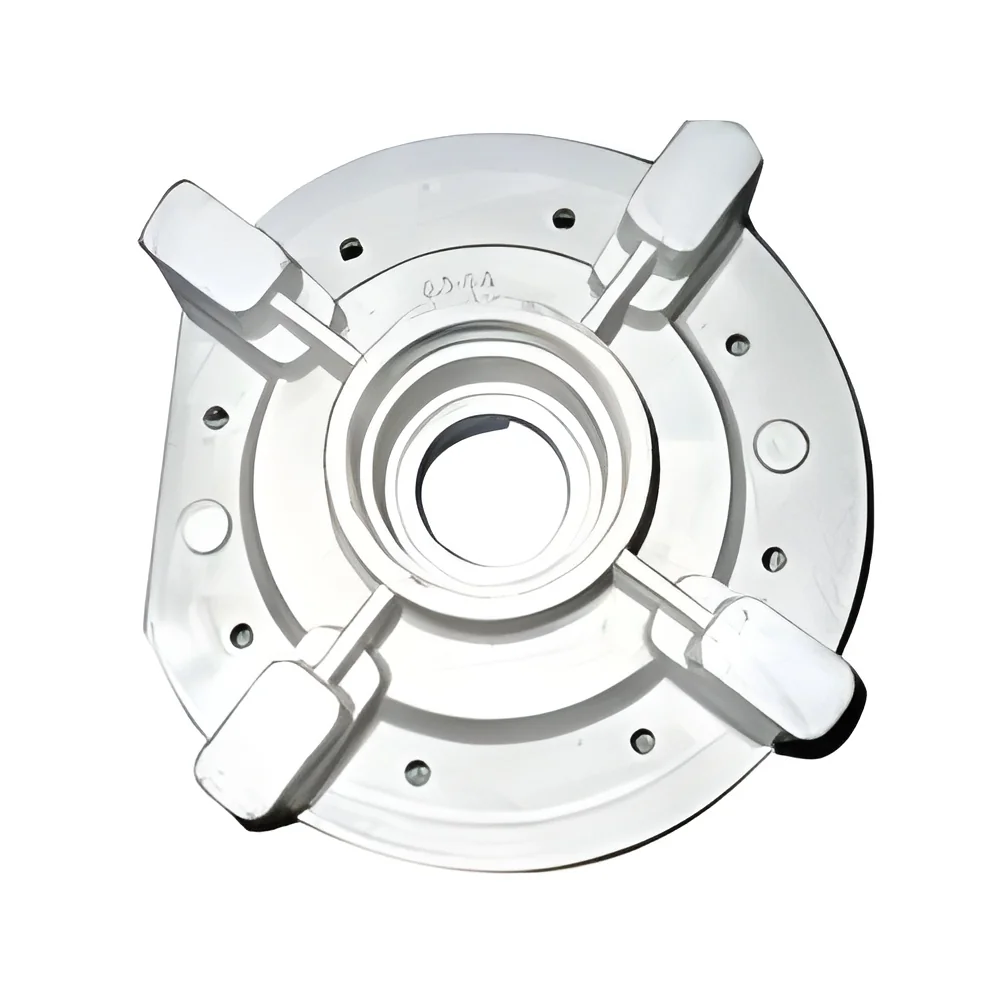
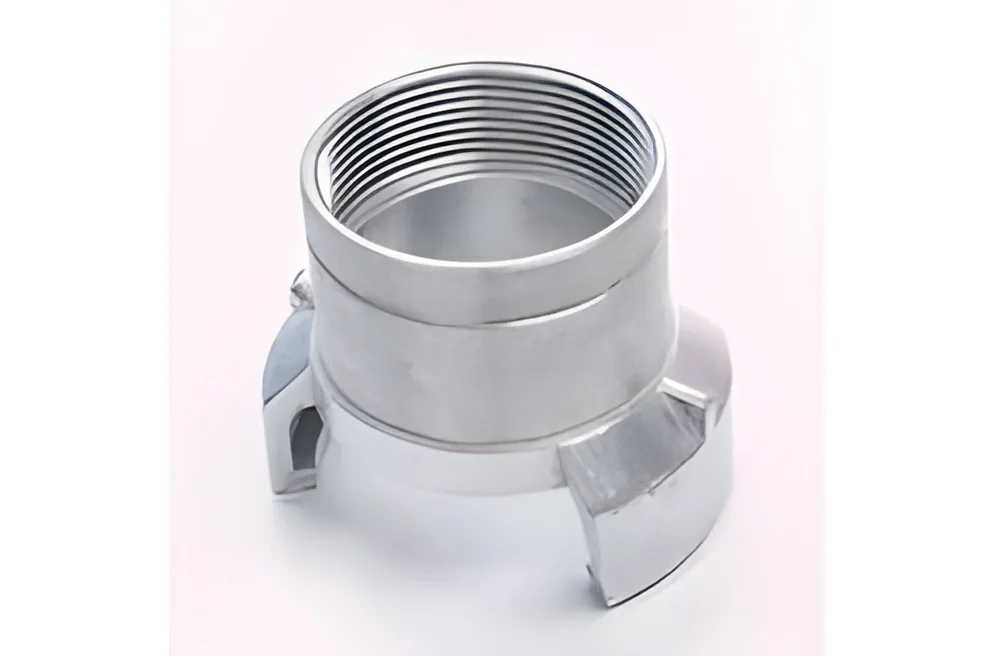
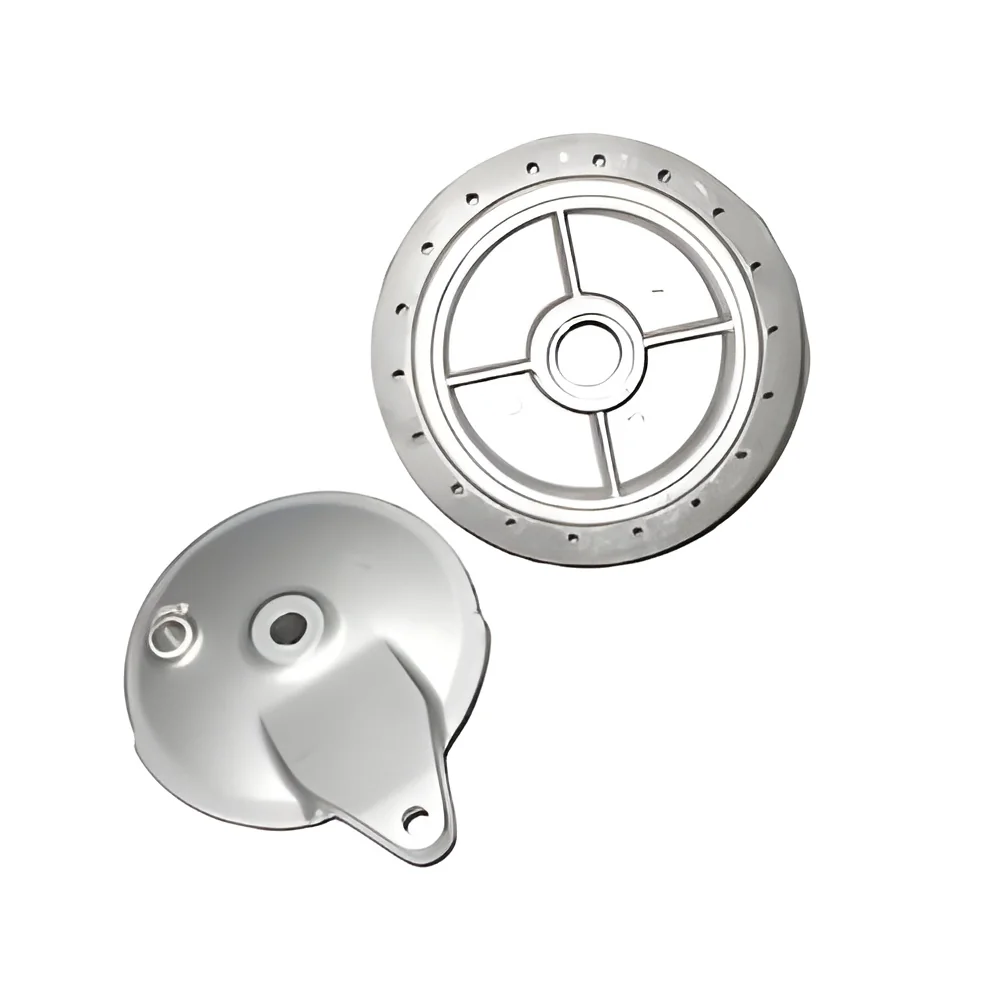
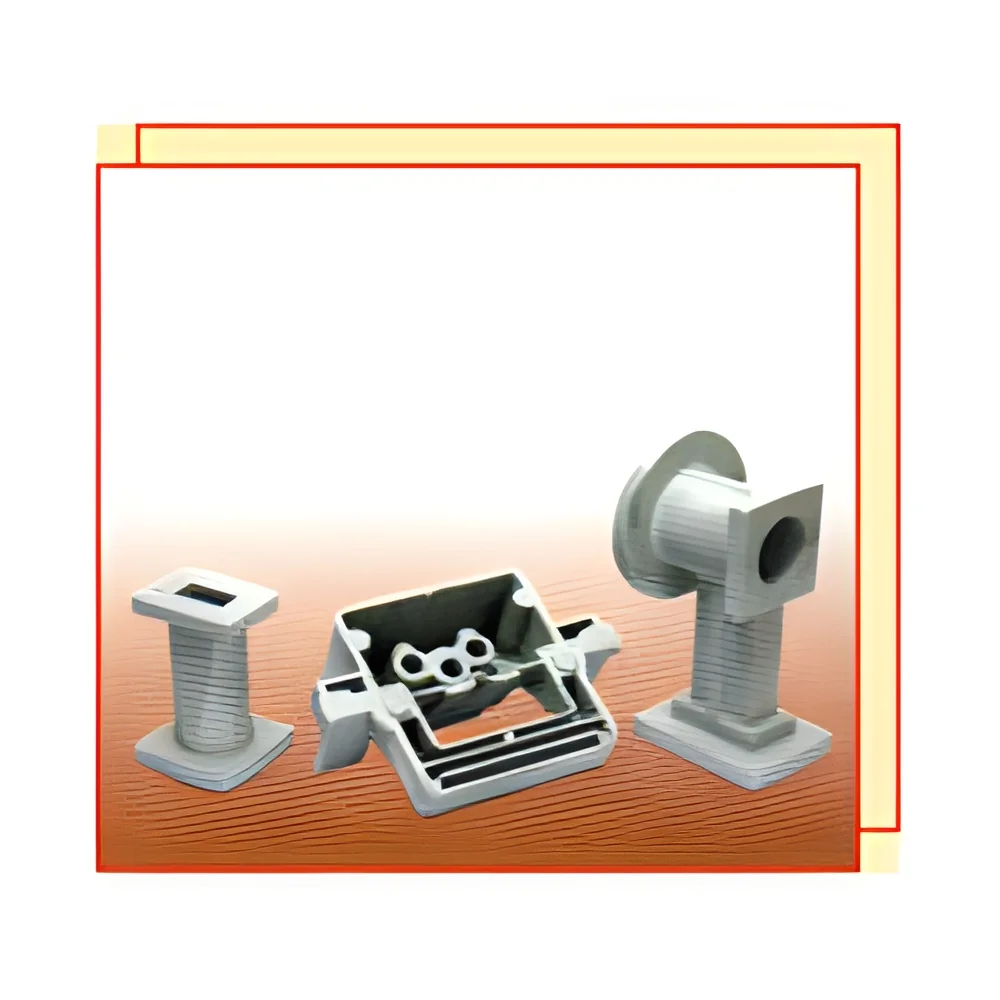
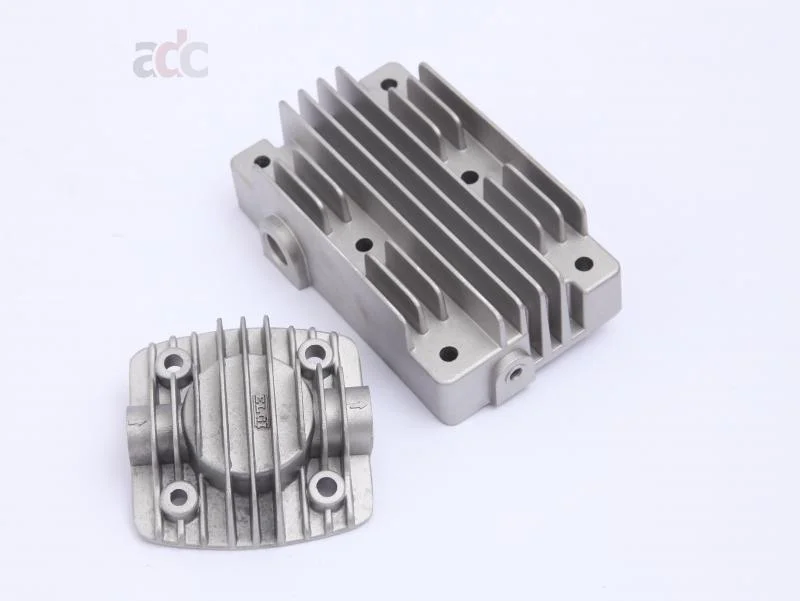
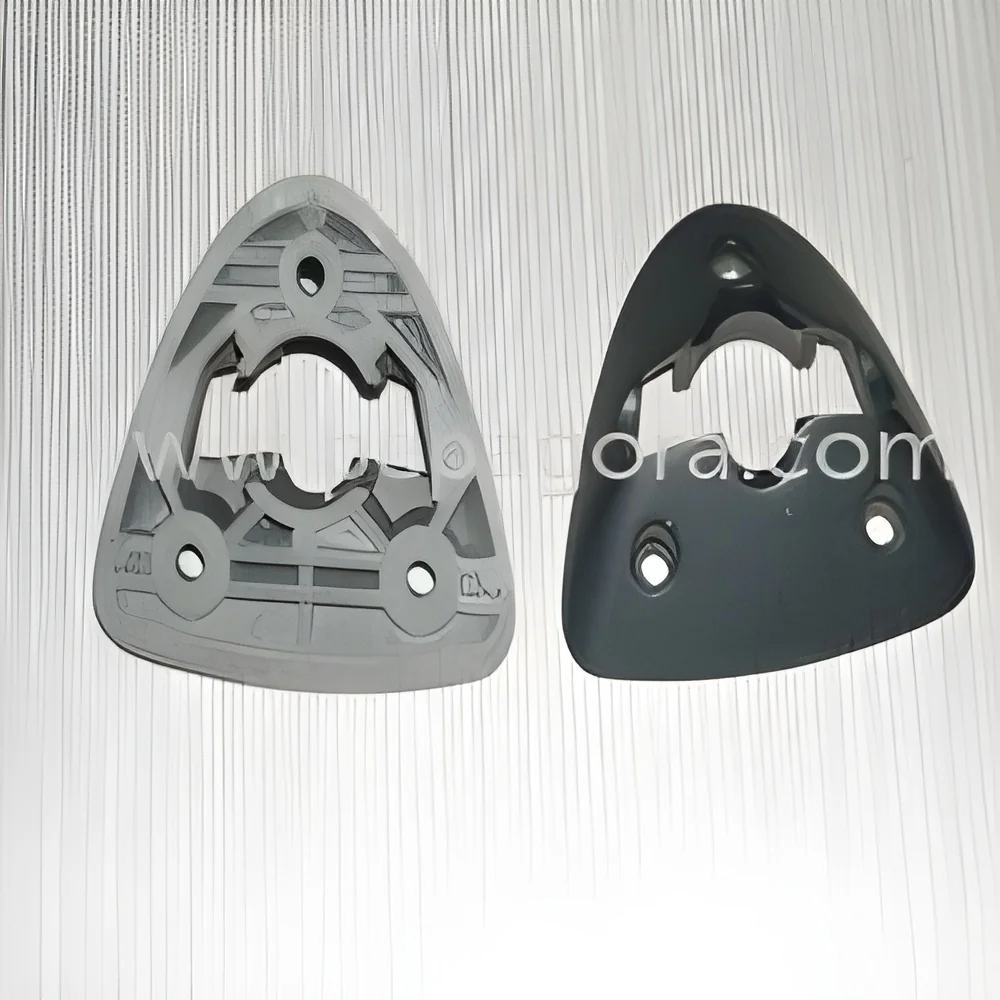
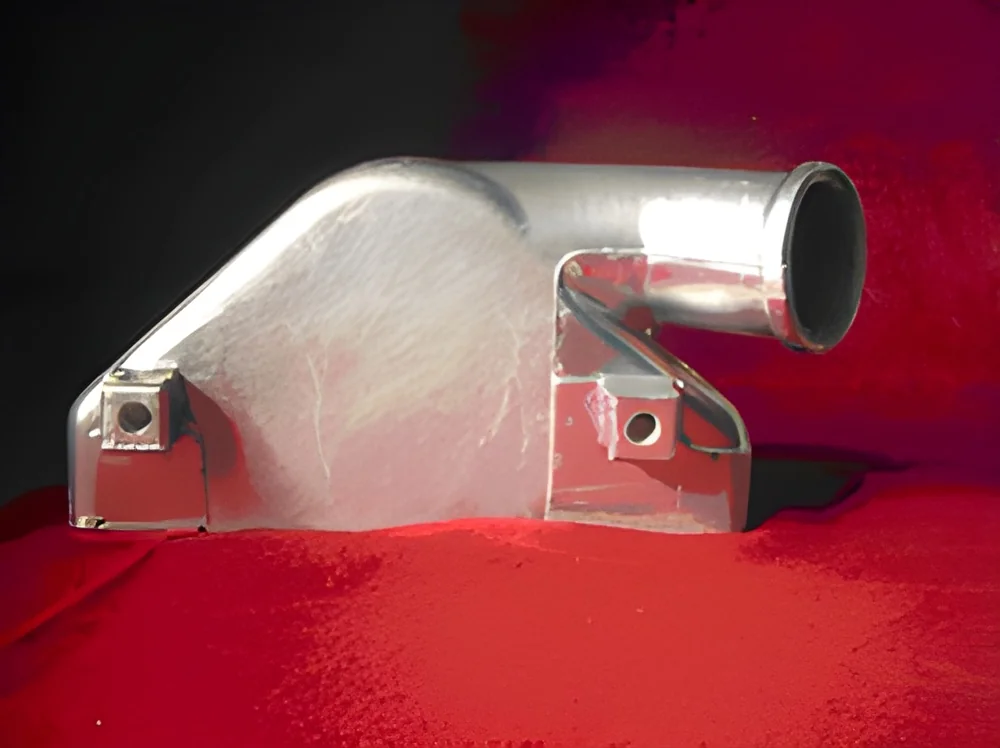
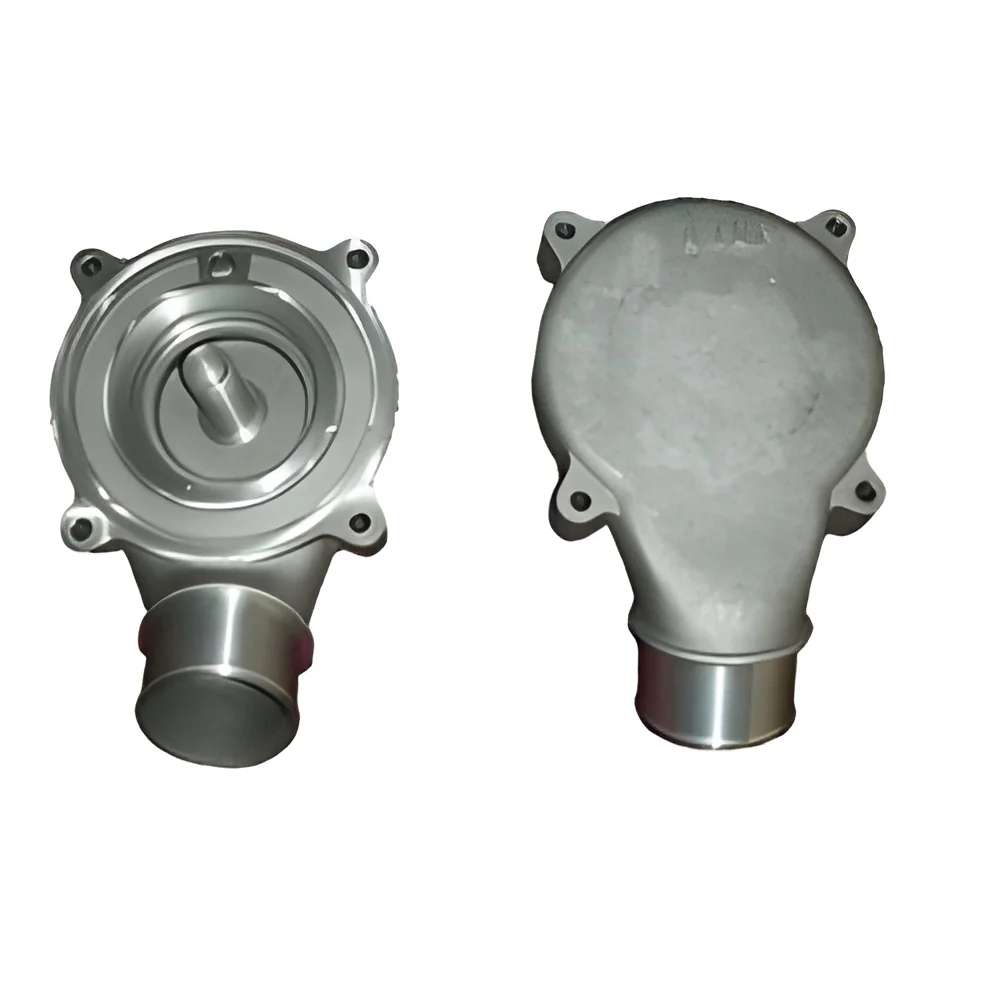
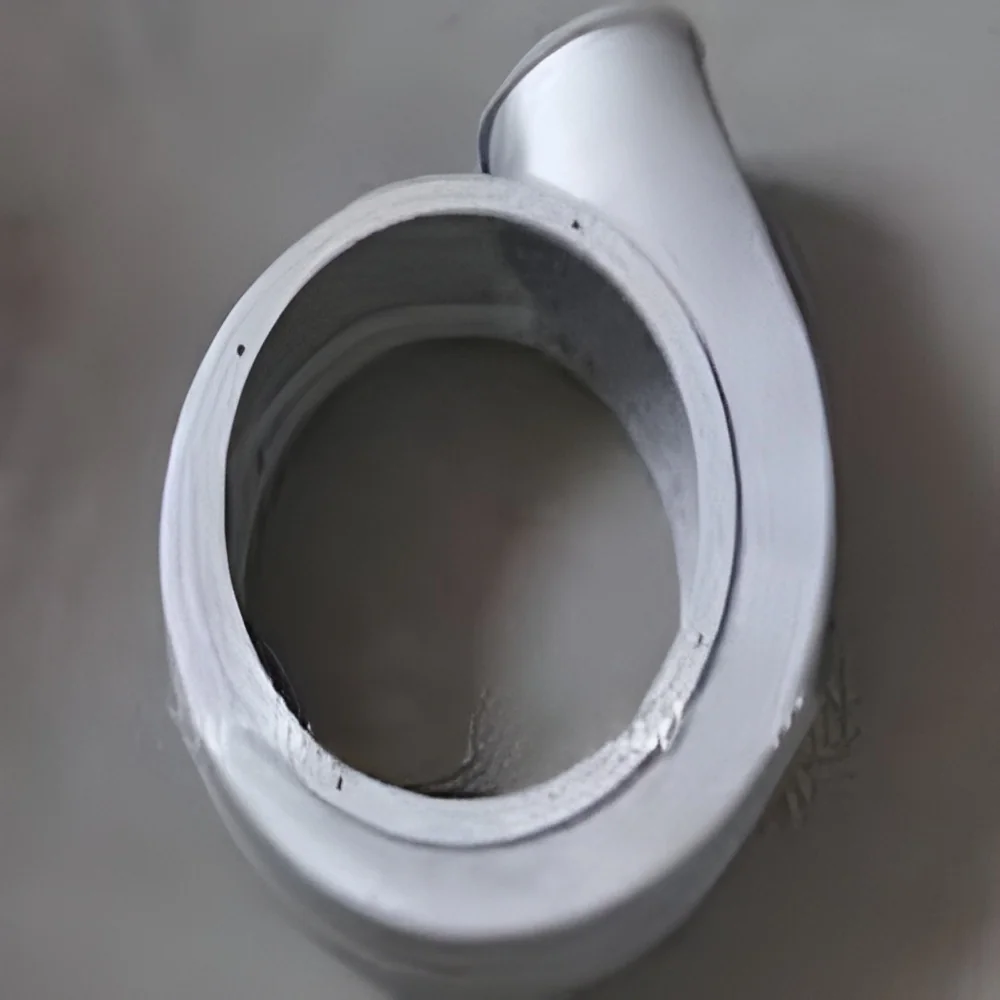
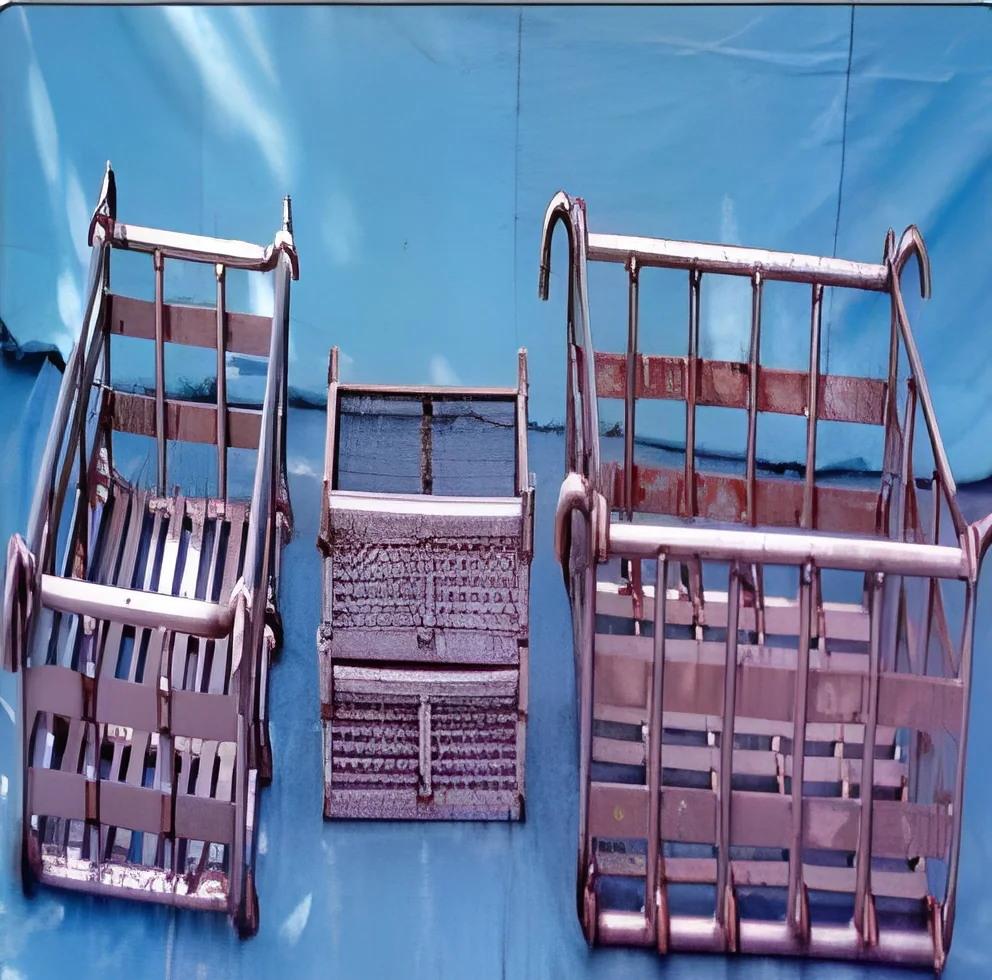
What are Die-Cast Aluminium Parts?
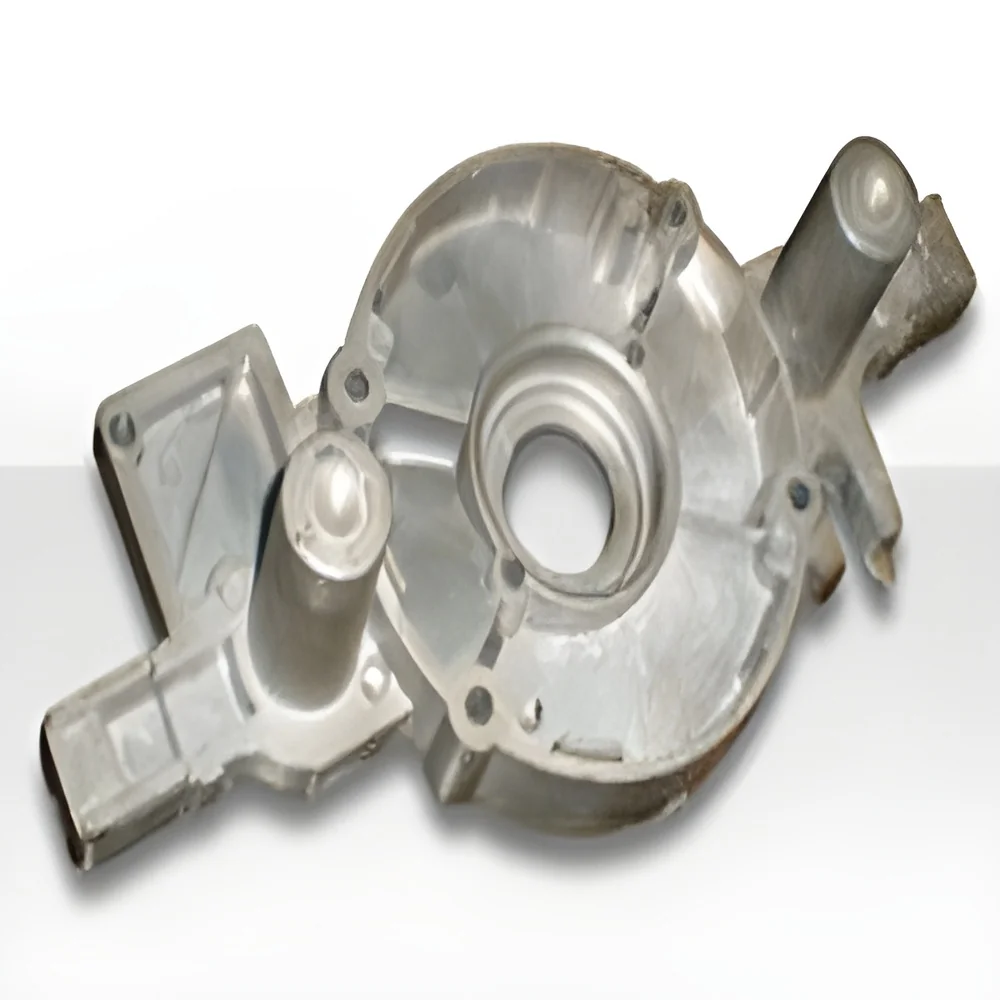
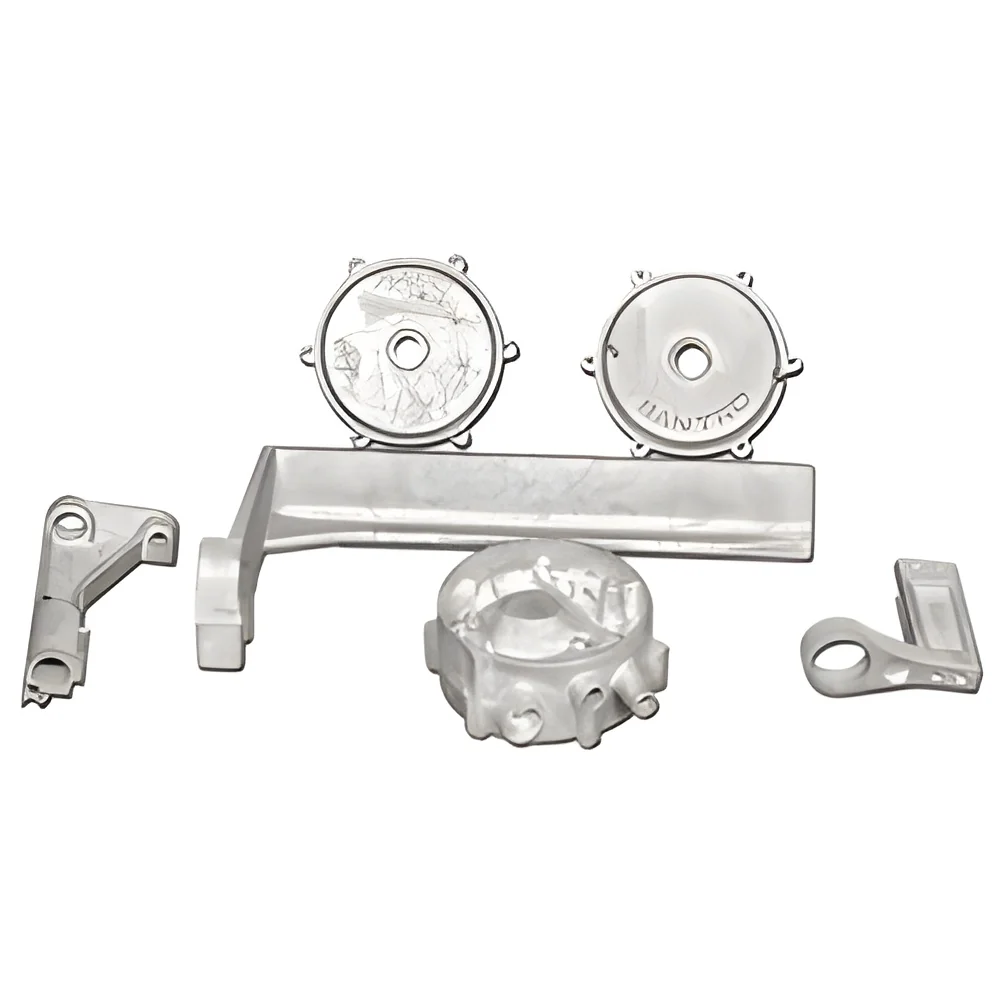
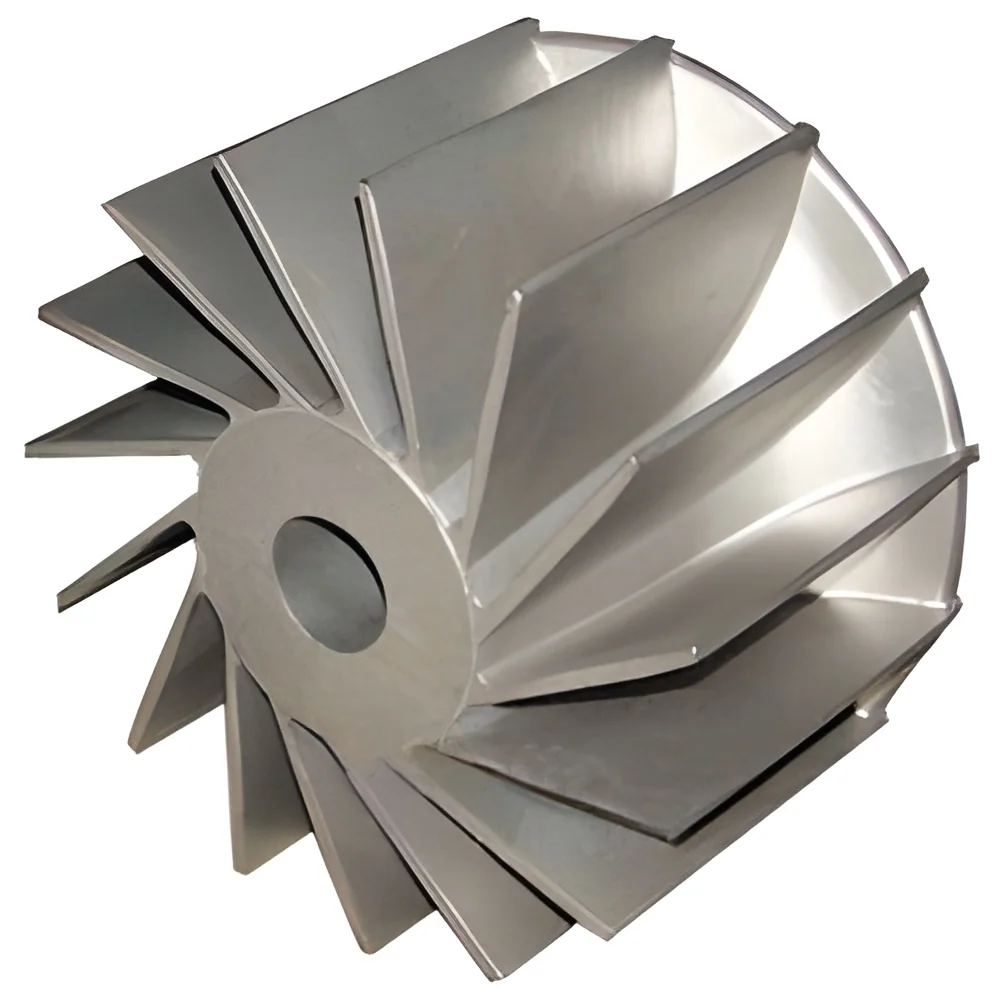
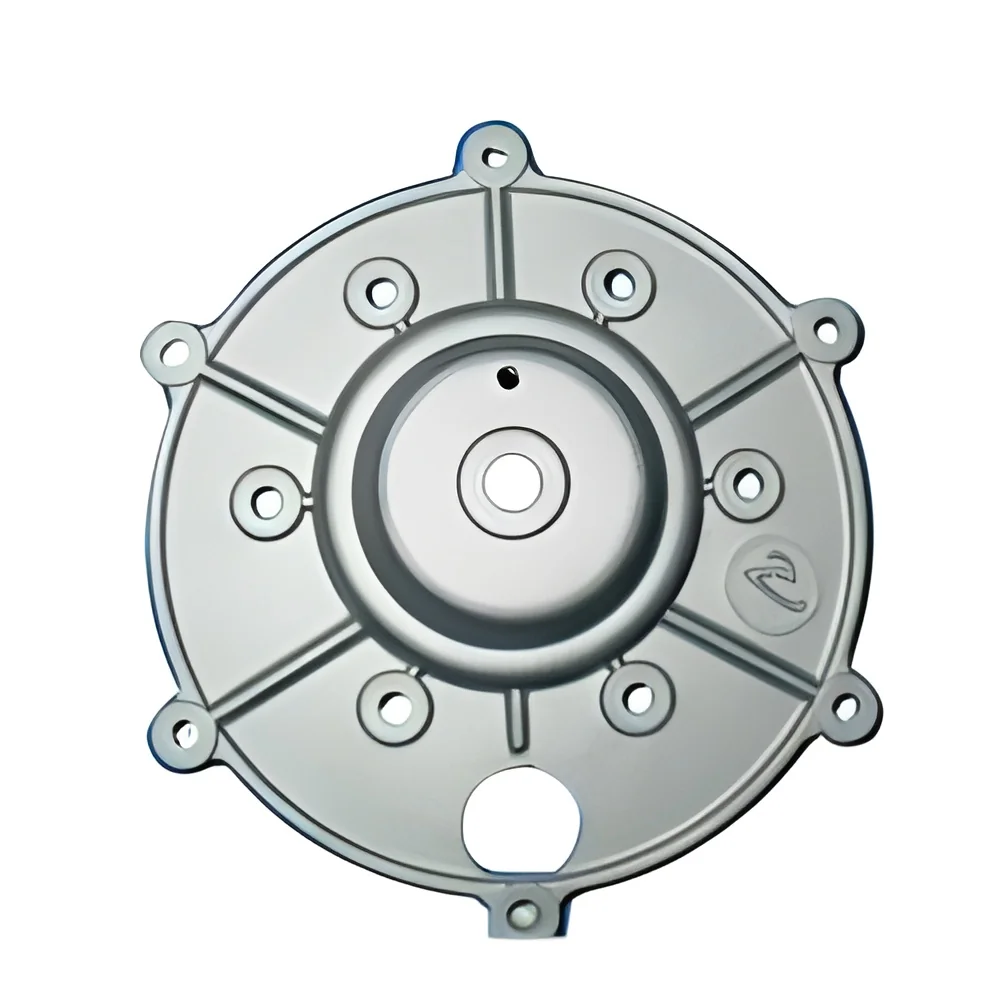
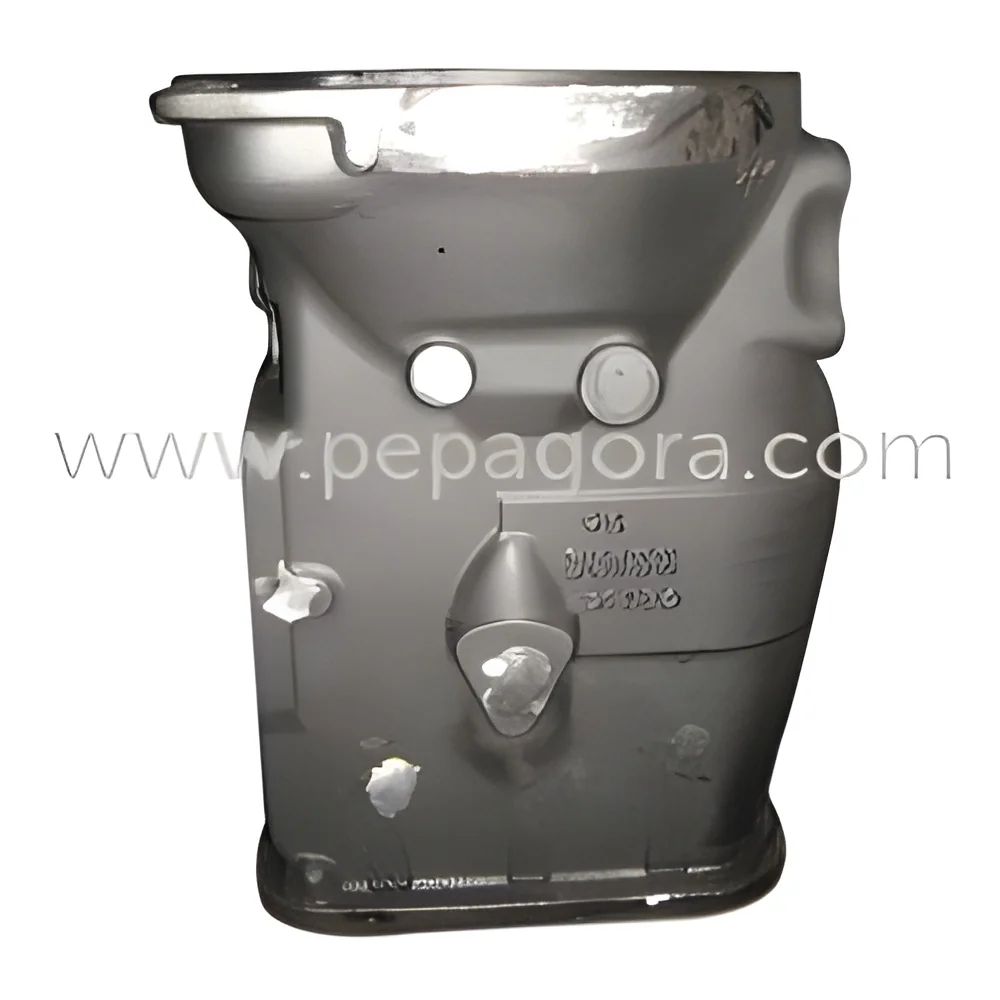
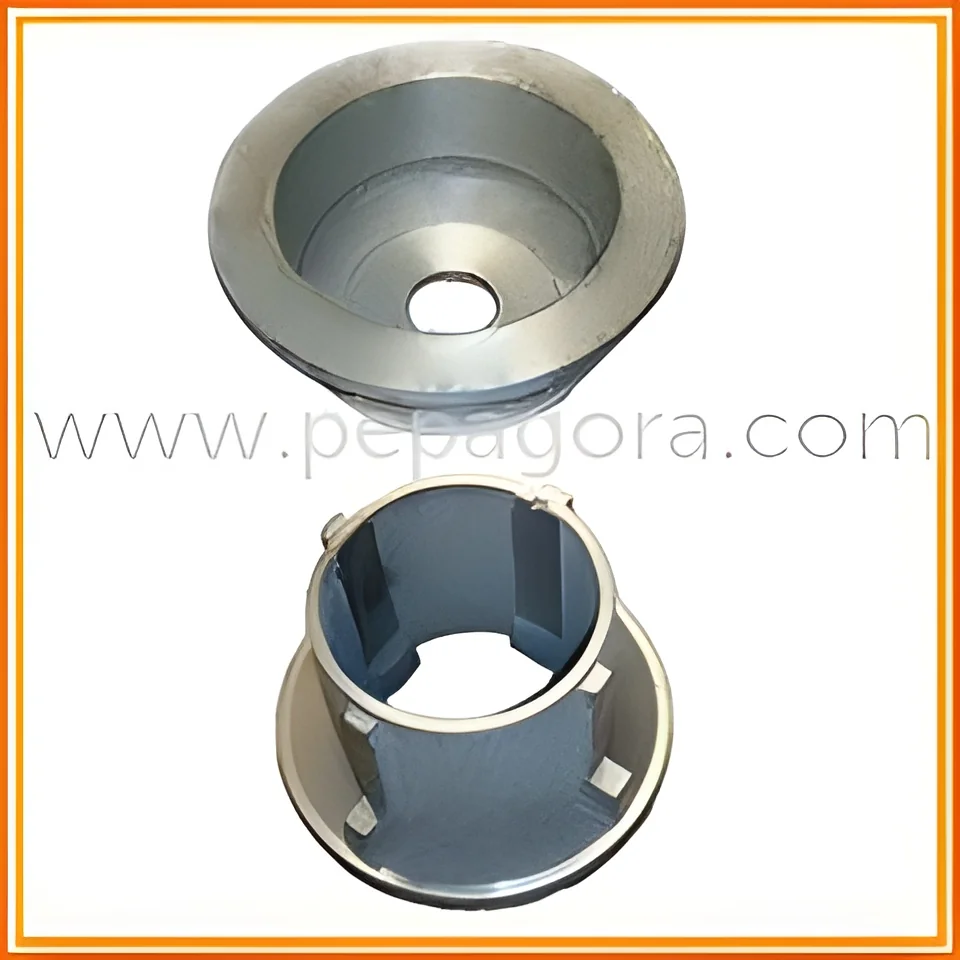
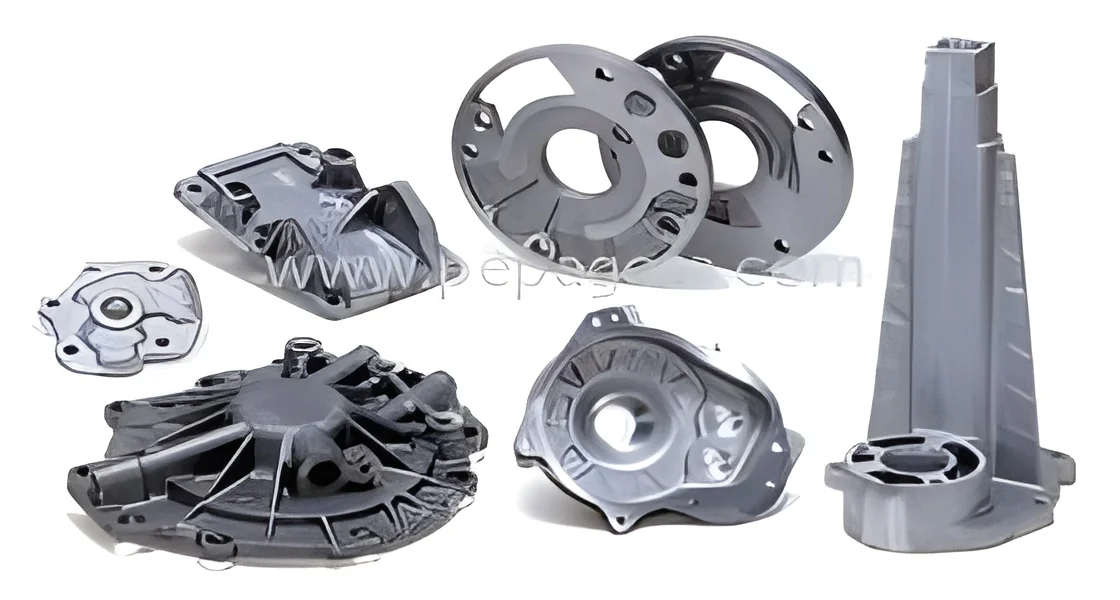
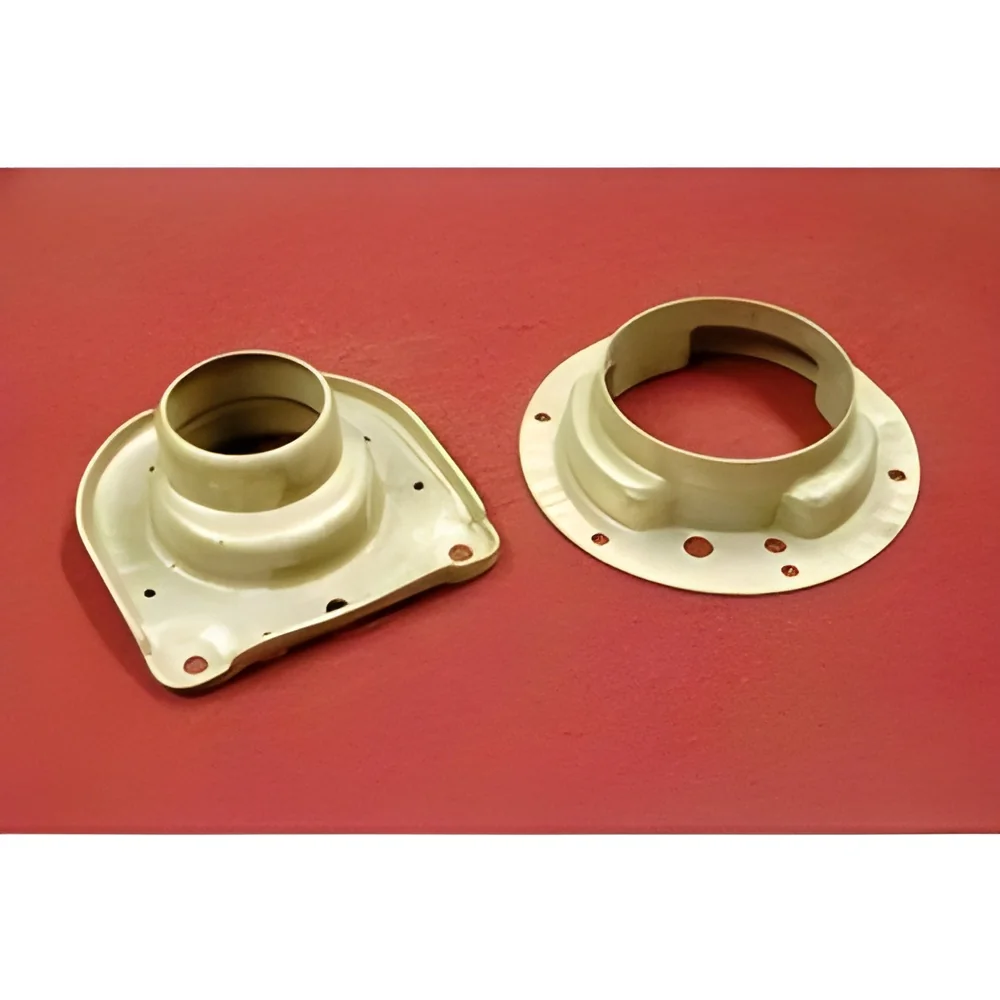
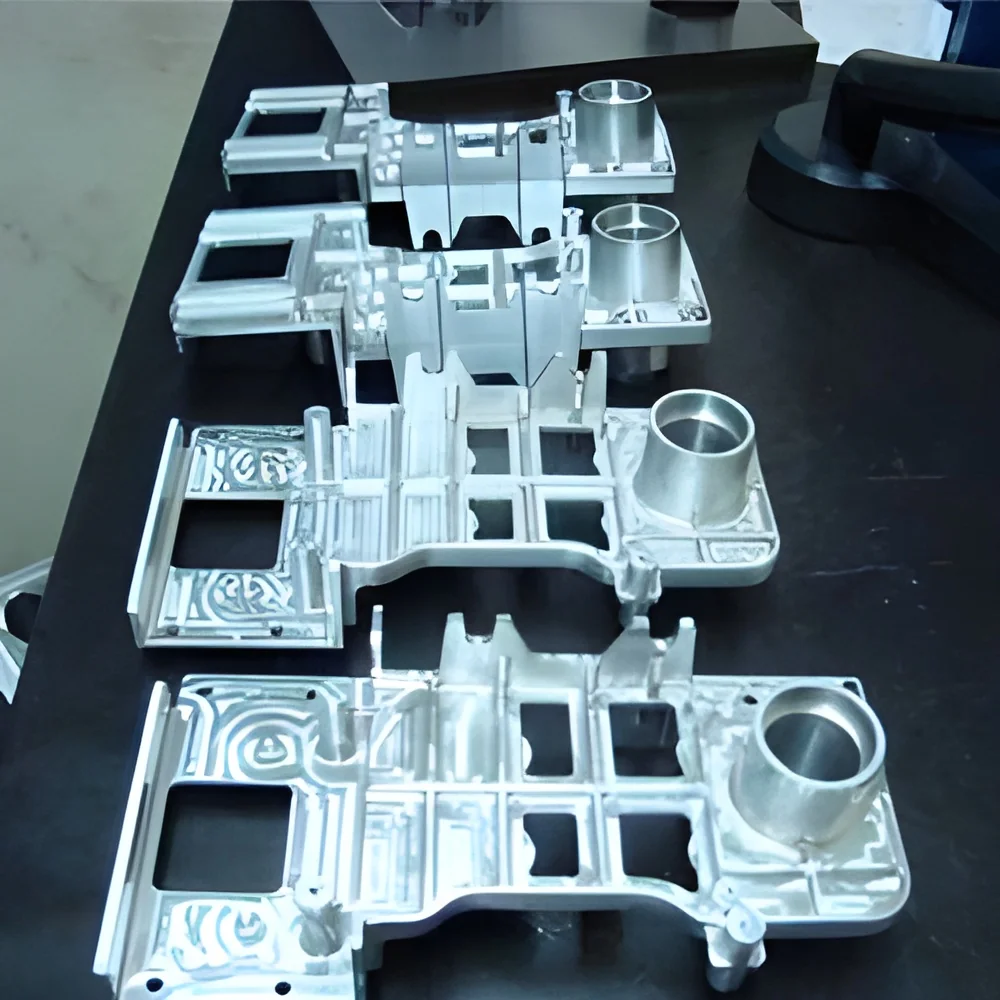
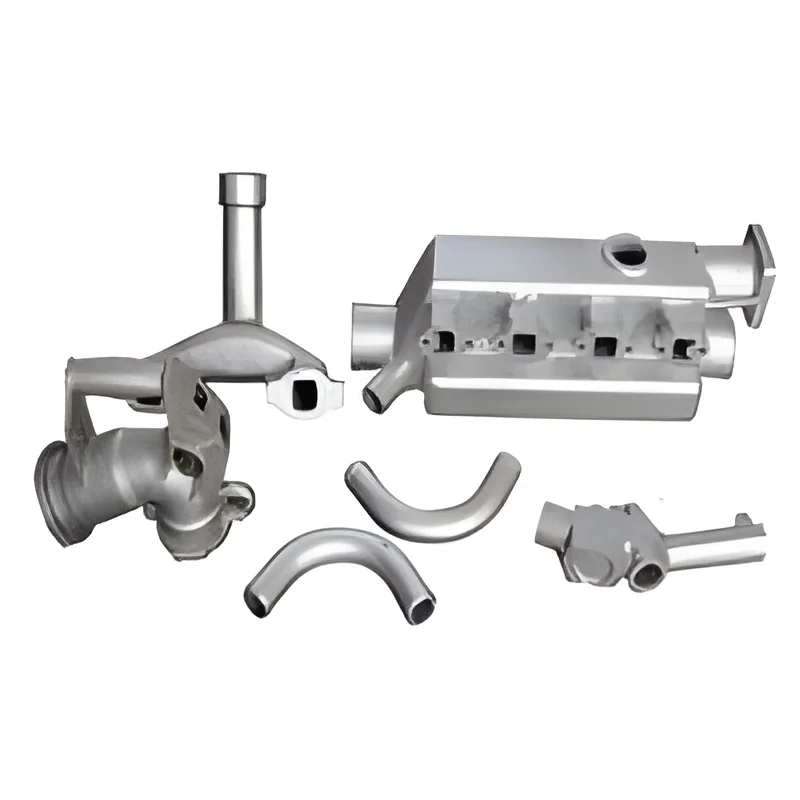
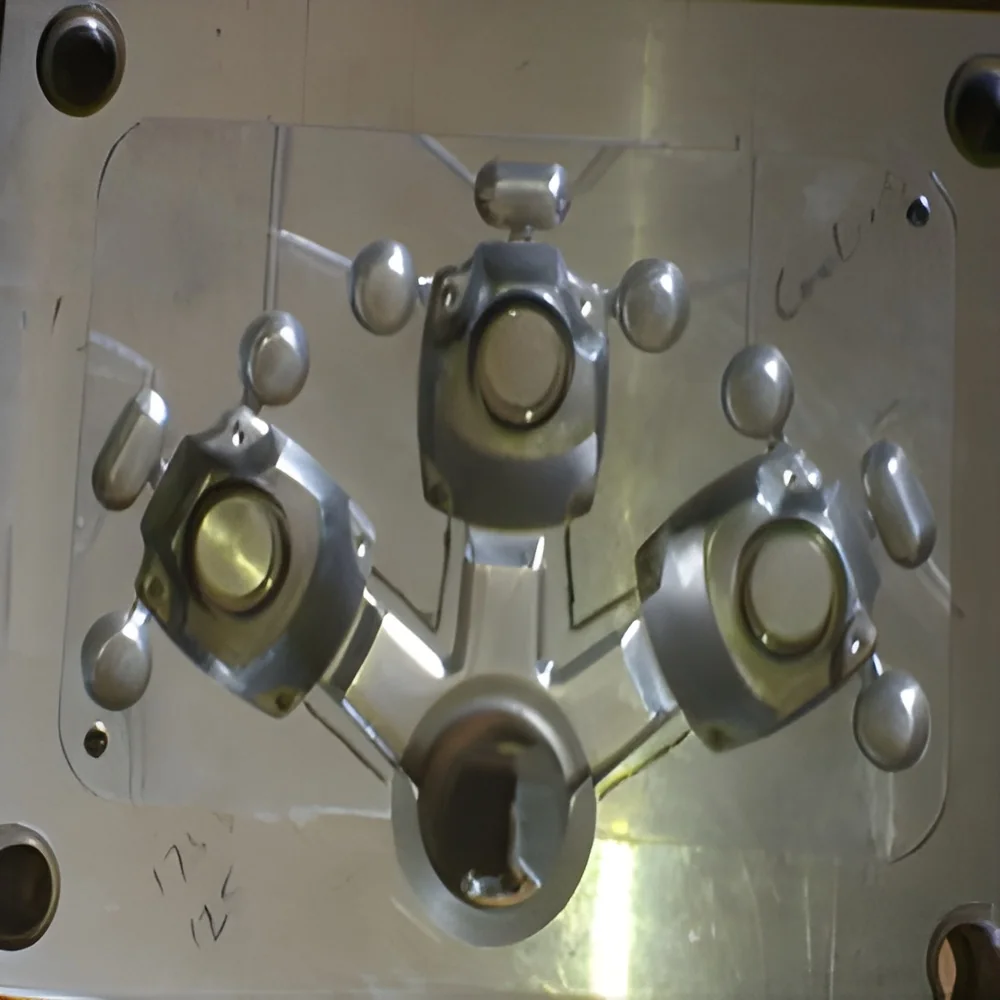
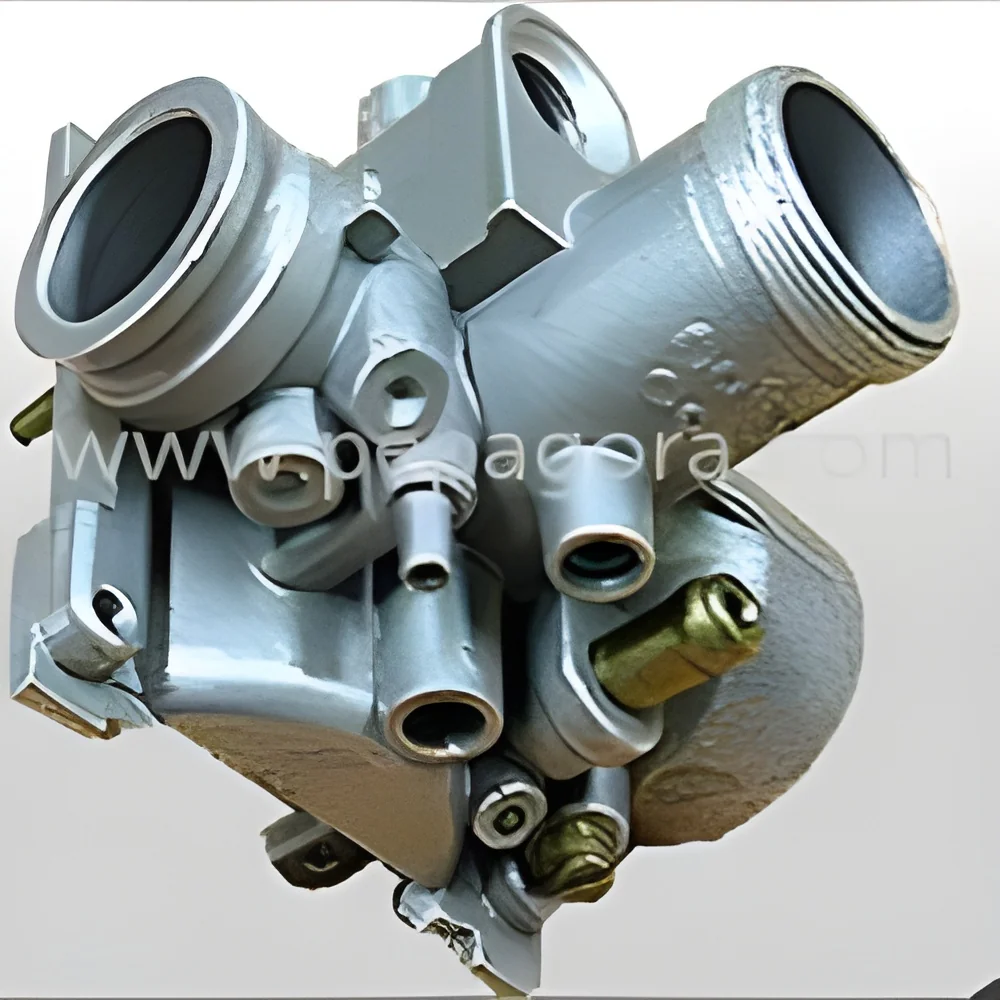
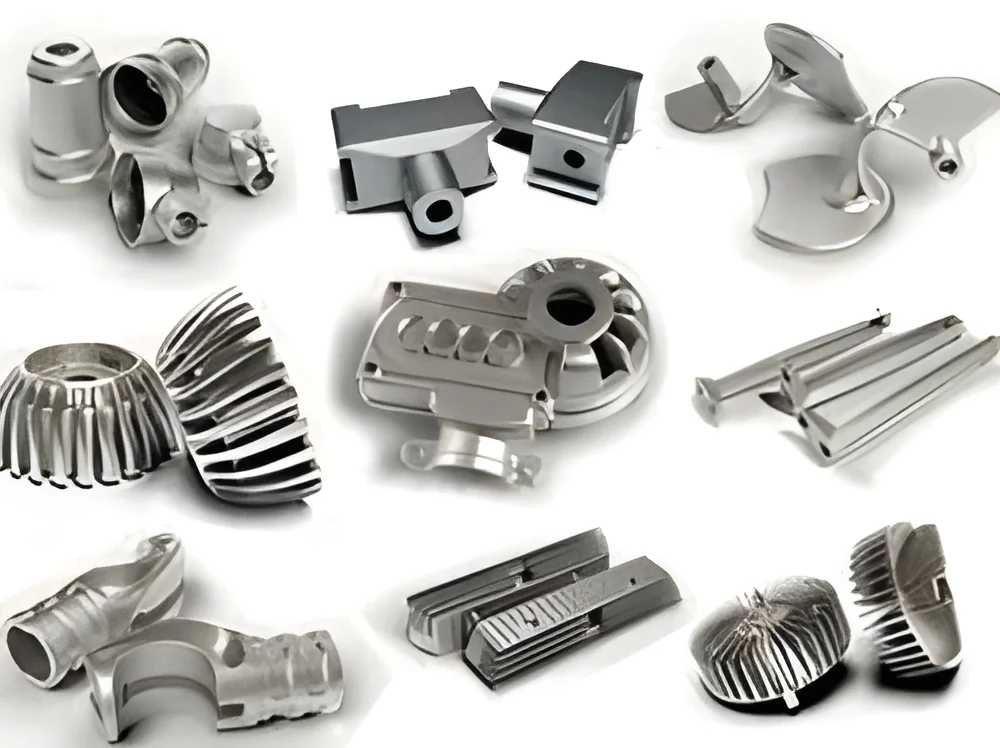
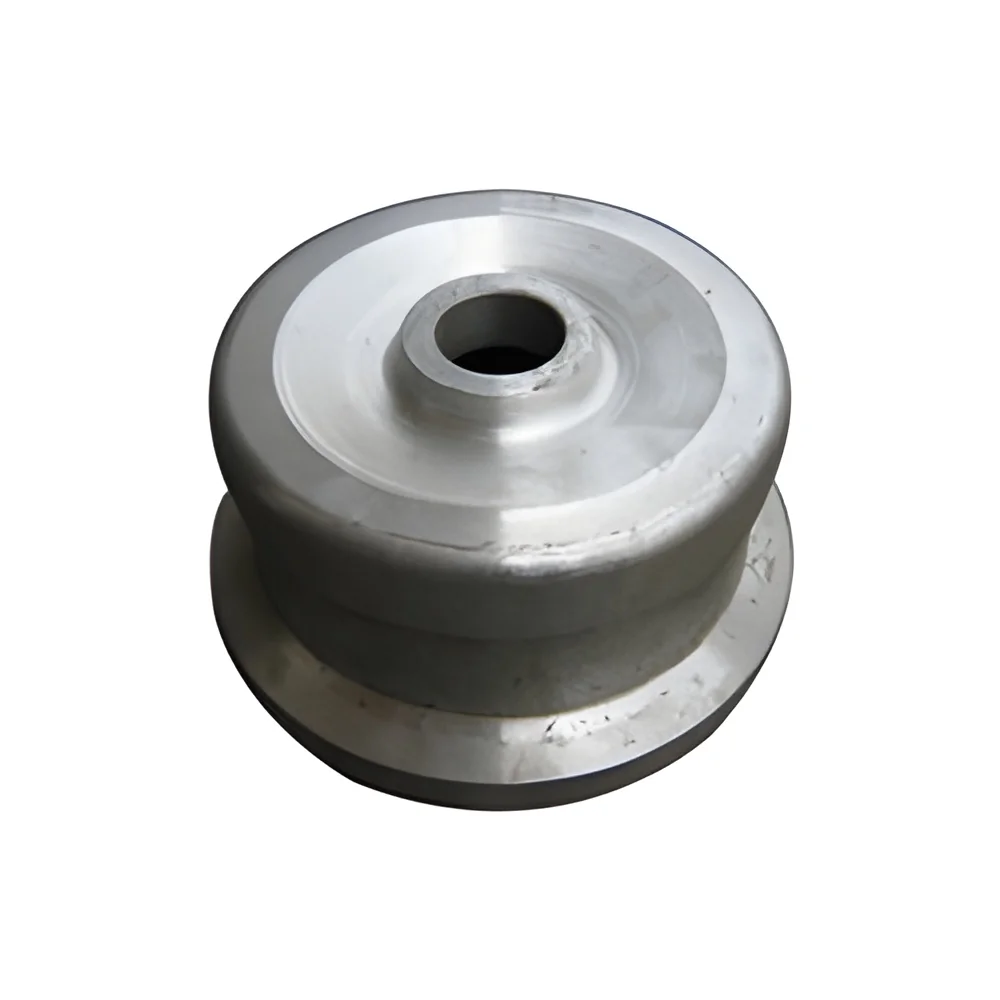
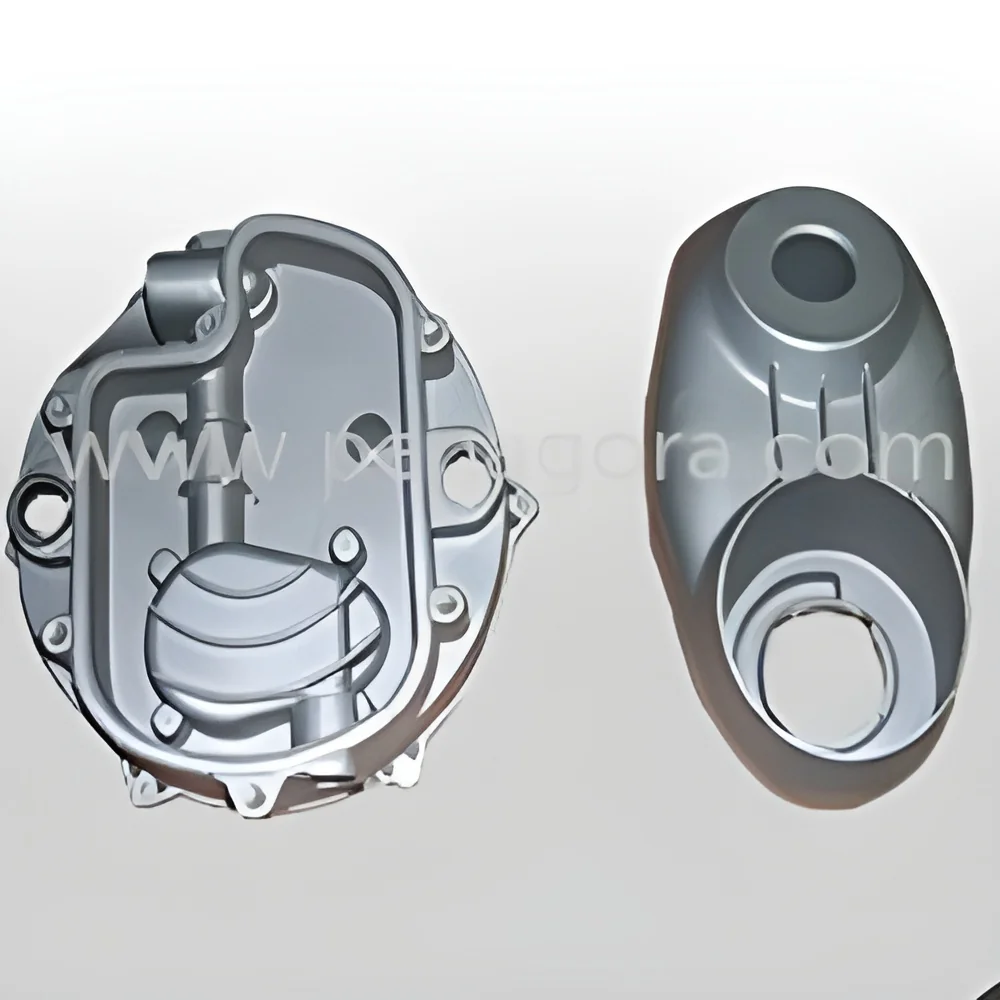
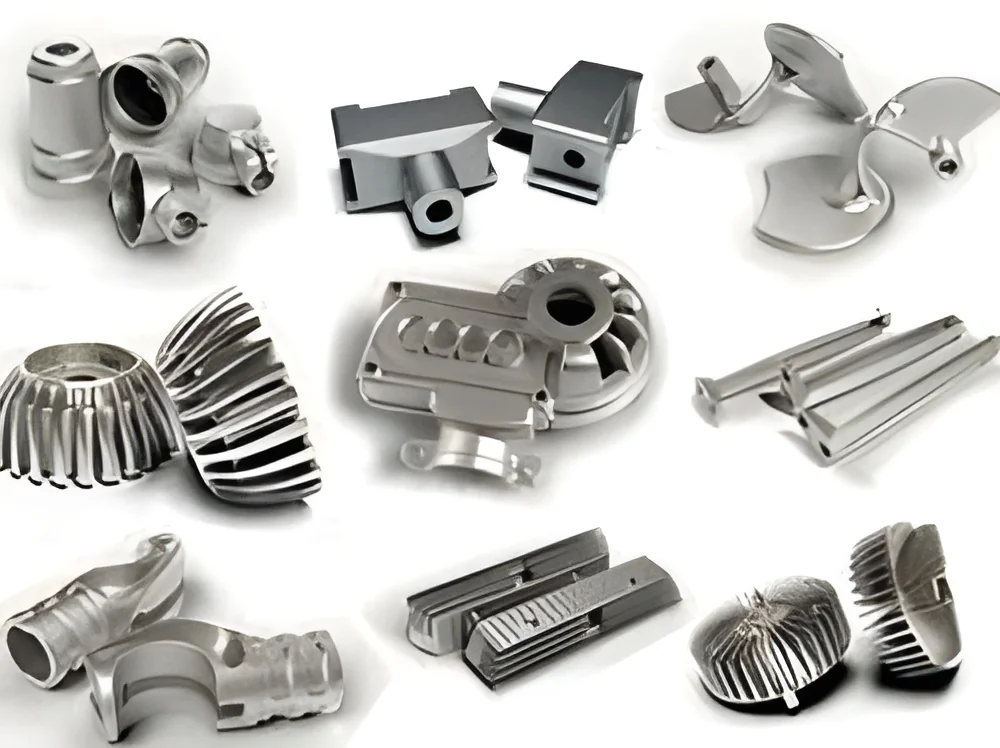
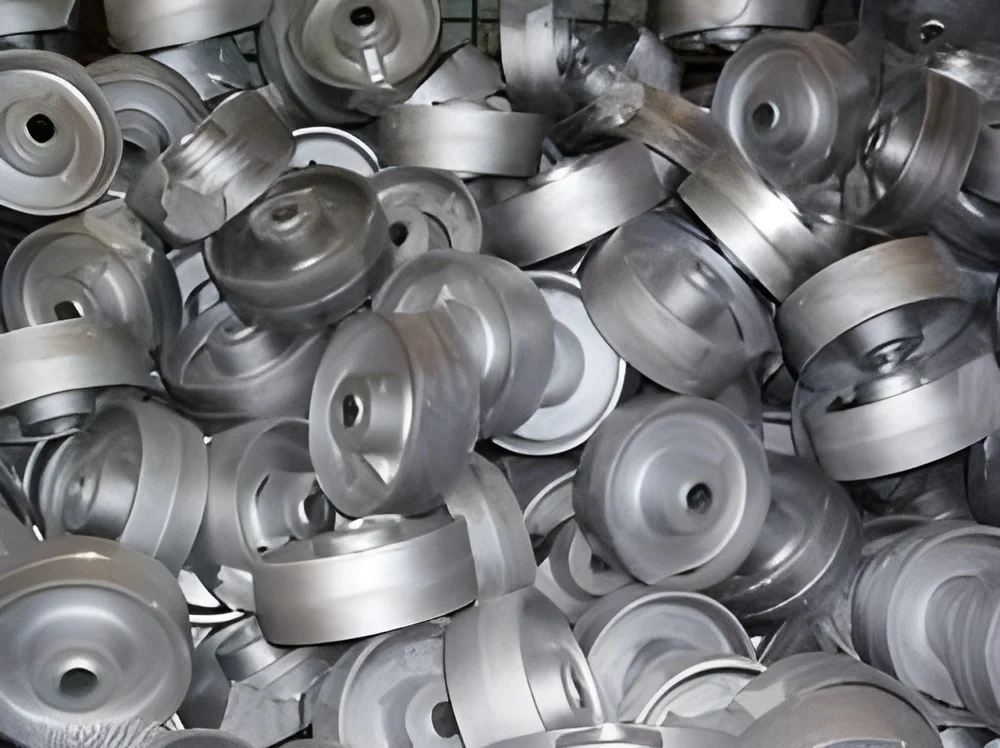
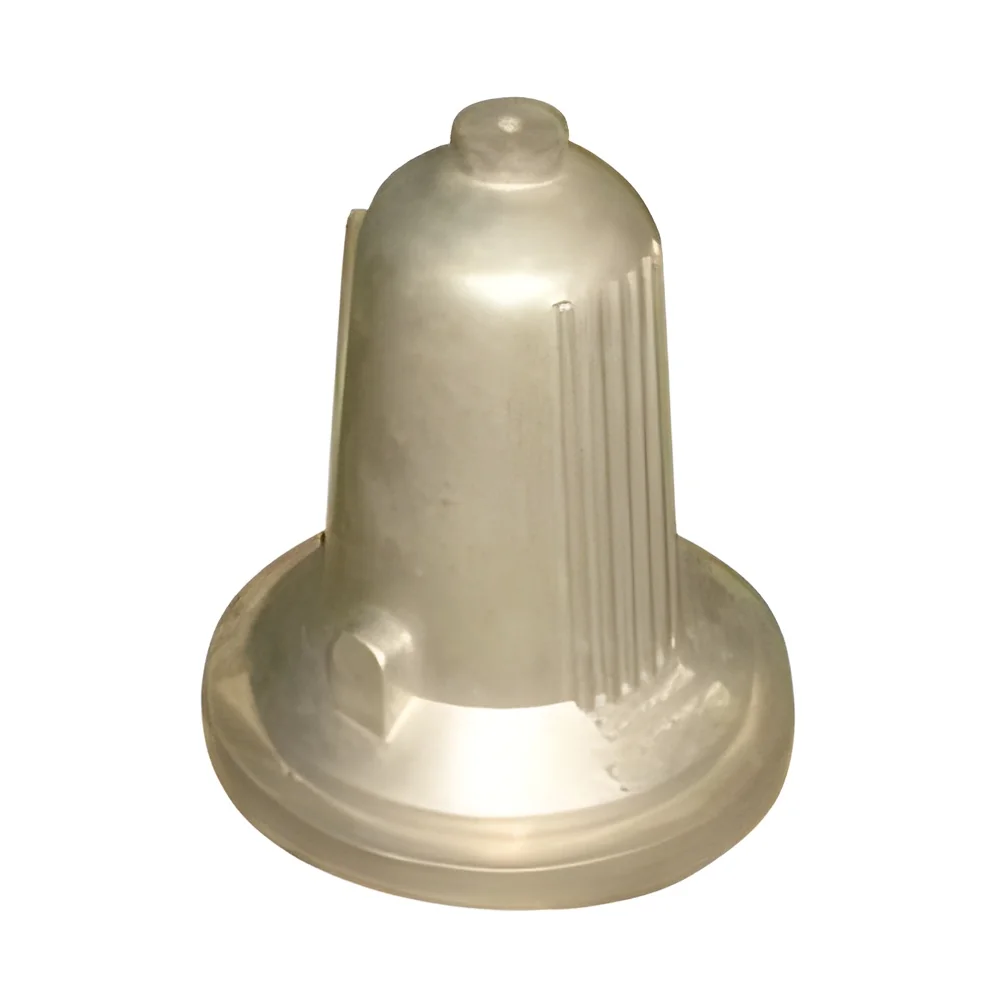
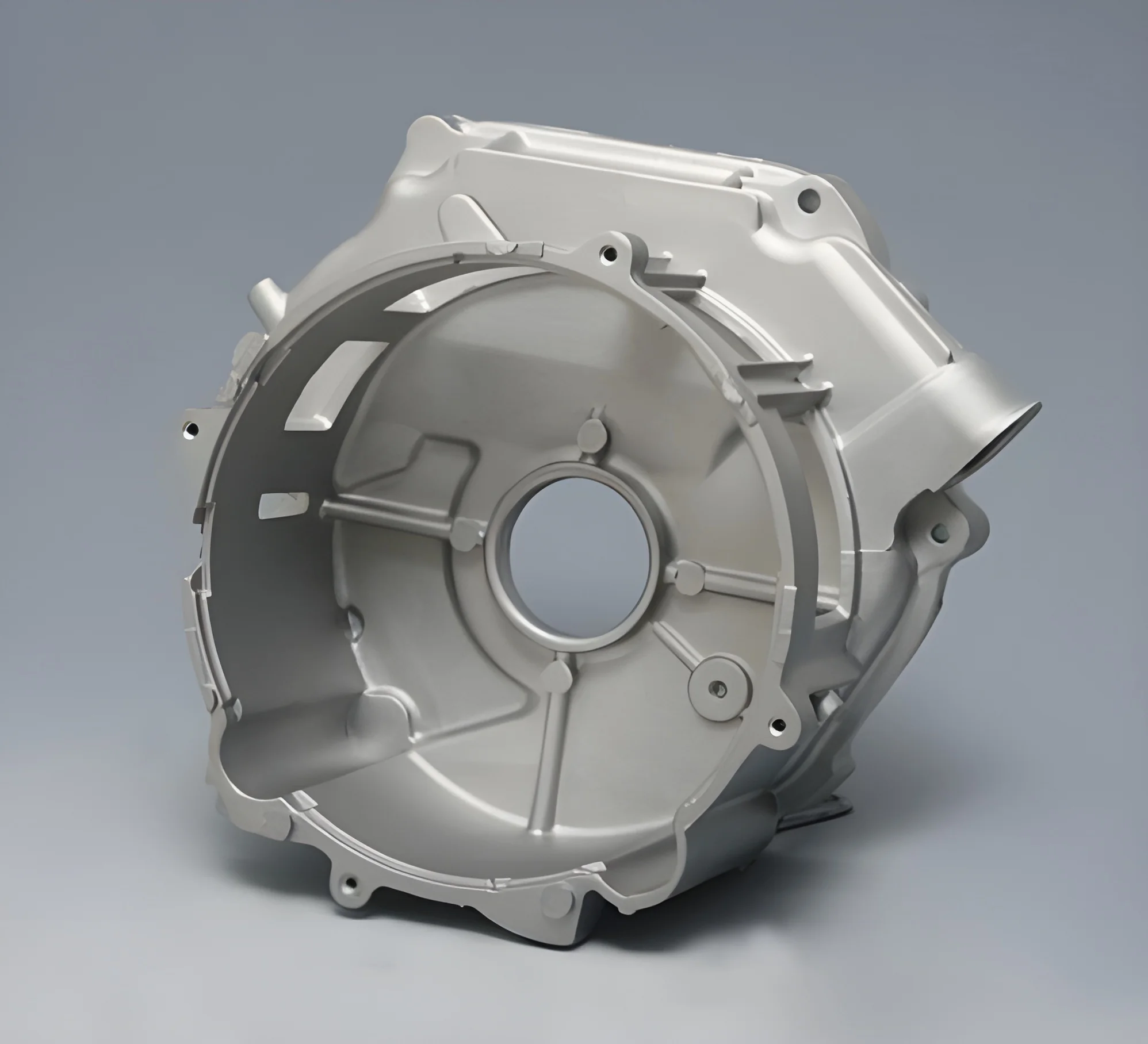
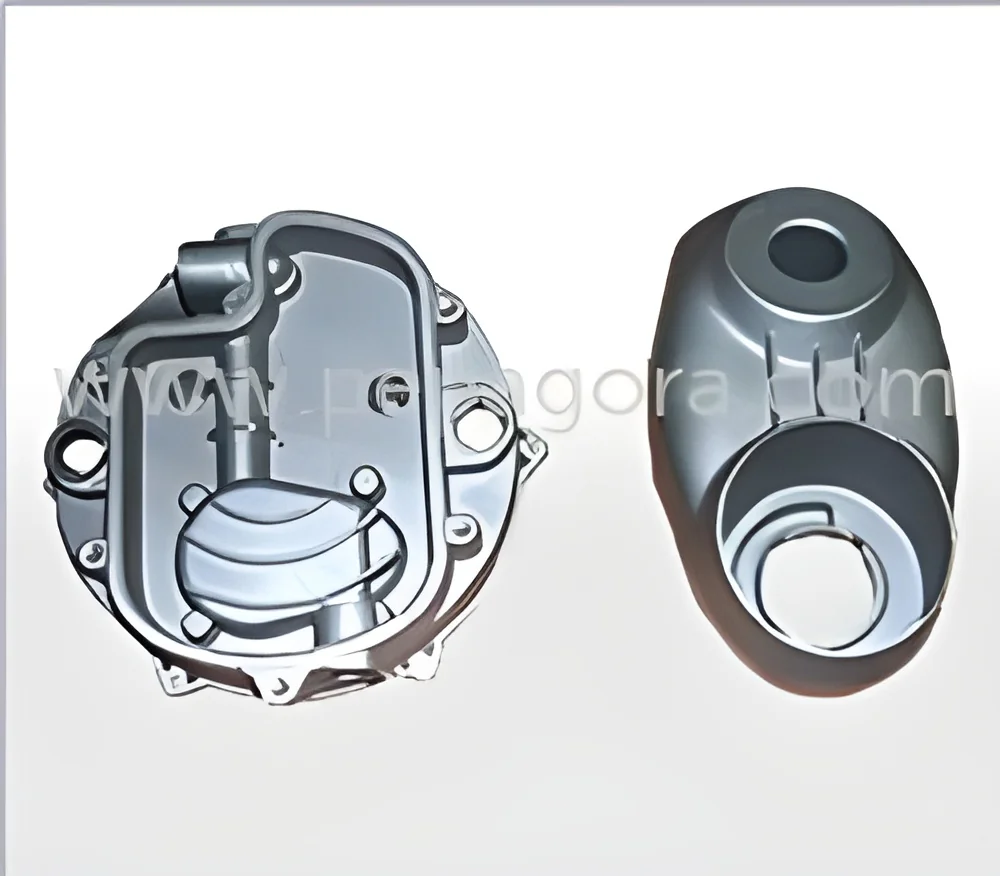
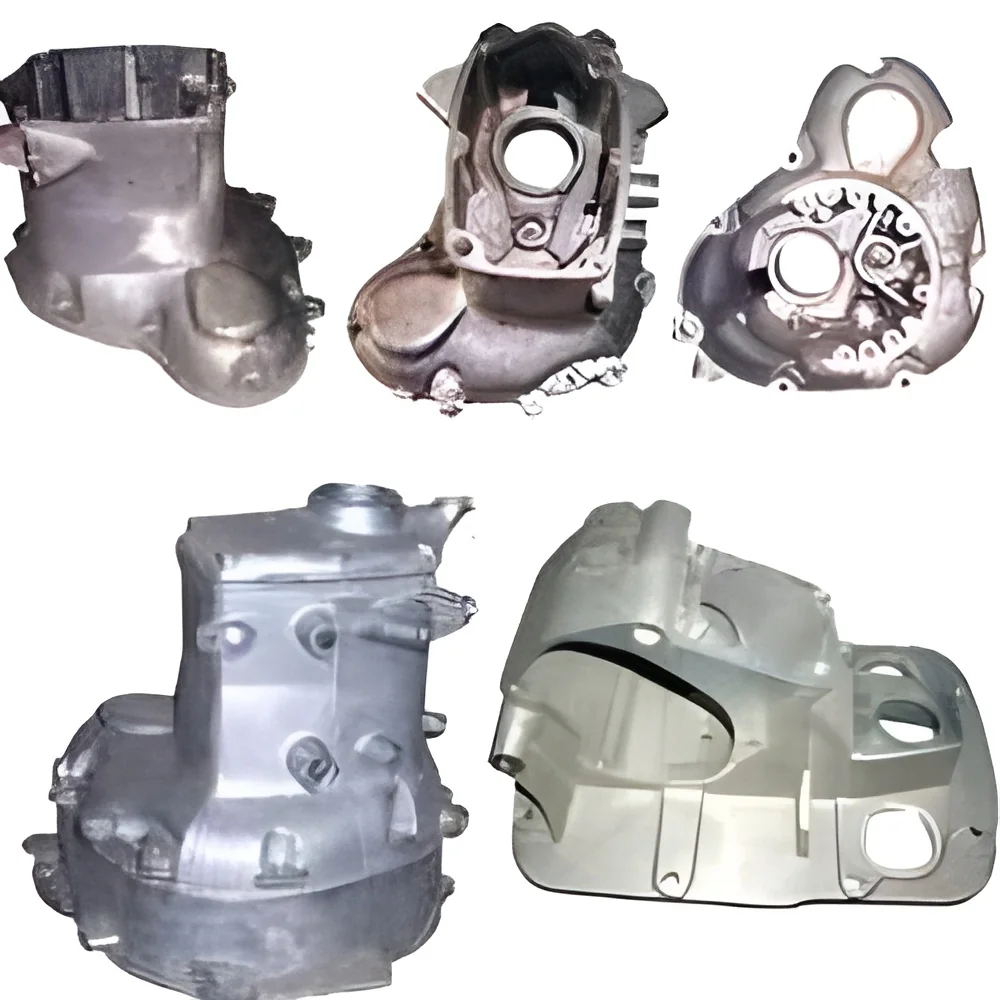
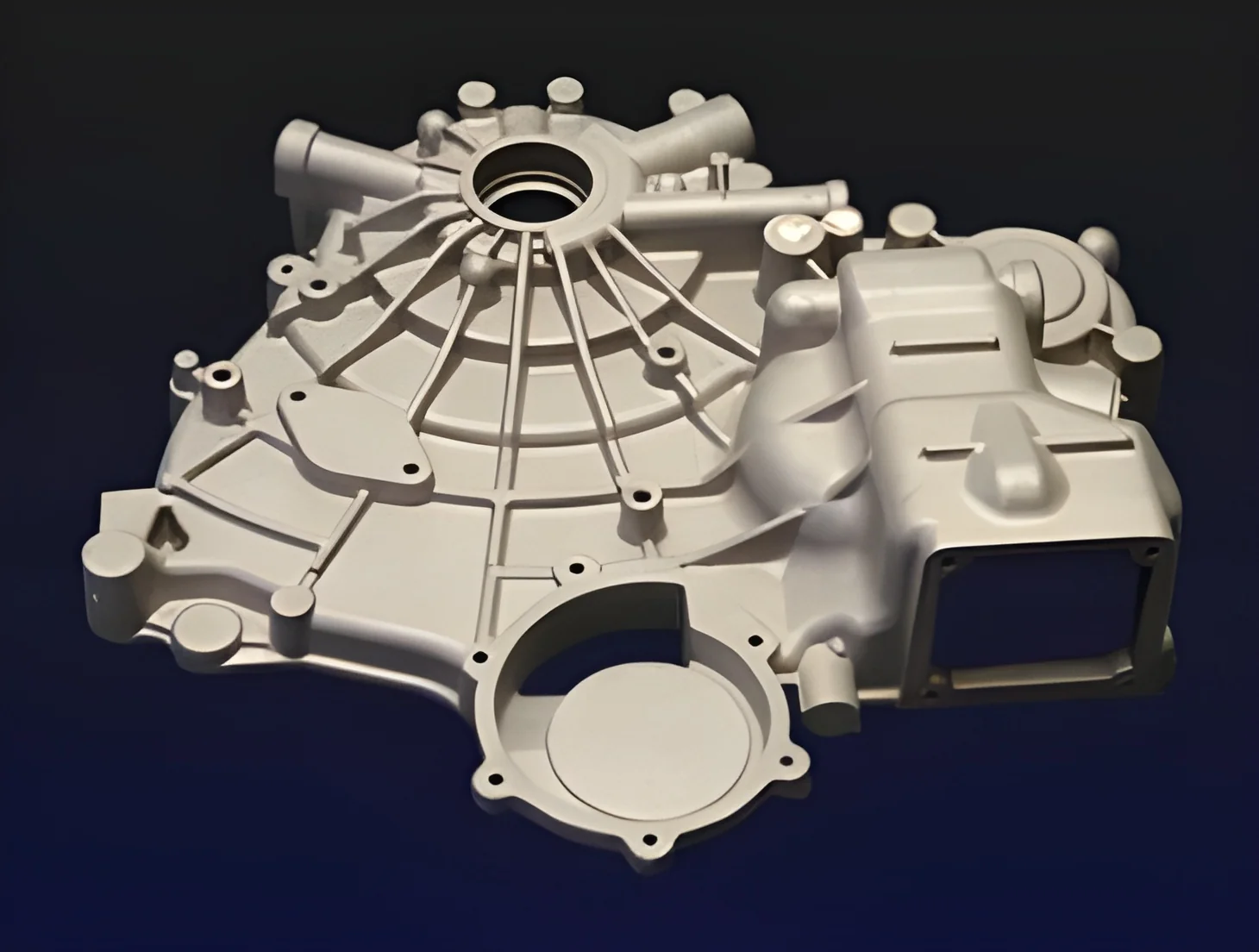
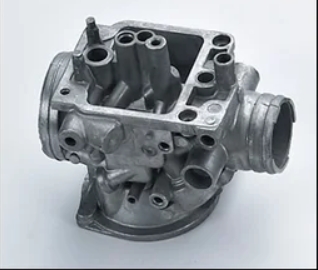
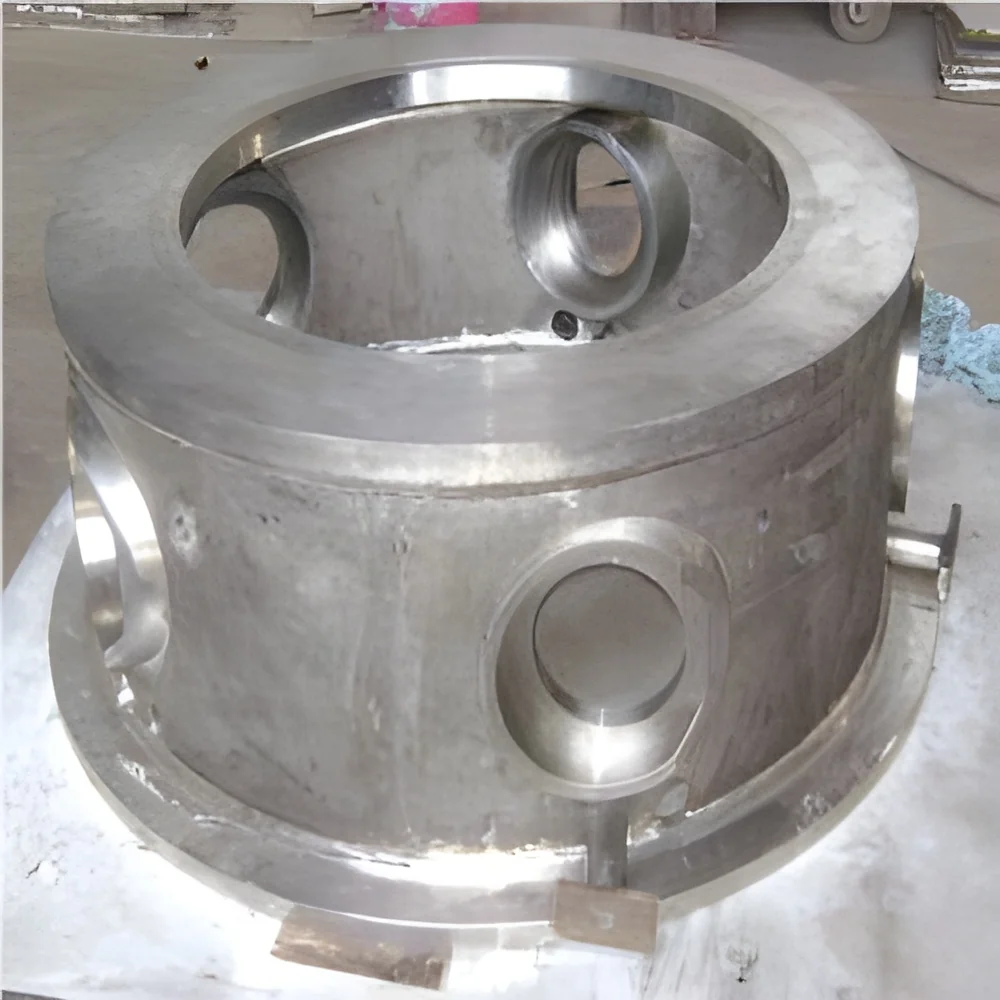
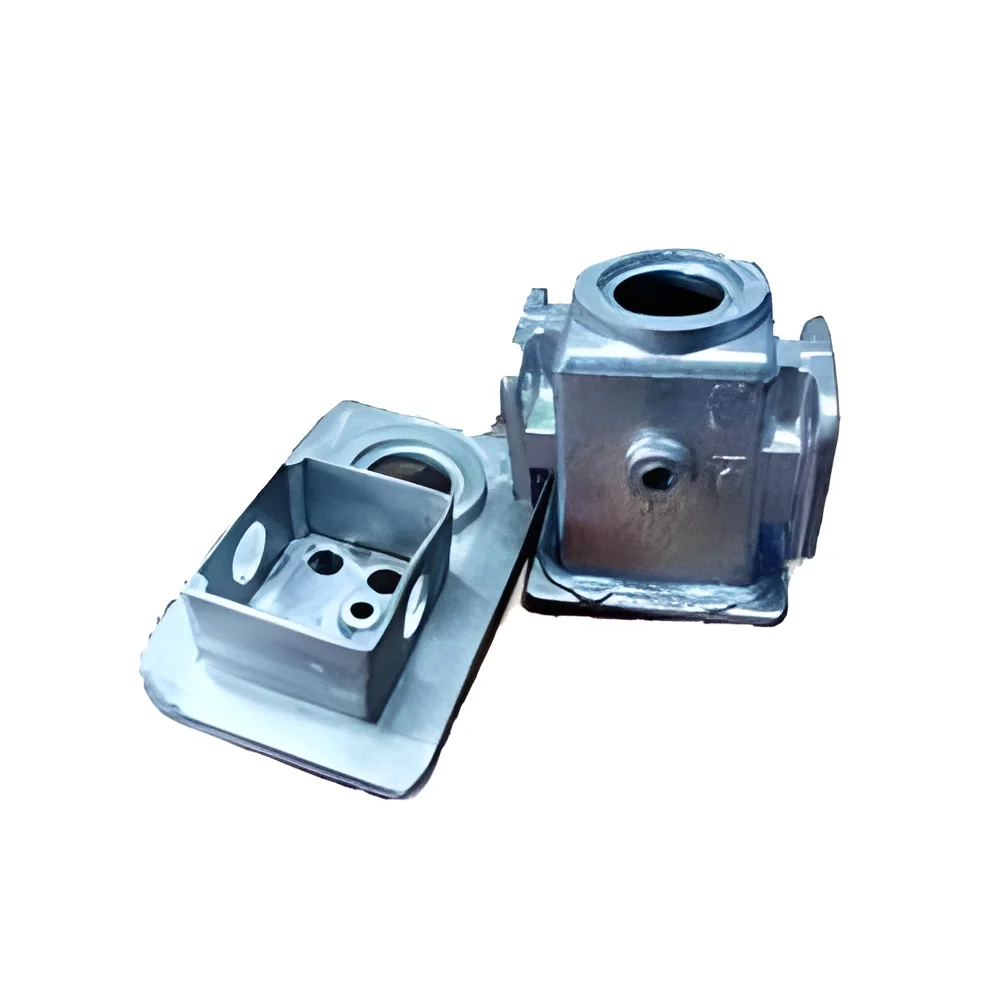
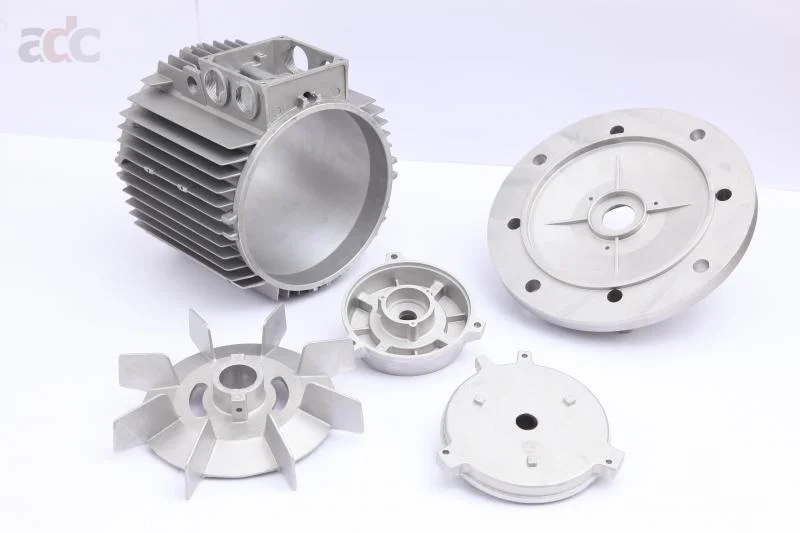
Die-Cast Aluminium Parts are components manufactured through the die-casting process, where molten aluminum is injected into a mold under high pressure. This method allows for the creation of complex shapes with high precision and excellent surface finish. Die-casting is an efficient manufacturing technique that provides a high level of dimensional accuracy and repeatability, making it a preferred choice for various applications.
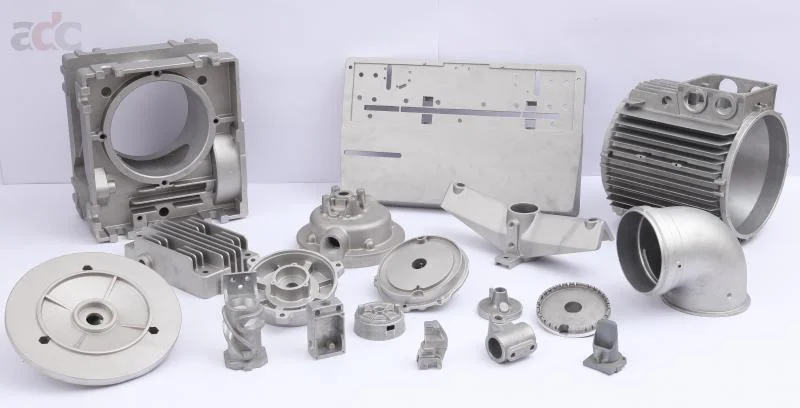
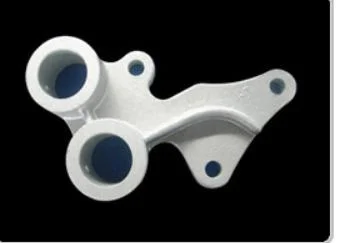
These parts find extensive use in industries such as automotive, aerospace, electronics, and consumer goods. They are commonly used for manufacturing components like housings, brackets, and connectors due to their lightweight nature and corrosion resistance. Die-Cast Aluminium Parts are particularly relevant in today's market due to the increasing demand for lightweight materials that help improve energy efficiency in vehicles and reduce overall production costs across different sectors.
Key Features and Specifications
Die-Cast Aluminium Parts are known for their numerous features that enhance their performance and suitability for various applications. Their specifications are vital for ensuring they meet industry standards and customer requirements.
Key specifications include:
1. Material Composition
- Typically made from aluminum alloys like A380 or A383
- Provides excellent strength-to-weight ratio
2. Surface Finish
- Options for smooth, textured, or painted finishes
- Enhances aesthetic appeal and corrosion resistance
3. Tolerance Levels
- Standard tolerances usually range from ±0.1mm to ±0.5mm
- Ensures parts fit precisely in assembly applications
4. Minimum Wall Thickness
- Can achieve wall thickness as low as 1mm
- Facilitates lightweight design while maintaining strength
5. Weight Range
- Parts can weigh from a few grams to several kilograms
- Suitable for various applications, from small electronics to automotive components
6. Production Volume
- Capable of high-volume production with consistent quality
- Ideal for mass manufacturing of components
7. Temperature Resistance
- Can withstand temperatures up to 200°C
- Suitable for applications involving thermal exposure
8. Recyclability
- Aluminium is highly recyclable
- Contributes to sustainable manufacturing practices
In summary, understanding the features and specifications of Die-Cast Aluminium Parts is critical for businesses looking to leverage their benefits in various applications.
Common Applications and Use Cases
Die-Cast Aluminium Parts are versatile and applicable across multiple industries. Their durability and lightweight properties make them ideal for various applications.
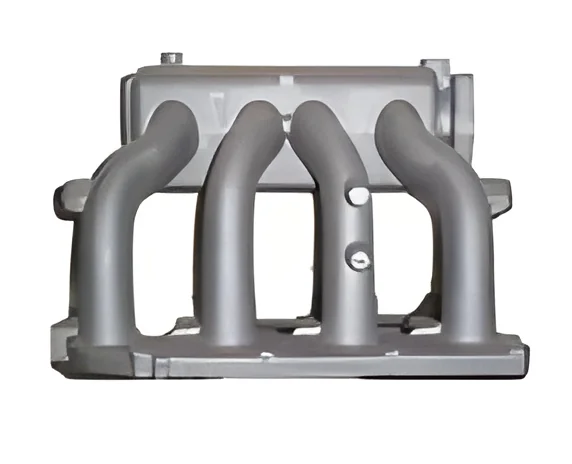
1. Automotive: Used in engine components, transmission cases, and structural parts, these parts help reduce vehicle weight and improve fuel efficiency.
2. Aerospace: Essential for manufacturing lightweight components such as brackets and housings that meet rigorous safety standards.
3. Electronics: Commonly found in casings and housings for devices, providing protection and heat dissipation for sensitive electronic components.
4. Consumer Goods: Utilized in products like kitchen appliances and tools, where durability and design aesthetics are important.
5. Industrial Machinery: Employed in various machinery parts that require high strength and resistance to wear and tear.
6. Medical Devices: Used in components that require precision and reliability, such as housings for medical instruments.
7. Lighting Fixtures: Found in the design of modern lighting solutions where lightweight materials are essential for efficiency.
Product Variants and Subcategories
Die-Cast Aluminium Parts come in various forms, catering to different industrial needs. Their diversity allows manufacturers to select the most suitable option for their specific applications.
Automotive Components
These variants are designed for the automotive industry, focusing on parts like engine blocks and transmission housings. They are engineered for strength and thermal management.
Electronic Housings
These parts are specifically tailored for electronic devices. They provide protection while allowing for efficient heat dissipation, ensuring the longevity of electronic components.
Industrial Parts
Designed for machinery and equipment, these components are built to withstand harsh operating conditions while maintaining high performance.
Benefits and Advantages
The use of Die-Cast Aluminium Parts offers numerous advantages for businesses seeking efficient manufacturing solutions.
Key benefits include:
1. Lightweight Construction: These parts significantly reduce the overall weight of products, enhancing energy efficiency.
2. High Strength: Aluminium alloys provide excellent mechanical strength, making parts durable and reliable in various applications.
3. Cost-Effectiveness: The die-casting process allows for high-volume production at lower costs, benefiting manufacturers.
4. Design Flexibility: The ability to create complex shapes enables innovative designs that meet specific functional requirements.
5. Corrosion Resistance: Aluminium naturally resists corrosion, extending the lifespan of the parts in various environments.
6. Sustainable Manufacturing: Aluminium is recyclable, making it an environmentally friendly choice for production.
Buying Guide for B2B Buyers
When sourcing Die-Cast Aluminium Parts, it is essential for B2B buyers to consider several key factors to ensure a successful procurement process.
1. Quality Assessment: Evaluate the quality of the parts by reviewing supplier certifications and conducting material tests to ensure they meet industry standards.
2. Supplier Verification: Vet suppliers by checking their track record, customer reviews, and compliance with relevant industry standards, ensuring reliability and consistency.
3. Pricing and MOQ: Understand the pricing structure and minimum order quantities, as these can vary significantly between suppliers and impact overall budget planning.
4. Delivery and Lead Times: Confirm lead times for production and delivery to align with project timelines, ensuring that parts are available when needed.
5. Compliance Requirements: Be aware of compliance with industry regulations and standards, such as CE certification, to ensure that parts are suitable for their intended use.
Compliance and Certifications
Compliance and certifications are critical for ensuring the quality and reliability of Die-Cast Aluminium Parts. Relevant quality standards include ISO 9001, which focuses on quality management systems, ensuring consistency in production and quality assurance.
Industry certifications such as CE certification indicate compliance with European safety, health, and environmental protection standards. These certifications provide assurance that the products meet stringent quality requirements.
Safety and testing requirements are essential, particularly in industries like automotive and aerospace, where the reliability of components is paramount. Rigorous testing protocols ensure that parts can withstand operational stresses and environmental factors.
Additionally, regional compliance considerations may vary, making it important for buyers to understand the specific regulations applicable to their location and industry.
Why Source Die-Cast Aluminium Parts from Pepagora?
Pepagora provides a trusted platform for sourcing Die-Cast Aluminium Parts, offering several key advantages for businesses looking to enhance their procurement process.
Verified Supplier Network: Pepagora ensures that all suppliers are thoroughly vetted, providing buyers with confidence in the quality and reliability of their sourcing decisions.
Streamlined RFQ Process: The platform features an efficient Request for Quotation (RFQ) system that simplifies the procurement process, allowing buyers to quickly receive and compare quotes from multiple suppliers.
Trade Assurance and Support: Pepagora offers trade assurance, protecting buyers through various support mechanisms that ensure transaction security and satisfaction.
Regional Coverage: With a strong presence in India, the GCC, and Southeast Asia, Pepagora provides extensive geographic reach, connecting buyers with suppliers that meet their specific needs in these regions.

 IN
IN