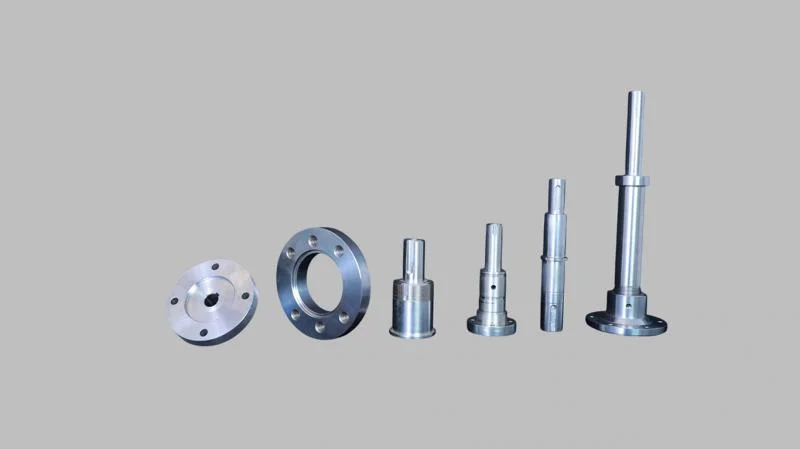
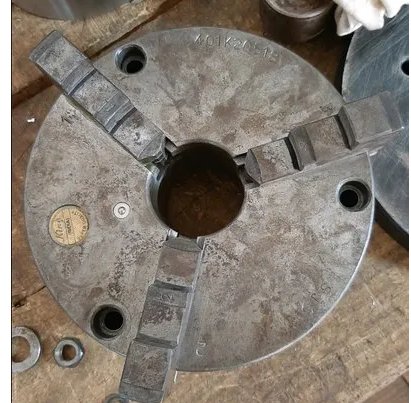
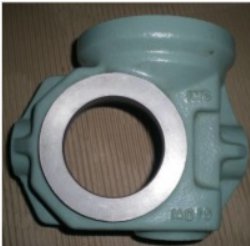
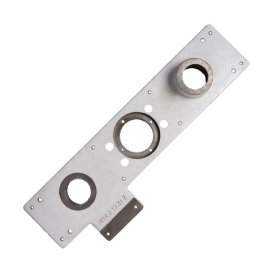
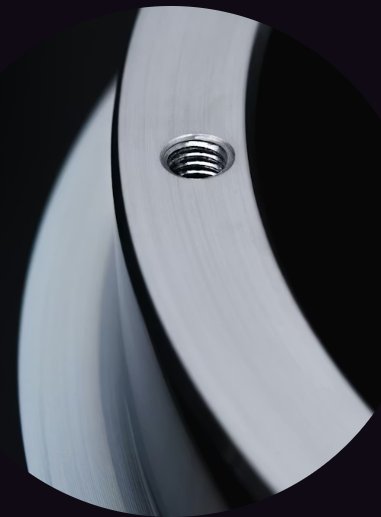
What are CNC Machined OEM Parts?
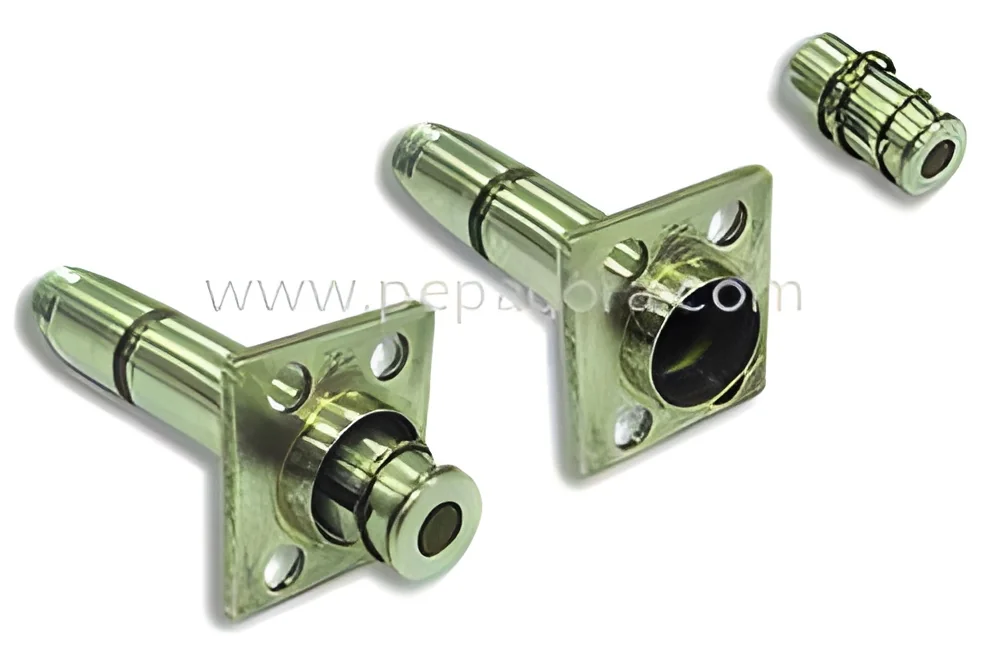
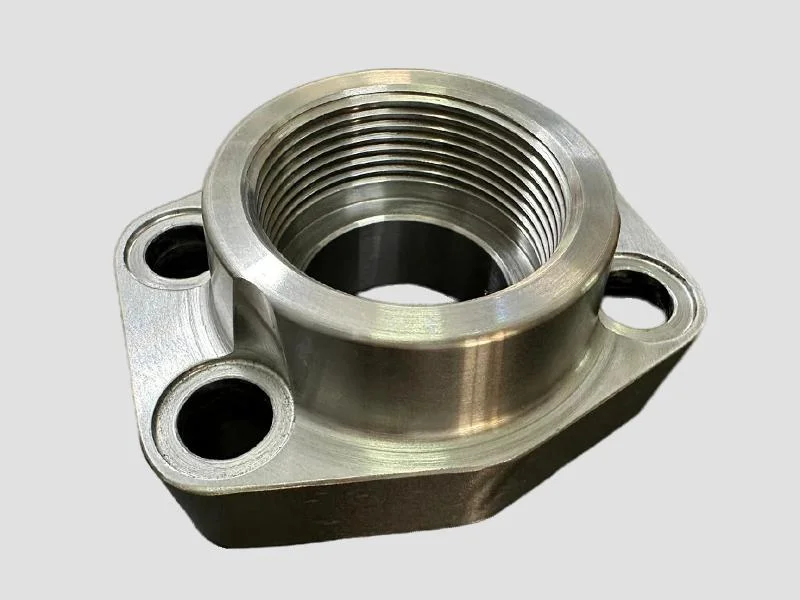
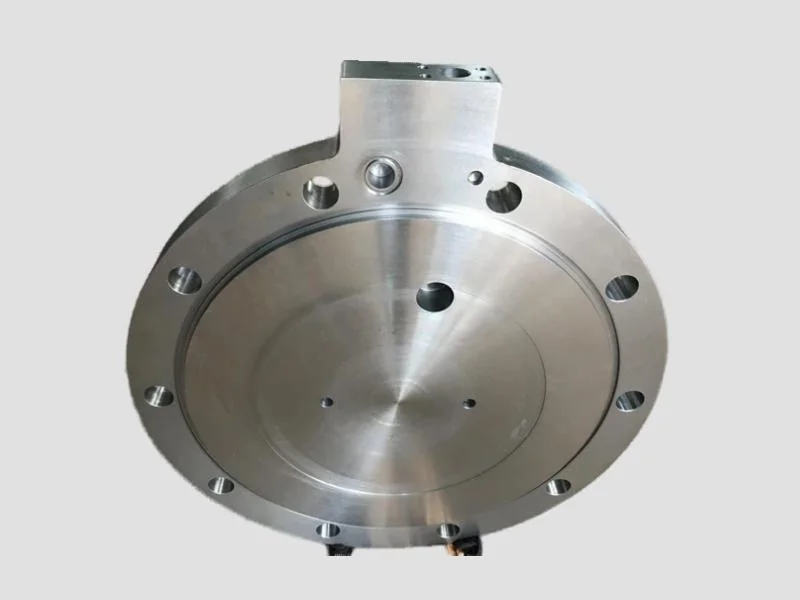
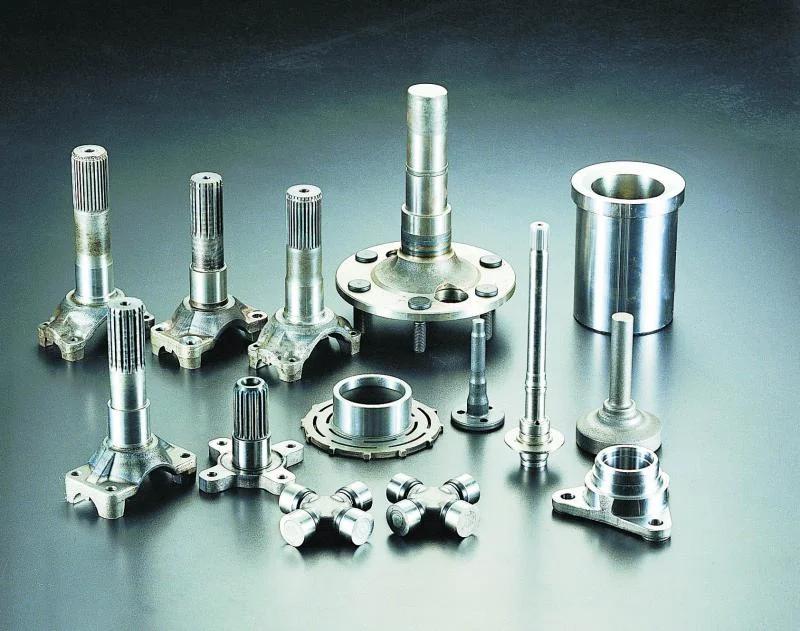
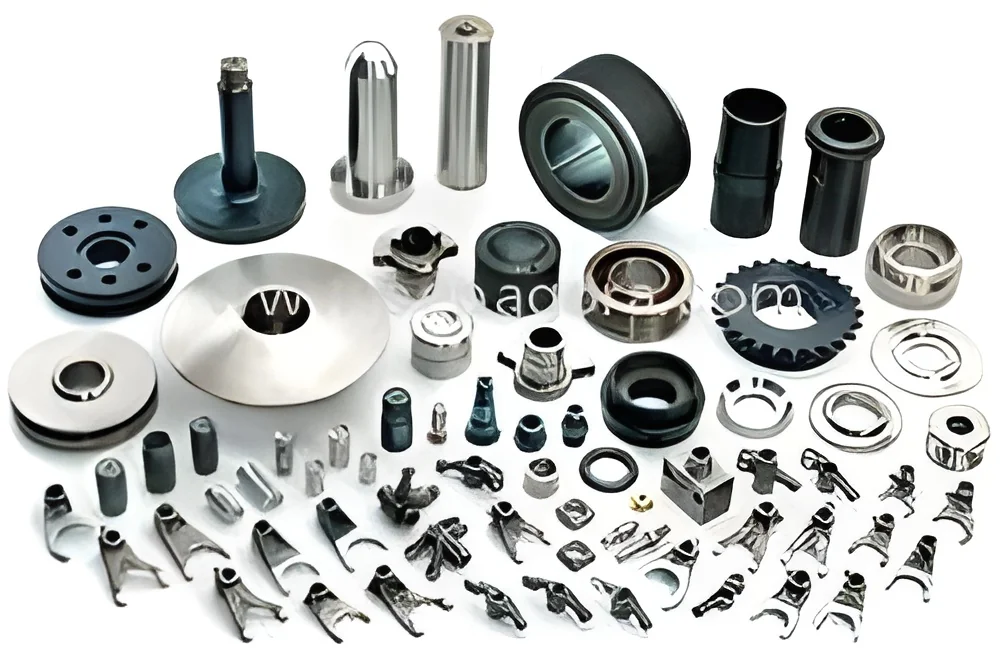
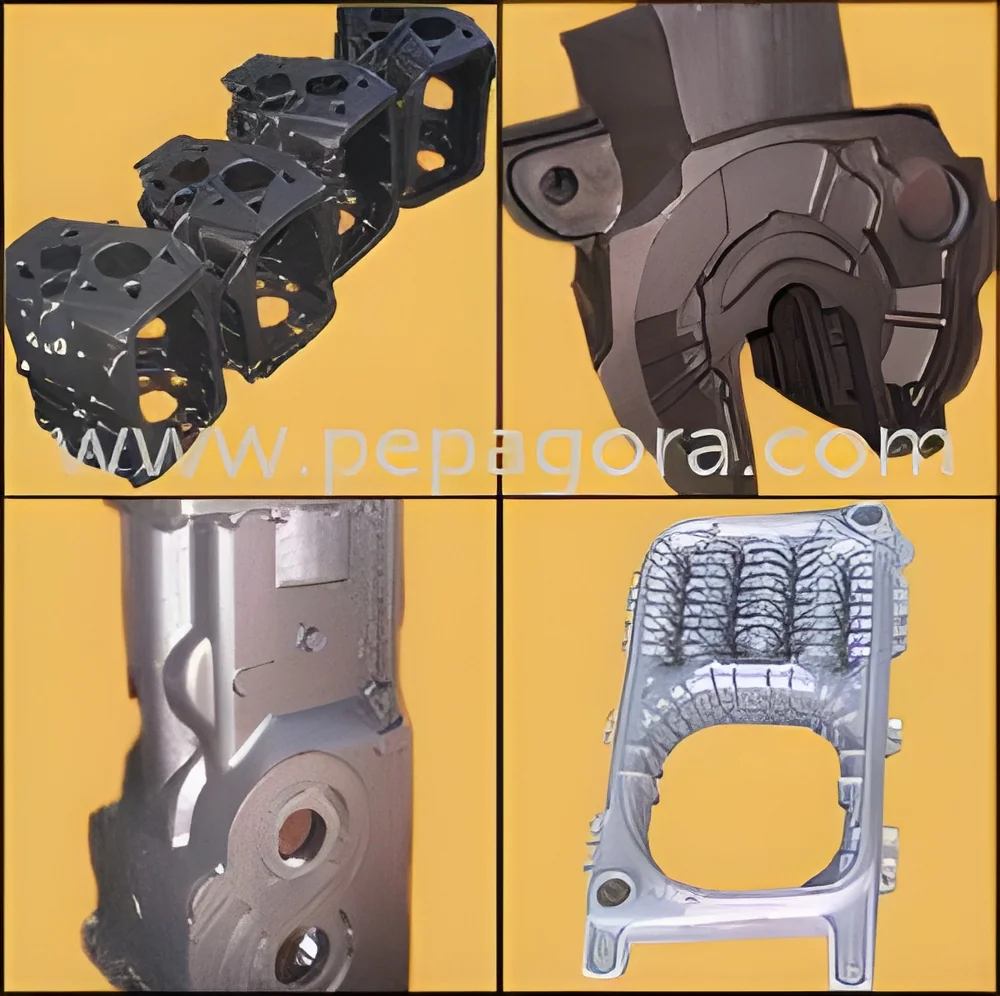
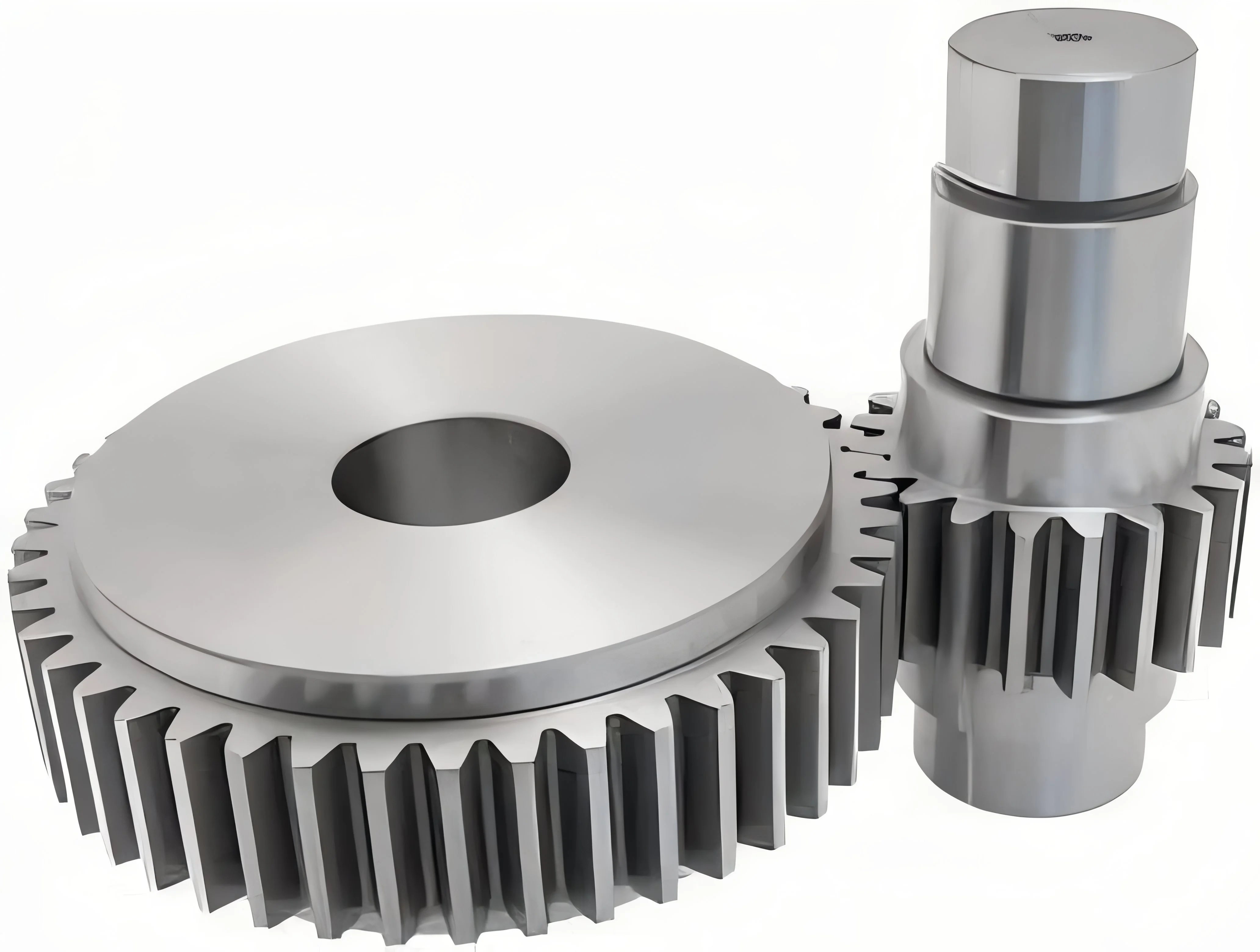
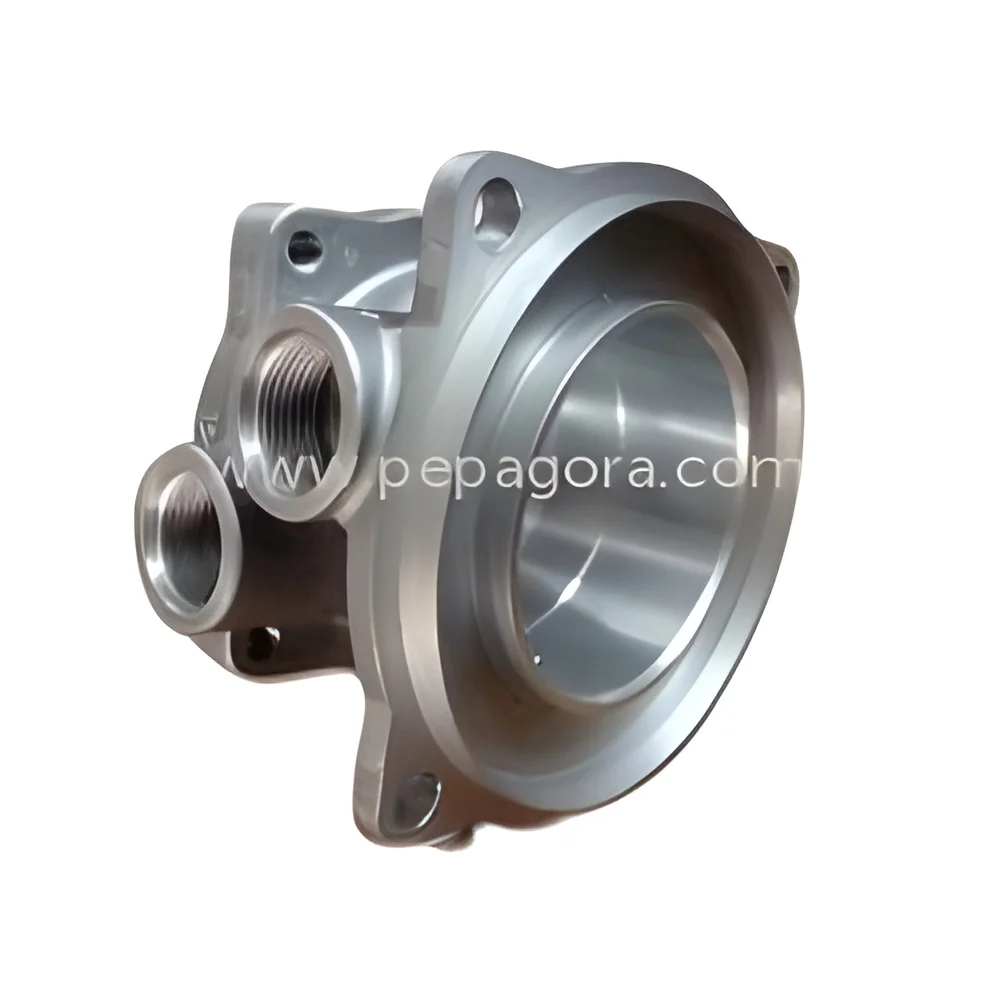
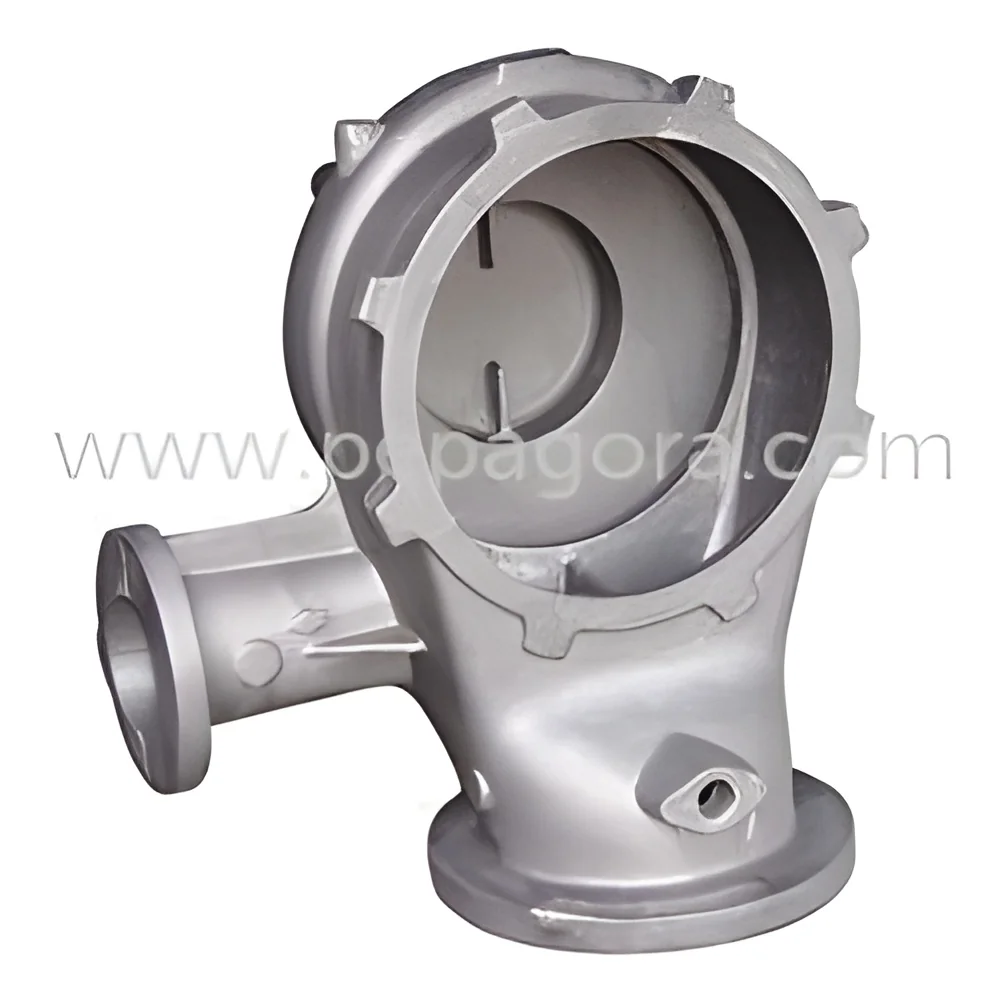
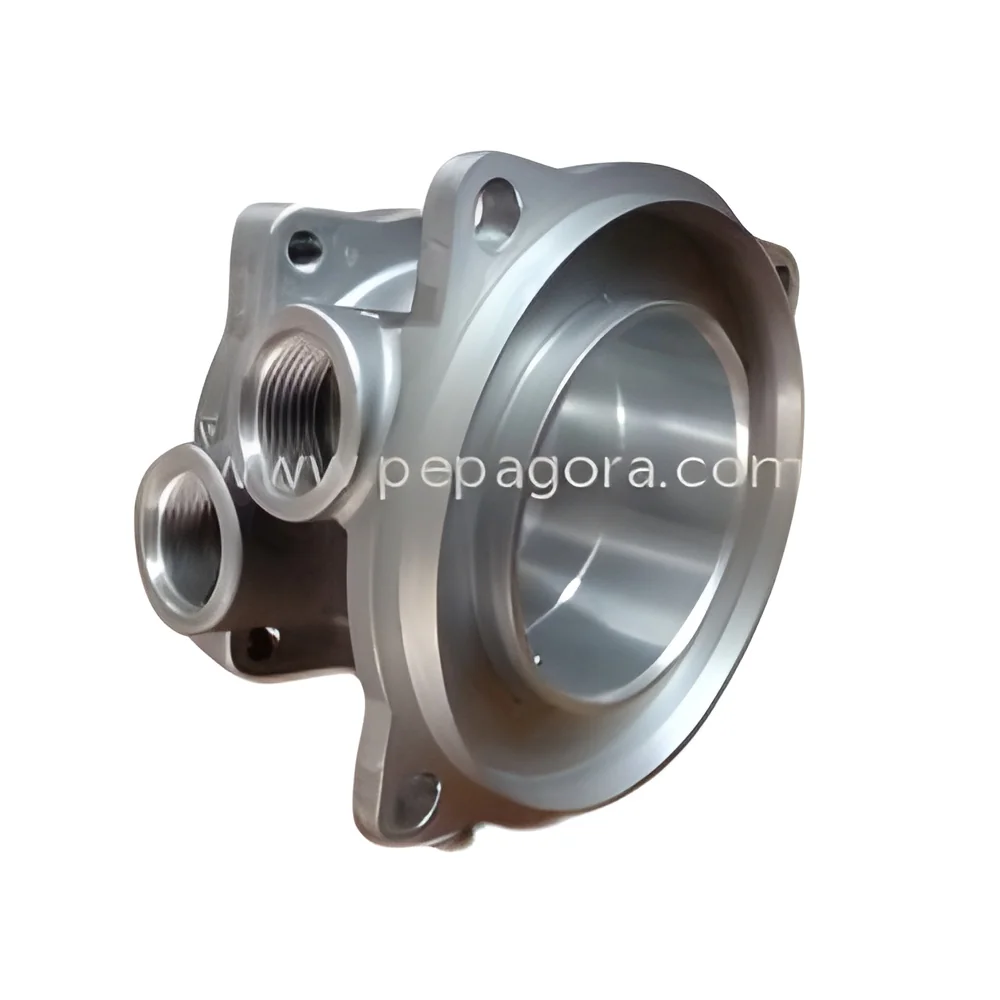
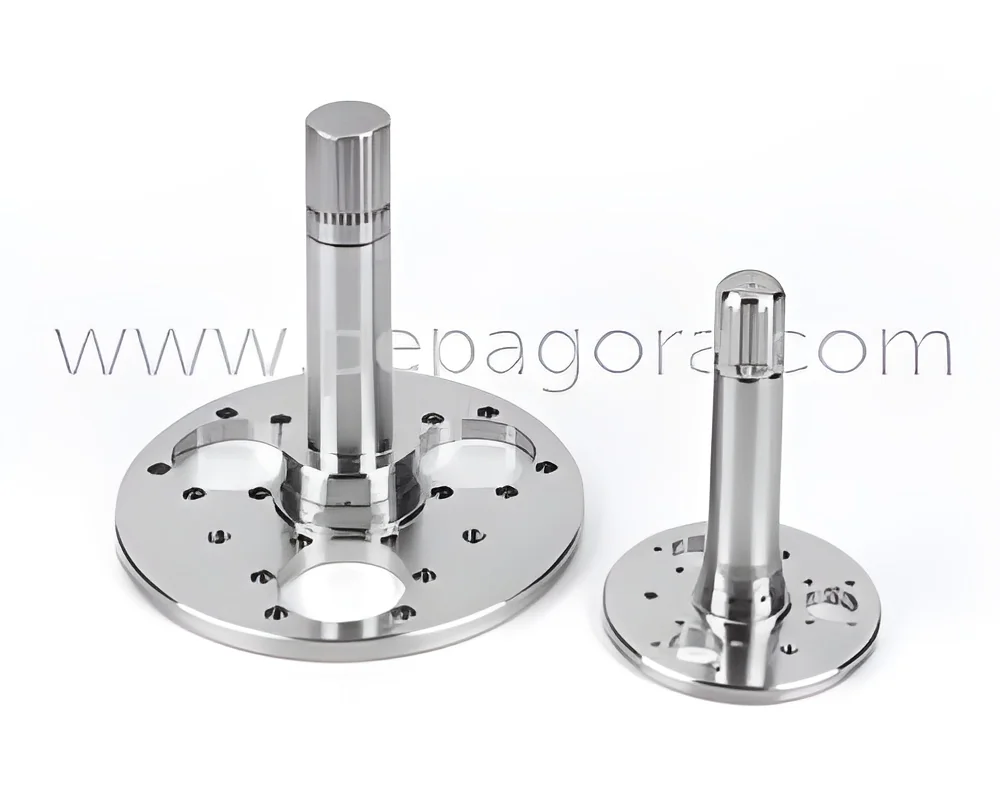
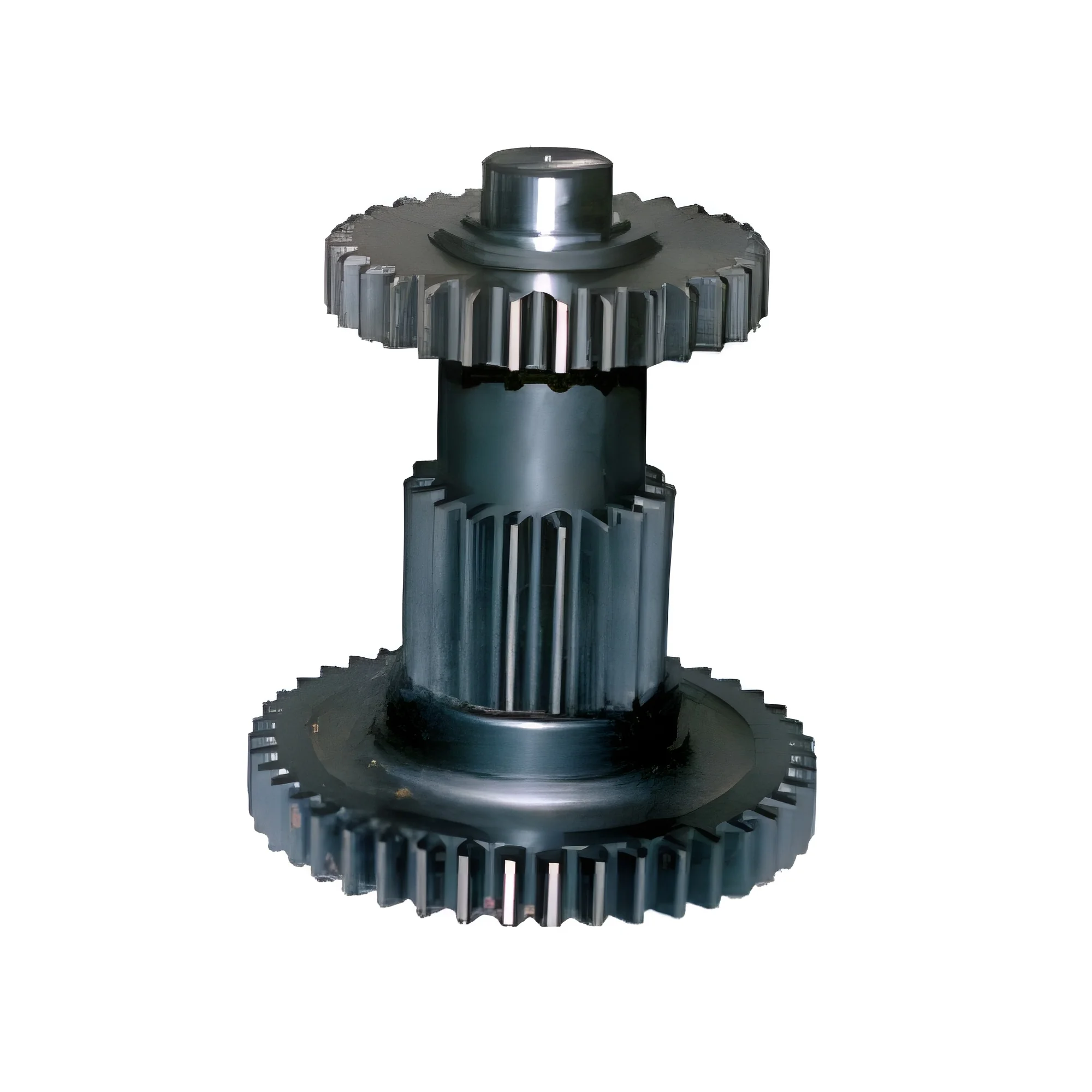
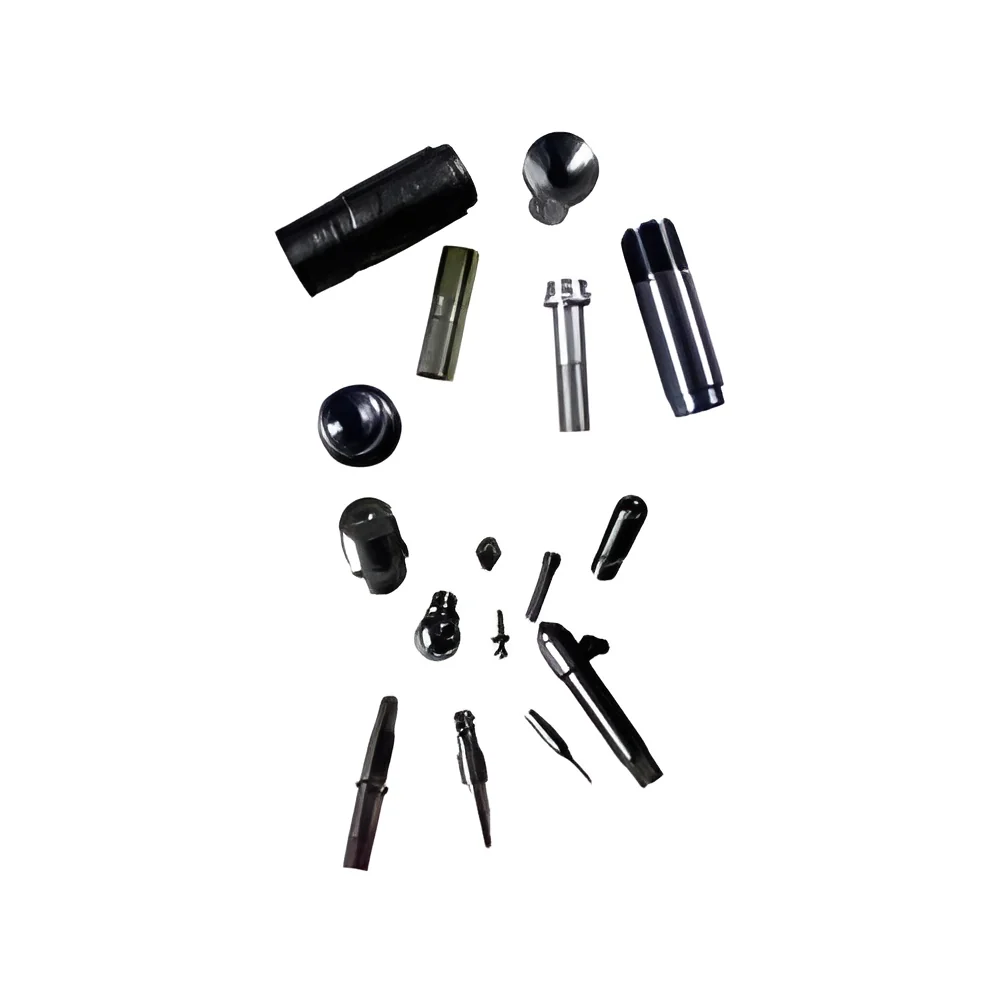
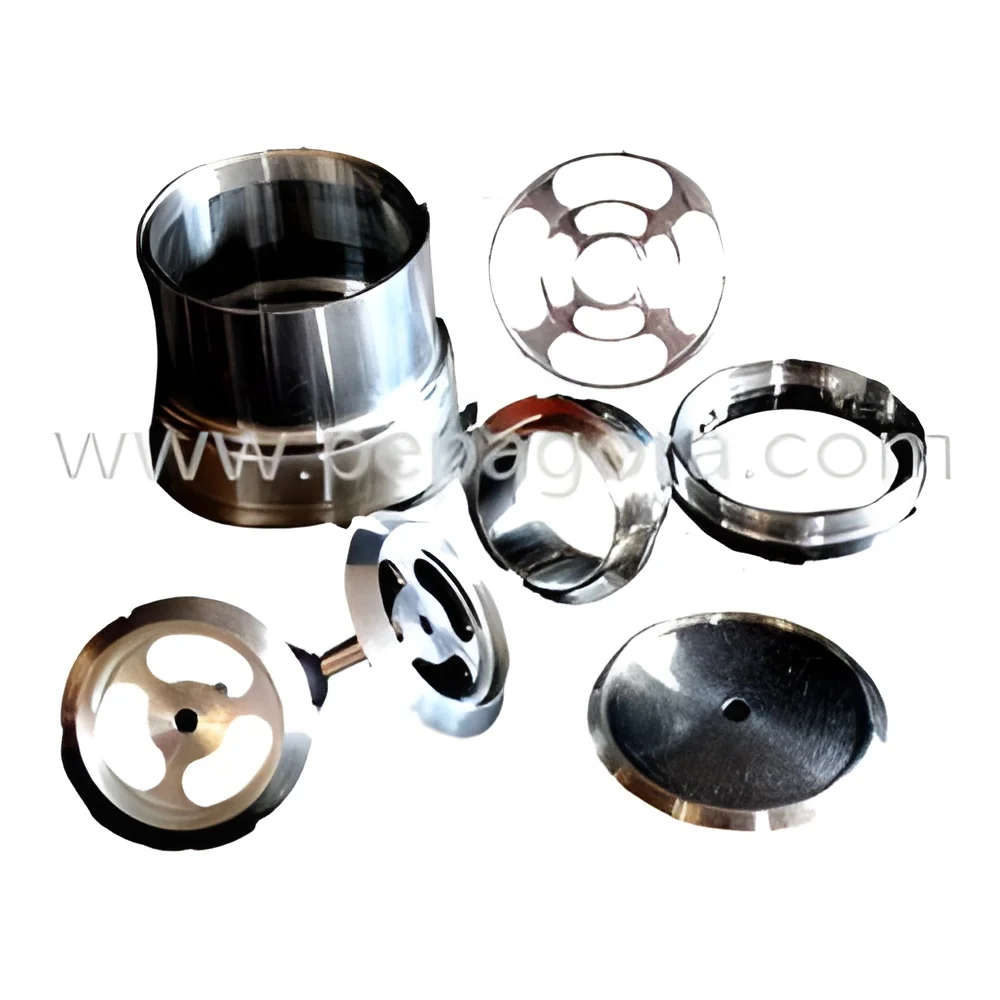
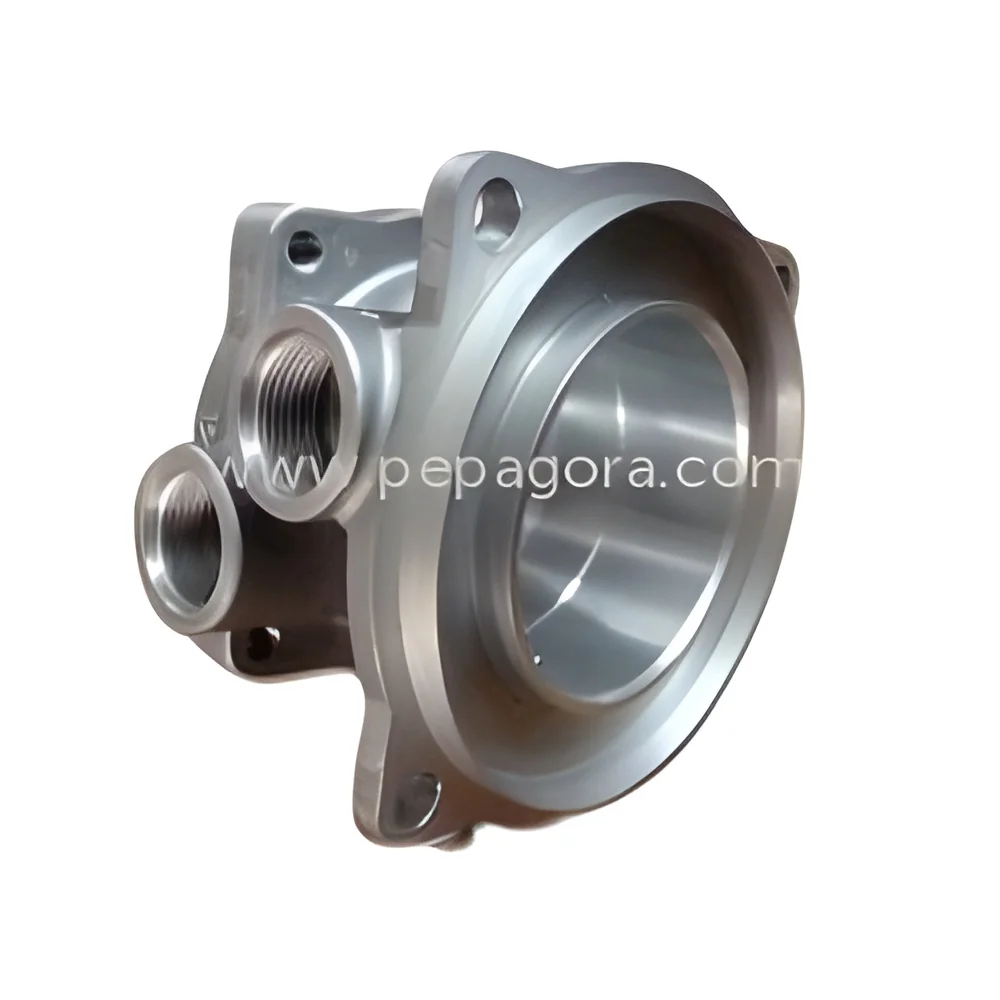
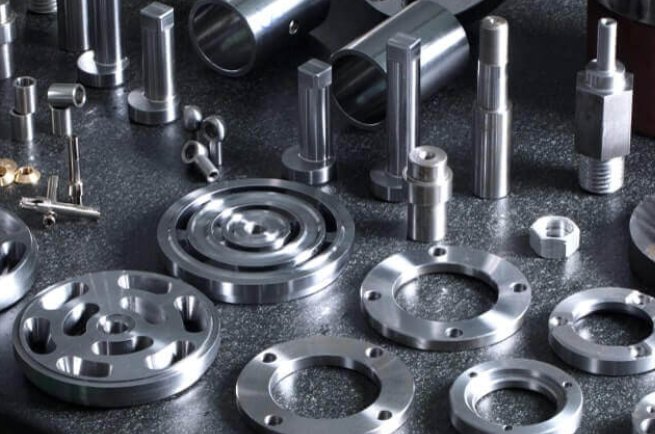
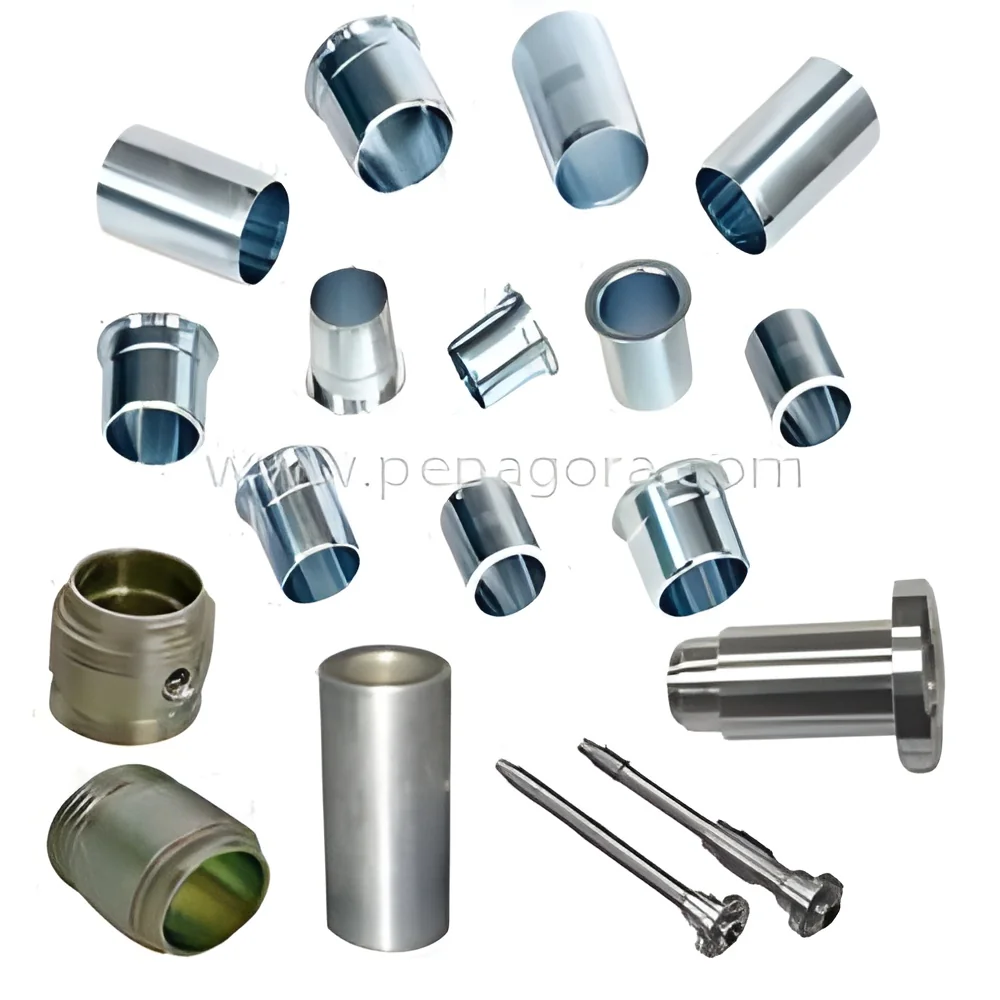
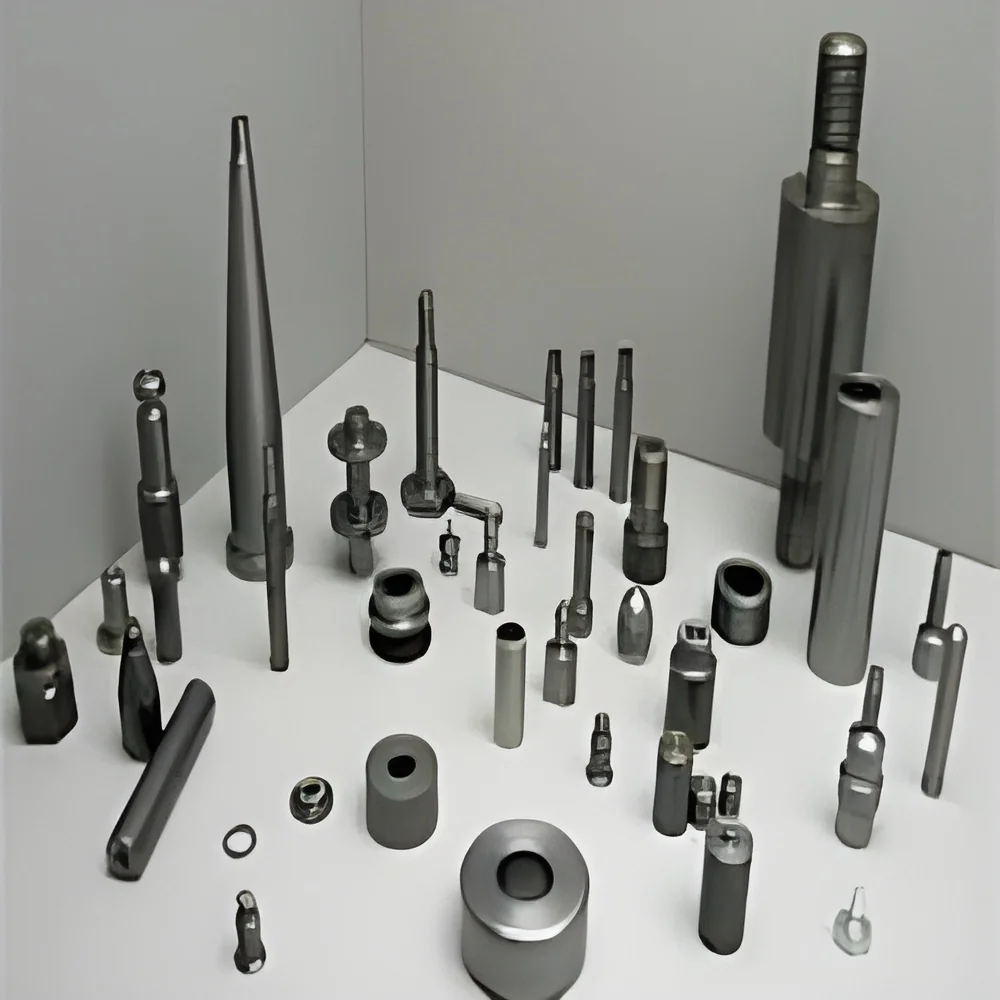
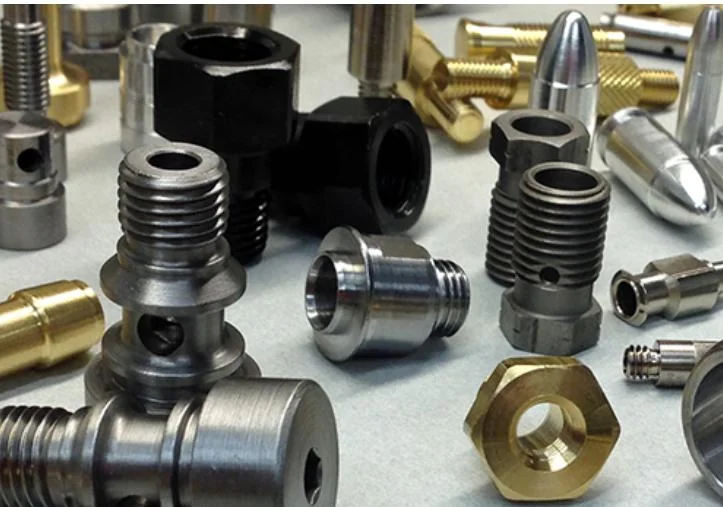
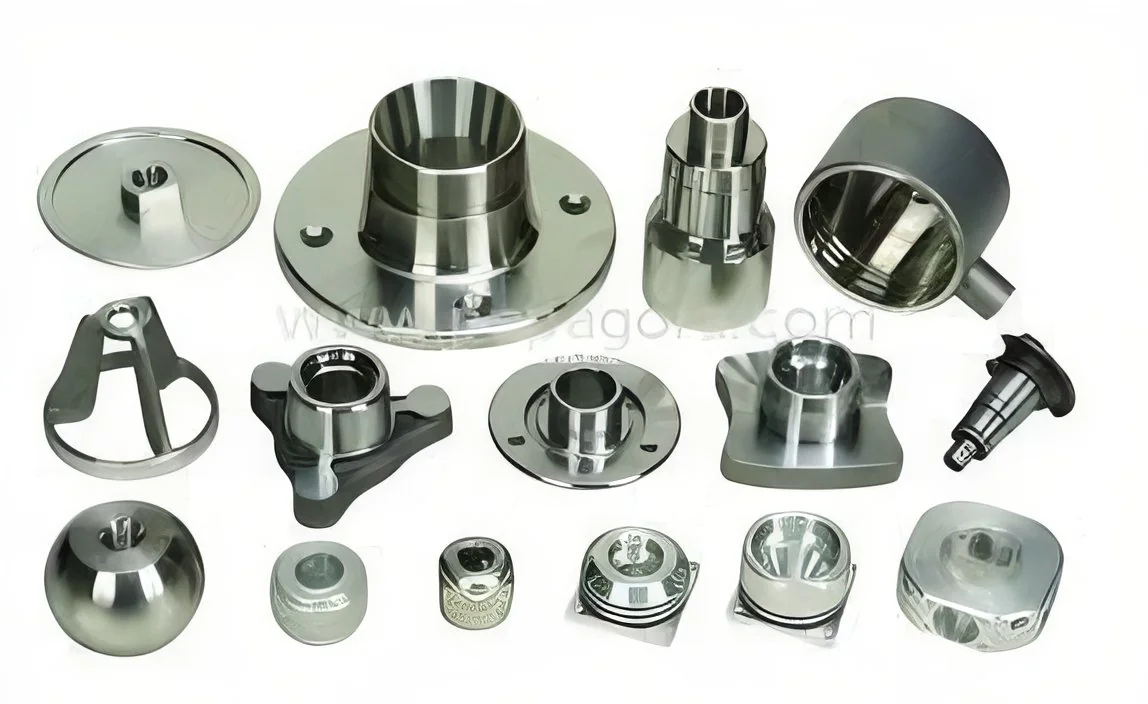
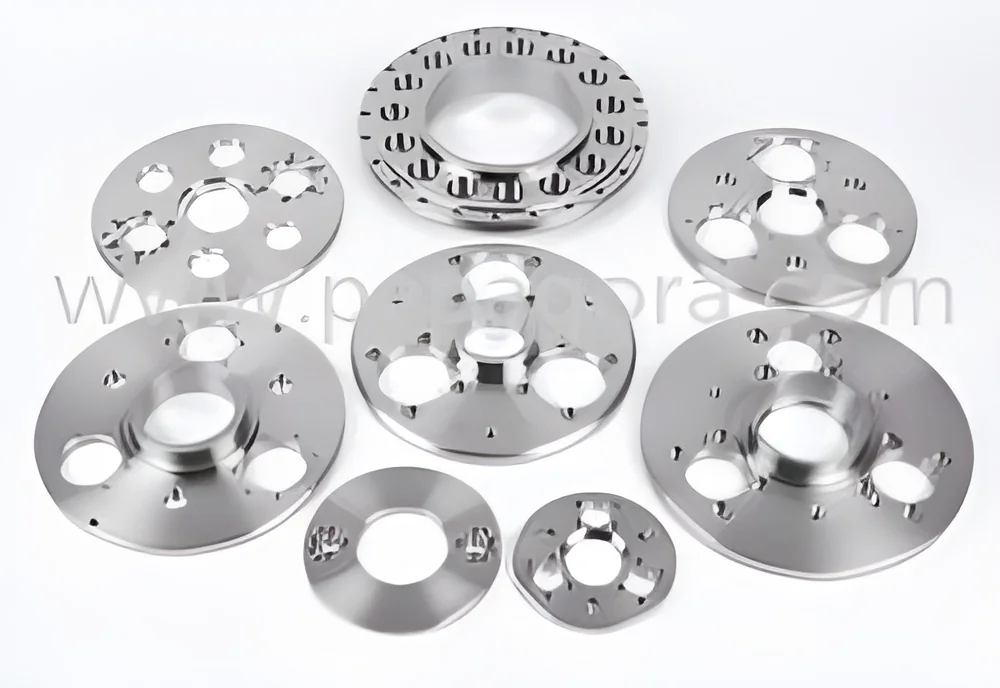
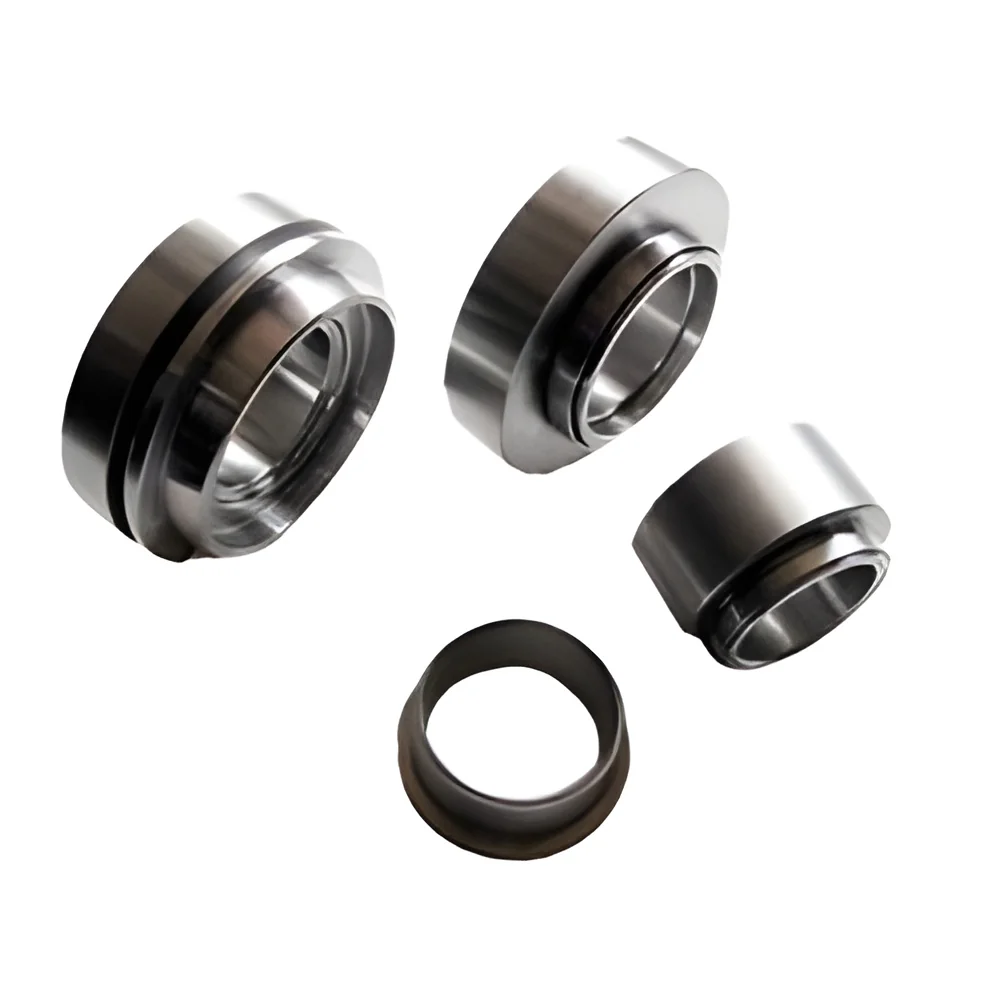
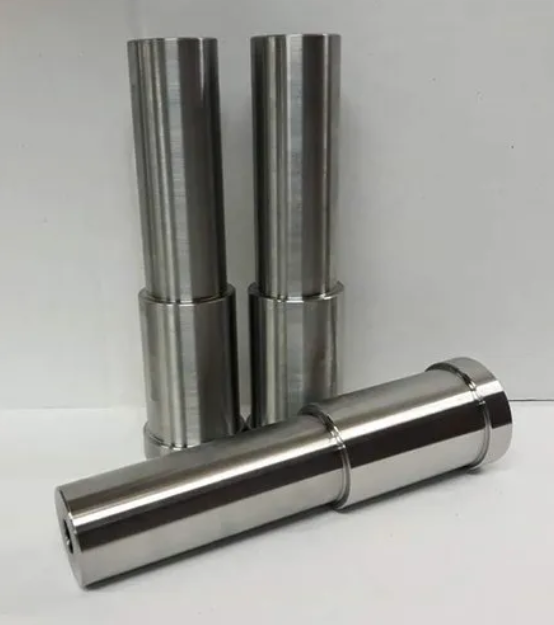
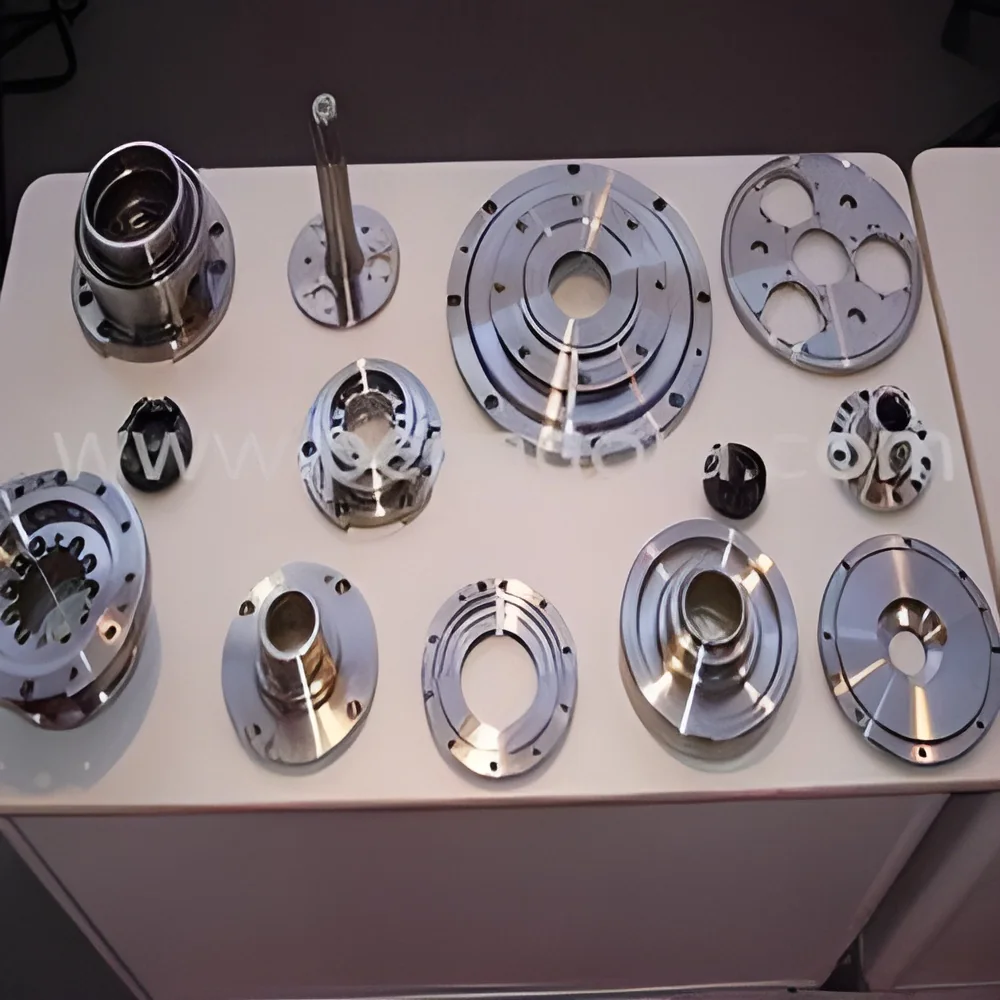
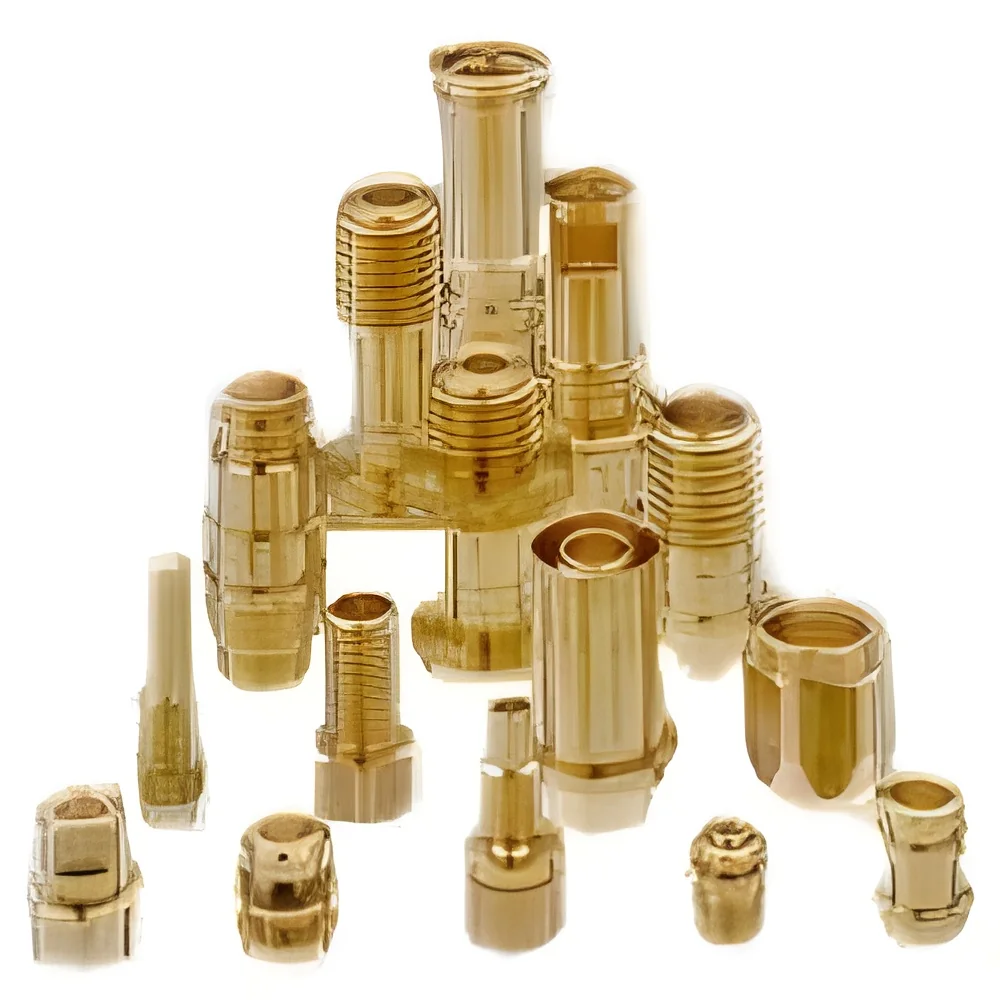
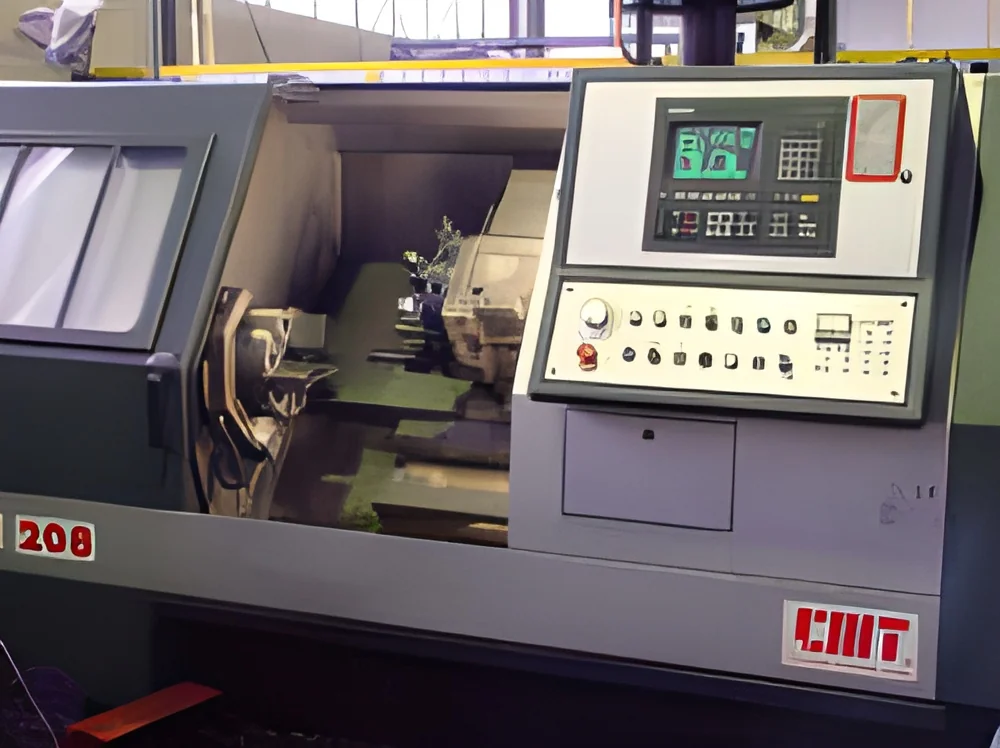
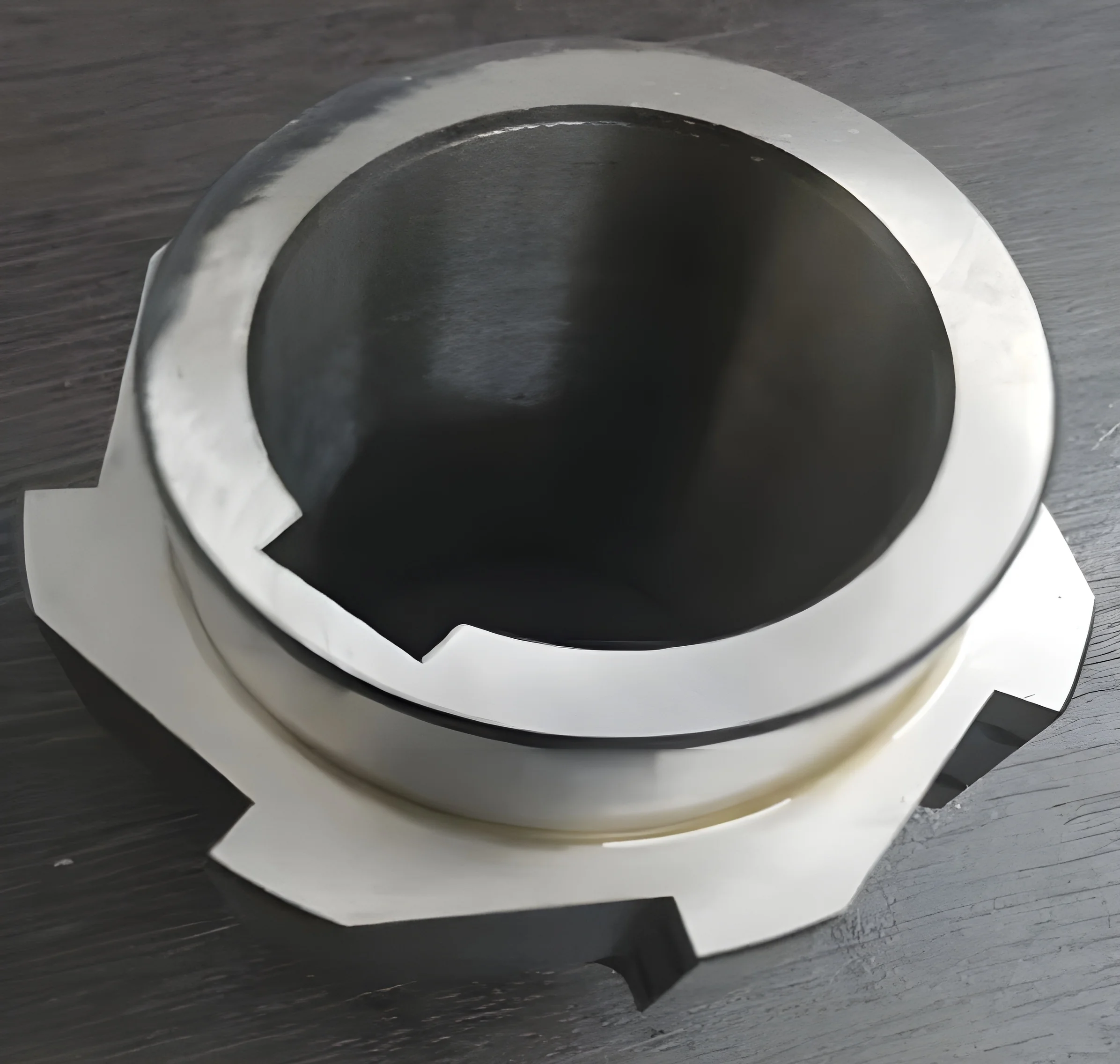
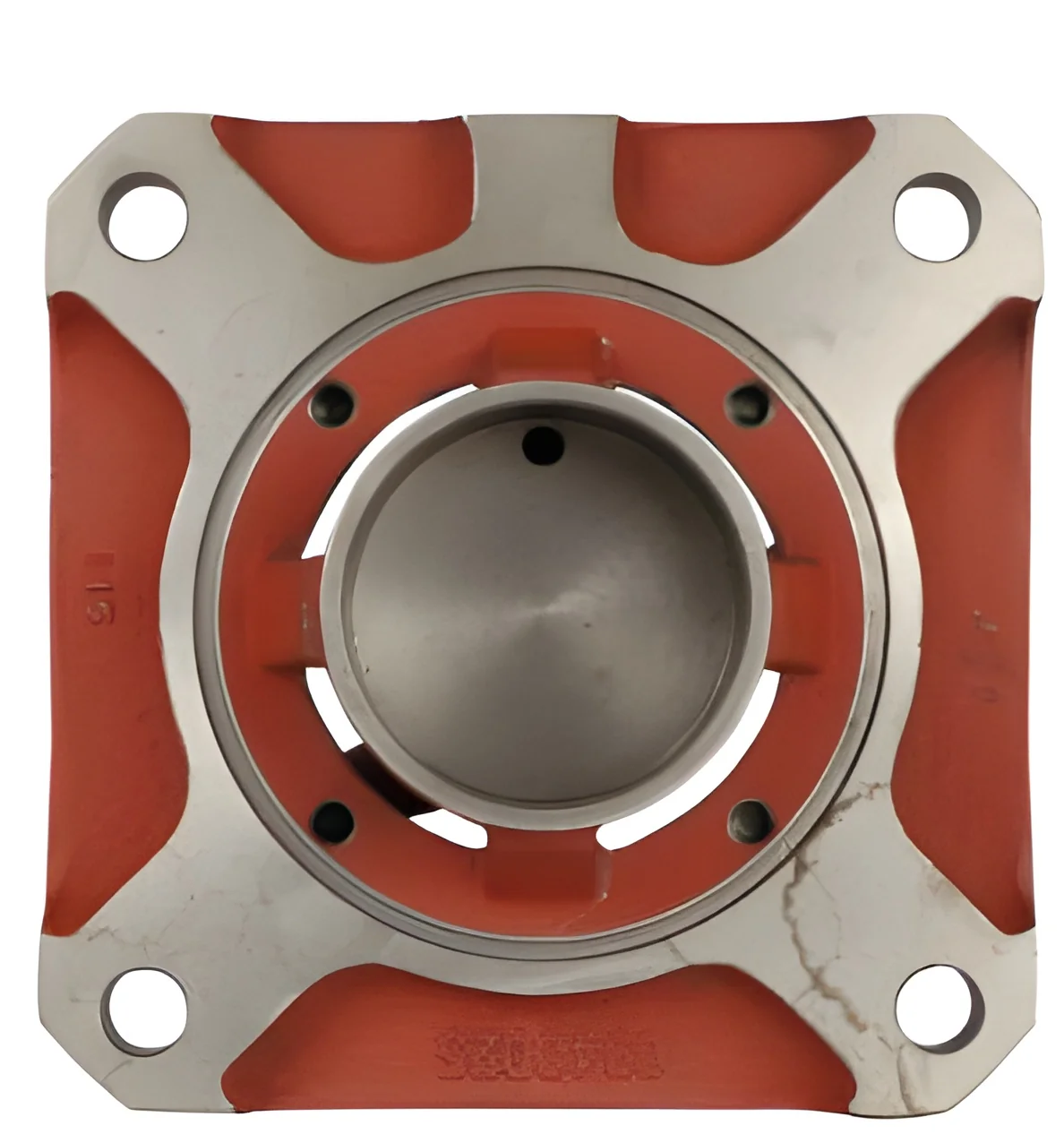
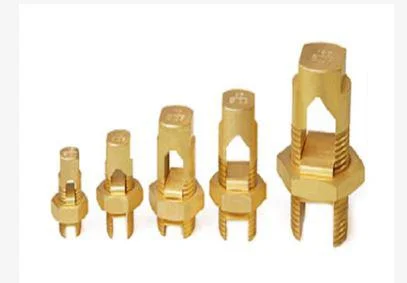
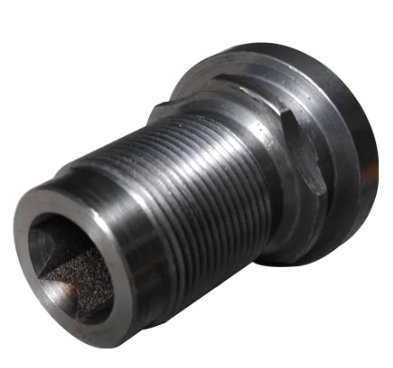
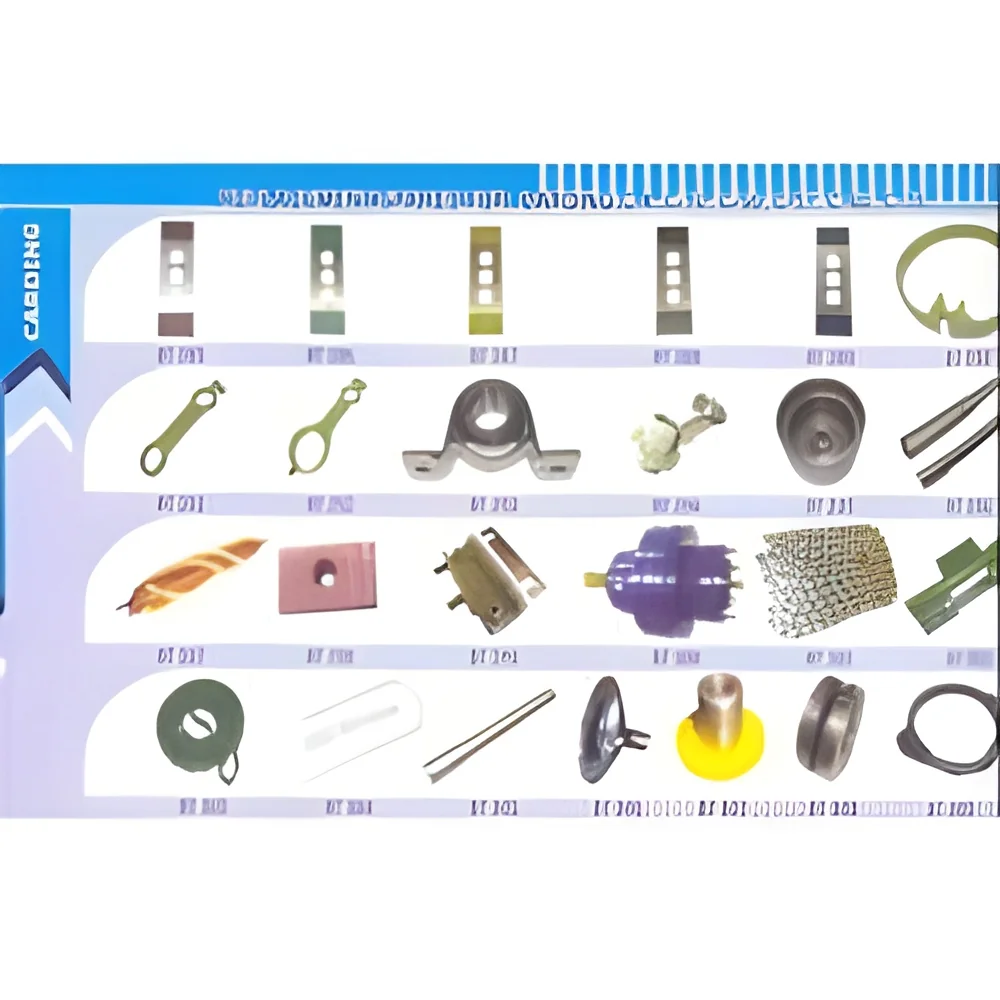
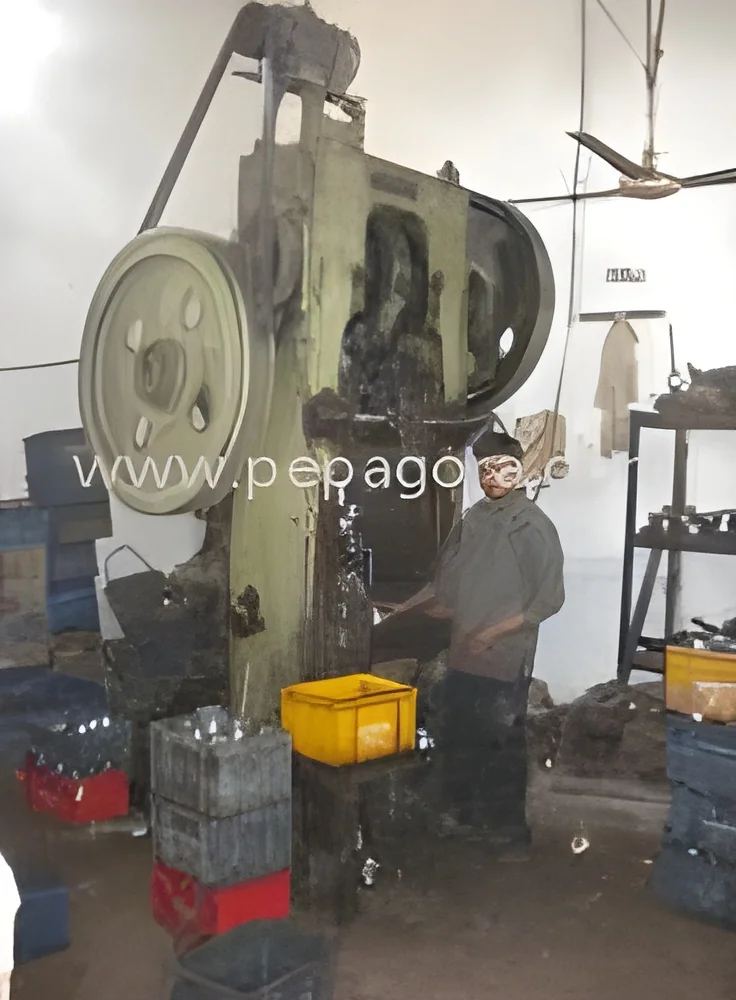
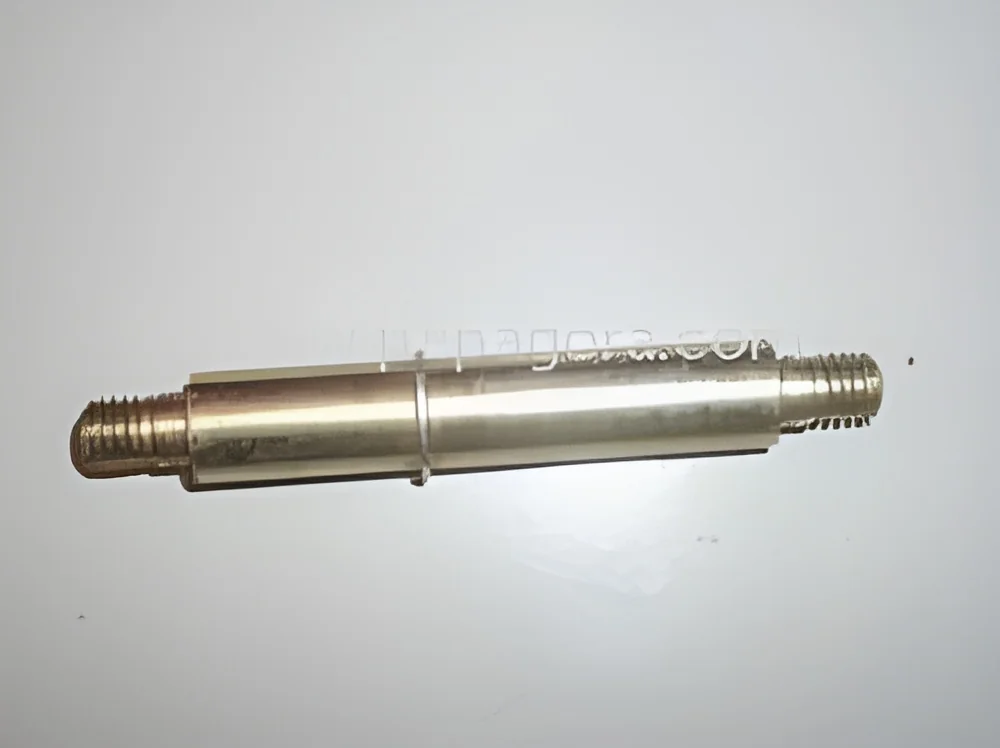
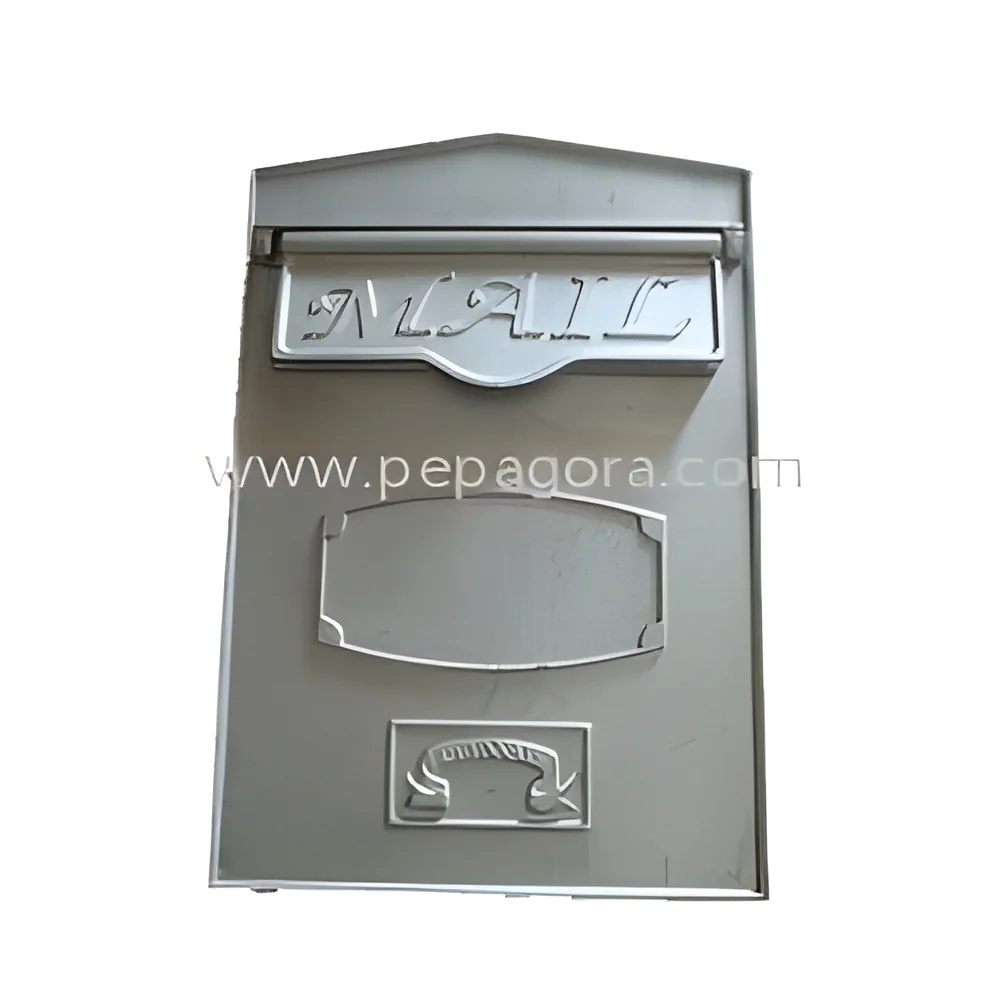
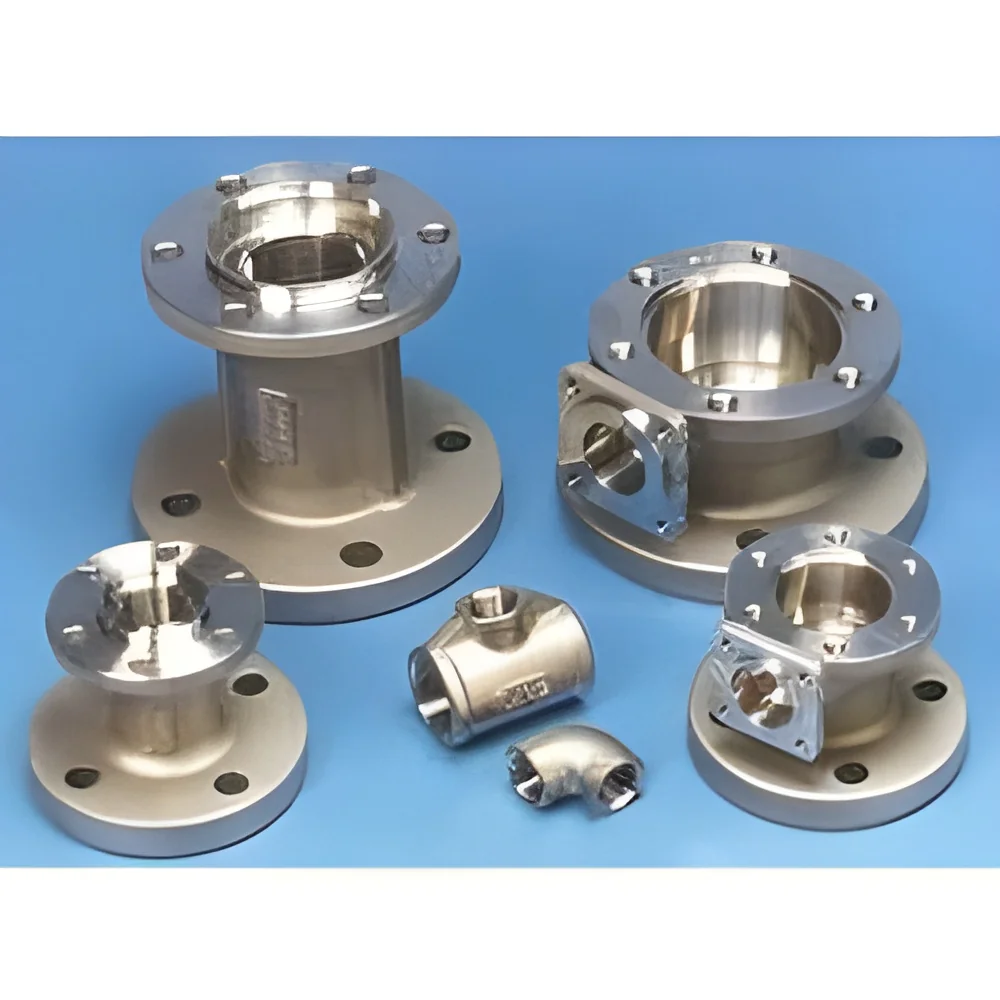
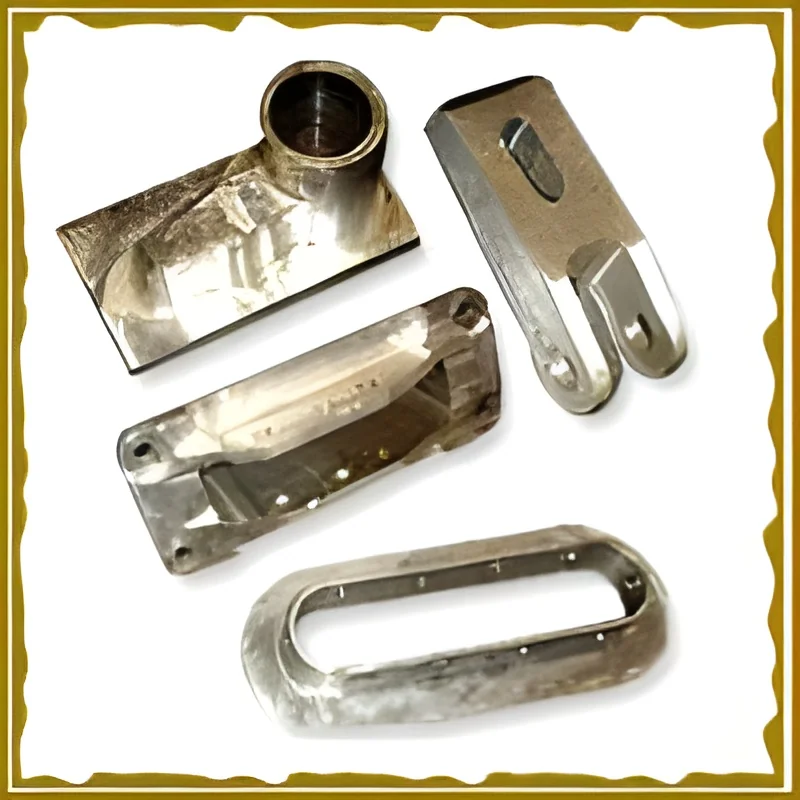
CNC machined OEM parts refer to components produced using Computer Numerical Control (CNC) machining processes for original equipment manufacturers (OEMs). These parts are typically made from a range of materials, including metals, plastics, and composites, which are precisely shaped and sized to meet specific requirements. CNC machining allows for high levels of accuracy and repeatability, making it ideal for producing intricate designs and complex geometries.
These parts are widely used in various industries, including automotive, aerospace, electronics, and medical devices. Businesses rely on CNC machined OEM parts for critical applications, ensuring that their equipment operates efficiently and reliably. The ability to customize designs and specifications further enhances the utility of these components across diverse applications.
The market for CNC machined OEM parts continues to grow as industries seek to improve production efficiency and reduce costs. With advancements in technology, manufacturers can produce parts faster and with greater precision, meeting the increasing demand for high-quality components in competitive markets.
Key Features and Specifications
CNC machined OEM parts come with a range of features and specifications that cater to different industrial needs. Understanding these specifications is crucial for businesses looking to source the right components.
Key specifications include:
1. Material Type
- Options may include aluminum, steel, brass, and plastics
- Selection depends on application requirements and environmental conditions
2. Tolerance Levels
- Precision tolerances typically range from ±0.005 inches to ±0.001 inches
- Critical for ensuring proper fit and function in assemblies
3. Surface Finish
- Finishes can range from as-machined to polished or anodized
- Affects aesthetics, corrosion resistance, and friction properties
4. Dimensional Accuracy
- CNC machining allows for exact measurements, often within microns
- Essential for parts that must fit together precisely
5. Batch Size
- Capable of producing both small and large batches efficiently
- Flexibility in manufacturing allows for scalability based on demand
6. Lead Time
- Typical lead times may range from a few days to several weeks
- Dependent on complexity and production schedules
7. Customization Options
- Ability to modify designs based on specific client needs
- Facilitates unique applications across industries
In summary, understanding the features and specifications of CNC machined OEM parts helps businesses make informed decisions when sourcing these critical components.
Common Applications and Use Cases
CNC machined OEM parts are utilized in a variety of industries, each with specific applications that highlight their versatility and reliability.
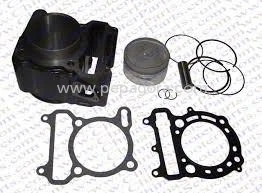
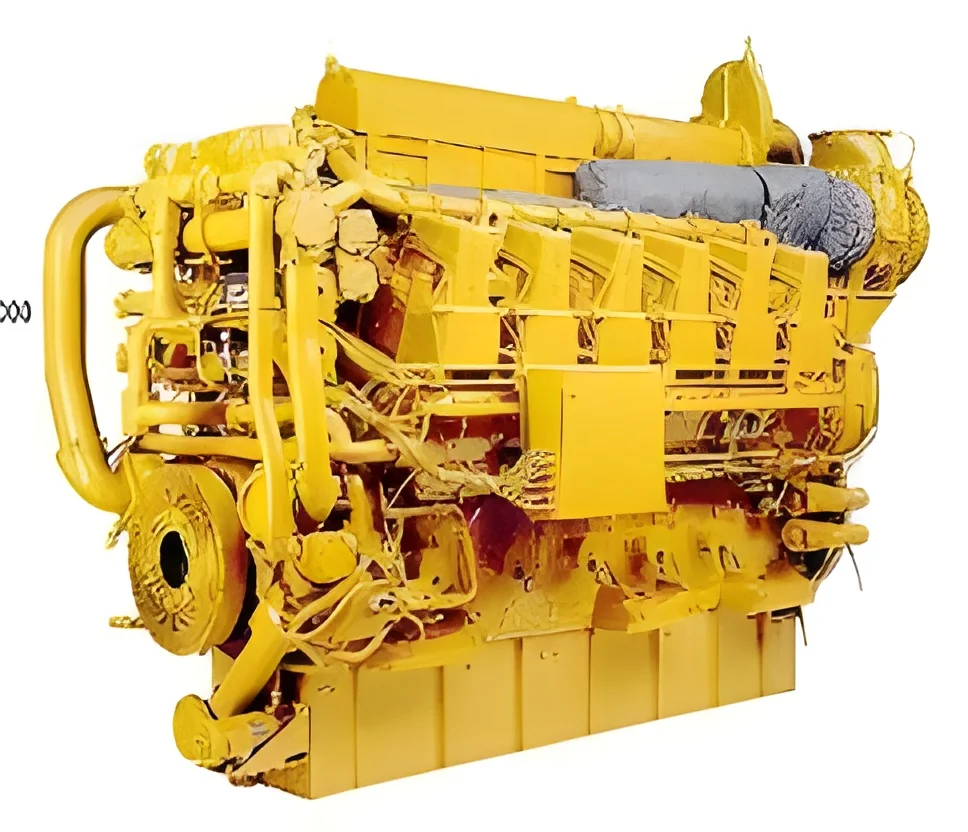
1. Automotive: Used in engine components, transmission systems, and chassis parts, ensuring performance and safety.
2. Aerospace: Essential for producing lightweight, durable components that meet stringent safety and performance standards.
3. Electronics: Found in enclosures, brackets, and connectors, contributing to the reliability of electronic devices.
4. Medical Devices: Used for precision components in surgical instruments and diagnostic equipment, ensuring high standards of safety and accuracy.
5. Industrial Machinery: Critical for manufacturing equipment and machinery parts that require high durability and precision.
6. Robotics: Employed in robotic arms and parts, enhancing automation capabilities in various applications.
7. Construction: Utilized in equipment and tools, where strength and precision are paramount for operational efficiency.
Product Variants and Subcategories
CNC machined OEM parts offer a diverse range of variants to meet specific customer requirements. Each variant caters to different applications and industries.
Aluminum CNC Parts
These parts are lightweight yet strong, making them ideal for aerospace and automotive applications. Their excellent corrosion resistance and machinability enhance their performance in various environments.
Steel CNC Parts
Known for their durability and strength, steel parts are commonly used in heavy machinery and construction equipment. They can withstand high stress and are often used in structural applications.
Plastic CNC Parts
These parts are cost-effective and lightweight, making them suitable for electronic housings and medical devices. They can be easily molded into complex shapes while maintaining precision.
Benefits and Advantages
Sourcing CNC machined OEM parts offers several benefits that can significantly enhance manufacturing processes and product quality.
1. High Precision: CNC machining provides exceptional accuracy, ensuring that parts fit together perfectly and function as intended.
2. Customization: The ability to tailor designs to specific needs allows businesses to create unique solutions for their applications.
3. Efficiency: CNC machining reduces production time and waste, leading to cost savings and improved operational efficiency.
4. Scalability: Manufacturers can easily adjust production volumes to meet changing demands without compromising quality.
5. Consistent Quality: Automated processes ensure uniformity in production, reducing the likelihood of defects and variations.
6. Versatile Material Options: A wide variety of materials can be used, allowing businesses to select the best option for their specific requirements.
Buying Guide for B2B Buyers
When sourcing CNC machined OEM parts, buyers should consider several important factors to ensure they select the right components for their needs.
1. Quality Assessment: Evaluate the supplier's quality management systems and adherence to industry standards to ensure product reliability.
2. Supplier Verification: Conduct thorough research on potential suppliers, including reviews and certifications, to ensure they have a solid reputation.
3. Pricing and MOQ: Understand the cost structure and minimum order quantities to ensure the investment aligns with your budget and production needs.
4. Delivery and Lead Times: Discuss logistics and expected lead times to ensure timely delivery of parts to meet project deadlines.
5. Compliance Requirements: Verify that the parts meet relevant industry regulations and safety standards, ensuring compliance with local and international requirements.
Compliance and Certifications
CNC machined OEM parts must adhere to various quality standards and certifications to ensure safety and reliability. Common standards include ISO 9001, which focuses on quality management systems, ensuring that products consistently meet customer and regulatory requirements.
Industry certifications like CE mark compliance indicate that the products meet European health, safety, and environmental protection standards. This is essential for businesses looking to market their products in Europe.
Furthermore, safety and testing requirements are critical to verify the integrity of parts used in high-stakes applications, such as aerospace and medical devices. Compliance with these certifications not only enhances product credibility but also fosters trust among consumers and partners.
Regional compliance considerations may vary, and it is crucial for manufacturers to stay informed about local regulations to ensure market readiness.
Why Source CNC Machined OEM Parts from Pepagora?
Pepagora offers a reliable platform for sourcing CNC machined OEM parts, providing several key advantages for B2B buyers.
Verified Supplier Network: Pepagora connects buyers with a network of verified suppliers, ensuring that products meet high-quality standards. This reduces the risk associated with sourcing parts from unknown vendors.
Streamlined RFQ Process: The platform facilitates an efficient Request for Quotation (RFQ) process, allowing buyers to receive competitive quotes from multiple suppliers quickly. This speeds up decision-making and enhances procurement efficiency.
Trade Assurance and Support: Pepagora provides trade assurance, offering buyers protection against non-compliance or quality issues. This support helps businesses feel confident in their purchasing decisions.
Regional Coverage: With a broad geographic reach across India, the GCC, and Southeast Asia, Pepagora ensures that buyers can find suitable suppliers regardless of their location. This extensive network facilitates smoother transactions and enhances accessibility to quality components.

 IN
IN