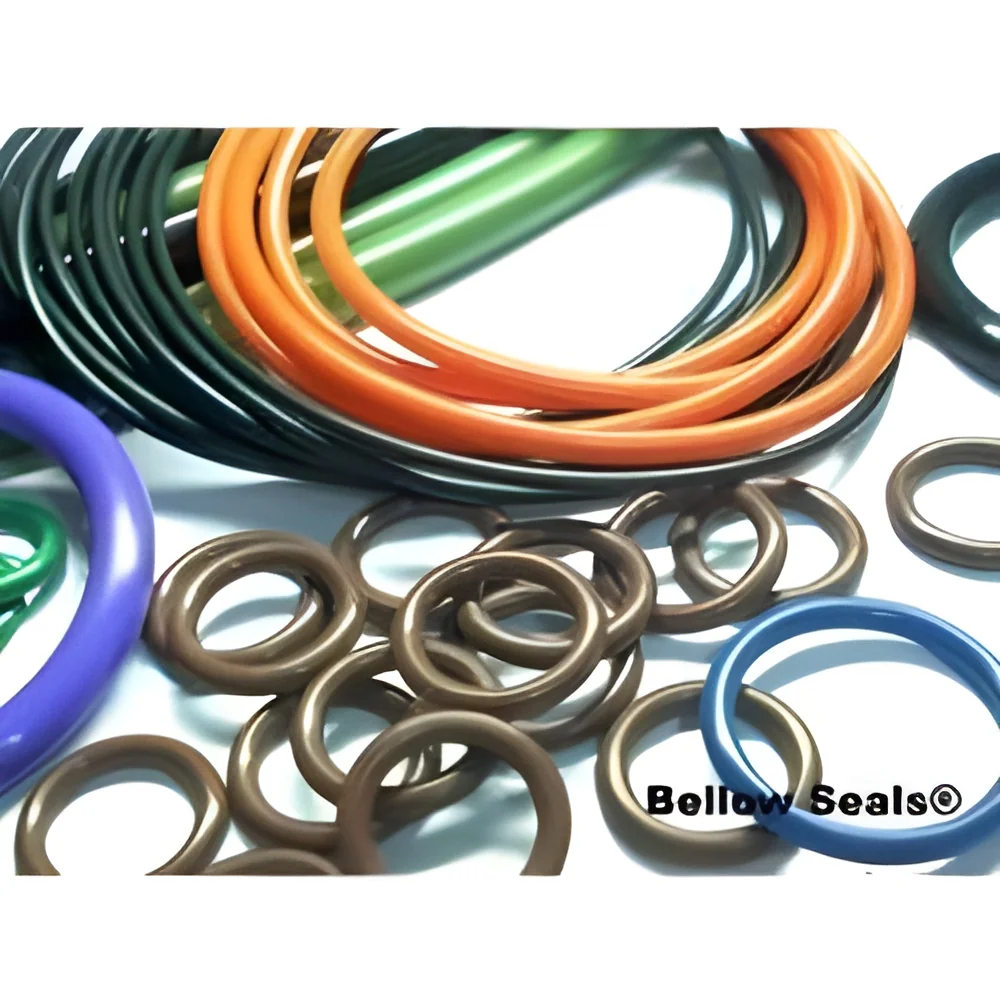
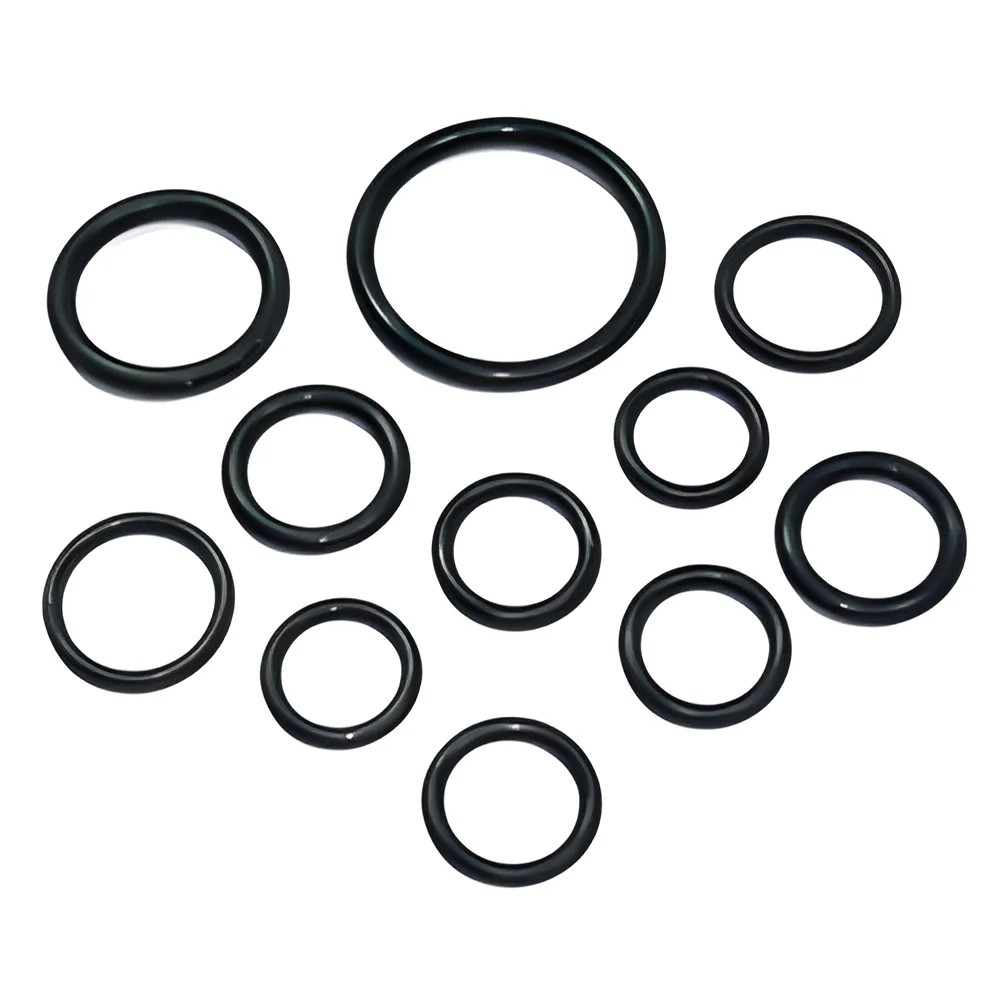
What are Seals & O-Rings?
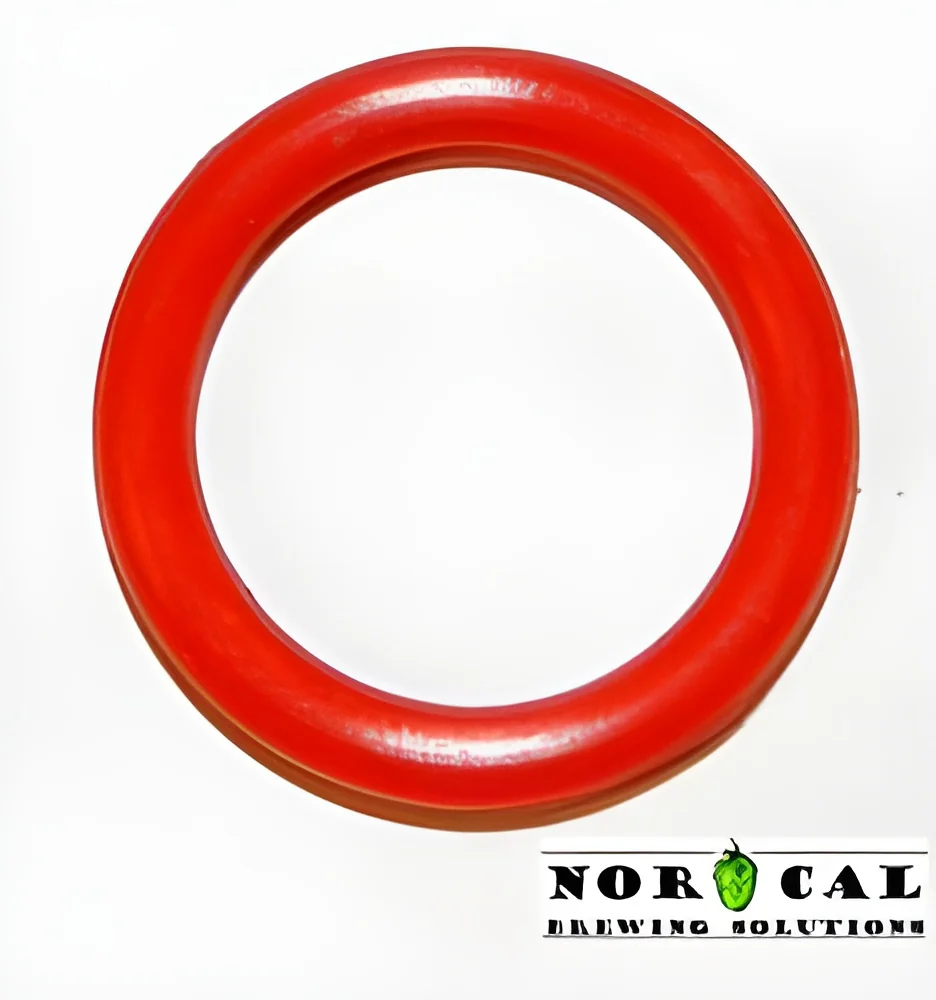
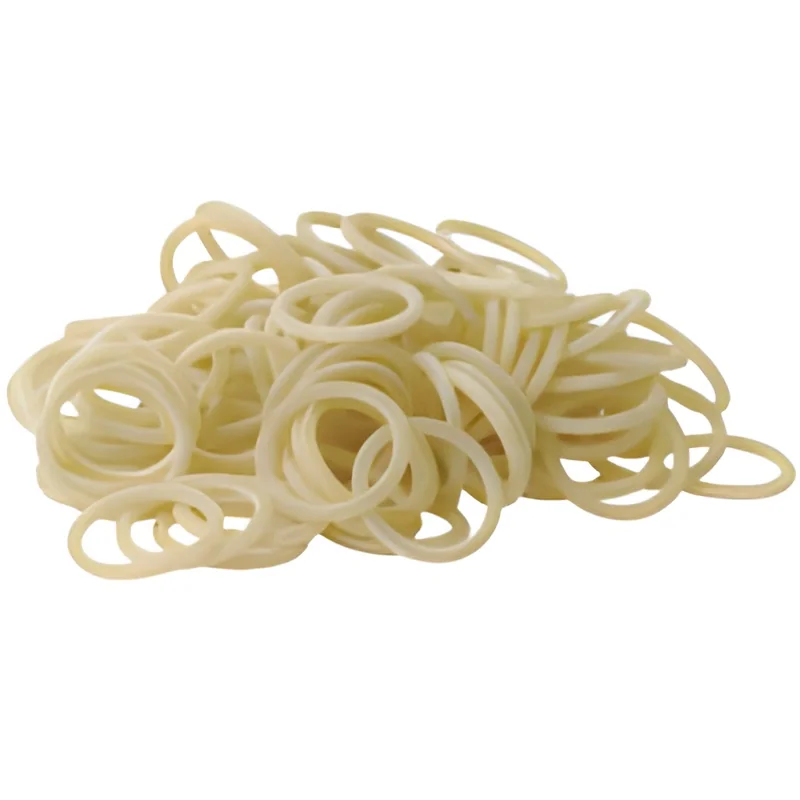
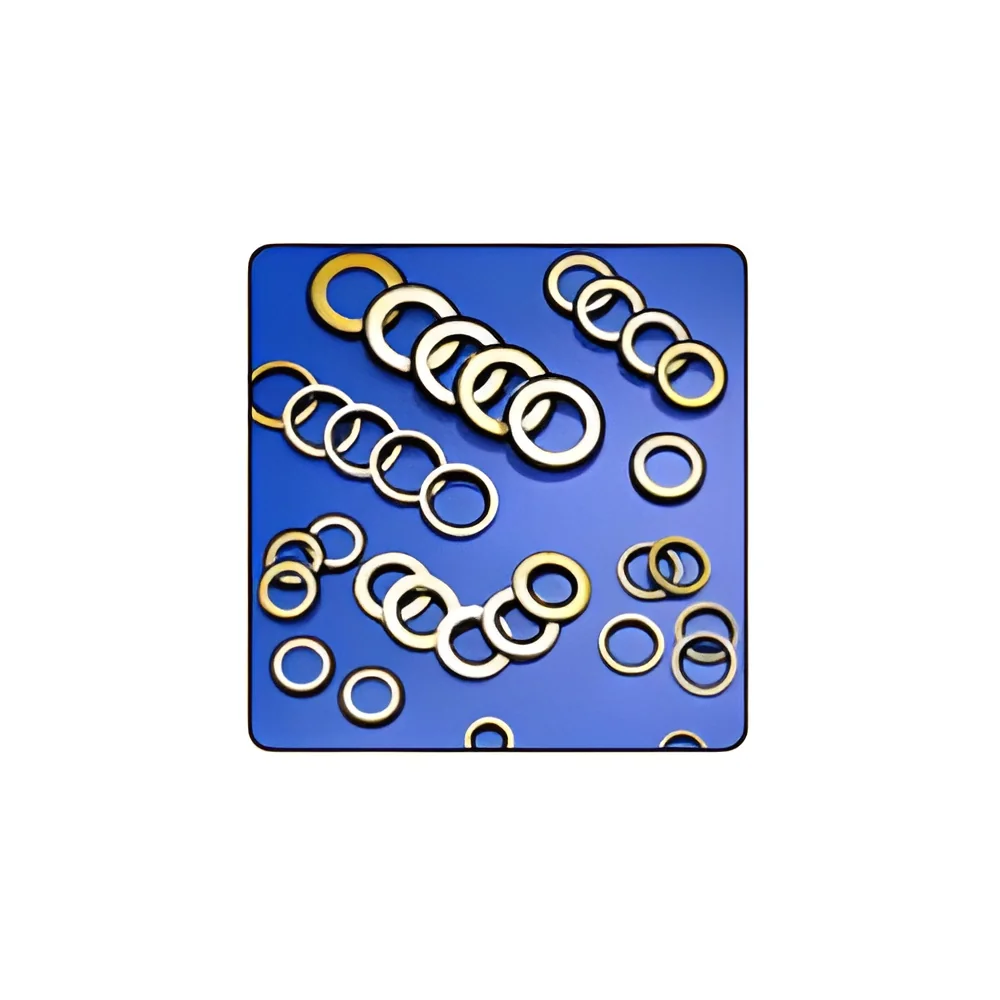
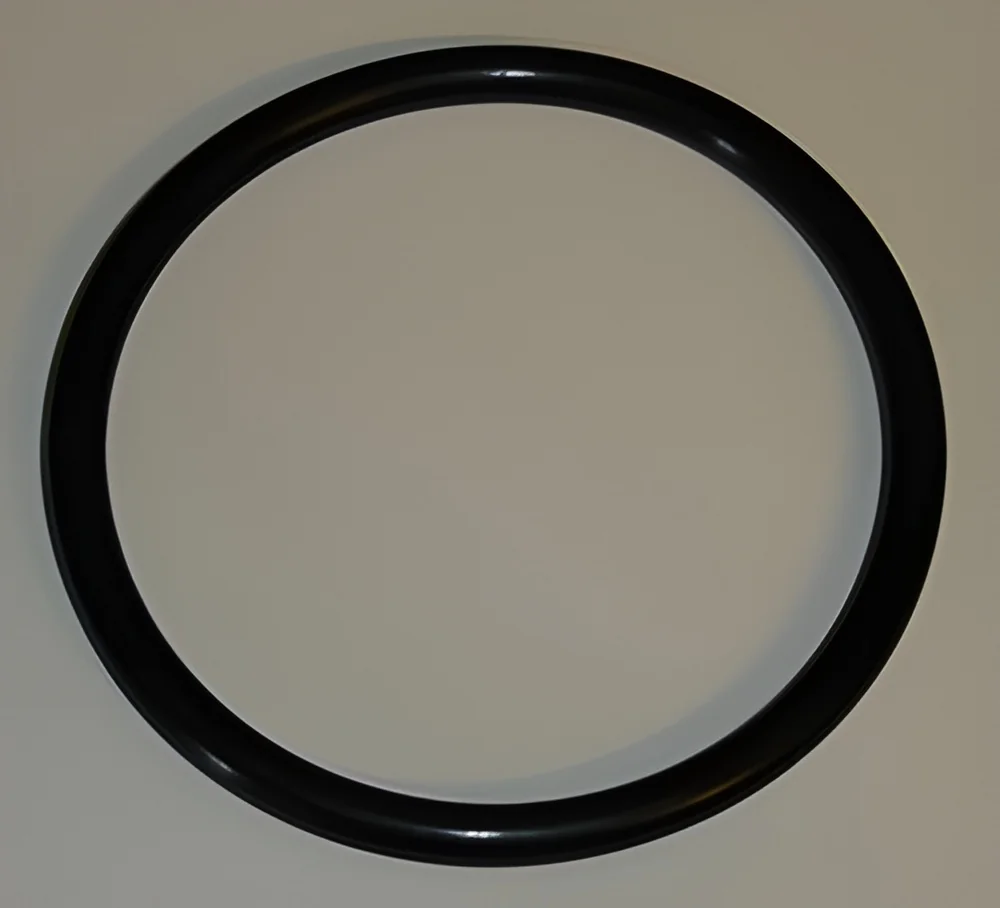
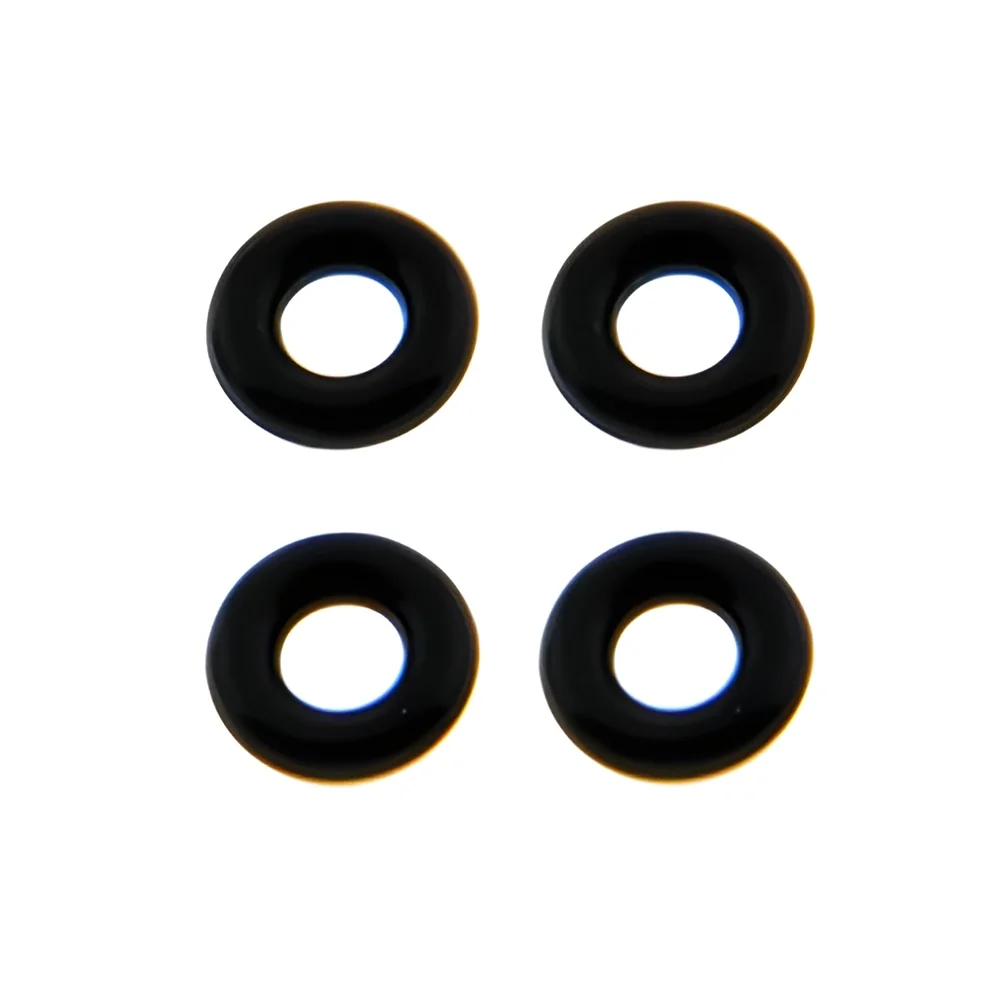
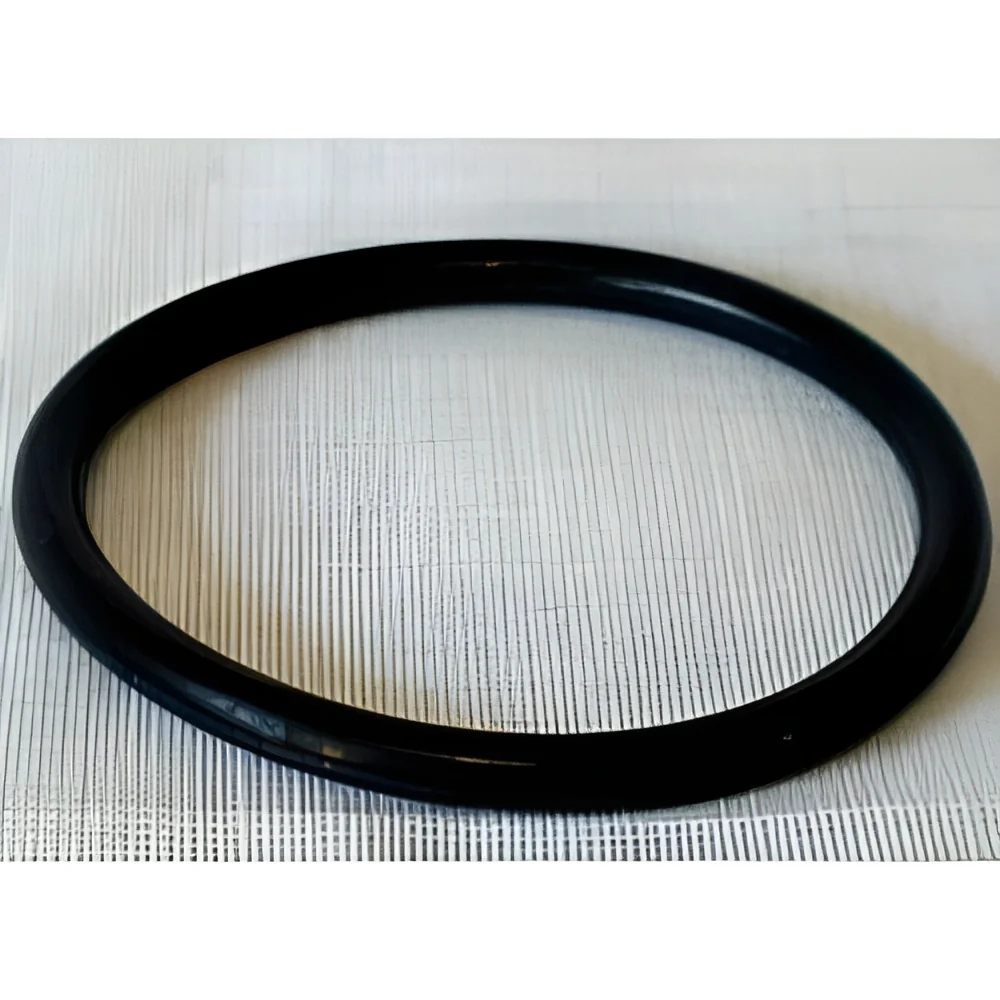
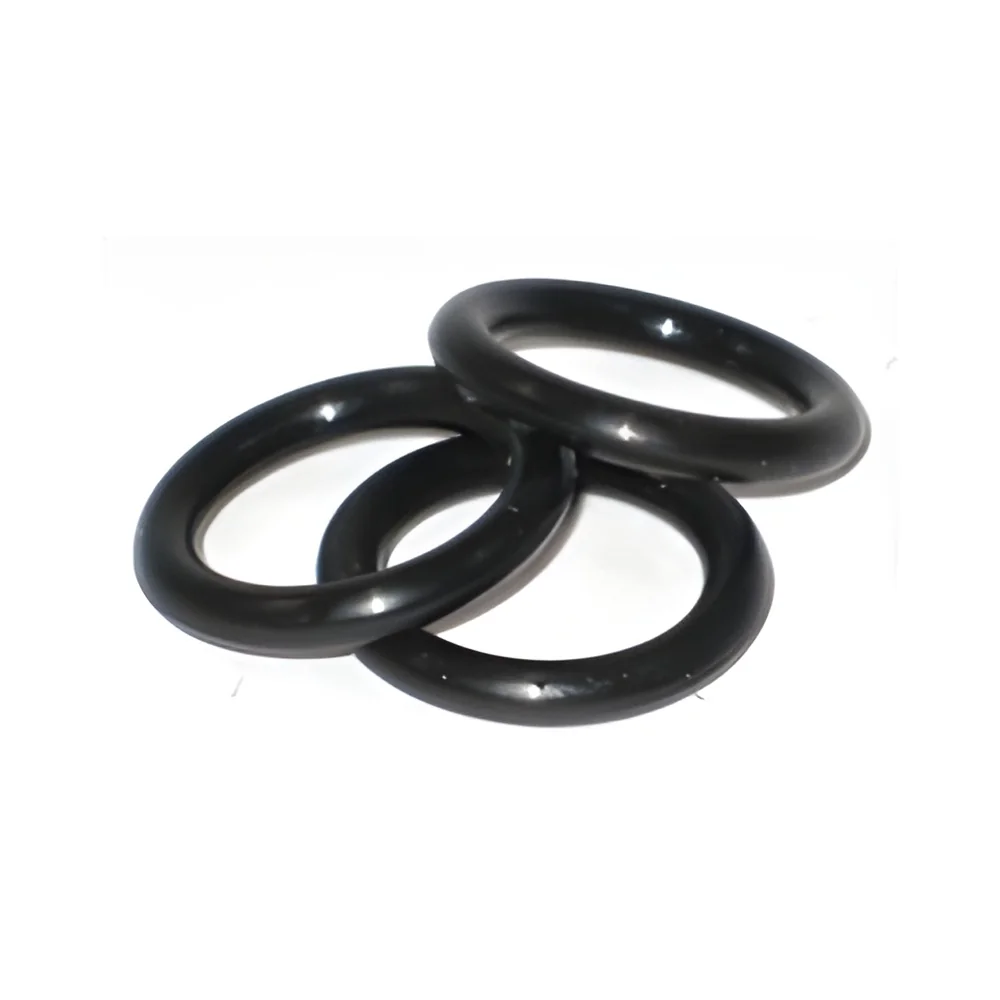
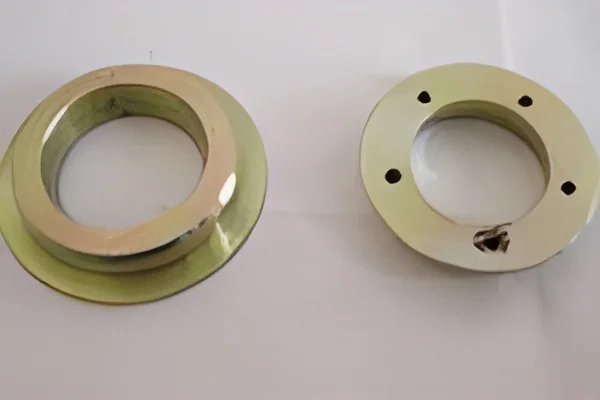
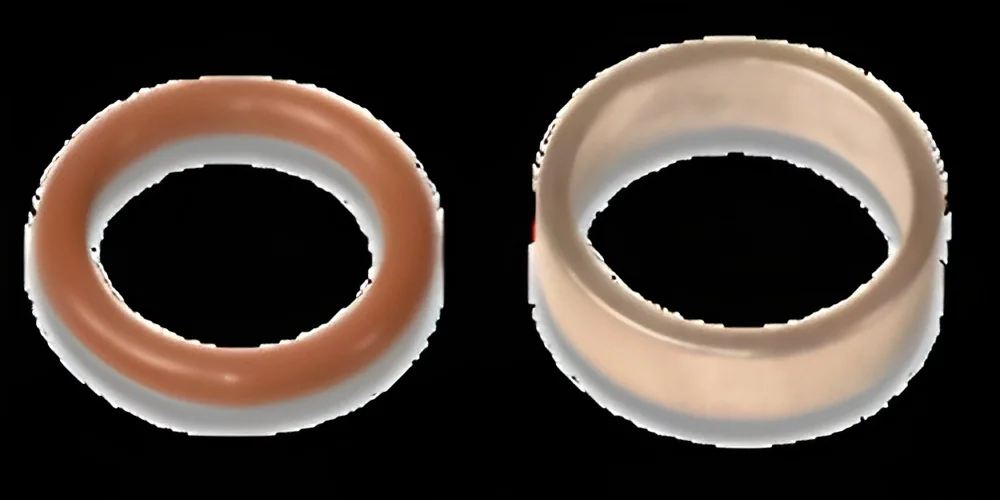
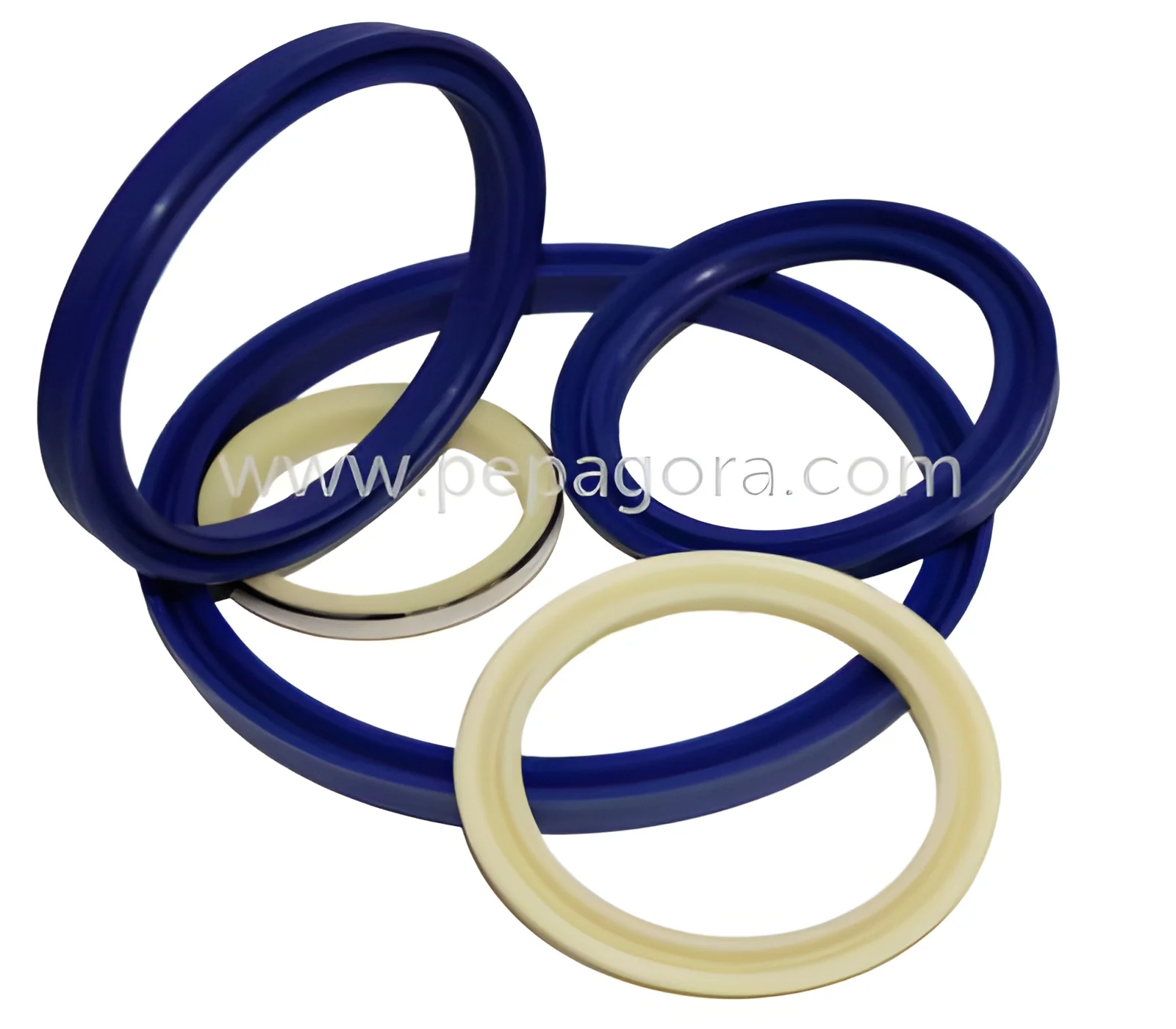
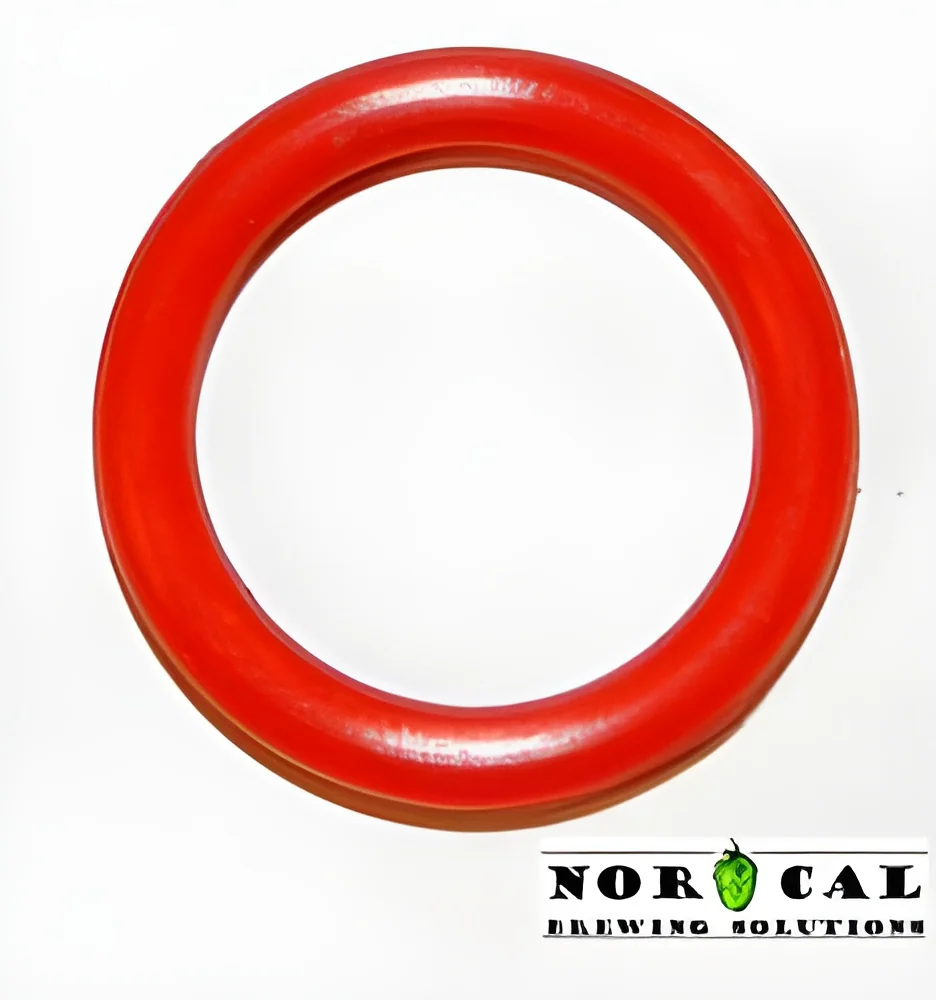
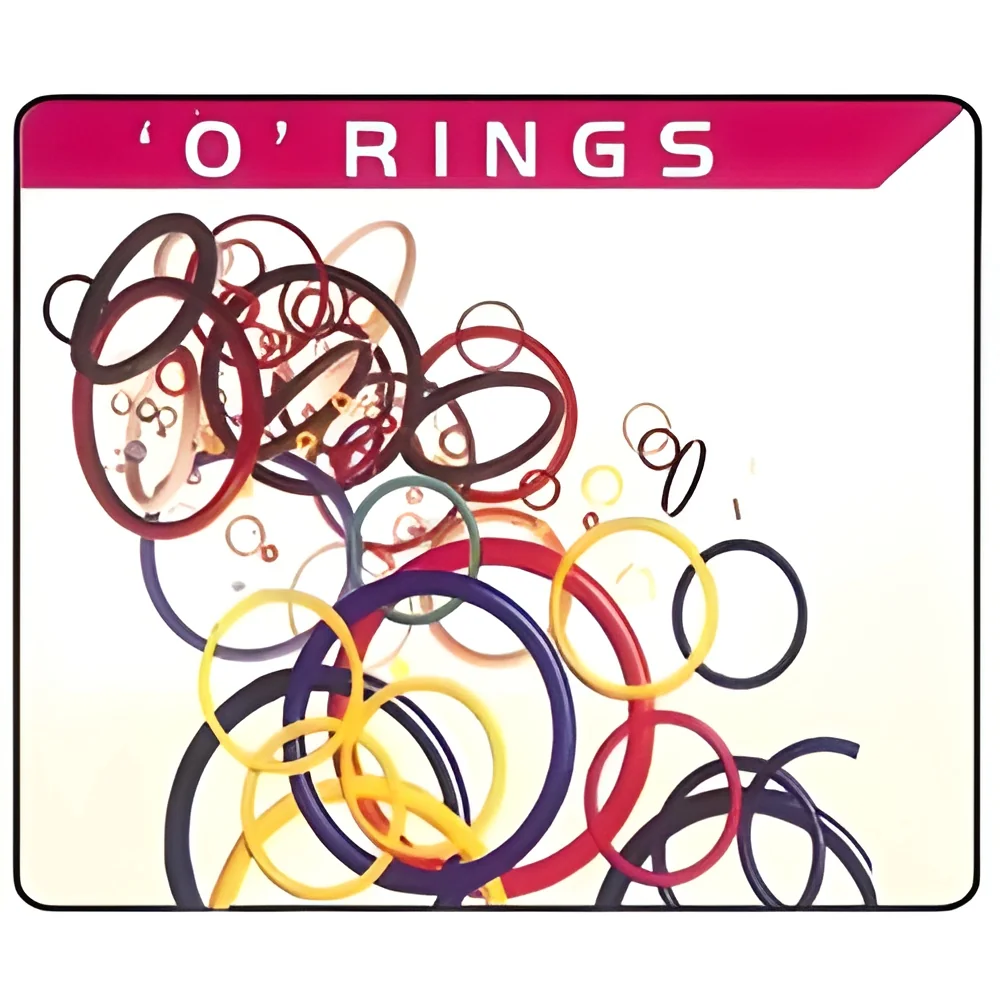
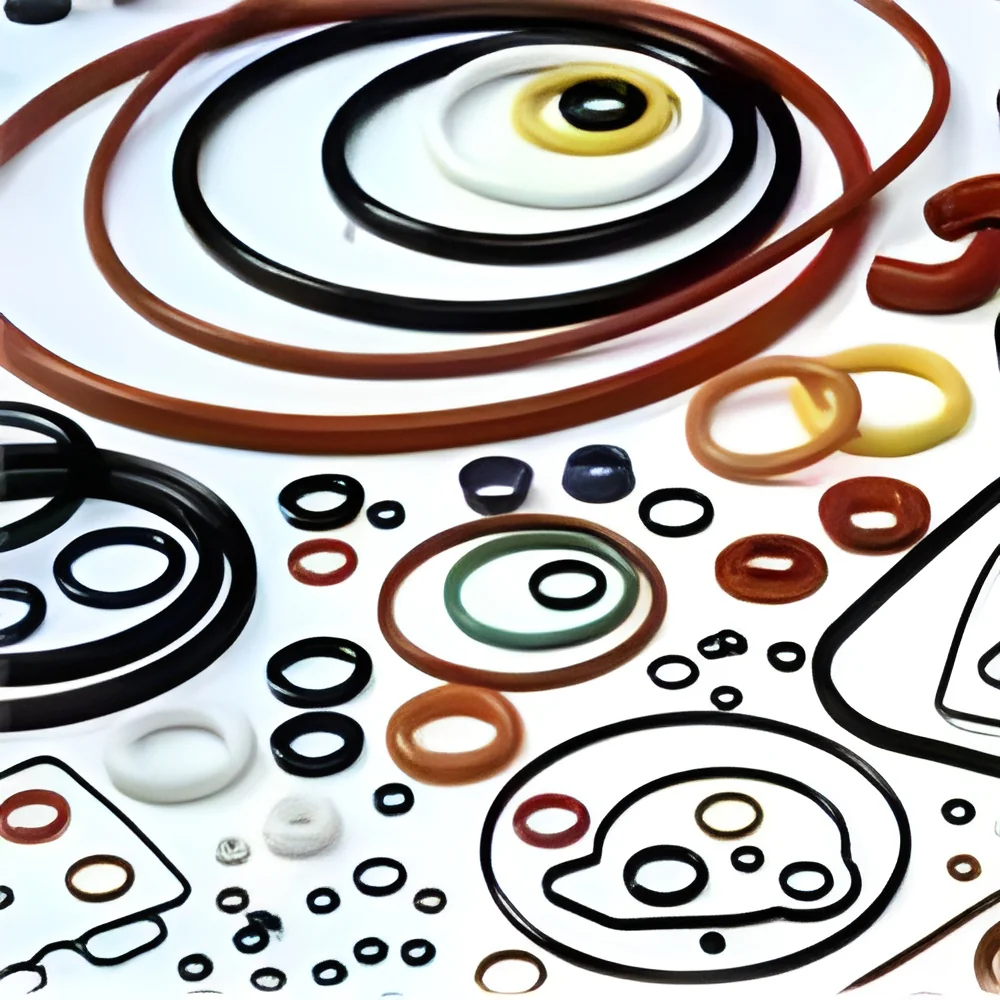
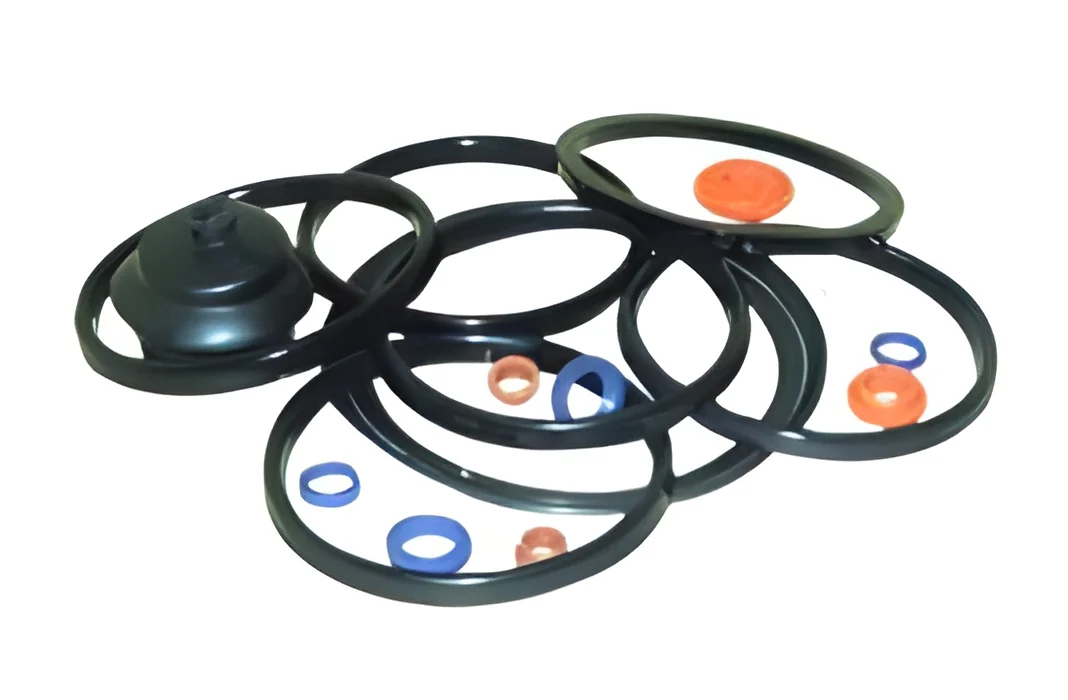
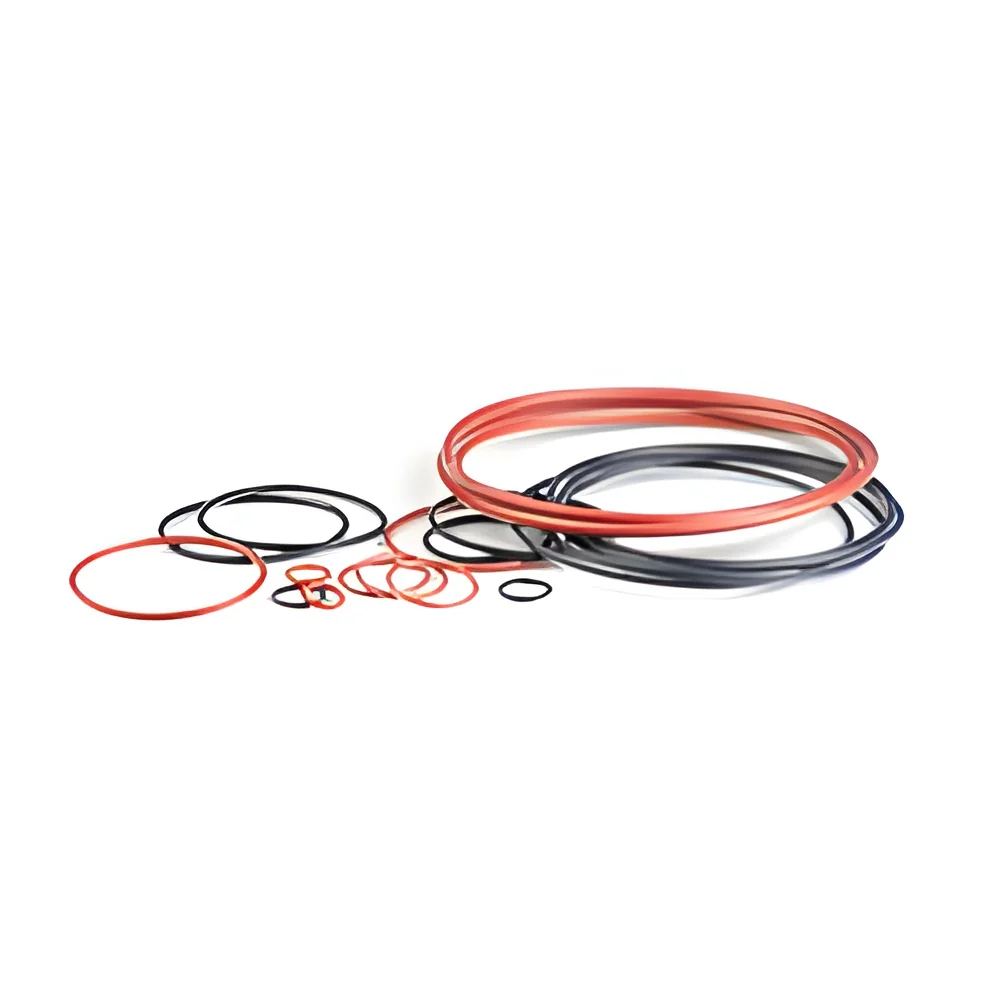
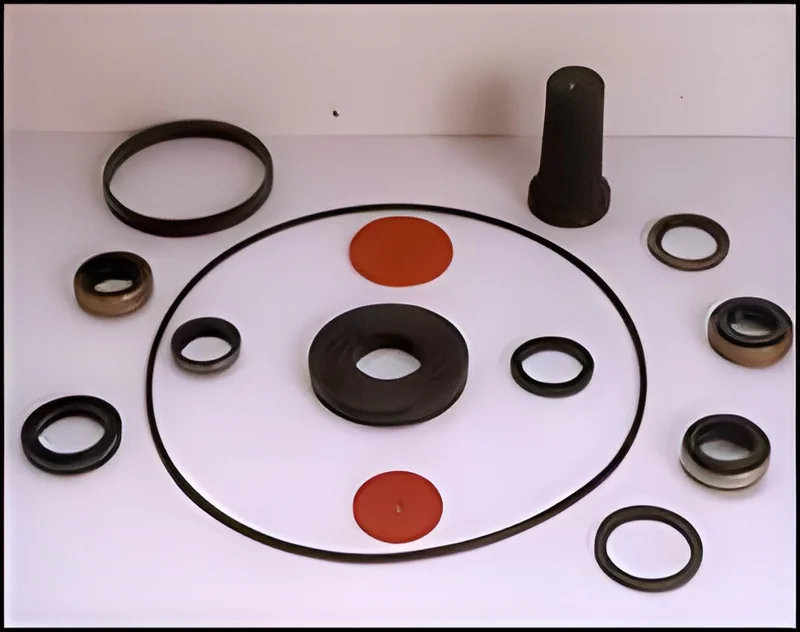
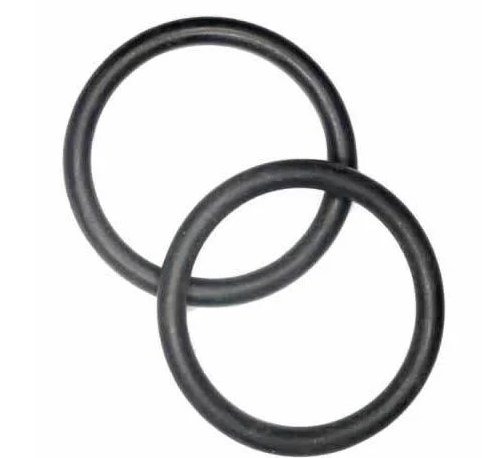
Seals and O-rings are essential components used to create a barrier between two surfaces, preventing the passage of liquids or gases. These products are typically circular in shape and made from various materials, including rubber, silicone, and metal. They are designed to fit snugly into a groove, allowing for effective sealing in dynamic or static applications. The integrity of a seal or O-ring is critical in ensuring machinery operates efficiently, reducing the risk of leaks, and prolonging the lifespan of equipment.
Seals and O-rings find extensive applications across numerous industries, including automotive, aerospace, and manufacturing. In automotive applications, they are used in engines, fuel systems, and hydraulic systems to maintain pressure and prevent leaks. In aerospace, seals are vital for ensuring the safety and reliability of aircraft systems. Their versatility makes them indispensable in various machinery and equipment, ensuring that operations run smoothly without interruptions.
The market for seals and O-rings is vast and growing, driven by increasing industrialization and the demand for reliable sealing solutions. As industries evolve, the need for high-performance sealing solutions continues to rise, prompting innovations in materials and designs. This growth presents opportunities for businesses to enhance their operations with advanced sealing technologies.
Key Features and Specifications
Seals and O-rings come with a range of features and specifications that cater to various industrial needs. Understanding these specifications is crucial for selecting the right product for specific applications.
Key specifications include:
1. Material Composition
- Common materials include rubber, silicone, and polyurethane.
- Each material offers unique properties, such as resistance to temperature, chemicals, and abrasion.
2. Size and Dimensions
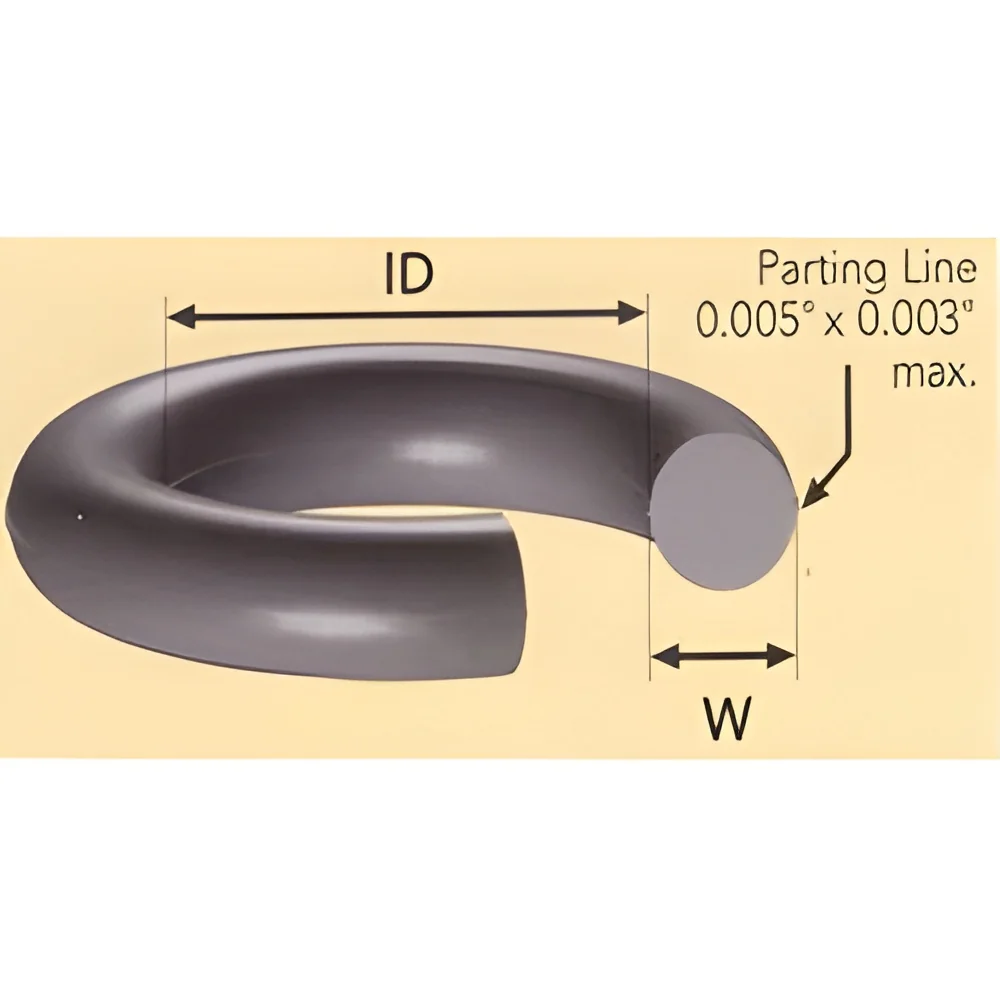
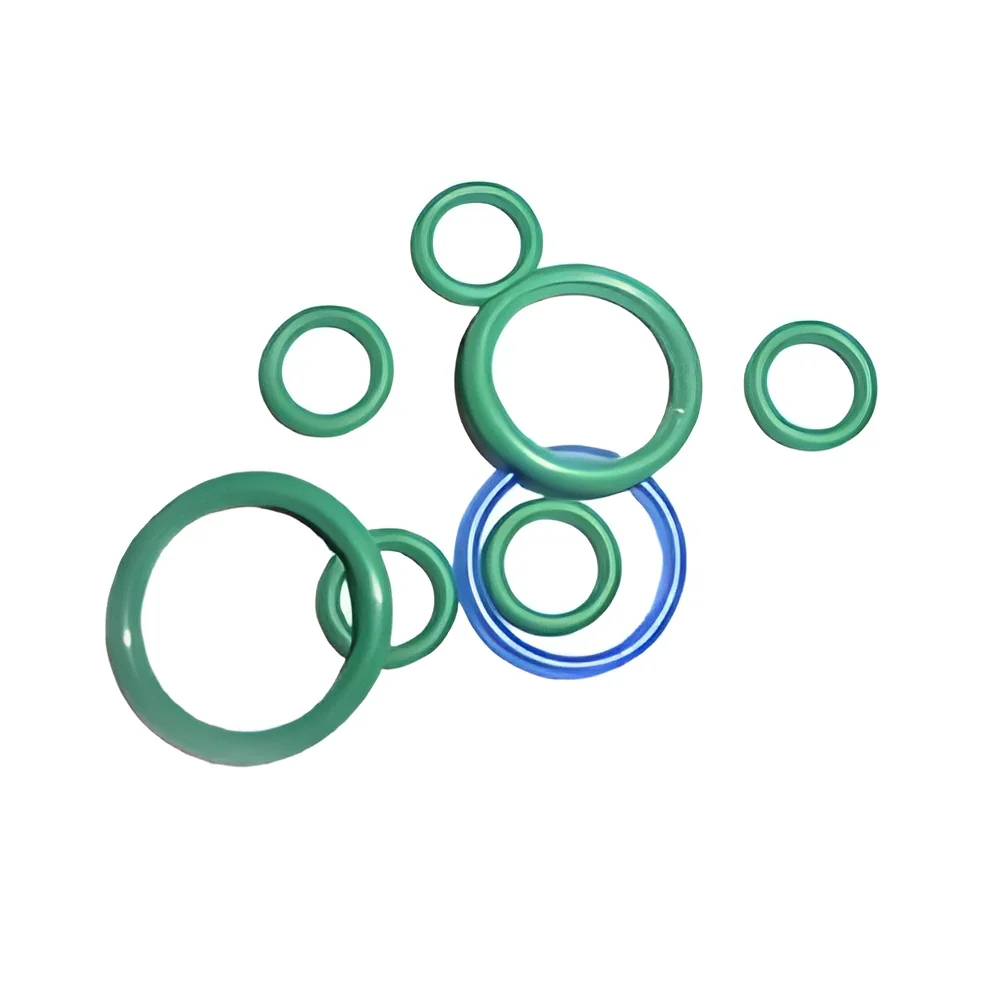
- O-rings come in various sizes and thicknesses to fit specific applications.
- Standard sizes are available, but custom dimensions can also be manufactured.
3. Temperature Range
- Seals and O-rings can operate in a wide temperature range.
- Specific materials are chosen based on their operational temperature limits.
4. Pressure Rating
- Seals are designed to withstand specific pressure levels.
- Pressure ratings determine the suitability for applications in hydraulic systems.
5. Hardness
- Measured in durometers, hardness affects the flexibility and sealing capabilities.
- Softer materials conform better to surfaces, while harder materials provide durability.
6. Chemical Resistance
- Different materials offer varying degrees of resistance to chemicals.
- Selecting the right material ensures longevity in corrosive environments.
7. Compliance Standards
- Many seals and O-rings meet industry standards for quality and safety.
- Compliance with certifications like CE assures product reliability.
8. Customization Options
- Custom designs and specifications can be produced to meet unique requirements.
- Customization enhances performance in specialized applications.
Understanding these features allows B2B buyers to make informed decisions about the right seals and O-rings for their operations.
Common Applications and Use Cases
Seals and O-rings are utilized in numerous industries, each with specific applications that highlight their importance.
1. Automotive: In the automotive industry, seals are used in engines, transmissions, and fuel systems to prevent leaks and maintain pressure, ensuring reliable vehicle performance.
2. Aerospace: In aerospace applications, seals and O-rings are critical for ensuring safety and efficiency in systems such as fuel tanks, hydraulic systems, and landing gear.
3. Manufacturing: Seals play a vital role in manufacturing equipment, preventing fluid leakage in hydraulic machinery and ensuring the precise operation of various components.
4. Oil and Gas: In the oil and gas sector, seals are used in drilling and extraction equipment to maintain pressure and prevent contamination of fluids.
5. Food and Beverage: Seals are essential in food processing equipment, ensuring hygiene and preventing contamination during production and packaging.
6. Pharmaceuticals: In the pharmaceutical industry, O-rings are used in machinery that processes medications, ensuring that systems remain sterile and free from leaks.
7. HVAC: Seals in heating, ventilation, and air conditioning systems prevent air leaks, improving efficiency and reducing energy costs.
The versatility of seals and O-rings means they can be tailored to meet the needs of various industries, ensuring optimal performance across different applications.
Product Variants and Subcategories
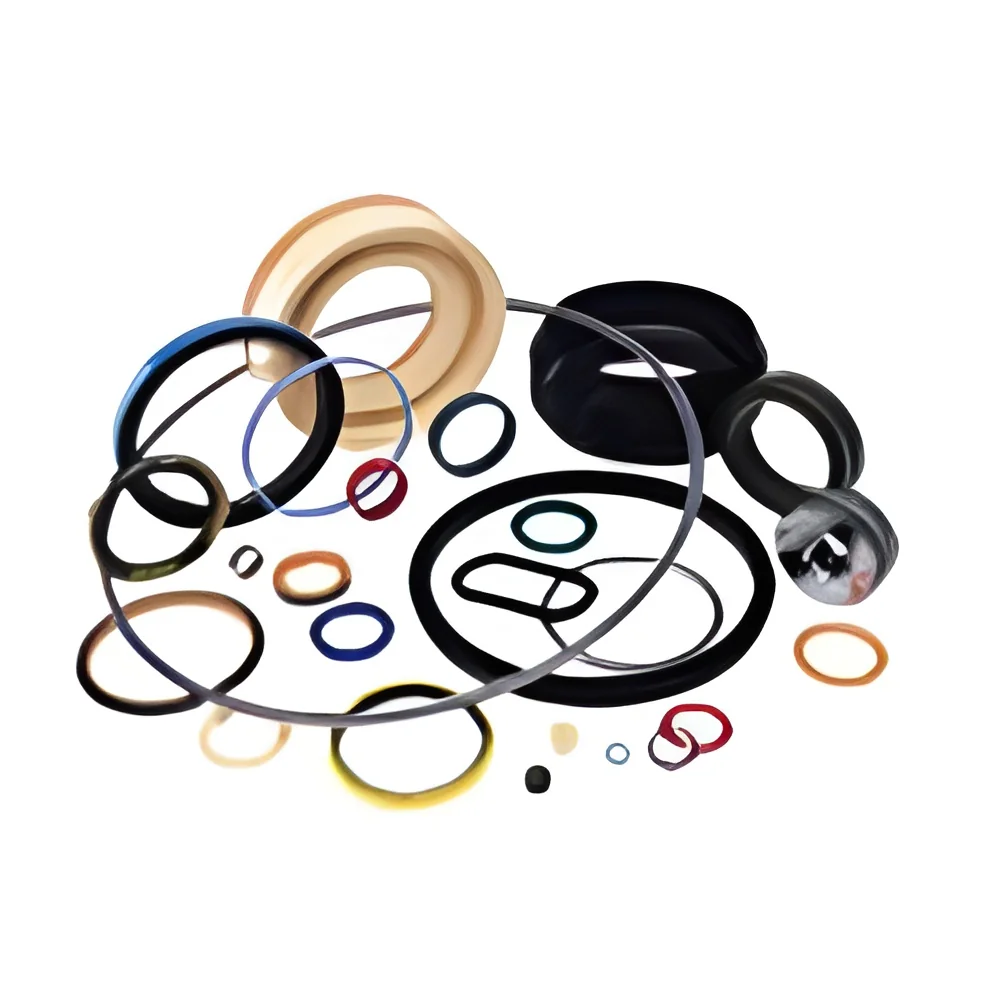
Seals and O-rings are available in various forms, catering to different industry requirements and applications. The diversity in product variants enhances their adaptability.
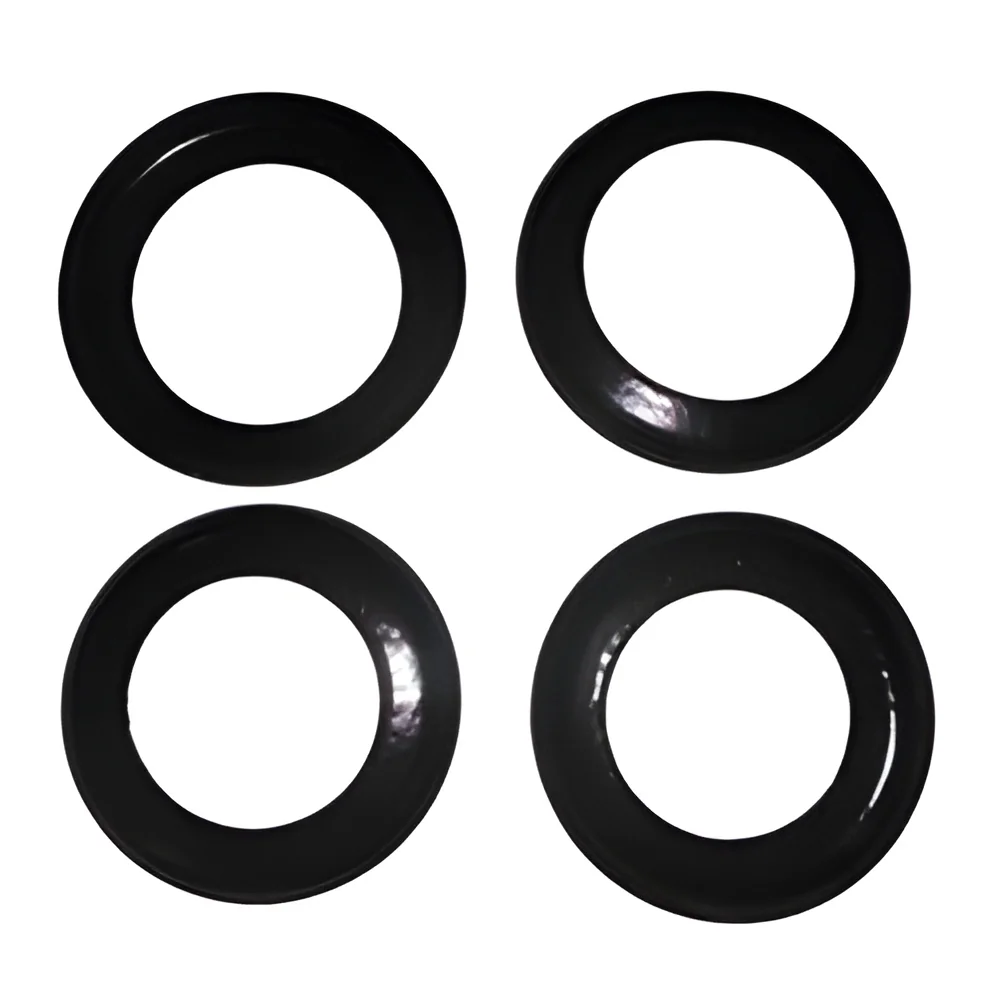
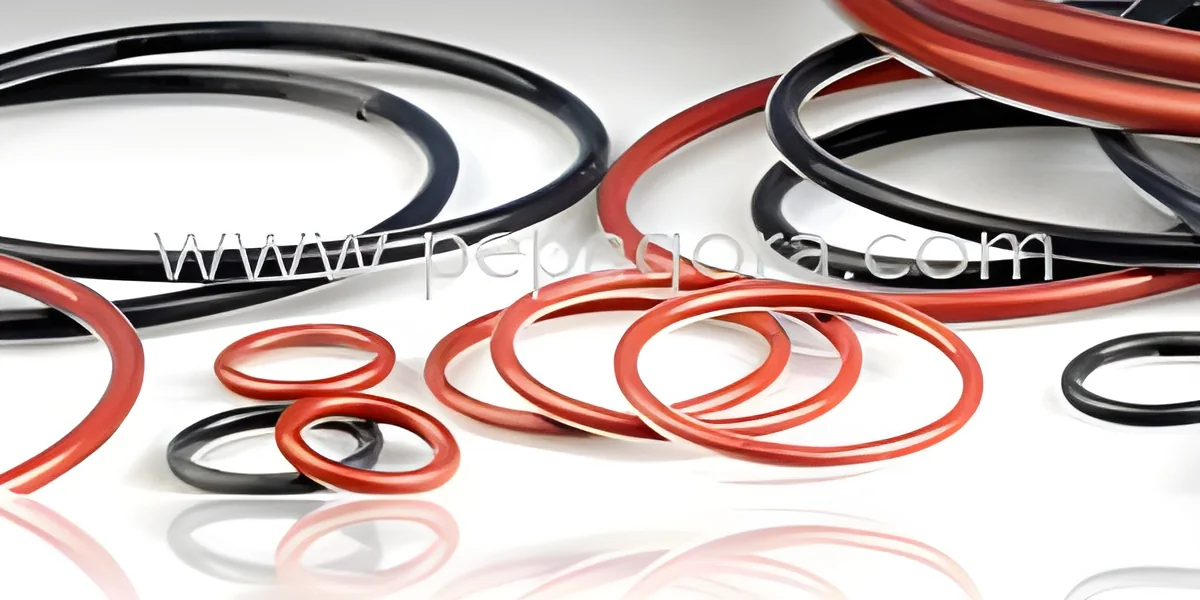
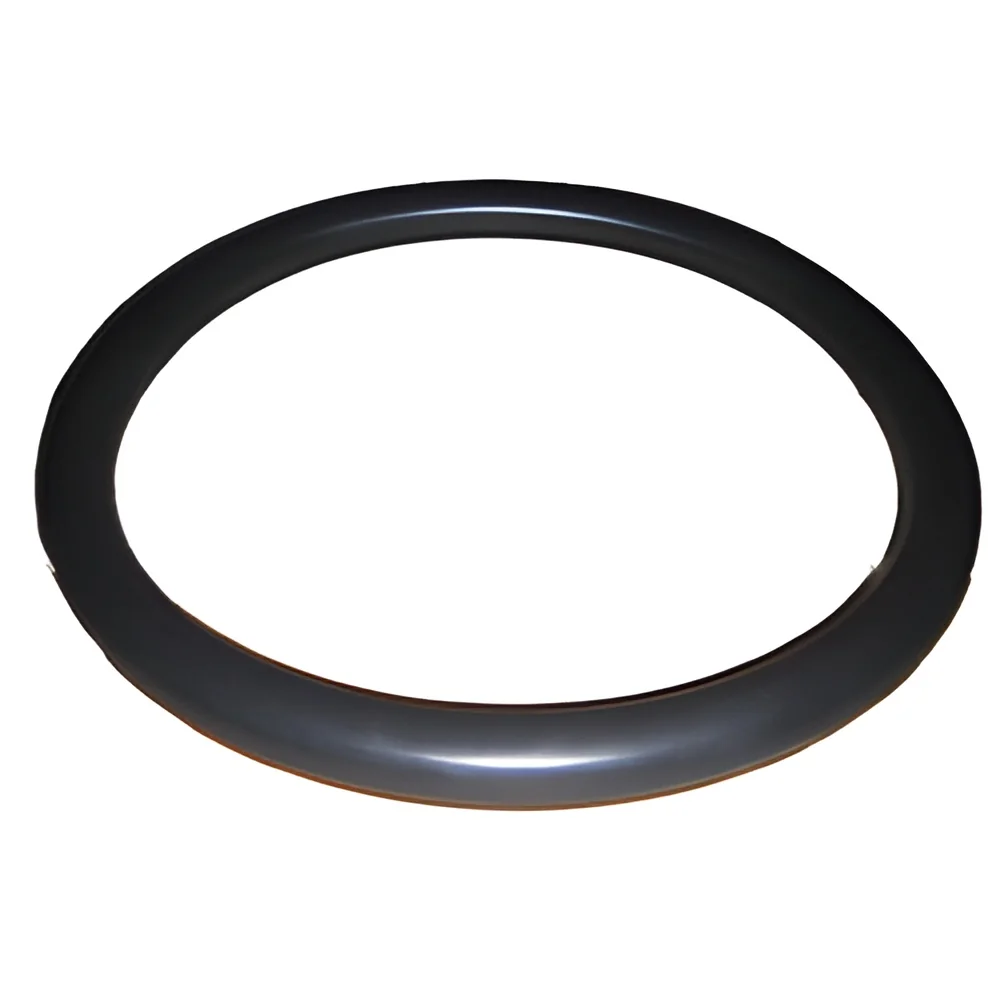
Standard O-Rings: These are the most common type, available in various sizes and materials. They are suitable for a wide range of applications, from automotive to industrial machinery.
Backup Rings: Used in conjunction with O-rings, backup rings provide additional support and prevent extrusion in high-pressure applications.
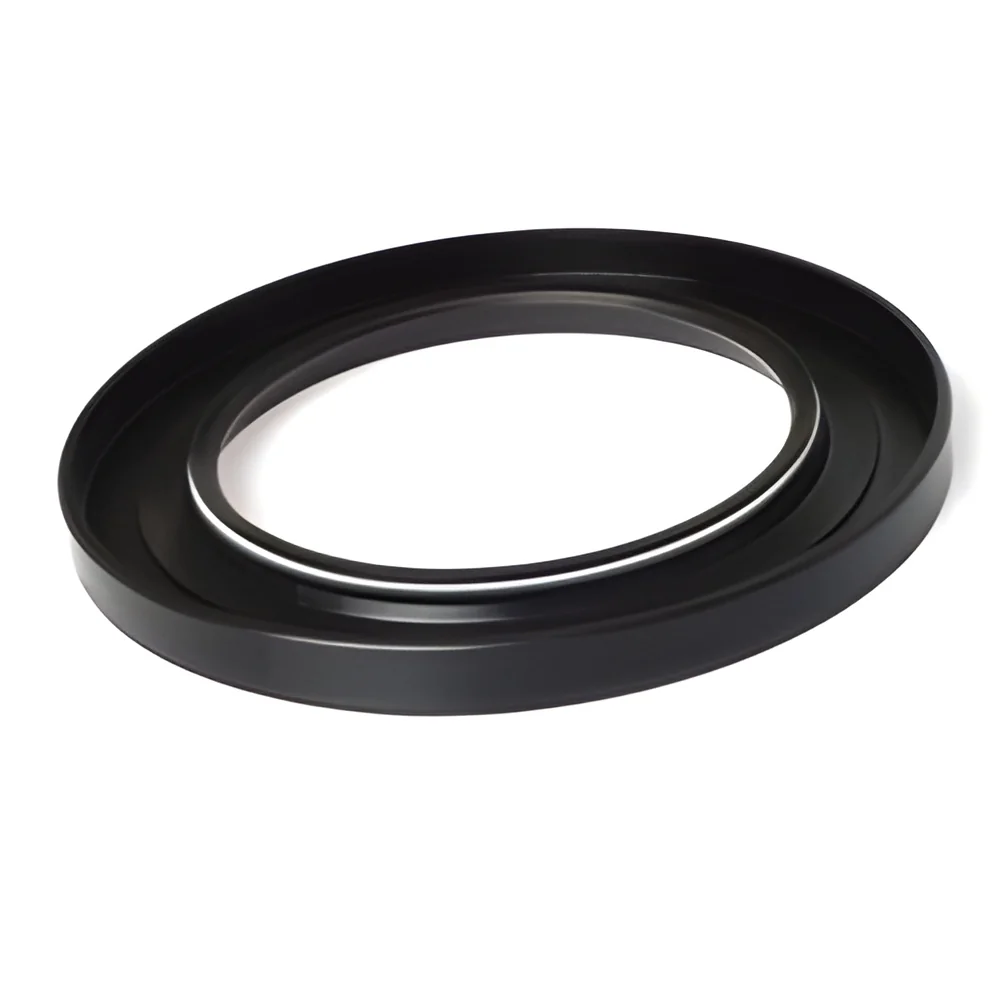
Rotary Seals: Designed for rotating shafts, these seals prevent leakage in applications such as pumps and motors, ensuring smooth operation.
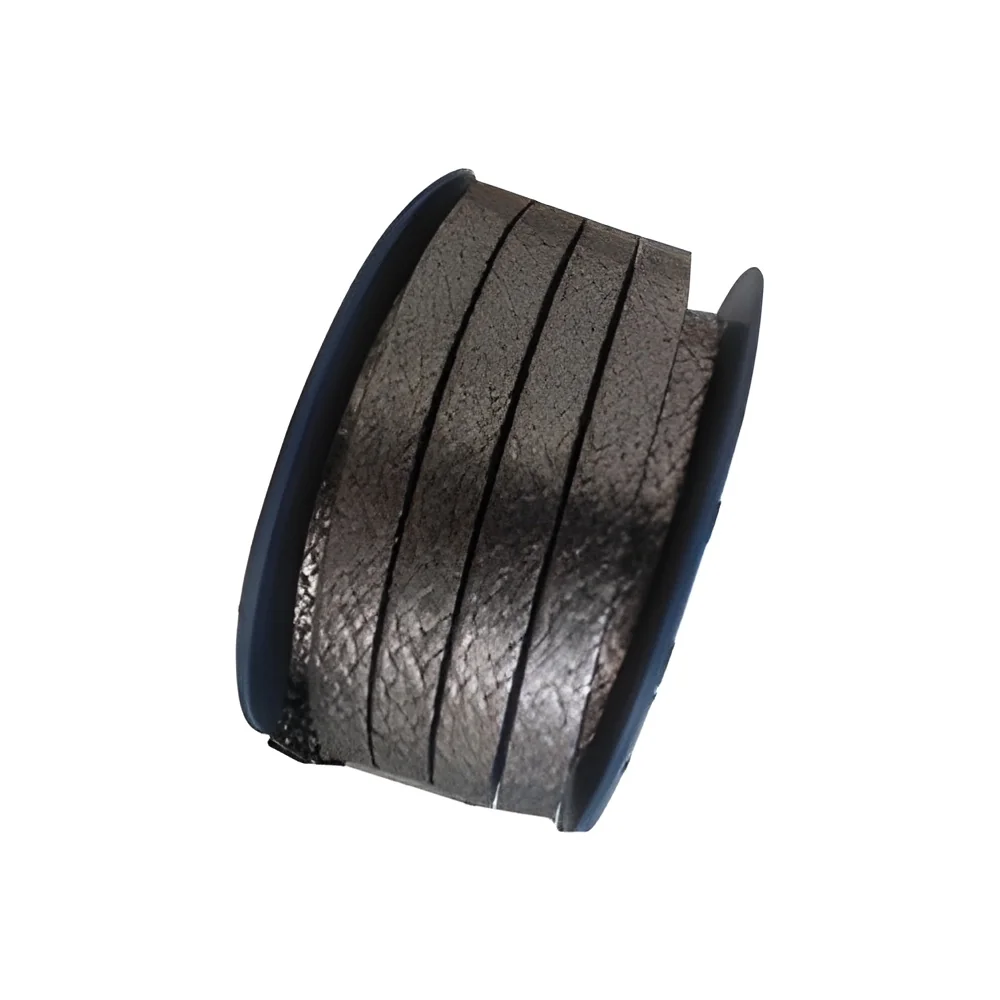
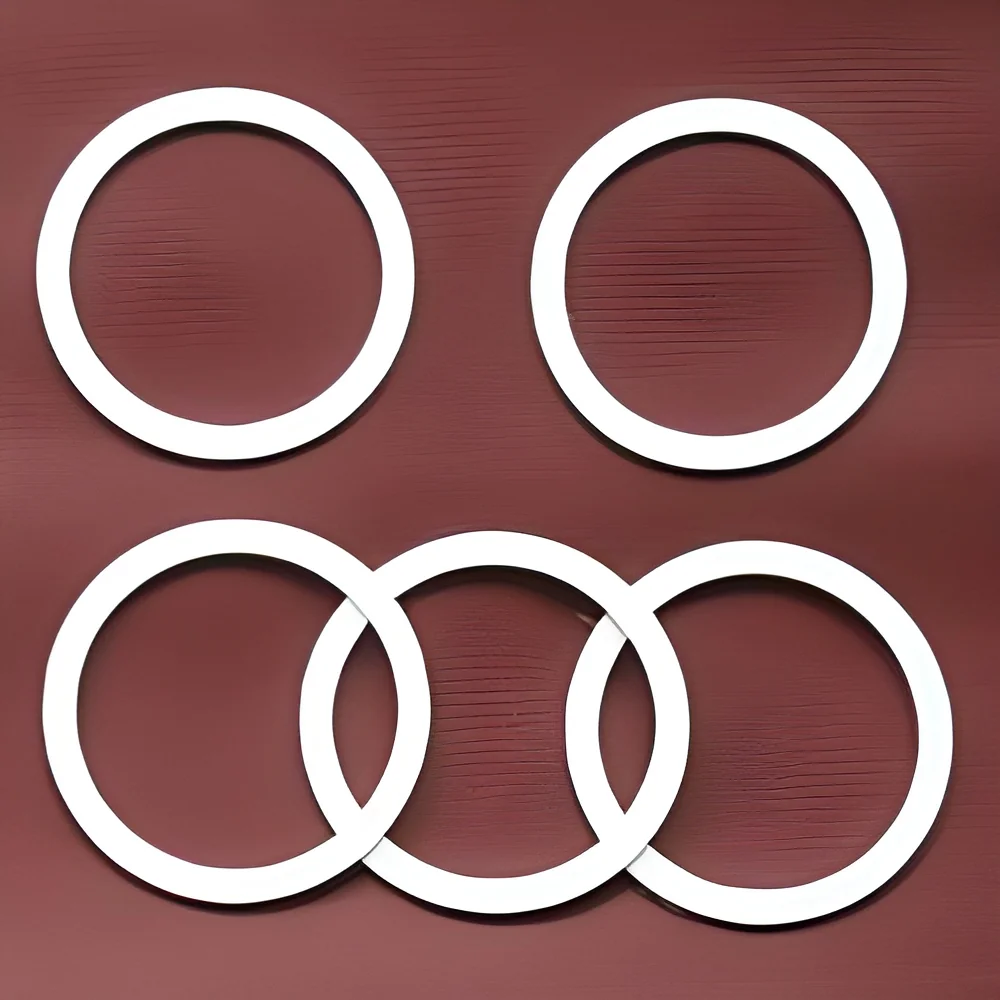
Flat Seals: Flat seals are used in applications where O-rings may not provide the necessary sealing capabilities, often found in flanged connections.
Custom Seals: Many manufacturers offer custom seal solutions to meet specific dimensions and material requirements, ensuring optimal performance in unique applications.
Benefits and Advantages
Using seals and O-rings provides numerous advantages for businesses across various sectors.
1. Leak Prevention: Seals and O-rings effectively prevent leaks, ensuring machinery operates efficiently and reducing maintenance costs.
2. Durability: High-quality seals are designed to withstand harsh conditions, extending the lifespan of equipment and reducing downtime.
3. Improved Efficiency: By maintaining pressure and preventing contamination, seals enhance the overall efficiency of systems and machinery.
4. Versatility: Seals and O-rings can be customized for different applications, making them suitable for a wide range of industries.
5. Cost-Effectiveness: Investing in quality seals reduces the risk of failure and costly repairs, offering long-term savings for businesses.
6. Enhanced Safety: Proper sealing reduces the risk of hazardous leaks, improving workplace safety and compliance with regulations.
These benefits underscore the importance of selecting the right seals and O-rings for industrial applications, ultimately supporting operational success.
Buying Guide for B2B Buyers
When sourcing seals and O-rings, it is essential for B2B buyers to consider several key factors to ensure successful procurement.
1. Quality Assessment: Buyers should evaluate the material quality and manufacturing processes to ensure that the seals meet industry standards and performance requirements.
2. Supplier Verification: It is crucial to vet suppliers for their reputation, reliability, and history of delivering quality products. This can include checking references and certifications.
3. Pricing and MOQ: Buyers should compare pricing and minimum order quantities across suppliers to find the best value while ensuring that they can meet their operational needs.
4. Delivery and Lead Times: Understanding delivery schedules and lead times is vital for planning purposes. Buyers should confirm that suppliers can meet their timelines.
5. Compliance Requirements: Ensure that seals and O-rings comply with relevant regulations and industry standards, such as CE certification, to guarantee product reliability and safety.
By carefully considering these factors, B2B buyers can make informed decisions and establish successful partnerships with suppliers.
Compliance and Certifications
Compliance and certifications are critical aspects of seals and O-rings, ensuring that products meet industry standards and safety requirements.
Many seals and O-rings adhere to quality standards such as ISO 9001, which focuses on quality management systems. This certification assures customers that products are manufactured consistently to high standards. Additionally, compliance with HACCP (Hazard Analysis Critical Control Point) is essential in food and beverage applications, ensuring that seals do not pose contamination risks.
The CE mark is another important certification that indicates compliance with European safety and environmental standards. This certification ensures that seals and O-rings meet required safety benchmarks, offering peace of mind to manufacturers and end-users.
Regional compliance considerations are also significant, as different countries may have varying regulations governing the use of sealing products. Understanding these requirements helps businesses ensure that they are sourcing compliant products suitable for their specific markets.
Why Source Seals & O-Rings from Pepagora?
Pepagora provides a trusted platform for sourcing seals and O-rings, offering several key advantages that enhance the buying experience for B2B buyers.
Verified Supplier Network: Pepagora has established a robust network of verified suppliers, ensuring that buyers can access high-quality products from reputable manufacturers. This network reduces the risk associated with sourcing from unknown vendors.
Streamlined RFQ Process: The platform offers a streamlined Request for Quotation (RFQ) process, allowing buyers to easily compare prices and specifications from multiple suppliers. This efficiency helps buyers make informed decisions quickly.
Trade Assurance and Support: Pepagora provides trade assurance to protect buyers, offering support throughout the purchasing process. This includes assistance with order tracking and resolution of any issues that may arise.
Regional Coverage: With a strong presence in markets such as India, the GCC, and Southeast Asia, Pepagora provides buyers with access to a wide range of seals and O-rings tailored to regional needs. This geographic reach facilitates timely deliveries and local support.
By choosing Pepagora as a sourcing partner, businesses can benefit from reliable products, a simplified procurement process, and the assurance of quality and compliance.

 IN
IN