
 IN
Clutch Plates & Assemblies
17 products available
What are Clutch Plates & Assemblies?
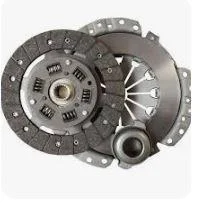
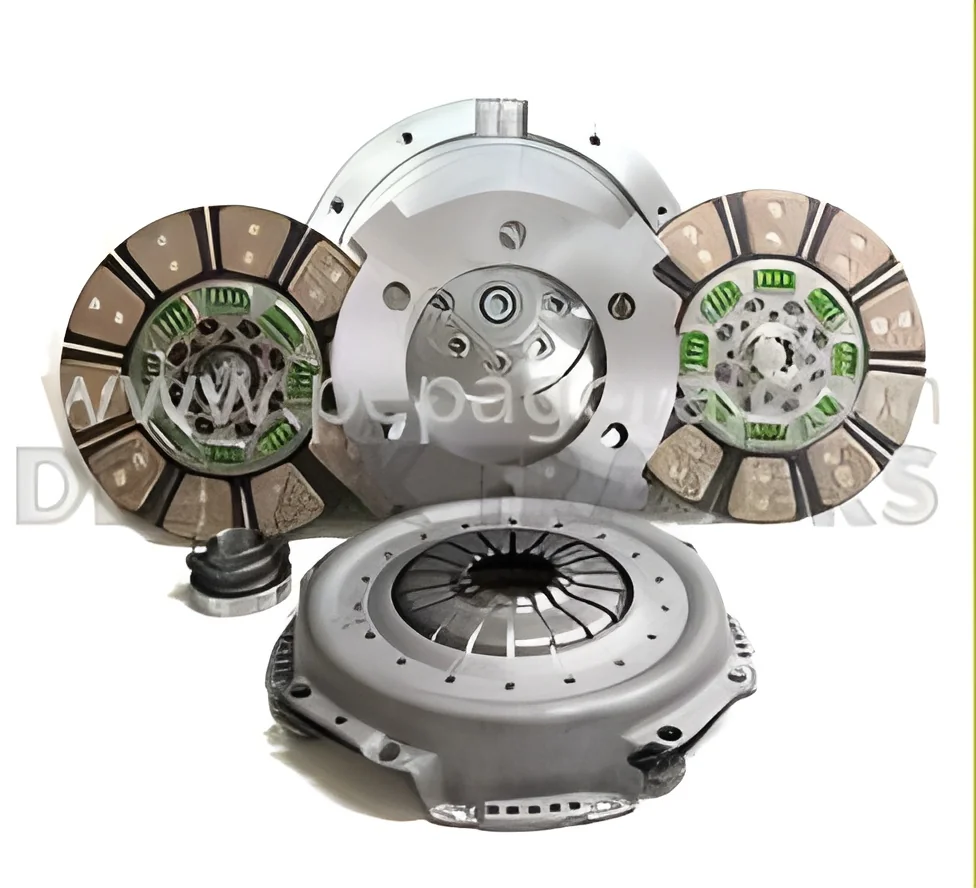
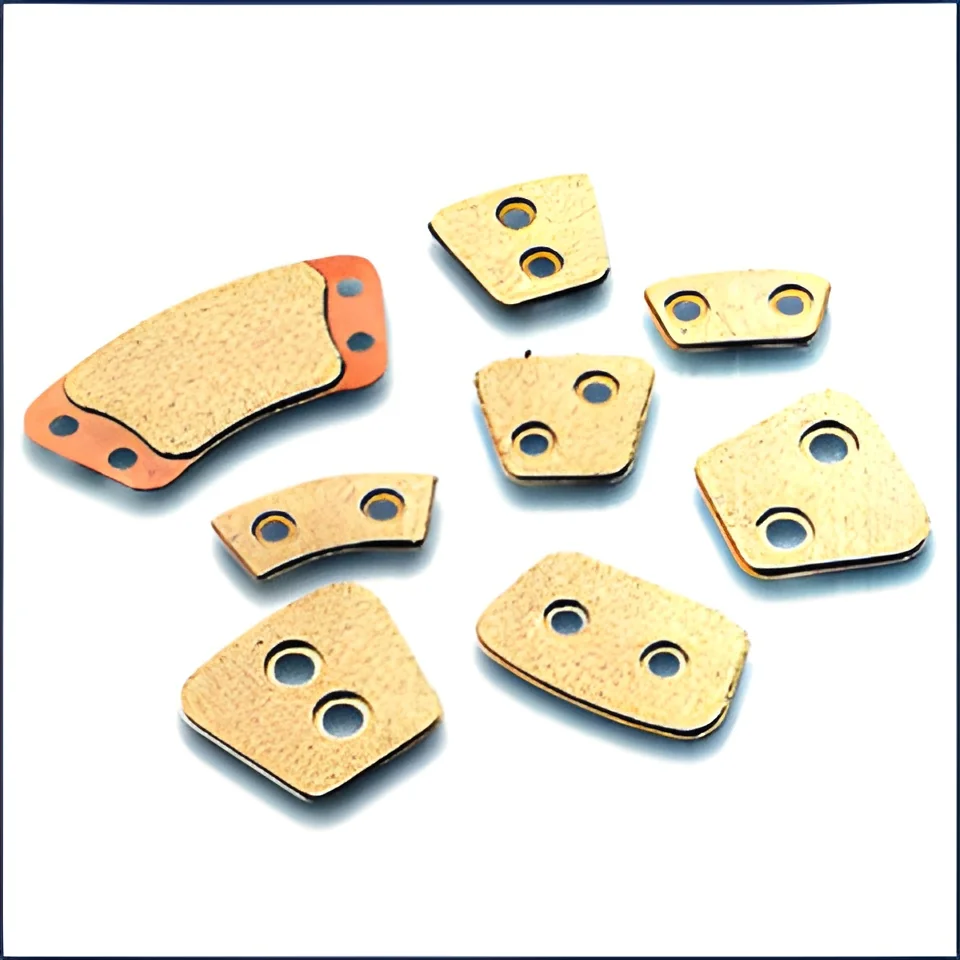
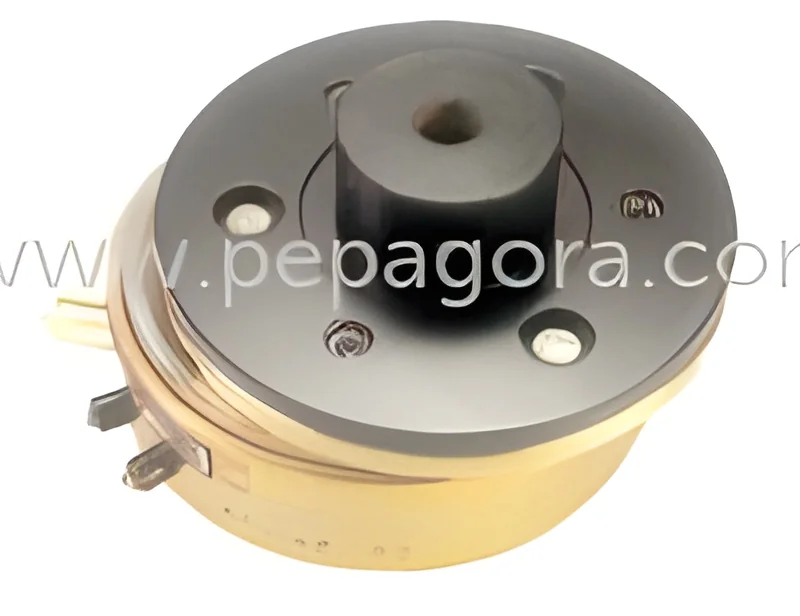
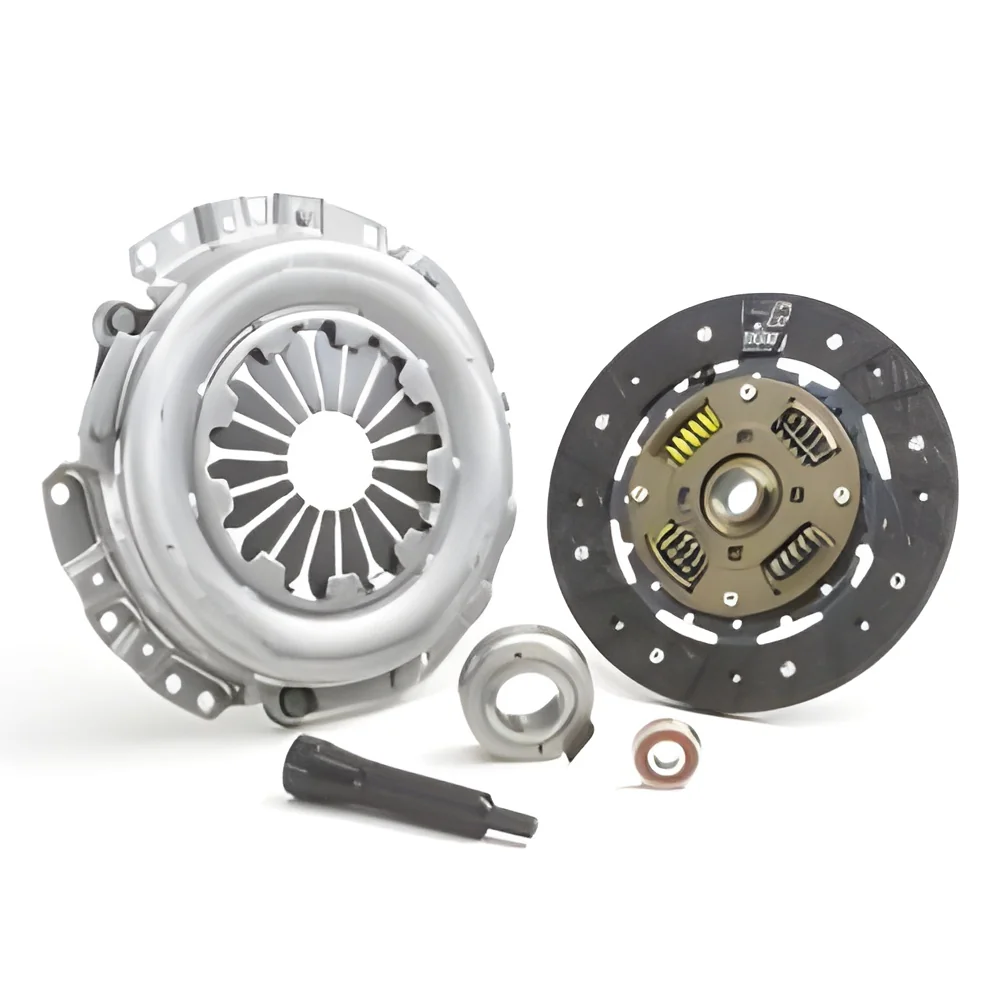
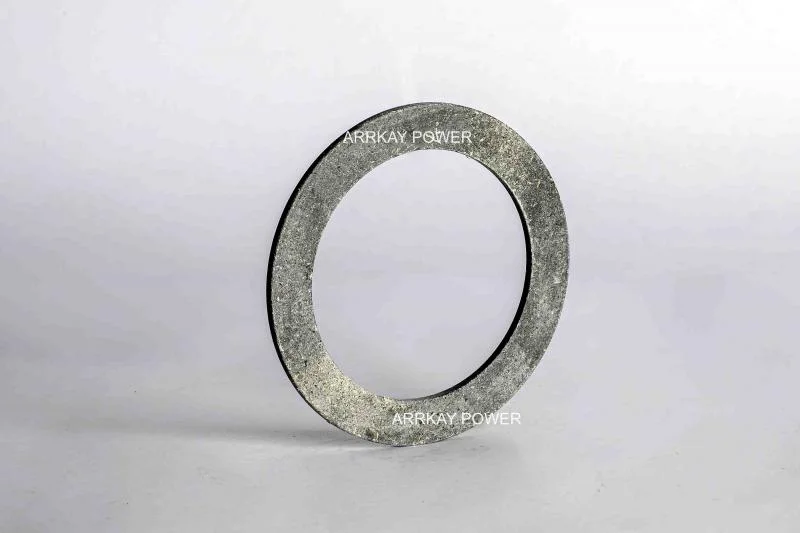
Clutch plates and assemblies are critical components in various mechanical systems, primarily used to engage and disengage the drive between the engine and the transmission in vehicles and machinery. A clutch plate is a friction disc that allows for smooth control of power transmission, while the assembly includes all components necessary for effective operation, such as the pressure plate, release bearing, and other related parts. The correct functioning of these components is essential for the overall performance and reliability of the machinery or vehicle.
These products find extensive use in automotive, agricultural, and industrial machinery. In the automotive sector, clutch plates and assemblies facilitate gear changes in vehicles, enhancing drivability and control. In industrial applications, they are used in machinery that requires controlled power transfer for operations like lifting, pressing, or material handling. Given the variety of applications, the market for clutch plates and assemblies is diverse, catering to numerous industries that rely on efficient power management.
Key Features and Specifications
Clutch plates and assemblies come with several features and specifications that determine their performance and suitability for various applications. Understanding these key specifications is essential for selecting the right product for your needs.
Key specifications include:
1. Material Composition
- Typically made from high-friction materials for optimal performance
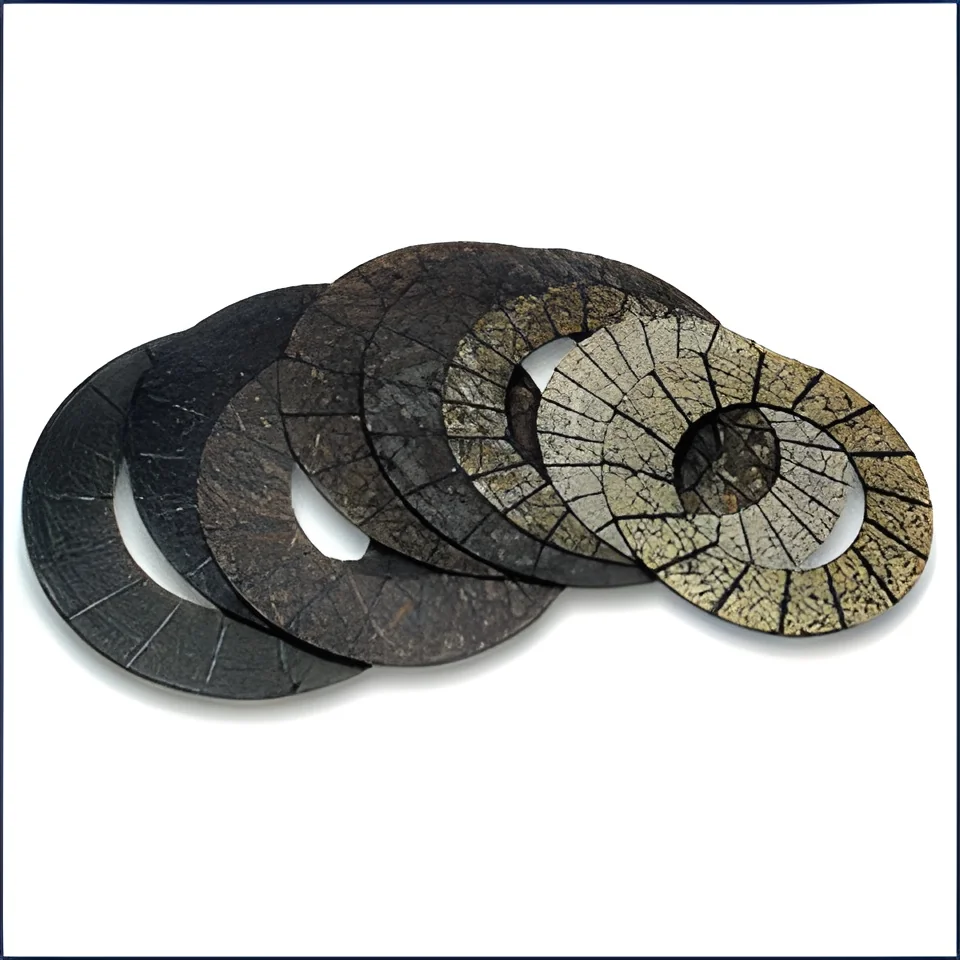
- Common materials include organic, ceramic, and metallic options
2. Size and Dimensions
- Available in various sizes to fit different machinery and vehicles
- Standard diameters and thicknesses are determined by application requirements
3. Load Capacity
- Rated for specific torque values to ensure adequate performance
- Varies based on design and intended use
4. Temperature Resistance
- Designed to withstand high operational temperatures
- Specific ranges may vary; data not available for exact specifications
5. Friction Coefficient
- Measured to ensure effective engagement and disengagement
- Higher coefficients indicate better performance in demanding conditions
6. Compliance Standards
- Many products meet international quality standards
- CE certification ensures safety and reliability in use
In summary, the specifications of clutch plates and assemblies play a vital role in their effectiveness and suitability across different industries. Buyers should carefully consider these features when making purchasing decisions.
Common Applications and Use Cases
Clutch plates and assemblies are utilized across multiple industries, each having specific requirements.
1. Automotive: In vehicles, these components are essential for smooth transmission operation, allowing for gear shifts without stalling.
2. Agricultural Machinery: Tractors and harvesters rely on clutch systems for efficient power transfer, especially during heavy-duty tasks.
3. Industrial Equipment: Machines like cranes and conveyors use clutch assemblies to manage load changes and ensure operational safety.
4. Marine: Boats and ships use specialized clutch plates to control propulsion systems and engage different power sources.
5. Heavy Machinery: Construction equipment, such as excavators and bulldozers, depend on robust clutch assemblies for reliable performance in tough environments.
6. Motorcycles: High-performance motorcycles utilize advanced clutch systems for better control and acceleration.
7. Aerospace: Some aircraft systems use clutch assemblies to manage power distribution among various systems.
Product Variants and Subcategories
Clutch plates and assemblies come in various variants to suit different applications. The diversity in products allows businesses to choose based on specific requirements.
Standard Clutch Plates
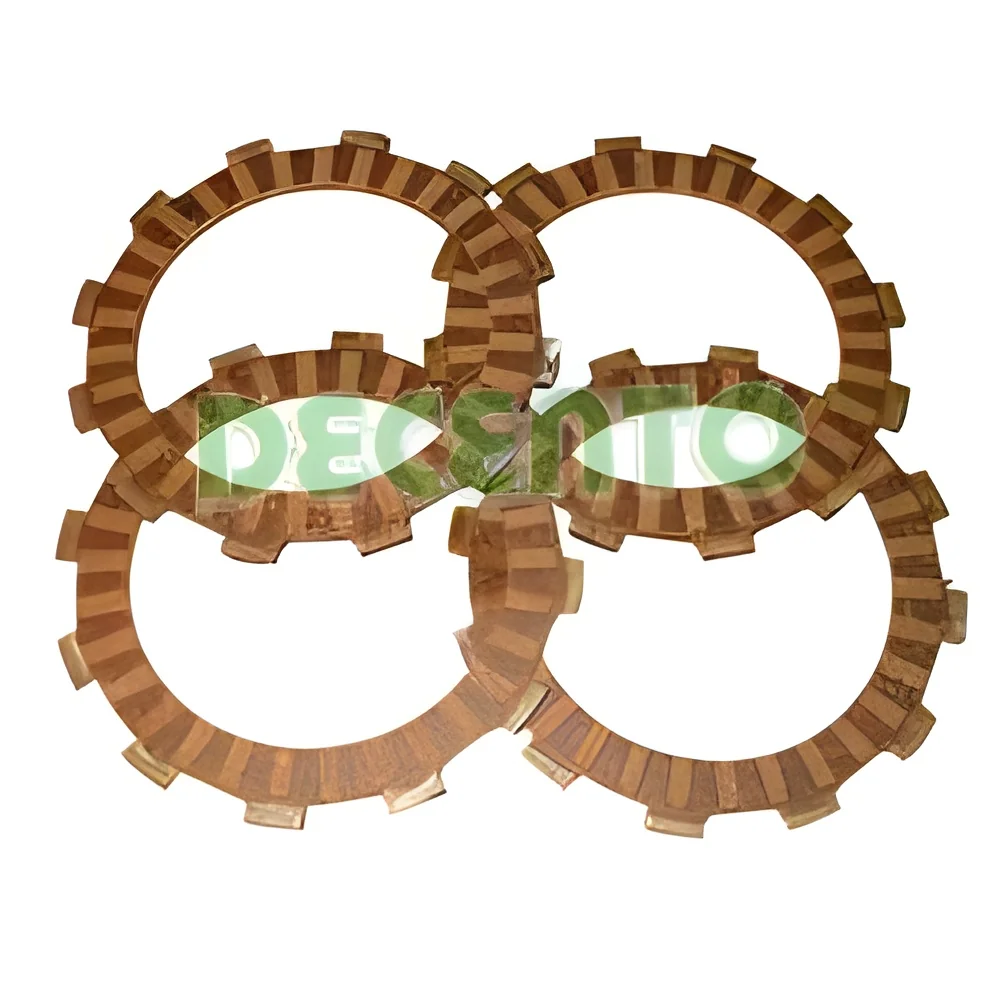
These are the most common types, designed for general automotive applications. They offer reliable performance and are made from durable materials to withstand everyday use.
Heavy-Duty Clutch Assemblies
Designed for industrial and agricultural machinery, these assemblies can handle higher torque loads and are built for durability in demanding conditions.
Ceramic Clutch Plates
These plates are used in high-performance vehicles and applications where high temperature and friction resistance are crucial. They provide excellent performance but may require careful handling.
Performance Clutch Kits
These kits include specialized components for racing or high-performance vehicles. They often feature upgraded materials and designs for enhanced responsiveness.
Benefits and Advantages
Investing in high-quality clutch plates and assemblies provides numerous advantages for businesses.
1. Improved Performance: High-quality components ensure smooth operation, enhancing overall machinery performance.
2. Durability: Robust materials and designs contribute to longer lifespans, reducing the frequency of replacements.
3. Enhanced Control: Reliable clutch systems allow for precise power management, improving vehicle and machinery handling.
4. Cost Efficiency: Investing in durable products can lead to lower long-term maintenance costs.
5. Versatility: With various specifications available, businesses can find suitable options for different applications and industries.
6. Compliance Assurance: Many products meet international standards, ensuring safety and reliability for end-users.
Buying Guide for B2B Buyers
When sourcing clutch plates and assemblies, several factors should be considered to ensure the right choice for your business needs.
1. Quality Assessment: Evaluate the materials and construction of the clutch plates and assemblies. Look for products that meet international quality standards to ensure reliability.
2. Supplier Verification: Vet potential suppliers by checking their certifications and industry reputation. A trusted supplier can provide consistency in product quality and support.
3. Pricing and MOQ: Understand the pricing structure and minimum order quantities. Balancing cost with quality is essential for maximizing value.
4. Delivery and Lead Times: Assess the supplier's ability to meet your delivery requirements. Timely delivery is crucial for maintaining operational efficiency.
5. Compliance Requirements: Ensure that the products meet necessary regulatory and compliance standards relevant to your industry to avoid potential issues.
Compliance and Certifications
Clutch plates and assemblies are subject to various quality standards and certifications that ensure their safety and reliability in use. ISO 9001 is a widely recognized standard that focuses on quality management systems, ensuring that manufacturers maintain high production standards. CE certification indicates compliance with European safety and environmental requirements, which is crucial for products sold in European markets.
Additionally, products may be tested for safety and performance to meet industry-specific requirements. Businesses should also consider regional compliance standards that may apply in their specific markets, ensuring that all products sourced meet local regulations and guidelines.
Why Source Clutch Plates & Assemblies from Pepagora?
Pepagora offers a trusted platform for sourcing clutch plates and assemblies, providing several key advantages to B2B buyers.
Verified Supplier Network: Pepagora collaborates with a network of verified suppliers to ensure that buyers receive high-quality products. Rigorous supplier vetting processes help maintain industry standards.
Streamlined RFQ Process: The Request for Quotation system simplifies the procurement process, allowing buyers to obtain competitive quotes efficiently. This system ensures that businesses can compare options quickly.
Trade Assurance and Support: Buyers benefit from trade assurance programs that protect their purchases, providing peace of mind. Pepagora's support team is available to assist with any queries throughout the procurement process.
Regional Coverage: With a strong presence in India, GCC, and Southeast Asia, Pepagora offers extensive regional coverage, enabling buyers to access local suppliers and streamline logistics.
This comprehensive platform equips businesses with the necessary tools to make informed sourcing decisions for clutch plates and assemblies, ensuring operational efficiency and product reliability.


Frequently Asked Questions
What are Clutch Plates & Assemblies?
Clutch Plates & Assemblies are essential components in a vehicle's transmission system, facilitating the engagement and disengagement of the engine from the drivetrain. They are designed to transfer power from the engine to the wheels while allowing for smooth gear changes.
What are the different types of Clutch Plates & Assemblies?
There are several types of Clutch Plates & Assemblies, including single plate clutches, multi-plate clutches, and diaphragm clutches. Each type serves specific applications and is chosen based on factors such as torque requirements and space constraints.
How do I choose the right Clutch Plates & Assemblies?
Choosing the right Clutch Plates & Assemblies involves considering the vehicle's make and model, the intended use, and the torque specifications required. Consulting with manufacturers or suppliers can also provide insights into the best options for specific applications.
What are the standard specifications for Clutch Plates & Assemblies?
Standard specifications for Clutch Plates & Assemblies often include dimensions such as diameter, thickness, and material composition. Additionally, specifications may cover friction materials, heat tolerance, and engagement force, which are crucial for performance.
What is the price range for Clutch Plates & Assemblies?
The price range for Clutch Plates & Assemblies can vary widely depending on the type, material, and manufacturer. Typically, prices can range from a few hundred to several thousand Indian Rupees, depending on the complexity and application.
What quality standards apply to Clutch Plates & Assemblies?
Quality standards for Clutch Plates & Assemblies generally include adherence to ISO and SAE specifications. These standards ensure that the components meet safety and performance requirements, which are crucial for reliable operation in vehicles.
Where can I find Clutch Plates & Assemblies suppliers in India?
You can find Clutch Plates & Assemblies suppliers in India through online B2B marketplaces, automotive parts distributors, or industry-specific trade shows. Websites like Pepagora.com provide a platform to connect with various manufacturers and suppliers.
Can Clutch Plates & Assemblies be customized?
Yes, many manufacturers offer customization options for Clutch Plates & Assemblies to meet specific performance criteria or design requirements. Customization may include alterations in size, material, or friction properties based on the customer's needs.
What is the typical minimum order quantity for Clutch Plates & Assemblies?
The typical minimum order quantity (MOQ) for Clutch Plates & Assemblies varies by supplier and can range from a small number of units to bulk orders. It is advisable to check with individual suppliers for their specific MOQ policies.
What is the typical lead time for Clutch Plates & Assemblies?
The typical lead time for Clutch Plates & Assemblies can vary based on the supplier and order specifics, generally ranging from a few days to several weeks. Factors influencing lead time include stock availability, customization requests, and production schedules.
Why Businesses Trust Pepagora
Thousands of companies trust Pepagora to source smarter and sell faster
Expand Your Sales Globally

Source Smarter,Grow Faster
