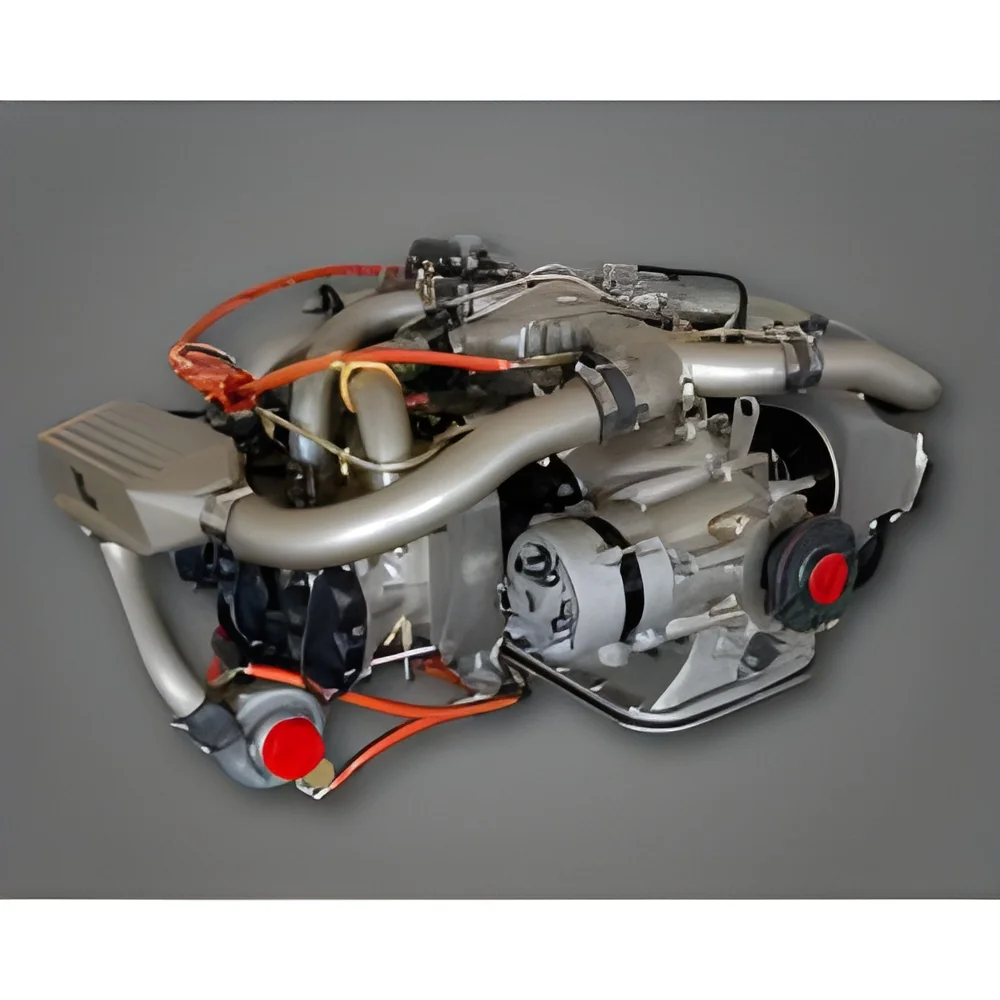
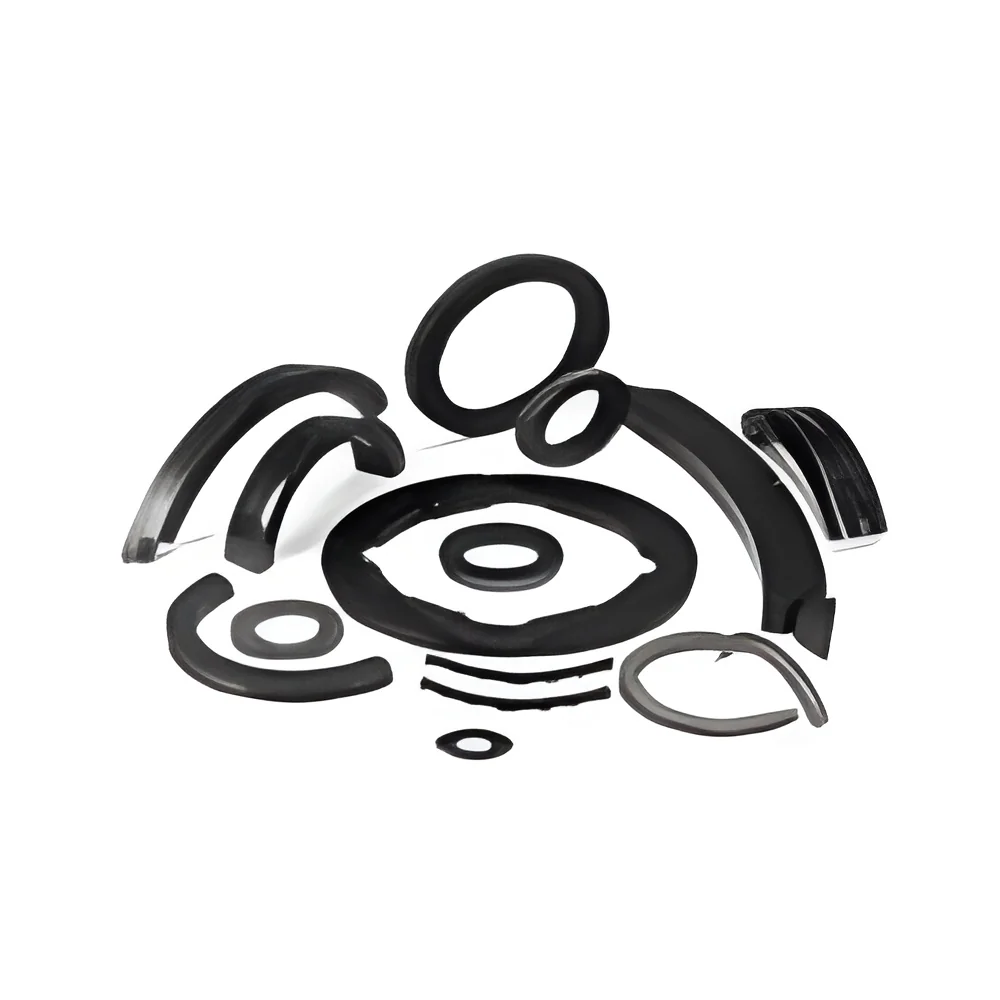
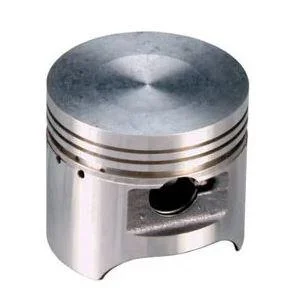
What are Pistons & Piston Rings?
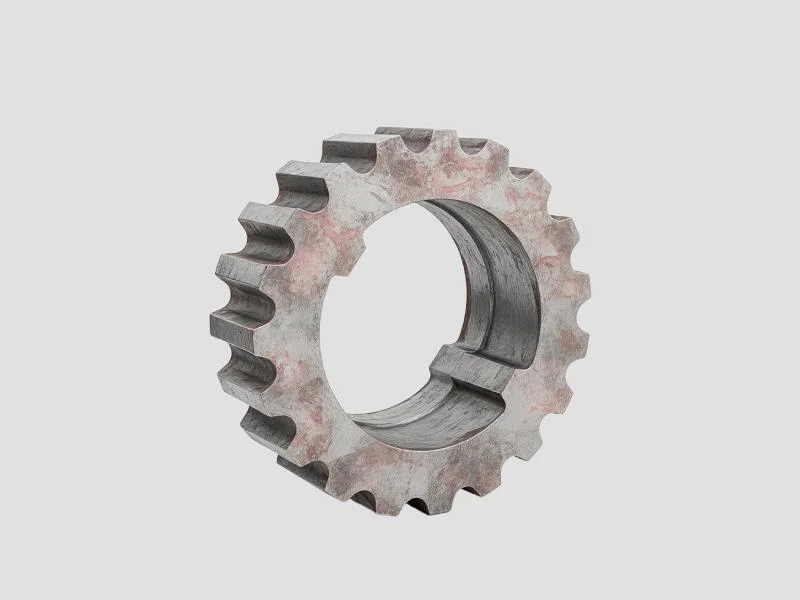
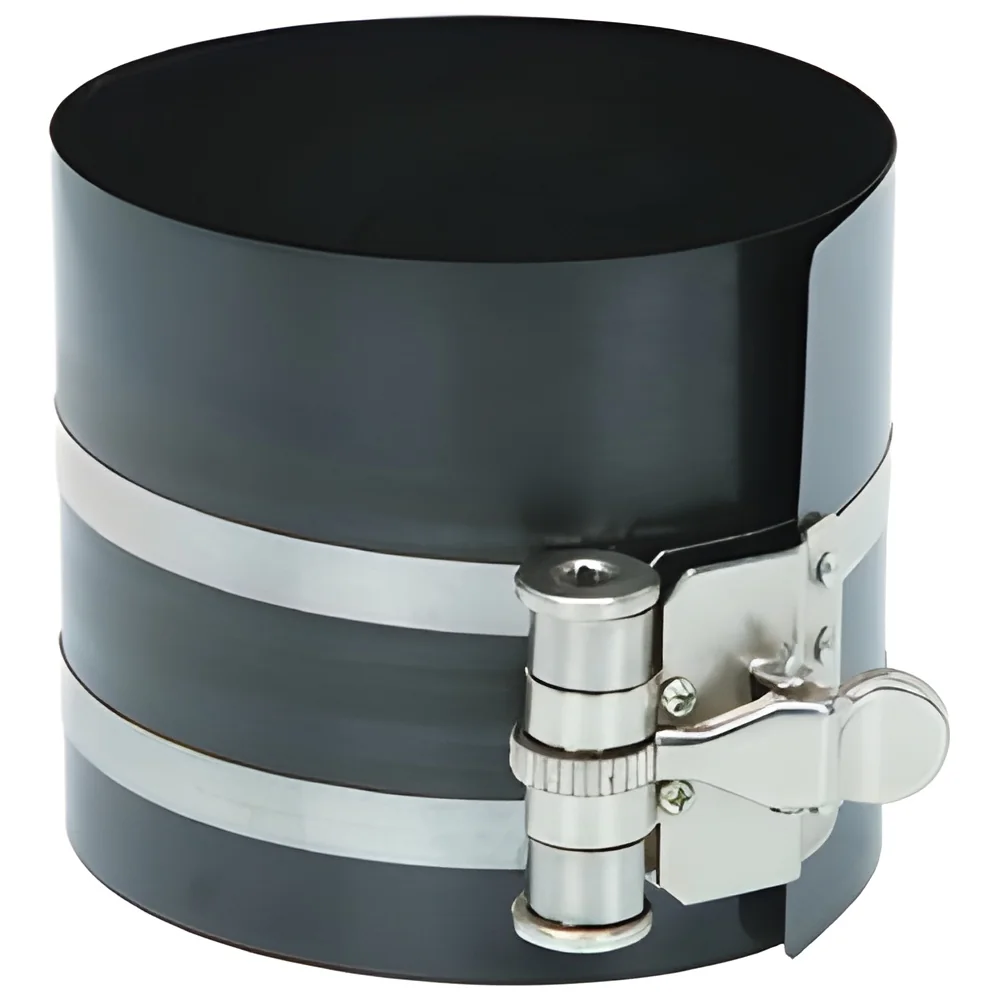
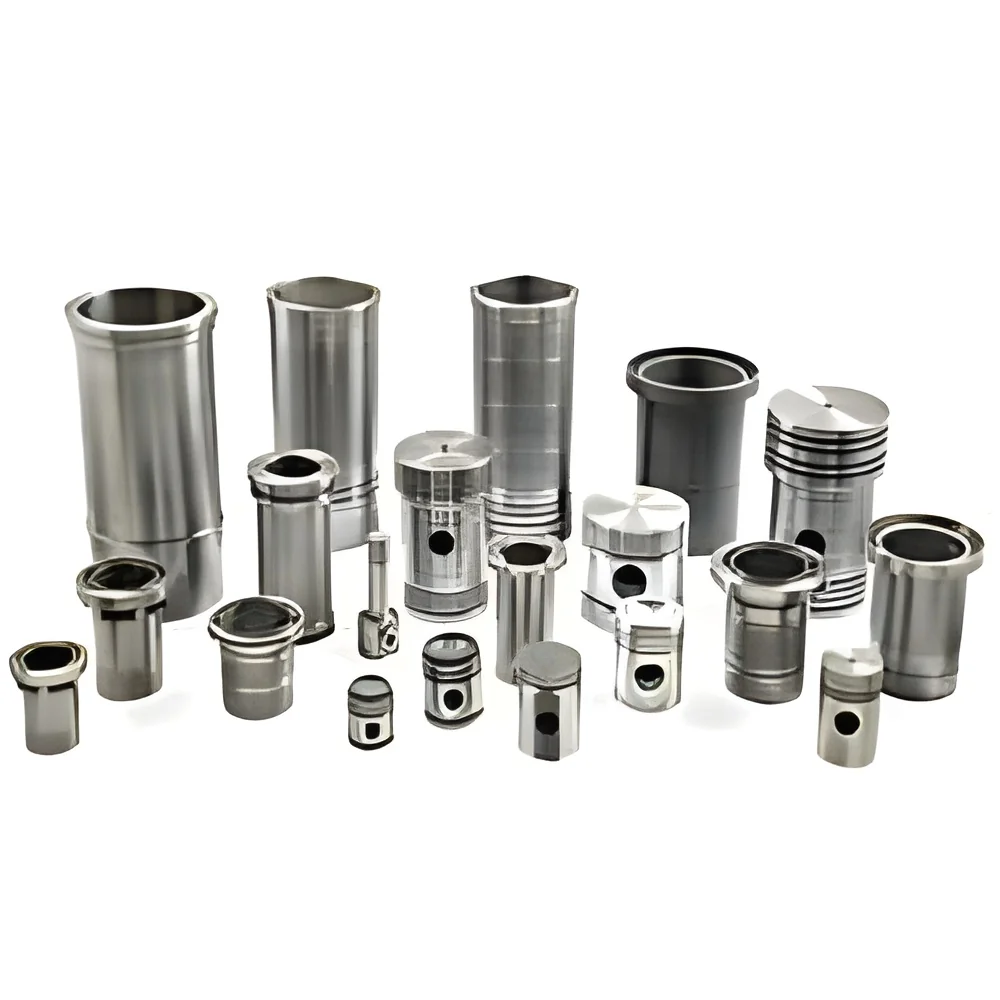
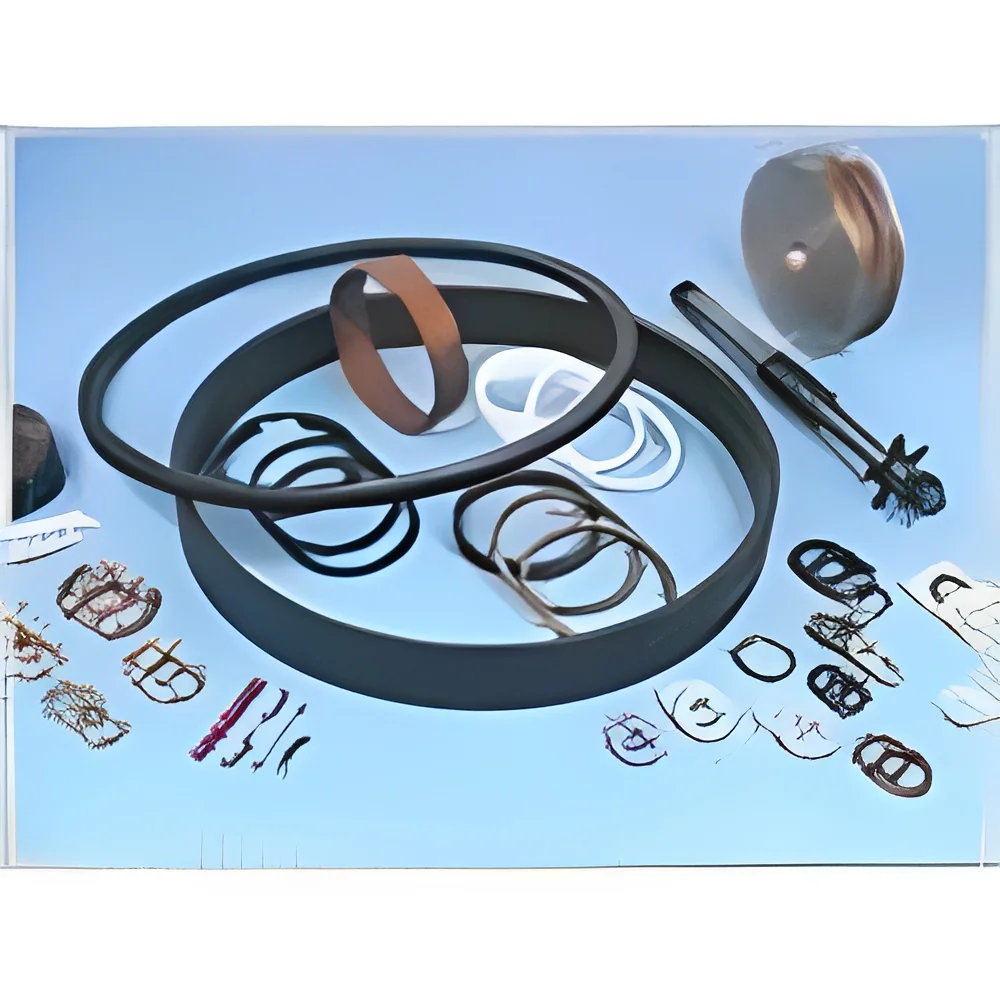
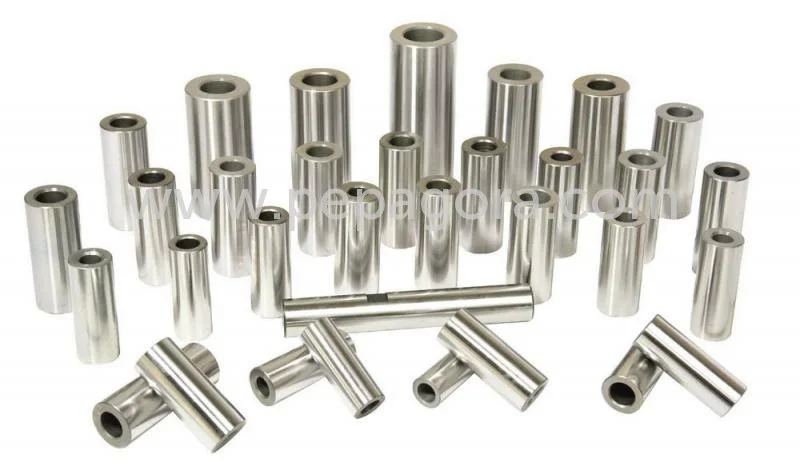
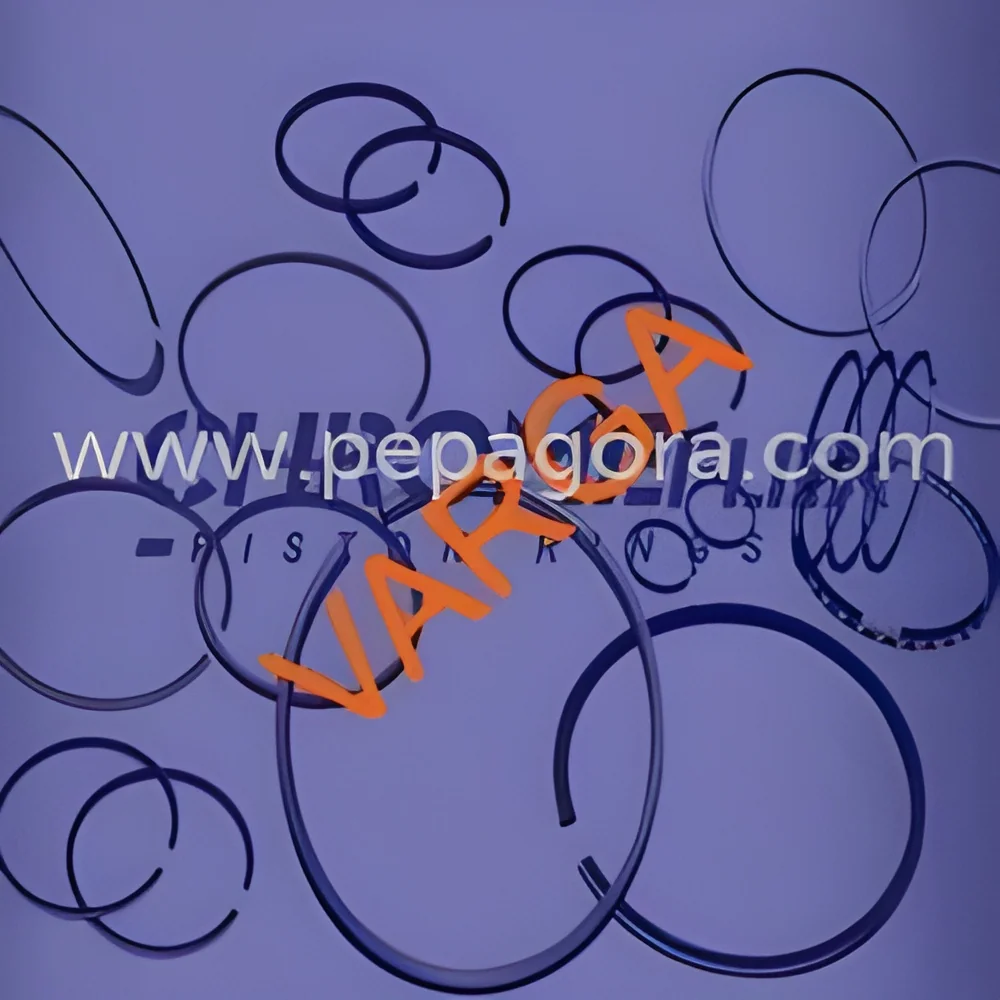
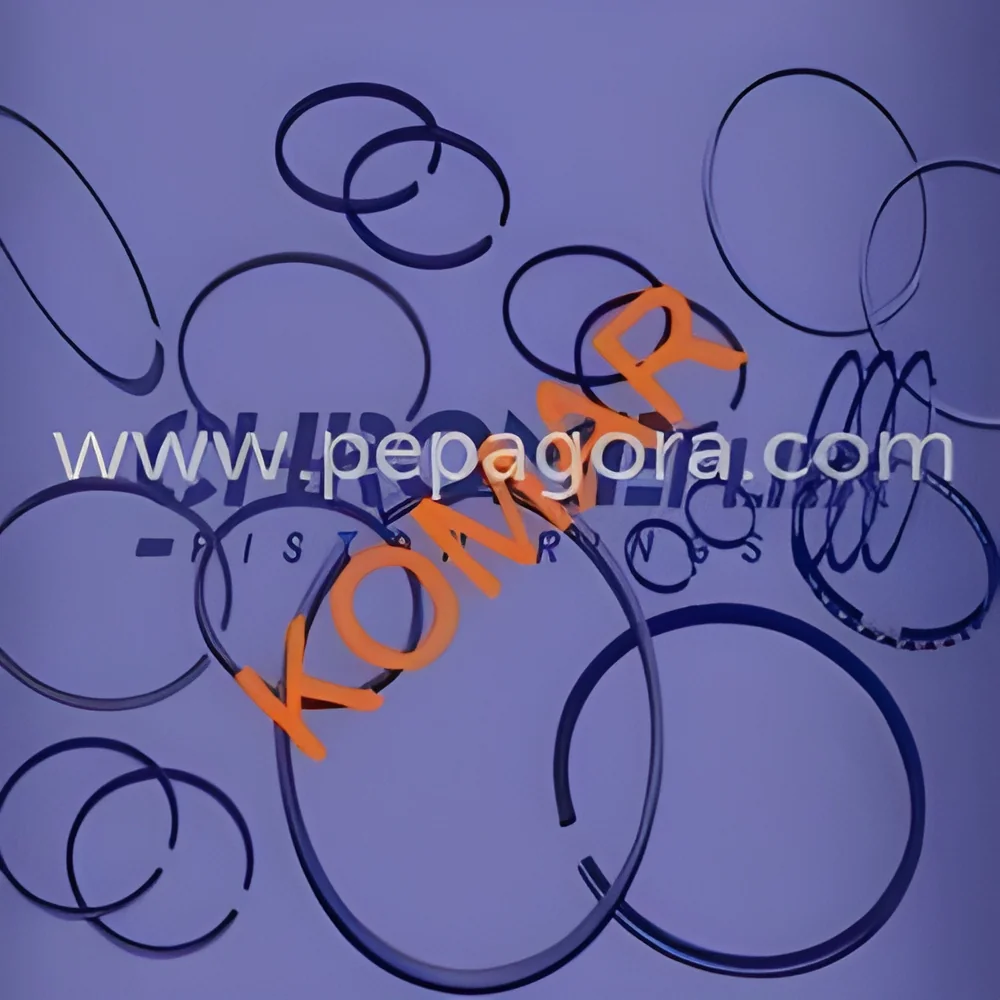
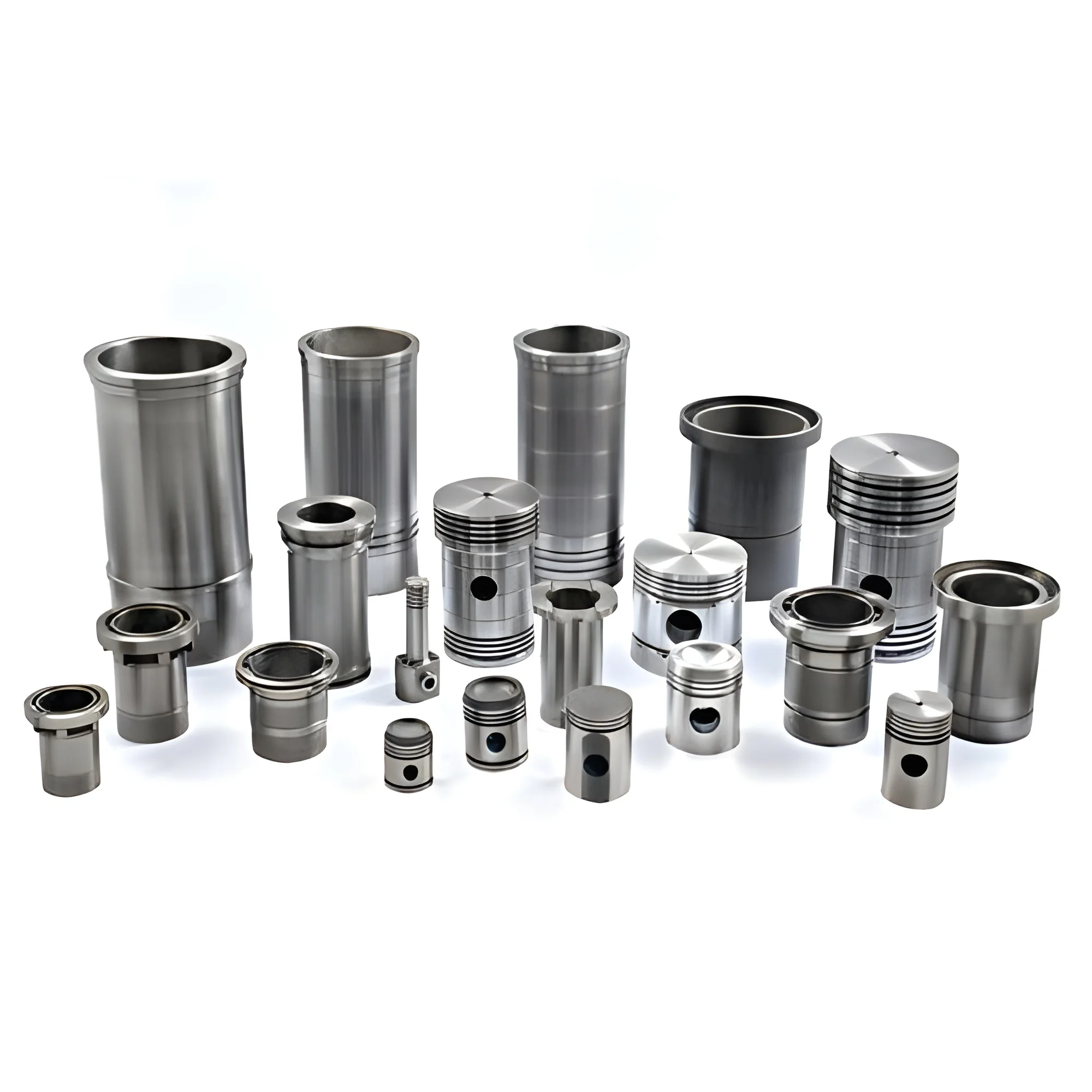
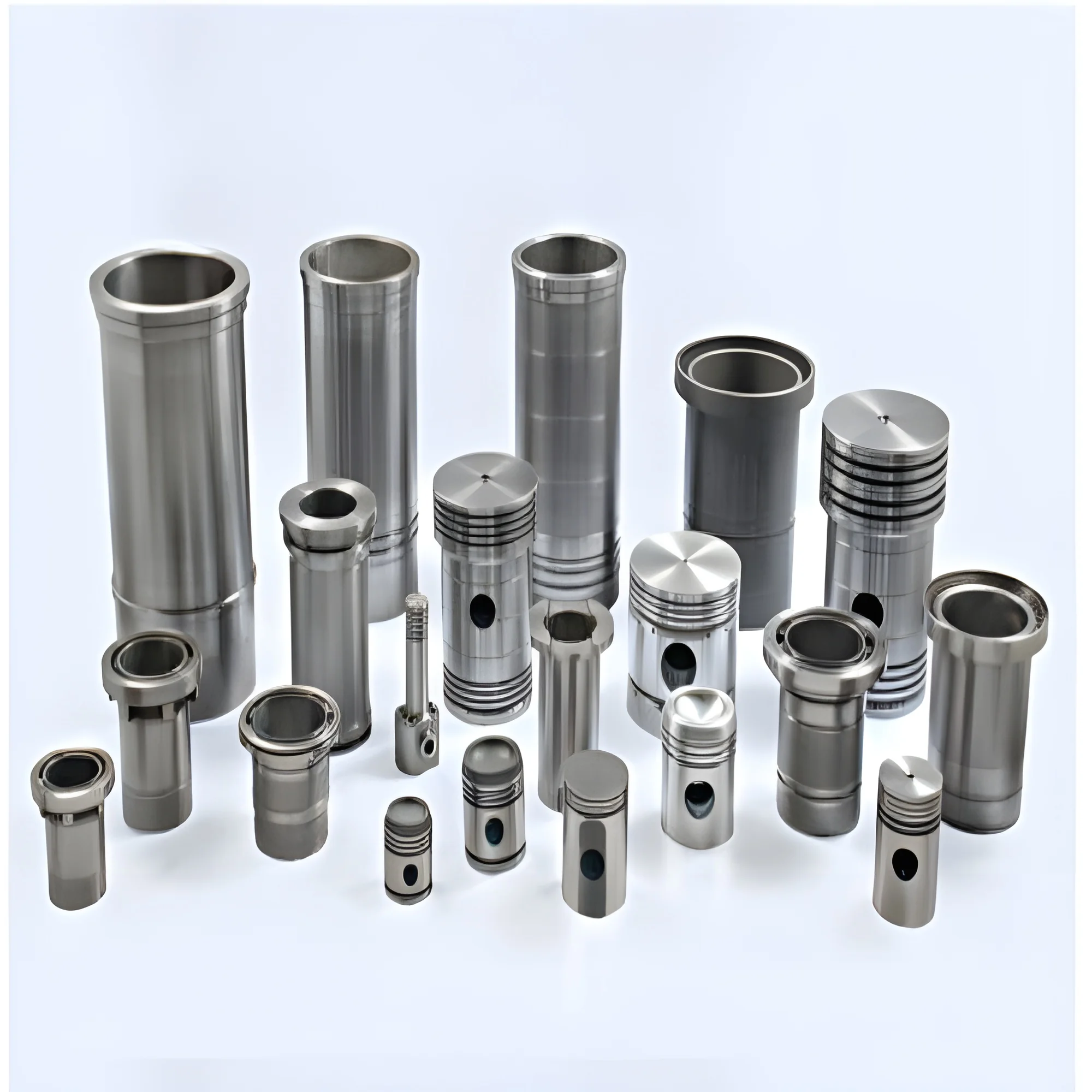
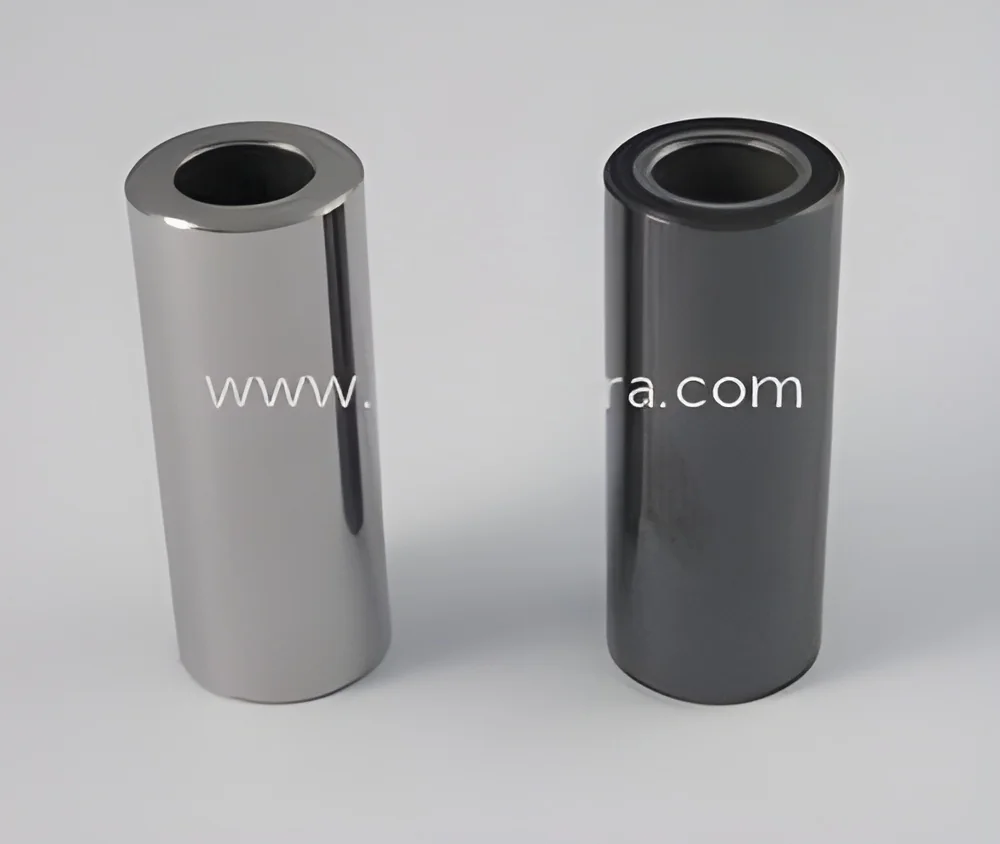
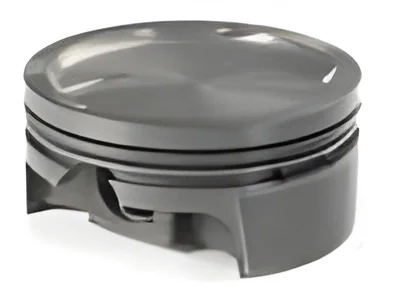
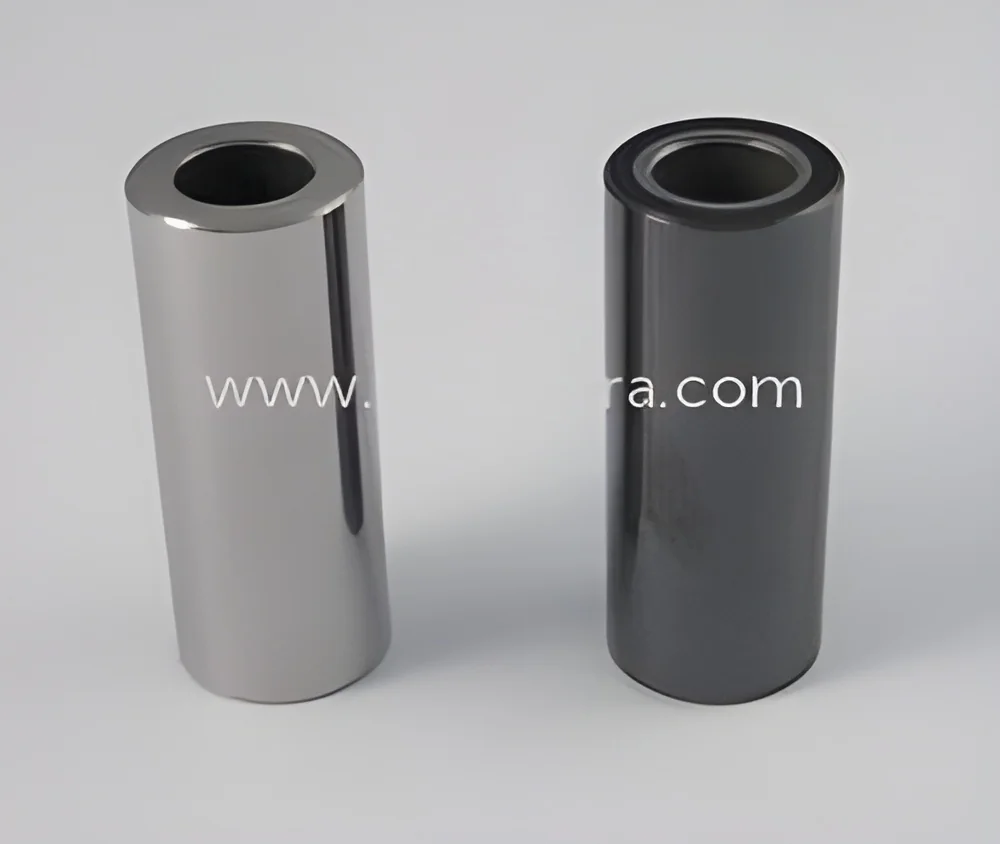
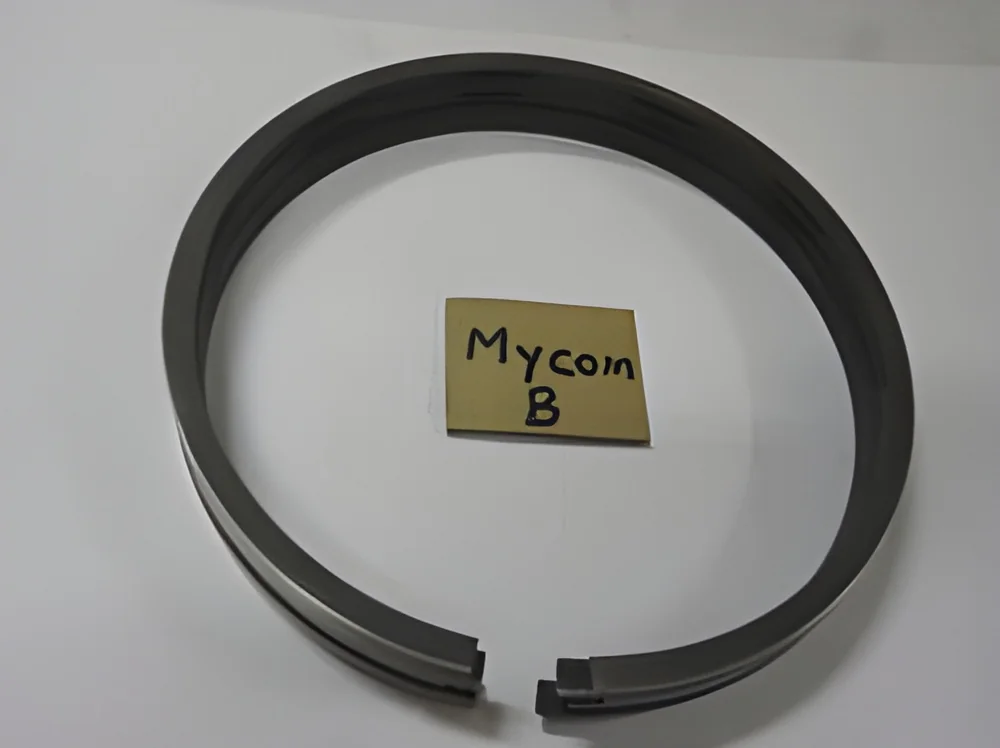
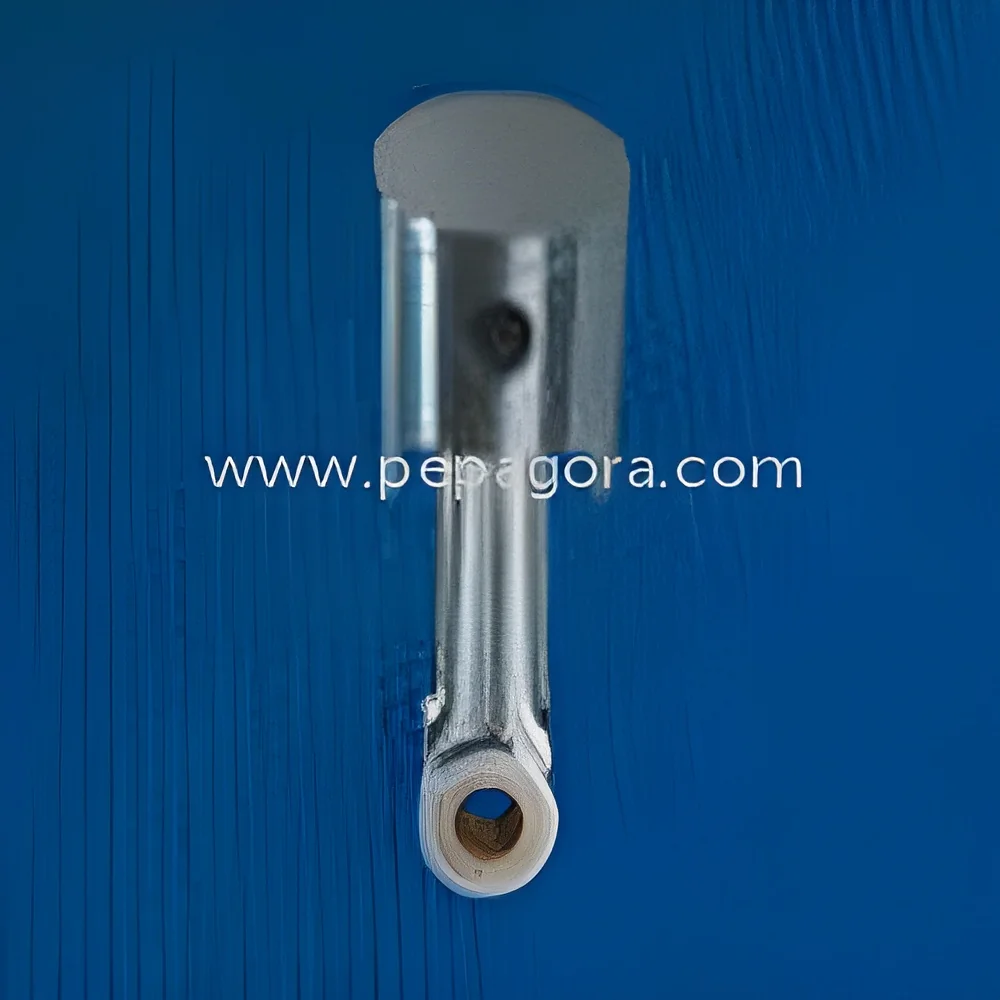
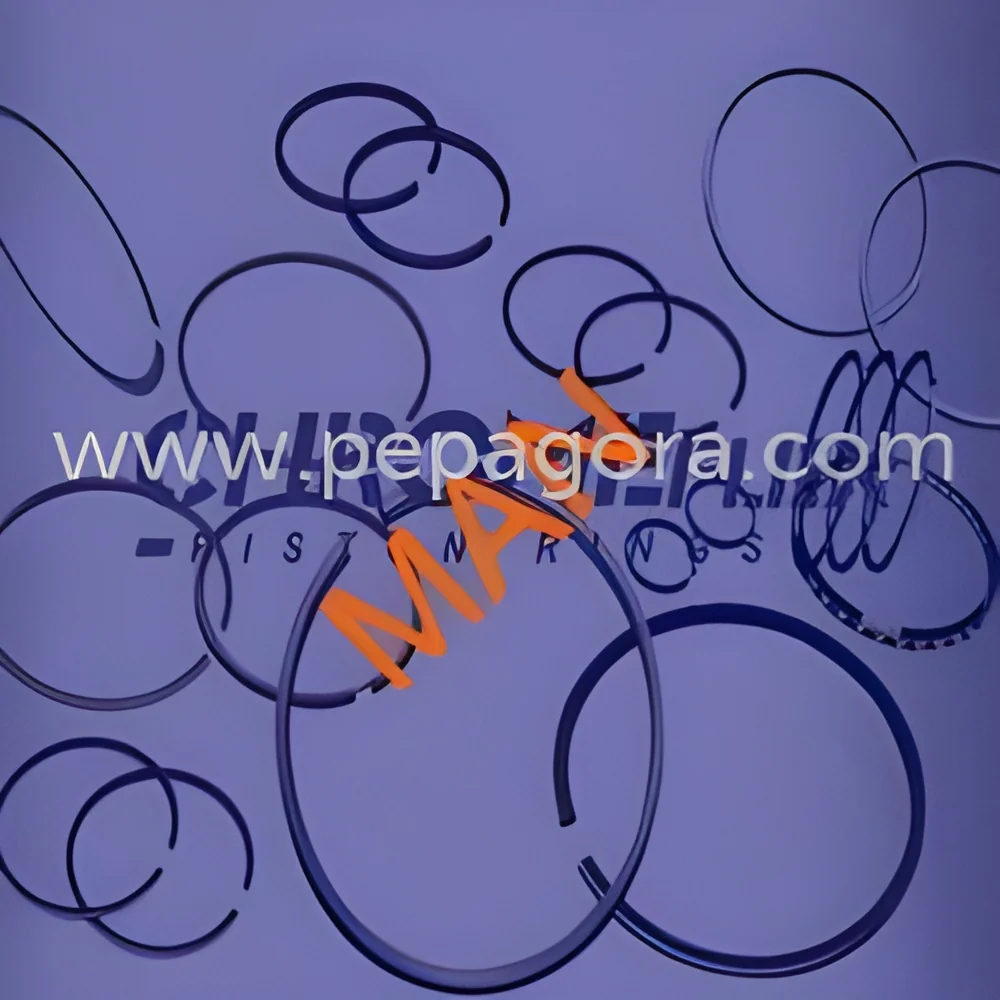
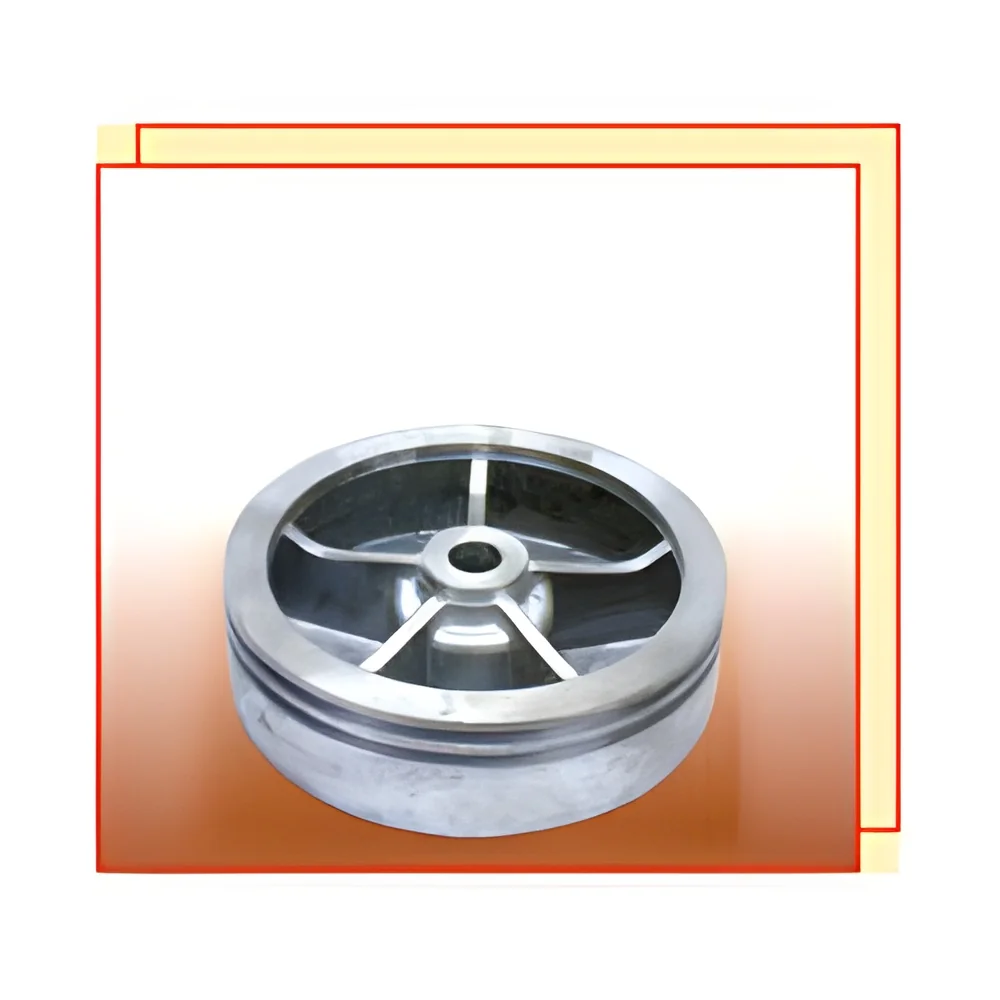
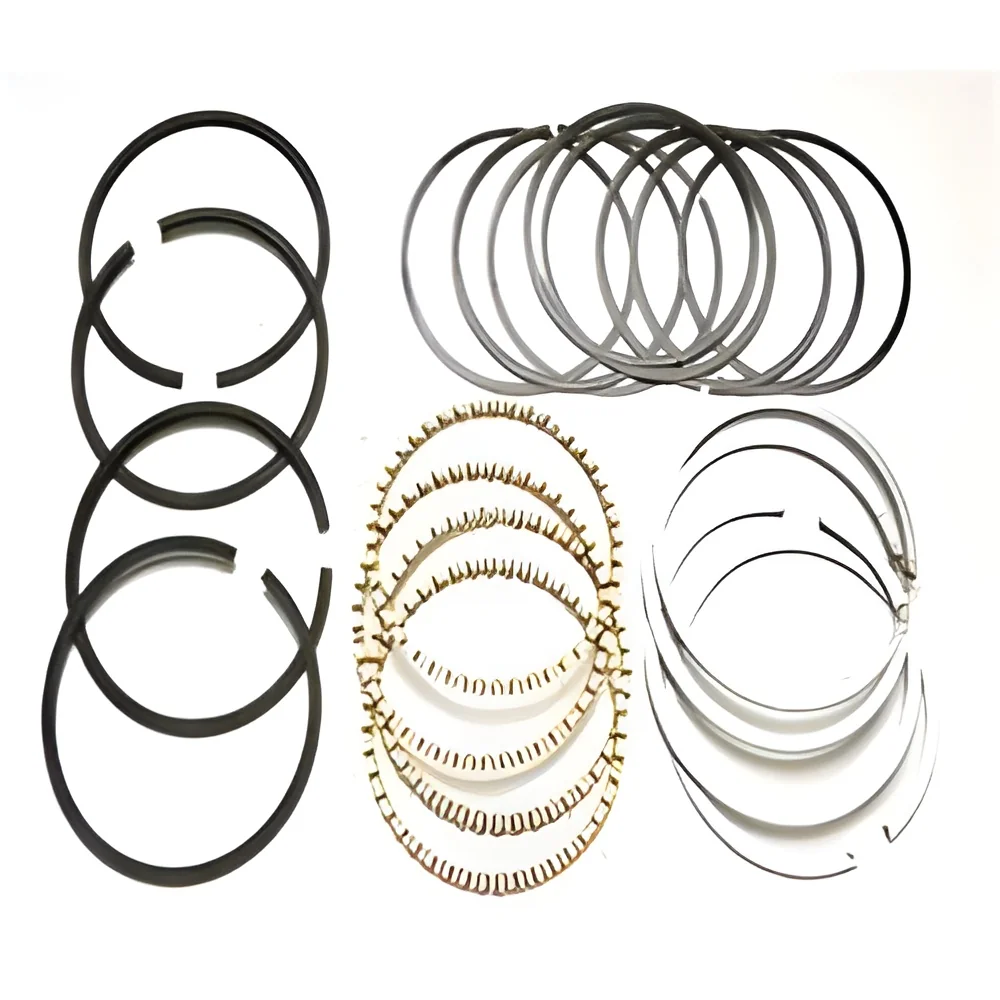
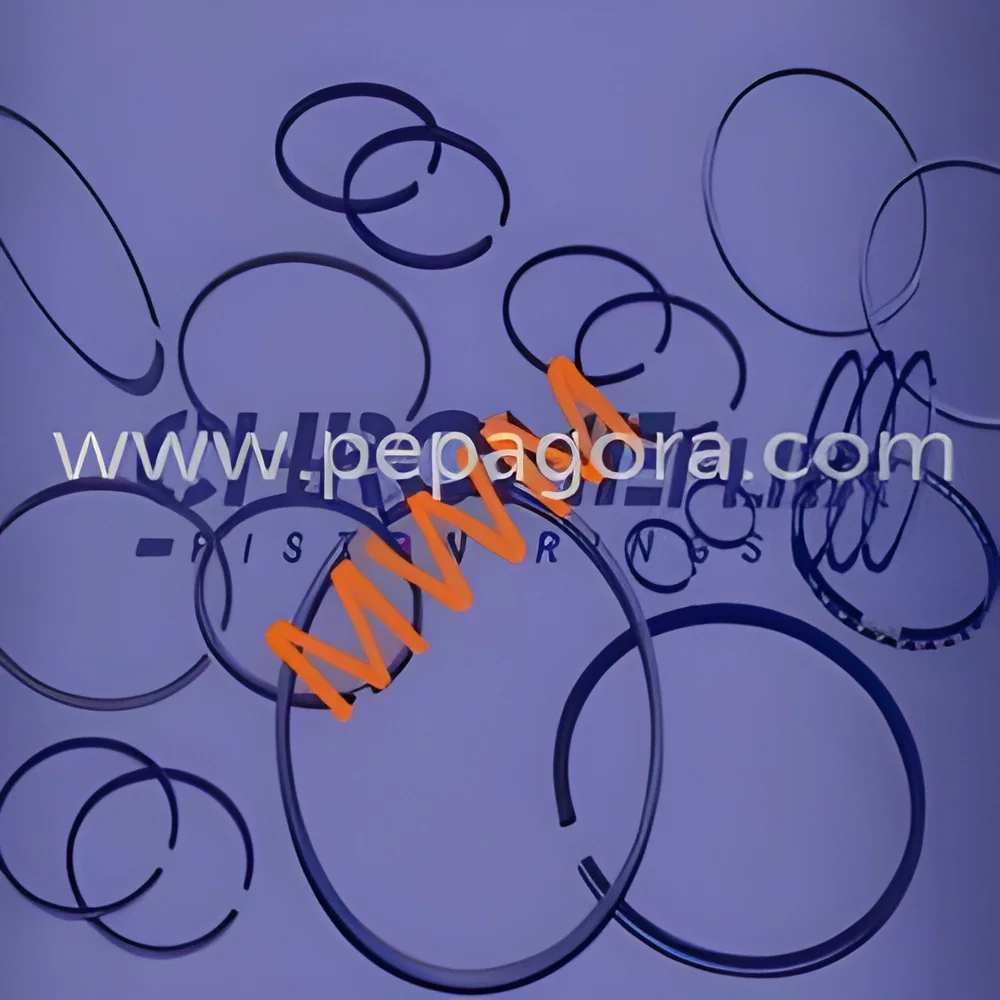
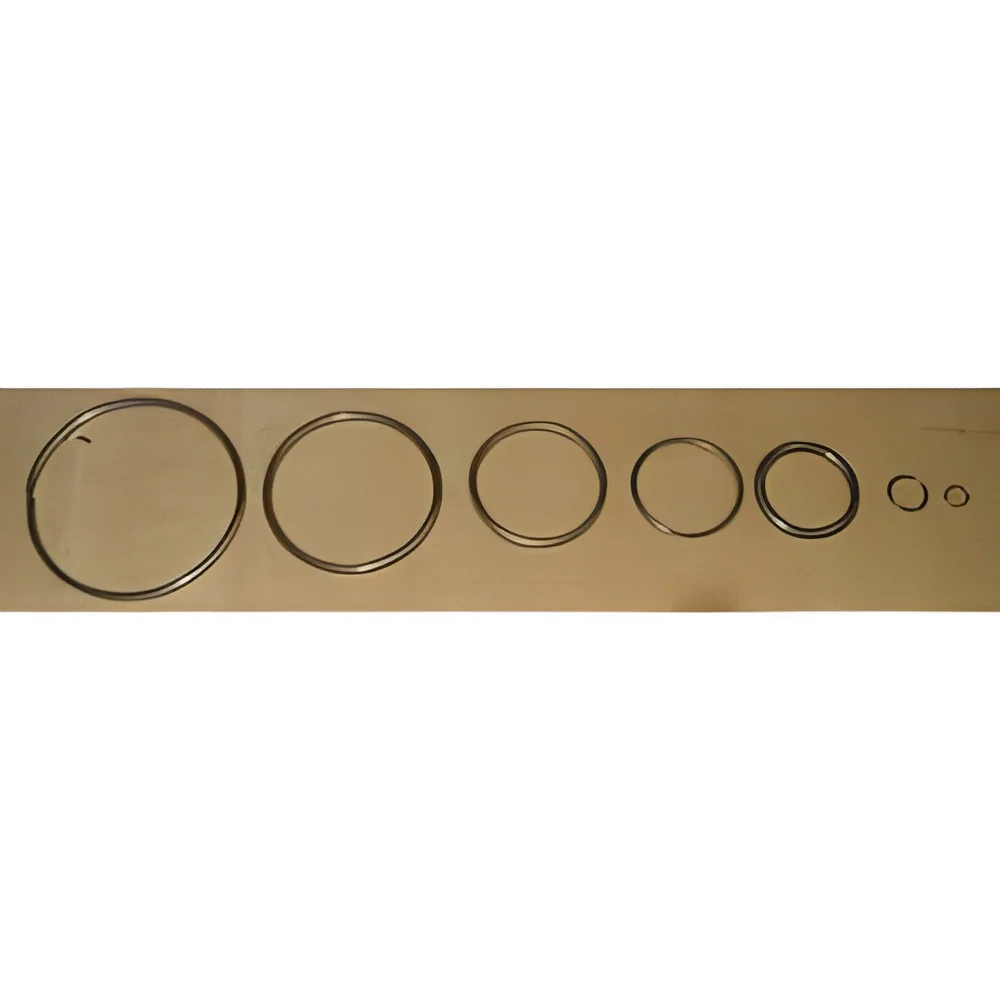
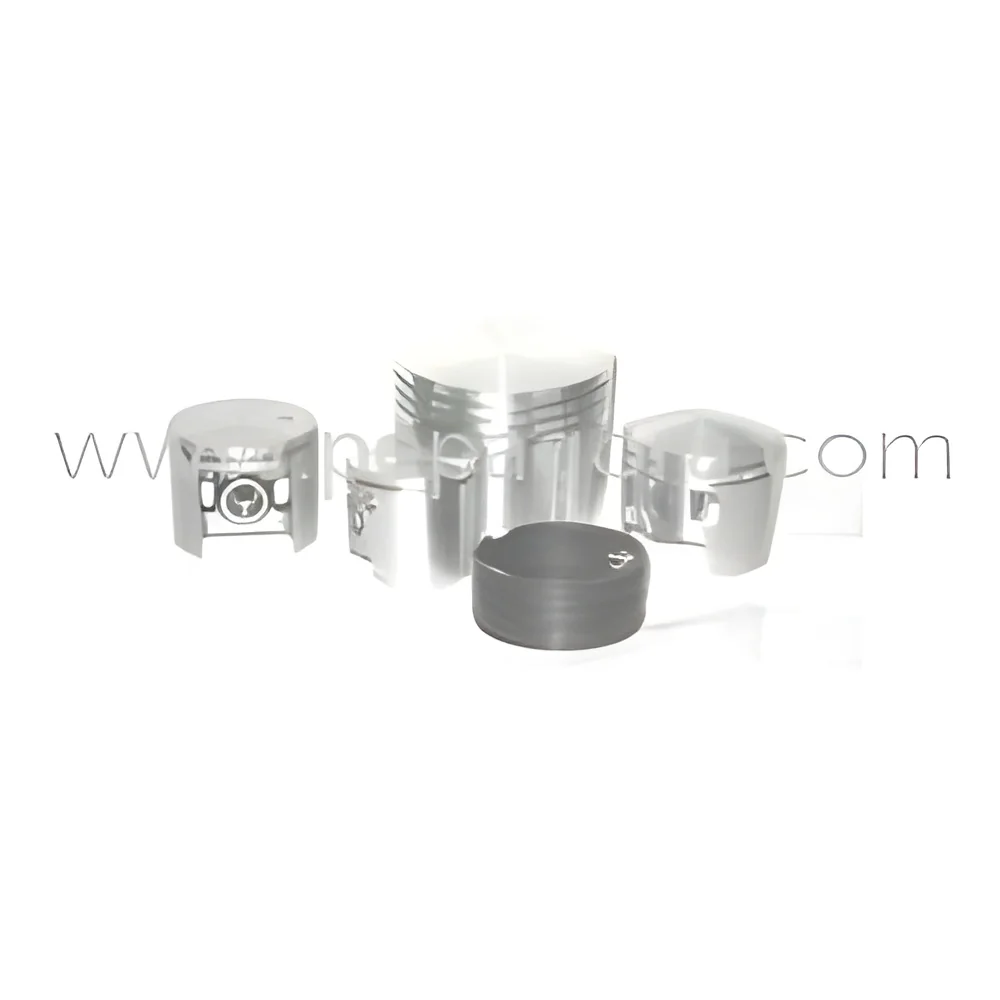
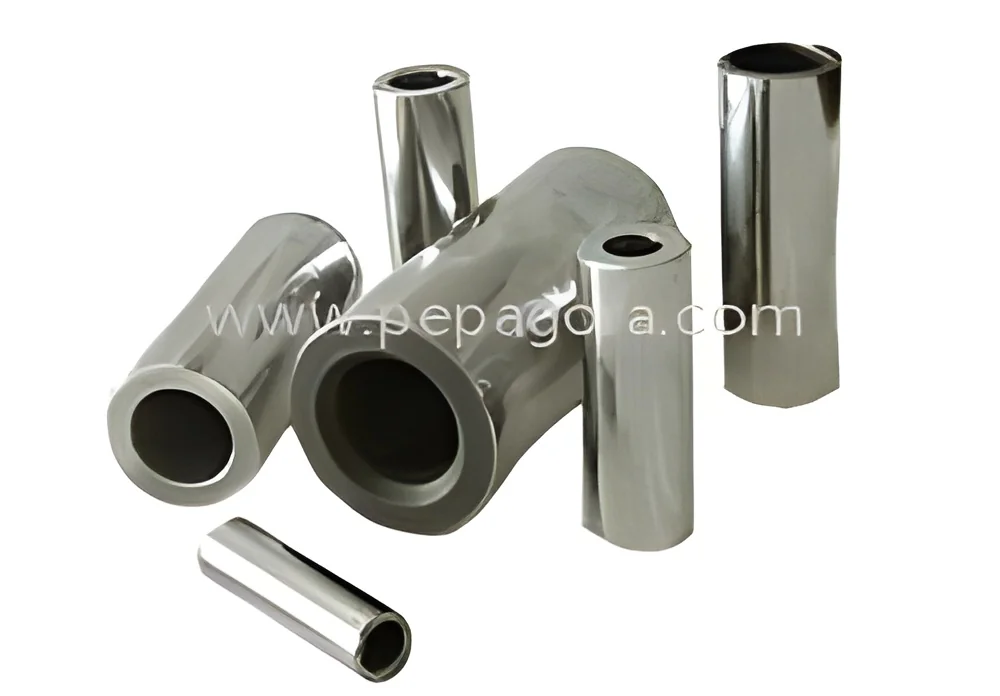
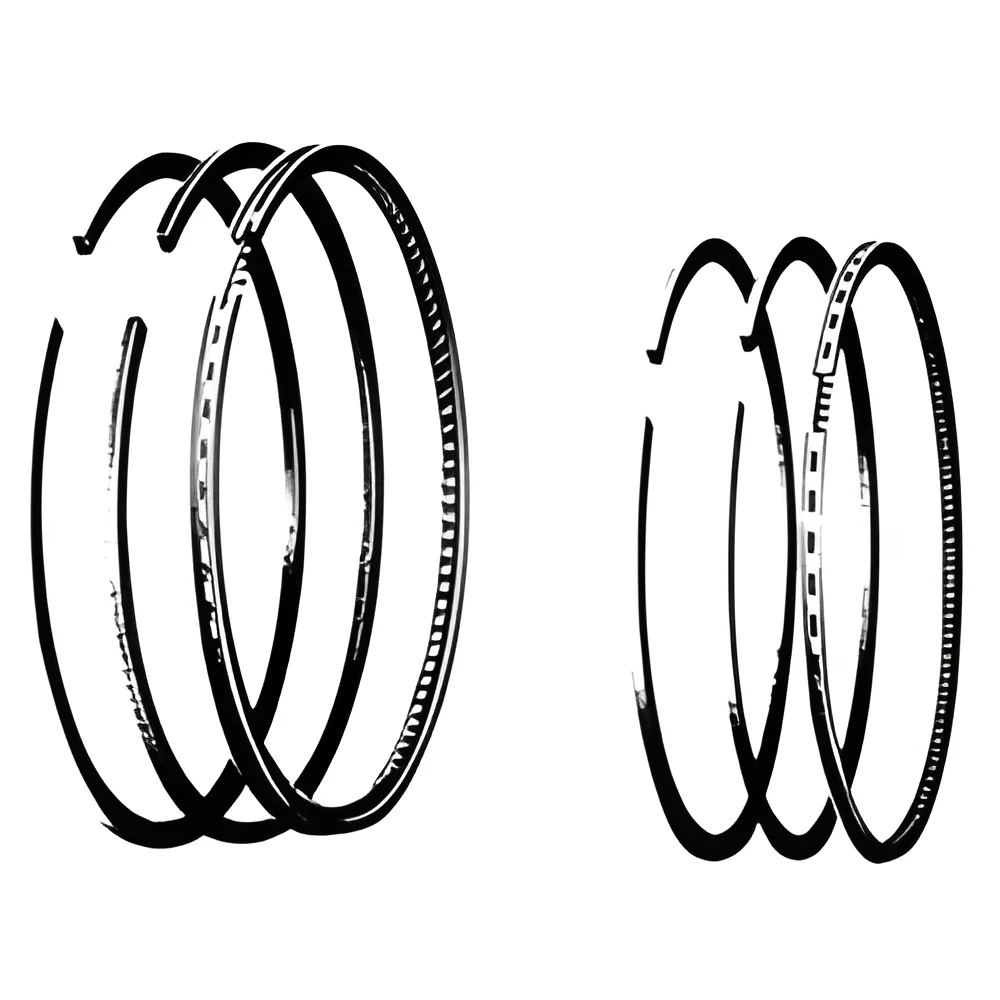
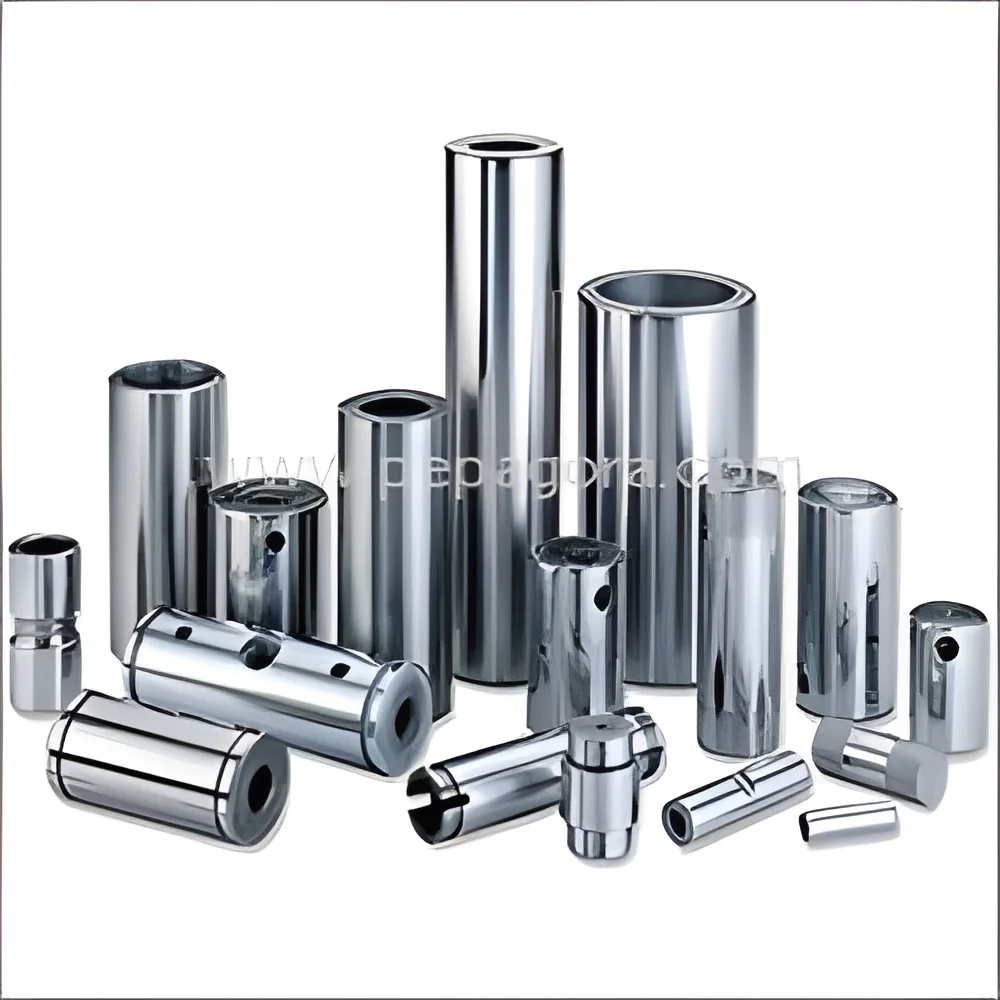
Pistons and piston rings are critical components in internal combustion engines and various industrial machinery. A piston is a cylindrical component that moves up and down within a cylinder, converting fuel energy into mechanical work. The piston rings are circular metal bands that fit into grooves around the piston, serving multiple functions, including sealing the combustion chamber, regulating oil consumption, and facilitating heat transfer from the piston to the cylinder wall.
These components are primarily used in automotive, marine, and industrial applications where engines or compressors operate. In automotive engines, pistons and piston rings play a vital role in engine efficiency and performance. In industrial settings, they are essential for equipment that relies on reciprocating motion to perform tasks. The relevance of pistons and piston rings extends across various sectors, making them indispensable in machinery that requires reliable and efficient power generation.
Key Features and Specifications
Pistons and piston rings are designed to meet specific performance standards and operational requirements. Understanding their key features and specifications is crucial for selecting the right components for various applications.
Key specifications include:
1. Material Composition
- Typically made from aluminum alloys, cast iron, or forged steel
- Provides durability and resistance to wear
2. Diameter and Stroke Length
- Diameter ranges from small (e.g., 40 mm) to large (e.g., 300 mm)
- Stroke lengths vary depending on engine design
3. Ring Thickness
- Common thickness ranges from 1.2 mm to 5.0 mm
- Affects sealing performance and oil control
4. Coating Options
- Various coatings available, including chrome and phosphate
- Enhances wear resistance and reduces friction
5. Operating Temperature Range
- Designed to withstand high temperatures, typically up to 250°C
- Essential for maintaining performance in extreme conditions
6. Ring Configuration
- Available in multiple configurations, such as tapered or rectangular
- Impacts sealing efficiency and oil consumption
7. Tolerance Levels
- Precision tolerances are maintained for effective operation
- Ensures proper fit within the cylinder
8. Certification Standards
- Comply with industry standards such as CE
- Ensures reliability and safety in applications
In summary, understanding the key features and specifications of pistons and piston rings is essential for ensuring optimal performance and longevity in various applications.
Common Applications and Use Cases
Pistons and piston rings have a wide range of applications across different industries.
1. Automotive Industry: Used in internal combustion engines for cars and trucks, these components are vital for engine performance and fuel efficiency.
2. Marine Industry: Found in marine engines, they ensure reliable operation of vessels and boats under varying conditions.
3. Industrial Machinery: Used in compressors and hydraulic equipment, they are essential for converting energy into mechanical power.
4. Power Generation: Integral to generators and turbines, they help maintain efficient energy production.
5. Aerospace: Used in aircraft engines, they are designed for high-performance requirements and reliability.
6. Agricultural Equipment: Found in tractors and harvesters, they support the demanding operational needs of farming machinery.
7. Construction Equipment: Utilized in heavy machinery, they provide the necessary power for excavators and loaders.
Product Variants and Subcategories
Pistons and piston rings come in various designs and specifications to meet the diverse needs of different applications.
Standard Piston Design
This variant is commonly used in automotive and industrial applications. It features a robust construction that allows for high-pressure performance and durability.
Racing Piston Design
Engineered for high-performance vehicles, racing pistons are lighter and have enhanced thermal properties. They are designed to withstand extreme conditions and provide maximum power output.
Reinforced Piston Rings
These piston rings are built with advanced materials to enhance durability and reduce wear. They are particularly useful in heavy-duty applications such as construction and mining equipment.
Low-Friction Piston Rings
Designed to minimize friction, these piston rings improve fuel efficiency and engine performance. They are often used in high-efficiency engines.
Benefits and Advantages
Pistons and piston rings offer several key benefits that enhance the performance of engines and machinery.
1. Enhanced Efficiency: Properly designed pistons and rings improve combustion efficiency, leading to better fuel economy.
2. Durability: High-quality materials and coatings increase the lifespan of these components, reducing the need for frequent replacements.
3. Reduced Emissions: Effective sealing provided by piston rings helps minimize oil consumption and exhaust emissions, contributing to environmental sustainability.
4. Improved Power Output: Performance-oriented designs enable engines to generate more power while maintaining reliability.
5. Versatility: Available in various sizes and specifications, they can be tailored to meet specific application requirements.
6. Cost-Effectiveness: Investing in quality pistons and rings can lead to long-term savings by reducing operational downtime and maintenance costs.
Buying Guide for B2B Buyers
When sourcing pistons and piston rings, it is essential to consider various factors to ensure the selection of the right components for your application.
1. Quality Assessment: Evaluate the quality standards of the products. Look for manufacturers that adhere to recognized certifications, such as CE, to guarantee reliability.
2. Supplier Verification: Vet potential suppliers carefully. Check their industry reputation, customer reviews, and delivery capabilities to ensure you partner with a trustworthy provider.
3. Pricing and MOQ: Understand the pricing structure and minimum order quantity (MOQ) requirements. This will help you plan your budget effectively.
4. Delivery and Lead Times: Discuss delivery schedules with suppliers. Ensure they can meet your timeline for production to avoid delays in your projects.
5. Compliance Requirements: Be aware of any regulatory requirements related to the use of pistons and piston rings in your industry. Ensure that the products meet these standards for safety and performance.
Compliance and Certifications
Compliance with relevant quality standards and certifications is crucial for the performance and safety of pistons and piston rings.
Manufacturers often adhere to ISO 9001 standards, which ensure a focus on quality management systems. This certification demonstrates a commitment to maintaining high-quality production processes.
Additionally, CE certification is vital for products sold in European markets, indicating compliance with health, safety, and environmental protection standards.
Safety and testing requirements are also essential, as they ensure that the components can withstand the operational stresses they will encounter. Regular testing for durability and performance metrics is necessary to maintain compliance.
Regional compliance considerations may vary, so it is essential to understand local regulations, especially in regions like India, GCC, and Southeast Asia. Ensuring compliance with these standards is crucial for successful market entry and operational reliability.
Why Source Pistons & Piston Rings from Pepagora?
Pepagora provides a trusted platform for sourcing pistons and piston rings, offering several key advantages.
The verified supplier network ensures that buyers have access to reputable manufacturers who meet quality standards. This network helps mitigate risks associated with sourcing from unverified sources.
The streamlined RFQ process simplifies the procurement experience. Buyers can quickly request quotes from multiple suppliers, allowing for easy comparison and selection of the best offers.
Trade assurance and support provide additional peace of mind for buyers. Pepagora offers protection measures to safeguard transactions, ensuring that buyers receive the products they ordered.
Finally, Pepagora's regional coverage across India, the GCC, and Southeast Asia enhances accessibility. This geographic reach allows buyers to connect with suppliers that best meet their specific needs and operational requirements.

 IN
IN