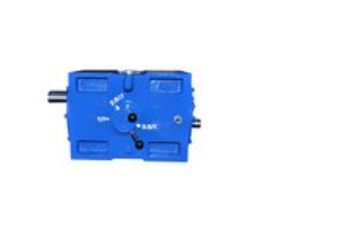
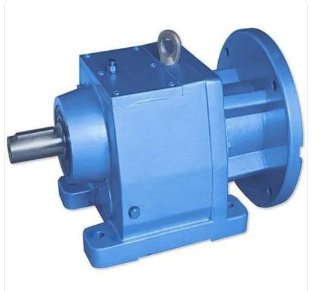
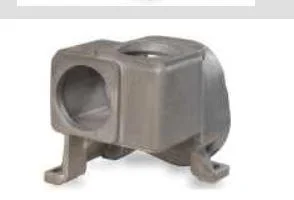
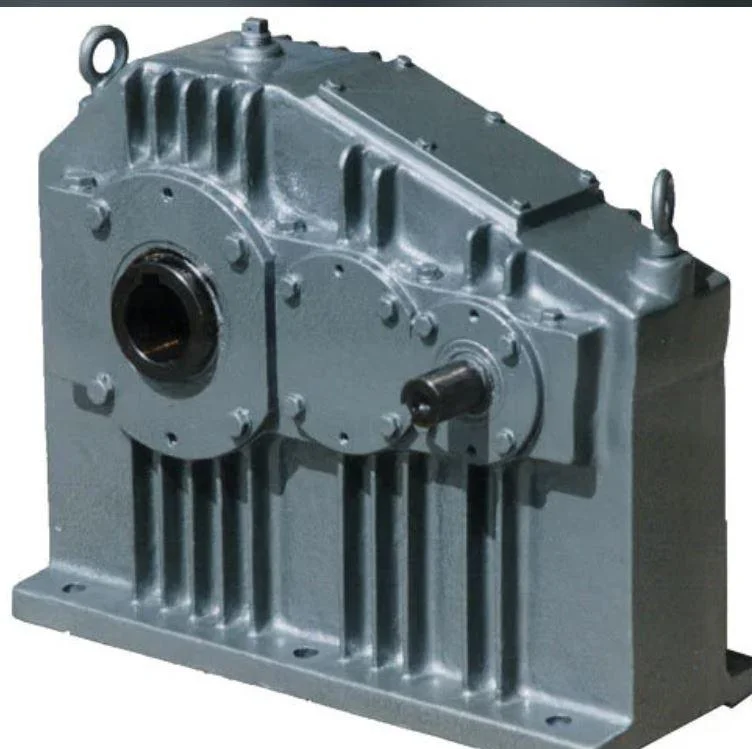
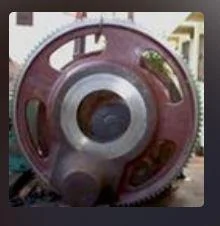
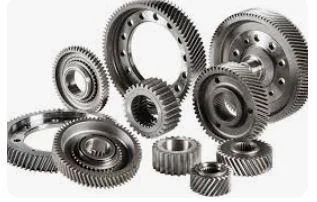
What are Gearbox Components?
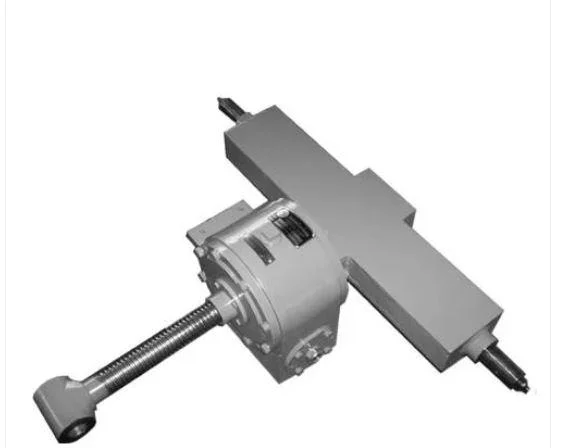
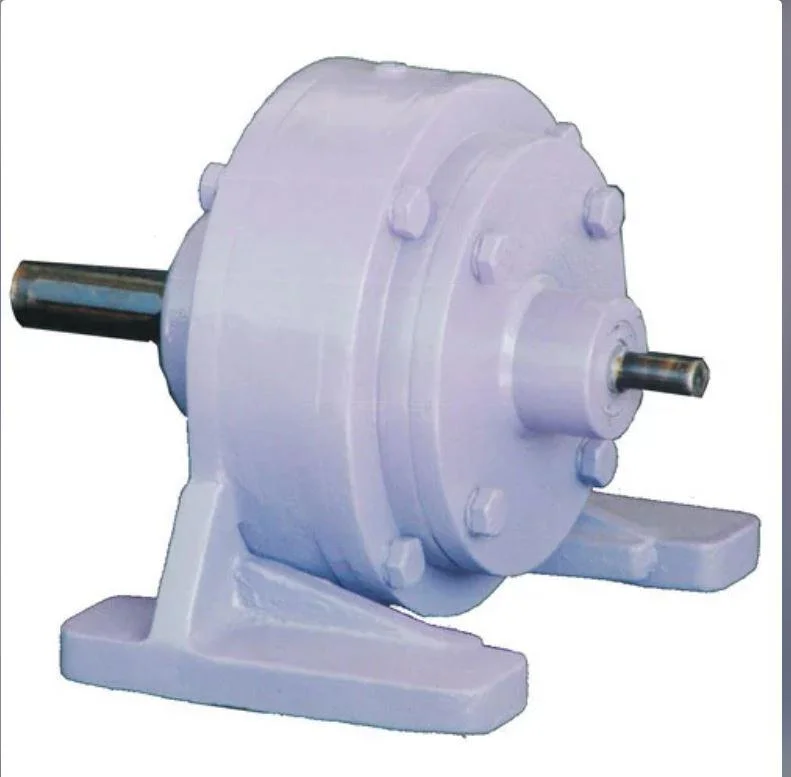
Gearbox components are essential mechanical parts that facilitate the transmission of power in various industrial applications. They play a crucial role in modifying the speed, torque, and rotational direction of machinery. Typically found in gearboxes, these components include gears, shafts, bearings, and housing, each designed to work together efficiently. The integration of these components ensures reliable operation in diverse settings, from manufacturing plants to automotive systems.
These components are primarily used in various sectors such as manufacturing, automotive, aerospace, and robotics. They enable machinery to perform specific tasks by controlling the speed and force of moving parts. Businesses depend on high-quality gearbox components to ensure smooth operations, enhance productivity, and reduce downtime. Given the increasing demand for automation and precision engineering, the relevance of gearbox components continues to grow in the market, driving innovations and improvements in design and functionality.
Key Features and Specifications
Gearbox components are defined by several critical features and specifications that ensure their effectiveness and reliability in industrial applications. Understanding these specifications is essential for selecting the right components for specific tasks.
Key specifications include:
1. Gear Type
- Common types include spur gears, bevel gears, and worm gears.
- Each type has unique characteristics that affect torque and speed ratios.
2. Material Composition
- Typically made from steel, aluminum, or composite materials.
- Material choice impacts durability, weight, and cost.
3. Load Capacity
- Specifications often outline the maximum load each component can handle.
- Load ratings vary based on design and intended application.
4. Gear Ratio
- Indicates the relationship between input and output speeds.
- Essential for determining performance in motion control.
5. Efficiency Rating
- Reflects how effectively the gearbox transmits power.
- Higher efficiency leads to reduced energy consumption.
6. Operating Temperature Range
- Indicates the temperature limits for optimal performance.
- Critical for applications in extreme environments.
7. Lubrication Requirements
- Specifies the type of lubrication needed for operation.
- Proper lubrication is vital for reducing wear and heat.
8. Standard Compliance
- Gearbox components may comply with various industry standards.
- Compliance ensures quality and safety in operation.
In conclusion, understanding the key features and specifications of gearbox components is essential for making informed purchasing decisions. These specifications guide buyers in selecting the right components that meet their operational needs.
Common Applications and Use Cases
Gearbox components find widespread applications across multiple industries, owing to their versatility and essential function in machinery.
1. Manufacturing: Gearbox components are crucial in automated production lines, controlling the speed of conveyor belts and robotic arms.
2. Automotive: In vehicles, these components are integral to transmission systems, enabling smooth gear shifting and efficient power distribution.
3. Aerospace: Gearboxes are used in aircraft systems for thrust reversers and landing gear mechanisms, ensuring high reliability and safety.
4. Robotics: In robotic systems, gearbox components provide precise motion control, allowing for intricate tasks and movements.
5. Renewable Energy: Wind turbines utilize gearbox components to convert wind energy into electrical energy, maximizing efficiency.
6. Construction: Heavy machinery, such as excavators and cranes, relies on gearbox components for effective power transmission and lifting capabilities.
7. Marine: Gearboxes are utilized in ship propulsion systems, allowing vessels to navigate efficiently under various conditions.
Product Variants and Subcategories
Gearbox components come in various forms to meet the specific needs of different applications. Each variant offers unique features and benefits that cater to specific operational requirements.
Spur Gears
Spur gears are one of the most common types of gears used in gearboxes. They have straight teeth and are designed for high efficiency in power transmission. Spur gears are ideal for applications requiring minimal backlash and smooth operation.
Bevel Gears
Bevel gears are used to transmit power between shafts that are at an angle to each other. They are essential in applications where space constraints exist, allowing for efficient direction changes in machinery.
Worm Gears
Worm gears provide a high reduction ratio and are known for their ability to transmit power at right angles. They are commonly used in situations where space is limited, and a high torque output is required.
Helical Gears
Helical gears feature teeth that are angled, allowing for smoother engagement compared to spur gears. They are suitable for high-speed applications and are often used in automotive and industrial machinery.
Benefits and Advantages
The use of high-quality gearbox components offers numerous benefits for businesses seeking to enhance their operational efficiency.
1. Increased Efficiency: Well-designed gearbox components improve the overall efficiency of machinery, leading to reduced energy consumption.
2. Enhanced Durability: Quality materials and construction extend the lifespan of gearbox components, resulting in lower maintenance costs.
3. Precision Control: Gearbox components allow for precise control over speed and torque, enabling optimized performance in various applications.
4. Reduced Downtime: Reliable gearbox components lead to fewer breakdowns and interruptions in production, enhancing overall productivity.
5. Versatility: With various types and specifications available, gearbox components can be tailored to meet the needs of diverse applications.
6. Cost Savings: Investing in high-quality gearbox components can lead to long-term savings in operational and maintenance costs.
Buying Guide for B2B Buyers
When sourcing gearbox components, it is essential for B2B buyers to consider several key factors to ensure they make informed purchasing decisions.
1. Quality Assessment: Evaluate the quality of materials and manufacturing processes used in the gearbox components. Look for certifications that indicate compliance with industry standards.
2. Supplier Verification: Conduct thorough research to verify the reliability and reputation of suppliers. Check for customer reviews and industry references to ensure you choose a trustworthy partner.
3. Pricing and MOQ: Consider the pricing structure and minimum order quantities set by suppliers. Compare prices among different vendors to find the best value without compromising quality.
4. Delivery and Lead Times: Understand the lead times associated with the purchase of gearbox components. Ensure that suppliers can meet your delivery requirements to avoid disruptions in your operations.
5. Compliance Requirements: Familiarize yourself with relevant regulations and compliance standards that apply to gearbox components in your industry. Ensure that suppliers adhere to these requirements.
Compliance and Certifications
Compliance and certifications play a crucial role in ensuring the quality and safety of gearbox components. Adhering to recognized quality standards, such as ISO 9001, is essential for manufacturers to demonstrate their commitment to consistent quality management systems.
Industry-specific certifications, such as CE marking, indicate that gearbox components meet European safety and environmental standards. This certification is vital for components used in machinery operating within the European market.
Additionally, safety and testing requirements must be met to ensure the performance and reliability of gearbox components under various operating conditions. This includes rigorous testing protocols to verify the load capacity and durability of the components.
Regional compliance considerations should also be taken into account, as different regions may have specific regulations affecting the design and manufacturing of gearbox components. Ensuring compliance with these standards is essential for businesses operating in multiple markets.
Why Source Gearbox Components from Pepagora?
Pepagora provides a trusted platform for sourcing gearbox components, offering several key advantages that make it a preferred choice for B2B buyers.
Verified Supplier Network: Pepagora has built a strong network of verified suppliers, ensuring that buyers have access to high-quality gearbox components from reputable manufacturers. This verification process helps mitigate risks associated with sourcing.
Streamlined RFQ Process: The platform simplifies the request for quotation process, allowing buyers to easily compare offers from multiple suppliers. This transparency facilitates better decision-making and helps find the best price for components.
Trade Assurance and Support: Pepagora offers trade assurance and support, providing buyers with protection throughout the purchasing process. This includes assistance with dispute resolution and ensuring timely delivery of components.
Regional Coverage: With a strong presence in India, GCC, and Southeast Asia, Pepagora connects buyers with suppliers across these regions. This geographic reach enhances accessibility to a diverse range of gearbox components to meet varying industrial needs.

 IN
IN