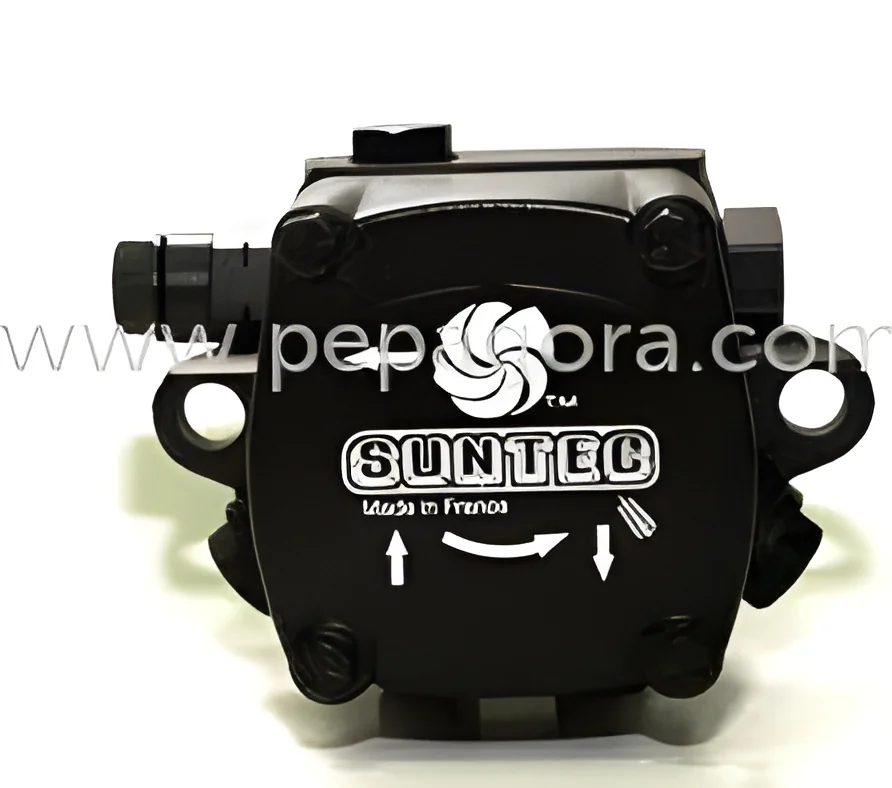
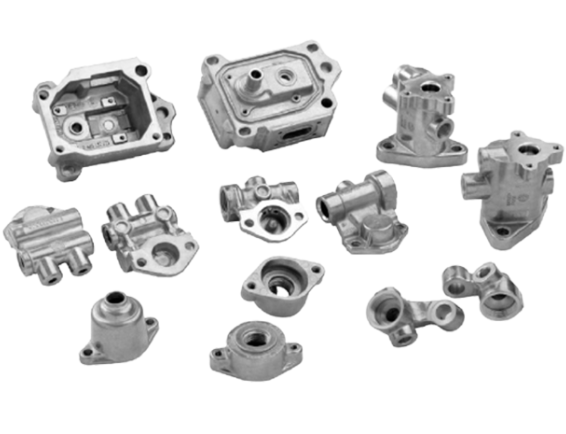
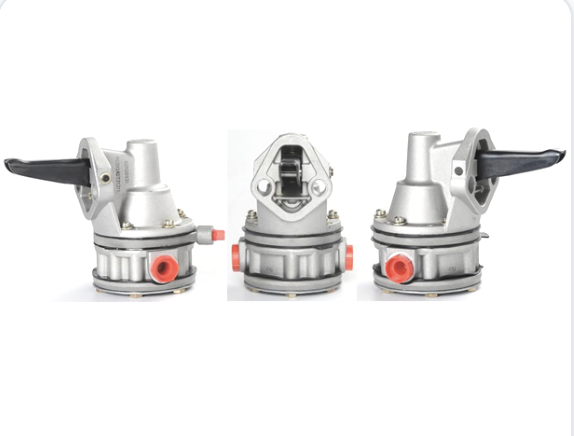
What are Fuel Pumps?
Fuel pumps are essential devices used to transfer fuel from a storage tank to an engine or other machinery. They are designed to create the necessary pressure needed for delivering fuel efficiently. Fuel pumps can be mechanical or electrical, depending on their application and design. Mechanical pumps usually rely on the engine's operation, while electric pumps use a motor to facilitate fuel movement.
These pumps are primarily used in automotive, industrial, and commercial applications. In vehicles, fuel pumps ensure a consistent supply of gasoline or diesel to the engine, directly impacting performance and efficiency. In industrial settings, fuel pumps are utilized in machinery that requires fuel for operation, such as generators, construction equipment, and agricultural machinery. As fuel efficiency and reliability become increasingly critical, the demand for high-quality fuel pumps continues to grow across various sectors.
The fuel pump industry is influenced by trends such as the shift toward electric vehicles and advancements in fuel technology. As regulations become stricter regarding emissions and fuel efficiency, the role of fuel pumps in supporting these changes becomes paramount. Companies that manufacture and supply fuel pumps must stay abreast of these developments to remain competitive in the market.
Key Features and Specifications
Fuel pumps come with a variety of features and specifications that cater to different applications. Understanding these specifications helps businesses select the right pump for their needs.
Key specifications include:
1. Flow Rate
- This specification indicates the volume of fuel the pump can deliver over a specific time period, usually measured in liters per minute (L/min) or gallons per hour (GPH).
2. Pressure Rating
- The pressure rating defines the maximum pressure the pump can generate, typically measured in pounds per square inch (PSI) or bar. It is crucial for ensuring compatibility with engine requirements.
3. Power Source
- Fuel pumps can be powered electrically or mechanically. Electric pumps are commonly used in modern vehicles, while mechanical pumps are often found in older models.
4. Materials
- The construction materials used in fuel pumps, such as stainless steel or plastic, affect durability and resistance to corrosion and wear.
5. Size and Weight
- The physical dimensions and weight of the pump can impact installation and compatibility with existing systems.
6. Noise Level
- Some pumps operate quietly, while others may produce noticeable noise, impacting user experience and compliance with local regulations.
7. Self-Priming Capability
- This feature allows the pump to draw fuel without needing a manual priming process, enhancing convenience and efficiency.
8. Safety Features
- Many modern fuel pumps are equipped with safety mechanisms that prevent leaks and overpressure situations, ensuring safer operation.
In summary, understanding the features and specifications of fuel pumps is vital for businesses to make informed purchasing decisions that align with their operational needs.
Common Applications and Use Cases
Fuel pumps serve a wide range of industries and applications due to their versatility and necessity in fuel transfer.
1. Automotive Industry: Fuel pumps are integral components in vehicles, ensuring an adequate supply of fuel to internal combustion engines. They are designed to meet specific pressure and flow requirements to optimize performance.
2. Construction: In construction machinery, fuel pumps supply diesel or gasoline to generators and heavy equipment, enabling their operation on job sites where electricity may not be readily available.
3. Agriculture: Agricultural equipment, such as tractors and harvesters, rely on fuel pumps to maintain performance during fieldwork, ensuring that machinery operates efficiently and effectively.
4. Aviation: Fuel pumps are critical in the aviation industry, transferring aviation fuel to aircraft. They must adhere to strict safety regulations to ensure reliable performance.
5. Marine: In marine applications, fuel pumps are used in boats and ships to deliver fuel to engines and generators, playing a vital role in ensuring safe and efficient operations on water.
6. Industrial Manufacturing: Fuel pumps are used in industrial processes that require fuel for machinery and equipment, making them essential for maintaining productivity in manufacturing environments.
7. Transportation and Logistics: Fuel pumps play a key role in fueling transportation vehicles, from trucks to buses, ensuring timely delivery of goods and services.
Product Variants and Subcategories
Fuel pumps come in various configurations to meet specific industry requirements. Each variant offers unique features designed for particular applications.
Electric Fuel Pumps: Electric fuel pumps are widely used in modern vehicles. They provide efficient fuel delivery and are often equipped with advanced features, such as built-in pressure regulators and filters.
Mechanical Fuel Pumps: These pumps are typically found in older vehicles and are powered by the engine's operation. They are known for their simplicity and reliability but may not provide the same efficiency as electric pumps.
High-Performance Fuel Pumps: Designed for high-performance vehicles and racing applications, these pumps deliver higher flow rates and pressures, ensuring optimal engine performance under demanding conditions.
Submersible Fuel Pumps: These pumps are installed directly within fuel tanks and are ideal for applications where space is limited. They are commonly used in residential and commercial fuel storage tanks.
Inline Fuel Pumps: Inline pumps are installed on the fuel line and are suitable for various vehicles and equipment. They offer flexibility in installation and can be used in both gasoline and diesel applications.
Benefits and Advantages
Choosing the right fuel pump offers several benefits that can enhance operational efficiency and performance.
1. Enhanced Performance: High-quality fuel pumps ensure a consistent and efficient fuel supply, contributing to improved engine performance.
2. Reliability: Durable fuel pumps are designed to withstand harsh operating conditions, reducing the risk of failures and downtime.
3. Cost-Effectiveness: Investing in reliable fuel pumps can lead to lower maintenance costs and improved fuel efficiency, providing long-term savings.
4. Versatility: Fuel pumps are available in various configurations, making them suitable for a wide range of applications across different industries.
5. Safety Features: Many modern fuel pumps come equipped with advanced safety mechanisms, reducing the risk of leaks and ensuring compliance with safety regulations.
6. Easy Installation: Depending on the type, many fuel pumps are designed for straightforward installation, allowing for quick replacements and upgrades.
Buying Guide for B2B Buyers
When sourcing fuel pumps, it is essential for businesses to consider several critical factors to ensure they select the right product.
1. Quality Assessment: Evaluate the build quality and materials used in the fuel pump. Look for pumps that comply with industry standards to ensure reliability and longevity.
2. Supplier Verification: Vet potential suppliers to confirm their credibility and track record. Reliable suppliers can provide warranties and after-sales support.
3. Pricing and MOQ: Understand the pricing structure and minimum order quantities. Compare prices among different suppliers to ensure you are getting the best value.
4. Delivery and Lead Times: Consider logistics and delivery times when sourcing fuel pumps. Ensure that suppliers can meet your timelines to avoid disruptions in operations.
5. Compliance Requirements: Familiarize yourself with regulatory compliance for fuel pumps in your region. Ensure that the pumps you select meet these standards to avoid legal issues.
Compliance and Certifications
Fuel pumps must adhere to relevant quality standards and certifications that ensure safe and effective operation.
Key certifications include CE marking, which indicates compliance with European health, safety, and environmental protection standards. This certification is crucial for companies looking to market their products in Europe and other regions that recognize CE compliance.
In addition to CE certification, manufacturers may also follow ISO 9001 standards, which focus on quality management systems. Adhering to these standards ensures that fuel pumps are consistently produced to meet customer requirements and enhance satisfaction.
Safety and testing requirements are equally important. Fuel pumps must undergo rigorous testing to ensure they can handle operational stresses without failures. Manufacturers should provide documentation of testing procedures and results to assure customers of their product's reliability.
Lastly, regional compliance considerations are essential for international trade. Different countries may have specific regulations regarding fuel pumps, and understanding these regulations is critical for manufacturers and suppliers operating in multiple markets.
Why Source Fuel Pumps from Pepagora?
Pepagora is a trusted platform for sourcing fuel pumps, offering several key advantages to businesses.
Verified Supplier Network: Pepagora maintains a network of verified suppliers, ensuring that customers can access high-quality products from reputable manufacturers. This verification process helps buyers make informed decisions and reduces the risk of fraud.
Streamlined RFQ Process: The Request for Quotation (RFQ) system simplifies the sourcing process. Businesses can easily submit their requirements and receive competitive quotes from multiple suppliers, allowing for efficient comparisons.
Trade Assurance and Support: Pepagora offers trade assurance to protect buyers throughout the purchasing process. This includes support for resolving disputes and ensuring that customers receive the products as described.
Regional Coverage: With a strong presence in India, the GCC, and Southeast Asia, Pepagora provides extensive regional coverage. This geographic reach allows businesses to find suppliers close to their operations, reducing shipping times and costs.
By choosing Pepagora as a sourcing platform for fuel pumps, businesses can benefit from a reliable, efficient, and supportive environment tailored to their needs.

 IN
IN