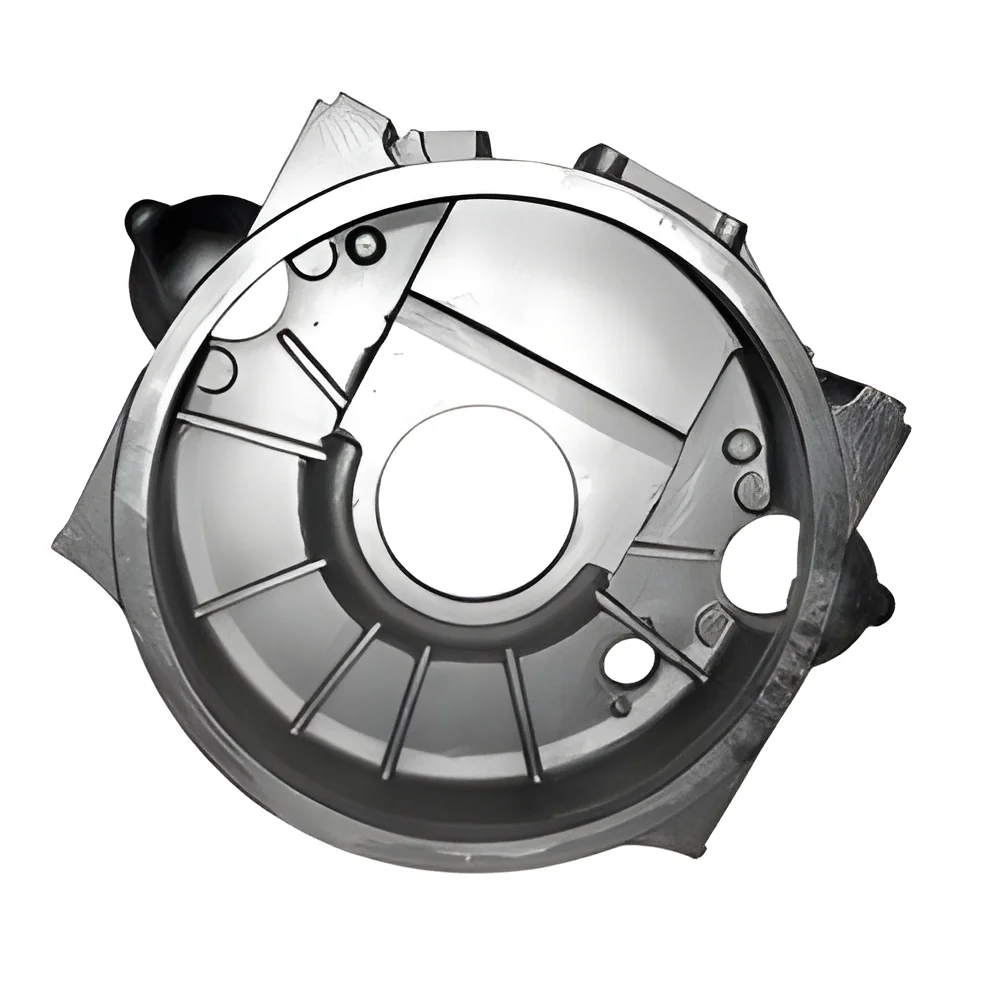
What are Engine Bearings?
Engine bearings are crucial components used in various types of machinery, particularly in automotive and industrial engines. They provide a low-friction surface that allows for the smooth rotation of shafts and other moving parts. Engine bearings support a rotating or sliding shaft and help to maintain the correct alignment, which is essential for optimal engine performance and longevity.
These components are primarily used in applications such as automobiles, heavy machinery, and marine engines. They play a vital role in reducing wear and tear, minimizing energy loss, and enhancing the overall efficiency of the engine. As engines become more sophisticated and performance-oriented, the demand for high-quality engine bearings has grown significantly. This has led to advancements in materials and manufacturing techniques, ensuring that engine bearings meet the rigorous demands of modern engines.
The engine bearing market is influenced by various factors, including the automotive industry's growth, increasing machinery production, and advancements in technology. As industries evolve, the need for reliable and durable engine bearings remains a top priority for manufacturers, making them an integral part of the supply chain in many sectors.
Key Features and Specifications
Engine bearings come with several features and specifications that define their performance and suitability for different applications. These specifications help manufacturers and buyers understand the capabilities of each bearing type.
Key specifications include:
1. Material Composition
- Engine bearings are typically made from metal alloys, such as aluminum or copper-lead.
- These materials provide strength and resistance to wear.
2. Bearing Type
- Common types include plain bearings, shell bearings, and thrust bearings.
- Each type has specific applications based on load and motion.
3. Load Capacity
- This specification indicates the maximum load the bearing can support.
- Load capacities vary based on size, type, and material.
4. Temperature Resistance
- Engine bearings must withstand high temperatures generated during operation.
- Typical temperature ranges are not specified, but they are designed for high-performance environments.
5. Tolerance Levels
- Bearings are manufactured to precise tolerances to ensure proper fit and function.
- Tolerance specifications ensure minimal clearance between moving parts.
6. Surface Finish
- A smooth surface finish reduces friction and wear.
- Surface treatments may enhance durability and performance.
7. Compliance Certifications
- Many engine bearings are certified according to industry standards, such as CE.
- Compliance ensures product reliability and safety.
In summary, understanding the key features and specifications of engine bearings is essential for making informed purchasing decisions. These factors can significantly influence performance and compatibility with specific engine types.
Common Applications and Use Cases
Engine bearings are utilized in a wide range of industries, each with unique applications.
1. Automotive Industry: Engine bearings are critical in cars, trucks, and motorcycles. They support crankshafts and camshafts, ensuring smooth engine operation.
2. Heavy Machinery: In construction and agricultural equipment, engine bearings facilitate the performance of engines that power hydraulic systems and other essential functions.
3. Marine Engines: Boat engines use specialized engine bearings designed to withstand harsh conditions and high moisture levels, ensuring reliability at sea.
4. Aerospace: Aircraft engines rely on high-performance engine bearings to maintain safety and efficiency during flight.
5. Industrial Equipment: Manufacturing machines and generators employ engine bearings to support rotating components, reducing friction and wear.
6. Power Generation: Engine bearings are integral to turbines and generators, contributing to the efficient conversion of energy.
7. Rail Transport: Locomotive engines utilize robust engine bearings to handle heavy loads and ensure longevity under demanding conditions.
Product Variants and Subcategories
Engine bearings come in various designs to cater to different applications and performance requirements.
Plain Bearings: These are the most common type, providing a simple design that offers reliable support for rotating shafts. They are often used in standard automotive applications.
Shell Bearings: Shell bearings feature a split design, allowing for easy installation and maintenance. They are widely used in heavy machinery and high-performance engines.
Thrust Bearings: Designed to handle axial loads, thrust bearings are crucial in applications where lateral forces are present. They are commonly used in marine and aerospace engines.
Benefits and Advantages
Engine bearings offer several advantages that contribute to enhanced performance and reliability.
1. Reduced Friction: Engine bearings minimize friction between moving parts, leading to less wear and improved efficiency.
2. Increased Longevity: High-quality bearings are designed to withstand significant wear, ensuring longer service life for engines.
3. Enhanced Performance: By providing a stable support mechanism, engine bearings help maintain optimal engine performance under various conditions.
4. Cost-Effectiveness: Investing in quality engine bearings can reduce maintenance costs over time by preventing premature engine failures.
5. Improved Fuel Efficiency: Less friction translates to better fuel efficiency, which is crucial for both automotive and industrial applications.
6. Compliance Assurance: Many engine bearings meet stringent industry standards, ensuring safety and reliability in operation.
Buying Guide for B2B Buyers
When sourcing engine bearings, B2B buyers should consider several key factors to ensure they select the right components for their needs.
1. Quality Assessment: Evaluate the quality of engine bearings by reviewing material specifications, manufacturing processes, and adherence to industry standards.
2. Supplier Verification: Vet suppliers through references, certifications, and performance history to ensure reliability and product quality.
3. Pricing and MOQ: Understand the pricing structure and minimum order quantity (MOQ) requirements to align with budget constraints and inventory needs.
4. Delivery and Lead Times: Confirm delivery schedules and lead times to ensure timely acquisition of necessary components for production.
5. Compliance Requirements: Ensure that purchased engine bearings comply with relevant regulations and standards to meet safety and performance expectations.
Compliance and Certifications
Engine bearings are subject to various compliance and certification standards that ensure quality and safety in their application.
ISO 9001 is a widely recognized quality management standard that many manufacturers adhere to, ensuring consistent quality in production processes.
CE certification indicates that the engine bearings meet European safety, health, and environmental protection standards, which is important for suppliers targeting the European market.
In addition to these standards, safety and testing requirements are crucial for verifying the reliability of engine bearings under operational conditions.
Regional compliance considerations may vary, so it is essential for buyers to understand local regulations that could affect the use of engine bearings in their specific applications.
Why Source Engine Bearings from Pepagora?
Pepagora provides a trusted platform for sourcing engine bearings, offering several key advantages to B2B buyers.
Verified Supplier Network: Pepagora offers access to a network of verified suppliers, ensuring that buyers can source high-quality engine bearings from reputable manufacturers.
Streamlined RFQ Process: The platform features a streamlined Request for Quotation (RFQ) process, simplifying the sourcing experience and enabling buyers to receive competitive pricing quickly.
Trade Assurance and Support: Pepagora provides trade assurance, giving buyers peace of mind by protecting their purchases and ensuring they receive the products as promised.
Regional Coverage: With a strong presence in regions such as India, the GCC, and Southeast Asia, Pepagora enables buyers to tap into a diverse range of suppliers and products tailored to their specific market needs.

 IN
IN