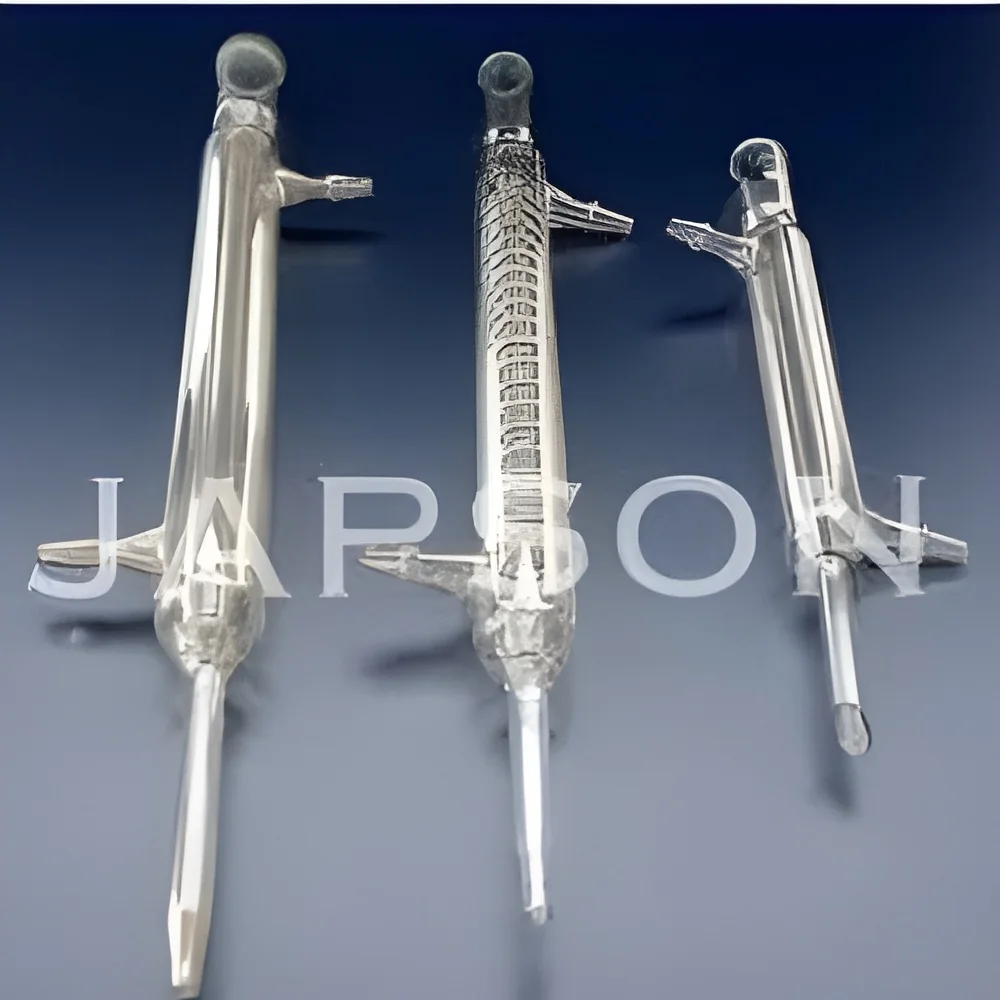
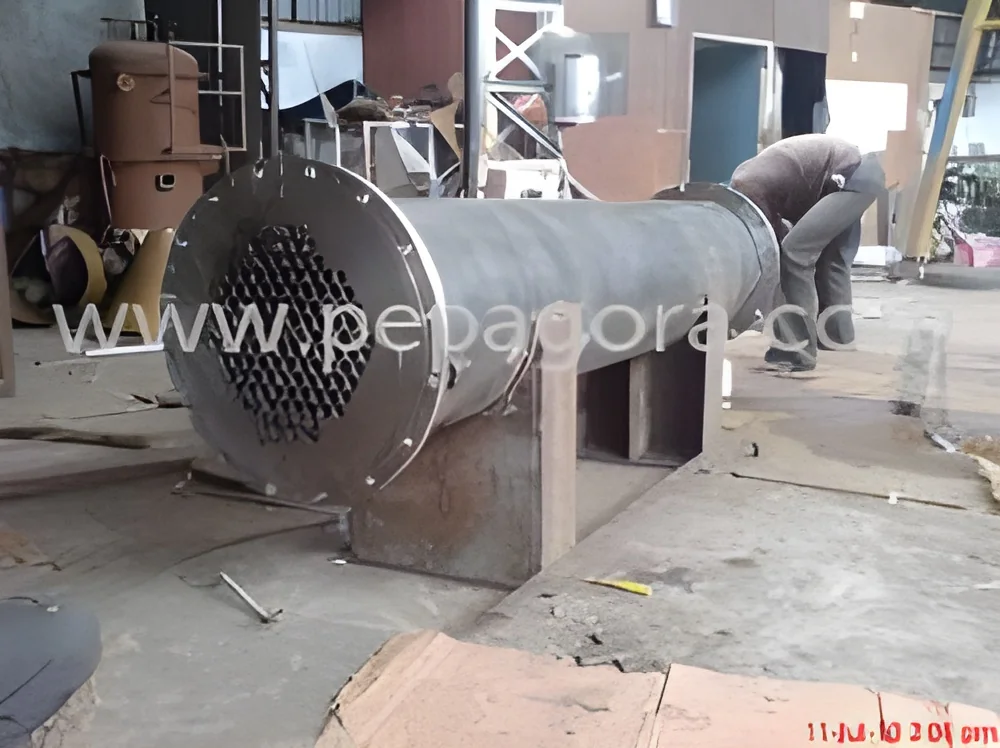
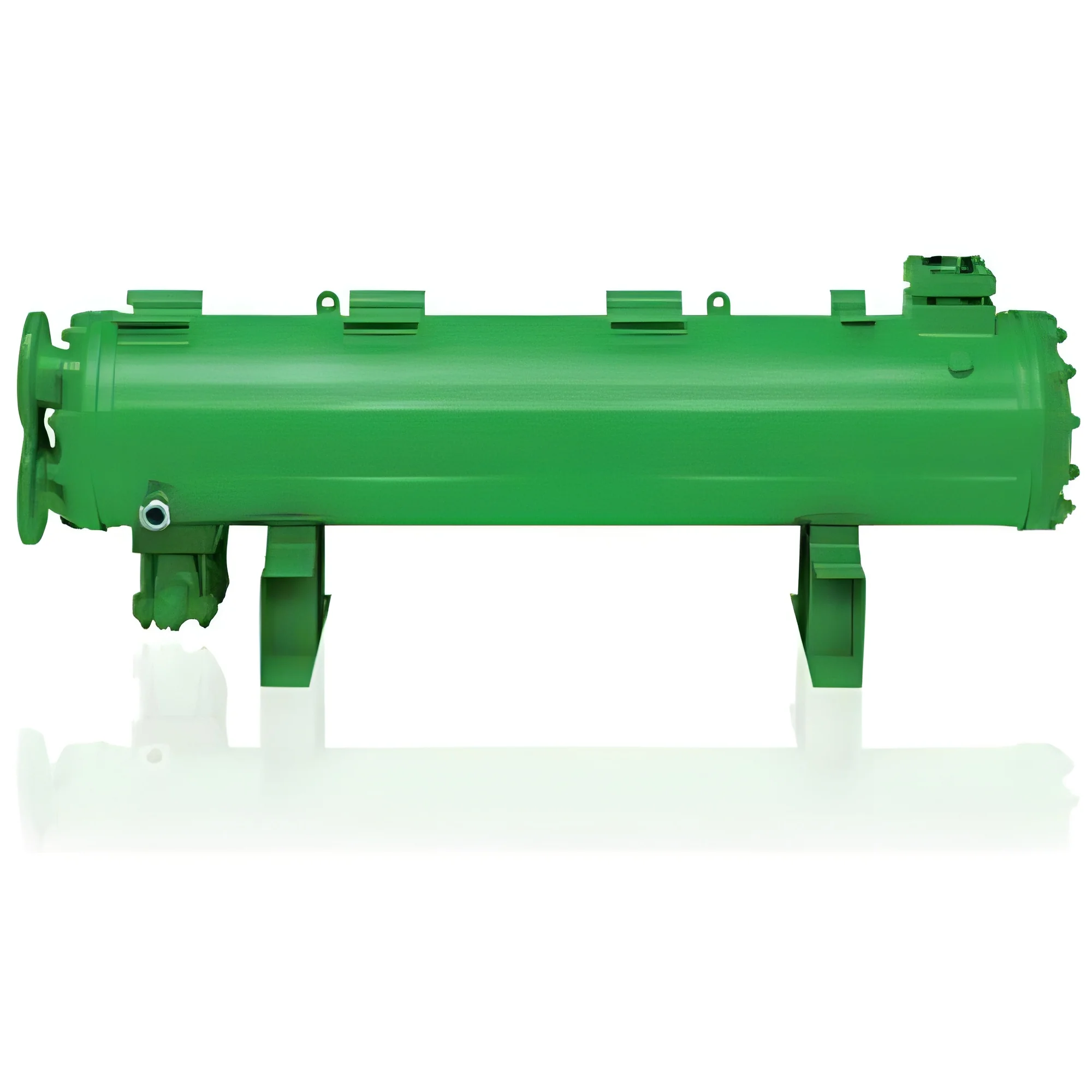
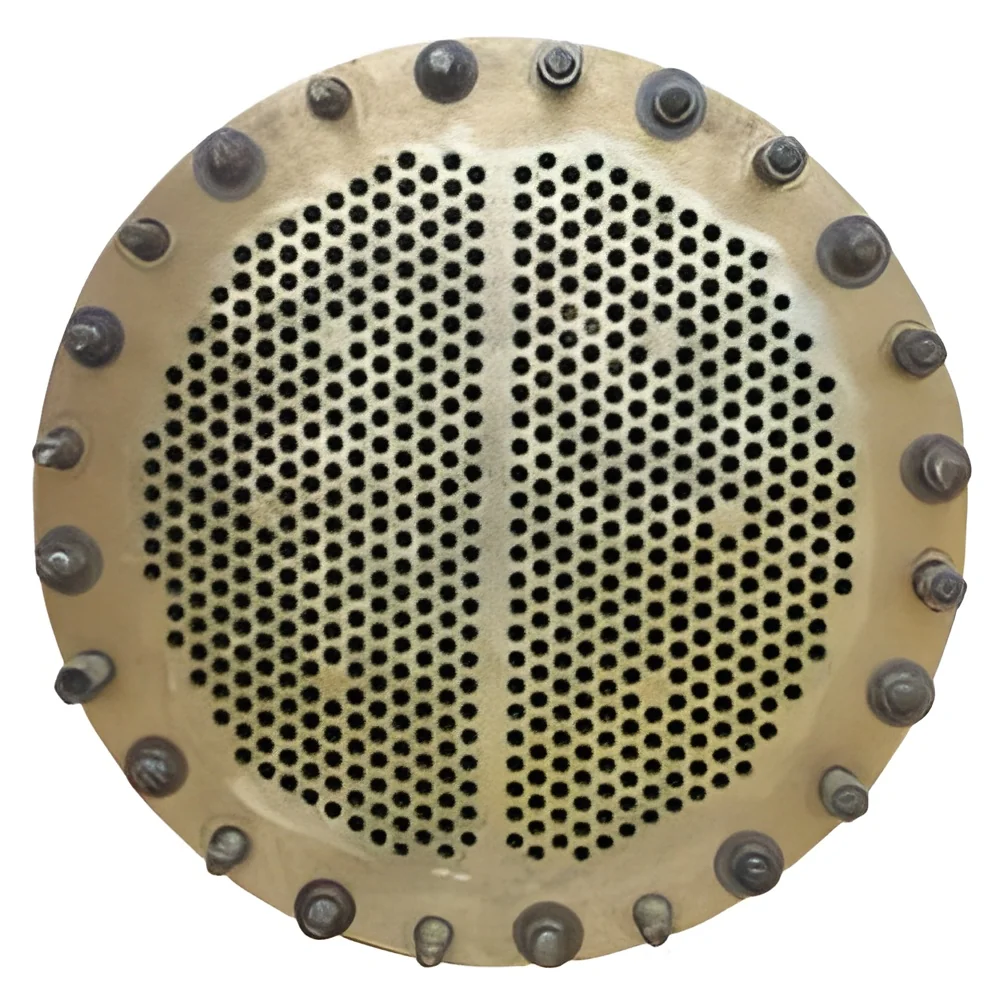
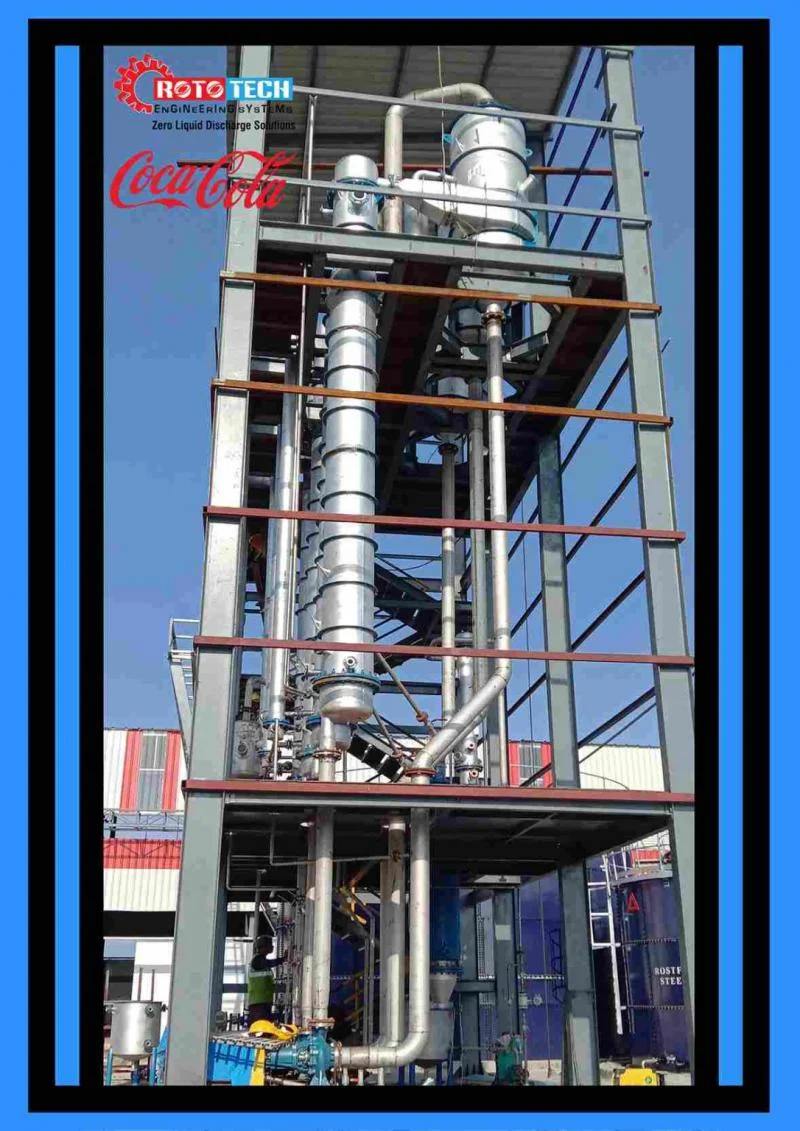
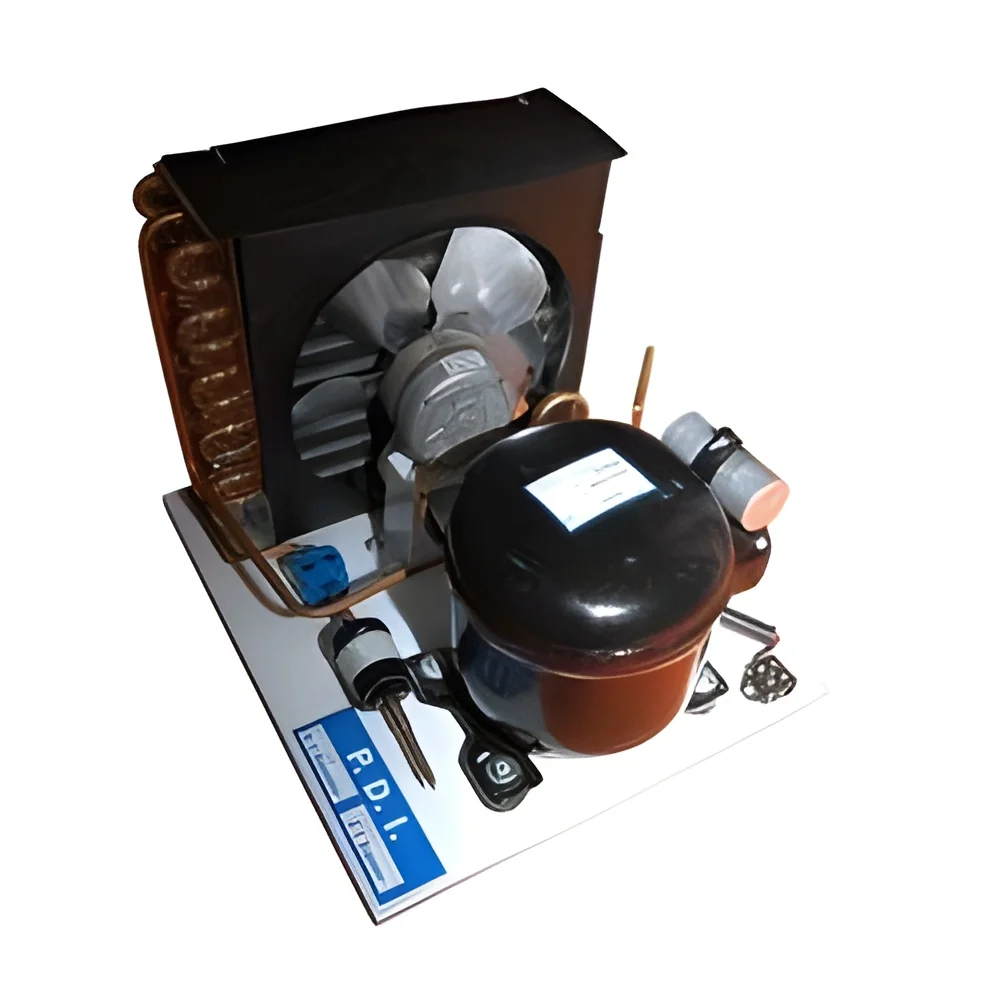
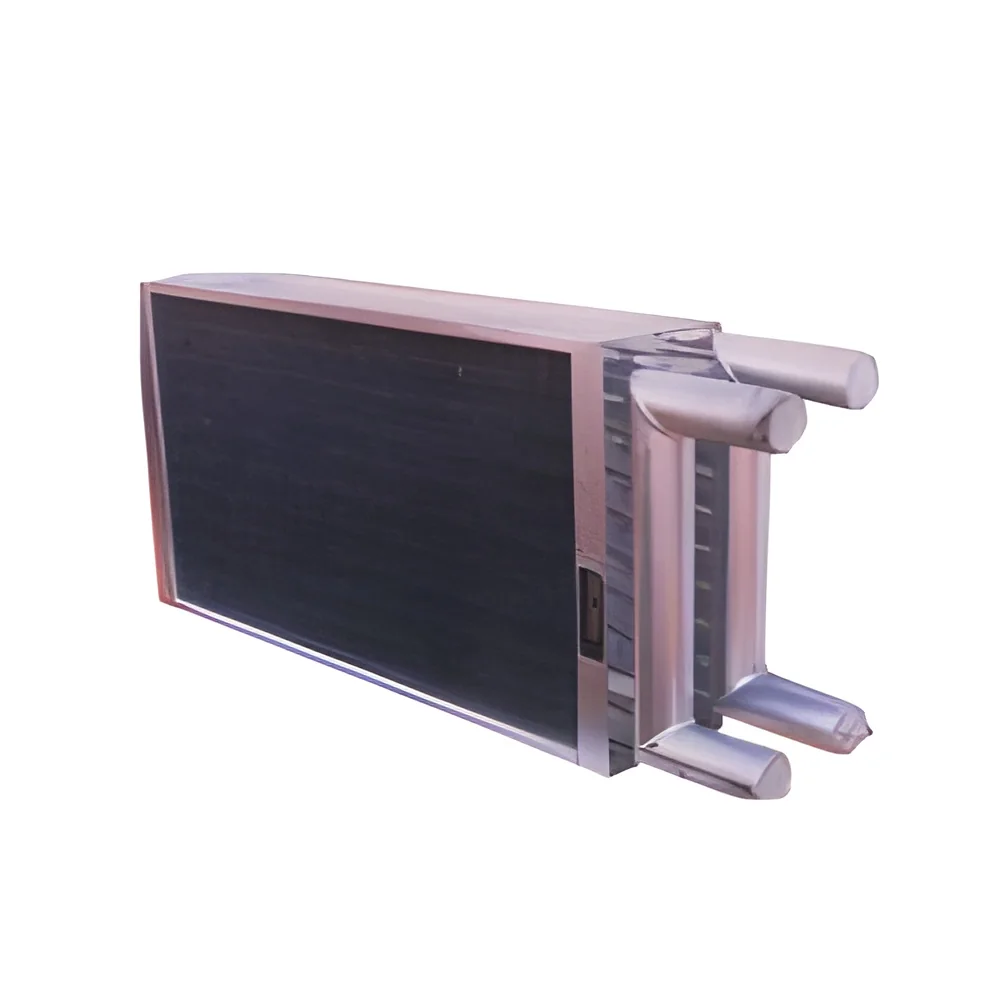
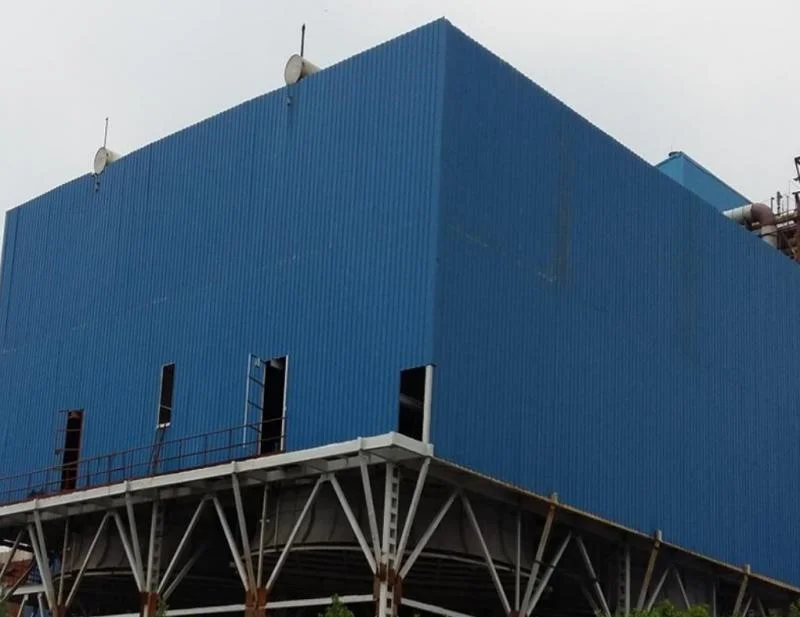
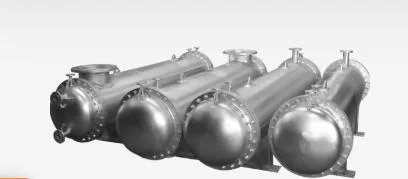
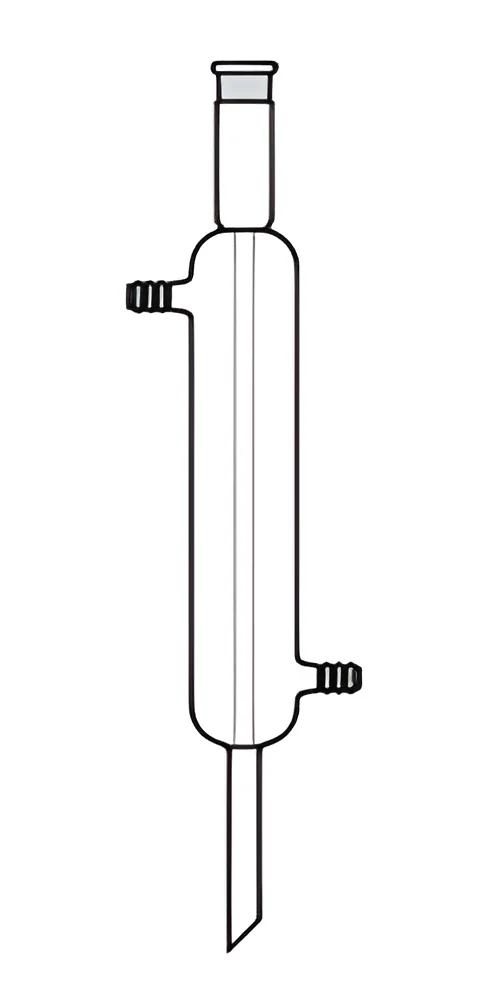
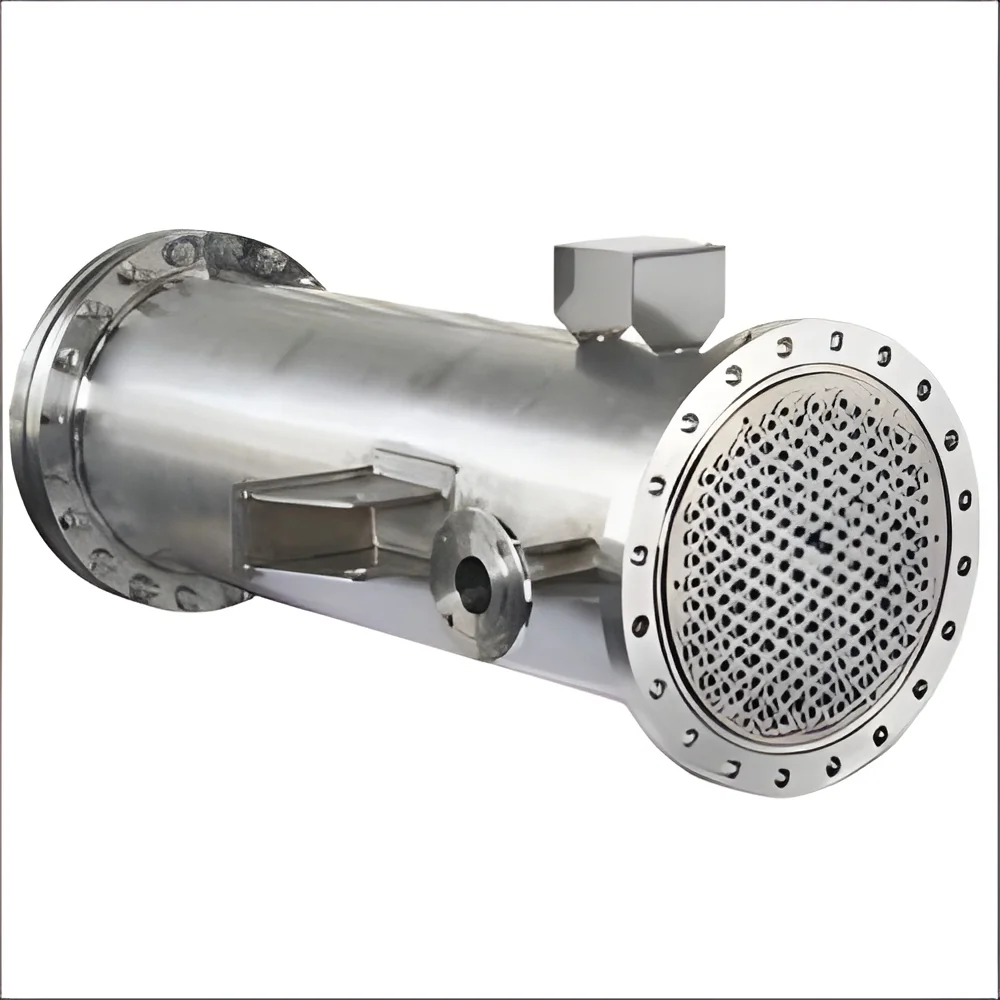
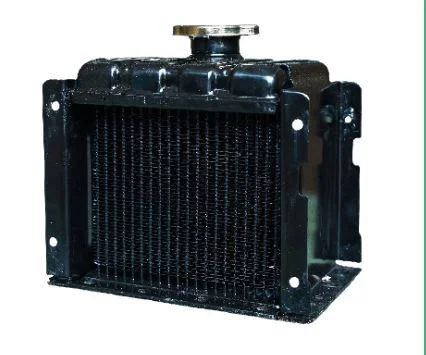
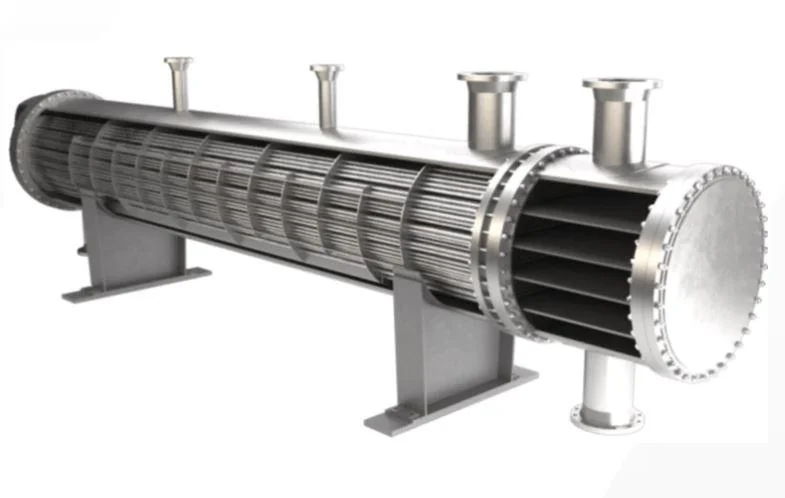
What are Condensers & Evaporators?
Condensers and evaporators are essential components in various industrial cooling and refrigeration systems. A condenser cools and condenses vapor into liquid by removing heat, while an evaporator absorbs heat and converts liquid refrigerant into vapor, enabling heat transfer. Together, they facilitate the refrigeration cycle, maintaining desired temperatures in systems ranging from air conditioning to industrial freezing processes.
These devices are primarily used in HVAC systems, refrigeration units, and industrial processes requiring temperature control. Businesses in sectors such as food and beverage, pharmaceuticals, and chemical manufacturing rely on condensers and evaporators to manage thermal loads efficiently. Their ability to maintain optimal temperatures ensures product quality and operational efficiency, making them vital in modern industrial applications.
The relevance of condensers and evaporators in today’s market cannot be overstated. With the growing demand for energy-efficient solutions and stringent regulatory requirements, manufacturers are continuously innovating these components. The global market for these devices is expanding, driven by advancements in technology and the need for enhanced cooling solutions across various industries.
Key Features and Specifications
When selecting condensers and evaporators, understanding their key features and specifications is crucial. These parameters influence performance, efficiency, and suitability for specific applications.
Key specifications include:
1. Cooling Capacity
- Measurement of how much heat can be removed from a system
- Typically expressed in BTUs or kilowatts
2. Operating Temperature Range
- The range of temperatures over which the device can operate effectively
- Important for applications requiring specific thermal conditions
3. Energy Efficiency Ratio (EER)
- A measure of energy efficiency in cooling modes
- Higher EER indicates lower energy consumption for the same cooling output
4. Refrigerant Type
- The type of refrigerant used in the system
- Affects performance, efficiency, and environmental impact
5. Material Construction
- Common materials include copper, aluminum, and stainless steel
- Influences durability and resistance to corrosion
6. Size and Dimensions
- Physical dimensions that determine installation and integration into existing systems
- Should match the requirements of the application space
7. Noise Levels
- The sound output of the device during operation
- Important for applications in noise-sensitive environments
8. Maintenance Requirements
- Frequency and type of maintenance needed to ensure optimal performance
- Impacts operational downtime and service costs
In summary, understanding these specifications is vital for selecting the right condensers and evaporators that meet specific operational needs and enhance system efficiency.
Common Applications and Use Cases
Condensers and evaporators serve a wide range of industries, each with unique requirements and applications.
1. Food and Beverage Industry: These devices are crucial in maintaining the cold chain for perishable goods, ensuring products remain fresh during storage and transportation.
2. Pharmaceutical Industry: Condensers and evaporators are used in climate-controlled environments to store sensitive medications and vaccines, requiring strict temperature regulation.
3. Chemical Manufacturing: In this sector, they help manage exothermic and endothermic reactions by controlling thermal loads, ensuring safety and efficiency in production processes.
4. HVAC Systems: Used in both residential and commercial applications, they play a key role in air conditioning systems, providing comfort and climate control.
5. Data Centers: These components are essential in cooling systems for data centers, preventing overheating of critical IT infrastructure.
6. Automotive Industry: Used in vehicle air conditioning systems to ensure passenger comfort and protect sensitive electronic components from heat.
7. Cold Storage Facilities: Vital for maintaining low temperatures in warehouses and distribution centers for frozen and refrigerated goods.
Product Variants and Subcategories
Condensers and evaporators come in various types to suit different applications and operational requirements.
Air-Cooled Condensers
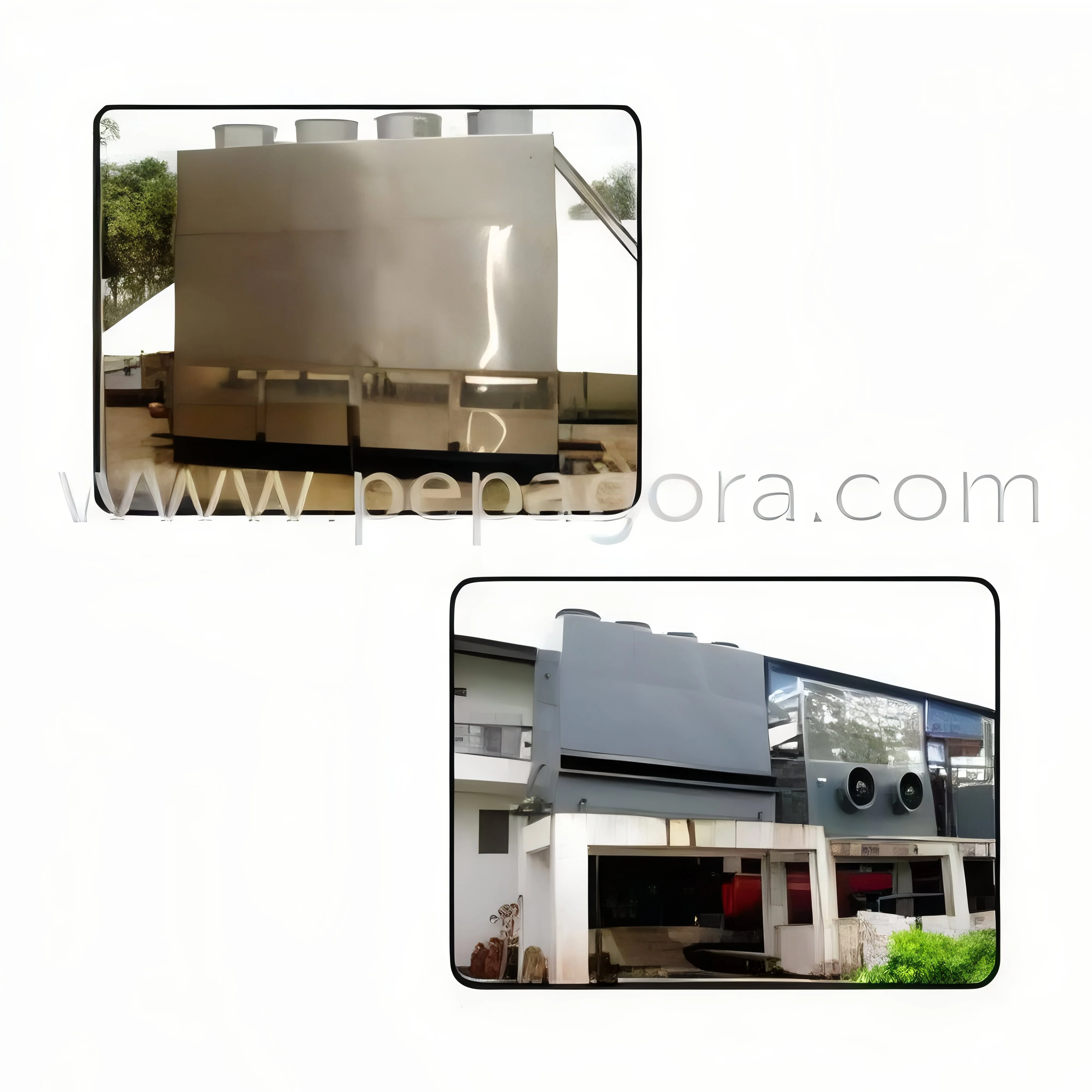
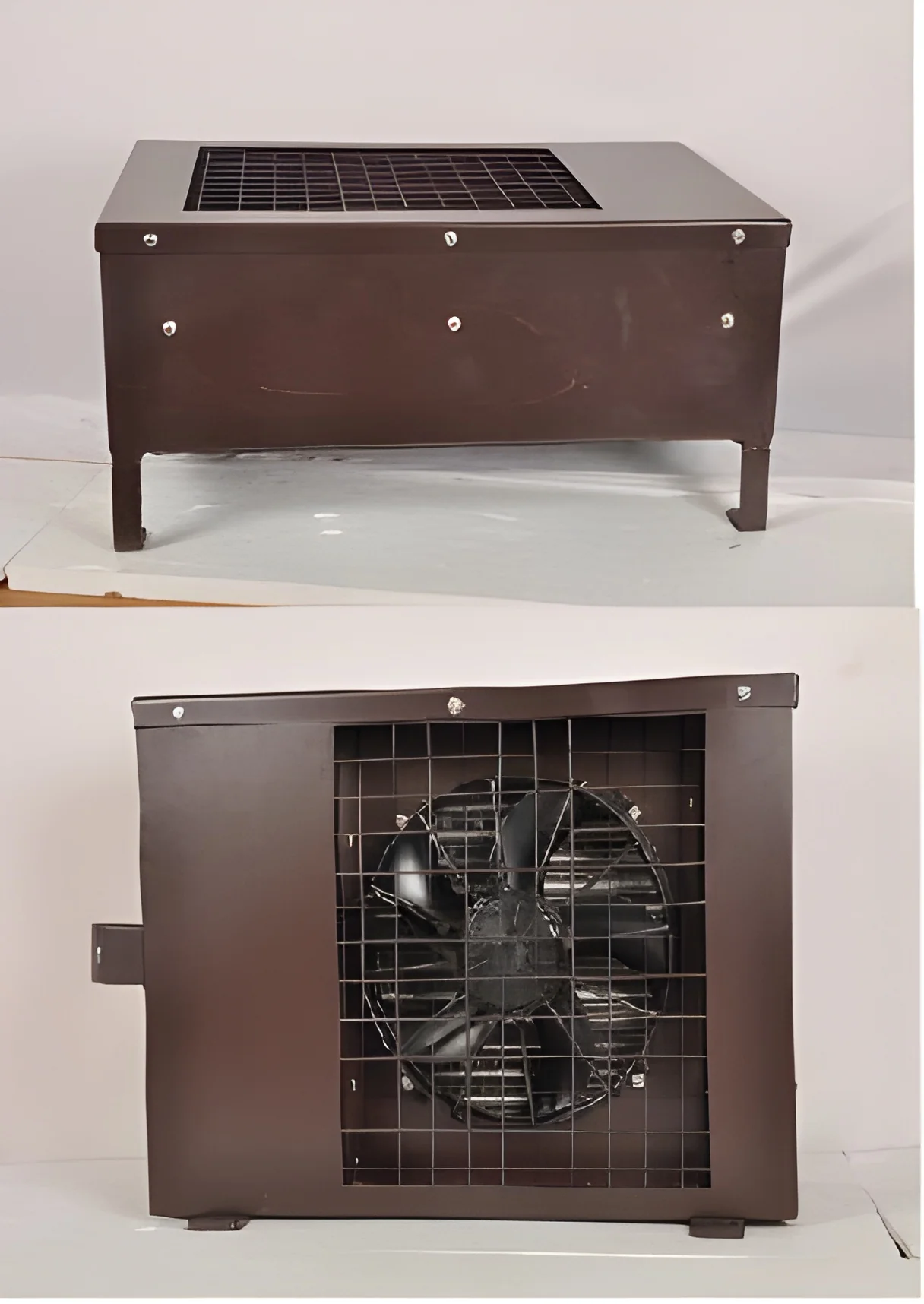
These condensers use air to dissipate heat from the refrigerant. They are often used in outdoor installations and are favored for their simplicity and lower maintenance needs.
Water-Cooled Condensers
Utilizing water for cooling, these condensers are highly efficient and commonly used in large-scale industrial applications. Their design allows for effective heat transfer, making them suitable for high-capacity systems.
Shell and Tube Evaporators
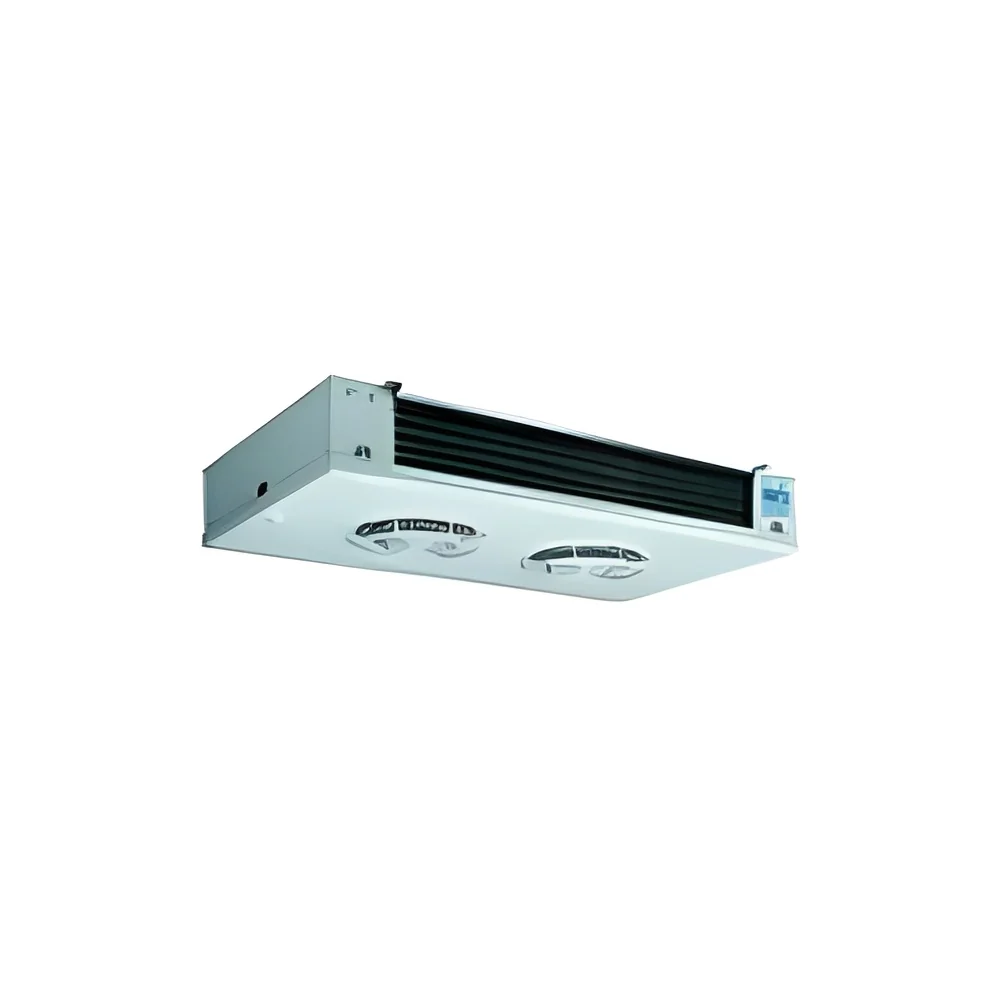
This type of evaporator features a series of tubes where the refrigerant evaporates while absorbing heat. They are widely used in chemical processing and refrigeration applications due to their robust construction.
Plate Evaporators
These evaporators offer a compact design and high efficiency, making them ideal for applications with limited space. They are commonly used in food processing and HVAC systems.
Benefits and Advantages
Investing in high-quality condensers and evaporators offers numerous benefits that enhance operational efficiency and reliability.
1. Energy Efficiency: These devices are designed to optimize energy usage, resulting in lower operational costs and reduced environmental impact.
2. Improved Temperature Control: They enable precise temperature management, crucial for industries like food and pharmaceuticals where product integrity is paramount.
3. Durability: High-quality materials and construction ensure long service life and reduced frequency of replacements, minimizing downtime.
4. Versatility: Available in various designs and specifications, they can be tailored to meet specific application needs across different industries.
5. Enhanced Performance: Advanced technology and engineering lead to better heat transfer capabilities, improving overall system efficiency.
6. Regulatory Compliance: Reliable condensers and evaporators often meet industry standards, ensuring compliance with safety and environmental regulations.
Buying Guide for B2B Buyers
When sourcing condensers and evaporators, it is essential to consider several key factors to ensure you make an informed purchase.
1. Quality Assessment: Evaluate the quality of the product by looking for certifications and industry standards. High-quality devices will have longer lifespans and better performance.
2. Supplier Verification: Vet suppliers thoroughly to ensure they have a proven track record of reliability and customer satisfaction. Check references and reviews to assess their reputation.
3. Pricing and MOQ: Understand the pricing structure and any minimum order quantities. This will help align your budget with your operational needs.
4. Delivery and Lead Times: Consider the logistics of delivery and the typical lead times for your orders. Timely delivery is crucial for maintaining operational efficiency.
5. Compliance Requirements: Ensure that the products meet all regulatory requirements relevant to your industry, including safety and environmental standards.
Compliance and Certifications
Compliance and certifications play a significant role in the manufacturing and operation of condensers and evaporators.
Many products adhere to quality standards such as ISO 9001, which ensures that manufacturing processes meet international quality management criteria. Compliance with HACCP (Hazard Analysis Critical Control Point) may also be necessary in food-related applications, ensuring safety and quality.
Additionally, many condensers and evaporators are CE certified, indicating compliance with European health, safety, and environmental protection standards.
Safety and testing requirements are critical to ensure that these components operate reliably under various conditions. Regular testing helps maintain performance standards and safety.
Regional compliance considerations may vary, so it is important to understand the specific regulations applicable in your market.
Why Source Condensers & Evaporators from Pepagora?
Pepagora provides a trusted platform for sourcing condensers and evaporators, offering several key advantages to B2B buyers.
Verified Supplier Network: Pepagora has a rigorous supplier verification process, ensuring that all listed suppliers meet high standards of quality and reliability. This gives buyers confidence in their sourcing decisions.
Streamlined RFQ Process: The platform simplifies the request for quotation (RFQ) process, allowing buyers to easily compare offers from multiple suppliers. This efficiency saves time and money.
Trade Assurance and Support: With trade assurance features, Pepagora protects buyers throughout the purchasing process. This includes support for resolving disputes and ensuring product quality.
Regional Coverage: Pepagora offers extensive geographic reach, connecting buyers with suppliers across India, the GCC, and Southeast Asia. This broad network ensures that businesses can find the right products to meet their specific needs.

 IN
IN