IN
IN₹
Apparel & Fashion
Description
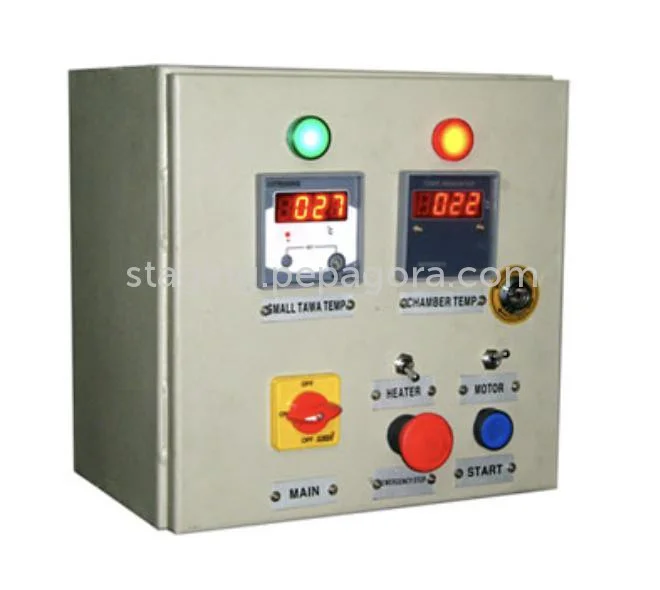
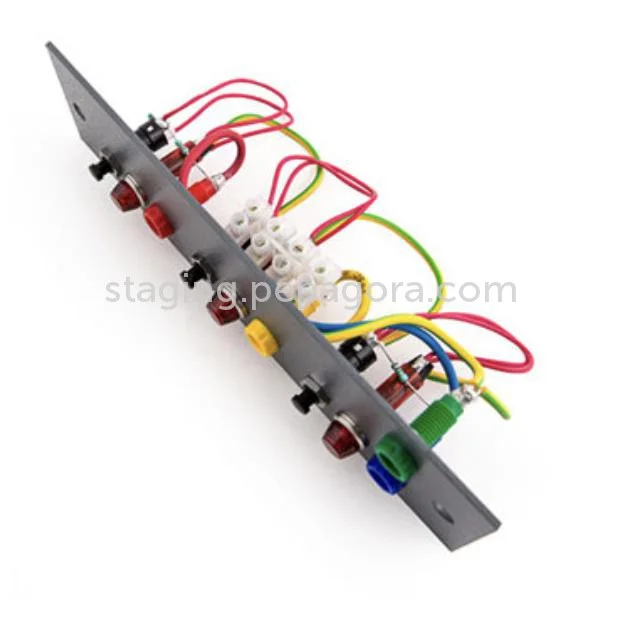
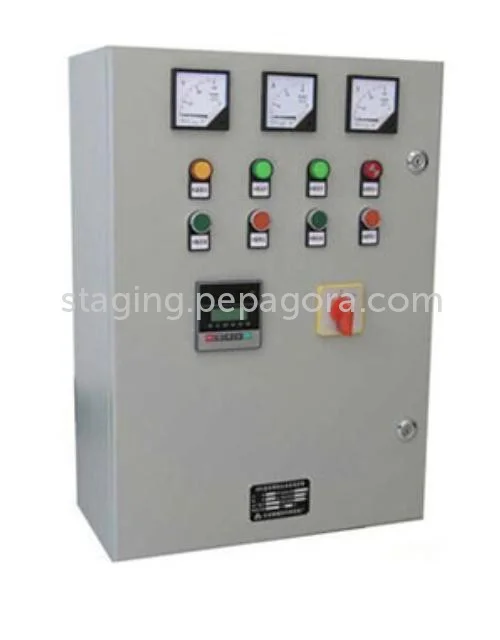
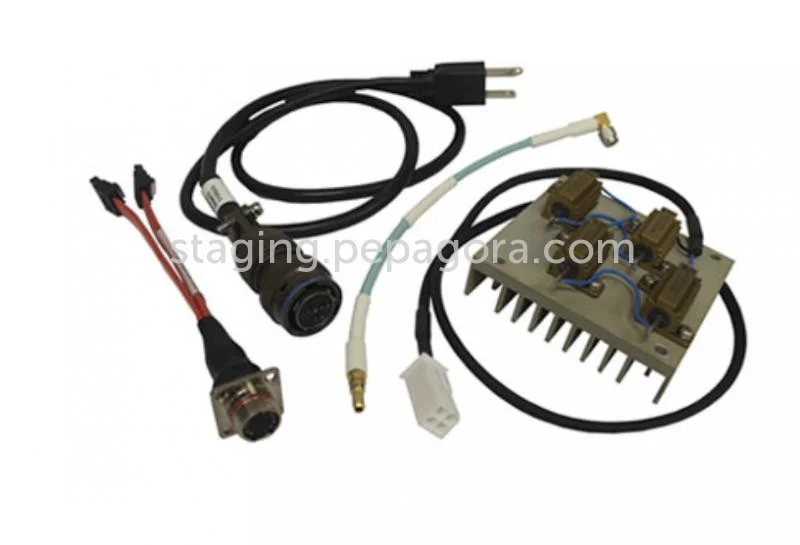
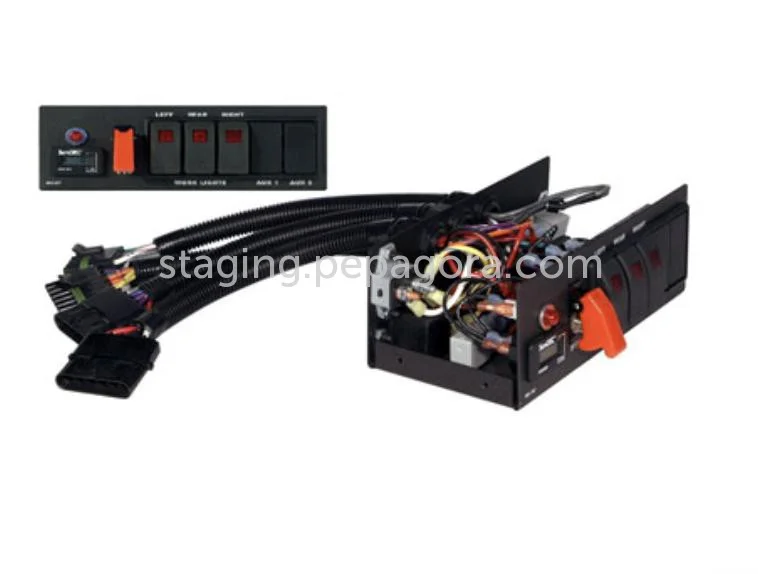
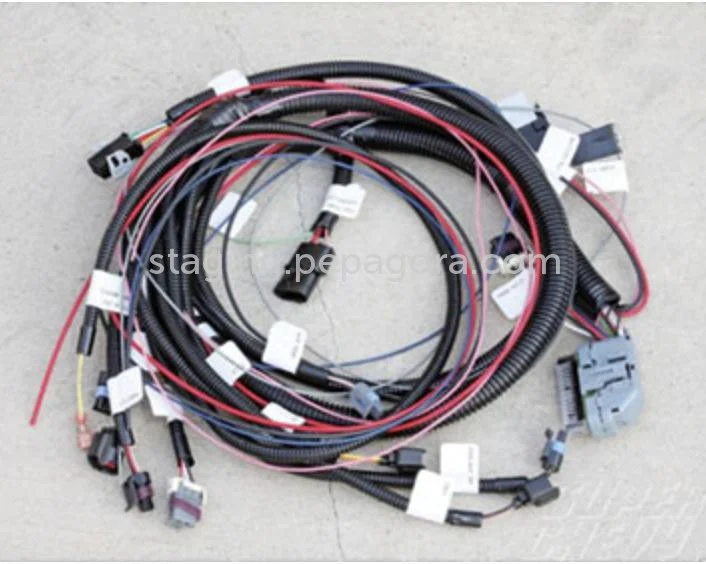
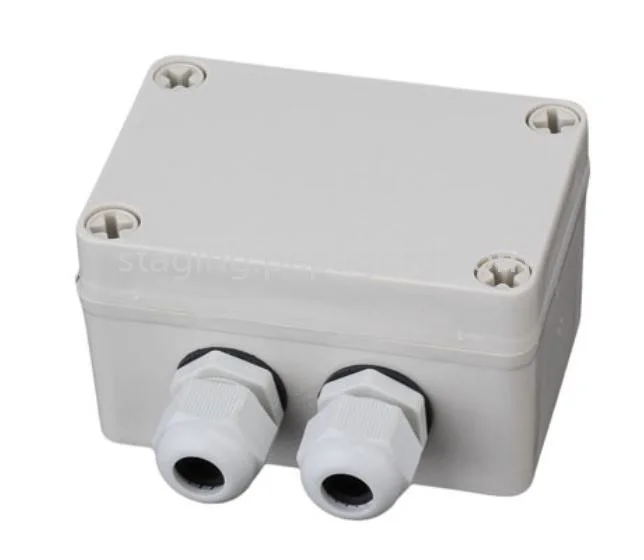
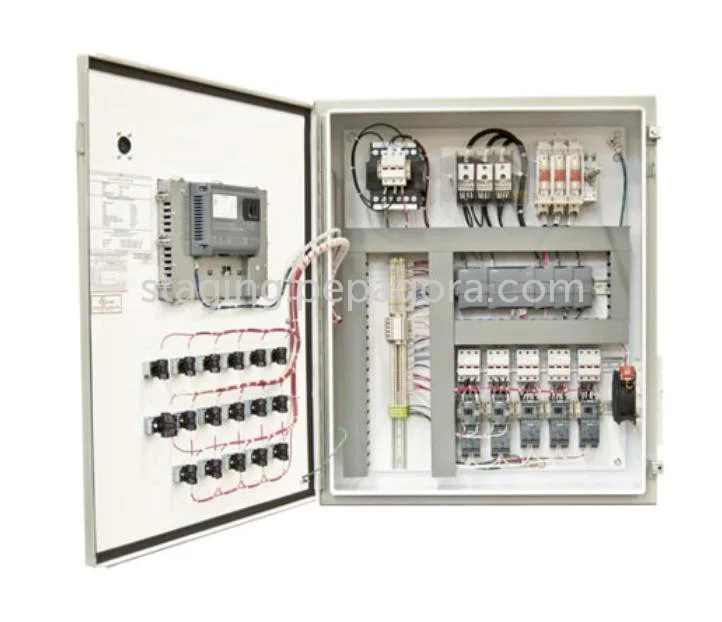
Electrical control panels serve as the nerve center for industrial operations, integrating components like circuit breakers, PLCs, and relays to manage power distribution and machine automation. Designed for durability and precision, these panels ensure that electrical systems function cohesively, providing a safe, organized interface for operators. Customization options allow tailoring to specific operational needs, whether for simple motor control or complex automated processes. Built to comply with industry standards, they offer a reliable solution for businesses aiming to enhance operational control and system interoperability without compromising on safety or performance.

In the apparel and fashion industry, these panels are pivotal for automating production lines, controlling sewing machines, embroidery units, and fabric cutting systems. They manage power distribution in textile mills, dyeing plants, and garment manufacturing facilities, ensuring consistent quality and output. B...
Electrical control panels serve as the nerve center for industrial operations, integrating components like circuit breakers, PLCs, and relays to manage power distribution and machine automation. Designed for durability and precision, these panels ensure that electrical systems function cohesively, providing a safe, organized interface for operators. Customization options allow tailoring to specific operational needs, whether for simple motor control or complex automated processes. Built to comply with industry standards, they offer a reliable solution for businesses aiming to enhance operational control and system interoperability without compromising on safety or performance.

In the apparel and fashion industry, these panels are pivotal for automating production lines, controlling sewing machines, embroidery units, and fabric cutting systems. They manage power distribution in textile mills, dyeing plants, and garment manufacturing facilities, ensuring consistent quality and output. By centralizing control, they reduce manual intervention, minimize errors, and support just-in-time production schedules. Industries relying on precision, such as high-fashion manufacturing or bulk textile production, benefit from the panels' ability to maintain operational continuity and adapt to varying production demands.

Businesses gain significant value through enhanced reliability, reduced operational costs, and improved safety compliance. These panels minimize machinery downtime by providing stable power and automated fault detection, directly impacting productivity and profitability. Their customization capabilities mean they fit seamlessly into existing setups, offering scalability as operations grow. With a focus on quality components and robust construction, they deliver long-term reliability, making them a smart investment for businesses seeking to optimize efficiency and maintain competitive advantage in dynamic markets.

Key Features:
- Custom-built designs tailored to specific machinery and automation needs.
- Integration of high-quality components like PLCs, circuit breakers, and relays.
- Robust enclosures for durability in industrial environments.
- Compliance with international safety and performance standards.
- Scalable configurations to support business growth and operational changes.

Benefits:
- Enhanced operational efficiency through centralized control and automation.
- Reduced downtime with reliable power management and fault protection.
- Improved safety for personnel and equipment with organized, secure systems.
- Cost savings from lower maintenance needs and energy-efficient operation.
- Flexibility to adapt to evolving production demands and technology upgrades.
Specifications
| Additional Information | |
|---|---|
| Country of Origin | India |
Application
These electrical control panels are essential for managing power distribution and automation in industrial settings. They ensure machinery operates safely and efficiently, reducing downtime and enhancing productivity across various sectors. From textile manufacturing to heavy machinery control, these panels provide centralized command over electrical systems, supporting both operational continuity and worker safety. Their robust design handles demanding environments, making them suitable for diverse industrial applications where precision and reliability are non-negotiable.
Real-world applications:
Real-world applications:
- Automating textile production lines for consistent fabric quality and output.
- Controlling industrial sewing and embroidery machines in garment manufacturing.
- Managing power distribution in fashion industry warehousing and logistics centers.
- Regulating climate control systems in textile dyeing and finishing units.
- Overseeing conveyor and material handling systems in apparel assembly plants.
Trade Details
| Available Stock | In Stock |
| Sample Availability | No |
Payment Terms
| Payment Terms |
|
Company Profile

POPULAR SYSTEMS PVT LTD, Tamil Nadu
 Tamil Nadu, India
Tamil Nadu, IndiaDistributor / Wholesaler•Retailer•Importer / Exporter
Factory Details
Factory SizeBelow 1000 sqm
Industrial Automation Electrical Control Panels For Power Management
Reliable electrical control panels for industrial automation and machinery power management. Custom-built for safety, efficiency, and seamless integration in manufacturing and commercial environments.
Min. Order Quantity: 1
Shipping
Shipping fee and delivery date to be negotiated. Contact supplier now for more details.
POPULAR SYSTEMS PVT LTD Tamil Nadu, India
Tamil Nadu, IndiaDistributor / Wholesaler