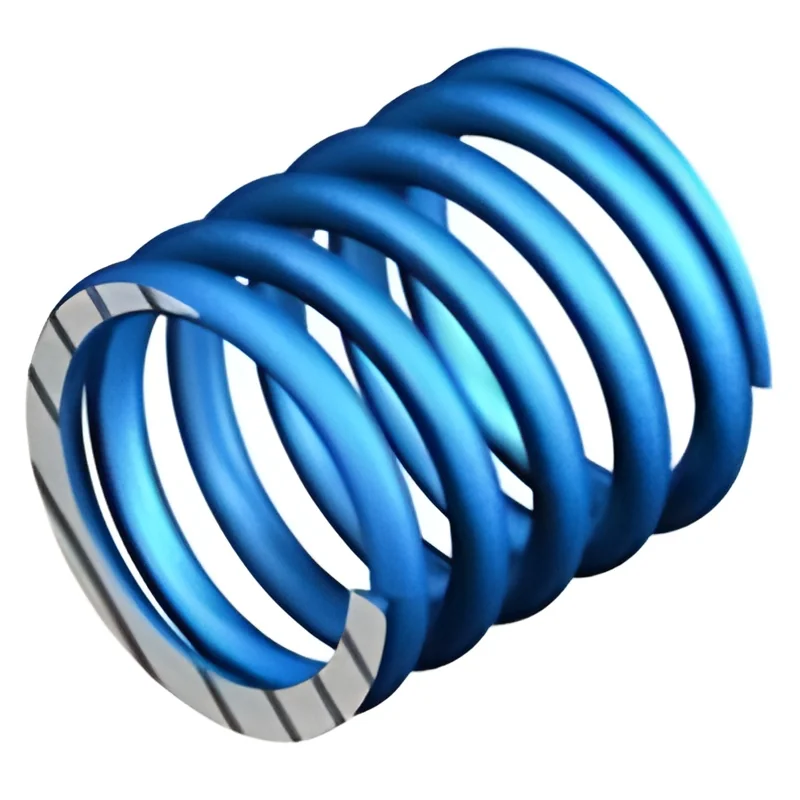
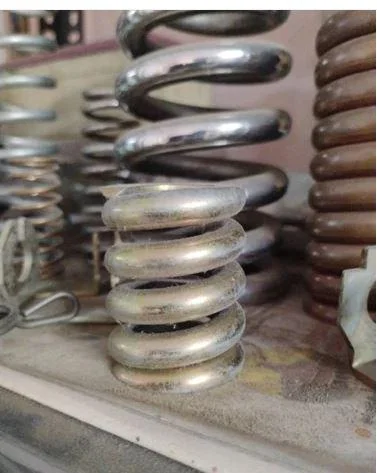
What are Leaf Springs?
Leaf springs are a type of suspension component commonly used in vehicles to support weight and absorb shocks. They consist of multiple layers of metal, called leaves, that are stacked and curved to create a spring effect. This design allows leaf springs to flex under load while providing stability and strength. They are an essential part of many heavy-duty vehicles, including trucks, buses, and trailers.
Leaf springs play a critical role in various business applications, primarily in the transportation and automotive industries. They are utilized in commercial vehicles due to their ability to carry heavy loads while maintaining vehicle balance and comfort. Additionally, leaf springs are used in trailers and industrial equipment, helping to improve ride quality and reduce wear on other components. With the growing demand for robust suspension systems in commercial vehicles, the market for leaf springs remains strong and relevant.
Key Features and Specifications
Leaf springs are characterized by several features that determine their performance and suitability for specific applications. Understanding these specifications is crucial for businesses seeking reliable suspension solutions.
Key specifications include:
1. Load Capacity
- The maximum weight that a leaf spring can support.
- Typically ranges from 1,000 to 30,000 pounds depending on the design.
2. Material Composition
- Usually made from high-carbon steel or composite materials for durability.
- Provides resistance to fatigue and impact loads.
3. Length
- The measurement from one end of the spring to the other.
- Varies based on vehicle type and application, generally between 30 to 60 inches.
4. Width
- The width of the spring, affecting its load-bearing capability.
- Common widths range from 2 to 4 inches.
5. Thickness
- The thickness of each leaf in the spring stack.
- Influences the spring’s stiffness and weight capacity.
6. Arch Height
- The height of the arc formed by the leaf spring when uninstalled.
- Affects the spring's ability to flex and absorb shocks.
7. Number of Leaves
- The total number of individual leaves in the spring assembly.
- More leaves generally mean higher load capacity and stiffness.
8. End Type
- The design of the ends of the leaf spring, which can be either flat or curved.
- Impacts the spring's attachment and performance.
In summary, understanding the key features and specifications of leaf springs helps businesses select the right product for their specific needs, ensuring optimal performance and reliability.
Common Applications and Use Cases
Leaf springs are widely used across various industries due to their versatility and strength.
1. Automotive Industry: Leaf springs are essential in commercial trucks and vans, providing support and stability under heavy loads.
2. Agricultural Equipment: Used in tractors and trailers, leaf springs help manage the rough terrain and heavy equipment loads.
3. Construction Vehicles: Leaf springs are employed in construction trucks to absorb shocks from uneven surfaces, ensuring durability and safety.
4. Public Transportation: Buses utilize leaf springs to provide passengers with a smooth ride while supporting the weight of the vehicle.
5. Trailer Manufacturing: Leaf springs are integral to both light and heavy-duty trailers, enhancing load distribution and stability.
6. Mining and Heavy Machinery: In mining equipment, leaf springs support heavy machinery, reducing wear and enhancing performance.
7. Recreational Vehicles: Leaf springs are used in RVs and trailers to improve ride comfort and stability during travel.
Product Variants and Subcategories
Leaf springs come in various designs and configurations to meet the diverse needs of different applications.
Standard Leaf Springs
These are the most common type, featuring a traditional multi-leaf design that provides reliable support for heavy loads. They are widely used in commercial vehicles and trailers.
Parabolic Leaf Springs
This variant features a parabolic shape that offers improved flexibility and weight reduction. They are ideal for applications requiring better ride quality and reduced weight.
Heavy-Duty Leaf Springs
Designed for extreme load-bearing applications, these springs are constructed with additional leaves to enhance support and durability. Commonly found in construction and mining vehicles.
Tapered Leaf Springs
These springs are tapered towards the ends, which allows for a softer ride while still maintaining strength. They are often used in passenger vehicles and lighter trucks.
Benefits and Advantages
Leaf springs offer several significant benefits for businesses in need of reliable suspension solutions.
1. High Load Capacity: Leaf springs can support significant weights, making them ideal for heavy-duty applications.
2. Durability: Constructed from robust materials, leaf springs resist wear and fatigue, ensuring long service life.
3. Cost-Effectiveness: Compared to alternative suspension systems, leaf springs are generally more affordable and easier to maintain.
4. Simple Design: Their straightforward design makes installation and replacement easy, reducing downtime.
5. Versatility: Leaf springs can be used in various applications, from trucks to trailers, making them a flexible choice for manufacturers.
6. Improved Stability: Leaf springs provide excellent stability under load, enhancing vehicle safety and performance.
Buying Guide for B2B Buyers
When sourcing leaf springs, there are several important factors to consider to ensure a successful purchase.
1. Quality Assessment: Evaluate the quality of leaf springs based on material composition, load capacity, and manufacturer reputation. Look for products that meet industry standards for durability.
2. Supplier Verification: Vet potential suppliers to ensure they have a reliable track record and can provide certifications for their products. Check for industry references and customer reviews.
3. Pricing and MOQ: Consider the price per unit and minimum order quantities. Understanding these factors helps in budgeting and ensuring you can meet production needs.
4. Delivery and Lead Times: Assess the supplier’s ability to meet delivery schedules. Confirm lead times to avoid disruptions in your supply chain.
5. Compliance Requirements: Ensure that the leaf springs meet relevant regulatory and safety standards specific to your industry. This may include certifications such as CE.
Compliance and Certifications
Leaf springs must adhere to various quality standards and certifications that ensure their reliability and safety in applications.
Relevant quality standards include ISO 9001, which outlines requirements for a quality management system, ensuring that manufacturers consistently provide products that meet customer and regulatory requirements.
Industry certifications such as CE indicate that the product complies with European health, safety, and environmental protection standards. These certifications provide assurance to buyers regarding the quality and safety of leaf springs.
Safety and testing requirements are critical in the manufacturing of leaf springs. Testing for fatigue, load capacity, and performance under different conditions ensures that the springs will function safely in their intended applications.
Regional compliance considerations may also apply, depending on the geographic market in which the leaf springs will be used. Understanding local regulations is essential for businesses importing or exporting these components.
Why Source Leaf Springs from Pepagora?
Pepagora provides a trusted platform for sourcing leaf springs with several key advantages that benefit B2B buyers.
Verified Supplier Network: Pepagora has established connections with reputable suppliers who are vetted for quality and reliability. This ensures that buyers receive products that meet their specifications and standards.
Streamlined RFQ Process: The platform offers an efficient request for quotation (RFQ) process, allowing buyers to easily compare options from multiple suppliers. This leads to better pricing and quicker decision-making.
Trade Assurance and Support: Buyers are protected through trade assurance programs that guarantee product quality and delivery timelines. Pepagora provides support throughout the purchasing process to address any concerns.
Regional Coverage: With a presence in India, the GCC, and Southeast Asia, Pepagora offers extensive geographic reach. This makes it easier for businesses in different regions to find and source the right leaf springs for their applications.

 IN
IN