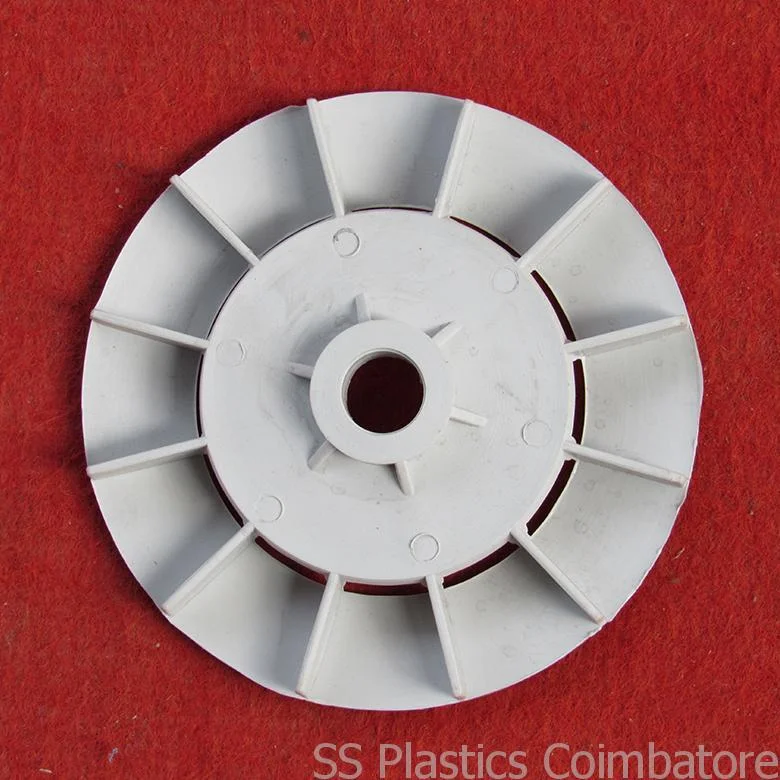
What are Cooling Fans & Motors?
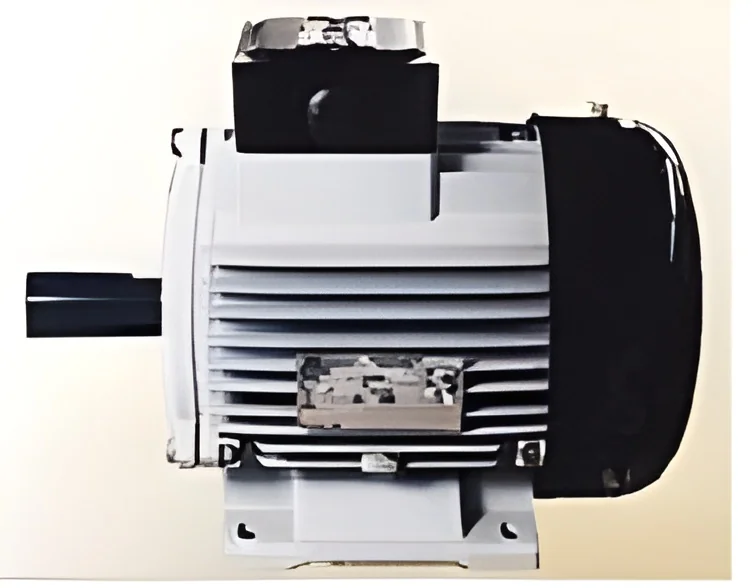
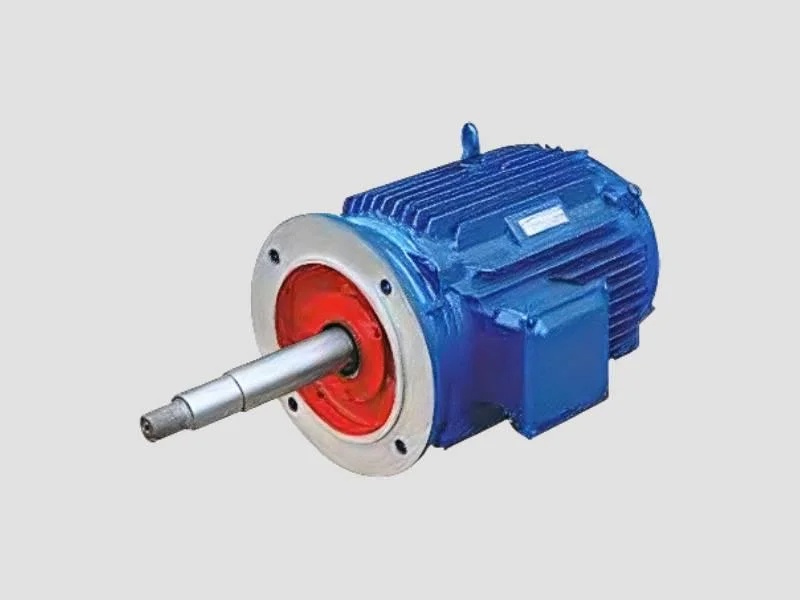
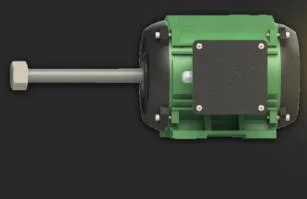
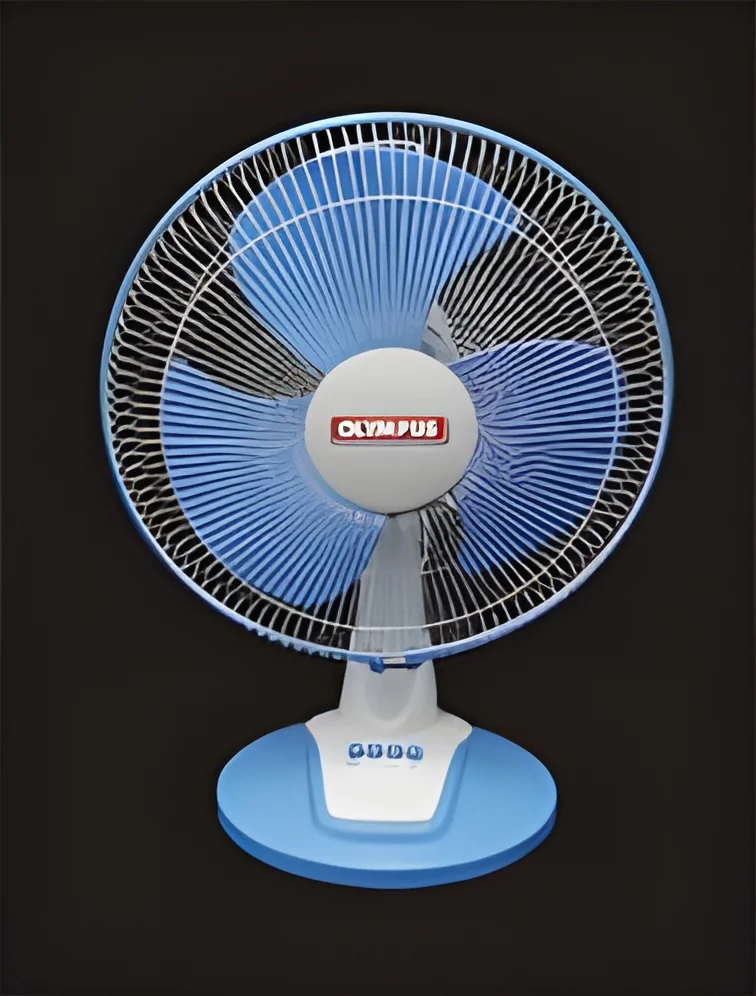
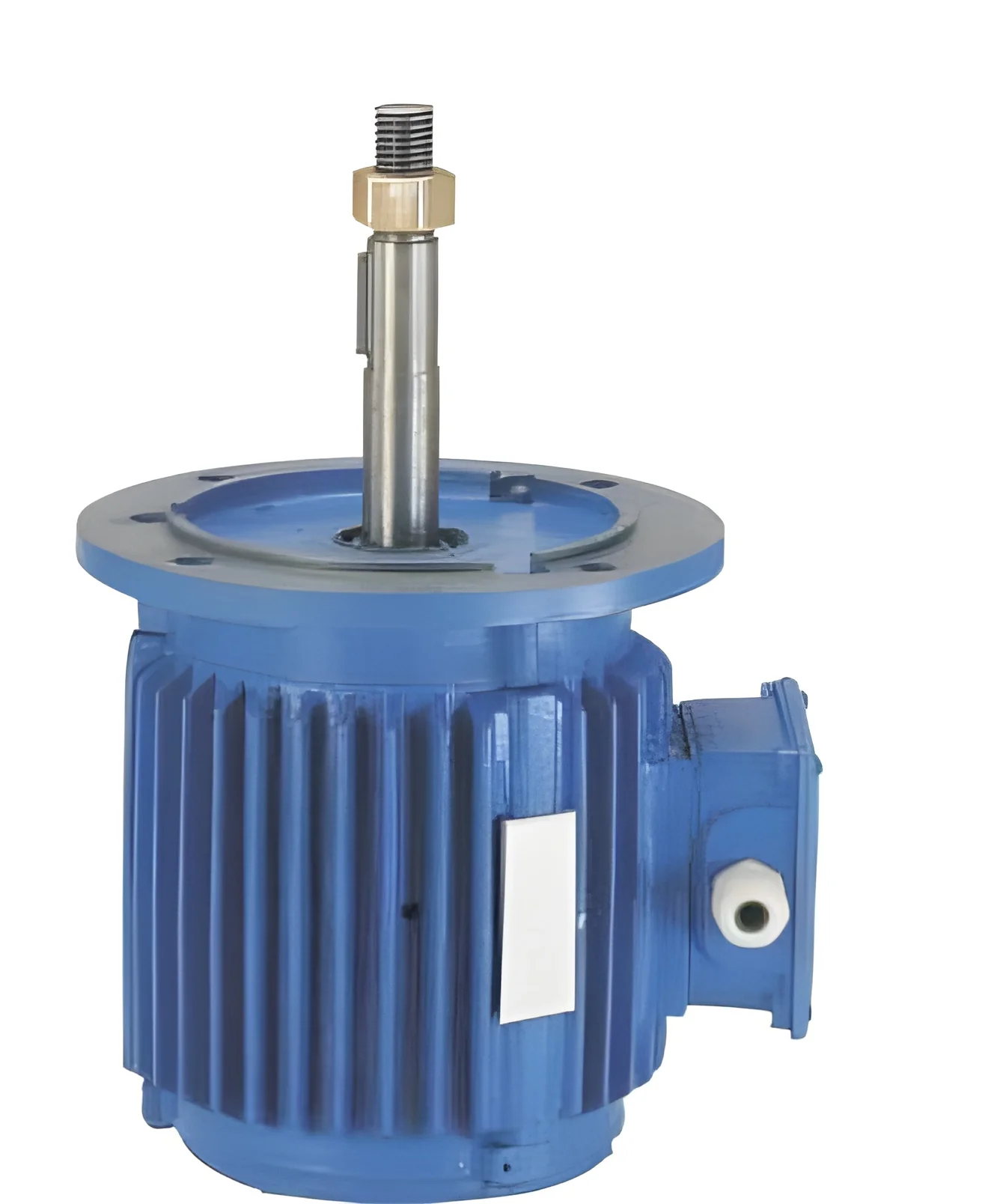
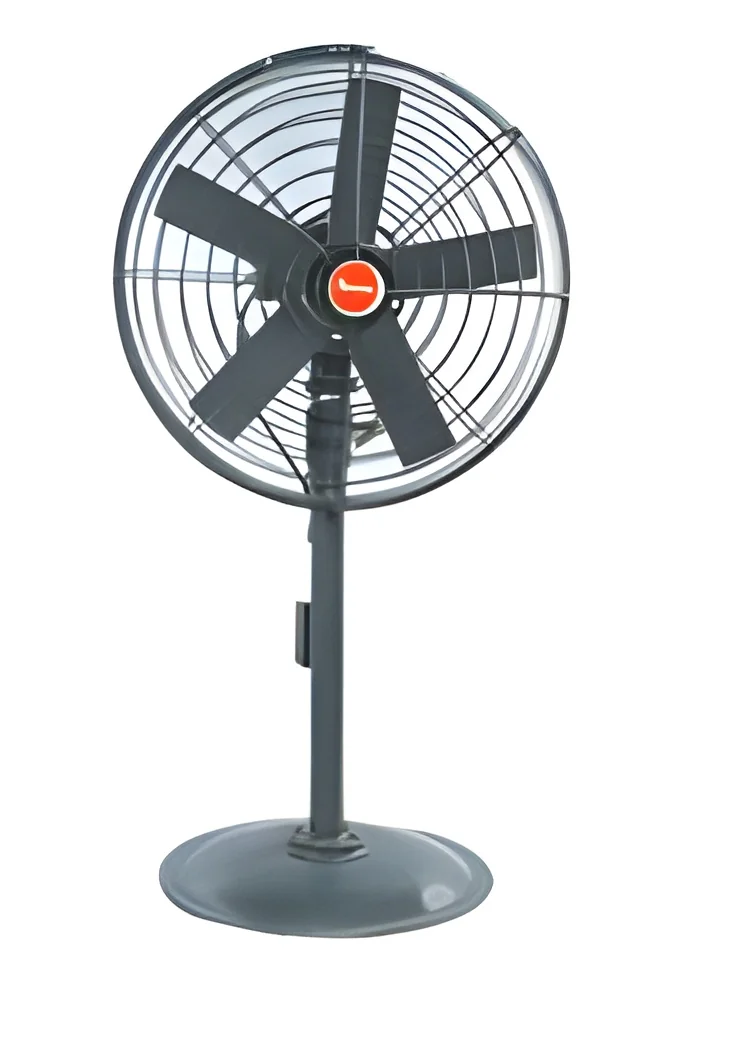
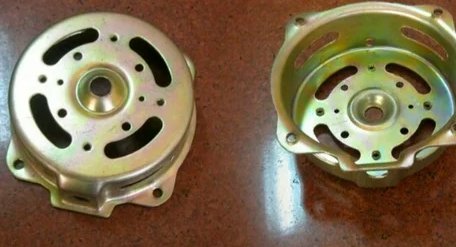
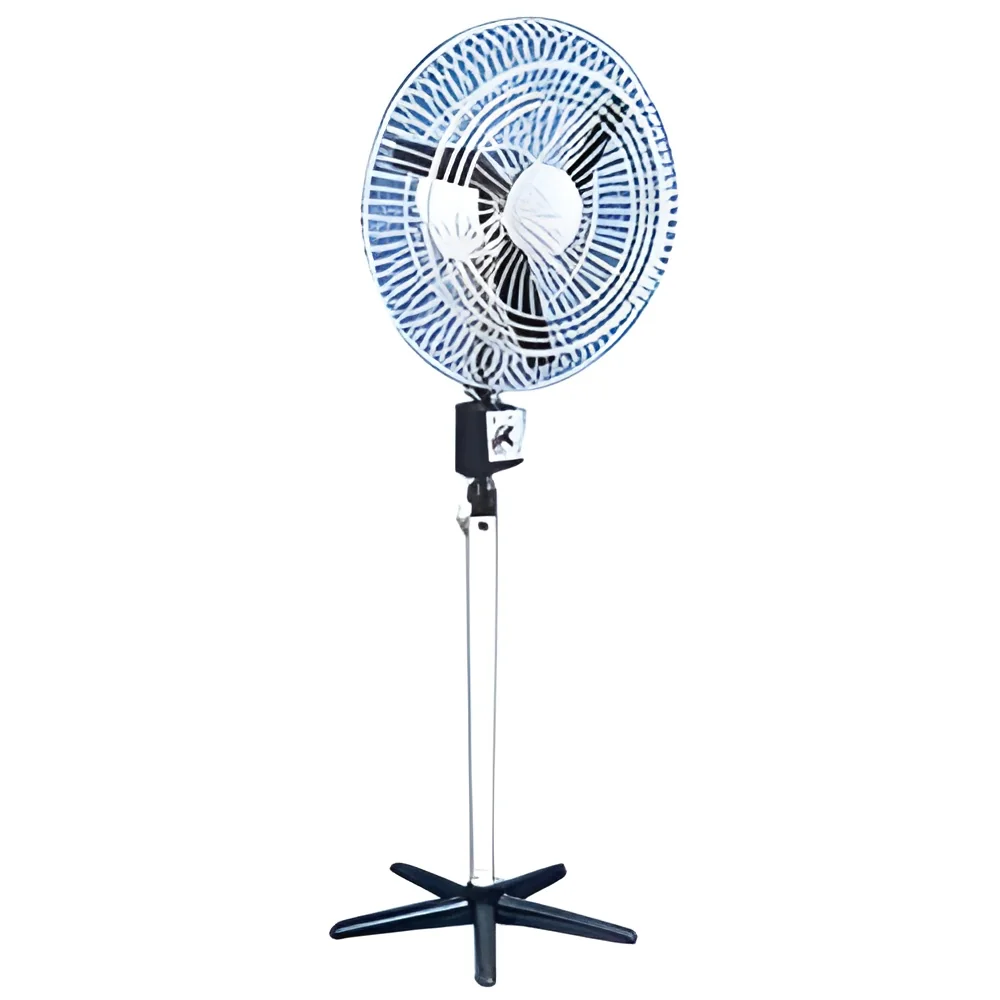
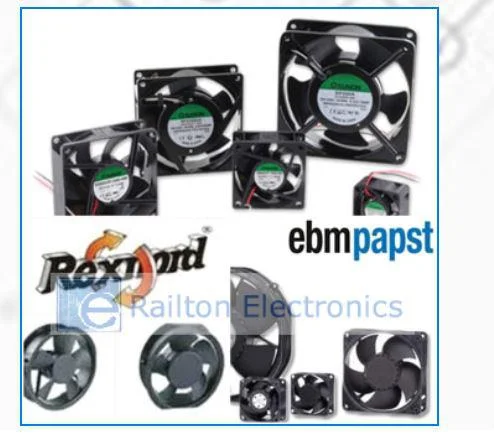
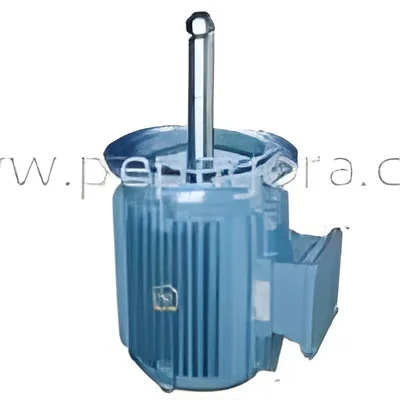
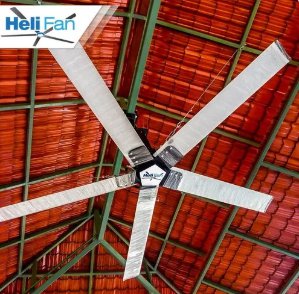
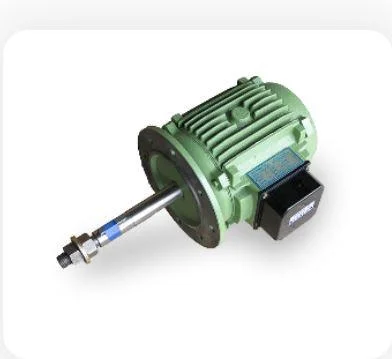
Cooling fans and motors are crucial components in various industrial applications, designed to enhance airflow and manage temperature within equipment and facilities. Cooling fans operate by creating a flow of air, which helps dissipate heat generated by machinery or electrical devices. Motors, on the other hand, power the fans and can vary in size and capacity depending on the application requirements. Together, these components are essential for maintaining optimal operating conditions in numerous environments.
These products find widespread use in industries such as manufacturing, HVAC, automotive, and electronics. They are employed to cool machinery, improve ventilation in workspaces, and maintain temperature control in various processes. In many cases, effective cooling is necessary to prevent overheating, enhance efficiency, and prolong the lifespan of equipment. Given the critical role they play, cooling fans and motors are highly relevant across industrial sectors, contributing significantly to operational productivity and safety.
Key Features and Specifications
Cooling fans and motors come equipped with several key features that ensure their effectiveness and adaptability in various applications. Understanding these specifications is crucial when selecting the right product for specific needs.
Key specifications include:
1. Airflow Capacity
- Measures the volume of air moved by the fan, typically expressed in cubic feet per minute (CFM).
- Varies based on fan size and design.
2. Voltage Rating
- Indicates the electrical supply voltage required for the motor to operate.
- Common ratings include 120V, 230V, and 400V.
3. Speed Settings
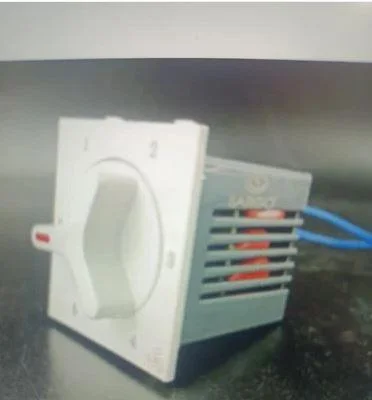
- Refers to the number of operational speeds available, which can range from single to multiple settings.
- Offers flexibility to adapt to varying cooling needs.
4. Noise Level
- Measured in decibels (dB), indicating how loud the fan operates during use.
- Important for applications where noise reduction is crucial.
5. Motor Efficiency
- Evaluates the energy consumption of the motor in relation to its output.
- Higher efficiency leads to reduced operational costs.
6. Protection Features
- Includes thermal overload protection, which prevents damage to the motor by shutting it down in case of overheating.
7. Material Construction
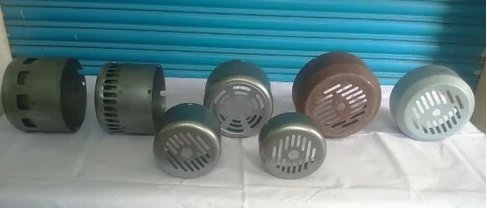
- Typically made of durable materials, such as metal or high-grade plastic, to withstand harsh environments.
8. Mounting Options
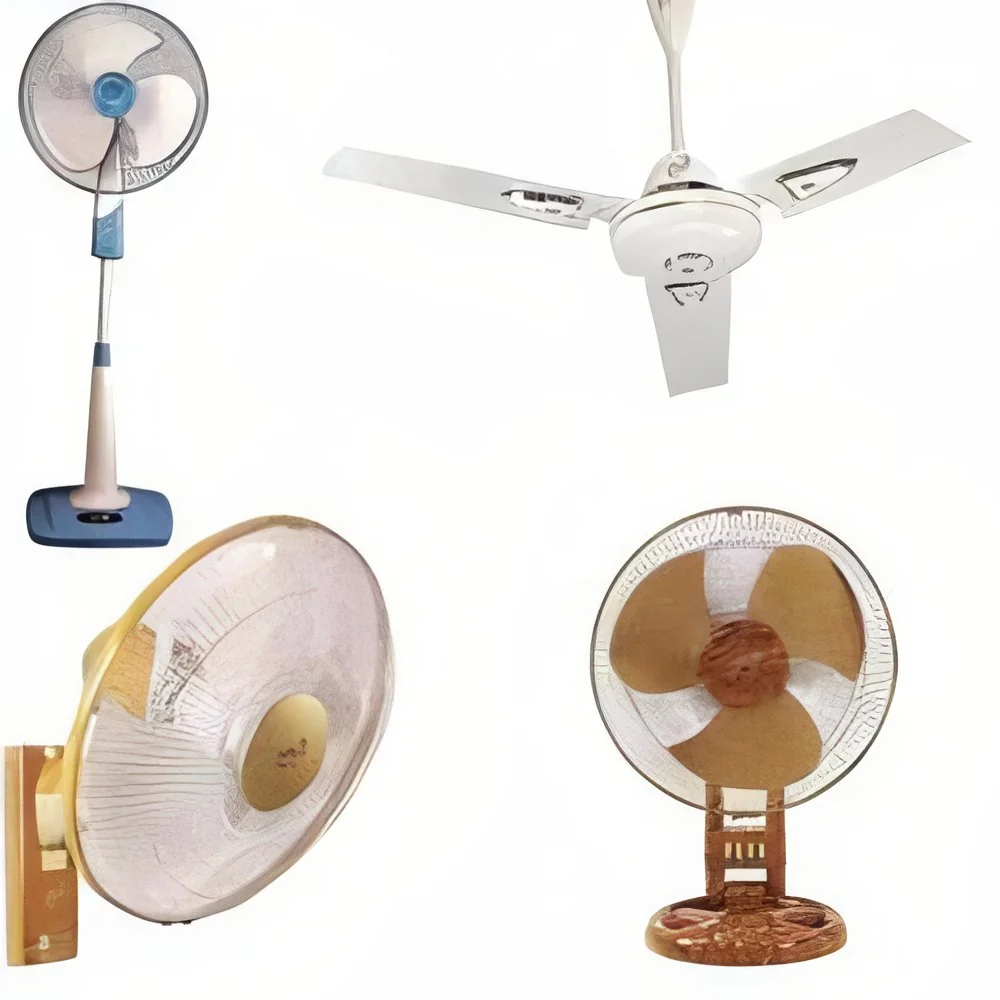
- Various designs are available, including wall-mounted, ceiling-mounted, and portable units, allowing flexibility in installation.
In summary, understanding these key features helps businesses choose the right cooling fans and motors tailored to their specific operational requirements.
Common Applications and Use Cases
Cooling fans and motors serve a wide range of industries, each with unique applications that enhance efficiency and reliability.
1. Manufacturing: In this sector, cooling fans are used to maintain optimal temperatures in machines and workspaces, preventing overheating and ensuring smooth operations.
2. HVAC: Heating, ventilation, and air conditioning systems rely on cooling fans to circulate air, regulate temperature, and enhance indoor air quality in commercial and residential buildings.
3. Automotive: Cooling fans in vehicles help regulate engine temperature, ensuring optimal performance and preventing overheating during operation.
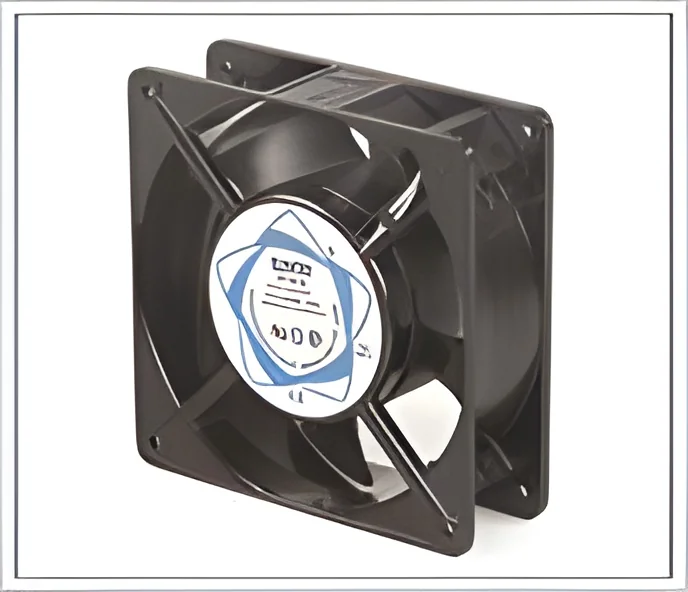
4. Electronics: Cooling fans are essential in electronic devices to dissipate heat generated by components such as CPUs, ensuring they operate within safe temperature ranges.
5. Food and Beverage: In food processing plants, cooling fans assist in maintaining proper temperatures during production and storage, crucial for food safety.
6. Data Centers: These facilities utilize cooling fans to manage temperature and humidity, protecting sensitive equipment from heat-related failures.
7. Industrial Equipment: Cooling systems in heavy machinery use fans to enhance performance and prevent damage, ensuring reliability in demanding environments.
Product Variants and Subcategories
Cooling fans and motors come in various types to meet diverse industrial needs. Each variant offers distinct features tailored for specific applications.
Axial Fans: These fans are designed to move air parallel to the fan's axis, making them ideal for cooling large spaces or machinery. They are commonly used in ventilation and exhaust applications.
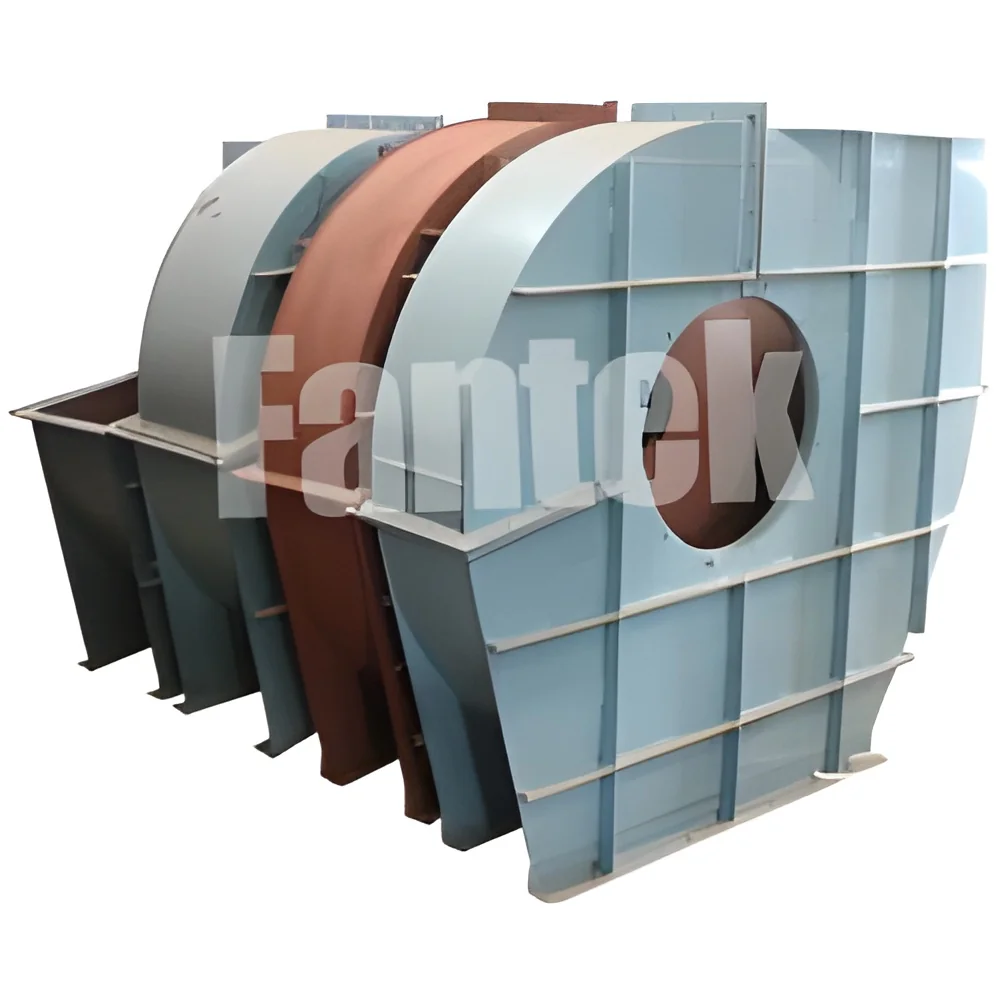
Centrifugal Fans: Unlike axial fans, centrifugal fans move air perpendicular to the axis. They are effective in applications requiring high pressure and are often used in HVAC systems.
Blower Motors: These specialized motors are designed to generate high airflow rates and are commonly used in applications such as furnaces and air conditioning systems.
DC Fans: These fans operate on direct current and are energy-efficient, making them suitable for battery-operated devices and applications where power consumption is a concern.
High-Performance Fans: Engineered for demanding environments, these fans provide superior airflow and durability, often used in industrial operations that require reliable cooling.
Benefits and Advantages
Cooling fans and motors offer numerous benefits that enhance operational efficiency and safety in industrial settings.
1. Enhanced Cooling: These products effectively manage temperatures, preventing overheating and ensuring optimal performance of machinery and equipment.
2. Energy Efficiency: Many modern cooling fans and motors are designed to consume less power while delivering high performance, leading to reduced energy costs.
3. Versatility: Available in various designs and sizes, cooling fans and motors can be customized for specific applications, making them adaptable to different industries.
4. Extended Equipment Life: By maintaining proper operating temperatures, these products help prolong the lifespan of machinery and reduce maintenance costs.
5. Improved Air Quality: Cooling fans contribute to better ventilation in workspaces, promoting healthier environments for workers.
6. Reliability: High-quality cooling fans and motors are designed to operate consistently, minimizing downtime and enhancing productivity.
Buying Guide for B2B Buyers
When sourcing cooling fans and motors, it is essential for B2B buyers to consider several important factors to ensure they make informed decisions.
1. Quality Assessment: Evaluate product quality through reviews, certifications, and warranty information. High-quality products often lead to better performance and lower maintenance.
2. Supplier Verification: Vet potential suppliers by checking their reputation, history, and customer references. Reliable suppliers are crucial for ensuring consistent product availability.
3. Pricing and MOQ: Understand the pricing structure and minimum order quantities (MOQ) required by suppliers. Ensure that the costs align with your budget and purchasing capabilities.
4. Delivery and Lead Times: Consider logistics, including delivery times and shipping methods. Timely delivery is essential for maintaining production schedules.
5. Compliance Requirements: Ensure that the products meet relevant regulatory standards and industry certifications. Compliance with safety and quality standards is critical for operational reliability.
Compliance and Certifications
Compliance and certifications are vital aspects of cooling fans and motors, ensuring they meet industry standards for safety and performance.
Key quality standards include ISO 9001, which focuses on quality management systems to enhance customer satisfaction and operational efficiency. Additionally, HACCP and GDP standards may apply in specific industries, particularly where health and safety are concerned.
Industry certifications such as CE indicate compliance with European safety standards, ensuring that products are safe for use in various applications.
Manufacturers must also adhere to safety and testing requirements, which are essential for verifying that cooling fans and motors can operate effectively under specified conditions.
Regional compliance considerations may vary, so it is crucial to understand the specific regulations that apply in different markets, ensuring that products are suitable for their intended use.
Why Source Cooling Fans & Motors from Pepagora?
Pepagora provides a trusted platform for sourcing cooling fans and motors, offering several key advantages to B2B buyers.
Verified Supplier Network: Pepagora has established a robust network of verified suppliers, ensuring that buyers can confidently source high-quality products from reputable manufacturers.
Streamlined RFQ Process: The platform features an efficient Request for Quotation (RFQ) system, allowing buyers to easily request pricing and product information from multiple suppliers in one place.
Trade Assurance and Support: Pepagora offers buyer protection through trade assurance programs, providing support throughout the purchasing process and ensuring a secure transaction environment.
Regional Coverage: With a strong presence in regions such as India, the GCC, and Southeast Asia, Pepagora enables buyers to access a diverse range of cooling fans and motors tailored to local market needs.
In summary, Pepagora is an ideal partner for businesses seeking reliable and high-quality cooling fans and motors, facilitating a seamless procurement experience.

 IN
IN