Key Features and Specifications
Sensors (Speed, Temperature, Pressure) come equipped with a variety of features designed to enhance performance and accuracy. Understanding these specifications is vital for selecting the right sensor for specific applications.
Key specifications include:
1. Measurement Range
- Defines the limits within which the sensor can accurately measure.
- Technical parameters or ranges can vary significantly based on the sensor type.
2. Accuracy
- Indicates the degree of closeness of measurements to true values.
- Typically expressed as a percentage of full scale or in specific units.
3. Response Time
- Refers to how quickly the sensor can provide readings after a change in measurement conditions.
- Important for applications requiring real-time monitoring.
4. Output Type
- Specifies whether the sensor provides analog, digital, or other types of output.
- Different output types cater to various system integrations.
5. Operating Temperature
- Indicates the temperature range in which the sensor functions effectively.
- Critical for applications in extreme environments.
6. Pressure Range
- Defines the minimum and maximum pressures the sensor can measure.
- Essential for ensuring safety in high-pressure applications.
7. Installation Type
- Describes how the sensor is mounted or integrated into systems.
- Options can include threaded, flanged, or clamp fittings.
8. Power Supply Requirements
- Specifies the voltage and current needed for sensor operation.
- Important for compatibility with existing equipment.
In summary, understanding these features and specifications is crucial for choosing the right sensor to meet specific industrial needs.
Common Applications and Use Cases
Sensors (Speed, Temperature, Pressure) find extensive use across various industries due to their ability to provide critical data.
1. Automotive: In vehicles, speed sensors monitor the speed of moving parts, enhancing safety and efficiency. Temperature sensors are used in engine management systems to optimize performance.
2. Manufacturing: Speed sensors help track conveyor belt speeds, while temperature sensors ensure that materials are processed under optimal thermal conditions. Pressure sensors monitor systems to prevent malfunctions.
3. Oil and Gas: Pressure sensors are vital for monitoring pipeline integrity and preventing leaks. Temperature sensors are used to ensure safe operation of refining processes.
4. HVAC: Temperature sensors help regulate heating and cooling systems, ensuring comfort and energy efficiency. Pressure sensors monitor airflow and system performance.
5. Food and Beverage: Temperature sensors are critical for maintaining food safety standards during processing and storage. Pressure sensors are used in packaging to ensure product integrity.
6. Pharmaceuticals: Speed sensors monitor conveyor speeds in production lines, while temperature sensors are essential for maintaining controlled environments for sensitive products.
7. Energy: In power plants, pressure sensors monitor steam and gas flows, while temperature sensors help ensure safe operations in critical systems.
Product Variants and Subcategories
Sensors (Speed, Temperature, Pressure) are available in various types to cater to specific applications and industry needs. Each variant offers unique features designed to optimize performance.
Speed Sensors
These sensors are designed to detect the rotational speed of moving parts. They are commonly used in automotive applications for monitoring vehicle speed and in industrial settings for managing conveyor systems.
Temperature Sensors
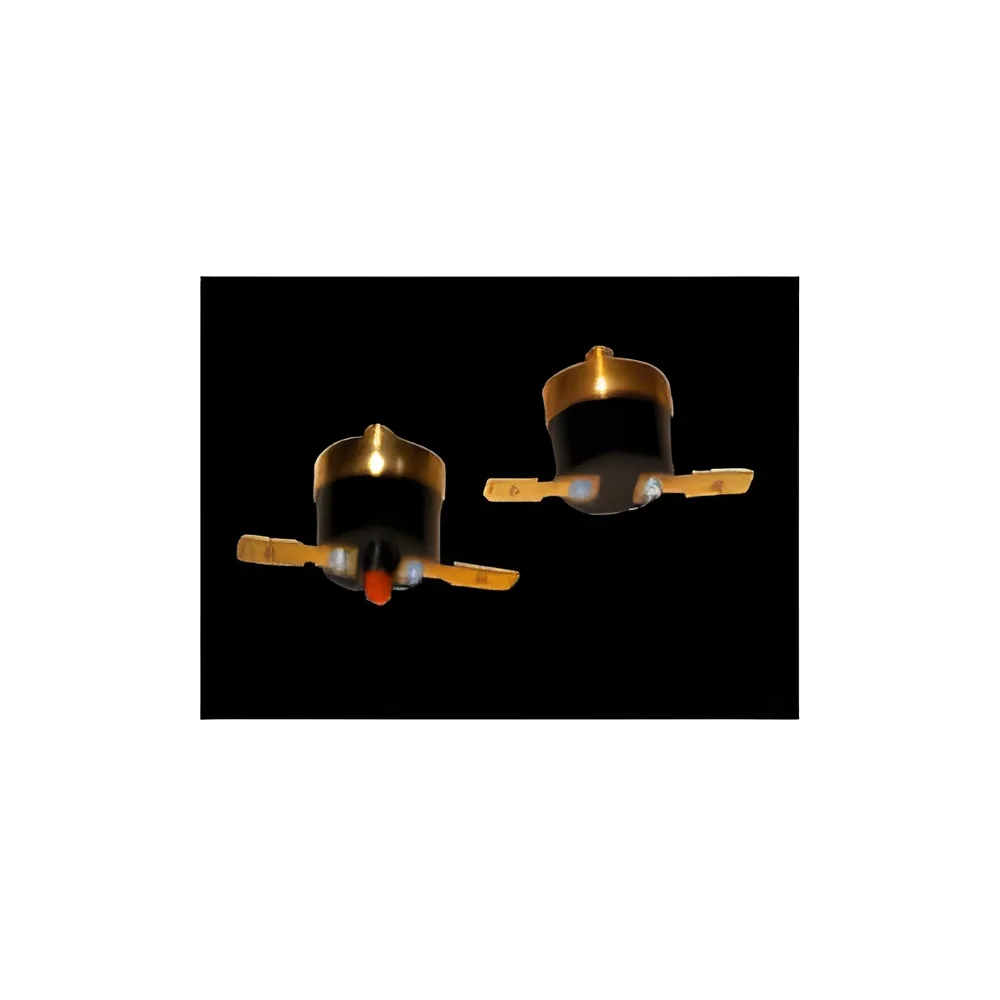
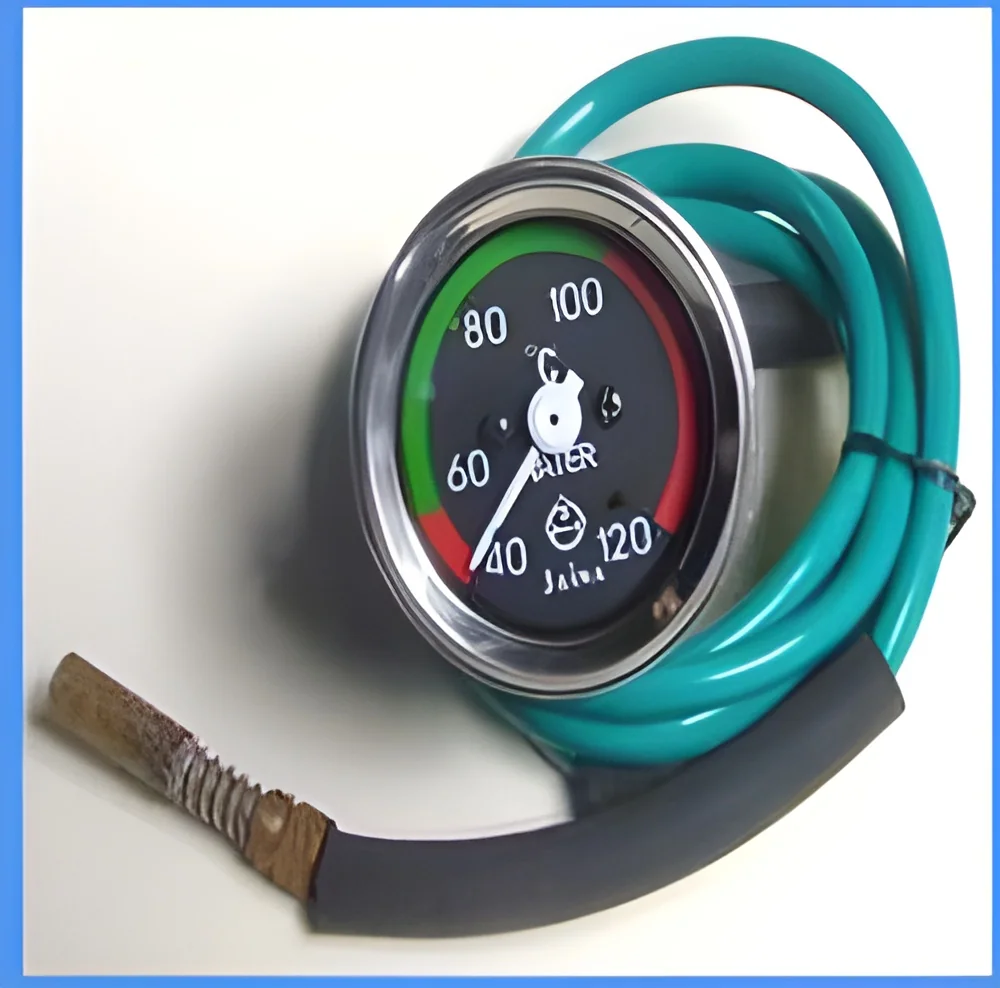
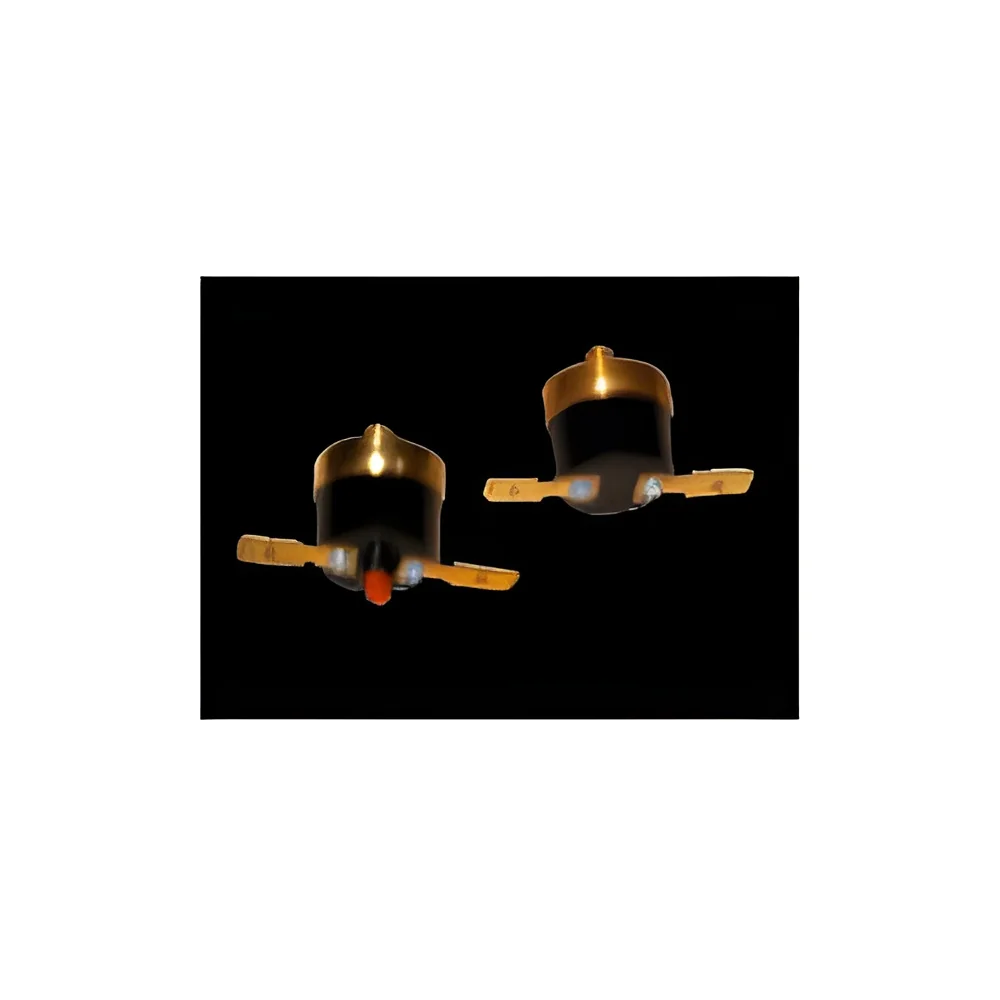
Temperature sensors are crucial for measuring thermal conditions in various environments. They are utilized in HVAC systems, food processing, and industrial machinery to ensure optimal operational conditions.
Pressure Sensors
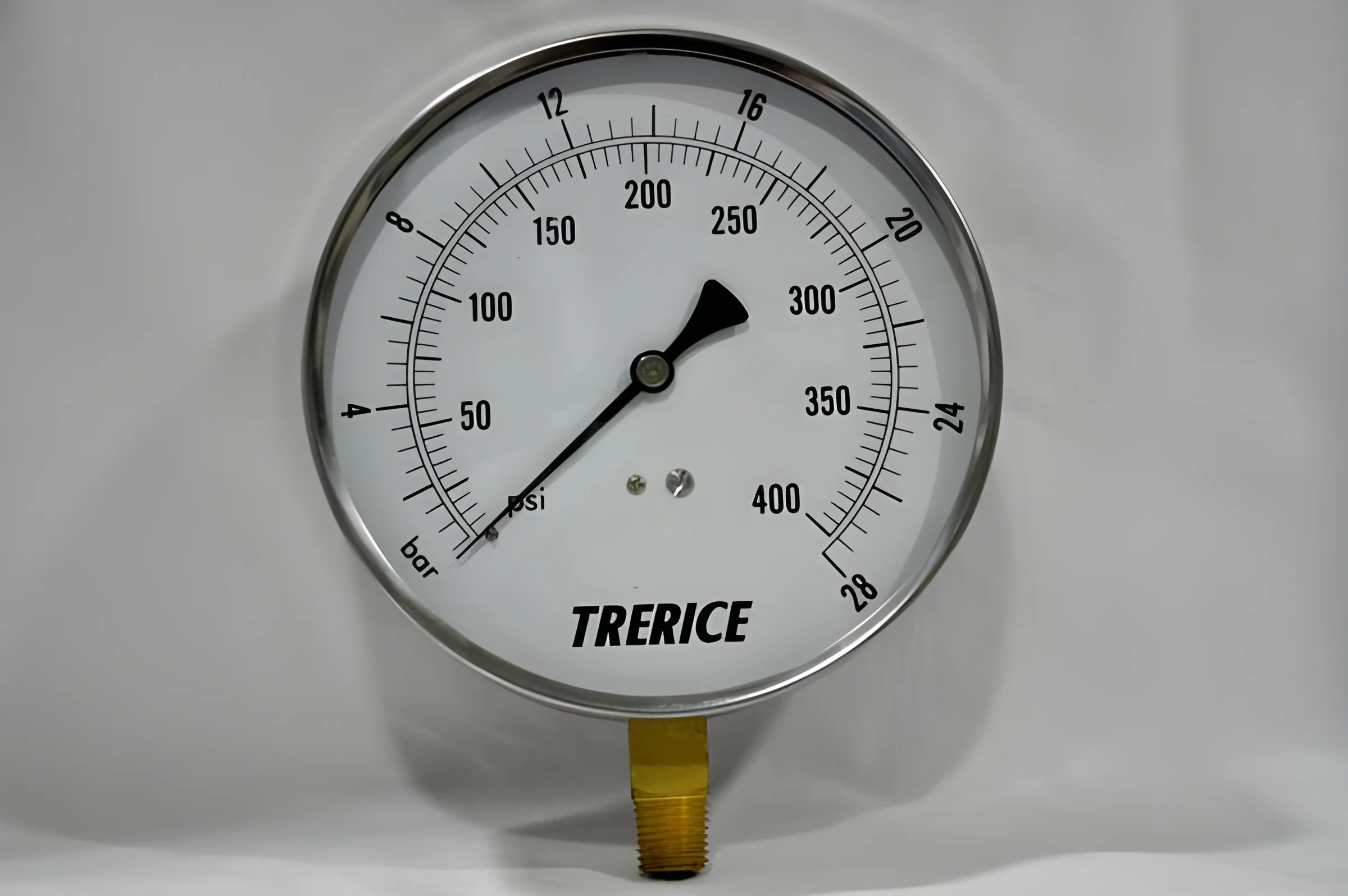
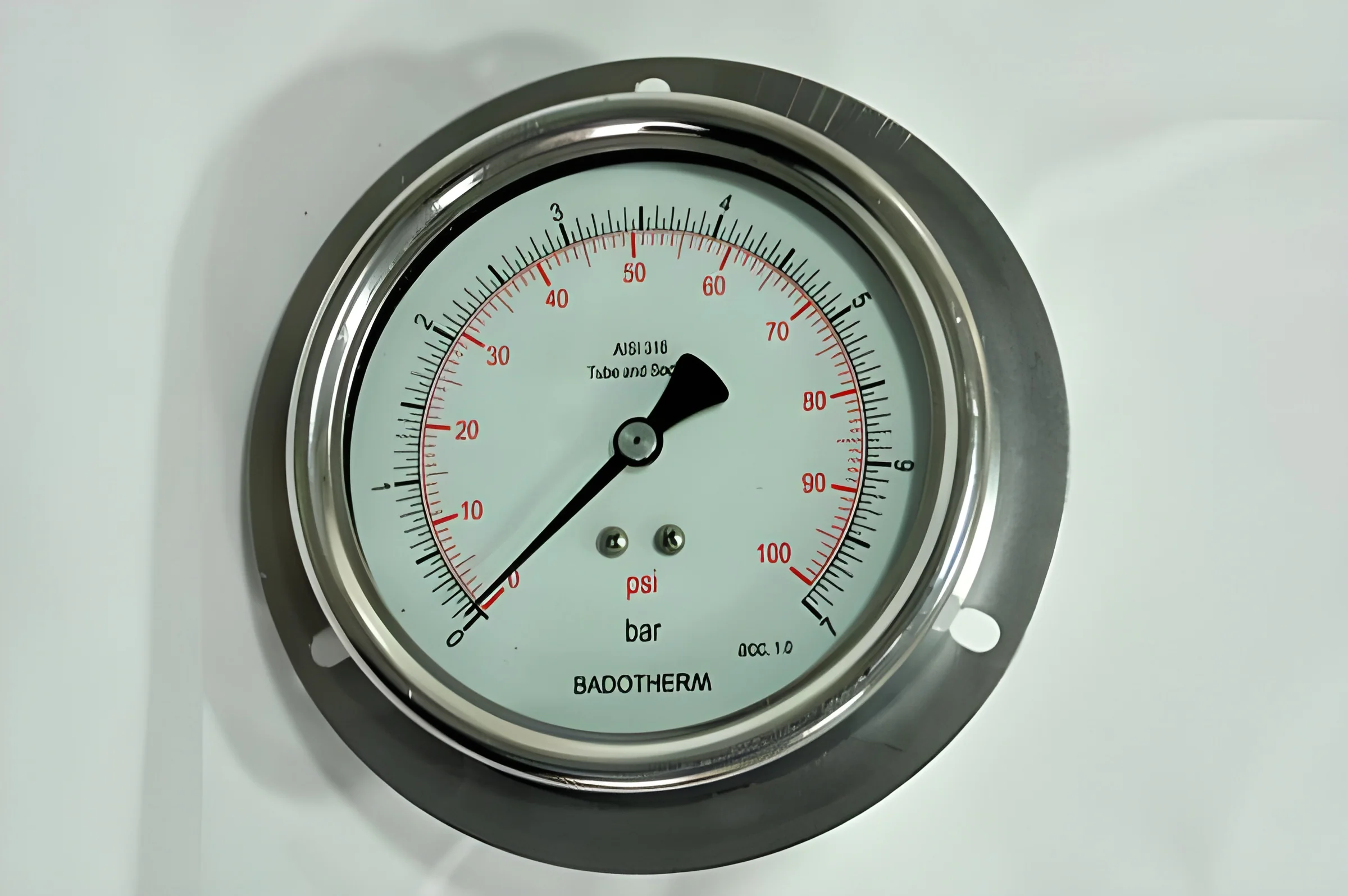
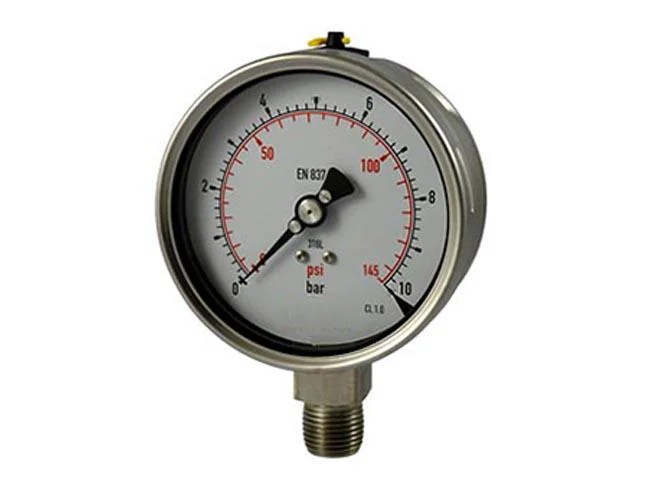
Pressure sensors measure fluid or gas pressure within systems, providing vital data for maintaining safety and efficiency. They are widely used in the oil and gas industry, HVAC applications, and manufacturing processes.
Benefits and Advantages
Sensors (Speed, Temperature, Pressure) offer numerous advantages that enhance industrial operations and decision-making.
Key benefits include:
1. Enhanced Efficiency: By providing real-time data, these sensors help optimize processes, leading to reduced downtime and improved productivity.
2. Improved Safety: Pressure and temperature sensors detect anomalies, minimizing risks associated with equipment failure and unsafe conditions.
3. Accurate Monitoring: High-precision sensors ensure accurate measurements, which are critical for maintaining quality standards in industrial processes.
4. Cost Savings: By identifying inefficiencies and preventing failures, these sensors can lead to significant cost reductions in maintenance and operations.
5. Versatility: Sensors are adaptable to various applications across different industries, making them a flexible solution for many operational needs.
6. Data-Driven Insights: The data collected by these sensors can be analyzed to inform strategic decisions, enhance product quality, and improve overall business performance.
Buying Guide for B2B Buyers
When sourcing Sensors (Speed, Temperature, Pressure), B2B buyers should consider several key factors to ensure they make informed decisions.
1. Quality Assessment: Determine the quality of sensors by reviewing specifications, performance data, and manufacturer certifications. Look for adherence to industry standards to ensure reliability.
2. Supplier Verification: Vet suppliers thoroughly by checking their reputation, customer reviews, and industry experience. A trusted supplier can significantly impact the reliability of your sensors.
3. Pricing and MOQ: Evaluate pricing structures and minimum order quantities (MOQ) to align with your budget and operational needs. Bulk purchasing may lead to cost savings.
4. Delivery and Lead Times: Consider logistics and delivery schedules. Timely delivery is crucial for maintaining project timelines and ensuring operational efficiency.
5. Compliance Requirements: Verify that sensors meet applicable regulatory and compliance standards in your industry. Understanding these requirements helps avoid legal issues and ensures product safety.
Compliance and Certifications
Compliance and certifications are essential aspects of sensors (Speed, Temperature, Pressure). Relevant quality standards such as ISO 9001 ensure that manufacturers maintain high-quality processes and systems. Adhering to these standards can enhance product reliability and customer satisfaction.
Industry certifications, such as CE marking, indicate that sensors meet European safety, health, and environmental protection standards. This certification is crucial for products sold in EU markets and assures buyers of compliance with regulatory requirements.
Safety and testing requirements vary by industry but generally include rigorous evaluations to ensure that sensors perform under specified conditions. Additionally, regional compliance considerations can affect product selection, necessitating an understanding of local regulations to ensure that sensors meet all necessary legal requirements.
Why Source Sensors (Speed, Temperature, Pressure) from Pepagora?
Pepagora provides a trusted platform for sourcing Sensors (Speed, Temperature, Pressure) with several key advantages that set it apart from competitors.
Verified Supplier Network: Pepagora features a comprehensive network of verified suppliers who meet rigorous standards. This ensures that buyers receive high-quality products and reliable service.
Streamlined RFQ Process: The request for quotation (RFQ) process is designed to be efficient and user-friendly. Buyers can easily receive quotes from multiple suppliers, allowing for informed decision-making.
Trade Assurance and Support: Buyers benefit from trade assurance that protects transactions, providing peace of mind throughout the sourcing process. Dedicated support ensures that any issues are addressed promptly.
Regional Coverage: With a strong presence in India, the GCC, and Southeast Asia, Pepagora offers extensive regional coverage. This geographic reach allows buyers to connect with suppliers that best meet their local needs.

 IN
IN