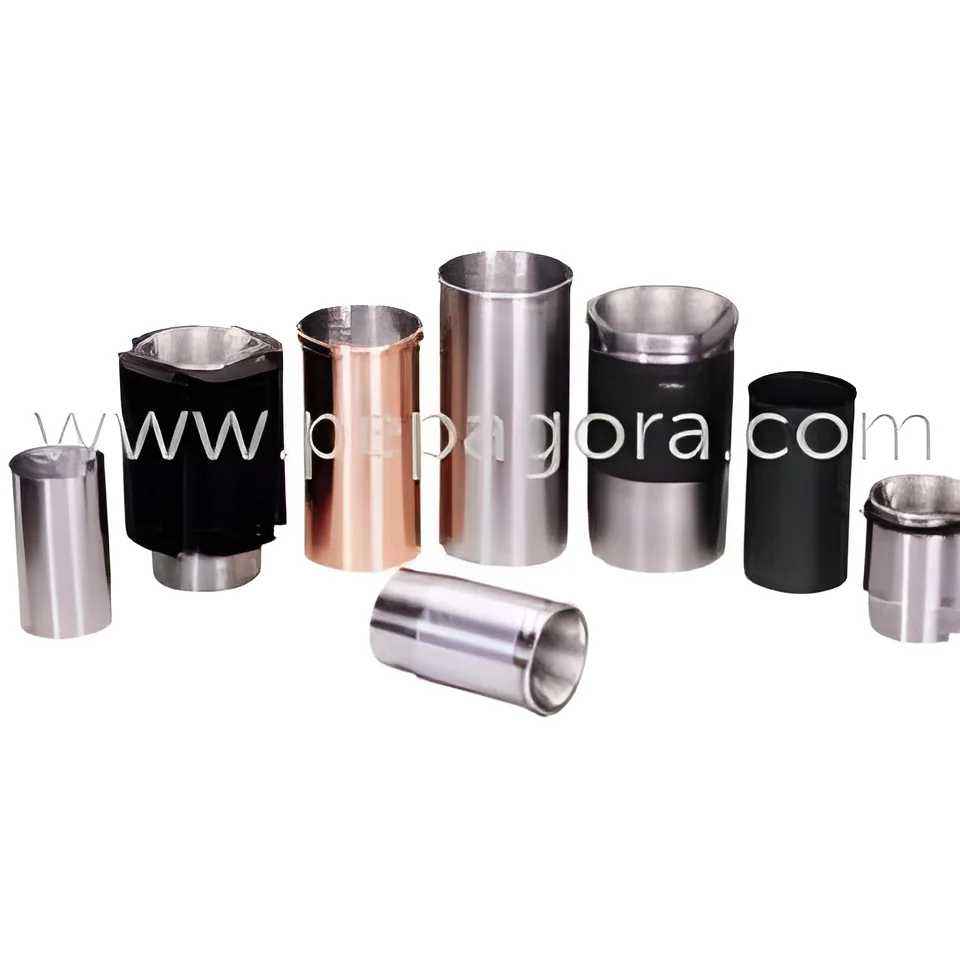
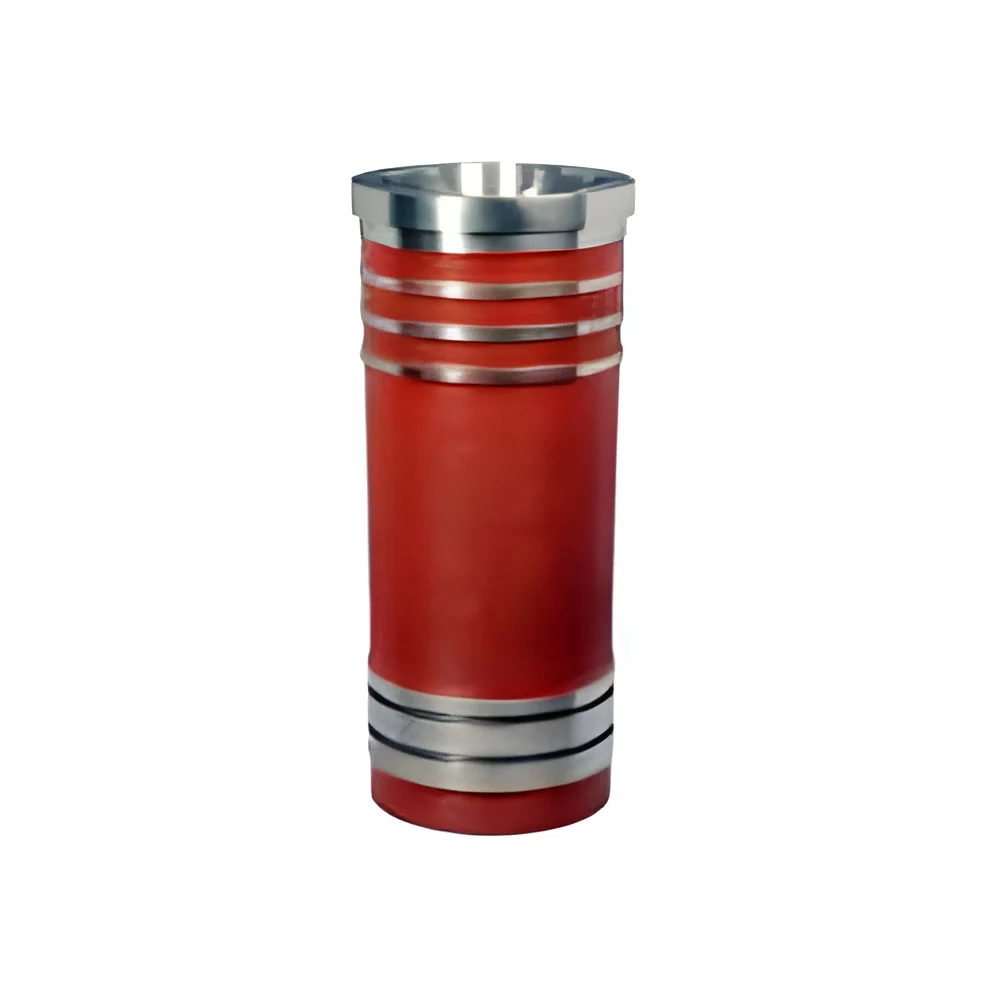
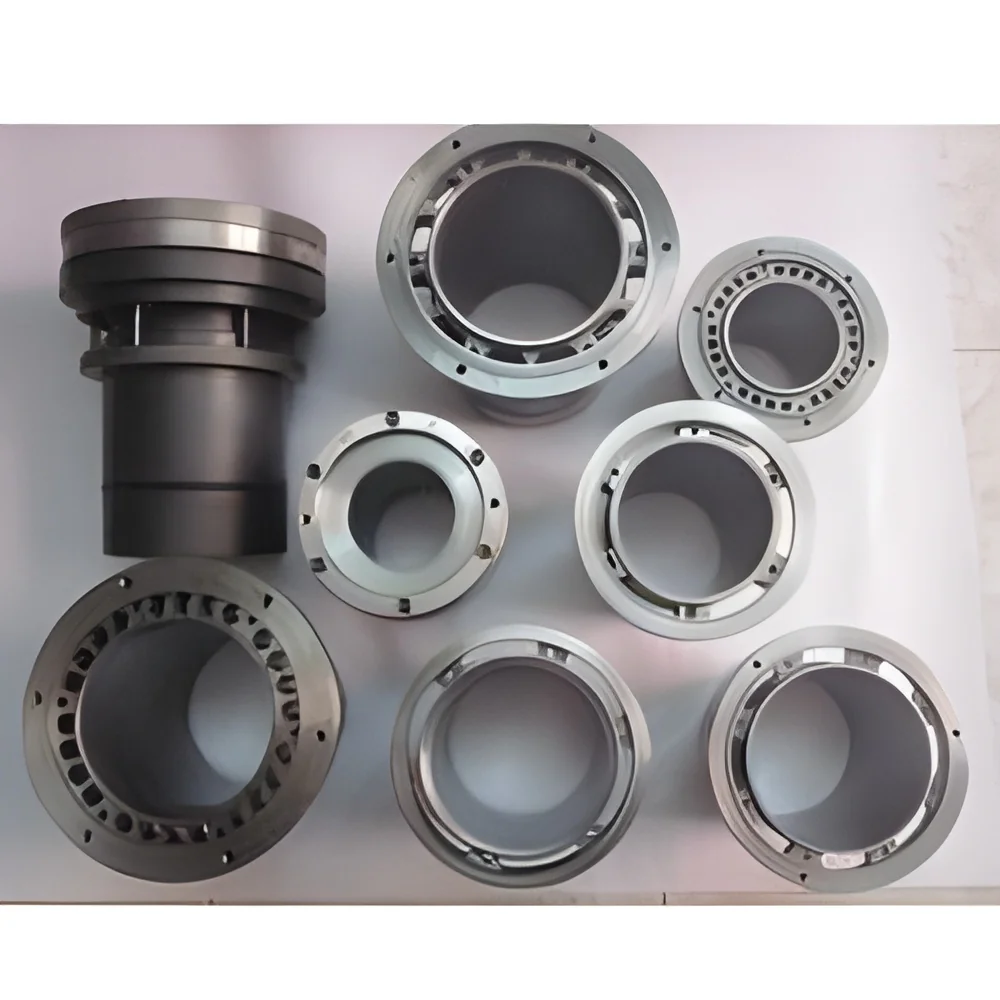
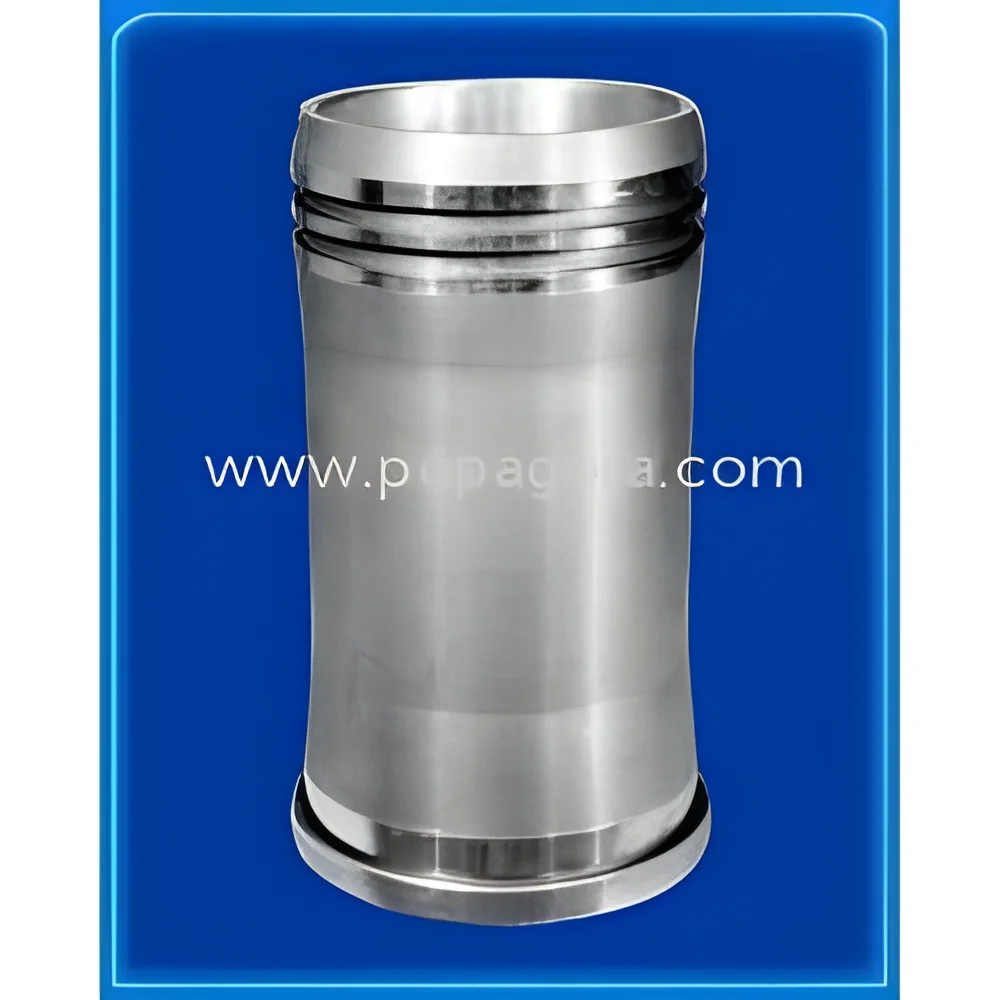
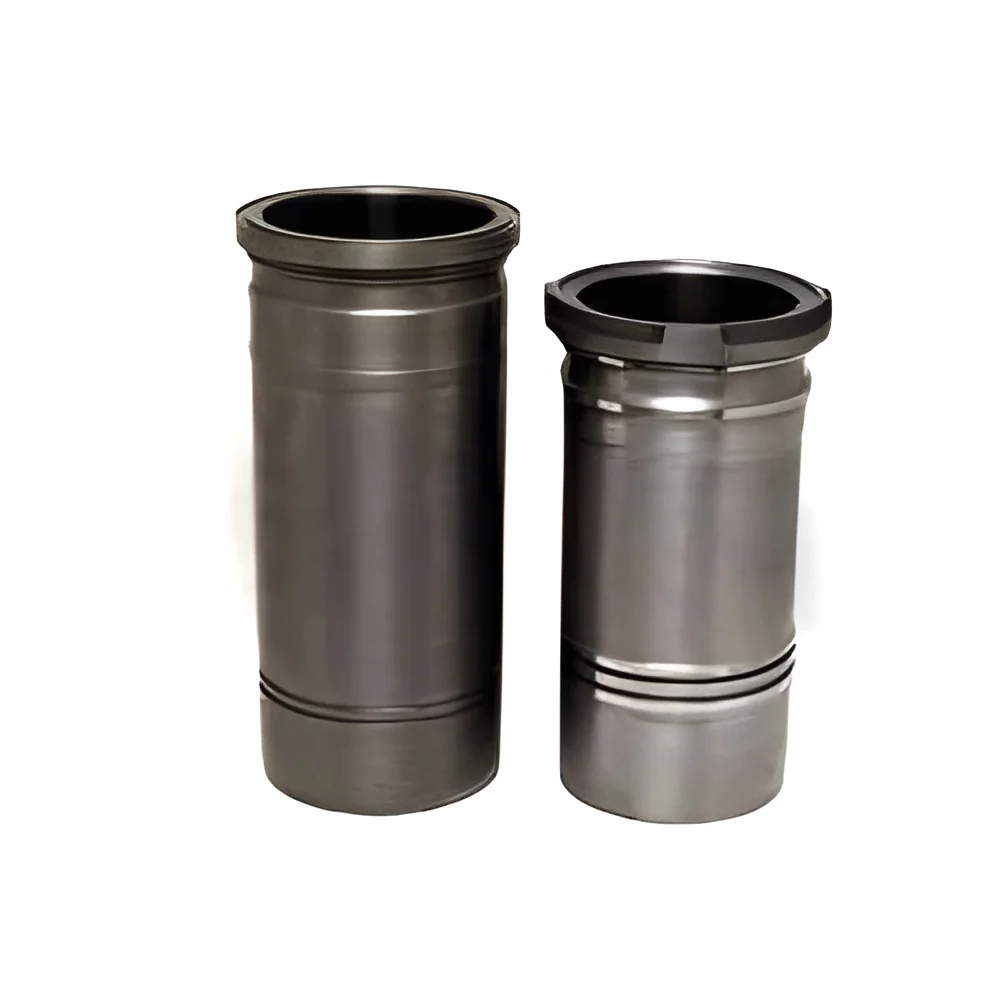
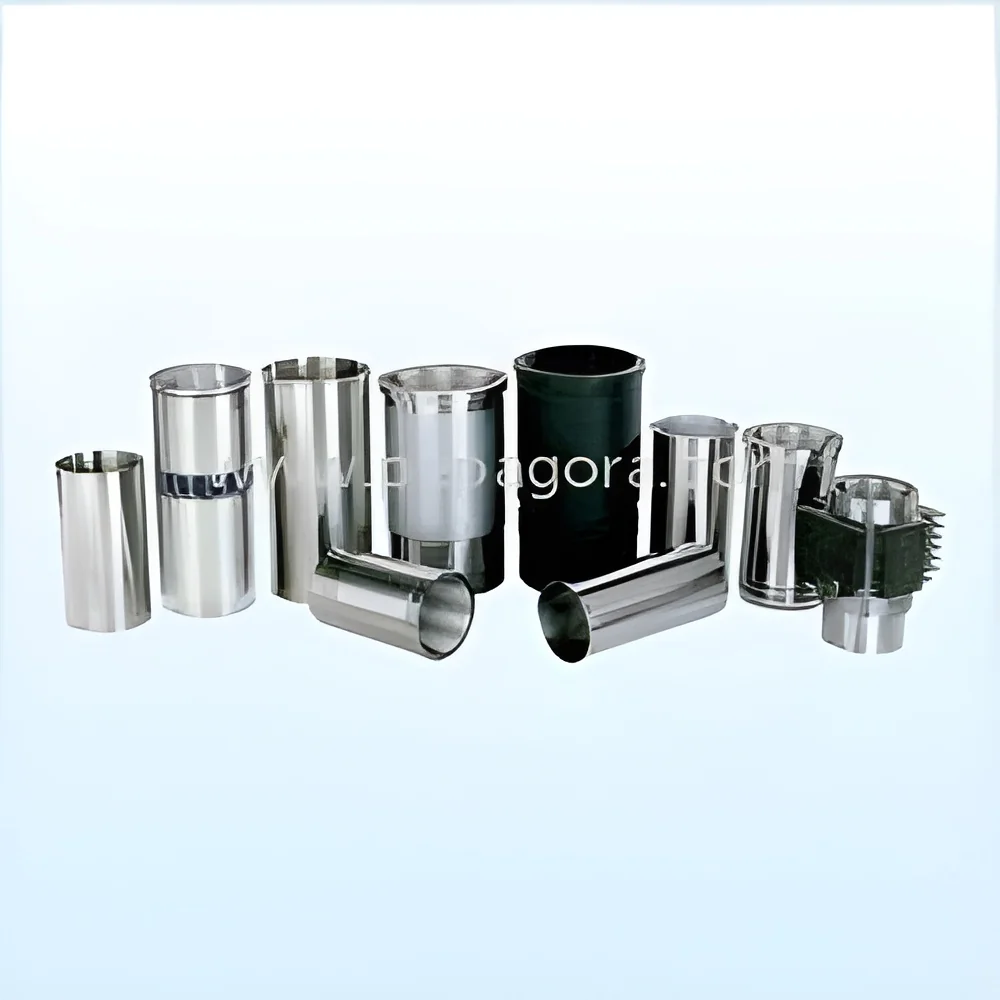
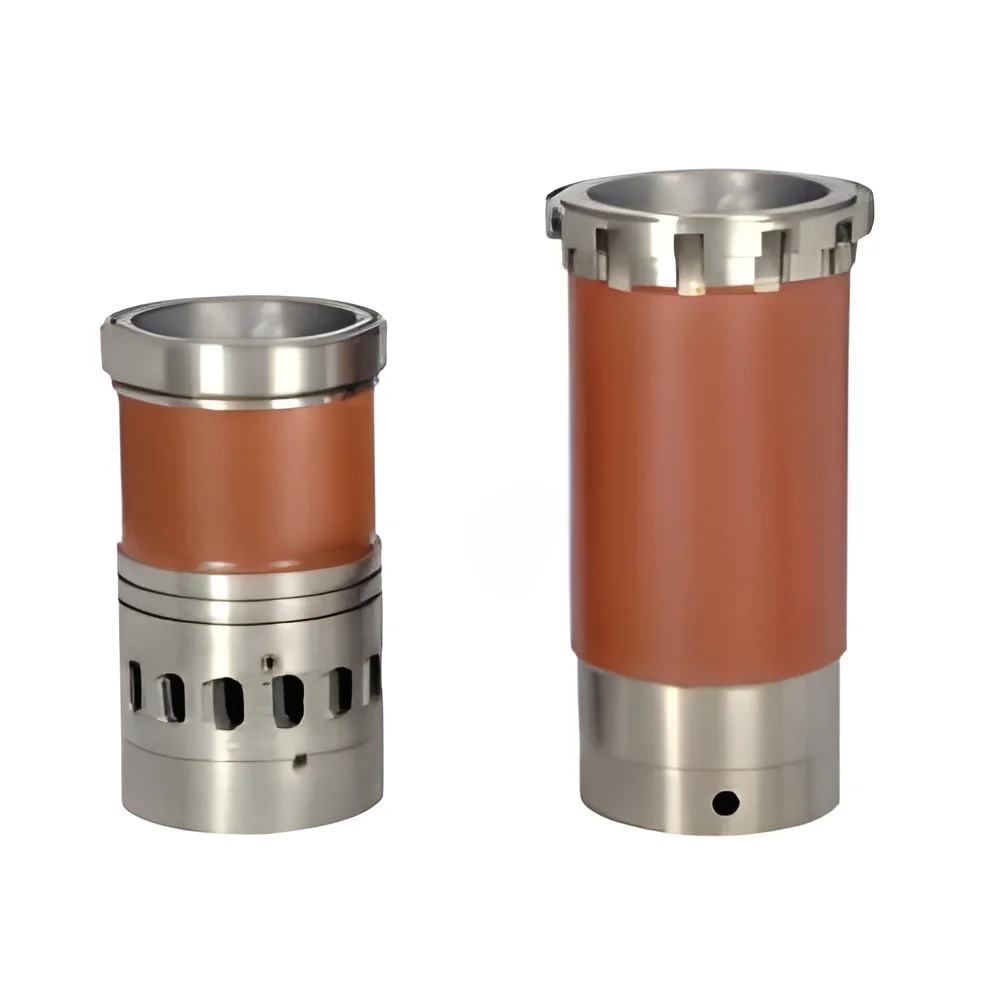
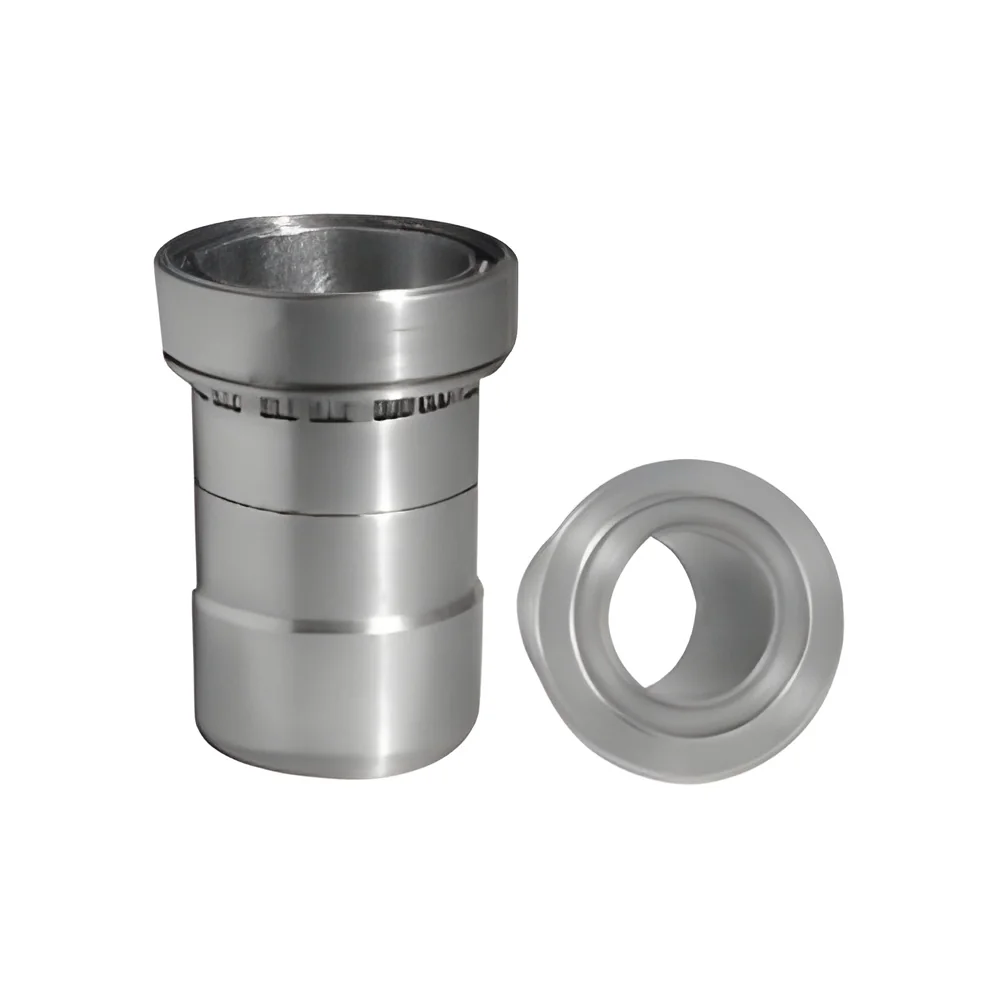
What are Cylinder Liners?
Cylinder liners are essential components in internal combustion engines, serving as protective sleeves that line the cylinder block. Their primary function is to provide a durable surface for the piston to move against, while also containing the combustion process. By facilitating optimal engine performance, cylinder liners help improve overall efficiency and longevity, making them a vital part of engine construction and maintenance.
These liners are widely used in various applications, including automotive, marine, and industrial machinery. They are particularly relevant in heavy-duty engines that require enhanced durability under high pressure and temperature conditions. By ensuring the integrity of the engine's combustion chamber, cylinder liners play a critical role in meeting the demands of modern engineering and manufacturing. The cylinder liner market is influenced by trends in automotive and industrial growth, making it a key area of focus for manufacturers and suppliers.
Key Features and Specifications
Cylinder liners come with a variety of features and specifications that cater to different engine requirements. These specifications are crucial for ensuring compatibility and performance in various applications.
Key specifications include:
1. Material Composition
- Typically made from cast iron or aluminum alloys
- Offers varying levels of strength, weight, and thermal conductivity
2. Diameter and Length
- Available in various diameters and lengths to fit specific engine designs
- Standard sizes are determined by engine manufacturer specifications
3. Surface Finish
- Precision machined for smoothness and wear resistance
- Surface treatments may include coatings for improved performance
4. Wall Thickness
- Varies depending on engine requirements
- Thicker walls provide enhanced durability for heavy-duty applications
5. Tolerance Levels
- Must adhere to specific tolerances for proper fit and function
- Critical for maintaining engine efficiency and performance
6. Heat Resistance
- Designed to withstand high temperatures generated during combustion
- Critical for preventing warping or failure under extreme conditions
7. Corrosion Resistance
- Many liners are treated or coated to resist corrosion
- Extends the lifespan of the liner and reduces maintenance needs
8. Weight
- Varies according to material and design
- Lighter liners may improve overall engine performance
In summary, cylinder liners are designed with specific features and specifications to enhance engine performance and longevity. Understanding these characteristics is essential for selecting the right liners for various applications.
Common Applications and Use Cases
Cylinder liners are utilized across a range of industries, highlighting their versatility and importance in engine design.
1. Automotive Industry: Cylinder liners are essential in passenger vehicles and commercial trucks, where they support engine performance and efficiency. Their durability helps maintain optimal functionality over extended periods.
2. Marine Applications: In marine engines, cylinder liners provide the necessary strength and resistance to harsh environmental conditions, ensuring reliability and performance for vessels.
3. Industrial Machinery: Heavy equipment and industrial engines rely on cylinder liners to withstand rigorous operating conditions, making them critical for machinery used in construction, mining, and manufacturing.
4. Agricultural Equipment: Tractors and other farming machinery use cylinder liners to ensure efficient engine operation, enabling reliable performance in demanding agricultural settings.
5. Power Generation: Cylinder liners are integral to engines used in power generation, where reliability and efficiency are paramount for consistent energy output.
6. Construction Equipment: Heavy-duty machines such as excavators and bulldozers depend on robust cylinder liners for optimal engine performance under extreme conditions.
7. Aerospace Industry: Some aircraft engines utilize specialized cylinder liners to meet strict performance and safety standards, showcasing the versatility of this component.
Product Variants and Subcategories
Cylinder liners exhibit a degree of diversity to meet the demands of different applications. While specific subcategories may not be available, various designs cater to unique requirements.
Standard Cylinder Liners: These are the most common type, designed for general automotive and industrial applications. They provide reliable performance and durability for a wide range of engines.
High-Performance Cylinder Liners: Engineered for racing or high-output engines, these liners often feature enhanced materials and designs to withstand higher pressures and temperatures. They are ideal for applications requiring superior performance.
Custom Cylinder Liners: Tailored to meet specific engine designs or requirements, custom liners can be produced based on unique specifications. This option allows for flexibility in design and application.
Benefits and Advantages
The use of cylinder liners offers multiple benefits that contribute to enhanced engine efficiency and longevity.
1. Enhanced Durability: Cylinder liners protect the engine block and provide a wear-resistant surface, extending the lifespan of the engine.
2. Improved Engine Performance: By ensuring a precise fit, cylinder liners contribute to optimal piston movement and combustion efficiency, resulting in better overall engine performance.
3. Reduced Maintenance Costs: Durable cylinder liners minimize wear and tear, leading to lower maintenance and replacement costs over time.
4. Increased Reliability: High-quality cylinder liners enhance the reliability of engines, making them suitable for demanding applications in various industries.
5. Better Thermal Management: Cylinder liners help dissipate heat effectively, preventing overheating and maintaining consistent engine temperatures.
6. Versatility: Available in various sizes and materials, cylinder liners can be adapted to meet the diverse needs of different engines and applications.
Buying Guide for B2B Buyers
When sourcing cylinder liners, it is essential for B2B buyers to consider several key factors to ensure optimal selection and procurement.
1. Quality Assessment: Evaluate the material composition, manufacturing processes, and surface finishes of cylinder liners to ensure they meet industry standards. High-quality liners will provide better performance and durability.
2. Supplier Verification: Conduct thorough research on potential suppliers to verify their reputation and reliability. Check for reviews, certifications, and previous customer feedback to ensure trustworthiness.
3. Pricing and MOQ: Understand the pricing structure and minimum order quantities (MOQ) required by suppliers. This will help buyers plan their budgets and inventory needs effectively.
4. Delivery and Lead Times: Assess the logistics capabilities of suppliers, including their delivery times and shipping options. Ensuring timely delivery is crucial for maintaining production schedules.
5. Compliance Requirements: Stay informed about relevant compliance and regulatory standards that apply to cylinder liners. Suppliers should provide documentation to confirm adherence to these standards.
Compliance and Certifications
Cylinder liners are subject to various compliance and certification standards that ensure quality and safety in manufacturing and application.
ISO 9001 is a key quality management standard that many manufacturers adhere to, ensuring consistent quality in production processes. This standard emphasizes effective management systems and continuous improvement.
CE certification indicates that cylinder liners meet European safety, health, and environmental protection requirements. This certification is essential for products sold within the European market, ensuring they are safe and reliable.
Safety and testing requirements are critical in the production of cylinder liners, as they must withstand rigorous conditions. Manufacturers often conduct various tests to confirm durability, heat resistance, and performance under stress.
Regional compliance considerations may vary based on local regulations and standards. Buyers should ensure that the products they source meet these regional requirements for safety and quality.
Why Source Cylinder Liners from Pepagora?
Pepagora stands out as a trusted platform for sourcing cylinder liners, offering several key advantages to B2B buyers.
Verified Supplier Network: Pepagora connects buyers with a network of verified suppliers who meet stringent quality standards. This ensures that buyers can trust the products they purchase.
Streamlined RFQ Process: The request for quotation (RFQ) process at Pepagora is designed to be efficient, allowing buyers to receive competitive quotes from multiple suppliers quickly. This simplifies the sourcing process and saves time.
Trade Assurance and Support: Pepagora offers trade assurance to protect buyers in their transactions. This includes support throughout the purchasing process, ensuring that buyers have assistance when needed.
Regional Coverage: With a focus on regions such as India, the GCC, and Southeast Asia, Pepagora provides buyers with access to suppliers that cater to their regional needs. This broad geographic reach enhances sourcing options and flexibility.
In conclusion, sourcing cylinder liners through Pepagora ensures that buyers can find high-quality products while benefiting from a reliable and efficient procurement process.

 IN
IN