What are Oil Pumps & Water Pumps?
Oil pumps and water pumps are essential devices used in various industries for the efficient movement of fluids. Oil pumps are specifically designed to transfer oil, which can be used in machinery, heating systems, or lubrication applications. Water pumps, on the other hand, are used to transport water for a range of purposes, including irrigation, water supply, and industrial processes. Both types of pumps play a critical role in maintaining operational efficiency and ensuring proper fluid management in systems.
These pumps are widely utilized in sectors such as manufacturing, agriculture, construction, and energy. In manufacturing, oil pumps are crucial for lubrication systems, while water pumps are vital for cooling and processing. The agricultural sector relies on water pumps for irrigation and livestock, enhancing productivity. In the energy sector, oil pumps facilitate the extraction and distribution of petroleum products. The global market for oil and water pumps is strong, with increasing demand driven by industrial growth and infrastructure development.
Key Features and Specifications
Oil pumps and water pumps come with a variety of features and specifications that cater to diverse operational needs. Understanding these specifications is essential for selecting the right pump for your application.
Key specifications include:
1. Flow Rate
- This measures the volume of fluid that the pump can move per unit of time, typically expressed in gallons per minute (GPM) or liters per minute (LPM).
- Flow rates vary based on pump design and application, ranging from a few GPM to thousands of GPM.
2. Pressure Rating
- This indicates the maximum pressure that the pump can handle, typically measured in pounds per square inch (PSI) or bar.
- Pressure ratings can vary greatly depending on the type of pump and its intended use.
3. Material Construction
- Pumps can be made from various materials, including stainless steel, cast iron, and plastic.
- The choice of material often depends on the fluid being pumped and environmental conditions.
4. Power Source
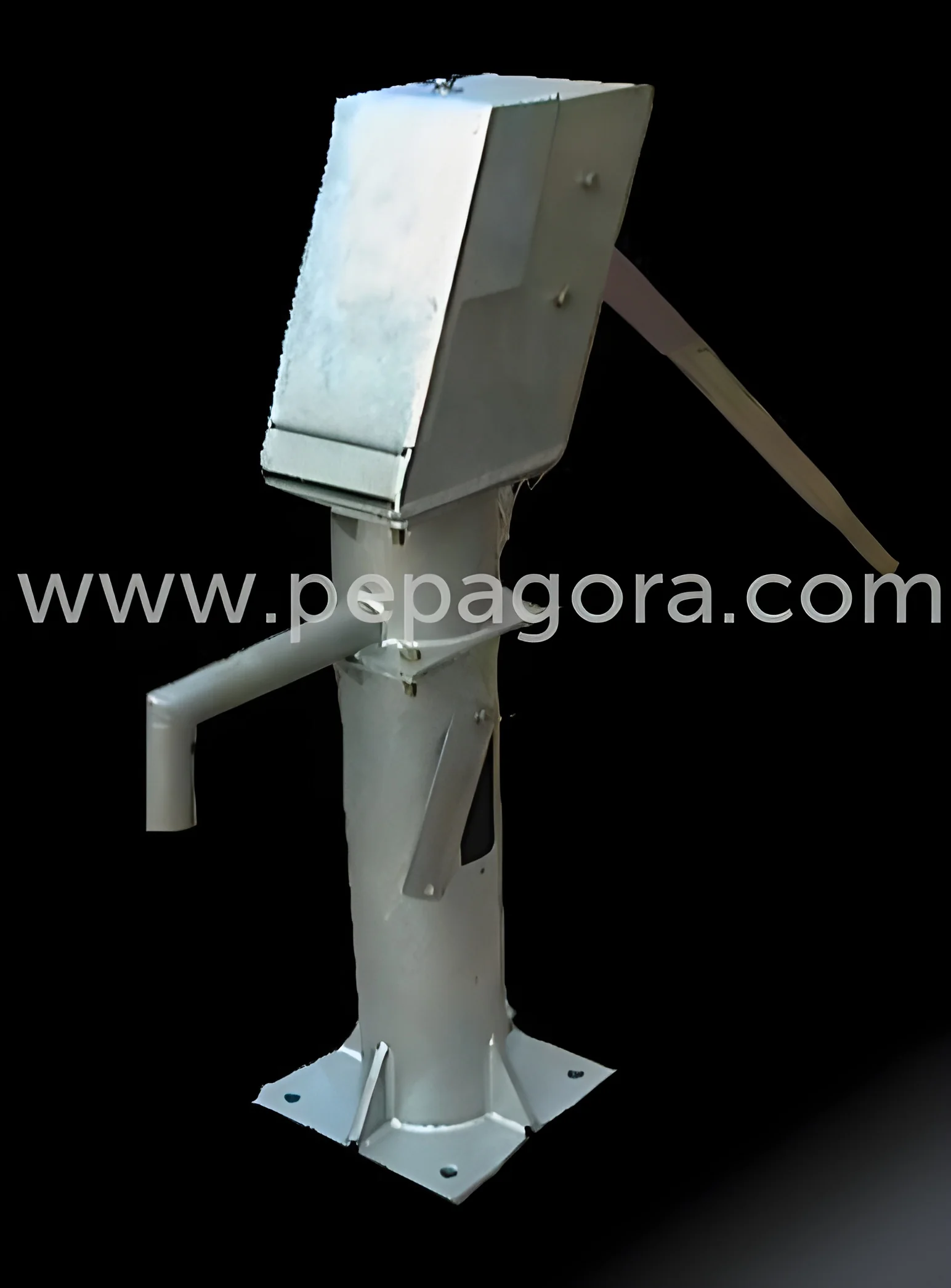
- Oil pumps and water pumps can be powered by electric motors, diesel engines, or manual operation.
- The power source can influence the installation requirements and operational efficiency.
5. Seal Type
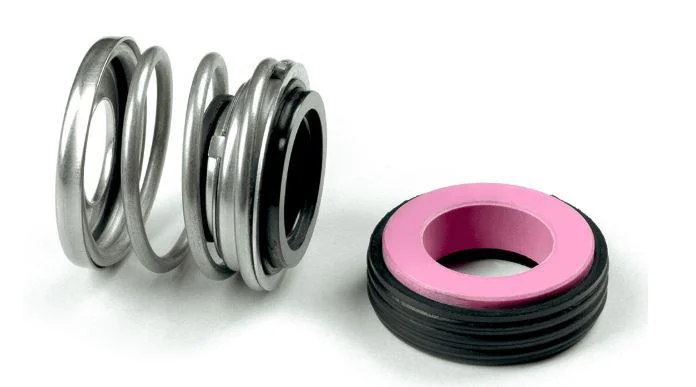
- The type of seals used in pumps can affect their reliability and maintenance needs.
- Common seal types include mechanical seals and lip seals, each suited for specific applications.
6. Port Sizes
- Pumps come with different inlet and outlet port sizes, affecting compatibility with existing piping systems.
- Standard sizes help in ensuring easy integration into setups.
7. Efficiency Rating
- This reflects how effectively a pump converts input power into hydraulic energy.
- Higher efficiency ratings result in lower operational costs and improved sustainability.
8. Certification Standards
- Many pumps meet industry standards such as CE certification, which indicates compliance with health and safety regulations.
- Certifications can provide assurance of quality and performance.
In summary, understanding the key features and specifications of oil pumps and water pumps is vital for making informed purchasing decisions that align with specific operational requirements.
Common Applications and Use Cases
Oil pumps and water pumps serve a diverse range of industries and applications.
1. Manufacturing: In manufacturing settings, oil pumps are used for lubrication systems, ensuring machinery operates smoothly. Water pumps are crucial for cooling systems and processing applications.
2. Agriculture: Farmers employ water pumps for irrigation, helping to optimize water usage and enhance crop yields. Oil pumps may also be used in agricultural machinery for lubrication.
3. Construction: Oil pumps are utilized in heavy machinery and vehicles for lubrication, while water pumps are essential for dewatering sites and providing water for concrete mixing.
4. Energy: In the energy sector, oil pumps facilitate the extraction and distribution of oil and gas. Water pumps support cooling and water supply for power generation.
5. Automotive: Oil pumps are integral to engine operations, providing lubrication for moving parts. Water pumps circulate coolant in engines, maintaining optimal operating temperatures.
6. Food Processing: Water pumps are used for cleaning and transporting food products, while oil pumps manage lubricants in production equipment.
7. HVAC Systems: Water pumps are essential in heating, ventilation, and air conditioning systems for circulating water.
Product Variants and Subcategories
Oil pumps and water pumps come in various types to meet specific needs across industries.
Centrifugal Pumps: These pumps are commonly used for water transport due to their efficiency and ability to handle large volumes. They are suitable for applications such as irrigation and industrial water supply.
Positive Displacement Pumps: Ideal for oil transfer, these pumps move fluid by trapping a fixed amount and forcing it into the discharge pipe. They are used in applications requiring consistent flow rates.
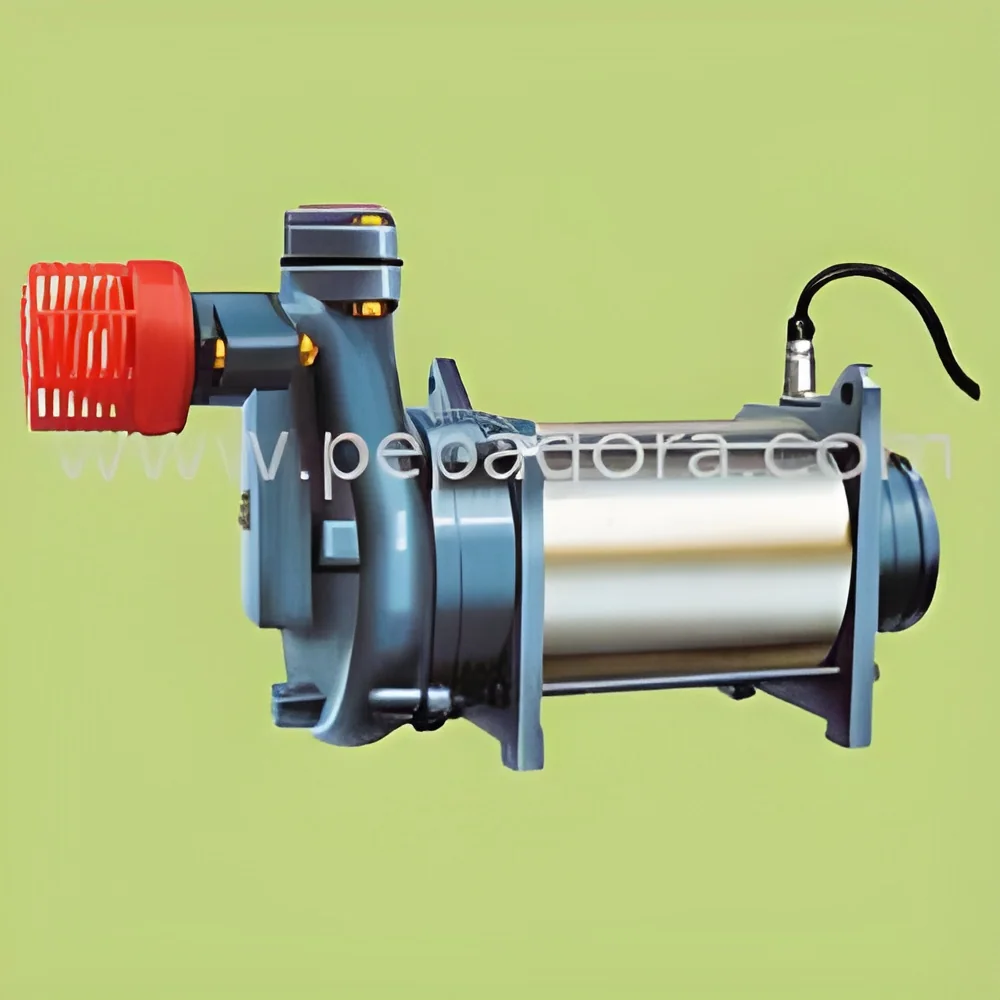
Submersible Pumps: Designed for underwater applications, submersible pumps are often used in sewage and drainage systems. Their design allows them to operate while submerged in fluid.
Diaphragm Pumps: These pumps are suitable for transferring viscous fluids and are commonly found in chemical processing. Their design minimizes leakage and allows for precise flow control.
Benefits and Advantages
Investing in oil pumps and water pumps offers numerous advantages for businesses.
1. Enhanced Efficiency: These pumps optimize fluid movement, leading to improved operational efficiency in various processes.
2. Reliability: Quality pumps are designed for durability and dependability, reducing the risk of system failures.
3. Versatility: With a wide range of applications, oil and water pumps can be used across multiple industries, making them a versatile investment.
4. Reduced Downtime: Efficient pumps minimize downtime in operations, allowing for continuous productivity and lower operational costs.
5. Environmental Compliance: Many pumps are designed to meet environmental regulations, helping businesses adhere to compliance standards.
6. Cost Savings: High-efficiency pumps can lead to significant savings in energy costs, contributing to a lower total cost of ownership.
Buying Guide for B2B Buyers
When sourcing oil pumps and water pumps, several factors should be considered to ensure the best purchase.
1. Quality Assessment: It is crucial to evaluate the quality of the pumps by checking for certifications and customer reviews. High-quality pumps tend to offer better performance and durability.
2. Supplier Verification: Vetting suppliers is essential to ensure reliability. Check their reputation, customer service, and history of fulfilling orders.
3. Pricing and MOQ: Understand the pricing structure and minimum order quantities (MOQ) that suppliers offer. This information helps in budgeting and planning purchases.
4. Delivery and Lead Times: Consider the delivery times and logistics involved in acquiring the pumps. Timely delivery is important for maintaining project schedules.
5. Compliance Requirements: Ensure the pumps meet relevant industry standards and regulations. Compliance can prevent legal issues and enhance operational safety.
Compliance and Certifications
Compliance and certifications are critical aspects of oil pumps and water pumps.
Many pumps adhere to quality standards such as ISO 9001, which ensures that products meet consistent quality management principles. This standard is vital for manufacturers aiming to enhance customer satisfaction.
Additionally, industry certifications like CE indicate that the pumps comply with European health, safety, and environmental protection standards. CE marking helps buyers feel confident in the quality and safety of the products they are purchasing.
Safety and testing requirements are also crucial, as they ensure that pumps can operate under expected conditions without posing risks to users or the environment. Regular testing ensures reliability and performance.
Regional compliance considerations may vary, so buyers should be aware of local regulations that apply to the equipment they intend to purchase.
Why Source Oil Pumps & Water Pumps from Pepagora?
Pepagora provides a trusted platform for sourcing oil pumps and water pumps, offering several key advantages to buyers.
Verified Supplier Network: Pepagora ensures that all suppliers are thoroughly vetted, providing buyers with access to reliable and reputable sources of pumps. This verification process helps mitigate risks associated with sourcing.
Streamlined RFQ Process: The Request for Quotation (RFQ) system simplifies the procurement process. Buyers can easily compare prices and specifications from multiple suppliers, facilitating informed decision-making.
Trade Assurance and Support: Pepagora offers trade assurance, which protects buyers against potential issues with their orders. This support adds an extra layer of security to transactions.
Regional Coverage: With a strong presence in India, the GCC, and Southeast Asia, Pepagora enables businesses to source pumps locally and efficiently. This regional coverage enhances accessibility and reduces lead times for procurement.

 IN
IN