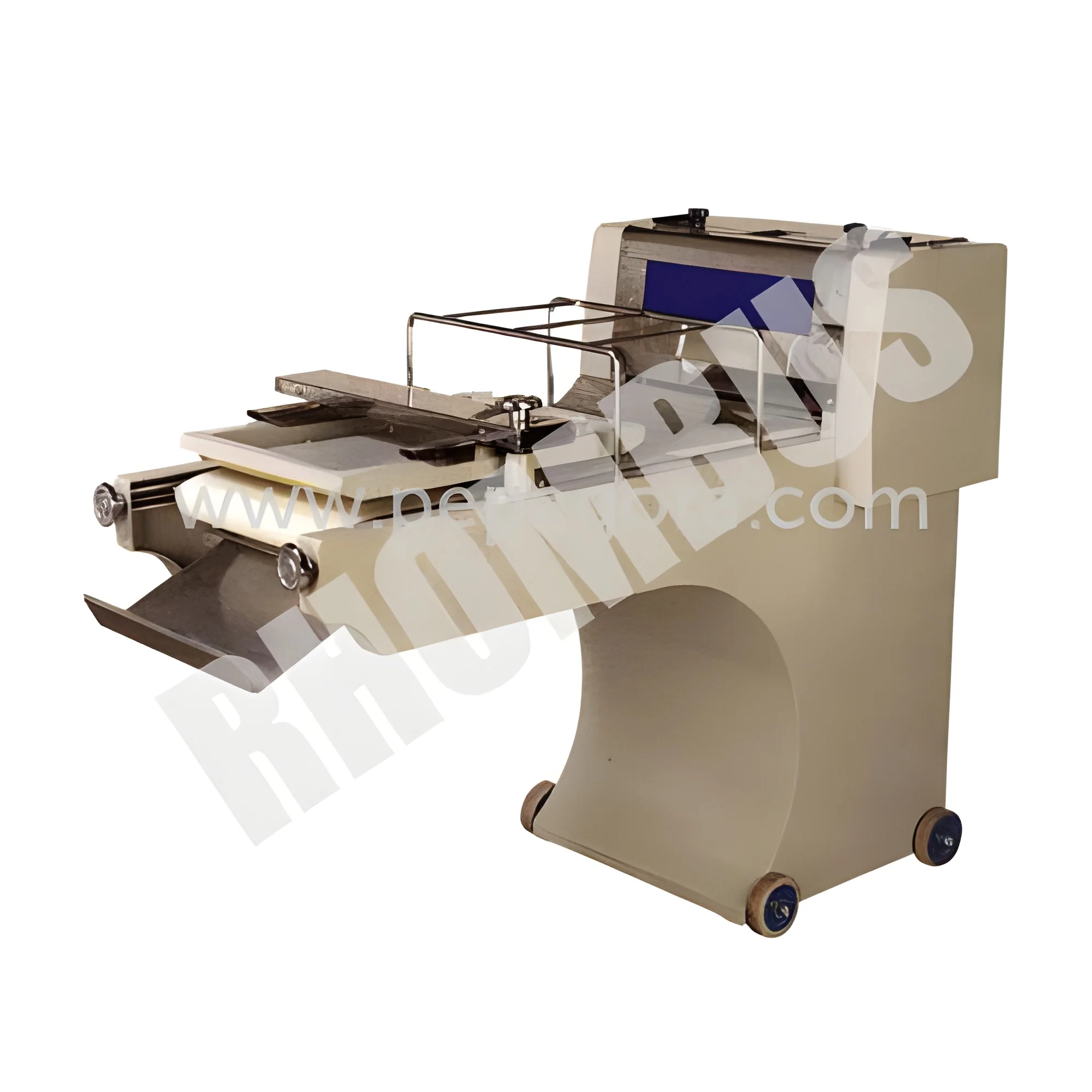
What are OEM Prototyping Services?
OEM Prototyping Services refer to the specialized processes used by Original Equipment Manufacturers to create prototypes of products before mass production. These services are critical in various industries as they allow businesses to develop, test, and refine their products based on specific designs and functionalities. The prototyping phase is essential for identifying potential issues, validating designs, and ensuring that the final product meets all technical and regulatory requirements.
The primary uses of OEM Prototyping Services span across several sectors, including automotive, electronics, medical devices, and consumer products. Businesses leverage these services to create prototypes that can be rigorously tested under real-world conditions. This stage provides valuable insights, enabling companies to make necessary adjustments before committing to large-scale production. The ability to prototype efficiently can significantly shorten time-to-market and improve overall product quality.
In today's competitive landscape, the relevance of OEM Prototyping Services cannot be overstated. As industries evolve rapidly, the demand for innovative solutions and quick turnarounds increases. Companies that invest in proficient prototyping services can stay ahead of market trends, adapt to consumer needs swiftly, and enhance their product offerings effectively.
Key Features and Specifications
OEM Prototyping Services come with a range of features designed to meet diverse manufacturing needs. These services are tailored to ensure precision, efficiency, and compliance with industry standards.
Key specifications include:
1. Customization Options
- Allows for tailored designs based on specific client requirements.
- Supports various materials and finishes based on the project.
2. Rapid Prototyping Techniques
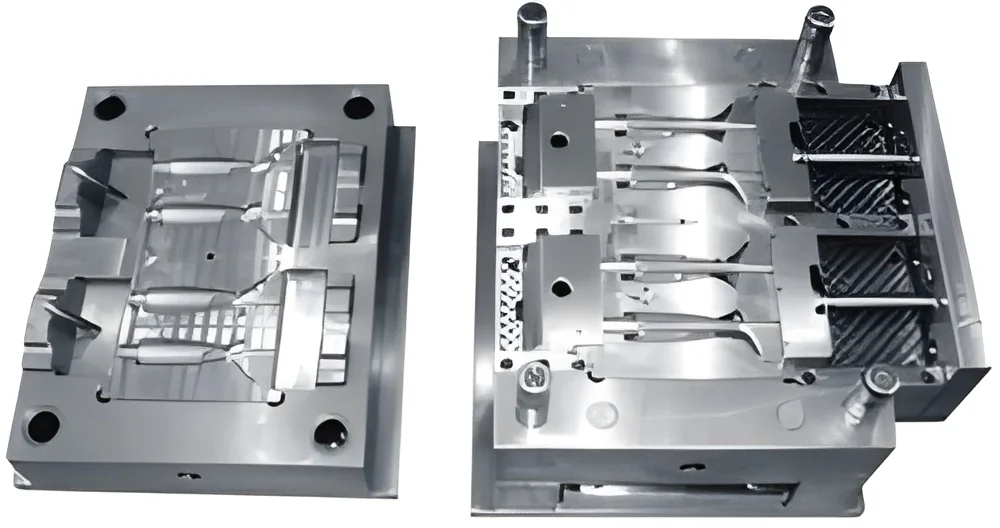
- Utilizes advanced technologies like 3D printing and CNC machining.
- Enables quick turnaround times for prototype development.
3. Quality Assurance Processes
- Implements stringent testing and evaluation protocols.
- Ensures prototypes meet the desired specifications and standards.
4. Design Iteration Support
- Facilitates multiple design iterations during the prototyping phase.
- Encourages feedback incorporation for continuous improvement.
5. Scalability
- Prototypes can be scaled for initial small batches or full production runs.
- Adapts to varying order sizes depending on business needs.
6. Comprehensive Documentation
- Provides detailed reports on prototype performance and testing results.
- Includes specifications for materials, dimensions, and tolerances.
7. Compliance with Industry Standards
- Ensures prototypes adhere to relevant safety and regulatory standards.
- Supports certifications such as CE for various products.
In summary, the features and specifications of OEM Prototyping Services are designed to enhance product development while ensuring that all industry requirements are met efficiently.
Common Applications and Use Cases
OEM Prototyping Services find applications across various industries, each benefiting from tailored prototyping solutions.
1. Automotive: In this sector, prototyping is essential for developing new vehicle models and components. Testing prototypes helps manufacturers ensure safety and performance before full-scale production.
2. Electronics: Prototyping is critical for creating circuit boards and electronic devices. It allows for troubleshooting and optimization of designs prior to mass manufacturing.
3. Medical Devices: Prototyping enables the development of innovative medical equipment. Compliance with health and safety standards is a major focus in this industry.
4. Consumer Products: Companies use prototyping to refine household goods and personal items, ensuring they meet consumer expectations and market trends.
5. Aerospace: Prototyping in this field includes creating parts for aircraft and spacecraft. It focuses on precision and compliance with strict regulatory standards.
6. Industrial Equipment: OEM Prototyping Services are used to design and test machinery and tools, ensuring they are efficient and safe for industrial applications.
7. Furniture Design: Prototyping helps furniture manufacturers develop new designs while considering ergonomics and aesthetics, leading to better market reception.
Product Variants and Subcategories
The diversity of OEM Prototyping Services allows businesses to choose from various solutions that cater to specific needs.
Rapid Prototyping
This variant focuses on using advanced technologies like 3D printing to create prototypes quickly. It is ideal for projects that require fast turnarounds and iterative design processes.
Low-Volume Production
This service provides small-scale manufacturing of prototypes that can be used for market testing. It allows businesses to gauge consumer response before committing to larger production runs.
Prototype Testing Services
These services emphasize the evaluation and testing of prototypes under real-world conditions. They are essential for identifying design flaws and ensuring compliance with industry standards.
Benefits and Advantages
Investing in OEM Prototyping Services offers numerous advantages for businesses looking to innovate and improve their product offerings.
Key benefits include:
1. Reduced Time-to-Market: Efficient prototyping processes enable faster product development cycles, allowing businesses to launch products sooner.
2. Cost-Effective Solutions: Early identification of design flaws can save significant costs associated with late-stage changes in production.
3. Enhanced Product Quality: Prototyping allows for thorough testing and refinement, resulting in higher quality and more reliable products.
4. Increased Innovation: The ability to rapidly prototype encourages experimentation and innovation, helping businesses stay competitive.
5. Improved Collaboration: Prototyping facilitates communication between design teams and stakeholders, leading to better alignment on project goals.
6. Market Validation: Prototypes can be used to gather feedback from potential customers, ensuring that the final product meets market needs.
Buying Guide for B2B Buyers
When sourcing OEM Prototyping Services, it is critical for B2B buyers to consider several key factors to ensure effective collaboration and successful outcomes.
1. Quality Assessment: Evaluate the quality standards upheld by the service provider. Look for certifications that demonstrate adherence to industry norms, such as ISO standards.
2. Supplier Verification: Conduct thorough research to verify the reliability of potential suppliers. Check references and review past project outcomes to assess their capabilities.
3. Pricing and MOQ: Understand the pricing structure and minimum order quantities required by the supplier. This helps in budgeting and planning production runs effectively.
4. Delivery and Lead Times: Clarify delivery schedules and lead times for prototypes. Ensure that the supplier can meet your project timelines.
5. Compliance Requirements: Confirm that the supplier is well-versed in regulatory compliance, as this is crucial for industries such as medical devices and aerospace.
Compliance and Certifications
Compliance and certifications are vital in the OEM Prototyping Services landscape. Adhering to relevant quality standards ensures that prototypes meet industry expectations and safety requirements.
ISO 9001 is a widely recognized standard that outlines quality management systems. Companies providing OEM Prototyping Services should comply with this standard to ensure consistent quality.
Additionally, CE certification is important for products sold in the European market. It indicates that the product meets health, safety, and environmental protection standards.
Prototyping services must also adhere to specific safety and testing requirements relevant to their industry. This may include compliance with regulations set by health authorities for medical devices or aviation standards in aerospace.
Regional compliance considerations should also be taken into account. Different regions may have unique regulations, and suppliers must ensure that their prototypes meet these local requirements.
Why Source OEM Prototyping Services from Pepagora?
Pepagora provides a trusted platform for sourcing OEM Prototyping Services, offering several key advantages that help businesses achieve their development goals.
Verified Supplier Network: Pepagora connects buyers with a network of verified suppliers. This vetting process ensures that businesses collaborate with reputable manufacturers who meet industry standards.
Streamlined RFQ Process: The Request for Quotation process is designed to be efficient and user-friendly. Buyers can quickly receive quotes from multiple suppliers, facilitating informed decision-making.
Trade Assurance and Support: Pepagora offers trade assurance and support to buyers, providing protection against potential risks associated with procurement. This helps build confidence in the sourcing process.
Regional Coverage: With a strong presence in regions like India, the GCC, and Southeast Asia, Pepagora offers businesses access to a diverse range of suppliers. This geographic reach enhances options for sourcing quality OEM Prototyping Services.
By choosing Pepagora, businesses can streamline their prototyping processes and ensure they receive high-quality services tailored to their specific needs.

 IN
IN