
 IN
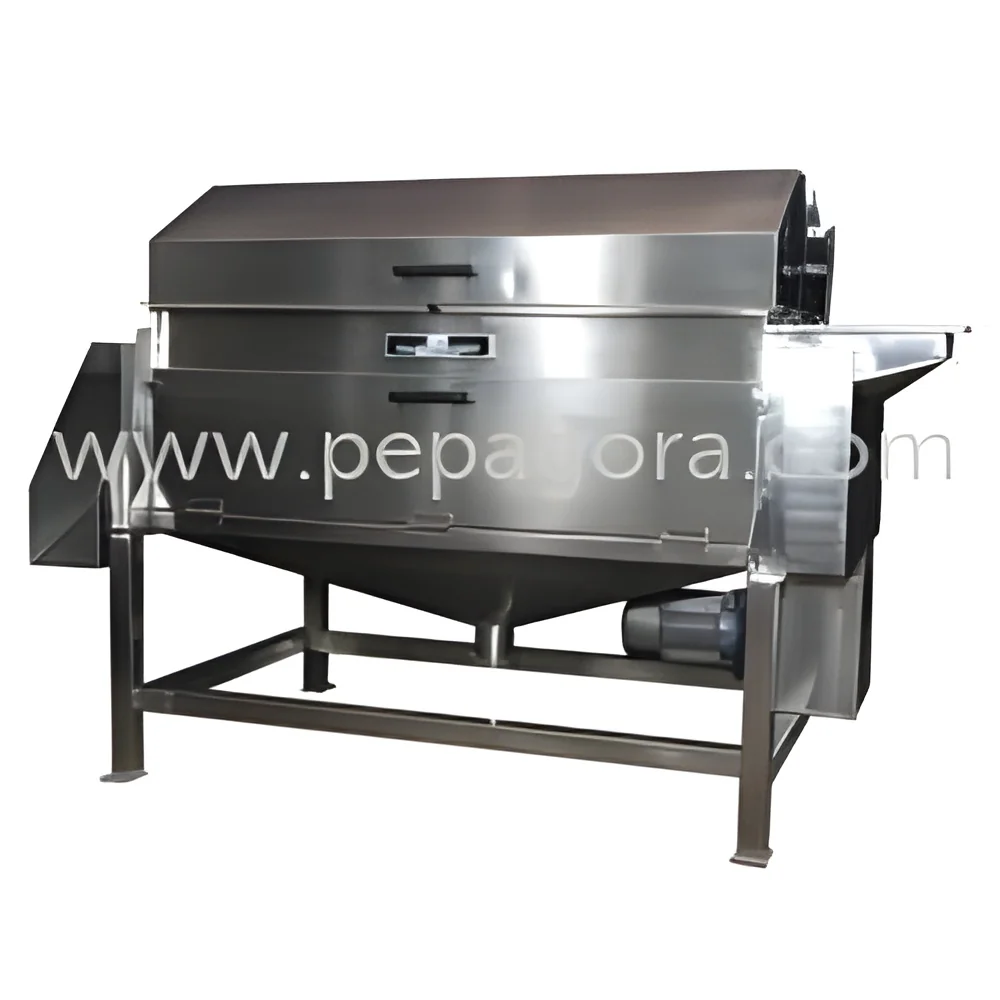
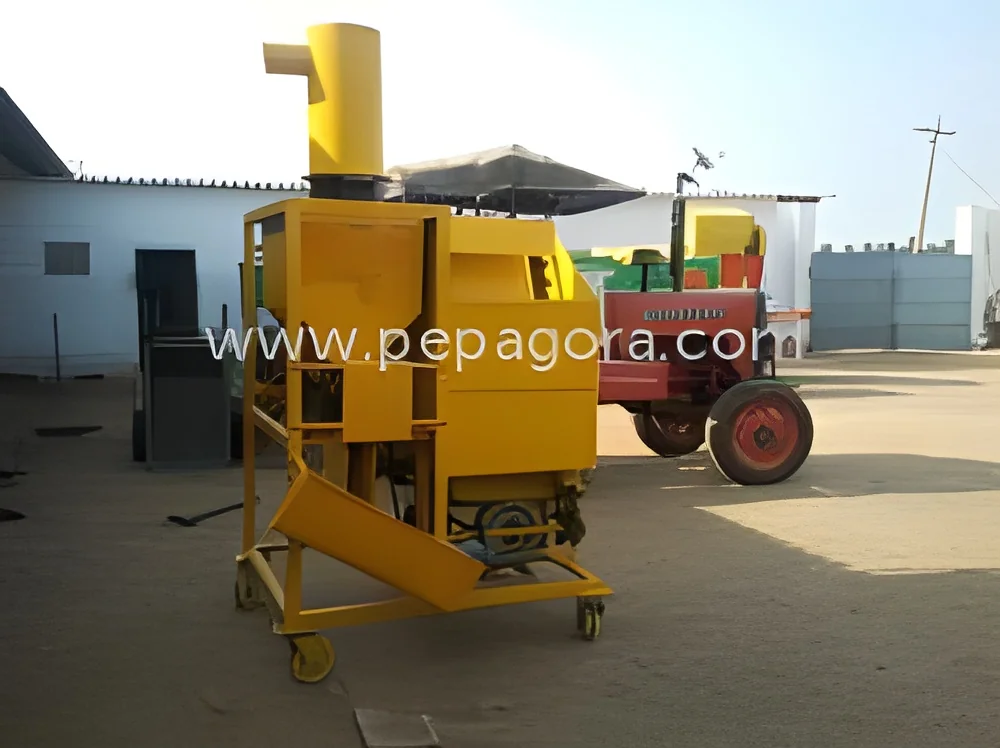
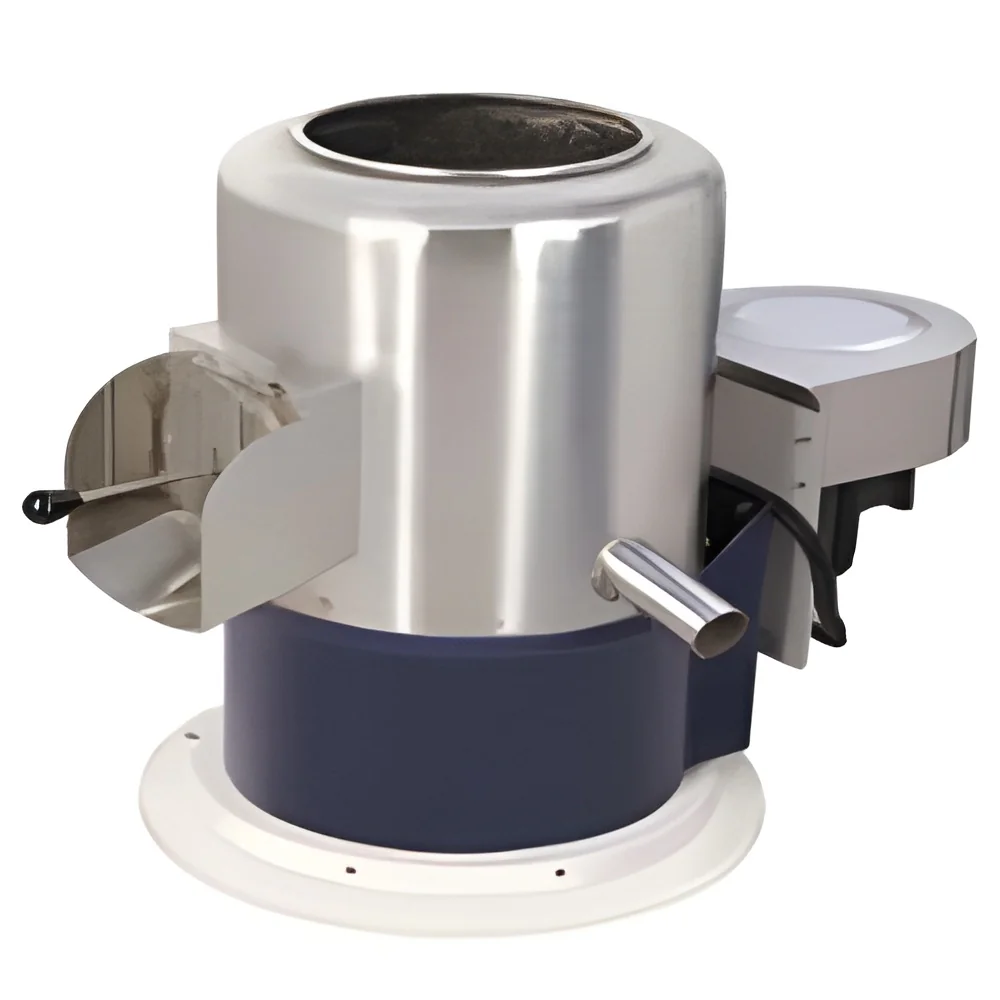
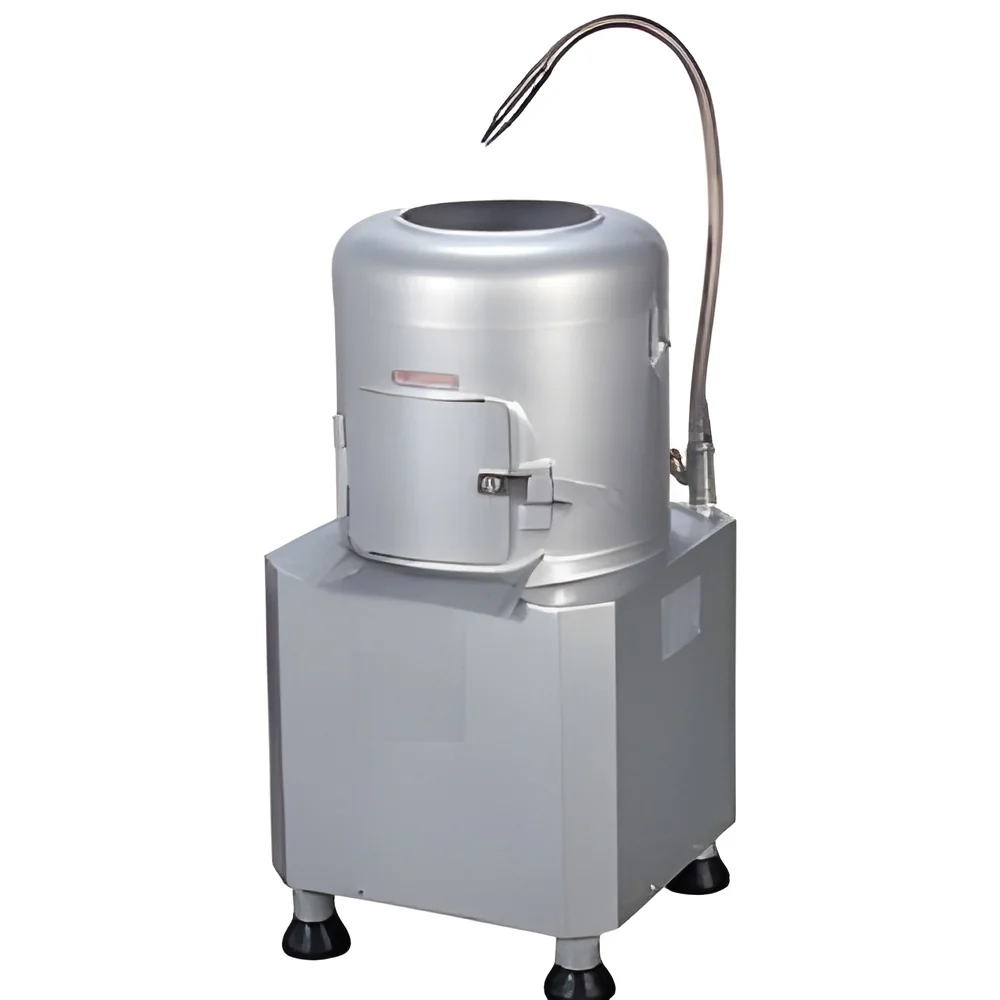
Vegetable Peeling Machines
20 products available
What are Vegetable Peeling Machines?
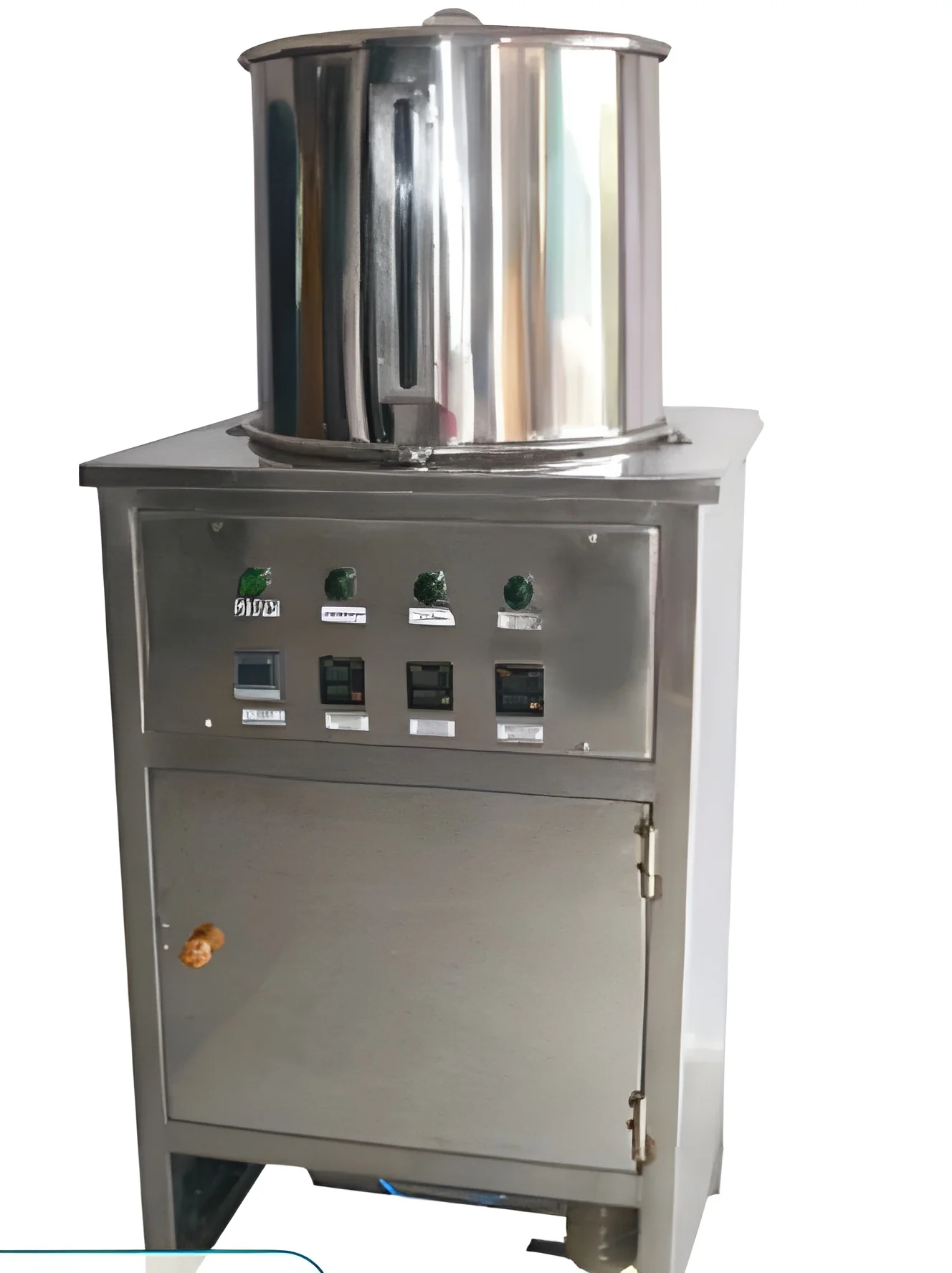
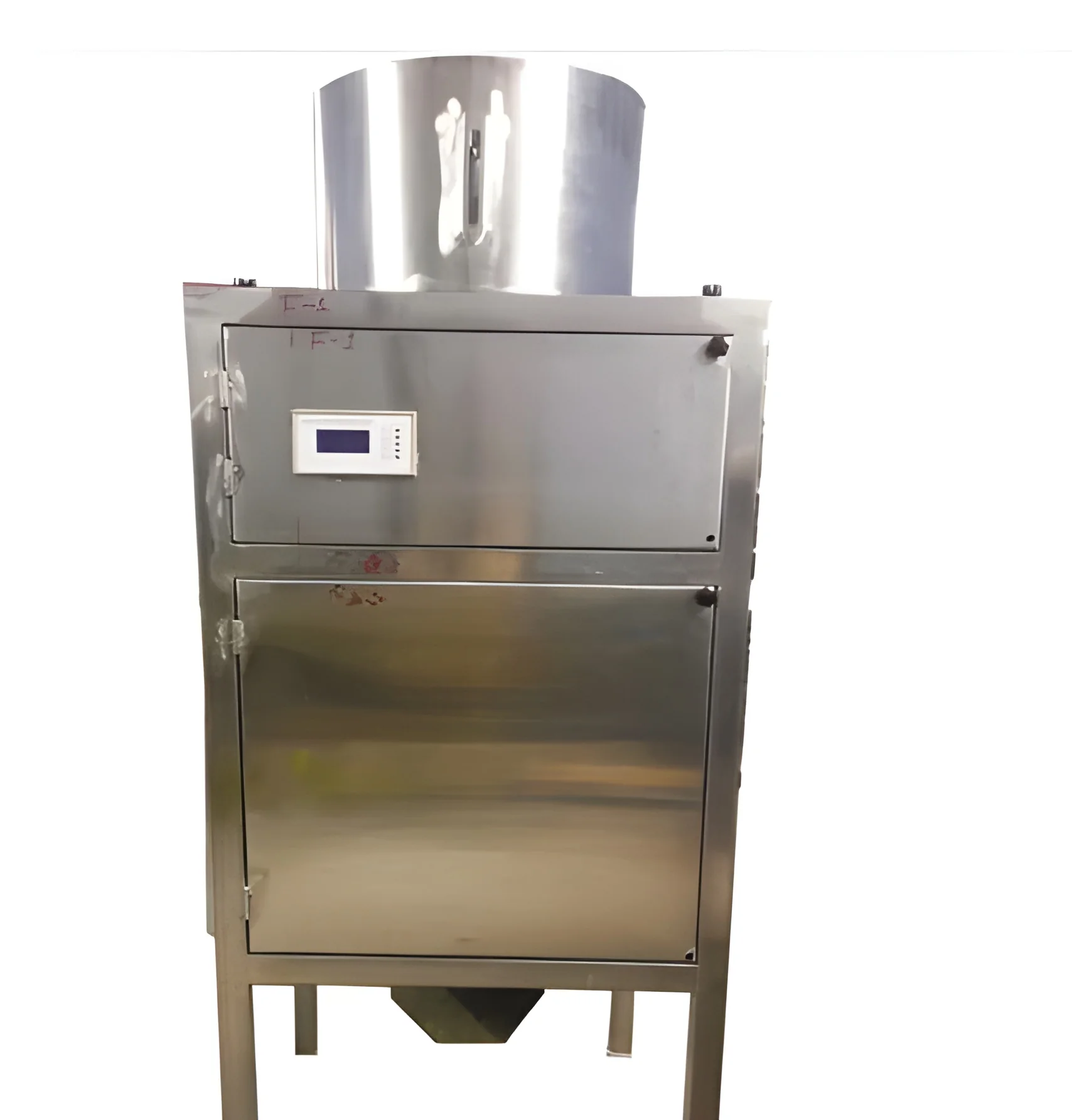
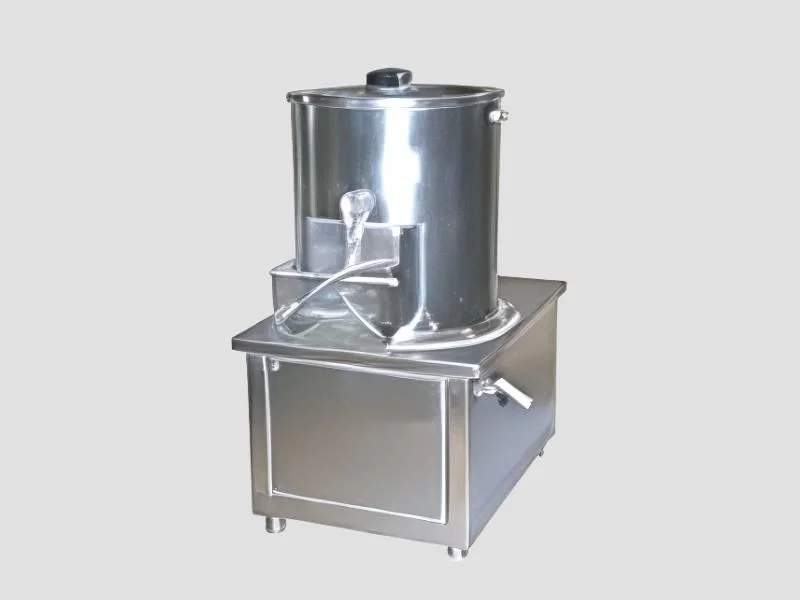
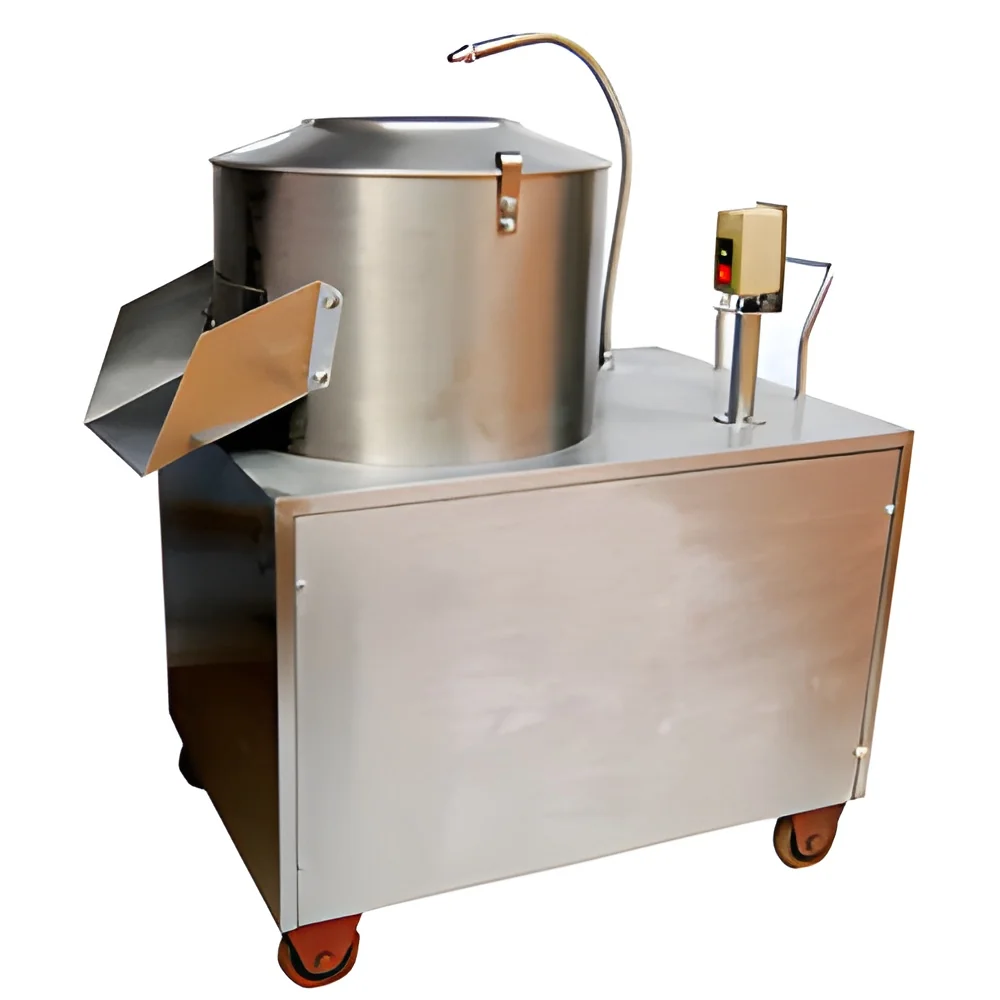
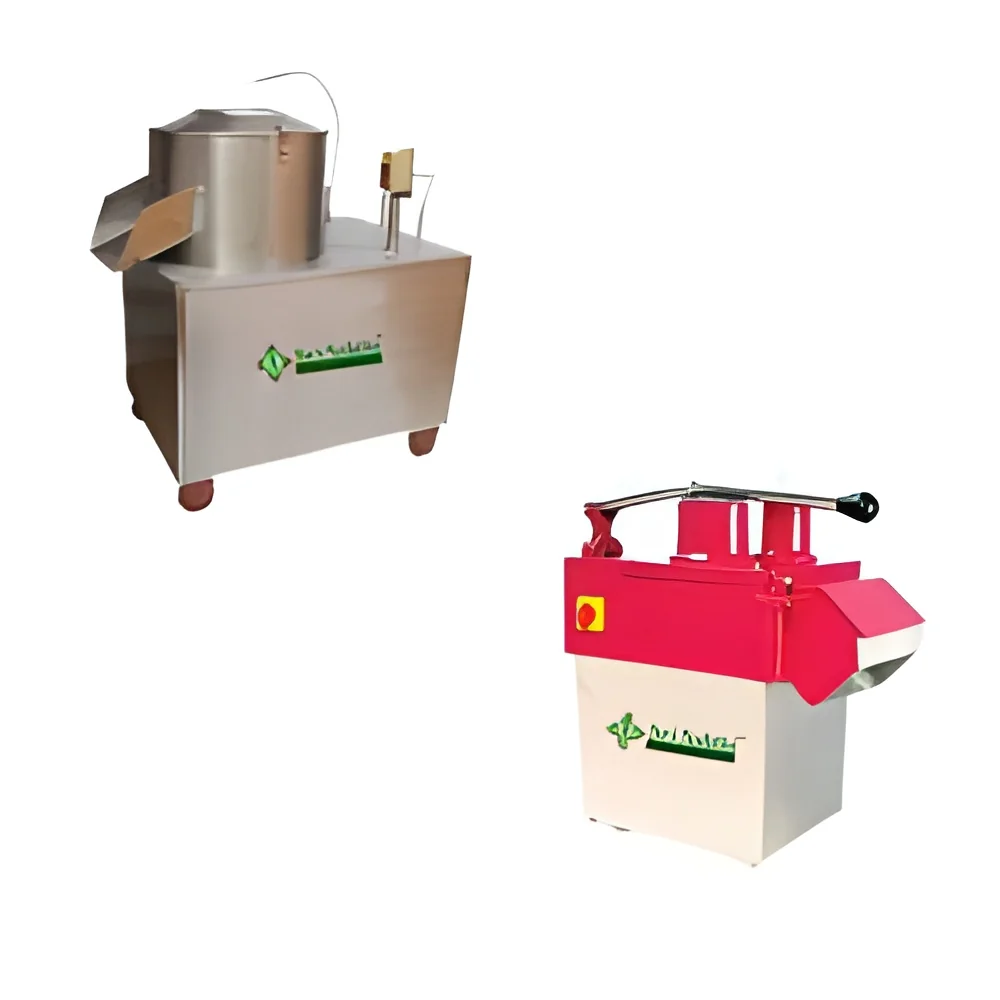
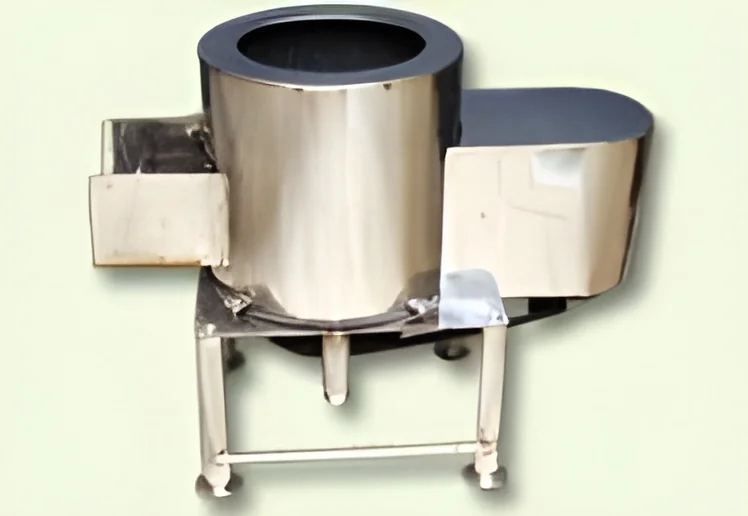
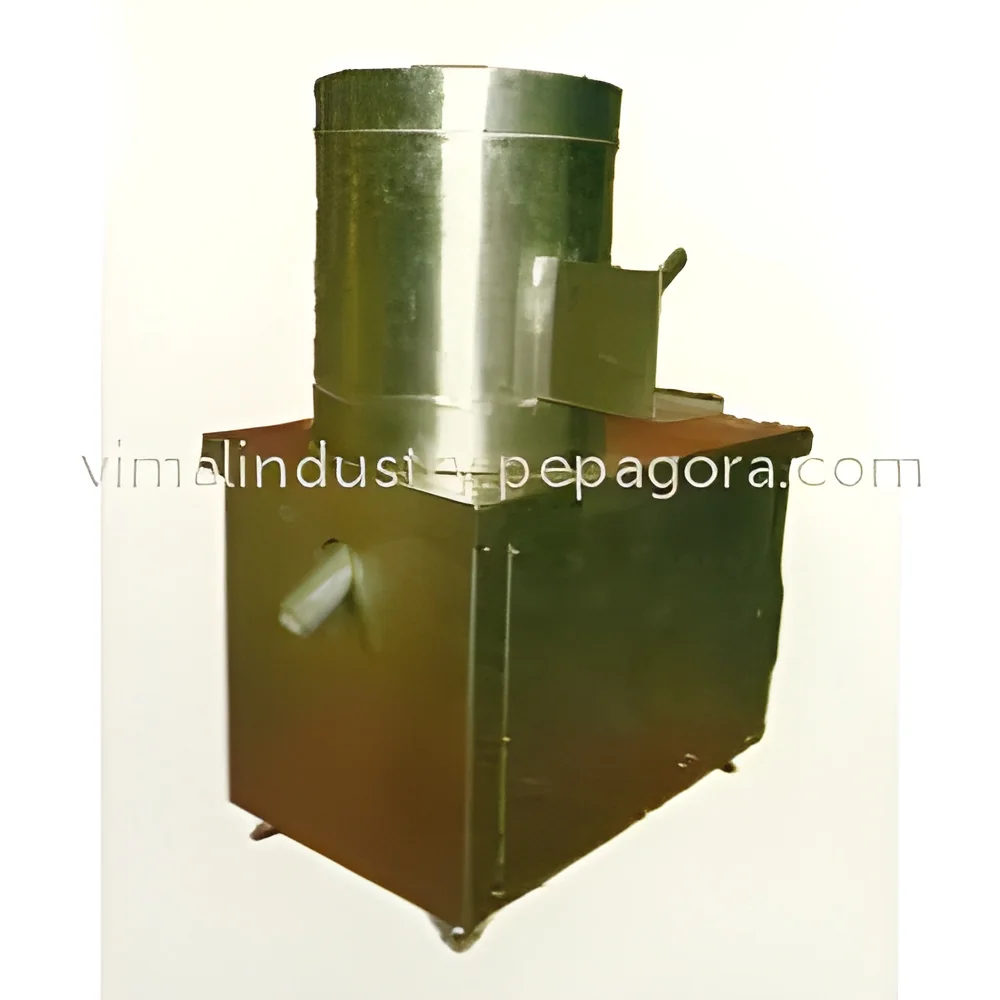
Vegetable peeling machines are specialized equipment designed to efficiently remove the outer skin of various vegetables. These machines utilize different peeling technologies, including abrasive, rotary, and steam methods, to achieve high-quality results while minimizing waste. They are engineered to handle a wide range of vegetables, such as potatoes, carrots, and cucumbers, making them essential tools in food processing.
The primary applications of vegetable peeling machines are found in commercial kitchens, food processing plants, and catering services. They significantly reduce the time and labor involved in preparing vegetables, allowing businesses to scale their operations and improve productivity. By automating the peeling process, companies can ensure consistent quality and hygiene, which is crucial in the food industry.
In today's competitive market, vegetable peeling machines play a vital role in enhancing operational efficiency. As the demand for processed foods continues to rise, manufacturers and food service providers are increasingly investing in advanced peeling technology to meet consumer needs. This trend underscores the relevance of these machines across various sectors, including retail, catering, and food manufacturing.
Key Features and Specifications
Vegetable peeling machines come with a variety of features designed to enhance their functionality and efficiency. Understanding these specifications is crucial for businesses looking to invest in this equipment.
Key specifications include:
1. Peeling Method
- Options include abrasive, rotary, and steam peeling methods.
- Each method offers different levels of efficiency and suitability for various vegetable types.
2. Capacity
- The capacity can range from small-scale machines processing 100 kg per hour to large industrial units handling several tons.
- This specification is essential for matching machine capabilities to business needs.
3. Material
- Most machines are made from stainless steel for durability and hygiene.
- This material choice helps meet food safety standards.
4. Power Consumption
- Machines typically range from 1 to 5 kW, depending on the model and capacity.
- Energy efficiency is a critical factor for operational cost management.
5. Control Systems
- Many machines feature digital control panels for precise operation.
- Some may include automated timers and temperature controls for improved performance.
6. Size and Weight
- Dimensions vary widely, so it's important to consider space constraints in the facility.
- Weight can impact portability and installation requirements.
7. Maintenance Requirements
- Regular maintenance is essential for optimal performance.
- Machines may have specific cleaning protocols to follow.
In summary, understanding the key features and specifications of vegetable peeling machines is vital for businesses to make informed purchasing decisions that align with their operational demands.
Common Applications and Use Cases
Vegetable peeling machines are versatile tools used in various industries. Their ability to streamline food preparation makes them invaluable in multiple settings.
1. Food Processing Industry: These machines are crucial in large-scale food processing facilities where vegetables are prepared for further processing, packaging, or freezing.
2. Restaurants and Catering: Commercial kitchens employ peeling machines to save time during meal preparation, allowing chefs to focus on cooking and presentation.
3. Supermarkets: Retailers use these machines in pre-packaged vegetable sections to maintain freshness and offer ready-to-cook products to customers.
4. Snack Food Production: Companies that produce vegetable-based snacks use peeling machines to process raw ingredients efficiently.
5. Institutional Food Services: Schools and hospitals rely on peeling machines to prepare large quantities of vegetables while ensuring food safety and sanitation.
6. Juice and Smoothie Manufacturers: Peeling machines help in preparing fruits and vegetables for juicing, ensuring that only the best quality produce is used.
7. Export and Import Businesses: Companies involved in the international trade of vegetables utilize peeling machines to meet the quality standards required by importing countries.
Product Variants and Subcategories
Vegetable peeling machines come in various models and configurations to suit different business needs. Each variant offers unique features tailored to specific applications.
Manual Vegetable Peeling Machines: These machines are designed for smaller operations and allow users to control the peeling process manually. They are ideal for low-volume kitchens or markets.
Automatic Vegetable Peeling Machines: These machines offer full automation, significantly increasing efficiency in high-volume environments. They are equipped with advanced technology to ensure consistent peeling.
Industrial Vegetable Peeling Machines: Designed for large-scale operations, these machines can handle high capacities and often come with multiple peeling methods. They are suitable for food processing plants and large manufacturers.
Batch Vegetable Peeling Machines: These machines are designed to process vegetables in batches, allowing for flexibility in production. They are often used in catering and food service settings.
Benefits and Advantages
Investing in vegetable peeling machines provides numerous advantages for businesses in the food industry. These benefits can enhance operational efficiency and product quality.
1. Labor Savings: Automating the peeling process reduces the need for manual labor, allowing staff to focus on higher-value tasks.
2. Consistent Quality: Machines ensure uniform peeling, resulting in consistent product quality and reducing waste.
3. Increased Efficiency: Vegetable peeling machines can process large volumes of vegetables quickly, improving overall throughput.
4. Improved Hygiene: Automated machines help maintain food safety standards, reducing the risk of contamination associated with manual peeling.
5. Versatility: These machines can handle a variety of vegetables, making them suitable for diverse applications in different sectors.
6. Reduced Waste: Advanced peeling technologies minimize waste, maximizing the yield from each vegetable processed.
Buying Guide for B2B Buyers
When sourcing vegetable peeling machines, B2B buyers should consider several critical factors to ensure they make the best purchasing decision.
1. Quality Assessment: Evaluate the construction materials and build quality of the machine. Look for reputable brands that adhere to industry standards.
2. Supplier Verification: Conduct thorough research on suppliers. Check for certifications, customer reviews, and their history in the market to ensure reliability.
3. Pricing and MOQ: Understand the pricing structure and minimum order quantities required by suppliers. Compare prices among different manufacturers to get the best deal.
4. Delivery and Lead Times: Inquire about the delivery schedules and lead times. Ensure that the supplier can meet your operational timelines.
5. Compliance Requirements: Check for compliance with local and international regulations. Ensure that the machines meet safety and quality standards relevant to your industry.
Compliance and Certifications
Compliance and certifications are vital considerations in the purchase of vegetable peeling machines. These machines should adhere to recognized quality standards to ensure safety and reliability.
Many manufacturers seek ISO 9001 certification, which indicates a commitment to quality management systems. This standard ensures that products meet customer and regulatory requirements consistently.
Additionally, HACCP (Hazard Analysis and Critical Control Points) compliance is crucial in the food industry. It focuses on food safety and minimizing risks during processing, which is essential for businesses that handle perishable goods.
CE certification is often required for machines sold in the European market, indicating that they meet essential health, safety, and environmental protection standards.
Regional compliance considerations may vary, so businesses should be aware of local regulations that impact food processing equipment. Ensuring compliance not only protects the business but also builds trust with customers.
Why Source Vegetable Peeling Machines from Pepagora?
Pepagora provides a trusted platform for sourcing vegetable peeling machines, offering several key advantages that benefit B2B buyers.
One significant advantage is the verified supplier network. Pepagora ensures that all suppliers undergo rigorous vetting processes, providing buyers with peace of mind regarding quality and reliability.
The streamlined RFQ process allows buyers to request quotes from multiple suppliers quickly. This efficiency saves time and helps businesses compare options effectively.
Trade assurance and support are also essential features of Pepagora. The platform offers buyer protection measures that safeguard transactions, ensuring that businesses receive the products as promised.
Finally, Pepagora's regional coverage extends across India, the GCC, and Southeast Asia, facilitating access to a diverse range of suppliers. This extensive reach allows buyers to find the right machines that meet their specific needs and operational requirements.




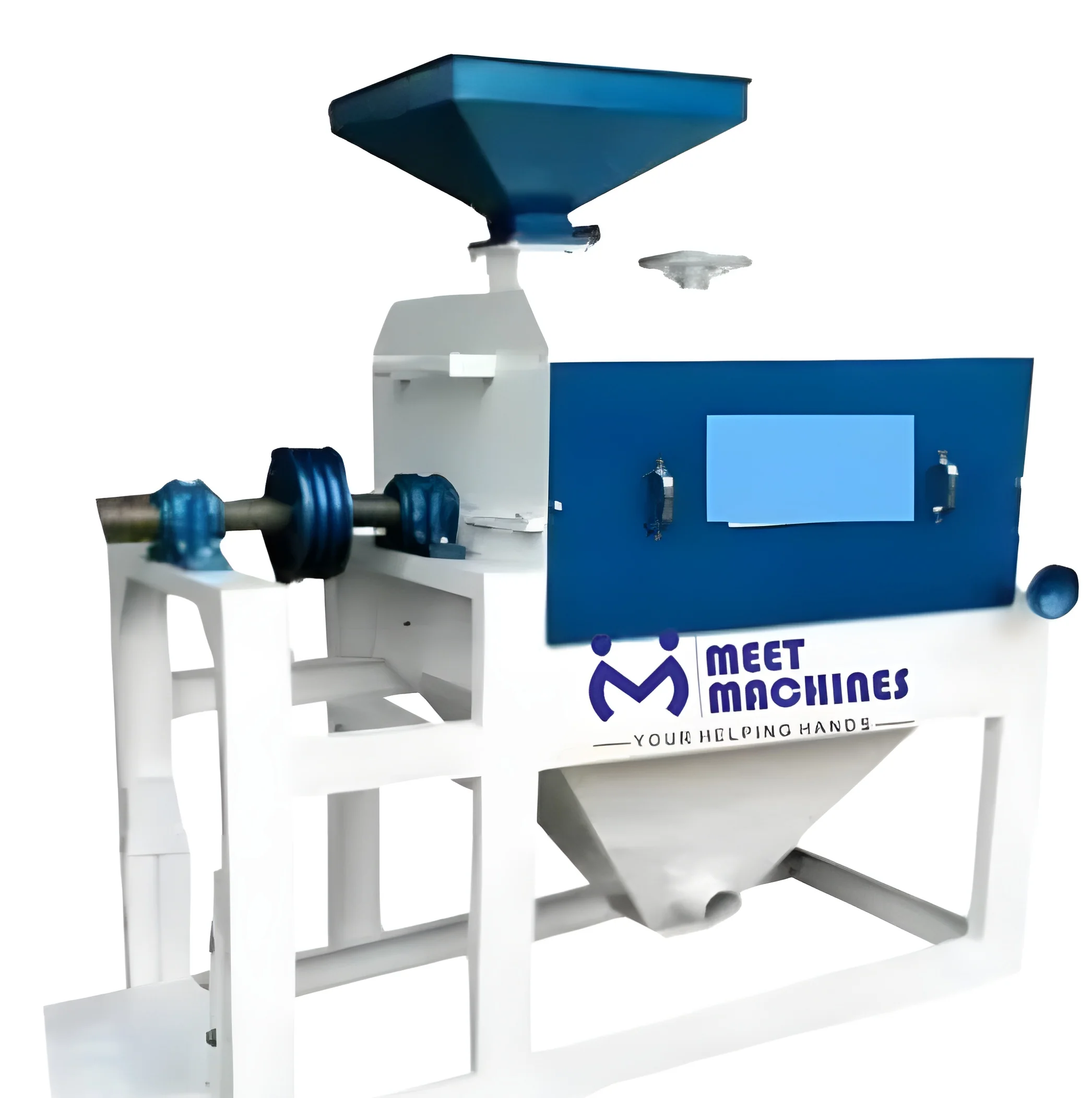

 India
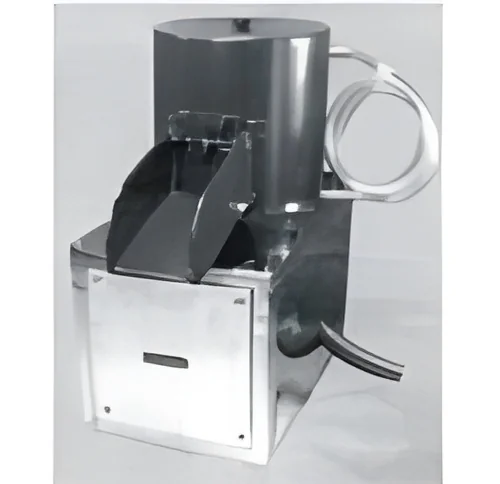
 India
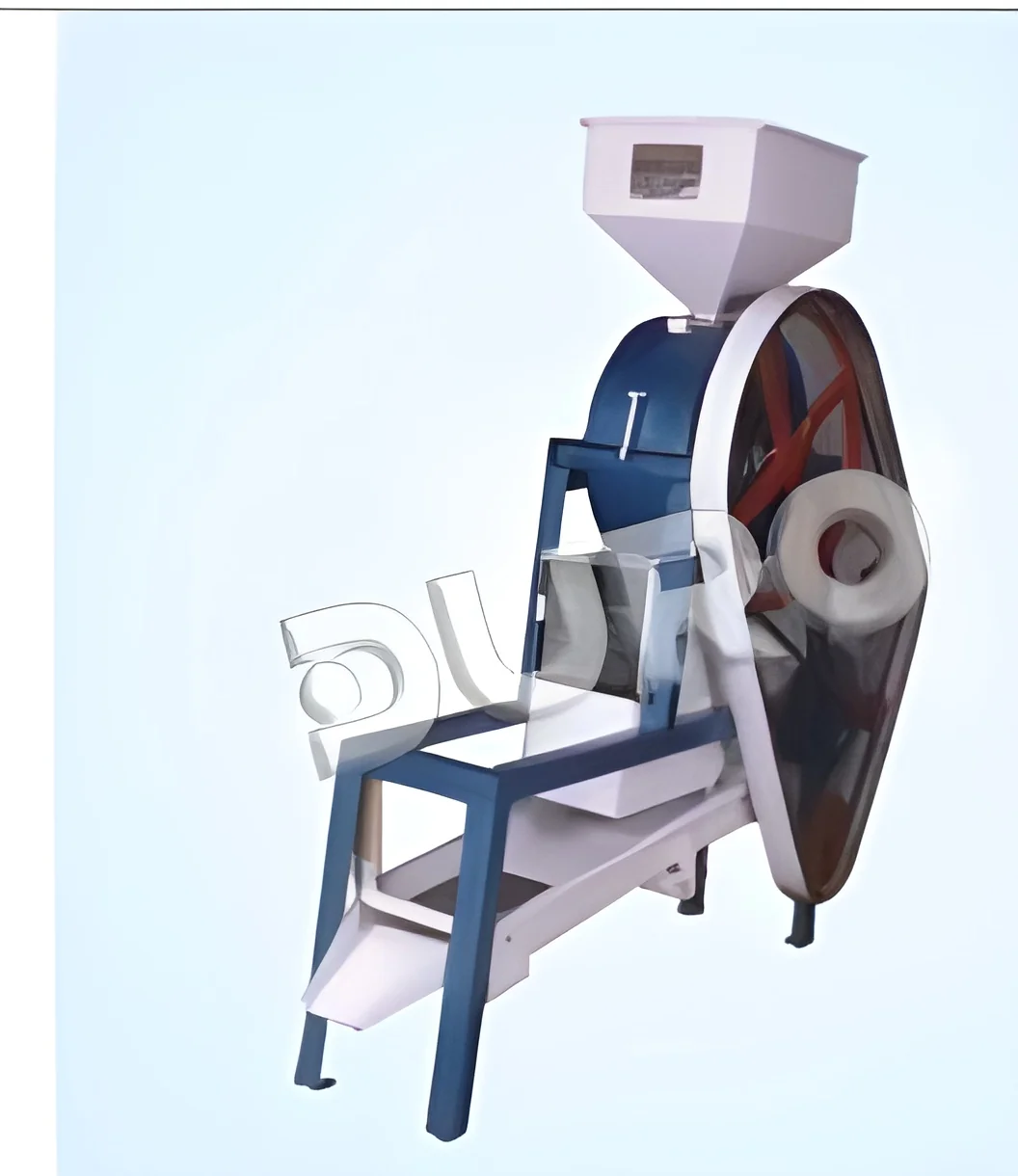
 India
 India
 India
 India
 India
 India

 India

 India

 India

 India
Frequently Asked Questions
What are Vegetable Peeling Machines?
Vegetable Peeling Machines are specialized equipment designed to remove the outer skin or peel from various vegetables efficiently. These machines are widely used in food processing industries to enhance productivity and ensure uniformity in the peeling process.
What are the different types of Vegetable Peeling Machines?
There are several types of Vegetable Peeling Machines, including abrasive peelers, steam peelers, and rotary peelers. Each type is suited for specific vegetables and offers various peeling techniques, such as mechanical abrasion or heat application.
How do I choose the right Vegetable Peeling Machines?
To select the right Vegetable Peeling Machine, consider factors such as the type of vegetables you will be peeling, the volume of production, and the desired peeling method. Additionally, evaluate the machine's efficiency, maintenance requirements, and energy consumption.
What are the standard specifications for Vegetable Peeling Machines?
Standard specifications for Vegetable Peeling Machines typically include power rating, peeling capacity (in kg/hour), dimensions, and the materials used in construction. It's also important to check for safety features and ease of operation.
What is the price range for Vegetable Peeling Machines?
The price range for Vegetable Peeling Machines can vary significantly based on the type, capacity, and brand. Generally, prices can start from around ₹20,000 and can go up to ₹5,00,000 or more for advanced models.
What quality standards apply to Vegetable Peeling Machines?
Vegetable Peeling Machines must comply with various quality standards, including safety regulations and food-grade material certifications. Manufacturers often adhere to ISO standards to ensure the machines are reliable and hygienic for food processing.
Where can I find Vegetable Peeling Machines suppliers in India?
You can find Vegetable Peeling Machines suppliers in India through online B2B marketplaces like Pepagora.com, industry trade fairs, and local manufacturers. It's advisable to compare multiple suppliers to find the best options.
Can Vegetable Peeling Machines be customized?
Yes, many manufacturers offer customization options for Vegetable Peeling Machines to meet specific requirements. Customizations can include modifications in size, capacity, and additional features tailored to your business needs.
What is the typical minimum order quantity for Vegetable Peeling Machines?
The typical minimum order quantity (MOQ) for Vegetable Peeling Machines varies by supplier, but it usually ranges from 1 to 10 units. Always confirm the MOQ with the manufacturer before placing an order.
What is the typical lead time for Vegetable Peeling Machines?
The typical lead time for Vegetable Peeling Machines can range from 2 to 6 weeks, depending on the manufacturer and the complexity of the order. It's advisable to discuss lead times with suppliers during the ordering process.
Why Businesses Trust Pepagora
Thousands of companies trust Pepagora to source smarter and sell faster
Expand Your Sales Globally

Source Smarter,Grow Faster
