
 IN
Ultrafiltration Systems
40 products available
What are Ultrafiltration Systems?
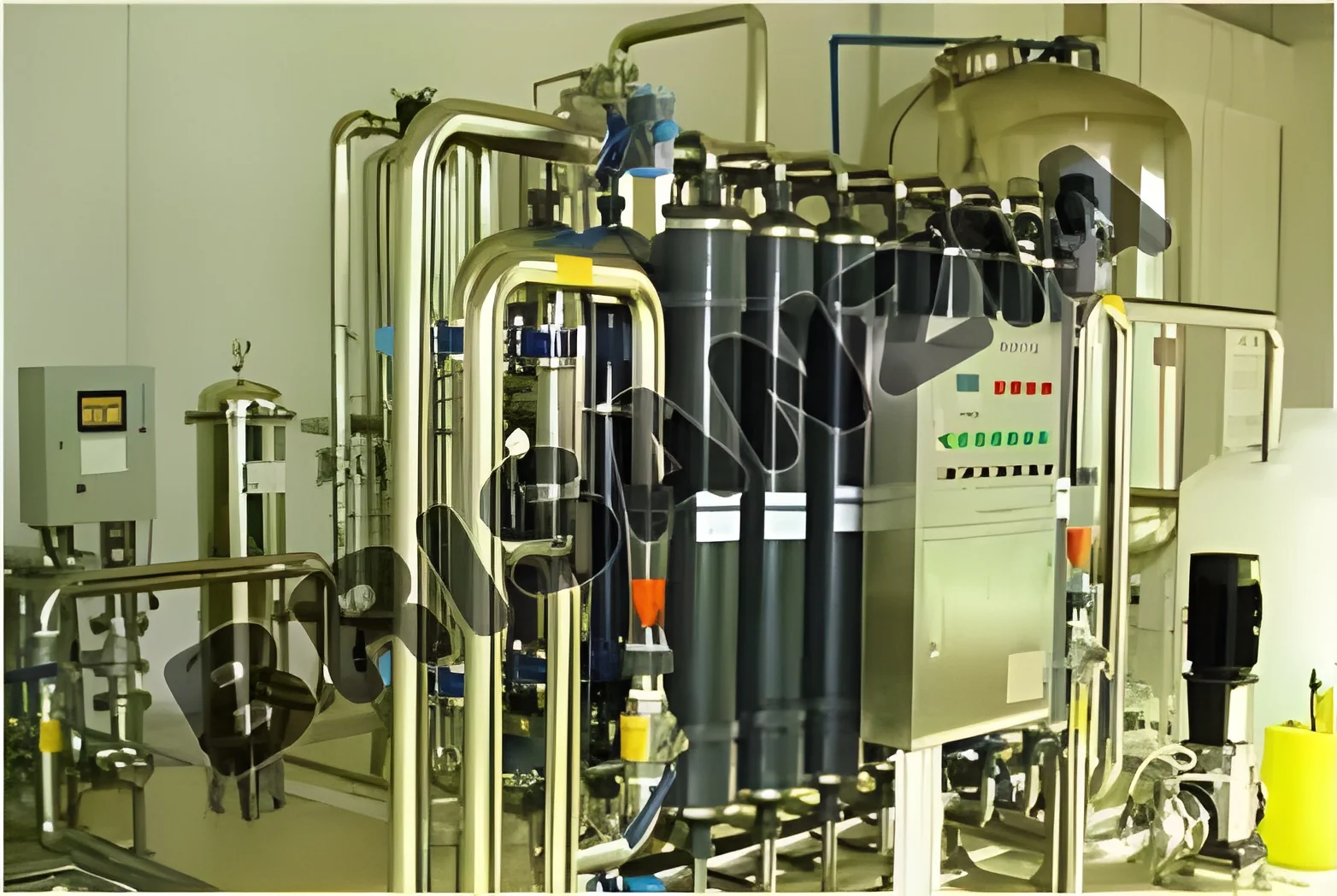
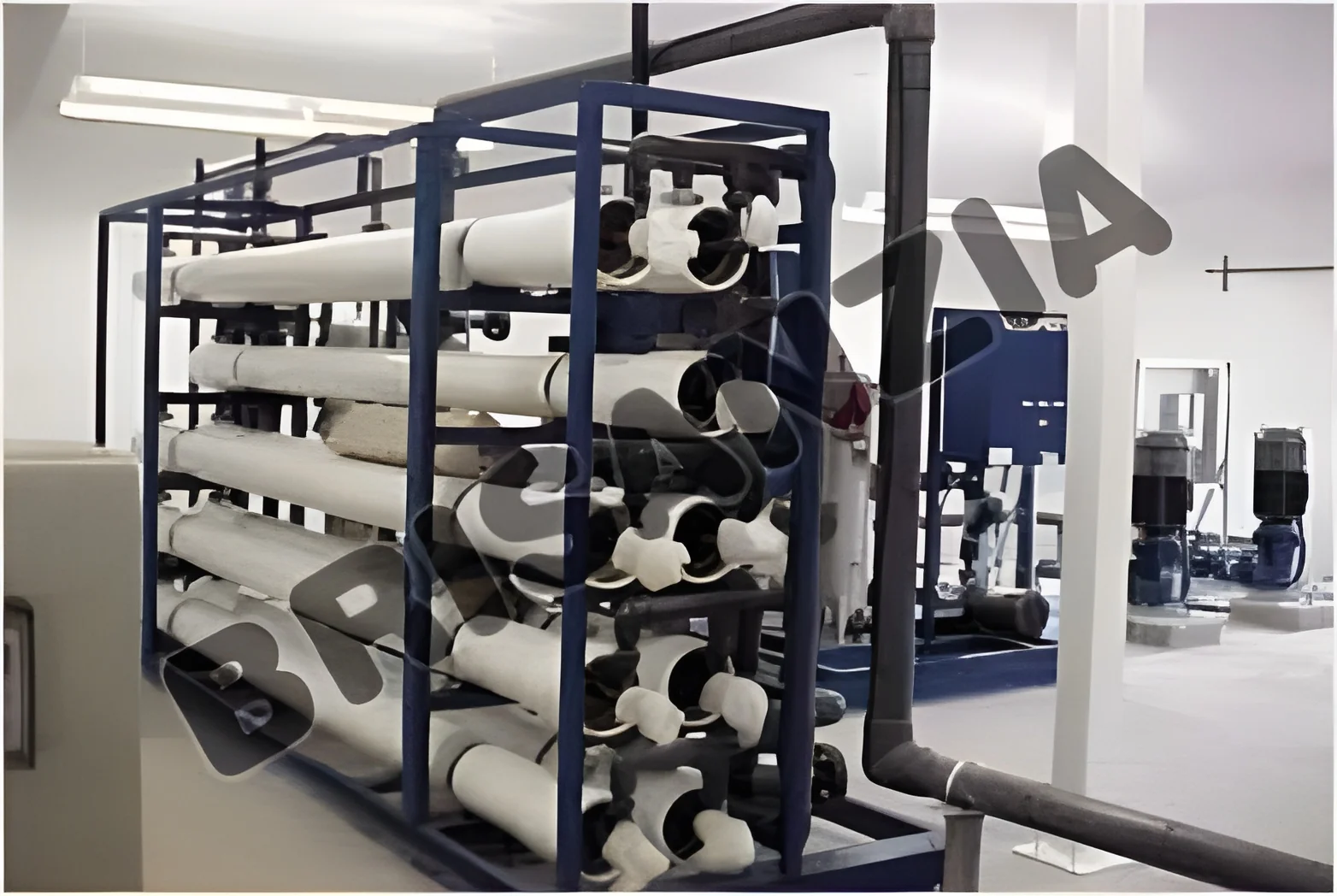
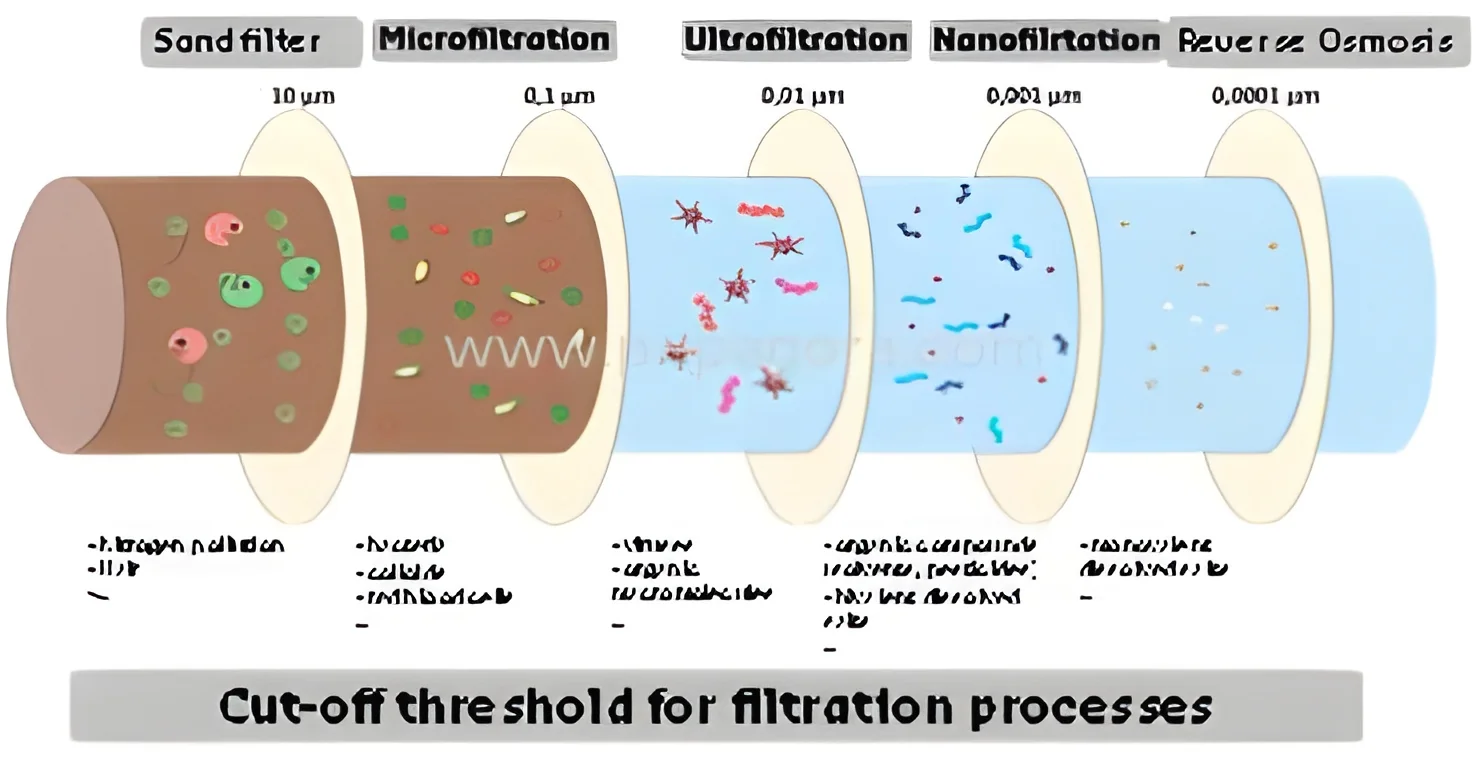
Ultrafiltration systems are advanced filtration technologies that utilize semi-permeable membranes to separate particles and solutes from liquids. These systems operate on the principle of size exclusion, allowing water and smaller molecules to pass through while retaining larger particles such as bacteria, viruses, and colloids. Ultrafiltration is often used as a pre-treatment step for reverse osmosis processes or can serve standalone filtration purposes in various applications.
The primary uses of ultrafiltration systems span a wide range of industries. They are commonly employed in water and wastewater treatment, food and beverage processing, pharmaceuticals, and even in the production of potable water. Businesses rely on these systems to enhance water quality, improve product purity, and ensure compliance with health and safety regulations. The demand for ultrafiltration solutions is growing due to the increasing need for clean water and stringent environmental standards.
In today's market, ultrafiltration systems are crucial for industries facing challenges related to water scarcity and pollution. As companies strive to meet regulatory requirements and sustainability goals, the adoption of ultrafiltration technology is seen as an effective solution. The ability to efficiently separate contaminants while conserving water resources places ultrafiltration systems at the forefront of industrial filtration technology.
Key Features and Specifications
Ultrafiltration systems offer a variety of features and specifications that enhance their effectiveness and efficiency. These systems are designed to meet diverse industrial needs, making them versatile solutions for water treatment and other applications.
Key specifications include:
1. Membrane Type
- Typically made from polymeric materials
- Common types include Polyethersulfone (PES) and Polyamide (PA)
2. Operating Pressure
- Usually ranges from 1 to 3 bar
- Influences filtration efficiency and flow rates
3. Flow Rate
- Varies based on system size and membrane area
- Typical ranges are from 100 to 5000 liters per hour
4. Removal Rate
- Effectively removes particles larger than 0.01 microns
- High rejection rates for bacteria and suspended solids
5. Temperature Tolerance
- Generally operates within a range of 5 to 50 degrees Celsius
- Ensures optimal performance across various conditions
6. Cleaning Protocol
- Systems can be cleaned using chemical or physical methods
- Regular maintenance extends the lifespan of membranes
7. Automation Capabilities
- Many systems include automated monitoring and control
- Enhances operational efficiency and reduces manual oversight
8. Compact Design
- Space-saving designs suitable for limited installation areas
- Facilitates easier integration into existing processes
In summary, the features and specifications of ultrafiltration systems are tailored to meet the rigorous demands of different industries, ensuring efficient purification and separation processes.
Common Applications and Use Cases
Ultrafiltration systems are highly adaptable and find applications across multiple industries.
1. Water Treatment: These systems are widely used for municipal water treatment, where they remove contaminants and improve water quality for safe consumption.
2. Food and Beverage: In the food industry, ultrafiltration is employed to concentrate juices, clarify beverages, and separate proteins from whey in dairy processing.
3. Pharmaceuticals: Ultrafiltration systems help in the production of sterile water for injection and in the purification of biological products, ensuring compliance with strict health regulations.
4. Electronics: In semiconductor manufacturing, ultrafiltration is used to produce ultra-pure water required for cleaning and rinsing processes.
5. Oil and Gas: These systems are utilized in produced water treatment to separate oil, solids, and other contaminants from water before discharge.
6. Textile Industry: Ultrafiltration assists in dye recovery and water reuse, minimizing waste and improving sustainability in textile production.
7. Aquaculture: In aquaculture, ultrafiltration helps maintain water quality by removing harmful bacteria and other pathogens, promoting healthy fish farming.
Product Variants and Subcategories
Ultrafiltration systems come in various configurations to cater to specific needs across industries.
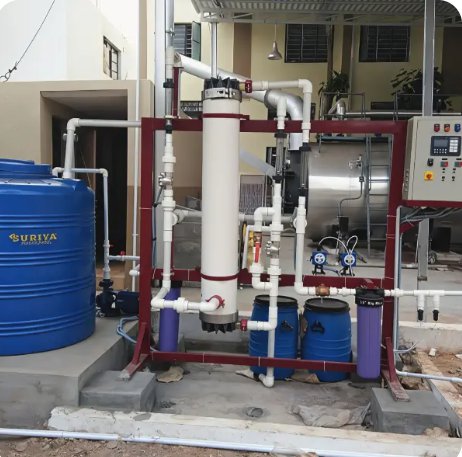
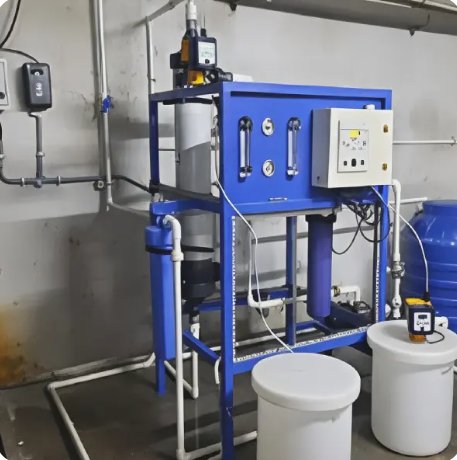
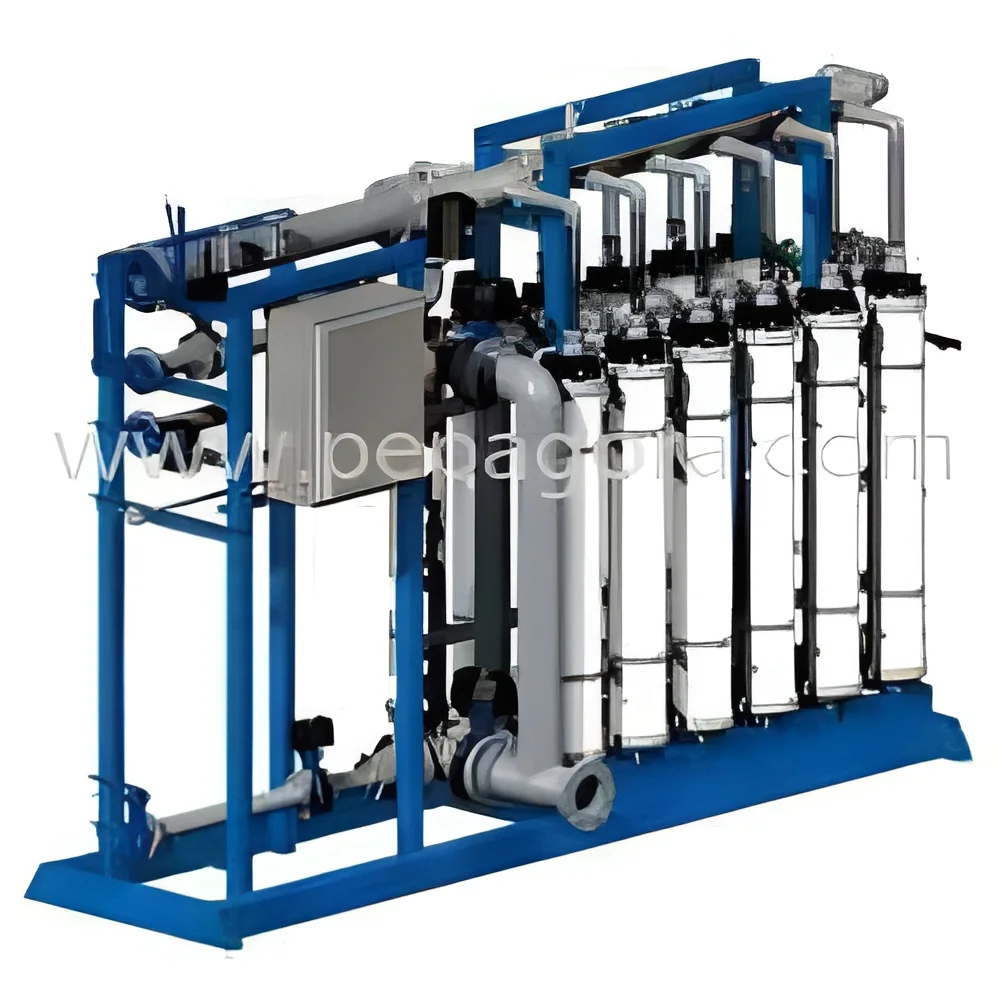
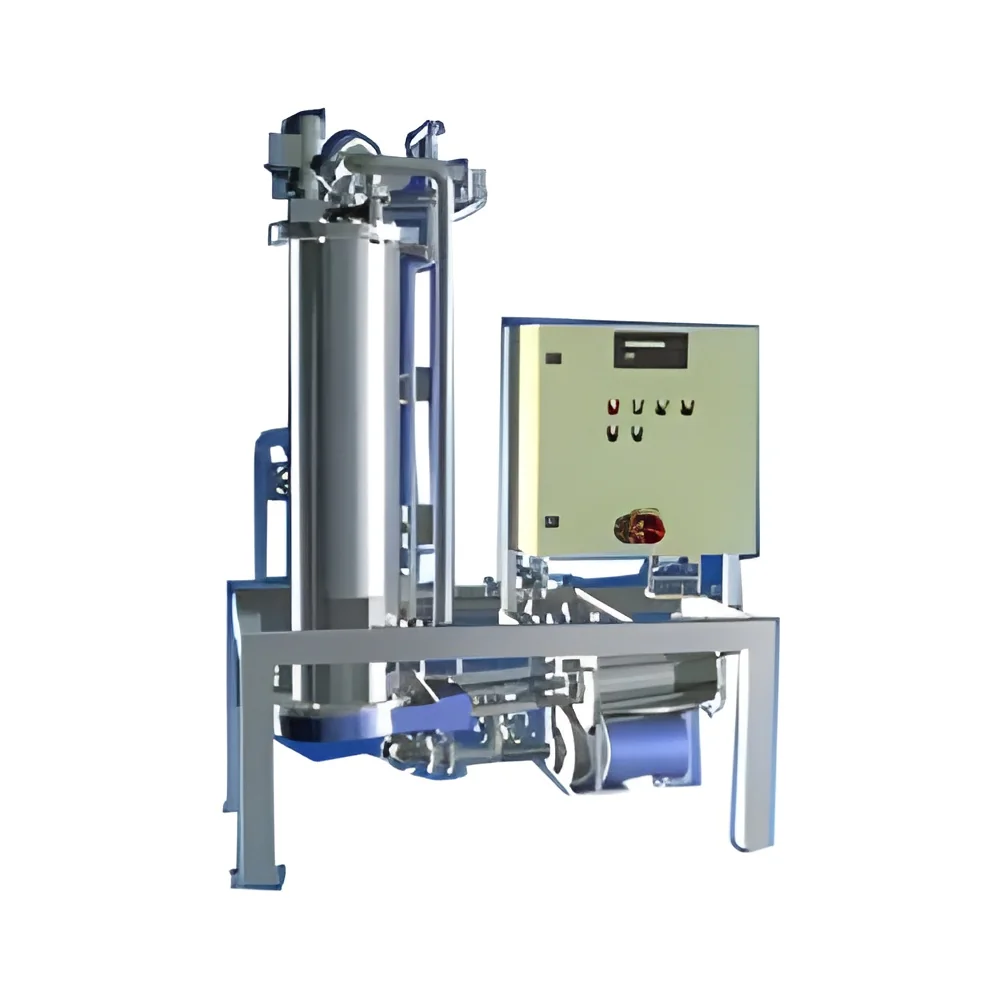
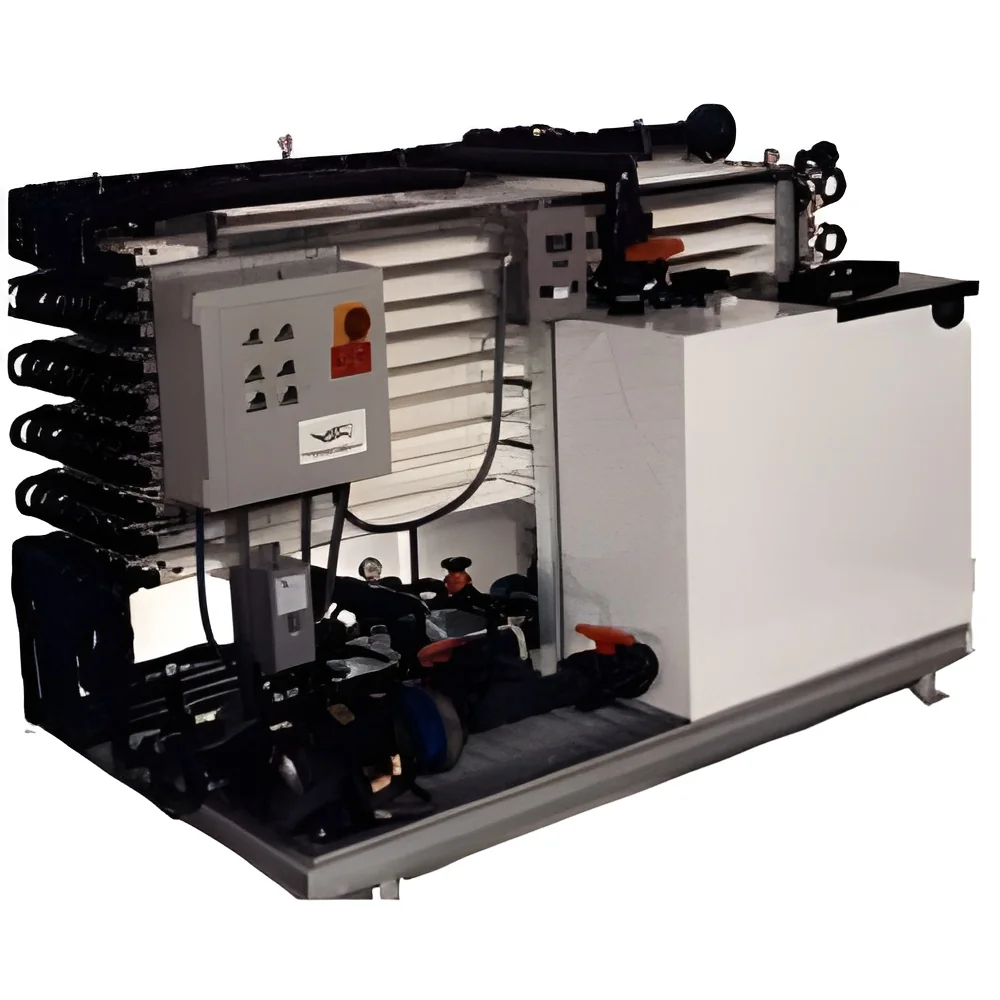
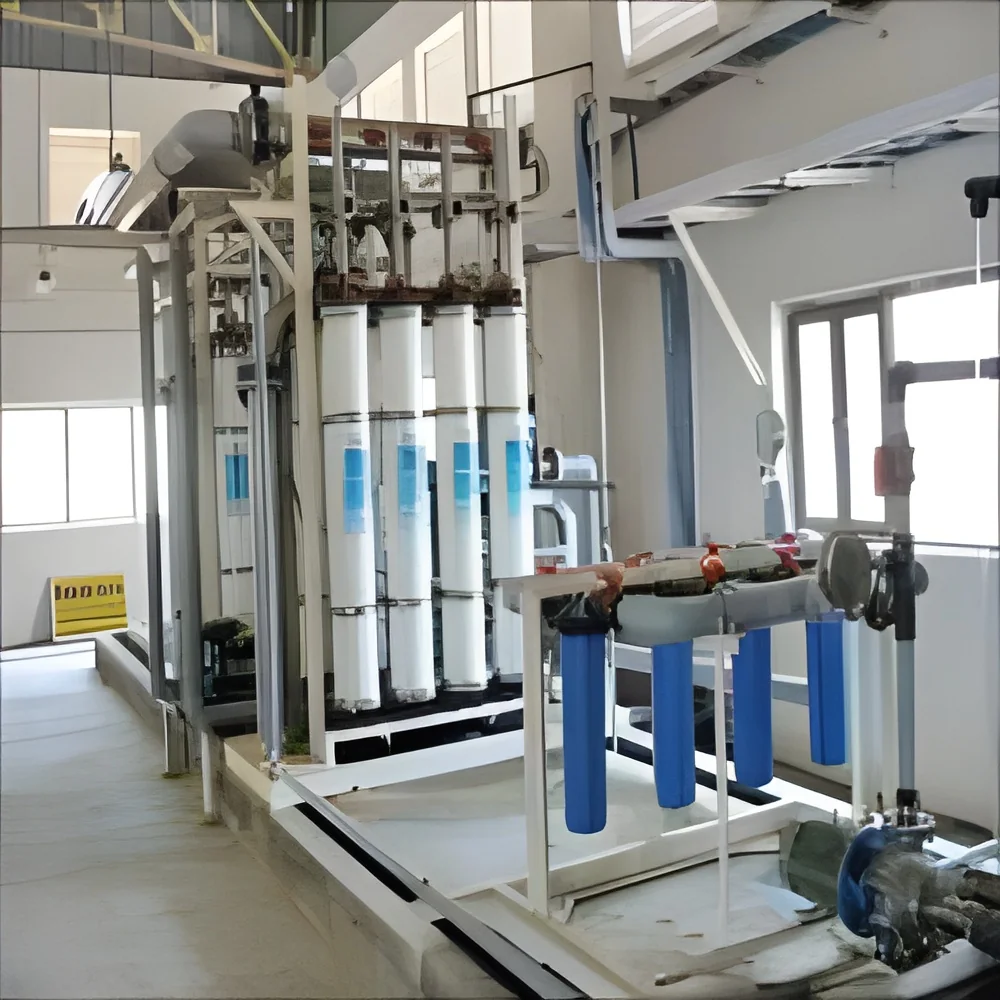
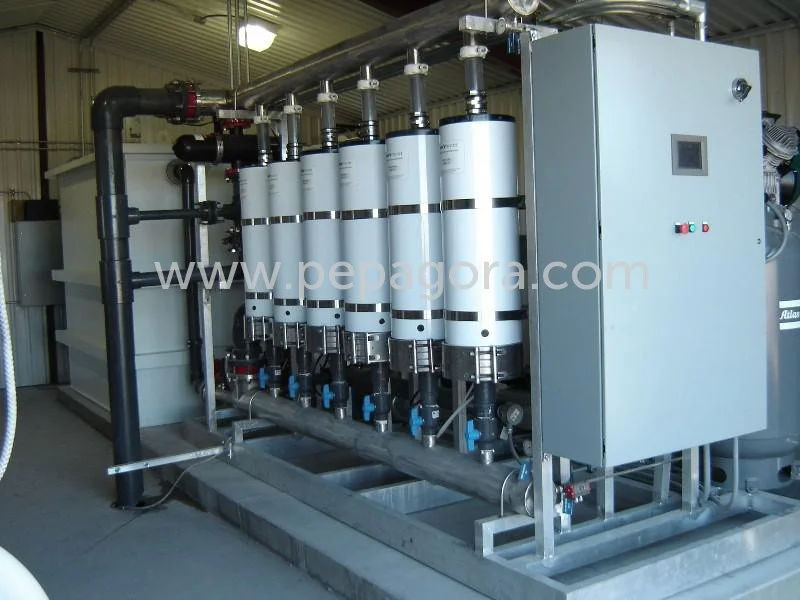
Skid-mounted Systems: These are pre-assembled units designed for easy installation and mobility. Skid-mounted systems are ideal for temporary setups or locations requiring quick deployment.
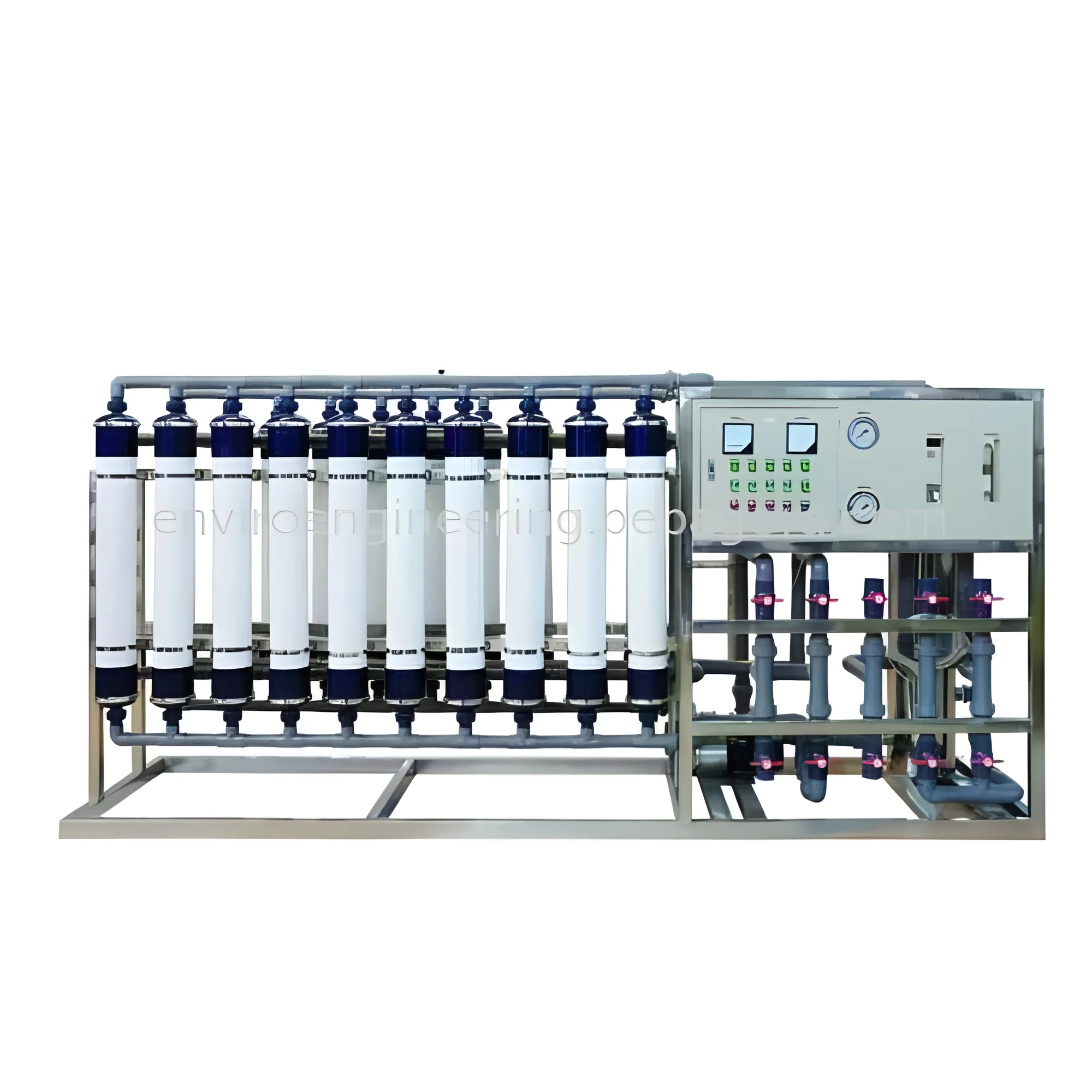
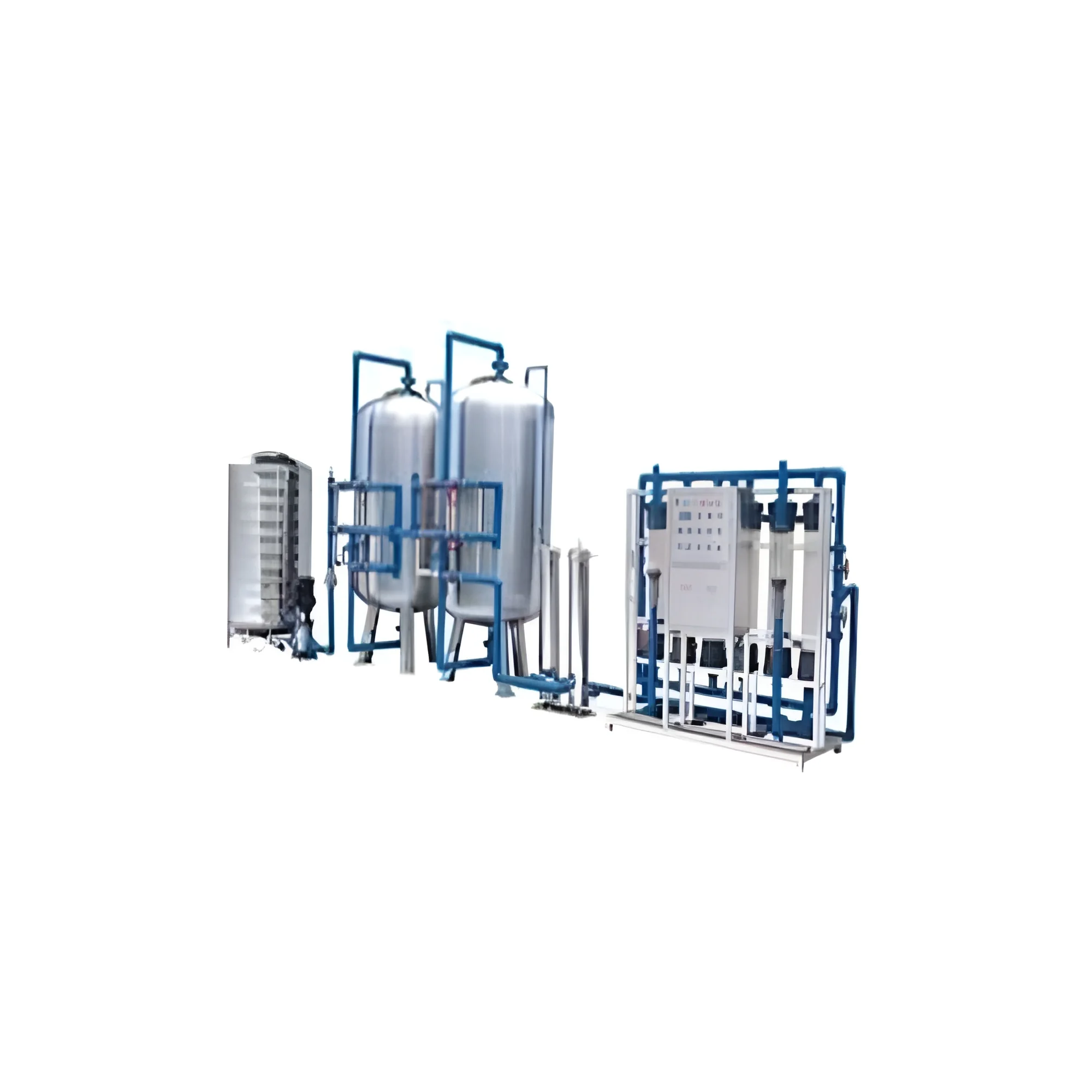
Modular Systems: These designs allow for scalability and flexibility, enabling businesses to expand their filtration capacity as needed without significant infrastructure changes.
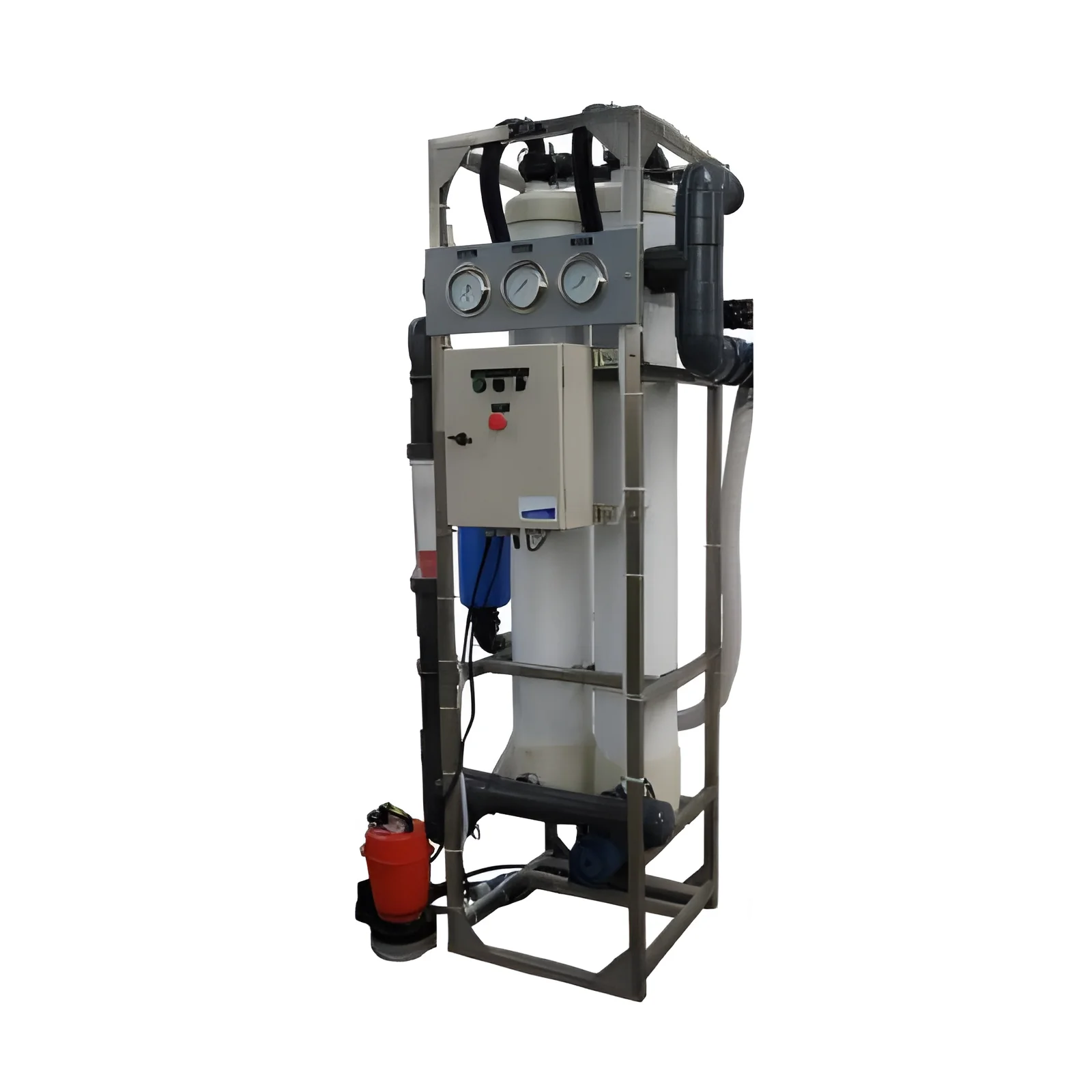
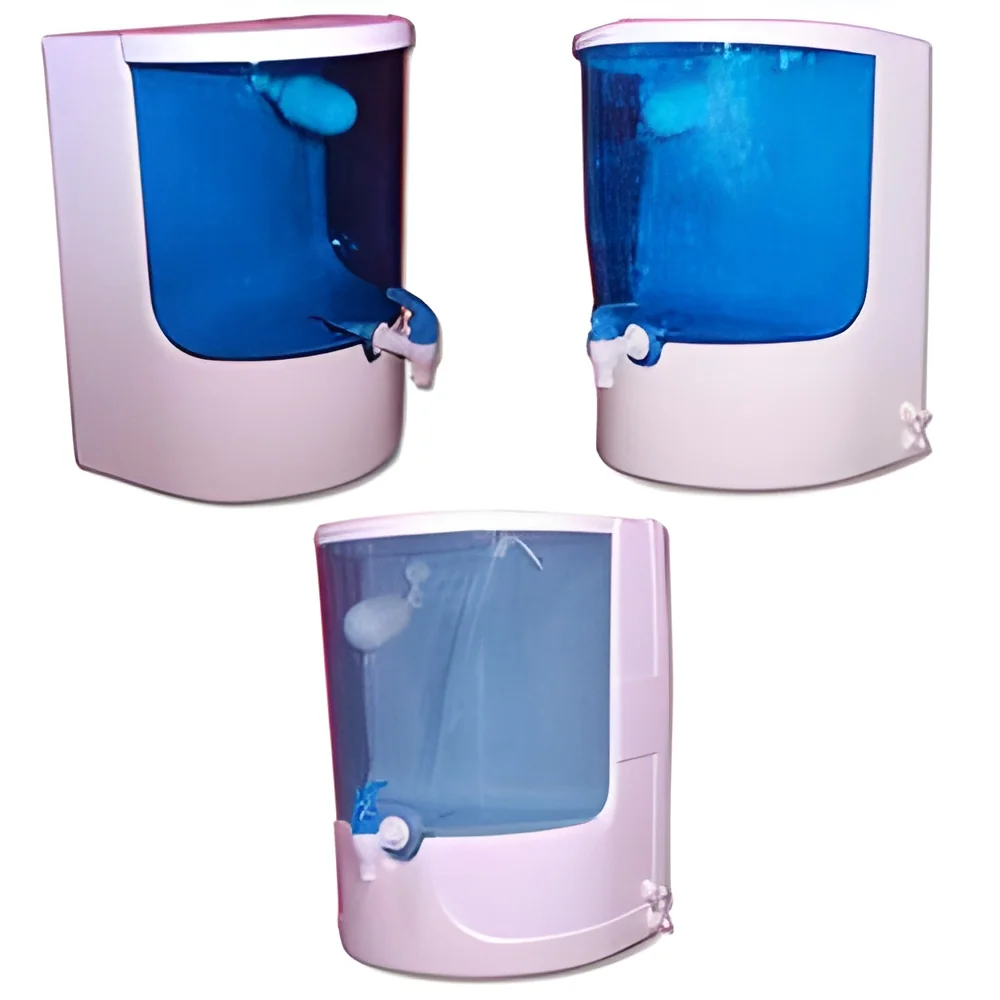
Standalone Systems: These are self-contained units that operate independently, suitable for smaller facilities or specific applications where dedicated filtration is required.
Benefits and Advantages
Ultrafiltration systems offer significant benefits to businesses seeking efficient filtration solutions.
1. High Efficiency: Ultrafiltration provides excellent separation of contaminants, resulting in high-quality water and product output.
2. Cost-effective Operation: These systems reduce the need for extensive chemical treatments, lowering operational costs over time.
3. Minimal Footprint: Their compact design enables easy integration into existing processes without requiring significant space.
4. Low Maintenance: With proper cleaning protocols, ultrafiltration membranes have a long lifespan, minimizing downtime and maintenance costs.
5. Environmental Compliance: Ultrafiltration systems help companies meet stringent environmental regulations by efficiently removing pollutants from water.
6. Versatility: These systems can be customized and adapted to various applications, making them suitable for diverse industries.
Buying Guide for B2B Buyers
When sourcing ultrafiltration systems, B2B buyers should consider several critical factors to ensure they make informed purchasing decisions.
1. Quality Assessment: Evaluate the quality of the membranes and components used in the system. Look for manufacturers that comply with industry standards to ensure reliability and performance.
2. Supplier Verification: Vet potential suppliers by checking their credentials, reputation, and customer reviews. A verified supplier network can provide assurance of product quality and service.
3. Pricing and MOQ: Understand the pricing structure and minimum order quantities. Compare quotes from multiple suppliers to find the best deal without compromising quality.
4. Delivery and Lead Times: Discuss logistics with suppliers to ensure timely delivery of systems. Consider lead times in the context of project timelines to avoid delays.
5. Compliance Requirements: Ensure that the ultrafiltration systems meet relevant industry regulations and standards. Compliance with certifications such as CE and UL is critical for operational safety.
Compliance and Certifications
Ultrafiltration systems must adhere to various quality standards and certifications to ensure safety and reliability.
Many systems comply with ISO 9001, which sets out the criteria for a quality management system. This certification ensures that manufacturers maintain consistent quality and continuously improve processes.
Additionally, ultrafiltration systems often carry industry certifications such as CE and UL, indicating that they meet specific health, safety, and environmental protection standards. These certifications are essential for gaining trust in the marketplace.
Testing requirements for ultrafiltration systems typically involve rigorous assessments, including performance testing and safety evaluations. Buyers should also be aware of regional compliance considerations, as regulations may vary by location and industry. Ensuring compliance with local laws is crucial for successful operation.
Why Source Ultrafiltration Systems from Pepagora?
Pepagora provides a trusted platform for sourcing ultrafiltration systems, offering several key advantages to B2B buyers.
Verified Supplier Network: Pepagora collaborates with a network of verified suppliers, ensuring that buyers have access to high-quality products. This verification process helps reduce risks associated with procurement.
Streamlined RFQ Process: The platform features a user-friendly Request for Quotation (RFQ) system that simplifies the procurement process. Buyers can easily compare quotes and select the best options for their needs.
Trade Assurance and Support: Pepagora offers trade assurance and support, providing buyers with protection throughout the purchasing process. This support helps build confidence in transactions and ensures a satisfactory experience.
Regional Coverage: With a strong focus on markets in India, the GCC, and Southeast Asia, Pepagora ensures that buyers have access to a wide range of ultrafiltration solutions tailored to their regional needs. This geographic reach facilitates easier connections between buyers and suppliers.

 India

 India
 India
 India
 India
 India
 India
 India
 India
 India

 India
 India
 India
 India
 India
 India
 India
 India
 India
 India
 India
 India
 India

Frequently Asked Questions
What are Ultrafiltration Systems?
Ultrafiltration Systems are advanced filtration technologies that use a semi-permeable membrane to separate particles from liquids. They effectively remove suspended solids, bacteria, and larger macromolecules while allowing smaller molecules, such as water and dissolved salts, to pass through.
What are the different types of Ultrafiltration Systems?
There are various types of Ultrafiltration Systems, including hollow fiber, spiral wound, and flat sheet configurations. Each type is designed for specific applications and operational requirements, such as water treatment, food and beverage processing, and pharmaceuticals.
How do I choose the right Ultrafiltration Systems?
Choosing the right Ultrafiltration System involves considering factors such as the nature of the feed water, desired purity levels, and operational capacity. It is also essential to evaluate the membrane material, system design, and maintenance requirements to ensure compatibility with your specific needs.
What are the standard specifications for Ultrafiltration Systems?
Standard specifications for Ultrafiltration Systems typically include membrane pore size, flux rate, operating pressure, and temperature tolerance. Additionally, the materials used in construction and the system's overall efficiency ratings are crucial parameters to consider.
What is the price range for Ultrafiltration Systems?
The price range for Ultrafiltration Systems can vary widely depending on factors such as system size, technology type, and manufacturer. Generally, prices can start from a few thousand rupees for small units and can go up to several lakhs for more complex industrial systems.
What quality standards apply to Ultrafiltration Systems?
Ultrafiltration Systems must adhere to various quality standards, including ISO certifications and industry-specific regulations. These standards ensure that the systems meet safety, efficiency, and performance benchmarks suitable for various applications.
Where can I find Ultrafiltration Systems suppliers in India?
You can find Ultrafiltration Systems suppliers in India through B2B marketplaces like Pepagora.com, industry trade shows, and online supplier directories. It's advisable to review supplier credentials and customer feedback to ensure reliability.
Can Ultrafiltration Systems be customized?
Yes, Ultrafiltration Systems can be customized to meet specific operational needs and application requirements. Customizations may include adjustments in membrane type, system size, and additional features to enhance performance.
What is the typical minimum order quantity for Ultrafiltration Systems?
The typical minimum order quantity (MOQ) for Ultrafiltration Systems varies by supplier and the scale of the system. However, it often ranges from one unit for smaller systems to multiple units for larger industrial applications.
What is the typical lead time for Ultrafiltration Systems?
The typical lead time for Ultrafiltration Systems can range from a few weeks to several months, depending on the complexity of the system and the manufacturer's production schedule. It’s advisable to confirm lead times with the supplier when placing an order.
Why Businesses Trust Pepagora
Thousands of companies trust Pepagora to source smarter and sell faster
Expand Your Sales Globally

Source Smarter,Grow Faster
