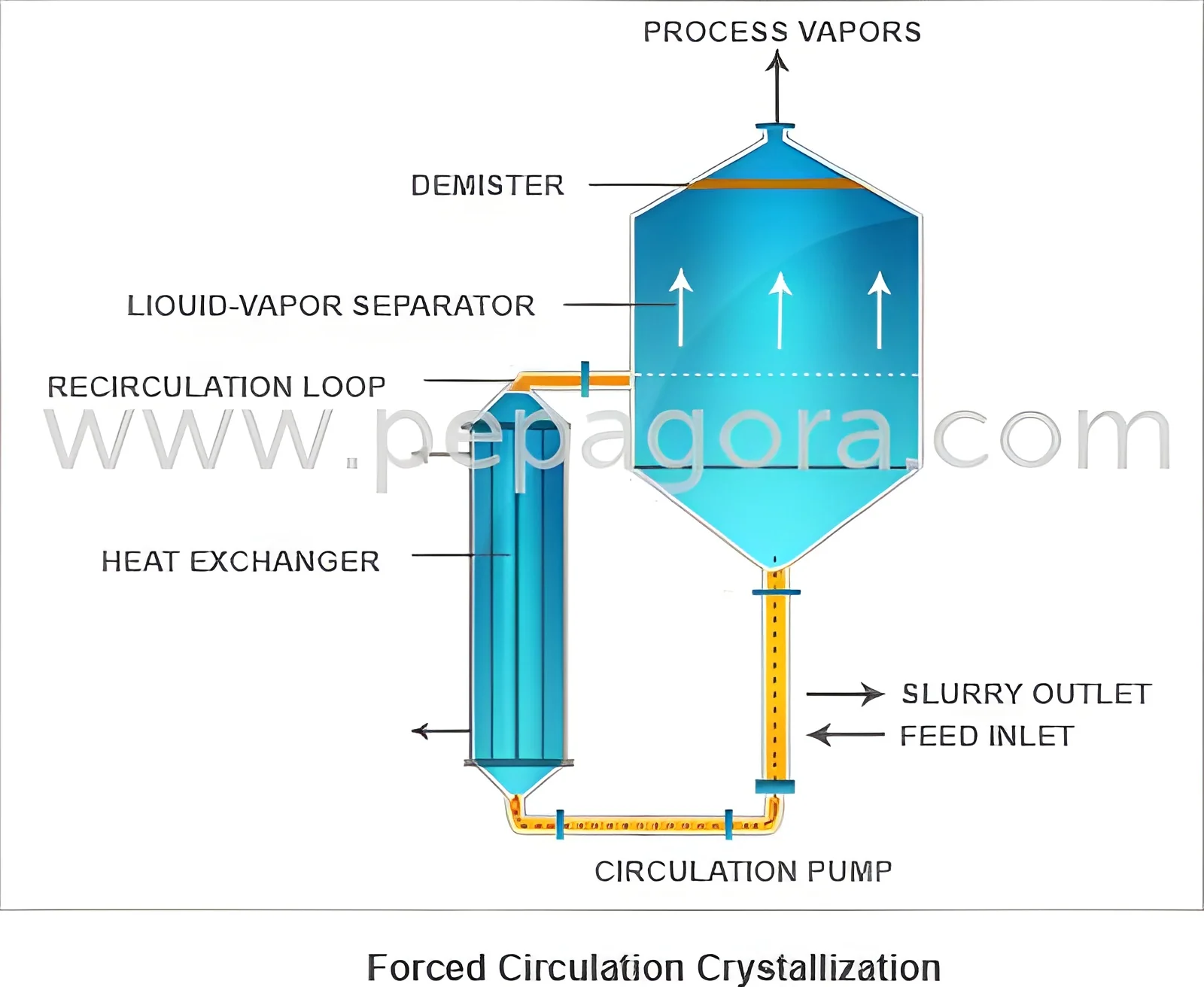
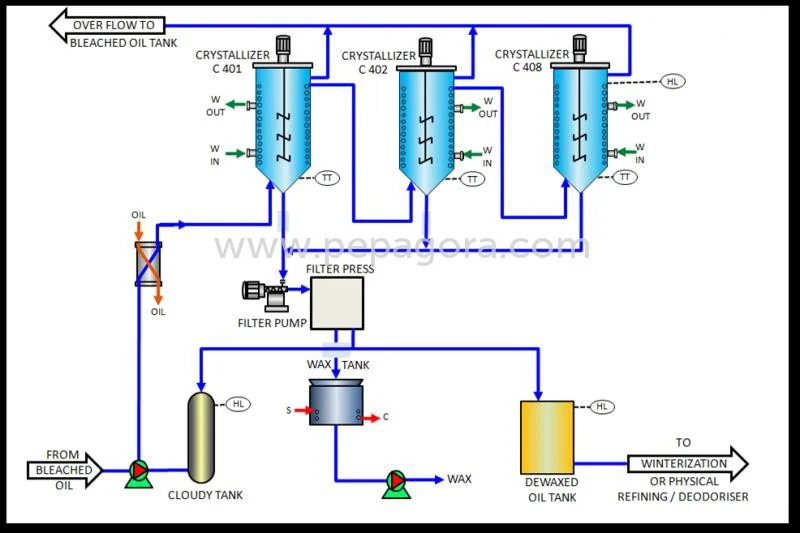
What are Crystallizers for ZLD?
Crystallizers for Zero Liquid Discharge (ZLD) are advanced industrial equipment used to separate dissolved solids from liquid waste. These systems operate by cooling or evaporating wastewater, enabling the formation of solid crystals from the solutes present in the liquid. The primary goal of crystallizers is to minimize environmental impact by ensuring that no liquid waste is discharged into the environment, thus promoting sustainable practices in industrial operations.
The primary uses of crystallizers for ZLD are found in industries such as mining, pharmaceuticals, and wastewater treatment. They help in recovering valuable materials from waste streams while also treating water to a level suitable for reuse. By reducing the volume of waste and extracting useful byproducts, these systems play a crucial role in resource recovery and sustainability initiatives.
In the current market context, the demand for crystallizers for ZLD is rising due to increasing regulatory pressures and the need for businesses to adopt eco-friendly practices. Industries are increasingly focusing on sustainable waste management solutions, and crystallizers serve as an effective technology to meet these evolving needs.
Key Features and Specifications
Crystallizers for ZLD come with a range of features designed to enhance performance and efficiency in waste management. Understanding these specifications is crucial for selecting the right system for your business needs.
Key specifications include:
1. Material of Construction
- Common materials include stainless steel and titanium for durability and corrosion resistance.
- Options may vary based on application and chemical exposure.
2. Crystal Size Control
- Advanced systems provide adjustable settings for controlling crystal size.
- This feature allows for optimal recovery rates of target materials.
3. Energy Efficiency
- Designed to minimize energy consumption during the crystallization process.
- Systems often use heat exchangers to recycle energy.
4. Operating Temperature Range
- Typically operates within a specific temperature range suitable for the process.
- Data not available for specific temperature ranges.
5. Automation Features
- Many systems offer automated controls for monitoring and adjusting process parameters.
- This ensures consistent performance and reduces labor costs.
6. Maintenance Requirements
- Designed for ease of maintenance with accessible components.
- Routine checks can be performed with minimal downtime.
7. Compliance with Environmental Standards
- Systems are built to meet various environmental regulations.
- Ensures adherence to local and international waste management standards.
8. Scalability
- Available in various sizes to accommodate different production capacities.
- Can be customized to fit the specific needs of a facility.
In summary, selecting the right crystallizer involves considering these key specifications to ensure it aligns with operational requirements and sustainability goals.
Common Applications and Use Cases
Crystallizers for ZLD are utilized across various industries, showcasing their versatility and importance in sustainable practices.
1. Mining: In the mining sector, crystallizers are employed to recover valuable minerals from wastewater generated during extraction processes. This not only reduces waste but also enhances resource recovery.
2. Pharmaceuticals: The pharmaceutical industry uses crystallizers for the purification of active ingredients and for managing waste byproducts. This application is critical for maintaining product quality and regulatory compliance.
3. Food and Beverage: In this sector, crystallizers help in recovering sugar and other soluble substances from process water, promoting waste reduction and byproduct recovery.
4. Textile: Crystallizers play a role in treating dye effluents by recovering salts and other chemicals, thus minimizing environmental impact and improving water reuse.
5. Chemical Manufacturing: In chemical production, crystallizers assist in separating and recovering valuable compounds from process streams, contributing to efficiency and sustainability.
6. Power Generation: These systems are used to manage wastewater from cooling towers and other processes, allowing for the recovery of minerals and water recycling.
7. Oil and Gas: Crystallizers help in treating brine and other waste streams from oil extraction processes, supporting environmental compliance and resource recovery.
Product Variants and Subcategories
Crystallizers for ZLD come in various designs to cater to different industrial needs. While specific subcategories are not available, the diversity in crystallizer technology allows for tailored solutions.
Continuous Crystallizers: These systems operate continuously, allowing for ongoing processing of waste streams. They are ideal for large-scale operations where consistent output is required.
Batch Crystallizers: Designed for smaller production runs, batch crystallizers are suitable for facilities with varying waste volumes. They offer flexibility in processing different waste streams as needed.
Hybrid Crystallizers: Combining features from both continuous and batch systems, hybrid crystallizers offer adaptability for changing production demands. They can efficiently handle multiple waste streams while optimizing energy use.
Benefits and Advantages
Crystallizers for ZLD present numerous advantages that enhance operational efficiency and sustainability.
1. Environmental Compliance: These systems are designed to help businesses meet stringent environmental regulations by eliminating liquid waste discharge.
2. Resource Recovery: Crystallizers enable the recovery of valuable materials from waste streams, providing economic benefits through material reuse.
3. Water Reclamation: By treating wastewater, crystallizers facilitate the recycling of water, reducing overall water consumption in industrial processes.
4. Cost Savings: Reducing waste disposal costs and recovering materials can lead to significant savings for businesses utilizing crystallizers.
5. Improved Process Efficiency: Advanced crystallization techniques enhance overall operational efficiency, leading to better resource management.
6. Customized Solutions: Crystallizers can be tailored to fit specific industry requirements, ensuring optimal performance across various applications.
Buying Guide for B2B Buyers
When sourcing crystallizers for ZLD, several factors should be taken into consideration to ensure an informed purchase.
1. Quality Assessment: Evaluate the quality of the crystallizers by reviewing manufacturer certifications and past performance. Look for systems that meet industry standards to ensure reliability.
2. Supplier Verification: Conduct thorough due diligence on potential suppliers. Check references, customer reviews, and their experience in providing crystallizers for ZLD applications.
3. Pricing and MOQ: Understand the pricing structure, including the minimum order quantities. Ensure the costs align with your budget while considering the total cost of ownership over time.
4. Delivery and Lead Times: Discuss delivery timelines with suppliers to ensure that the crystallizers can be delivered within your project schedule. Factor in lead times for customization if applicable.
5. Compliance Requirements: Ensure that the crystallizers meet any relevant local or international compliance standards. This is crucial for avoiding legal issues and ensuring operational continuity.
Compliance and Certifications
Crystallizers for ZLD must adhere to various quality and safety standards that ensure their effectiveness and reliability in industrial applications.
Relevant quality standards include ISO 9001, which focuses on quality management systems, ensuring that manufacturers maintain high-quality production processes. Additionally, HACCP principles may apply to industries where food safety is a concern.
Industry certifications, such as CE marking, indicate that the equipment meets European safety, health, and environmental protection standards. This is particularly important for businesses operating within or exporting to Europe.
Safety and testing requirements should also be taken into account. Crystallizers must pass rigorous testing to ensure they operate safely under specified conditions, including high temperatures and pressures.
Regional compliance considerations are essential, especially for businesses operating in multiple countries. Understanding local regulations regarding waste management and environmental protection can help avoid compliance issues.
Why Source Crystallizers for ZLD from Pepagora?
Pepagora offers a trusted platform for sourcing crystallizers for ZLD, providing several key advantages to B2B buyers.
Verified Supplier Network: Pepagora has established a robust network of verified suppliers who specialize in crystallizers for ZLD. This ensures that buyers can find quality products from reputable manufacturers.
Streamlined RFQ Process: The platform simplifies the request for quotation (RFQ) process, allowing buyers to easily compare quotes from multiple suppliers. This efficiency saves time and helps in making informed purchasing decisions.
Trade Assurance and Support: Pepagora provides trade assurance, protecting buyers throughout the purchasing process. This includes support for any issues that may arise post-purchase, ensuring buyer confidence.
Regional Coverage: With a strong presence in India, the GCC, and Southeast Asia, Pepagora provides access to a wide range of suppliers and products, catering to diverse market needs. This geographic reach enhances sourcing options for businesses looking to implement ZLD solutions.

 IN
IN