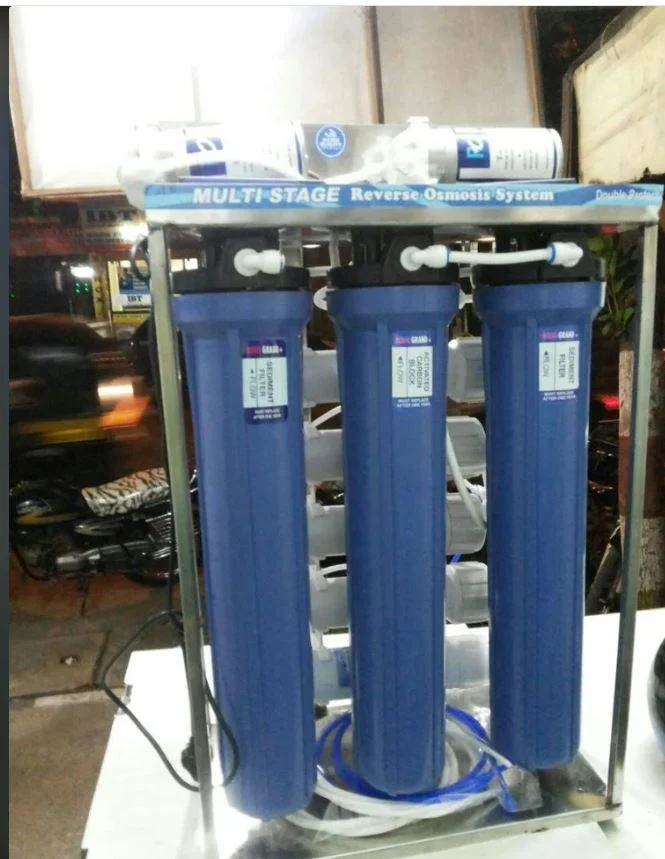
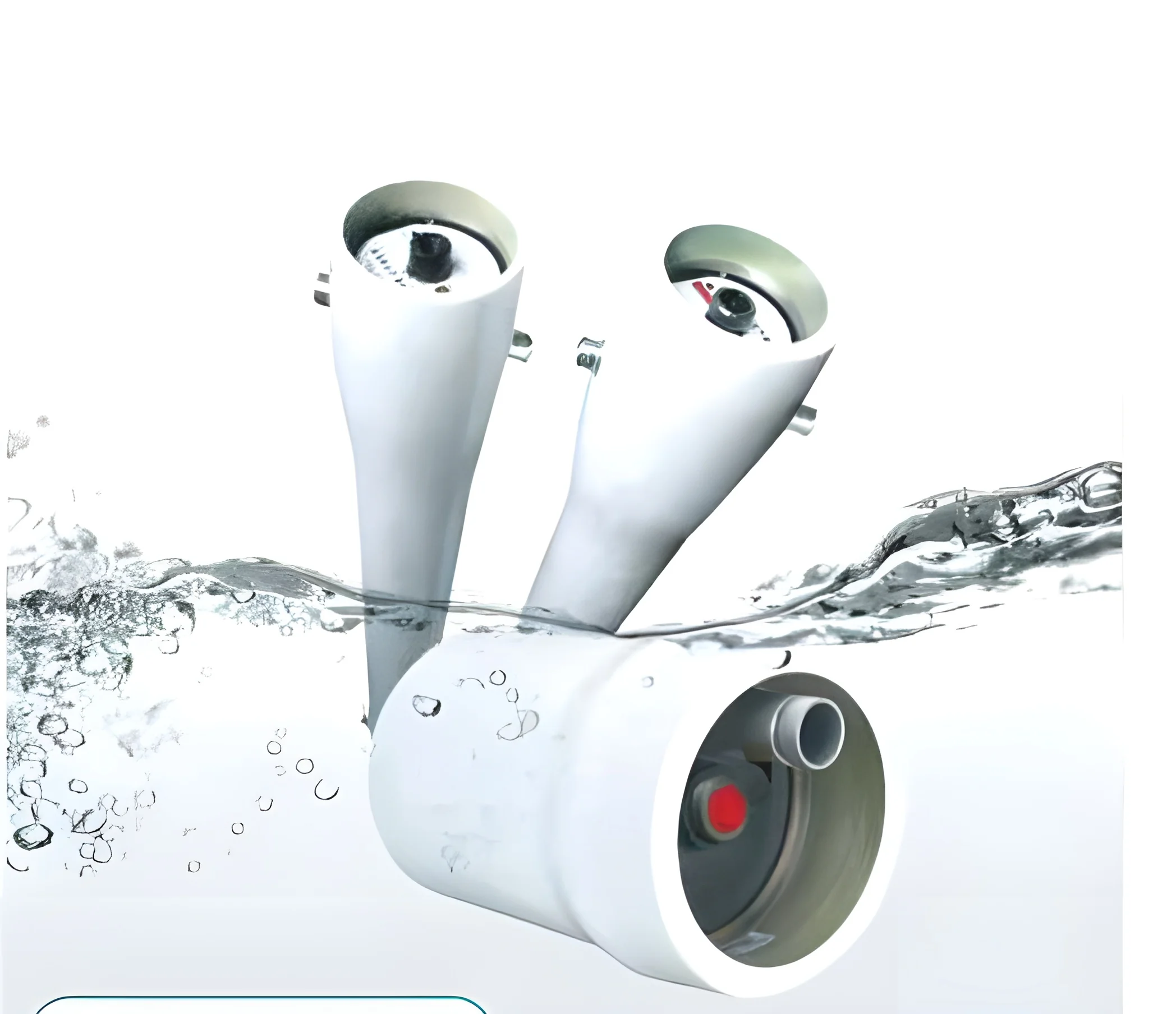
What are Commercial RO Systems?
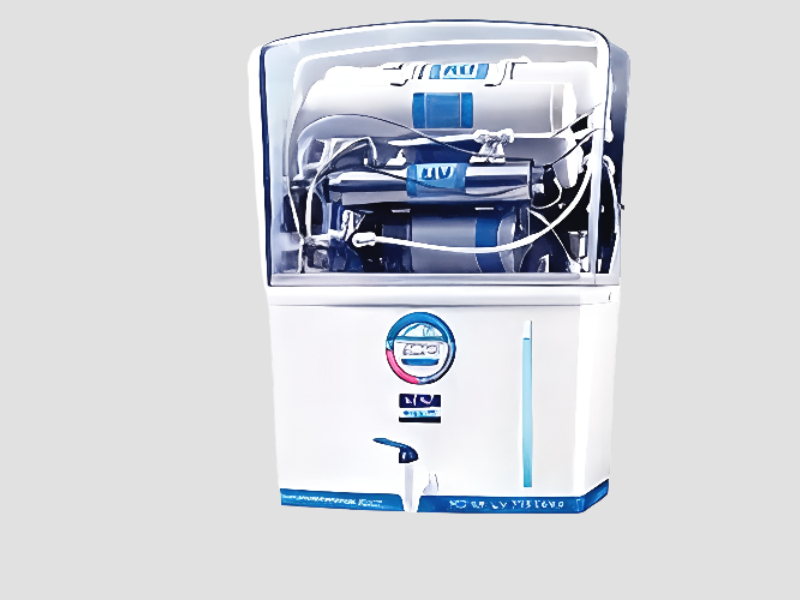
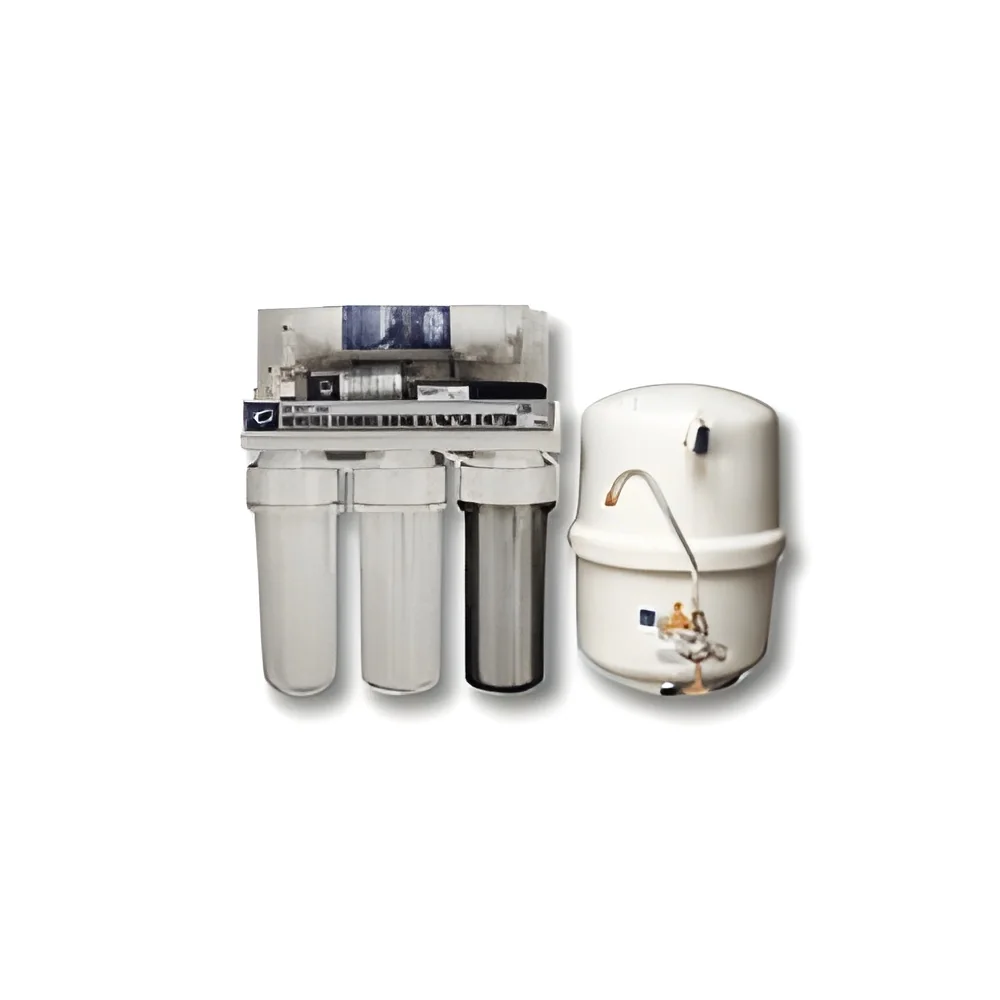
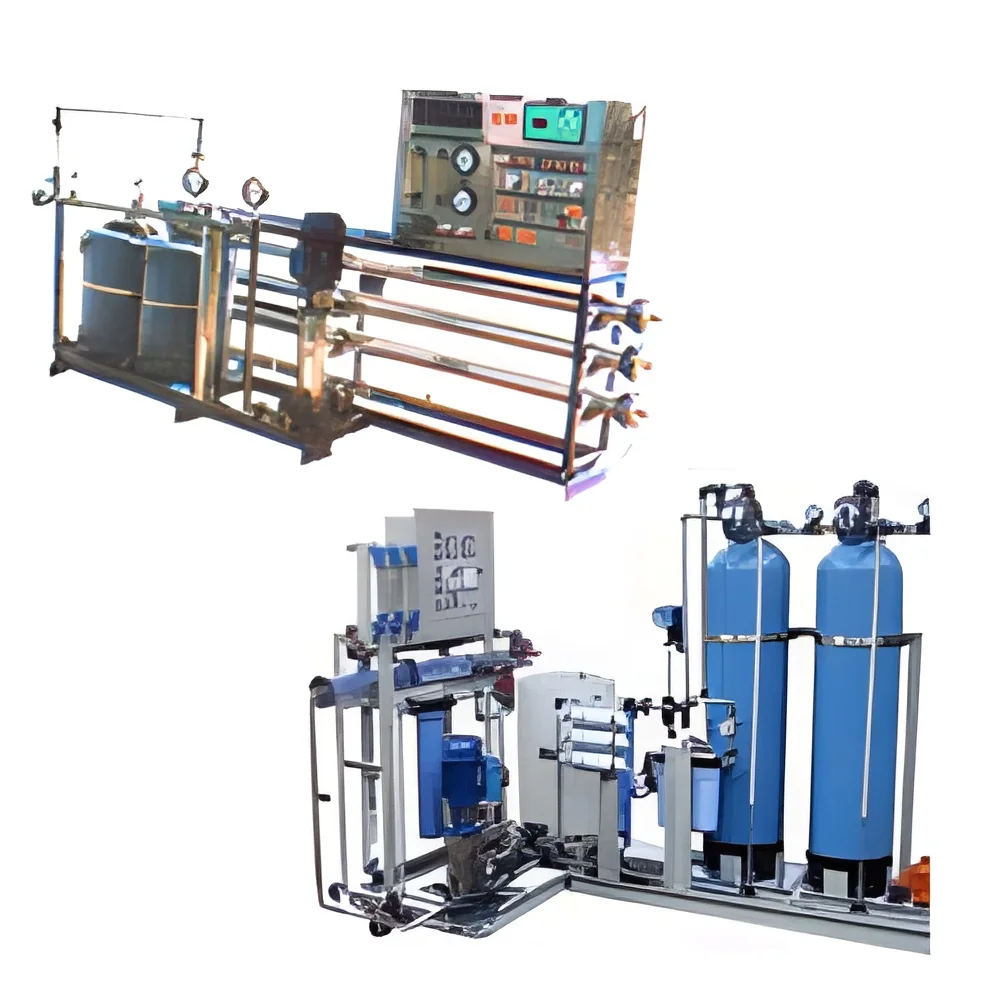
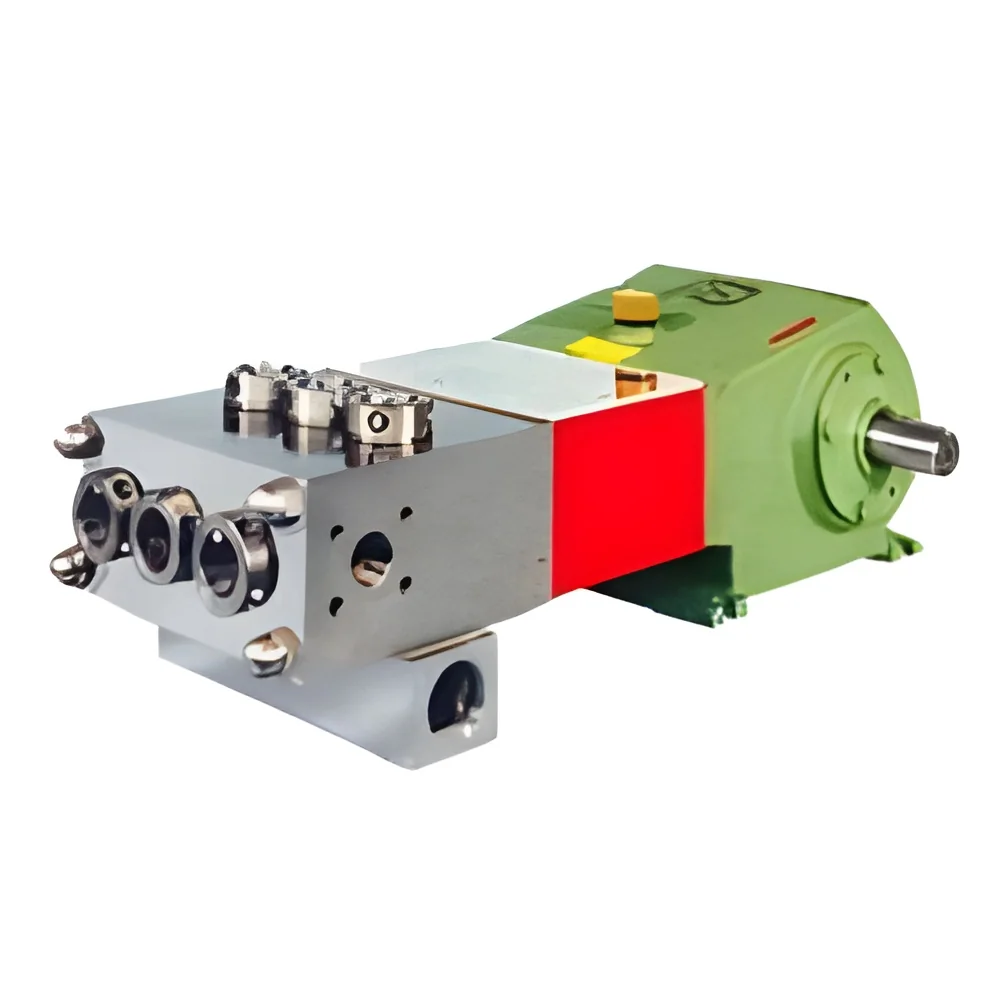
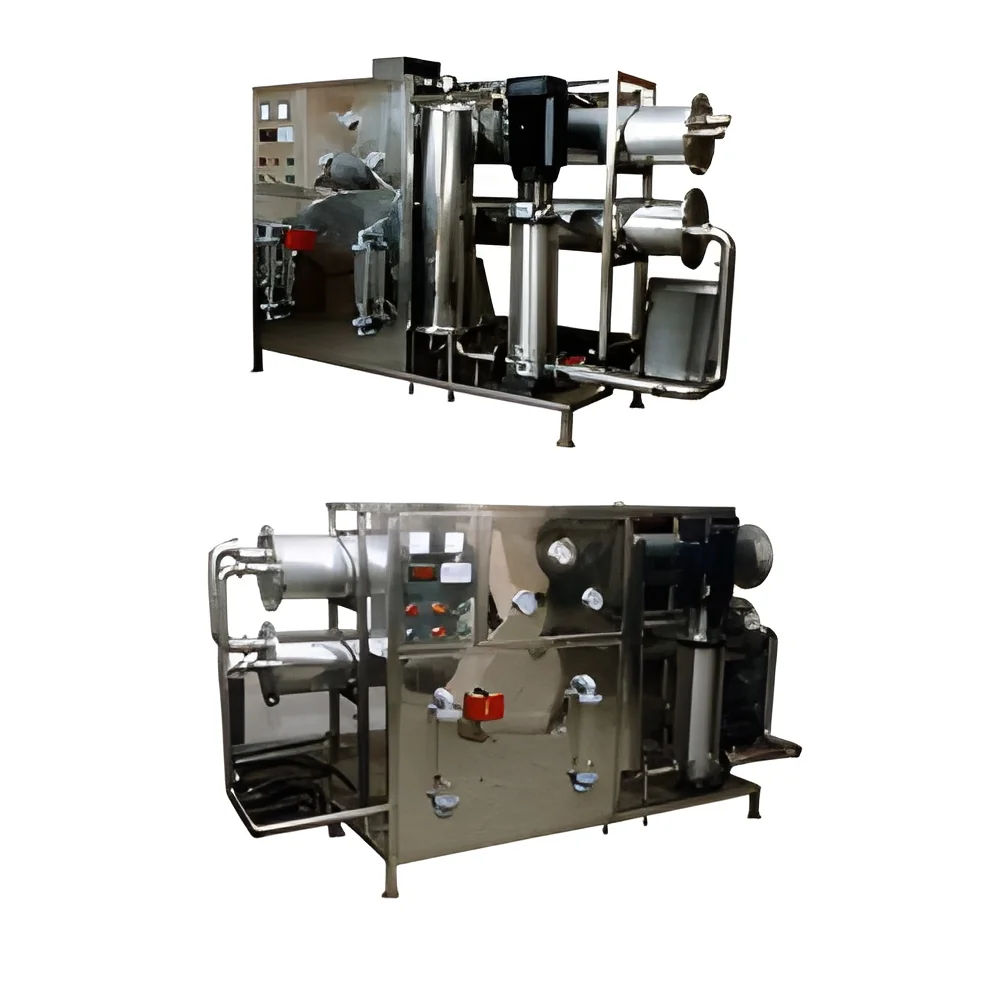
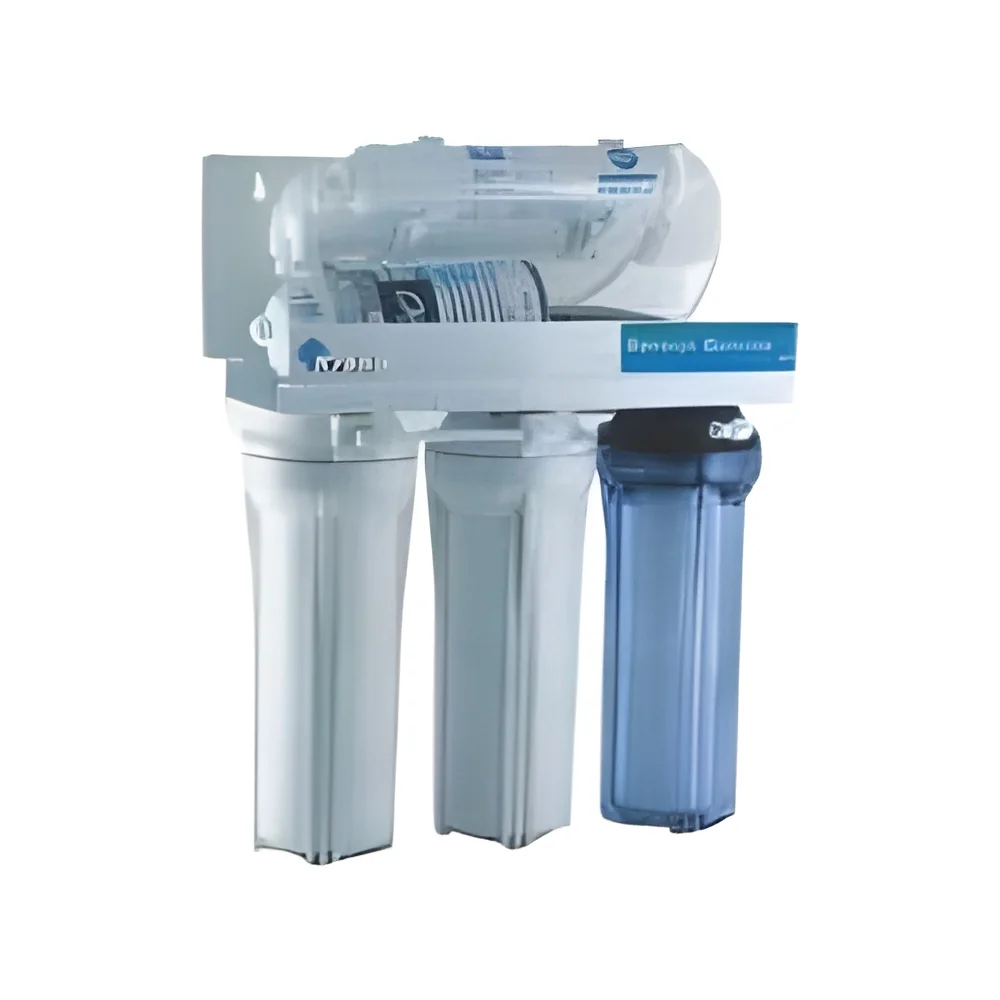
Commercial Reverse Osmosis (RO) Systems are advanced water purification systems designed to remove contaminants and impurities from water, utilizing a semipermeable membrane for filtration. These systems operate by applying pressure to water, forcing it through the membrane which retains dissolved solids, bacteria, and other unwanted substances, producing clean and safe water for various applications. The technology is widely recognized for its efficiency and effectiveness in delivering high-quality water.
These systems are primarily used in industries where water quality is critical, such as food and beverage production, pharmaceuticals, and electronics manufacturing. They can also be found in commercial settings such as restaurants, hotels, and hospitals, where access to purified water is essential for operations. The relevance of commercial RO systems in today’s market cannot be understated, as increasing regulations on water quality and growing awareness of waterborne contaminants drive demand for reliable filtration solutions.
Key Features and Specifications
Commercial RO Systems feature a range of specifications that enhance their performance and reliability. These systems are designed to meet the rigorous demands of various industries and ensure the delivery of purified water.
Key specifications include:
1. Filtration Capacity
- Varies by system size and application
- Typical ranges from 500 to 10,000 gallons per day
2. Recovery Rate
- Percentage of feed water converted to purified water
- Commonly ranges from 50% to 85%
3. Membrane Type
- Includes thin-film composite and polyamide membranes
- Specific to application needs and water quality
4. Operating Pressure
- Pressure required for optimal performance
- Typical ranges from 100 to 300 psi
5. Feed Water Quality
- Acceptable limits for total dissolved solids (TDS)
- Generally less than 1,500 mg/L for standard applications
6. System Dimensions
- Size and footprint of the unit
- Varies based on capacity and design
7. Energy Efficiency
- Designed to minimize energy consumption
- Many systems utilize energy recovery devices
8. Maintenance Requirements
- Frequency and type of maintenance needed
- Routine checks for membrane integrity and system cleaning
In summary, the features and specifications of commercial RO systems are tailored to meet the diverse needs of industries, ensuring that they deliver high-quality water efficiently and effectively.
Common Applications and Use Cases
Commercial RO Systems serve a variety of industries, each with specific applications that benefit from purified water.
1. Food and Beverage Industry: These systems are essential for producing high-quality water used in food processing and beverage production, ensuring safety and taste purity.
2. Pharmaceutical Industry: RO systems are used to provide water for drug formulation, where contamination can lead to serious quality control issues.
3. Electronics Manufacturing: High-purity water is crucial for manufacturing semiconductors and other electronic components, where even minor impurities can impact product performance.
4. Hospitality Sector: Hotels and restaurants utilize RO systems for cooking, cleaning, and providing safe drinking water to guests.
5. Aquaculture: RO systems are used in fish farming to maintain water quality and remove harmful substances that can affect aquatic life.
6. Healthcare Facilities: Hospitals use these systems for sterile processing, laboratory work, and patient care, where water quality is critical.
7. Industrial Processes: Various manufacturing processes require purified water to ensure product quality and compliance with industry standards.
Product Variants and Subcategories
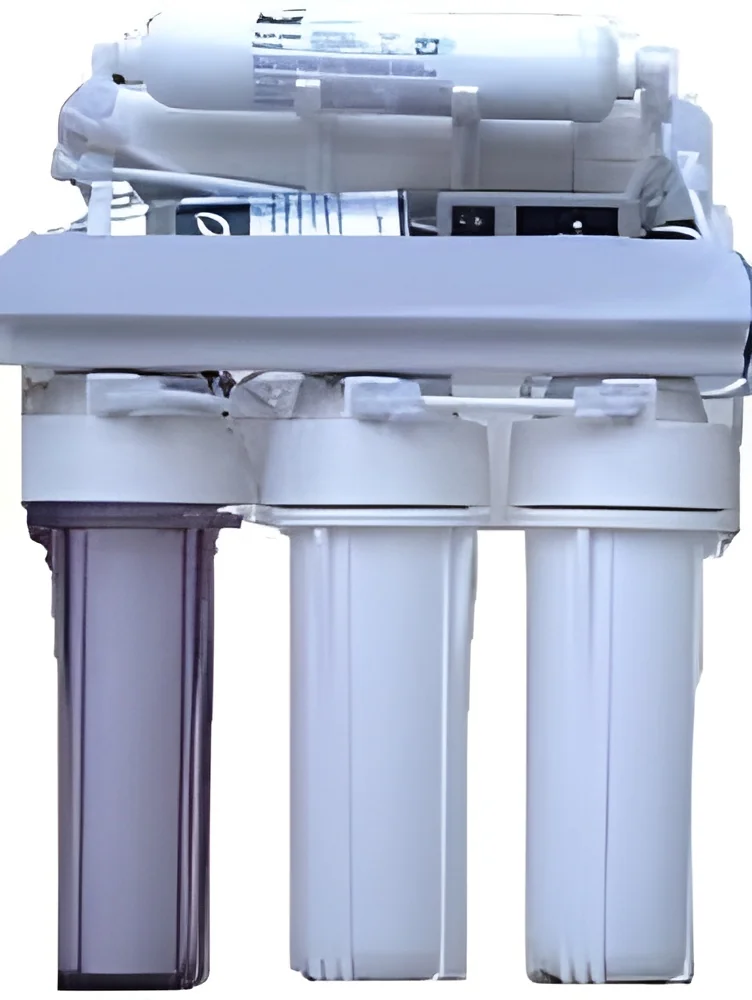
Commercial RO Systems come in various configurations to cater to different needs. While specific subcategories are not available, the diversity in design and capacity allows businesses to select systems that best meet their requirements.
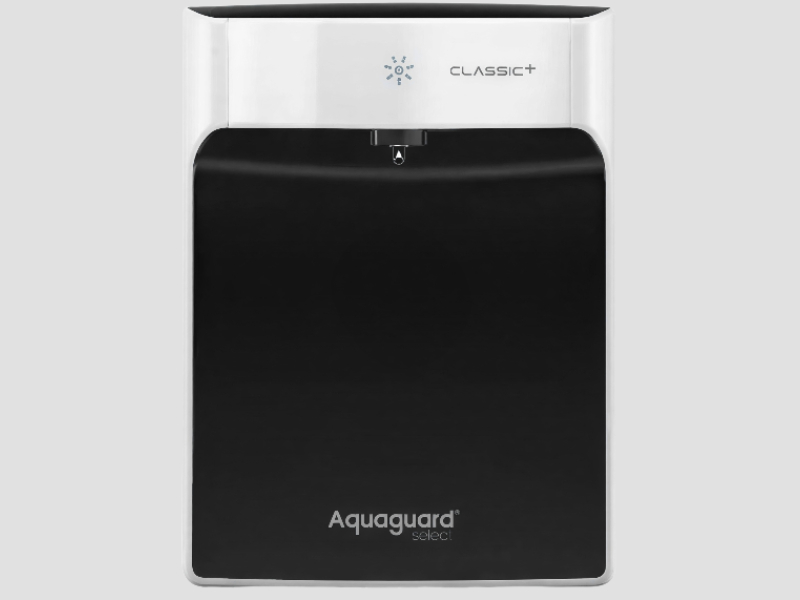
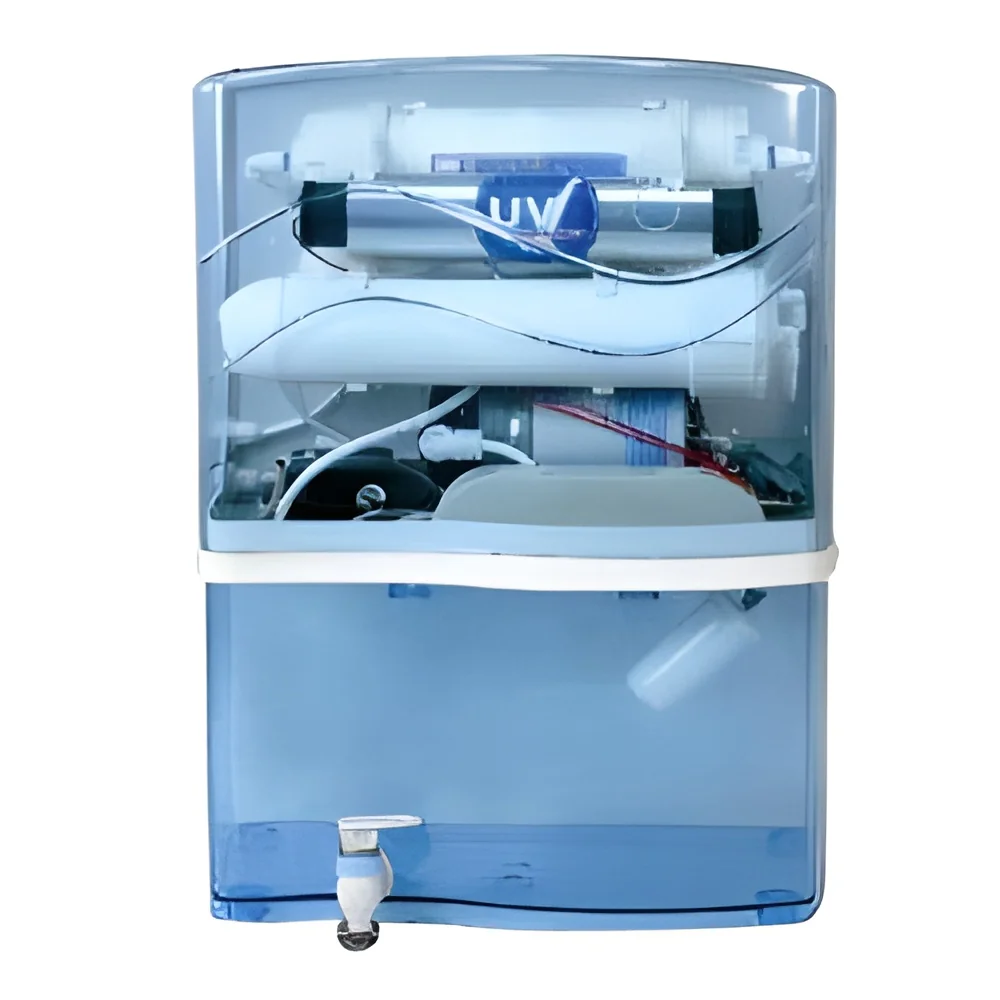
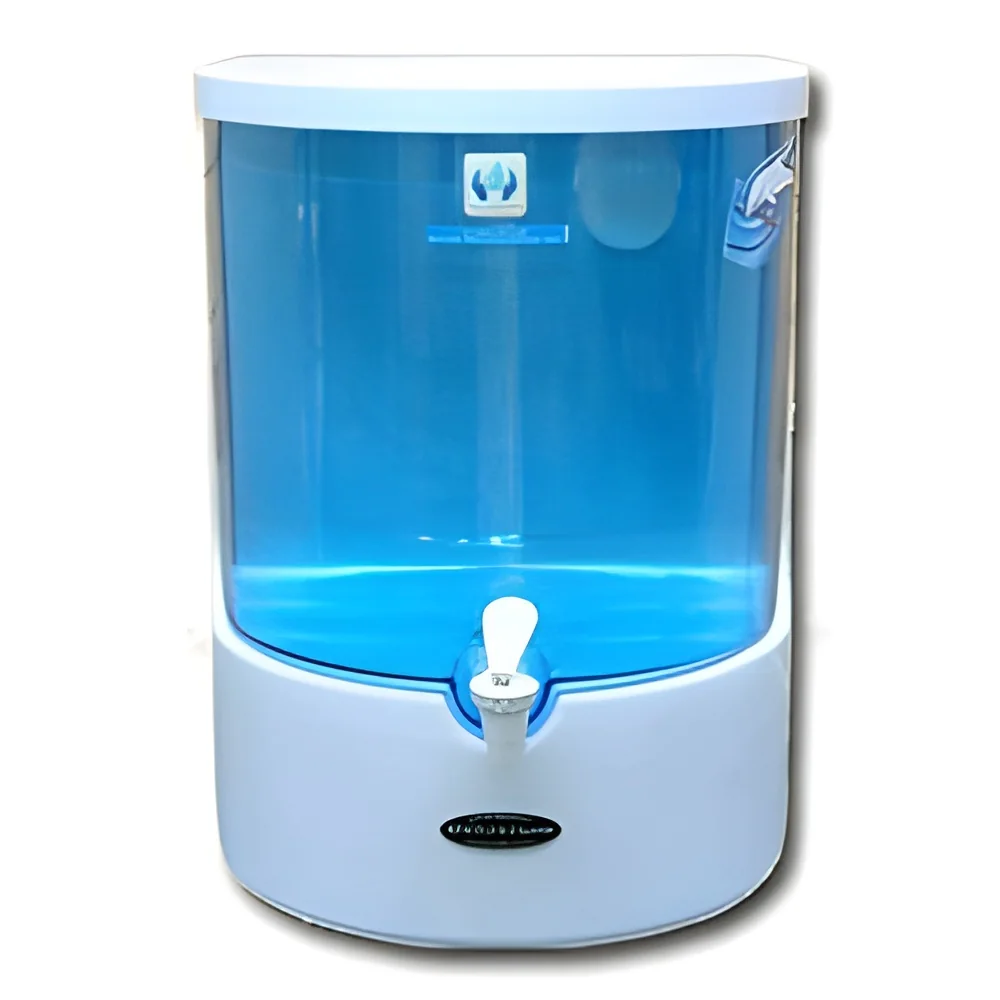
Compact Systems: These smaller units are designed for limited space and lower demand situations, ideal for small businesses or specific applications.
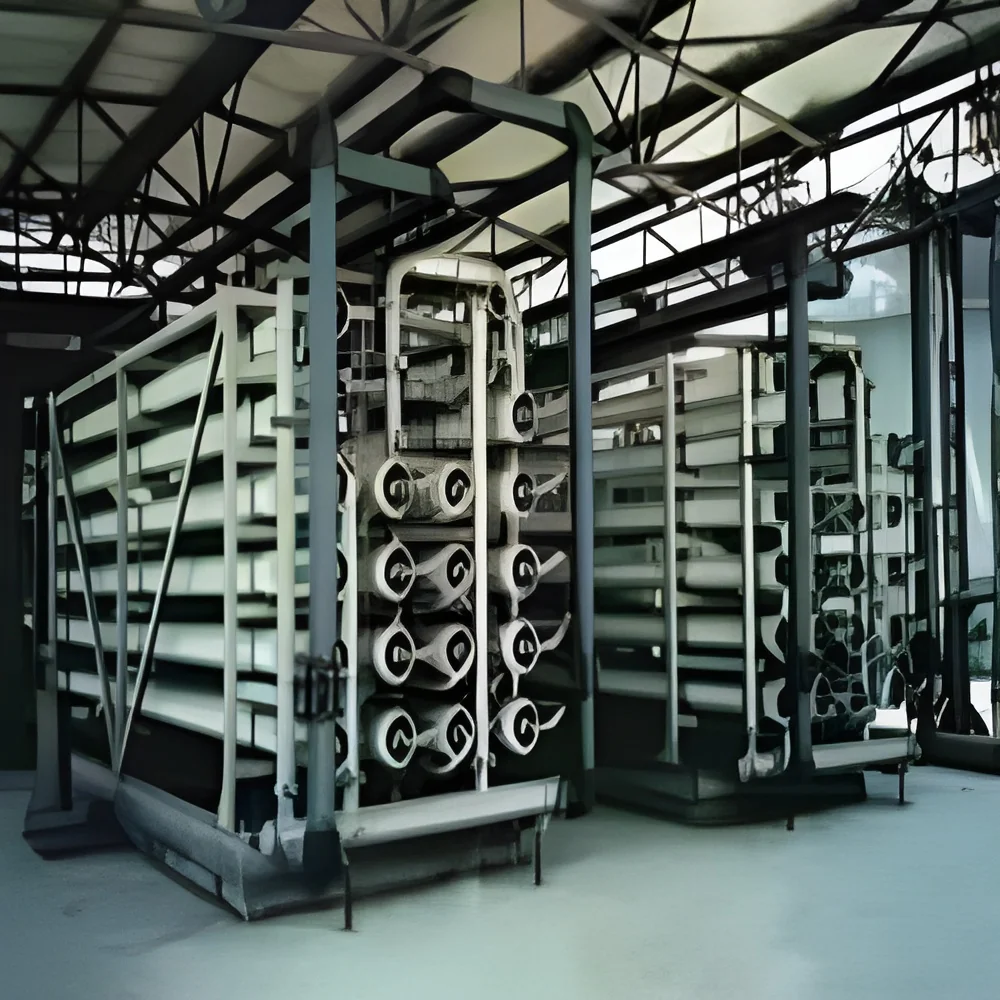
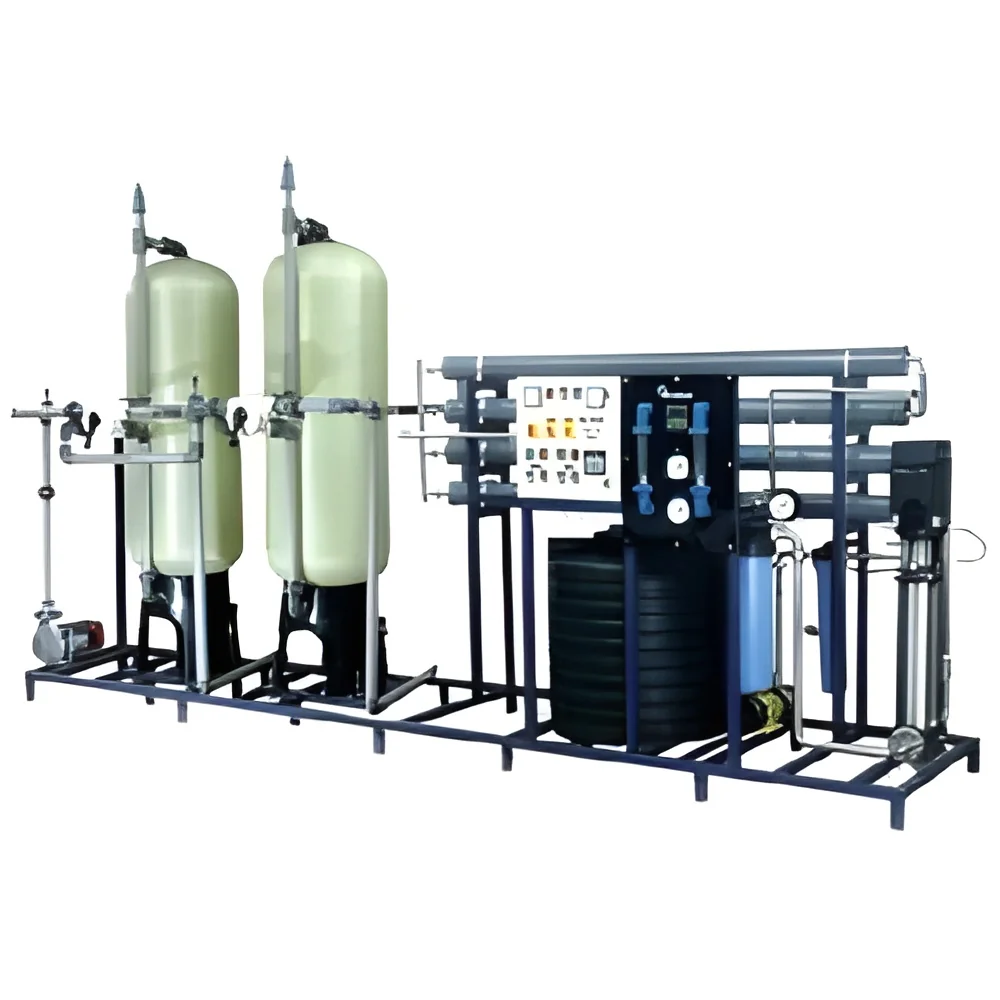
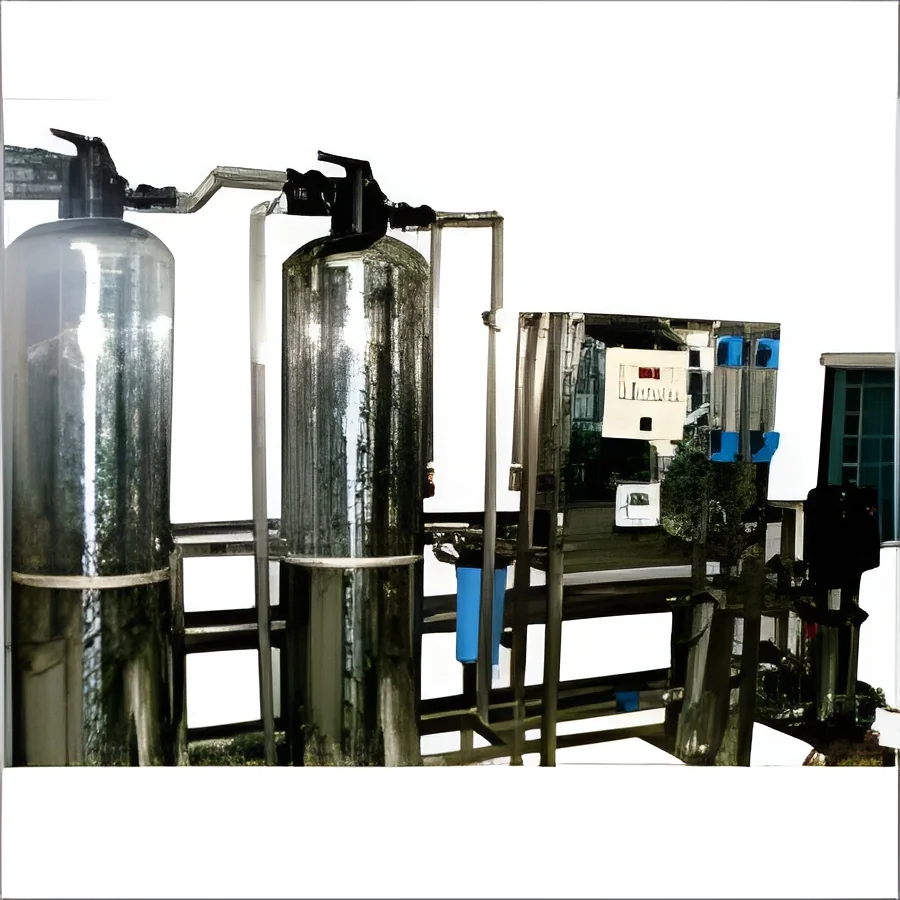
High-Capacity Systems: These systems are built for larger operations, capable of producing significant volumes of purified water for high-demand environments.
Mobile RO Units: Portable systems that can be deployed for temporary applications or in remote locations where permanent installations are not feasible.
Benefits and Advantages
Commercial RO Systems offer numerous advantages for businesses seeking reliable water purification solutions.
Key benefits include:
1. High-Quality Water: These systems provide superior water quality by effectively removing contaminants, ensuring compliance with health and safety standards.
2. Cost Efficiency: By reducing the need for bottled water and chemical treatments, RO systems can help lower long-term operational costs.
3. Environmental Sustainability: Using RO systems reduces plastic waste from bottled water, promoting eco-friendly practices within industries.
4. Customization Potential: Many systems can be tailored to fit specific applications and water quality requirements, ensuring optimal performance.
5. Low Maintenance Needs: With proper care, these systems are designed for longevity and require minimal maintenance, reducing downtime.
6. Increased Productivity: Reliable access to high-quality water supports ongoing operations, enhancing productivity across various sectors.
Buying Guide for B2B Buyers
When sourcing Commercial RO Systems, several factors should be considered to ensure a suitable purchase.
1. Quality Assessment: Evaluate the system's performance based on industry standards and certifications. Ensure that the system meets necessary quality benchmarks for your specific application.
2. Supplier Verification: Vet potential suppliers by checking their reputation, client reviews, and history of delivering reliable products. Ensure they offer support and service after the sale.
3. Pricing and MOQ: Understand the pricing structure and minimum order quantities (MOQ) associated with the systems. Compare costs across different suppliers to find the best value.
4. Delivery and Lead Times: Discuss logistics and delivery timelines with suppliers. Ensure that they can meet your operational deadlines for system installation.
5. Compliance Requirements: Familiarize yourself with local regulations and compliance standards that may affect the installation and operation of RO systems in your industry.
Compliance and Certifications
Commercial RO Systems must adhere to various compliance and certification standards to ensure quality and safety. Key certifications include CE marking, which indicates compliance with European health, safety, and environmental protection standards.
Additionally, relevant quality standards such as ISO 9001 ensure that manufacturing processes meet international benchmarks for quality management. Industry-specific certifications like HACCP (Hazard Analysis Critical Control Point) may be required for food and beverage applications, ensuring that water quality meets stringent safety requirements.
Safety and testing requirements are also crucial, necessitating regular monitoring of system performance and water quality. Regional compliance considerations can vary, so it is essential to understand local regulations that may affect system installation and operation.
Why Source Commercial RO Systems from Pepagora?
Pepagora offers a trusted platform for sourcing Commercial RO Systems, providing numerous advantages for B2B buyers.
Verified Supplier Network: Pepagora connects buyers with a network of verified suppliers, ensuring that all listed manufacturers meet high standards of quality and reliability.
Streamlined RFQ Process: The platform simplifies the request for quotation (RFQ) process, allowing buyers to easily compare offers and select the most suitable options for their needs.
Trade Assurance and Support: Pepagora offers buyer protection through trade assurance, ensuring that transactions are secure and that buyers receive the products they expect.
Regional Coverage: With a significant presence in markets like India, the GCC, and Southeast Asia, Pepagora facilitates access to a broad range of suppliers and products, catering to the diverse needs of businesses across these regions.

 IN
IN