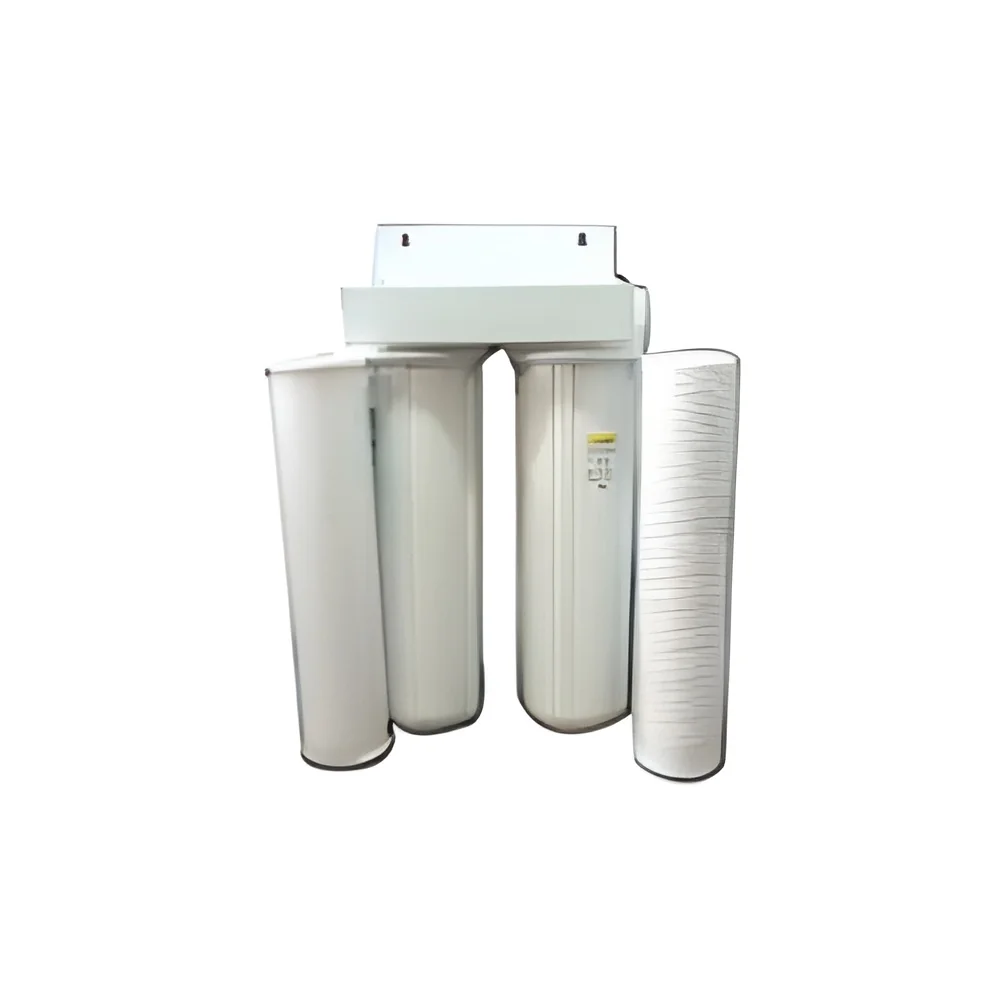
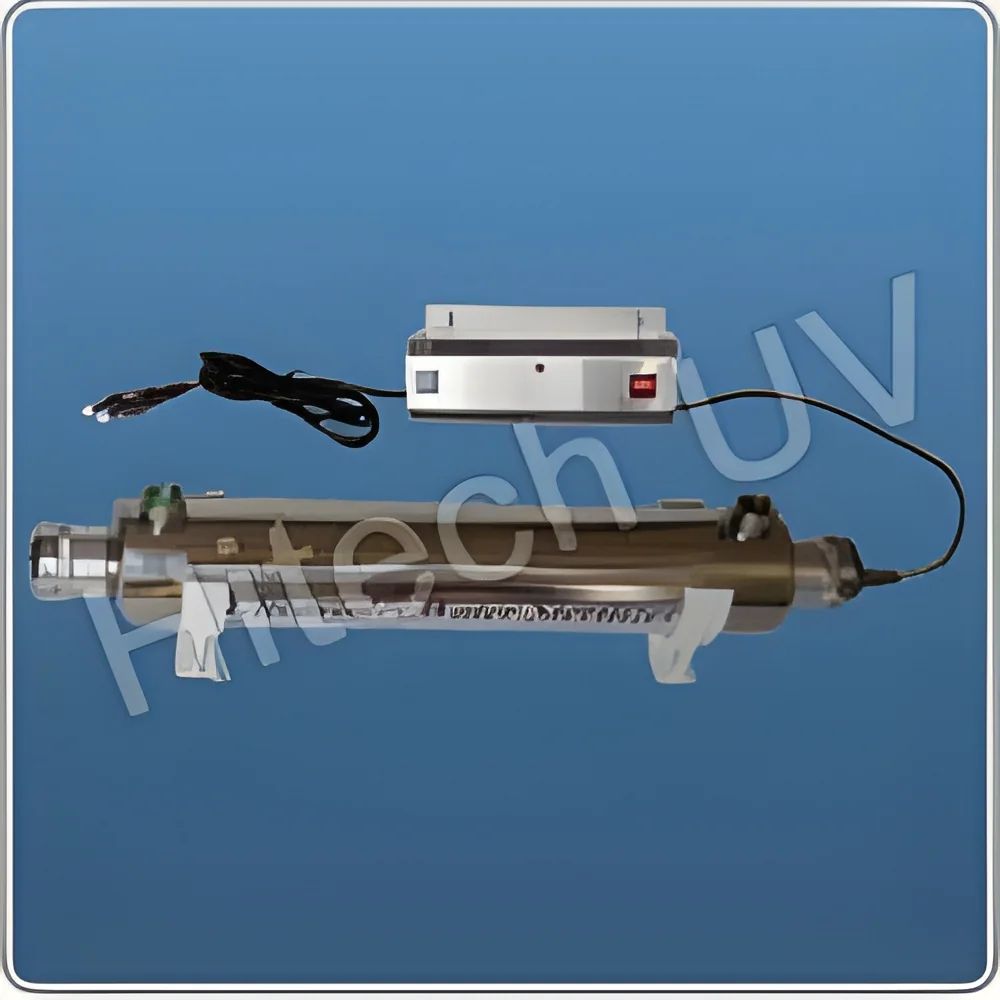
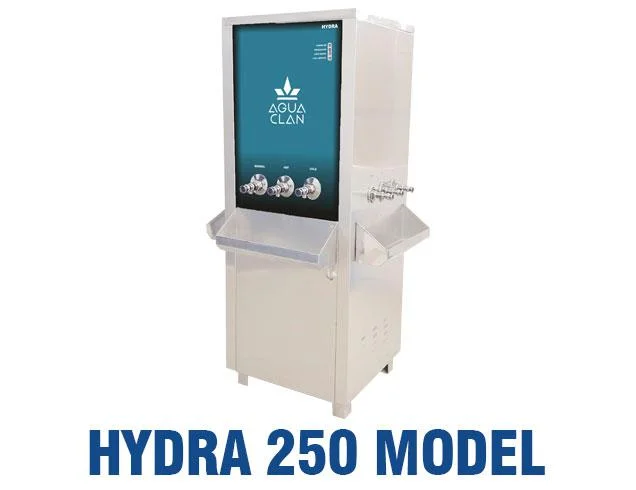
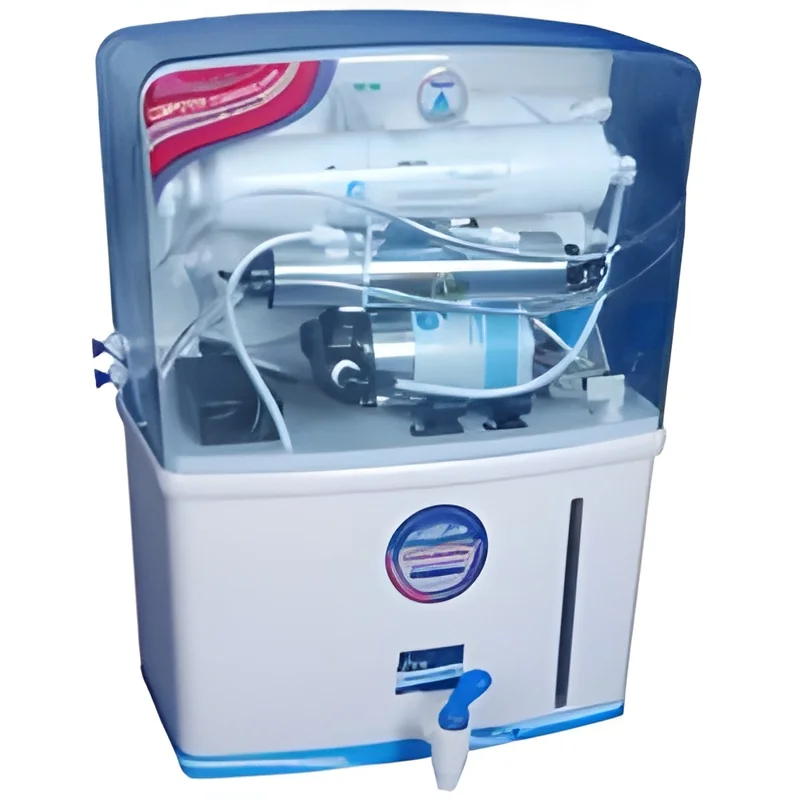
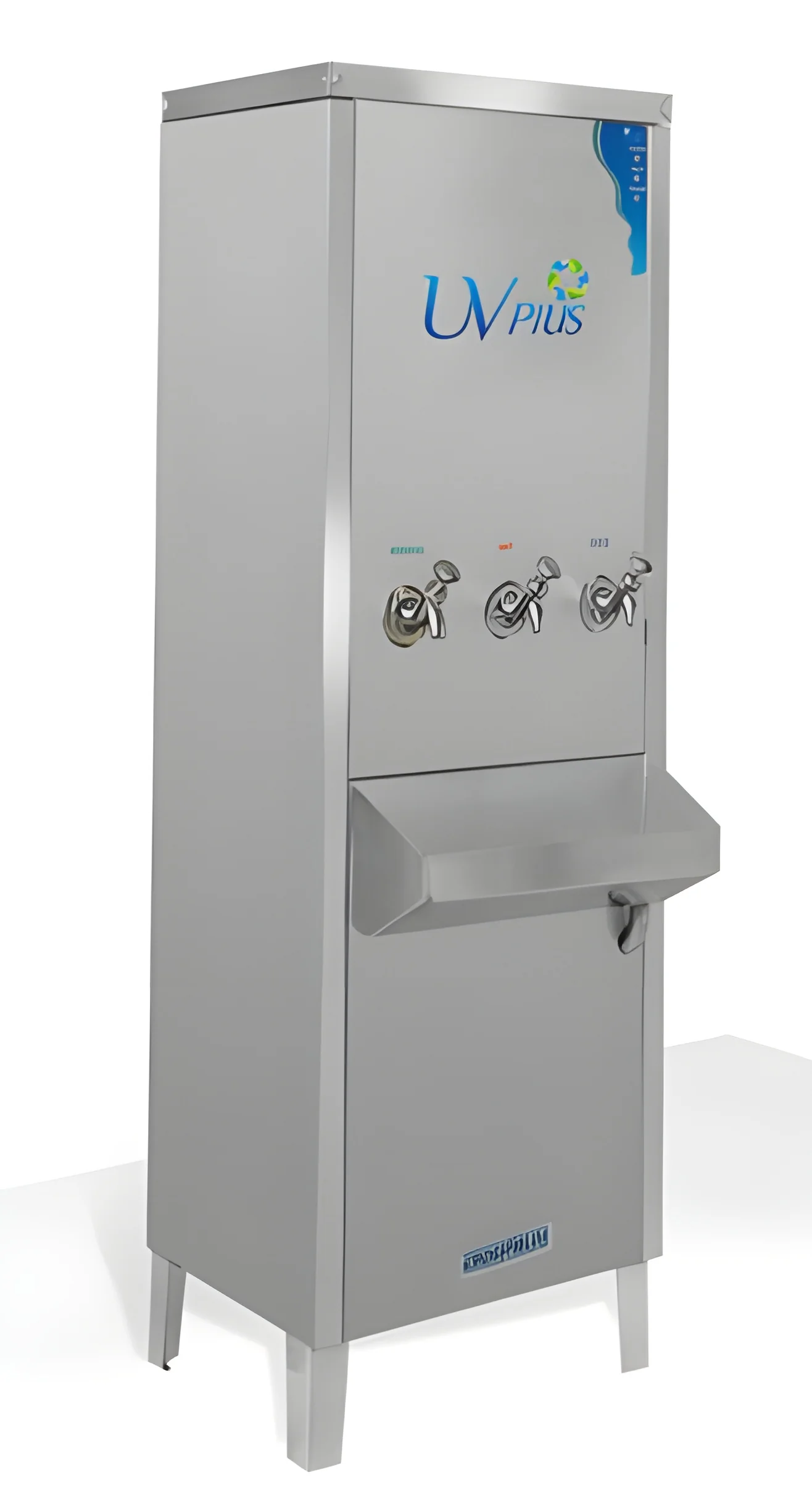
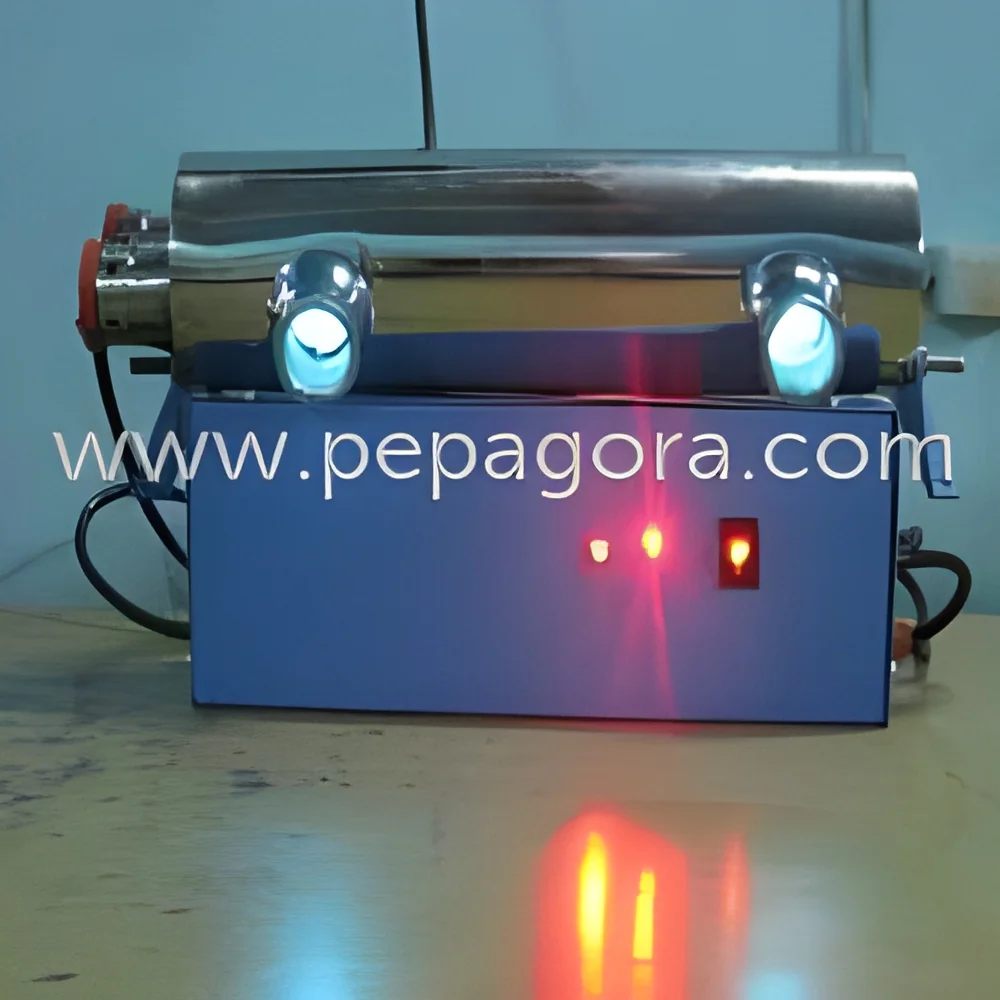
What are UV Water Sterilizers?
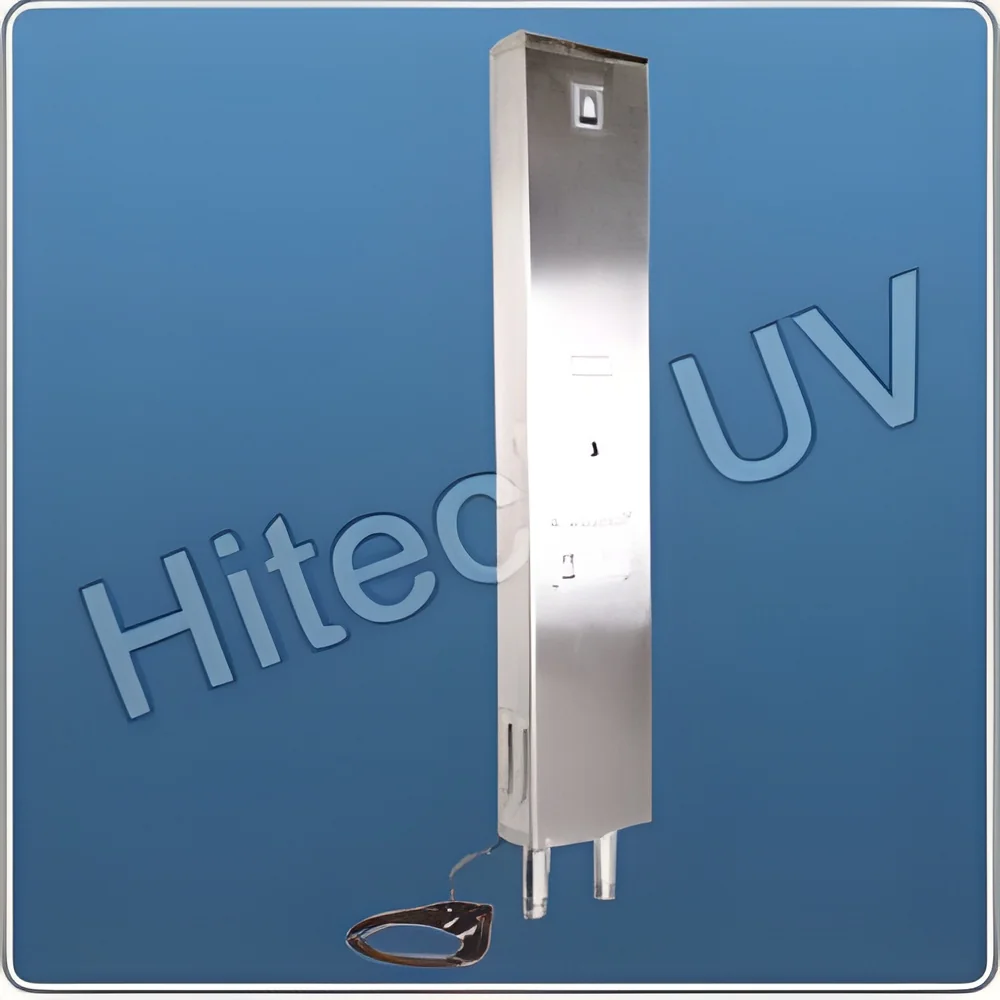
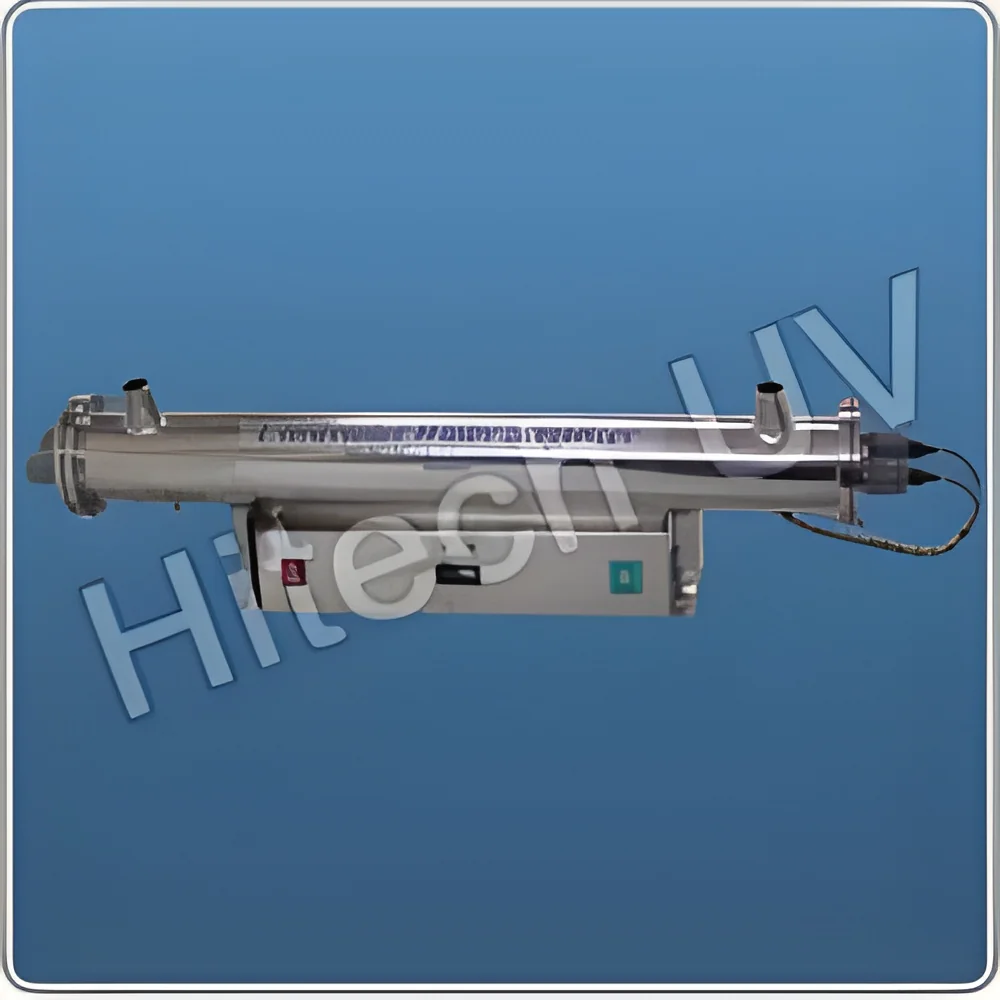
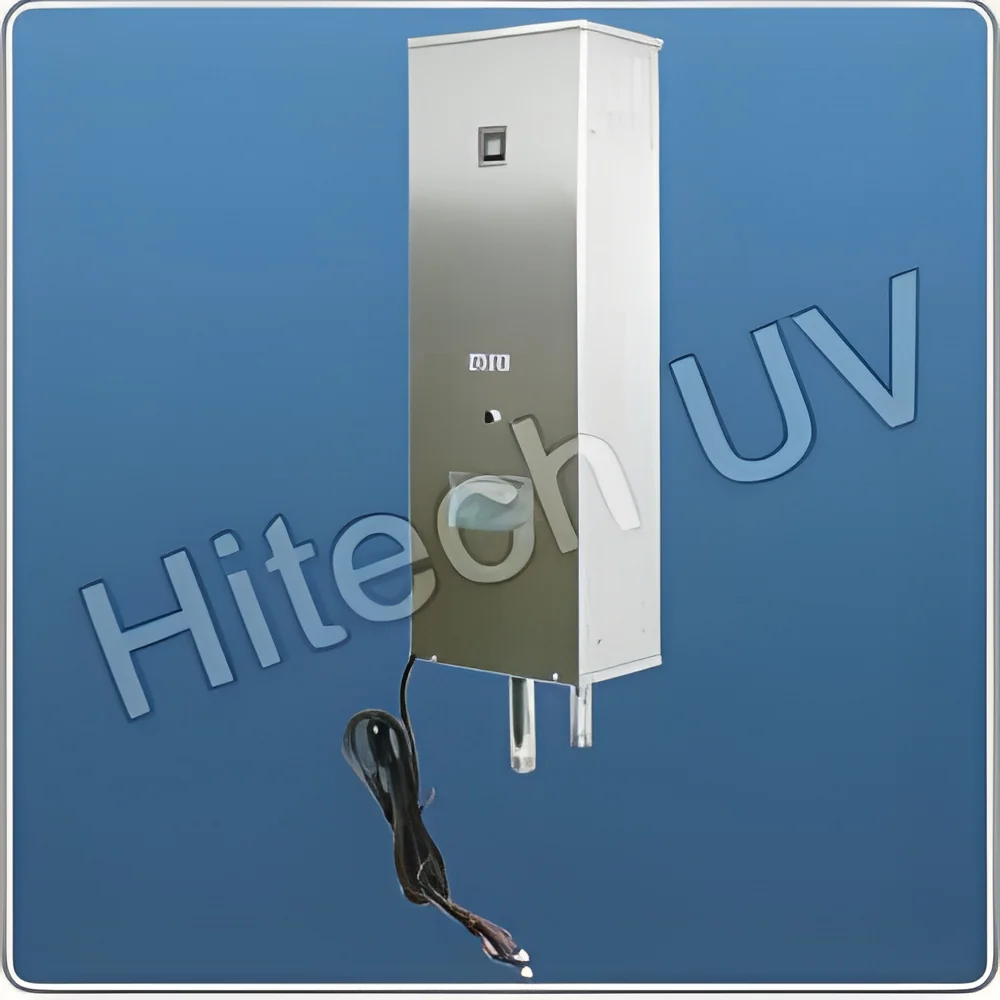
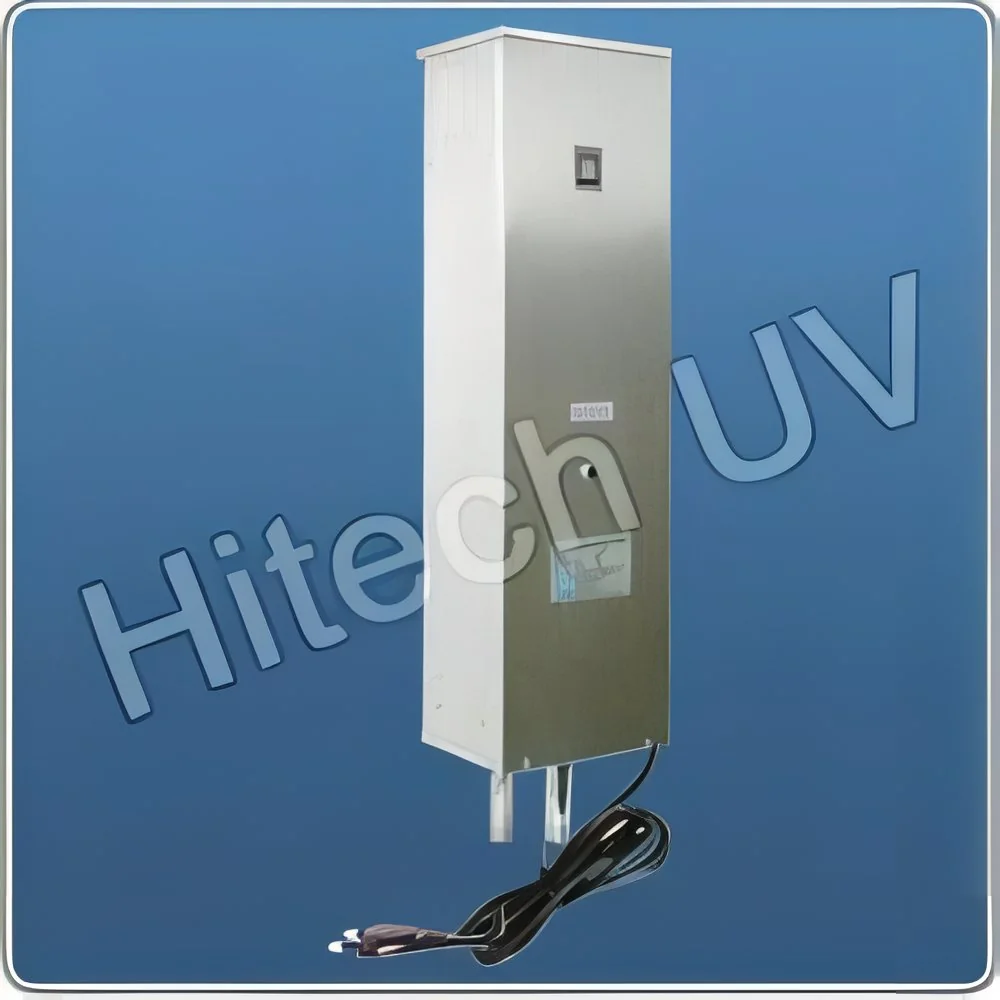
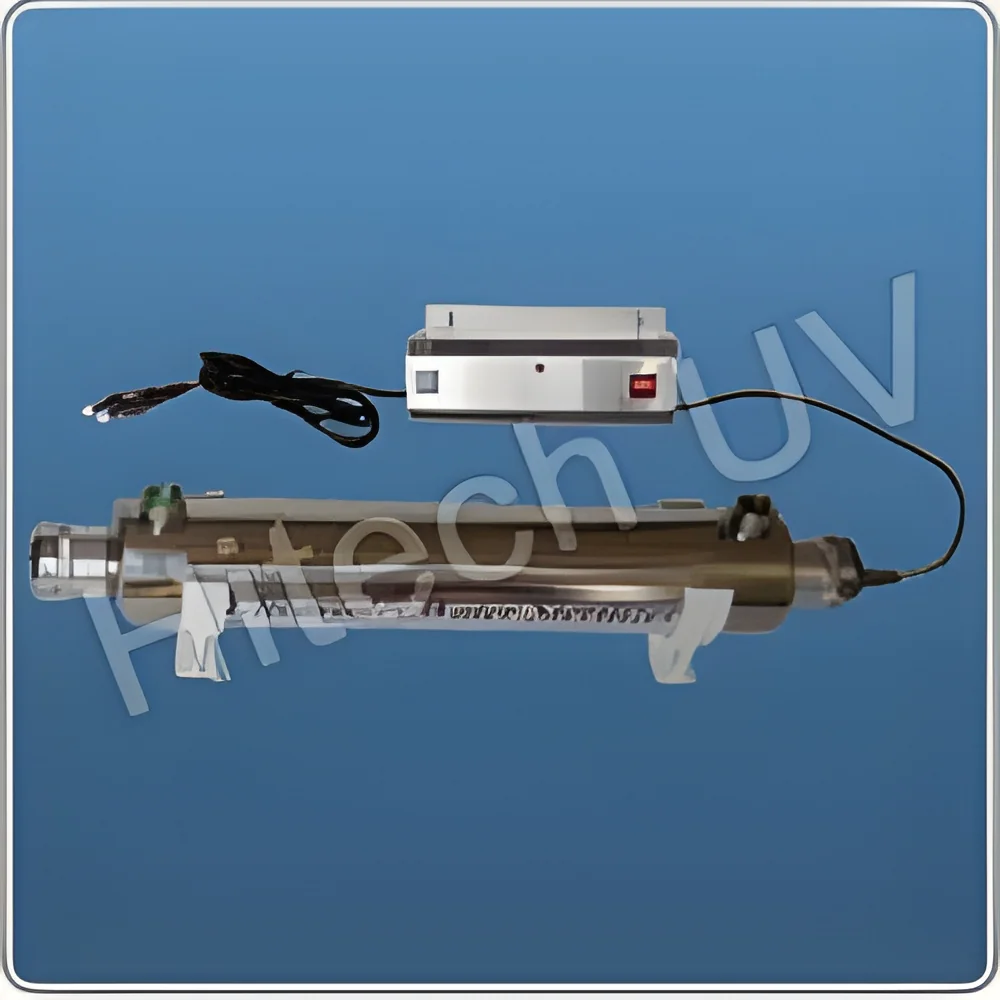
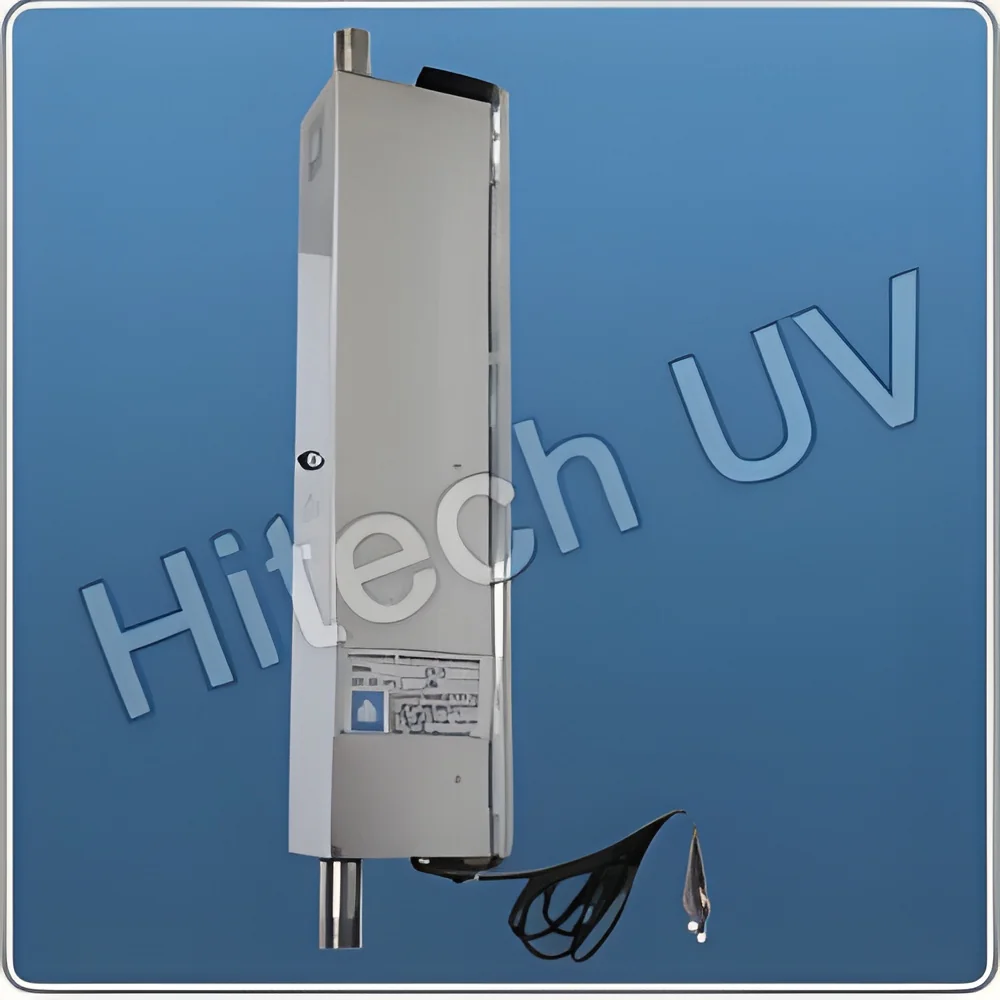
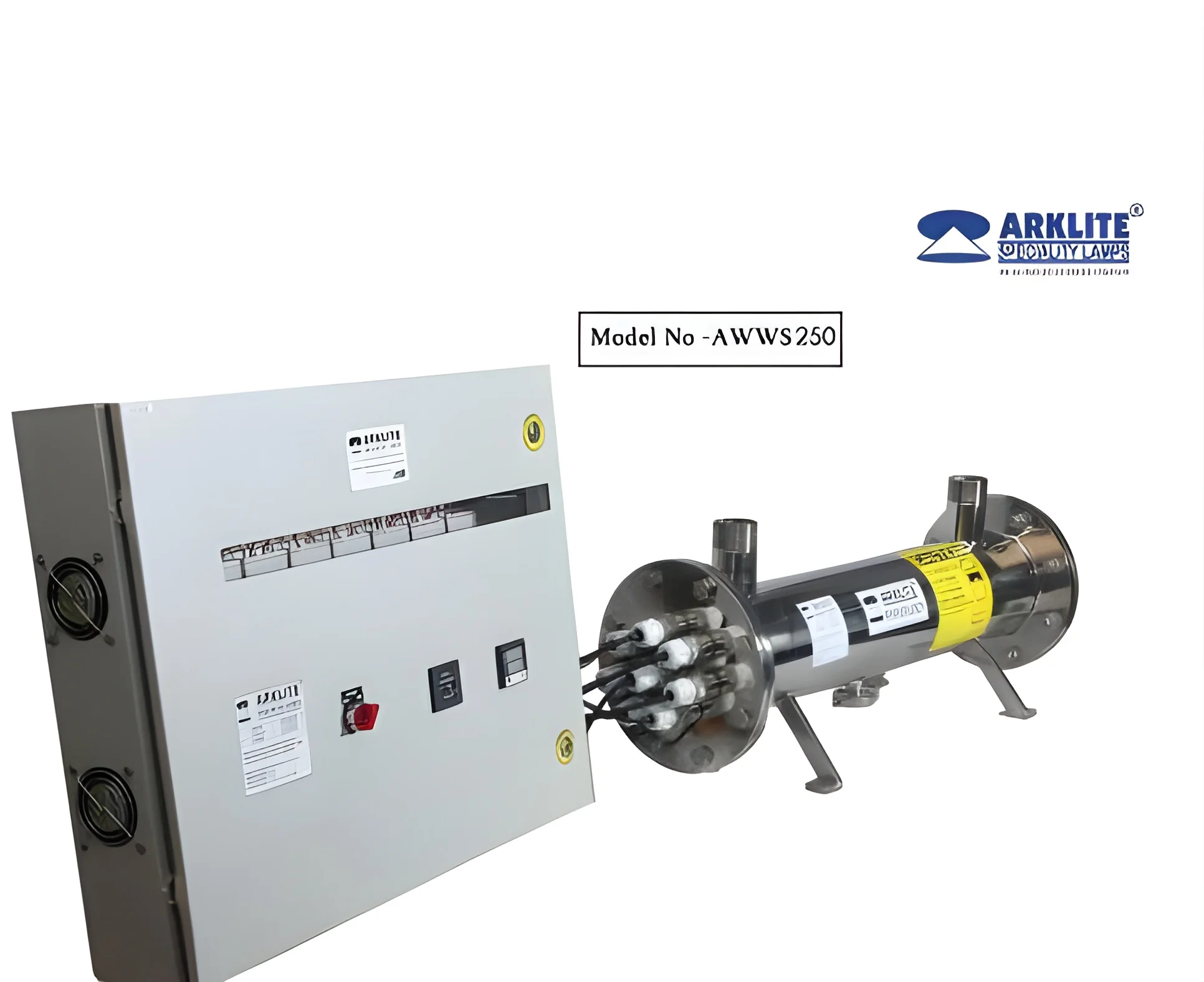
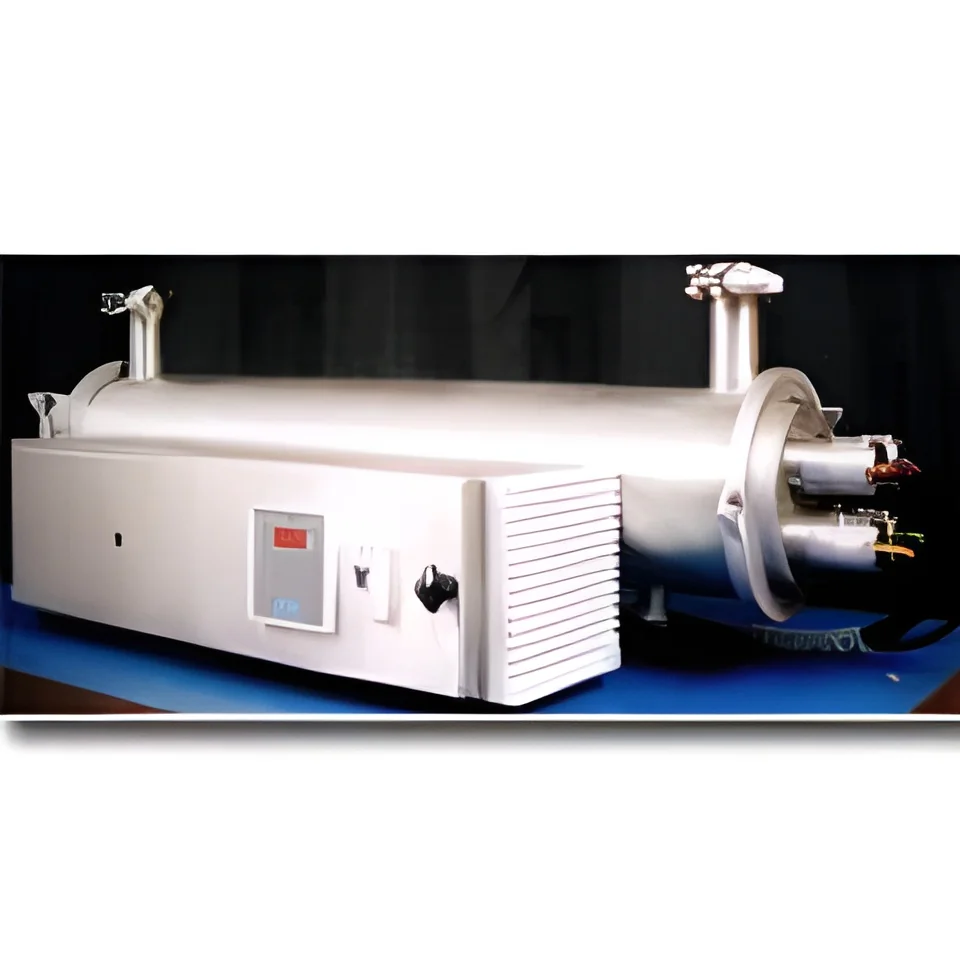
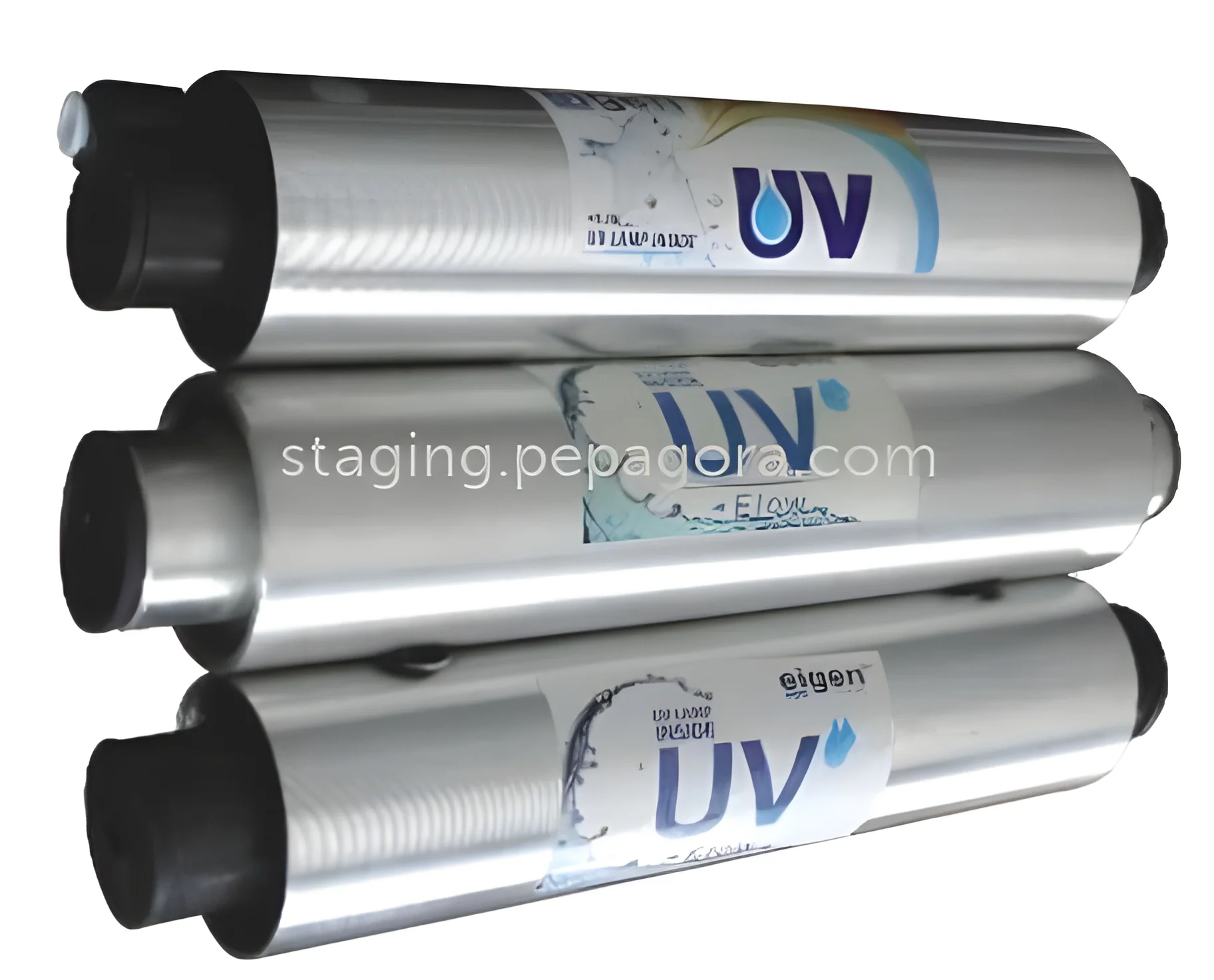
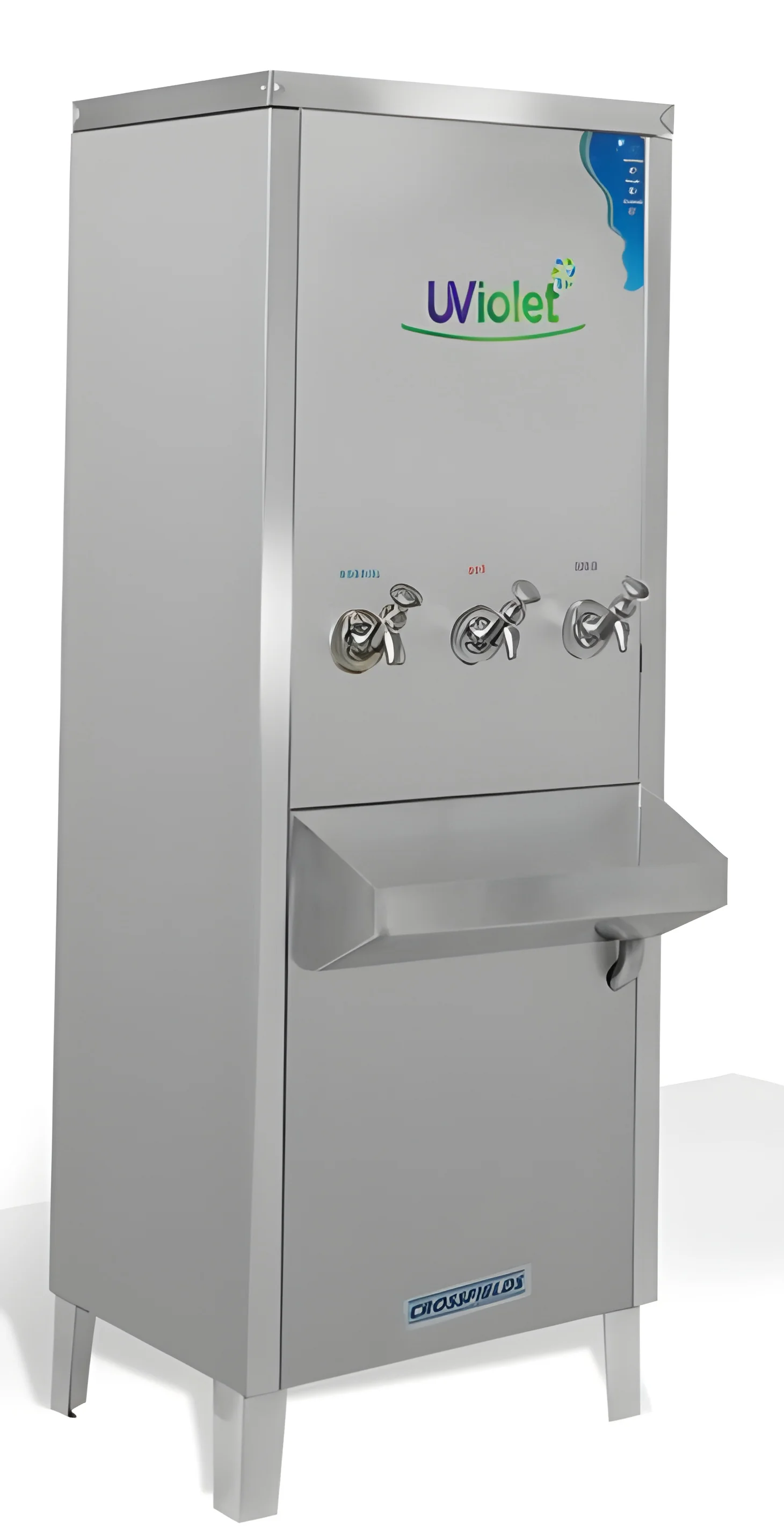
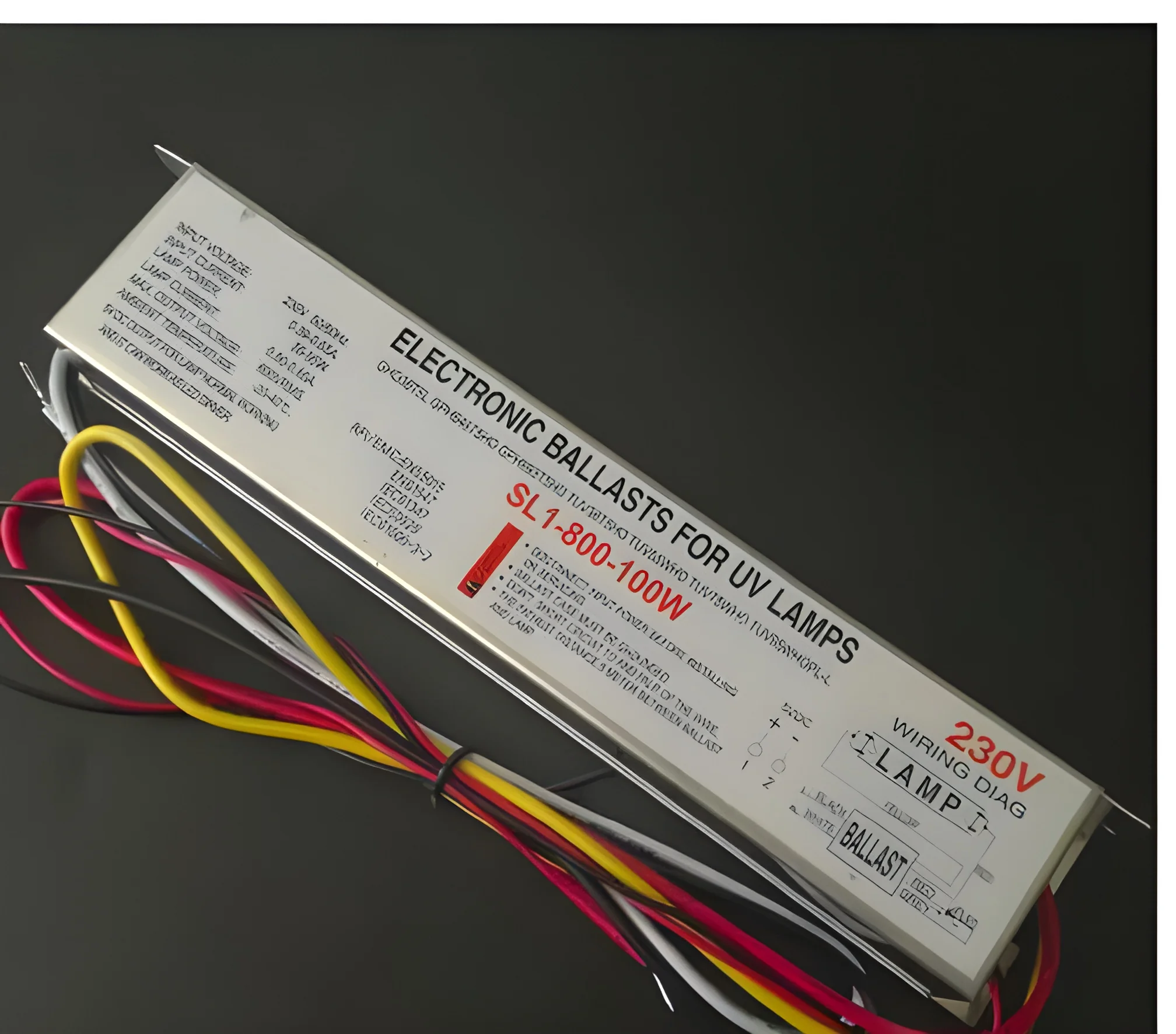
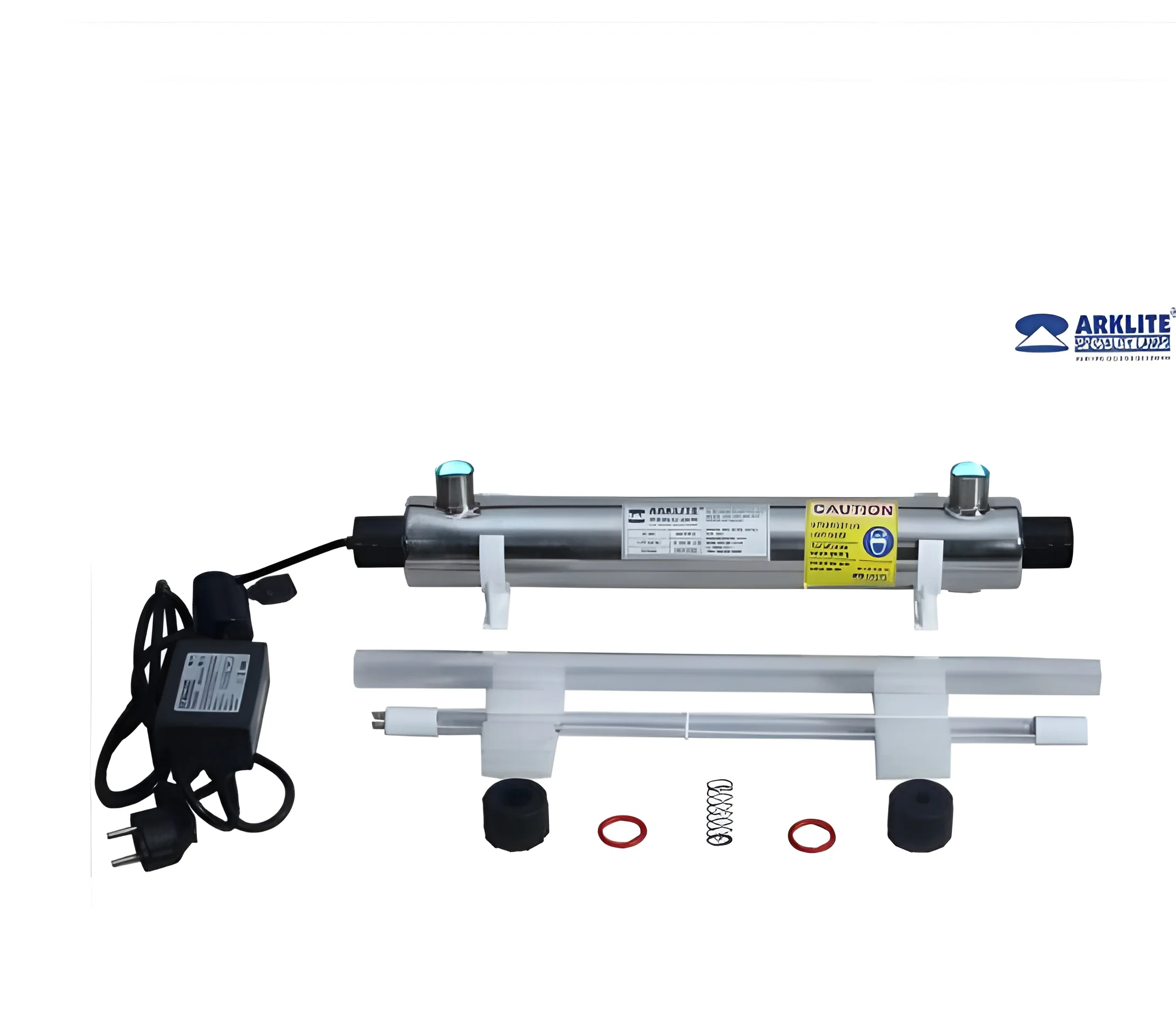
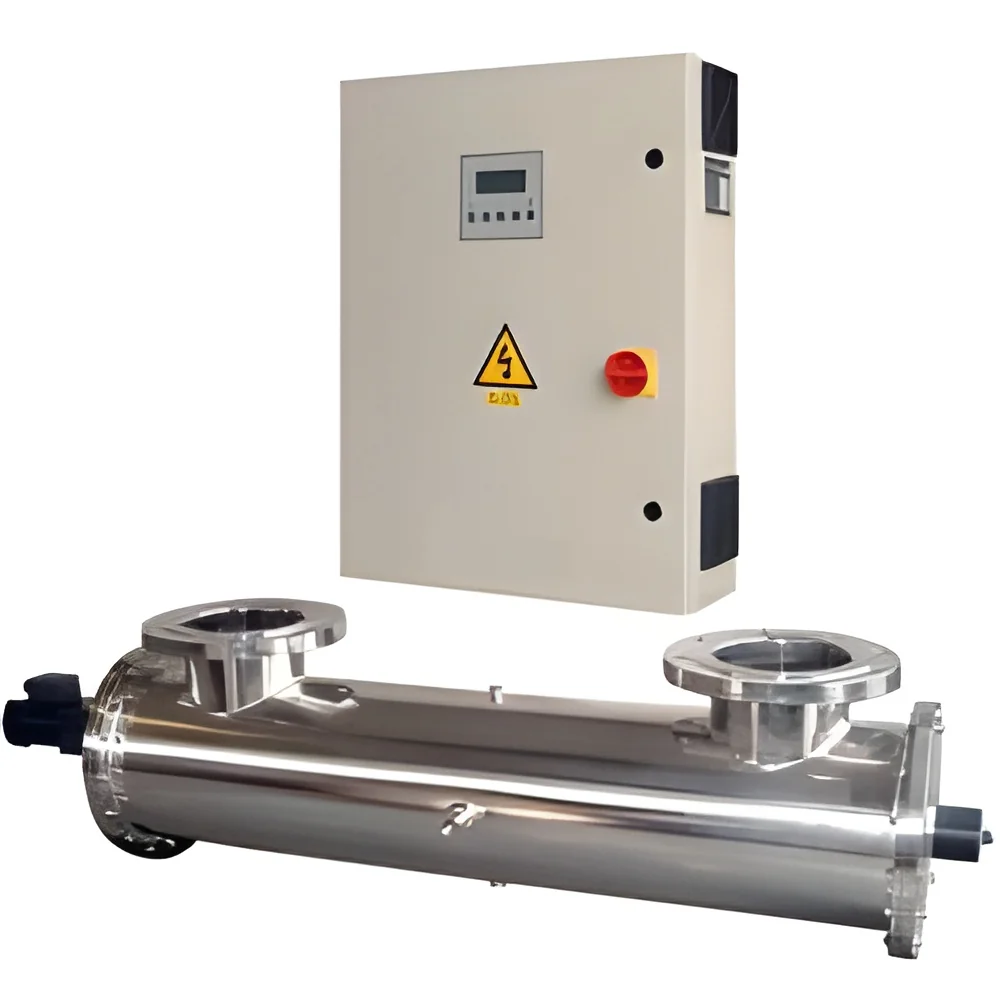
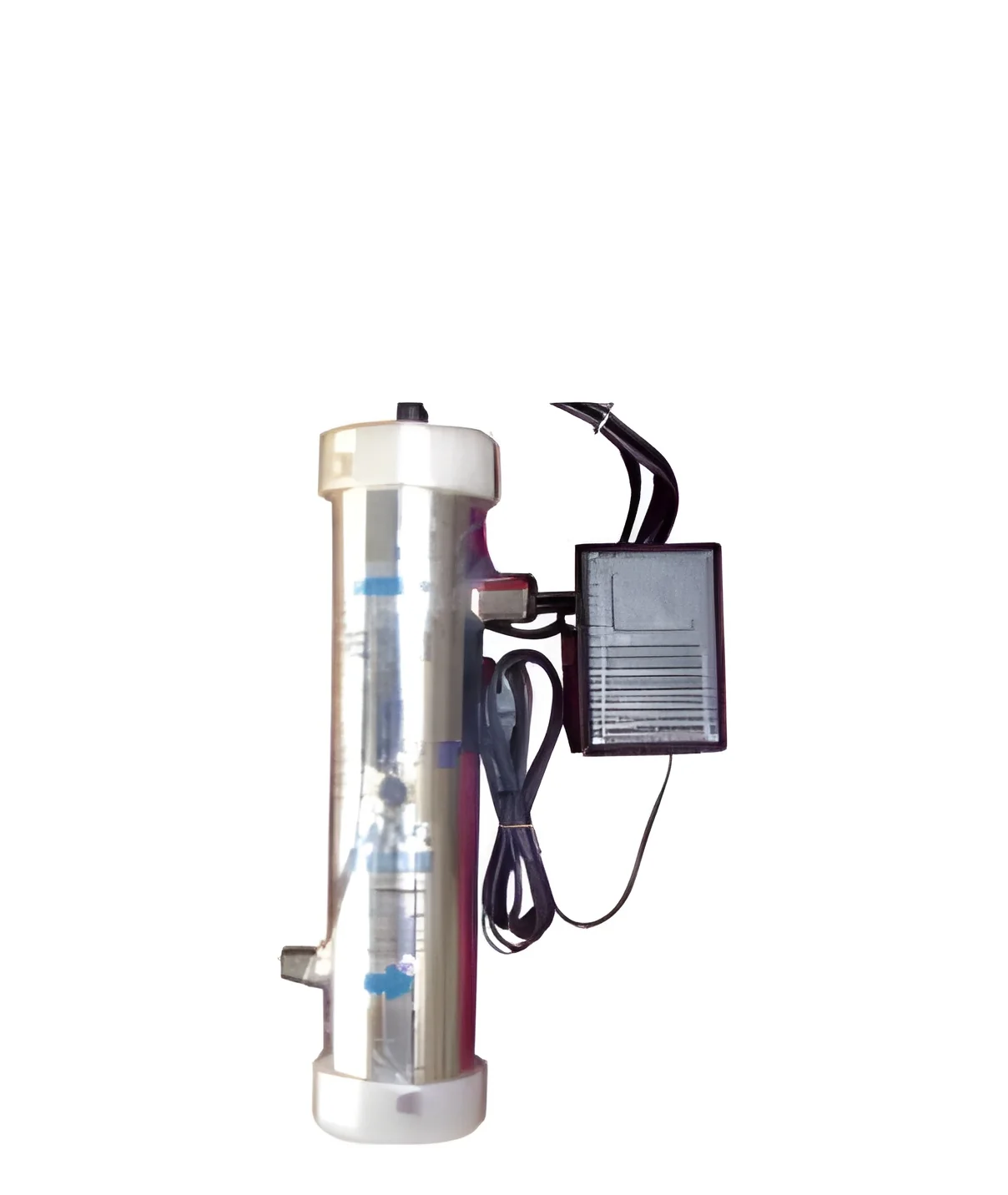
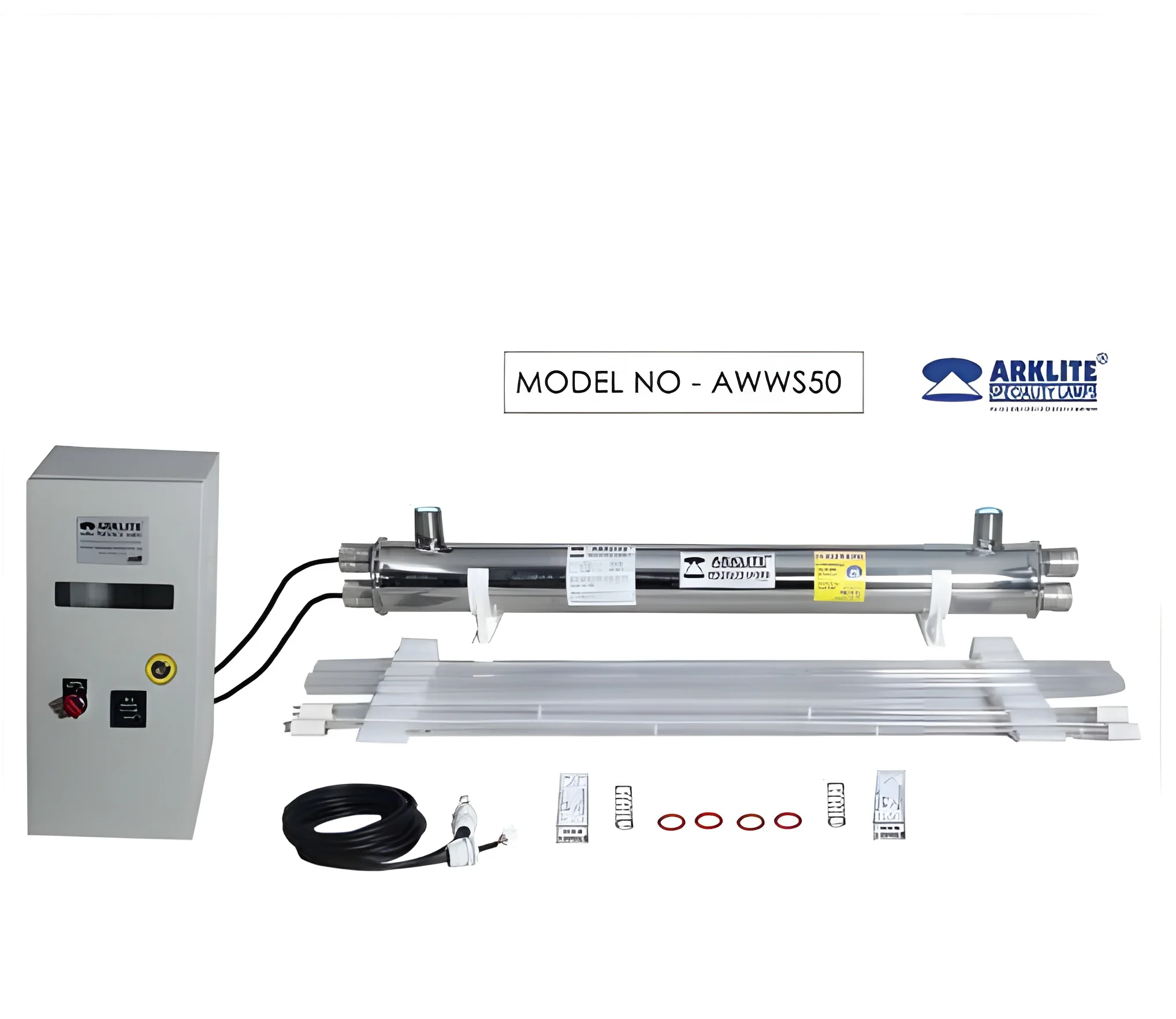
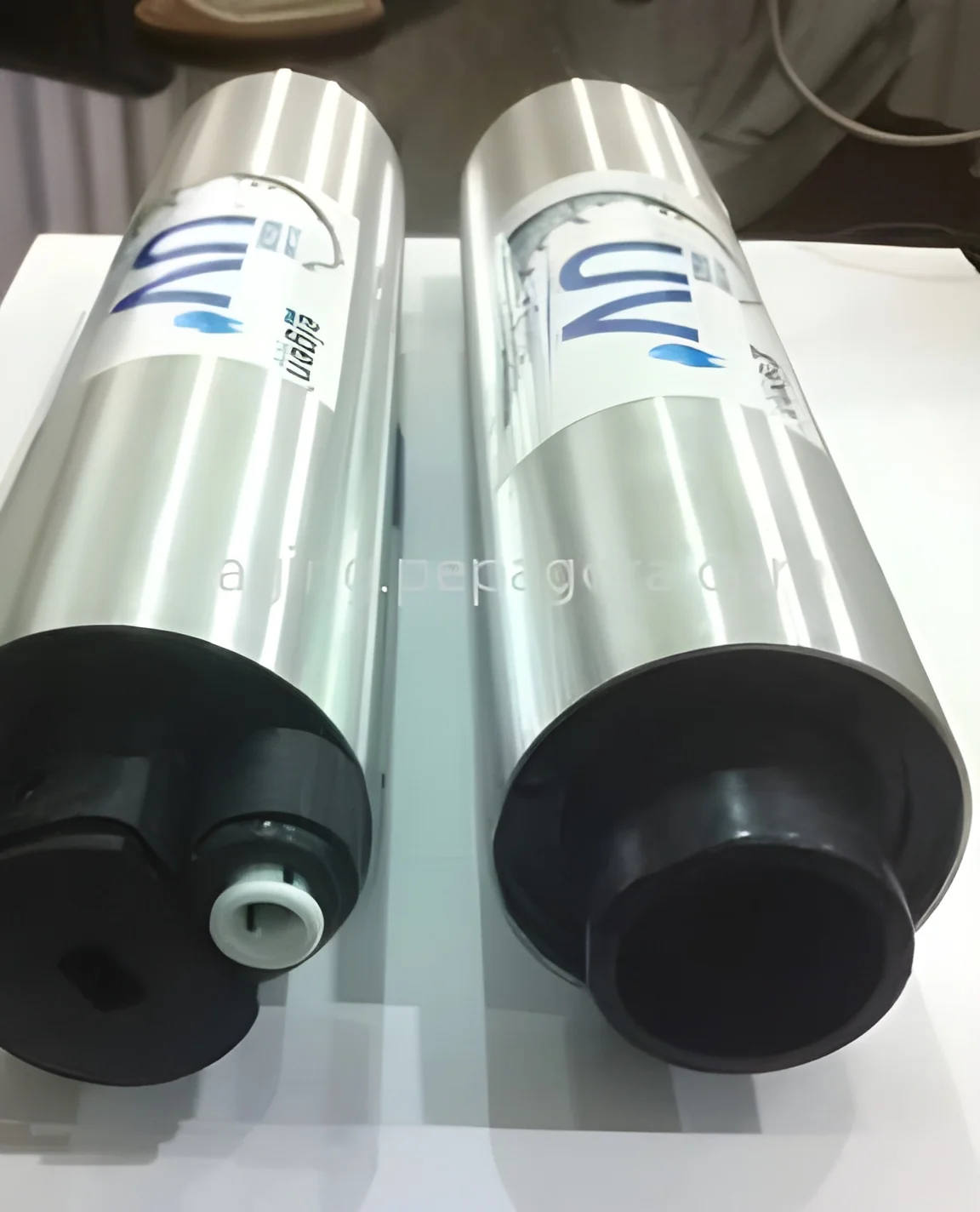
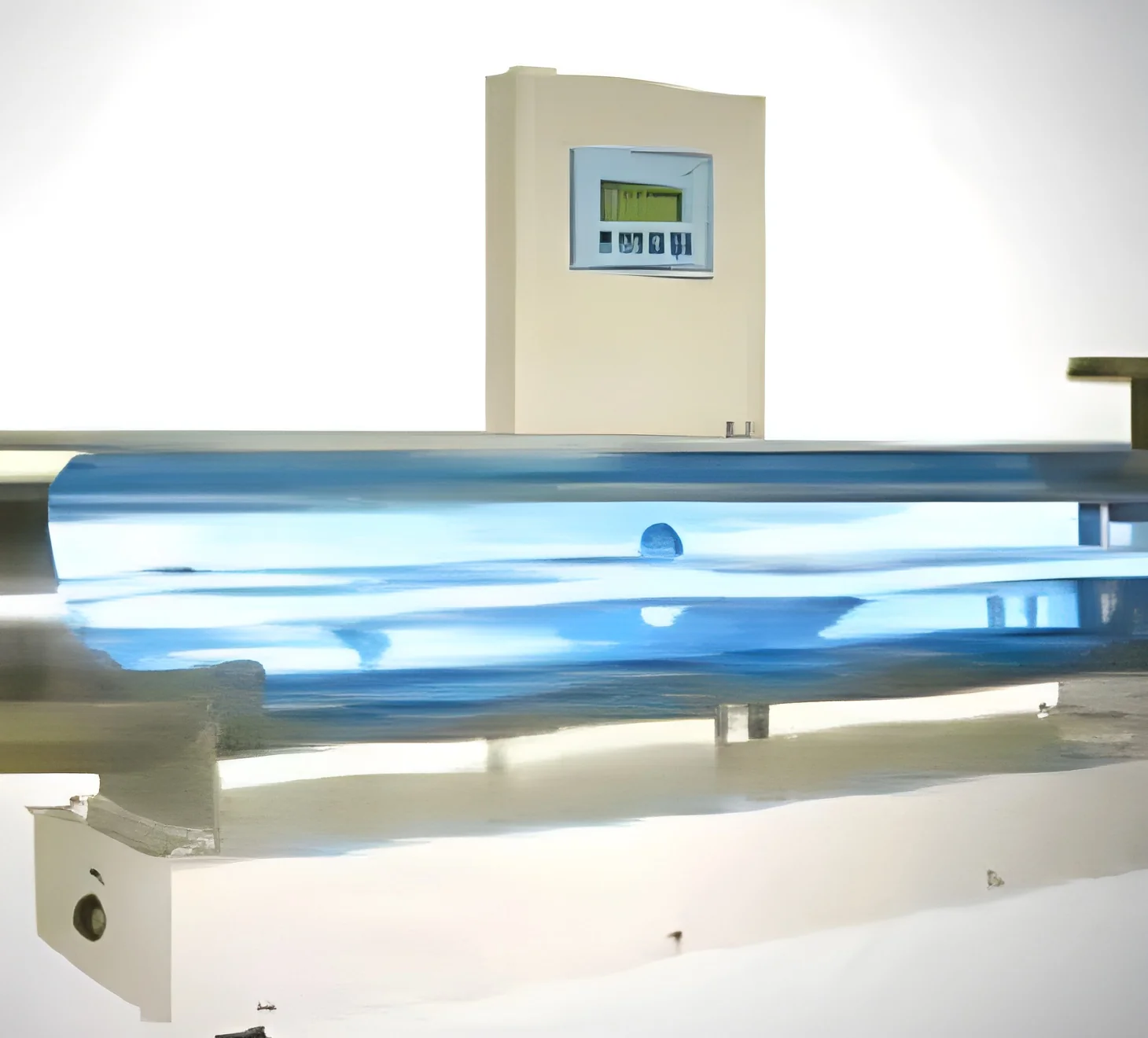
UV Water Sterilizers are devices that use ultraviolet light to disinfect water by eliminating harmful microorganisms. This technology works by exposing water to UV-C light, which disrupts the DNA of bacteria, viruses, and protozoa, rendering them incapable of reproduction and infection. Unlike traditional water treatment methods that rely on chemicals or heat, UV sterilization is a physical process that does not alter the chemical composition of water, making it a safe and effective option for achieving clean drinking water.
These sterilizers are widely used in various business applications, including municipal water treatment, industrial processes, and residential systems. They provide an efficient solution for ensuring safe water for consumption, irrigation, and other uses. The growing awareness of waterborne diseases and the increasing demand for clean water globally has propelled the adoption of UV water sterilizers across multiple industries. As businesses seek sustainable and effective water treatment solutions, UV technology continues to gain traction in the market.
Key Features and Specifications
UV Water Sterilizers offer a range of features that make them effective and user-friendly. These devices are designed to meet the varying needs of different industries, ensuring reliable performance and compliance with safety standards. Understanding the specifications is essential for selecting the right model for specific applications.
Key specifications include:
1. UV Dose
- The amount of UV energy delivered to the water.
- Typically measured in mJ/cm².
2. Flow Rate
- The volume of water that can be treated per unit time.
- Commonly expressed in liters per minute (LPM).
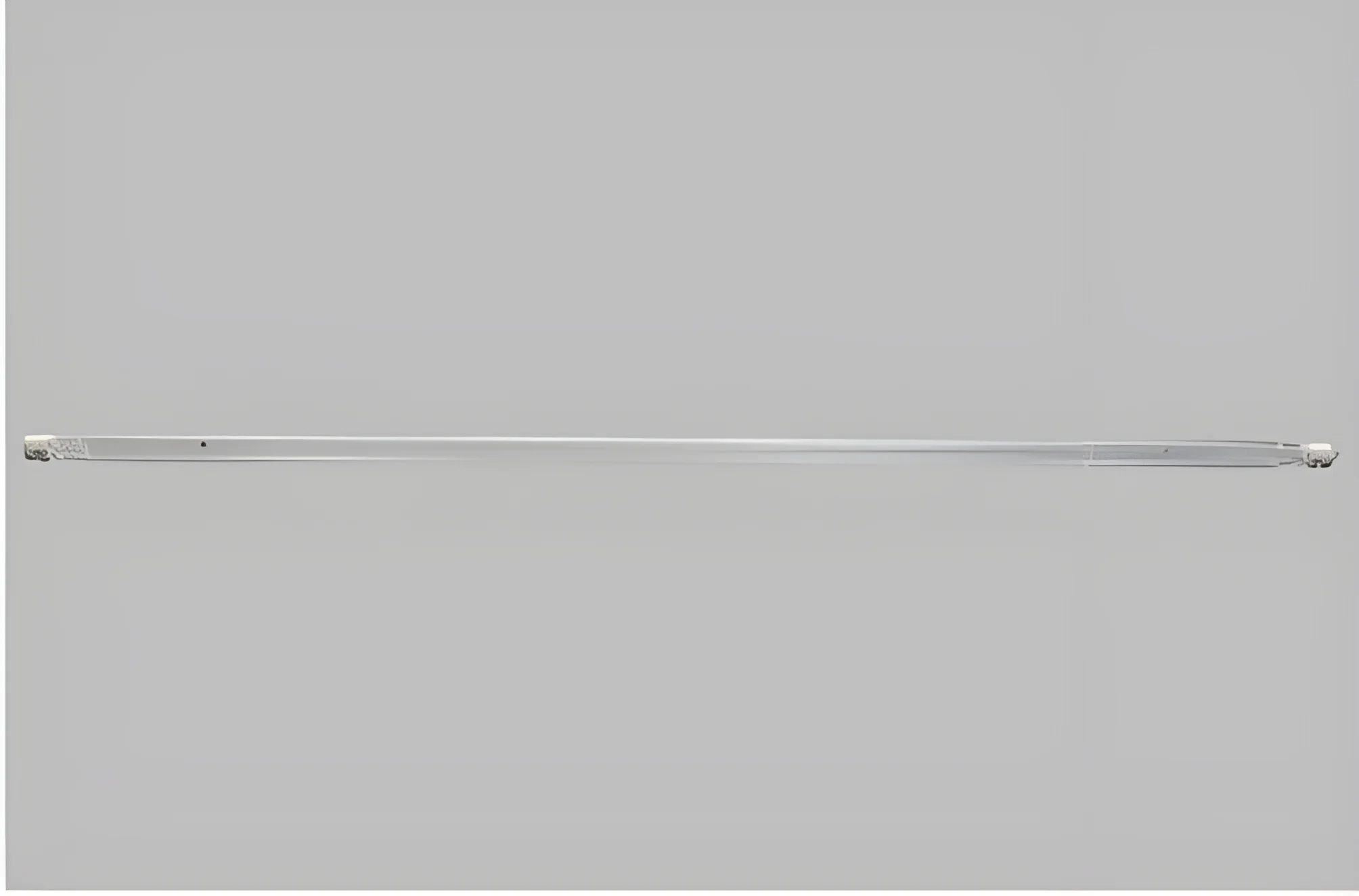
3. Lamp Type
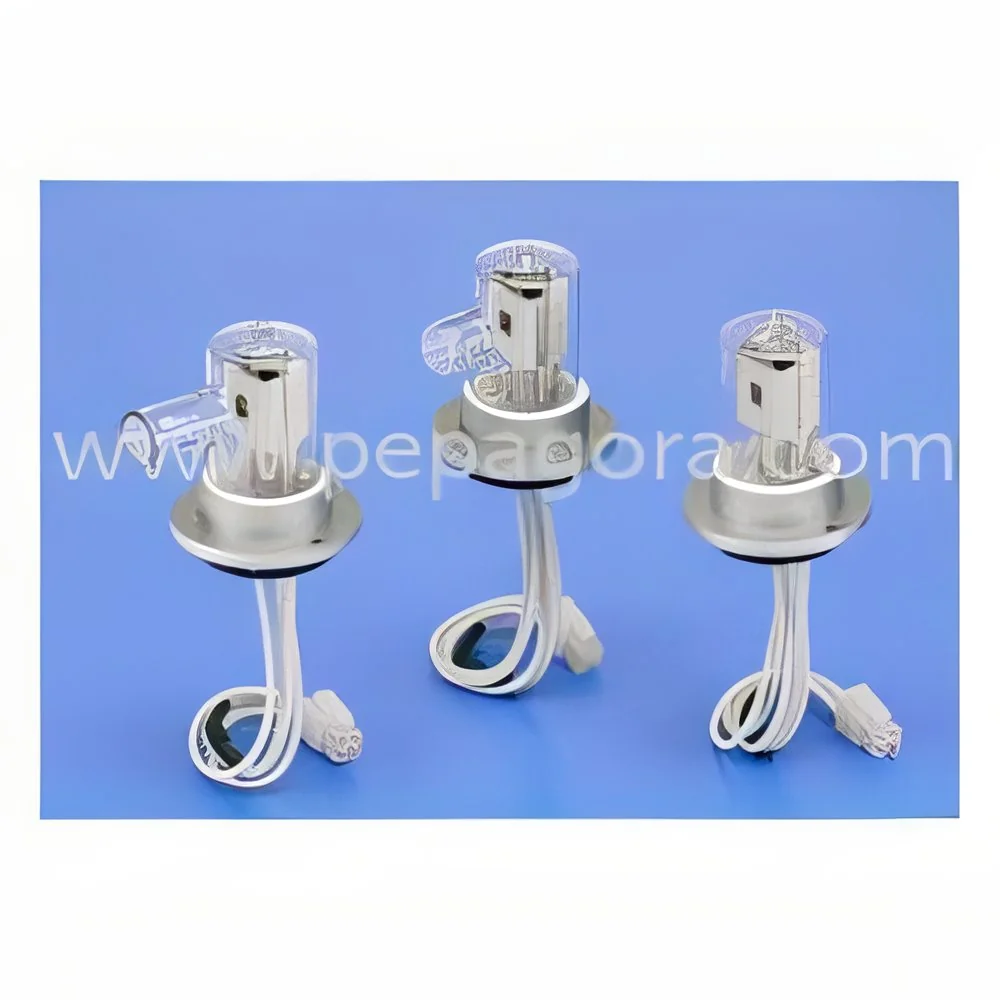
- The kind of UV lamp used in the sterilizer.
- Options may include low-pressure lamps and medium-pressure lamps.
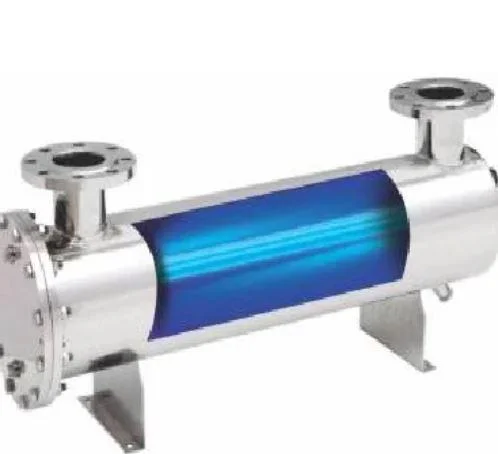
4. Chamber Material
- The material used for the sterilization chamber.
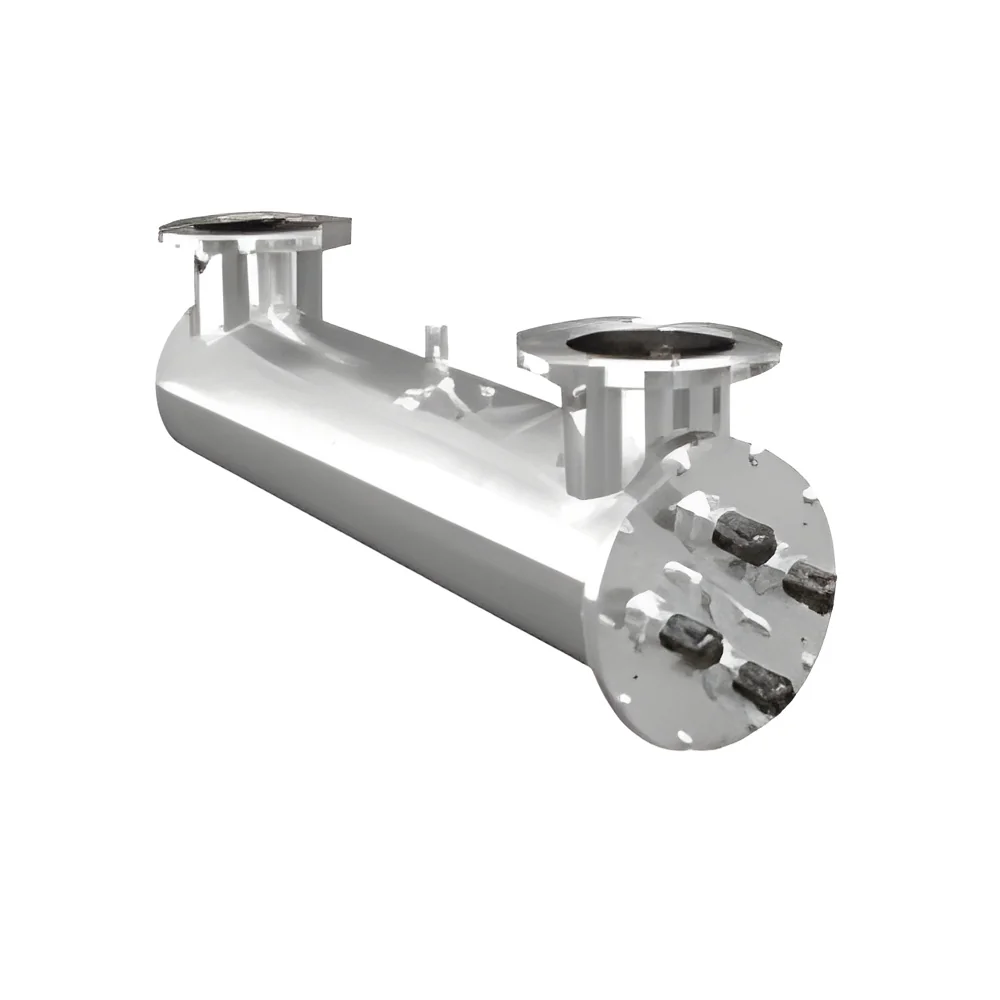
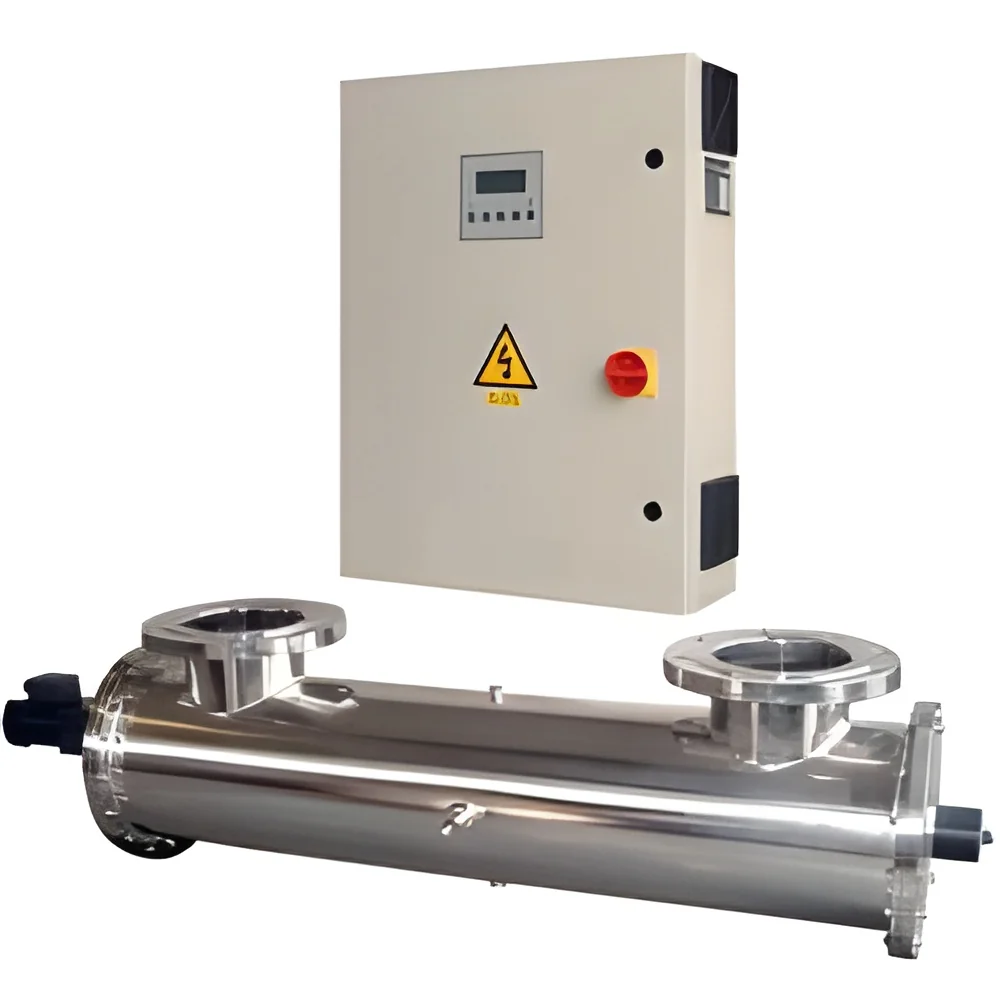
- Often constructed from stainless steel for durability and corrosion resistance.
5. Power Consumption
- The energy required to operate the unit.
- Usually measured in watts (W).
6. Dimensions
- The physical size of the sterilizer.
- Important for installation space considerations.
7. Maintenance Requirements
- The frequency and type of maintenance needed for optimal performance.
- Includes lamp replacement and cleaning schedules.
8. Control Features
- Options for monitoring and controlling the system.
- May include digital displays and automated alerts.
These specifications ensure that users can select the most suitable UV water sterilizer for their specific needs and operational requirements.
Common Applications and Use Cases
UV Water Sterilizers serve a variety of industries by providing effective disinfection solutions.
1. Municipal Water Treatment: Municipalities utilize UV sterilizers to ensure the safety of drinking water by eliminating pathogens and harmful microorganisms.
2. Food and Beverage Industry: Food processors use UV technology to treat water and ingredients, ensuring safety and compliance with health regulations.
3. Pharmaceuticals: Pharmaceutical companies employ UV sterilizers for water used in drug manufacturing to avoid contamination and ensure product safety.
4. Aquaculture: In aquaculture, UV sterilization is crucial for maintaining clean water for fish farming, reducing disease outbreaks.
5. Swimming Pools: Pool operators use UV systems to maintain water clarity and safety, reducing the need for chemical sanitizers.
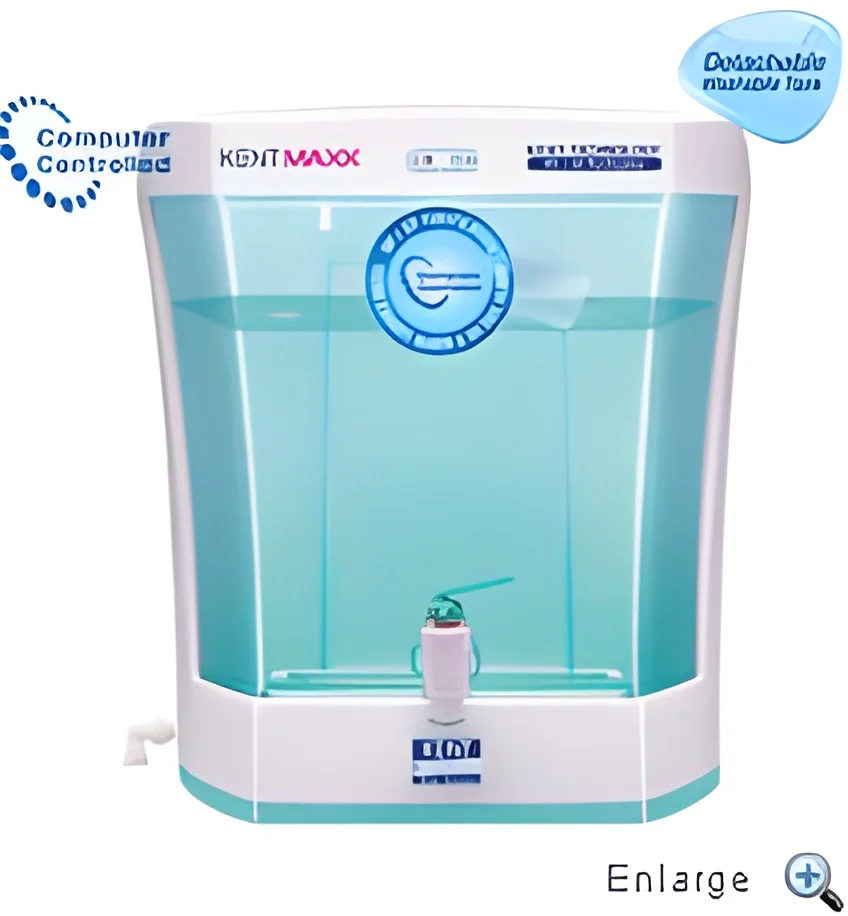
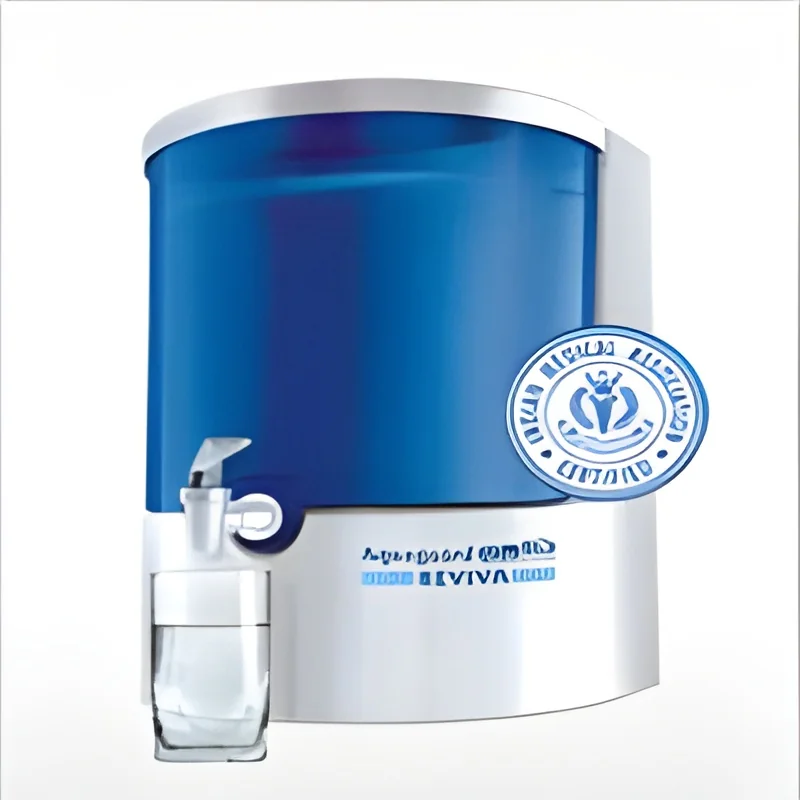
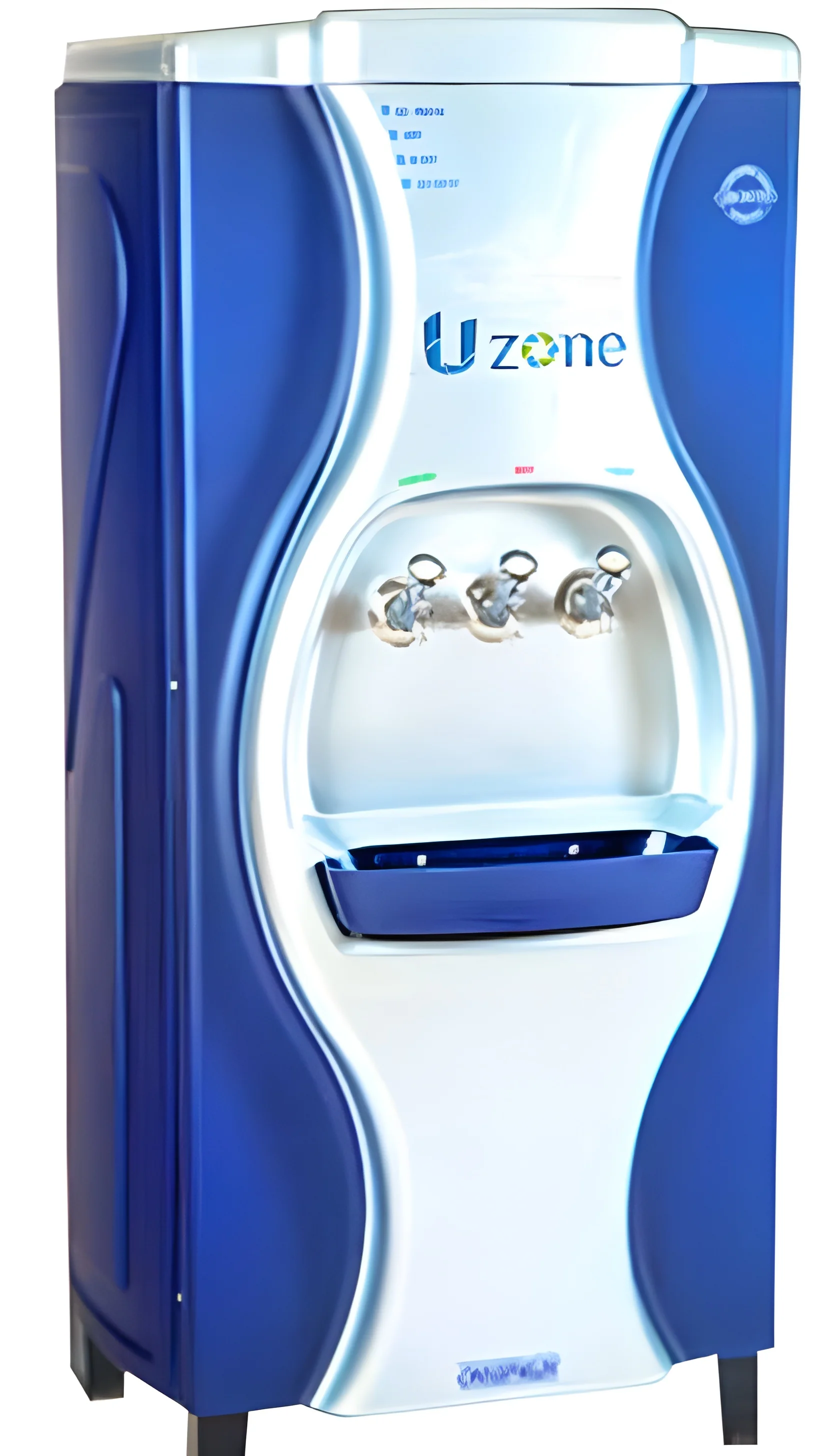
6. Residential Applications: Homeowners install UV sterilizers in their water systems to ensure safe drinking water and protect against contaminants.
7. Industrial Applications: Various industries use UV sterilization in processes that require high-quality water, such as cooling systems and manufacturing.
Product Variants and Subcategories
UV Water Sterilizers come in several variants tailored to meet different needs and applications.
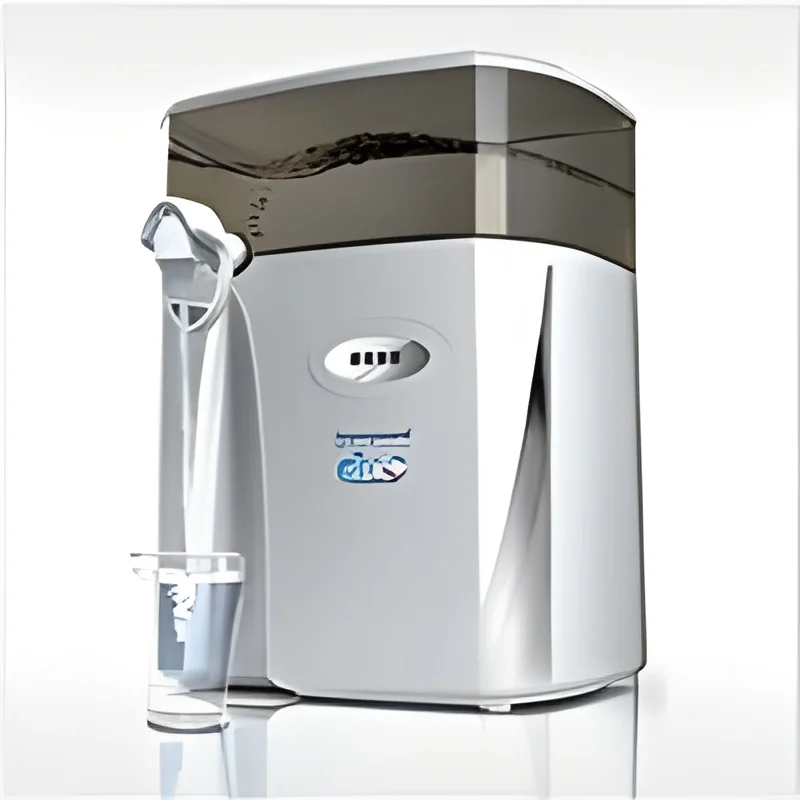
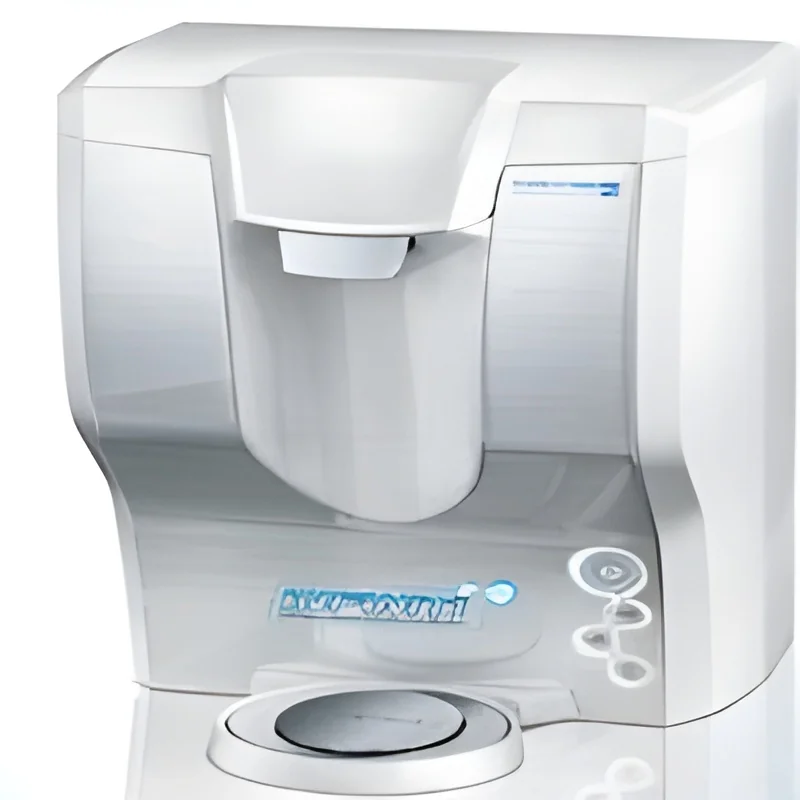
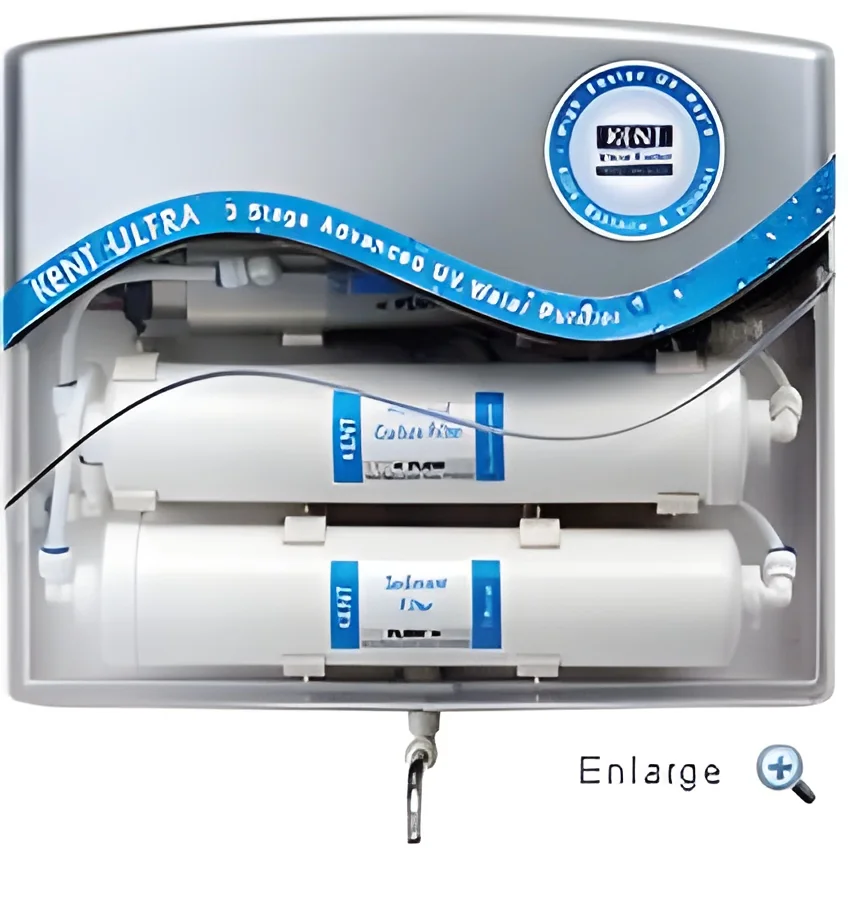
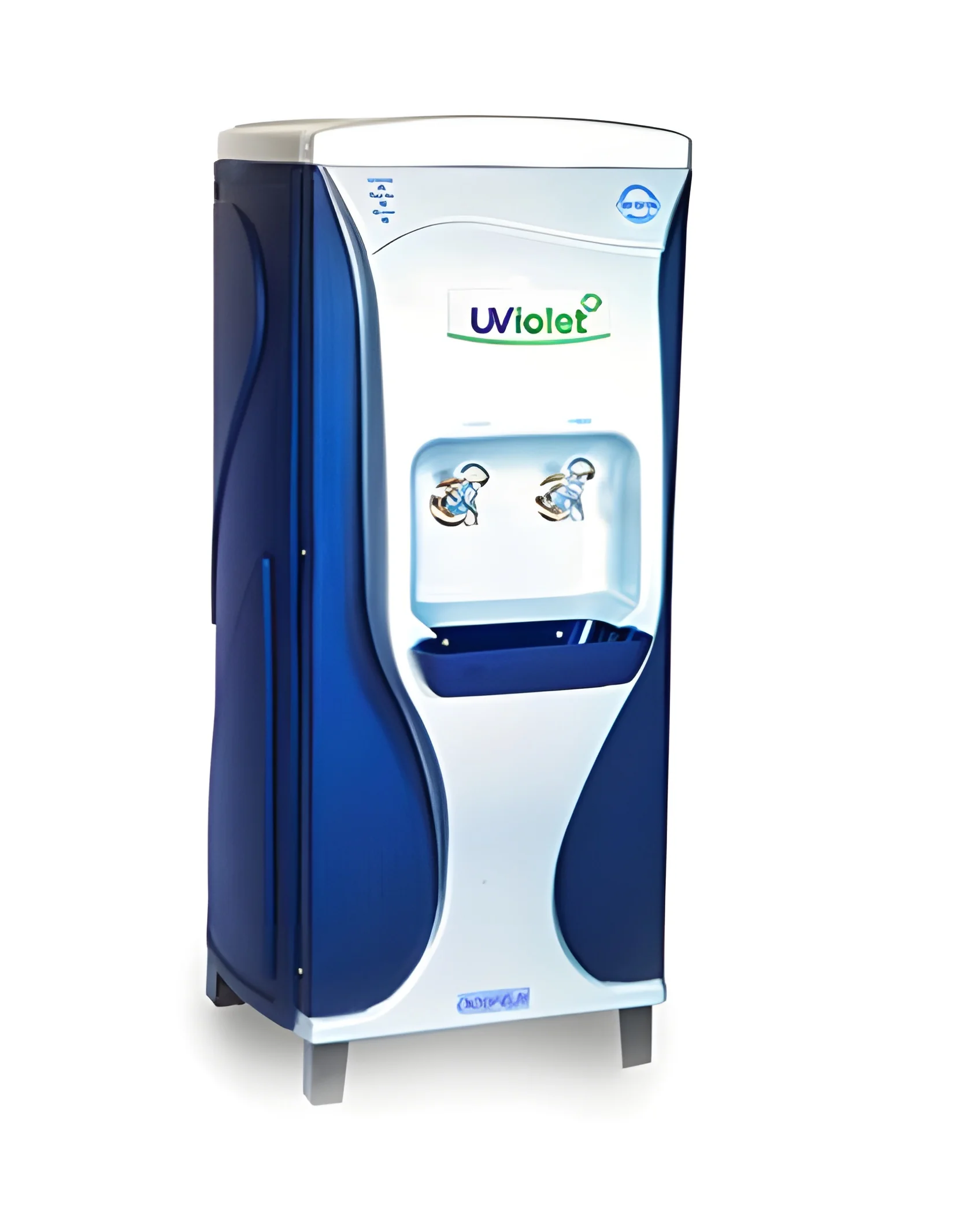
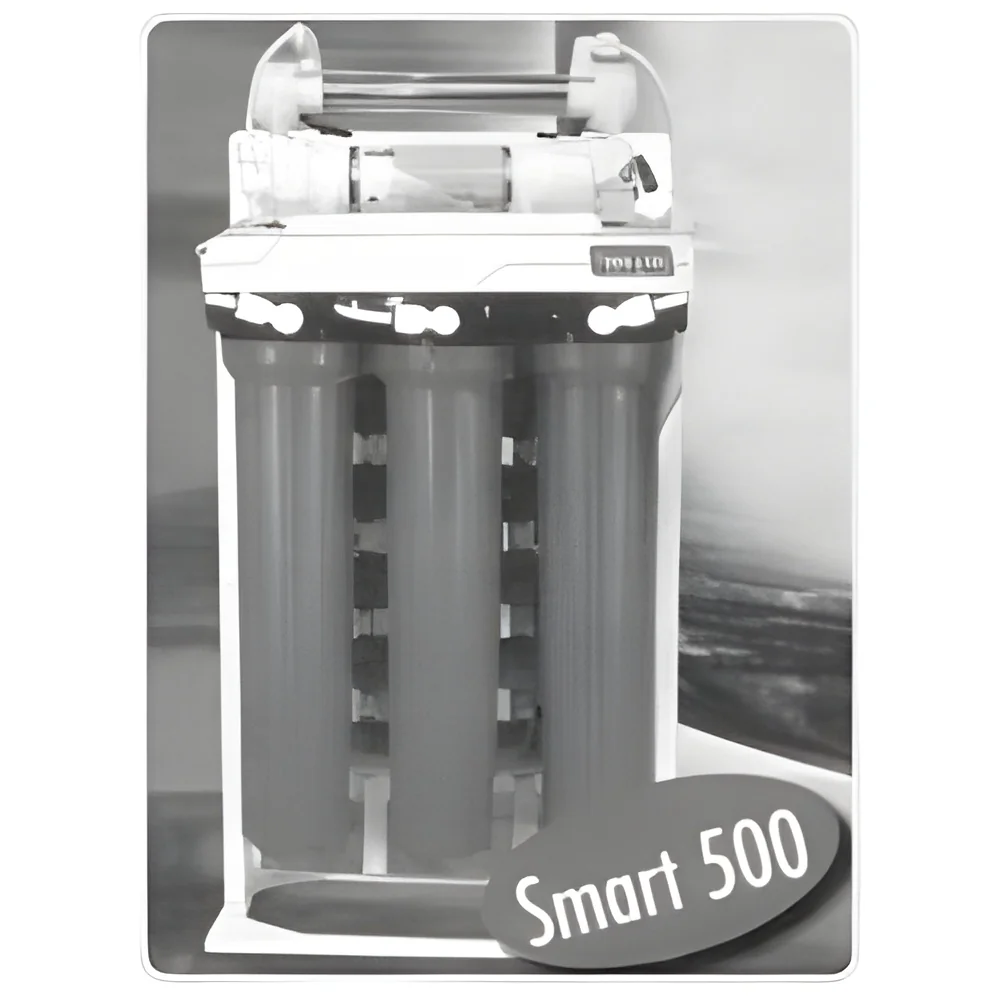
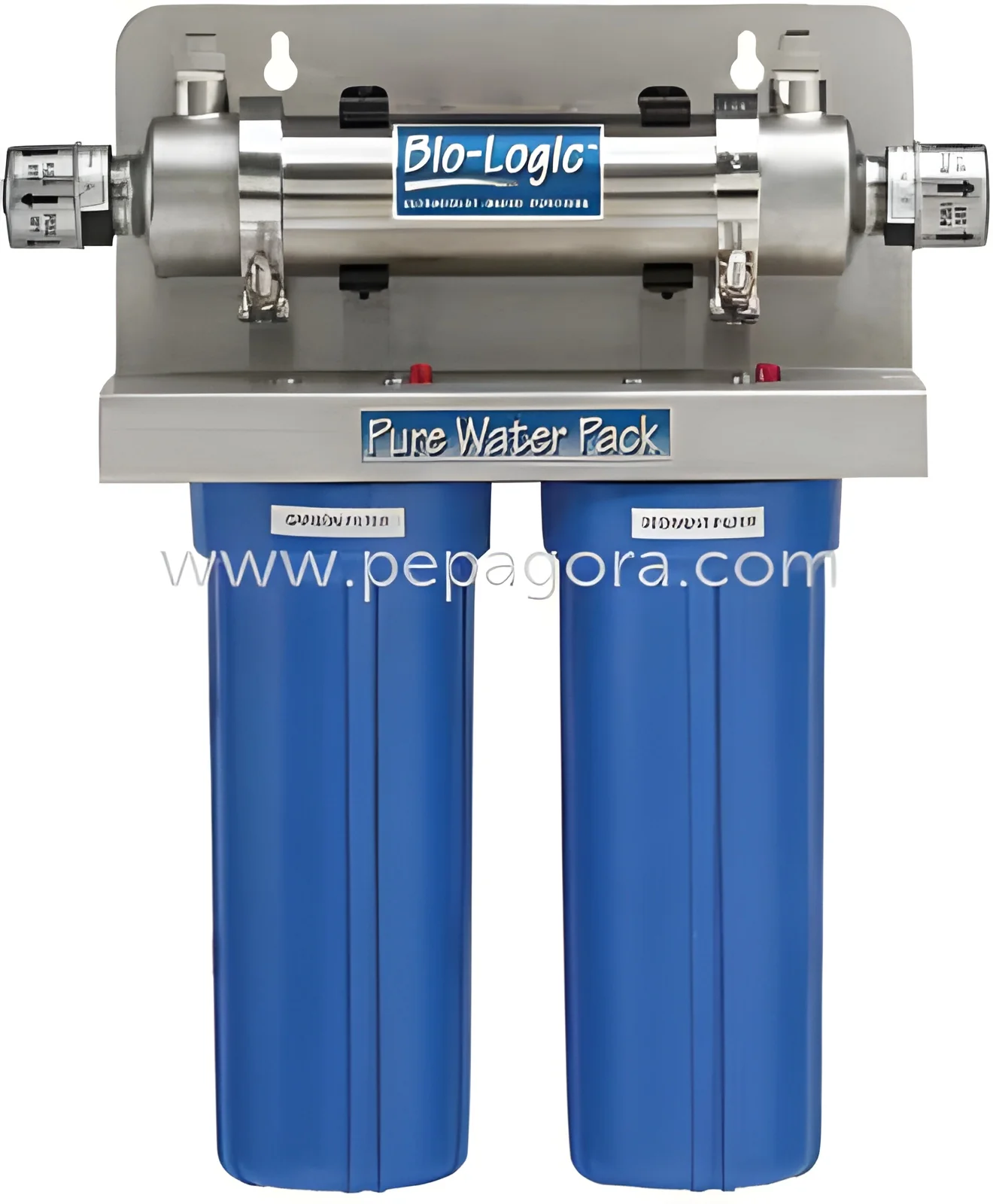
Compact UV Sterilizers: These models are designed for small-scale applications, making them ideal for residential or small business use. They are energy-efficient and easy to install under sinks or in small water systems.
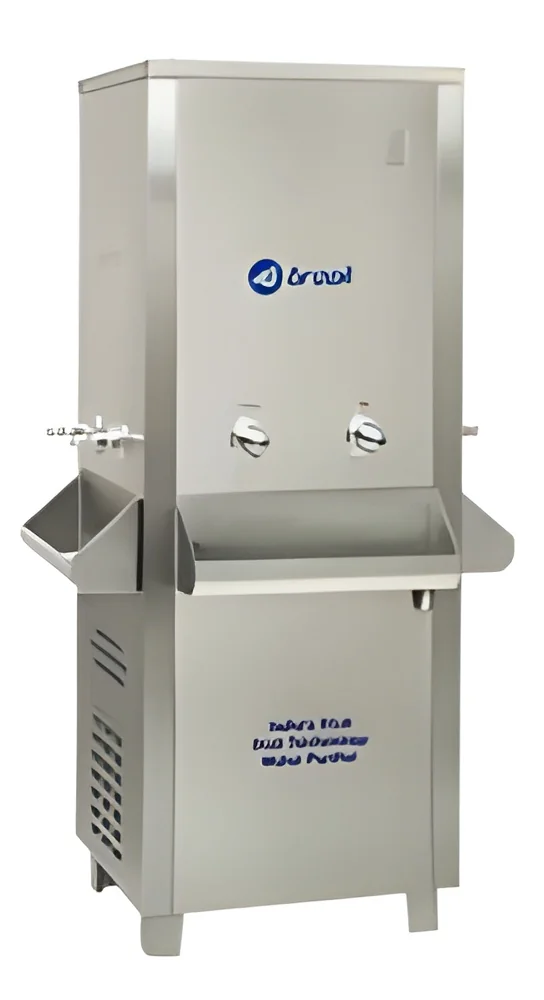
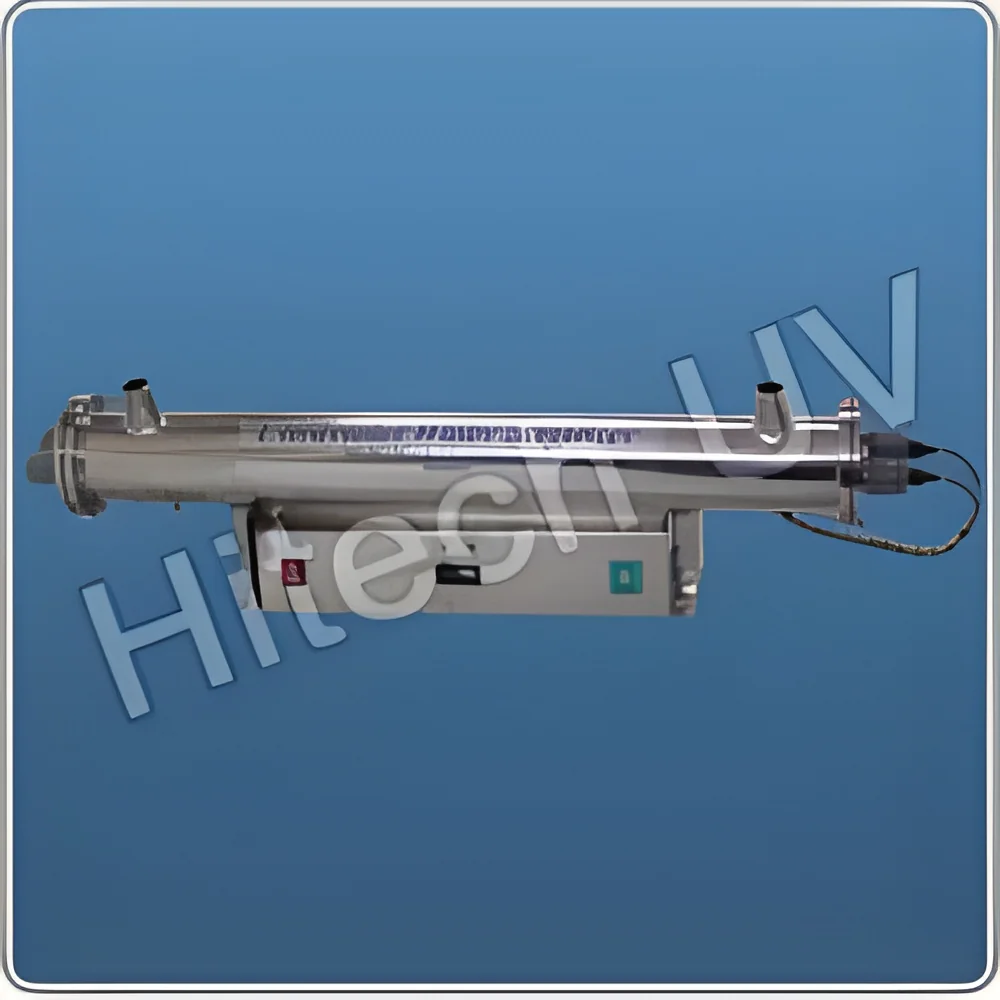
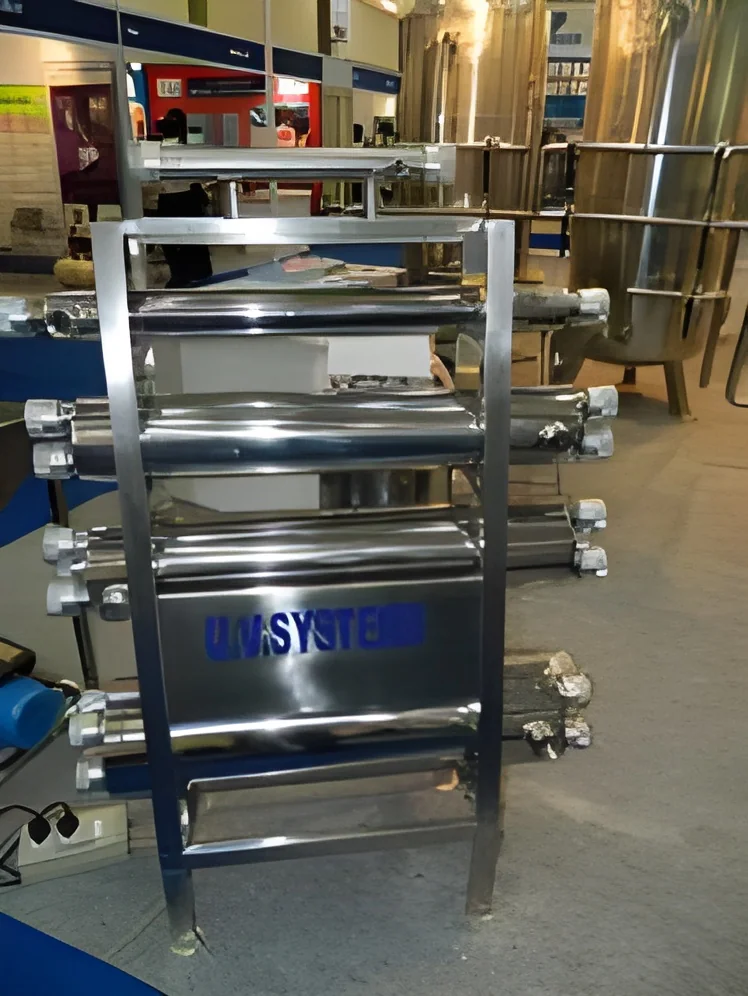
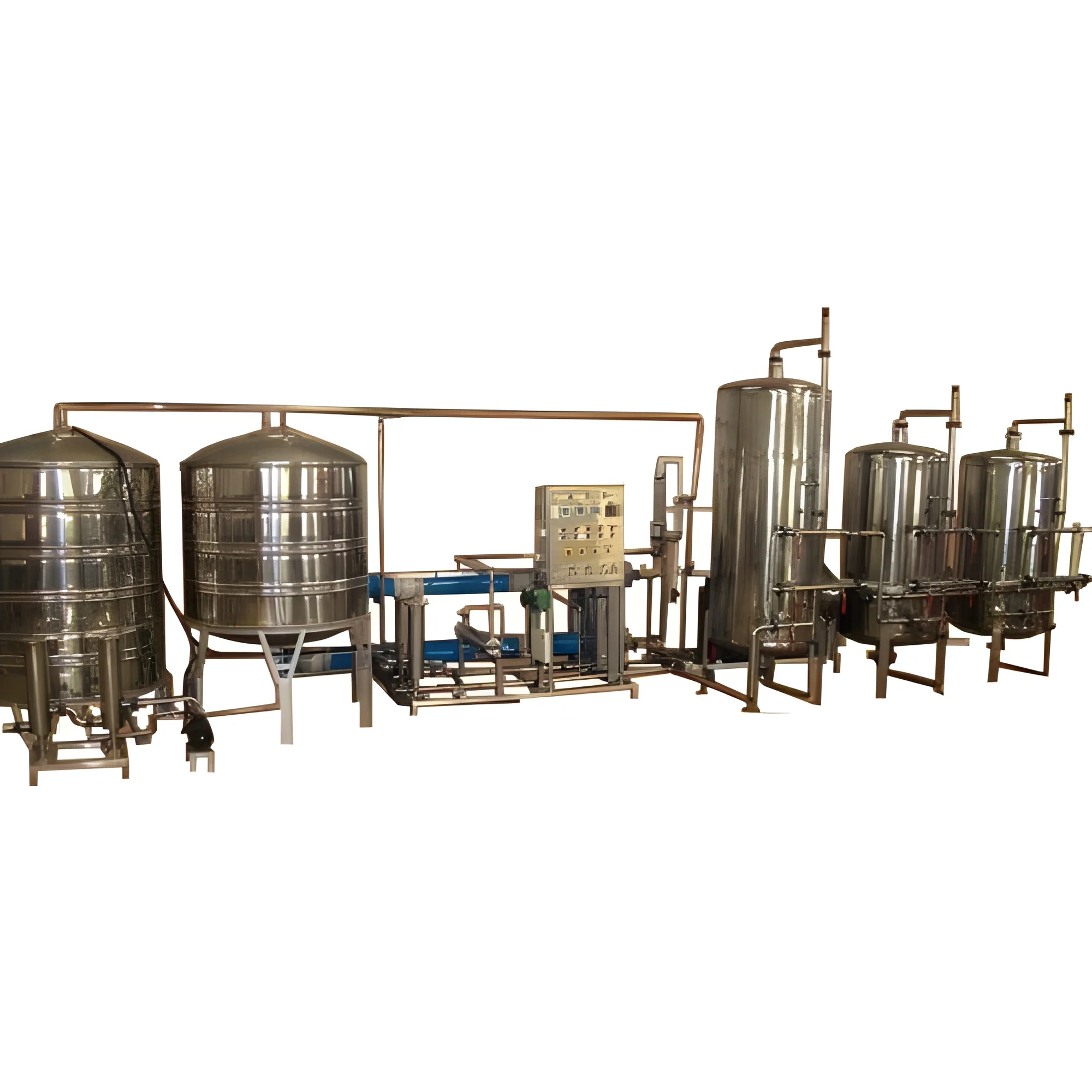
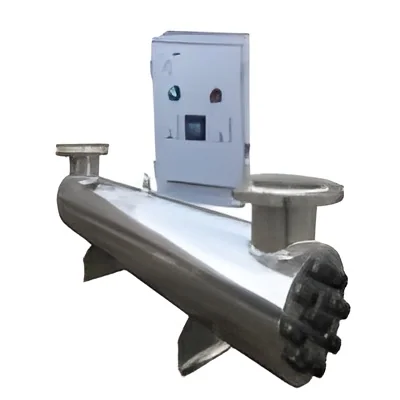
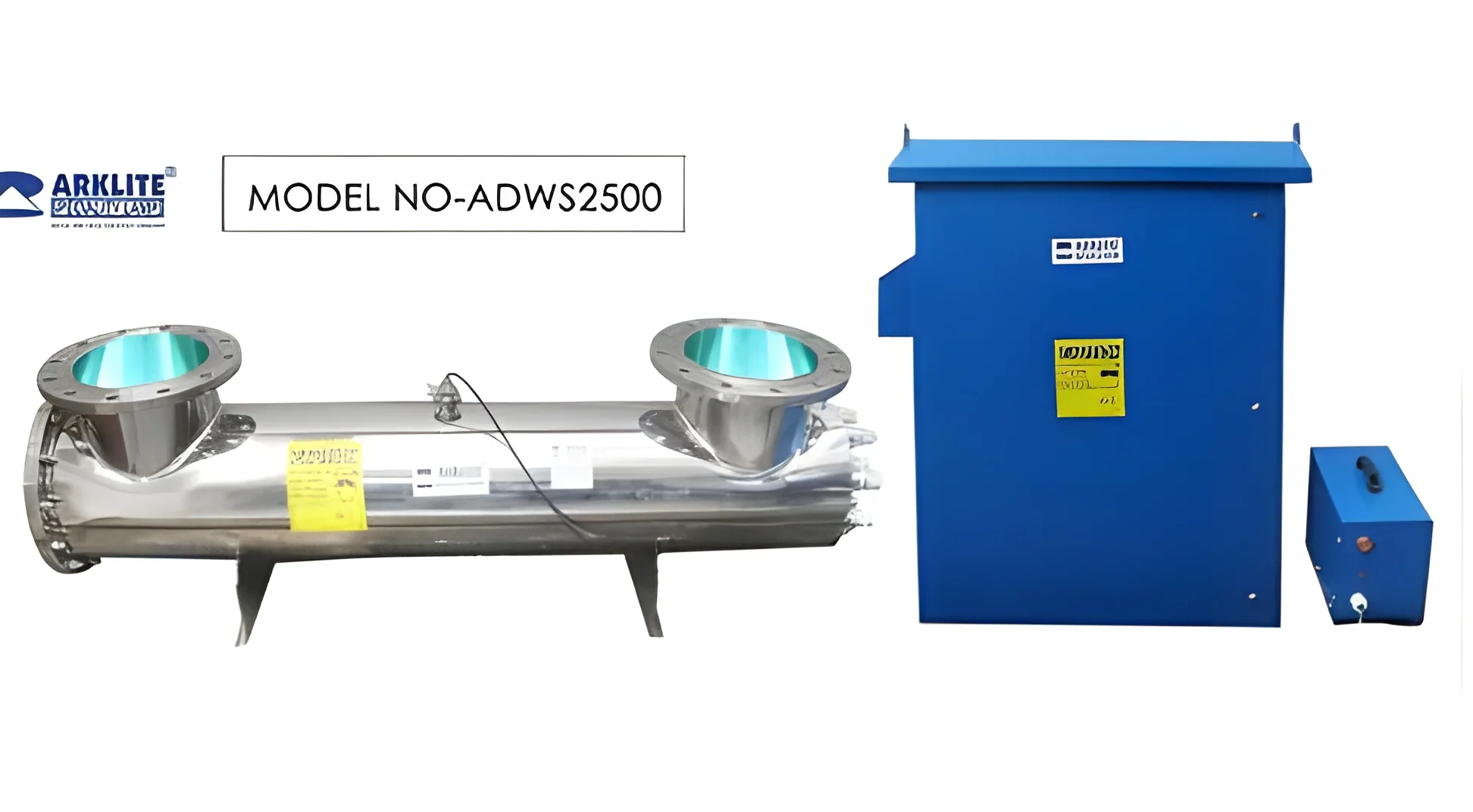
Industrial UV Sterilizers: Built for large-scale operations, these units handle high flow rates and are suitable for municipal water treatment and large industrial applications. They often feature advanced monitoring systems for optimal performance.
Portable UV Sterilizers: These devices are designed for mobility and can be used in remote locations. They are ideal for emergency water treatment in disaster relief and outdoor activities.
Benefits and Advantages
UV Water Sterilizers provide numerous benefits that make them a preferred choice for water treatment.
1. Chemical-Free Disinfection: UV sterilization does not require chemicals, ensuring that treated water remains free from harmful residues.
2. High Efficacy: UV systems are highly effective at inactivating a broad spectrum of microorganisms, including bacteria, viruses, and protozoa.
3. Low Operational Costs: Once installed, UV sterilizers have low maintenance and operational costs compared to chemical treatment methods.
4. Quick Treatment: UV sterilizers provide immediate disinfection, making them suitable for applications with on-demand water needs.
5. Environmentally Friendly: UV technology reduces the environmental impact associated with chemical water treatments.
6. Easy Integration: These systems can be easily integrated into existing water treatment processes without significant modifications.
Buying Guide for B2B Buyers
When sourcing UV Water Sterilizers, it is essential for businesses to consider various factors to ensure they select the right equipment.
1. Quality Assessment: Evaluate the quality of the sterilizers by reviewing certifications and standards compliance. Look for models that meet recognized quality management standards.
2. Supplier Verification: Vet suppliers thoroughly to ensure they are reputable and have a solid track record in providing reliable UV sterilizers.
3. Pricing and MOQ: Consider the pricing structures and minimum order quantities to align with budget constraints and operational needs.
4. Delivery and Lead Times: Assess the logistics involved in sourcing the sterilizers, including delivery times and shipping options, to avoid delays.
5. Compliance Requirements: Understand the regulatory requirements within your industry and region to ensure that the selected sterilizers comply with safety and quality standards.
Compliance and Certifications
UV Water Sterilizers must adhere to various quality standards and certifications to ensure their effectiveness and safety. Common standards include ISO 9001 for quality management systems, which emphasizes consistent product quality and customer satisfaction.
Additionally, compliance with HACCP principles ensures that the sterilizers meet safety requirements for food and beverage applications. The CE mark indicates conformity with health, safety, and environmental protection standards within the European Economic Area.
Safety and testing requirements are critical, and manufacturers typically conduct rigorous testing to validate the performance of their UV systems. Regional compliance considerations may vary, so it is essential to consult local regulations to ensure full compliance with safety standards.
Why Source UV Water Sterilizers from Pepagora?
Pepagora offers a trusted platform for sourcing UV Water Sterilizers, providing significant advantages for B2B buyers.
Verified Supplier Network: Pepagora connects buyers with a network of verified suppliers, ensuring that all manufacturers meet high-quality standards and compliance requirements.
Streamlined RFQ Process: The request for quotation process is designed to be efficient, allowing businesses to receive competitive quotes quickly and easily from multiple suppliers.
Trade Assurance and Support: Pepagora provides buyer protection through trade assurance programs, offering peace of mind when making procurement decisions.
Regional Coverage: With a strong presence in regions such as India, GCC, and Southeast Asia, Pepagora ensures that businesses can access quality UV Water Sterilizers tailored to their specific market needs.

 IN
IN