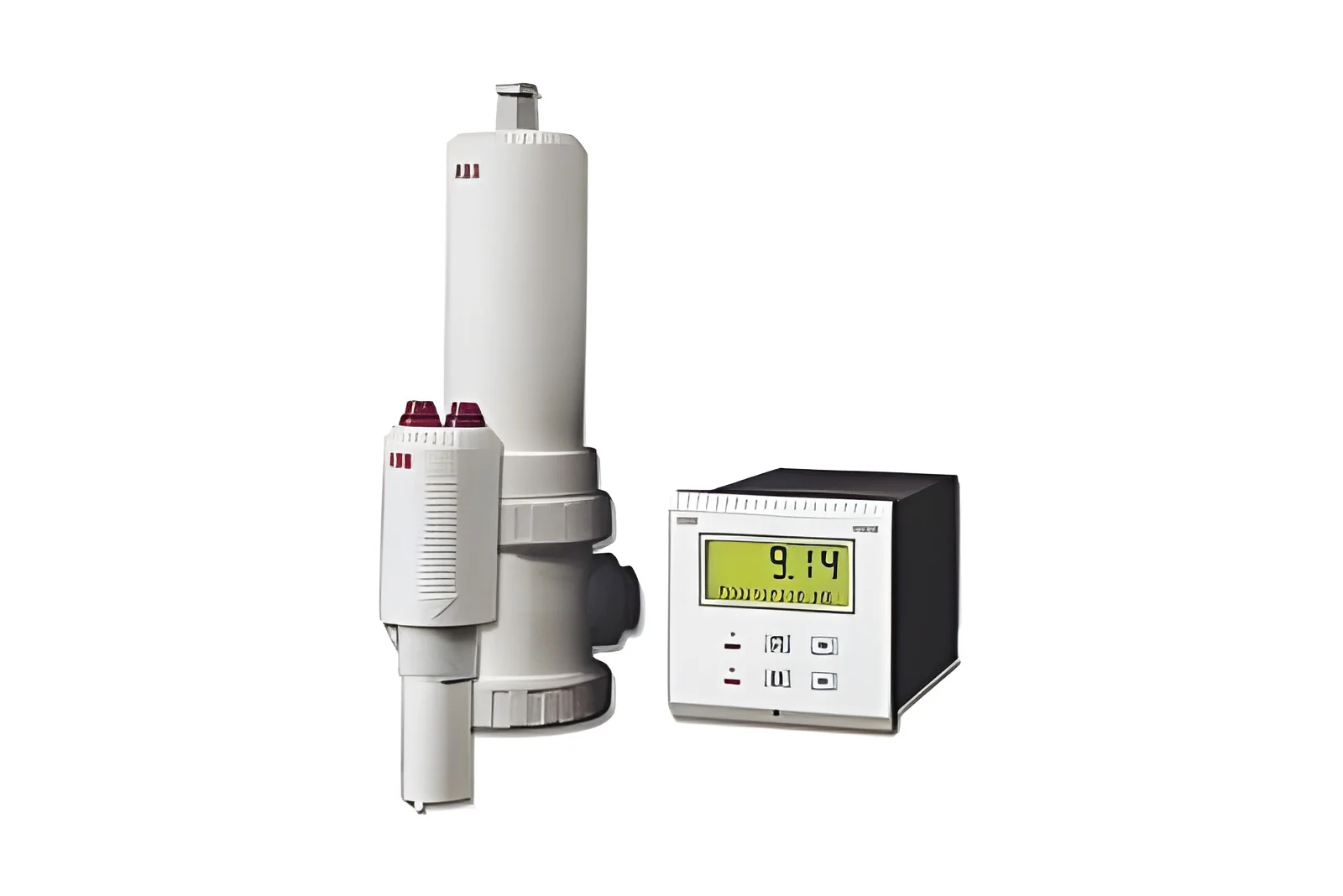
What are pH & Conductivity Controllers?
pH and conductivity controllers are essential devices used to monitor and regulate the pH levels and electrical conductivity of solutions in various industrial processes. These controllers utilize sensors to measure the acidity or alkalinity of a solution as well as its ability to conduct electricity, providing crucial data for maintaining optimal conditions in chemical reactions, water treatment, and other applications. The controllers often feature automated systems that can adjust the chemical dosing or flow rates based on real-time measurements.
These devices find primary use in industries such as water treatment, agriculture, food processing, and pharmaceuticals. In water treatment, they help maintain the balance of chemicals, ensuring safe drinking water. In agriculture, they are used for nutrient management in hydroponics and soil applications. The pharmaceutical industry uses pH and conductivity controllers to ensure product consistency and compliance with regulatory standards. With increasing awareness of water quality and environmental regulations, the demand for these controllers is growing across various sectors.
Key Features and Specifications
pH and conductivity controllers come equipped with several features designed to enhance accuracy, reliability, and ease of use. Understanding these specifications is essential for making informed purchasing decisions.
Key specifications include:
1. pH Measurement Range
- Typically ranges from 0 to 14 pH
- Some models can measure extreme values beyond this range
2. Conductivity Measurement Range
- Generally ranges from 0 to 200 mS/cm
- Specific models accommodate low and high conductivity applications
3. Temperature Compensation
- Automatic temperature compensation for accurate readings
- Adjustable temperature range depending on the model
4. Output Signals
- Commonly features 4-20 mA output signals for easy integration with control systems
- Some models also provide digital outputs like RS-232 or RS-485
5. User Interface
- LCD display for easy reading of measurements
- Menu-driven interface for straightforward operation
6. Calibration Options
- Multiple calibration points for enhanced accuracy
- Built-in calibration protocols for user convenience
7. Power Supply
- Typically operates on standard AC or DC power
- Battery backup options available in certain models
8. Housing and Environmental Ratings
- Often constructed with materials that withstand corrosive environments
- Environmental ratings may include IP54 or higher for dust and water resistance
In summary, pH and conductivity controllers are designed with a variety of features that cater to the specific needs of different industries, ensuring precise control over critical processes.
Common Applications and Use Cases
pH and conductivity controllers serve various industries, each with specific applications that demand accurate monitoring.
1. Water Treatment: In municipal and industrial water treatment plants, these controllers maintain the correct chemical balance for safe drinking water and effluent discharge.
2. Agriculture: Used in hydroponics and aquaponics systems, they ensure that nutrient solutions remain within optimal pH and conductivity levels for plant growth.
3. Food Processing: In food and beverage production, these controllers help maintain consistent quality and compliance with health regulations by monitoring ingredient solutions.
4. Pharmaceuticals: Critical for ensuring product consistency, these controllers monitor the pH and conductivity of solutions used in drug formulation and production.
5. Chemical Manufacturing: In chemical production processes, they help manage the conditions necessary for specific reactions, improving yield and safety.
6. Aquaculture: In fish farming, these controllers monitor water quality to ensure the health of aquatic life, providing data for optimal conditions.
7. Semiconductor Manufacturing: In this sector, maintaining specific pH and conductivity levels is crucial for the quality of the products being manufactured.
Product Variants and Subcategories
While pH and conductivity controllers generally fall into a few main categories, there are variations based on specific applications and features that cater to different needs.
Portable pH & Conductivity Controllers: These handheld devices are ideal for field testing and offer convenience for quick measurements. They are often battery-operated and provide instant readings, making them suitable for environmental testing.
Fixed Installation Controllers: Designed for continuous monitoring, these controllers are installed in processing systems. They provide real-time data and are often integrated into larger control systems for automated operations.
Multi-parameter Controllers: These advanced devices can measure pH, conductivity, and other parameters simultaneously. They are especially useful in complex industrial processes where multiple factors need to be monitored.
Benefits and Advantages
Investing in pH and conductivity controllers offers several significant benefits to businesses across various sectors.
1. Enhanced Process Control: These controllers allow for precise monitoring and adjustment of pH and conductivity levels, leading to improved process efficiency.
2. Compliance Assurance: By maintaining optimal conditions, businesses can ensure compliance with industry regulations and standards, avoiding potential fines and disruptions.
3. Quality Improvement: Accurate monitoring helps maintain the quality of products, ensuring consistency and reliability in production processes.
4. Cost Savings: By optimizing chemical usage and reducing waste, these controllers can lead to significant cost savings in industrial operations.
5. User-Friendly Features: Many models come with intuitive interfaces and automated functions, making them easy to use and reducing the need for extensive training.
6. Versatility: These controllers can be applied in various industries, making them a valuable tool for businesses looking to enhance their operations.
Buying Guide for B2B Buyers
When sourcing pH and conductivity controllers, it is essential to consider several factors to ensure you select the right product for your needs.
1. Quality Assessment: Look for controllers that meet industry standards and have a reputation for reliability. Request samples or case studies to evaluate performance.
2. Supplier Verification: Vet suppliers to ensure they are reputable and have a track record of delivering quality products. Check for customer reviews and references.
3. Pricing and MOQ: Understand the pricing structure and minimum order quantities (MOQ) to ensure they align with your budget and purchasing needs.
4. Delivery and Lead Times: Discuss logistics and delivery timelines with suppliers to ensure you can receive products when needed to avoid operational delays.
5. Compliance Requirements: Ensure the products meet relevant regulatory standards and certifications, as this can impact your operations and market acceptance.
Compliance and Certifications
Compliance with industry standards and certifications is crucial for pH and conductivity controllers. Many manufacturers adhere to quality standards such as ISO 9001, which ensures consistent quality management systems. This standard helps guarantee that products are manufactured with a commitment to quality and continuous improvement.
Additionally, compliance with HACCP (Hazard Analysis and Critical Control Points) standards is essential in food processing and pharmaceutical industries to ensure food safety and product quality. The CE mark is another important certification, indicating that products meet European safety, health, and environmental protection standards.
Safety requirements also play a significant role, particularly in industries where hazardous materials are handled. Controllers may need to meet specific testing and safety standards depending on the application. Regional compliance considerations should also be taken into account, as different regions may have varying regulations for pH and conductivity monitoring equipment.
Why Source pH & Conductivity Controllers from Pepagora?
Pepagora provides a trusted platform for sourcing pH and conductivity controllers with several key advantages.
Verified Supplier Network: Pepagora partners with a network of verified suppliers who are committed to quality and reliability. This ensures that buyers can trust the products sourced through the platform.
Streamlined RFQ Process: The request for quotation (RFQ) system simplifies the purchasing process, allowing buyers to easily compare prices and specifications from multiple suppliers in one place.
Trade Assurance and Support: Pepagora offers trade assurance, providing buyers with protection throughout the purchasing process. This support ensures that transactions are secure and that buyers can resolve any issues that may arise.
Regional Coverage: With a geographic reach extending across India, the GCC, and Southeast Asia, Pepagora connects buyers with suppliers in these regions, facilitating efficient sourcing and logistics for businesses.

 IN
IN