
 IN
Dealkalizers
14 products available
What are Dealkalizers?
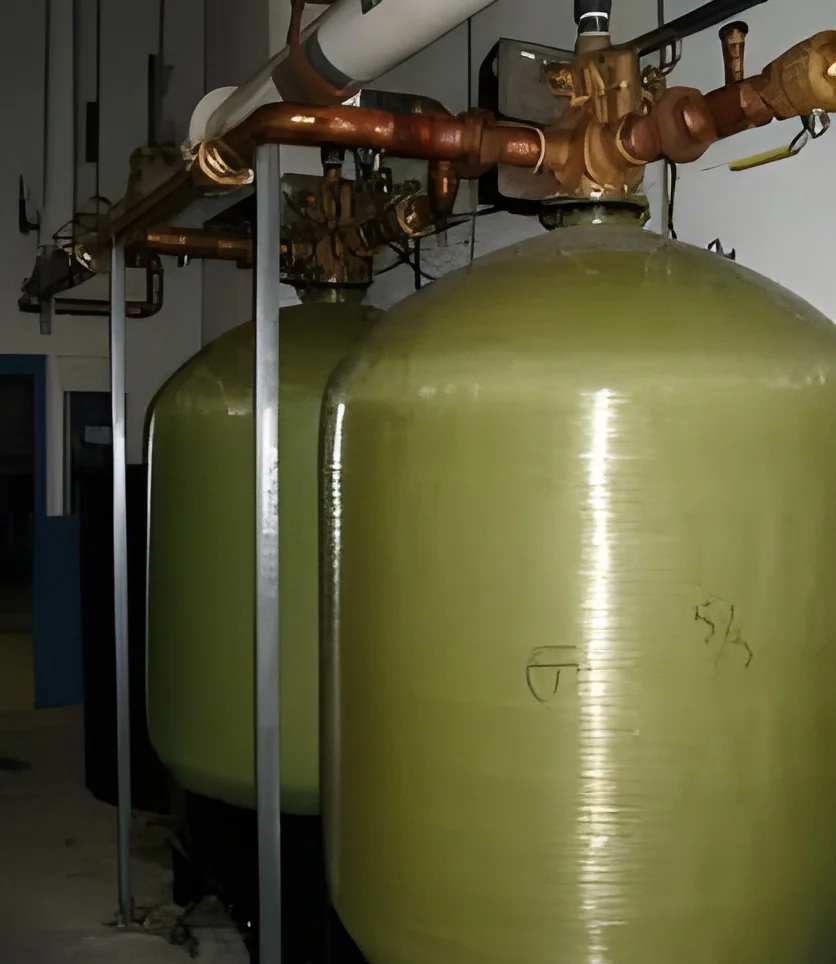
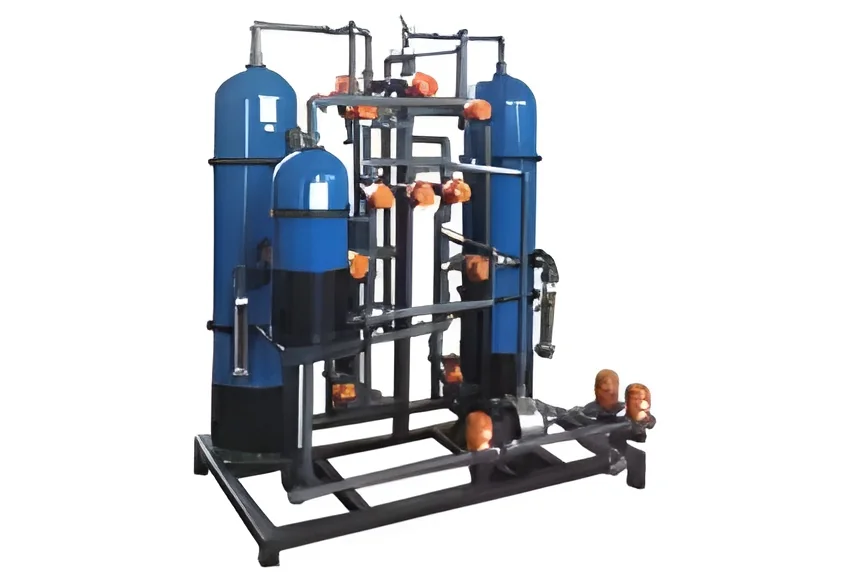
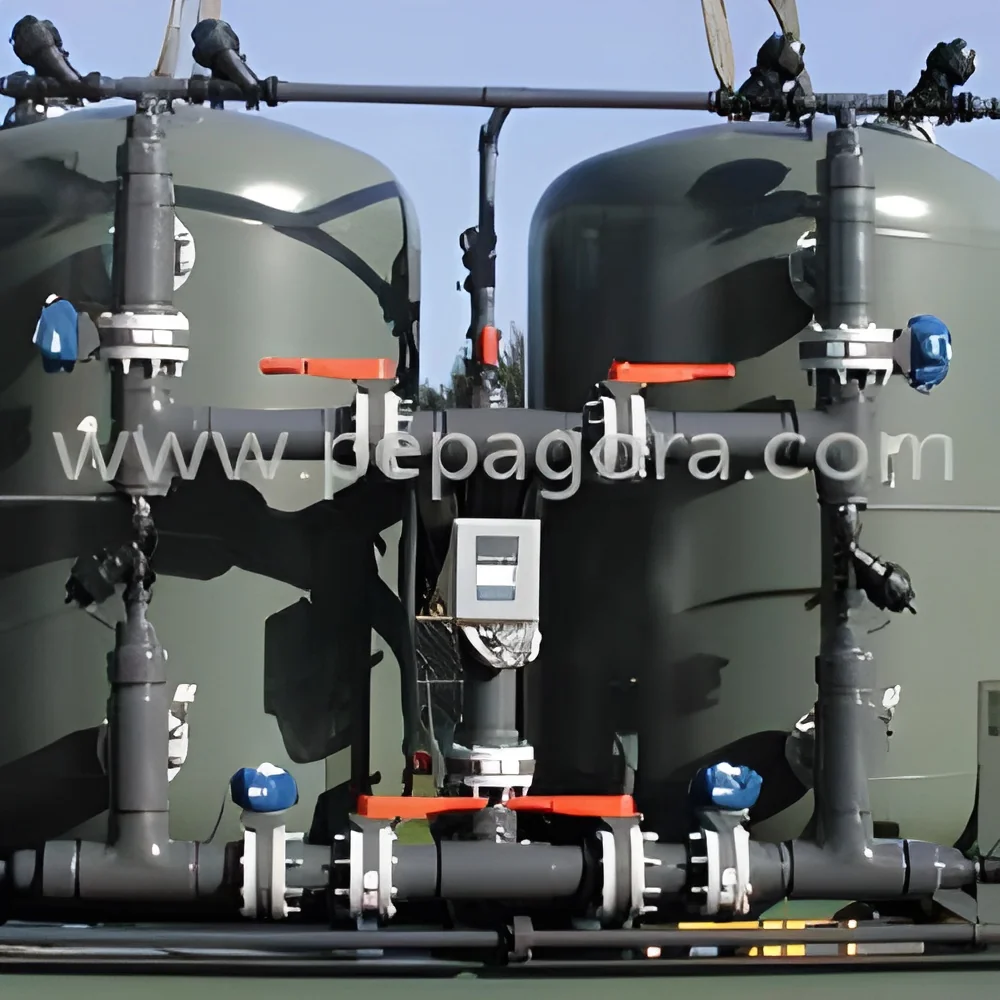
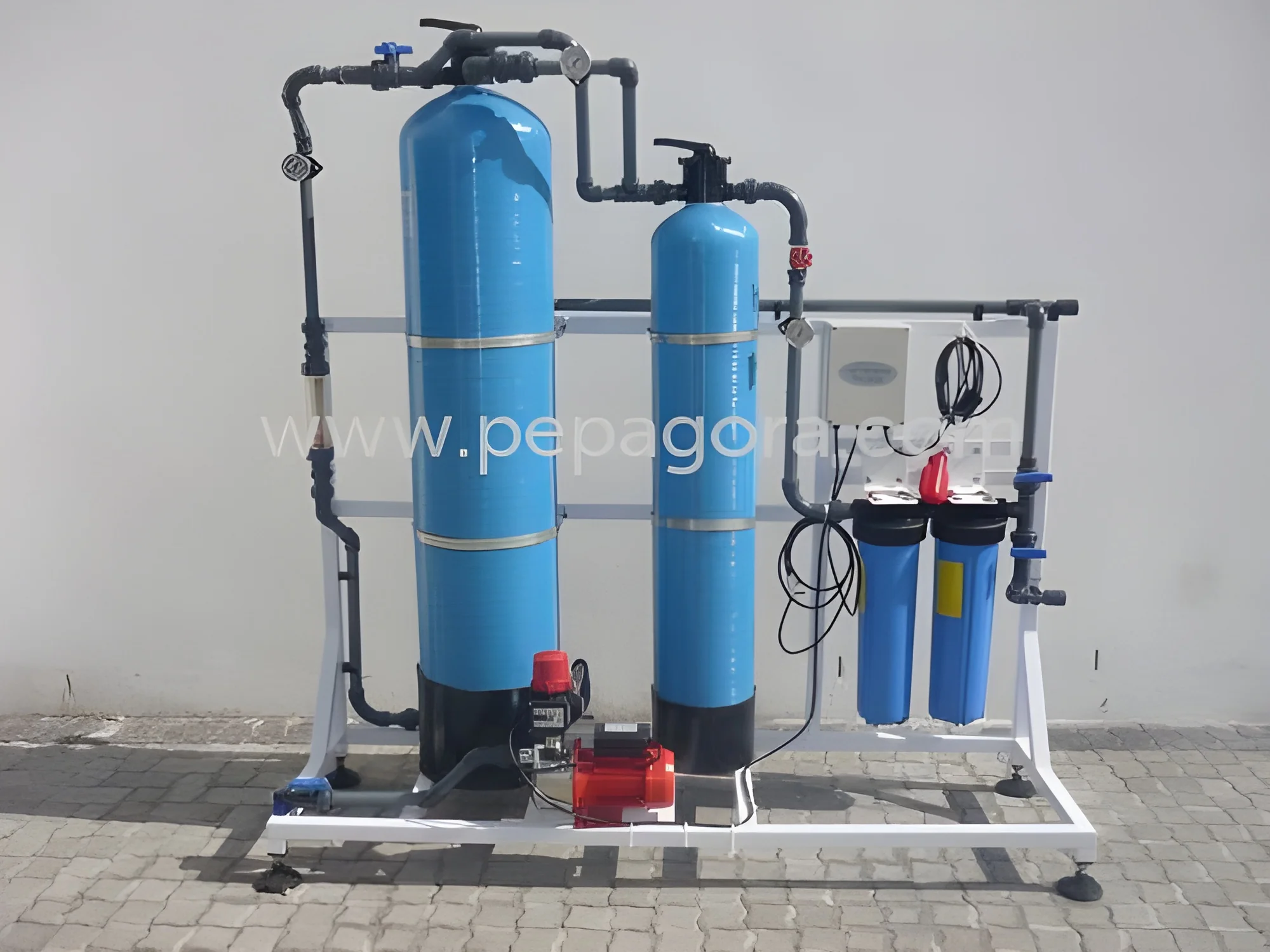
Dealkalizers are specialized systems designed to remove alkalinity from water, particularly in industrial applications. They function by utilizing various chemical processes to reduce the concentration of alkaline substances, such as bicarbonates and carbonates, thereby improving water quality. This is crucial in industries where high alkalinity can adversely affect equipment and processes.
Primarily, dealkalizers are used in water treatment facilities, power generation, and various manufacturing processes. They play a vital role in preventing scaling and corrosion in boilers, cooling systems, and other critical equipment. The appropriate management of alkalinity ensures optimal performance and longevity of industrial systems, making dealkalizers an essential component in many business operations.
In terms of market context, the demand for dealkalizers is steadily increasing as industries strive for better water management solutions. With the growing emphasis on sustainability and efficiency, businesses are seeking advanced technologies that enhance water quality while minimizing environmental impact.
Key Features and Specifications
Dealkalizers come with a variety of features and specifications tailored to meet industry needs. These systems are designed for optimal performance and reliability in challenging environments.
Key specifications include:
1. Chemical Composition
- Typically composed of ion-exchange resins that facilitate the removal of alkaline ions.
- Resins may vary based on specific applications and water chemistry.
2. Capacity
- The processing capacity can range from small-scale units to large industrial systems.
- Measured in liters per hour or gallons per minute, depending on the model.
3. Operating Pressure
- Designed to operate under various pressure conditions.
- Typical ranges are between 30 to 100 psi.
4. Temperature Range
- While specific temperature ranges are not provided, most systems are designed to function effectively within standard industrial temperature limits.
5. Maintenance Requirements
- Low maintenance design with periodic resin regeneration needed.
- User-friendly interfaces for monitoring and control.
6. Compliance Certifications
- CE certification ensures adherence to European safety and performance standards.
7. Size and Dimensions
- Various sizes available to fit different installation spaces and capacities.
- Compact designs are ideal for limited space environments.
8. Upgrade Options
- Many dealkalizers offer the option for advanced monitoring features.
- Customization available for specific industrial requirements.
In summary, dealkalizers are equipped with essential features that ensure effective alkalinity management, contributing to the efficiency and longevity of industrial systems.
Common Applications and Use Cases
Dealkalizers serve a wide range of industries, each with specific applications that benefit from effective alkalinity management.
1. Power Generation: Dealkalizers are crucial in steam generation systems, where they help prevent scaling in boilers, ensuring efficient energy production.
2. Food and Beverage: In this sector, dealkalizers improve the quality of water used in production processes, ensuring compliance with health standards.
3. Chemical Manufacturing: These systems are used to control water chemistry, facilitating the production of high-quality chemicals while minimizing equipment corrosion.
4. Pharmaceuticals: Dealkalizers ensure that water used in drug manufacturing meets stringent quality standards, essential for product safety.
5. Oil and Gas: In extraction and refining processes, these systems help maintain the integrity of cooling systems and enhance operational efficiency.
6. Textile Industry: Dealkalizers improve water quality for dyeing processes, resulting in better color quality and reduced chemical usage.
7. Pulp and Paper: These systems help manage water quality in pulp processing, which is critical for maintaining product quality and operational efficiency.
Product Variants and Subcategories
Dealkalizers are available in various configurations to suit different industrial needs.
Standard Dealkalizer
This variant features a straightforward design suitable for general applications. It effectively removes alkalinity and is easy to maintain, making it ideal for small to medium-sized operations.
Compact Dealkalizer
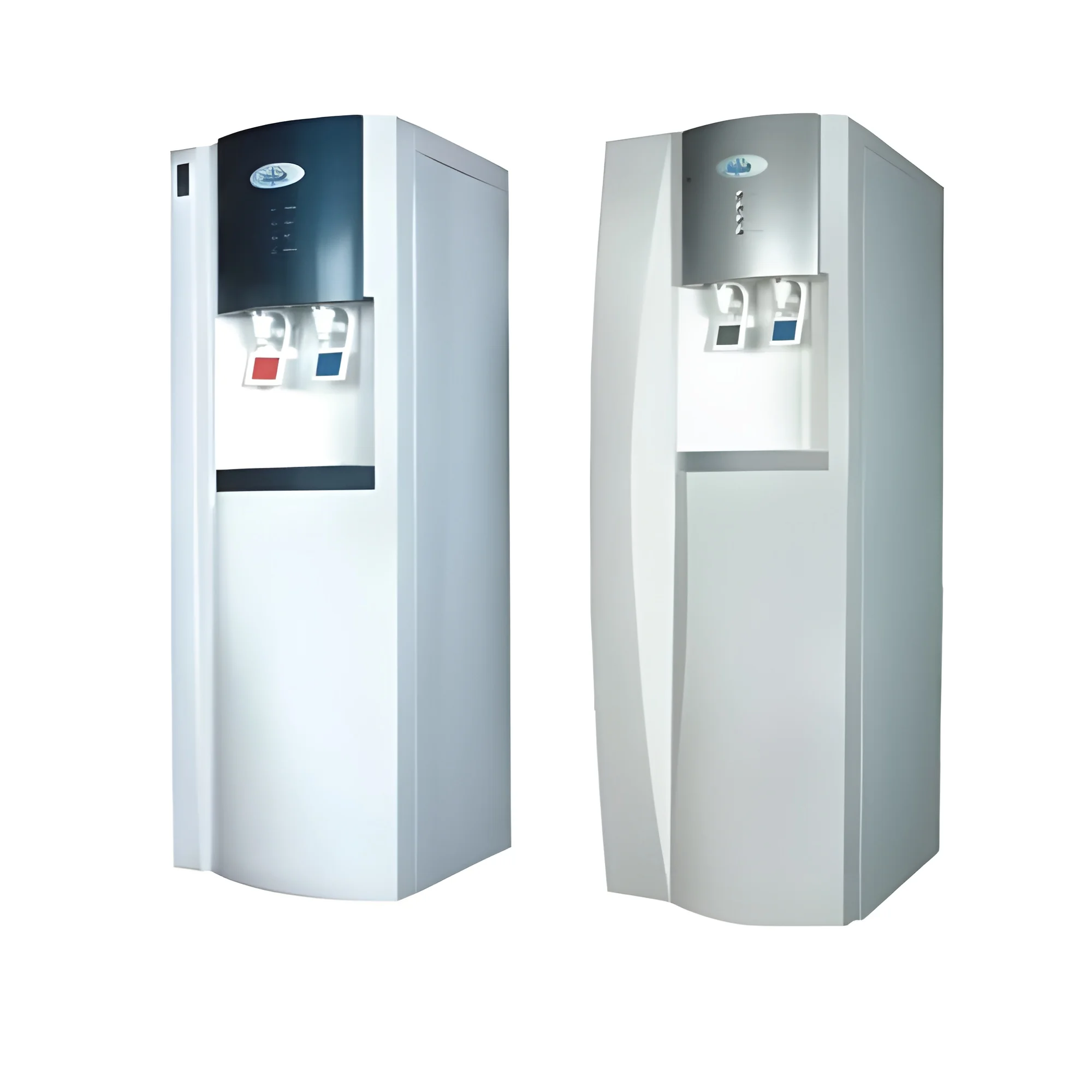
Designed for limited space applications, this variant offers high performance in a smaller footprint. It is perfect for industries requiring efficient water treatment without sacrificing performance.
High-Capacity Dealkalizer
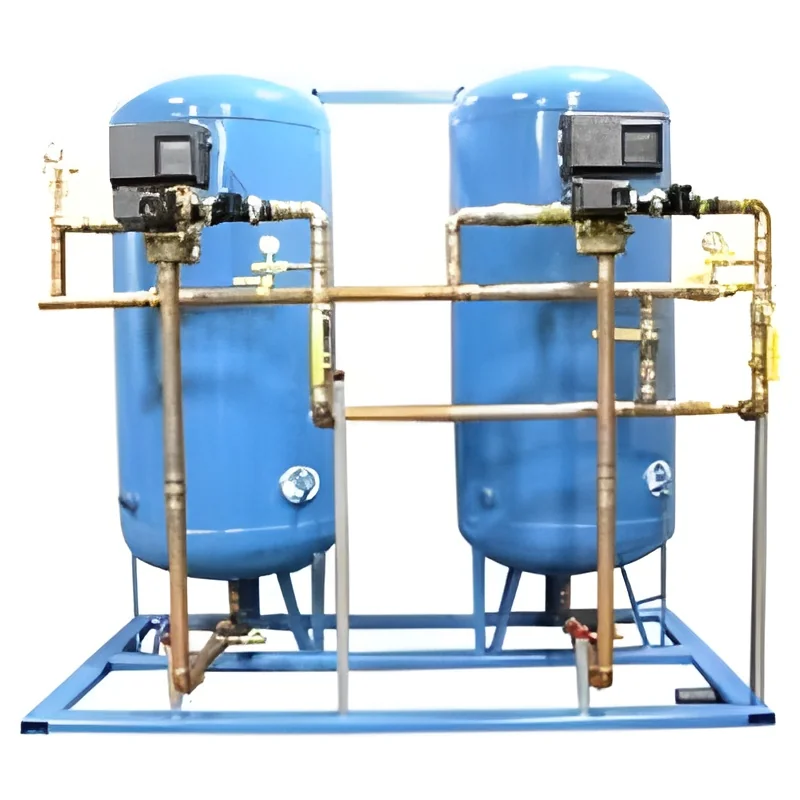
Ideal for large-scale operations, this variant can handle high volumes of water with minimal downtime. It is suited for industries with significant water usage, like power generation and chemical manufacturing.
Automated Dealkalizer
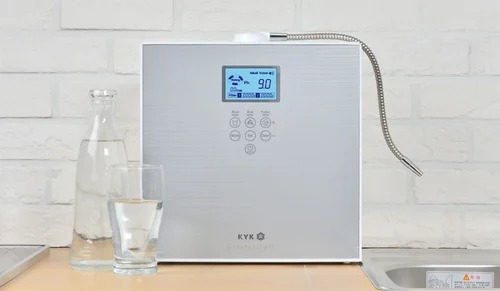
This model includes advanced monitoring and control systems, allowing for remote operation and real-time data tracking. It is beneficial for businesses that require precision and ease of use.
Benefits and Advantages
Dealkalizers provide numerous advantages that contribute to operational efficiency and cost savings.
1. Improved Equipment Longevity: By reducing scaling and corrosion, dealkalizers extend the life of boilers and cooling systems.
2. Enhanced Water Quality: These systems ensure that the water used in industrial processes meets required standards, improving product quality.
3. Cost Efficiency: Reduced maintenance costs and operational downtime result from effective alkalinity management.
4. Compliance Assurance: Dealkalizers help businesses adhere to regulatory standards for water quality, reducing the risk of penalties.
5. Environmental Benefits: By optimizing water usage, dealkalizers contribute to sustainability initiatives and responsible resource management.
6. Customization Options: Many systems can be tailored to meet specific industrial needs, enhancing their effectiveness in diverse applications.
Buying Guide for B2B Buyers
When sourcing dealkalizers, it is essential to consider several key factors to ensure you select the right system for your business needs.
1. Quality Assessment: Look for systems that meet established quality standards and have a proven track record of reliability and performance in your industry.
2. Supplier Verification: Vet suppliers thoroughly to ensure they have a reputable history of providing high-quality products and services.
3. Pricing and MOQ: Understand the pricing structure and minimum order quantities, as this can vary significantly among suppliers.
4. Delivery and Lead Times: Inquire about delivery schedules and ensure that the supplier can meet your operational timelines to avoid disruptions.
5. Compliance Requirements: Ensure that the dealkalizers meet any necessary regulatory requirements specific to your industry.
Compliance and Certifications
Dealkalizers must adhere to various quality standards and certifications to ensure safety and performance. Compliance with ISO 9001 indicates a commitment to quality management systems, essential for maintaining high manufacturing standards.
Additionally, industry certifications such as CE signify that the products meet European safety and environmental regulations. It is also crucial for dealkalizers to comply with safety and testing requirements relevant to the sectors they serve.
Regional compliance considerations may vary, and businesses should be aware of local regulations that apply to water treatment and industrial processes. Ensuring that your dealkalizer meets these criteria is vital for operational legality and safety.
Why Source Dealkalizers from Pepagora?
Pepagora provides a trusted platform for sourcing dealkalizers, offering numerous advantages to B2B buyers.
Verified Supplier Network: Pepagora has a robust network of verified suppliers, ensuring that buyers have access to high-quality dealkalizers from reputable manufacturers.
Streamlined RFQ Process: The platform simplifies the request for quotation process, allowing businesses to easily compare prices and specifications from multiple suppliers, saving time and effort.
Trade Assurance and Support: Pepagora offers trade assurance, providing buyers with protection and support throughout the purchasing process to ensure a smooth transaction.
Regional Coverage: With a strong presence in India, the GCC, and Southeast Asia, Pepagora enables businesses to find local suppliers, facilitating easier logistics and communication.
By choosing Pepagora, businesses can confidently procure dealkalizers that meet their specific requirements while benefiting from a supportive and efficient sourcing experience.


Frequently Asked Questions
What are Dealkalizers?
Dealkalizers are industrial systems designed to remove excess alkalinity from water or other solutions. They are commonly used in various industries, including power generation, chemical processing, and water treatment, to ensure optimal pH levels and prevent scaling and corrosion.
What are the different types of Dealkalizers?
The main types of dealkalizers include ion exchange dealkalizers, which utilize resin to remove alkaline ions, and chemical dealkalizers, which use specific chemicals to neutralize alkalinity. Each type serves different applications and effectiveness depending on the specific requirements of the process.
How do I choose the right Dealkalizers?
Choosing the right dealkalizer involves assessing the specific alkalinity levels, the volume of water to be treated, and the intended application. It's also important to consider the type of contaminants present and whether you need a standard or customized solution.
What are the standard specifications for Dealkalizers?
Standard specifications for dealkalizers typically include flow rate, pressure drop, temperature limits, and the type and capacity of the resin used. Additionally, specifications may vary based on the application and regulatory standards required in specific industries.
What is the price range for Dealkalizers?
The price of dealkalizers can vary widely depending on their type, capacity, and features. Generally, small-scale units may start from a few thousand rupees, while larger and more complex systems can cost several lakhs of rupees.
What quality standards apply to Dealkalizers?
Dealkalizers must comply with various quality standards such as ISO 9001 for quality management and specific industry standards related to water treatment. It is essential to ensure that the dealkalizers meet the necessary certifications to guarantee their effectiveness and safety.
Where can I find Dealkalizers suppliers in India?
You can find dealkalizer suppliers in India through various B2B marketplaces, industry trade shows, and manufacturer directories. Websites like Pepagora offer a comprehensive list of verified suppliers and manufacturers for easy comparison and sourcing.
Can Dealkalizers be customized?
Yes, dealkalizers can often be customized to meet specific operational requirements. Customization may involve modifications in size, capacity, or the type of resin used, depending on the unique needs of the application.
What is the typical minimum order quantity for Dealkalizers?
The typical minimum order quantity (MOQ) for dealkalizers can vary by supplier but generally ranges from one unit for smaller systems to larger quantities for bulk orders. It is advisable to check with individual manufacturers for their specific MOQ policies.
What is the typical lead time for Dealkalizers?
The lead time for dealkalizers can vary based on the complexity of the system and the supplier's capacity. Typically, standard units may take anywhere from 4 to 12 weeks for delivery, while customized solutions may require additional time.
Why Businesses Trust Pepagora
Thousands of companies trust Pepagora to source smarter and sell faster
Expand Your Sales Globally

Source Smarter,Grow Faster
