What are Condensate Recovery Systems?
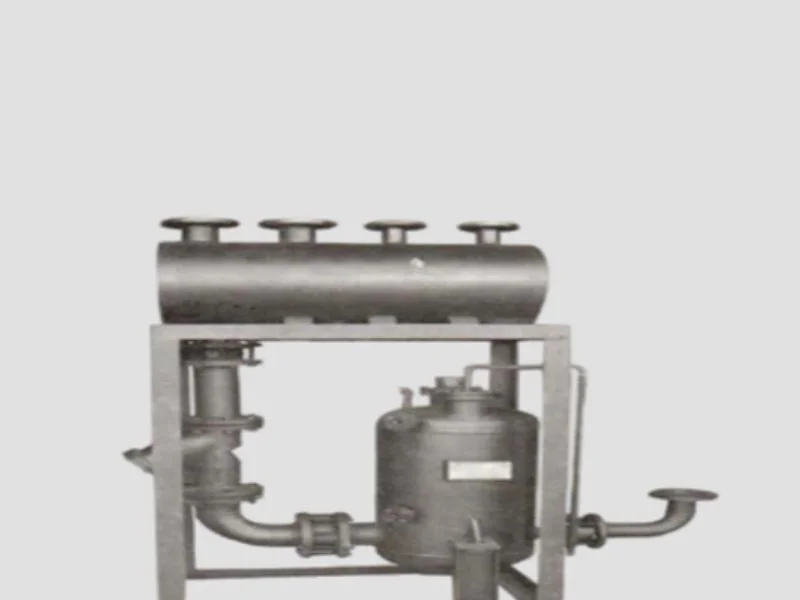
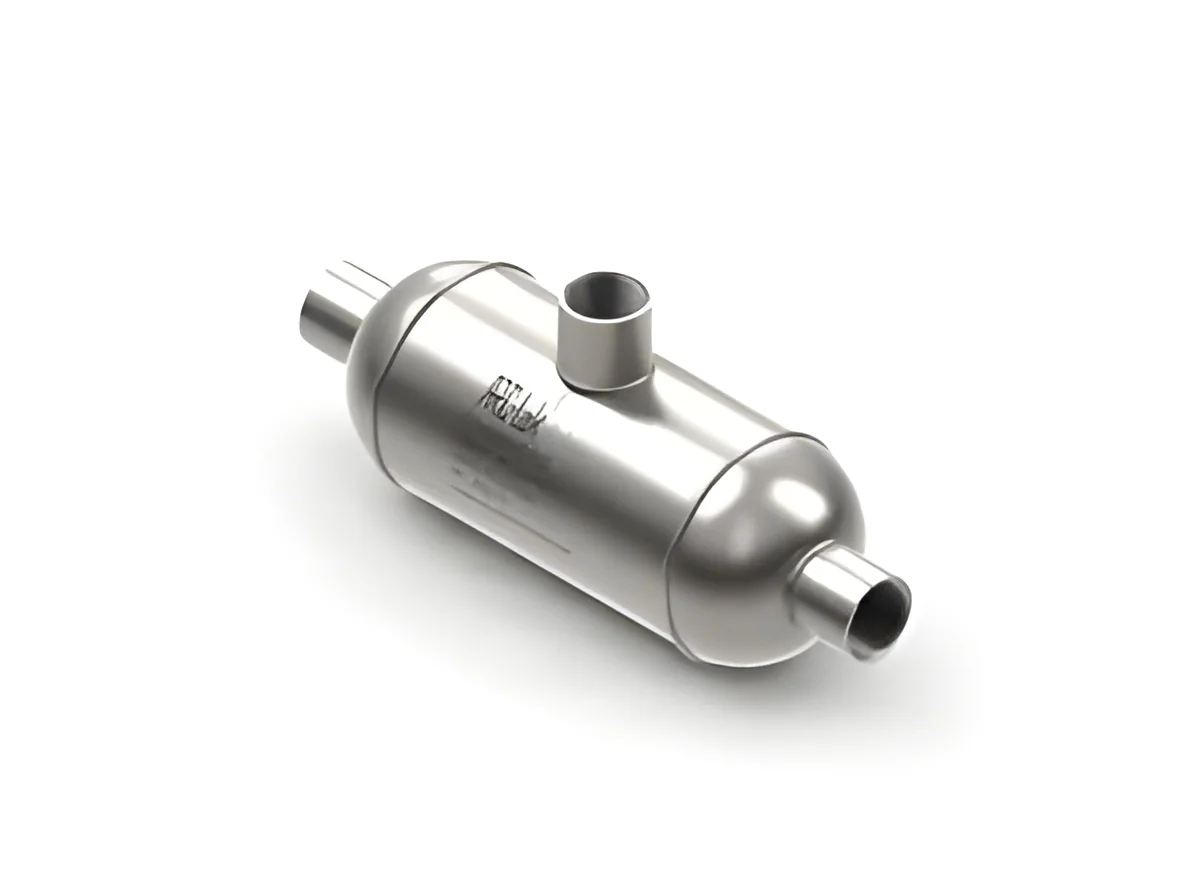
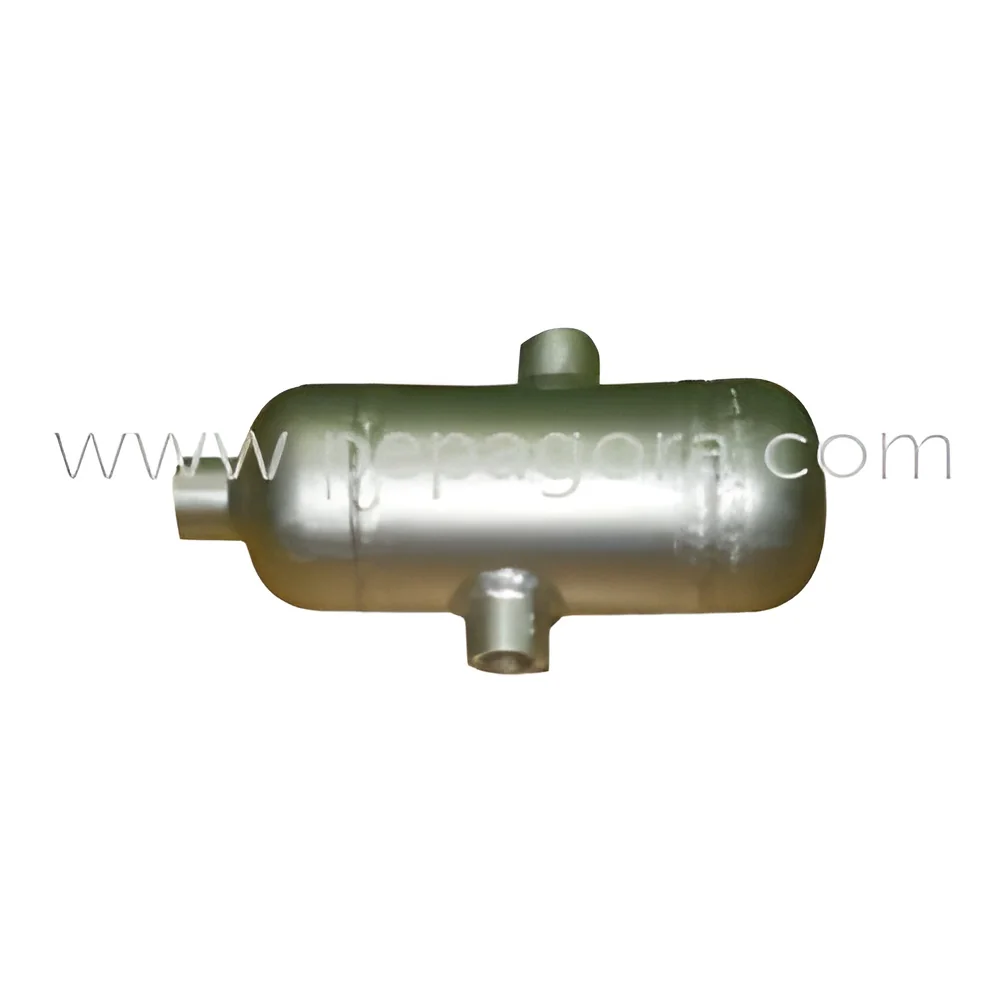
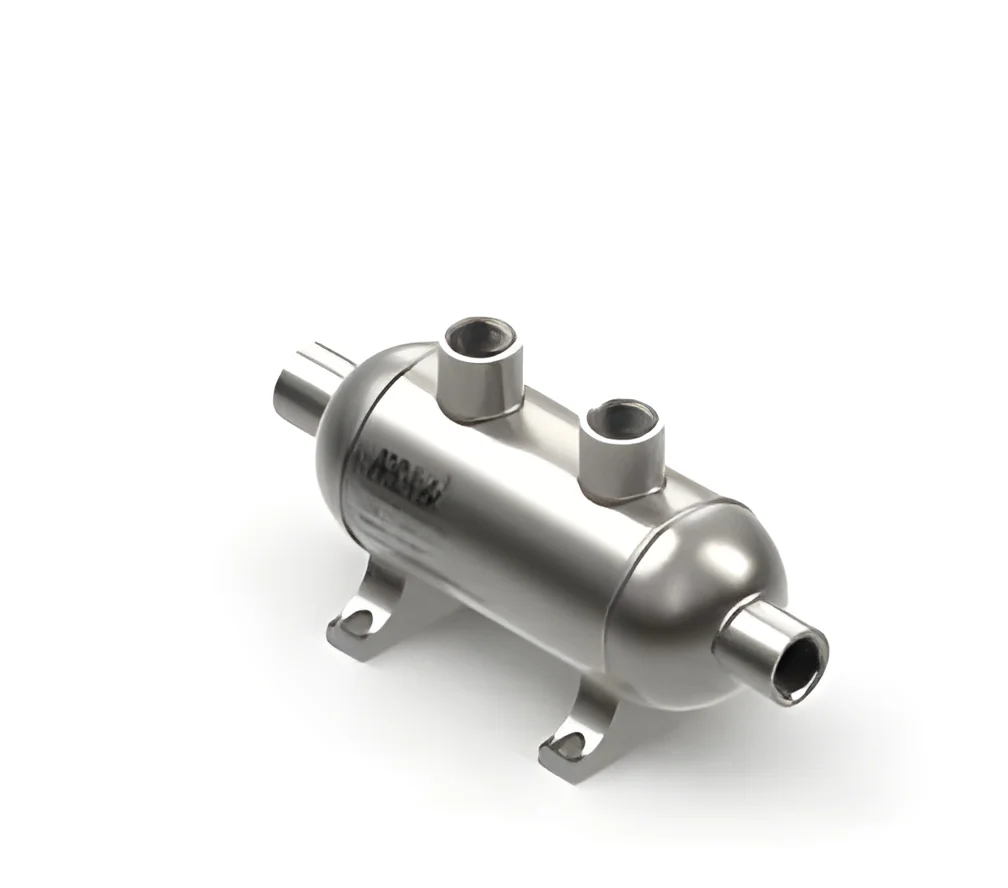
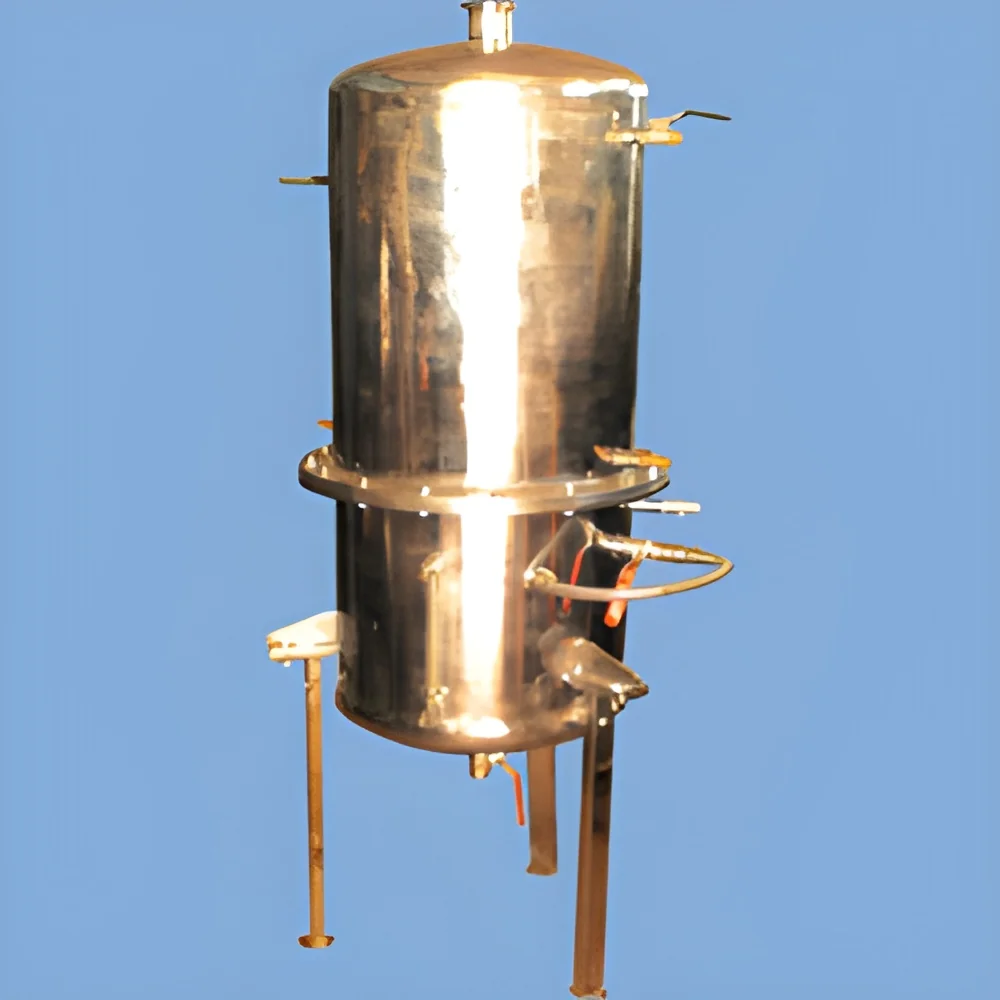
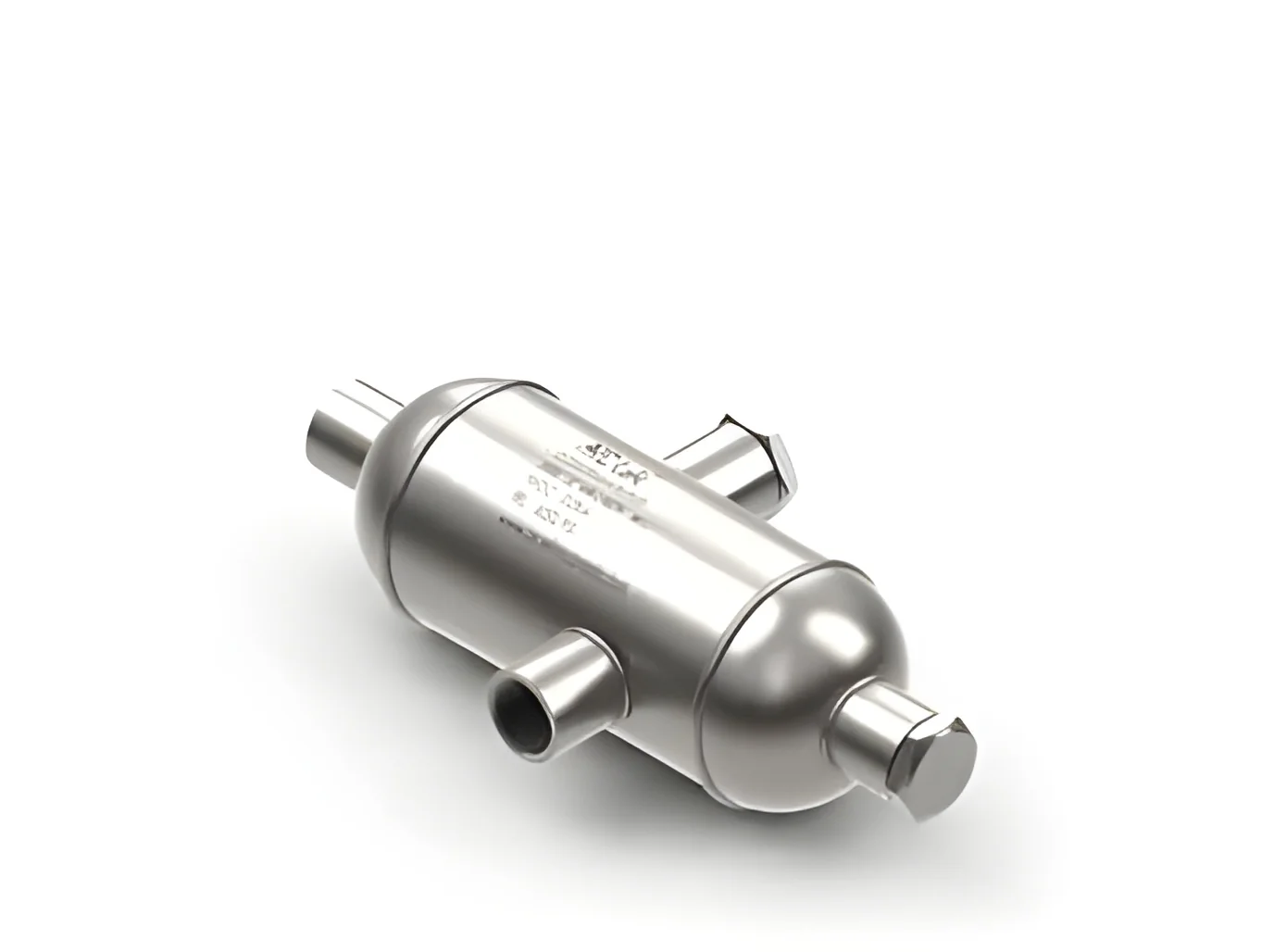
Condensate Recovery Systems are engineered solutions designed to capture and recycle condensate produced during industrial processes, particularly in steam systems. These systems play a critical role in improving energy efficiency by returning condensate back to the boiler for reuse. By doing so, they minimize water and energy waste, ultimately leading to significant cost savings for businesses.
These systems find primary applications in industries such as food and beverage, pharmaceuticals, and manufacturing, where steam is a vital part of the operational process. In these settings, efficient management of steam and condensate is crucial for maintaining production efficiency and quality. The relevance of condensate recovery is growing in light of increasing energy costs and regulatory pressures for sustainability, making these systems essential for modern industrial operations.
Key Features and Specifications
Condensate Recovery Systems boast several key features that enhance their effectiveness and reliability. These features are designed to meet the diverse needs of industrial applications while ensuring optimal performance.
Key specifications include:
1. Capacity
- Determines the volume of condensate that can be processed.
- Typically ranges from small (up to 500 kg/h) to large systems (over 5000 kg/h).
2. Material Construction
- Often made from stainless steel or carbon steel for durability.
- Corrosion resistance is critical for longevity.
3. Operating Pressure
- Indicates the pressure range at which the system operates.
- Usually between 1 to 10 bar, depending on application requirements.
4. Temperature Range
- Designed to handle specific temperature variations.
- Data not available for precise temperature ranges.
5. Efficiency Rating
- Reflects the system's ability to recover condensate effectively.
- Higher efficiency ratings indicate better performance.
6. Maintenance Requirements
- Systems should be designed for ease of maintenance.
- Regular inspections and service intervals are essential for optimal function.
7. Automatic Controls
- Many systems include automated controls for monitoring and adjusting operations.
- Enhances ease of use and operational efficiency.
8. Energy Recovery Features
- Some models integrate additional components to recover energy from condensate.
- This can further improve energy savings.
In summary, understanding these specifications helps businesses select the right condensate recovery system tailored to their operational needs.
Common Applications and Use Cases
Condensate Recovery Systems are utilized across a wide range of industries, each with specific applications that benefit from efficient condensate management.
1. Food and Beverage Industry: In this sector, condensate recovery systems are employed to ensure steam quality and enhance energy efficiency in processes such as pasteurization and sterilization.
2. Pharmaceutical Industry: These systems play a vital role in maintaining sterile environments and optimizing steam usage in processes like heating and cooling.
3. Manufacturing Sector: Condensate recovery is crucial in manufacturing processes requiring significant steam, helping to reduce water consumption and energy costs.
4. Textile Industry: In textile production, these systems help manage steam used in dyeing and finishing processes, improving overall resource management.
5. Chemical Processing: Here, condensate recovery systems aid in ensuring efficient thermal management during chemical reactions, enhancing process efficiency.
6. Power Generation: In power plants, systems are essential for managing steam in turbine operations, significantly contributing to energy efficiency.
7. HVAC Applications: Condensate recovery systems are also used in HVAC systems to recycle condensate generated by cooling and heating processes.
Product Variants and Subcategories
Condensate Recovery Systems come in various configurations to meet different operational needs. Each variant is designed with specific features for targeted applications.
Standard Model
This model is designed for general industrial use and features robust construction for durability. It is suitable for facilities with moderate steam requirements and offers efficient condensate recovery.
High Capacity Model
This variant is engineered for large-scale operations, providing enhanced capacity and efficiency. It is ideal for industries that have significant steam loads, ensuring optimal performance during peak operations.
Compact Model
Designed for smaller facilities or applications with limited space, this model offers a smaller footprint while maintaining efficiency. It is perfect for businesses that require effective condensate management without extensive space requirements.
Benefits and Advantages
Investing in Condensate Recovery Systems offers numerous benefits that can enhance operational efficiency and sustainability.
1. Cost Savings: By recycling condensate, businesses can significantly reduce water and energy costs, leading to substantial financial savings.
2. Improved Efficiency: These systems optimize steam usage, ensuring that minimal energy is wasted during operations, thus enhancing overall productivity.
3. Environmental Impact: By reducing water consumption and energy waste, condensate recovery systems contribute to a more sustainable operational model, aligning with corporate social responsibility goals.
4. Enhanced Equipment Longevity: Effective condensate management helps reduce the risk of corrosion and damage to equipment, extending its lifespan.
5. Regulatory Compliance: Implementing these systems can help businesses meet local and international environmental regulations.
6. Simplified Maintenance: Many modern systems are designed for ease of maintenance, reducing downtime and maintenance costs.
Buying Guide for B2B Buyers
When sourcing Condensate Recovery Systems, businesses should consider several critical factors to ensure they make informed purchasing decisions.
1. Quality Assessment: Evaluate the system's construction materials and design features to ensure durability and reliability. Look for industry certifications as indicators of quality.
2. Supplier Verification: Conduct thorough background checks on potential suppliers to ensure they have a proven track record in providing high-quality condensate recovery solutions.
3. Pricing and MOQ: Understand the pricing structure and minimum order quantities to align with your budget and operational needs.
4. Delivery and Lead Times: Assess suppliers' logistics capabilities to ensure timely delivery and minimal disruption to your operations.
5. Compliance Requirements: Ensure that the systems meet all necessary regulatory and industry standards to avoid potential compliance issues.
Compliance and Certifications
Condensate Recovery Systems must adhere to various quality standards and certifications to ensure safety and efficiency.
Relevant quality standards include ISO 9001, which emphasizes quality management systems, and HACCP, which outlines food safety protocols. These standards help ensure that the systems are manufactured with quality in mind and are suitable for industries requiring strict compliance.
Industry certifications, such as CE marking, indicate that the product meets European safety and health requirements. This certification is essential for businesses looking to operate in or export to European markets.
Safety and testing requirements are fundamental to ensure that systems operate correctly without posing risks to personnel or equipment. Regular testing and adherence to safety protocols are critical.
Additionally, regional compliance considerations may vary by location, making it essential for businesses to understand local regulations governing condensate recovery systems.
Why Source Condensate Recovery Systems from Pepagora?
Pepagora provides a trusted platform for sourcing Condensate Recovery Systems, offering several key advantages to B2B buyers.
Verified Supplier Network: Pepagora ensures that all suppliers in its network are thoroughly vetted, providing buyers with confidence in the quality and reliability of the products they purchase.
Streamlined RFQ Process: The request for quotation process is designed to be efficient, allowing buyers to receive multiple quotes from verified suppliers quickly. This saves time and helps in making informed decisions.
Trade Assurance and Support: Pepagora offers trade assurance to protect buyers throughout their purchasing journey. This support includes assistance with disputes and ensuring that transactions are secure.
Regional Coverage: With a strong presence in India, GCC countries, and Southeast Asia, Pepagora facilitates connections between buyers and suppliers across these regions, enhancing accessibility to quality condensate recovery systems.
By choosing Pepagora, businesses can streamline their procurement process, ensuring they find the right condensate recovery systems to meet their operational needs.

 IN
IN