
 IN
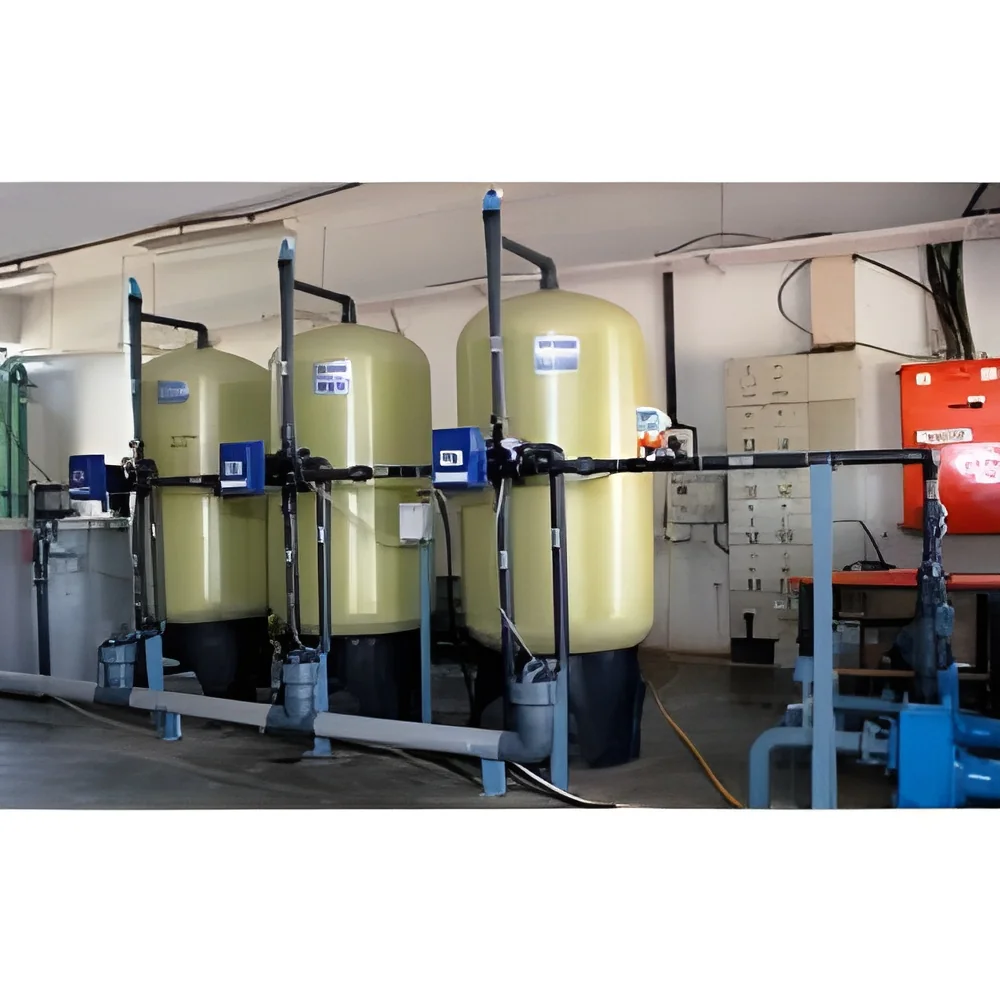
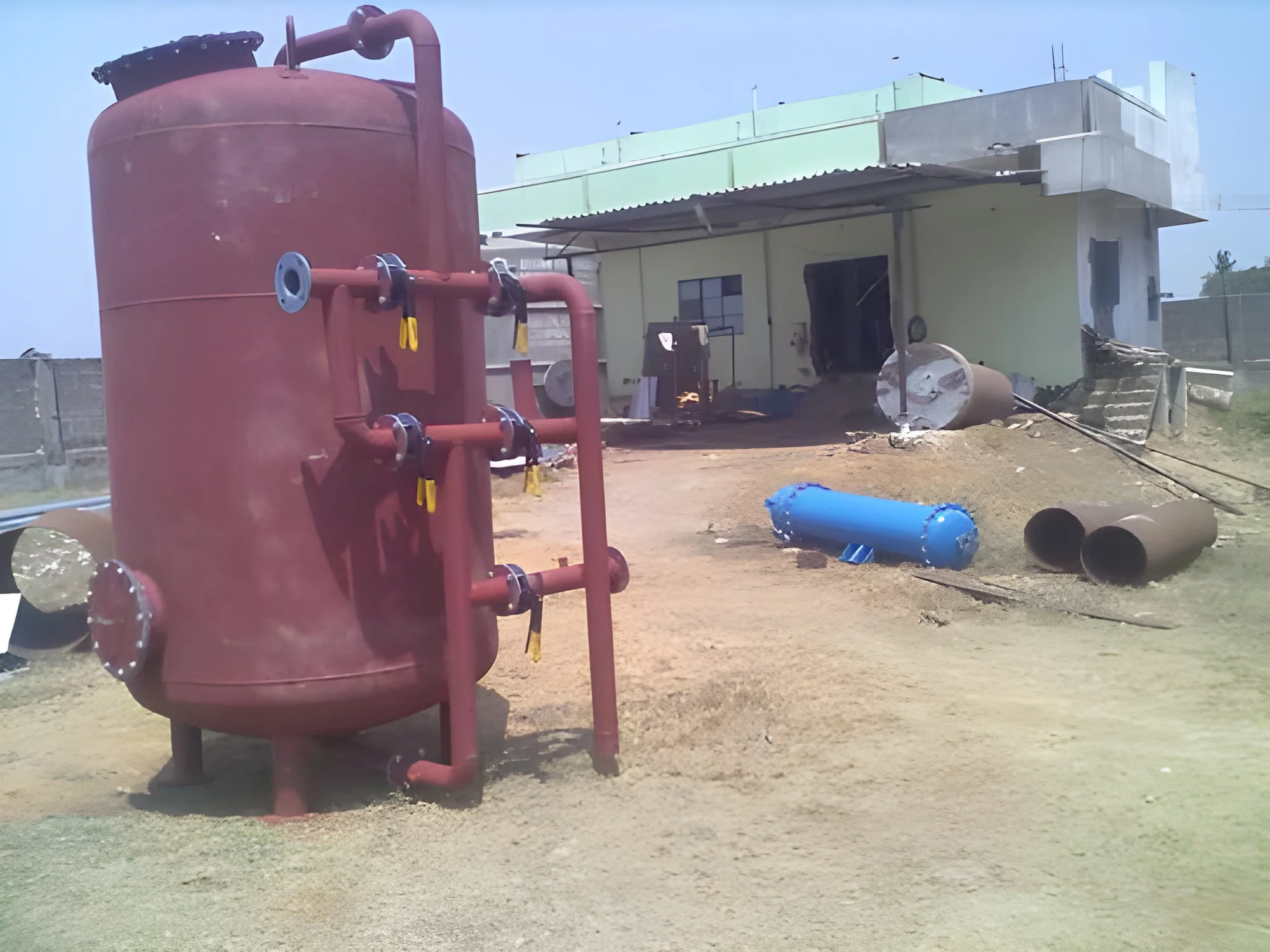
Sand & Multimedia Filters
49 products available
What are Sand & Multimedia Filters?
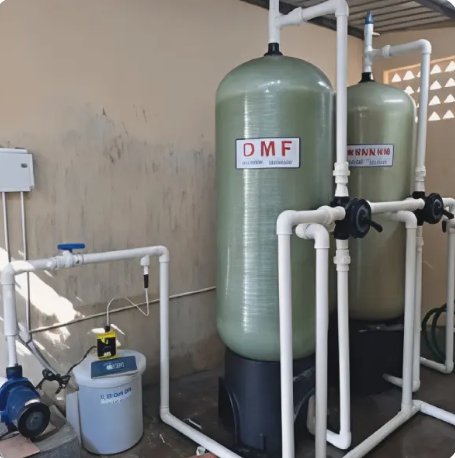
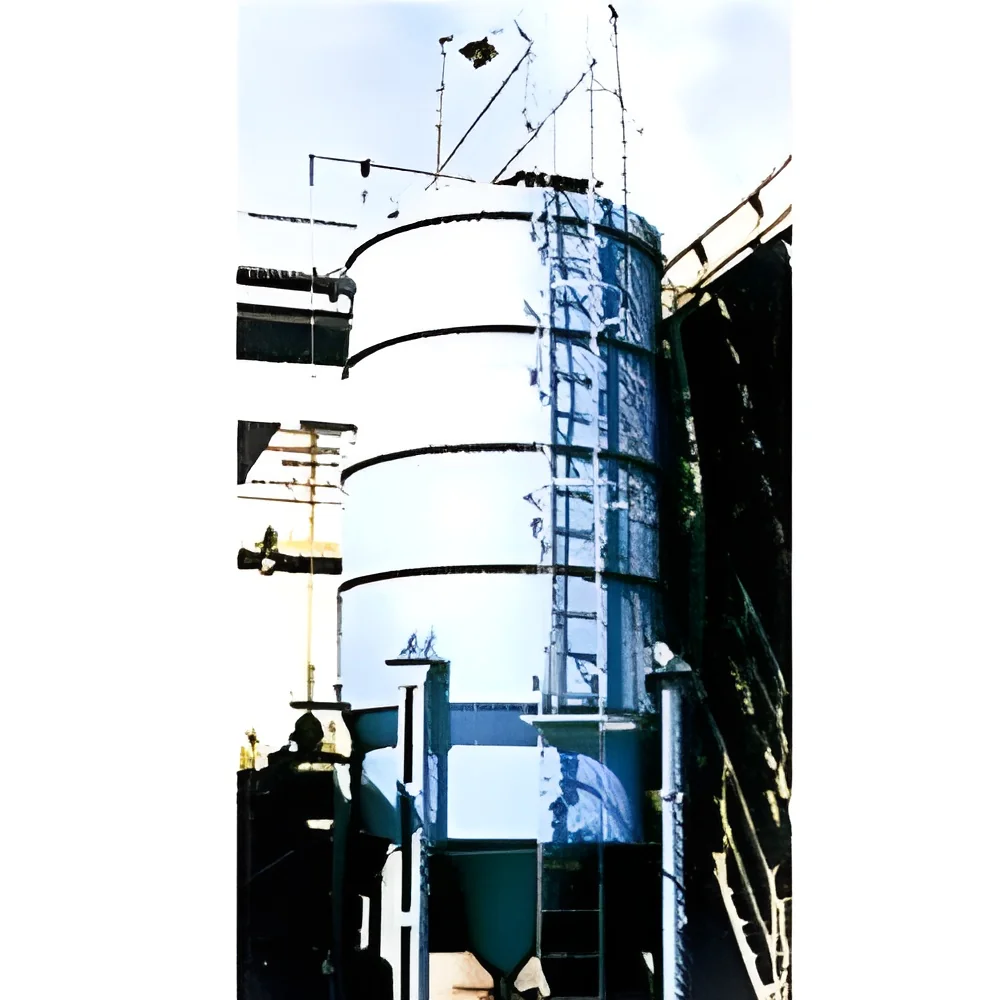
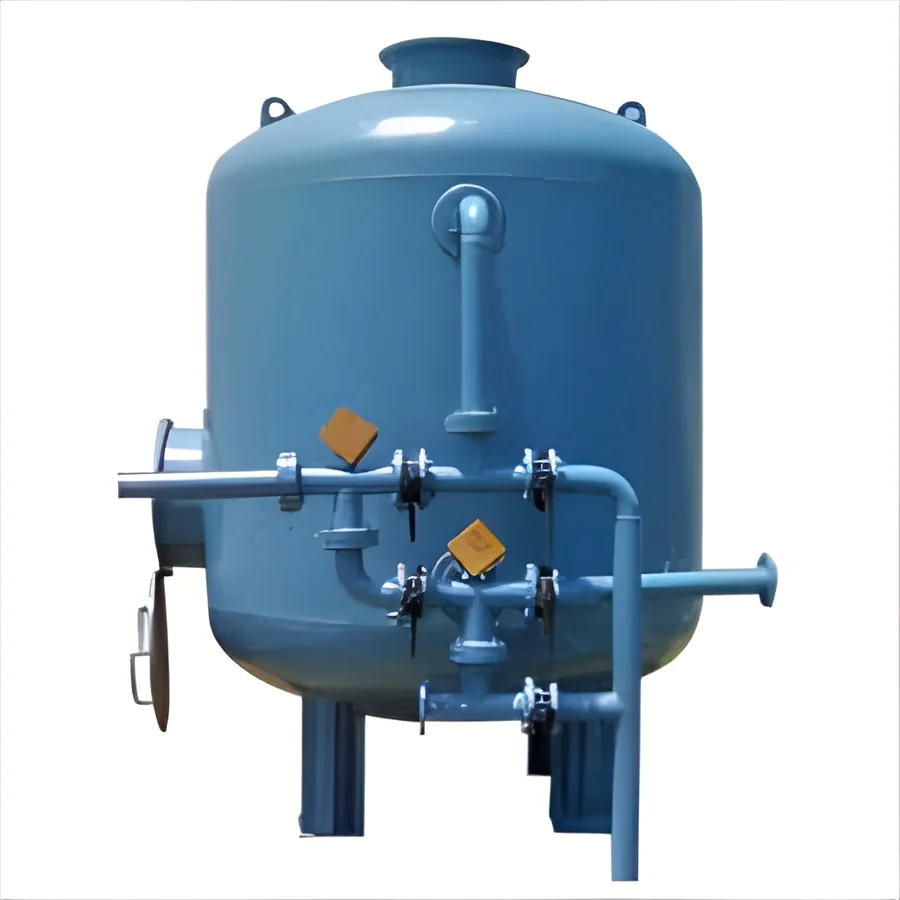
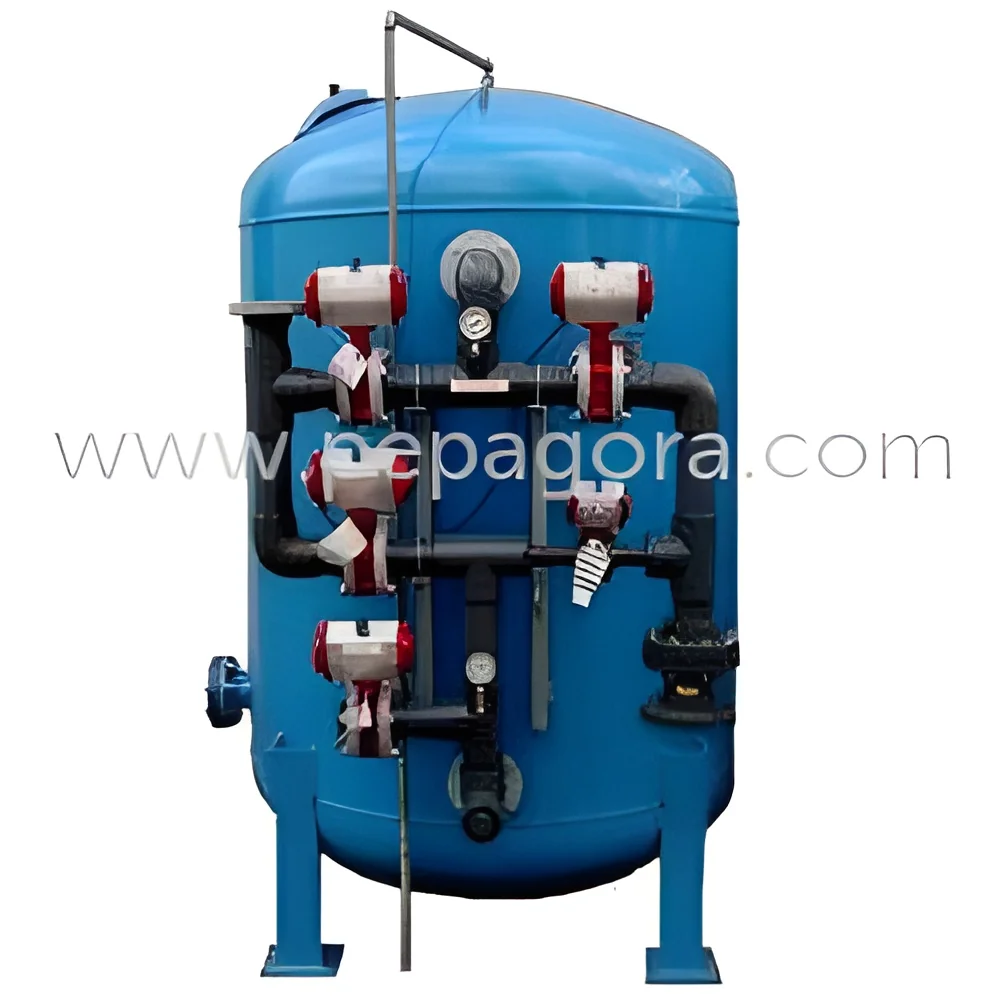
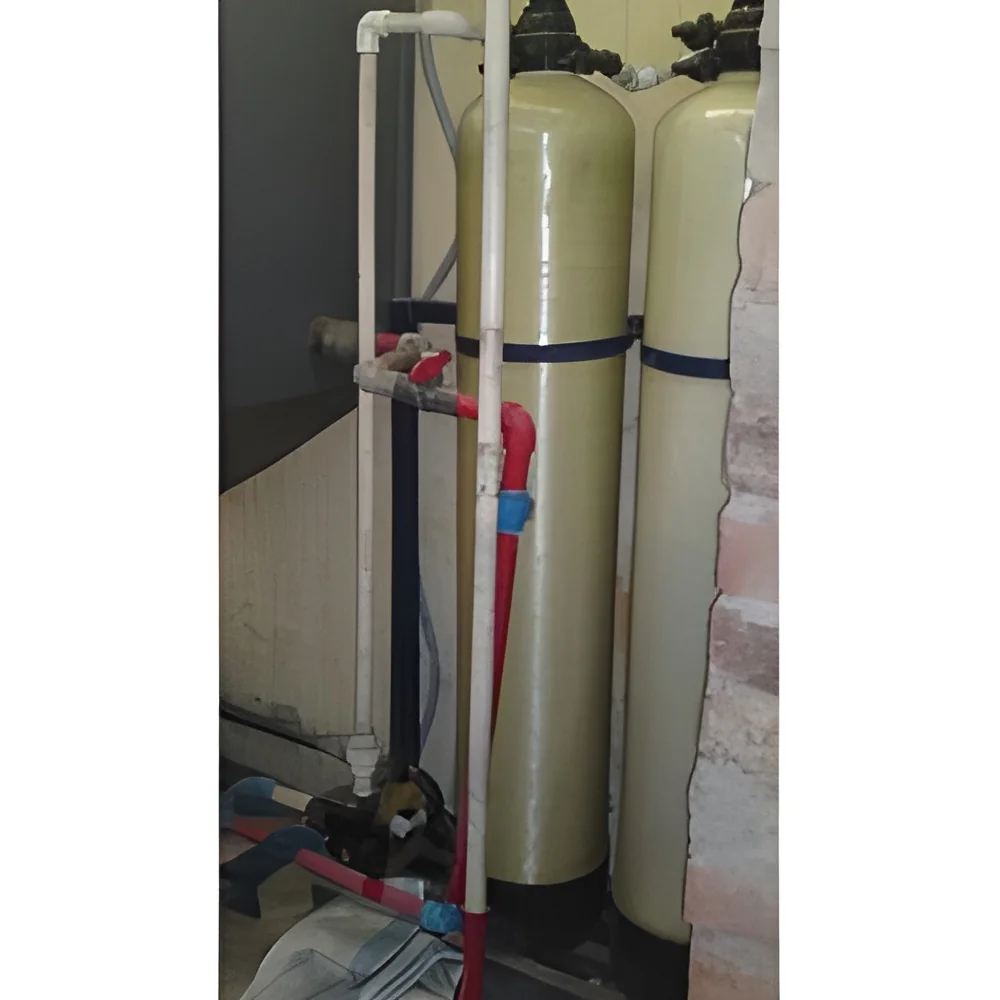
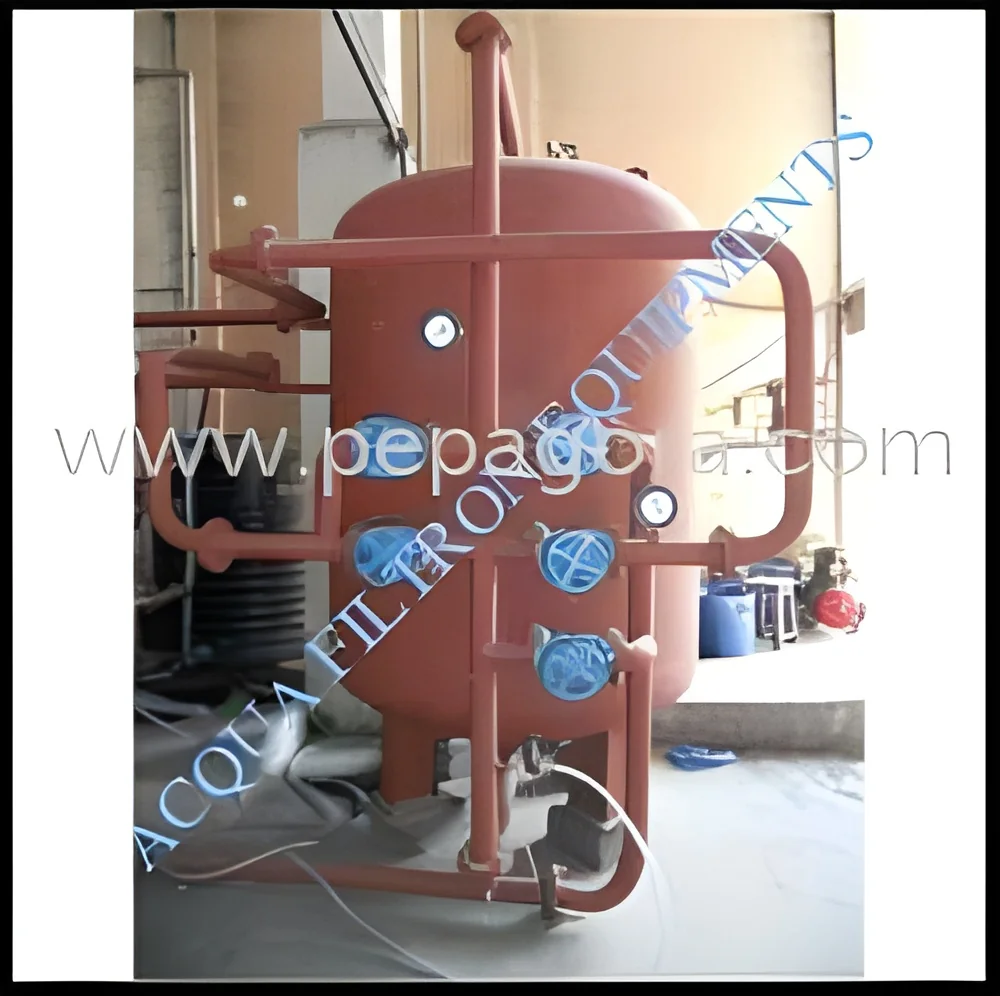
Sand and multimedia filters are essential filtration systems designed to purify water by removing impurities, sediments, and contaminants. These filters utilize layers of different materials, including sand, gravel, and other media, to effectively trap particles and enhance water quality. The filtering process involves physical, chemical, and biological mechanisms that work together to ensure clean and safe water.
These filters are primarily used in various industrial applications, including water treatment facilities, swimming pools, aquaculture, and irrigation systems. They play a crucial role in ensuring that water meets safety standards for consumption and use in various processes. With the growing concerns over water quality and environmental sustainability, sand and multimedia filters are increasingly relevant in industries focused on health, safety, and compliance.
As the demand for clean water continues to rise globally, the market for sand and multimedia filters is expanding. Industries are investing in advanced filtration technologies to meet regulatory standards and enhance operational efficiency. This growing trend emphasizes the importance of selecting reliable filtration systems that cater to specific industry needs.
Key Features and Specifications
Sand and multimedia filters are characterized by several key features that enhance their performance and reliability. Understanding these specifications is essential for selecting the right filter for your application.
Key specifications include:
1. Filtration Media Type
- Different layers including sand, gravel, and activated carbon
- Each media type serves a specific purpose in filtration
2. Flow Rate
- Typical flow rates can vary based on filter size and design
- Common ranges are from 10 to 1000 gallons per minute (GPM)
3. Filter Size
- Available in various sizes to accommodate different capacities
- Dimensions depend on the application requirements
4. Operating Pressure
- Filters can operate under varying pressure conditions
- Typically ranges from 10 to 100 psi
5. Backwashing Capability
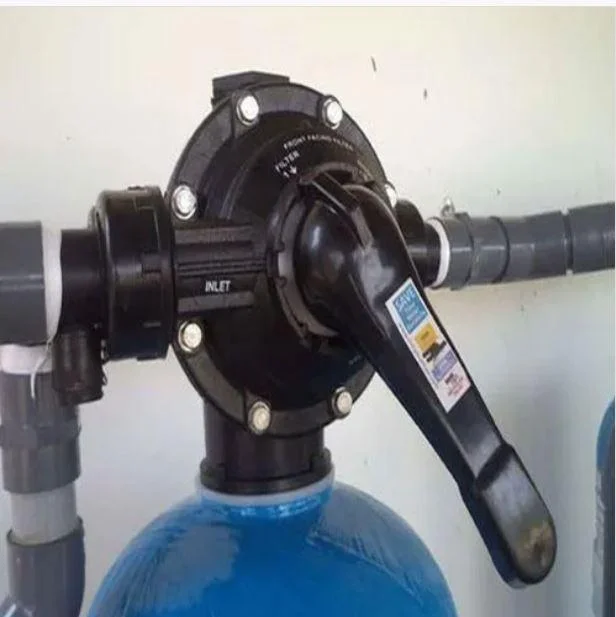
- Many filters include a backwashing feature for maintenance
- Ensures longevity and consistent filtration performance
6. Tank Material
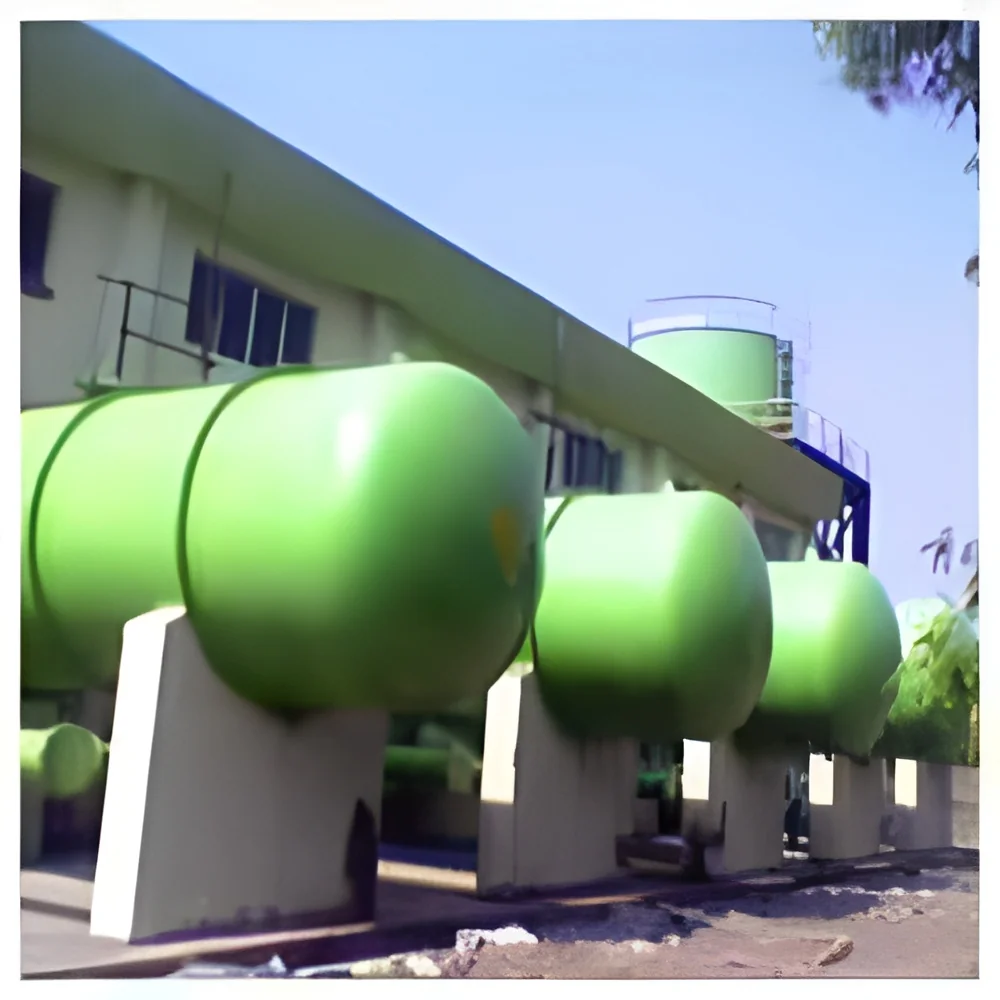
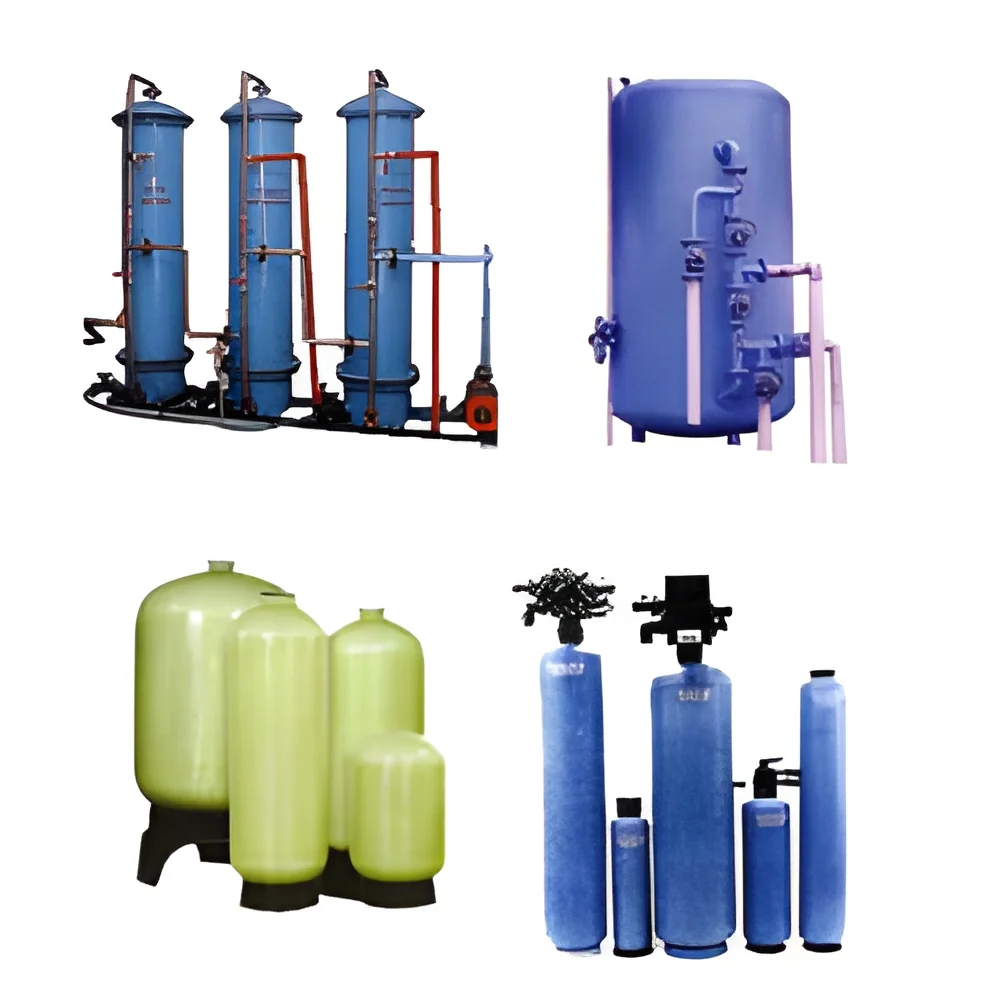
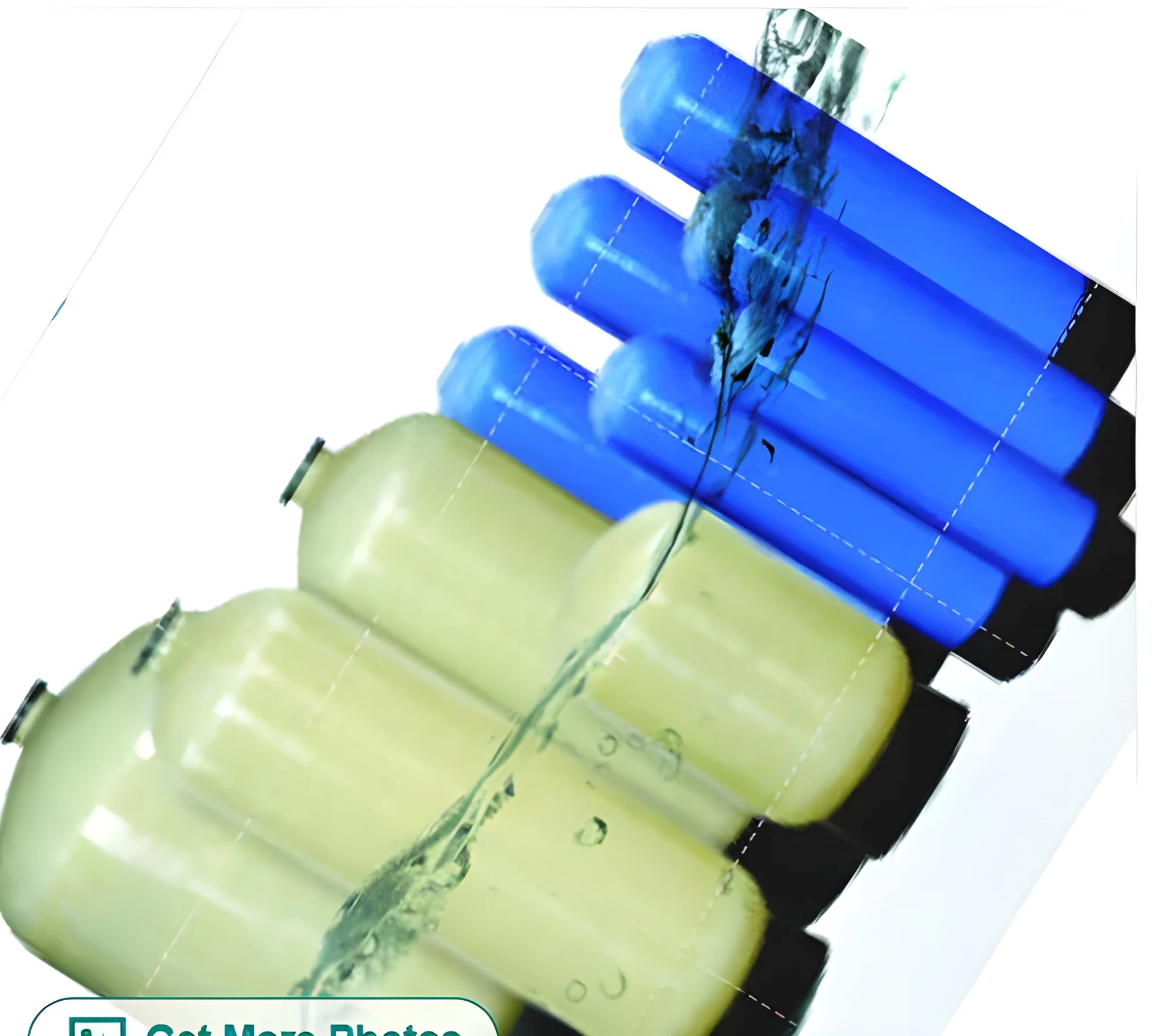
- Common materials include fiberglass, steel, and plastic
- Selection affects durability and application suitability
7. Warranty and Service Life
- Most filters come with warranties ranging from 1 to 10 years
- Service life depends on maintenance and usage conditions
8. Compliance Standards
- Filters may meet industry standards such as CE and UL
- Important for ensuring safety and effectiveness
In summary, understanding these specifications helps buyers select the right sand and multimedia filters that align with their operational needs and regulatory requirements.
Common Applications and Use Cases
Sand and multimedia filters are versatile tools used across various industries to ensure water quality and safety.
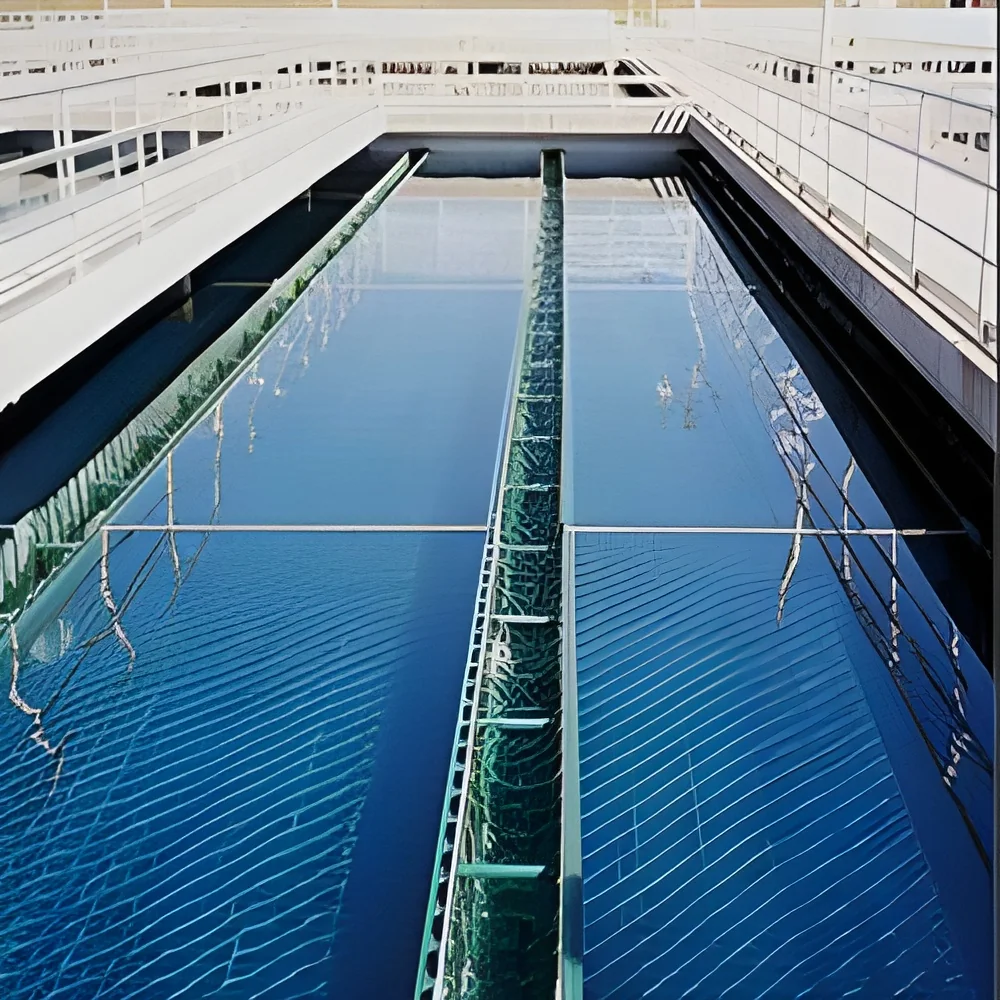
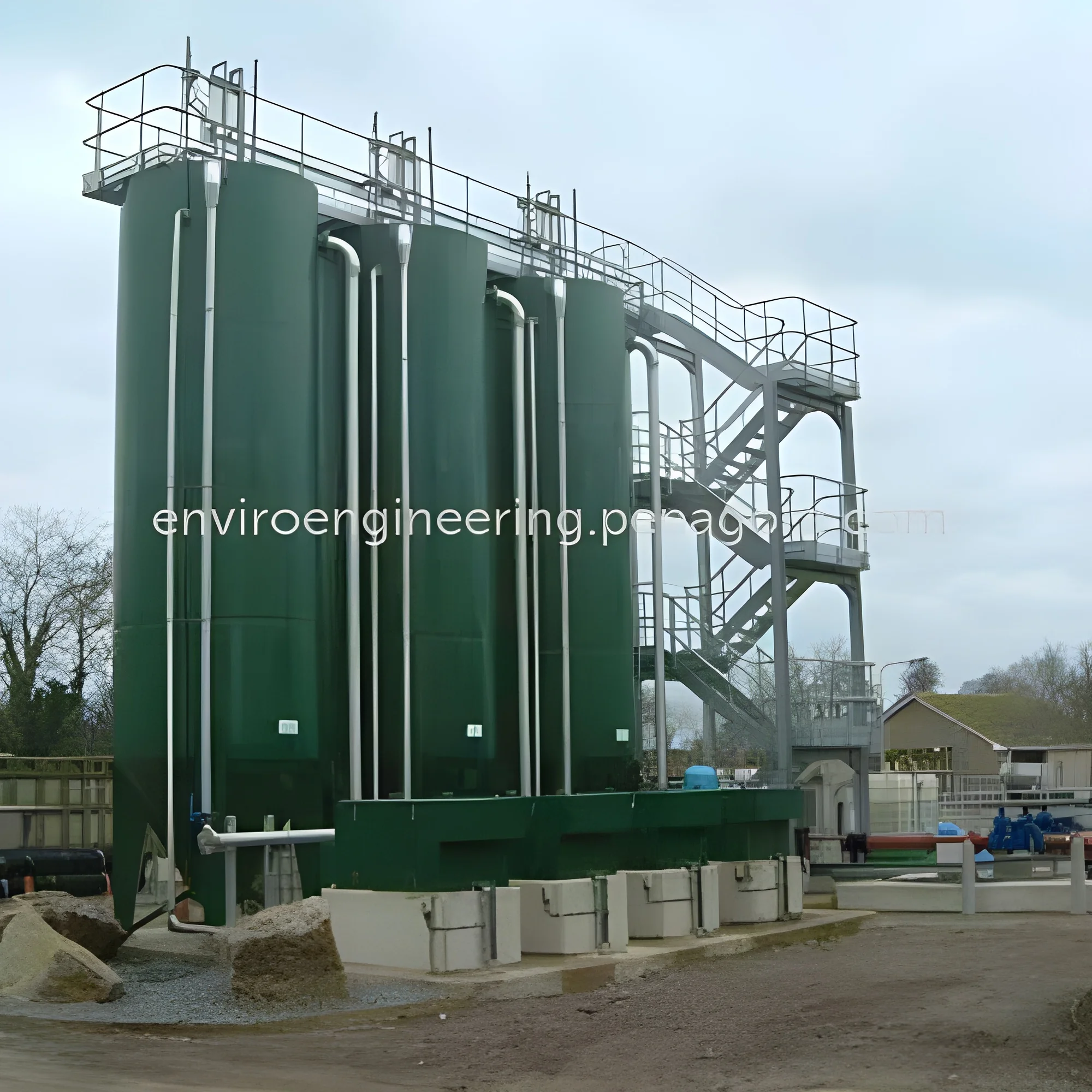
1. Water Treatment Facilities: These filters are commonly used in municipal water treatment plants to remove sediments and improve overall water quality for public consumption.
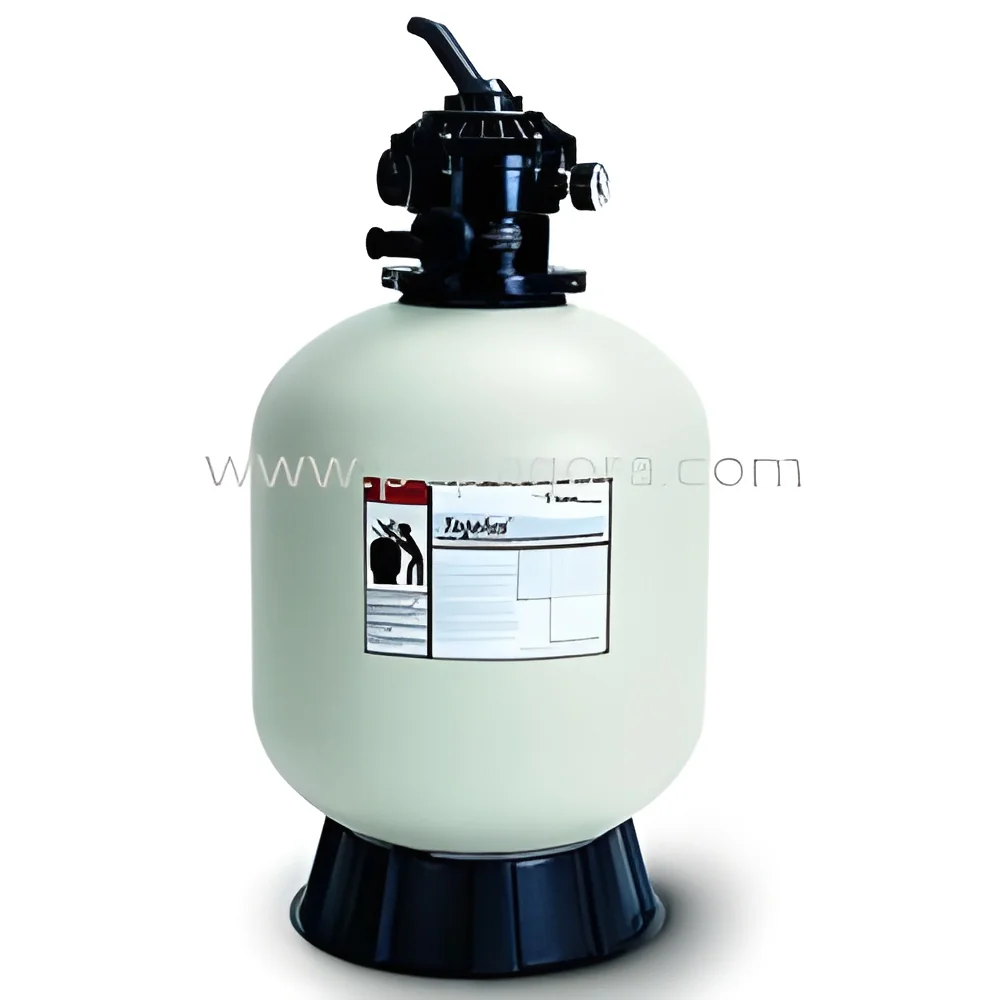
2. Swimming Pools: In recreational facilities, sand filters help maintain clean water by filtering out debris and contaminants, ensuring safe swimming conditions.
3. Aquaculture: Fish farms utilize multimedia filters to maintain water quality, promoting healthy aquatic life and reducing disease risks.
4. Irrigation Systems: These filters are essential in agriculture to prevent clogging in irrigation systems, ensuring efficient water distribution for crops.
5. Industrial Processes: Many manufacturing operations employ sand filters to treat process water, ensuring that it meets the required quality standards for production.
6. Wastewater Treatment: Sand and multimedia filters play a key role in treating wastewater, helping to purify effluents before discharge or reuse.
7. Desalination Plants: Filtration systems are used to pre-treat seawater, removing impurities before the desalination process.
Product Variants and Subcategories
Sand and multimedia filters come in various configurations to meet diverse filtering needs.
Standard Sand Filter: This variant typically utilizes a single layer of sand to filter out large particles and sediments. It is ideal for simpler applications and is easy to maintain.
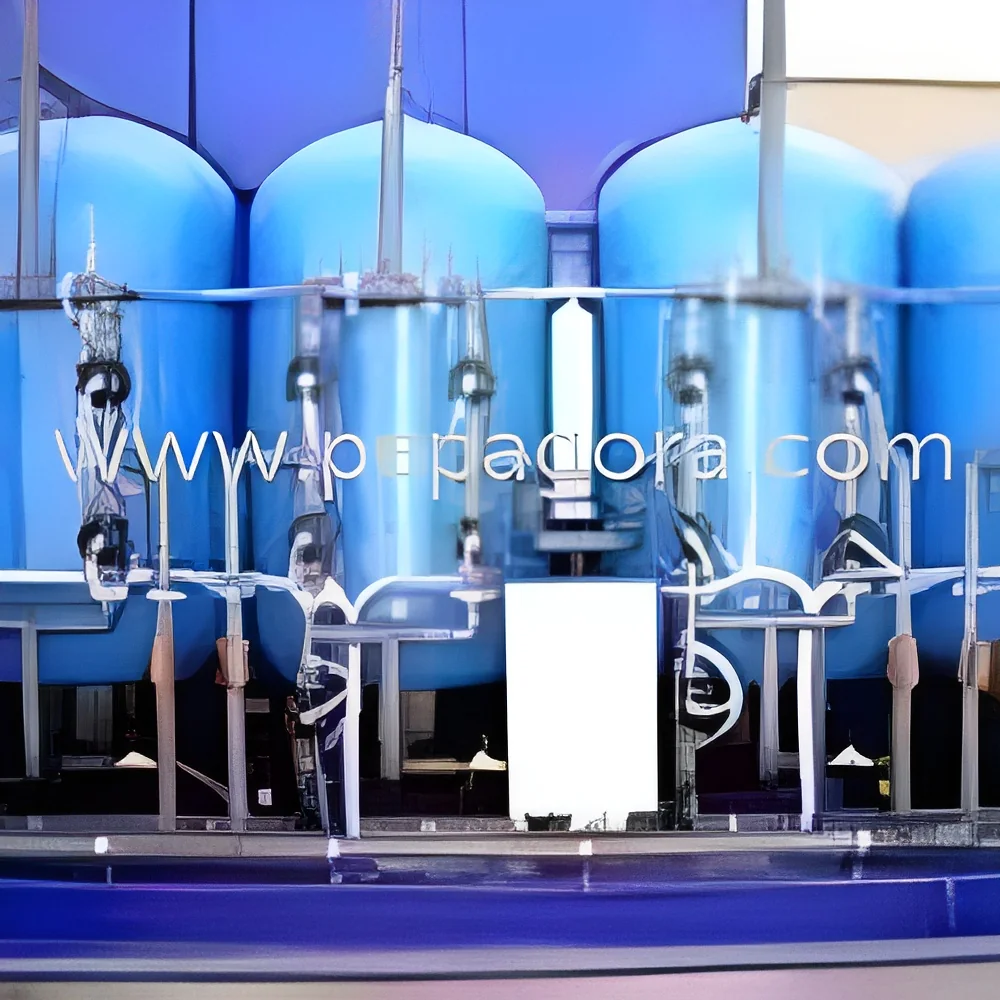
Multi-Media Filter: This advanced variant uses multiple layers of different media, such as sand, gravel, and activated carbon. It offers superior filtration capabilities and is suitable for complex water treatment processes.
Carbon Filter: Specifically designed to remove chlorine and other chemicals, carbon filters can be used alongside sand filters for enhanced water purification.
Benefits and Advantages
Sand and multimedia filters offer numerous benefits for businesses and industries seeking effective water treatment solutions.
1. Improved Water Quality: These filters enhance the clarity and safety of water, making it suitable for various applications.
2. Cost-Effectiveness: Investing in filtration systems can reduce long-term operational costs by minimizing equipment damage and maintenance needs.
3. Versatility: Sand and multimedia filters can be tailored for a wide range of applications, accommodating different industry requirements.
4. Low Maintenance: With proper care, these filters can provide reliable service with minimal upkeep, ensuring consistent performance.
5. Compliance Assurance: Utilizing certified filters helps businesses adhere to regulatory standards, promoting safety and environmental responsibility.
6. Extended Equipment Life: By effectively removing particulates, these filters protect downstream equipment from wear and tear, prolonging their lifespan.
Buying Guide for B2B Buyers
When sourcing sand and multimedia filters, several critical factors should be considered to ensure the right selection.
1. Quality Assessment: Evaluate the quality of materials and construction. Look for filters that comply with industry standards to ensure reliability and performance.
2. Supplier Verification: Vet potential suppliers thoroughly. Check for certifications, customer reviews, and their track record in the industry.
3. Pricing and MOQ: Understand pricing structures and minimum order quantities. Compare quotes from multiple suppliers to find the best value.
4. Delivery and Lead Times: Inquire about delivery schedules and lead times to ensure timely project execution without delays.
5. Compliance Requirements: Ensure that the filters meet relevant regulatory standards for your industry, which may include safety certifications and environmental regulations.
Compliance and Certifications
Compliance and certifications play a vital role in ensuring that sand and multimedia filters meet industry standards for safety and performance. Common quality standards include ISO 9001 and HACCP, which emphasize quality management and food safety.
Industry certifications such as CE and UL indicate that the filters have been tested and meet specific safety and performance criteria. This is particularly important in sectors like food and beverage, where water quality is crucial.
Additionally, filters must undergo safety and performance testing to ensure they function effectively under various conditions. Regional compliance considerations may also apply based on local regulations, making it essential for businesses to be aware of the specific requirements in their area.
Why Source Sand & Multimedia Filters from Pepagora?
Pepagora offers a trusted platform for sourcing sand and multimedia filters, providing several key advantages for businesses.
Verified Supplier Network: Our platform connects buyers with a network of verified suppliers, ensuring that you can find reliable and high-quality filtration solutions tailored to your needs.
Streamlined RFQ Process: The request for quotation process on Pepagora is designed to be efficient and user-friendly, enabling you to receive competitive quotes quickly.
Trade Assurance and Support: We prioritize buyer protection, offering trade assurance and dedicated customer support to assist you throughout the purchasing process.
Regional Coverage: Pepagora has a strong presence in key markets, including India, the GCC, and Southeast Asia, ensuring that you can source filters from trusted suppliers in these regions.



















Frequently Asked Questions
What are Sand & Multimedia Filters?
Sand & Multimedia Filters are water treatment systems that utilize various filtration media, including sand and other materials, to remove impurities from water. They are commonly used in industrial and municipal applications to ensure water quality by filtering out suspended solids, dirt, and sediments.
What are the different types of Sand & Multimedia Filters?
The different types of Sand & Multimedia Filters include single media filters, dual media filters, and multimedia filters. Each type varies in the materials used and the specific filtration process, with multimedia filters typically offering enhanced filtration efficiency by combining multiple media types.
How do I choose the right Sand & Multimedia Filters?
To choose the right Sand & Multimedia Filters, consider factors such as the type of impurities present in the water, the desired flow rate, and the specific application requirements. Consulting with manufacturers or suppliers can help in selecting the most suitable filter for your needs.
What are the standard specifications for Sand & Multimedia Filters?
Standard specifications for Sand & Multimedia Filters typically include the filter media type, size, flow capacity, and pressure ratings. Additional specifications may involve the design, dimensions, and connection types to ensure compatibility with existing systems.
What is the price range for Sand & Multimedia Filters?
The price range for Sand & Multimedia Filters can vary significantly based on the type, size, and manufacturer. Generally, prices may range from a few thousand to several lakhs of Indian Rupees, depending on the complexity and features of the filter.
What quality standards apply to Sand & Multimedia Filters?
Sand & Multimedia Filters must adhere to various quality standards, including ISO certifications and industry-specific guidelines. Compliance with these standards ensures that the filters meet safety and performance benchmarks required for effective water treatment.
Where can I find Sand & Multimedia Filters suppliers in India?
You can find Sand & Multimedia Filters suppliers in India through B2B marketplaces like Pepagora, trade directories, and industry exhibitions. These platforms provide a wide range of options, enabling buyers to compare suppliers and products effectively.
Can Sand & Multimedia Filters be customized?
Yes, Sand & Multimedia Filters can often be customized to meet specific requirements. Many manufacturers offer customization options regarding size, media type, and design features to cater to unique filtration needs.
What is the typical minimum order quantity for Sand & Multimedia Filters?
The typical minimum order quantity (MOQ) for Sand & Multimedia Filters varies by supplier and can range from a single unit to several dozen units. It is advisable to check with individual suppliers for their specific MOQ policies.
What is the typical lead time for Sand & Multimedia Filters?
The typical lead time for Sand & Multimedia Filters can range from a few weeks to a couple of months, depending on the manufacturer's production capacity and order specifications. It is recommended to confirm the lead time with the supplier at the time of ordering.
Why Businesses Trust Pepagora
Thousands of companies trust Pepagora to source smarter and sell faster
Expand Your Sales Globally

Source Smarter,Grow Faster
