What are Greywater Recycling Systems?
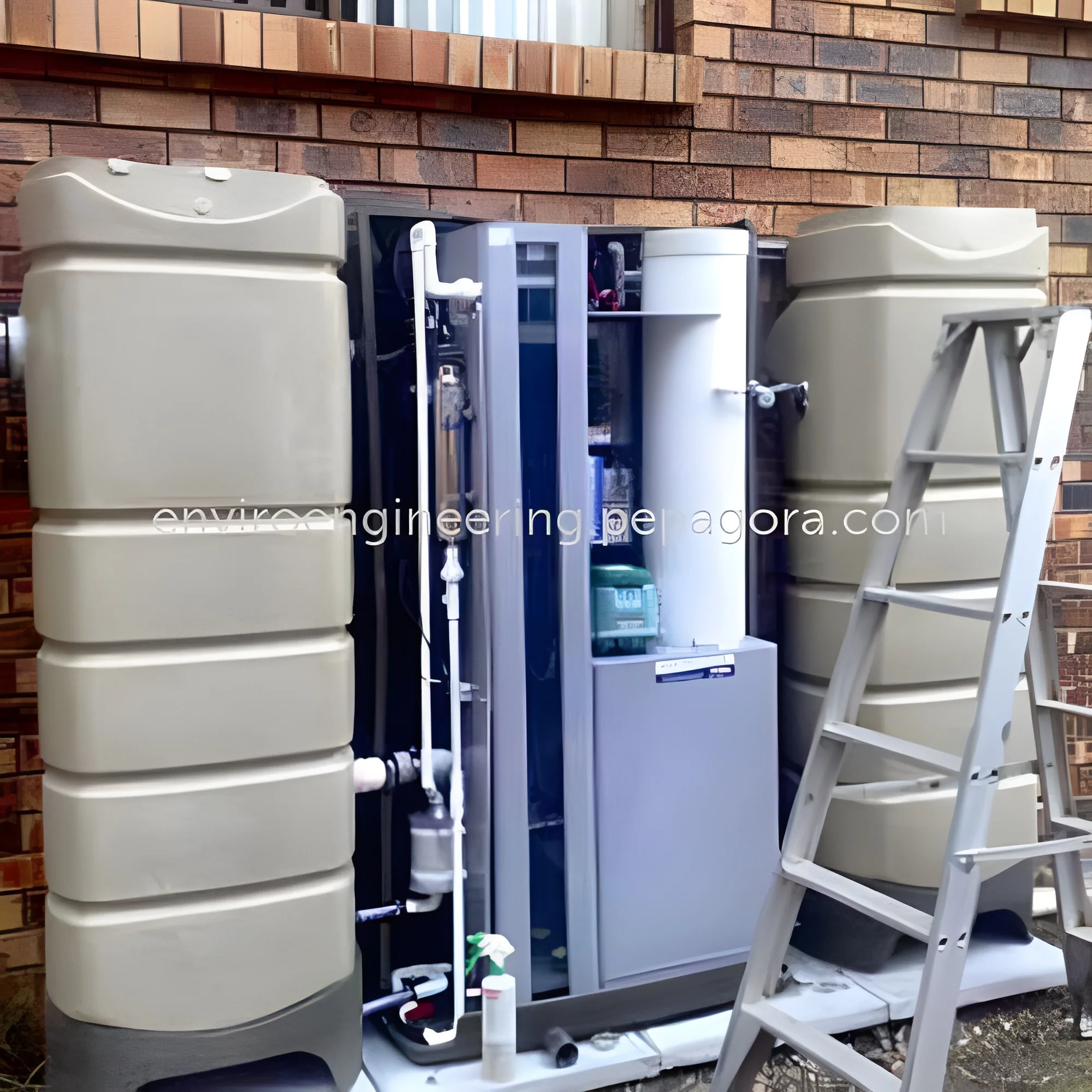
Greywater recycling systems are innovative solutions designed to collect, treat, and reuse greywater, which is wastewater generated from domestic activities such as bathing, laundry, and dishwashing. Unlike blackwater, which contains harmful pathogens and waste, greywater can be treated to a quality suitable for non-potable applications. These systems are engineered to filter and purify greywater, making it safe for reuse in irrigation, toilet flushing, and other applications that do not require potable water.
The primary uses of greywater recycling systems span various sectors, including residential, commercial, and industrial applications. In residential settings, homeowners can significantly reduce their water bills and conserve water resources by reusing treated greywater for landscaping and toilet flushing. In commercial settings, businesses can enhance sustainability initiatives by implementing greywater systems to lower water consumption and comply with environmental regulations. The growing awareness of water scarcity issues has increased the relevance of greywater recycling systems in many industries, positioning them as essential components in modern water management strategies.
Key Features and Specifications
Greywater recycling systems offer a range of features designed to enhance efficiency, reliability, and safety. These systems can vary significantly in design and capacity, tailored to meet specific water reuse needs.
Key specifications include:
1. Treatment Capacity
- The amount of greywater the system can process per day.
- Typically ranges from 200 to 5,000 liters per day depending on the size of the installation.
2. Filtration System
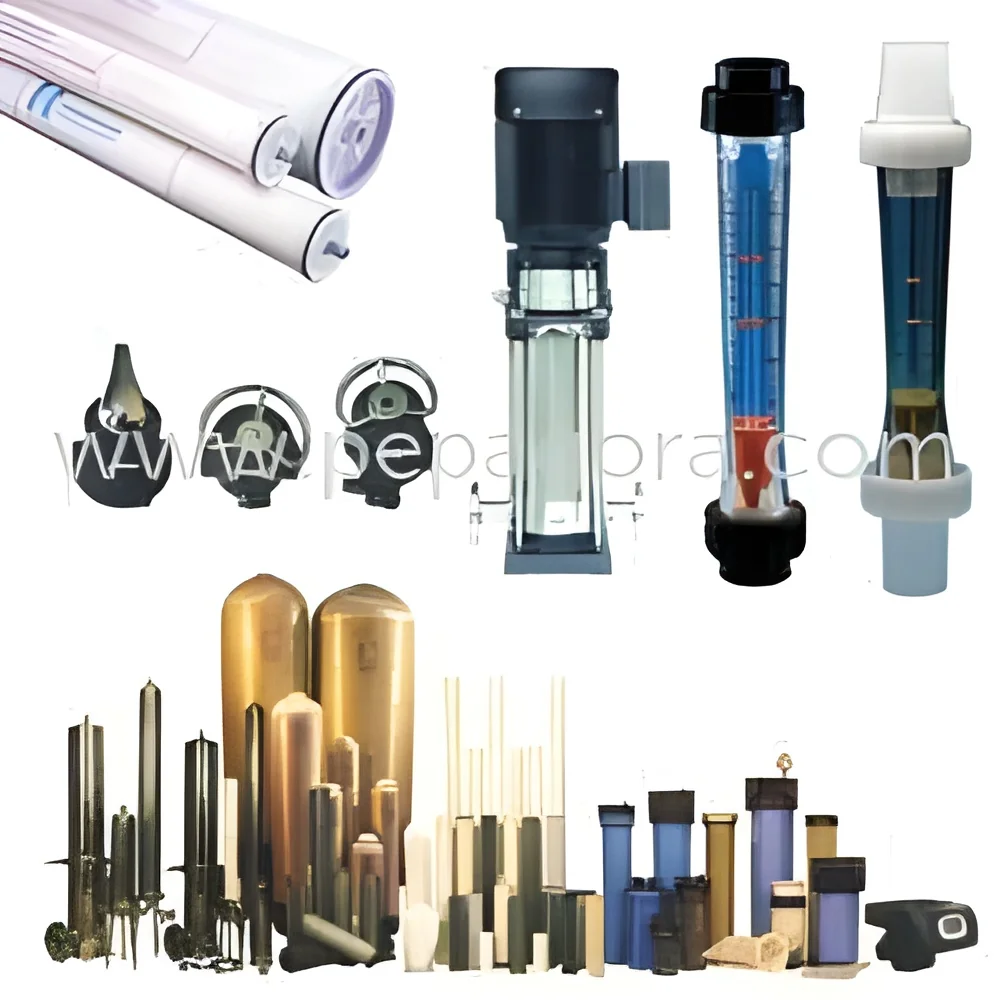
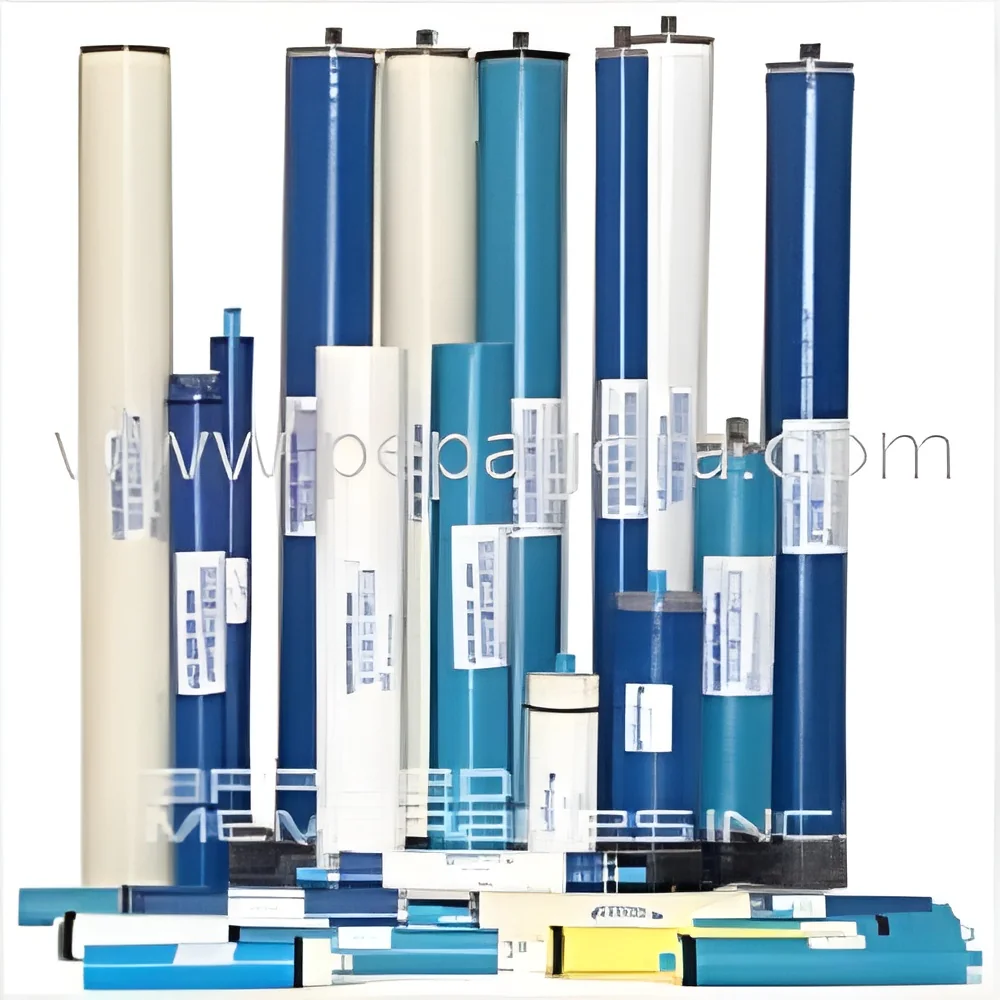
- Types of filtration used, such as sand filtration, membrane filtration, or UV treatment.
- Advanced systems may incorporate multiple filtration methods for enhanced purification.
3. Storage Capacity
- The volume of treated greywater that can be stored before reuse.
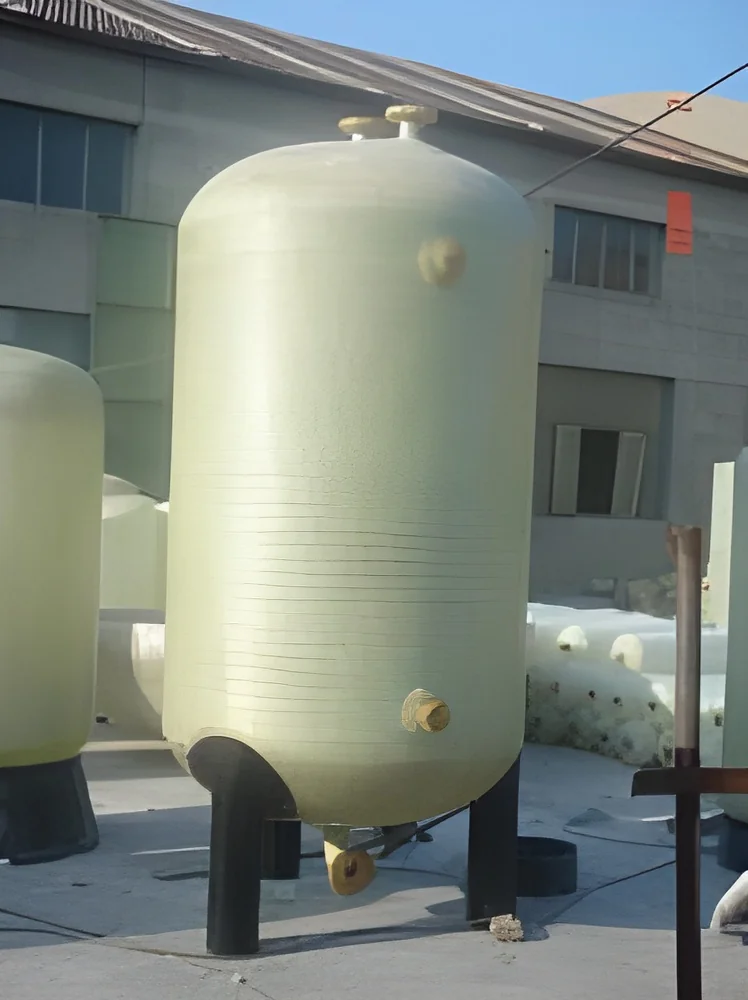
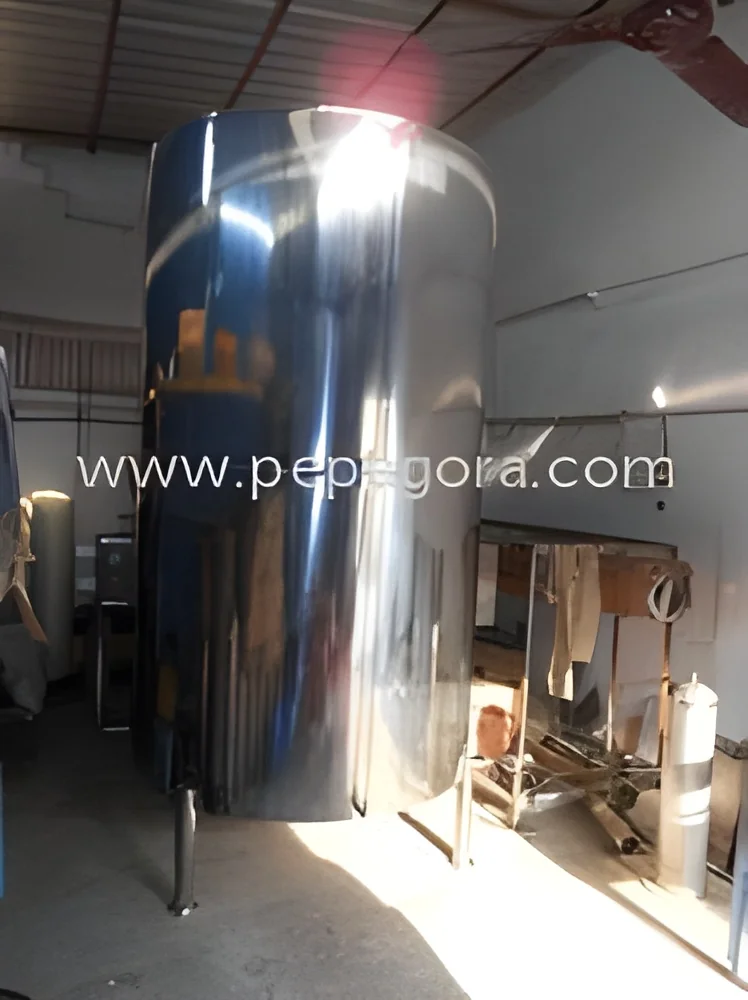
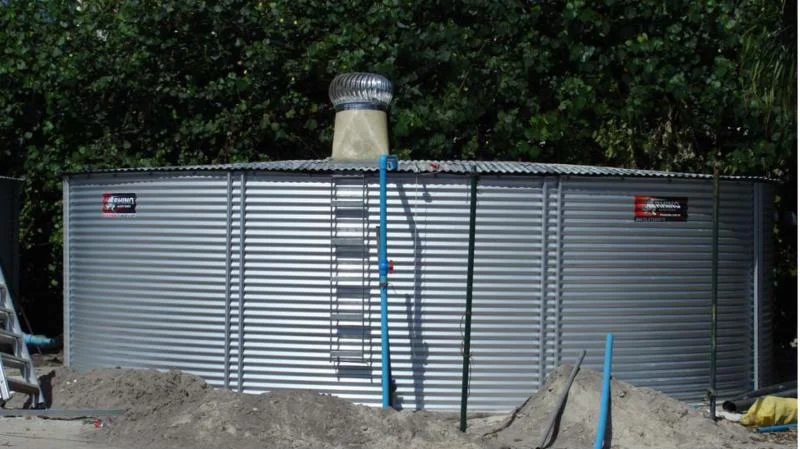
- Storage tanks can range from 500 to 10,000 liters.
4. Energy Consumption
- The amount of energy required to operate the system.
- Efficient systems aim for low energy consumption, often measured in kilowatt-hours (kWh).
5. Control Systems
- Automation features for monitoring and managing the recycling process.
- Smart systems may include app-based controls for remote management.
6. Maintenance Requirements
- Frequency and type of maintenance needed to keep the system operational.
- Key maintenance tasks often include filter replacement and tank cleaning.
7. Compliance Standards
- Regulations the system adheres to for safety and performance.
- Must comply with local and regional water reuse standards.
8. Durability and Materials
- Construction materials used in the system that impact longevity and resilience.
- High-quality systems are often made from corrosion-resistant materials.
These features ensure that greywater recycling systems operate effectively, providing reliable water reuse solutions tailored to specific commercial and residential needs.
Common Applications and Use Cases
Greywater recycling systems are versatile and serve various industries.
1. Residential: Homeowners use greywater systems for irrigation and toilet flushing, reducing reliance on potable water and decreasing water bills.
2. Hospitality: Hotels and resorts implement these systems to recycle water for landscaping and laundry, enhancing sustainability and reducing costs.
3. Agriculture: Farms utilize treated greywater for irrigation, maximizing water efficiency and contributing to sustainable farming practices.
4. Commercial Buildings: Office complexes and retail spaces install greywater systems to lower water usage and meet green building certifications.
5. Industrial: Factories and manufacturing units recycle greywater for non-potable uses such as cooling systems and cleaning processes.
Product Variants and Subcategories
Greywater recycling systems come in various designs to accommodate different needs and applications.
Compact Systems
These systems are ideal for residential use, designed for small homes or apartments. They typically have lower treatment capacities, making them suitable for limited greywater generation.
Large Scale Systems
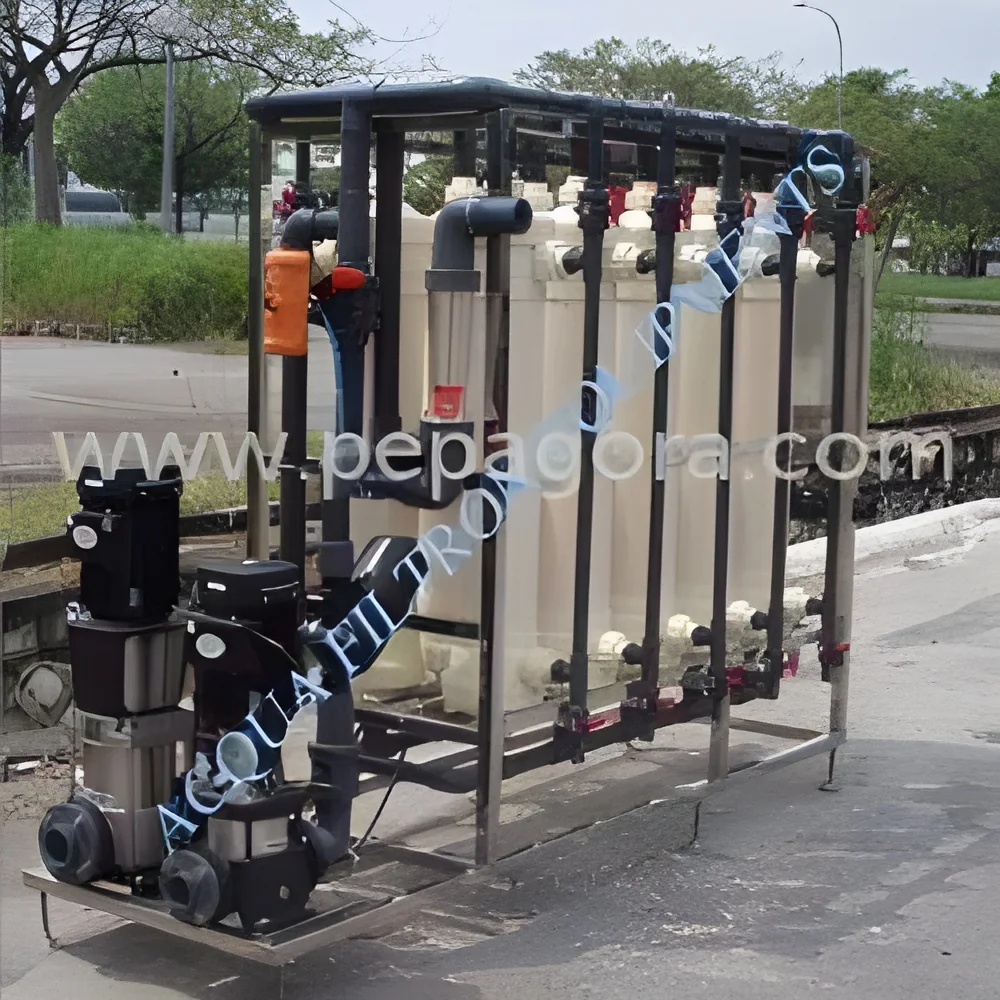
Designed for commercial and industrial applications, these systems can handle significant volumes of greywater. They incorporate advanced treatment technologies and storage solutions for high-demand scenarios.
Mobile Systems
These portable systems are suitable for temporary installations or locations with varying greywater generation. They can be easily transported and set up as needed.
Benefits and Advantages
Implementing greywater recycling systems offers numerous benefits to businesses and homeowners alike.
1. Water Conservation: These systems significantly reduce the demand for freshwater by reusing greywater for non-potable applications.
2. Cost Savings: Users can lower their water bills and reduce wastewater disposal costs by recycling greywater.
3. Environmental Impact: By promoting sustainable water use, greywater systems help minimize the strain on local water resources and reduce wastewater generation.
4. Compliance with Regulations: Many regions encourage or require water reuse practices, and greywater systems help businesses comply with these environmental regulations.
5. Increased Property Value: Properties equipped with water-efficient systems may see an increase in value due to the growing demand for sustainable living solutions.
6. Enhanced Resilience: Utilizing greywater can provide a buffer against water shortages, especially in areas with fluctuating water availability.
Buying Guide for B2B Buyers
When sourcing greywater recycling systems, businesses should consider several critical factors.
1. Quality Assessment: Evaluate the quality of the systems through certifications and standards compliance, ensuring they meet industry benchmarks for performance and safety.
2. Supplier Verification: Research and vet suppliers to confirm their reputation and reliability in delivering high-quality greywater recycling systems.
3. Pricing and MOQ: Compare pricing structures and minimum order quantities to find the best fit for budgetary constraints while ensuring quality.
4. Delivery and Lead Times: Understand the logistics involved in delivery, including estimated lead times to ensure timely project completion.
5. Compliance Requirements: Be aware of local and regional regulations that govern water reuse systems to ensure compliance and avoid potential legal issues.
Compliance and Certifications
Greywater recycling systems must adhere to several quality standards and certifications to ensure safety and efficiency.
Relevant quality standards include ISO 9001, which focuses on quality management systems, ensuring that products consistently meet customer and regulatory requirements. Additionally, HACCP (Hazard Analysis and Critical Control Points) is critical in managing food safety risks, especially in systems used in the hospitality or food service industries.
Industry certifications, such as CE marking, signify that the product meets European safety and environmental protection standards.
Safety and testing requirements are essential to verify that systems effectively treat greywater without introducing harmful contaminants. Regular testing ensures system performance aligns with established safety benchmarks.
Regional compliance considerations vary based on local regulations governing water reuse. Businesses must ensure that their greywater recycling systems meet these regulations to operate legally and effectively.
Why Source Greywater Recycling Systems from Pepagora?
Pepagora provides a trusted platform for sourcing greywater recycling systems with several key advantages.
Verified Supplier Network: Pepagora offers access to a network of verified suppliers, ensuring buyers can find reliable partners with a proven track record in delivering quality systems.
Streamlined RFQ Process: The platform simplifies the request for quotation process, allowing buyers to easily compare offers and select the best options for their needs.
Trade Assurance and Support: Pepagora provides trade assurance and buyer protection, giving customers confidence in their purchases and ensuring they receive the quality products promised.
Regional Coverage: With a focus on markets in India, the GCC, and Southeast Asia, Pepagora connects buyers with suppliers across diverse regions, catering to various industry needs while promoting sustainable water management solutions.

 IN
IN