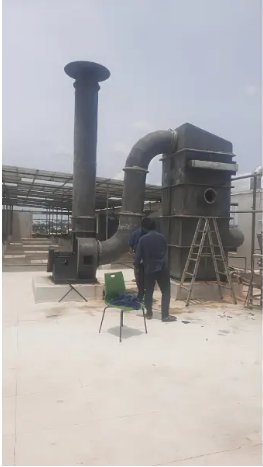
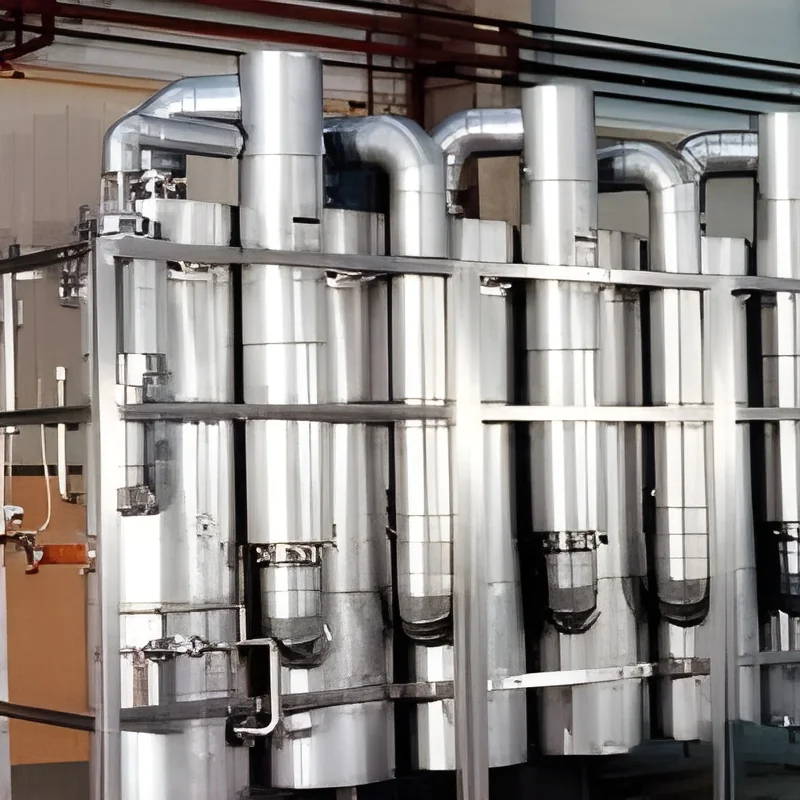
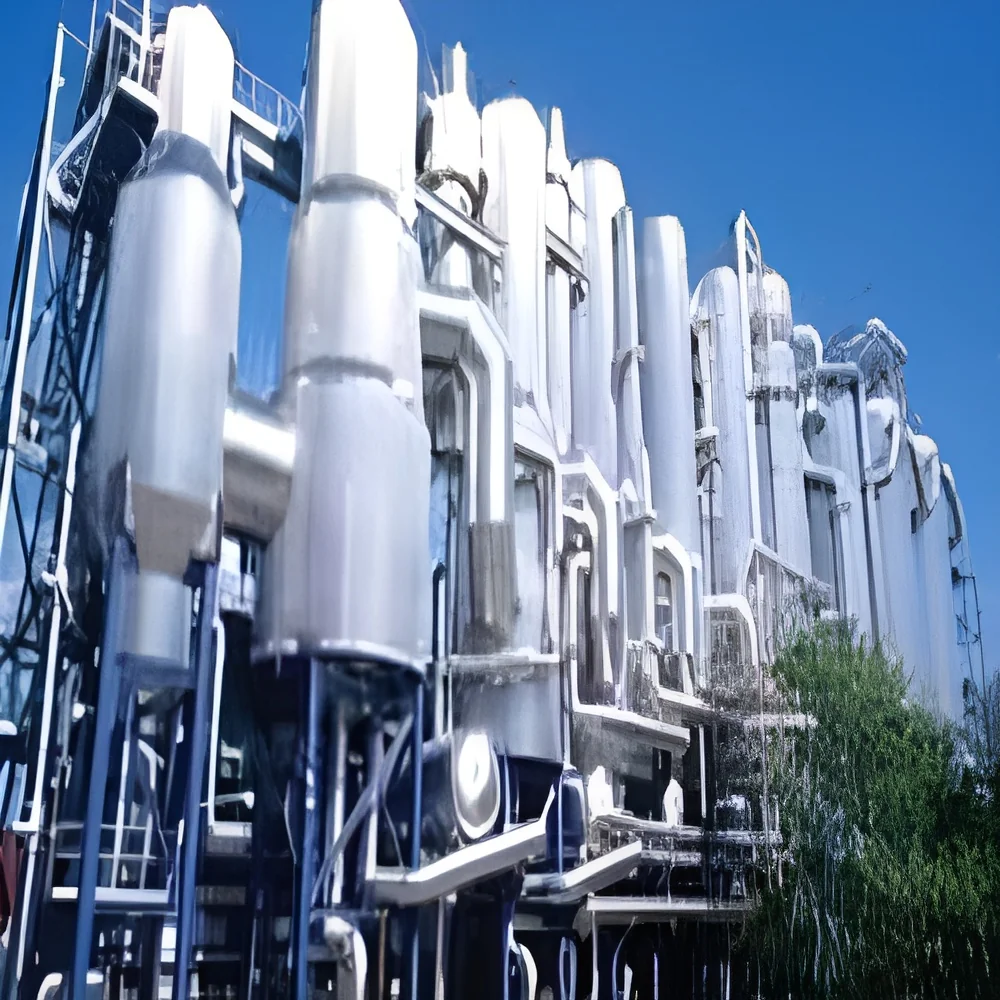
What are Evaporators for ZLD?
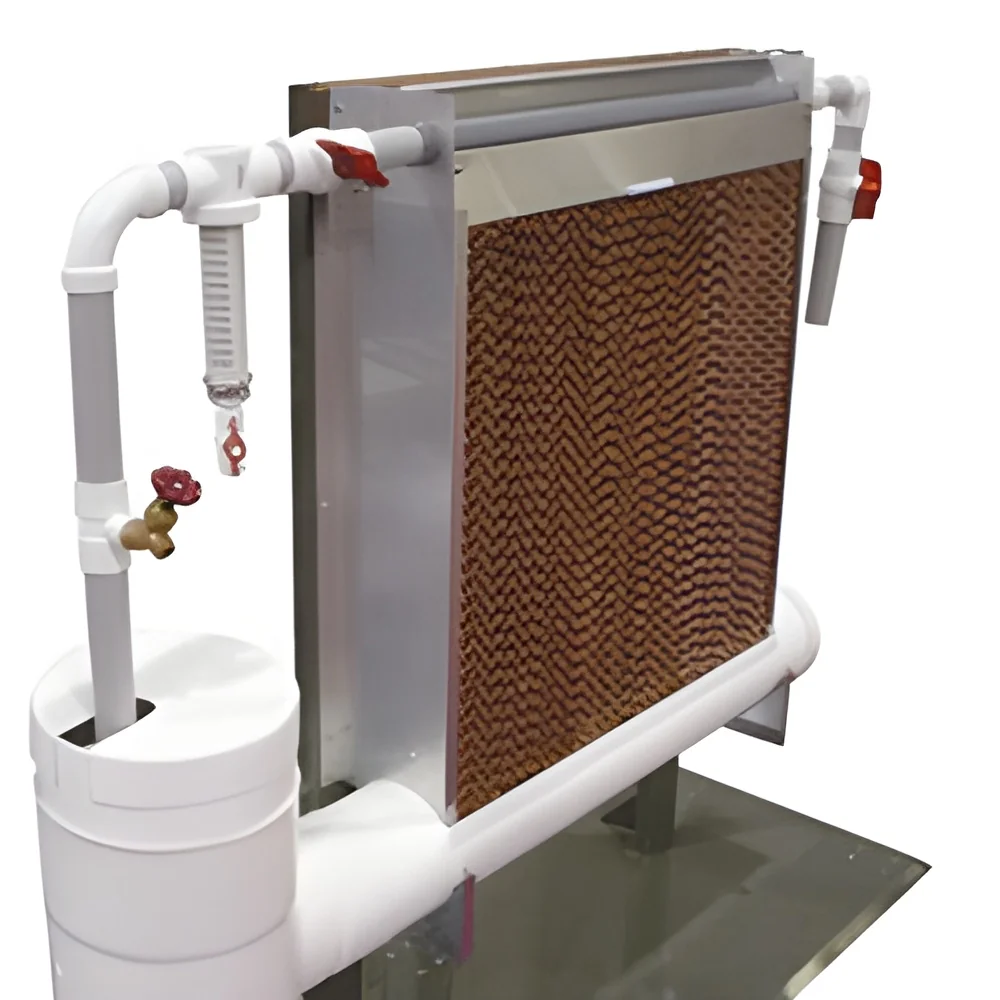
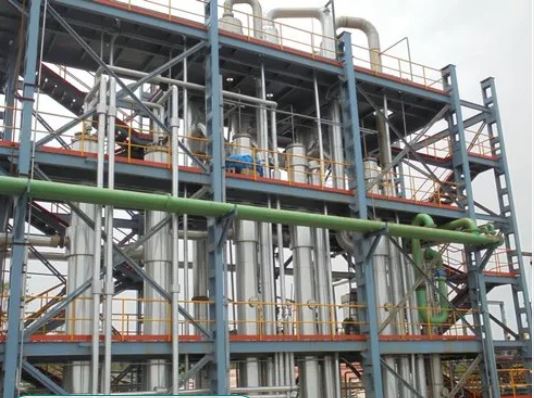
Evaporators for Zero Liquid Discharge (ZLD) are specialized systems designed to remove water from liquid waste streams while recovering valuable resources. These evaporators facilitate the concentration of dissolved solids, enabling the safe disposal or reuse of wastewater. By employing advanced thermal processes, they effectively transform liquid waste into solid waste and vapor, minimizing the environmental impact of industrial operations.
These evaporators are primarily used in industries where water conservation and waste management are critical. Applications include chemical manufacturing, pharmaceuticals, food processing, and petrochemicals. Companies in these sectors leverage evaporators to comply with stringent environmental regulations while optimizing their operations. As sustainability becomes increasingly important, the demand for ZLD technologies continues to grow, making evaporators an essential component in modern industrial processes.
The market for evaporators is evolving rapidly, driven by regulatory pressures and the need for efficient waste management solutions. As industries seek to minimize water usage and reduce their carbon footprint, evaporators for ZLD play a vital role in supporting sustainable practices. This technology not only helps in meeting compliance requirements but also enhances resource recovery, positioning businesses as environmentally responsible entities.
Key Features and Specifications
Evaporators for ZLD come equipped with various features that enhance their efficiency and effectiveness. These systems are designed to operate under diverse conditions, making them suitable for a wide range of industrial applications. Key specifications include:
1. Operating Temperature Range
- Typically operates at high temperatures to facilitate evaporation
- Specific temperature ranges are often tailored to process requirements
2. Energy Efficiency
- Designed to minimize energy consumption during operation
- Utilizes advanced heat recovery systems to optimize performance
3. Capacity
- Available in various sizes to accommodate different waste volumes
- Can handle small to large-scale industrial applications
4. Material of Construction
- Typically constructed from corrosion-resistant materials
- Ensures durability and longevity in harsh chemical environments
5. Control Systems
- Equipped with automated control systems for ease of operation
- Allows for real-time monitoring and adjustments
6. Maintenance Requirements
- Designed for easy maintenance and servicing
- Reduces downtime and operational disruptions
7. Safety Features
- Incorporates safety mechanisms to prevent overpressure and leaks
- Ensures safe operation in compliance with industry standards
In summary, evaporators for ZLD are engineered with advanced features that enhance their functionality while addressing the specific needs of various industries.
Common Applications and Use Cases
Evaporators for ZLD are utilized across multiple industries, each with unique requirements and applications. These systems are critical in ensuring compliance with environmental regulations while maximizing resource recovery.
1. Chemical Industry: In the chemical sector, evaporators are used to treat wastewater generated during production processes. They help in recovering valuable chemicals and minimize liquid waste.
2. Pharmaceutical Industry: Pharmaceutical companies utilize evaporators to concentrate and purify waste streams. This process aids in ensuring that the wastewater meets regulatory standards before disposal.
3. Food and Beverage Industry: In food processing, evaporators are employed to concentrate fruit juices and other liquids. They also help manage wastewater generated from cleaning and processing.
4. Petrochemical Industry: Petrochemical facilities use evaporators to reduce brine and other liquid waste. This process supports ZLD initiatives and enhances overall sustainability.
5. Textile Industry: Textiles generate significant wastewater, and evaporators aid in recovering water and reducing the volume of effluent sent for treatment.
6. Mining Industry: In mining operations, evaporators are used to manage saline wastewater, reducing environmental impact and allowing for resource recovery.
7. Power Generation: Power plants utilize evaporators to manage cooling water and other liquid waste, supporting ZLD objectives and improving water reuse.
Product Variants and Subcategories
Evaporators for ZLD are available in various configurations, allowing businesses to choose the most suitable option for their specific needs.
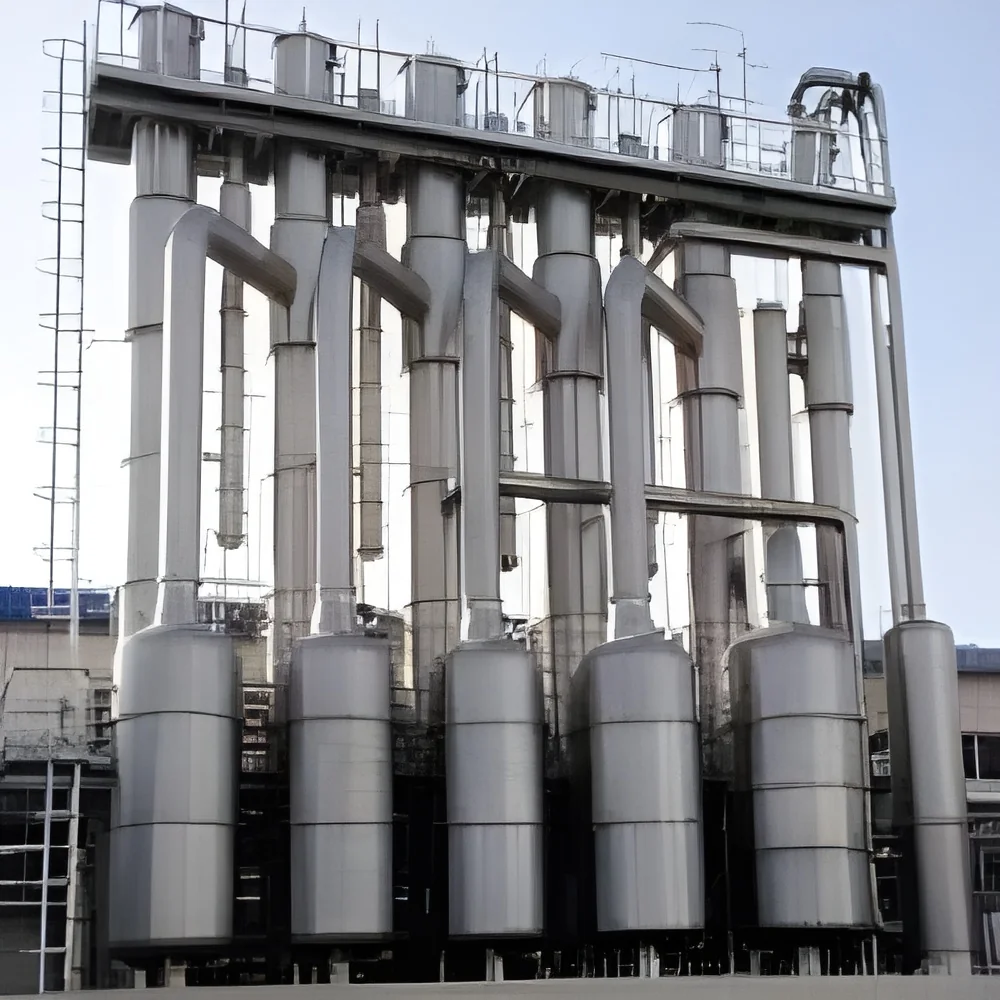
Vertical Evaporators: These systems are designed for space efficiency and are ideal for small footprint applications. They offer high evaporation rates and are suitable for high-concentration waste streams.
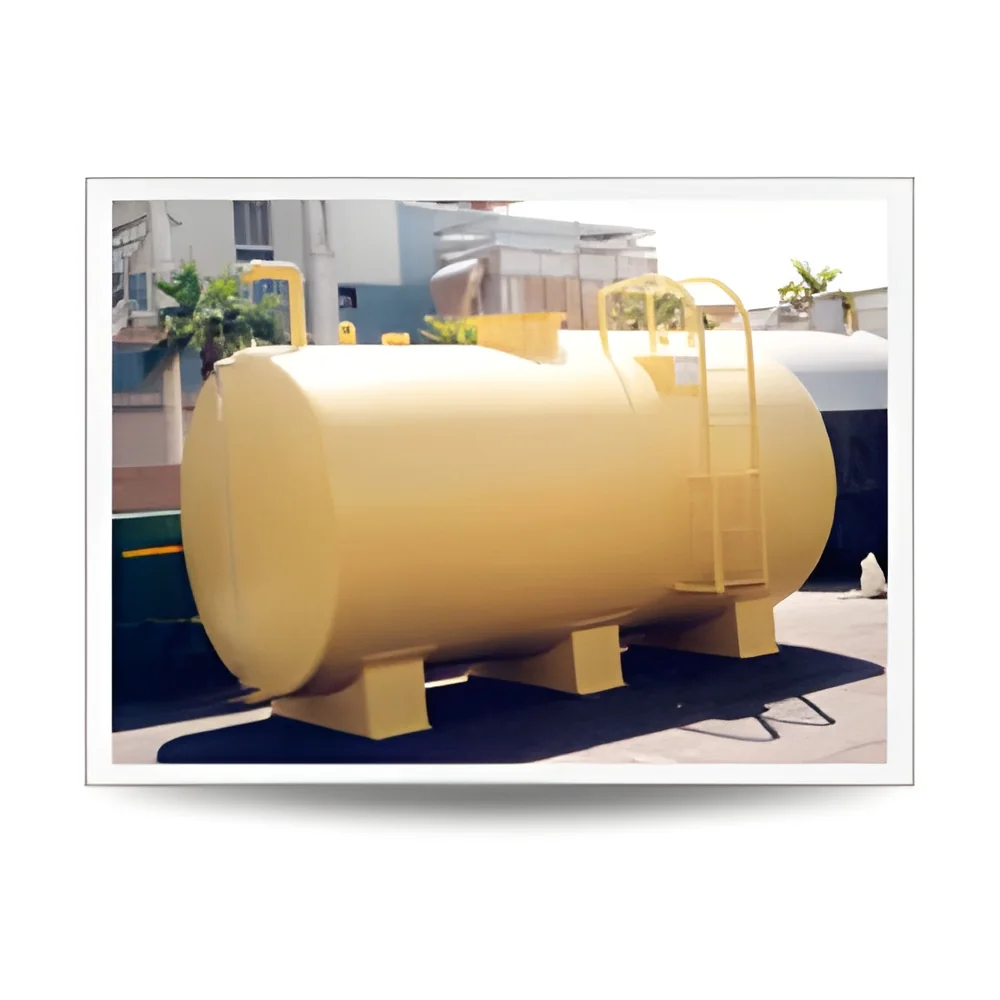
Horizontal Evaporators: These units are known for their high capacity and are suitable for larger industrial applications. They provide efficient thermal performance and can handle significant volumes of liquid waste.
MVR Evaporators (Mechanical Vapor Recompression): These systems utilize mechanical energy to compress and recycle vapor, significantly reducing energy consumption. They are suitable for industries that prioritize energy efficiency.
Benefits and Advantages
Evaporators for ZLD offer several benefits that enhance operational efficiency and environmental compliance.
1. Environmental Compliance: These systems help industries meet stringent wastewater disposal regulations, reducing the risk of fines and penalties.
2. Resource Recovery: By concentrating dissolved solids and recovering water, evaporators enable businesses to reuse resources, promoting sustainability.
3. Cost Savings: Efficient operation leads to reduced waste disposal costs and potential revenue from recovered materials.
4. Space Efficiency: Many evaporators are designed to occupy minimal space, making them suitable for facilities with limited room for equipment.
5. Low Operating Costs: Advanced technologies improve energy efficiency, lowering overall operational costs.
6. Enhanced Safety: Built-in safety features ensure safe operation, protecting both workers and the environment.
Buying Guide for B2B Buyers
When sourcing evaporators for ZLD, it is essential for buyers to consider several factors to ensure they select the right product for their needs.
1. Quality Assessment: Evaluate the quality of materials and construction. Ensuring compliance with industry standards is crucial for reliability and durability.
2. Supplier Verification: Vet suppliers to confirm their credentials and experience in providing evaporators. Look for established companies with a proven track record.
3. Pricing and MOQ: Consider the cost of the evaporators and any minimum order quantities. Balance your budget with the features and specifications required for your application.
4. Delivery and Lead Times: Assess the supplier's ability to meet your delivery timelines. Timely delivery is critical for maintaining production schedules.
5. Compliance Requirements: Ensure that the evaporators meet necessary regulatory and safety standards specific to your industry. This is vital for legal compliance and operational efficiency.
Compliance and Certifications
Evaporators for ZLD must adhere to several quality and safety standards to ensure they operate effectively and safely in industrial environments.
ISO 9001 is a widely recognized standard that outlines quality management principles. Compliance with ISO 9001 ensures that manufacturers maintain consistent quality in their products and processes.
The CE mark indicates that a product complies with European safety, health, and environmental protection standards. This certification is crucial for evaporators sold in European markets, ensuring they meet strict regulatory requirements.
Safety and testing requirements are another critical aspect of evaporator compliance. Manufacturers must conduct rigorous testing to verify that their products can handle the specific demands of various industrial applications.
Regional compliance considerations are also important. Different regions may have unique regulatory requirements regarding emissions, waste management, and safety standards. Buyers should ensure that their chosen evaporators comply with local regulations.
Why Source Evaporators for ZLD from Pepagora?
Pepagora provides a trusted platform for sourcing evaporators for ZLD with several key advantages.
Verified Supplier Network: Pepagora connects buyers with a network of verified suppliers who have been thoroughly vetted for quality and reliability. This ensures that businesses can source products with confidence.
Streamlined RFQ Process: The request for quotation system simplifies the procurement process. Buyers can easily compare offers from multiple suppliers, making it easier to find the best solutions for their needs.
Trade Assurance and Support: Pepagora offers buyer protection through trade assurance programs. This provides an extra layer of security for transactions, ensuring that buyers receive quality products as promised.
Regional Coverage: With coverage across India, the GCC, and Southeast Asia, Pepagora facilitates access to a diverse range of suppliers. This geographic reach allows businesses to find suitable evaporators that meet their specific requirements.

 IN
IN