What are Chlorine Dosing Systems?
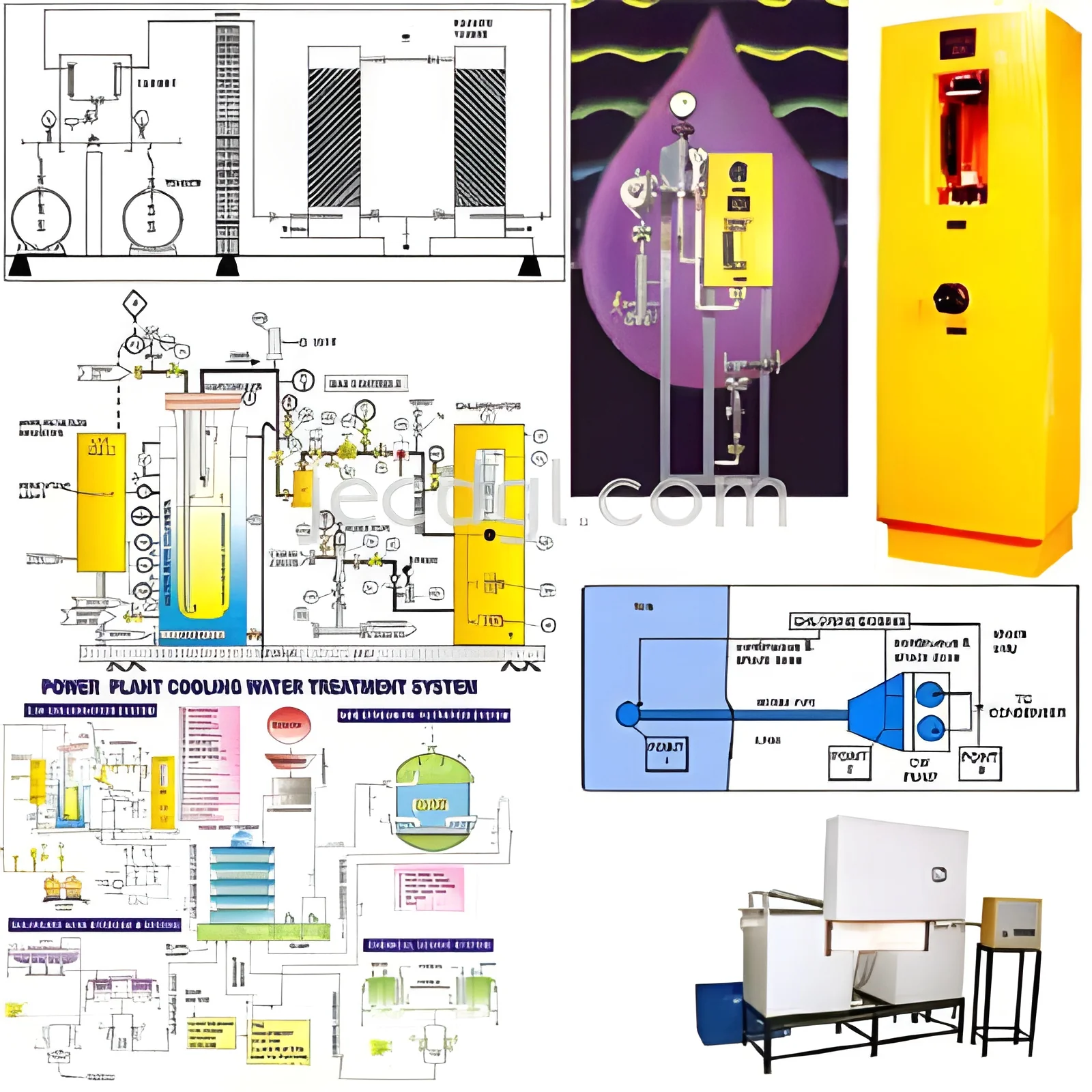
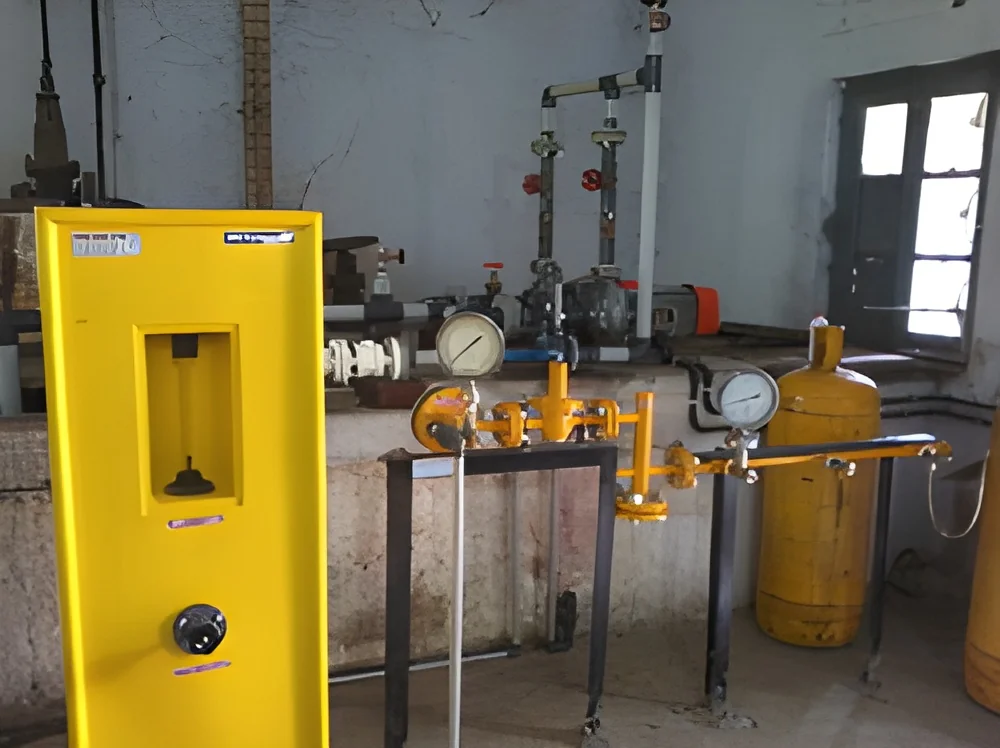
Chlorine dosing systems are critical components used in water treatment processes to ensure the safe and effective disinfection of water supplies. These systems automatically add precise amounts of chlorine to water, helping to eliminate harmful pathogens and maintain the quality of the water for various applications. They are designed to operate efficiently and can be integrated into existing water treatment facilities or used in smaller applications.
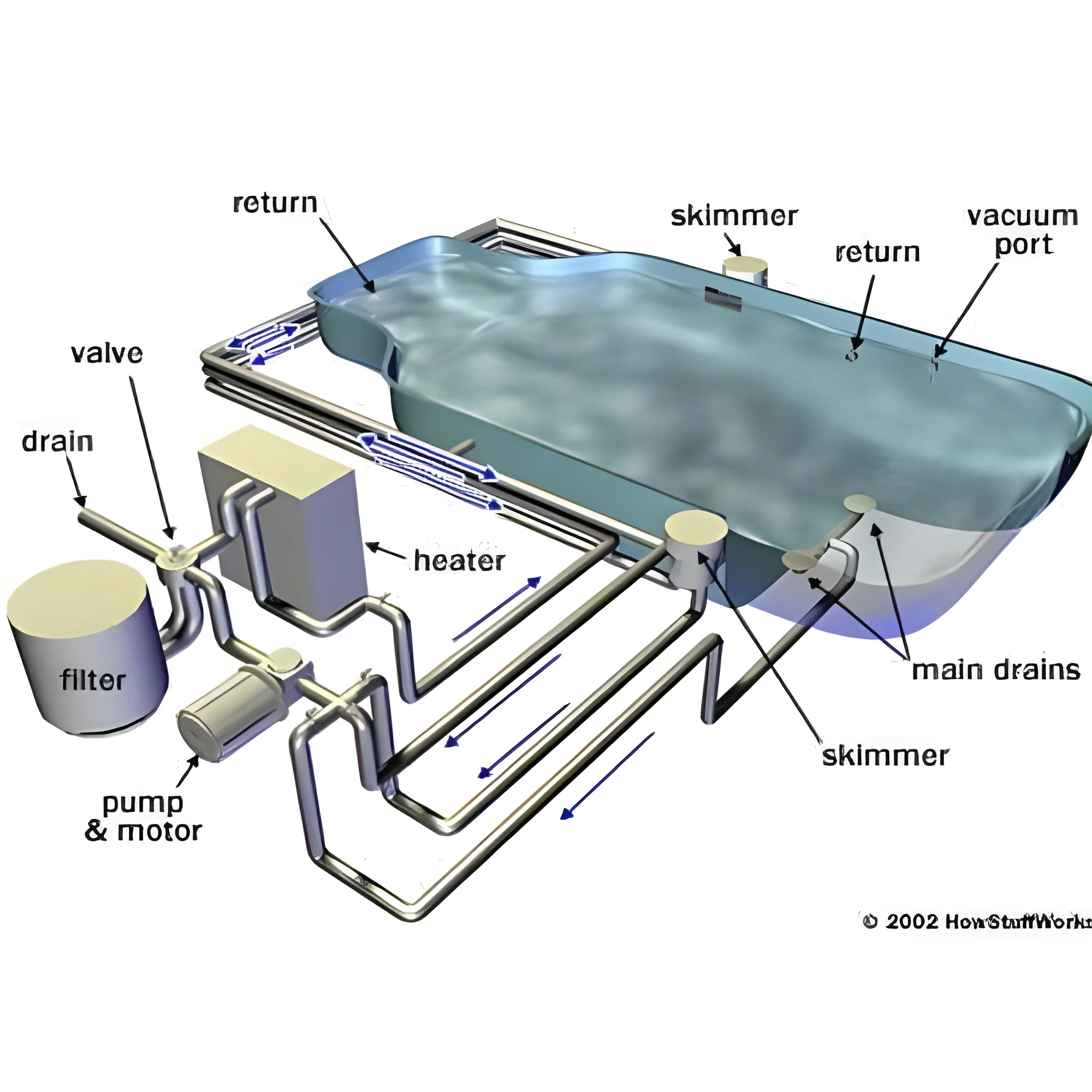
The primary uses of chlorine dosing systems span various sectors including municipal water treatment, swimming pools, and industrial applications. In municipal settings, these systems play a vital role in delivering clean drinking water. In swimming pools, they help maintain hygiene levels by controlling bacterial growth. Furthermore, industries such as food and beverage, pharmaceuticals, and textiles utilize chlorine dosing for process water disinfection.
As global awareness around water quality and safety increases, the market for chlorine dosing systems is expanding. Companies are investing in advanced technologies to enhance efficiency and reduce environmental impact. This growth is crucial as industries seek reliable solutions to meet regulatory standards and consumer demands.
Key Features and Specifications
Chlorine dosing systems come equipped with numerous features that ensure effective water treatment. These systems vary in design and functionality, catering to different operational needs. Understanding the key specifications helps buyers choose the right system for their applications.
Key specifications include:
1. Flow Rate
- Measured in liters per hour (L/h) or gallons per minute (GPM)
- Typical ranges can vary based on application requirements
2. Chlorine Concentration
- Indicates the percentage of chlorine in the dosing solution
- Common concentrations range from 0.5% to 5%
3. Control System
- Can be automated or manual, facilitating ease of operation
- Advanced systems may feature programmable logic controllers (PLCs)
4. Power Supply
- Available in various voltage options to suit different setups
- Common options include 110V, 220V, and solar-powered systems
5. Material Construction
- Systems are often made from corrosion-resistant materials
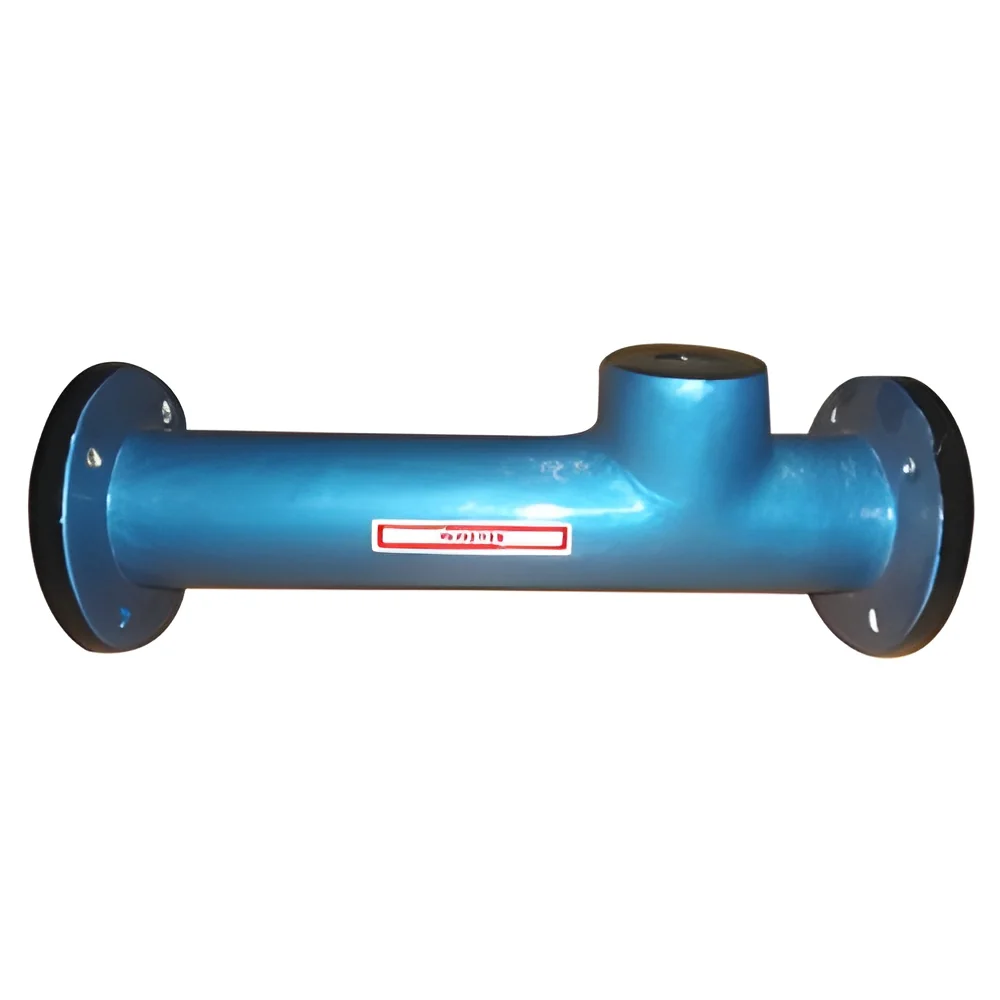
- Common materials include PVC, stainless steel, and polypropylene
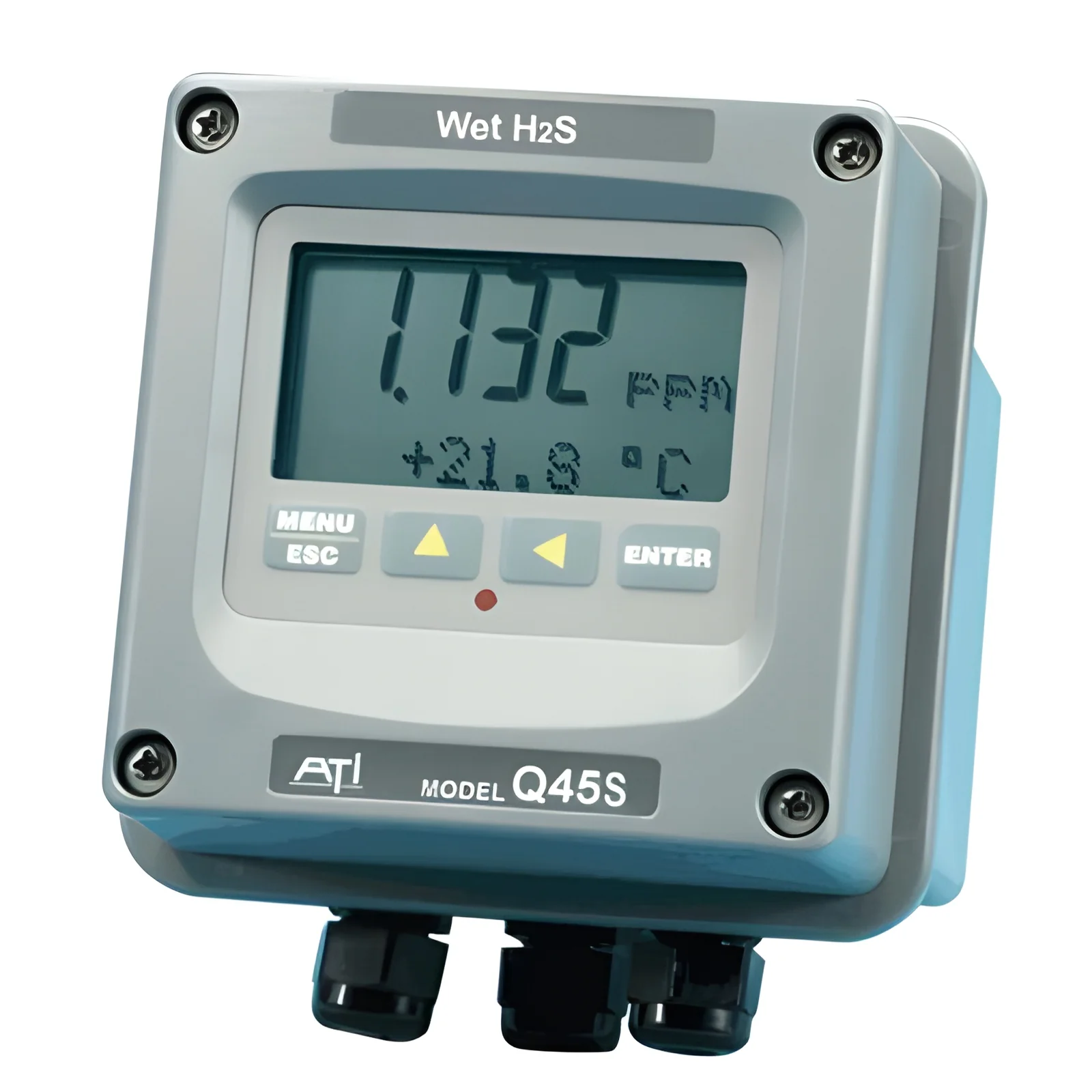
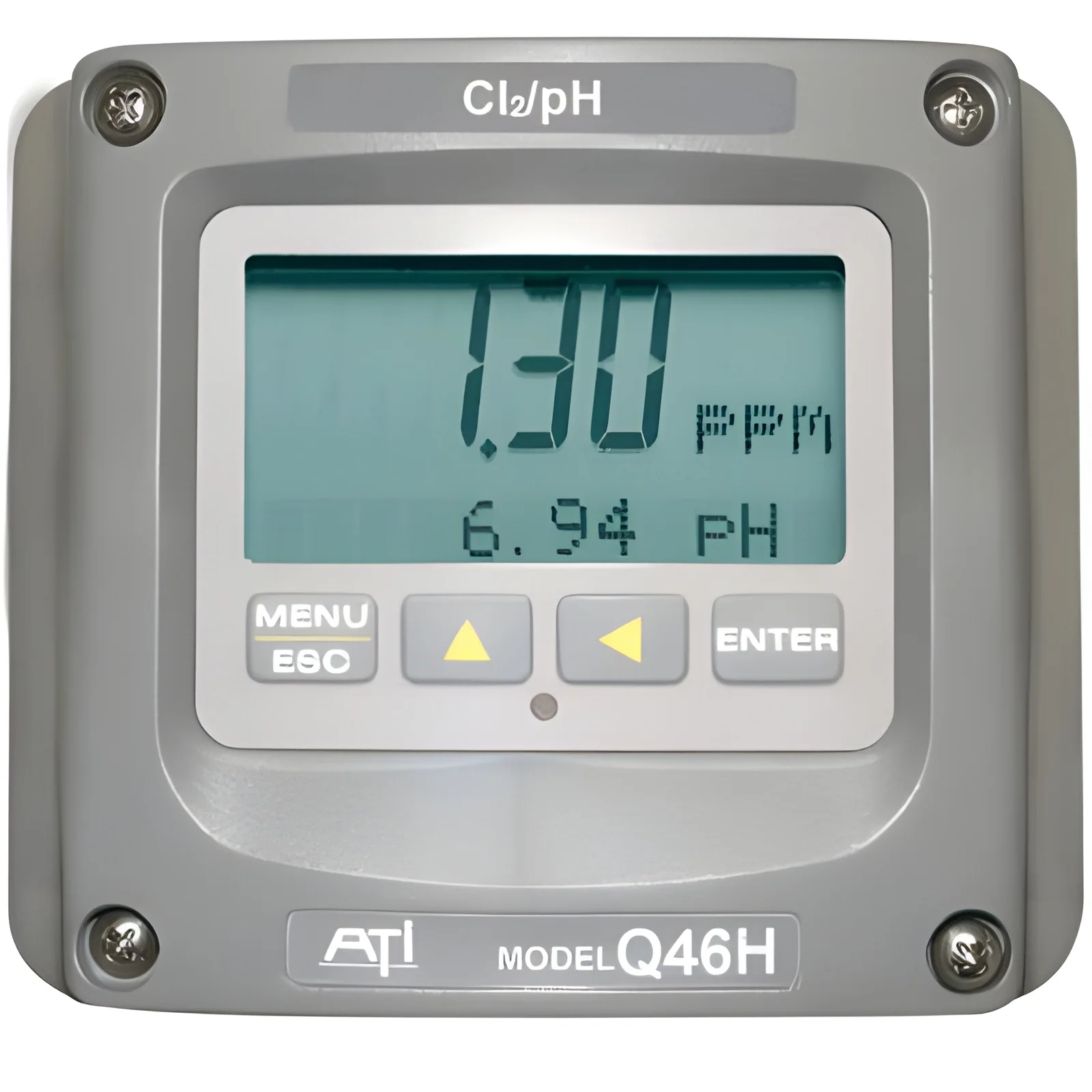
6. Monitoring Capabilities
- Some systems offer real-time monitoring of chlorine levels
- Advanced models may include remote access features
7. Safety Features
- Includes built-in alarms for low chlorine levels or leaks
- May feature automatic shut-off mechanisms
8. Compliance Standards
- Systems must meet industry standards such as CE certification
- Relevant regulations vary by region and application
In summary, understanding the features and specifications of chlorine dosing systems is essential for making informed purchasing decisions. This knowledge helps ensure the selected system meets operational needs and compliance requirements.
Common Applications and Use Cases
Chlorine dosing systems are utilized across various industries to enhance water quality and ensure safety. Each industry has specific applications that highlight the importance of these systems.
1. Municipal Water Treatment: These systems are critical for maintaining safe drinking water. They help eliminate pathogens and ensure compliance with health regulations.
2. Swimming Pools: Chlorine dosing systems are essential for maintaining hygiene in swimming pools. They control the growth of bacteria and ensure patrons have a safe swimming environment.
3. Food and Beverage Industry: In this sector, chlorine dosing is used to disinfect process water, ensuring safety and compliance with health standards.
4. Pharmaceutical Manufacturing: Chlorine dosing systems help maintain sterile environments in production facilities, crucial for drug safety and efficacy.
5. Textile Industry: These systems are used to treat water used in dyeing and finishing processes, ensuring that contaminants do not affect product quality.
6. Aquaculture: Chlorine dosing is employed to maintain water quality in fish farming, preventing disease and promoting healthy aquatic life.
7. Wastewater Treatment: In this application, chlorine dosing systems treat wastewater before discharge, ensuring harmful pathogens are eliminated.
Product Variants and Subcategories
Chlorine dosing systems are available in various designs and configurations to suit different applications. While specific subcategories are not available, there are notable variants that cater to distinct operational needs.
Portable Chlorine Dosing Systems: These units are designed for easy transport and use in temporary setups or remote locations. They are ideal for smaller operations or emergency response situations.
Fixed Chlorine Dosing Systems: These systems are permanently installed in treatment facilities. They offer higher capacities and are suited for large-scale applications, such as municipal water treatment plants.
Automated Chlorine Dosing Systems: These advanced systems feature automatic controls and monitoring capabilities. They are suitable for industries looking to optimize their dosing processes and reduce manual intervention.
Manual Chlorine Dosing Systems: For operations with lower demands, manual systems provide a cost-effective solution. They require human oversight for operation and adjustments.
Benefits and Advantages
Investing in chlorine dosing systems brings numerous benefits to businesses across various industries. These systems enhance water quality and ensure regulatory compliance.
Key benefits include:
1. Improved Water Quality: Chlorine dosing systems effectively eliminate harmful pathogens, ensuring safe water for consumption and use.
2. Compliance with Regulations: These systems help businesses meet local and international health standards, reducing the risk of penalties.
3. Cost Efficiency: Automated systems can reduce labor costs by minimizing manual intervention and optimizing chemical use.
4. Enhanced Safety: With built-in monitoring and safety features, these systems help prevent potential hazards associated with improper chlorine levels.
5. Versatility: Chlorine dosing systems can be customized for a range of applications, making them suitable for various industries.
6. Reliability: High-quality systems provide consistent performance, ensuring uninterrupted operation in critical applications.
Buying Guide for B2B Buyers
When considering the purchase of chlorine dosing systems, several factors should be evaluated to ensure the right choice for your business needs.
1. Quality Assessment: It is essential to assess the quality of the chlorine dosing system. Look for systems that meet industry standards and have positive reviews from previous buyers.
2. Supplier Verification: Vetting suppliers is crucial. Choose manufacturers or distributors with a proven track record and relevant certifications to ensure reliability.
3. Pricing and MOQ: Understand the pricing structure and minimum order quantities. This will help in budgeting and ensuring that you are getting the best value for your investment.
4. Delivery and Lead Times: Consider logistics and the expected lead times for delivery. Prompt delivery is vital for maintaining operations, especially in critical applications.
5. Compliance Requirements: Ensure that the system meets all relevant regulatory standards and certifications required for your specific application and region.
Compliance and Certifications
Chlorine dosing systems must adhere to several compliance standards to ensure safety and effectiveness. Key quality standards include ISO 9001, which outlines requirements for quality management systems, and HACCP for food safety management.
Industry certifications such as CE mark indicate that the products meet European safety and health requirements. These certifications are essential for ensuring the reliability and safety of chlorine dosing systems in various applications.
Safety and testing requirements are also critical. Manufacturers must ensure that their systems undergo rigorous testing to meet both national and international safety standards. Additionally, regional compliance considerations vary, and businesses should be aware of local regulations regarding water treatment and disinfection.
Why Source Chlorine Dosing Systems from Pepagora?
Pepagora serves as a trusted platform for sourcing chlorine dosing systems, offering distinct advantages that cater to the needs of B2B buyers.
Verified Supplier Network: Pepagora maintains a network of verified suppliers, ensuring that buyers can trust the quality and reliability of the products offered. This network fosters transparency and accountability in the sourcing process.
Streamlined RFQ Process: The platform simplifies the request for quotation (RFQ) process, allowing buyers to easily compare prices and specifications from multiple suppliers. This efficiency helps in making informed purchasing decisions.
Trade Assurance and Support: Pepagora provides trade assurance to protect buyers against potential risks. This includes support for dispute resolution and assistance throughout the purchasing process, ensuring a smooth transaction.
Regional Coverage: With a strong presence in markets such as India, the GCC, and Southeast Asia, Pepagora offers extensive regional coverage. This geographic reach enables buyers to find local suppliers that can meet their specific needs effectively.
In conclusion, sourcing chlorine dosing systems through Pepagora ensures a reliable, efficient, and compliant purchasing experience for businesses looking to enhance their water treatment processes.

 IN
IN