Key Features and Specifications
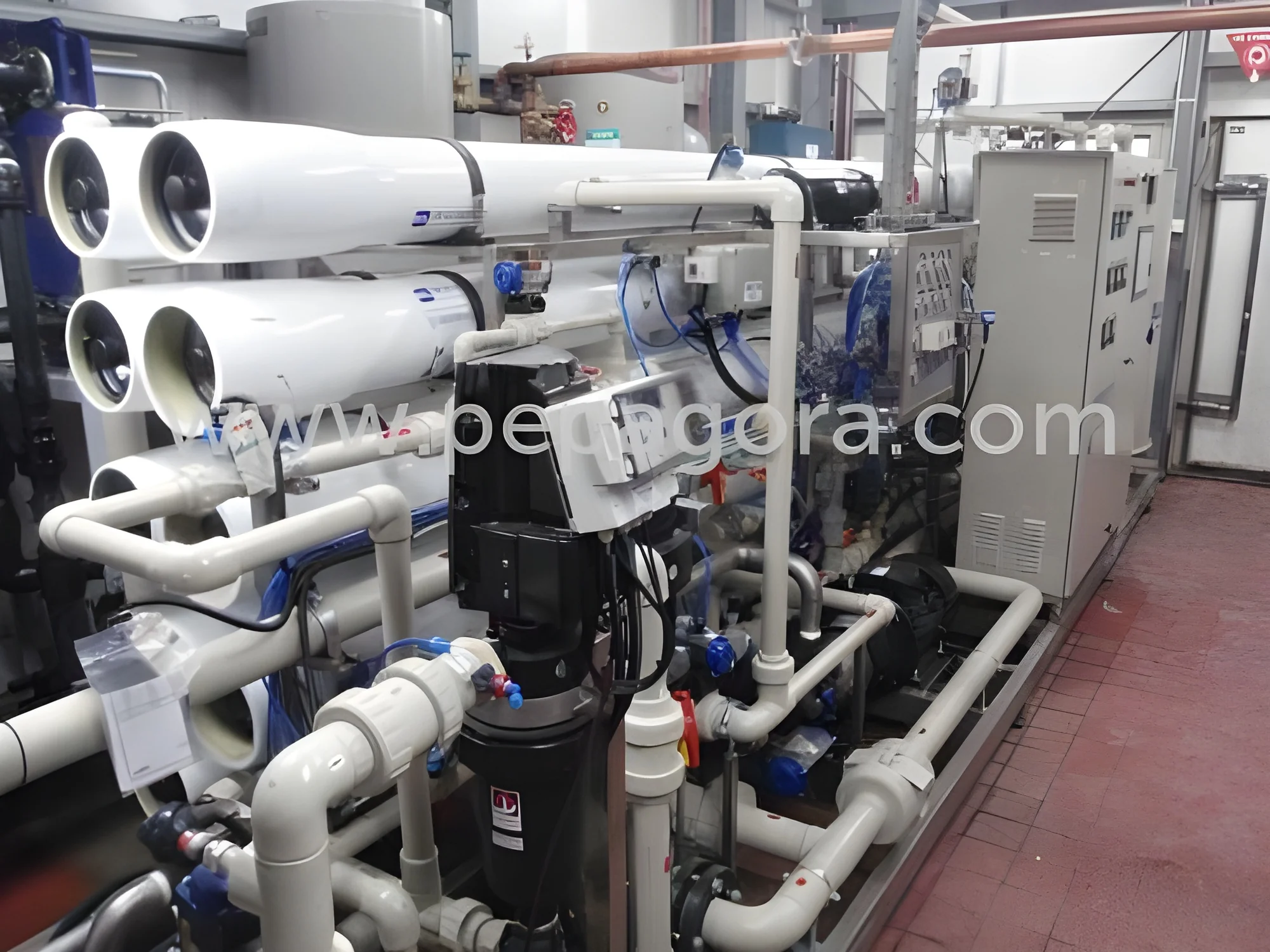
Membrane Bioreactors are characterized by a range of key features that enhance their performance and efficiency. These specifications are crucial for businesses considering MBR technology.
Key specifications include:
1. Membrane Type
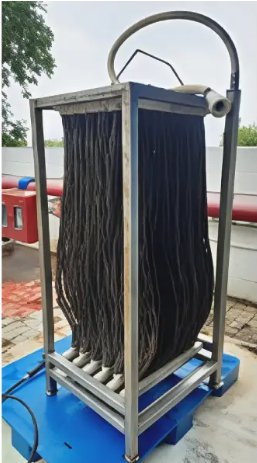
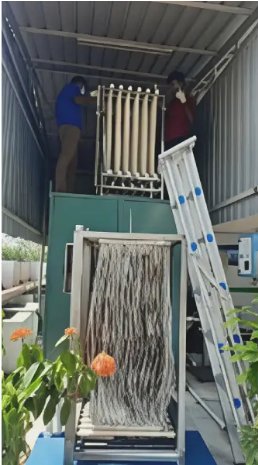
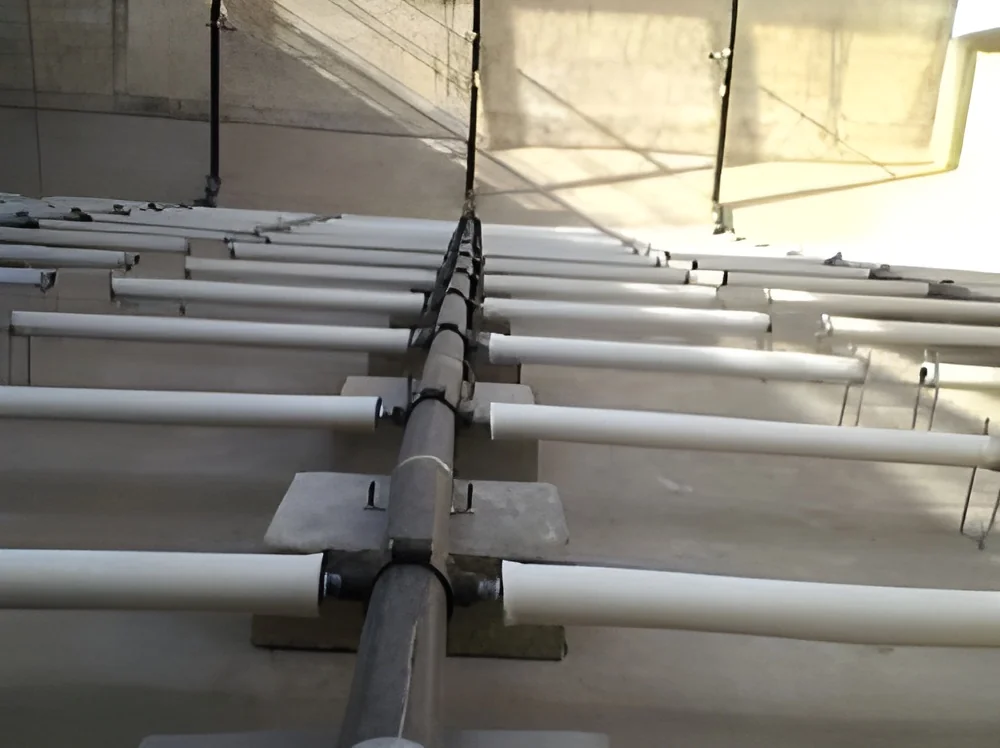
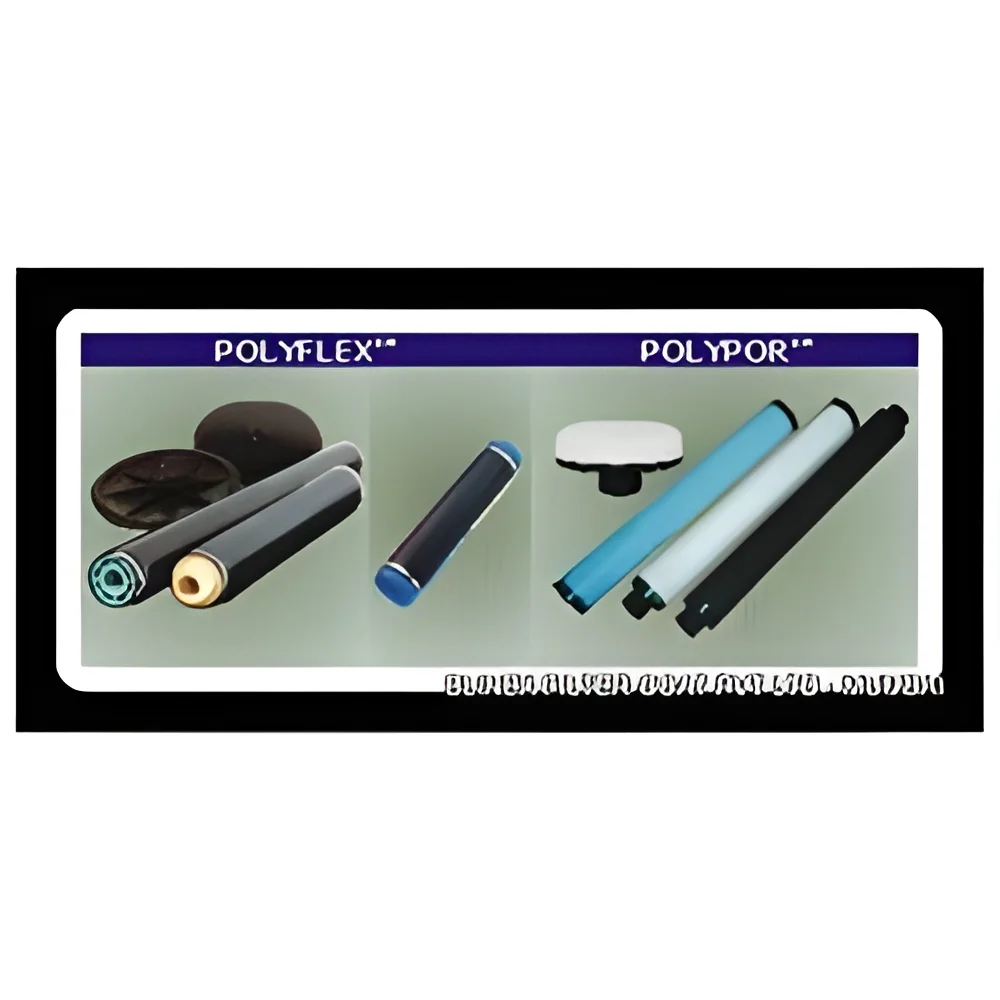
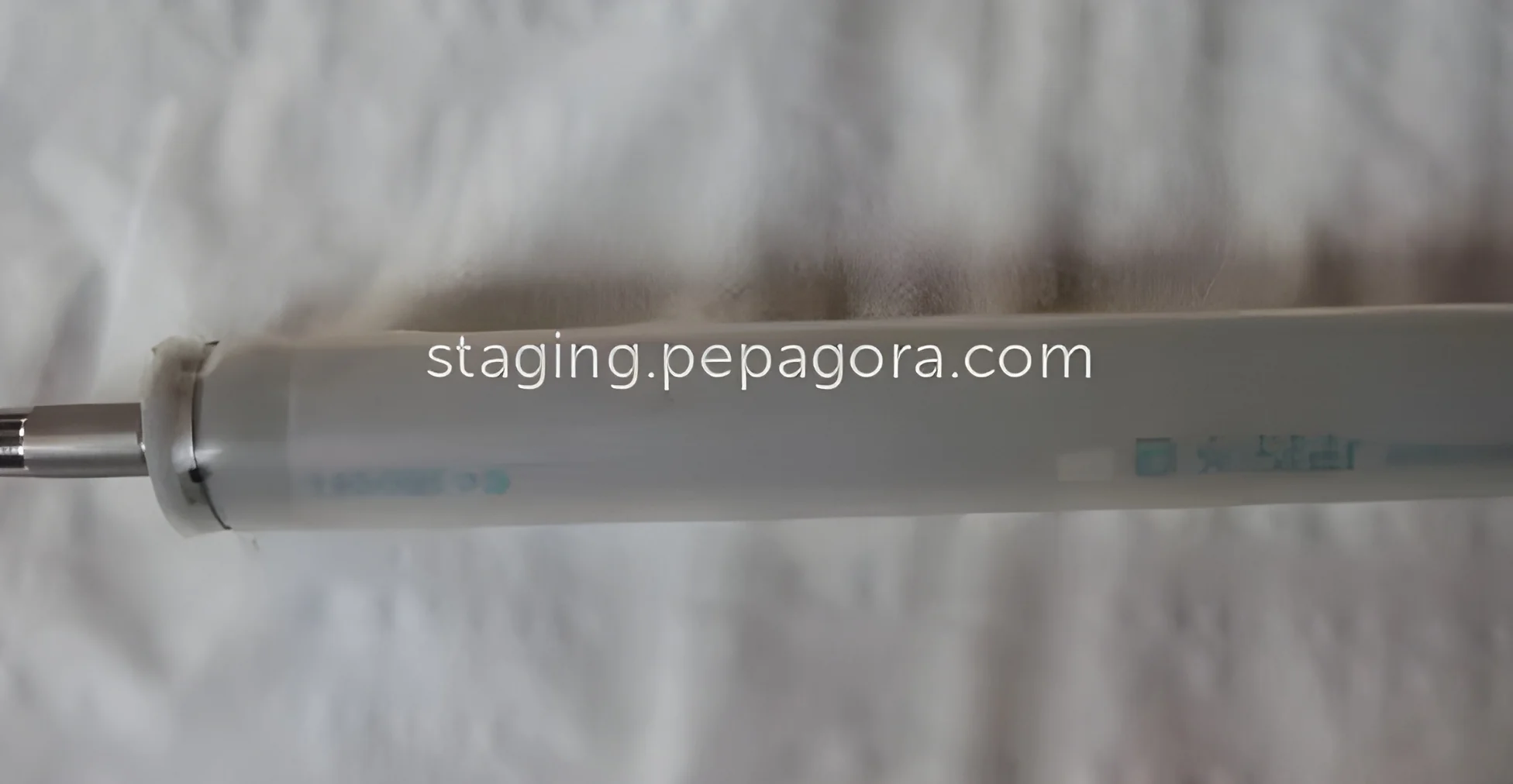
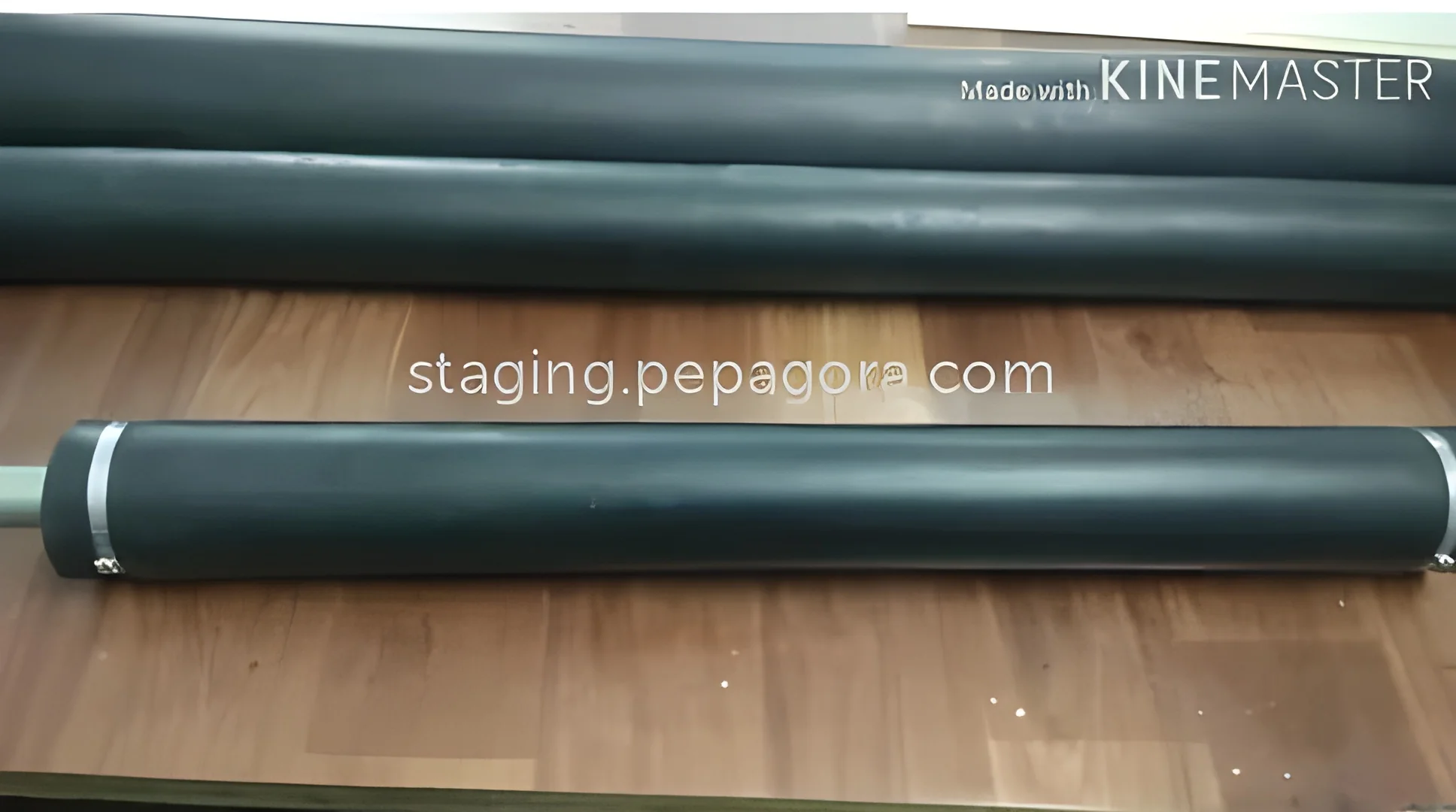
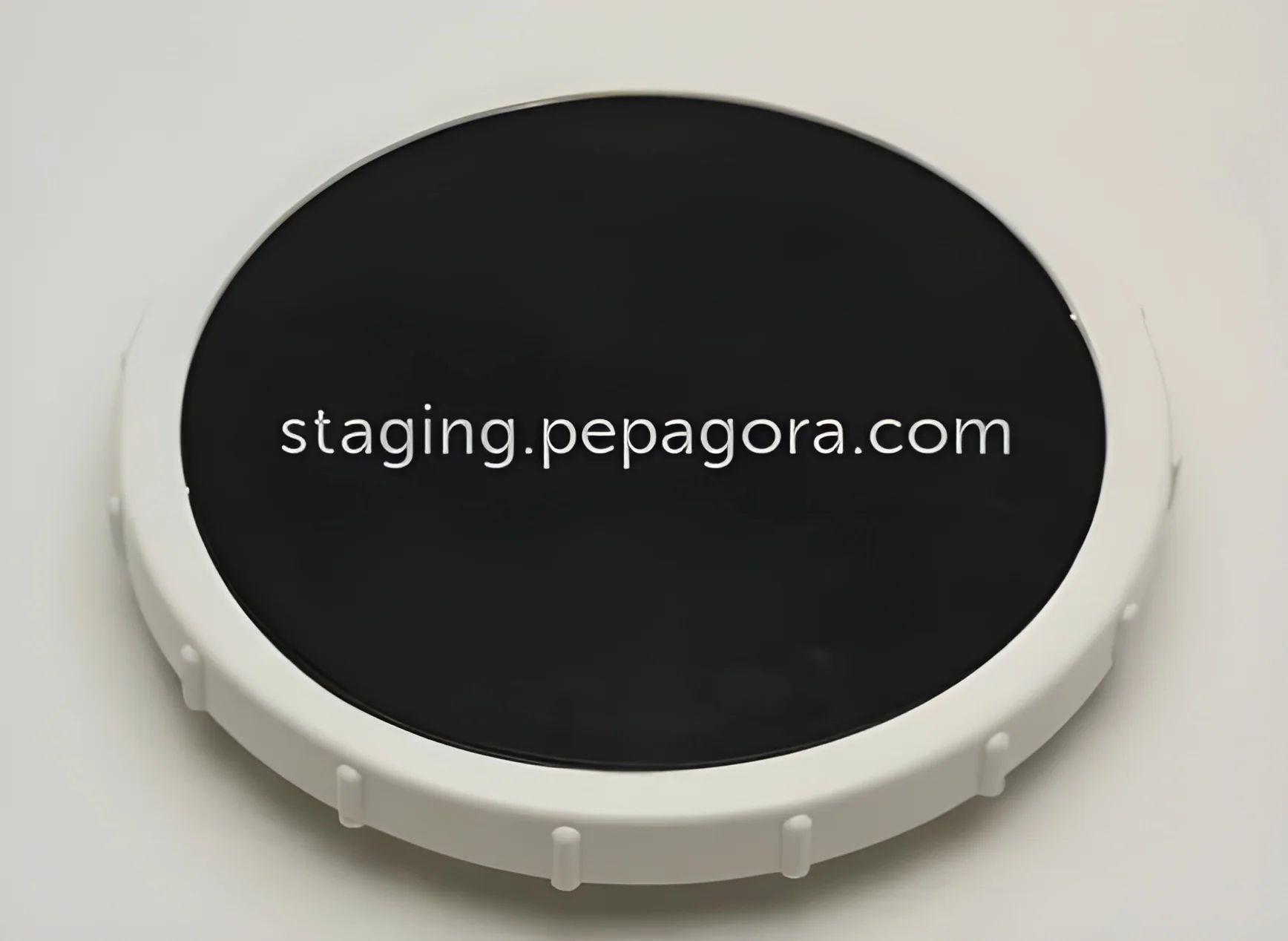
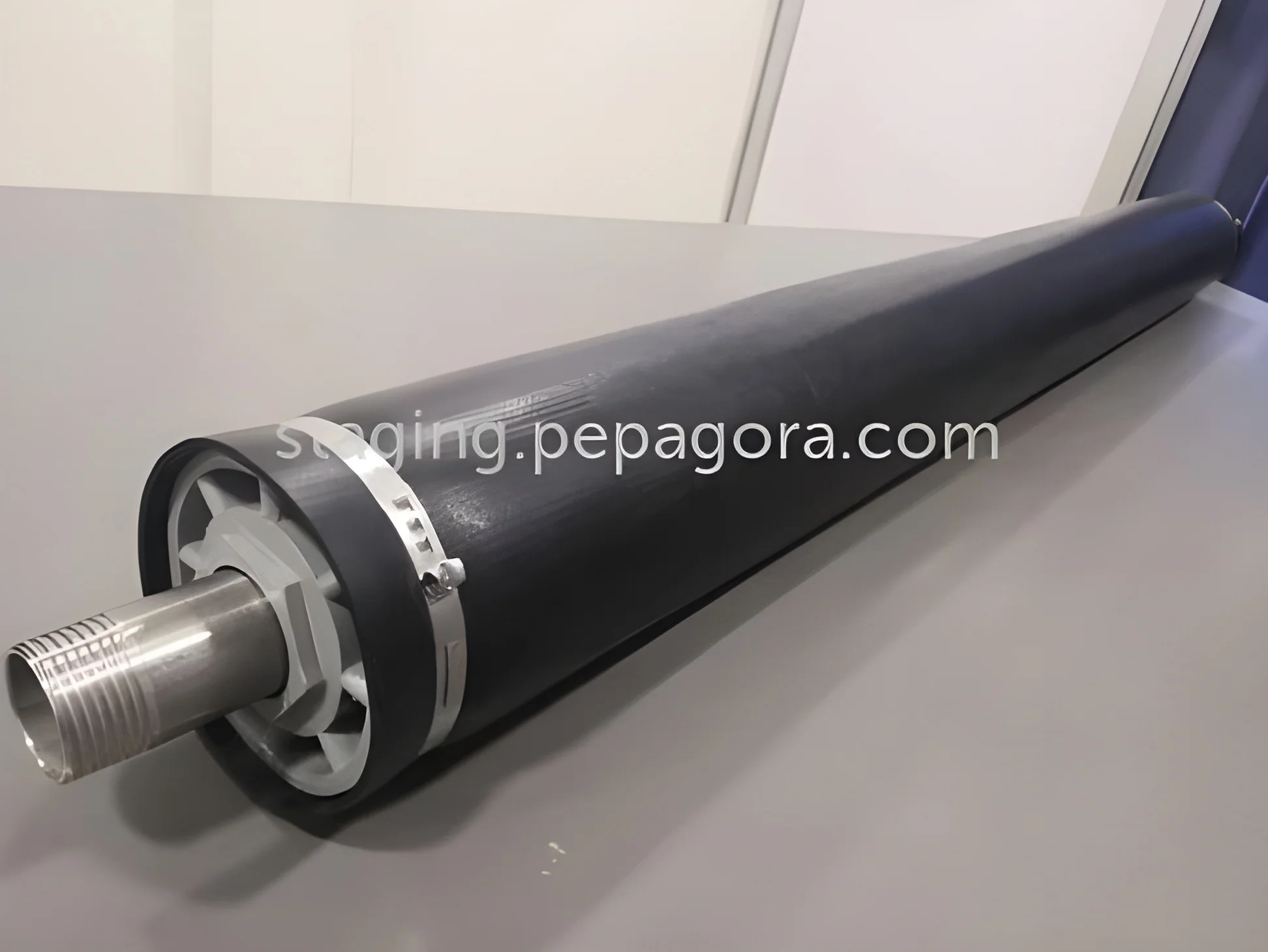
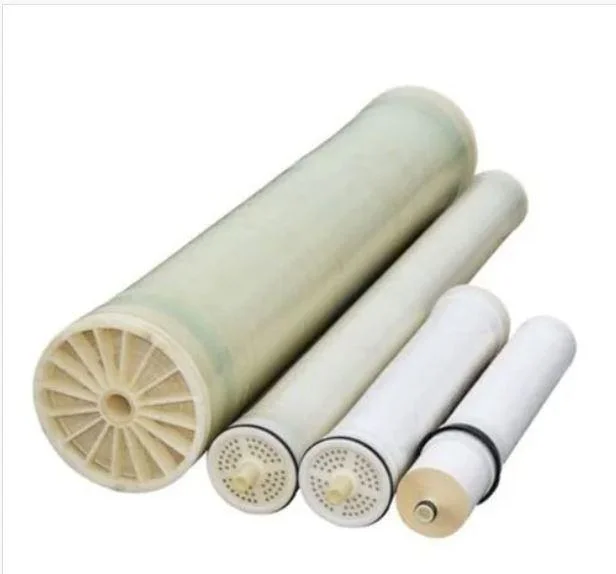
- Hollow fiber, flat sheet, or tubular membranes
- Each type offers different filtration capabilities and efficiencies
2. Filtration Efficiency
- Capable of removing particles as small as 0.01 microns
- Ensures high-quality effluent suitable for reuse
3. Biomass Retention
- High biomass concentration due to membrane separation
- Facilitates effective degradation of organic pollutants
4. System Configuration
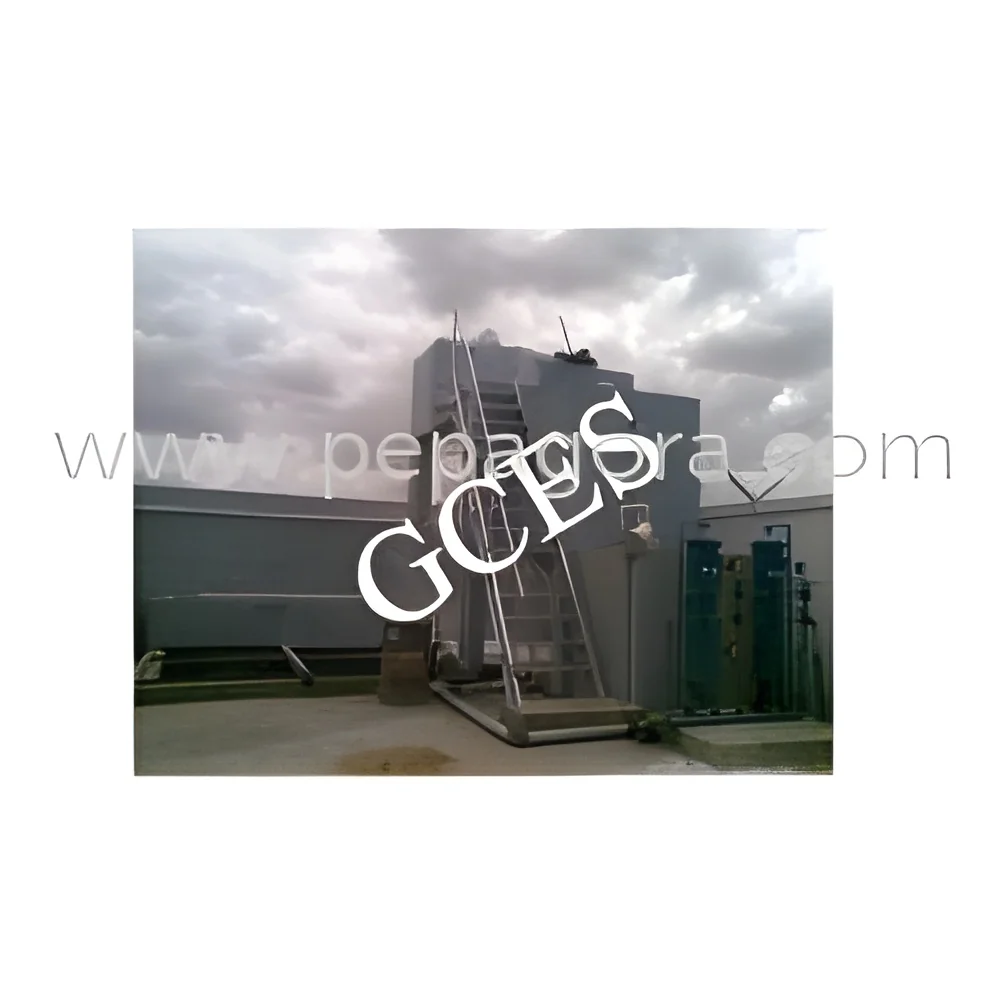
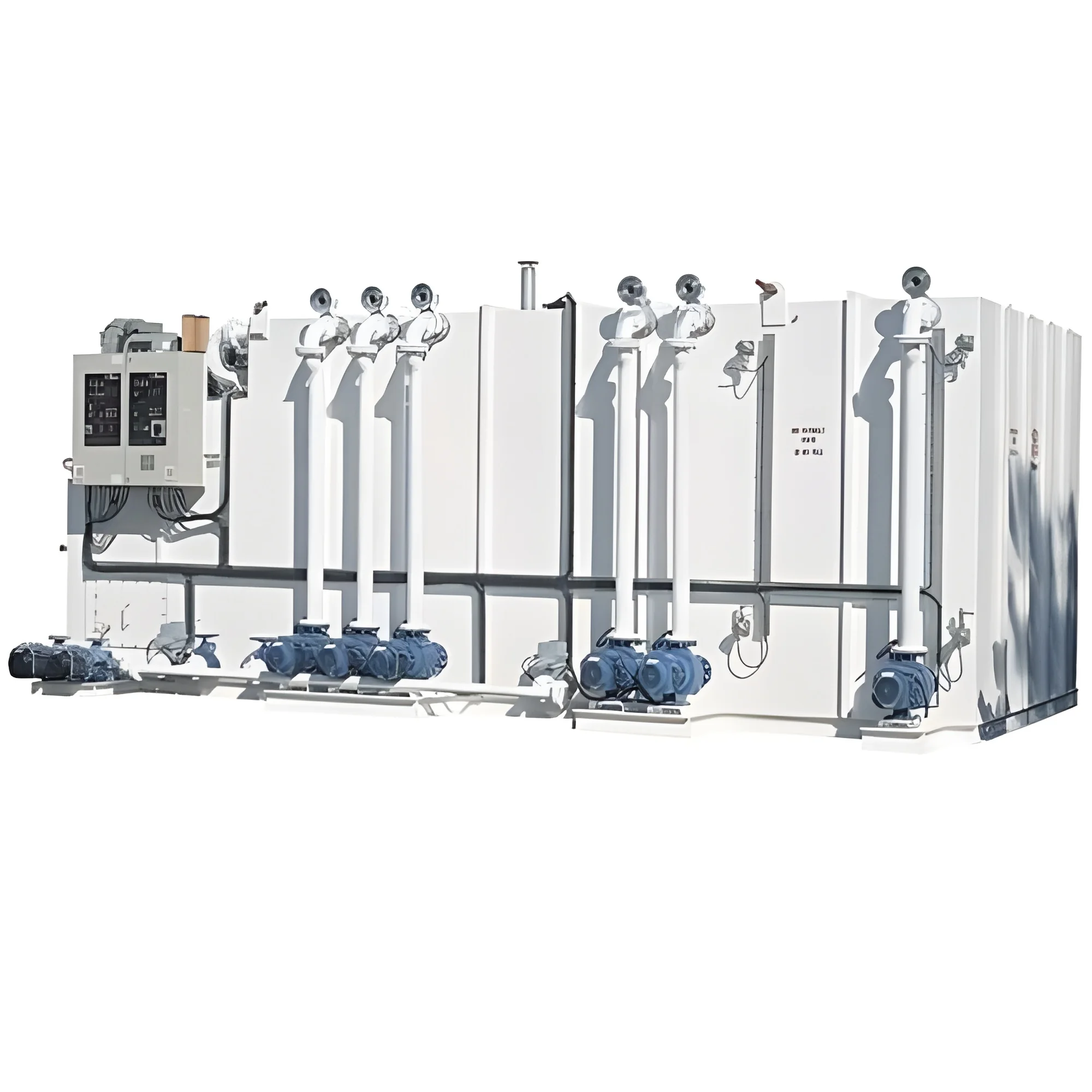
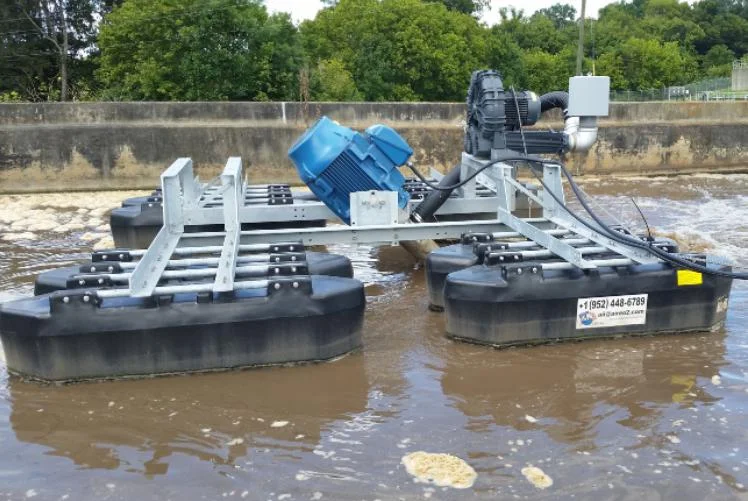
- Can be designed as submerged or external systems
- Offers flexibility in installation based on facility needs
5. Flux Rate
- Typical operational flux rates range between 15 to 30 liters per square meter per hour
- Higher flux rates improve system efficiency and reduce operational time
6. Operational Temperature
- Designed for operation within standard wastewater temperature ranges
- Ensures optimal microbial activity and membrane performance
7. Maintenance Requirements
- Requires periodic cleaning and maintenance to ensure longevity
- Low maintenance frequency compared to traditional systems
8. Automation Features
- Often equipped with real-time monitoring systems
- Enhances operational efficiency and allows for remote management
Membrane Bioreactors offer a combination of efficiency, flexibility, and high-quality output that makes them an attractive choice for modern wastewater treatment.
Common Applications and Use Cases
Membrane Bioreactors find applications across multiple industries due to their versatility and efficiency in treating wastewater.
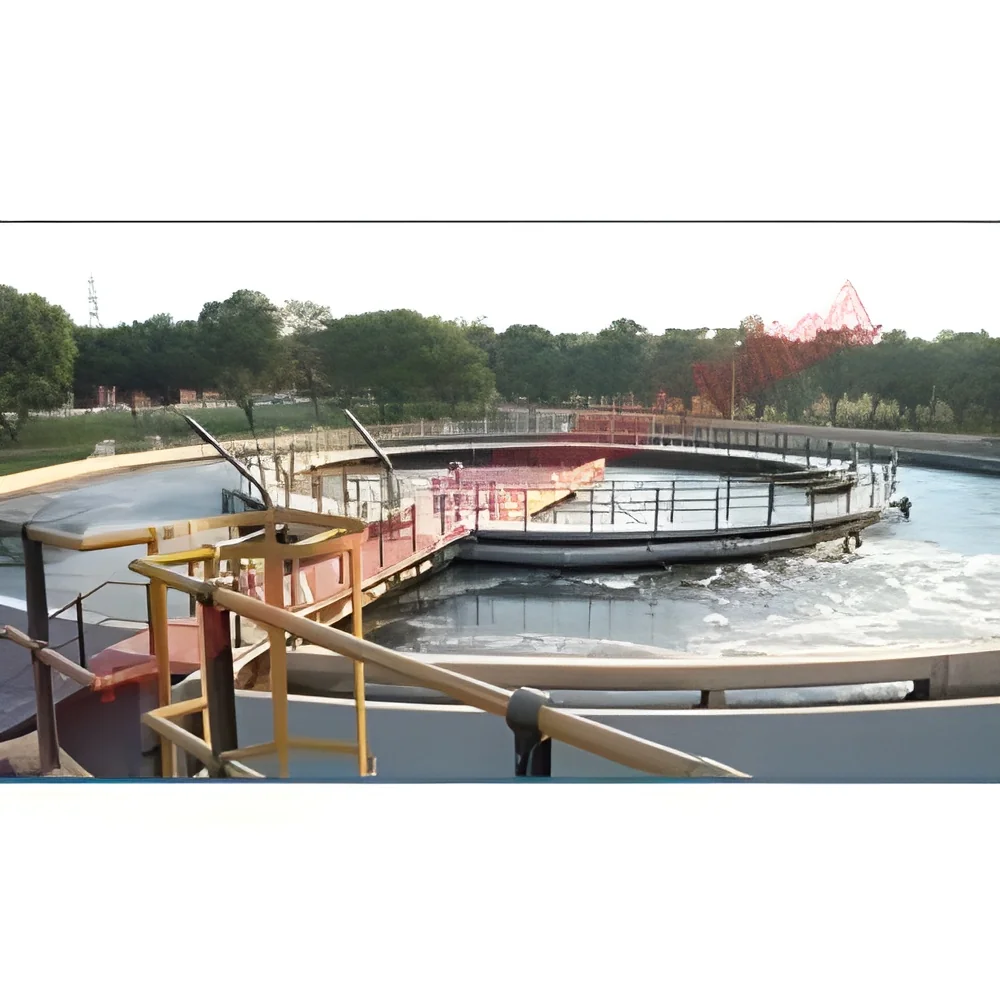
1. Municipal Wastewater Treatment: MBRs are used in urban settings to treat sewage and municipal wastewater, producing clean water for discharge or reuse.
2. Food and Beverage Industry: They are employed to treat wastewater generated from food processing, helping to reduce organic load and meet regulatory discharge standards.
3. Pharmaceutical Manufacturing: MBRs manage wastewater from pharmaceutical production, ensuring the removal of active pharmaceutical ingredients and contaminants.
4. Textile Industry: Used for dye and chemical effluent treatment, MBRs help in recovering water for reuse, reducing overall water consumption in textile processes.
5. Oil and Gas Industry: MBRs treat produced water and effluents from drilling activities, supporting environmental compliance in this heavily regulated sector.
6. Pulp and Paper Industry: They assist in treating wastewater laden with organic matter and chemicals, enabling significant reductions in environmental impact.
7. Aquaculture: MBRs are utilized in aquaculture facilities to maintain water quality, ensuring a healthy environment for fish and reducing water exchange needs.
Product Variants and Subcategories
Membrane Bioreactors come in various configurations to meet specific operational needs.
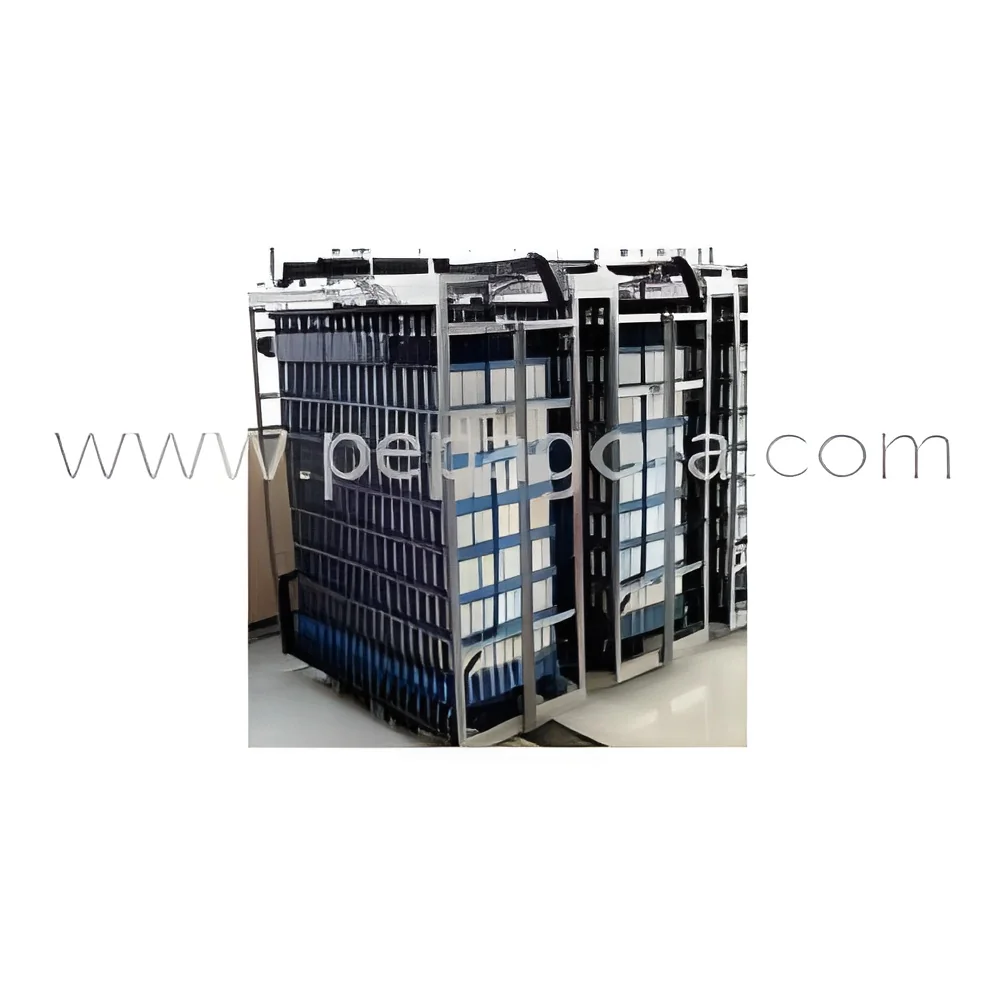
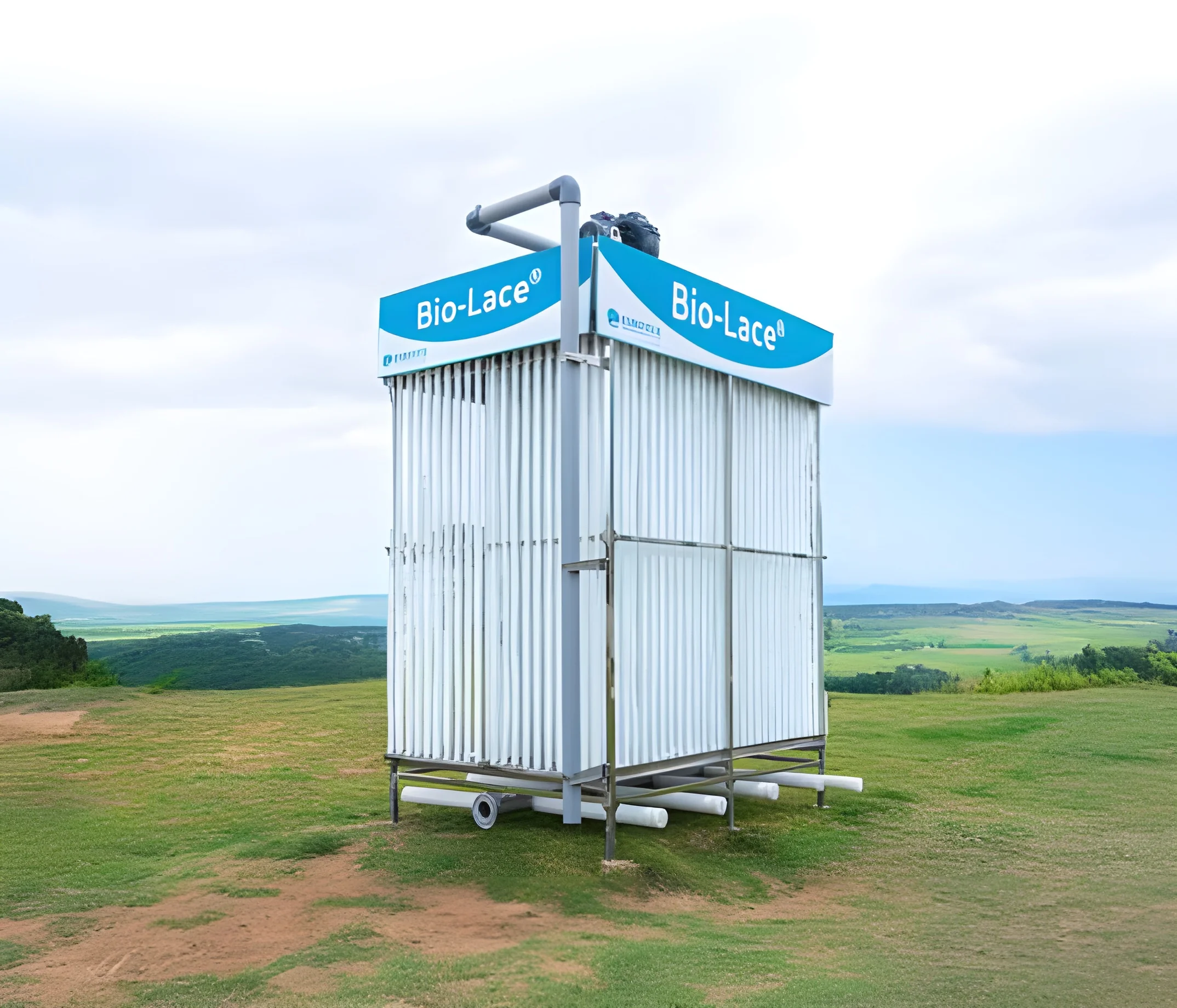
Hollow Fiber Membrane Bioreactor: This variant features hollow fiber membranes that provide a high surface area for filtration. It is widely used in municipal and industrial applications due to its compact design and effective performance.
Flat Sheet Membrane Bioreactor: This type utilizes flat sheet membranes and is ideal for large-scale applications. It offers excellent filtration efficiency and is suitable for treating high volumes of wastewater.
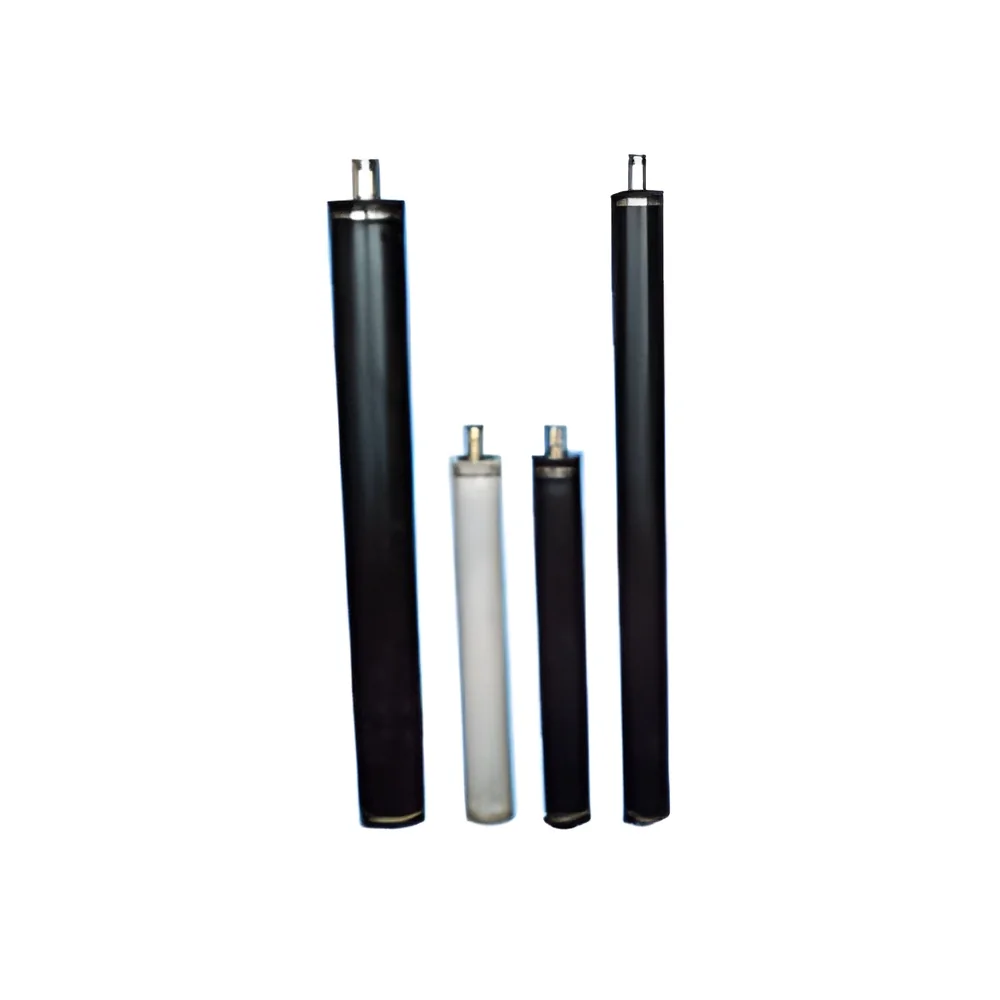
Tubular Membrane Bioreactor: Tubular membranes are designed for specific applications where high viscosity and solids are present. They are often used in industries like food processing and chemical manufacturing.
Benefits and Advantages
Membrane Bioreactors offer numerous advantages over conventional wastewater treatment methods.
1. Space Efficiency: MBRs require less space due to their compact design, making them ideal for urban environments where space is limited.
2. High-Quality Effluent: The filtration capabilities of MBRs produce high-quality treated water, suitable for reuse in irrigation or industrial processes.
3. Enhanced Biomass Retention: MBRs maintain a higher concentration of active biomass, improving the degradation of organic matter.
4. Reduced Sludge Production: The membrane filtration process minimizes excess sludge production, leading to lower disposal costs.
5. Operational Flexibility: MBR systems can be tailored to meet specific operational needs, allowing for customization based on wastewater characteristics.
6. Lower Energy Consumption: With advancements in technology, modern MBRs have reduced energy requirements compared to traditional methods.
Buying Guide for B2B Buyers
When sourcing Membrane Bioreactor (MBR), businesses should consider several factors to ensure they select the right system for their needs.
1. Quality Assessment: Evaluate the quality of materials and construction. Look for systems with proven reliability and durability under operational stresses.
2. Supplier Verification: Conduct thorough research on suppliers. Check for reviews and testimonials to ensure their credibility and service quality.
3. Pricing and MOQ: Understand the pricing structure and minimum order quantities (MOQ) to align with budget constraints and project scales.
4. Delivery and Lead Times: Discuss logistics with suppliers to determine delivery times. Ensure that timelines align with project schedules to avoid delays.
5. Compliance Requirements: Verify that the MBR system meets local and international compliance standards. This is essential for regulatory approvals and operational legitimacy.
Compliance and Certifications
Membrane Bioreactors must adhere to various quality standards and certifications to ensure safety and efficiency. Compliance with ISO 9001 standards guarantees that the manufacturing process meets international quality management requirements. Additionally, MBR systems often hold CE certification, indicating conformity with European health, safety, and environmental protection standards.
Safety and testing requirements play a critical role in the design and production of MBR systems. Regular performance testing ensures that the systems operate at optimal efficiency and meet specified regulations. Moreover, regional compliance considerations vary, so it is essential for businesses to understand local regulations that may impact the installation and operation of MBR technology.
Why Source Membrane Bioreactor (MBR) from Pepagora?
Pepagora provides a trusted platform for sourcing Membrane Bioreactor (MBR) with several key advantages. Our verified supplier network ensures that buyers have access to reliable manufacturers who meet stringent quality standards. Each supplier undergoes a thorough vetting process to guarantee credibility and product excellence.
The streamlined RFQ process simplifies the quotation system, allowing buyers to receive competitive pricing and detailed proposals quickly. This efficiency aids in decision-making and helps businesses move forward with their projects without unnecessary delays.
Trade assurance and support are vital components of the Pepagora platform. We prioritize buyer protection, ensuring that transactions are secure and that customers receive the products as promised.
Additionally, Pepagora's regional coverage extends across India, the GCC, and Southeast Asia, facilitating access to MBR systems in diverse markets. This geographic reach allows us to cater to a wide array of industries and applications, ensuring that buyers can find the right solutions for their wastewater treatment needs.

 IN
IN