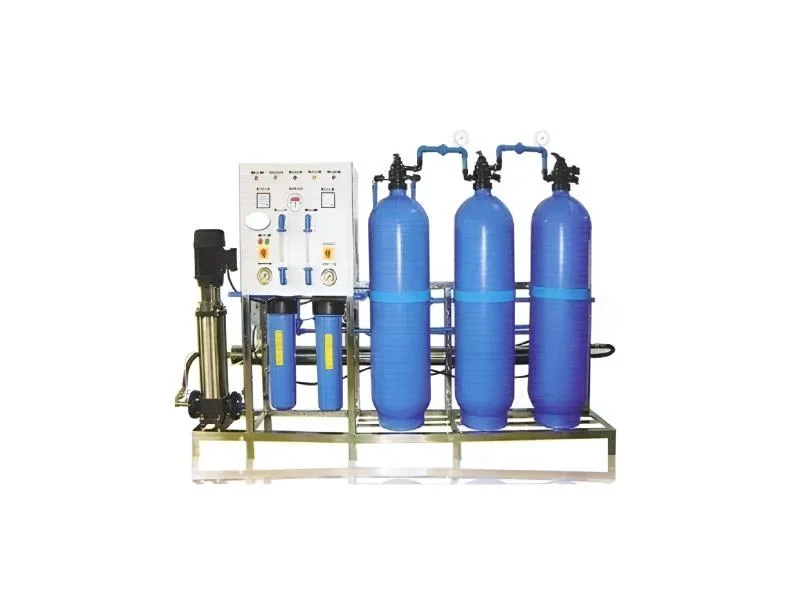
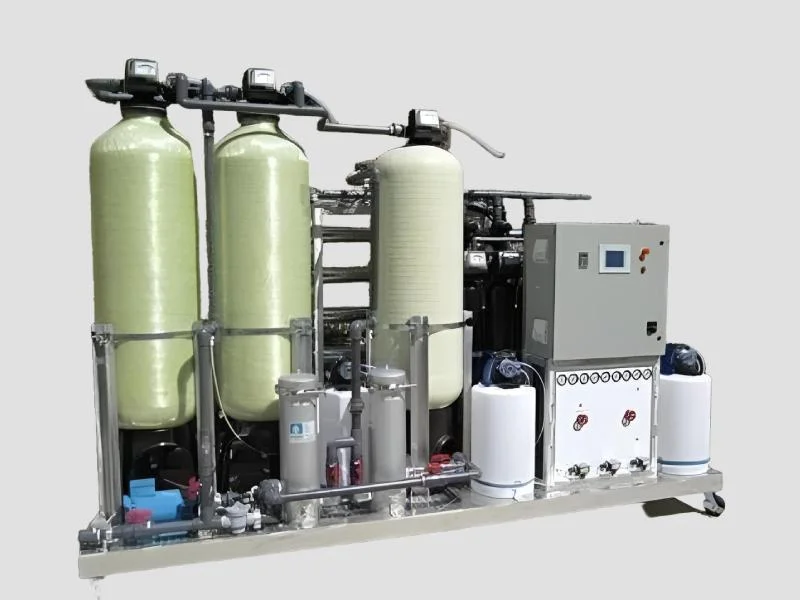
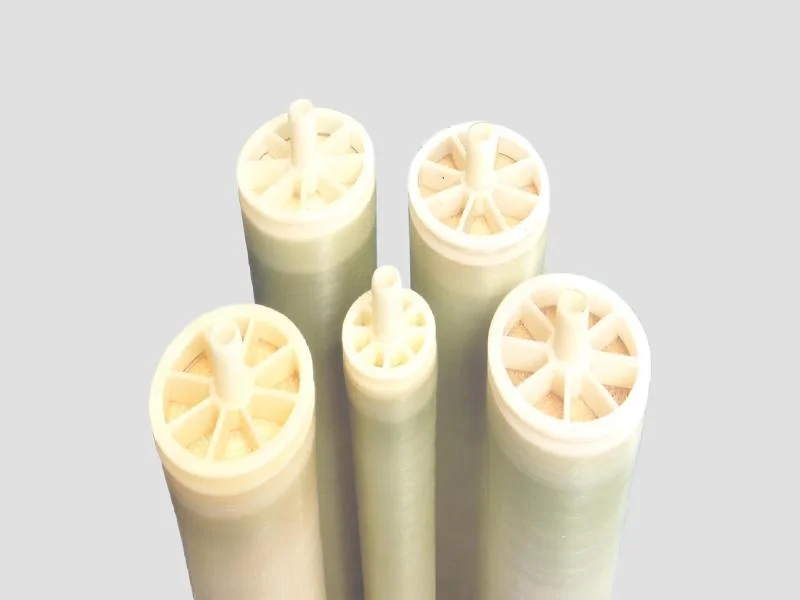
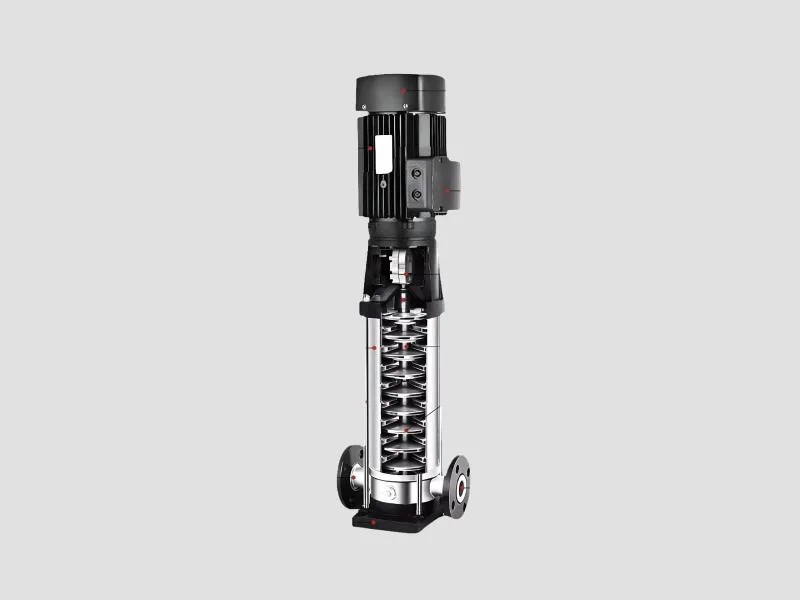
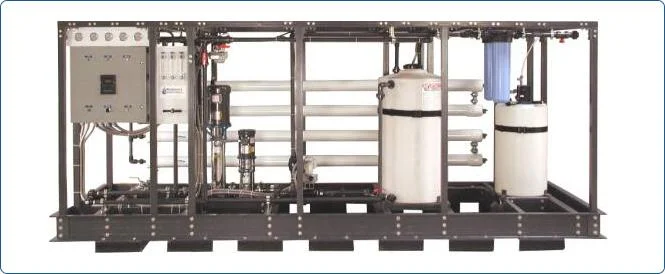
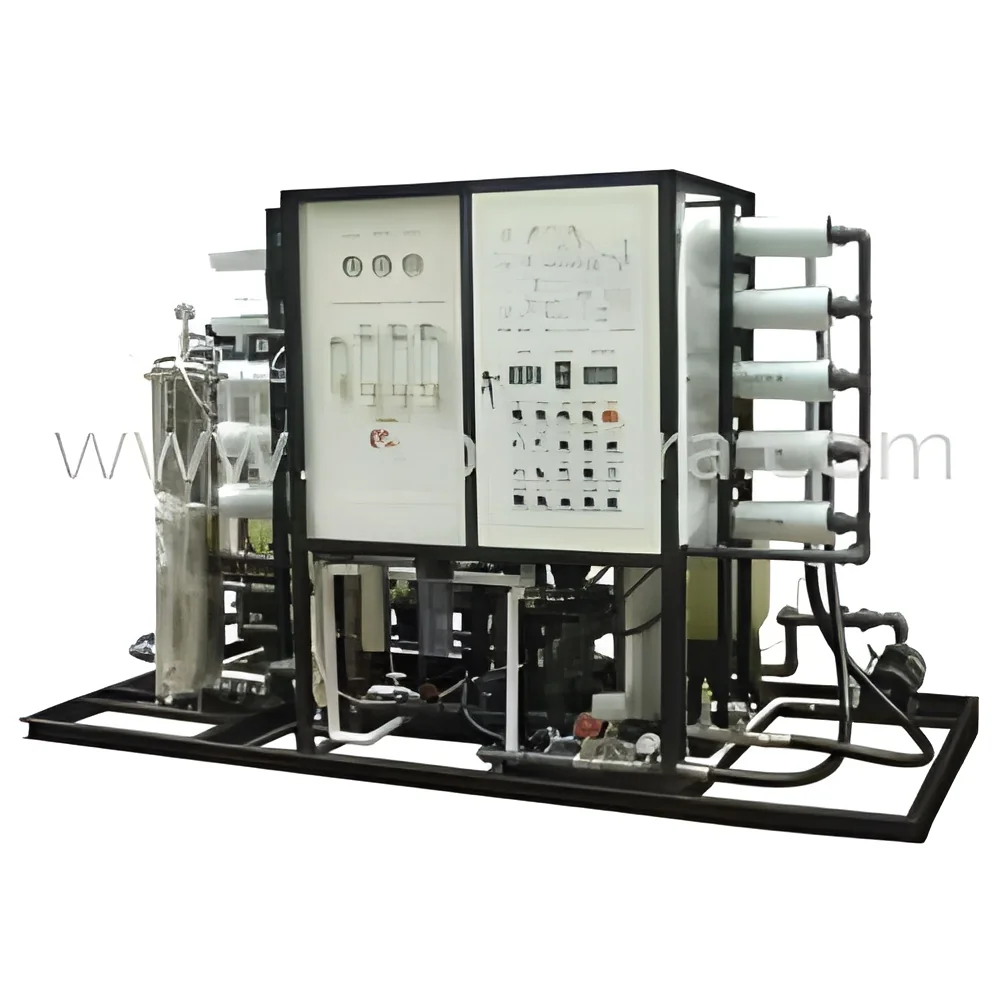
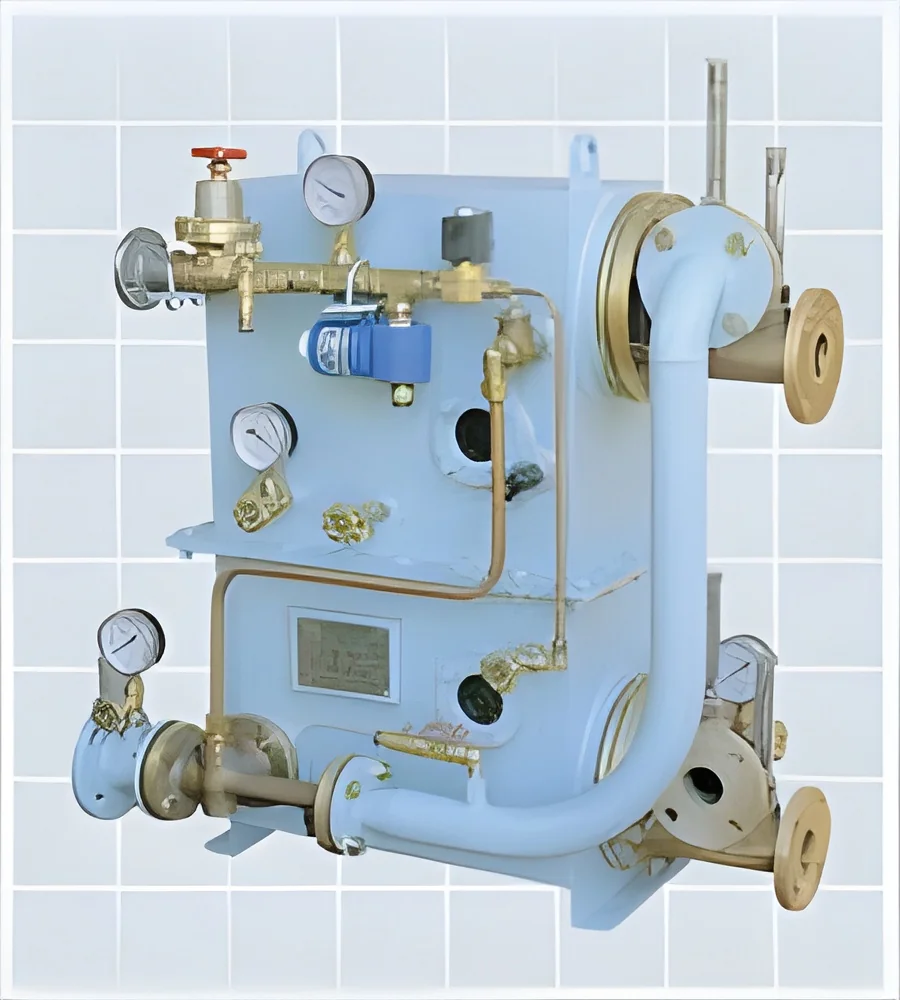
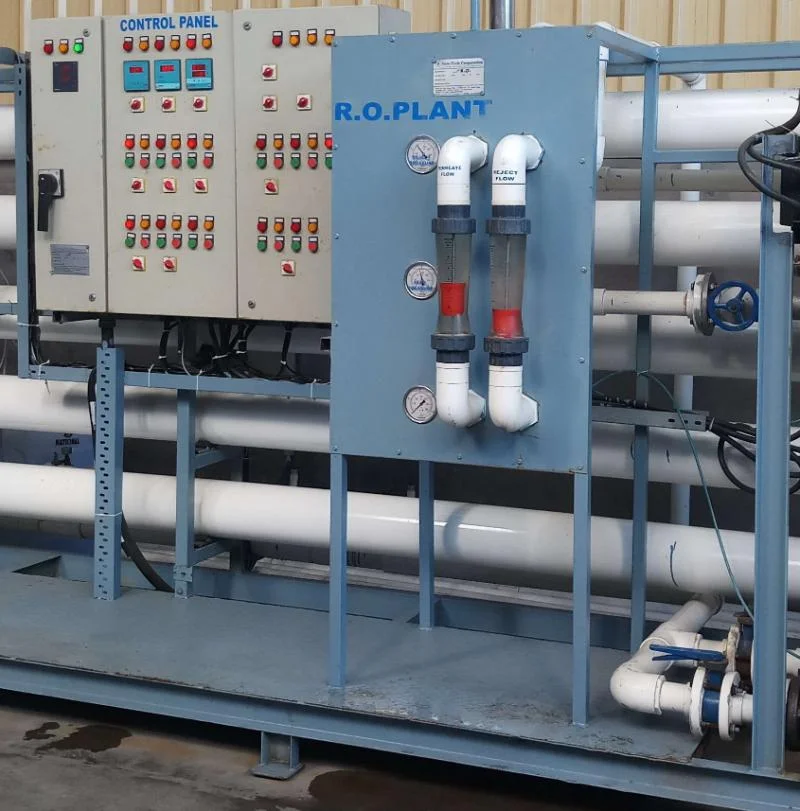
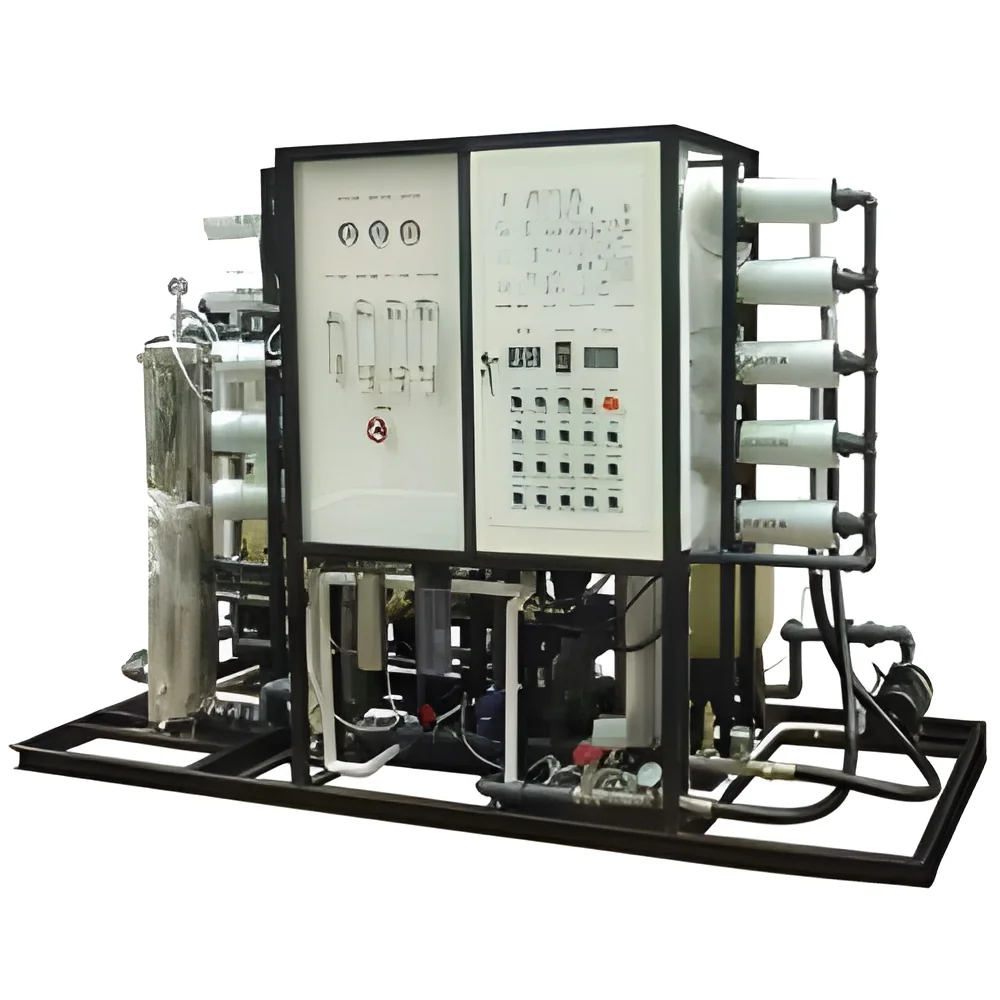
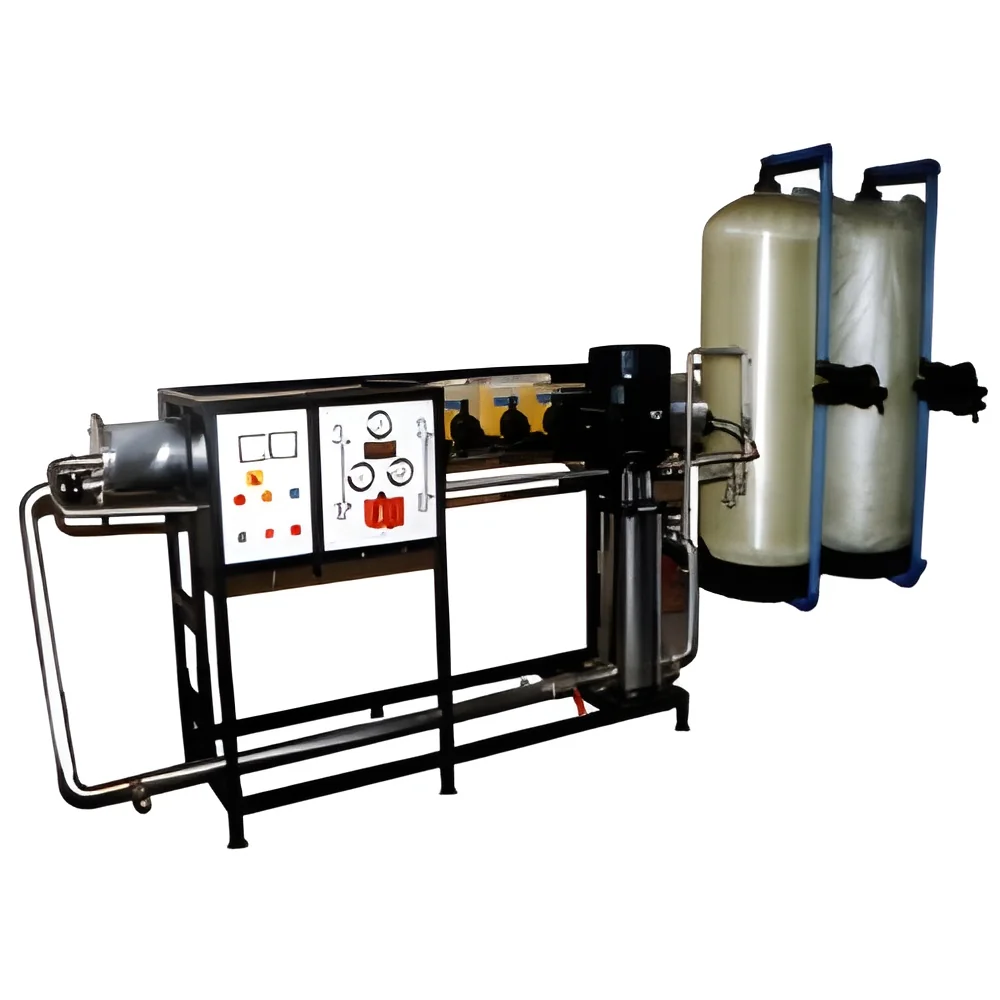
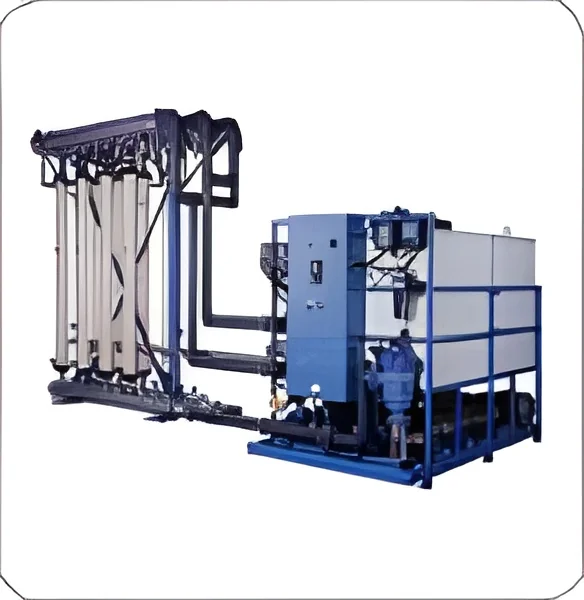
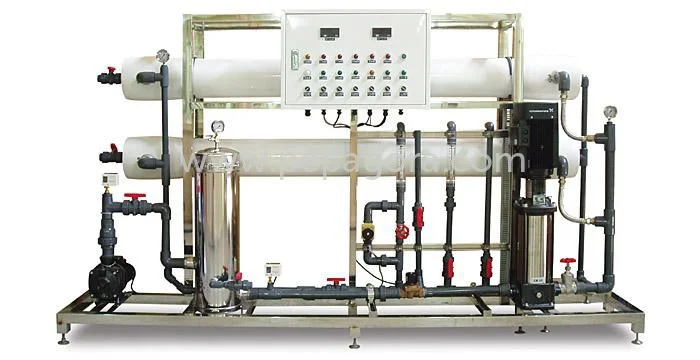
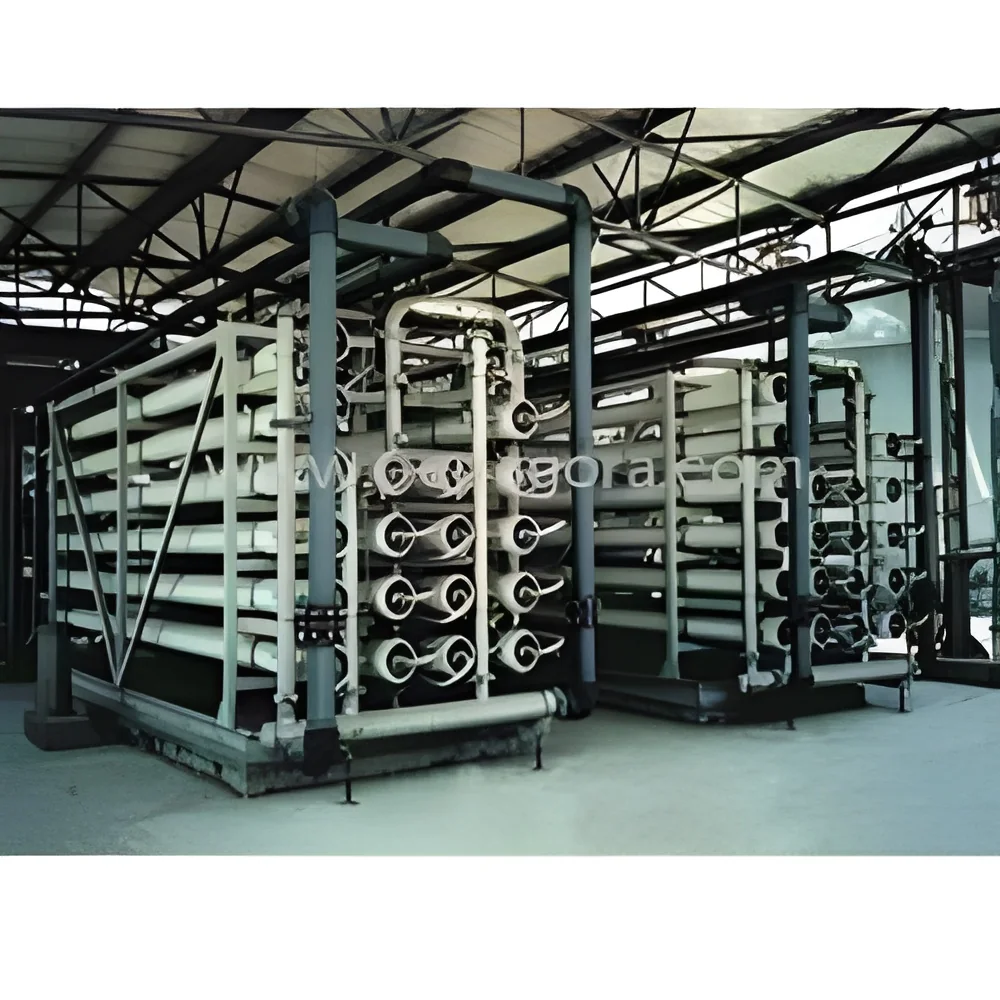
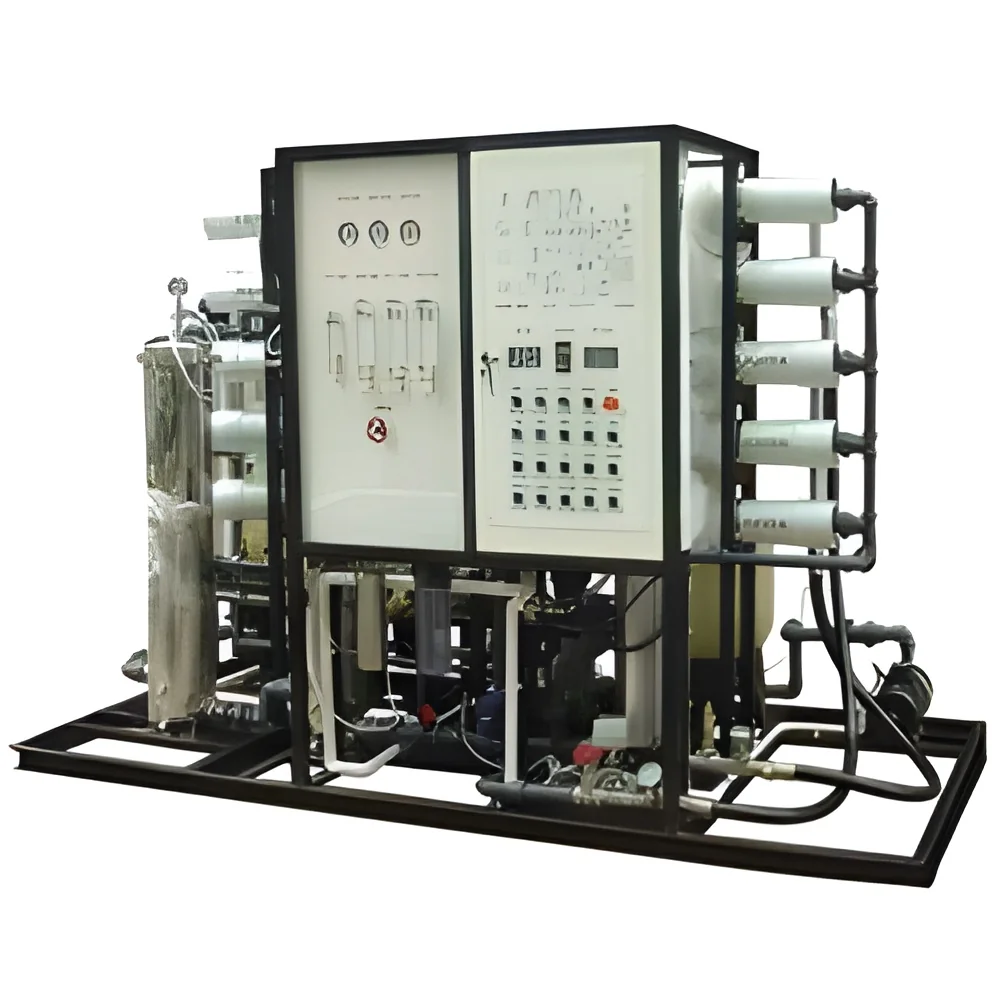
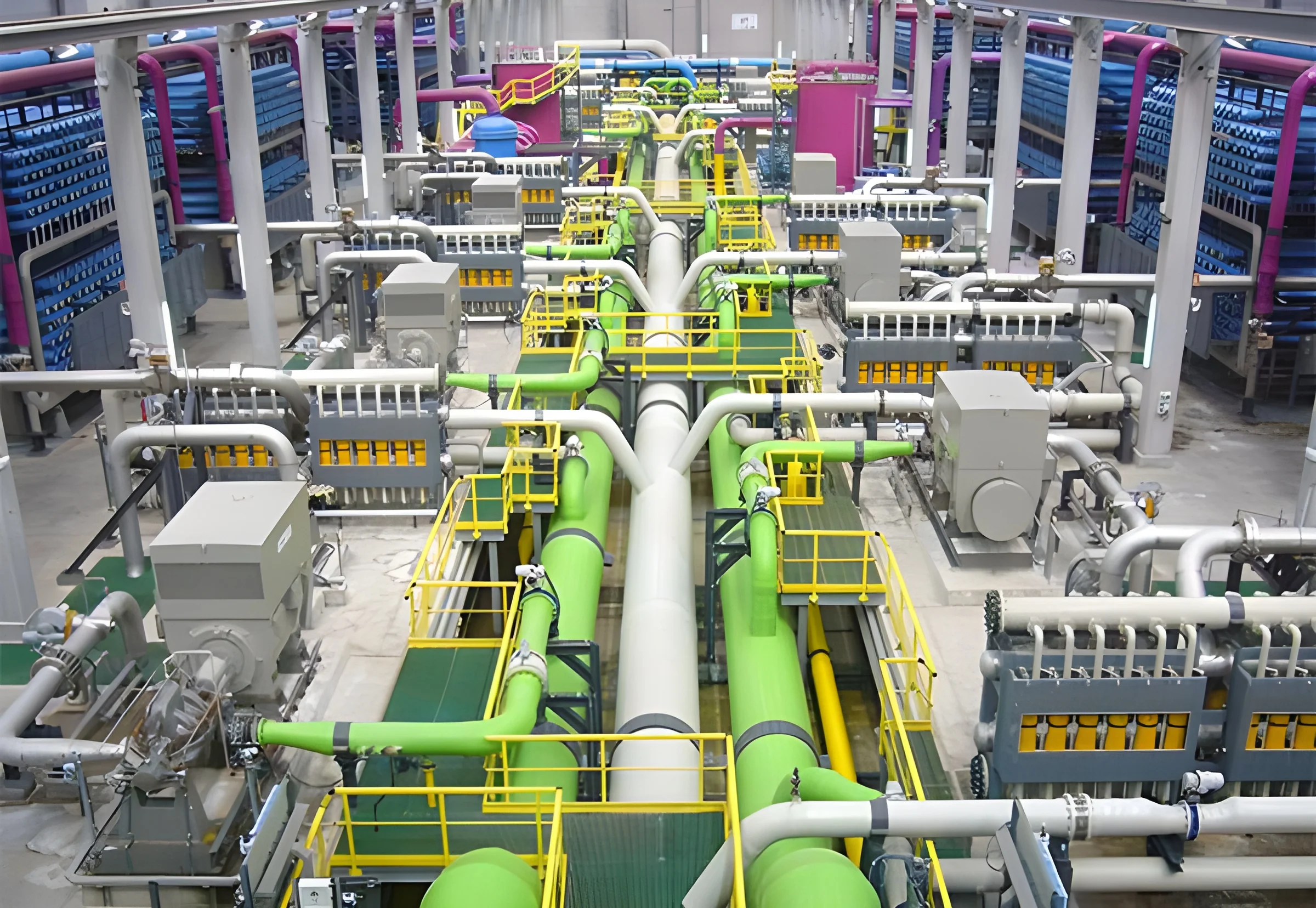
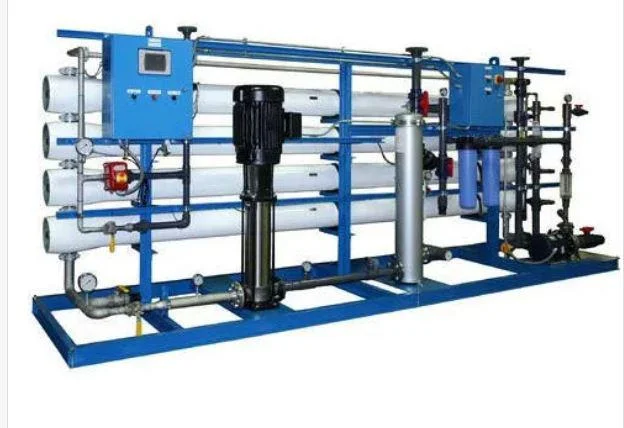
What are Sea Water Desalination RO Systems?
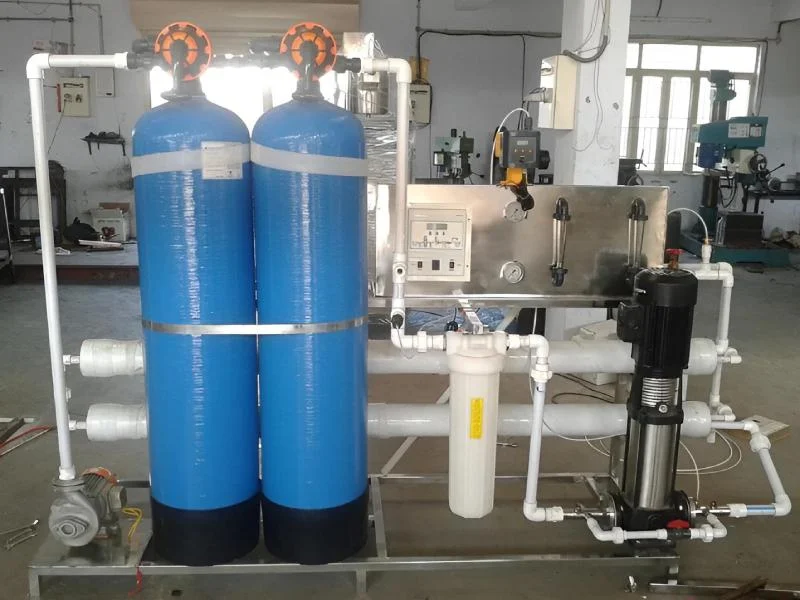
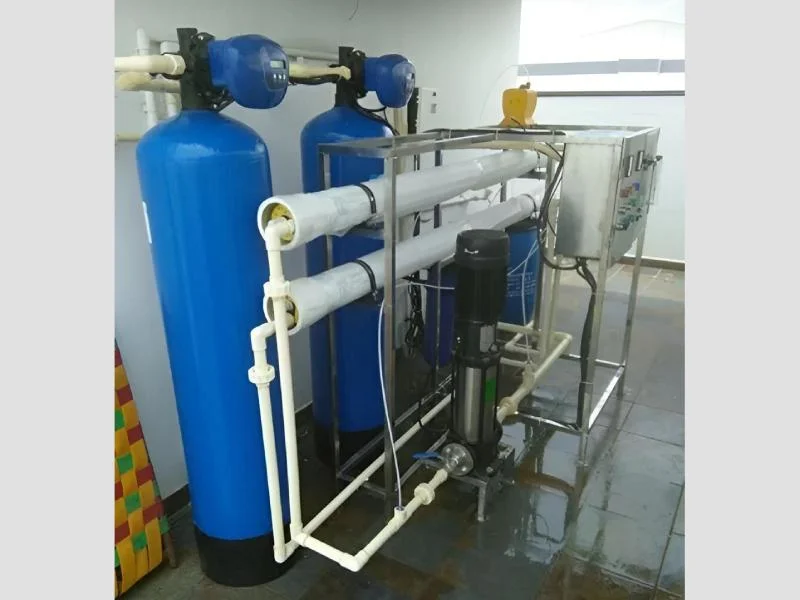
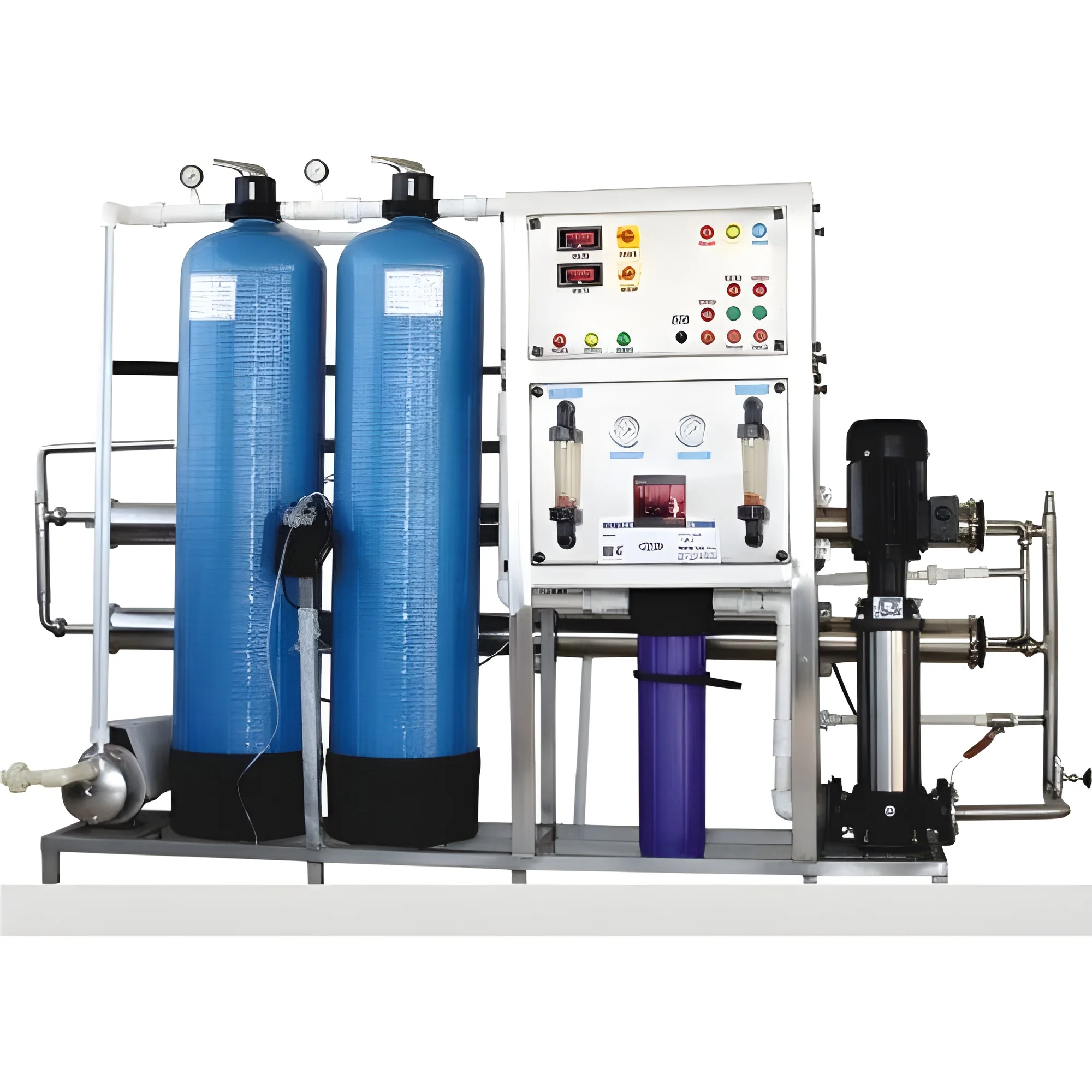
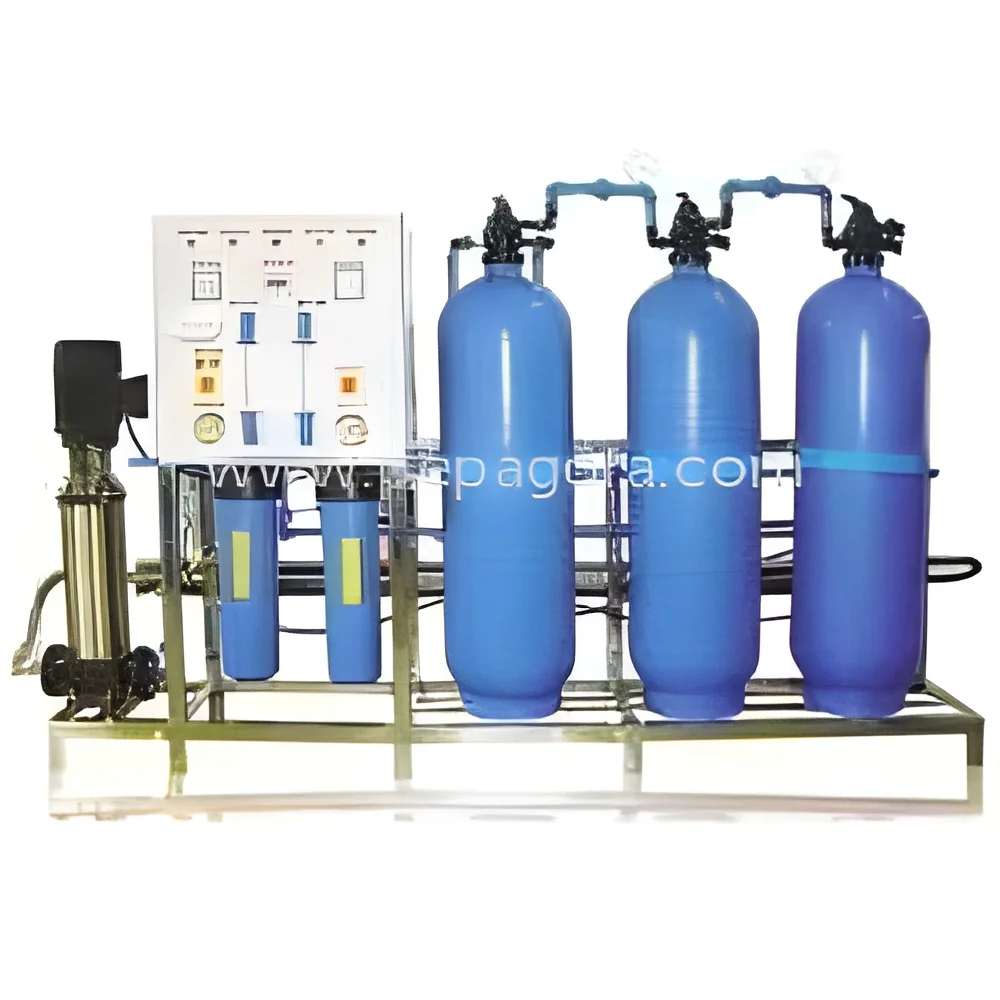
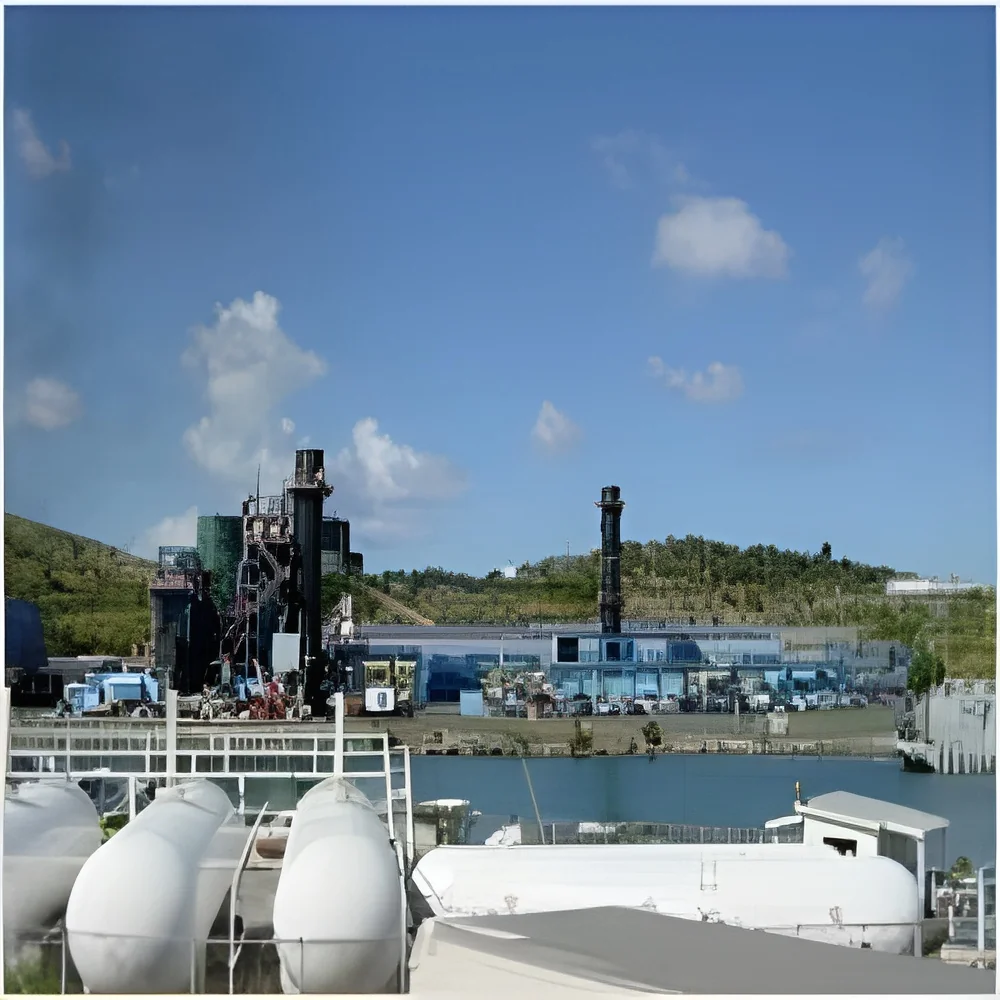
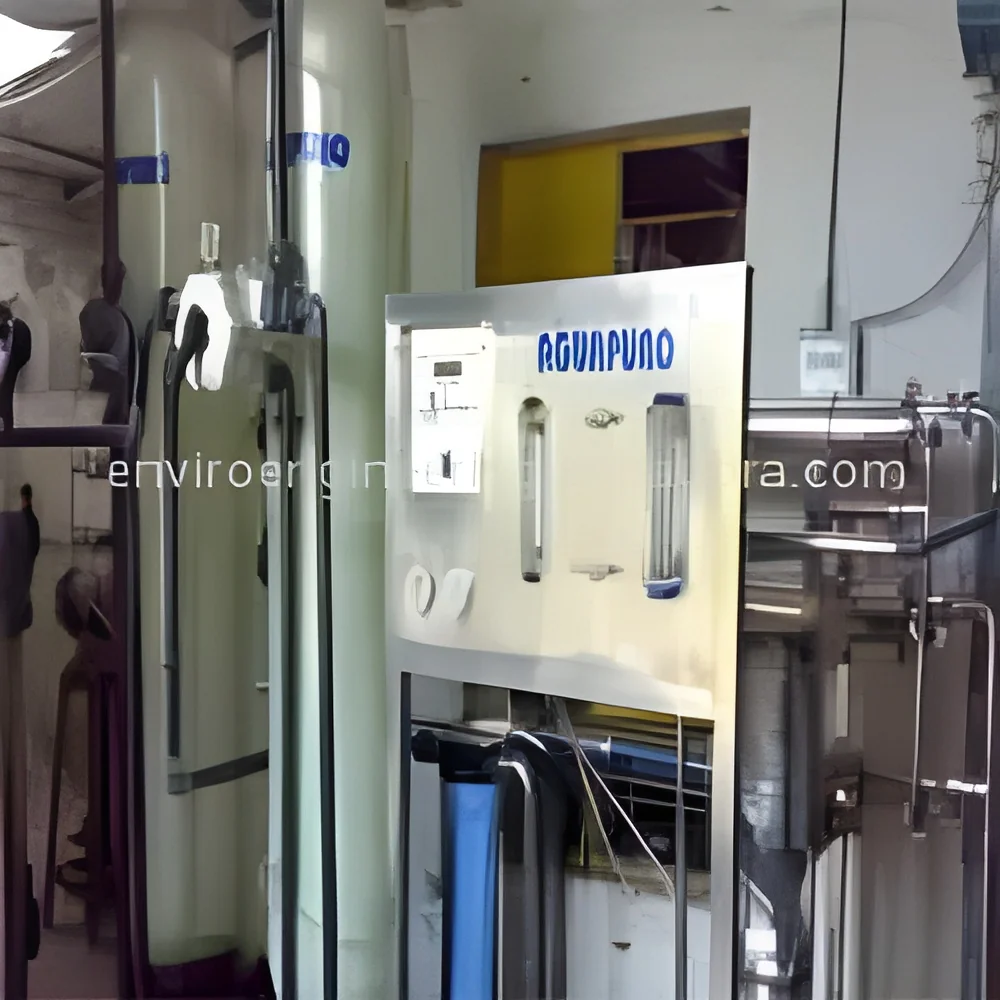
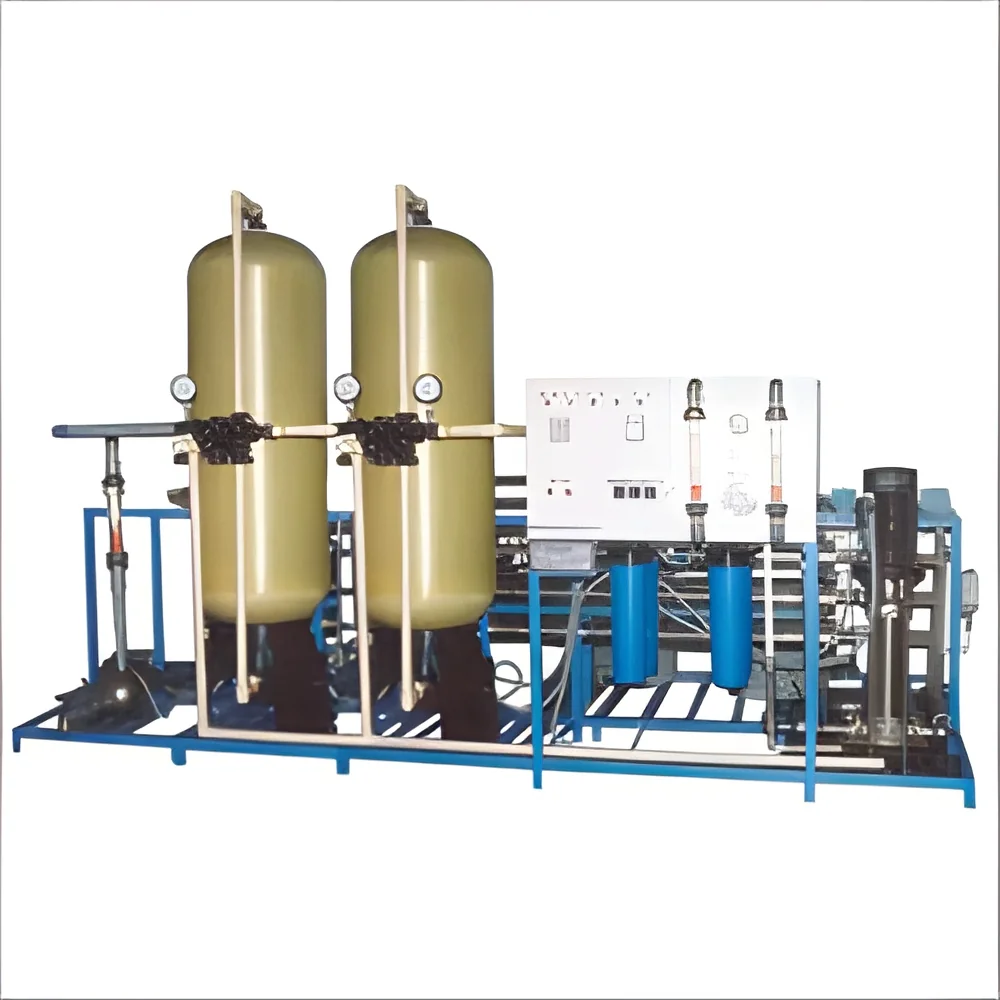
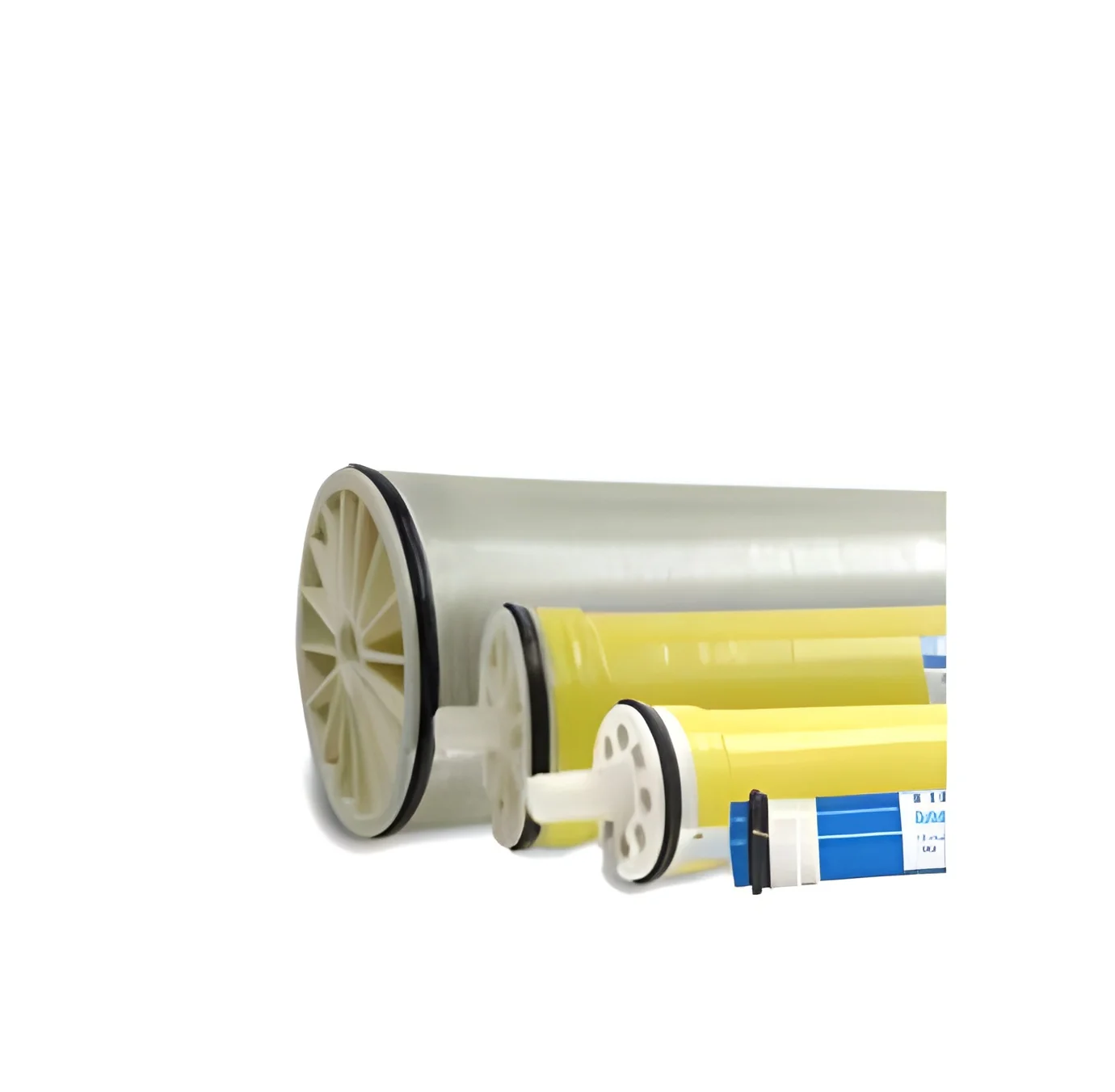
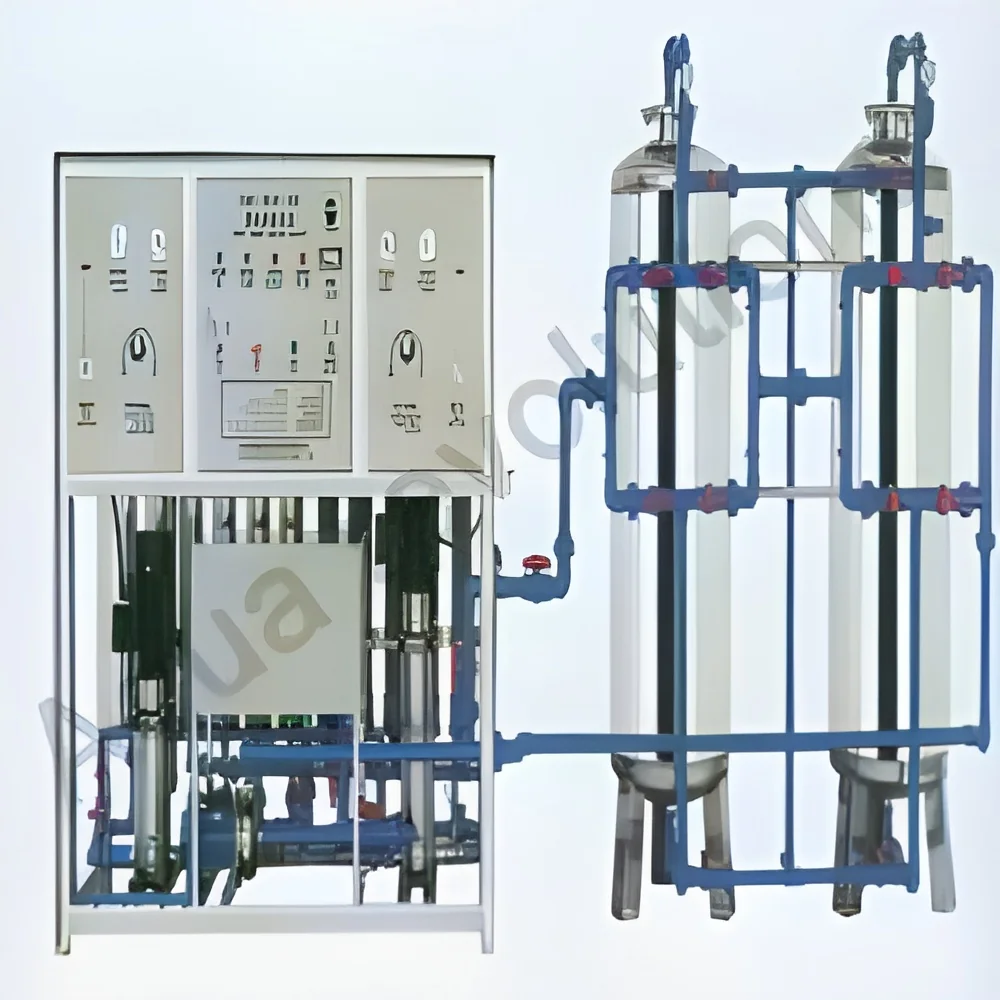
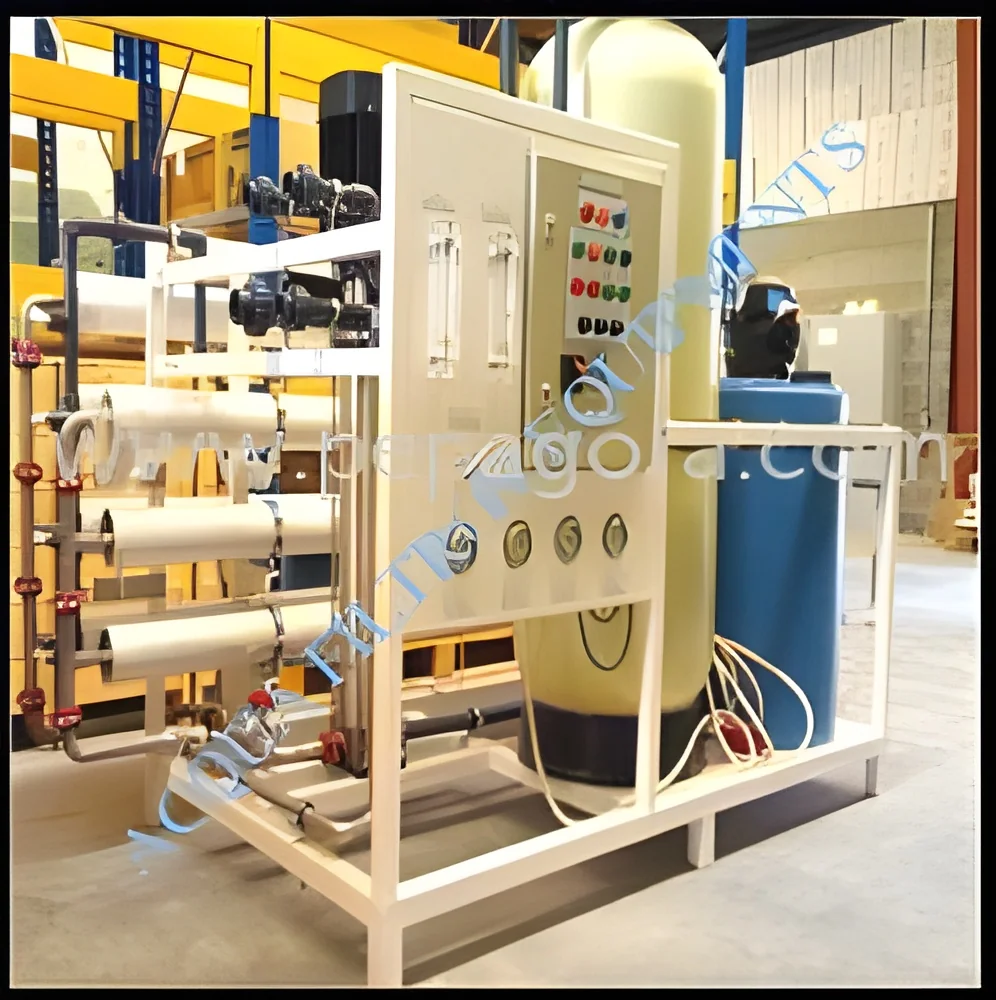
Sea Water Desalination Reverse Osmosis (RO) Systems are advanced technologies designed to remove salt and impurities from seawater, making it suitable for human consumption and agricultural use. These systems employ a semi-permeable membrane that allows water to pass through while blocking larger molecules and ions, such as sodium and chloride. The result is purified water that meets various quality standards for drinking and other applications.
These systems are particularly valuable in regions where freshwater resources are scarce. They are widely used in municipal water supply, agriculture, and industrial processes that require high-quality water. The demand for freshwater is growing globally due to population increases and climate change, making desalination a critical solution for sustainable water management. In the context of market relevance, the desalination industry is expanding rapidly, driven by advancements in technology and the need for reliable water sources.
Key Features and Specifications
Sea Water Desalination RO Systems offer a range of advanced features to ensure efficiency and effectiveness in water purification. Understanding these specifications is crucial for selecting the right system for specific needs.
Key specifications include:
1. Membrane Type
- High-performance polyamide thin-film composite membranes
- Optimized for seawater desalination with high rejection rates
2. Production Capacity
- Ranges from small-scale units (up to 10,000 liters per day) to large industrial systems (over 100,000 liters per day)
- Customizable to meet specific project demands
3. Recovery Rate
- Typically between 40% to 60%
- Indicates the percentage of feed water converted into permeate
4. Operating Pressure
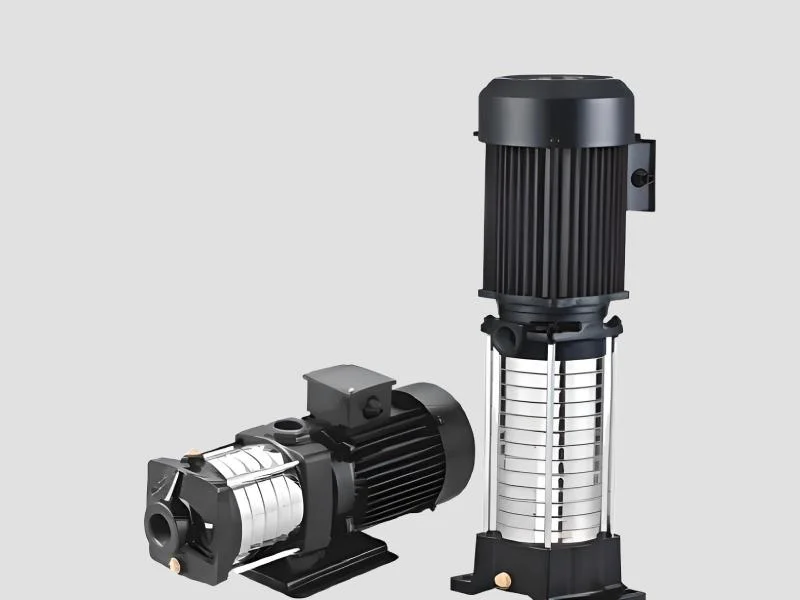
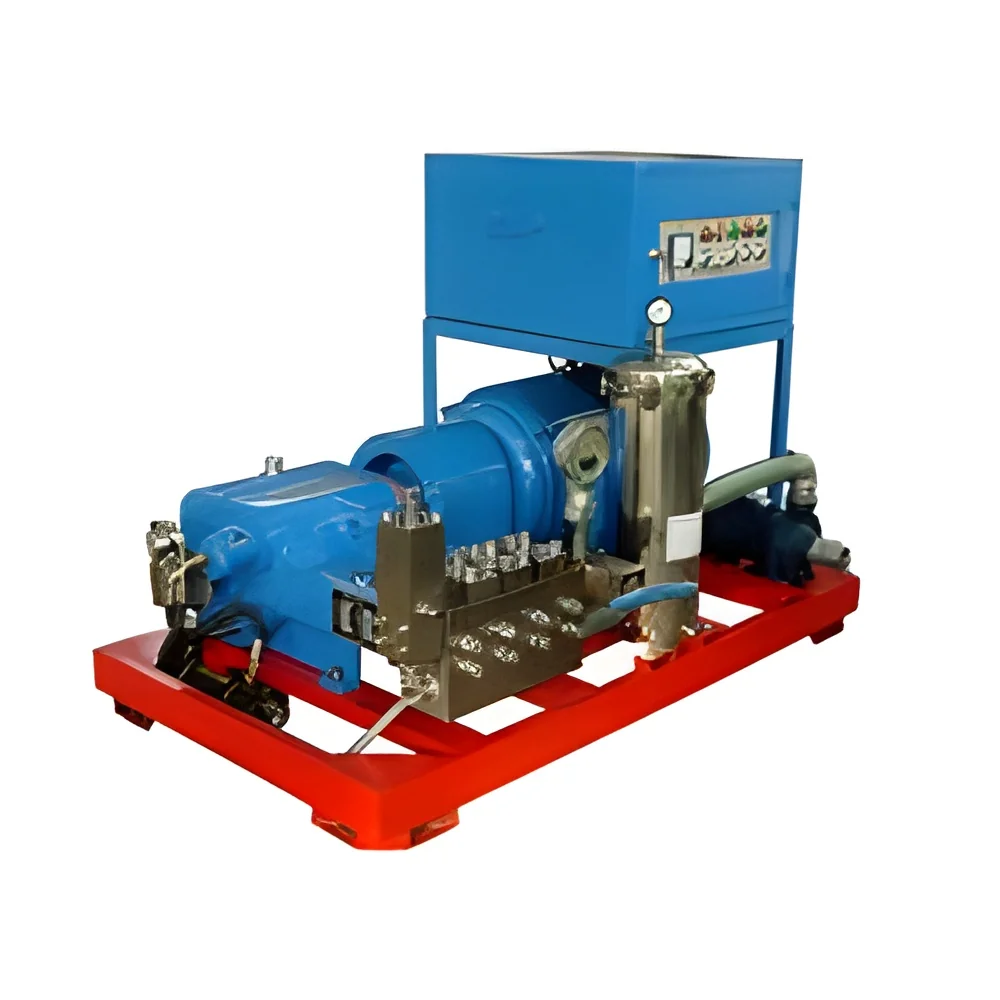
- Generally operates between 50 to 80 bar
- Ensures effective separation of salt and impurities
5. Energy Consumption
- Efficient energy usage, with modern systems consuming 3 to 5 kWh per cubic meter of water produced
- Energy recovery devices can further enhance efficiency
6. Automation Features
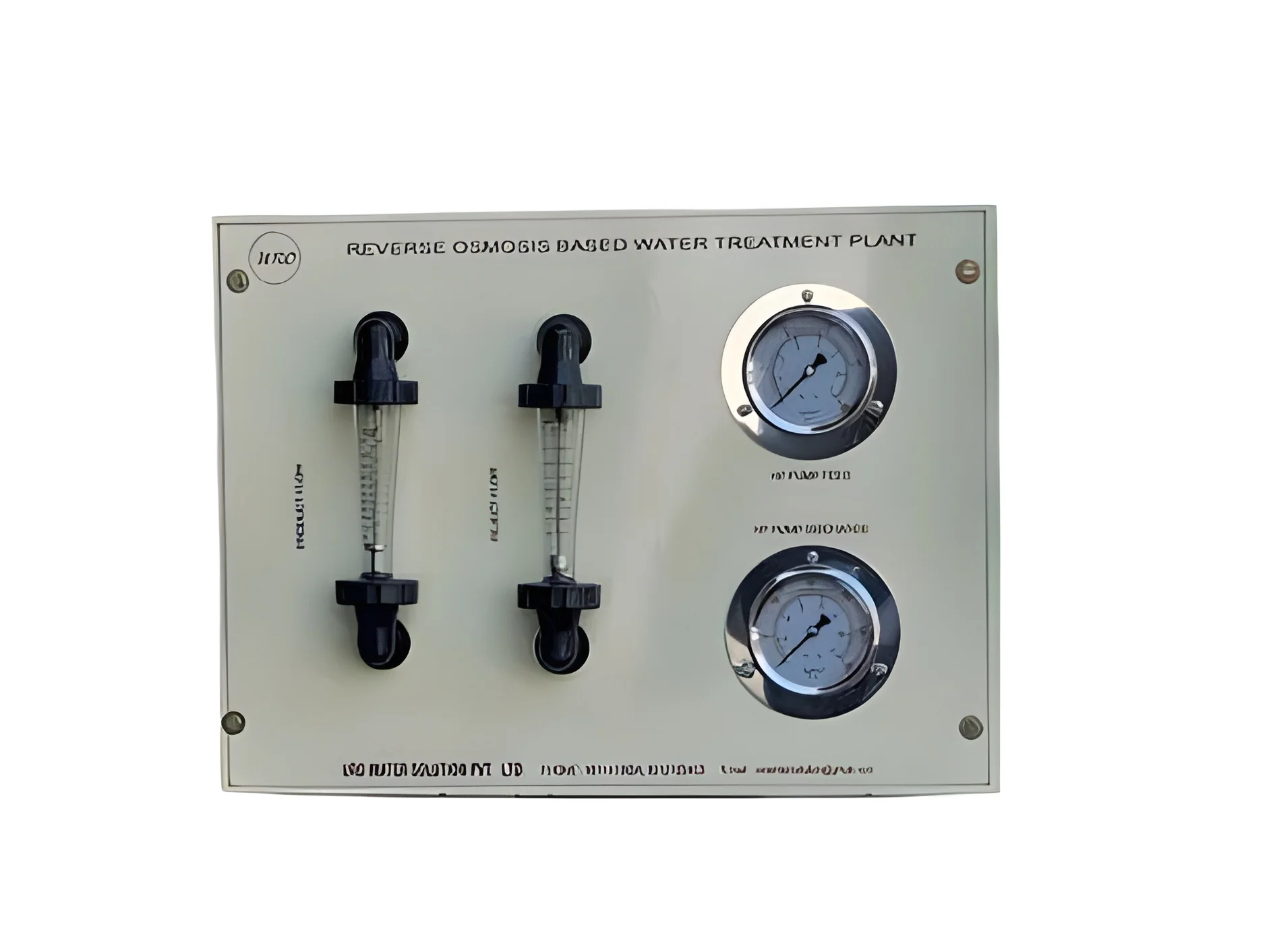
- Integrated control systems for monitoring and adjusting operational parameters
- Remote monitoring capabilities for real-time data access
7. Pre-treatment Requirements
- Pre-treatment processes such as filtration and anti-fouling agents are necessary
- Helps extend membrane life and improve overall efficiency
8. Dimensions and Footprint
- Compact designs available for limited space applications
- Modular configurations for easy scalability
These specifications highlight the advanced capabilities of Sea Water Desalination RO Systems, ensuring they meet diverse industrial and municipal needs.
Common Applications and Use Cases
Sea Water Desalination RO Systems find applications across multiple industries, driven by the need for reliable water sources.
1. Municipal Water Supply: These systems are used to provide drinking water in coastal cities where freshwater is limited, ensuring safe and sustainable access for residents.
2. Agriculture: Farmers utilize desalinated water for irrigation in arid regions, enhancing crop yields and supporting food security.
3. Oil and Gas: The energy sector employs desalination systems for water injection purposes and cooling processes, ensuring operational efficiency.
4. Industrial Processes: Various industries require high-quality water for production processes, such as pharmaceuticals and electronics manufacturing, where impurities can affect product quality.
5. Tourism and Hospitality: Resorts and hotels in coastal areas use desalination systems to provide fresh water for guests and maintain facilities.
6. Aquaculture: Fish farming operations rely on desalinated water to create optimal living conditions for aquatic species, promoting healthy growth.
7. Emergency Relief: Desalination systems can be deployed in disaster-stricken areas to provide immediate access to safe drinking water.
These diverse applications demonstrate the versatility and importance of Sea Water Desalination RO Systems in addressing global water challenges.
Product Variants and Subcategories
Sea Water Desalination RO Systems come in various configurations to meet different operational requirements.
Compact RO Systems
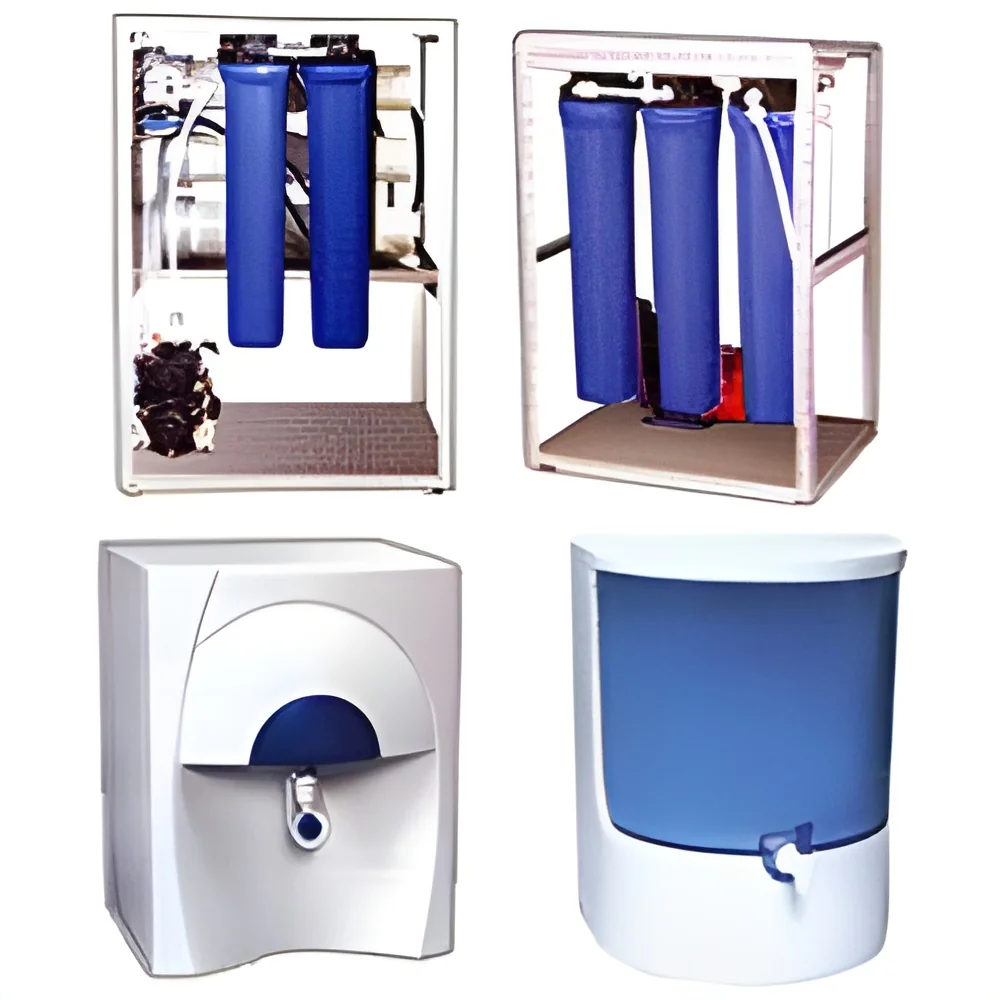
These systems are designed for smaller-scale applications, ideal for remote areas or situations where space is limited. They provide efficient desalination with lower production capacities, making them suitable for small communities or specific industrial needs.
Industrial RO Systems
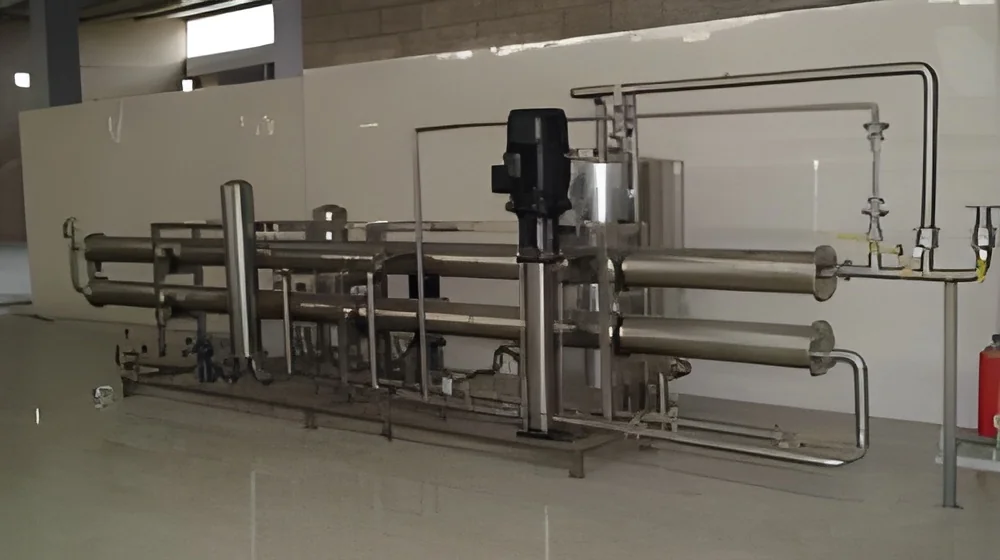
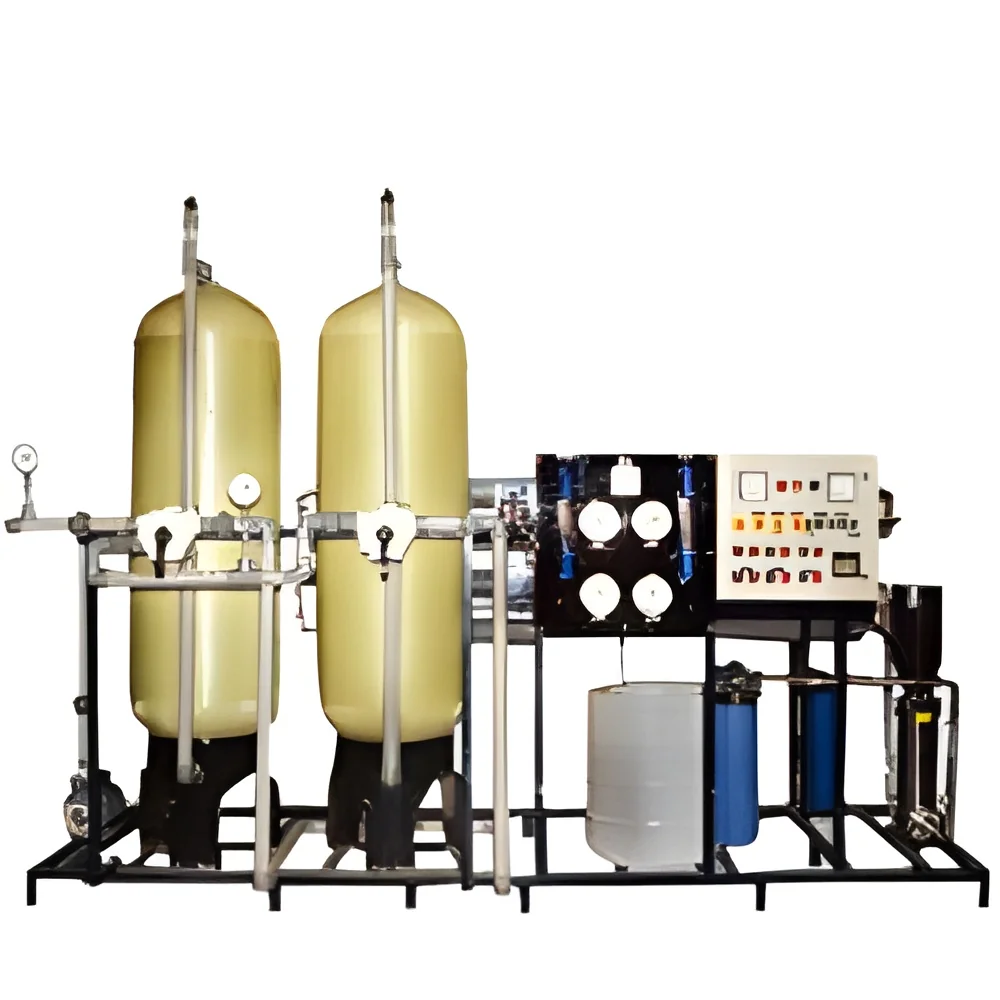
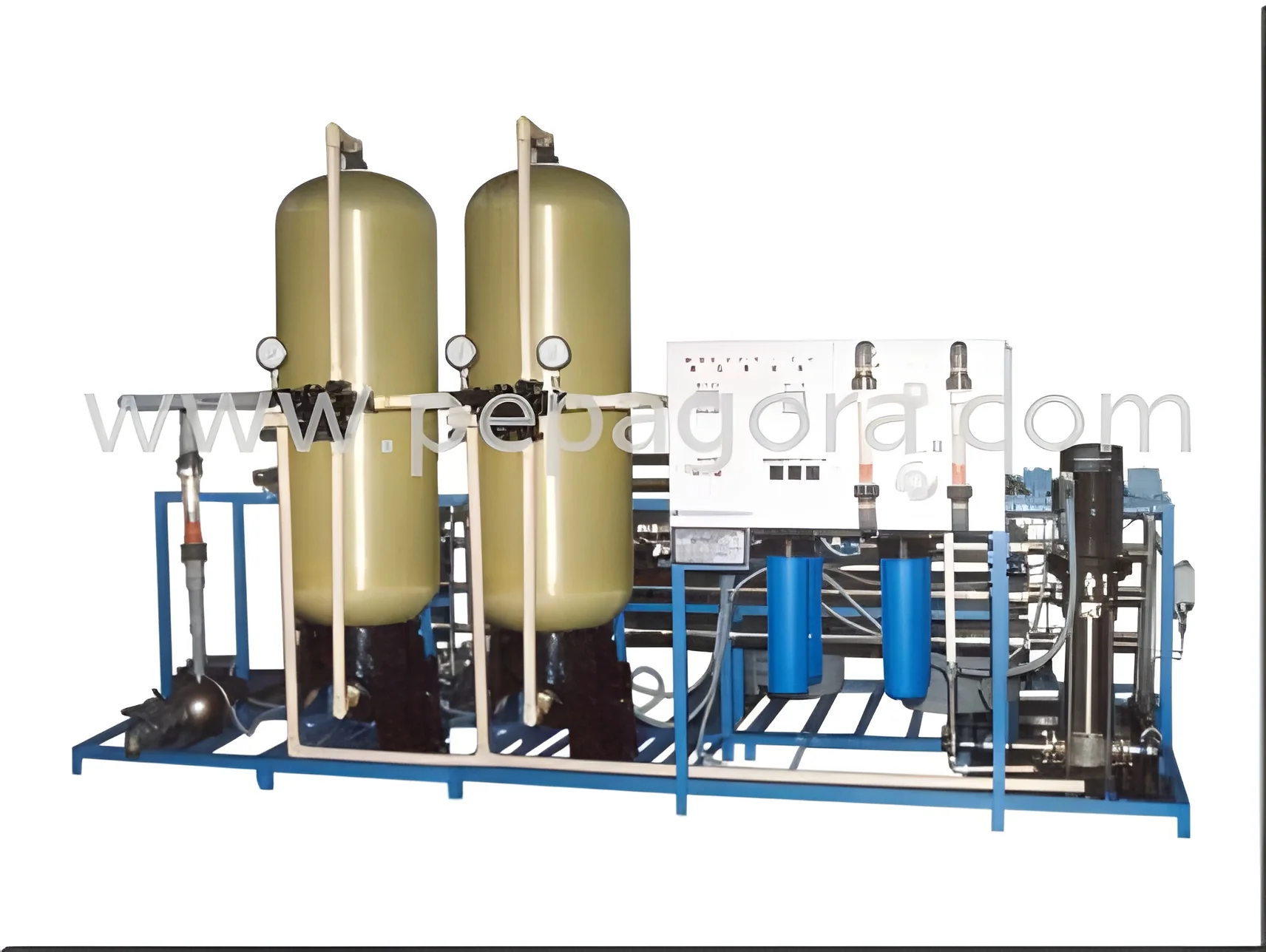
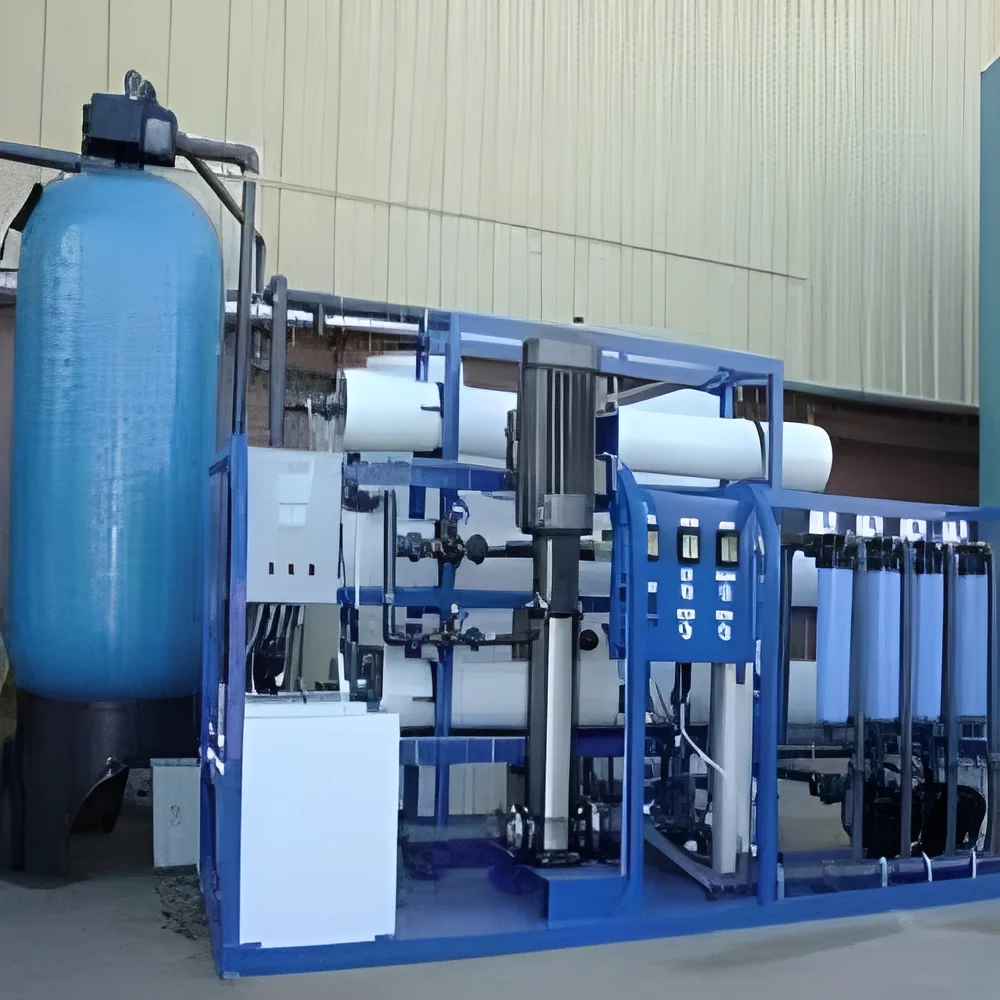
Tailored for large-scale operations, these systems offer high production capacities and robust construction. They are ideal for municipalities and industries that require significant quantities of desalinated water for ongoing processes.
Mobile Desalination Units
These portable systems are designed for rapid deployment in emergency situations or temporary installations. They provide flexibility and quick access to clean water in crisis scenarios.
Benefits and Advantages
Investing in Sea Water Desalination RO Systems offers numerous benefits to businesses and communities alike.
1. Sustainable Water Supply: Provides a reliable source of freshwater, essential for regions facing water scarcity due to climate or geographic challenges.
2. Improved Water Quality: Effectively removes salts and contaminants, ensuring high-quality drinking water that meets health standards.
3. Versatility: Suitable for a wide range of applications, from municipal use to industrial processes, making it a valuable asset for various sectors.
4. Technological Advancements: Modern systems incorporate advanced features for efficiency and performance, reducing operational costs over time.
5. Environmental Impact: Helps mitigate the depletion of natural freshwater resources, promoting sustainable water management practices.
6. Scalability: Systems can be customized and scaled according to specific needs, allowing for flexibility in deployment and usage.
Buying Guide for B2B Buyers
When sourcing Sea Water Desalination RO Systems, several critical factors must be considered to ensure optimal selection.
1. Quality Assessment: Evaluate the quality of materials and technology used in the systems. Look for certifications such as ISO 9001 and CE to ensure compliance with industry standards.
2. Supplier Verification: Conduct thorough background checks on suppliers to assess their reliability and reputation in the market. Look for established companies with positive customer feedback.
3. Pricing and MOQ: Understand the pricing structures and minimum order quantities (MOQ) required by suppliers. Compare costs to find a balance between budget and quality.
4. Delivery and Lead Times: Inquire about delivery schedules and lead times to ensure timely project implementation. Consider logistics and transportation factors that may affect delivery.
5. Compliance Requirements: Ensure that the systems meet local regulatory requirements for water quality and safety. This is crucial for avoiding legal issues and ensuring public health.
Compliance and Certifications
Sea Water Desalination RO Systems must adhere to various quality standards and certifications to ensure safety and effectiveness.
ISO 9001 is a quality management standard that ensures consistent product quality and reliable processes. It demonstrates a commitment to continuous improvement and customer satisfaction.
HACCP (Hazard Analysis and Critical Control Points) is essential for food safety, particularly in applications where desalinated water is used for drinking or food production. Compliance ensures the safety of end products.
CE certification indicates that the product meets European health, safety, and environmental protection standards. This is crucial for systems marketed in Europe and other regions that recognize CE standards.
Safety and testing requirements are also applicable to these systems, ensuring they operate reliably under various conditions. Regular testing and maintenance contribute to system longevity and performance.
Regional compliance considerations may vary, necessitating awareness of local regulations governing water treatment and safety. Companies should ensure their systems meet these specific requirements to operate legally and effectively.
Why Source Sea Water Desalination RO Systems from Pepagora?
Pepagora offers a trusted platform for sourcing Sea Water Desalination RO Systems, providing several key advantages for B2B buyers.
Verified Supplier Network: Pepagora connects businesses with a network of verified suppliers, ensuring that buyers can find reputable manufacturers and distributors. This reduces the risk of subpar products and unreliable service.
Streamlined RFQ Process: The platform simplifies the request for quotation (RFQ) process, allowing buyers to easily obtain competitive quotes from multiple suppliers. This helps businesses make informed purchasing decisions.
Trade Assurance and Support: Pepagora provides trade assurance features that protect buyers throughout the transaction process. This includes support for negotiations and dispute resolution, enhancing buyer confidence.
Regional Coverage: With a strong presence in India, the GCC, and Southeast Asia, Pepagora facilitates access to a wide range of suppliers and products. This geographic reach ensures that buyers can find suitable solutions tailored to their specific market needs.

 IN
IN