What are Activated Carbon Filters?
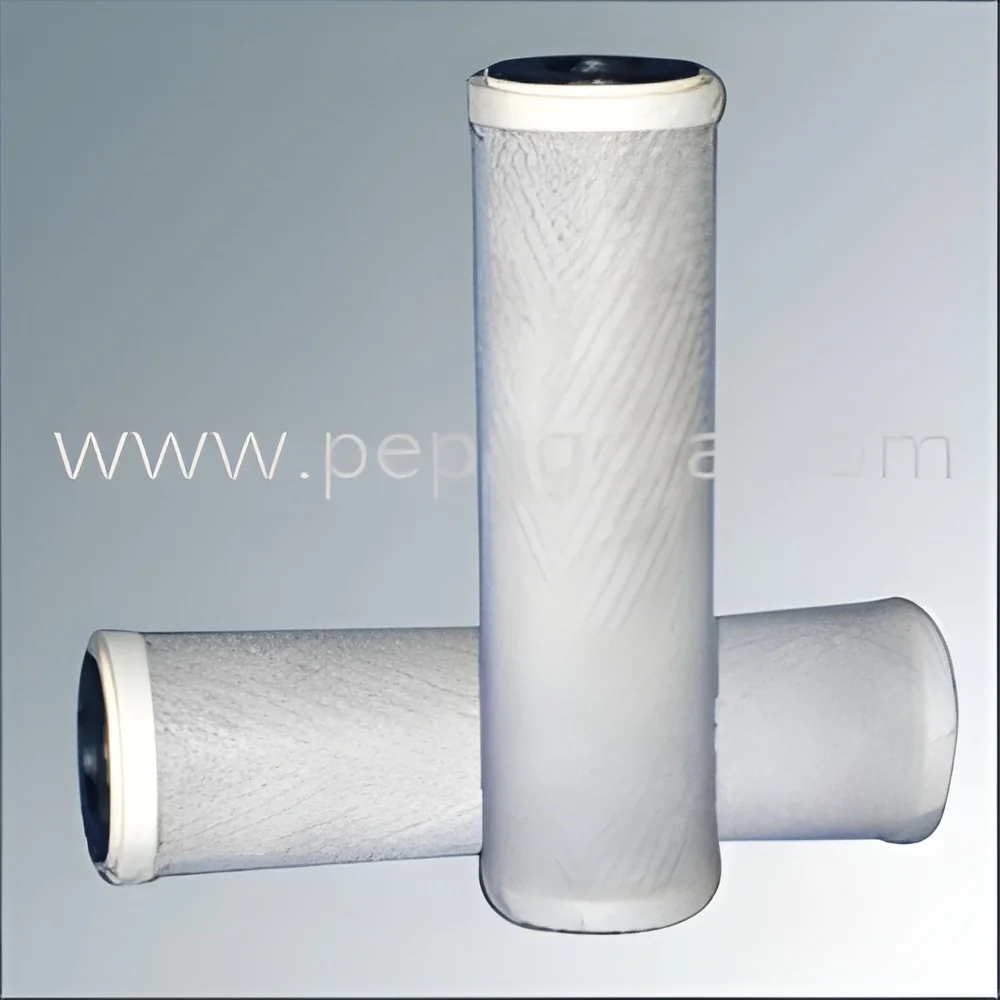
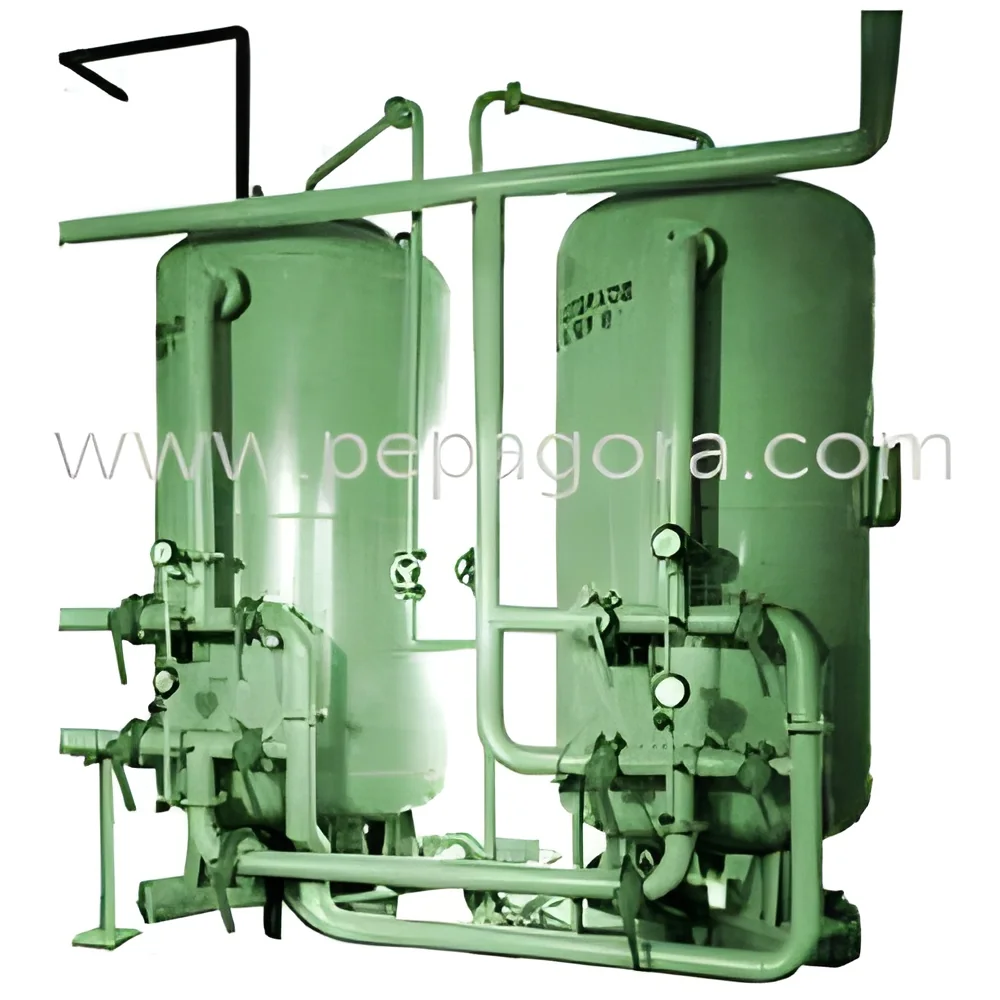
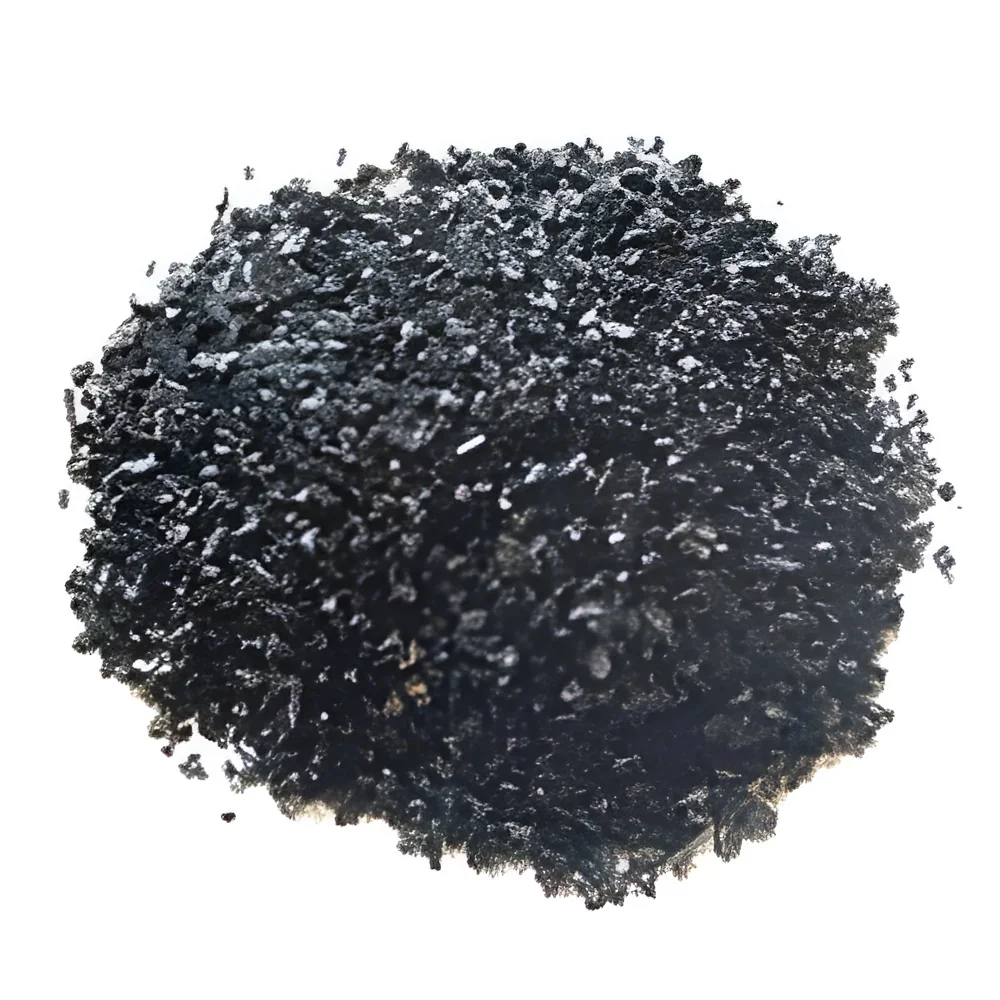
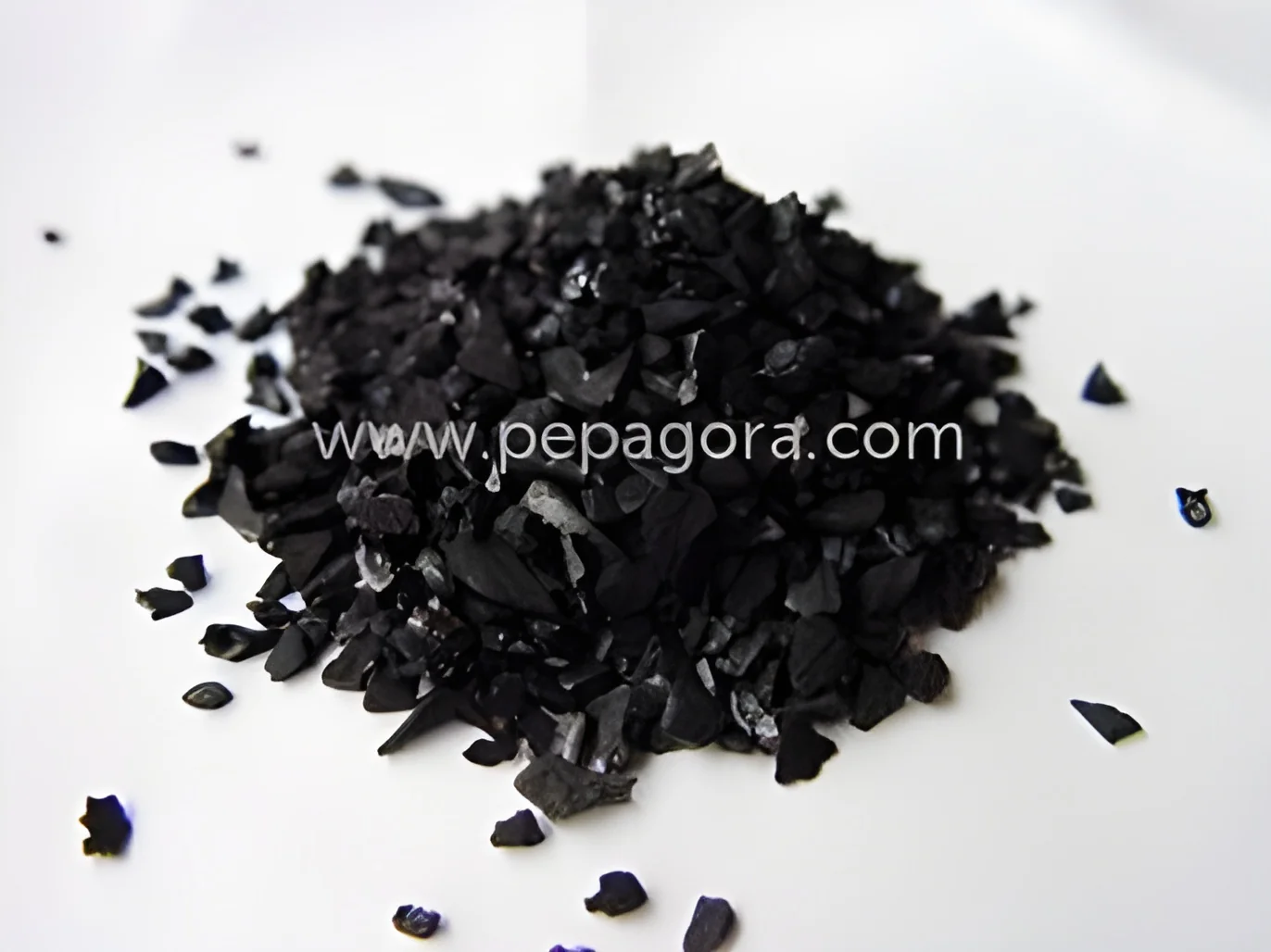
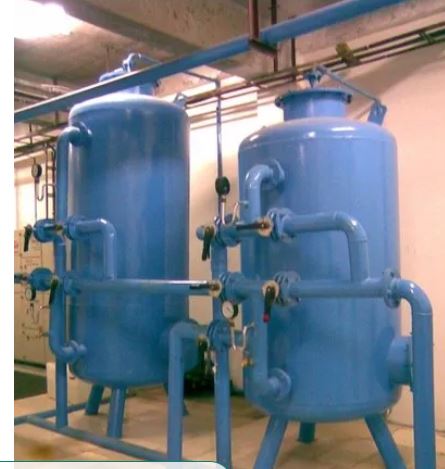
Activated carbon filters are advanced filtration devices designed to remove impurities and contaminants from air, water, and various industrial processes. They utilize activated carbon, a porous material that has been treated to create a vast surface area, enhancing its ability to absorb pollutants. These filters work through adsorption, where contaminants adhere to the surface of the activated carbon, effectively capturing unwanted substances.
The primary uses of activated carbon filters span numerous industries, including water treatment, air purification, and chemical processing. Businesses often rely on these filters to improve the quality of their products, ensure safety, and meet regulatory standards. Their versatility allows them to be used in applications ranging from municipal water filtration to air quality management in manufacturing environments. As industries increasingly prioritize sustainability and environmental compliance, the demand for activated carbon filters continues to rise, positioning them as a vital component in many operational strategies.
Key Features and Specifications
Activated carbon filters are characterized by several key features that enhance their performance and adaptability. Understanding these specifications is crucial for selecting the right filter for specific applications.
Key specifications include:
1. Type of Activated Carbon
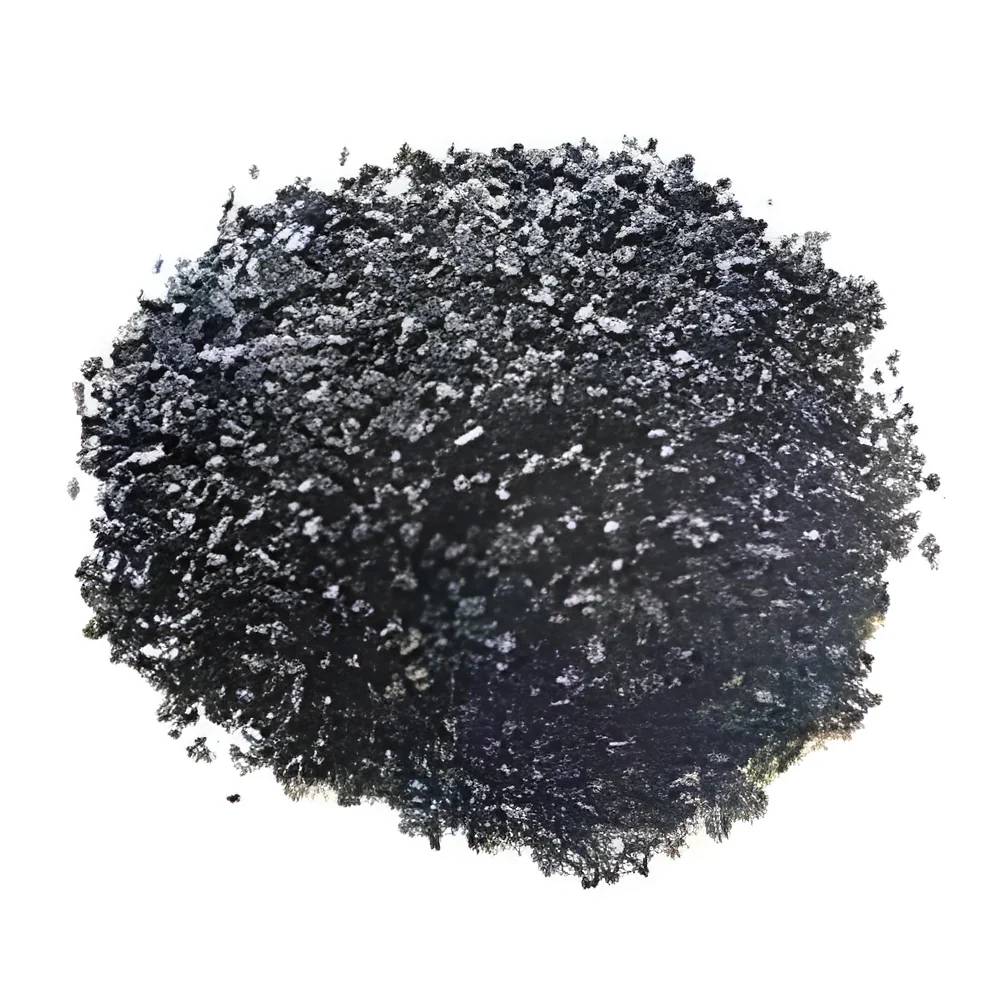
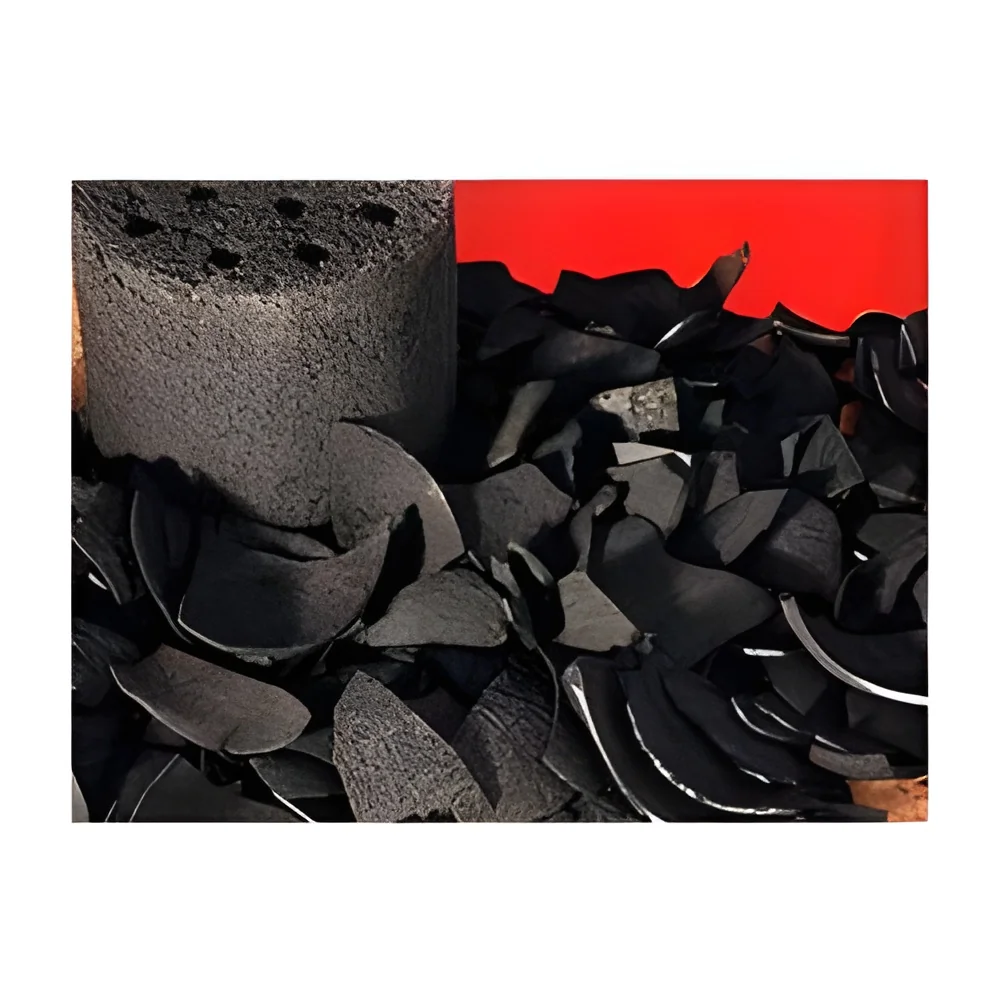
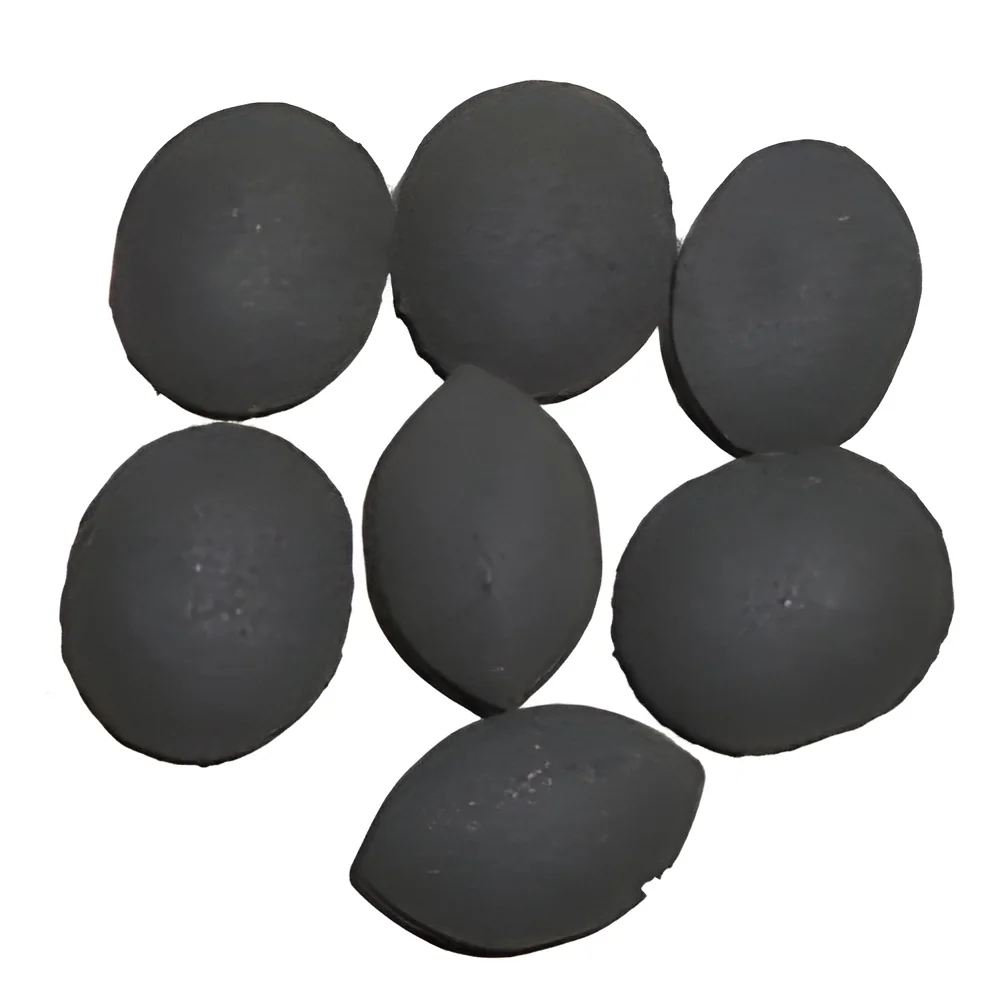
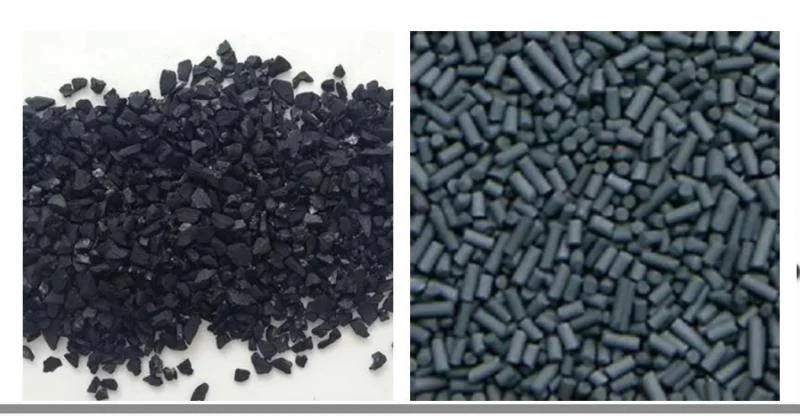
- Granular Activated Carbon (GAC) for bulk applications
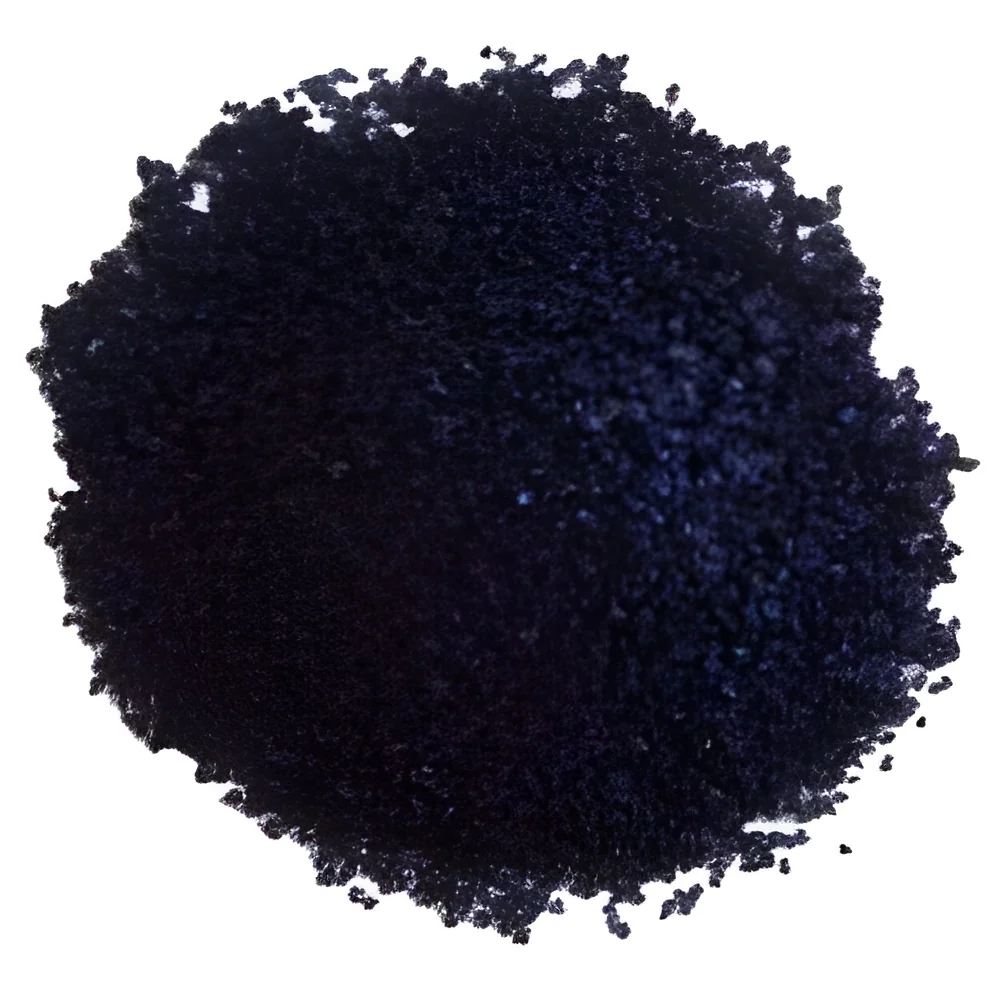
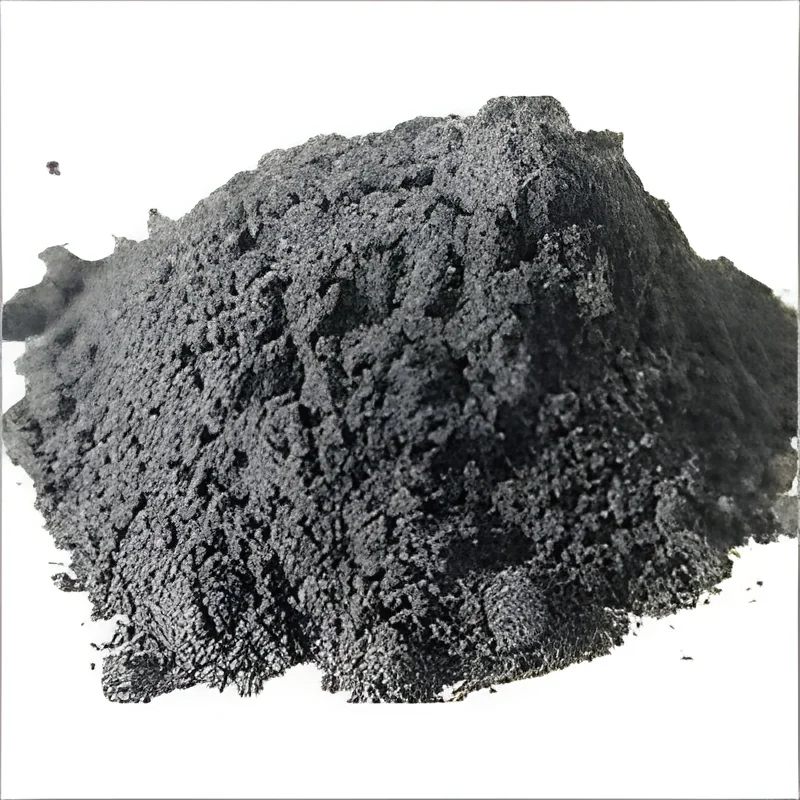
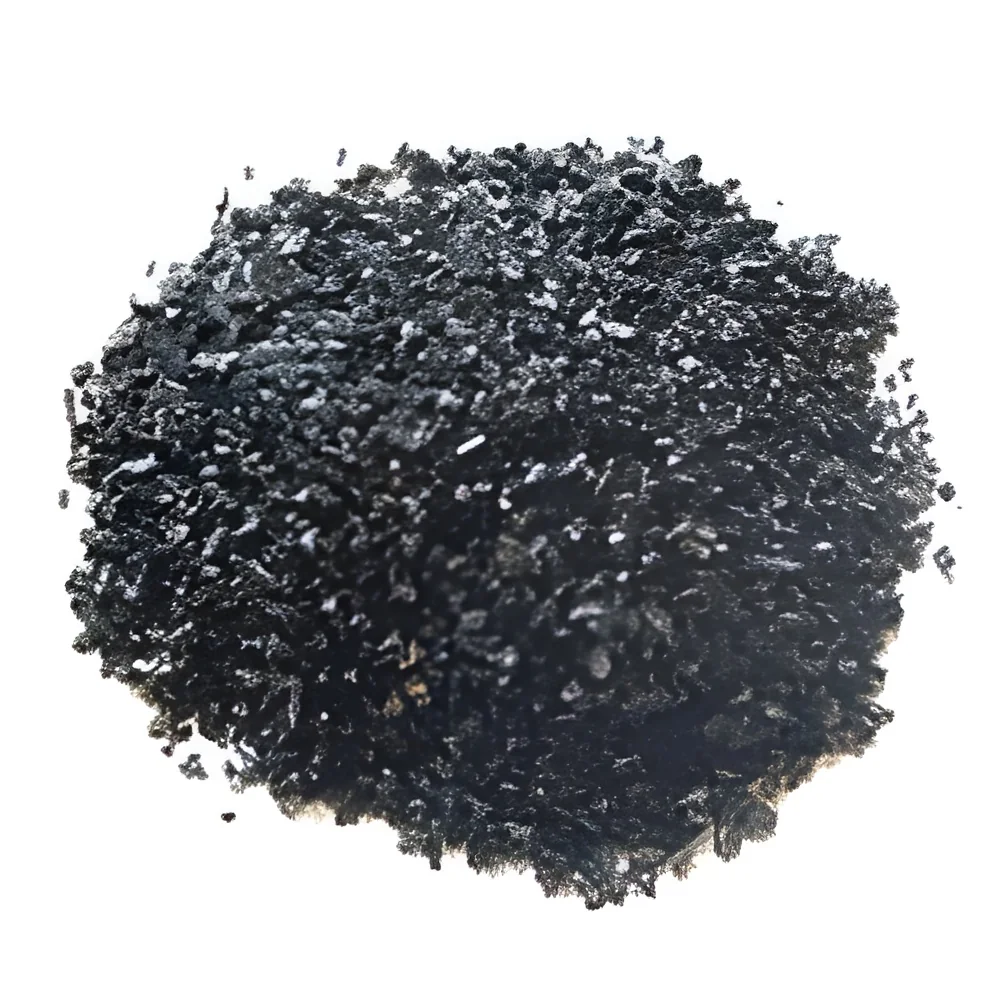
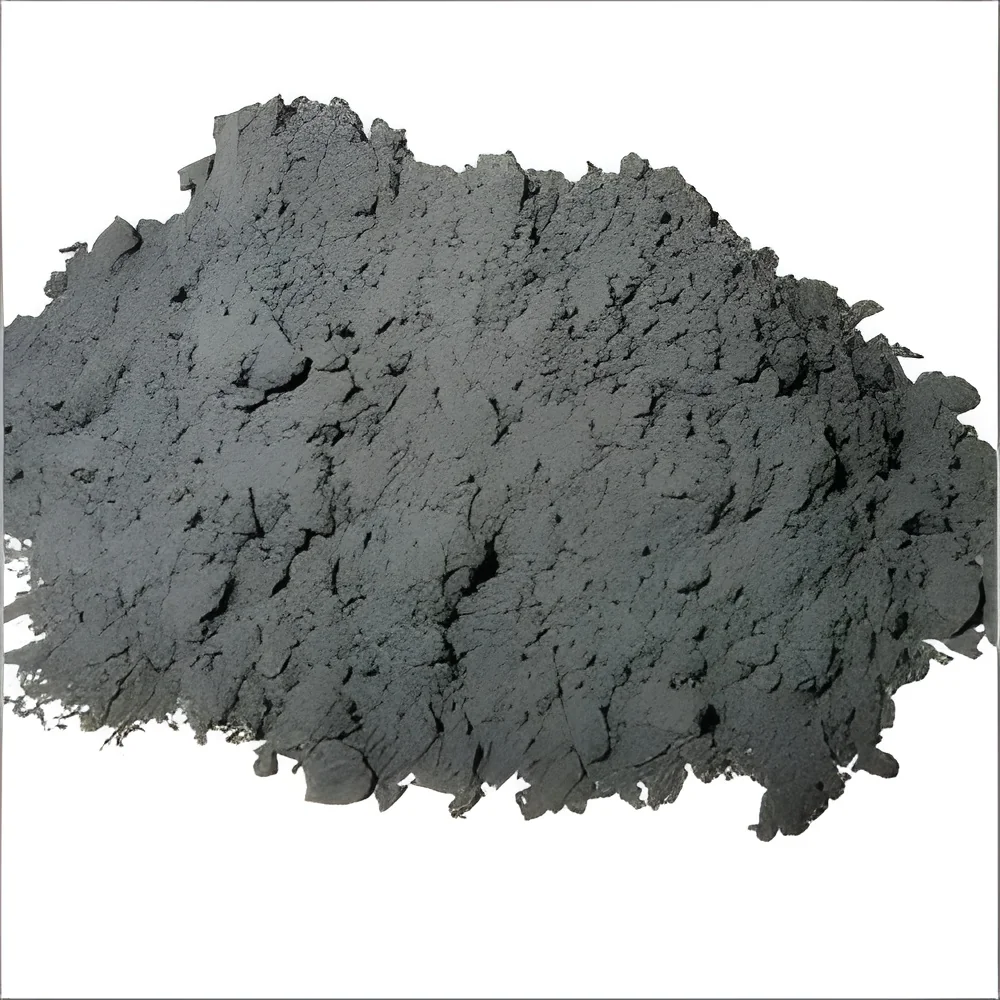
- Powdered Activated Carbon (PAC) for finer filtration
2. Flow Rate
- Measured in gallons per minute (GPM) or liters per second (L/s)
- Determines the filter's capacity to handle water or air flow
3. Adsorption Capacity
- Refers to the amount of contaminants the carbon can effectively absorb
- Often measured in milligrams of contaminant per gram of carbon
4. Particle Size
- Various sizes available for different applications
- Smaller particles typically offer greater surface area
5. Temperature Resistance
- Ranges for different applications
- Important for industrial use where heat is a factor
6. Humidity Control
- Some filters are designed to operate effectively in high-humidity environments
7. Compliance Standards
- Filters may adhere to specific industry standards such as CE certification
8. Maintenance Requirements
- Frequency of replacement and ease of service
In summary, activated carbon filters come with a range of features tailored for various uses, making it essential for buyers to assess these specifications based on their operational needs.
Common Applications and Use Cases
Activated carbon filters serve various industries, offering tailored solutions for specific challenges.
1. Water Treatment: Used extensively in municipal water systems to remove chlorine, heavy metals, and organic compounds, ensuring safe drinking water.
2. Air Purification: Commonly employed in HVAC systems to eliminate odors, volatile organic compounds (VOCs), and particulates, promoting healthier indoor environments.
3. Chemical Processing: Essential in the production of chemicals and pharmaceuticals, these filters help remove impurities and enhance product quality.
4. Food and Beverage: Used in the filtration of beverages, ensuring that flavors are not compromised by unwanted contaminants.
5. Environmental Remediation: Activated carbon filters are utilized in cleaning up contaminated sites by capturing hazardous substances from soil and groundwater.
6. Oil and Gas: Applied in the treatment of wastewater and air emissions, these filters help meet environmental regulations.
7. Electronics Manufacturing: Used to maintain clean environments by filtering out harmful airborne particles during production.
Product Variants and Subcategories
Activated carbon filters are available in various configurations to meet diverse application needs. The diversity in products allows businesses to select options that best fit their specific requirements.
Granular Activated Carbon Filters
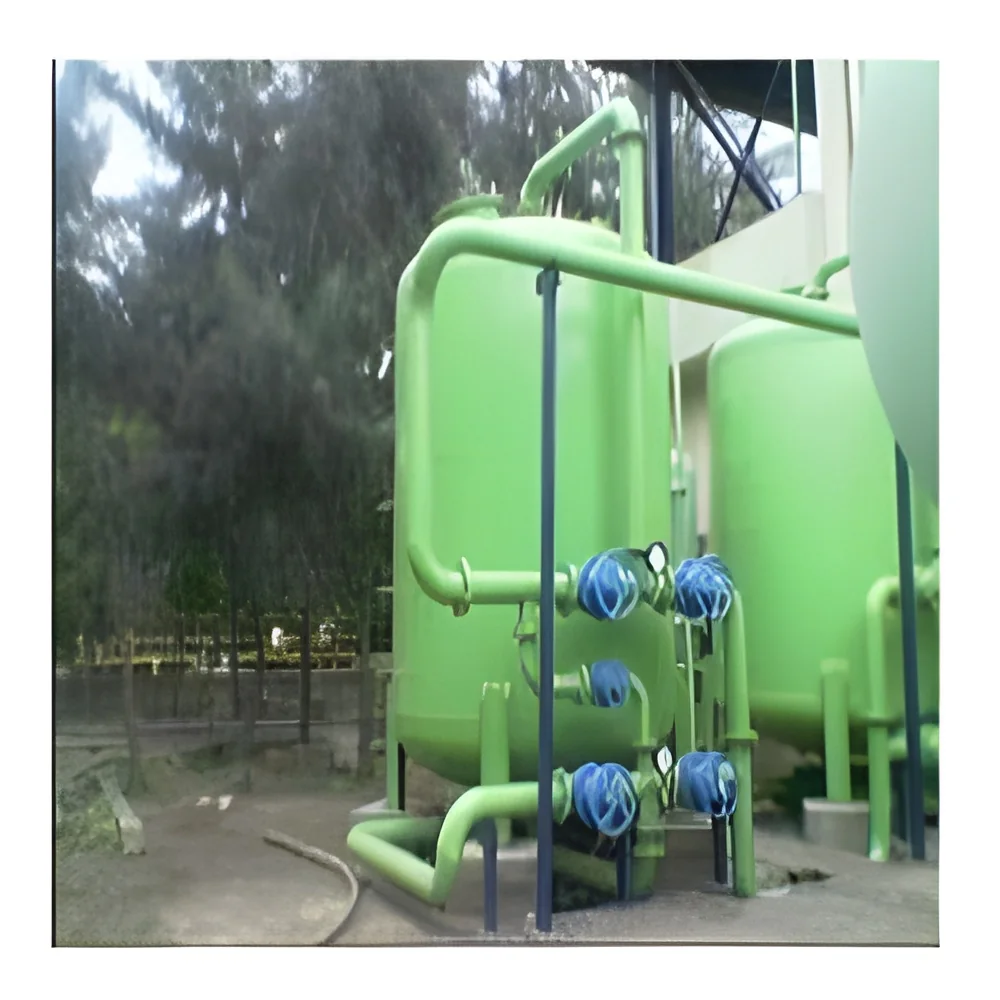
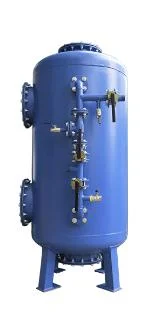
These filters are typically used for larger-scale applications such as municipal water treatment and industrial processes. They provide high adsorption rates and are easy to replace.
Powdered Activated Carbon Filters
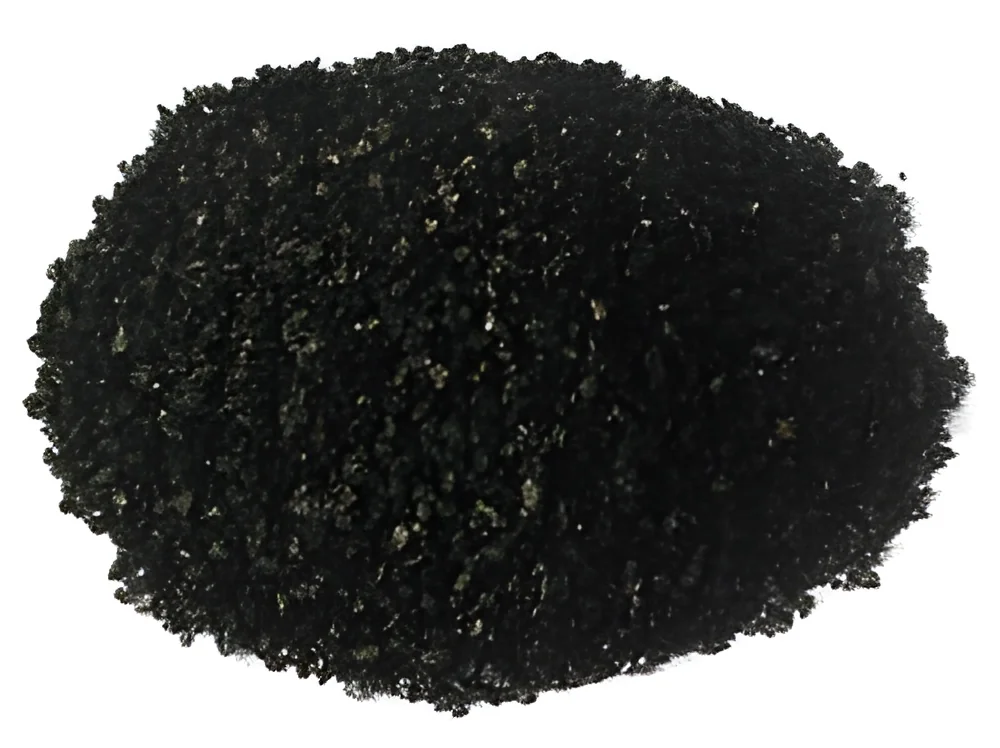
Ideal for applications requiring fine filtration, these filters can be used in various settings from drinking water purification to chemical manufacturing processes. Their smaller particle size enhances their adsorption capabilities.
Custom Activated Carbon Filters
These filters can be tailored for specific applications, allowing businesses to meet unique operational requirements. Customization may involve variations in size, filtration capacity, and adsorption characteristics.
Benefits and Advantages
Activated carbon filters offer several key advantages for businesses seeking effective filtration solutions.
1. High Efficiency: These filters are known for their superior ability to remove a wide range of contaminants, ensuring high-quality air and water.
2. Versatility: They can be adapted for various applications across multiple industries, making them a flexible solution for many businesses.
3. Cost-Effectiveness: Once installed, activated carbon filters require relatively low maintenance, leading to cost savings over time.
4. Environmental Compliance: They help businesses meet regulatory requirements for air and water quality, reducing the risk of non-compliance penalties.
5. Improved Product Quality: By eliminating impurities, these filters enhance the quality of the final products, which is critical in competitive markets.
6. Health Benefits: Using activated carbon filters can improve indoor air quality and ensure safe drinking water, contributing to overall health and well-being.
Buying Guide for B2B Buyers
When sourcing activated carbon filters, it is vital for B2B buyers to consider several key factors to ensure they make informed decisions.
1. Quality Assessment: Look for filters that meet industry standards and have a proven track record of performance. It is essential to review certifications and test results to ensure reliability.
2. Supplier Verification: Vetting suppliers is crucial. Ensure they have a good reputation in the market, provide quality products, and have reliable customer service.
3. Pricing and MOQ: Understand the pricing structure and minimum order quantities. This information helps in budgeting and ensures that the supplier can meet your scale needs.
4. Delivery and Lead Times: Consider logistics when sourcing. Ensure that the supplier can deliver within your required timeframe, as delays can impact your operations.
5. Compliance Requirements: Be aware of any regulatory requirements related to the use of activated carbon filters in your industry, ensuring that the products sourced comply with local and international standards.
Compliance and Certifications
Activated carbon filters must adhere to various compliance and certification standards to ensure their effectiveness and safety.
Relevant quality standards such as ISO 9001 guarantee that the manufacturing processes meet international quality management principles. This certification is critical for ensuring consistent quality in production.
Industry certifications, including CE, signify that the filters meet European safety and environmental standards. This is particularly important for businesses operating in or exporting to European markets.
Safety and testing requirements must also be met, ensuring that the filters do not introduce any harmful substances into the air or water. Regular testing and quality checks should be a part of the supplier's process.
Regional compliance considerations may vary, so it is essential to understand the specific regulations applicable in your area, ensuring that the activated carbon filters sourced meet all necessary legal requirements.
Why Source Activated Carbon Filters from Pepagora?
Pepagora provides a trusted platform for sourcing activated carbon filters, offering several distinct advantages for businesses.
Verified Supplier Network: At Pepagora, suppliers are thoroughly vetted to ensure they meet strict quality standards. This verification process provides buyers with confidence in their sourcing decisions.
Streamlined RFQ Process: The platform simplifies the request for quotation process, allowing buyers to receive competitive pricing and options from multiple suppliers efficiently.
Trade Assurance and Support: Pepagora offers buyer protection through trade assurance programs, ensuring that transactions are secure and that buyers receive the products they expect.
Regional Coverage: With a strong presence in regions including India, the GCC, and Southeast Asia, Pepagora provides broad geographic reach, making it easier for businesses to source activated carbon filters that meet their specific needs.

 IN
IN