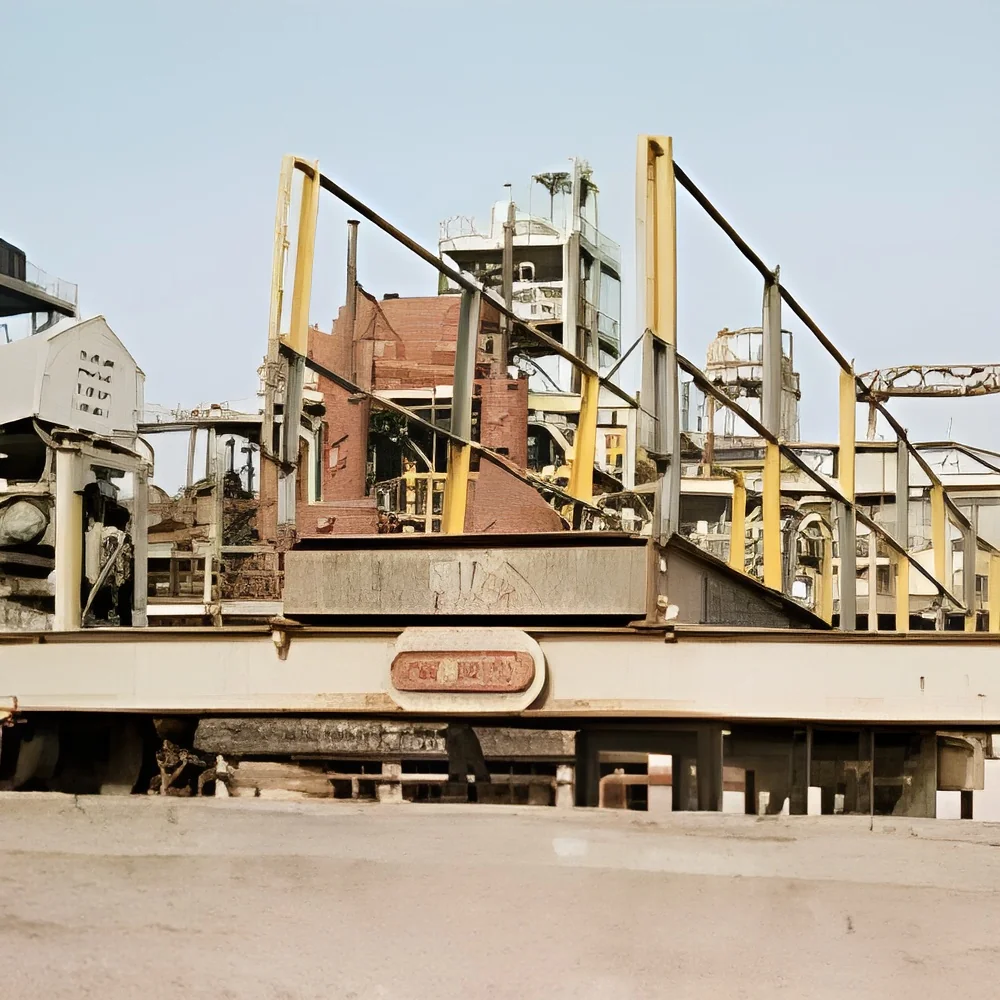
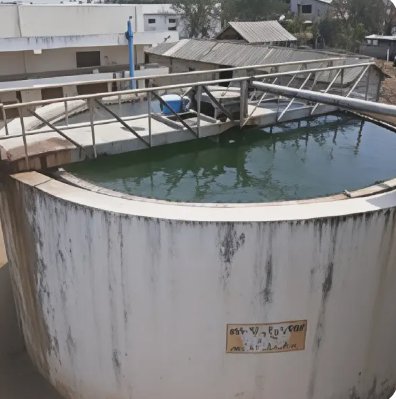
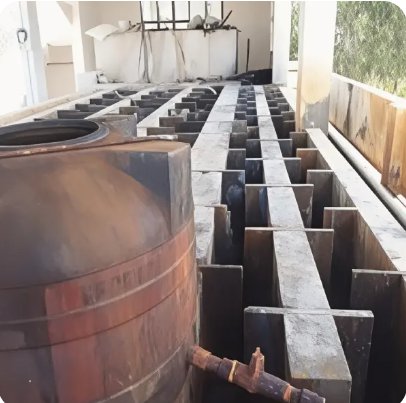
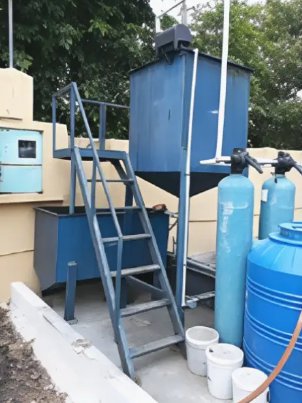
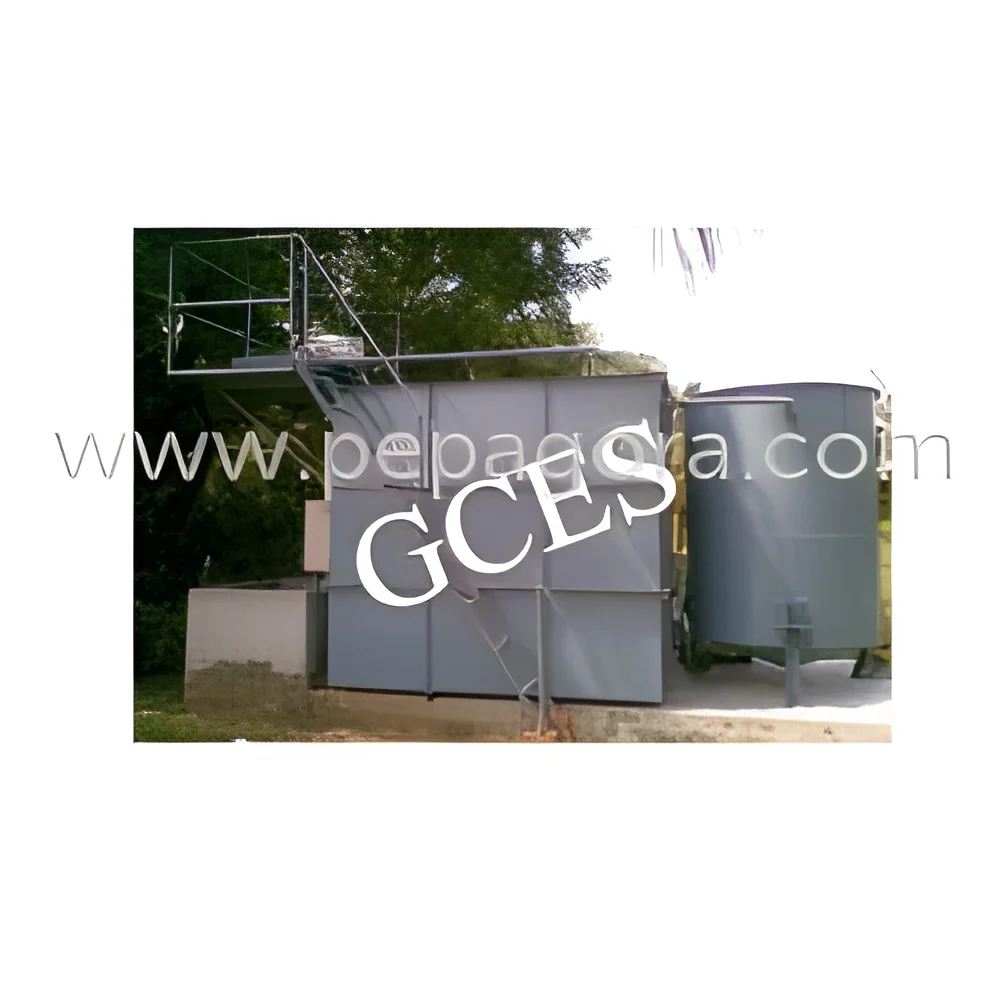
What are Effluent Treatment Plants (ETP)?
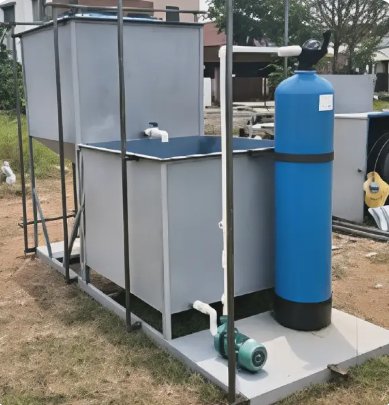
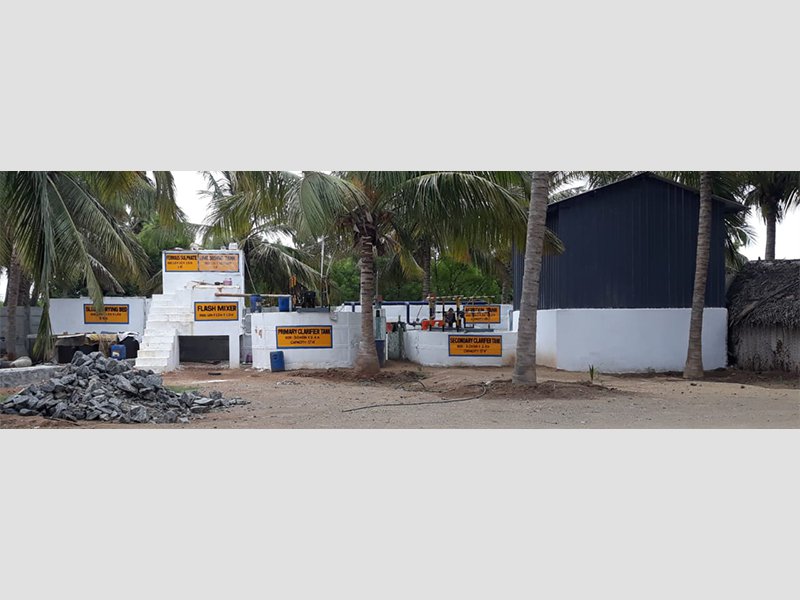
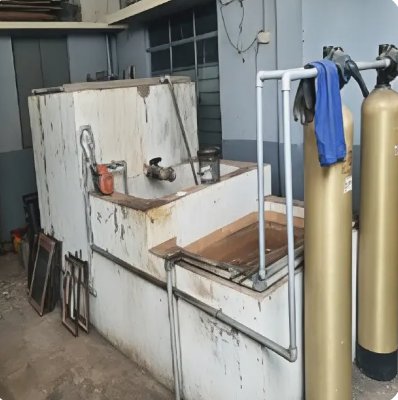
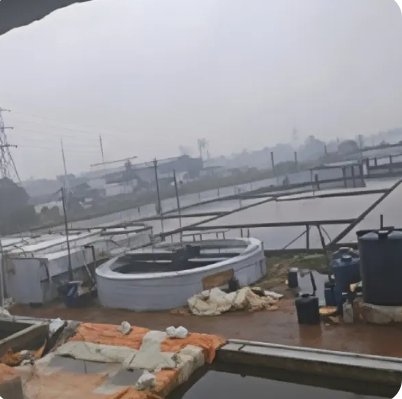
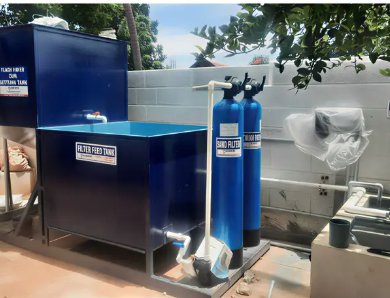
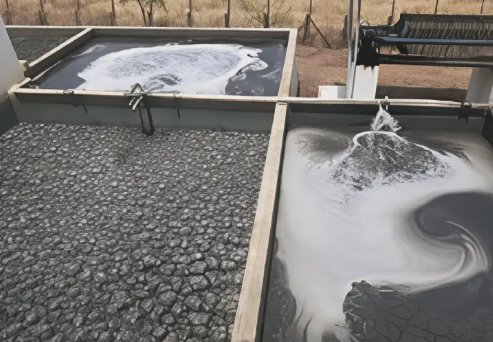
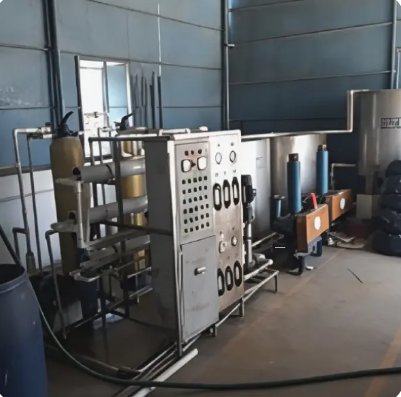
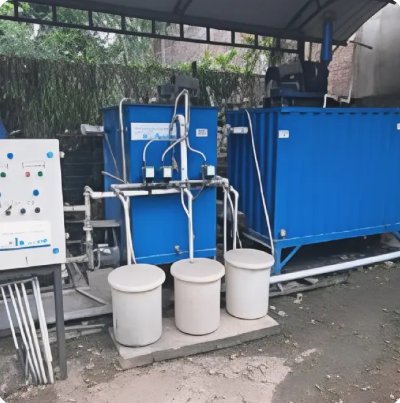
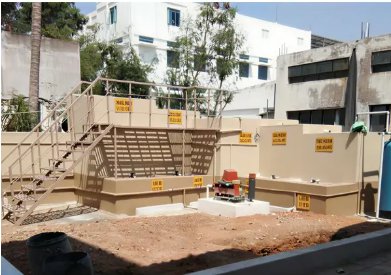
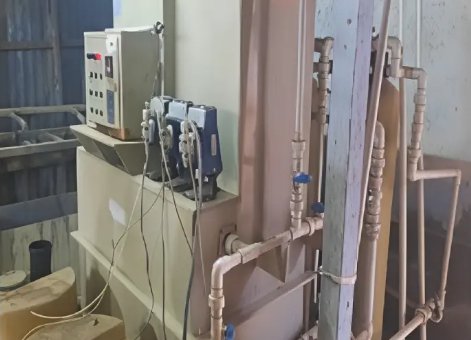
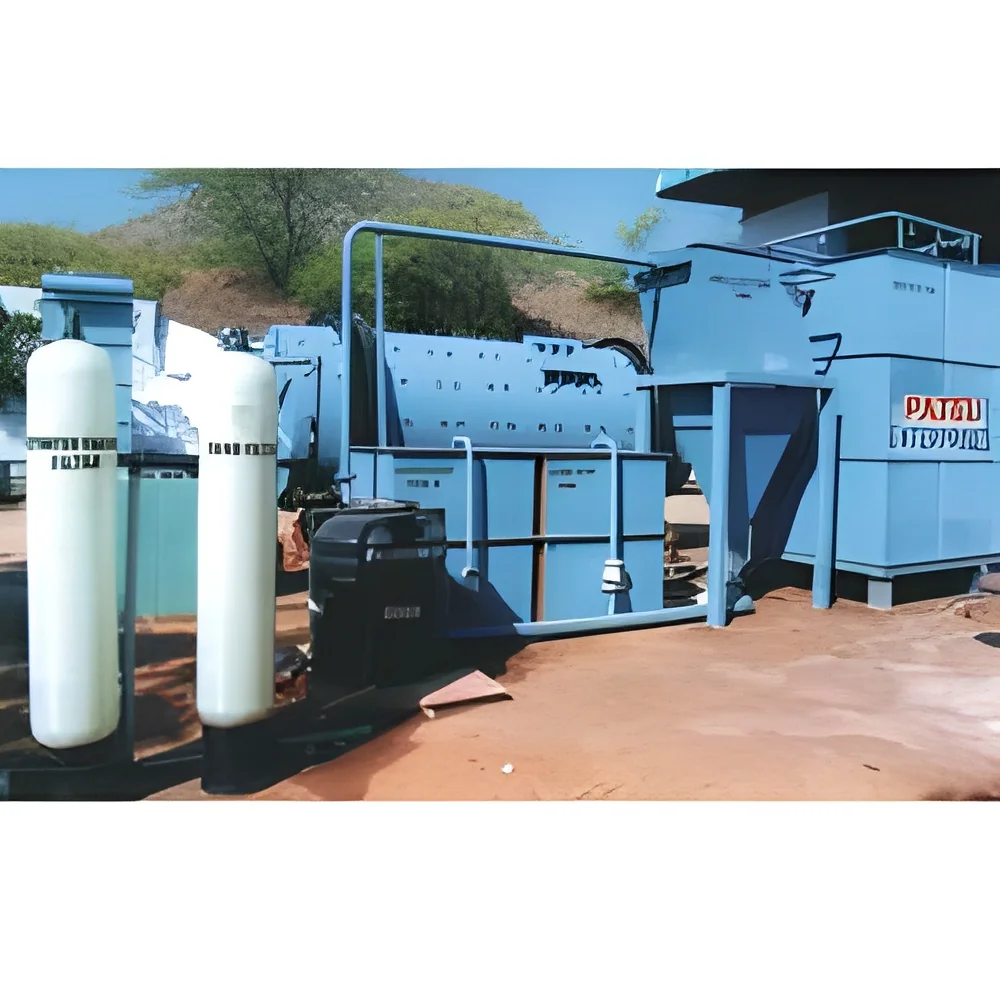
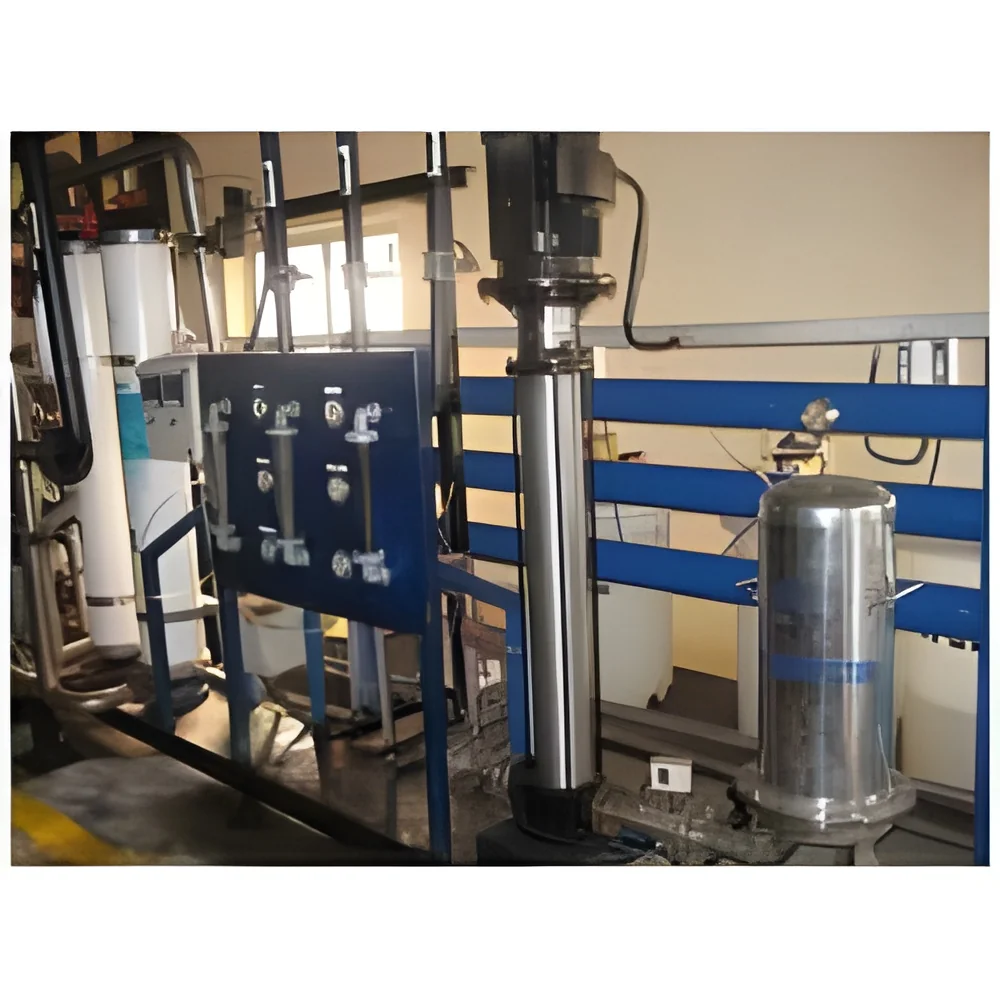
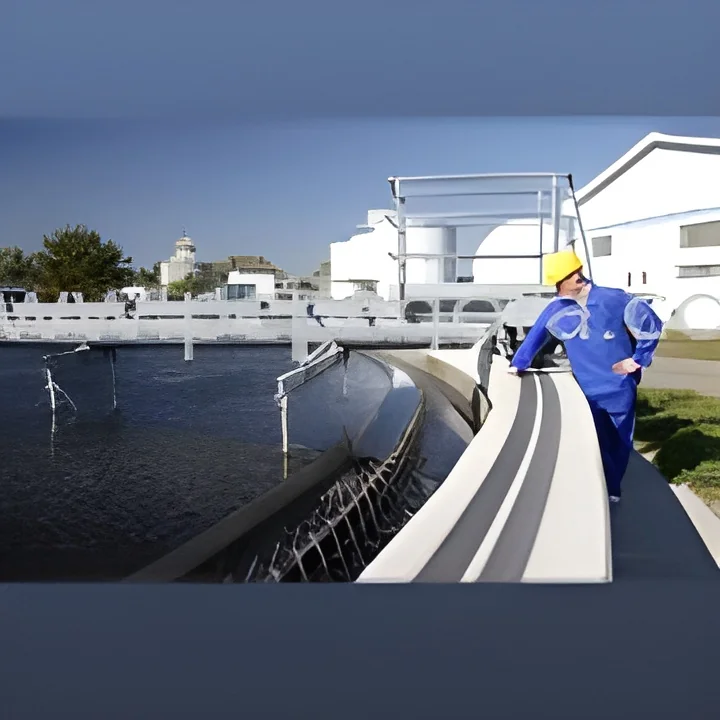
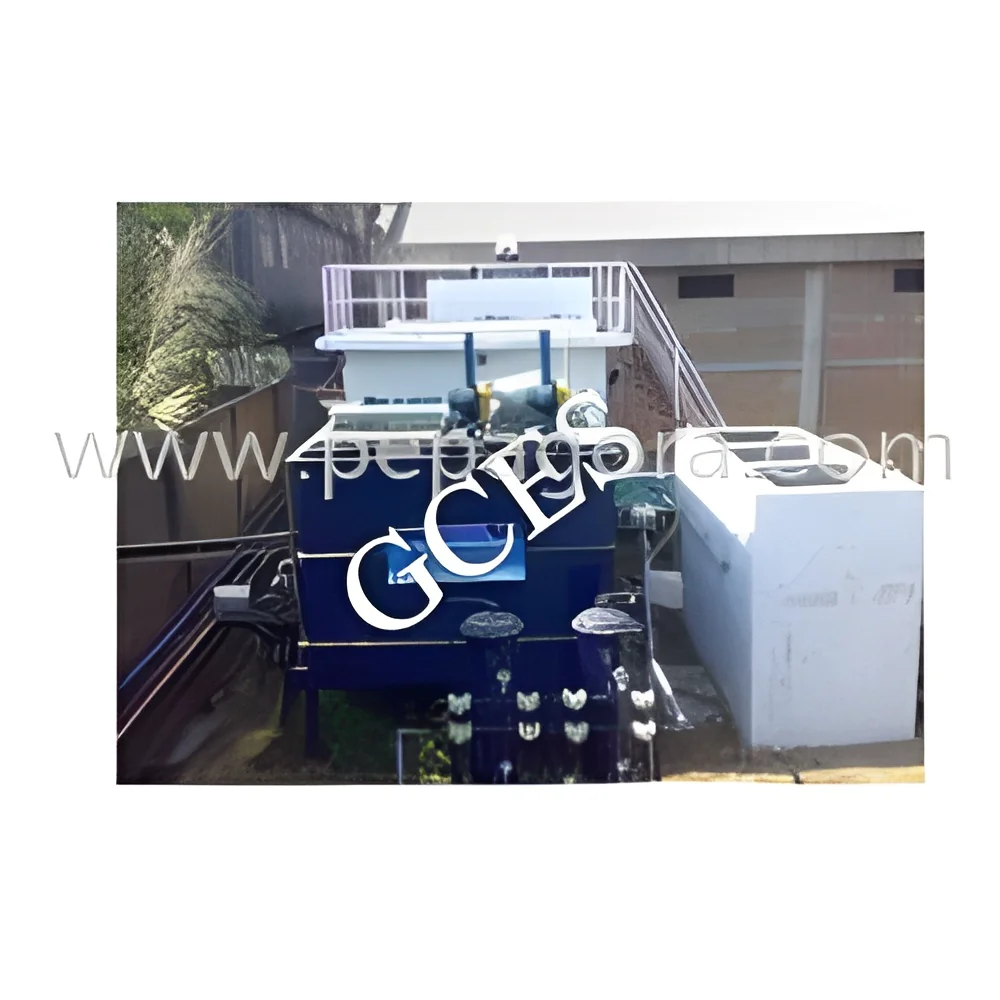
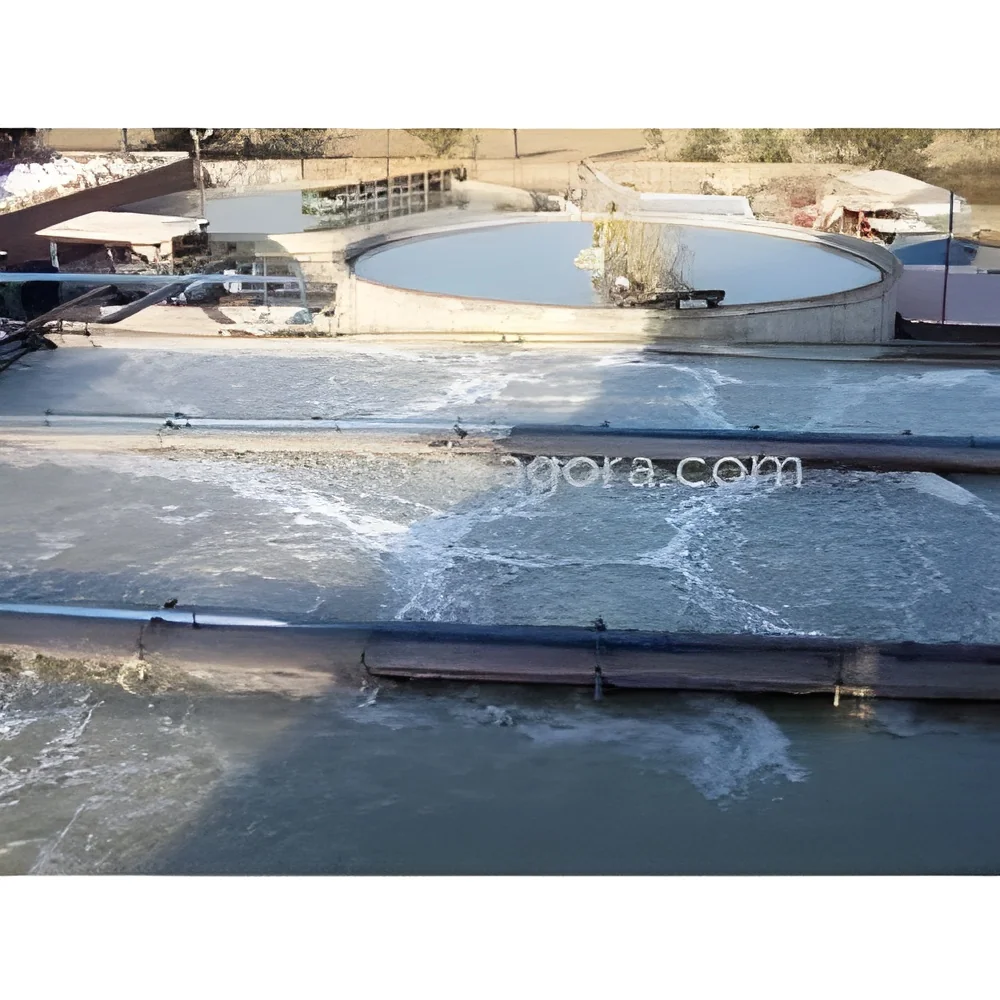
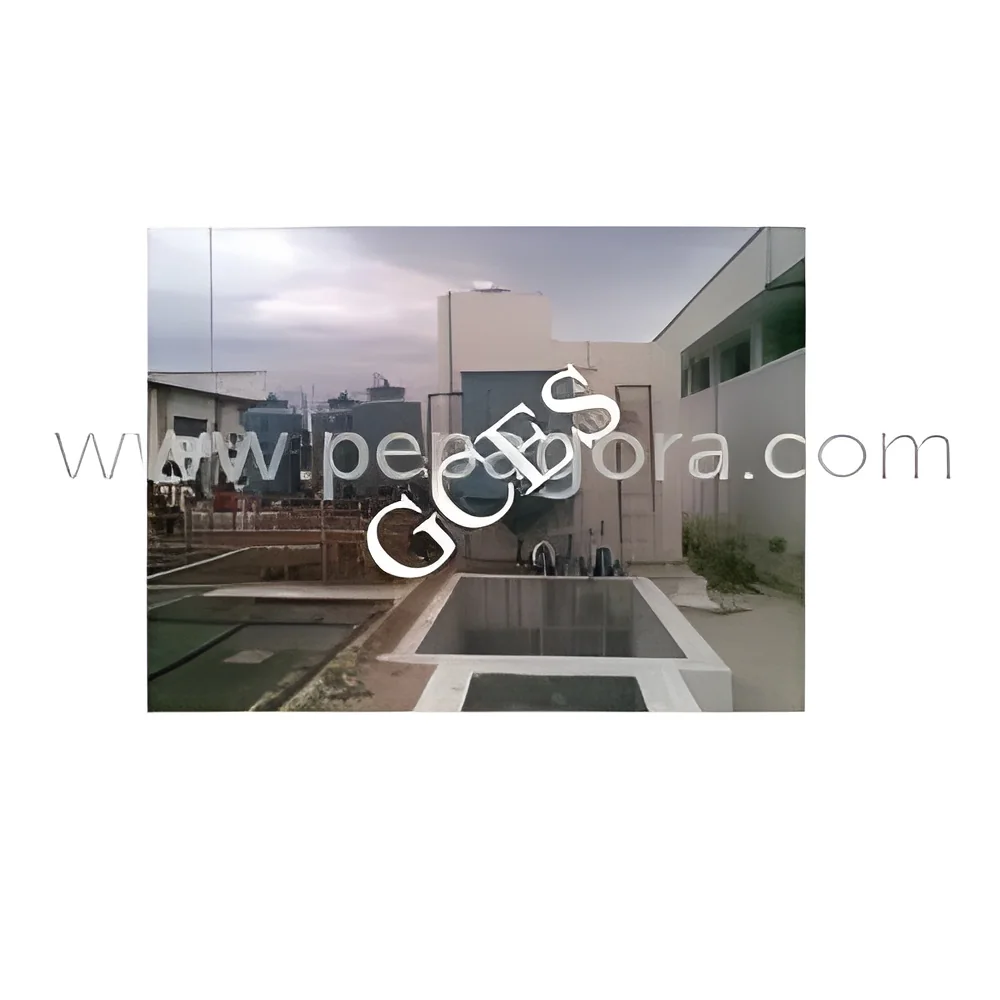
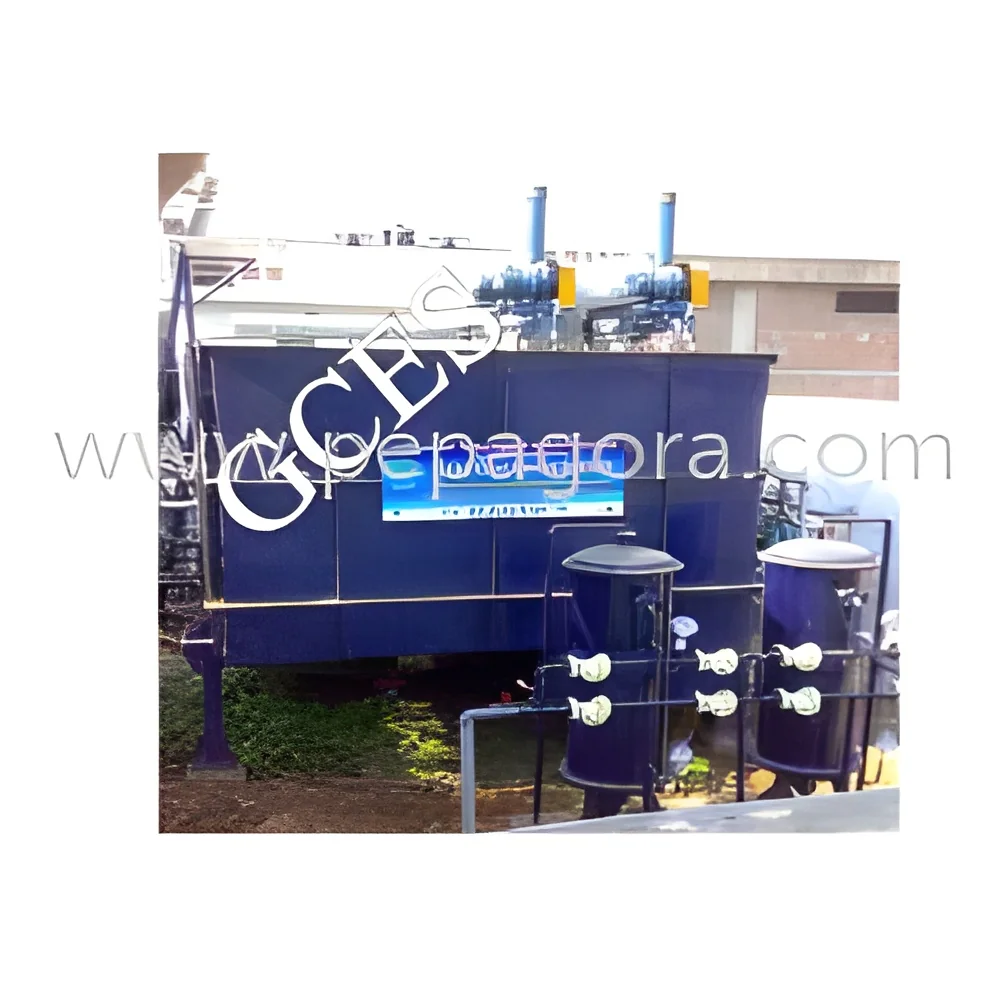
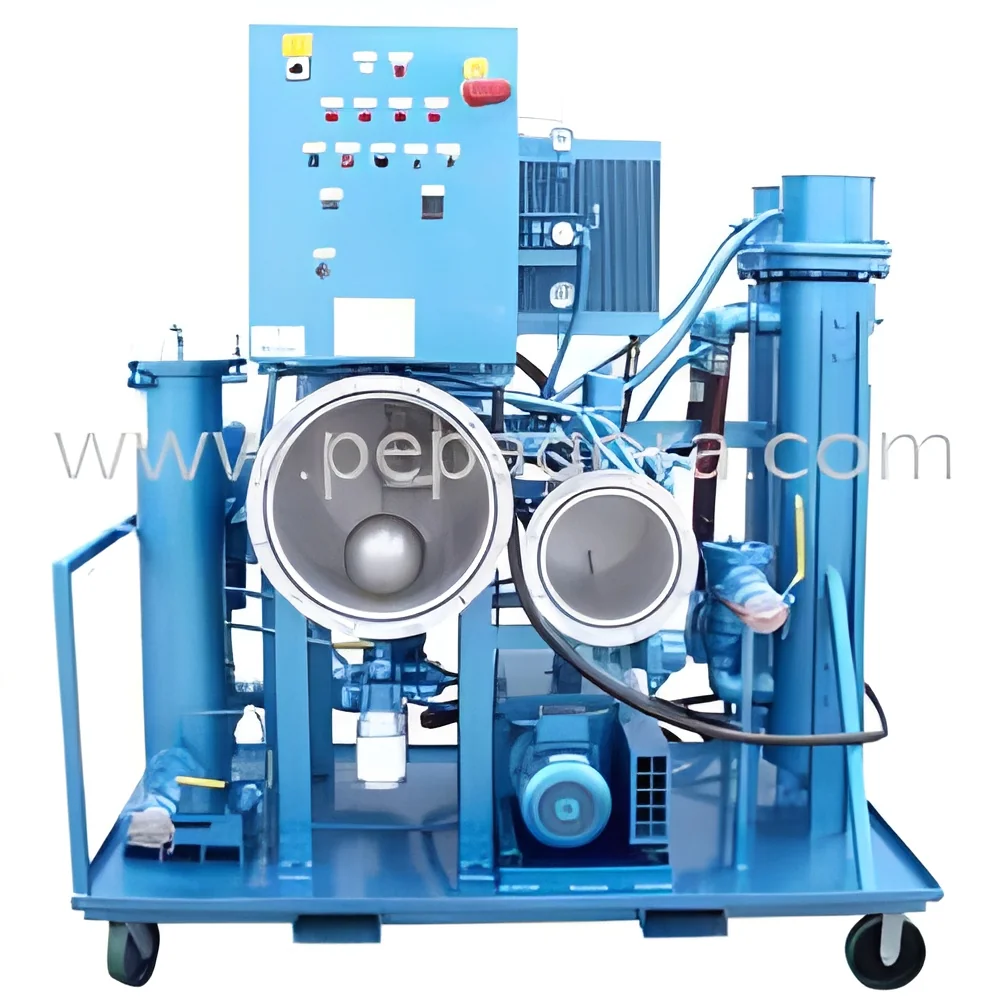
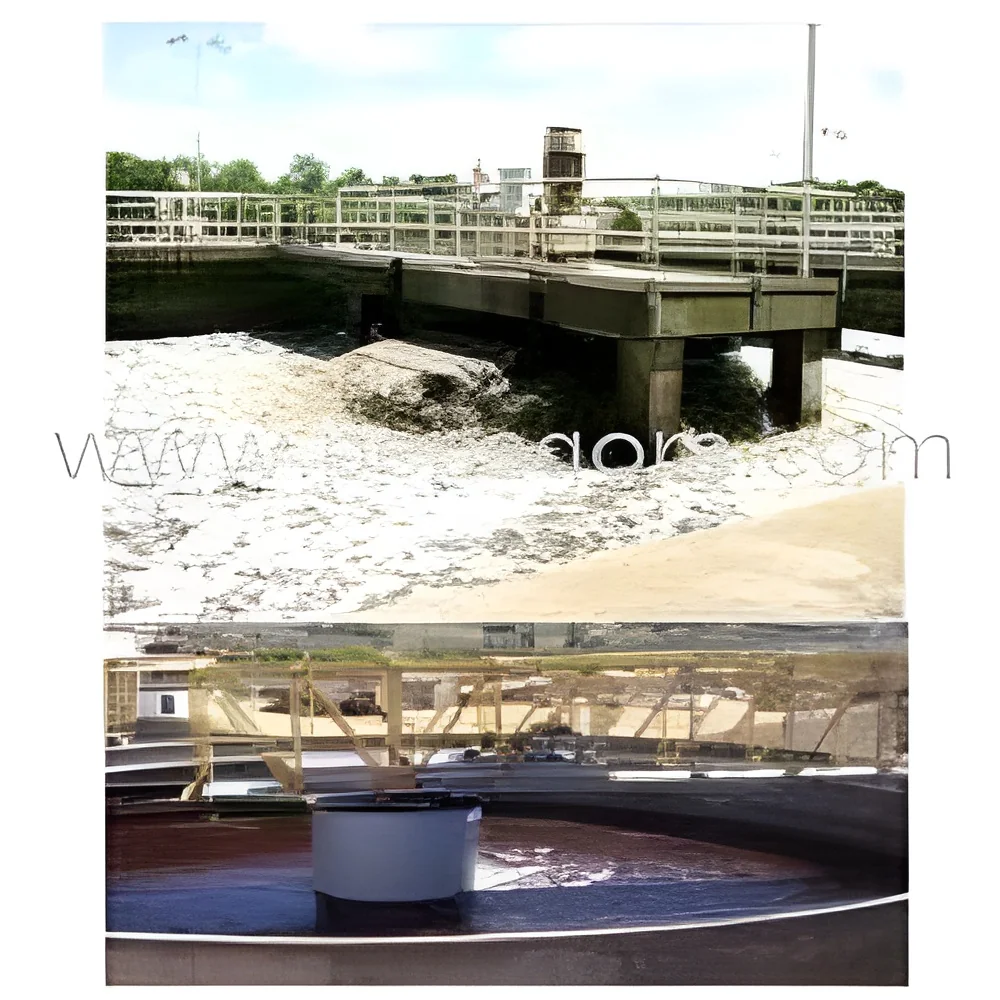
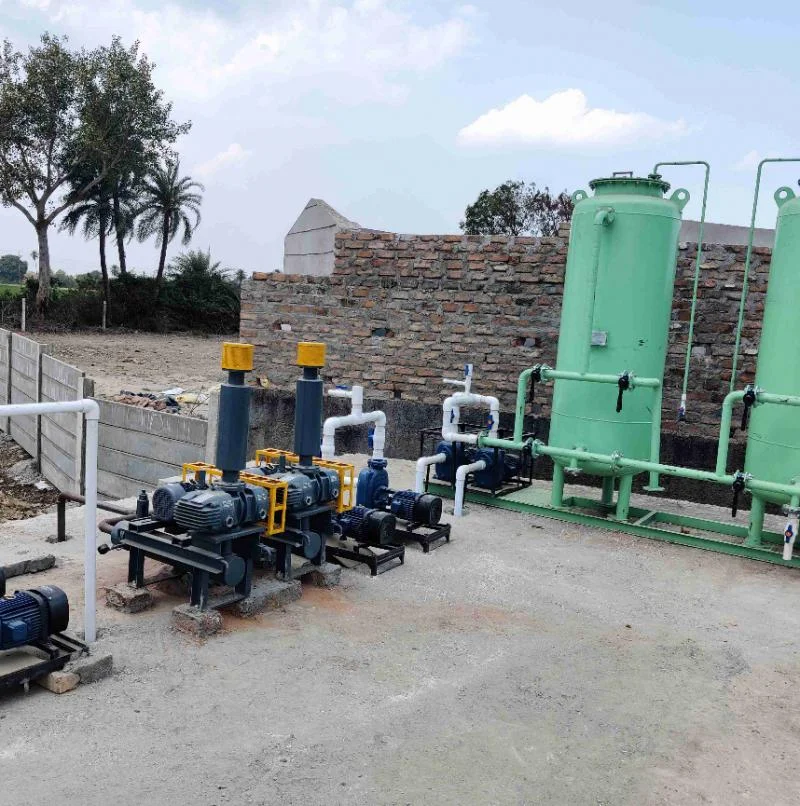
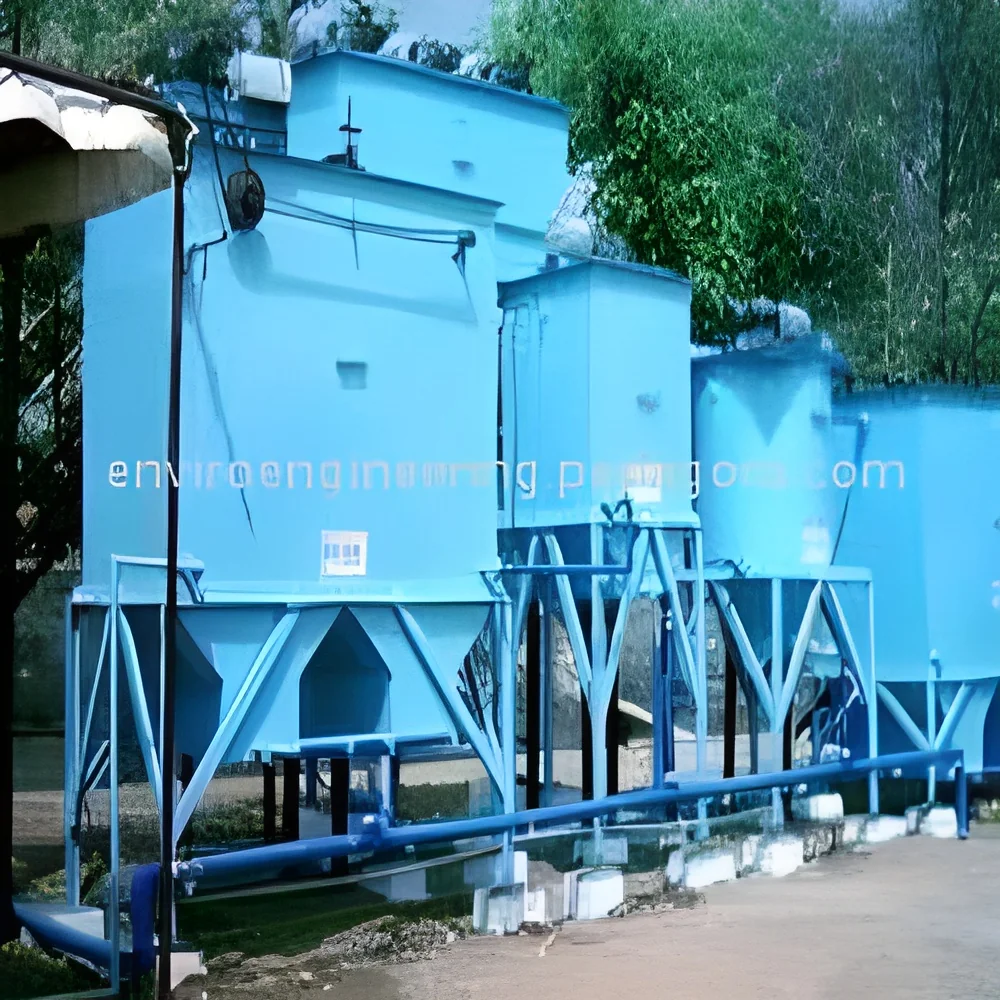
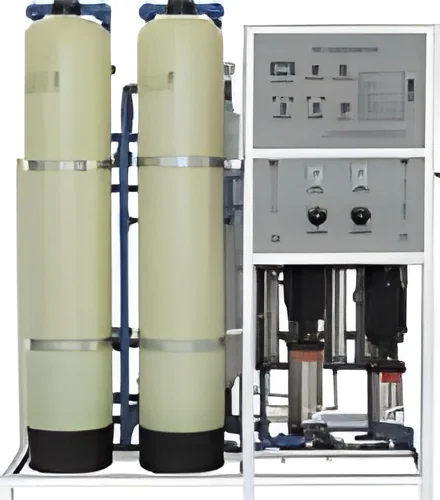
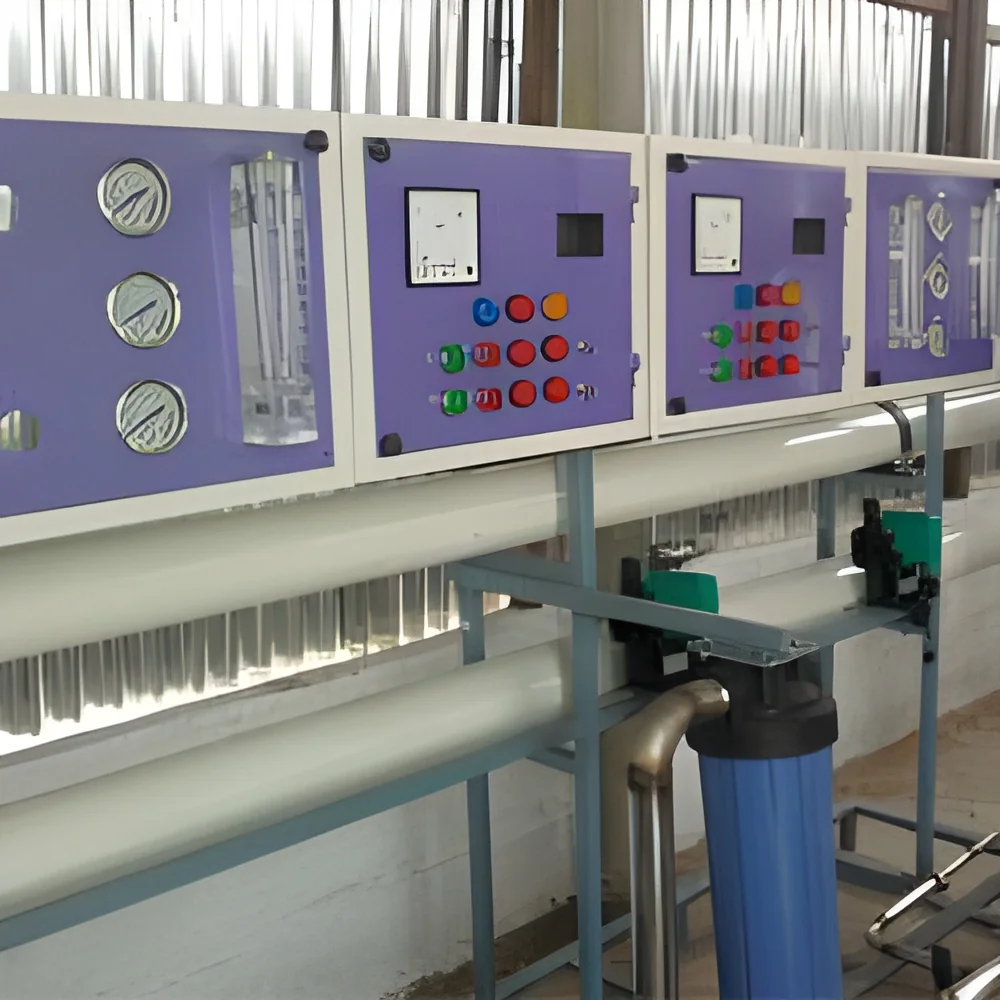
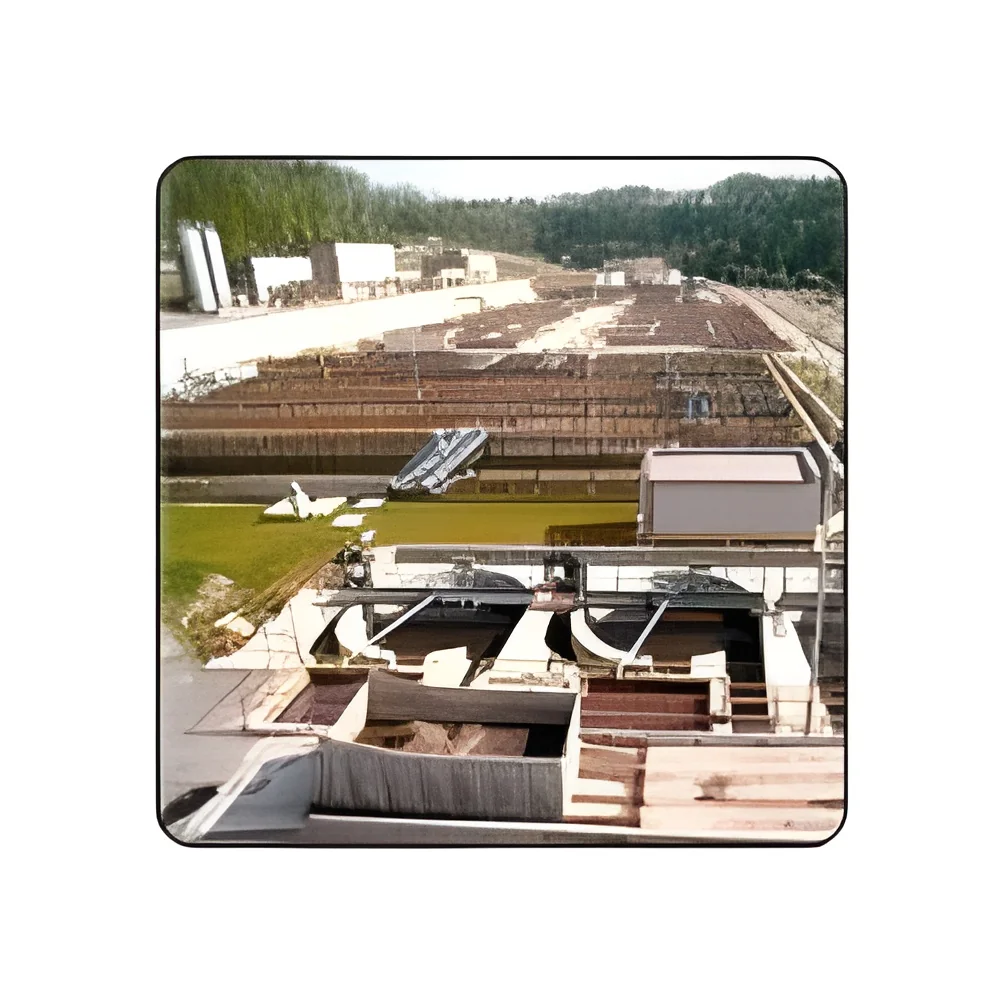
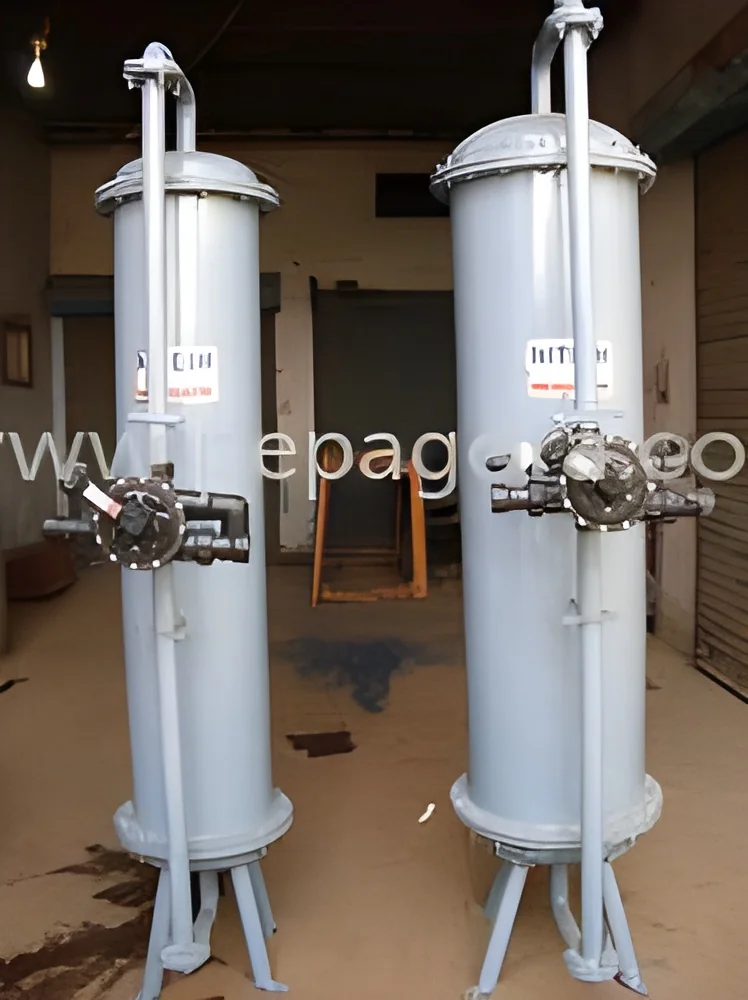
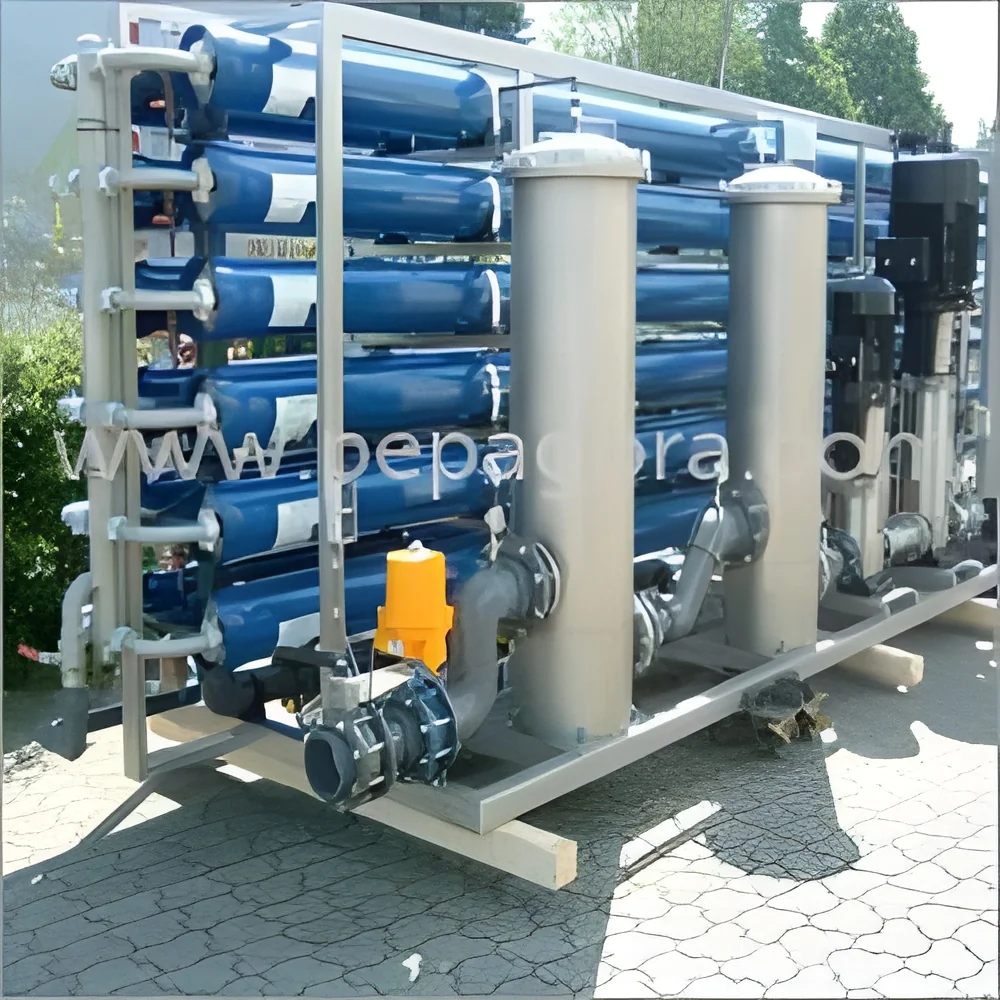
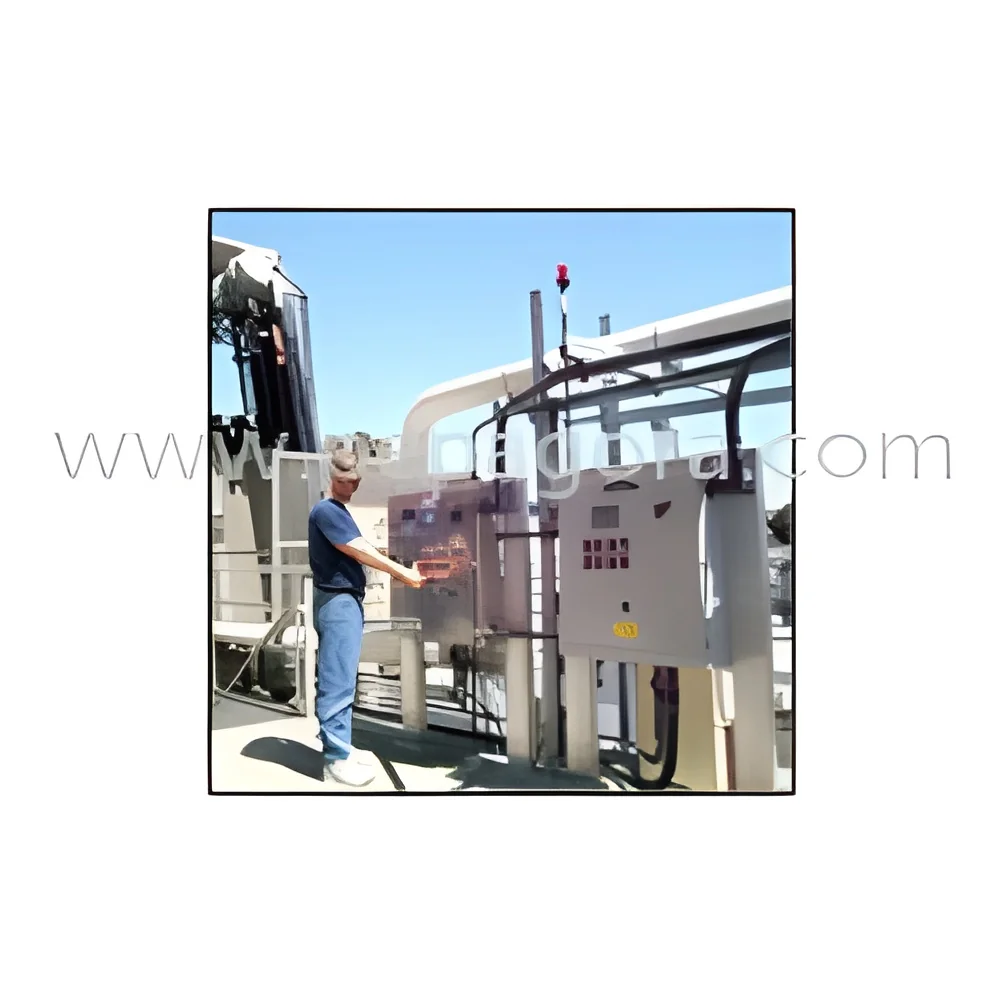
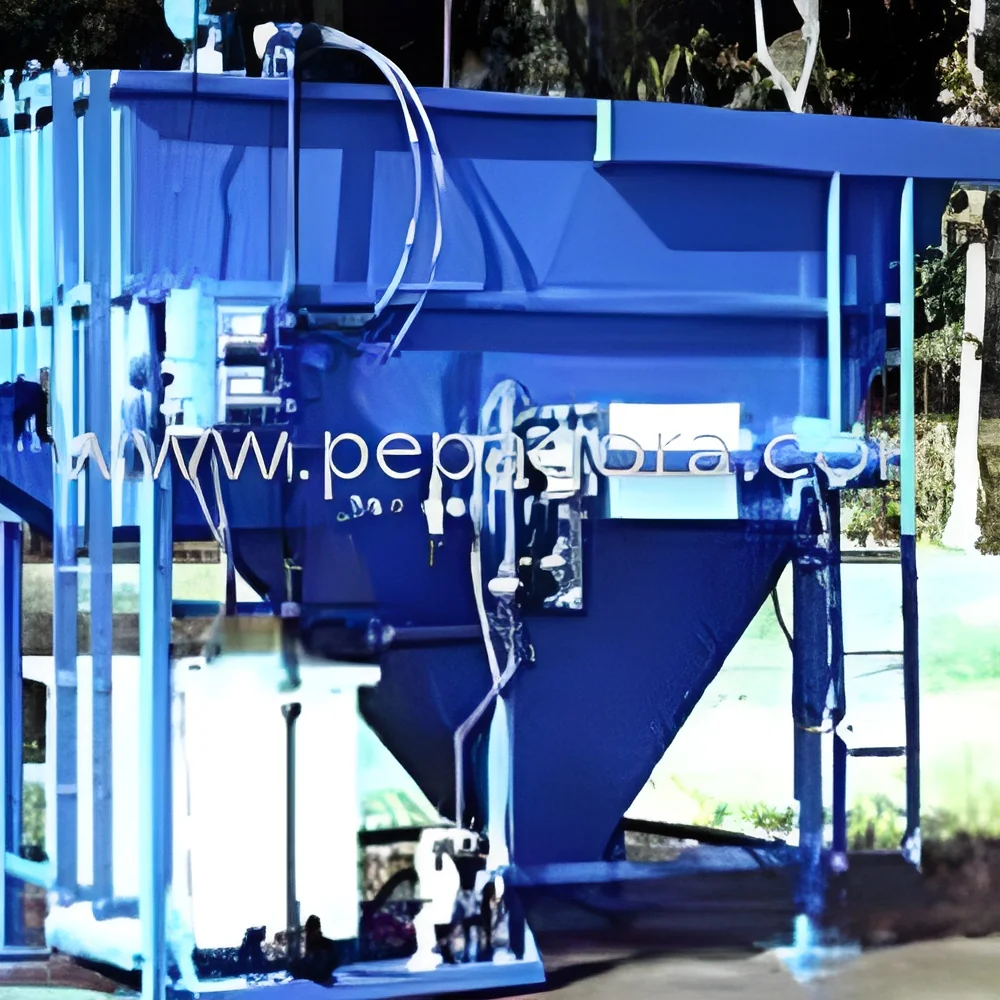
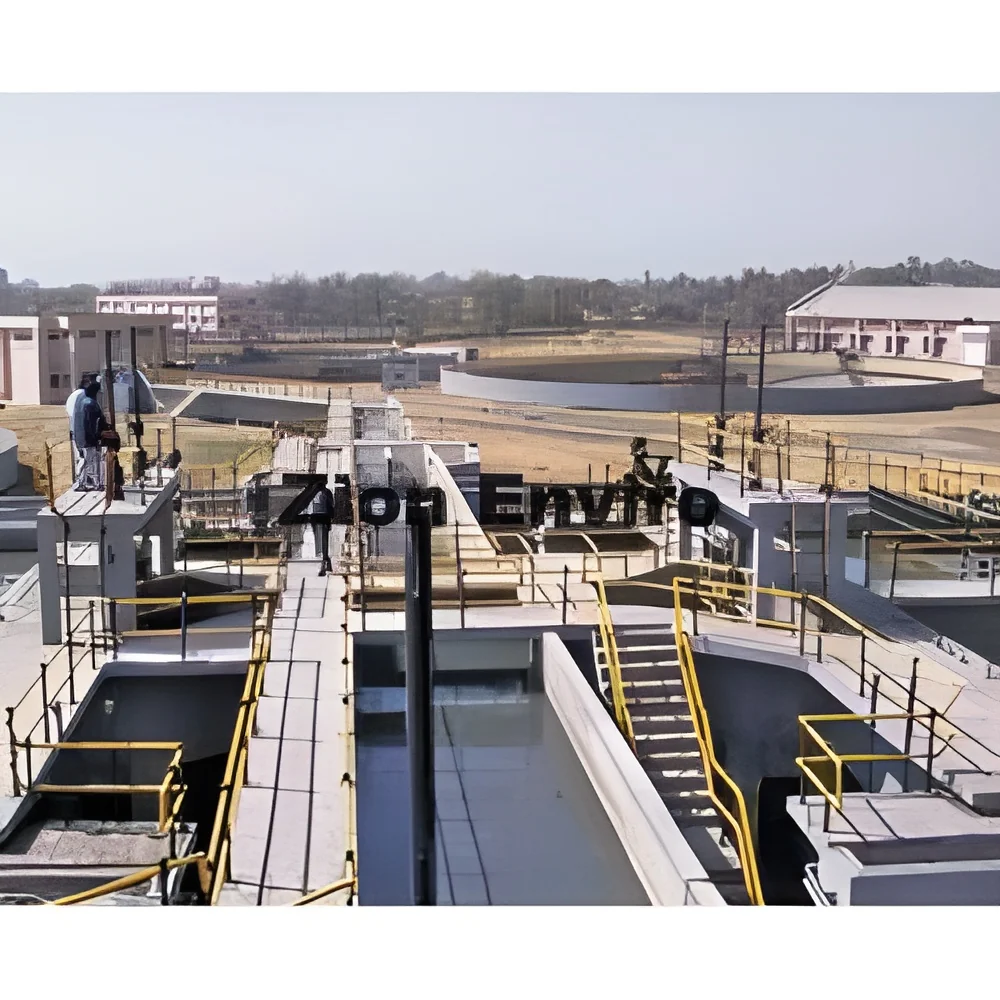
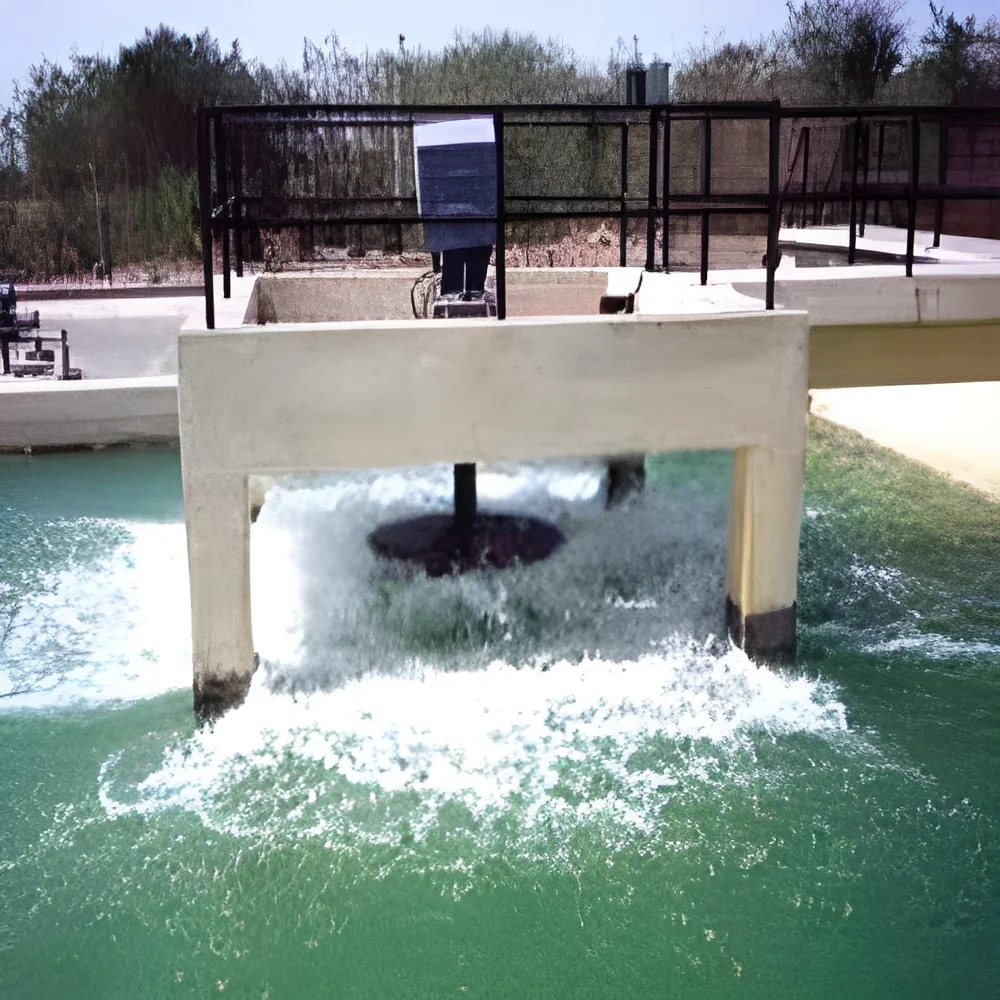
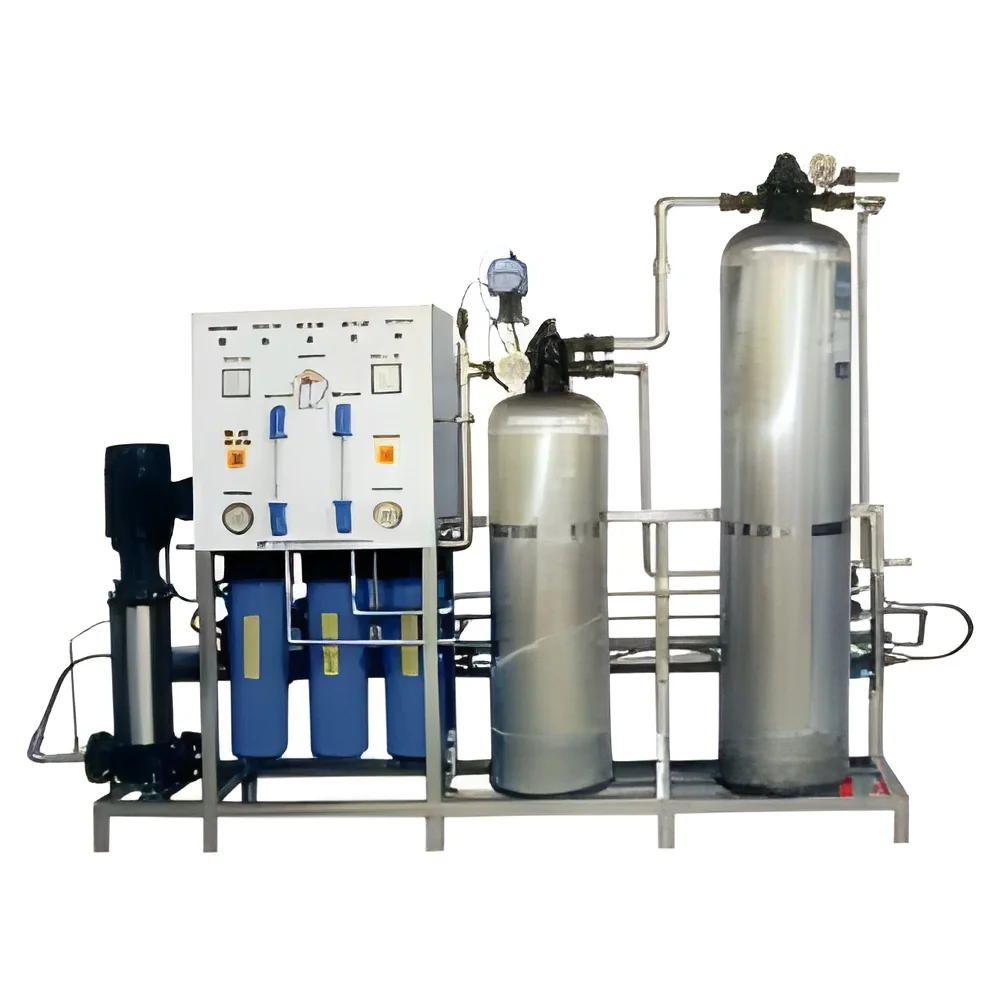
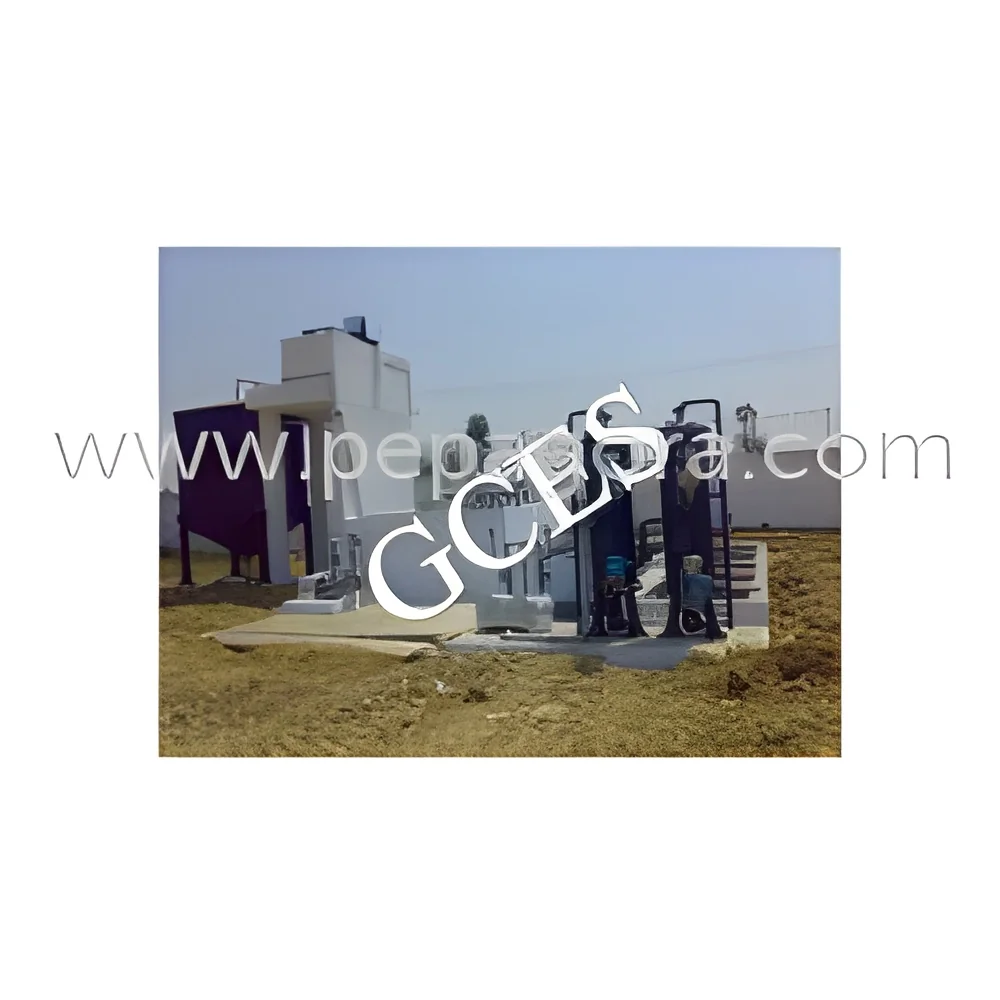
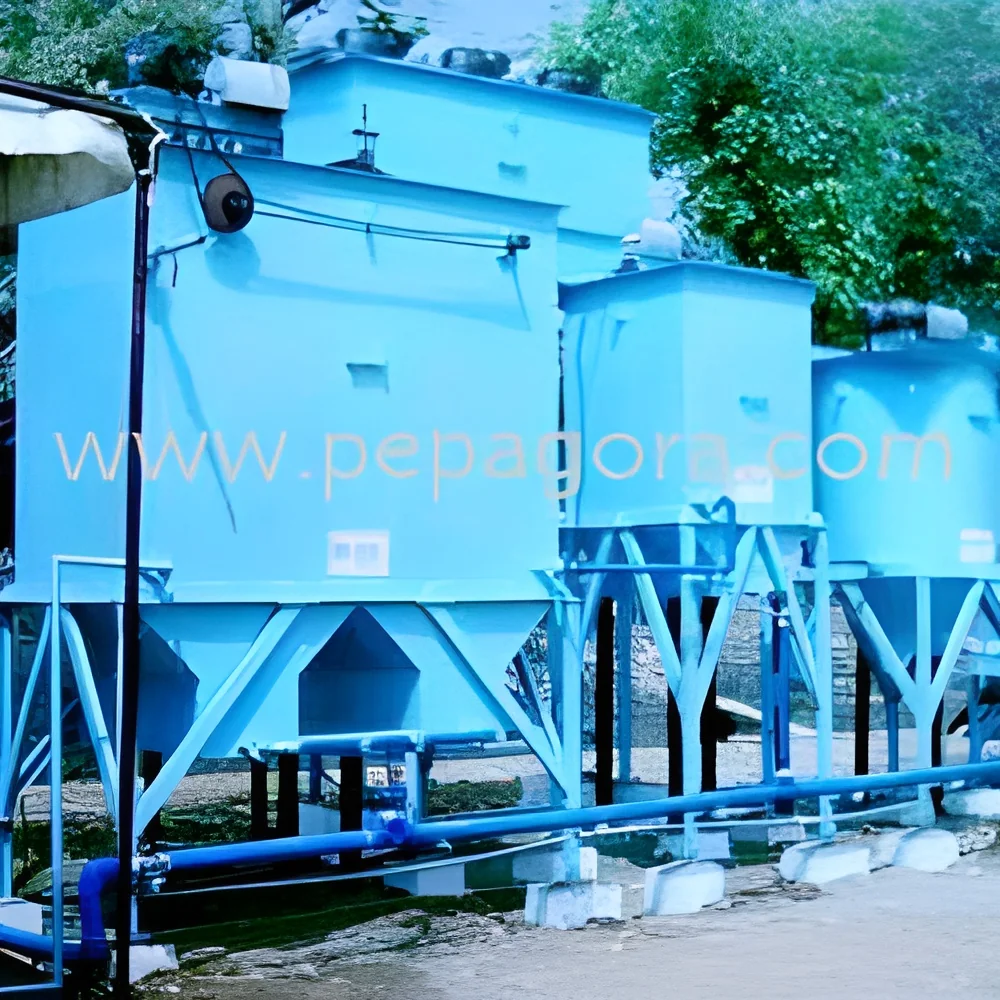
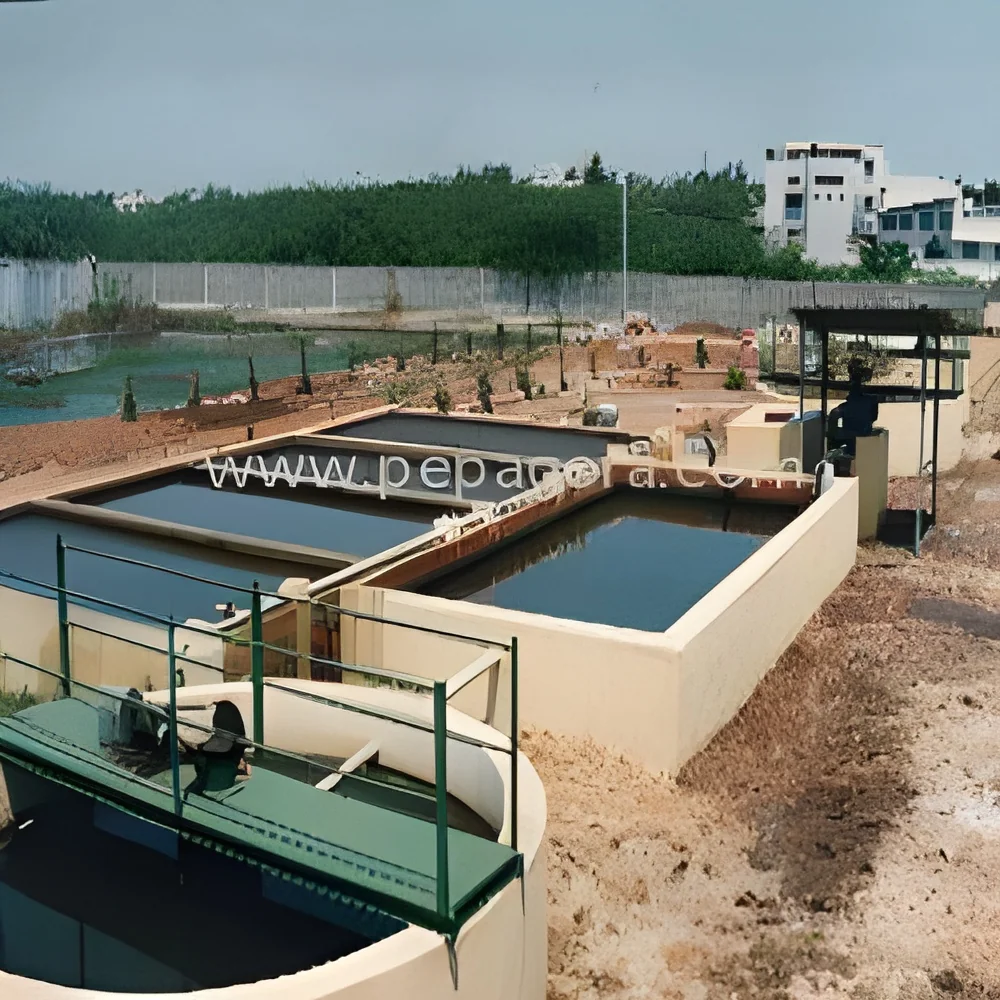
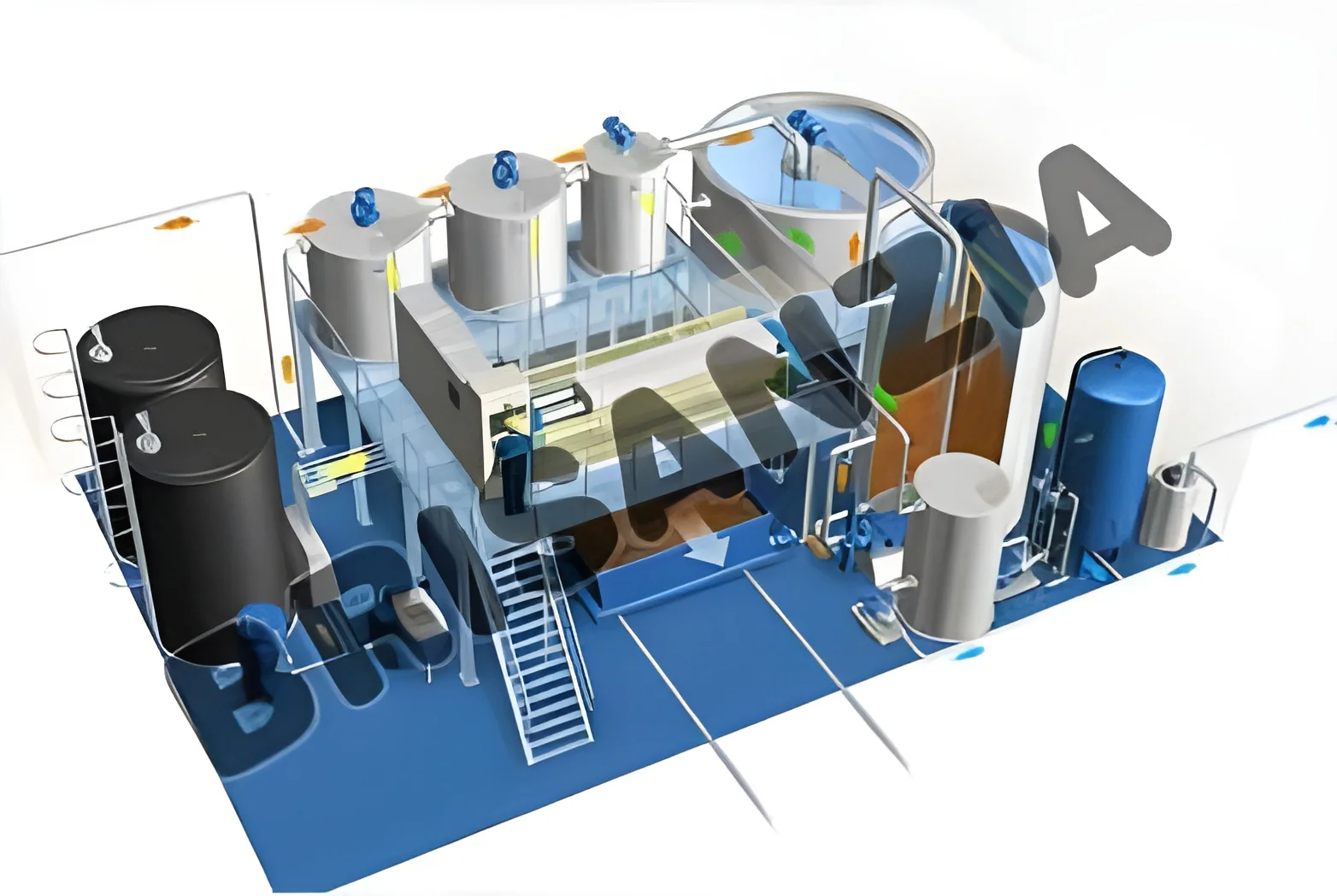
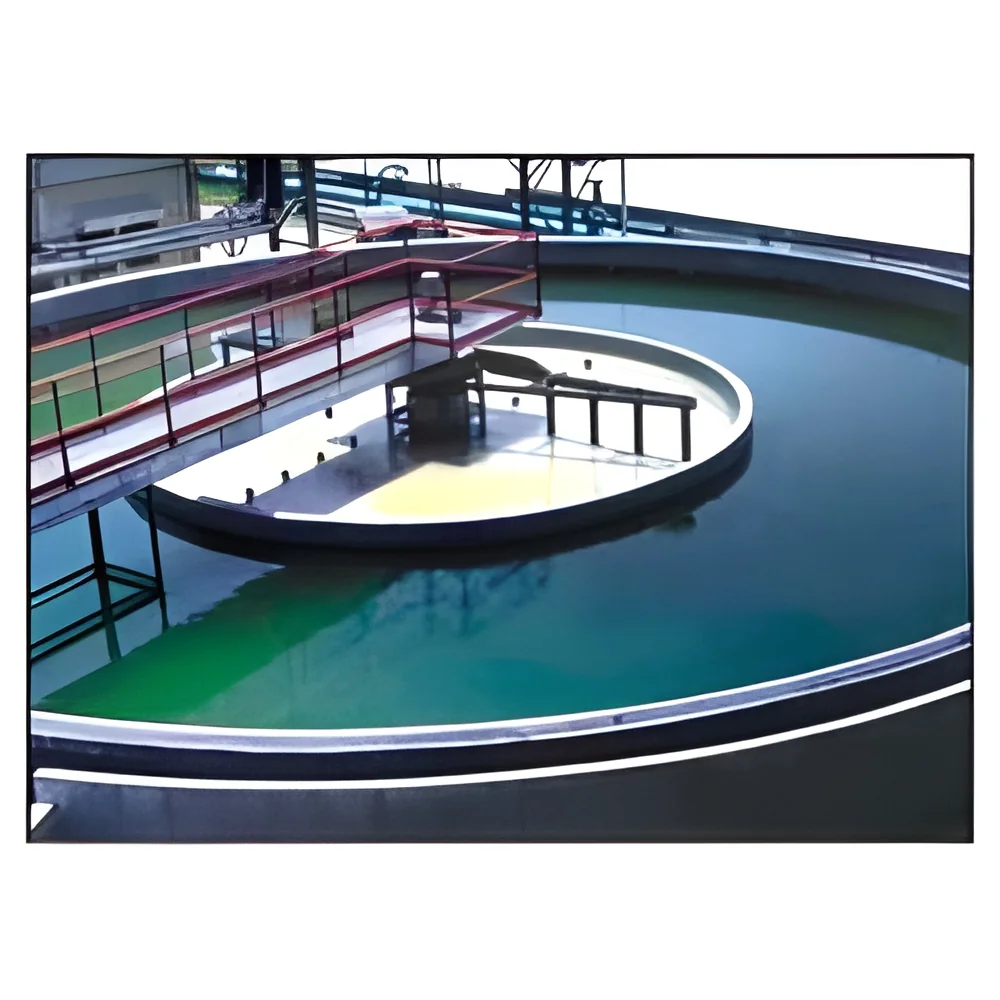
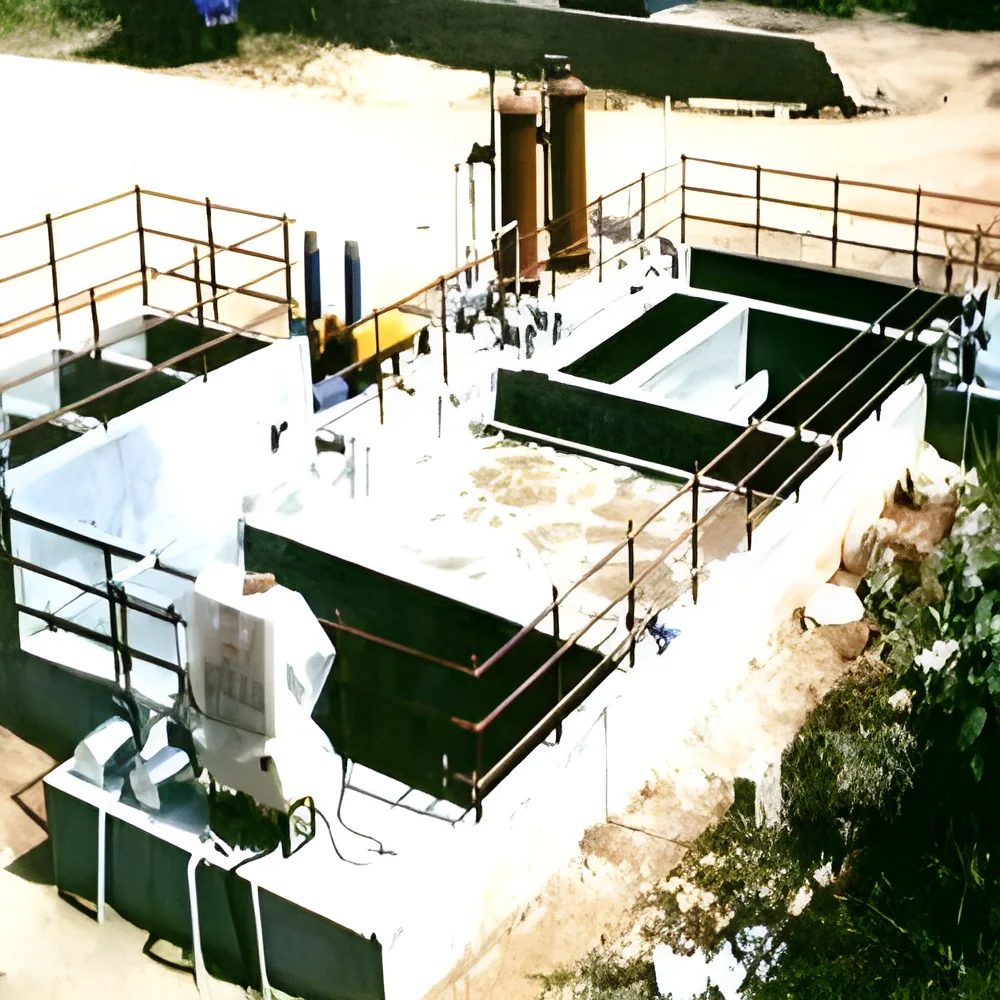
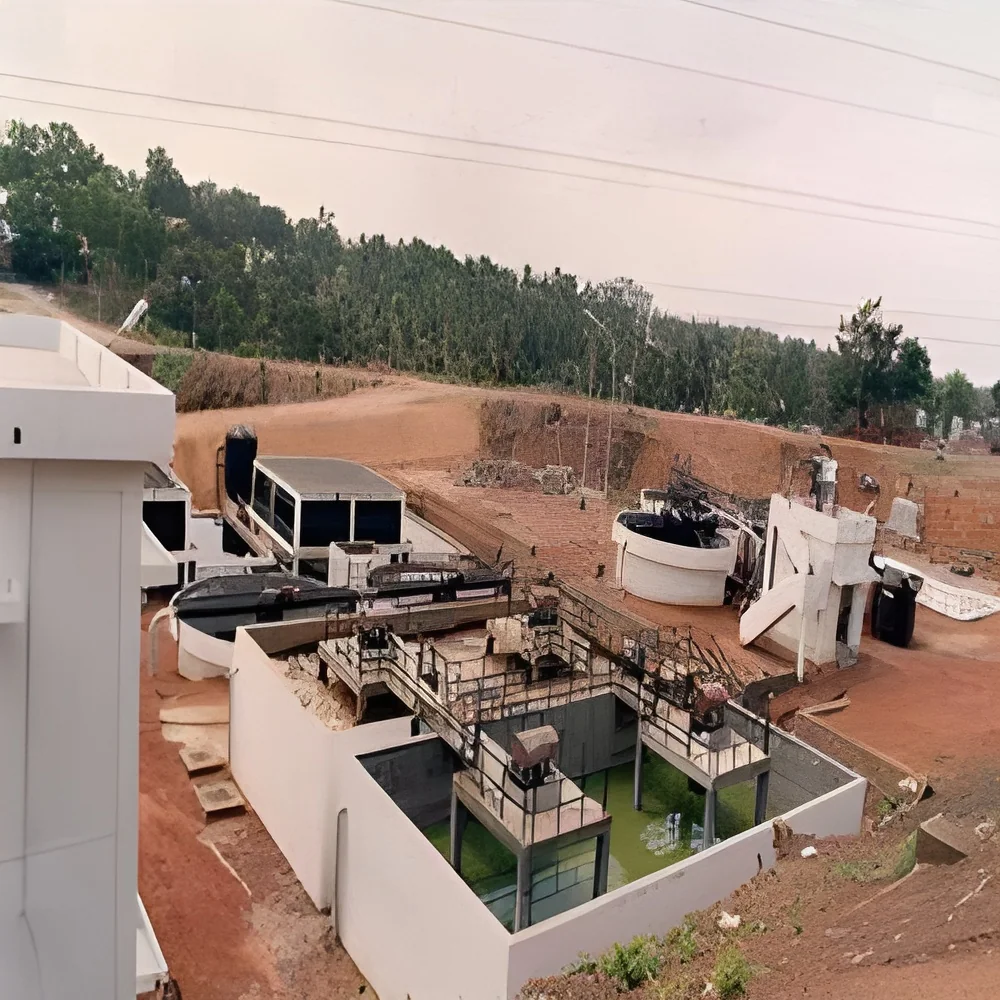
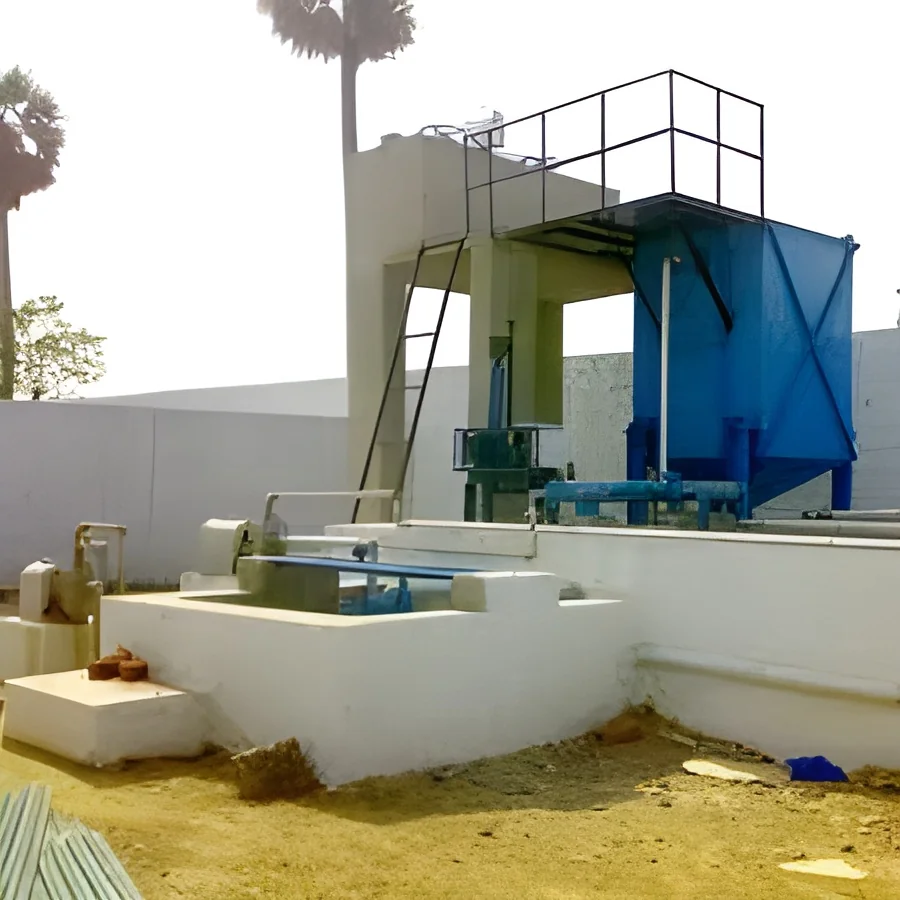
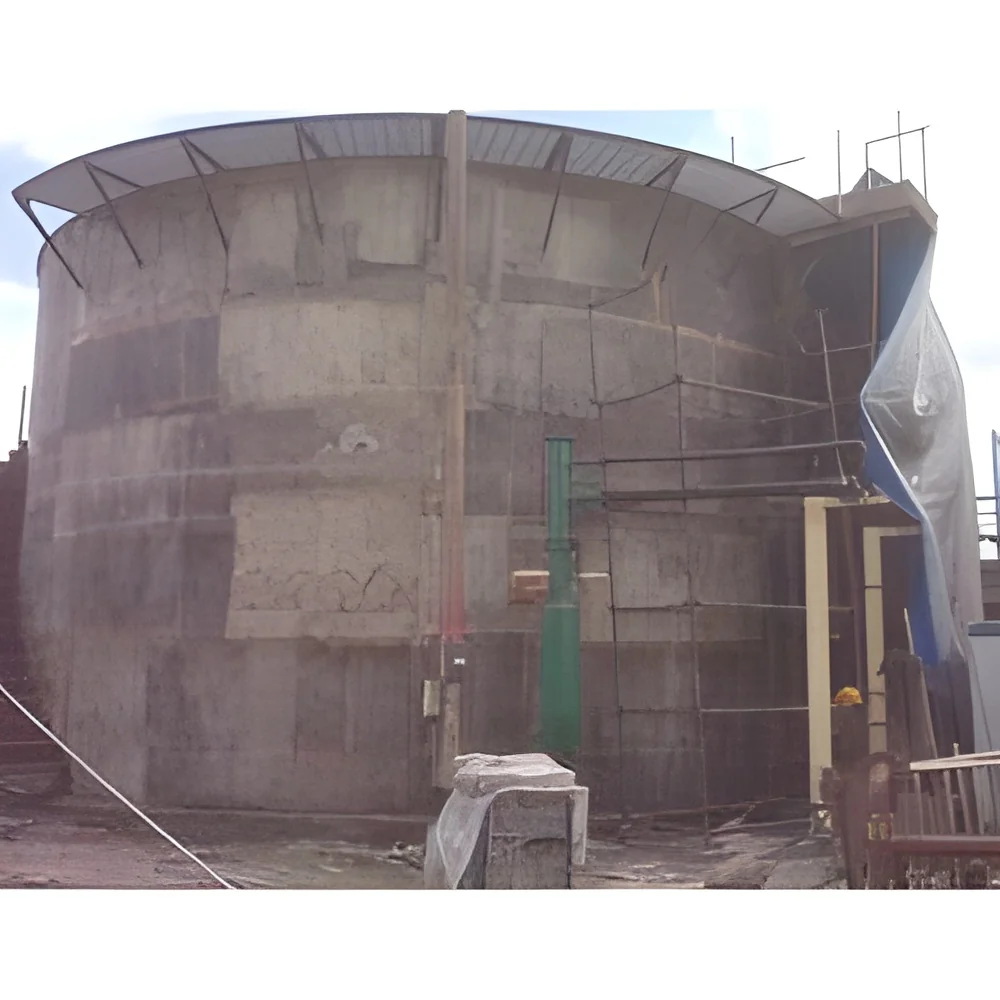
Effluent Treatment Plants (ETP) are industrial facilities designed to treat wastewater generated from various processes before it is discharged into the environment or reused. These plants employ a combination of physical, chemical, and biological processes to remove contaminants from the effluent, ensuring compliance with environmental regulations and safety standards. The treated water can then be safely released or repurposed, minimizing environmental impact.
ETPs are crucial for industries that generate significant amounts of wastewater, such as textiles, pharmaceuticals, food processing, and chemicals. They play a vital role in managing water resources, particularly in regions facing water scarcity. As businesses aim to enhance sustainability and reduce their ecological footprint, the adoption of ETPs has become increasingly relevant, reflecting a growing market for efficient and reliable wastewater management solutions.
𝗞𝗲𝘆 𝗙𝗲𝗮𝘁𝘂𝗿𝗲𝘀 𝗮𝗻𝗱 𝗦𝗽𝗲𝗰𝗶𝗳𝗶𝗰𝗮𝘁𝗶𝗼𝗻𝘀
Effluent Treatment Plants come with a range of features and specifications that cater to various industrial needs. Understanding these specifications is essential for businesses looking to implement an ETP tailored to their operational requirements.
Key specifications include:
1. Treatment Capacity
- This specification indicates the volume of wastewater the plant can handle, usually measured in cubic meters per day (m3/day).
2. Technology Used
- Different ETPs may utilize various treatment technologies, such as activated sludge, membrane bioreactors, or aerobic and anaerobic digestion.
3. Energy Consumption
- Energy efficiency is a critical factor, and specifications may include the kilowatt-hours (kWh) required for operation.
4. Automation Level
- ETPs can vary in automation, from manual operation to fully automated systems with integrated monitoring and control features.
5. Footprint Size
- The physical space required for the ETP can be an important consideration, often specified in square meters.
6. Maintenance Requirements
- Specifications should outline the frequency and type of maintenance needed to ensure optimal performance.
7. Discharge Standards Compliance
- ETPs must adhere to local and international discharge standards, which can vary by region.
8. Safety Features
- Safety measures such as alarms, emergency shut-off systems, and risk assessments are essential for operational safety.
These specifications help businesses determine the best ETP solutions to meet their wastewater treatment needs efficiently.
𝗖𝗼𝗺𝗺𝗼𝗻 𝗔𝗽𝗽𝗹𝗶𝗰𝗮𝘁𝗶𝗼𝗻𝘀 𝗮𝗻𝗱 𝗨𝘀𝗲 𝗖𝗮𝘀𝗲𝘀
Effluent Treatment Plants are utilized across diverse industries, each with unique applications.
1. Textiles: ETPs treat wastewater laden with dyes and chemicals, ensuring safe discharge and compliance with environmental regulations.
2. Pharmaceuticals: In this sector, ETPs manage effluents containing hazardous materials, helping companies meet stringent health and safety standards.
3. Food Processing: ETPs are essential for treating wastewater from food manufacturing, which often contains organic matter and pathogens.
4. Chemicals: Industries producing chemicals require effective treatment of effluents to neutralize harmful substances before disposal.
5. Metal Finishing: ETPs are used to treat wastewater containing heavy metals and other pollutants from metal finishing processes.
6. Pulp and Paper: This industry relies on ETPs to manage high volumes of wastewater containing organic materials and chemicals.
7. Dairy: Effluent from dairy production can be high in organic content, making ETPs crucial for effective treatment and compliance.
𝗣𝗿𝗼𝗱𝘂𝗰𝘁 𝗩𝗮𝗿𝗶𝗮𝗻𝘁𝘀 𝗮𝗻𝗱 𝗦𝘂𝗯𝗰𝗮𝘁𝗲𝗴𝗼𝗿𝗶𝗲𝘀
Effluent Treatment Plants come in various configurations to meet specific industry needs and requirements.
Compact ETPs
These systems are designed for smaller operations or facilities with limited space. They provide efficient treatment without requiring extensive infrastructure.
Modular ETPs
Modular systems allow for scalability and flexibility. They can be expanded as wastewater volumes increase, making them ideal for growing businesses.
Continuous Flow ETPs
These plants are designed for industries with constant wastewater generation, ensuring continuous operation and treatment efficiency.
Batch Process ETPs
Batch systems are suitable for operations with intermittent wastewater generation, providing effective treatment in cycles.
𝗕𝗲𝗻𝗲𝗳𝗶𝘁𝘀 𝗮𝗻𝗱 𝗔𝗱𝘃𝗮𝗻𝘁𝗮𝗴𝗲𝘀
Effluent Treatment Plants offer numerous benefits to businesses that implement them.
1. Environmental Compliance: ETPs help companies meet regulatory requirements for wastewater discharge, reducing legal risks.
2. Resource Recovery: Treated water can often be reused in industrial processes, conserving water resources and lowering operational costs.
3. Pollution Reduction: ETPs significantly reduce the volume of pollutants released into the environment, fostering a more sustainable operation.
4. Improved Public Image: Companies that invest in ETPs demonstrate a commitment to environmental responsibility, enhancing their reputation.
5. Cost Savings: By treating and reusing wastewater, businesses can reduce their water procurement costs and overall operational expenses.
6. Enhanced Operational Efficiency: ETPs improve the overall efficiency of wastewater management, streamlining processes and reducing downtime.
𝗕𝘂𝘆𝗶𝗻𝗴 𝗚𝘂𝗶𝗱𝗲 𝗳𝗼𝗿 𝗕𝟮𝗕 𝗕𝘂𝘆𝗲𝗿𝘀
When sourcing Effluent Treatment Plants, several key factors should be considered to ensure the best fit for your business.
1. Quality Assessment: Evaluate the materials and technology used in the ETP. Look for products that meet recognized quality standards to ensure reliability.
2. Supplier Verification: Verify the credibility and track record of suppliers. Check for customer reviews and industry certifications to gauge their reputation.
3. Pricing and MOQ: Understand the pricing structure and minimum order quantities (MOQ) required by different suppliers to plan your budget effectively.
4. Delivery and Lead Times: Discuss delivery timelines with suppliers to ensure that the ETP can be installed according to your operational schedule.
5. Compliance Requirements: Ensure that the ETP meets all relevant regulatory compliance standards for your specific region and industry.
𝗖𝗼𝗺𝗽𝗹𝗶𝗮𝗻𝗰𝗲 𝗮𝗻𝗱 𝗖𝗲𝗿𝘁𝗶𝗳𝗶𝗰𝗮𝘁𝗶𝗼𝗻𝘀
Effluent Treatment Plants must adhere to various quality standards and certifications to ensure safety and effectiveness.
ISO 9001 is a widely recognized standard that outlines quality management requirements. ETPs meeting this standard demonstrate a commitment to quality and continuous improvement.
CE certification indicates that the product complies with European safety, health, and environmental protection standards. This certification is crucial for businesses operating in or exporting to European markets.
Safety and testing requirements are also critical for ETPs. These plants must undergo rigorous testing to ensure they function correctly and safely under operational conditions.
Regional compliance considerations include adhering to local environmental regulations and standards that may vary significantly from one region to another.
Why Source Effluent Treatment Plants (ETP) from Pepagora?
Pepagora provides a trusted platform for sourcing Effluent Treatment Plants with several key advantages.
Verified Supplier Network: Pepagora has established a robust network of verified suppliers, ensuring that buyers can access high-quality products that meet their specific needs.
Streamlined RFQ Process: The platform simplifies the request for quotation (RFQ) process, allowing buyers to compare options easily and make informed decisions.
Trade Assurance and Support: Pepagora offers trade assurance and buyer protection measures, safeguarding transactions and ensuring peace of mind for all parties involved.
Regional Coverage: With a strong presence in India, the GCC, and Southeast Asia, Pepagora provides extensive geographic reach, facilitating access to a diverse range of suppliers and products tailored to local market needs.