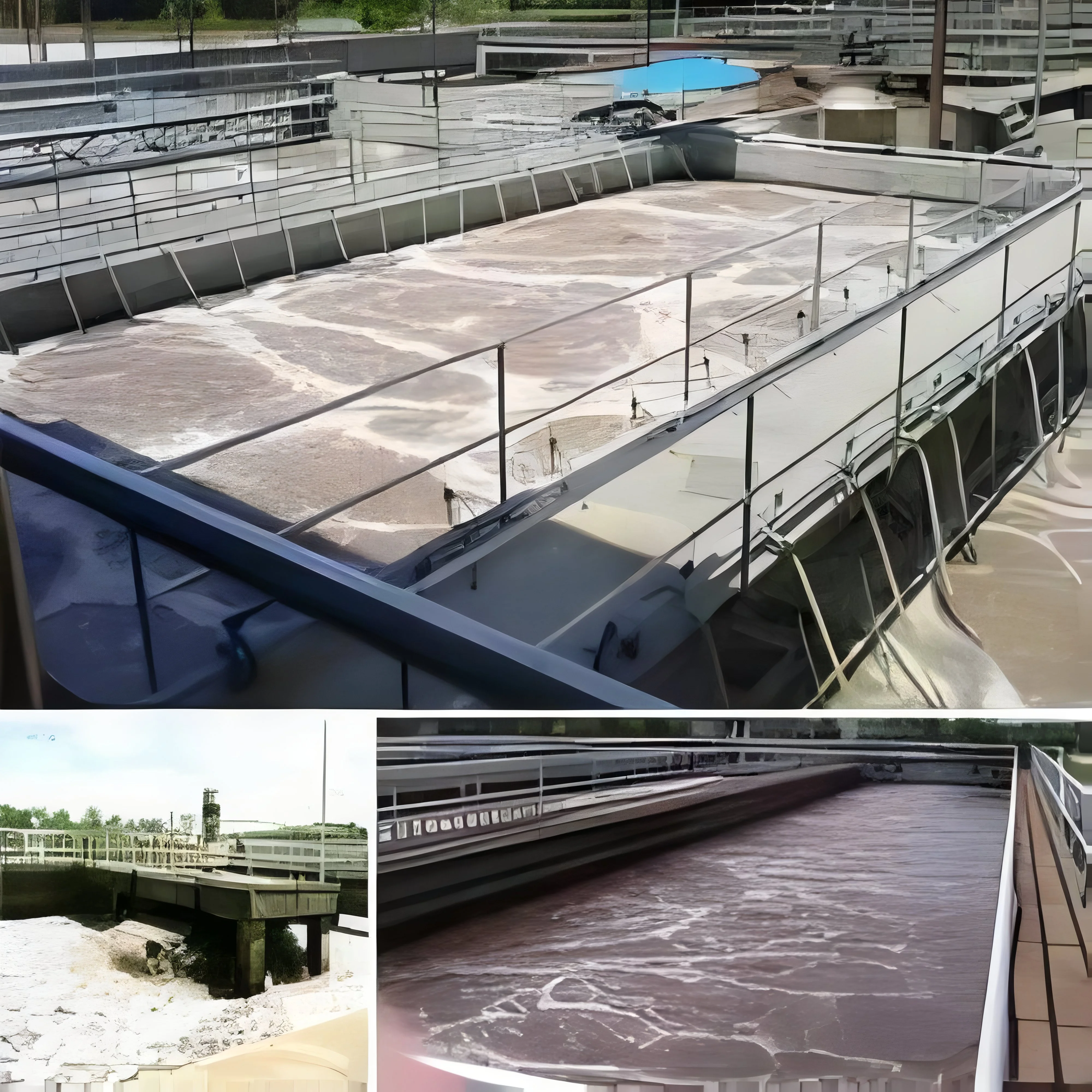
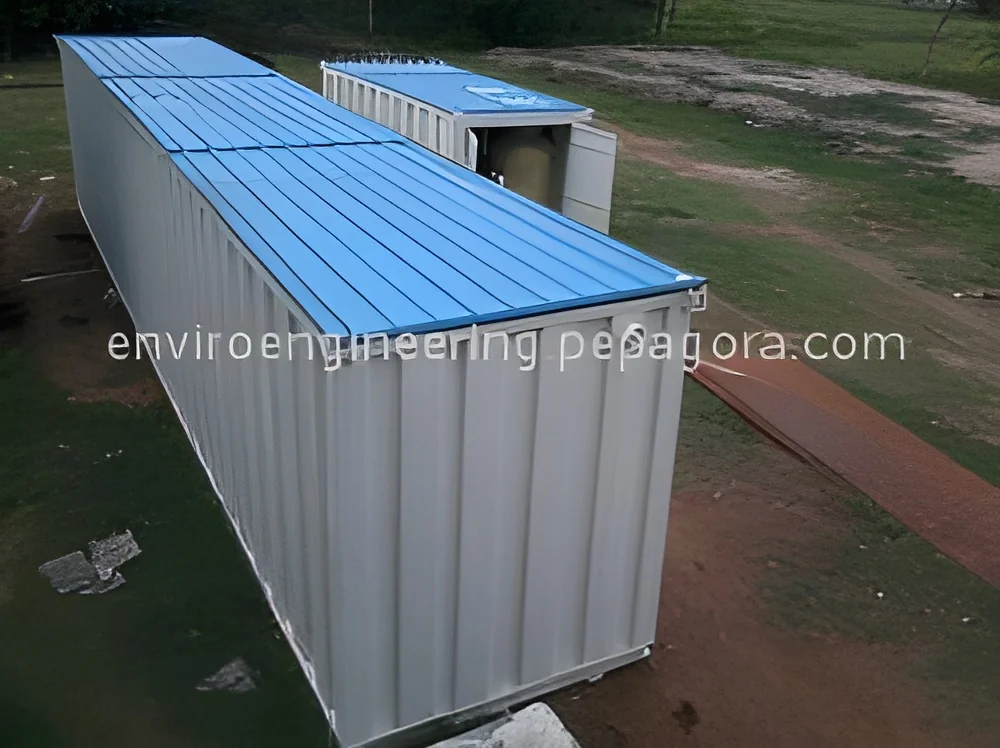
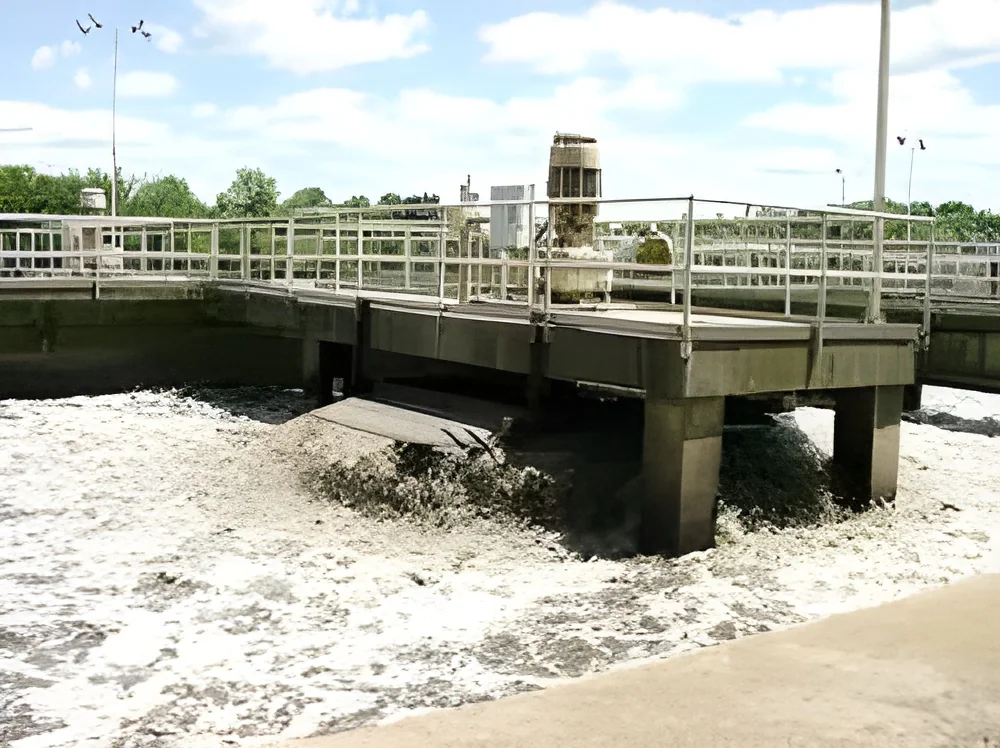
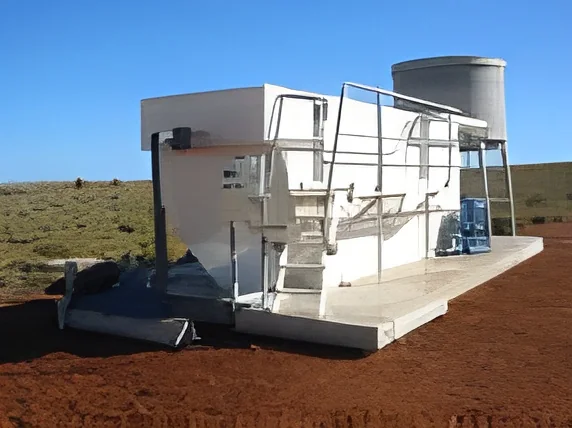
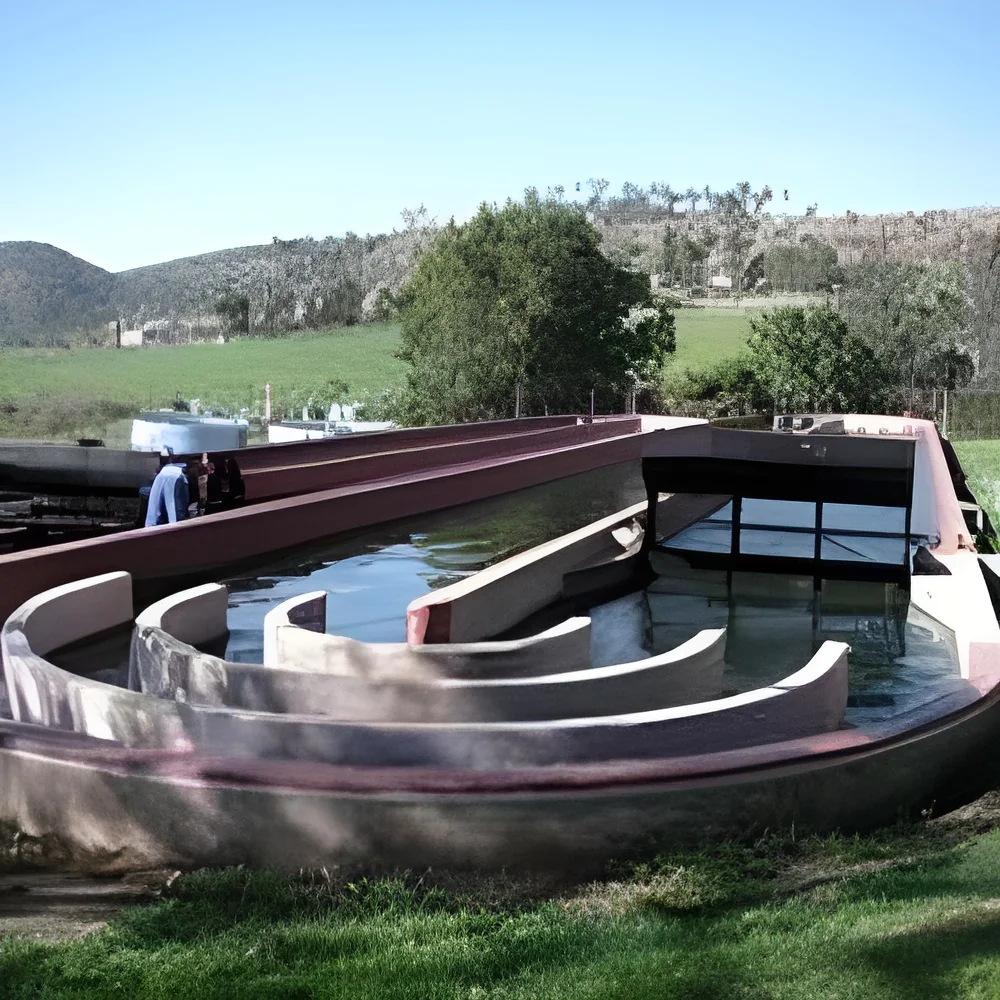
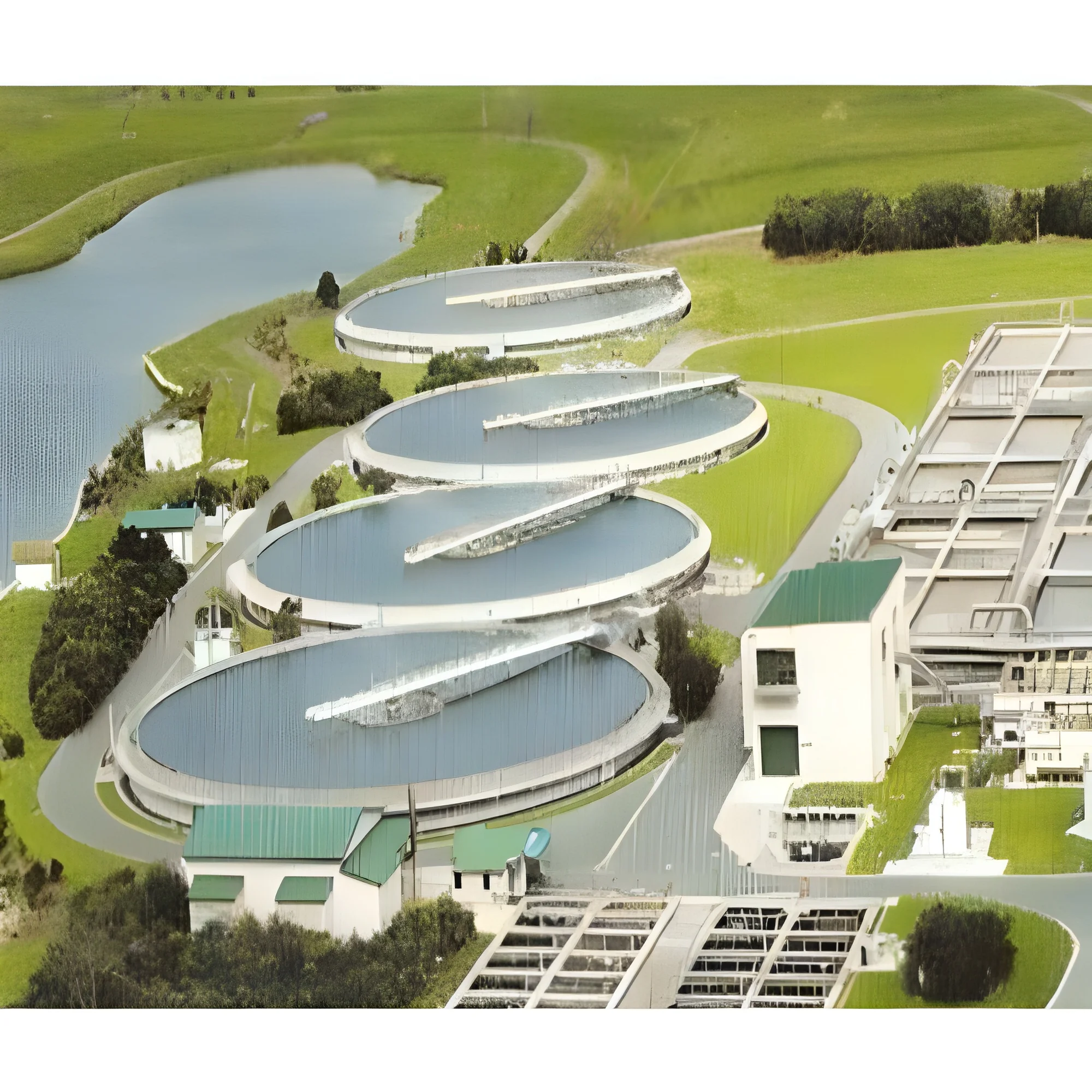
Key Features and Specifications
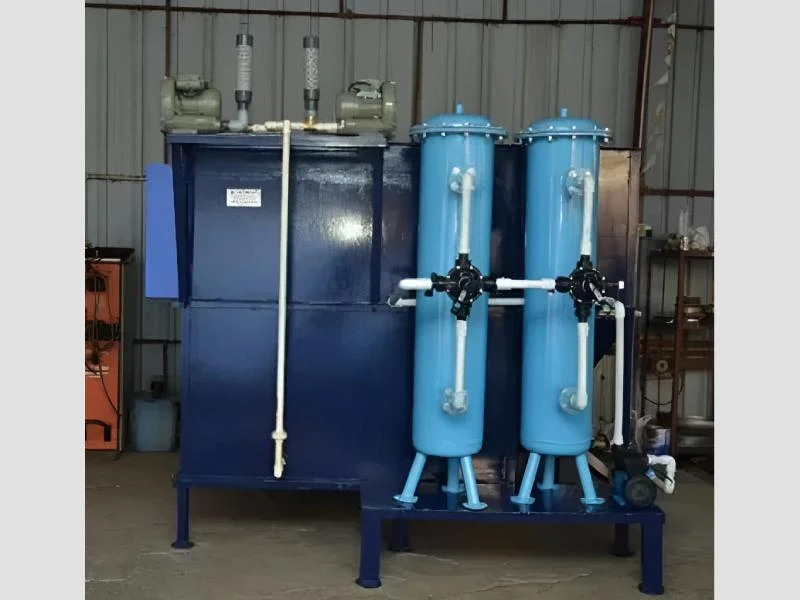
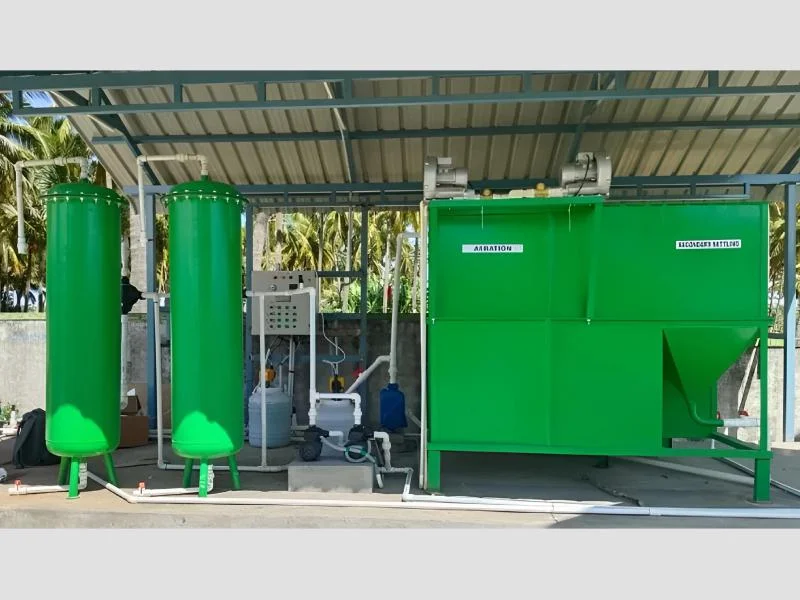
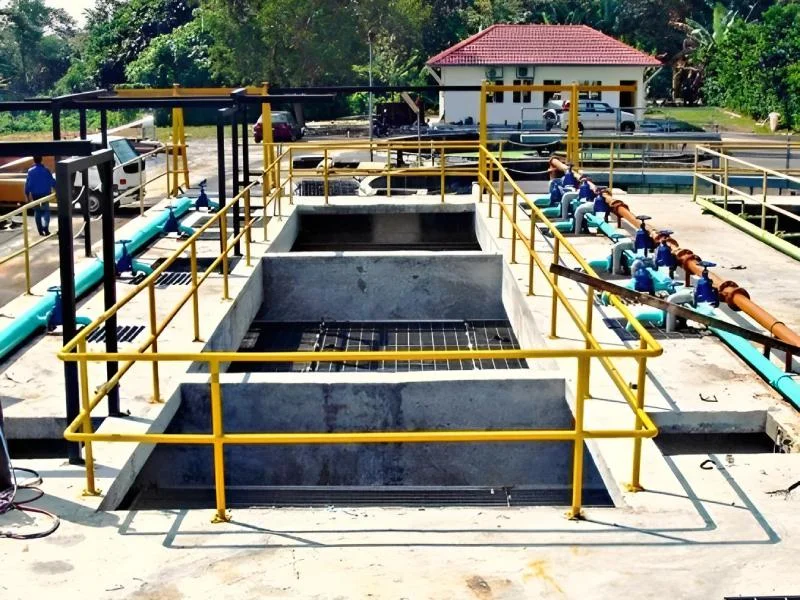
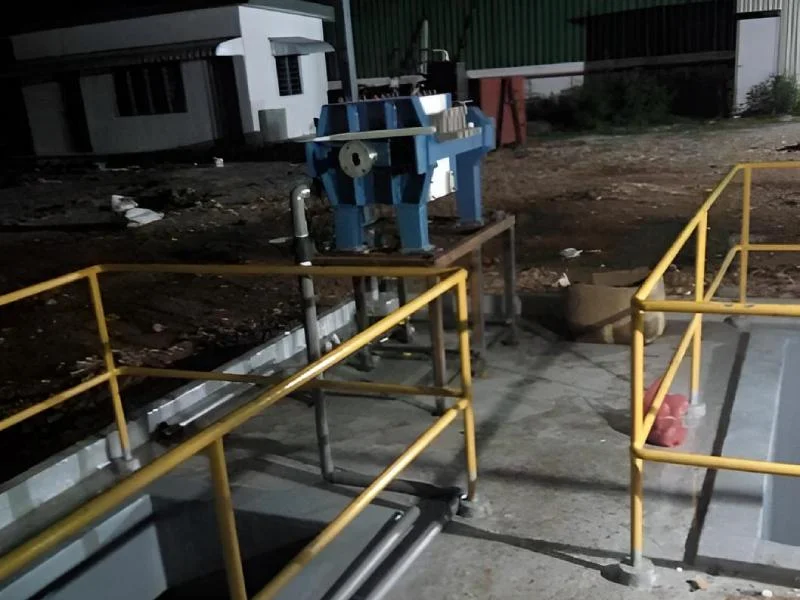
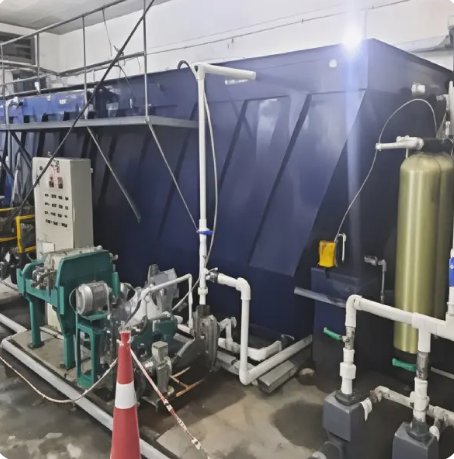
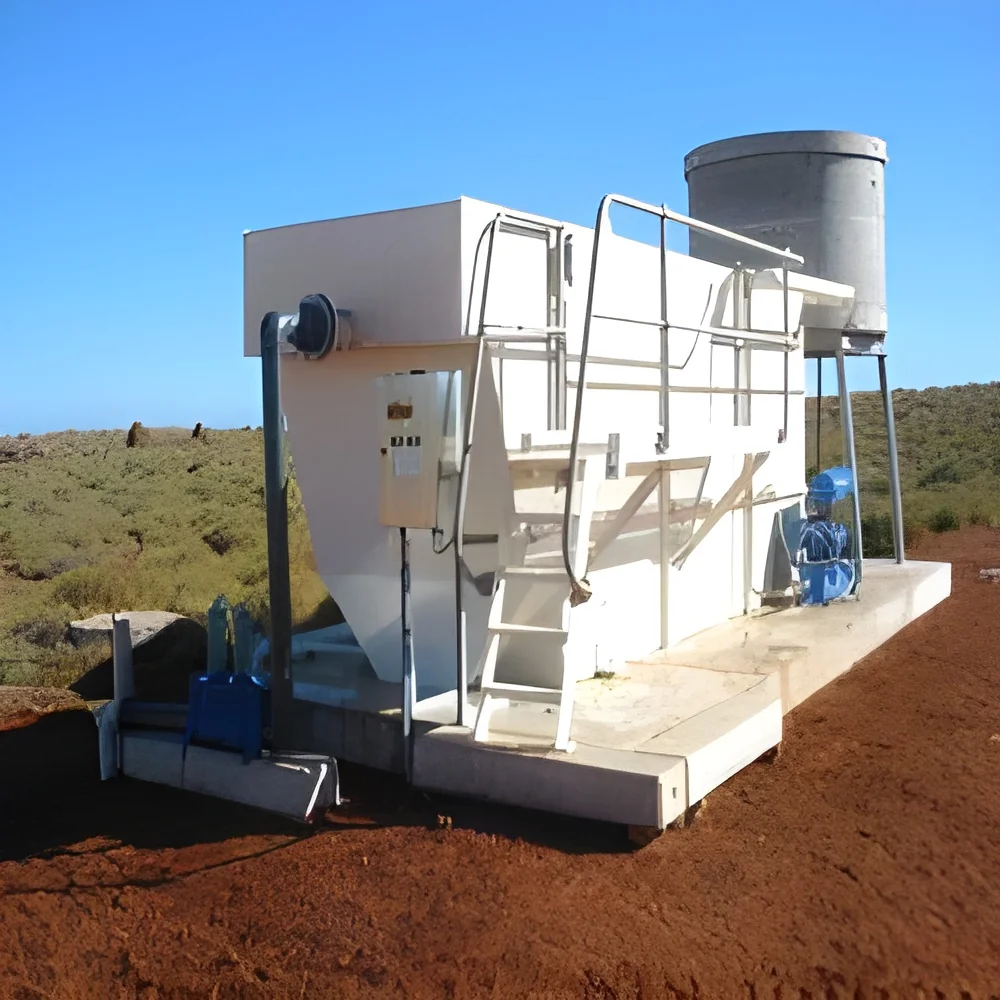
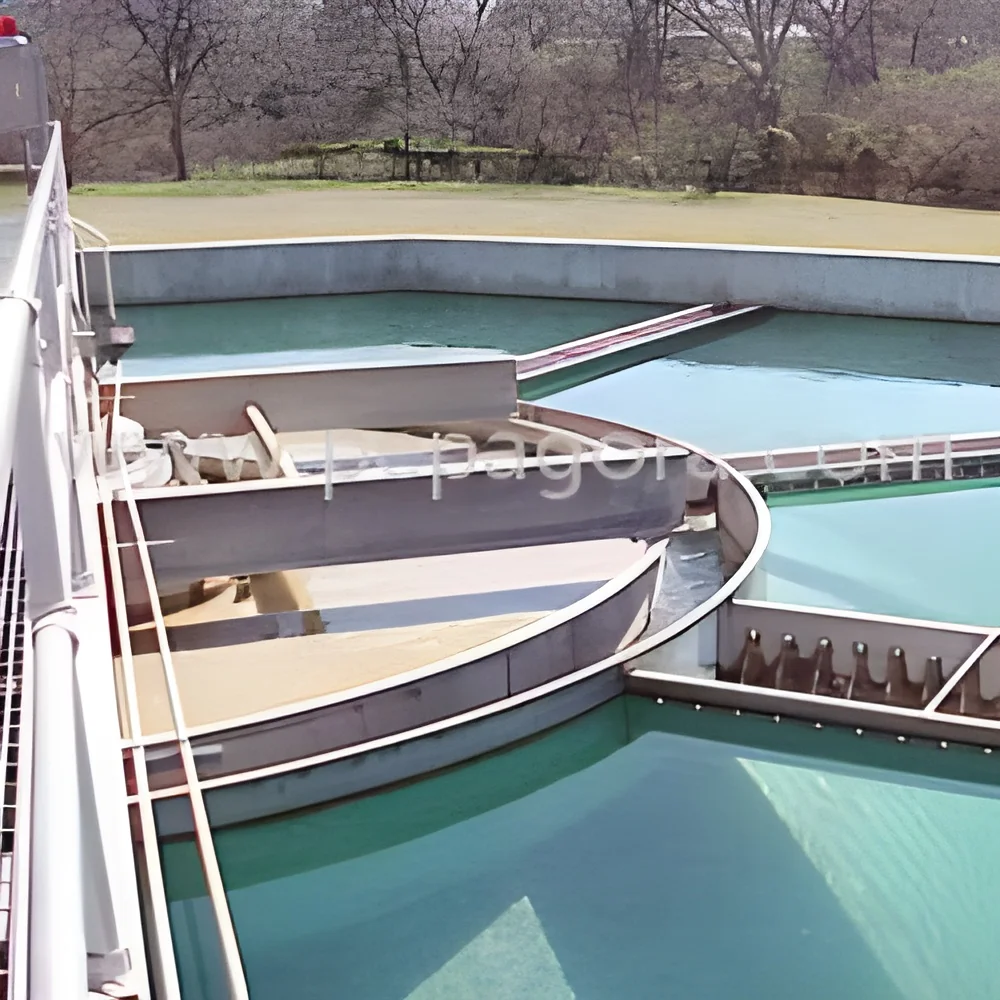
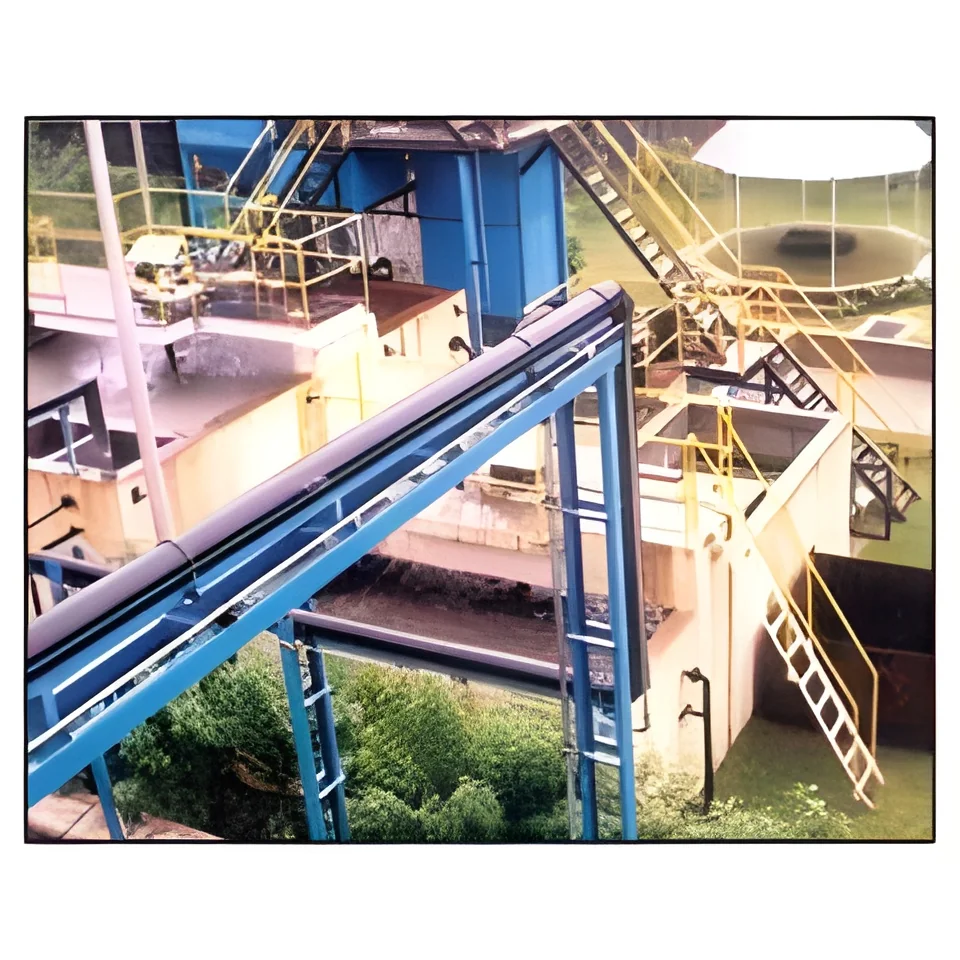
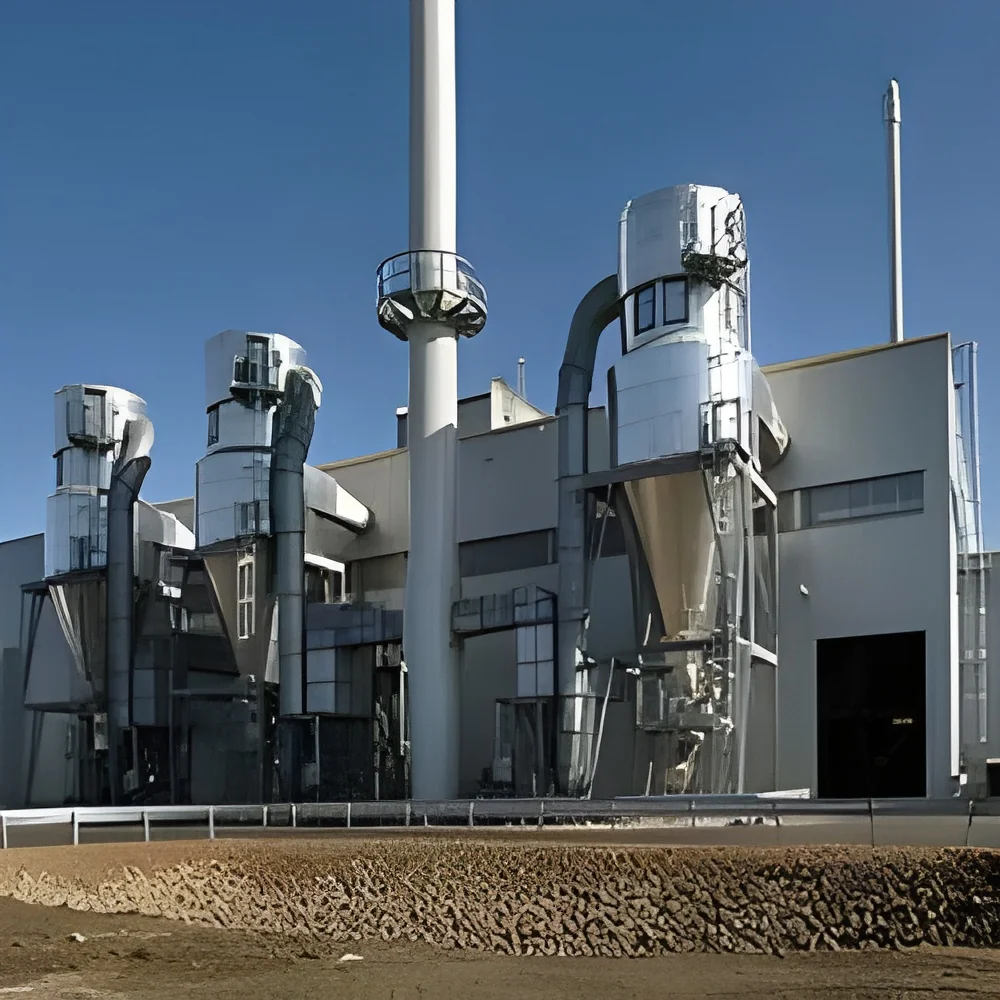
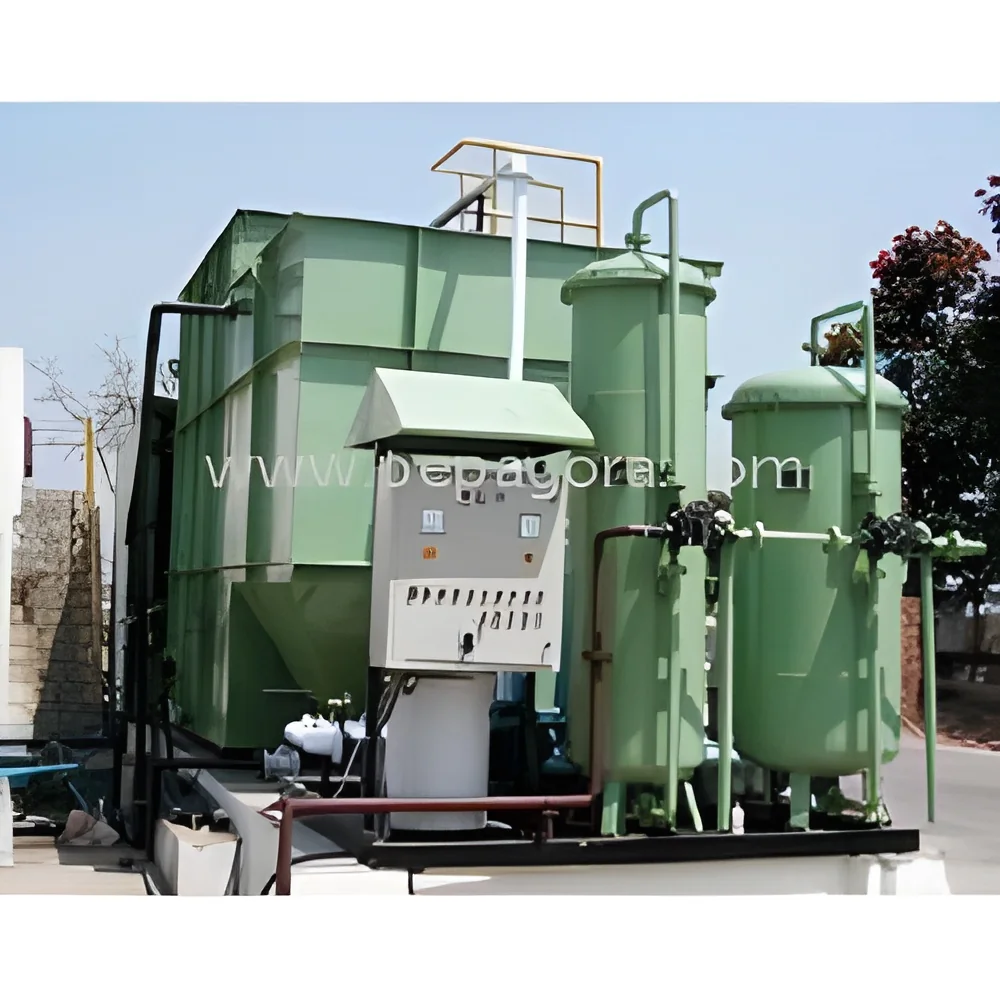
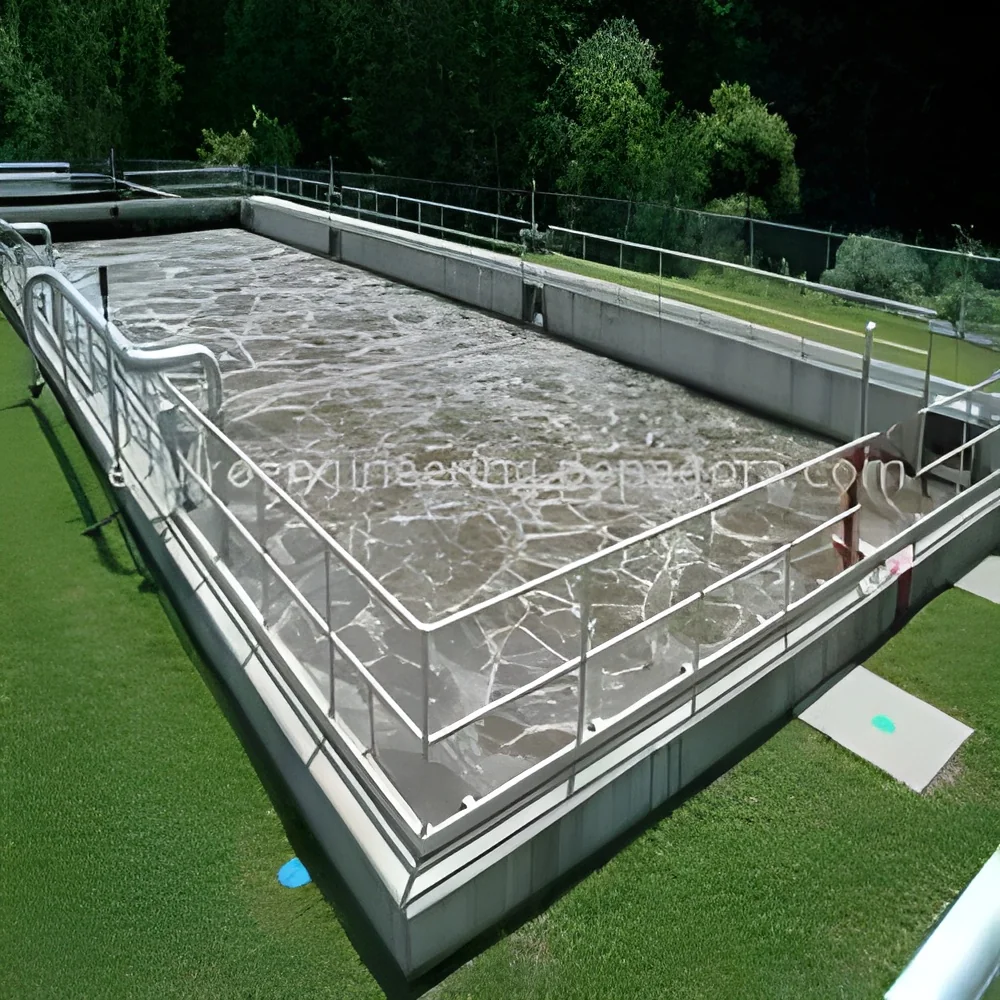
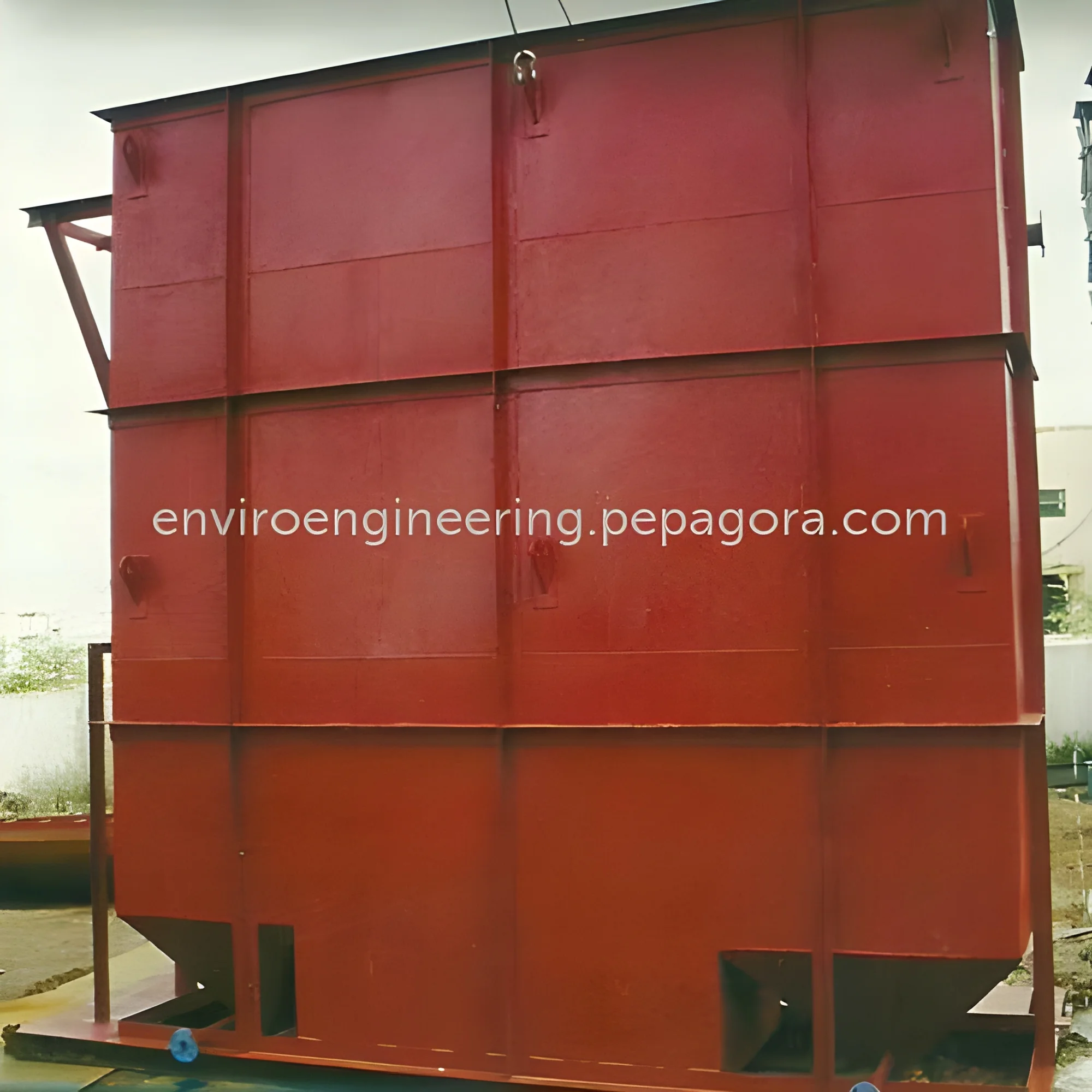
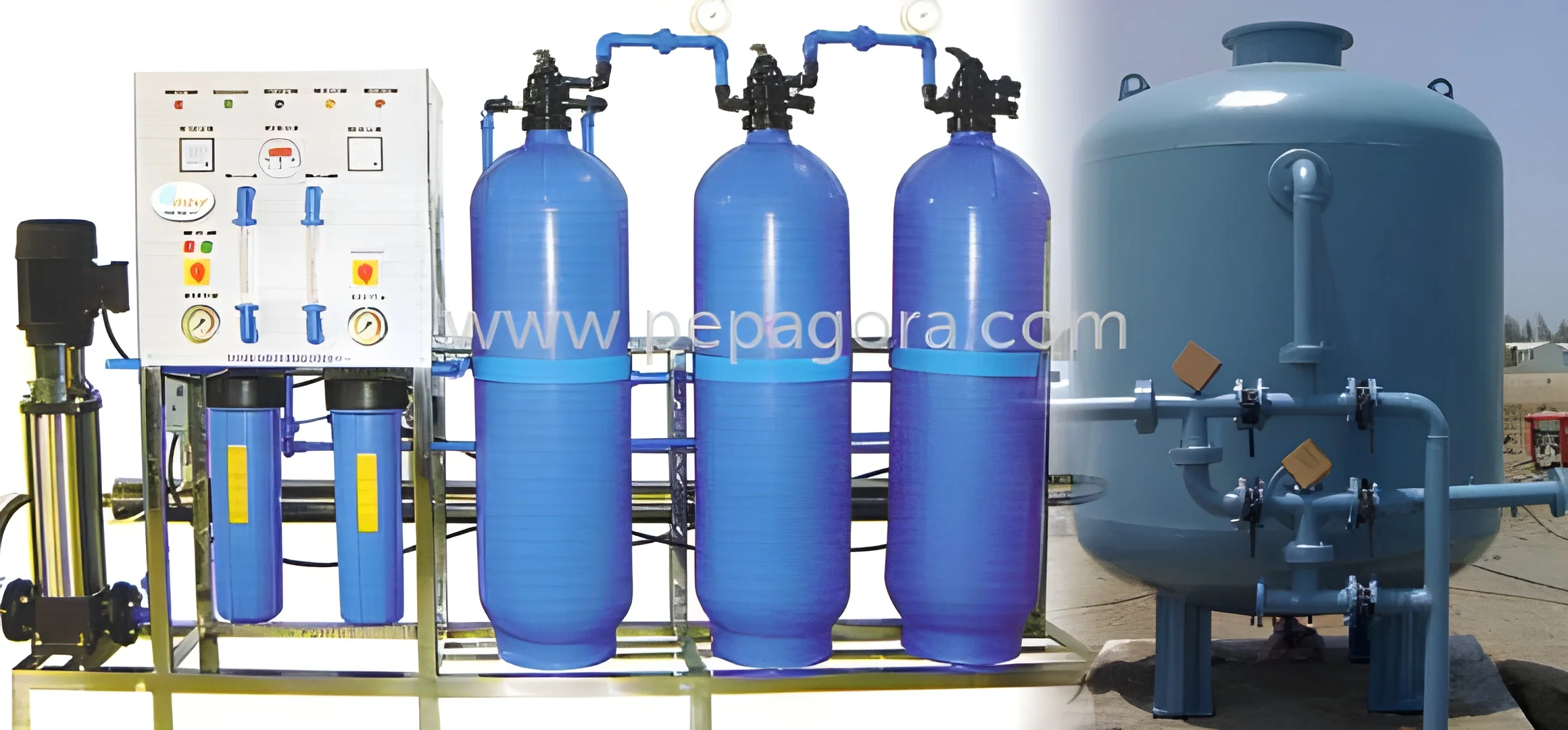
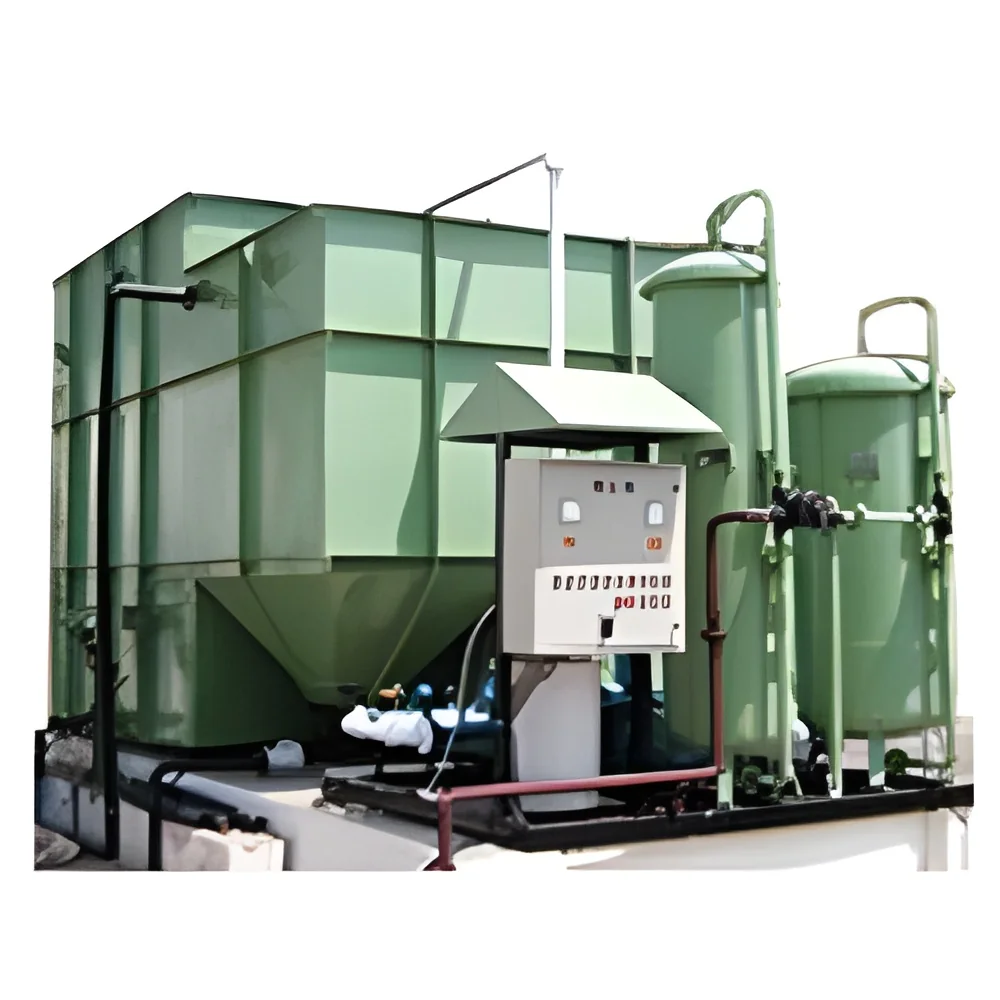
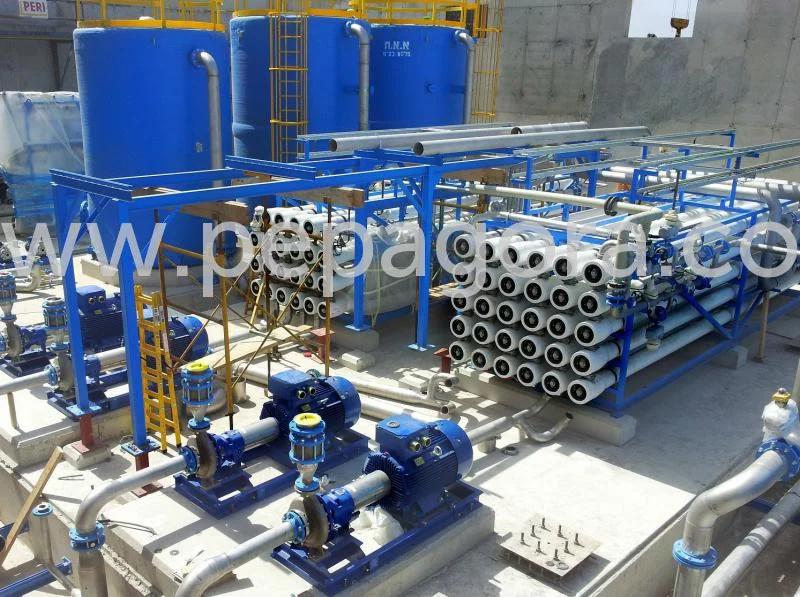
Sewage Treatment Plants come equipped with several key features designed to enhance their efficiency and effectiveness in treating wastewater. Understanding these specifications is essential for selecting the right STP for specific applications.
Key specifications include:
1. Treatment Capacity
- Refers to the volume of wastewater the plant can process, typically measured in cubic meters per day (m³/day).
- Ranges vary based on the size of the facility and the anticipated wastewater inflow.
2. Treatment Processes
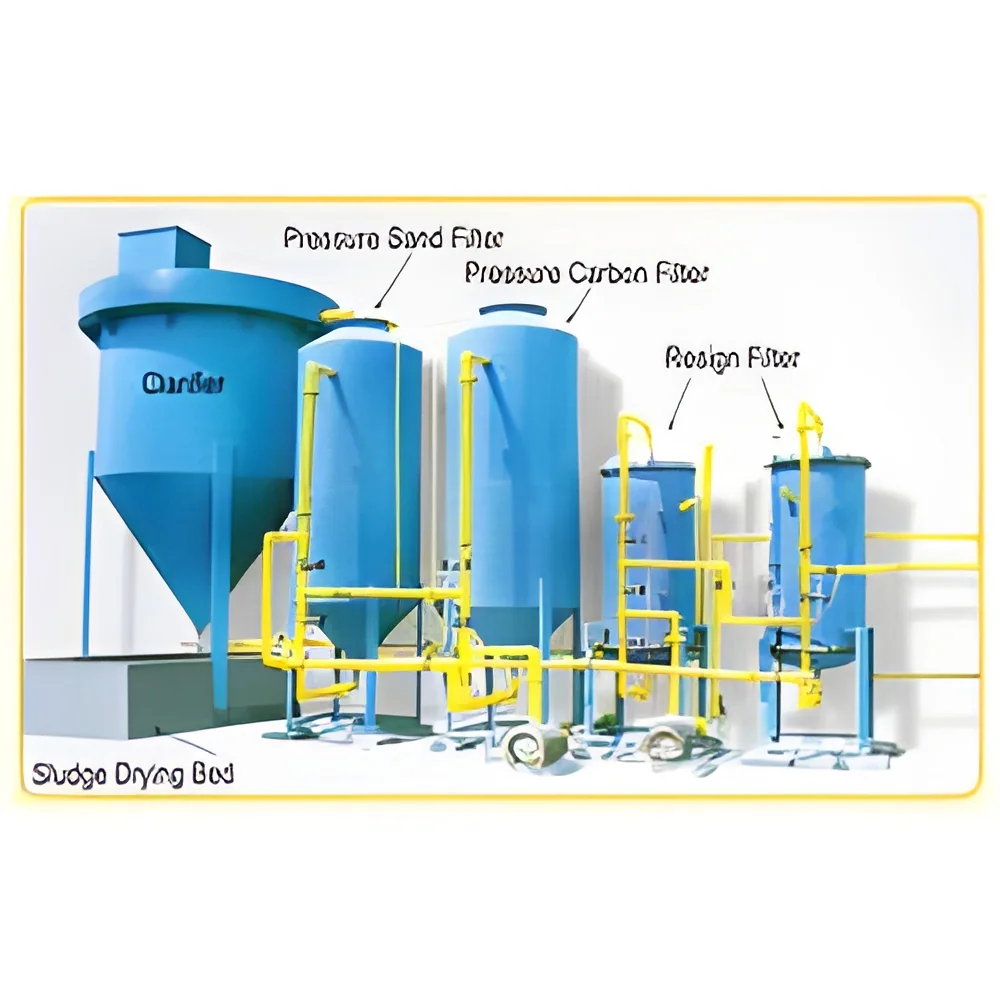
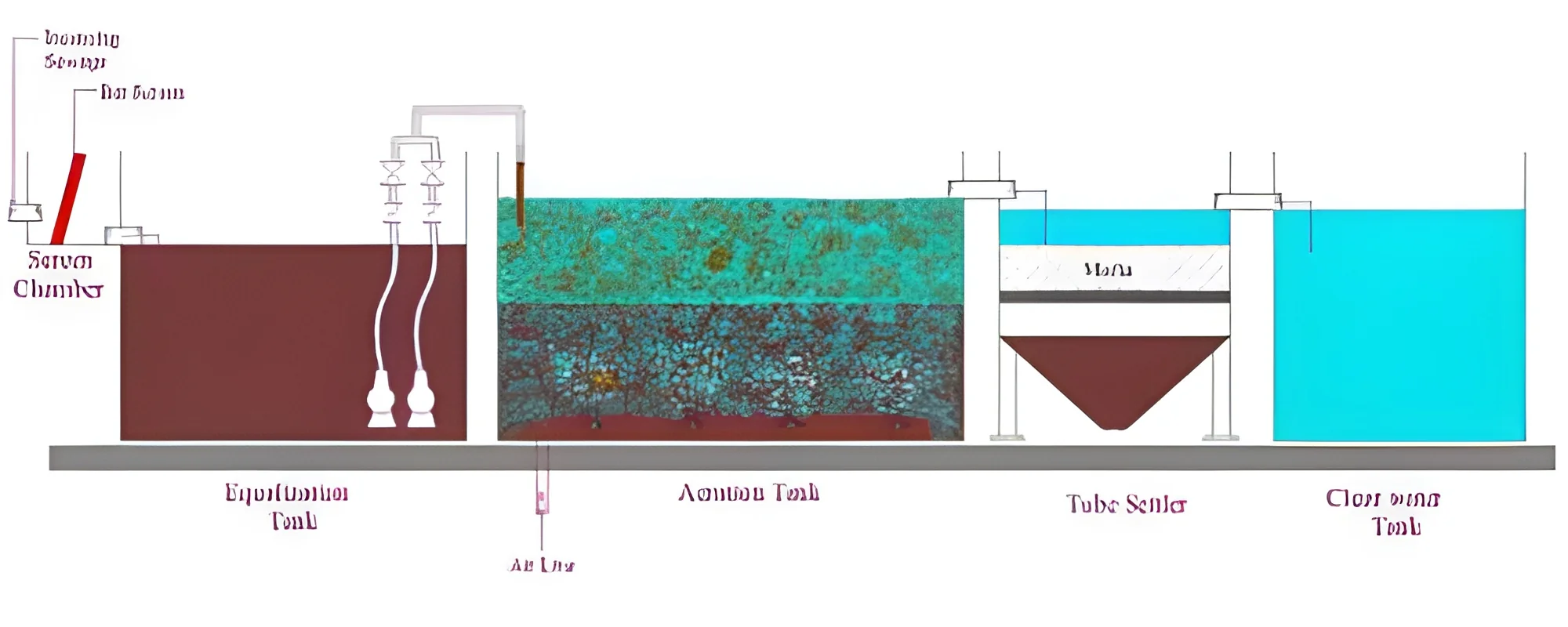
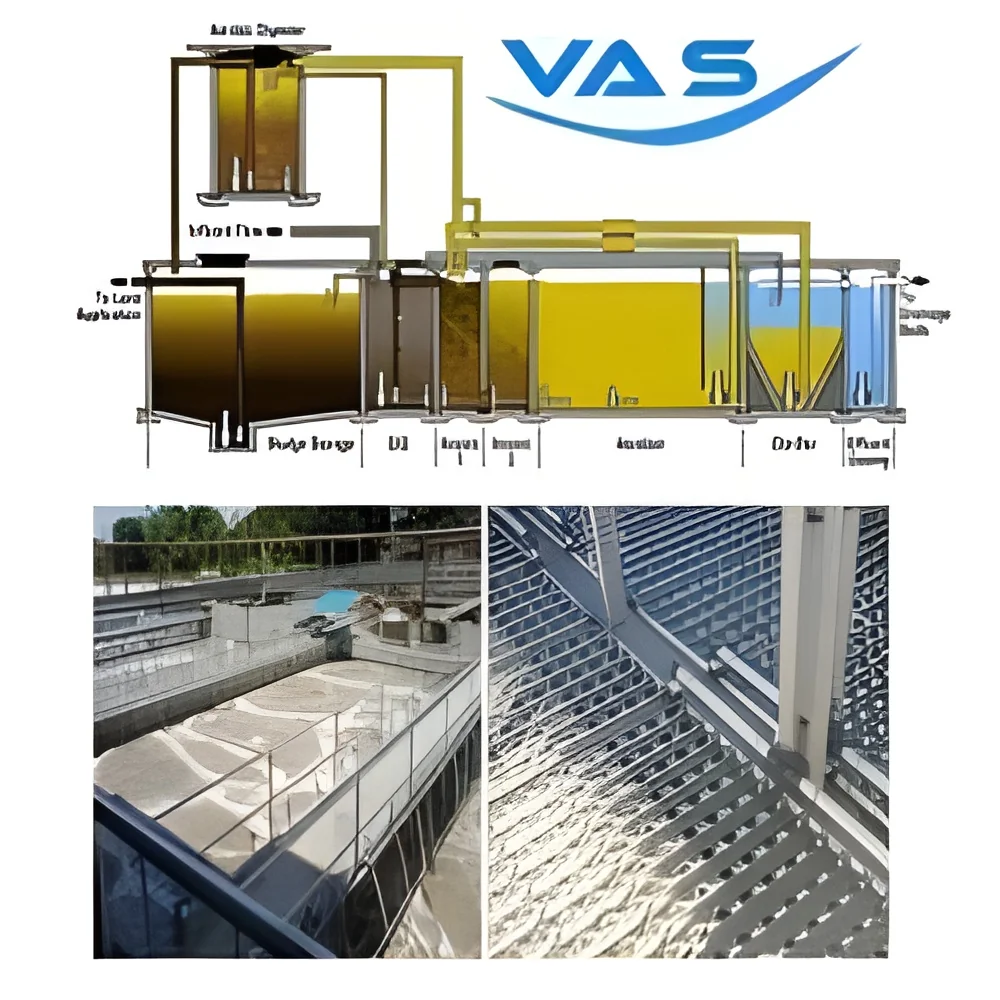
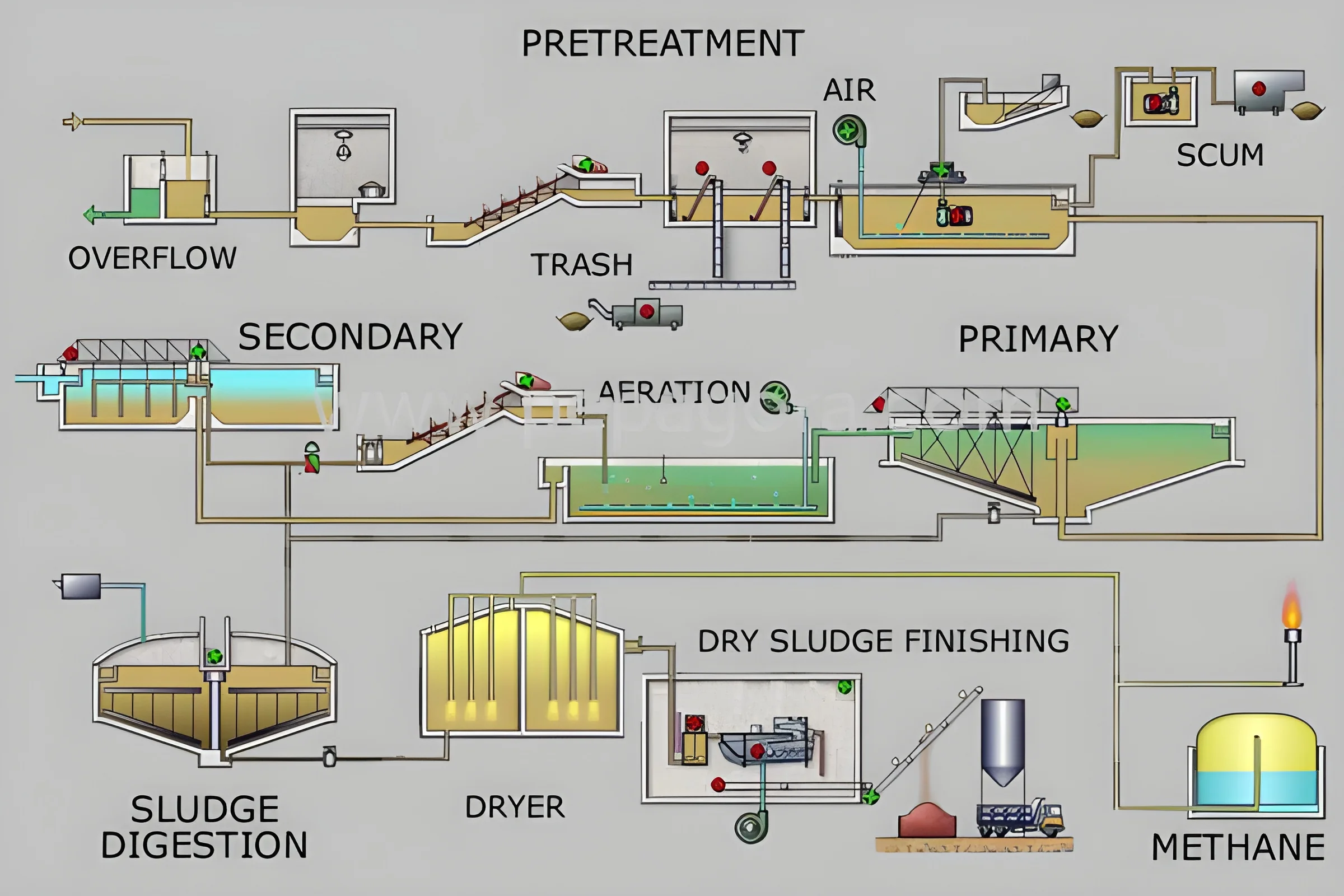
- STPs may incorporate various processes such as activated sludge, membrane bioreactors, or anaerobic digestion.
- Each process has its own operational characteristics and efficiency levels.
3. Energy Consumption
- Indicates the amount of energy required to operate the plant, often measured in kilowatt-hours (kWh) per cubic meter of treated water.
- Lower energy consumption is preferred for cost-effectiveness and sustainability.
4. Footprint Size
- Refers to the physical space required for the plant's installation, which can vary based on technology and treatment capacity.
- A smaller footprint may be necessary for urban applications where space is limited.
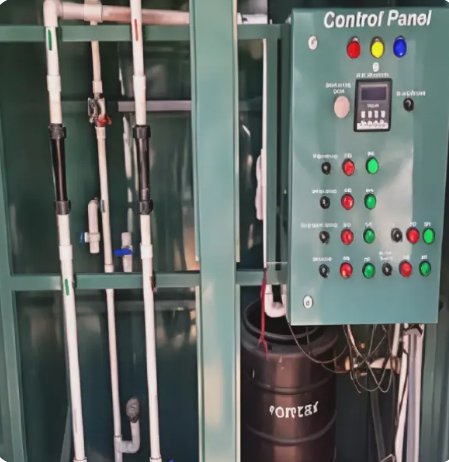
5. Automation Level
- Describes the extent of automation in the treatment process, including monitoring and control systems.
- Higher automation can lead to improved efficiency and reduced labor costs.
6. Effluent Quality
- Defines the quality of treated water and is typically measured against standards for various reuse applications.
- Key parameters include biochemical oxygen demand (BOD), total suspended solids (TSS), and nutrient removal.
7. Maintenance Requirements
- Outlines the frequency and type of maintenance needed to ensure optimal operation.
- Regular maintenance is critical for the longevity of the plant.
8. Compliance Standards
- Indicates adherence to relevant environmental regulations and standards, such as CE certification.
- Compliance ensures that treated effluent meets safety and quality benchmarks.
In summary, understanding these specifications is crucial for selecting a Sewage Treatment Plant that meets the specific needs of an organization while ensuring compliance and efficiency.
Common Applications and Use Cases
Sewage Treatment Plants serve a wide range of industries, each requiring tailored solutions for effective wastewater management.
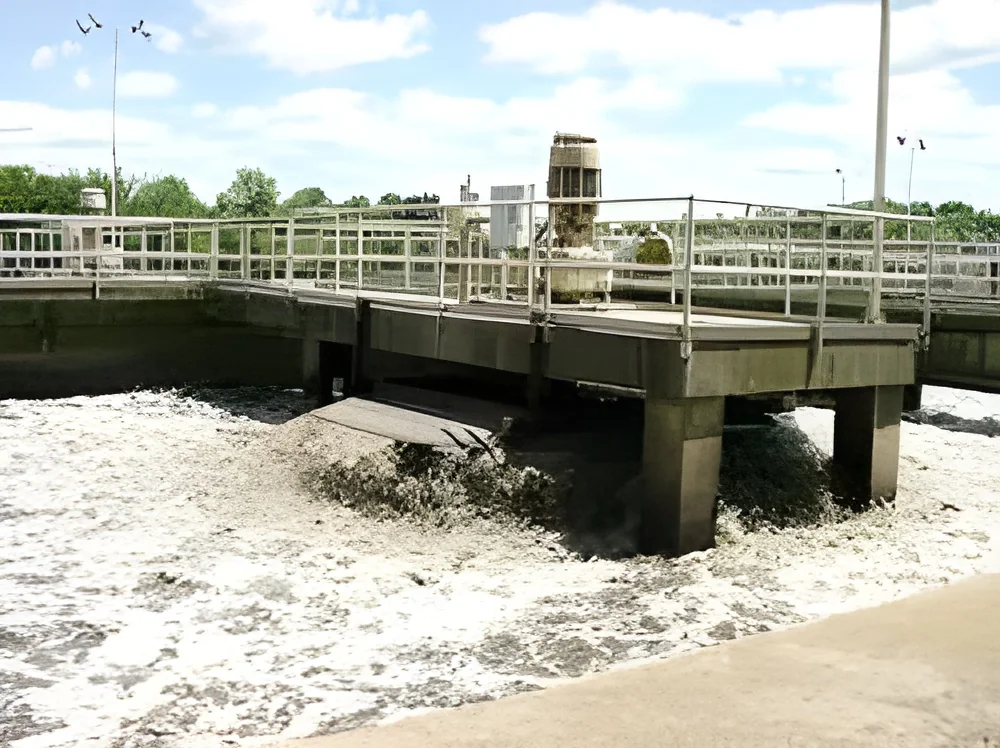
1. Municipalities: STPs are commonly used by local governments to manage and treat sewage from residential areas, ensuring public health and environmental safety.
2. Industrial Facilities: Many industries, such as pharmaceuticals and food processing, implement STPs to treat wastewater generated during production processes, thereby adhering to regulatory standards.
3. Agriculture: Treated wastewater from STPs can be used for irrigation in agriculture, helping conserve water resources and reduce reliance on freshwater.
4. Construction Sites: Temporary STPs are often deployed at construction sites to manage wastewater generated during building activities, preventing contamination of local water sources.
5. Hotels and Resorts: These establishments often utilize STPs to treat wastewater from guest facilities, allowing for environmentally responsible operations and potential water reuse.
6. Mining Operations: Mining companies use STPs to treat water used in extraction processes, minimizing environmental impact and ensuring compliance with regulations.
7. Educational Institutions: Schools and universities may implement STPs to manage sewage on campus, promoting sustainability and environmental awareness among students.
Product Variants and Subcategories
Sewage Treatment Plants come in various configurations to meet diverse needs across different industries. Each variant is designed with specific features to enhance performance and efficiency.
Compact Sewage Treatment Plant
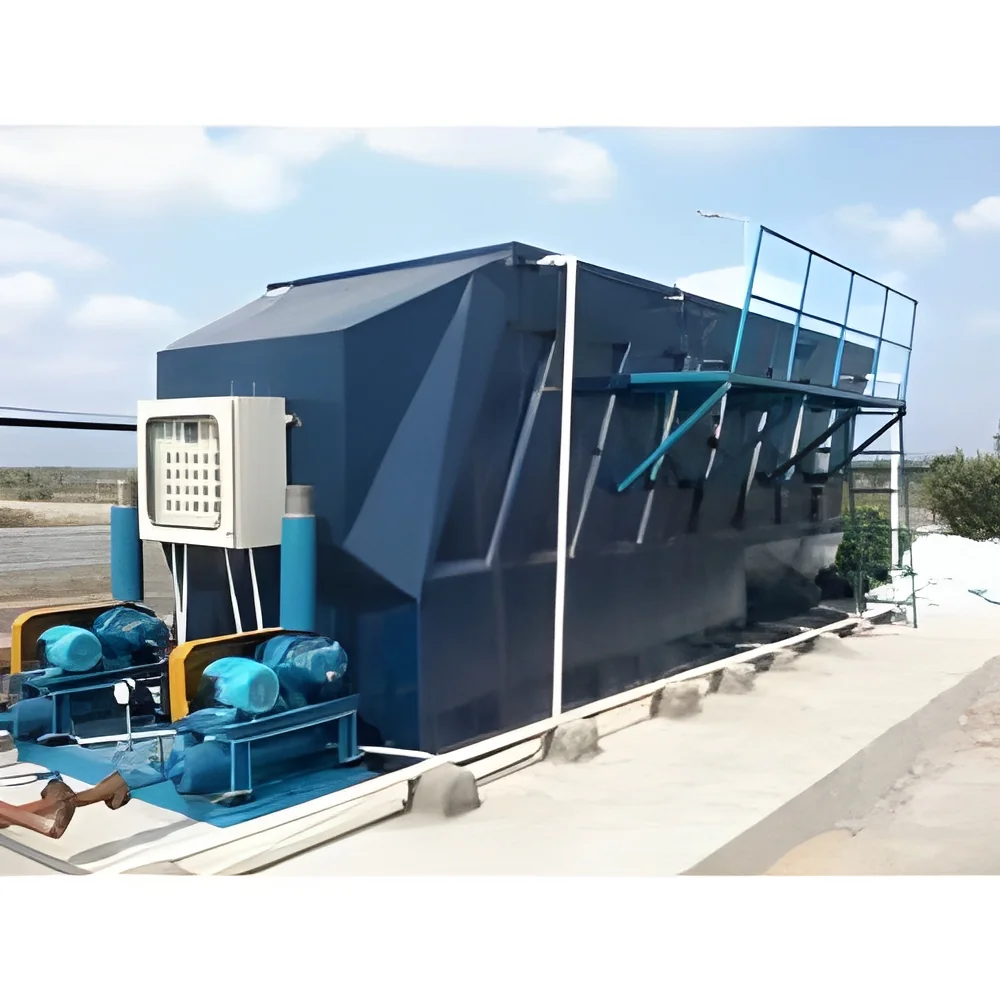
This variant is ideal for small-scale applications, such as residential complexes and small businesses. It features a space-saving design while still providing effective treatment capabilities.
Modular Sewage Treatment Plant
The modular design allows for easy scalability, making it suitable for growing communities or industries. These plants can be expanded as needed without significant infrastructure changes.
Mobile Sewage Treatment Plant
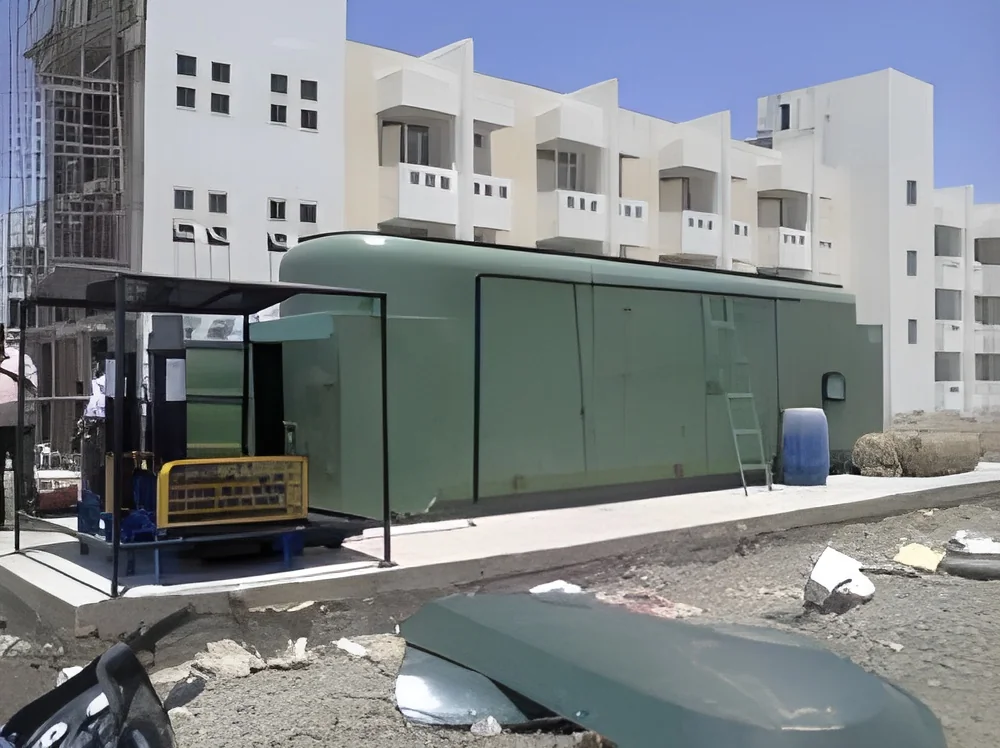
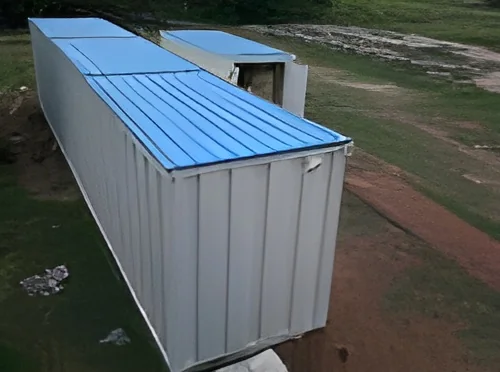
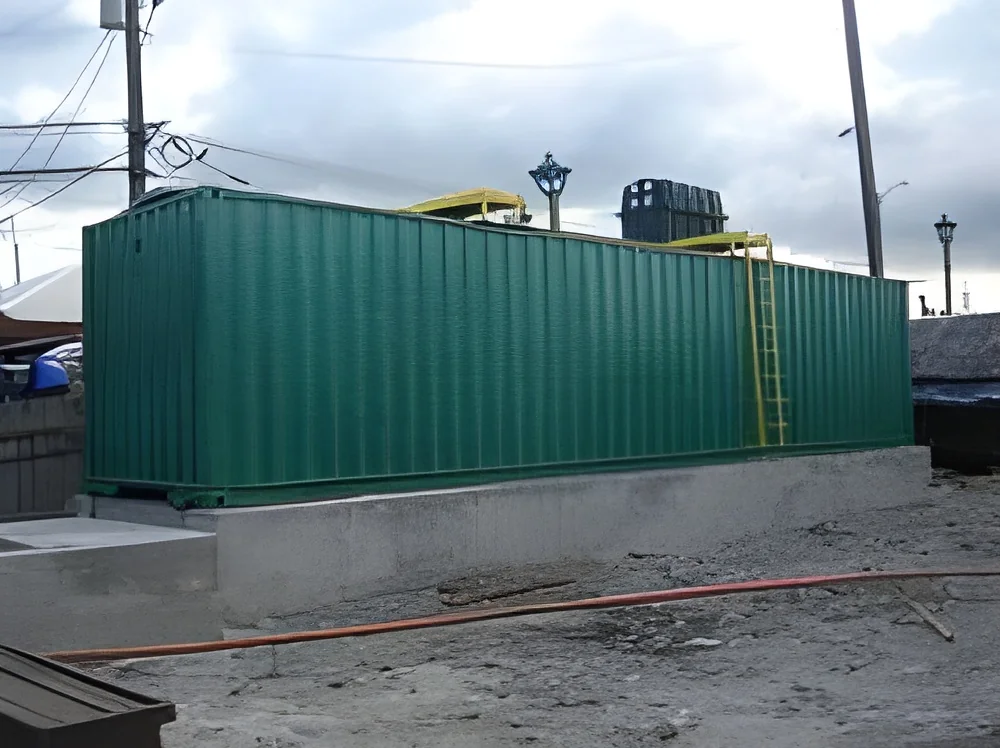
These portable units are designed for temporary applications, such as construction sites or disaster relief efforts. They are easy to transport and set up, providing immediate wastewater treatment solutions.
Advanced Sewage Treatment Plant
Incorporating state-of-the-art technology, this variant offers enhanced treatment processes, such as membrane filtration and advanced oxidation, making it suitable for industries with stringent effluent quality requirements.
Benefits and Advantages
Sewage Treatment Plants offer numerous benefits that can significantly impact an organization's operational efficiency and environmental footprint.
Key benefits include:
1. Environmental Protection: STPs help prevent pollution of water bodies by treating sewage before it is released, safeguarding ecosystems.
2. Water Reuse: Treated wastewater can be repurposed for irrigation, industrial processes, or cooling systems, reducing freshwater consumption.
3. Compliance with Regulations: Utilizing STPs ensures that organizations meet local and international wastewater treatment regulations, avoiding potential fines and legal issues.
4. Cost Savings: By recycling treated water, businesses can lower their operational costs related to water procurement and disposal.
5. Enhanced Public Health: Effective sewage treatment minimizes the risk of waterborne diseases, contributing to overall community health and well-being.
6. Improved Brand Image: Companies that prioritize sustainable practices through wastewater treatment can enhance their reputation and appeal to environmentally conscious consumers.
Buying Guide for B2B Buyers
When sourcing Sewage Treatment Plants (STP), B2B buyers should consider several critical factors to ensure they select the right solution for their needs.
1. Quality Assessment: Buyers should evaluate the quality of STPs based on manufacturer reputation, customer reviews, and compliance with industry standards.
2. Supplier Verification: It is essential to vet suppliers through background checks, references, and certifications. A reliable supplier ensures timely delivery and quality products.
3. Pricing and MOQ: Understanding the pricing structure and minimum order quantity (MOQ) helps buyers budget effectively and negotiate favorable terms.
4. Delivery and Lead Times: Buyers should inquire about logistics, including delivery schedules and lead times, to ensure that project timelines are met.
5. Compliance Requirements: Buyers must be aware of local and international regulations governing wastewater treatment to ensure that the selected STP complies with all necessary standards.
Compliance and Certifications
Sewage Treatment Plants must adhere to various compliance and certification standards to ensure quality and safety in wastewater management.
One key standard is ISO 9001, which focuses on quality management systems. Adhering to this standard ensures that the STP manufacturer maintains high levels of quality throughout production.
In addition to ISO certification, many STPs are required to meet industry certifications such as CE marking. This certification indicates conformity with health, safety, and environmental protection standards set by the European Union.
Safety and testing requirements are also critical considerations for STPs. Regular testing of treated effluent ensures that it meets safety standards for discharge or reuse. This includes monitoring for contaminants and maintaining operational efficiency.
Regional compliance considerations vary by location, necessitating that STPs comply with local regulations and guidelines. Understanding these requirements is essential for businesses to operate within legal frameworks and promote environmental stewardship.
Why Source Sewage Treatment Plants (STP) from Pepagora?
Pepagora offers a trusted platform for sourcing Sewage Treatment Plants (STP), providing several key advantages for B2B buyers.
Verified Supplier Network: Pepagora ensures that all suppliers in its network are thoroughly vetted, providing buyers with confidence in the quality and reliability of the products offered.
Streamlined RFQ Process: The platform features a user-friendly Request for Quotation (RFQ) system, allowing buyers to easily compare offerings and negotiate terms with multiple suppliers, saving time and effort.
Trade Assurance and Support: Pepagora provides buyer protection through trade assurance, ensuring that transactions are secure and that buyers receive the products they expect.
Regional Coverage: With a geographic reach that includes India, the Gulf Cooperation Council (GCC), and Southeast Asia, Pepagora connects buyers with suppliers across these regions, facilitating seamless procurement processes.

 IN
IN