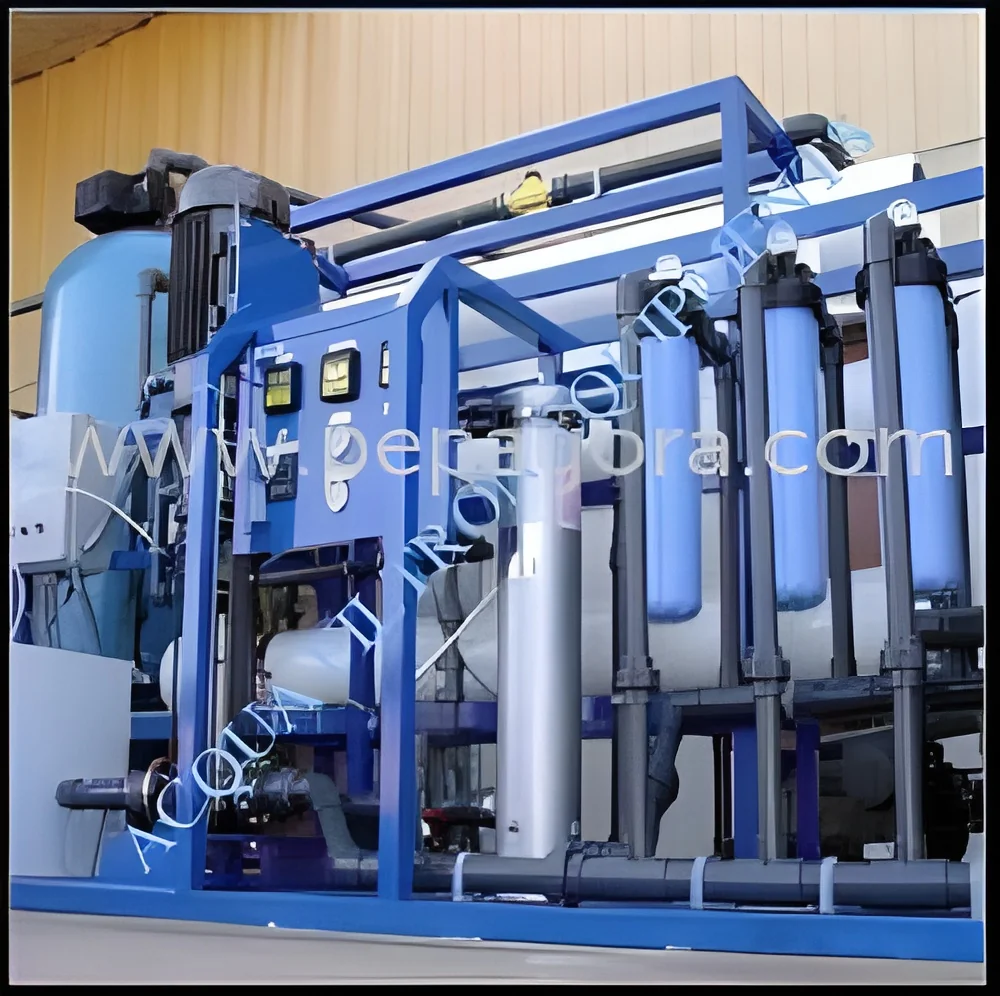
What are Brackish Water RO Systems?
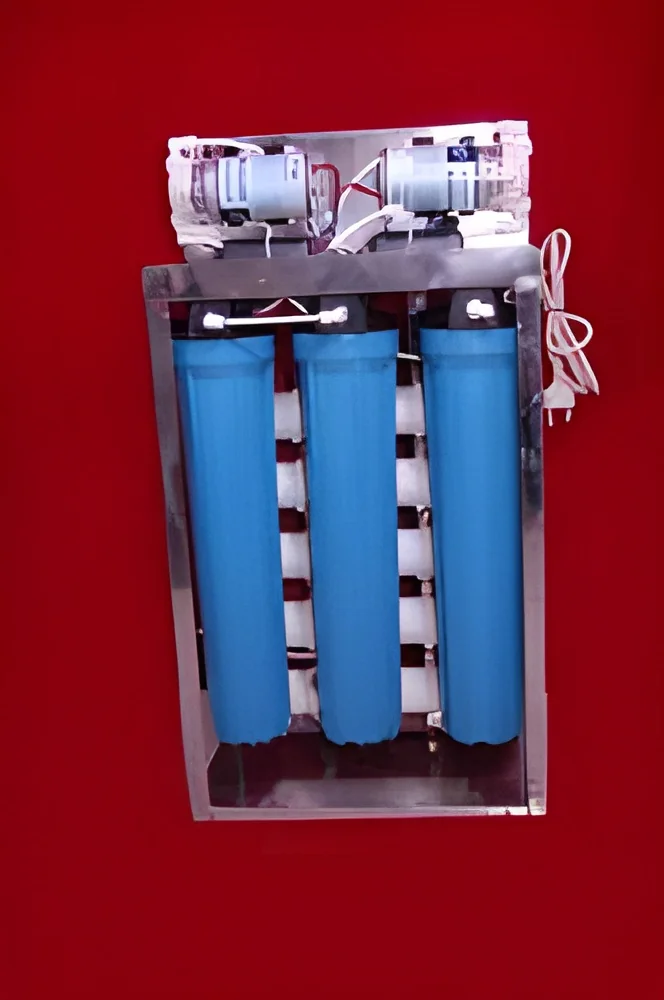
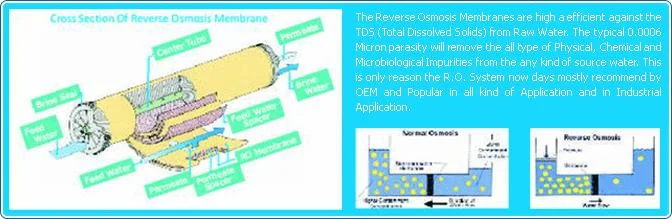
Brackish Water Reverse Osmosis (RO) Systems are specialized water treatment solutions designed to desalinate brackish water, which contains a higher concentration of salts than freshwater but lower than seawater. These systems utilize a semi-permeable membrane to remove impurities, including salts, organic matter, and other contaminants from the water. The process involves applying pressure to push the brackish water through the membrane, allowing only purified water to pass through while retaining larger particles.
These systems are primarily used in various industries where freshwater resources are limited or where brackish water is the primary water source. Common applications include agricultural irrigation, industrial processes, and municipal water supply. By providing a reliable source of clean water, Brackish Water RO Systems play a crucial role in ensuring sustainable water management and supporting economic growth in areas dependent on this resource.
In the context of the growing global demand for clean water, Brackish Water RO Systems are becoming increasingly relevant. As populations rise and natural freshwater sources dwindle, industries are turning to innovative solutions to meet their water needs. The market for these systems is expanding, driven by advancements in technology and increasing awareness of water conservation practices.
Key Features and Specifications
Brackish Water RO Systems come with a variety of features and specifications that enhance their performance and efficiency. Understanding these specifications is crucial for businesses looking to invest in reliable water treatment solutions.
Key specifications include:
1. Membrane Type
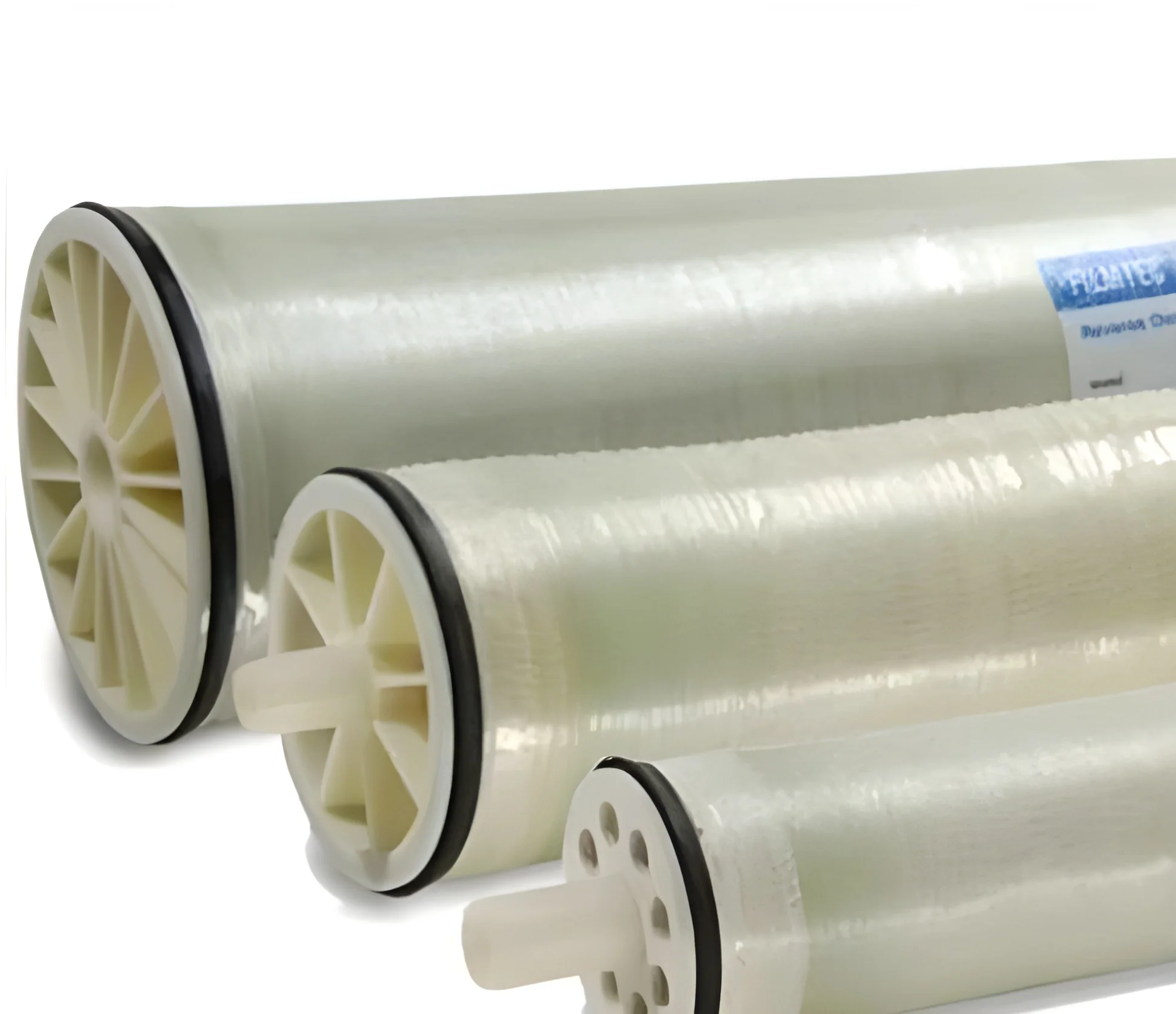
- Typically made from polyamide thin-film composite materials.
- Designed for high rejection rates of salts and impurities.
2. Operating Pressure
- Generally ranges from 150 to 600 psi.
- Higher pressure allows for improved flow rates and efficiency.
3. Recovery Rate
- Common recovery rates are between 50% to 80%.
- Indicates the percentage of feed water converted to purified water.
4. Flow Rate
- Available in various capacities, from small units producing 100 gallons per day to larger systems exceeding 10,000 gallons per day.
- Flow rate selection depends on specific application requirements.
5. Pre-treatment Requirements
- Often requires pre-filtration to remove larger particles.
- Helps extend the lifespan of the RO membranes.
6. Control Systems
- Equipped with automated control systems for monitoring and managing operations.
- Features may include pressure gauges, flow meters, and alarms.
7. Energy Efficiency
- Many systems are designed with energy-saving features.
- Reduced energy consumption leads to lower operational costs.
8. Compact Design
- Space-saving designs allow for easy installation in various locations.
- Ideal for facilities with limited space for water treatment systems.
In summary, the key features and specifications of Brackish Water RO Systems highlight their effectiveness in treating brackish water. Understanding these details can help businesses select the right system to meet their specific needs.
Common Applications and Use Cases
Brackish Water RO Systems are versatile and serve various industries, providing tailored solutions for their unique water treatment needs.
1. Agriculture: These systems are extensively used for irrigation purposes, converting brackish water into suitable water for crops. This is especially valuable in arid regions where freshwater is scarce.
2. Industrial Processes: Many manufacturing industries rely on Brackish Water RO Systems for process water, cooling water, and boiler feedwater, ensuring consistent quality and reducing operational interruptions.
3. Municipal Water Supply: Local governments utilize these systems to treat brackish water for community drinking water supplies, addressing water scarcity issues in populated areas.
4. Aquaculture: Fish farming operations use Brackish Water RO Systems to maintain optimal water quality, necessary for the health and growth of aquatic species.
5. Oil and Gas: The oil and gas industry employs these systems for water used in drilling and extraction processes, ensuring compliance with environmental regulations.
6. Food and Beverage: In the food processing sector, Brackish Water RO Systems can provide high-purity water for production, ensuring product quality and safety.
7. Hospitality: Hotels and resorts in coastal areas use these systems to supply their water needs, enhancing guest experiences while managing resources effectively.
Product Variants and Subcategories
Brackish Water RO Systems offer a range of variants to cater to diverse applications and operational requirements. Each variant is designed with specific features to enhance performance and efficiency.
Compact Brackish Water RO System
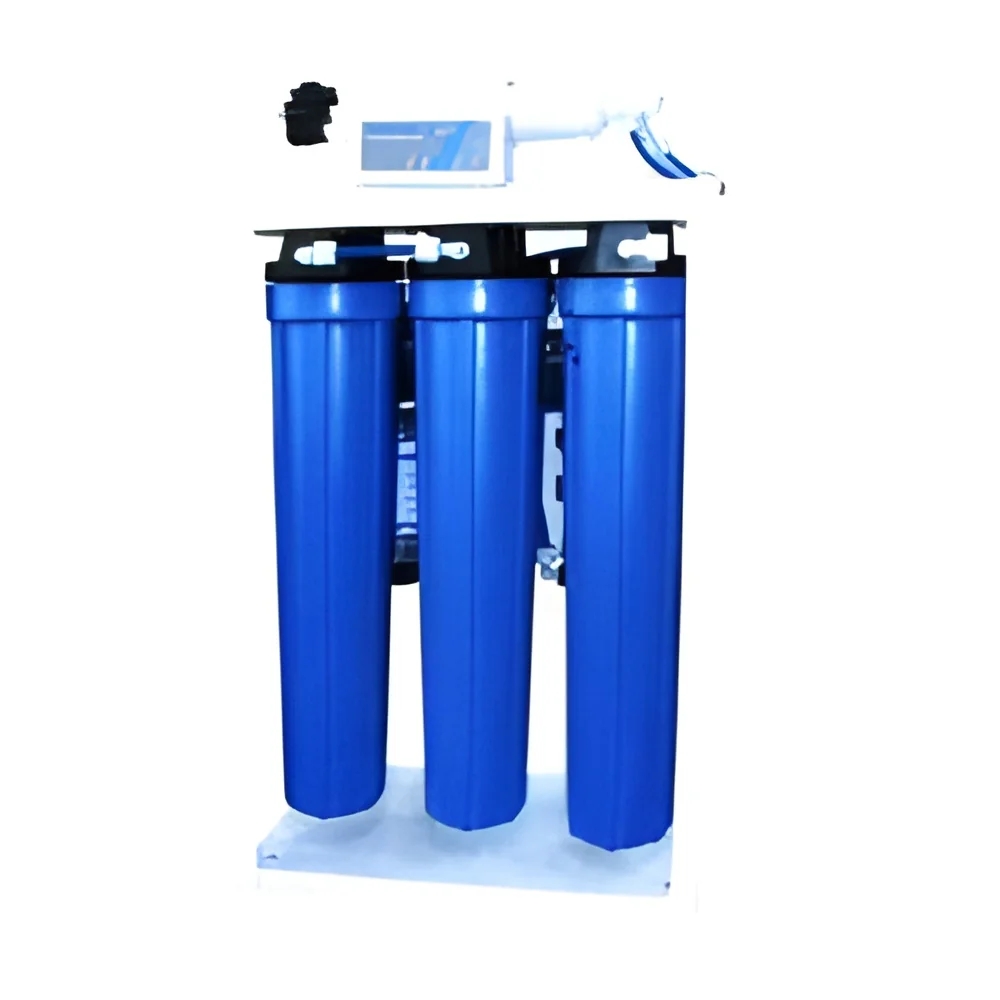
This variant is designed for small-scale applications, ideal for remote locations or facilities with limited space. It offers easy installation and operation, making it suitable for small agricultural or industrial needs.
High-Capacity Brackish Water RO System
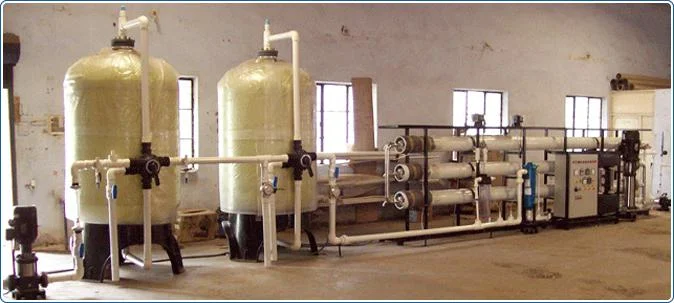
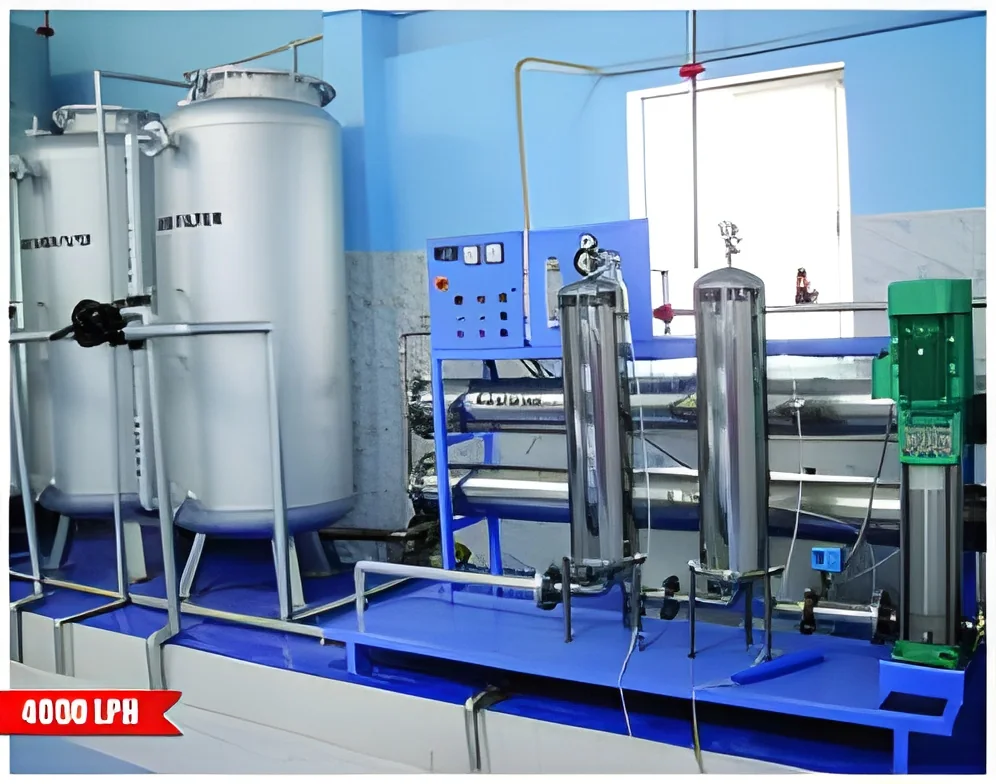
Designed for large-scale operations, this system provides high flow rates and recovery efficiencies. It is typically used in municipal applications or large industrial processes that require significant volumes of purified water.
Modular Brackish Water RO System
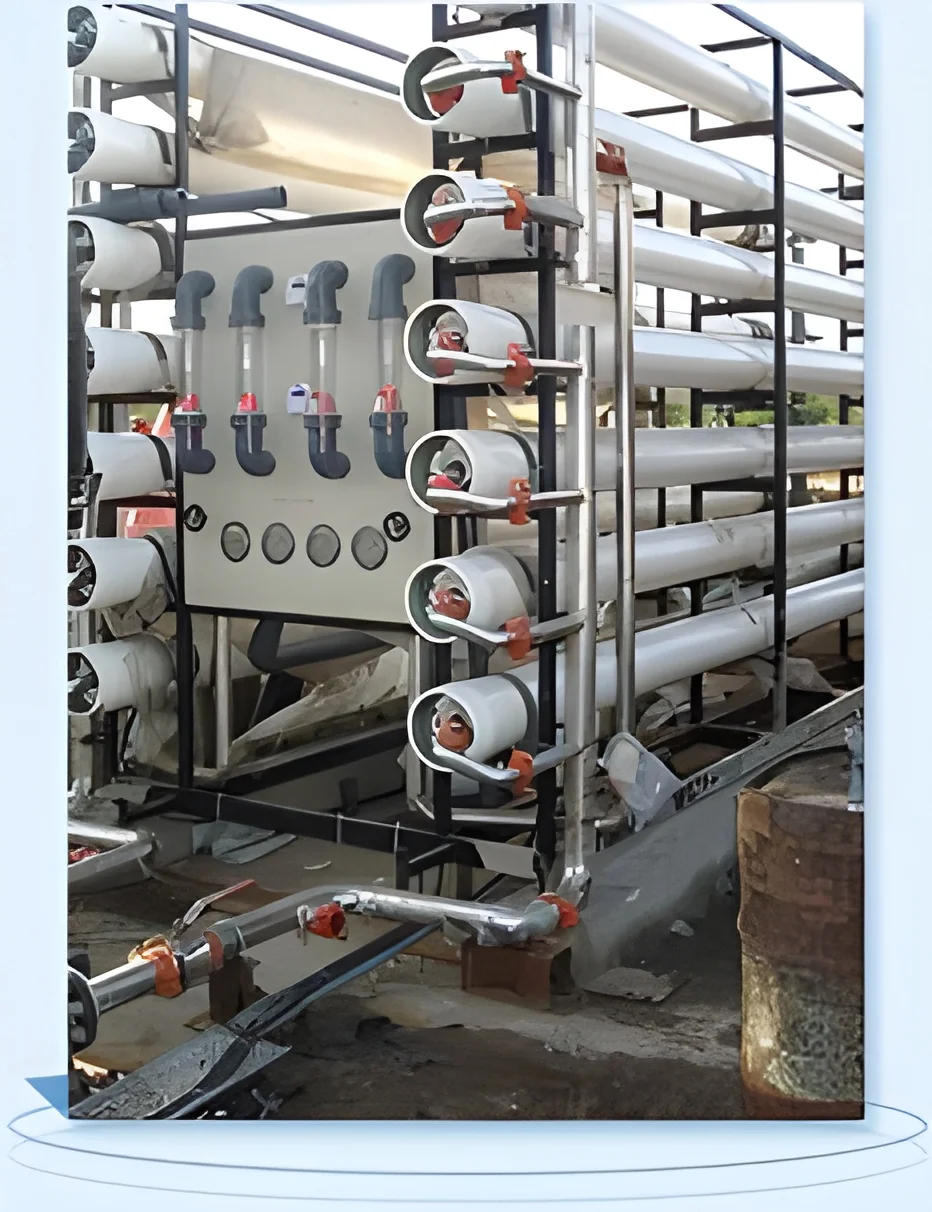
This variant allows for scalability, enabling users to add additional modules as their water treatment needs grow. It is perfect for industries looking to expand their water treatment capacity over time.
Mobile Brackish Water RO System
Designed for flexibility, this system can be transported to various locations for temporary water treatment needs. It is especially useful for emergency response situations or construction sites.
Benefits and Advantages
Investing in Brackish Water RO Systems provides numerous advantages for businesses seeking efficient water treatment solutions.
1. Cost-Effective Water Supply: By converting brackish water into usable freshwater, businesses can significantly reduce dependence on costly freshwater sources.
2. Environmental Sustainability: These systems promote sustainable water management by utilizing available brackish water resources, helping to preserve natural freshwater sources.
3. Improved Water Quality: RO technology ensures high-quality water by removing contaminants, providing businesses with a reliable water supply for various applications.
4. Versatile Applications: Brackish Water RO Systems are suitable for a wide range of industries, making them a versatile solution for different water treatment needs.
5. Reduced Operational Downtime: With high recovery rates and efficient performance, these systems help minimize disruptions in operations due to water quality issues.
6. Enhanced Compliance: Using RO technology helps businesses meet regulatory requirements for water quality, ensuring compliance with industry standards.
Buying Guide for B2B Buyers
When sourcing Brackish Water RO Systems, businesses should consider several critical factors to ensure they make informed purchasing decisions.
1. Quality Assessment: Evaluate the quality of the system by reviewing manufacturer certifications, warranty options, and user reviews. Quality systems typically adhere to industry standards.
2. Supplier Verification: Conduct thorough research to verify suppliers' credibility. Look for established companies with a proven track record in manufacturing and supplying RO systems.
3. Pricing and MOQ: Understand the pricing structure and minimum order quantities. Compare costs from different suppliers to find a balance between quality and affordability.
4. Delivery and Lead Times: Inquire about delivery schedules and lead times. Timely delivery is essential to maintain operational efficiency and meet project deadlines.
5. Compliance Requirements: Ensure that the systems comply with relevant regulations and standards in your region. This is crucial for avoiding legal issues and ensuring safe water treatment practices.
Compliance and Certifications
Brackish Water RO Systems must adhere to various quality standards and certifications to ensure safety and reliability in water treatment applications. Industry standards such as ISO 9001 are essential for maintaining consistent quality management systems. Compliance with Hazard Analysis and Critical Control Points (HACCP) ensures that the systems are designed to minimize risks associated with water contamination.
Certifications like CE indicate that the systems meet European safety and performance standards. Additionally, safety and testing requirements are critical to ensuring that the systems operate effectively and safely in various environments. Regional compliance considerations must also be addressed, as different areas may have specific regulations governing water treatment practices.
Why Source Brackish Water RO Systems from Pepagora?
Pepagora offers a trusted platform for sourcing Brackish Water RO Systems, presenting several key advantages to B2B buyers. First, the verified supplier network ensures that businesses can connect with reputable manufacturers who deliver high-quality products.
The streamlined Request for Quotation (RFQ) process simplifies procurement, allowing buyers to receive competitive quotes quickly and efficiently. This system enhances the purchasing experience by reducing the time spent on sourcing.
Moreover, Pepagora prioritizes trade assurance and support, providing buyers with protection throughout their transactions. This commitment to buyer security fosters trust and confidence in the sourcing process.
Finally, Pepagora's regional coverage extends across India, the Gulf Cooperation Council (GCC), and Southeast Asia. This broad geographic reach enables businesses to access Brackish Water RO Systems tailored to their local market needs, ensuring efficient and effective solutions for water treatment challenges.

 IN
IN