Key Features and Specifications
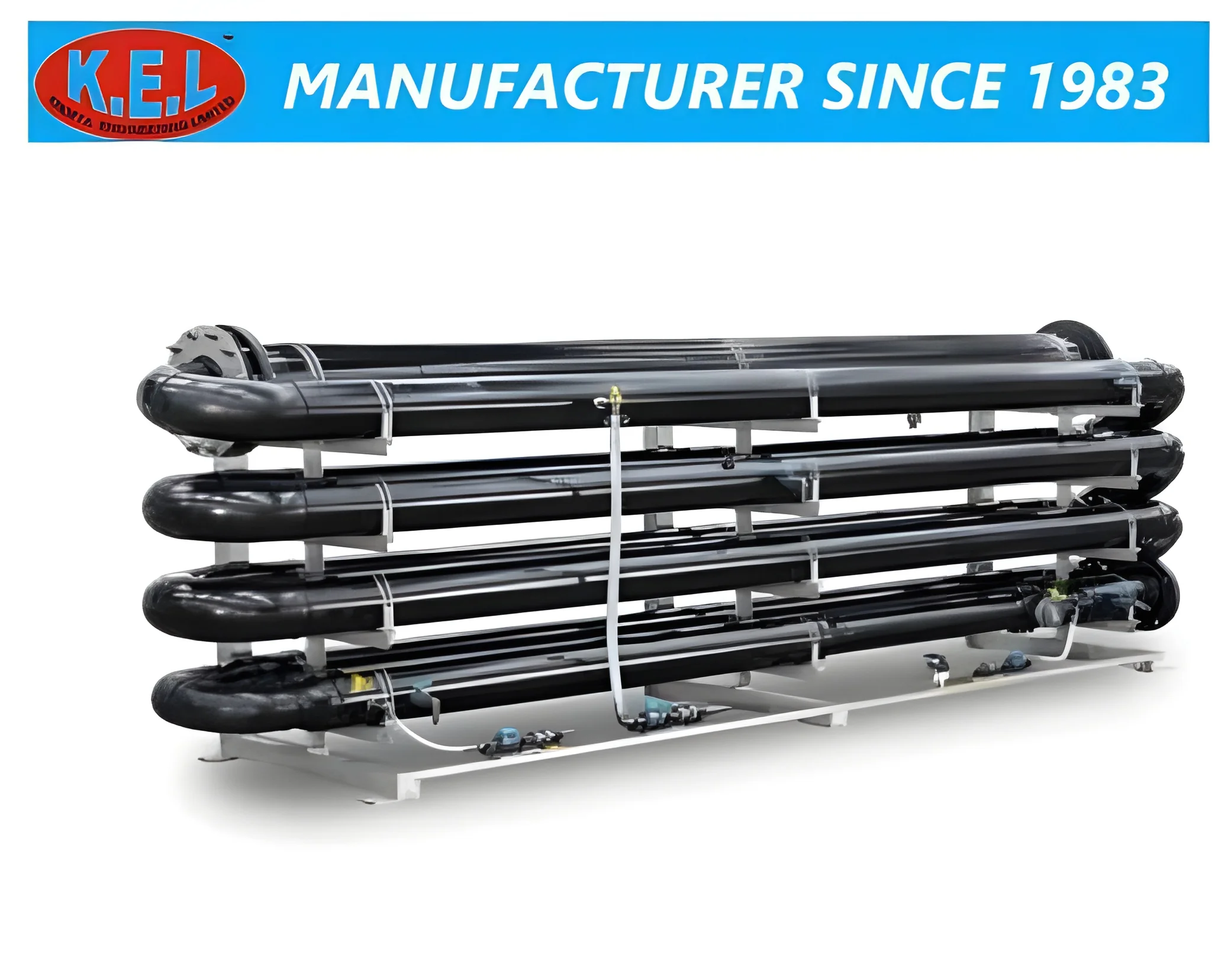
MBBRs are designed with several key features that enhance their effectiveness and efficiency in wastewater treatment. These features contribute to their popularity in various industrial applications.
Key specifications include:
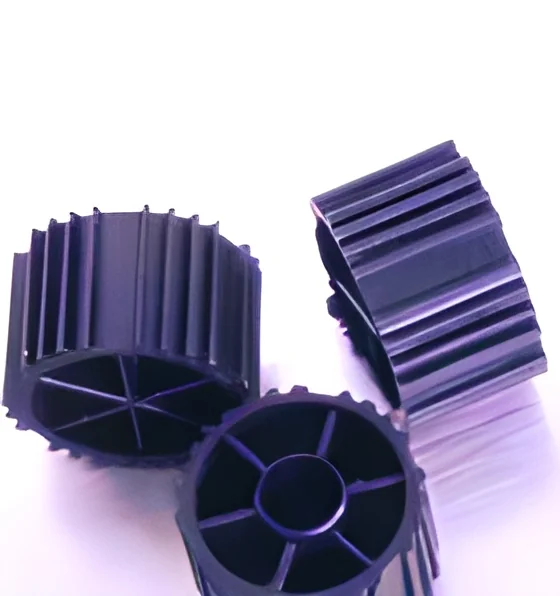
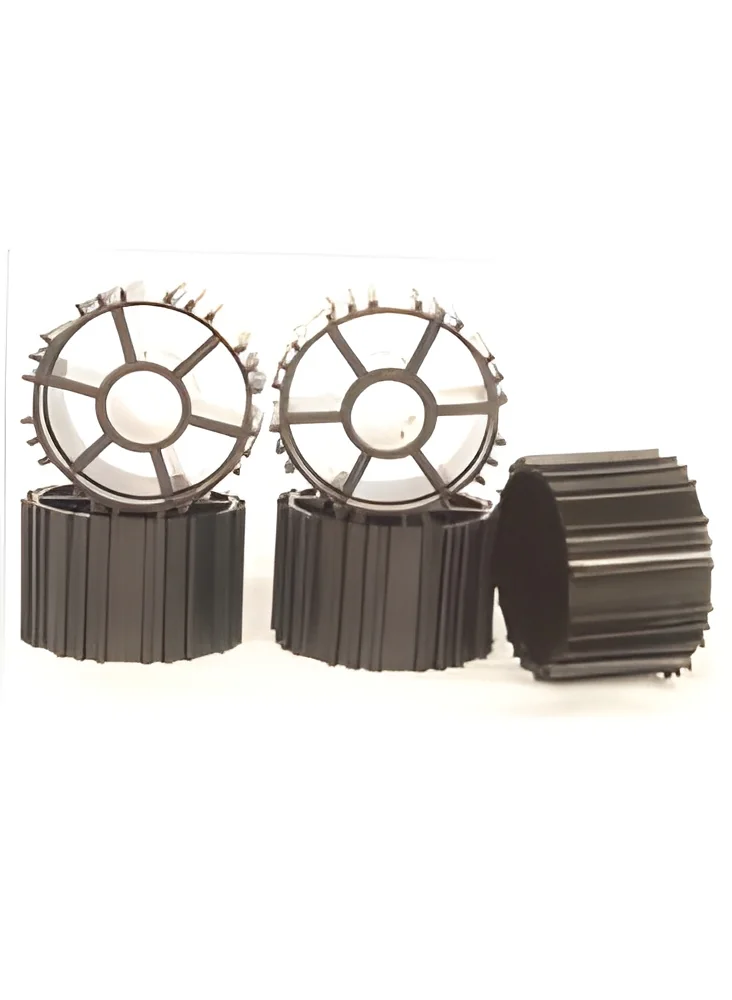
1. Media Type
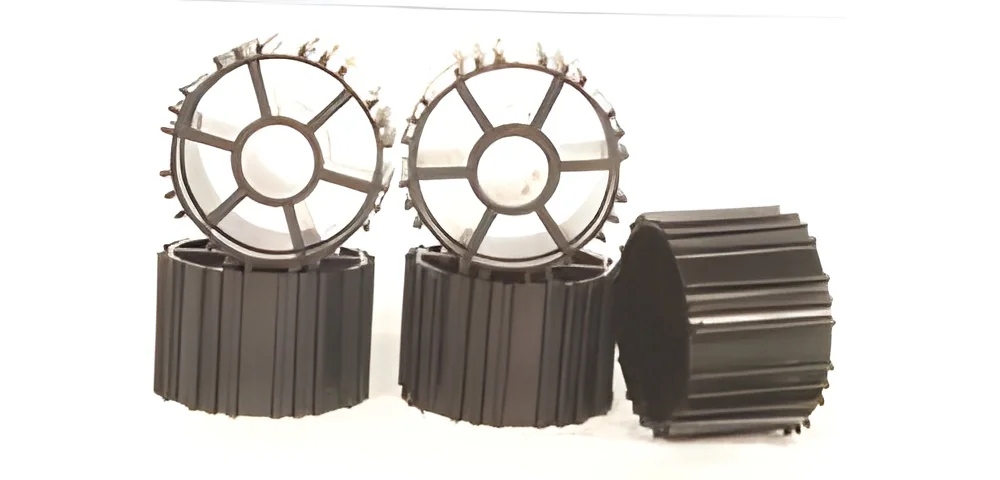
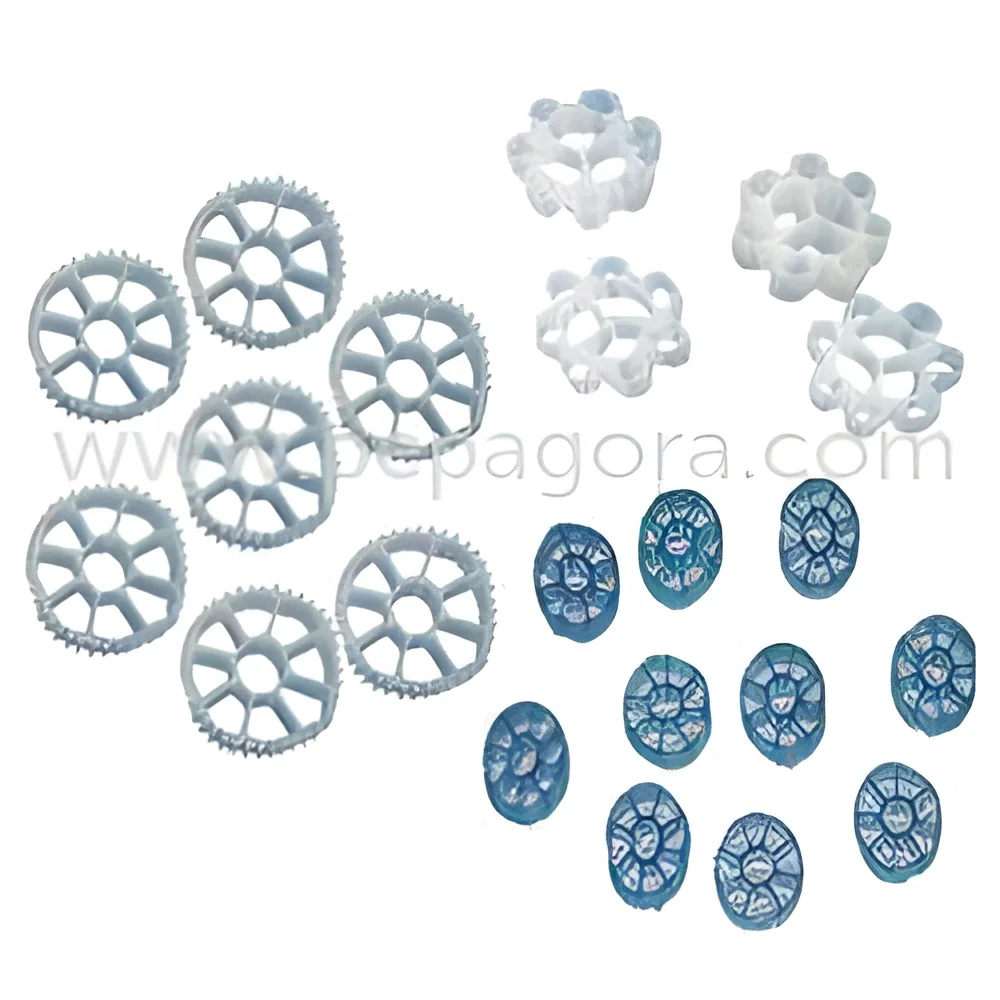
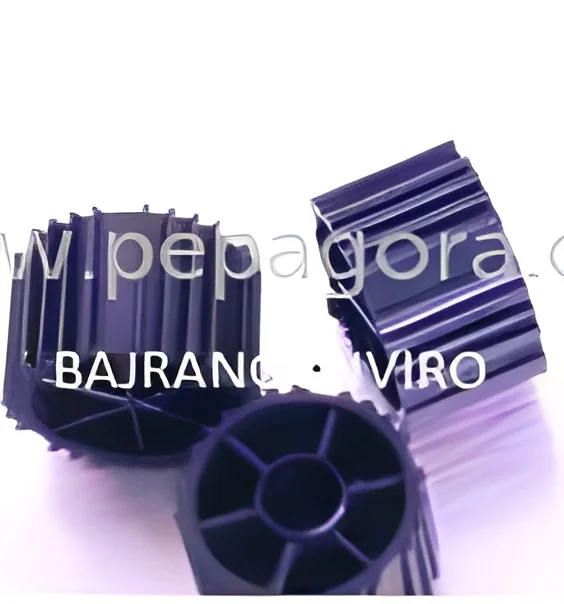
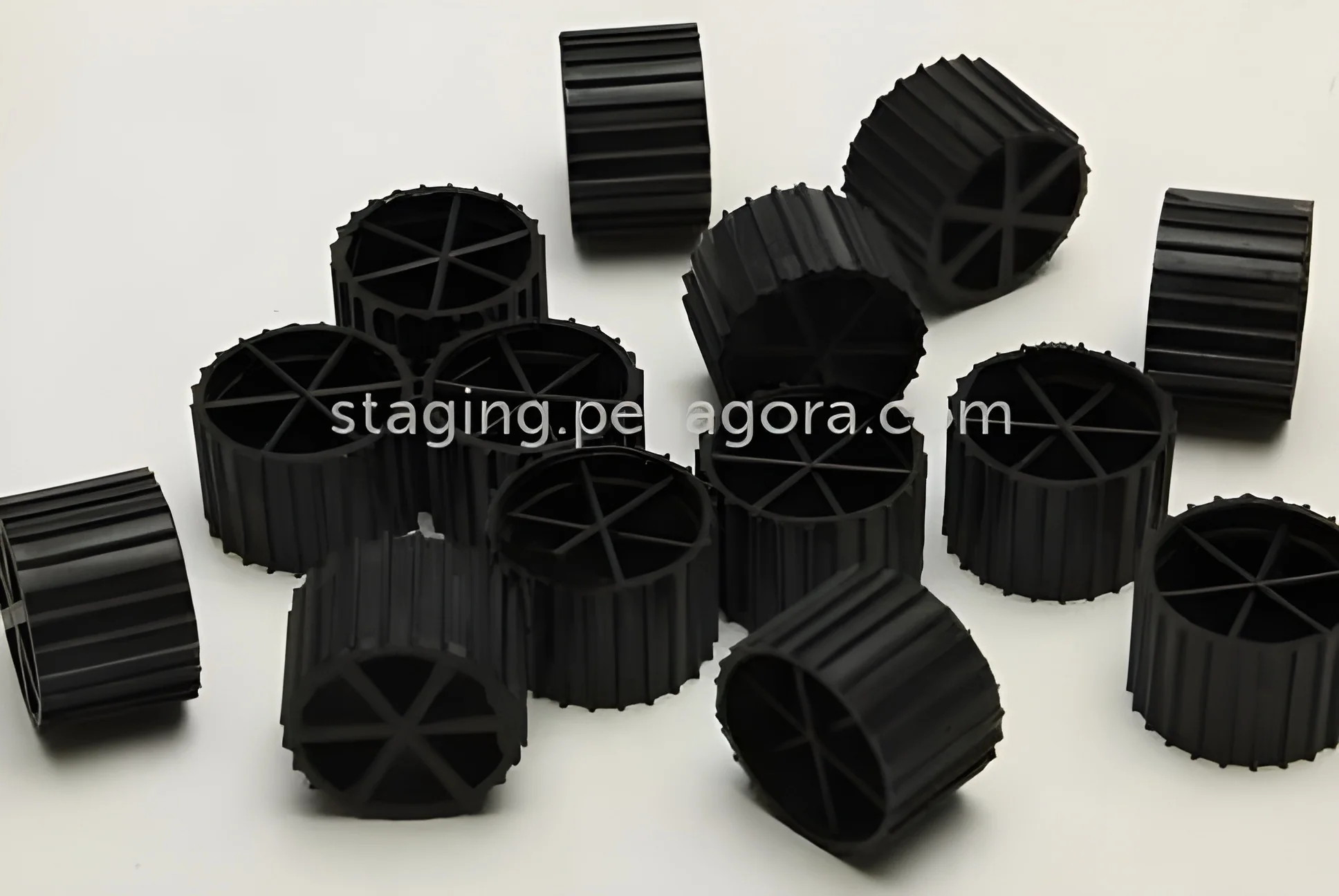
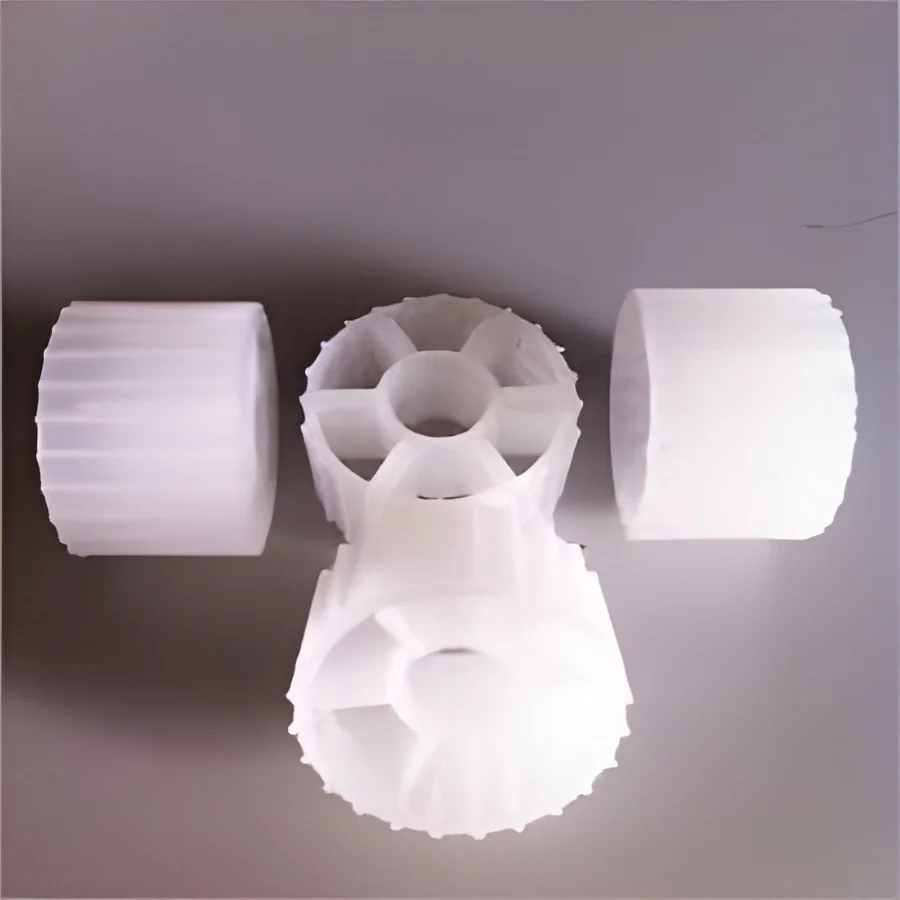
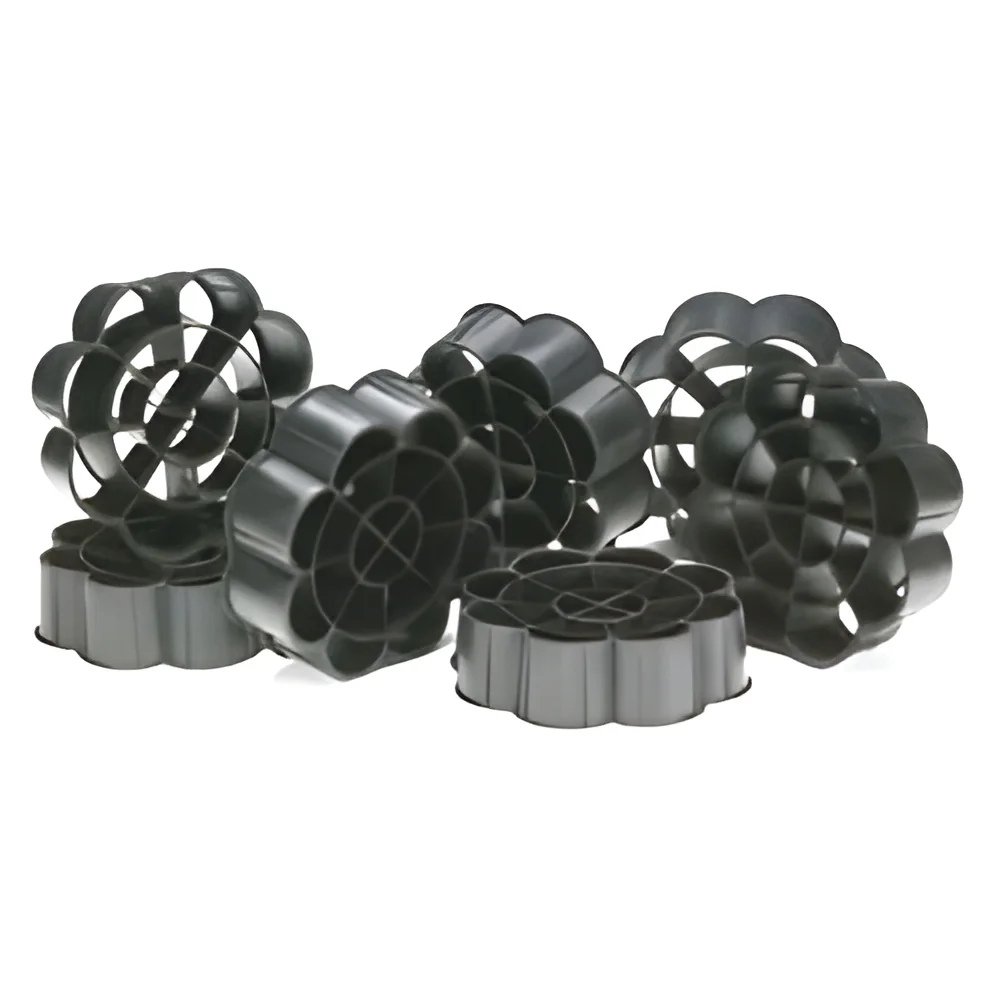
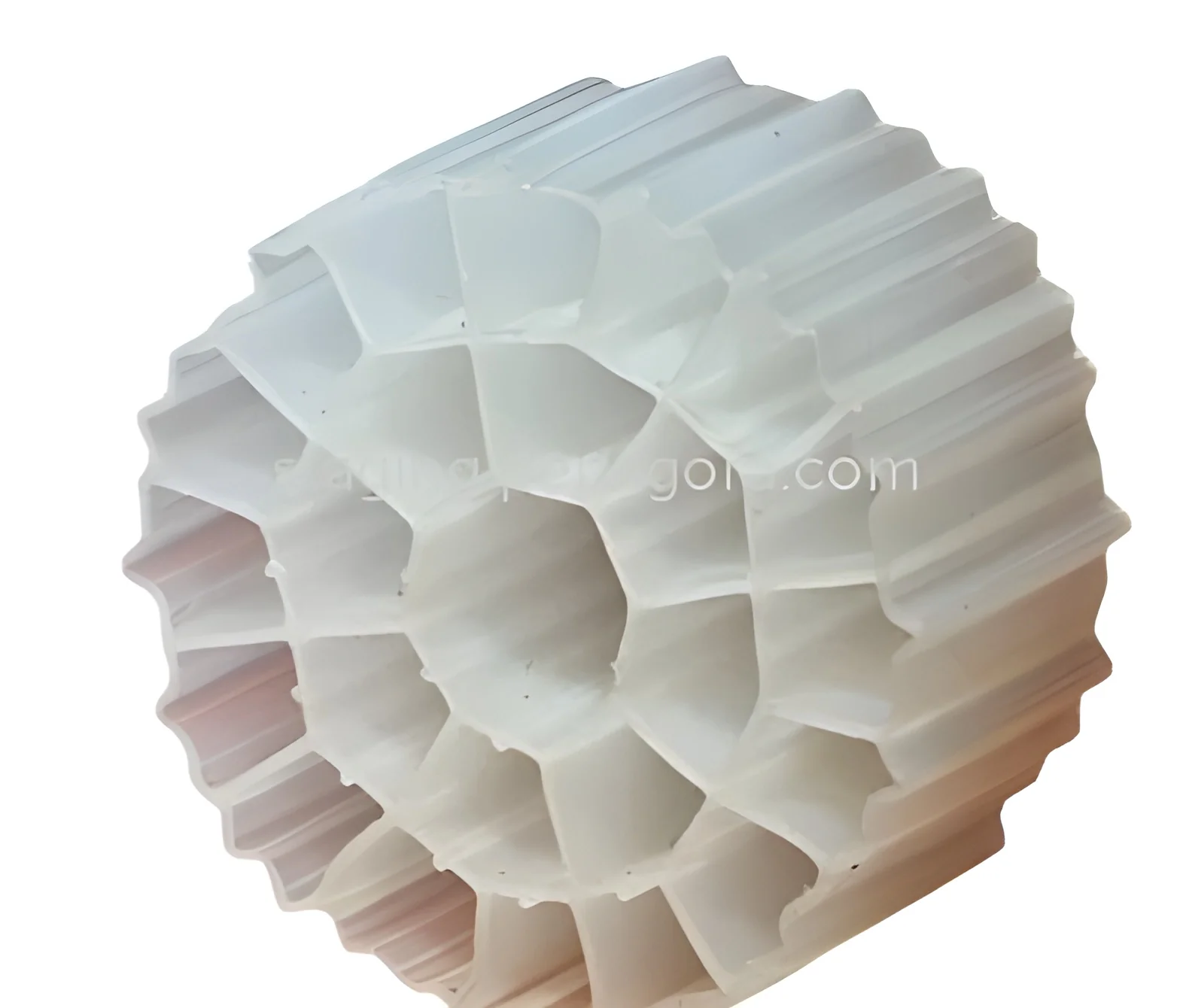
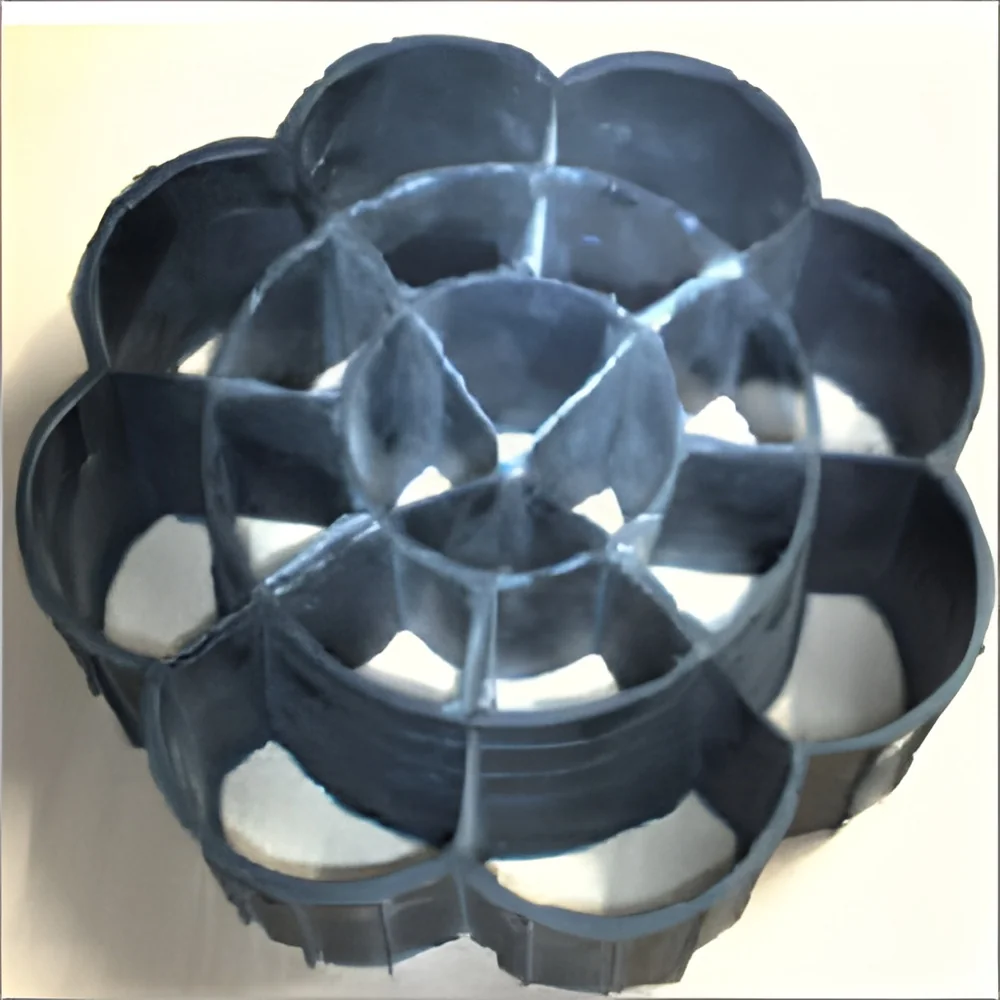
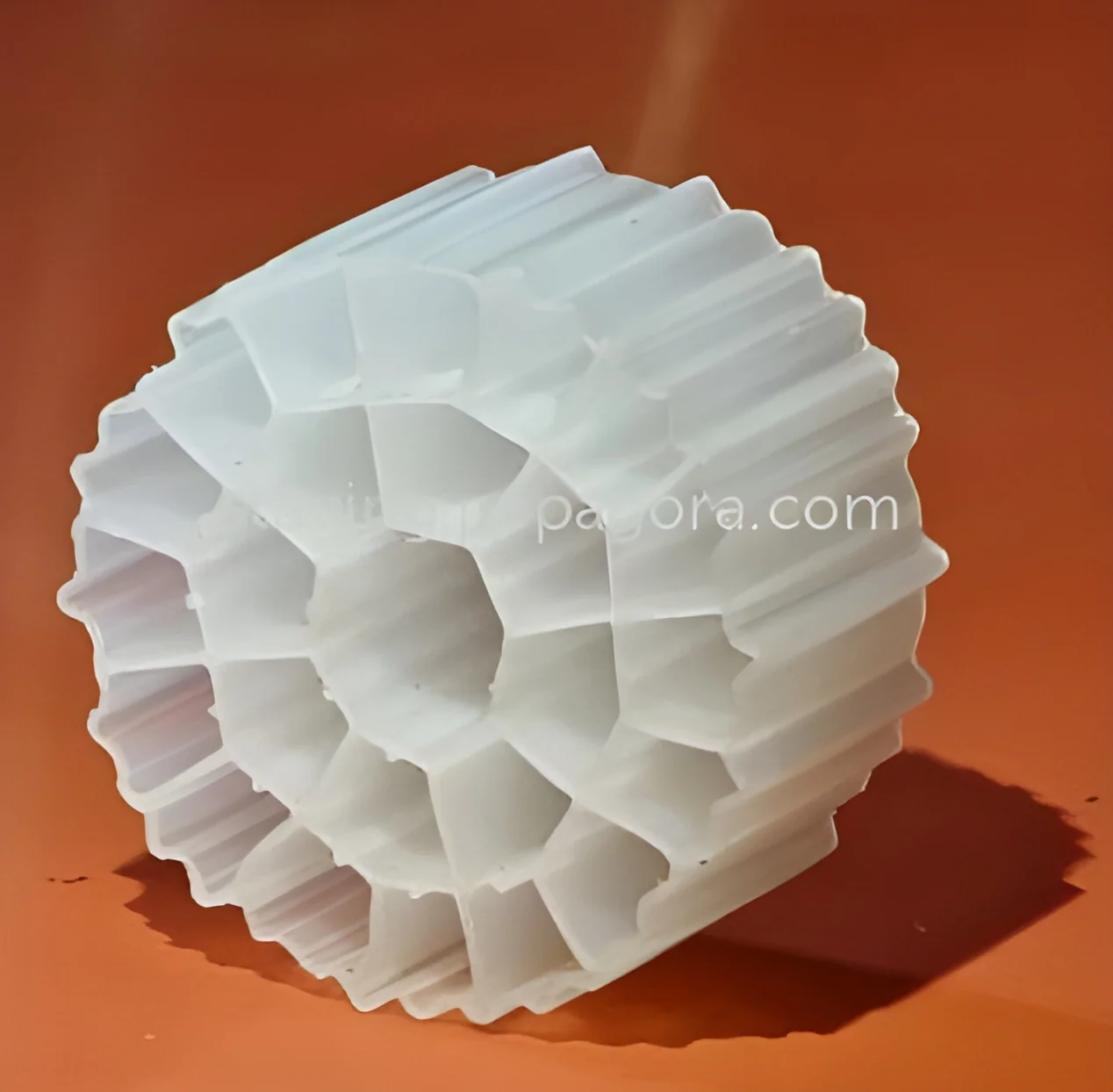
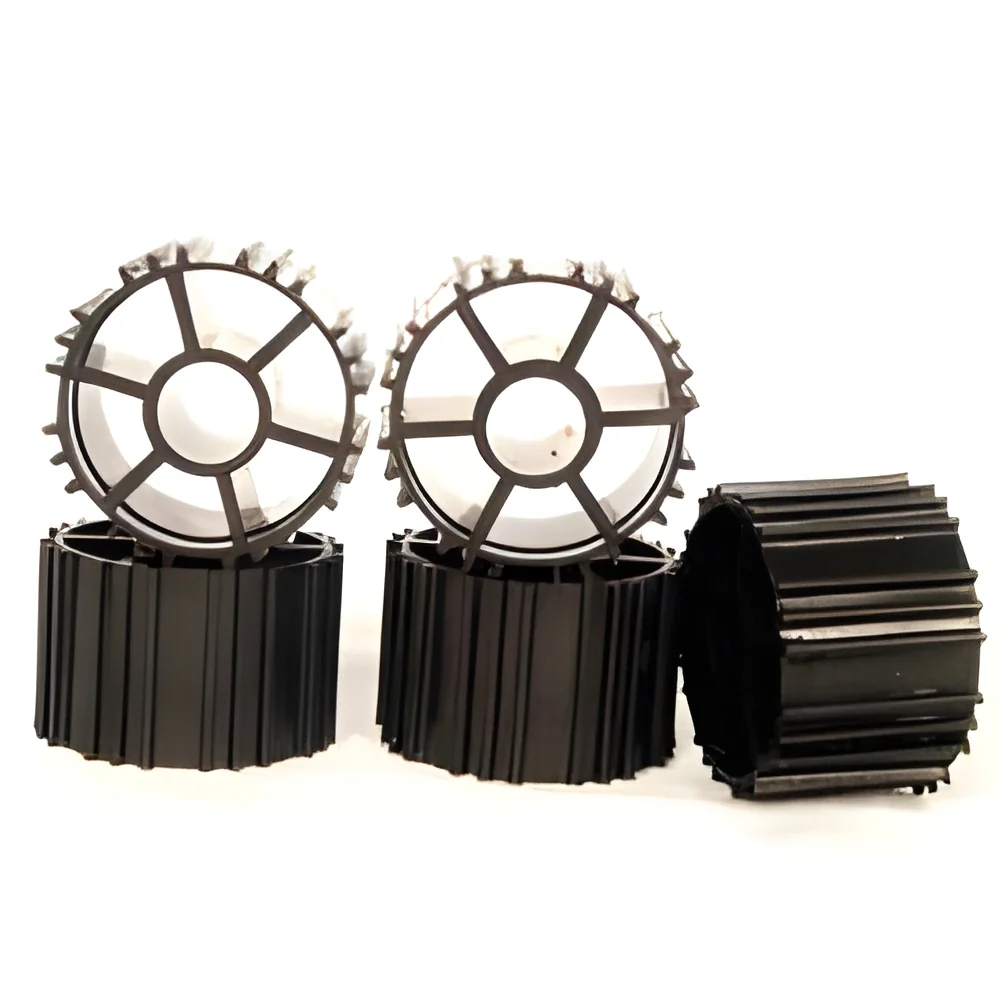
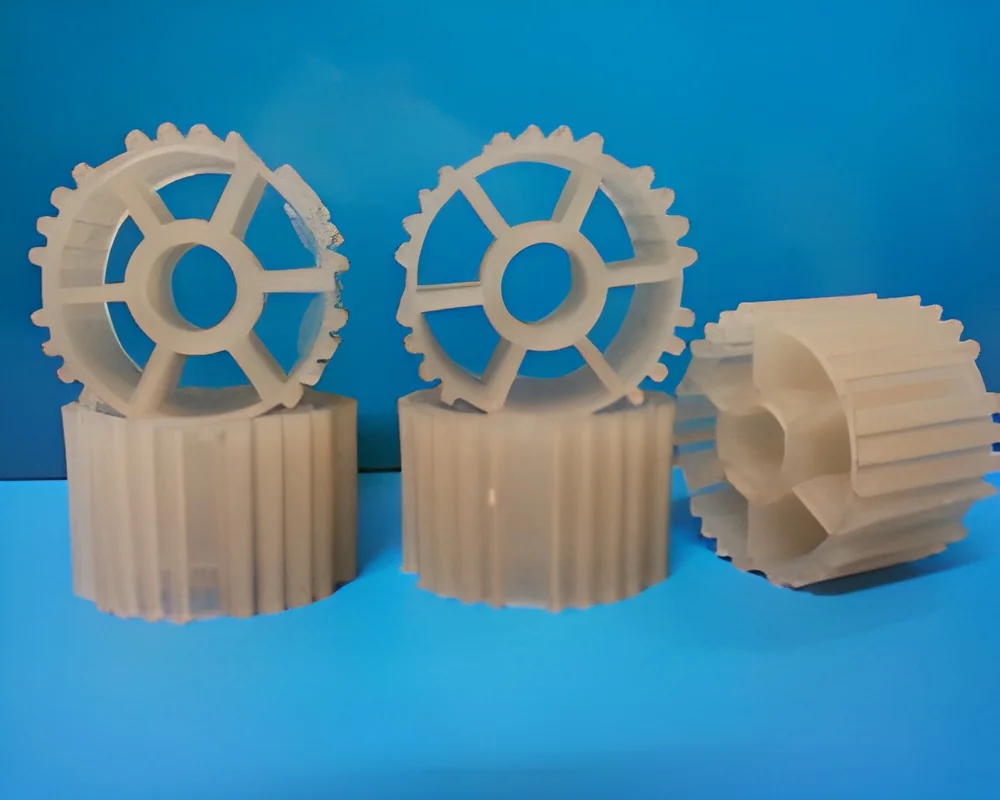
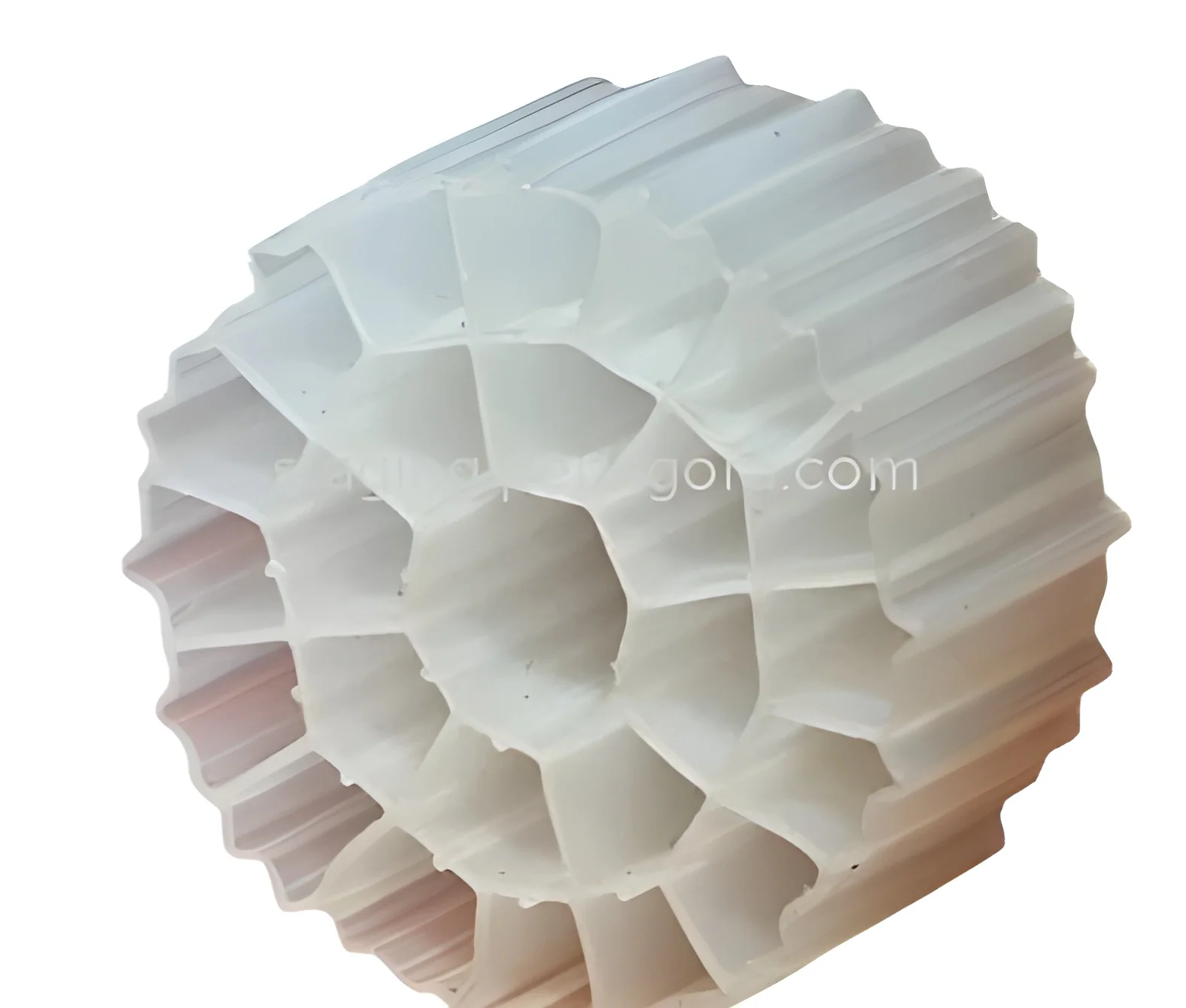
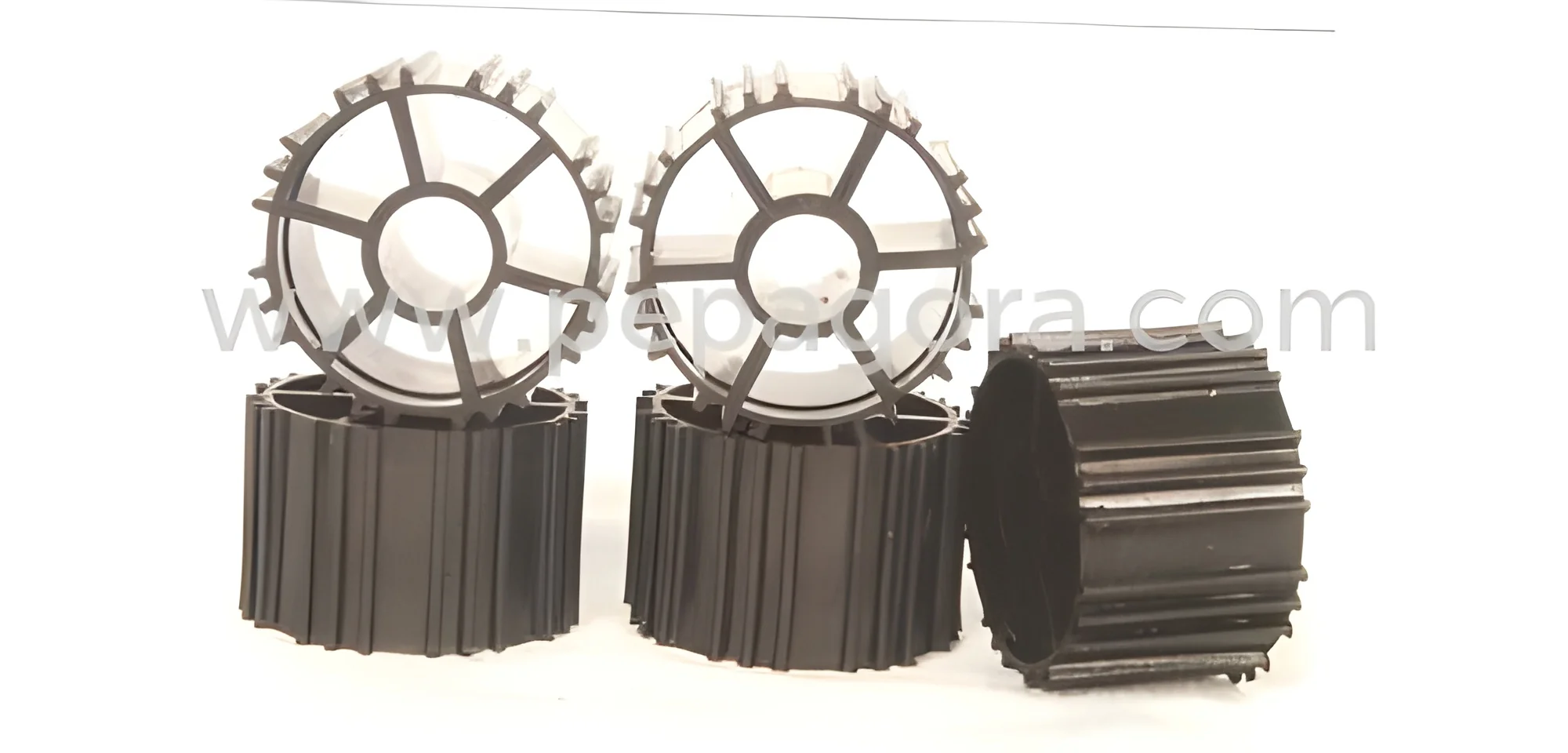
- The moving media is typically made from durable plastic materials.
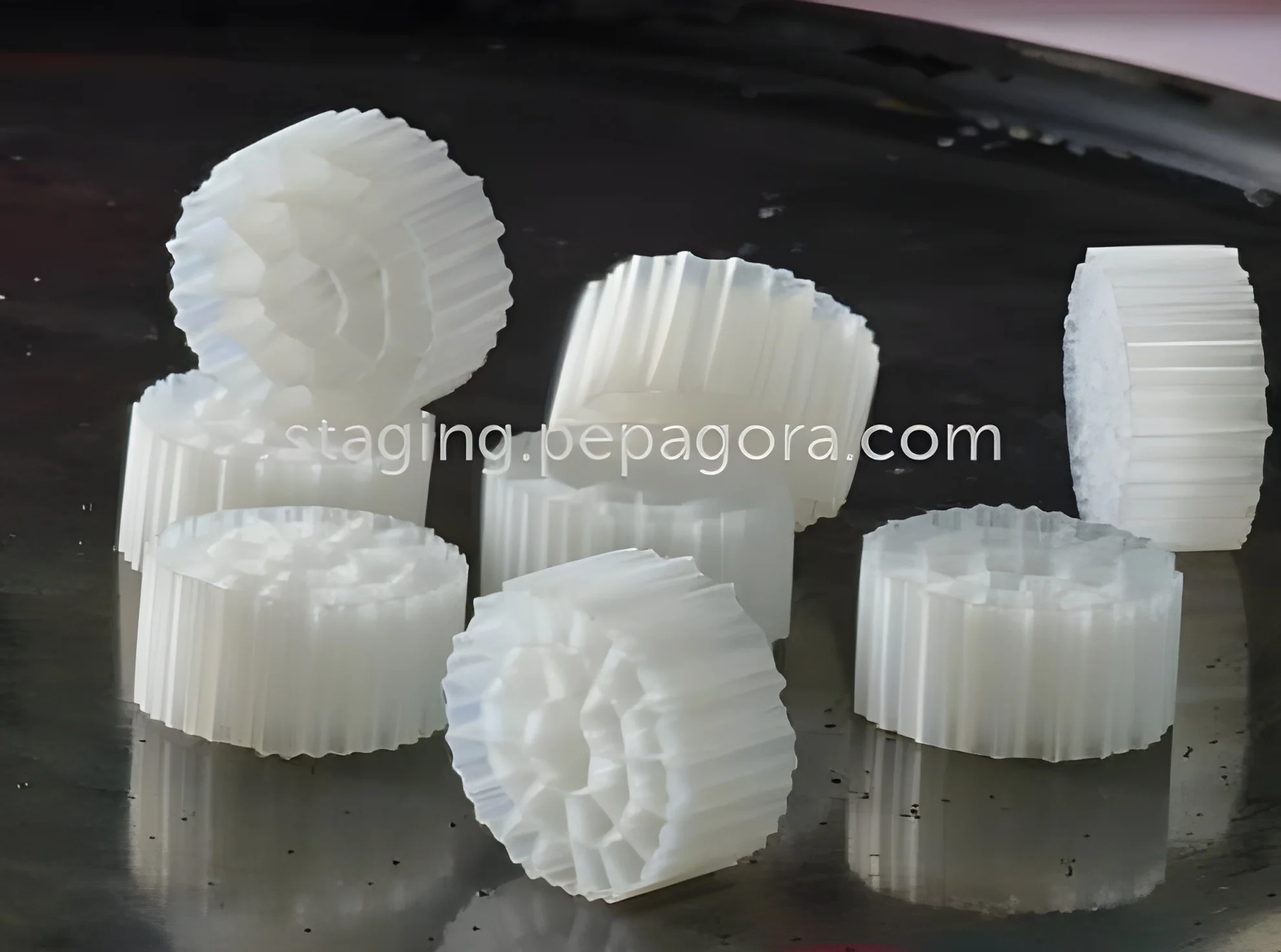
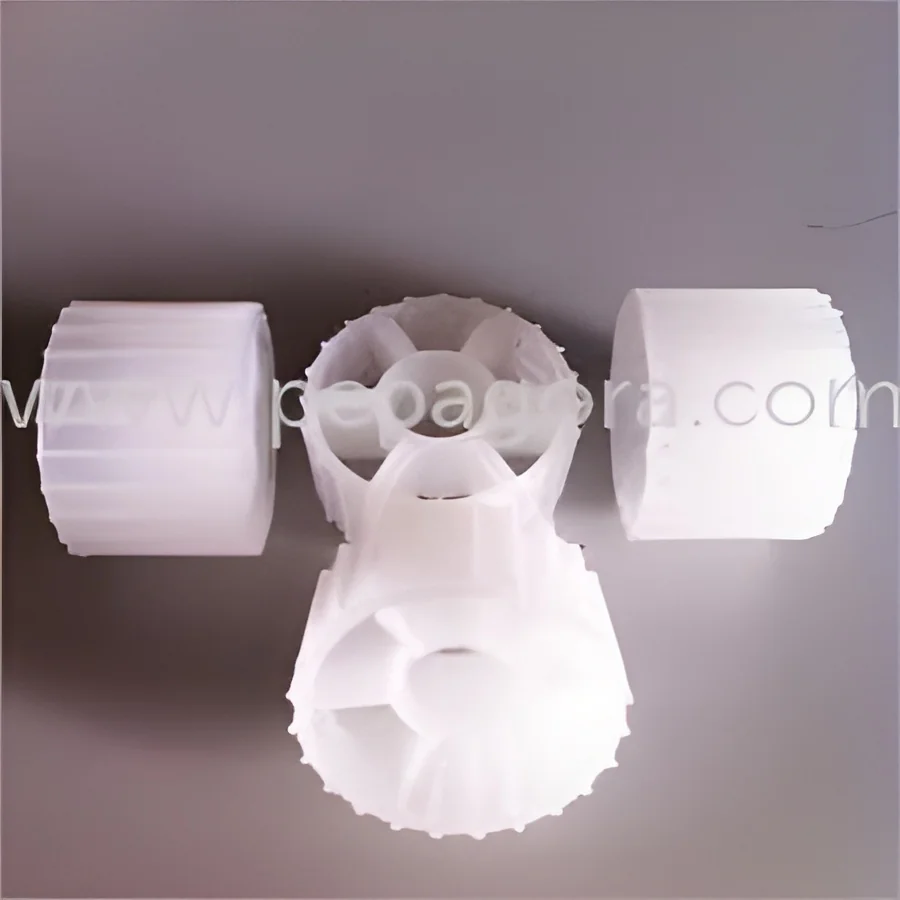
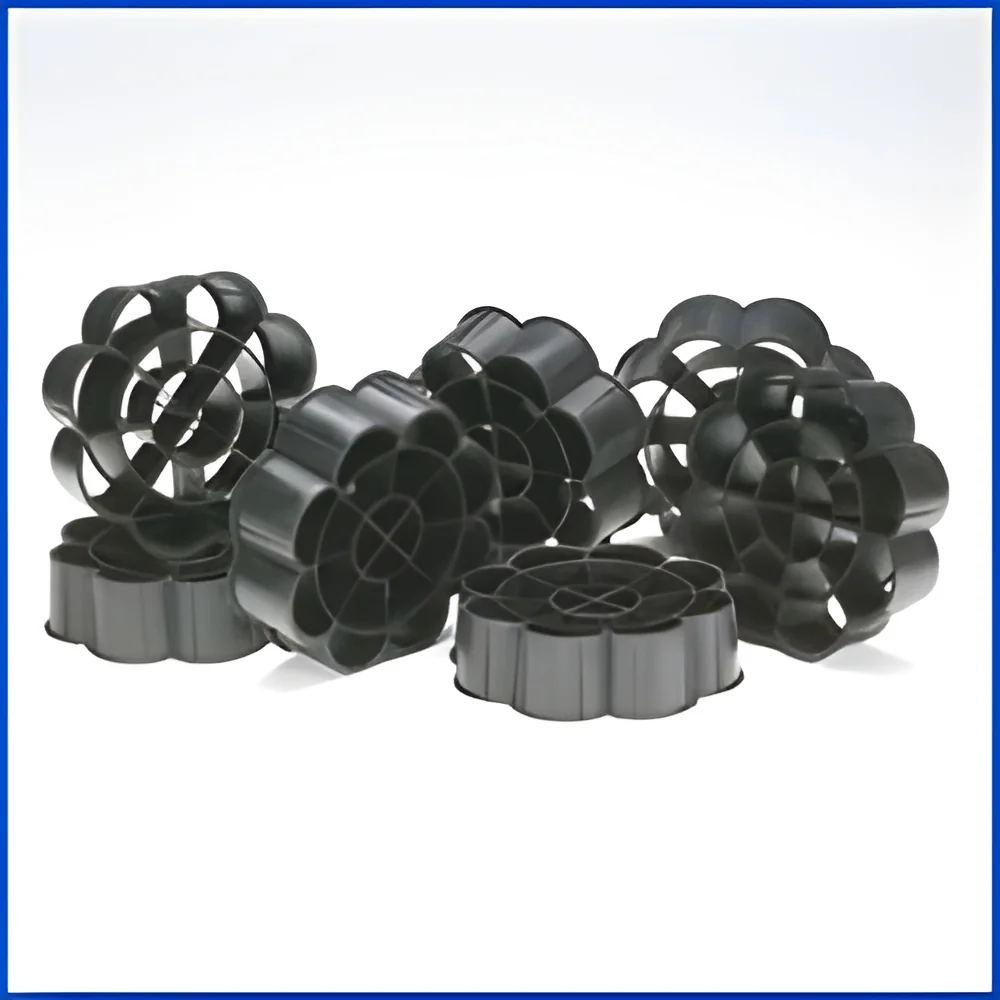
- Designed to provide a high surface area for biofilm growth.
2. Treatment Capacity
- MBBRs can be scaled to handle flow rates from small to large volumes.
- Suitable for both municipal and industrial applications.
3. Reactor Configuration
- Available in different designs such as continuous flow and batch systems.
- Configurations can be customized based on specific treatment needs.
4. Oxygen Supply
- Integrated aeration systems enhance oxygen transfer for aerobic processes.
- Ensures optimal conditions for microbial activity.
5. Maintenance Requirements
- Low maintenance due to the self-cleaning nature of moving media.
- Regular monitoring of biofilm thickness is recommended.
6. Control Systems
- Equipped with automated monitoring systems for real-time performance tracking.
- Allows for adjustments to maintain treatment efficiency.
7. Energy Efficiency
- Designed to minimize energy consumption compared to traditional systems.
- Contributes to lower operational costs.
In summary, MBBRs present a versatile and efficient option for wastewater treatment with features that cater to a wide range of industrial and municipal applications.
Common Applications and Use Cases
MBBRs serve a variety of industries, each with specific applications that benefit from the technology.
1. Municipal Wastewater Treatment: MBBRs are widely used in urban wastewater treatment plants to efficiently handle sewage and meet discharge regulations.
2. Food and Beverage Industry: These reactors are effective in treating wastewater generated from food processing operations, helping to reduce organic load and meet environmental standards.
3. Pharmaceutical Manufacturing: MBBRs assist in treating effluents with complex chemical compositions, ensuring safe disposal and compliance with health regulations.
4. Chemical Processing: The technology is utilized to manage wastewater containing hazardous materials, providing treatment solutions that mitigate environmental impact.
5. Pulp and Paper Industry: MBBRs effectively treat high-strength wastewater from pulp and paper mills, reducing pollution and facilitating water reuse.
6. Oil and Gas Sector: The reactors are employed to treat produced water and other wastewater streams, enhancing recovery processes and protecting aquatic environments.
7. Aquaculture: MBBRs help maintain water quality in aquaculture operations by treating wastewater and minimizing the impact on surrounding ecosystems.
Product Variants and Subcategories
MBBRs come in various forms to accommodate different operational needs and treatment goals.
Standard Model
This is the most common variant used in municipal and industrial applications. It features a robust design with adjustable flow rates, making it versatile for various treatment capacities.
Compact Model
Designed for space-constrained environments, this variant offers a smaller footprint while maintaining effective treatment capabilities. It is ideal for smaller facilities or retrofitting existing systems.
High-Load Model
This variant is optimized for handling high organic loads, making it suitable for industries such as food processing. It ensures efficient treatment even under fluctuating influent conditions.
Benefits and Advantages
MBBRs provide numerous benefits that contribute to their growing adoption in wastewater treatment.
Key benefits include:
1. Enhanced Treatment Efficiency: MBBRs effectively remove organic matter and nutrients, leading to high-quality effluent.
2. Space Saving: The compact design allows for installation in areas with limited space while still achieving high treatment capacities.
3. Low Operational Costs: Reduced maintenance and energy requirements contribute to lower overall operational expenses.
4. Flexibility: MBBRs can be scaled and customized to meet varying flow rates and treatment needs, ensuring adaptability in diverse applications.
5. Environmental Compliance: The technology aids industries in meeting stringent regulatory standards for wastewater discharge.
6. Robust Performance: MBBRs can handle fluctuations in influent quality and quantity, providing reliable treatment under varying conditions.
Buying Guide for B2B Buyers
When sourcing Moving Bed Biofilm Reactor (MBBR), consider several critical factors to ensure you select the right system for your needs.
1. Quality Assessment: Evaluate the materials and construction quality of the reactor. Look for systems that comply with industry standards to ensure durability and effectiveness.
2. Supplier Verification: Research potential suppliers to verify their reputation and reliability. Check for certifications and customer reviews to gauge their track record.
3. Pricing and MOQ: Understand the pricing structure and minimum order quantities. Ensure that the cost aligns with your budget and project requirements.
4. Delivery and Lead Times: Inquire about delivery timelines and logistics. Prompt delivery is essential to keep your project on schedule.
5. Compliance Requirements: Ensure the MBBR system meets relevant regulatory and safety standards applicable in your region. Compliance is crucial for operational integrity.
Compliance and Certifications
MBBRs adhere to several quality standards that ensure the safety and effectiveness of wastewater treatment processes. Compliance with ISO 9001 guarantees that manufacturers maintain a high standard of quality management throughout their production processes. Additionally, industry-specific certifications such as CE indicate that the products meet European safety, health, and environmental protection standards.
When sourcing MBBRs, it is essential to consider safety and testing requirements that may vary by region. Many manufacturers conduct thorough testing to ensure their products perform effectively under various conditions. Regional compliance considerations may include specific environmental regulations that dictate the treatment capabilities of wastewater systems.
Understanding these compliance and certification aspects helps businesses make informed decisions and choose reliable MBBR systems that meet both operational and regulatory needs.
Why Source Moving Bed Biofilm Reactor (MBBR) from Pepagora?
Pepagora provides a trusted platform for sourcing Moving Bed Biofilm Reactor (MBBR) with several key advantages that enhance the buying experience.
Verified Supplier Network: Pepagora connects buyers with a network of verified suppliers. Each supplier undergoes a rigorous vetting process to ensure they meet quality standards and industry regulations.
Streamlined RFQ Process: The Request for Quotation (RFQ) system allows buyers to easily request quotes from multiple suppliers, facilitating comparisons and ensuring competitive pricing.
Trade Assurance and Support: Pepagora offers buyer protection through trade assurance, minimizing risks associated with transactions. Dedicated support teams are available to assist buyers throughout the purchasing process.
Regional Coverage: With a strong presence in India, the GCC, and Southeast Asia, Pepagora ensures that buyers have access to suppliers that cater to their specific regional requirements, enhancing logistics and support.
In summary, choosing Pepagora for sourcing MBBR systems ensures a reliable, efficient, and supportive purchasing experience.

 IN
IN