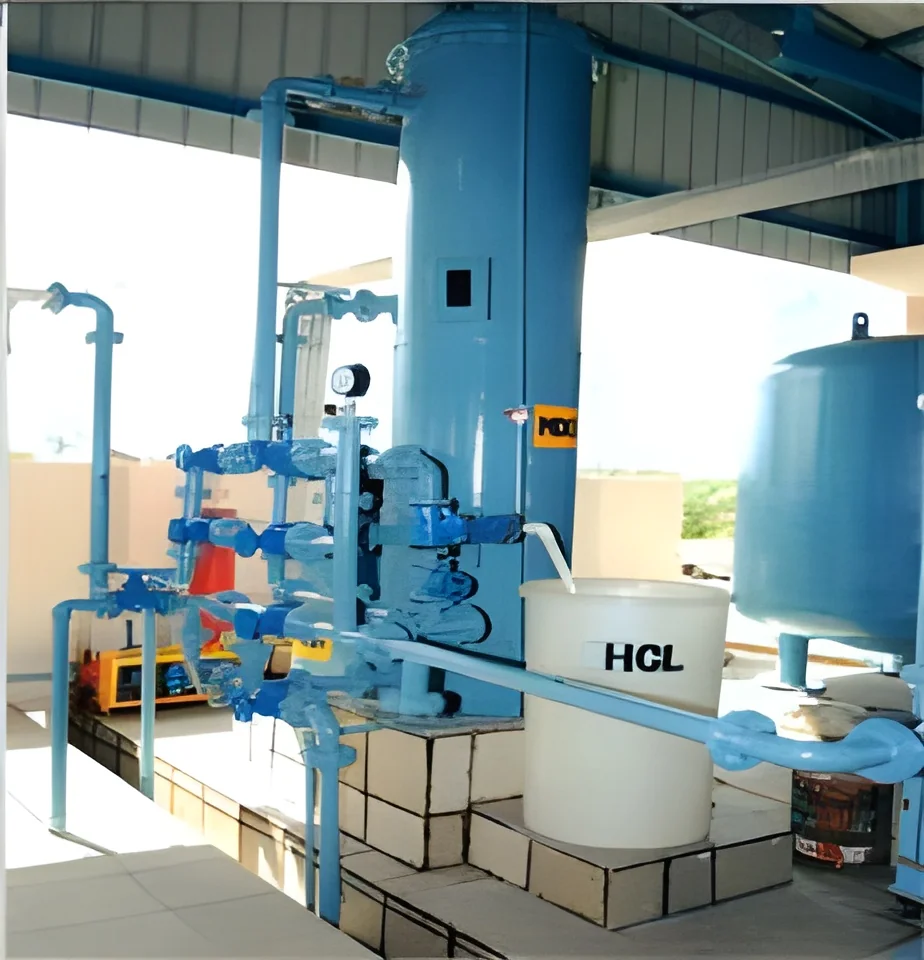
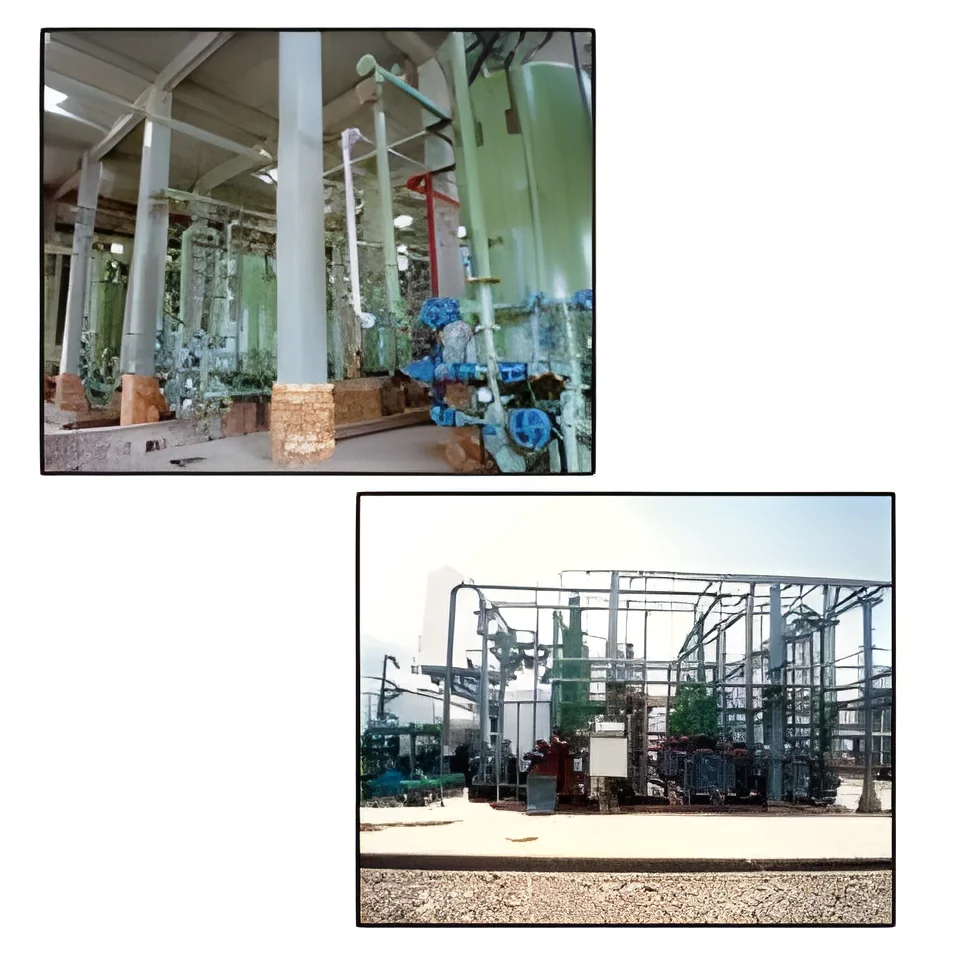
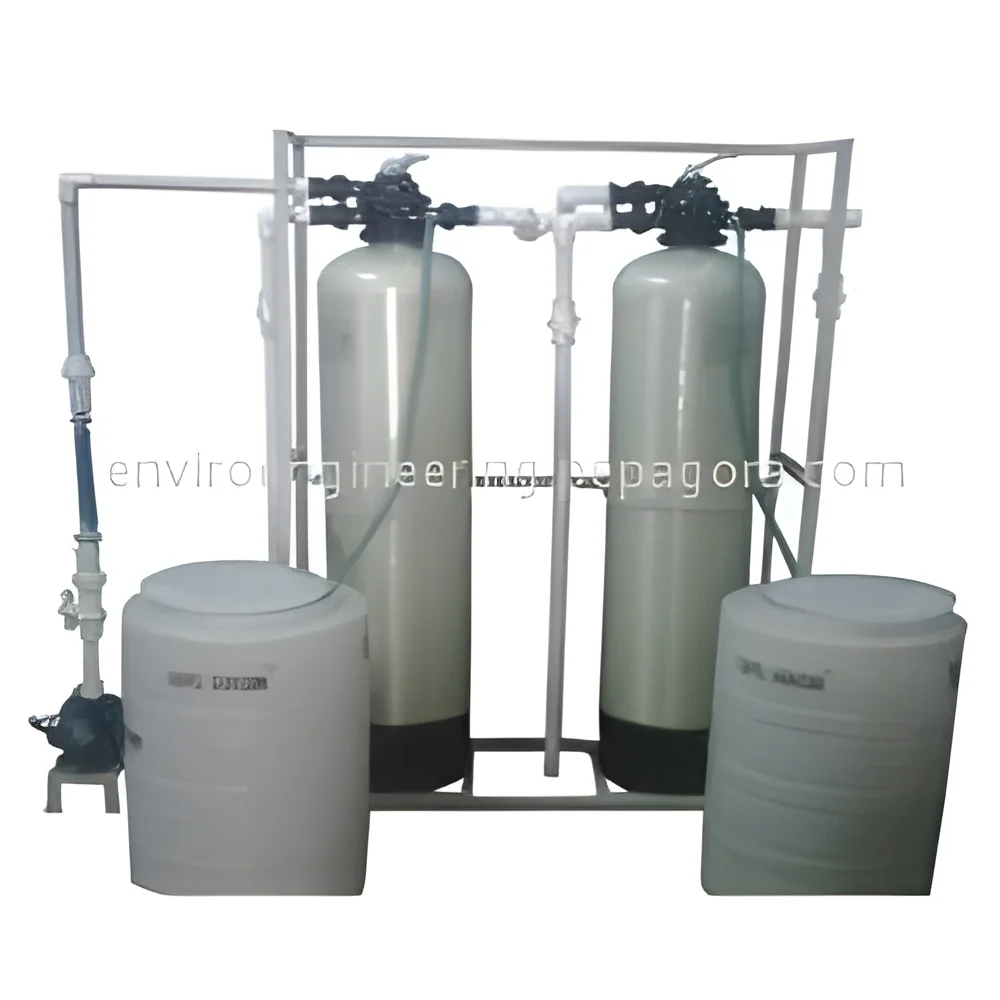
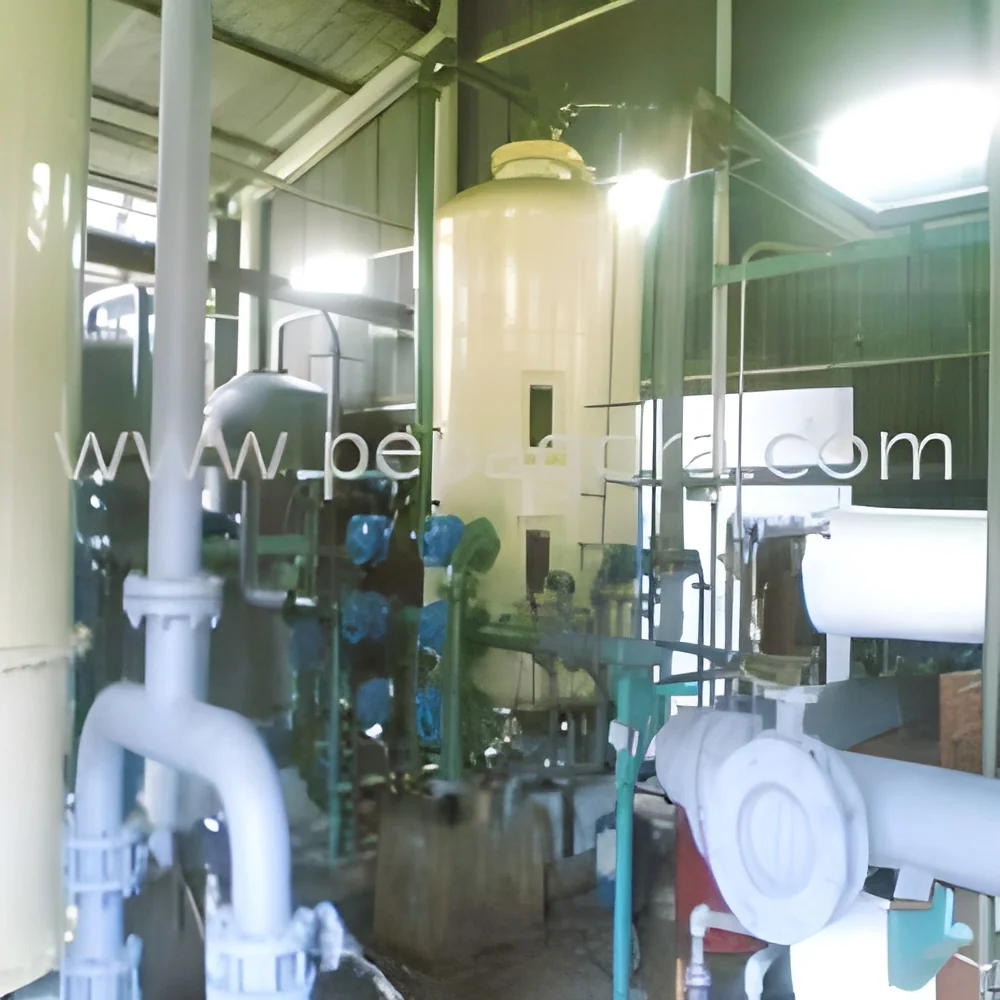
What are Mixed Bed Demineralizers (DM Plants)?
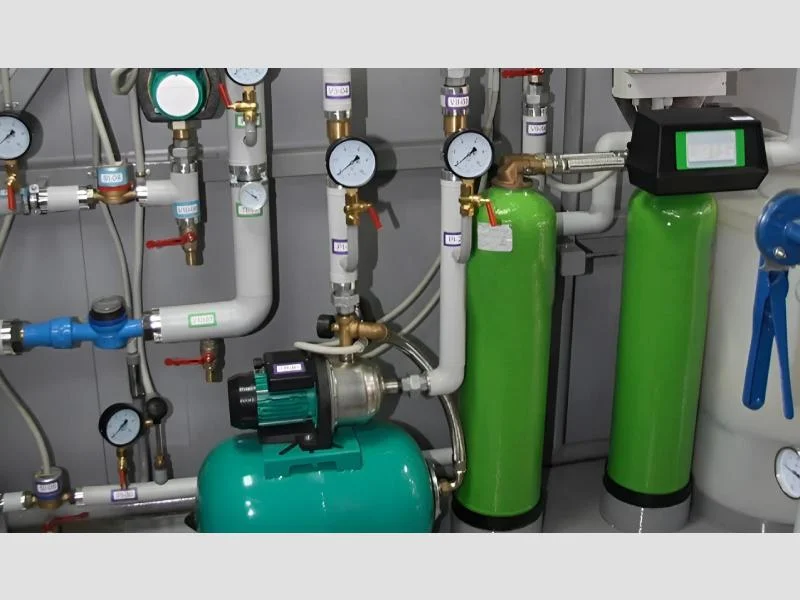
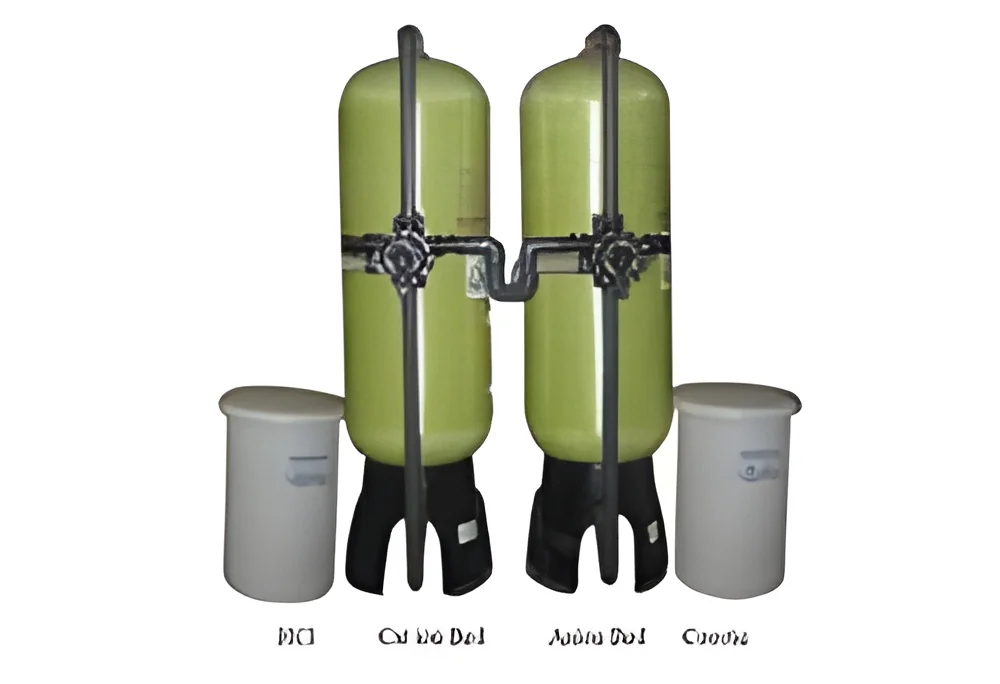
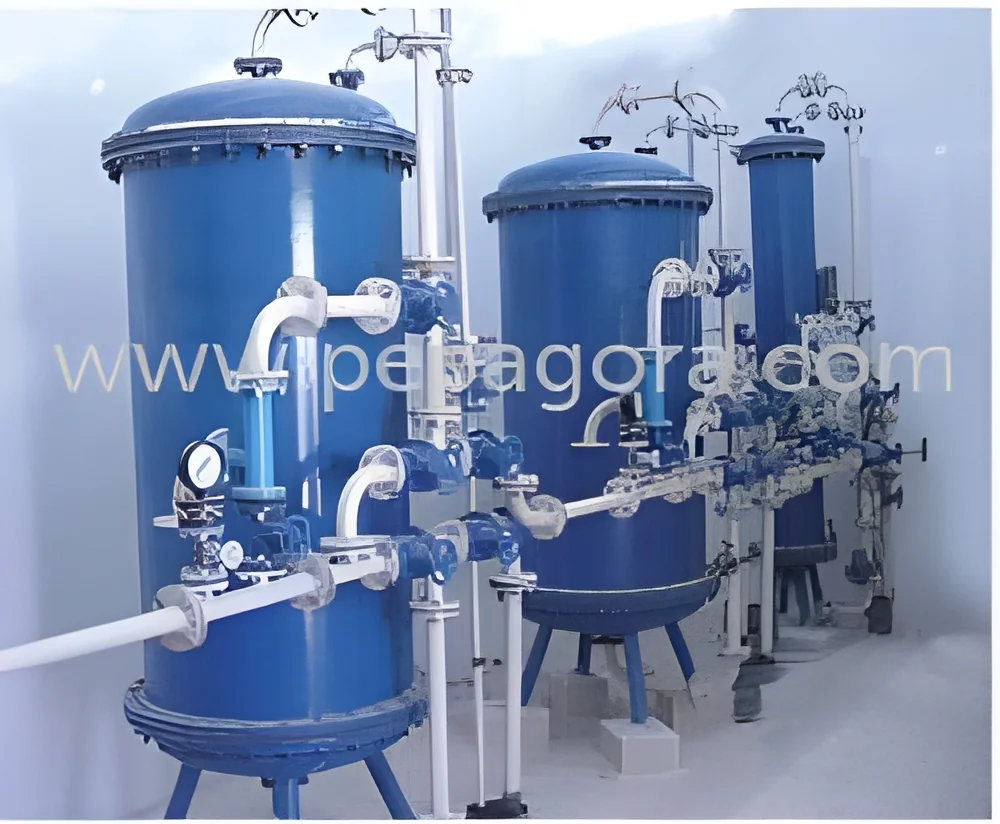
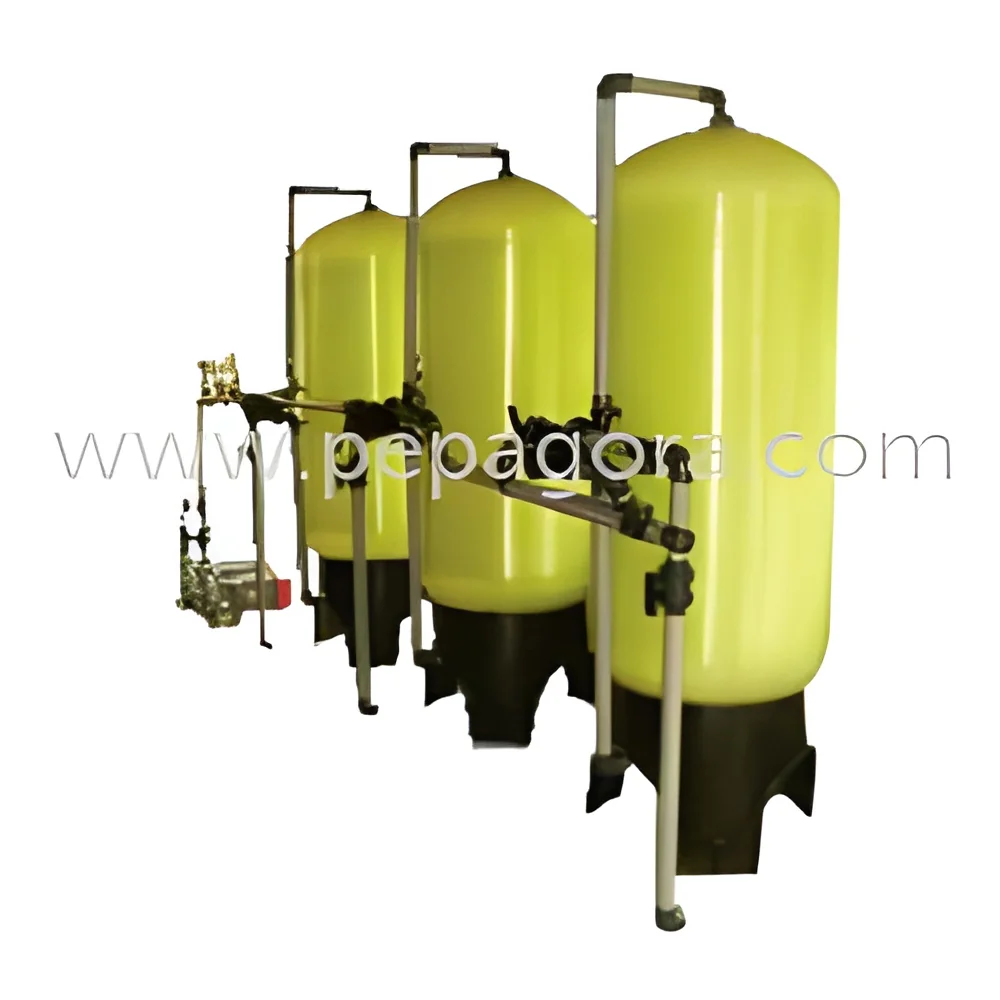
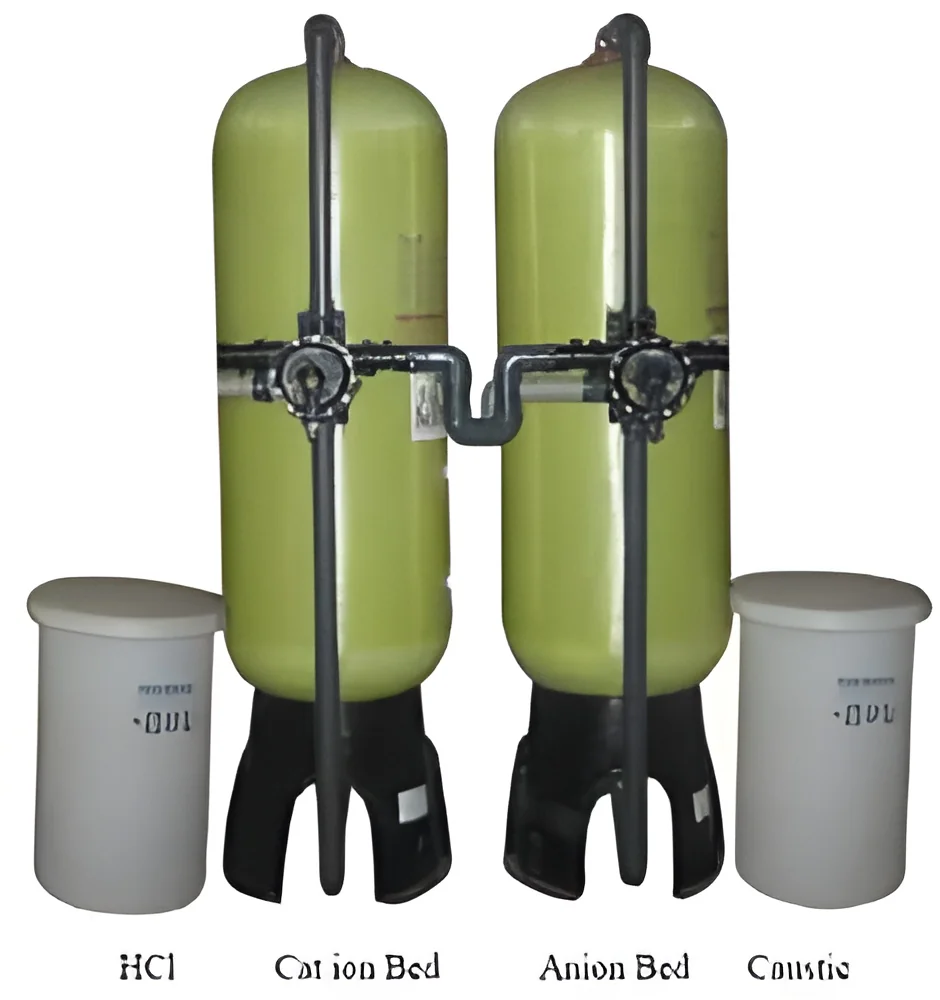
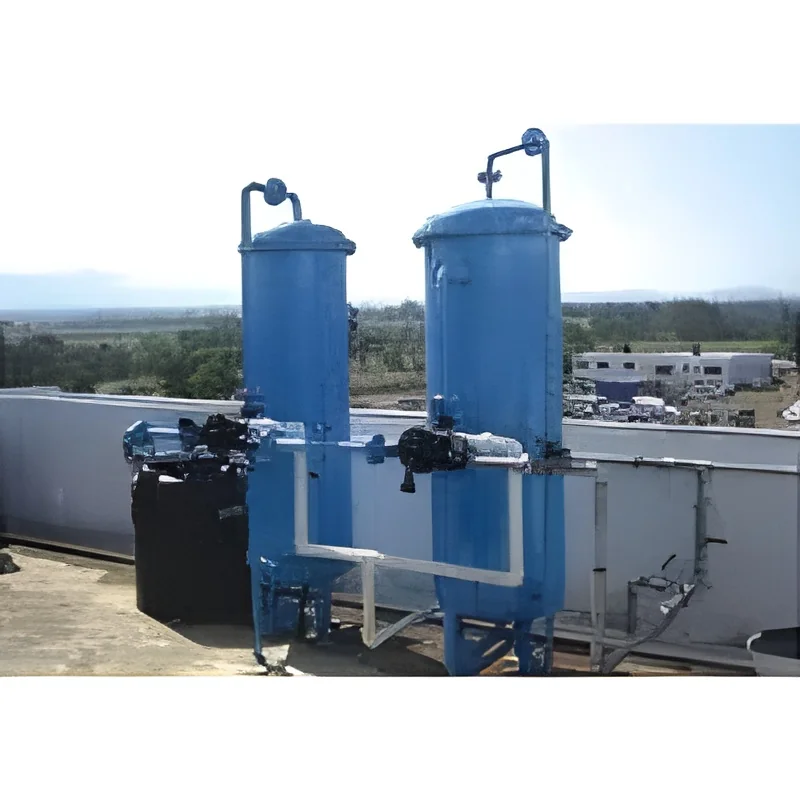
Mixed Bed Demineralizers, commonly referred to as DM Plants, are advanced water treatment systems designed to remove dissolved impurities from water. These systems utilize a combination of cation and anion exchange resins in a single vessel to provide high-quality deionized water. The process effectively reduces the levels of total dissolved solids (TDS) to achieve the required purity standards for various industrial applications.
DM Plants are primarily used in industries where clean water is essential for production processes. They are commonly found in power generation, pharmaceuticals, food and beverage, and electronics manufacturing, where the presence of contaminants can adversely affect product quality and operational efficiency. With increasing regulatory requirements and a focus on sustainability, the demand for DM Plants is on the rise as industries seek reliable solutions for water purification.
The relevance of Mixed Bed Demineralizers in today's market is significant, as industries continue to prioritize water quality in their operations. With a growing emphasis on environmental compliance and resource management, DM Plants play a crucial role in ensuring that manufacturing processes adhere to stringent quality standards.
๐๐ฒ๐ ๐๐ฒ๐ฎ๐๐๐ฟ๐ฒ๐ ๐ฎ๐ป๐ฑ ๐ฆ๐ฝ๐ฒ๐ฐ๐ถ๐ณ๐ถ๐ฐ๐ฎ๐๐ถ๐ผ๐ป๐
Mixed Bed Demineralizers are equipped with several notable features that enhance their performance and efficiency. These specifications ensure that the systems meet the diverse needs of various industries.
Key specifications include:
1. Ion Exchange Capacity
- This specification denotes the quantity of dissolved ions that can be removed from water.
- Typically measured in milliequivalents per liter (meq/L).
2. Flow Rate
- The speed at which water can pass through the system.
- Generally ranges from 1 to 100 mยณ/h, depending on the system size.
3. Resin Type
- The specific types of cation and anion exchange resins used in the system.
- Commonly includes strong acid cation and strong base anion resins.
4. Operating Pressure
- The pressure at which the system operates for optimal performance.
- Usually ranges from 1 to 5 bar.
5. Temperature Range
- The acceptable temperature of water entering the system.
- Typically maintains a range of 5ยฐC to 40ยฐC.
6. Regeneration Method
- The process used to refresh the ion exchange resins.
- Common methods include manual, semi-automatic, and fully automatic.
7. Control System
- The technology used to monitor and manage system performance.
- May include manual controls or advanced automation options.
8. Water Quality Output
- The expected quality of demineralized water produced.
- Generally achieves resistivity levels of 1 to 18.2 Mฮฉยทcm.
In summary, Mixed Bed Demineralizers are versatile systems that provide high-quality water purification through well-defined features and specifications tailored to meet industrial demands.
๐๐ผ๐บ๐บ๐ผ๐ป ๐๐ฝ๐ฝ๐น๐ถ๐ฐ๐ฎ๐๐ถ๐ผ๐ป๐ ๐ฎ๐ป๐ฑ ๐จ๐๐ฒ ๐๐ฎ๐๐ฒ๐
Mixed Bed Demineralizers are used across various industries where water purity is critical.
1. Power Generation: These systems are utilized to produce high-purity water for steam generation, ensuring efficiency and reliability in power plants.
2. Pharmaceuticals: In the pharmaceutical industry, DM Plants provide the necessary water quality for drug formulation, adhering to stringent regulatory standards.
3. Food and Beverage: DM Plants are essential for producing water that meets safety and quality standards for processing and packaging food products.
4. Electronics Manufacturing: High-purity water is required for cleaning and rinsing components in electronics production, making DM Plants a vital part of the process.
5. Chemical Processing: The chemicals used in various manufacturing processes often require deionized water to prevent contamination and ensure product integrity.
6. Laboratories: Research and testing facilities rely on demineralized water for experiments and analyses, highlighting the importance of DM Plants in scientific applications.
7. Textile Industry: In textile processing, DM Plants help in dyeing and finishing processes, providing the quality of water needed for optimal results.
๐ฃ๐ฟ๐ผ๐ฑ๐๐ฐ๐ ๐ฉ๐ฎ๐ฟ๐ถ๐ฎ๐ป๐๐ ๐ฎ๐ป๐ฑ ๐ฆ๐๐ฏ๐ฐ๐ฎ๐๐ฒ๐ด๐ผ๐ฟ๐ถ๐ฒ๐
The diversity of Mixed Bed Demineralizers allows for tailored solutions to meet specific industrial needs.
Standard Mixed Bed Demineralizers: These systems are designed for general industrial applications, providing reliable water purification with a balanced approach to ion exchange.
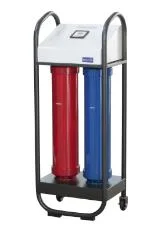
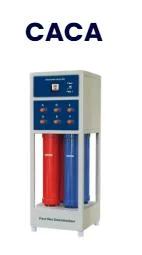
Portable Mixed Bed Demineralizers: Ideal for temporary installations or mobile operations, these compact systems offer flexibility and ease of use for various sites.
Automatic Regeneration Mixed Bed Deminerizers: Featuring advanced automation, these systems streamline the regeneration process, reducing manual intervention and enhancing operational efficiency.
๐๐ฒ๐ป๐ฒ๐ณ๐ถ๐๐ ๐ฎ๐ป๐ฑ ๐๐ฑ๐๐ฎ๐ป๐๐ฎ๐ด๐ฒ๐
Mixed Bed Demineralizers offer numerous benefits that make them an integral part of water treatment solutions.
1. High Water Quality: These systems provide exceptionally pure water, essential for critical industrial processes.
2. Cost Efficiency: By effectively removing impurities, DM Plants reduce the need for frequent maintenance and replacement of equipment.
3. Environmental Compliance: Using DM Plants helps industries meet regulatory requirements for water quality, reducing environmental impact.
4. Versatility: They can be used in various applications across multiple industries, making them adaptable to different operational needs.
5. Reduced Downtime: The efficiency of DM Plants minimizes disruptions in production due to water quality issues.
6. Enhanced Product Quality: High-purity water ensures optimal conditions for manufacturing, leading to improved final products.
๐๐๐๐ถ๐ป๐ด ๐๐๐ถ๐ฑ๐ฒ ๐ณ๐ผ๐ฟ ๐๐ฎ๐ ๐๐๐๐ฒ๐ฟ๐
When sourcing Mixed Bed Demineralizers, businesses should consider key factors to ensure the best investment.
1. Quality Assessment: Evaluate the quality of materials and components used in the DM Plant. Look for certifications and compliance with industry standards.
2. Supplier Verification: Conduct thorough vetting of suppliers to ensure reliability and reputation. Check their history and customer feedback.
3. Pricing and MOQ: Understand the pricing structure and minimum order quantities to ensure alignment with your budget and needs.
4. Delivery and Lead Times: Consider the logistics involved in the procurement process, including delivery schedules and lead times for installation.
5. Compliance Requirements: Ensure that the DM Plant meets all regulatory and safety standards applicable in your region.
๐๐ผ๐บ๐ฝ๐น๐ถ๐ฎ๐ป๐ฐ๐ฒ ๐ฎ๐ป๐ฑ ๐๐ฒ๐ฟ๐๐ถ๐ณ๐ถ๐ฐ๐ฎ๐๐ถ๐ผ๐ป๐
Mixed Bed Demineralizers must adhere to various compliance and certification standards to ensure safety and efficacy.
ISO 9001 is a key quality management standard that ensures consistent product quality. Compliance with this standard demonstrates a commitment to continuous improvement and customer satisfaction.
CE certification indicates that the DM Plants meet European health, safety, and environmental protection standards, allowing for broader market access.
Safety and testing requirements are critical, ensuring that the systems are reliable and capable of performing under expected conditions.
Regional compliance considerations may vary, so it is essential to verify that products meet local regulations and standards relevant to water treatment.
๐ช๐ต๐ ๐ฆ๐ผ๐๐ฟ๐ฐ๐ฒ ๐ ๐ถ๐
๐ฒ๐ฑ ๐๐ฒ๐ฑ ๐๐ฒ๐บ๐ถ๐ป๐ฒ๐ฟ๐ฎ๐น๐ถ๐๐ฒ๐ฟ๐ ๐ณ๐ฟ๐ผ๐บ ๐ฃ๐ฒ๐ฝ๐ฎ๐ด๐ผ๐ฟ๐ฎ?
Pepagora offers a trusted platform for sourcing Mixed Bed Demineralizers, providing several key advantages for B2B buyers.
Verified Supplier Network: Pepagora connects buyers with a network of verified suppliers, ensuring quality and reliability in sourcing.
Streamlined RFQ Process: The platform simplifies the request for quotation process, allowing buyers to quickly and efficiently obtain pricing and product information.
Trade Assurance and Support: Buyers benefit from trade assurance features that provide protection throughout the purchasing process, enhancing buyer confidence.
Regional Coverage: With a strong presence in India, the GCC, and Southeast Asia, Pepagora offers extensive regional coverage, catering to diverse market needs and facilitating easier access to suppliers.