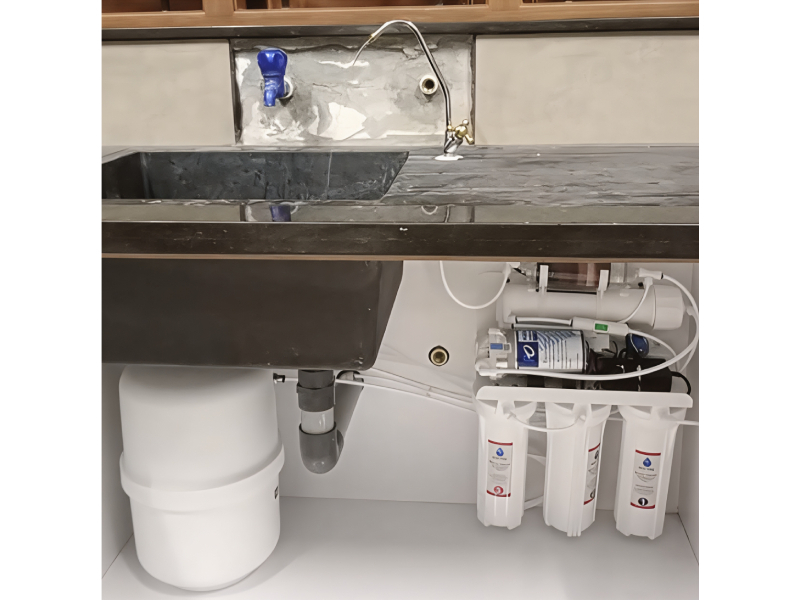
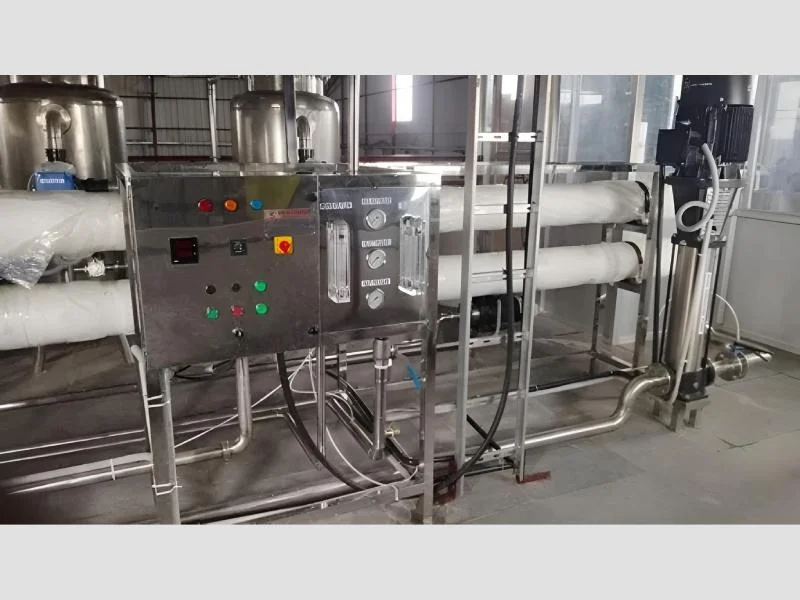
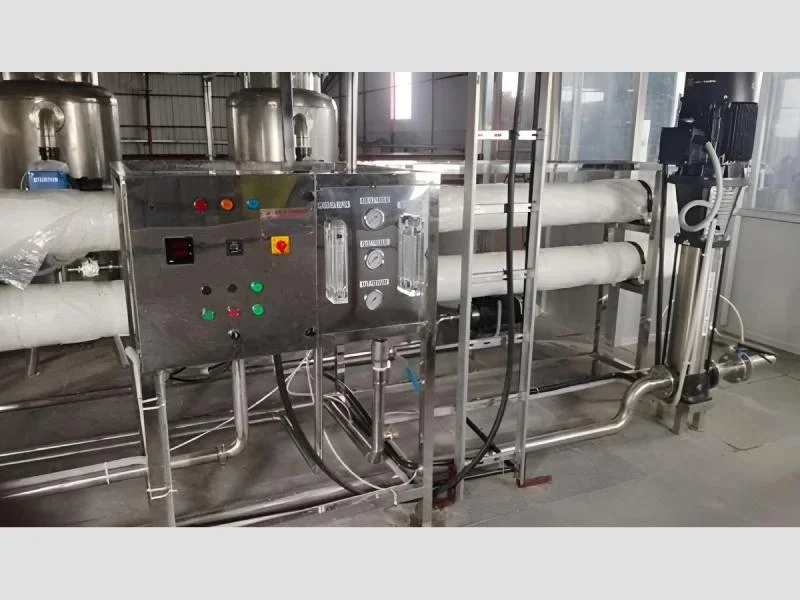
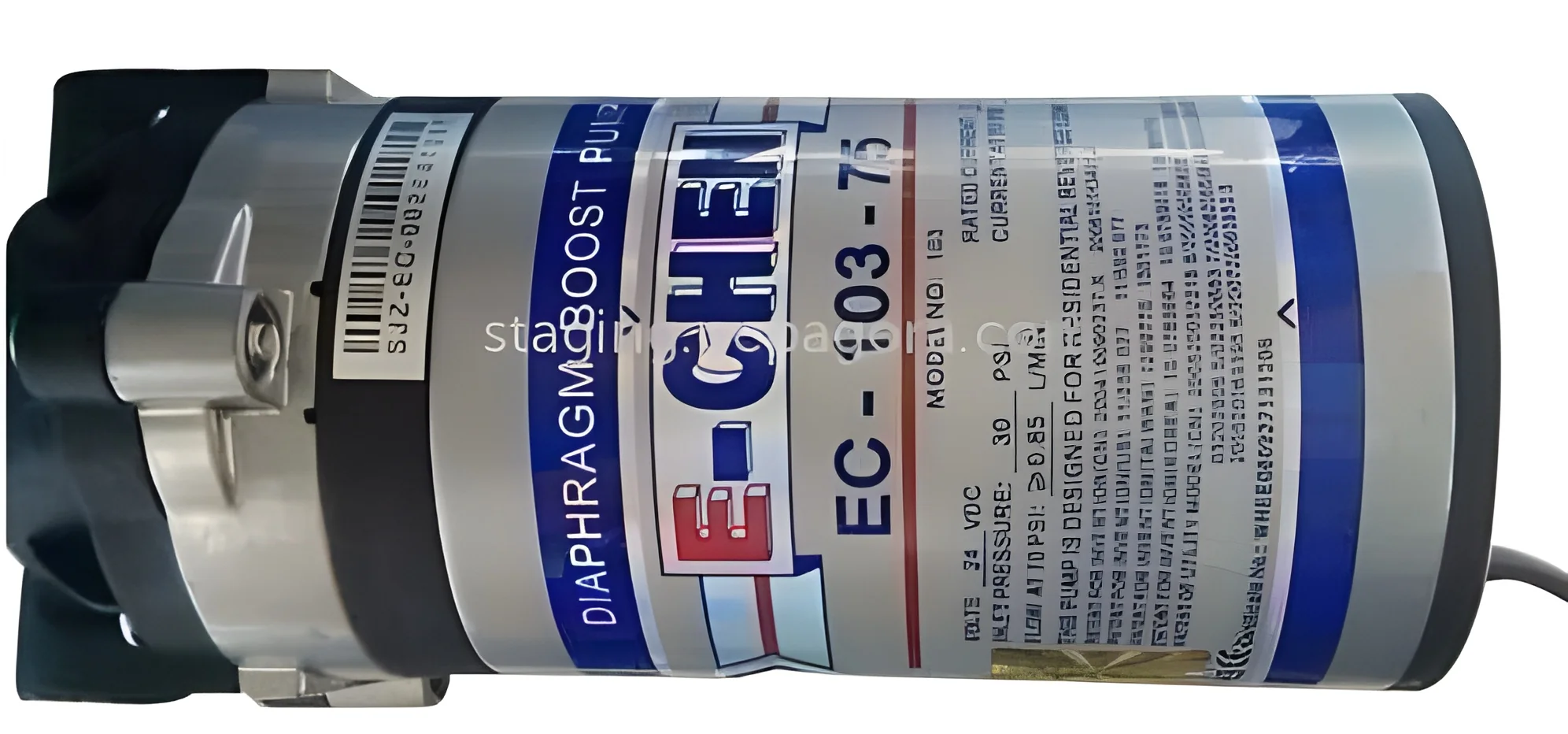
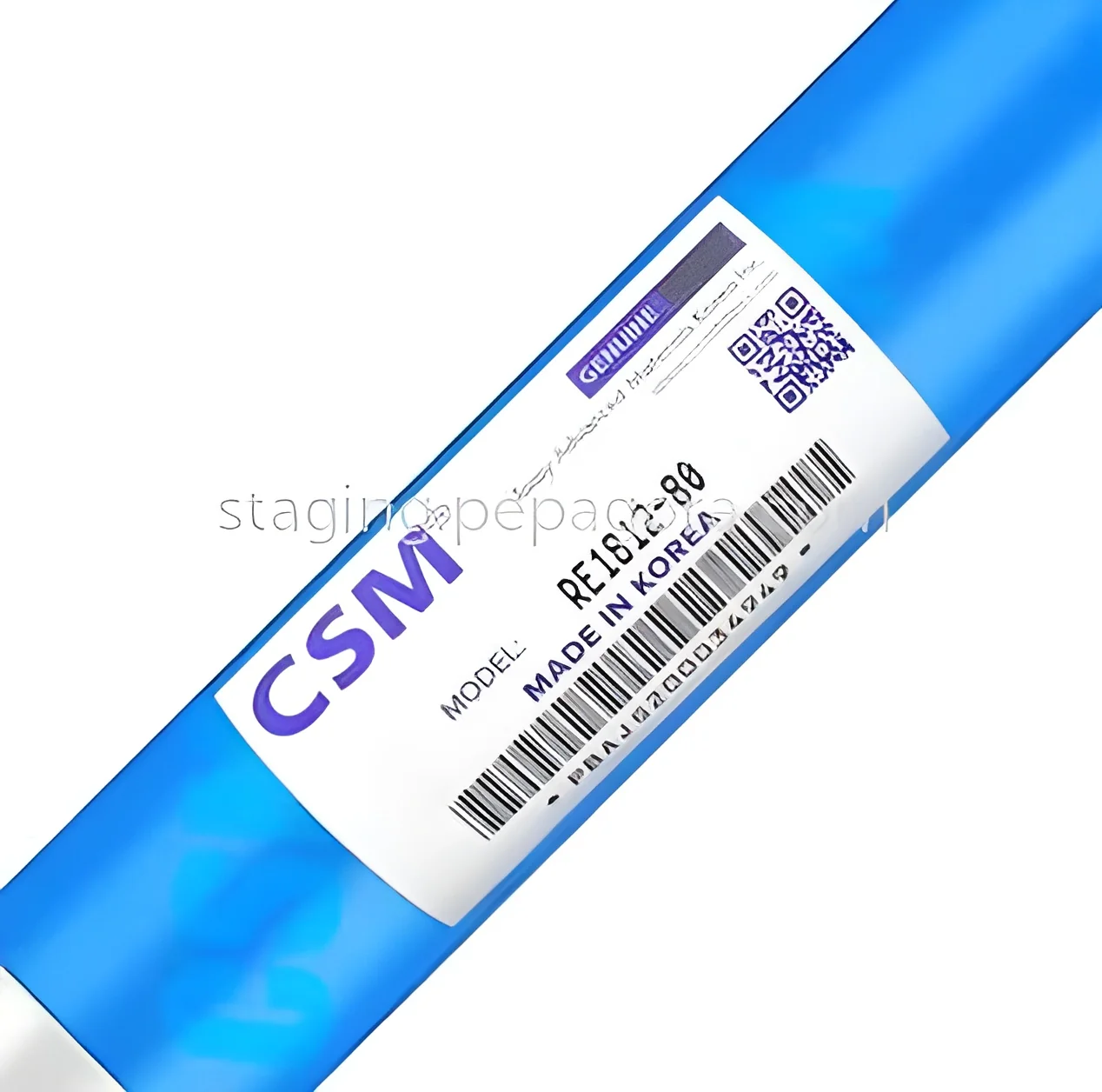
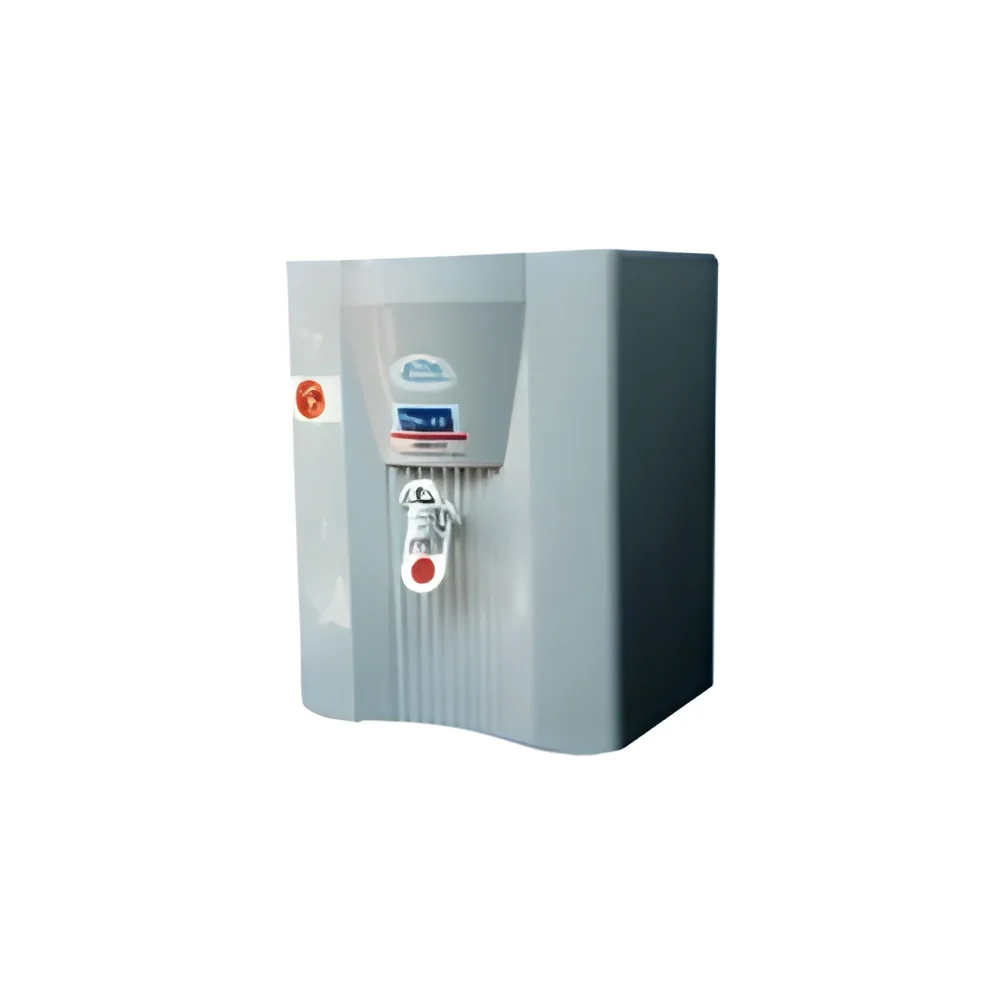
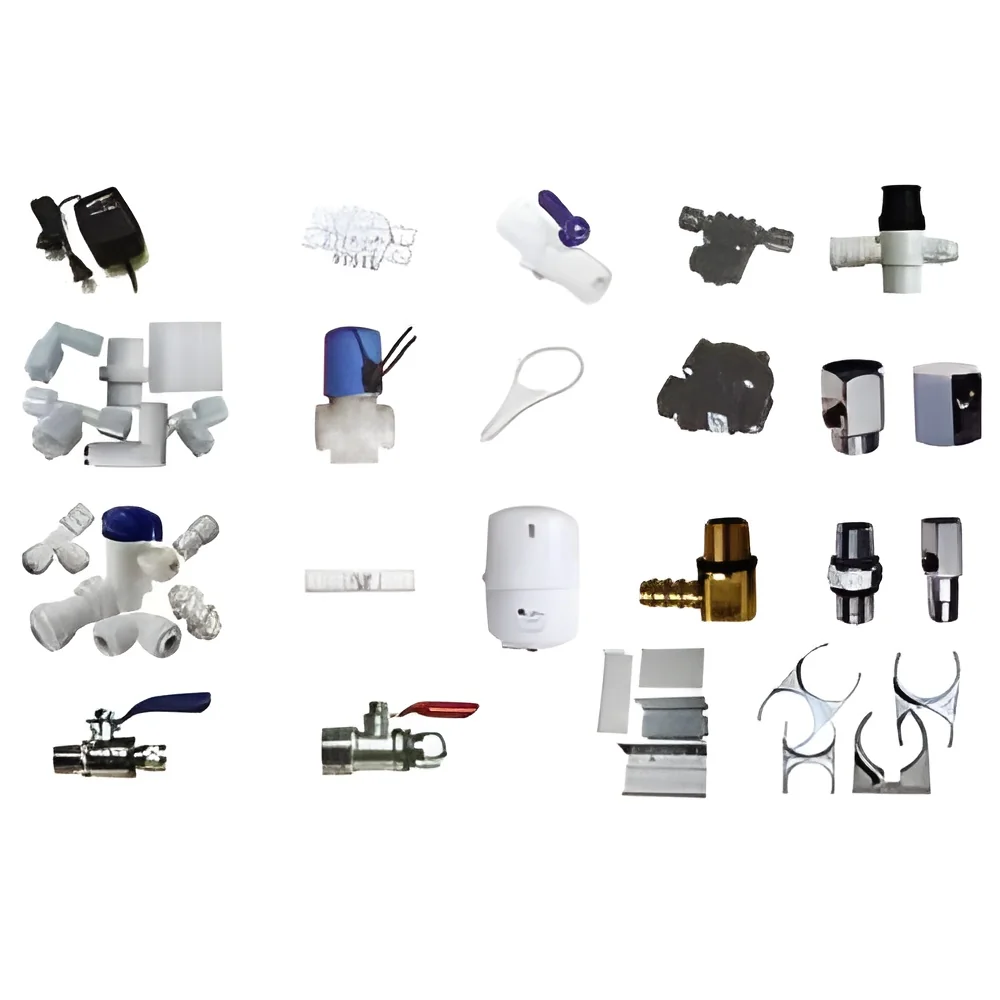
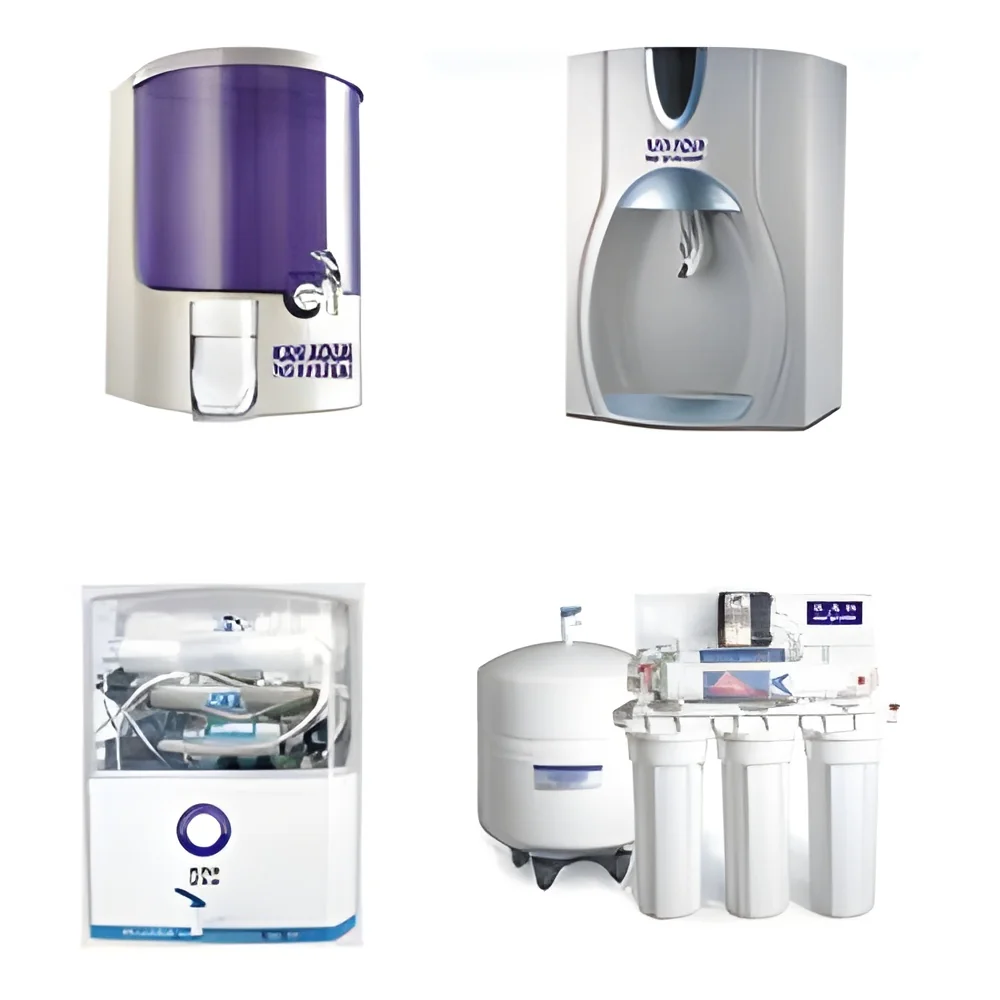
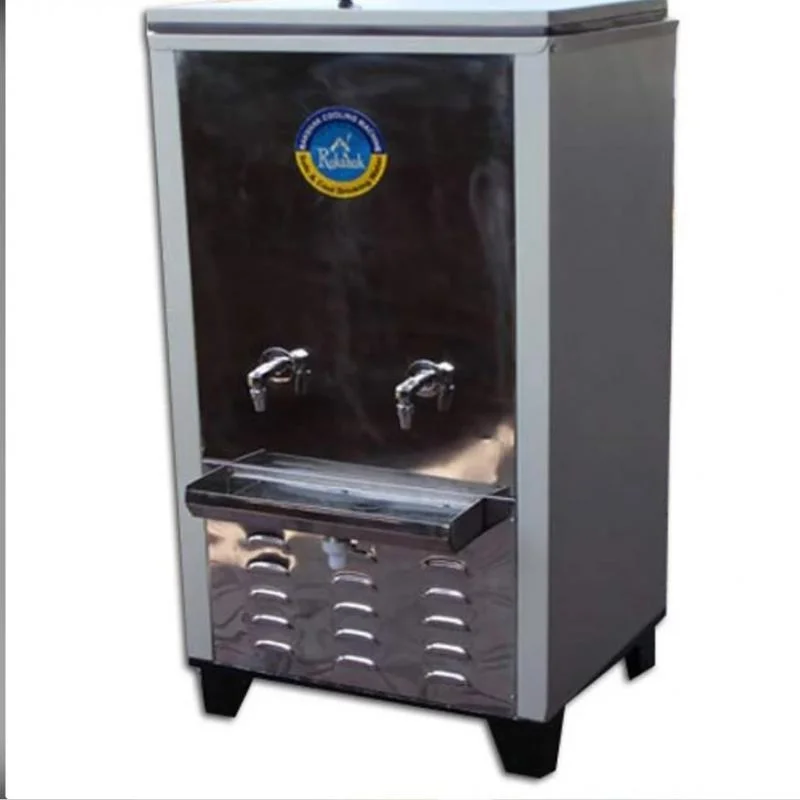
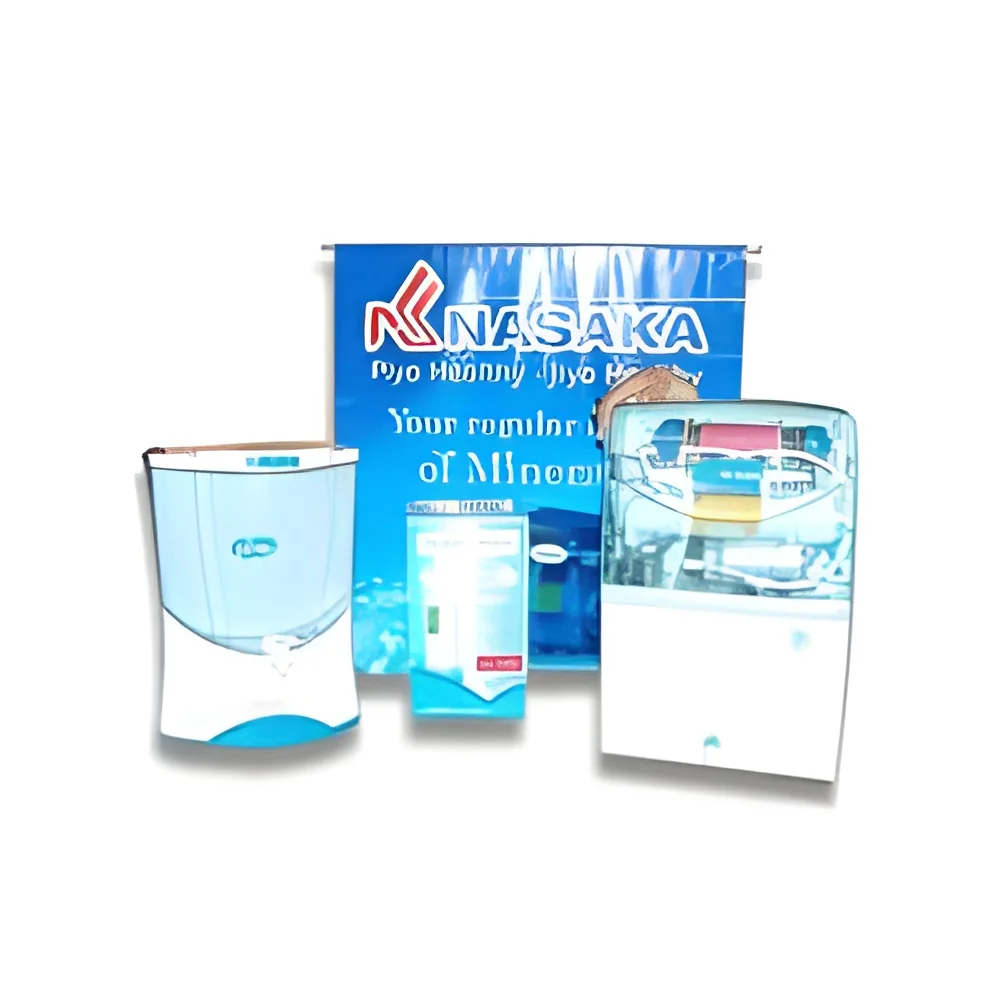
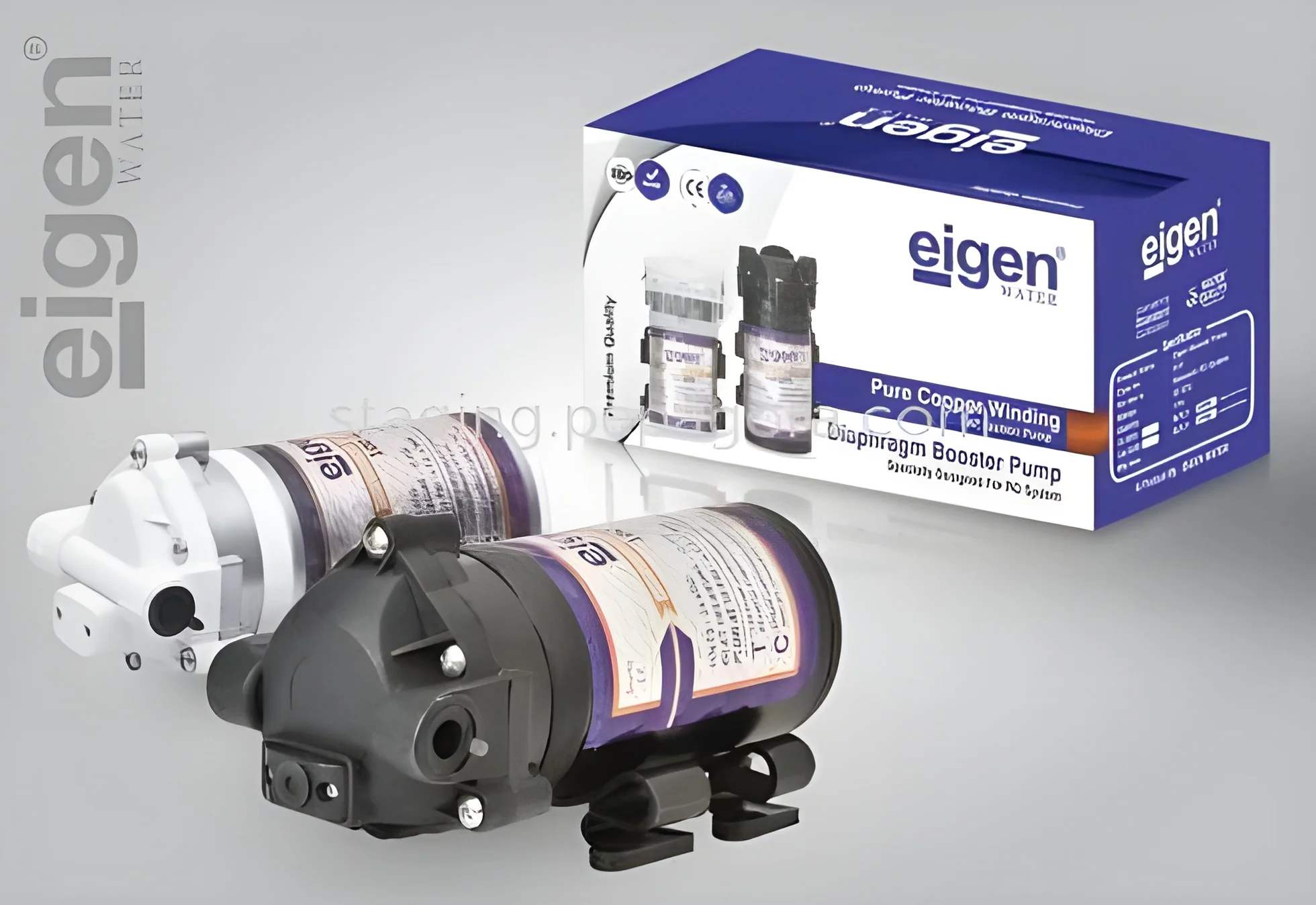
What are Domestic RO Plants?
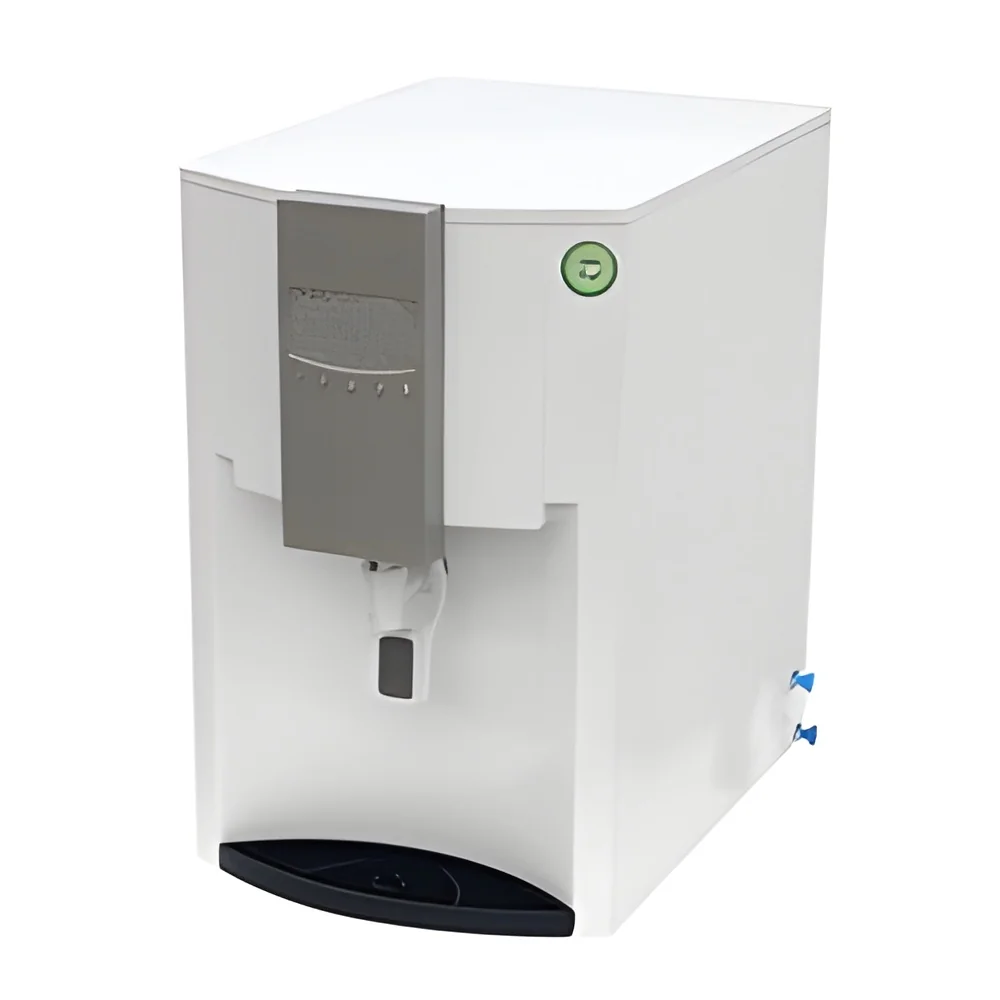
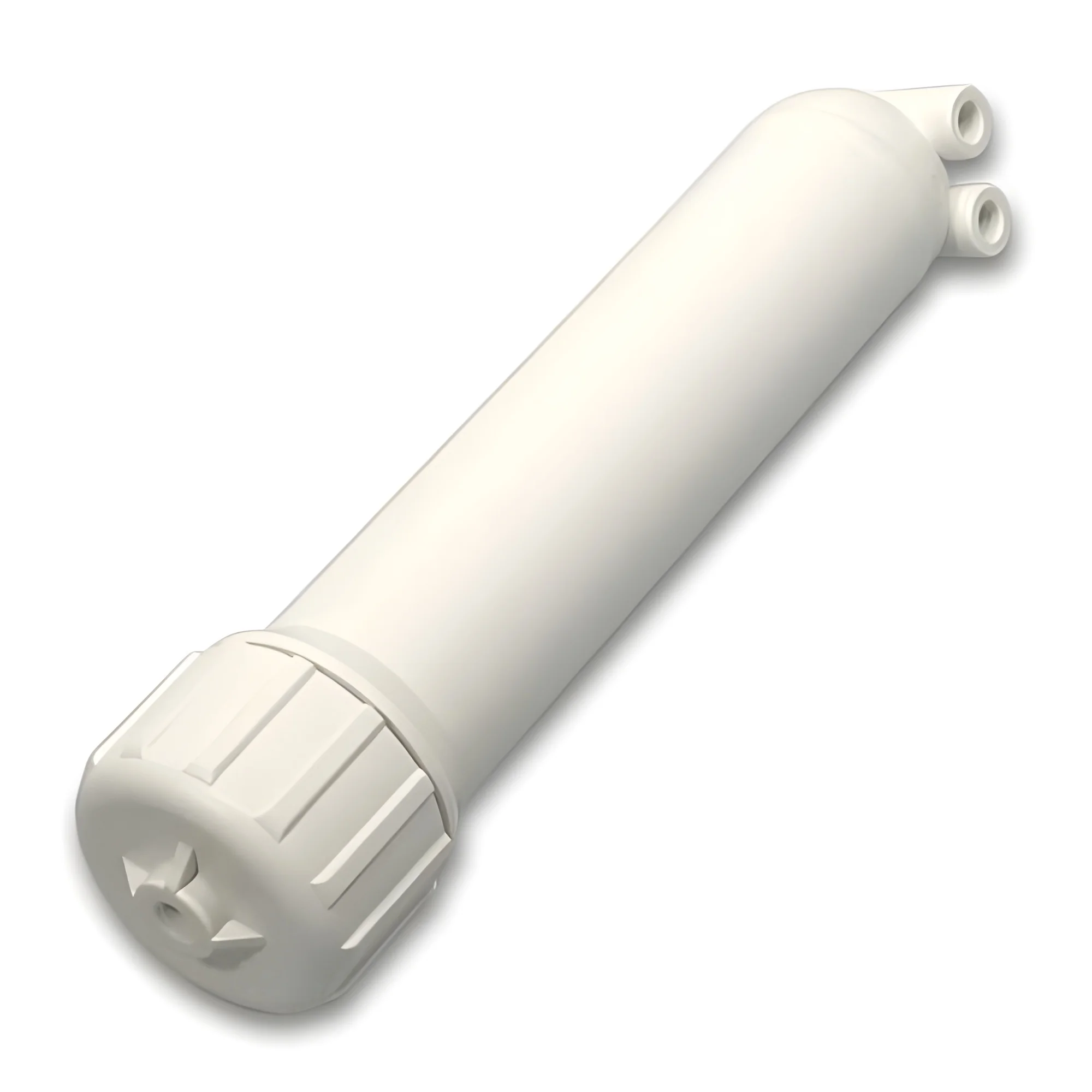
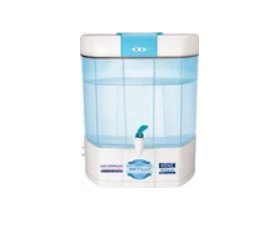
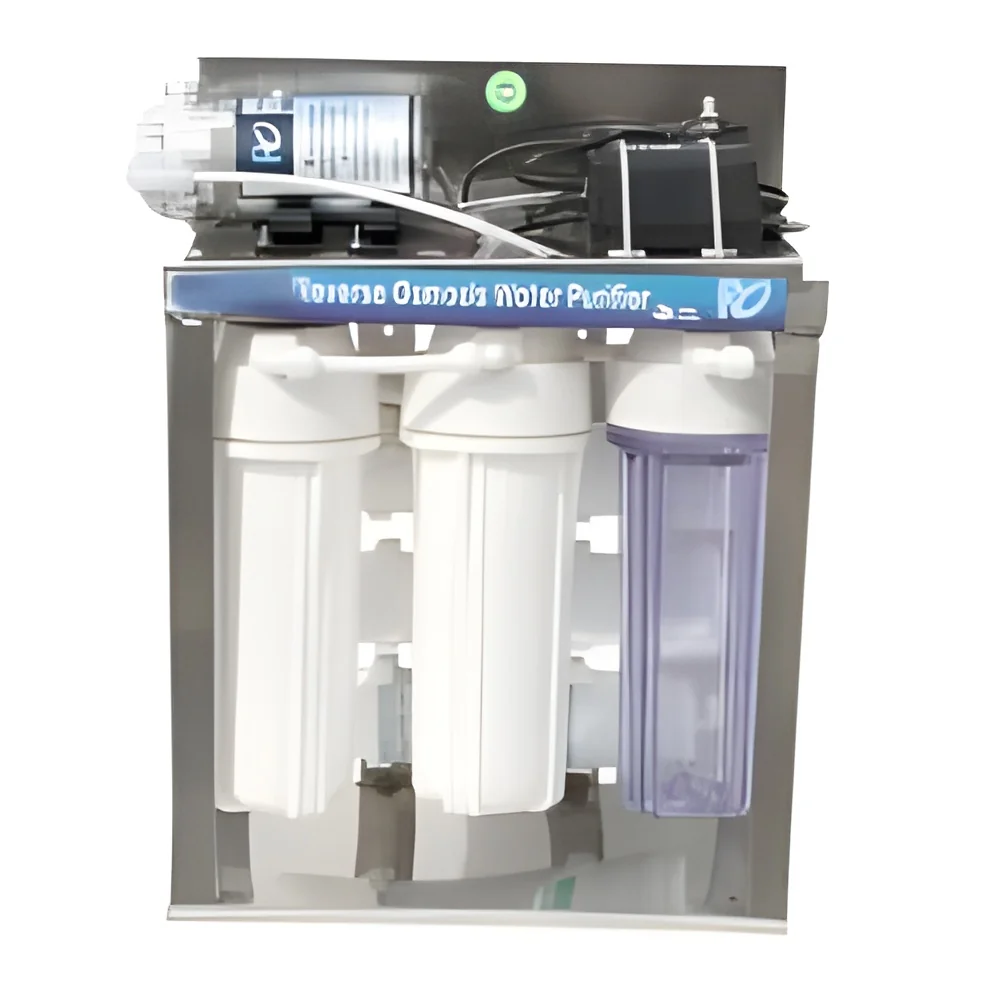
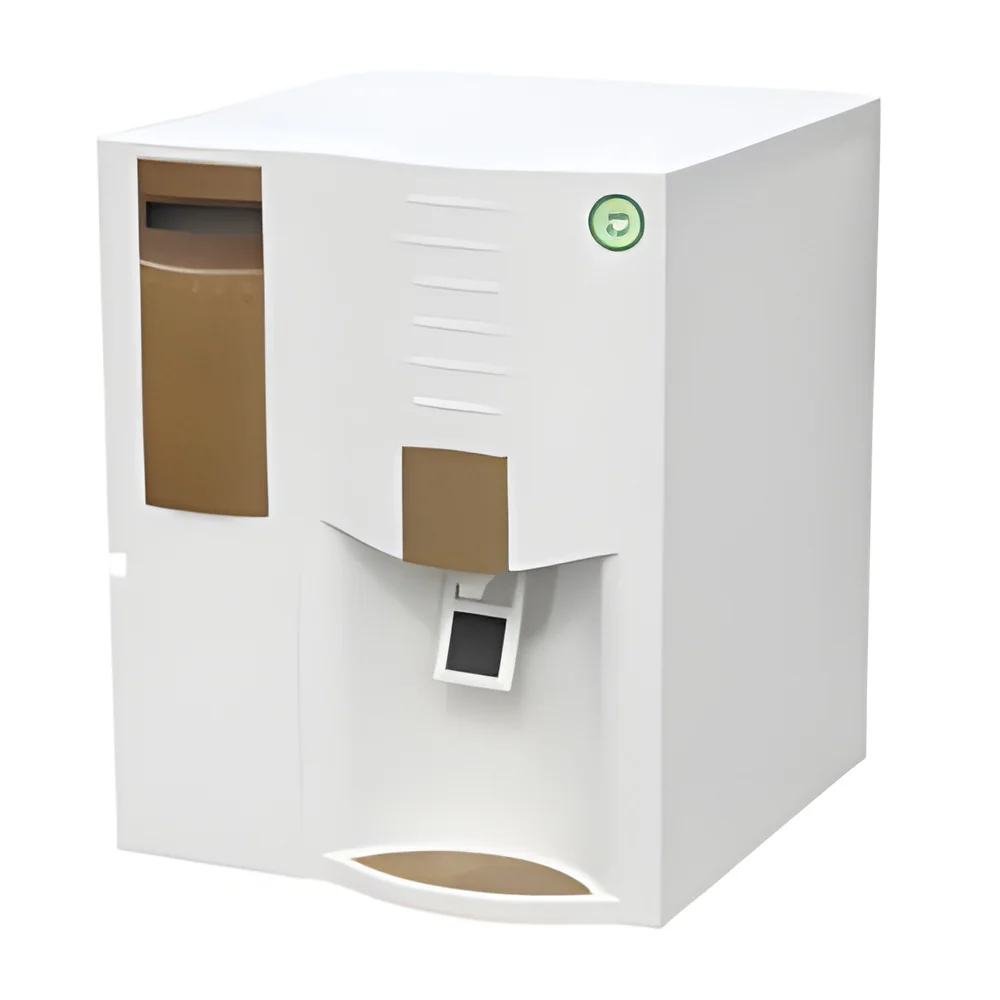
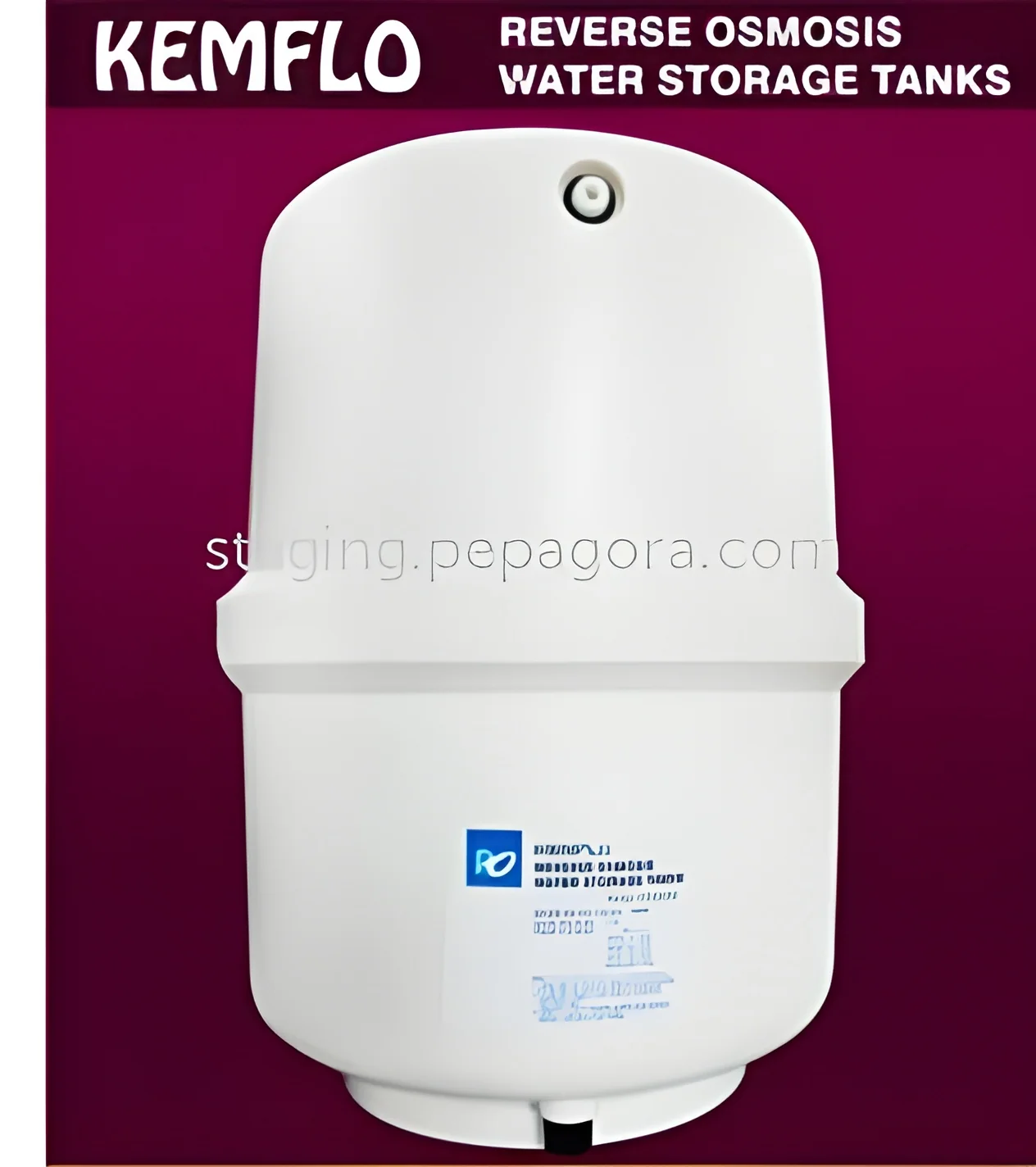
Domestic Reverse Osmosis (RO) Plants are water purification systems designed to remove impurities and contaminants from water through a semi-permeable membrane. These systems utilize the reverse osmosis process, which effectively separates water from dissolved solids, making it suitable for drinking and other domestic uses. The technology is widely recognized for its ability to produce high-quality drinking water, eliminate harmful substances, and improve taste, making it an essential solution for various households.
RO plants are primarily used in residential settings, providing clean and safe drinking water for families. They cater to the needs of individuals and communities that require efficient filtration systems to address water quality issues, particularly in areas with high levels of dissolved solids or pollutants. As concerns about water quality continue to rise globally, the demand for domestic RO plants has surged, highlighting their relevance in the water treatment industry and the broader market.
Key Features and Specifications
Domestic RO Plants are equipped with several advanced features that enhance their efficiency and usability. Understanding these specifications is crucial for businesses looking to invest in water purification technologies.
Key specifications include:
1. Filtration Capacity
- The volume of water the system can purify per day.
- Typically ranges from 50 to 500 liters per day.
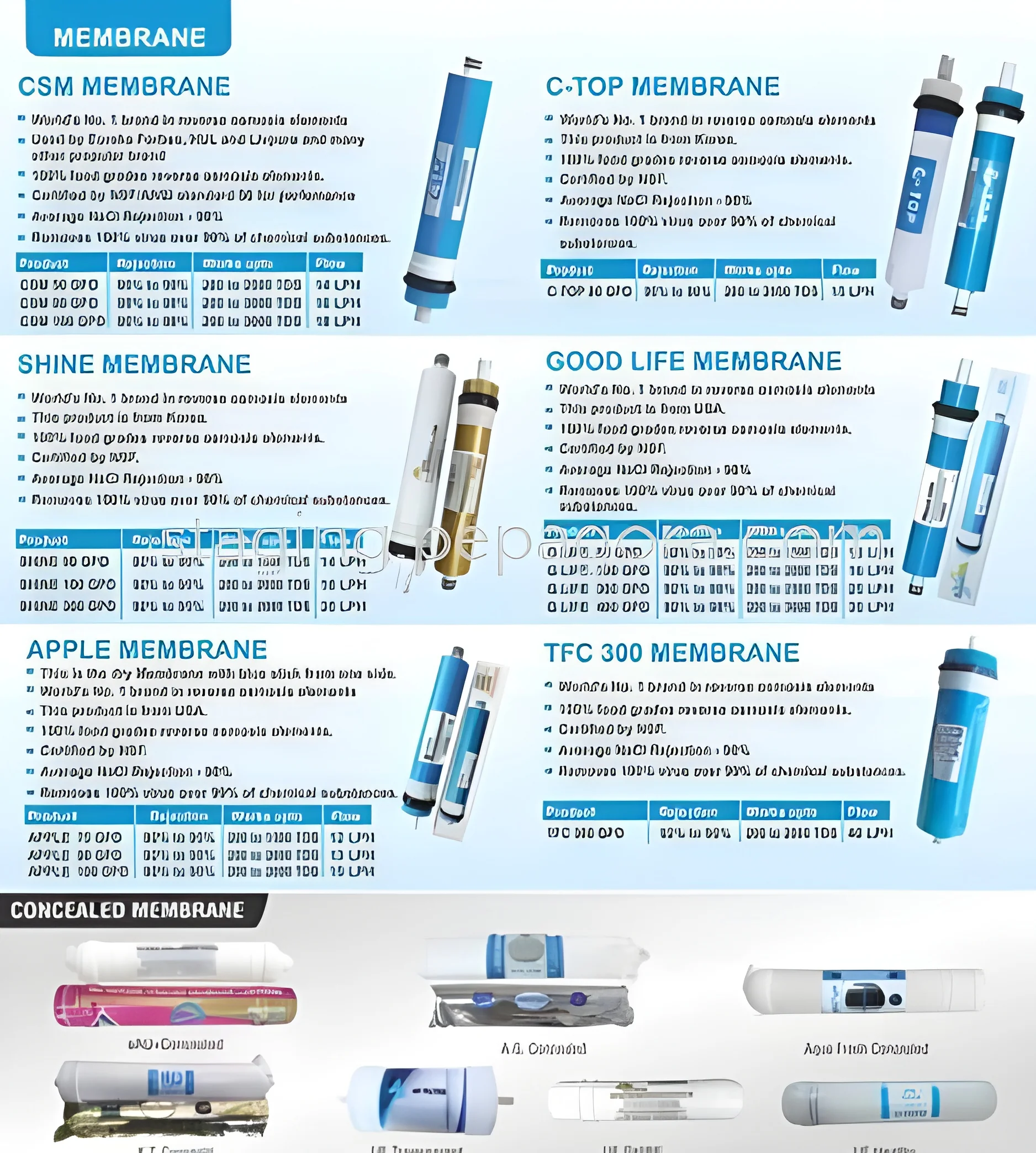
2. Membrane Type
- The quality and type of RO membranes used in the system.
- Commonly made from polyamide thin-film composite materials.
3. Recovery Rate
- The percentage of purified water produced from the total feed water.
- Generally between 50% to 75%.
4. Operating Pressure
- The pressure required for optimal operation of the RO system.
- Usually between 40 to 100 psi.
5. Power Consumption
- The amount of electrical power required for operation.
- Usually ranges from 50 to 200 watts.
6. Dimensions
- The physical size of the unit, which impacts installation and space requirements.
- Varies widely based on model and capacity.
7. Maintenance Frequency
- Recommendations for routine maintenance and filter changes.
- Typically every 6 to 12 months.
8. Certification
- Compliance with safety and quality standards, such as CE marking.
In summary, understanding the features and specifications of domestic RO plants allows buyers to make informed decisions based on their specific water purification needs.
Common Applications and Use Cases
Domestic RO Plants are versatile and serve various industries and applications.
1. Residential Use: Homeowners utilize RO plants for ensuring safe drinking water, addressing issues like hard water and contaminants.
2. Food and Beverage: Restaurants and cafes use RO systems to provide high-quality water for cooking and beverage preparation.
3. Health Care: Hospitals and clinics rely on purified water for various medical applications, including patient care and laboratory testing.
4. Pharmaceutical: The pharmaceutical industry uses RO technologies to ensure water quality for drug production and laboratory processes.
5. Aquaculture: Fish farming operations employ RO plants to maintain optimal water quality for aquatic life.
6. Agriculture: Farmers utilize purified water for irrigation, enhancing crop quality and yield.
7. Hospitality: Hotels and resorts implement RO systems to provide guests with clean drinking water and enhance overall service quality.
Product Variants and Subcategories
Domestic RO Plants come in various configurations to meet diverse customer needs.
Compact RO Systems
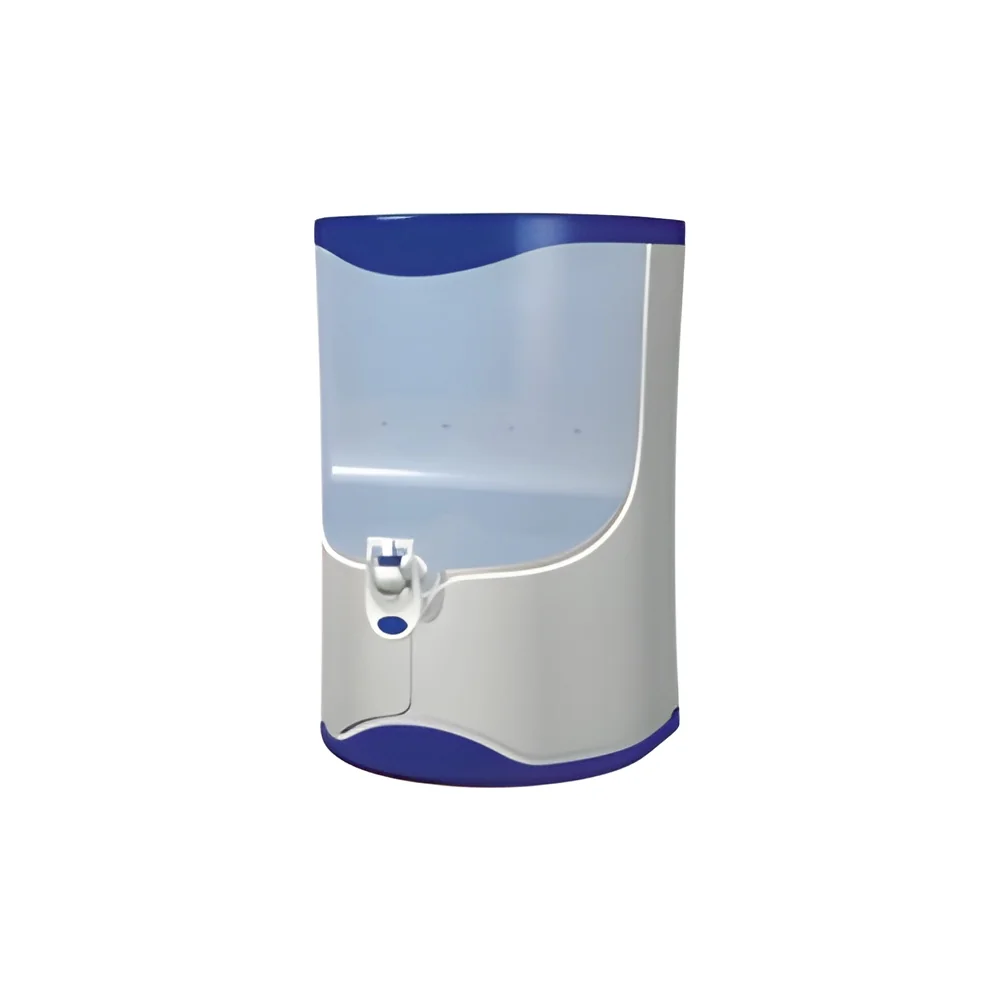
These units are designed for small spaces, making them ideal for apartments and small households. They offer efficient purification without requiring extensive installation.
High-Capacity RO Systems
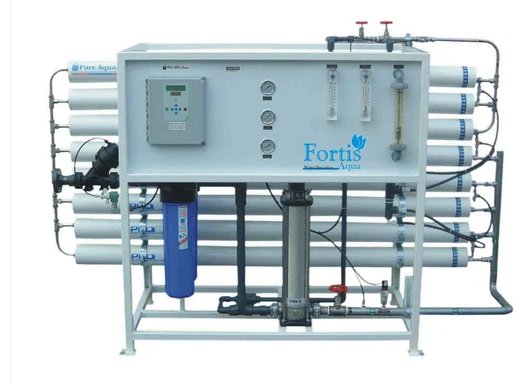
These systems cater to larger families or communities, providing higher filtration capacities and accommodating increased water demands.
Portable RO Units
Portable options are available for users who require mobility, such as travelers or temporary setups. They are easy to transport and set up in different locations.
Benefits and Advantages
Investing in Domestic RO Plants presents numerous advantages for users.
1. Improved Water Quality: RO plants effectively remove harmful contaminants, ensuring safe drinking water.
2. Cost Efficiency: Although the initial investment may be higher, the long-term savings on bottled water can be significant.
3. Environmental Impact: By reducing reliance on bottled water, RO systems contribute to decreased plastic waste.
4. Enhanced Taste: The purification process improves the taste of water, making it more palatable for users.
5. Convenience: RO systems offer a continuous supply of purified water, eliminating the need for frequent purchases.
6. Health Benefits: Access to clean water supports overall health and well-being, reducing the risk of waterborne diseases.
Buying Guide for B2B Buyers
When sourcing Domestic RO Plants, several factors should be taken into account to ensure the right choice.
1. Quality Assessment: Evaluate the quality of materials and components used in the RO system. Look for certifications that indicate compliance with industry standards.
2. Supplier Verification: Vet suppliers by reviewing their reputation, customer feedback, and history in the industry. Reliable suppliers should have a proven track record.
3. Pricing and MOQ: Understand the pricing structure and minimum order quantities required by suppliers. Compare quotes from different vendors to find the best deal.
4. Delivery and Lead Times: Consider logistics and delivery timelines. Ensure that the supplier can meet your project deadlines.
5. Compliance Requirements: Be aware of any regulatory requirements related to water purification in your region, including safety and testing standards.
Compliance and Certifications
Domestic RO Plants must adhere to various quality standards and certifications to ensure their reliability and safety.
ISO 9001 is a widely recognized standard for quality management systems, ensuring that manufacturers consistently provide quality products. Compliance with this standard indicates a commitment to quality and continuous improvement.
HACCP (Hazard Analysis and Critical Control Points) is essential for ensuring food safety, particularly for plants used in food and beverage applications. This certification demonstrates that the product meets stringent safety standards.
CE certification indicates that the product complies with European Union safety, health, and environmental protection legislation. This certification is crucial for products sold in European markets.
Regional compliance considerations may also apply, depending on local regulations governing water treatment technologies. Understanding these requirements helps ensure that the RO systems function safely and effectively in their intended applications.
Why Source Domestic RO Plants from Pepagora?
Pepagora offers a reliable platform for sourcing Domestic RO Plants with numerous advantages for B2B buyers.
Verified Supplier Network: Pepagora connects buyers with a network of verified suppliers, ensuring that each vendor meets high standards of quality and reliability. This reduces the risk of subpar products.
Streamlined RFQ Process: The Request for Quotation (RFQ) process on Pepagora is designed to be user-friendly, allowing buyers to easily request quotes from multiple suppliers. This helps in comparing options and making informed decisions.
Trade Assurance and Support: Buyers benefit from trade assurance policies that protect their investments. Pepagora provides support throughout the sourcing process, ensuring a smooth transaction.
Regional Coverage: With a strong presence in India, the GCC, and Southeast Asia, Pepagora facilitates access to a diverse range of suppliers and products, making it easier to find the right Domestic RO Plant for your needs.

 IN
IN