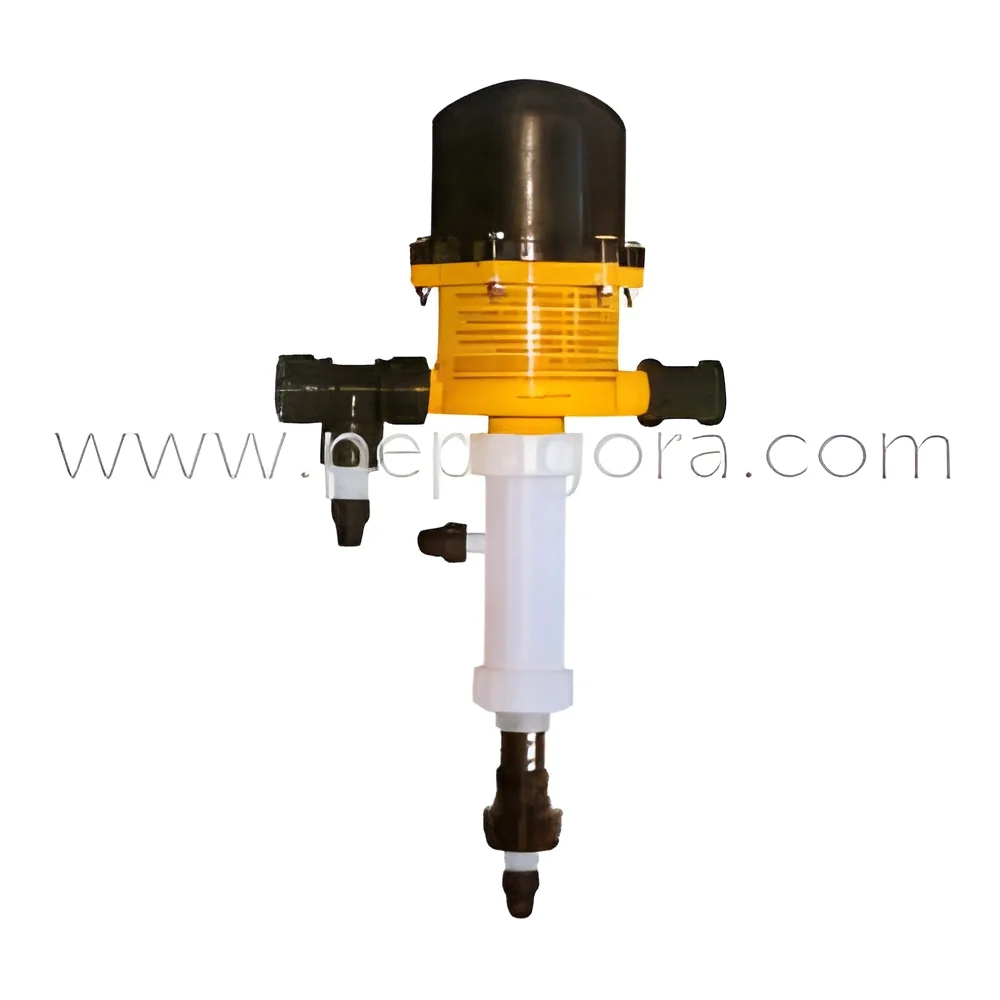
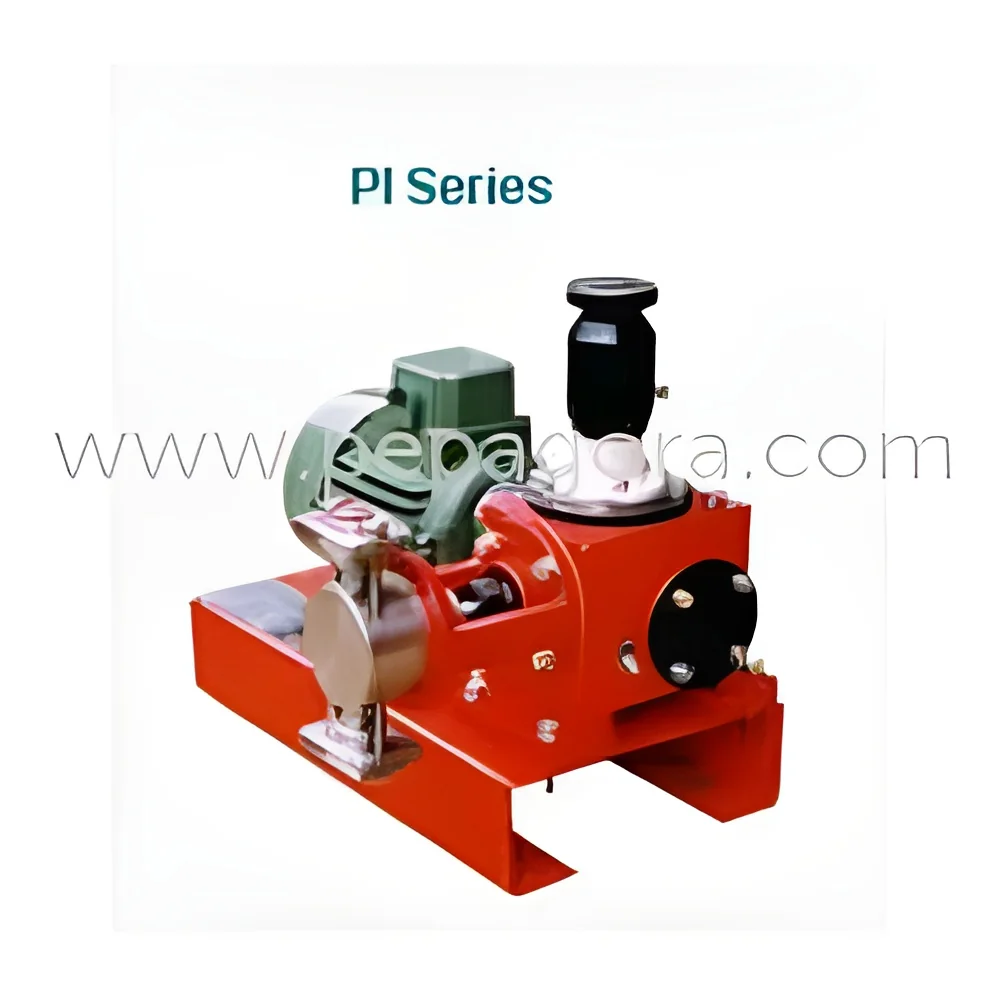
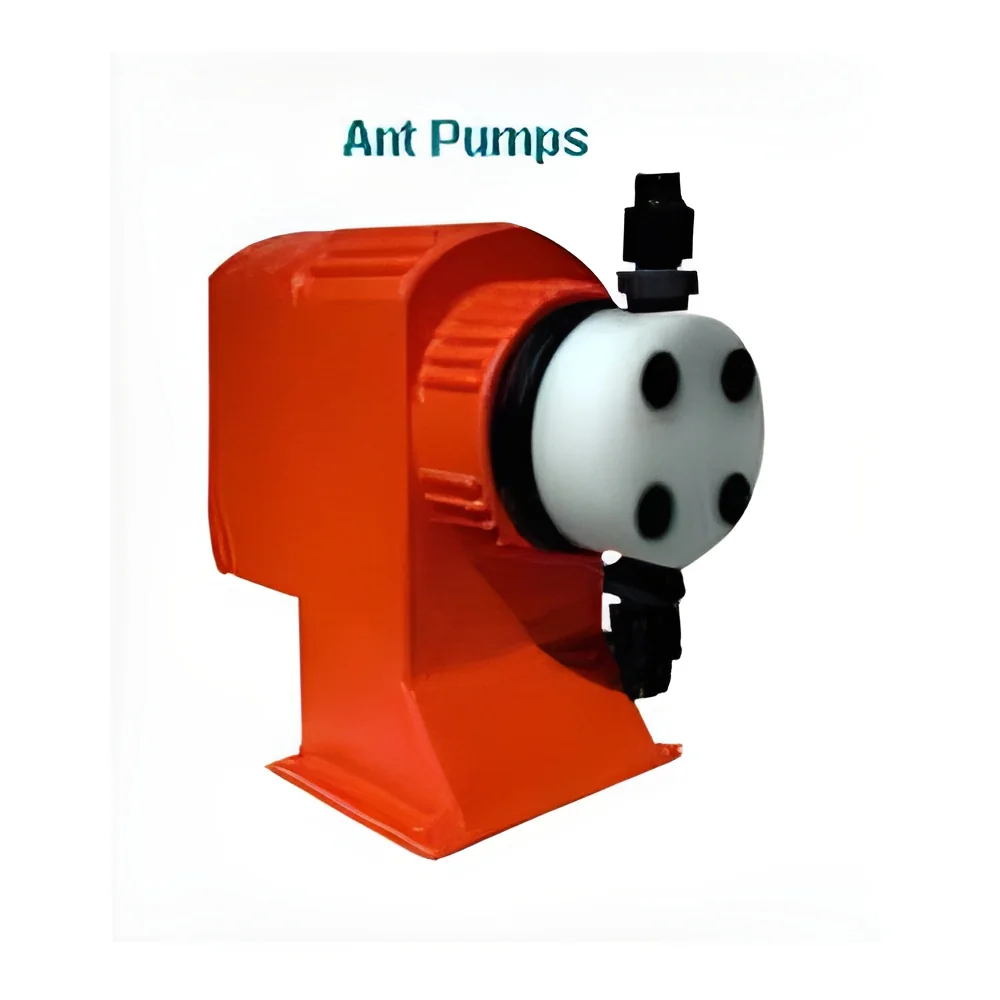
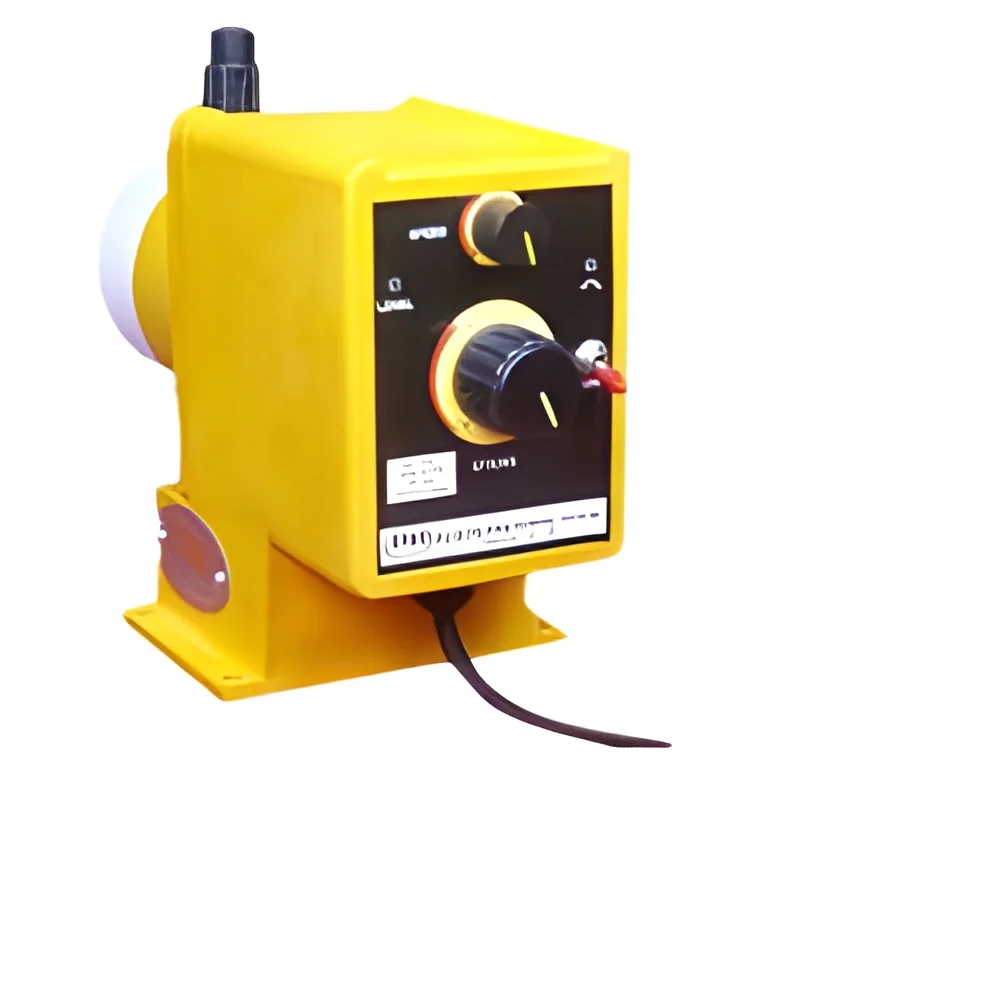
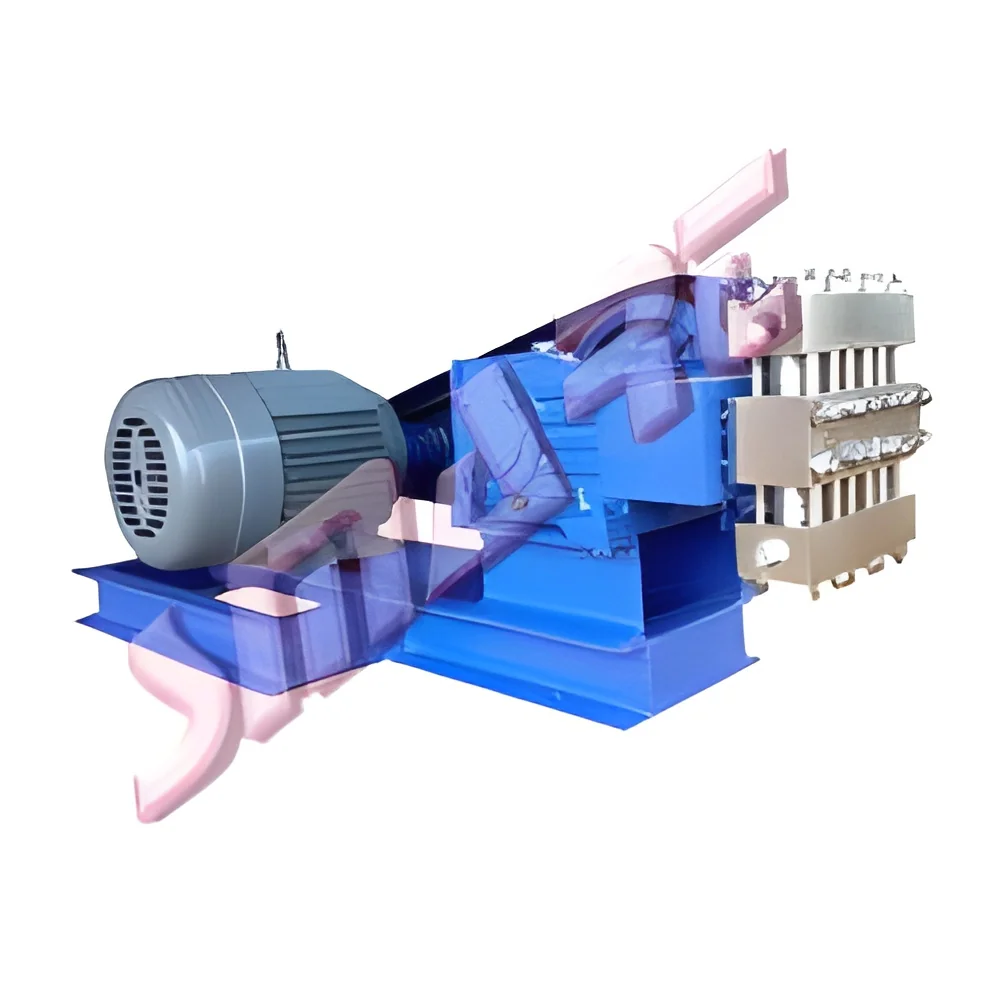
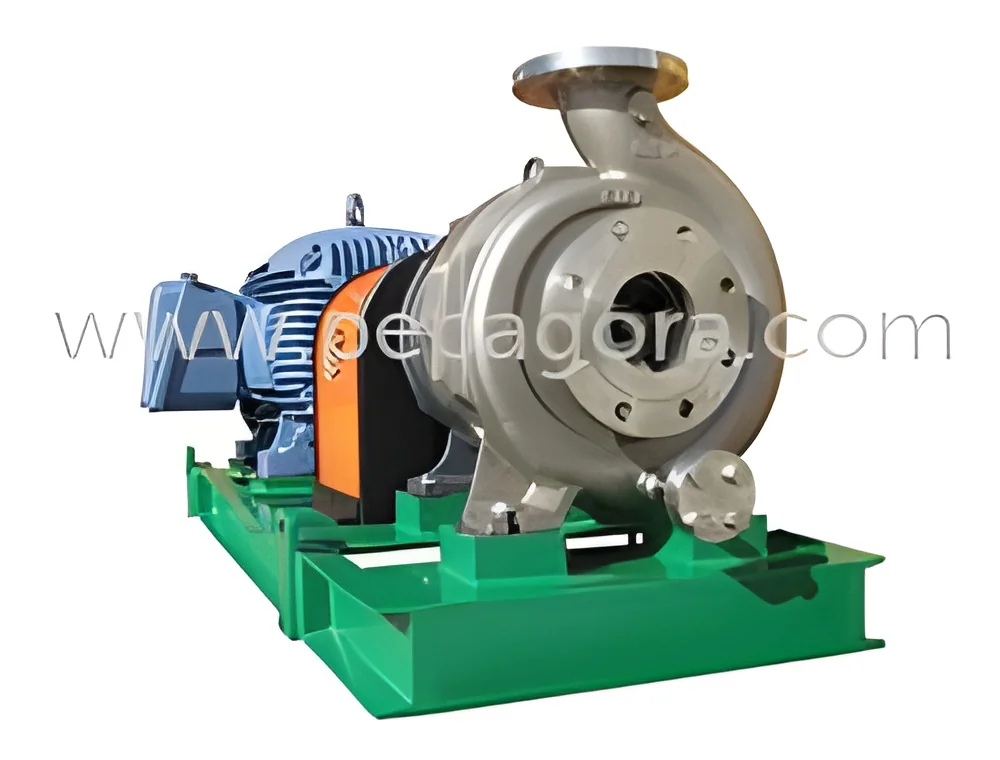
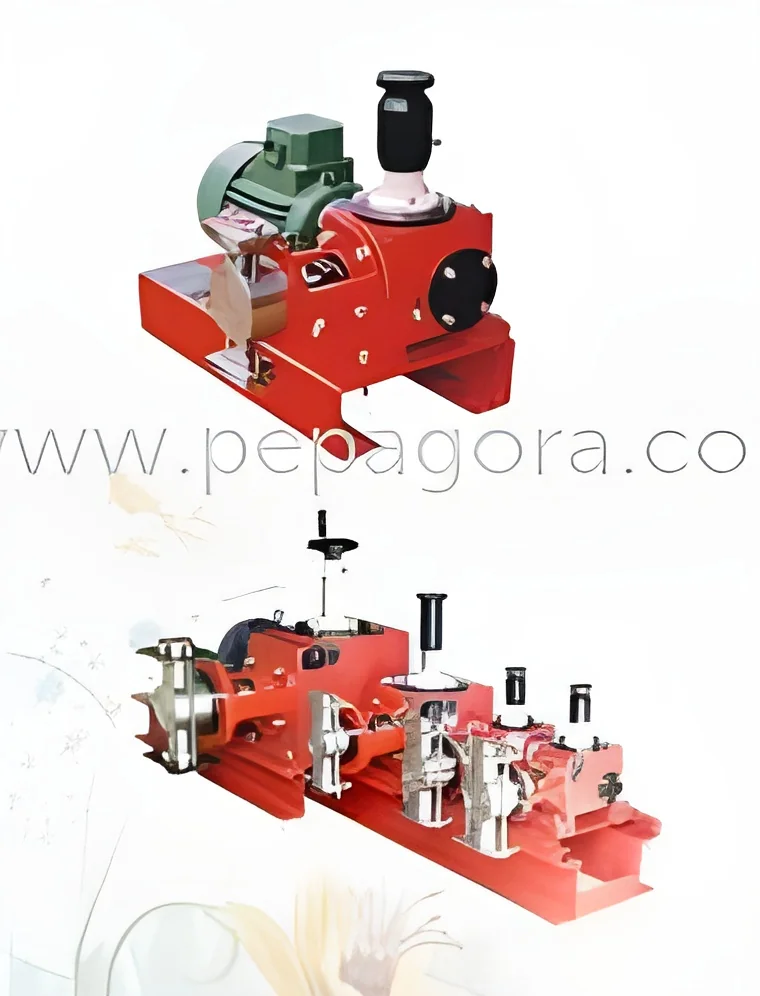
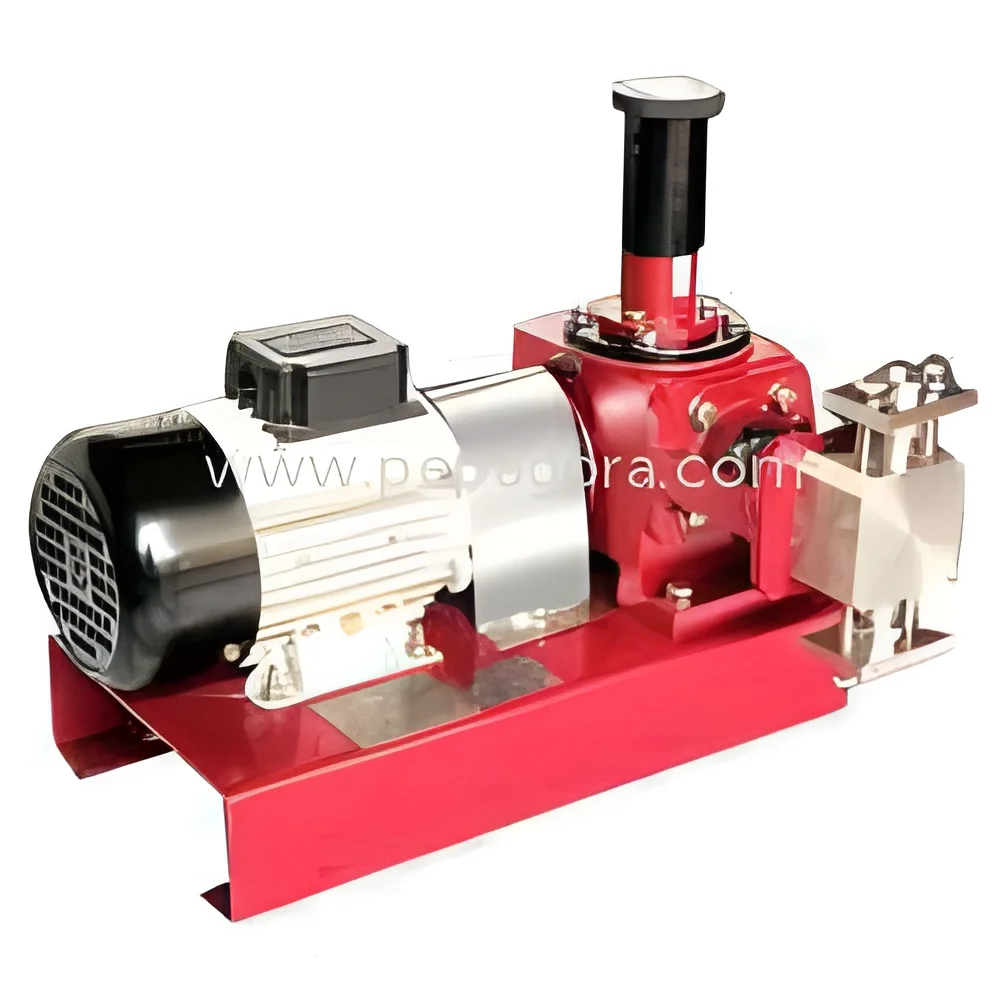
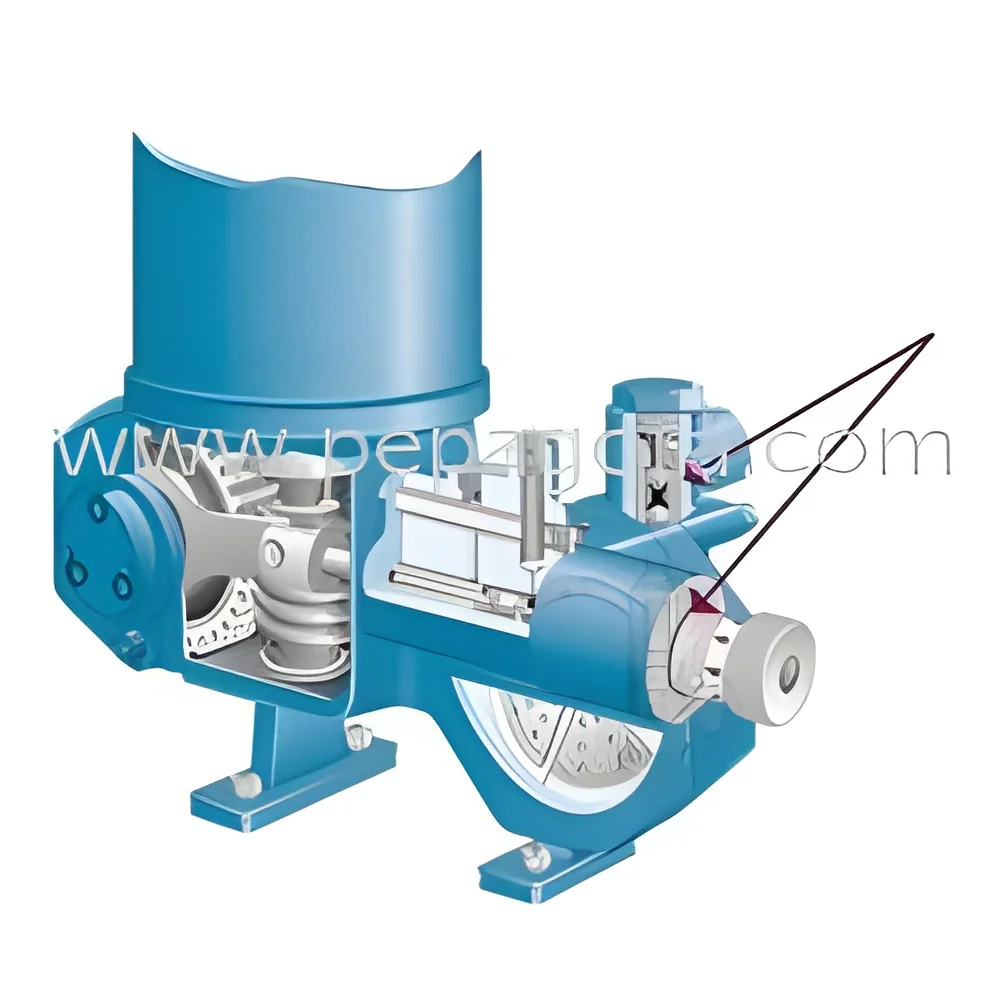
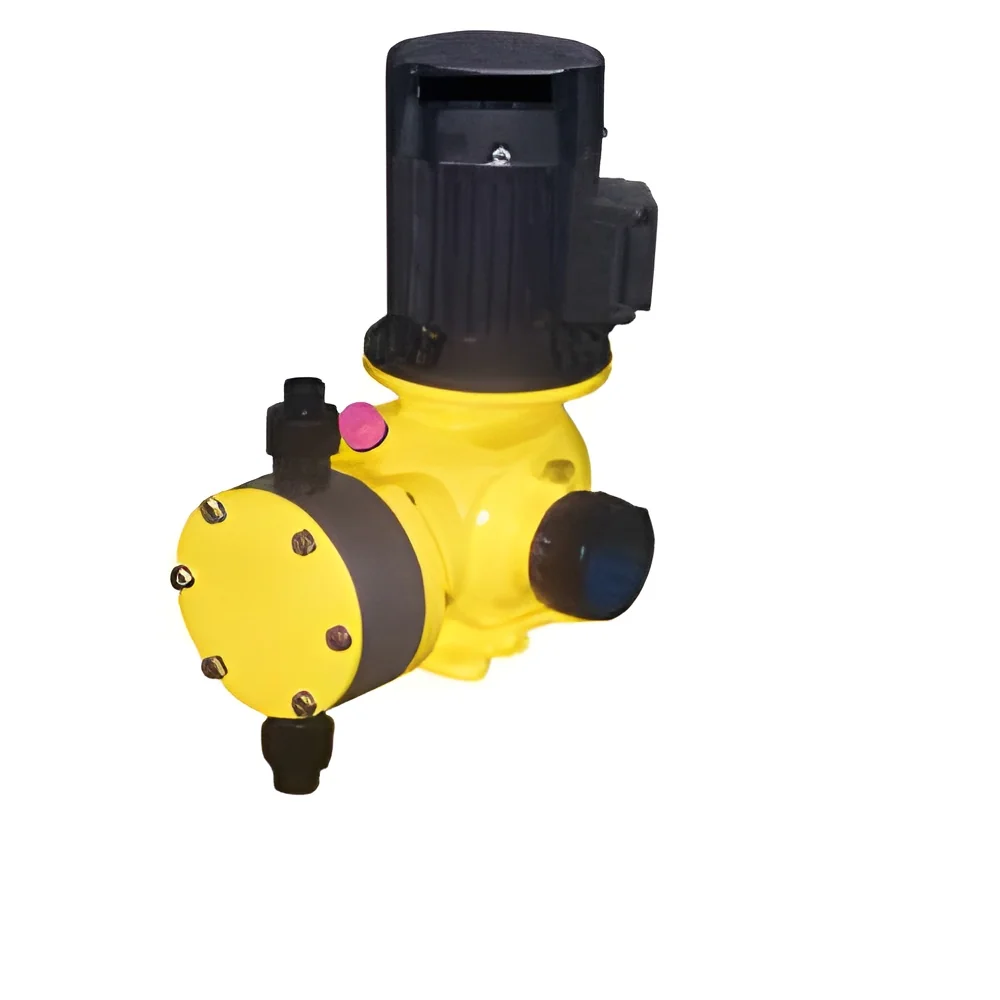
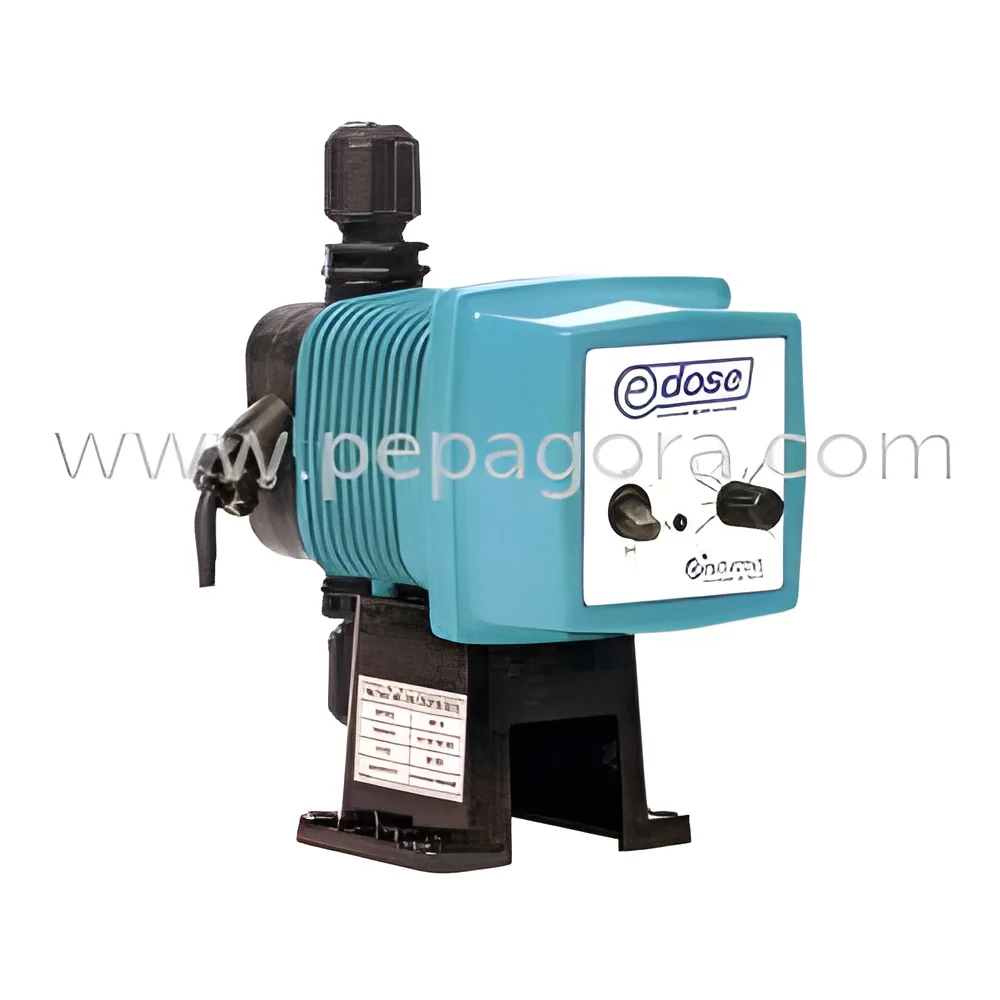
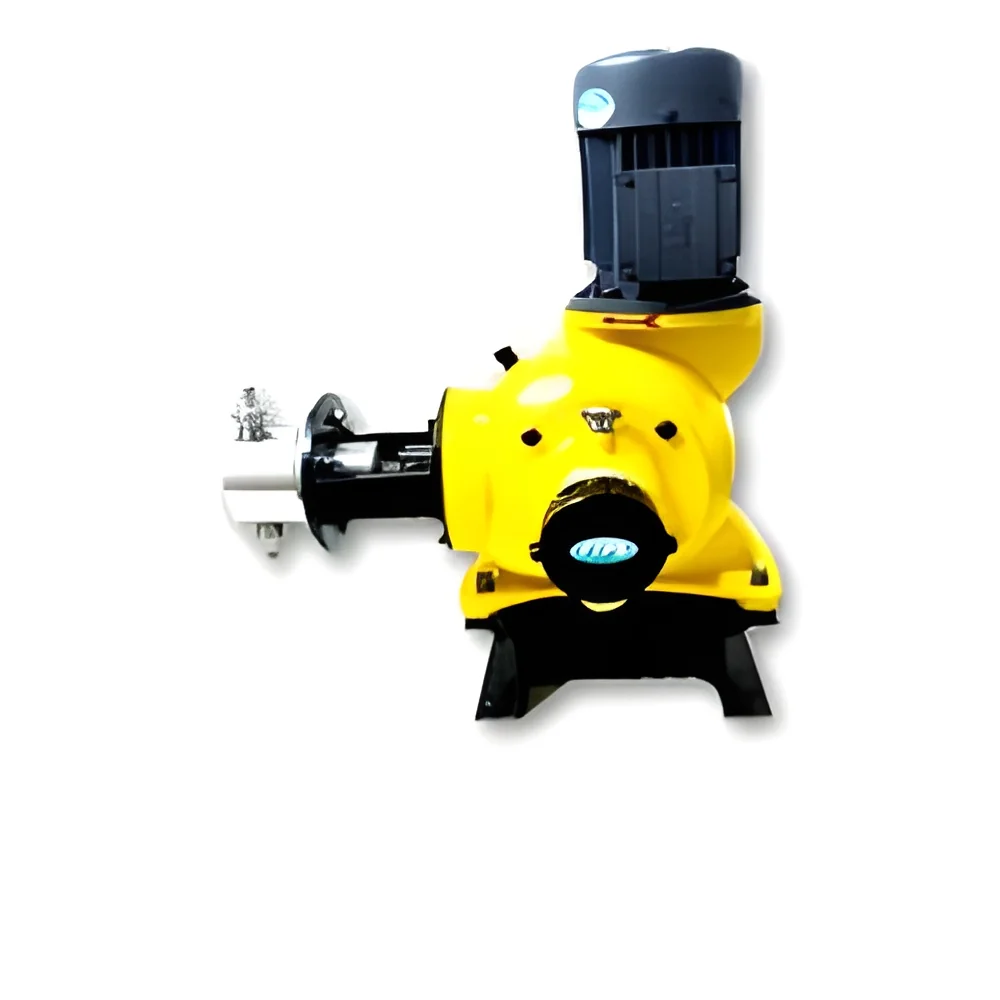
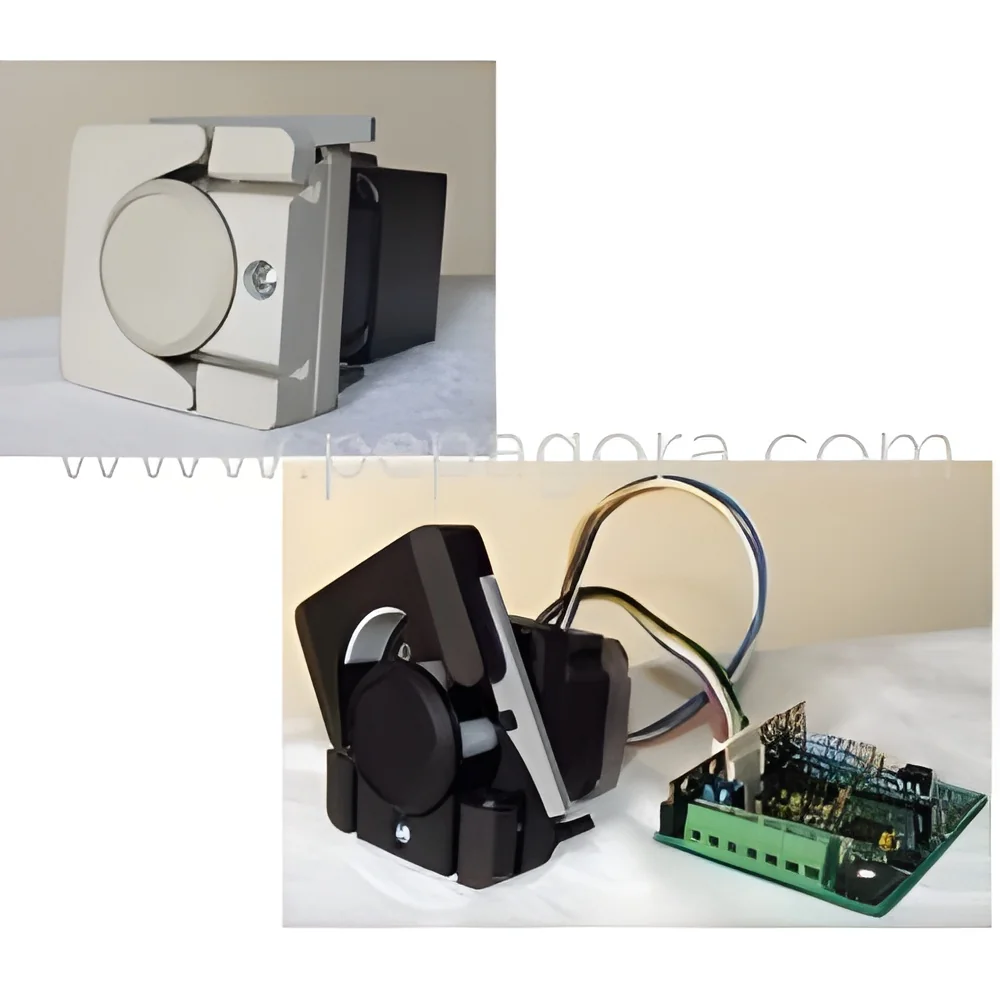
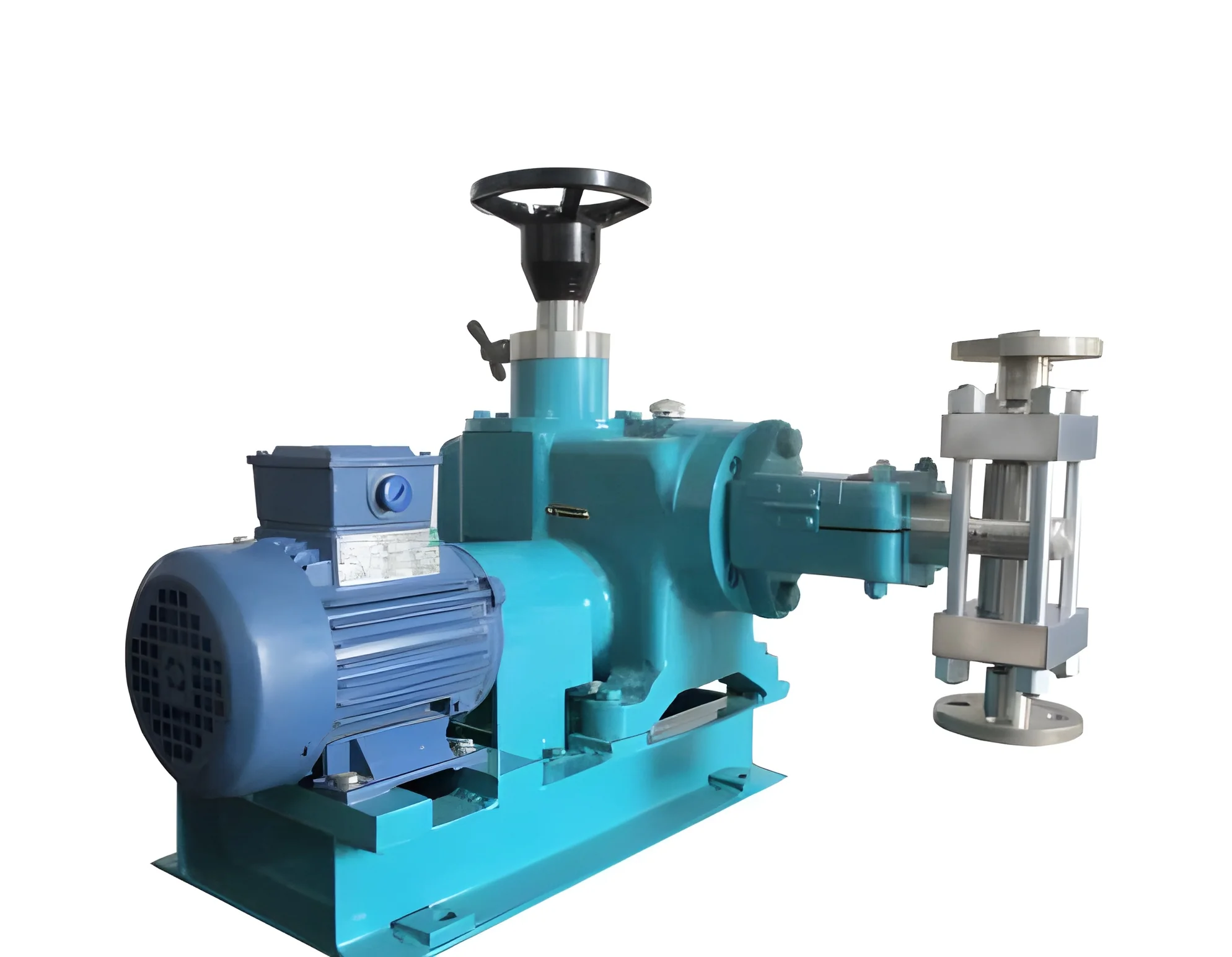
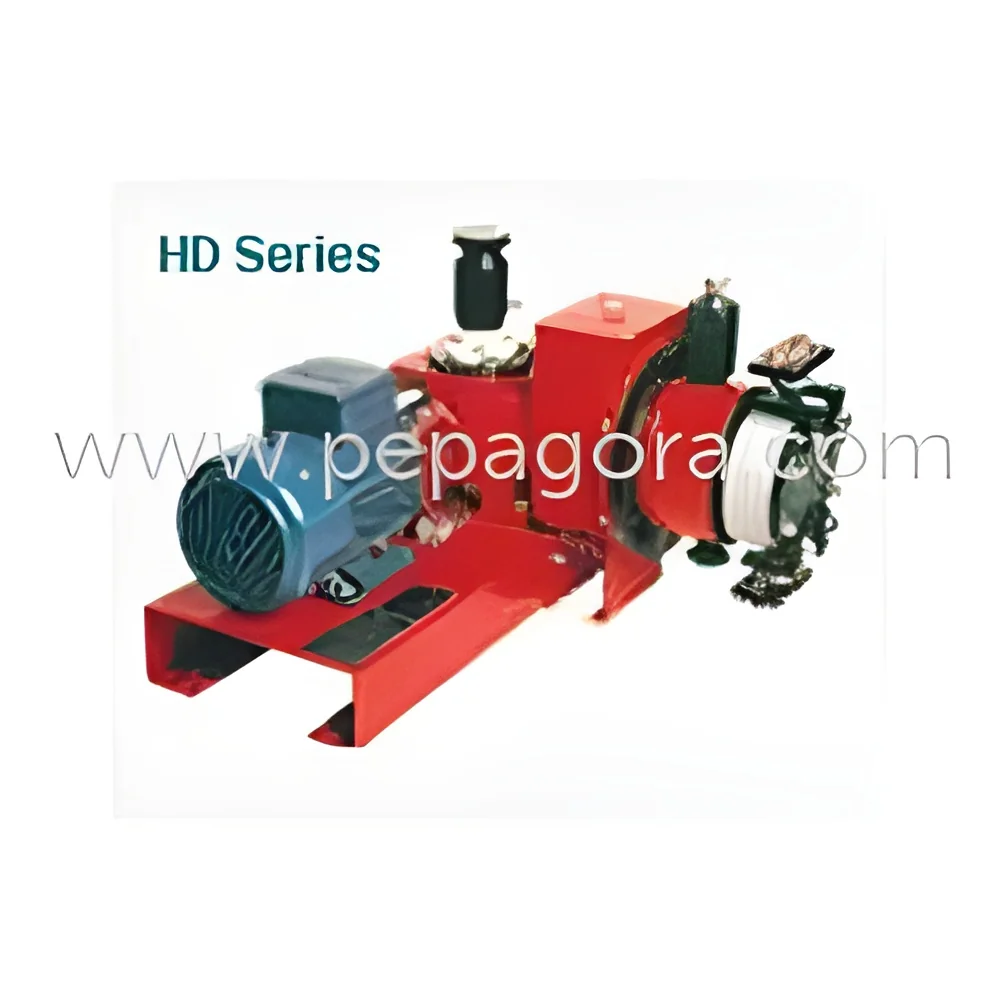
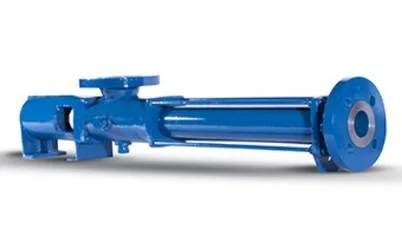
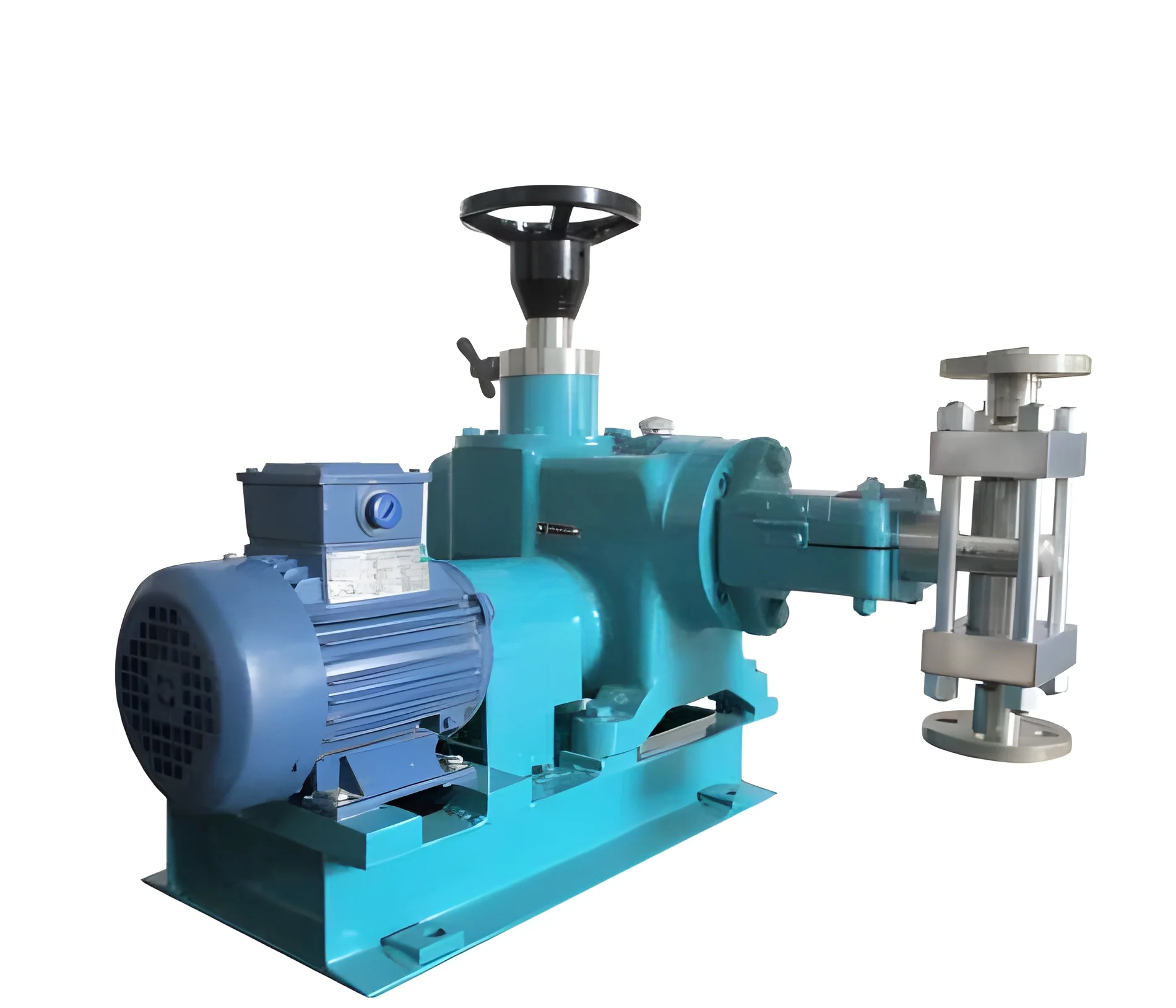
What are Chemical Dosing Pumps?
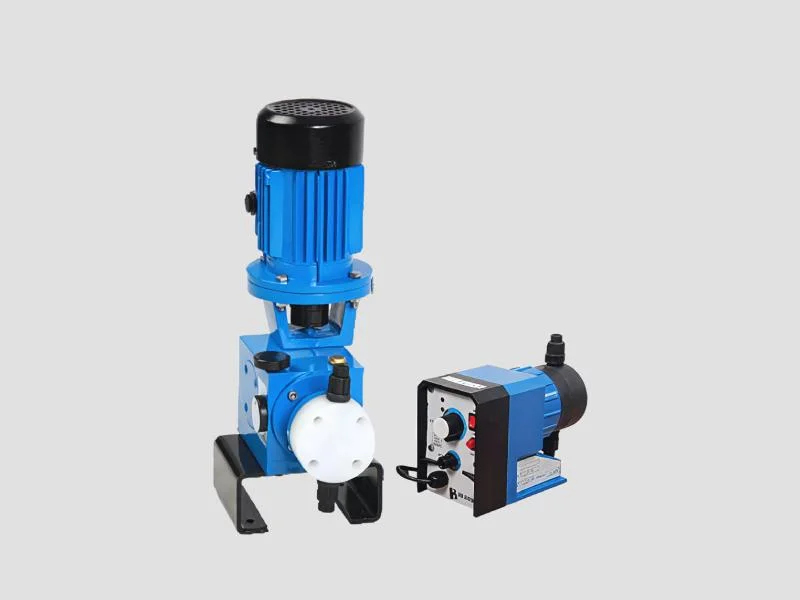
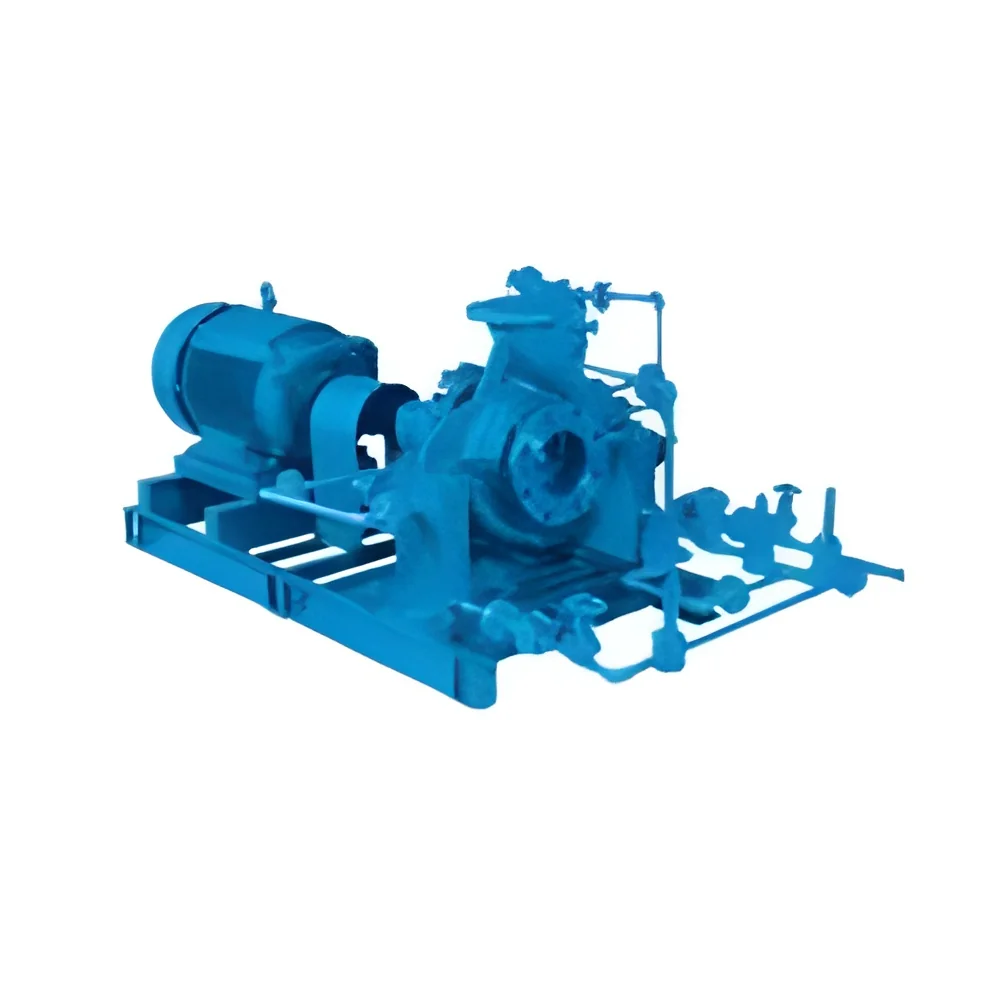
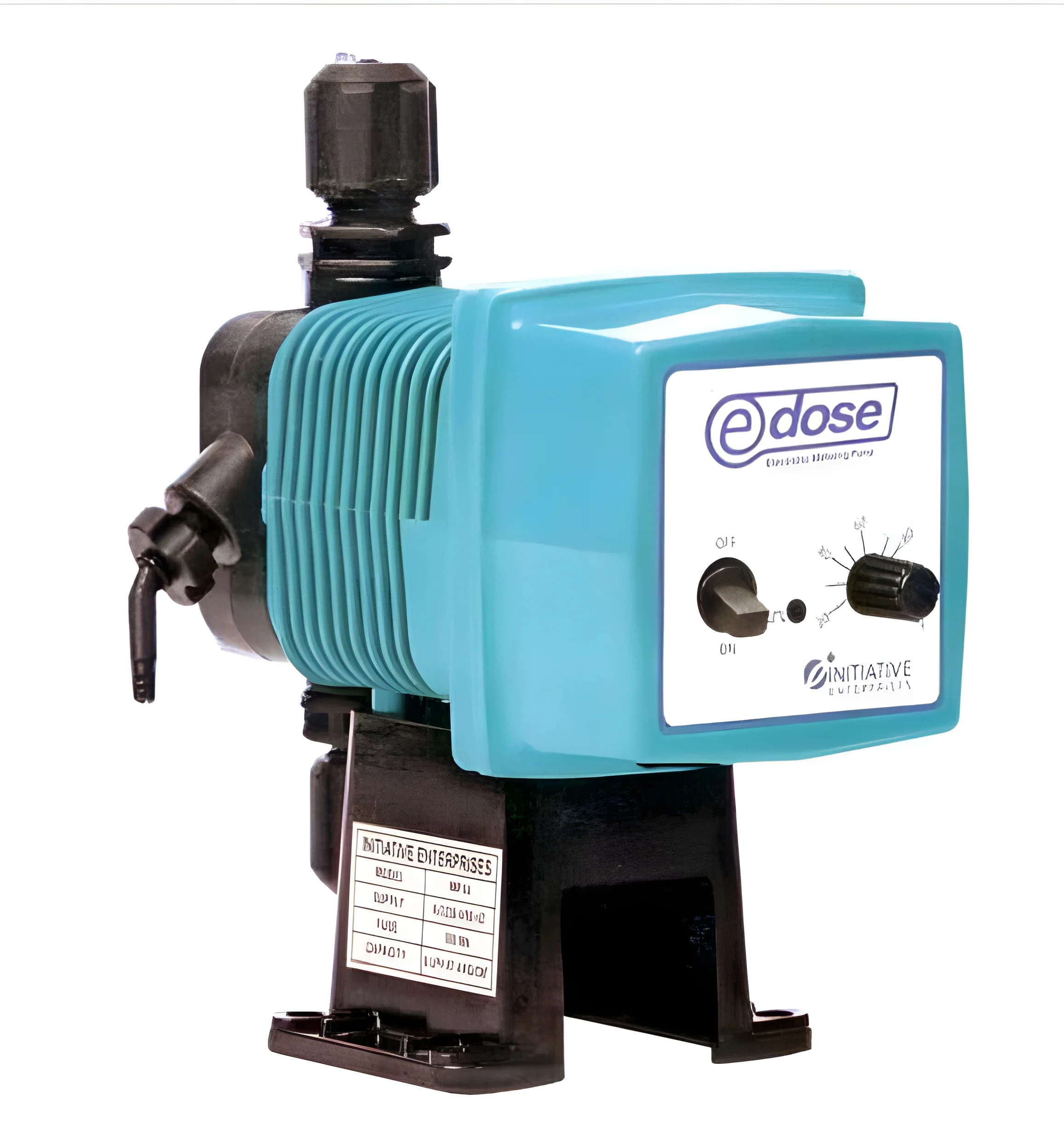
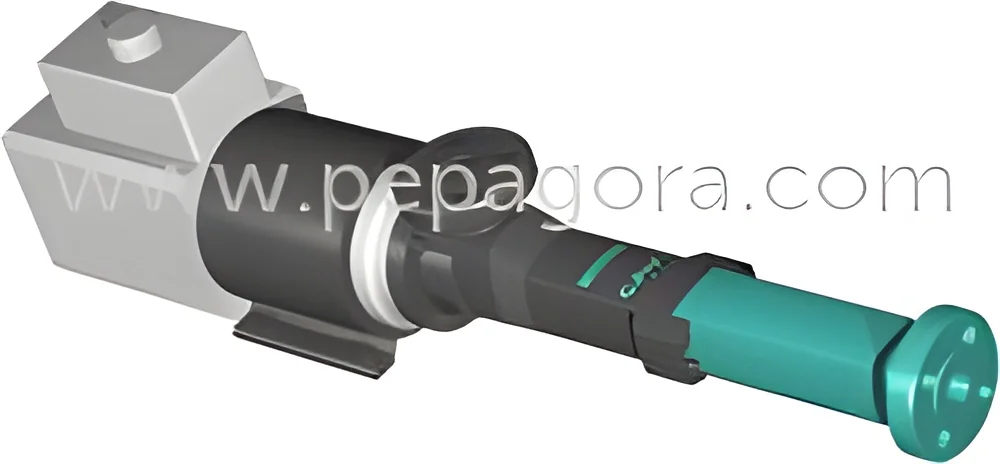
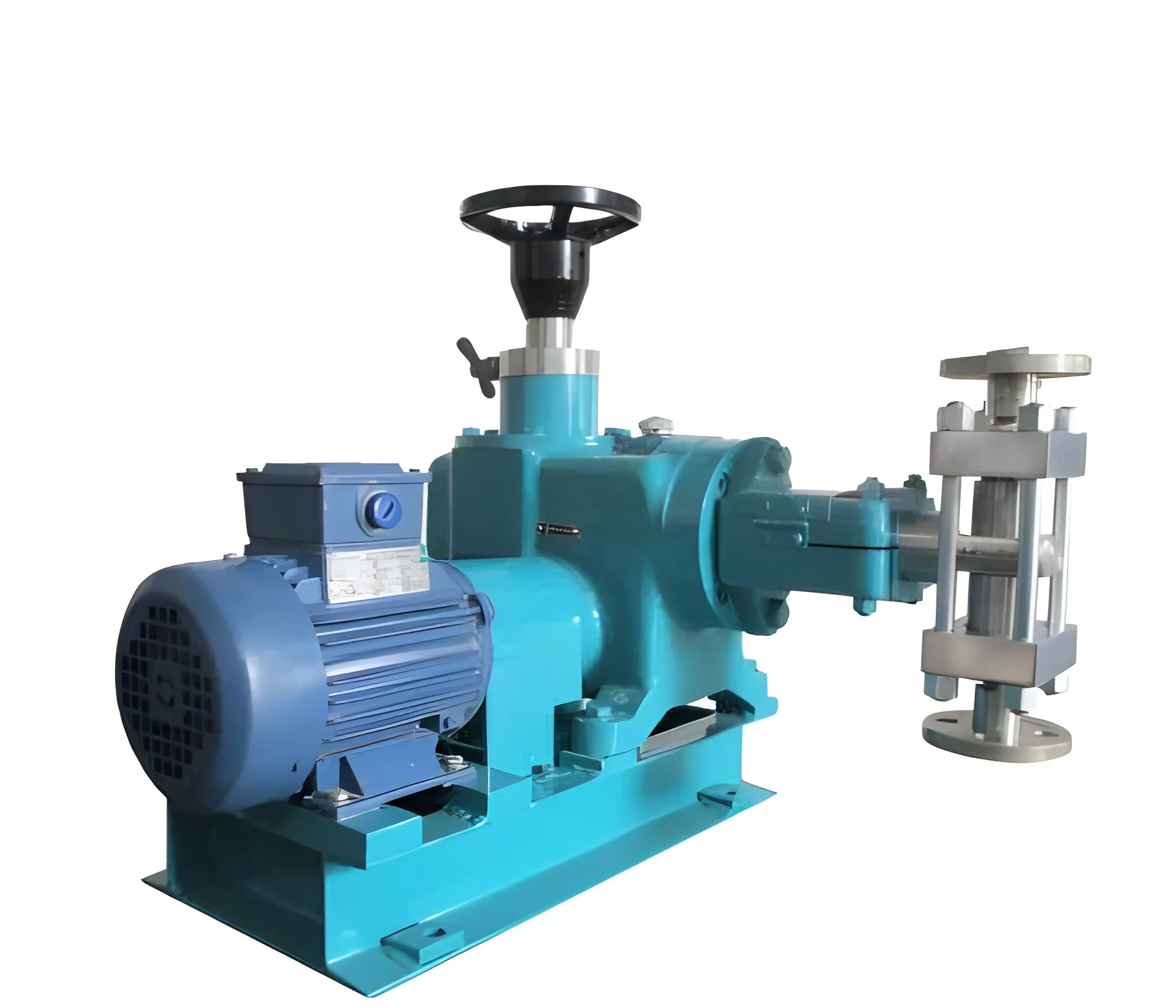
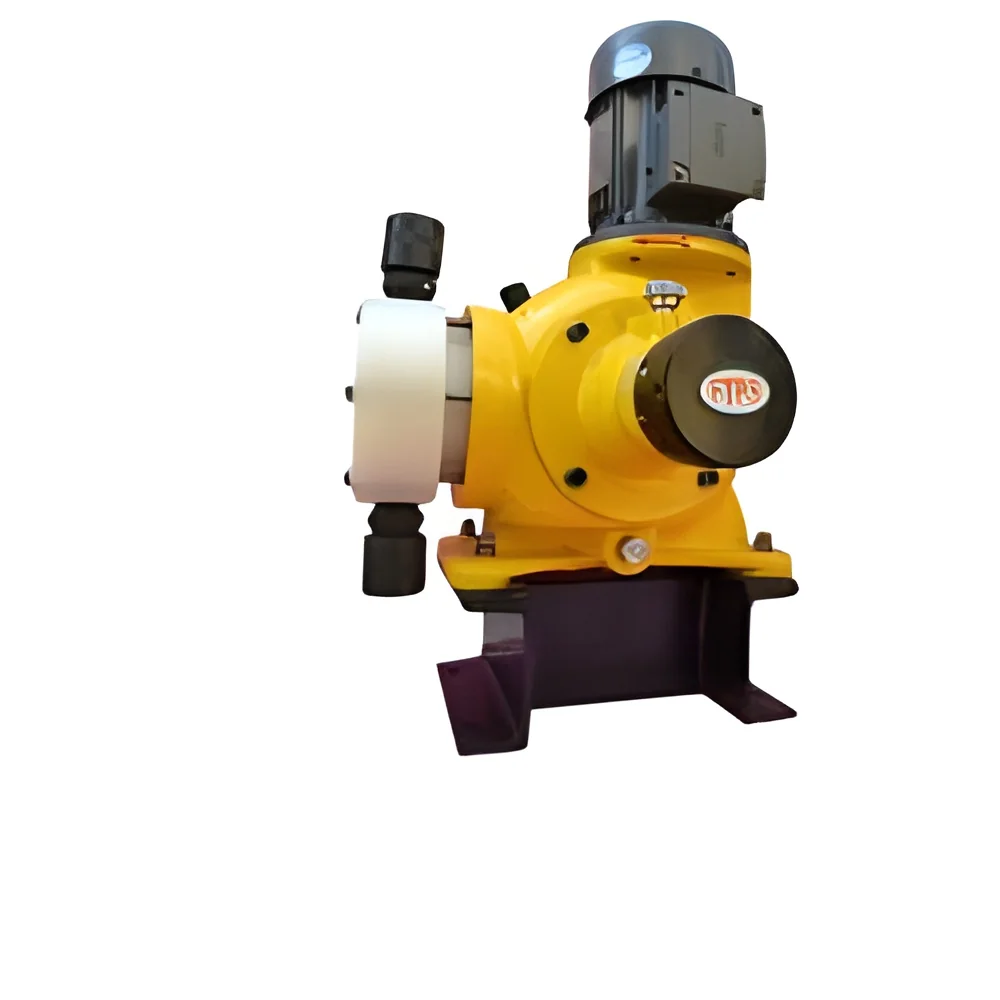
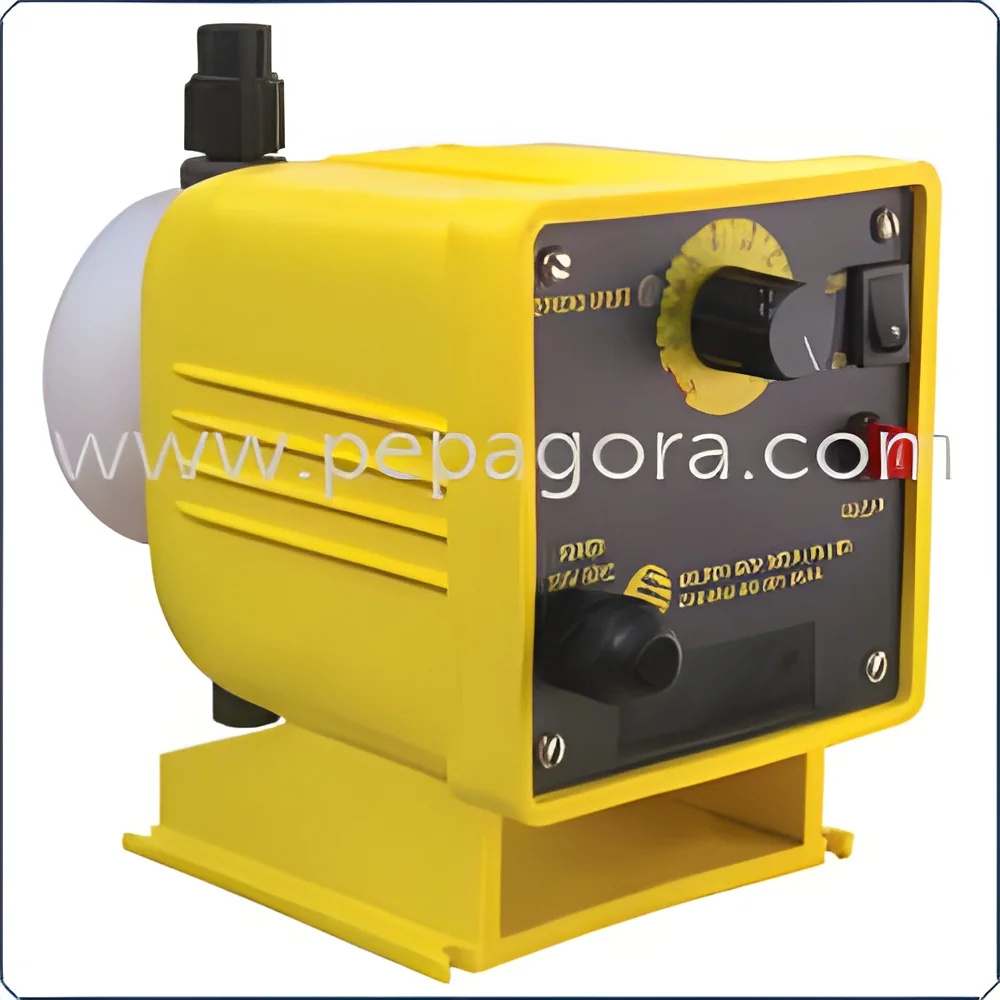
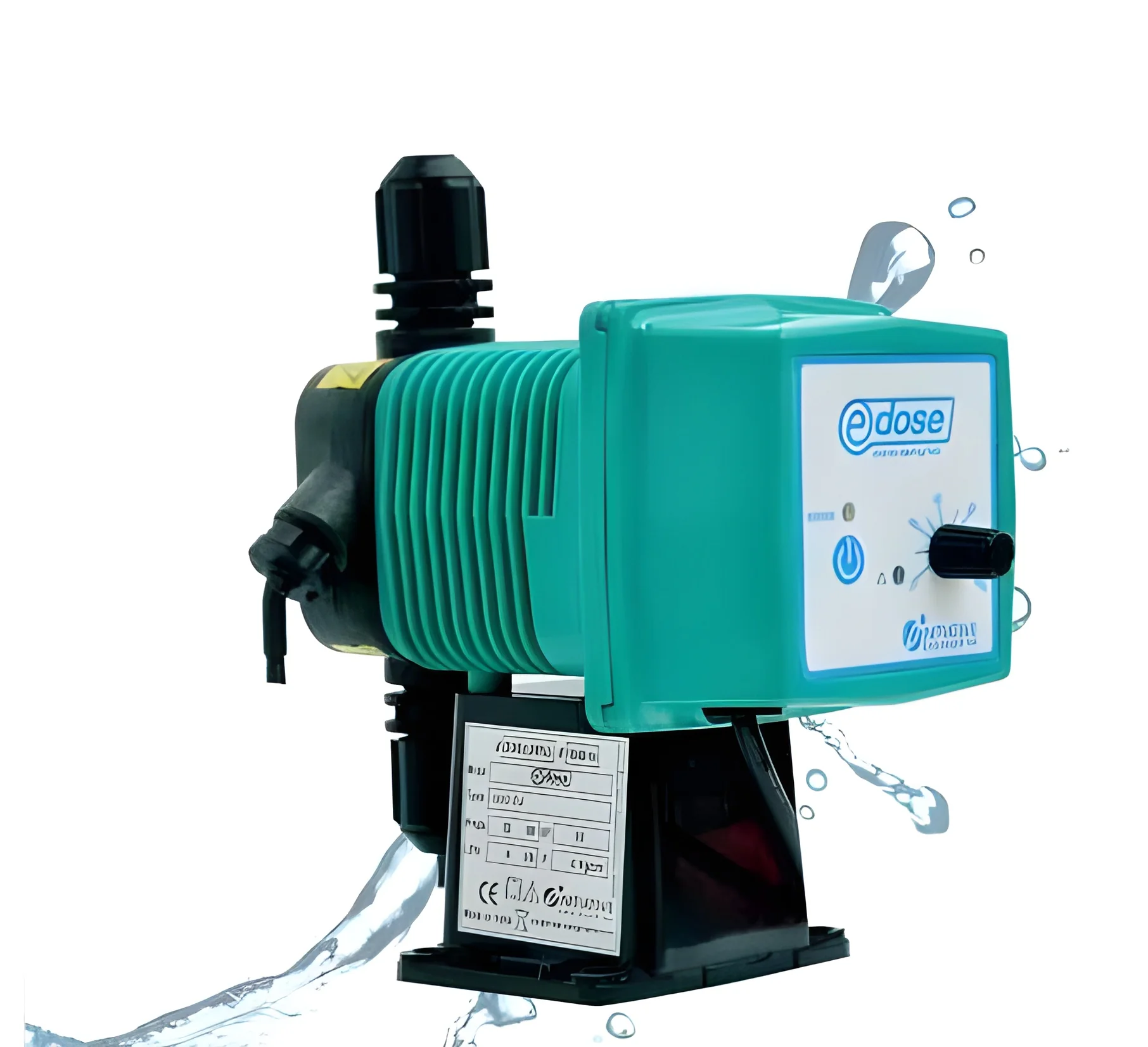
Chemical dosing pumps are specialized devices designed to accurately deliver precise amounts of chemicals into a processing system. They typically utilize positive displacement mechanisms to ensure consistent flow rates and reliability. These pumps can handle various fluids, including corrosive and viscous chemicals, making them essential in many industrial applications.
The primary use of chemical dosing pumps spans across industries such as water treatment, food and beverage, pharmaceuticals, and chemical manufacturing. In water treatment facilities, for instance, they are used to introduce disinfectants and coagulants. In the food industry, they help in the precise addition of ingredients and preservatives. The versatility of these pumps makes them vital in processes where precise chemical application is necessary to ensure product quality and safety.
The market for chemical dosing pumps is steadily growing, driven by increasing demands for automation and precision in industrial processes. As industries face stricter regulations and standards for chemical handling, the need for reliable dosing systems has become more critical. This growth presents opportunities for manufacturers and suppliers to innovate and improve the efficiency and safety of chemical dosing solutions.
Key Features and Specifications
Chemical dosing pumps come with various features that enhance their performance and usability. Understanding these specifications is crucial for selecting the right pump for specific applications.
Key specifications include:
1. Flow Rate
- The amount of fluid a pump can deliver over a specific time period, typically measured in liters per hour (L/h).
- Common ranges vary from a few milliliters to several thousand liters per hour.
2. Pressure Range
- The maximum pressure the pump can handle, measured in bars or psi.
- Pressure ratings can vary widely based on the pump design, ranging from low pressure (1-10 bar) to high pressure (above 40 bar).
3. Material of Construction
- Pumps can be made from various materials to withstand different chemical interactions.
- Common materials include PVC, stainless steel, and polypropylene.
4. Power Supply
- Dosing pumps can be electrically or pneumatically operated.
- Electrical options often require specific voltage ratings, while pneumatic pumps rely on compressed air.
5. Control Options
- Many pumps come with manual or automatic control systems.
- Features may include digital displays and integration with process control systems.
6. Accuracy
- The degree to which a pump can deliver the desired amount of chemical.
- Accuracy is typically expressed as a percentage of deviation from the set point.
7. Size and Weight
- The physical dimensions and weight of the pump, which can influence installation and portability.
- Size varies based on the pump design, with compact models available for space-constrained applications.
8. Certifications
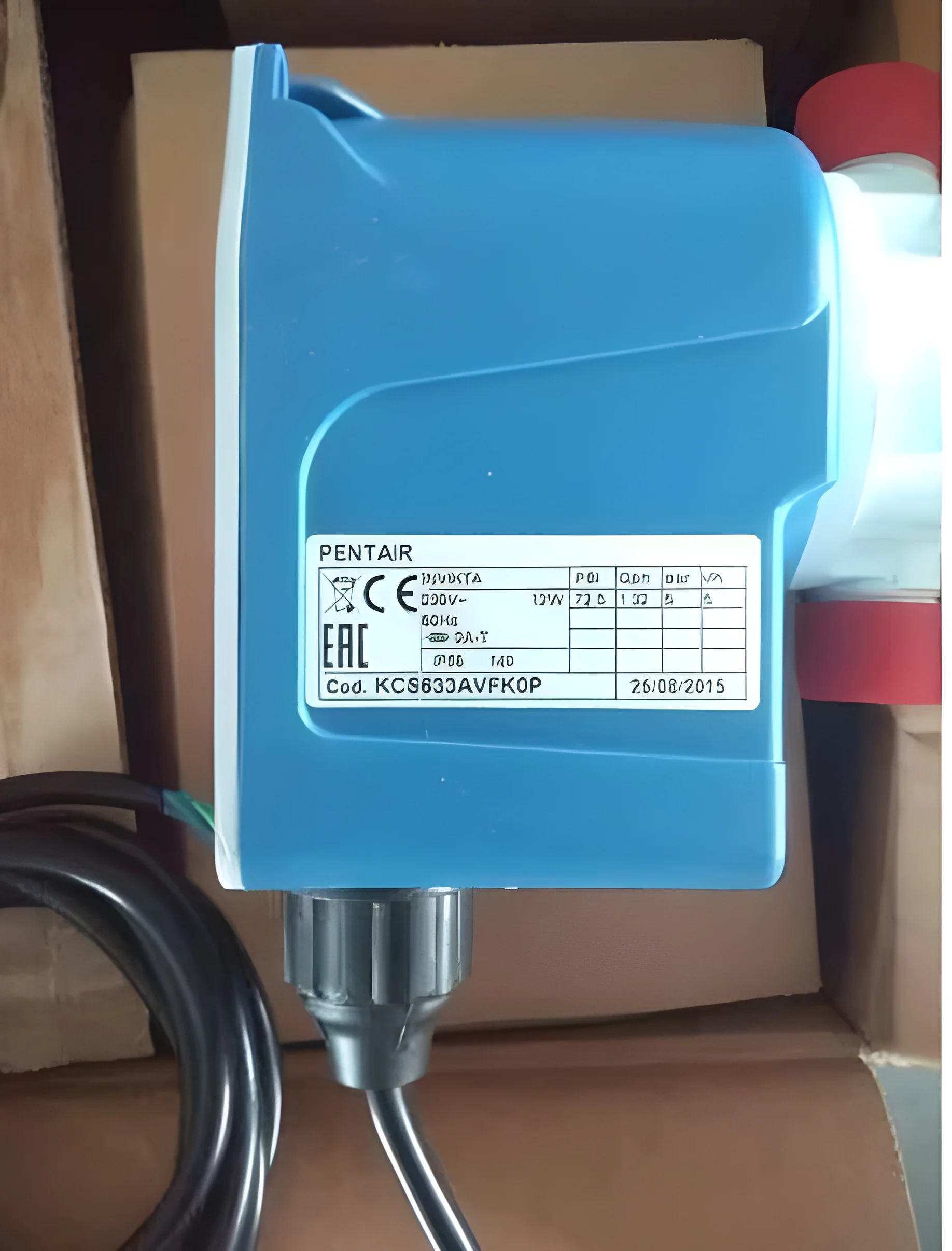
- Many pumps are certified to meet international standards such as CE, ensuring quality and safety.
In summary, understanding the key features and specifications of chemical dosing pumps is essential for making informed purchasing decisions. These specifications directly influence the pump's suitability for specific applications and overall performance.
Common Applications and Use Cases
Chemical dosing pumps find application in various industries due to their precision and reliability.
1. Water Treatment: In this sector, dosing pumps are used to add chemicals like chlorine and flocculants to purify water, ensuring it meets safety standards for consumption.
2. Food and Beverage: These pumps help in the accurate addition of ingredients such as preservatives and flavorings during production processes, maintaining product consistency.
3. Pharmaceuticals: In pharmaceutical manufacturing, dosing pumps are critical for delivering precise amounts of active ingredients in drug formulations, ensuring efficacy and safety.
4. Chemical Manufacturing: Chemical dosing pumps are used to feed raw materials into reactors, allowing for controlled chemical reactions and maintaining product quality.
5. Agriculture: In agriculture, they are employed for the precise application of fertilizers and pesticides, promoting efficient resource use and minimizing environmental impact.
6. Oil and Gas: Dosing pumps in the oil and gas industry handle the injection of chemicals for enhanced oil recovery and pipeline maintenance.
7. Textile Industry: These pumps are used to deliver dyes and chemical treatments, ensuring uniform application across fabrics.
Product Variants and Subcategories
Chemical dosing pumps come in a range of variants to suit different applications. This diversity allows businesses to select pumps that meet their specific operational needs.
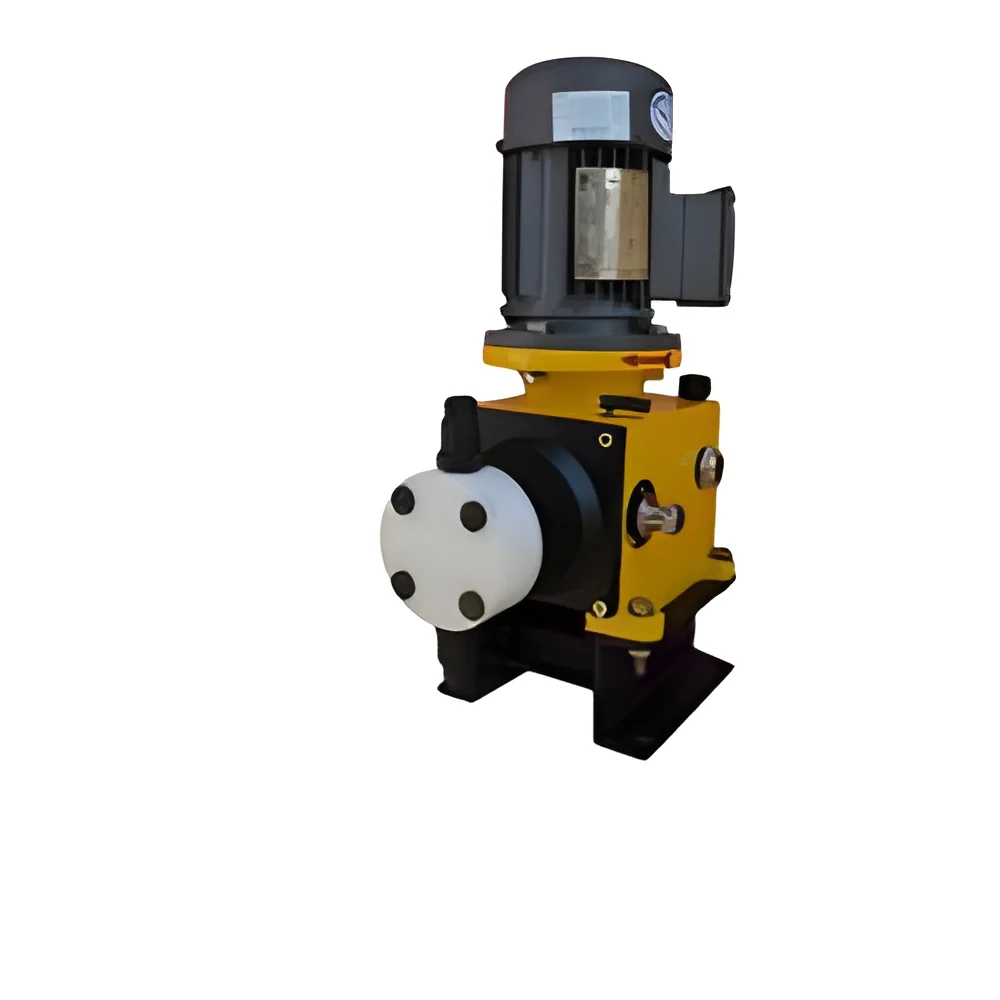
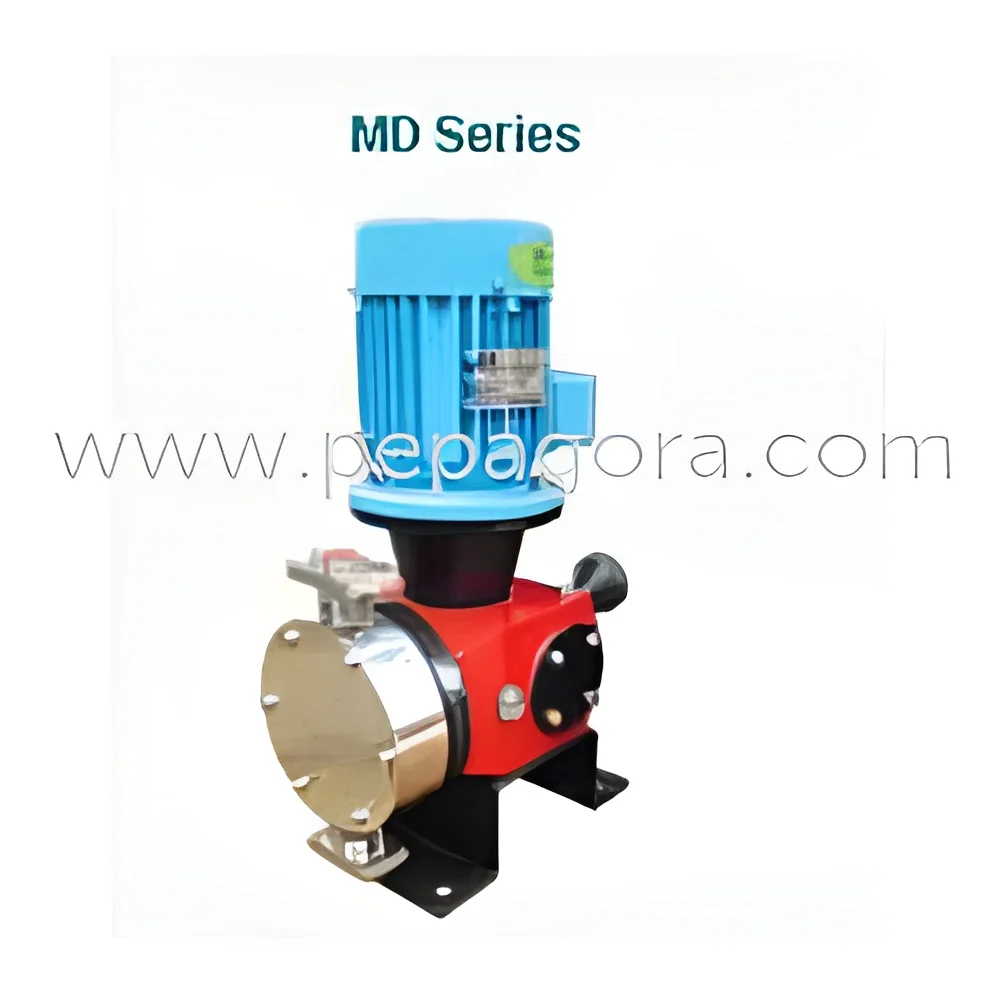
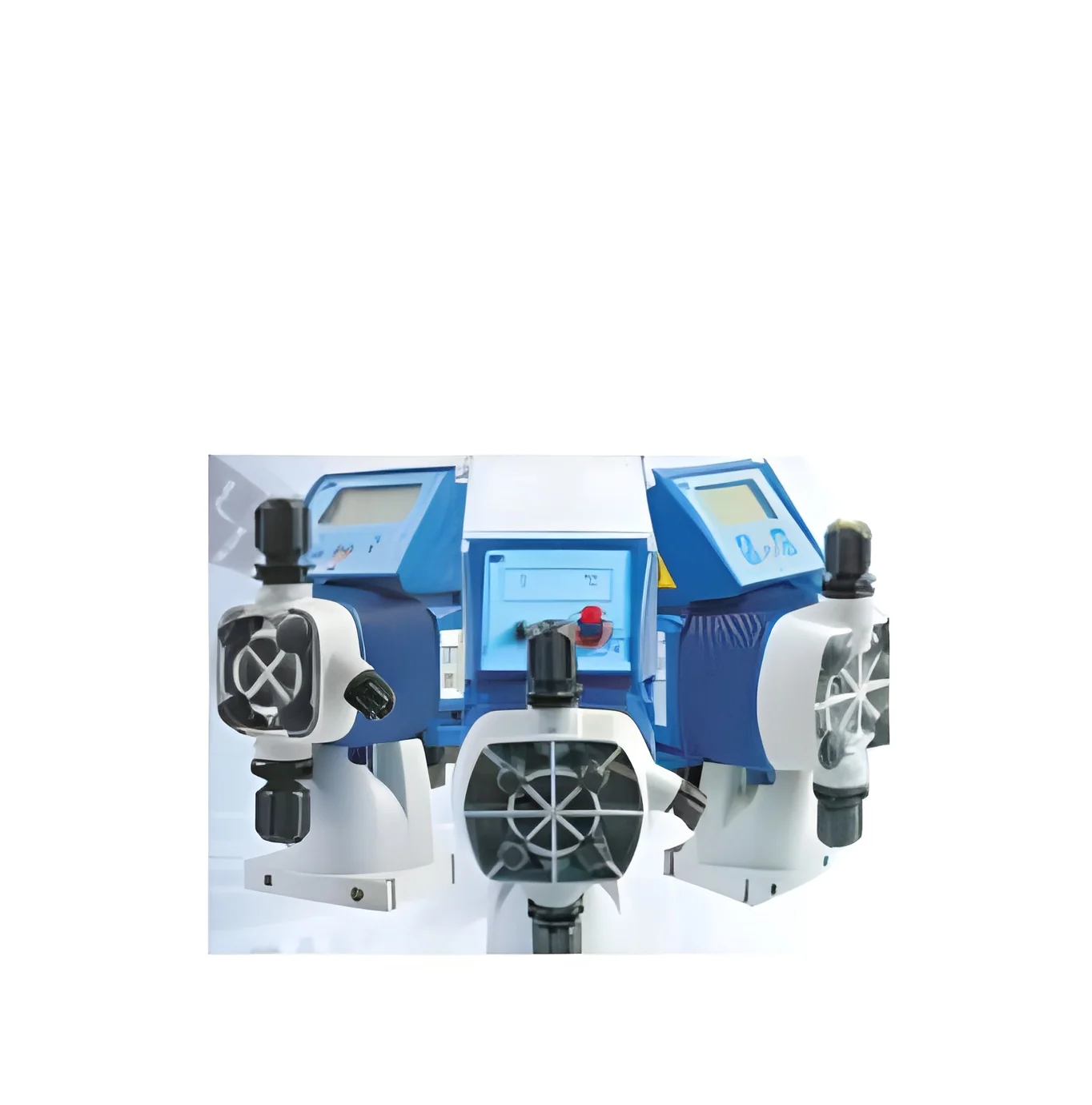
Diaphragm Pumps: These pumps use a diaphragm mechanism to create suction and discharge, making them ideal for handling corrosive chemicals without leakage. They are highly reliable and suitable for various industries.
Peristaltic Pumps: Utilizing a rotating mechanism, these pumps are excellent for delivering shear-sensitive fluids. They are widely used in food and pharmaceutical applications where contamination risk must be minimized.
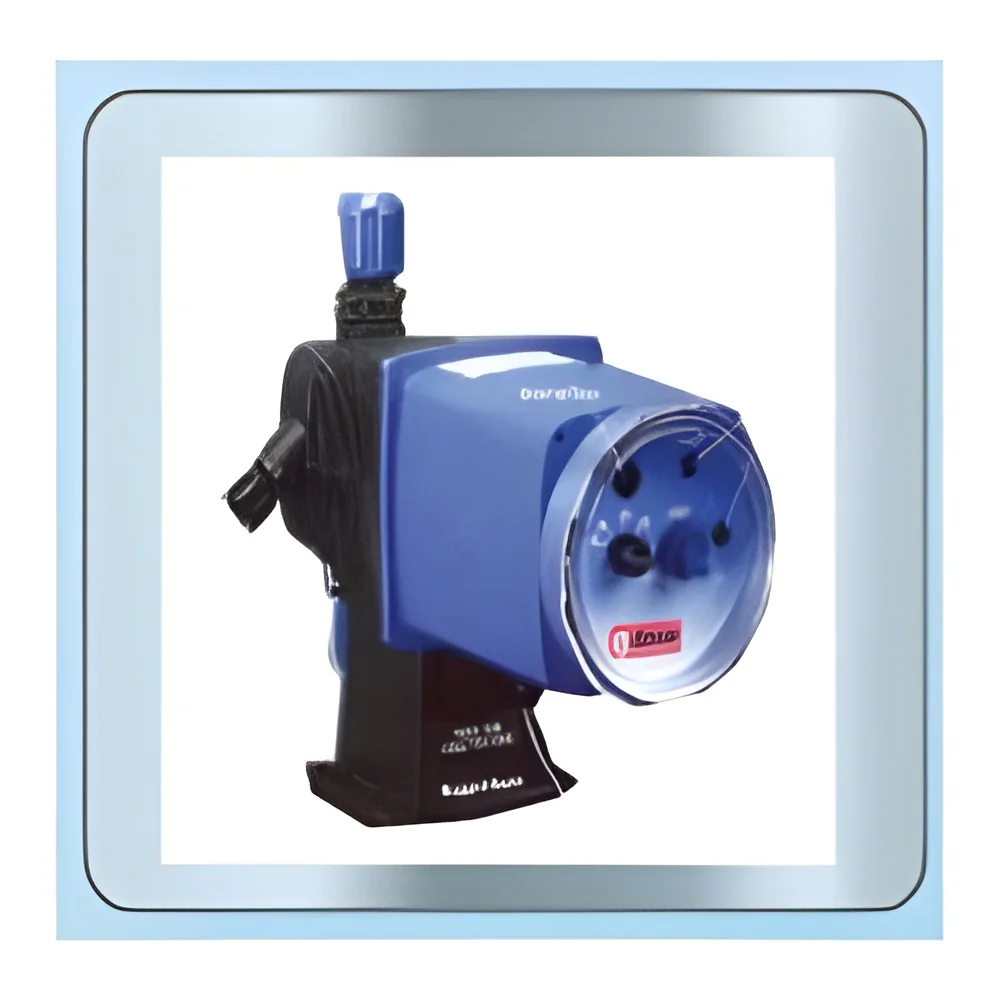
Electromagnetic Pumps: Known for their precise dosing capabilities, these pumps are often used in laboratory settings and for applications requiring high accuracy.
Gear Pumps: Suitable for viscous fluids, gear pumps provide a continuous flow and are often used in chemical processing industries.
Benefits and Advantages
Chemical dosing pumps offer numerous advantages that contribute to operational efficiency and safety in industrial processes.
1. Precision: These pumps ensure accurate dosing, reducing waste and improving product quality.
2. Versatility: They can handle a wide range of chemicals, making them suitable for various applications across different industries.
3. Reliability: High-quality dosing pumps are built to perform consistently under demanding conditions, minimizing downtime.
4. Automation Compatibility: Many models can be integrated with automated systems, enhancing process control and monitoring.
5. Safety: Designed with safety features, these pumps minimize the risk of chemical spills and exposure, protecting workers and the environment.
6. Cost-Effectiveness: By reducing chemical waste and optimizing usage, dosing pumps can lead to significant cost savings over time.
Buying Guide for B2B Buyers
When sourcing chemical dosing pumps, it is essential for B2B buyers to consider several factors to ensure they select the right equipment for their needs.
1. Quality Assessment: Evaluate the pump's performance through certifications and user reviews. Look for established brands known for reliability and durability.
2. Supplier Verification: Vet potential suppliers by checking their credentials, past client references, and compliance with industry standards to ensure they can deliver quality products.
3. Pricing and MOQ: Understand the market pricing and minimum order quantities (MOQ) to align your budget with your purchasing needs. Consider long-term contracts for better pricing.
4. Delivery and Lead Times: Discuss logistics to ensure timely delivery. Factor in lead times when planning your operations to avoid disruptions.
5. Compliance Requirements: Ensure the pumps meet all relevant regulations and industry standards, including safety and environmental compliance.
Compliance and Certifications
Compliance with industry standards is critical for chemical dosing pumps to ensure safety and quality. Key standards include ISO 9001, which establishes quality management principles, and HACCP, focusing on food safety management.
Many chemical dosing pumps also carry CE certification, indicating they meet European safety, health, and environmental protection standards. This certification is essential for products sold in European markets.
Safety and testing requirements are paramount in ensuring that pumps operate effectively without risk. Regular testing and adherence to safety protocols help mitigate potential hazards associated with chemical handling.
Regional compliance considerations may vary, so it is crucial for manufacturers and suppliers to be aware of local regulations in the markets they serve, ensuring that their products are compliant and safe for use.
Why Source Chemical Dosing Pumps from Pepagora?
Pepagora provides a trusted platform for sourcing chemical dosing pumps, offering several key advantages to B2B buyers.
Verified Supplier Network: Pepagora connects buyers with a network of verified suppliers who have been thoroughly vetted for quality and reliability. This ensures that buyers receive high-quality products that meet their specifications.
Streamlined RFQ Process: The platform features an efficient request-for-quotation (RFQ) process, simplifying the way buyers can obtain competitive pricing and tailored solutions from suppliers. This efficiency saves time and enhances procurement processes.
Trade Assurance and Support: Pepagora offers trade assurance, providing buyers with protection against potential risks associated with international transactions. Additionally, customer support is readily available to assist with any inquiries or issues.
Regional Coverage: With a strong presence in India, the GCC, and Southeast Asia, Pepagora facilitates access to chemical dosing pumps across diverse markets. This regional coverage helps buyers find local suppliers and reduces shipping times and costs.
By sourcing through Pepagora, businesses can enhance their procurement strategies while ensuring they receive top-notch chemical dosing pumps tailored to their operational requirements.

 IN
IN