
 IN
Disc Filters
10 products available
What are Disc Filters?
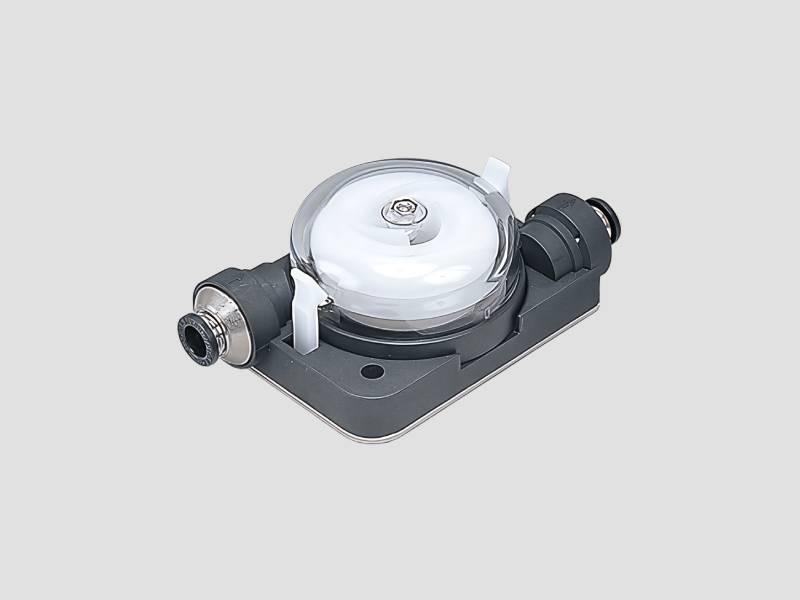
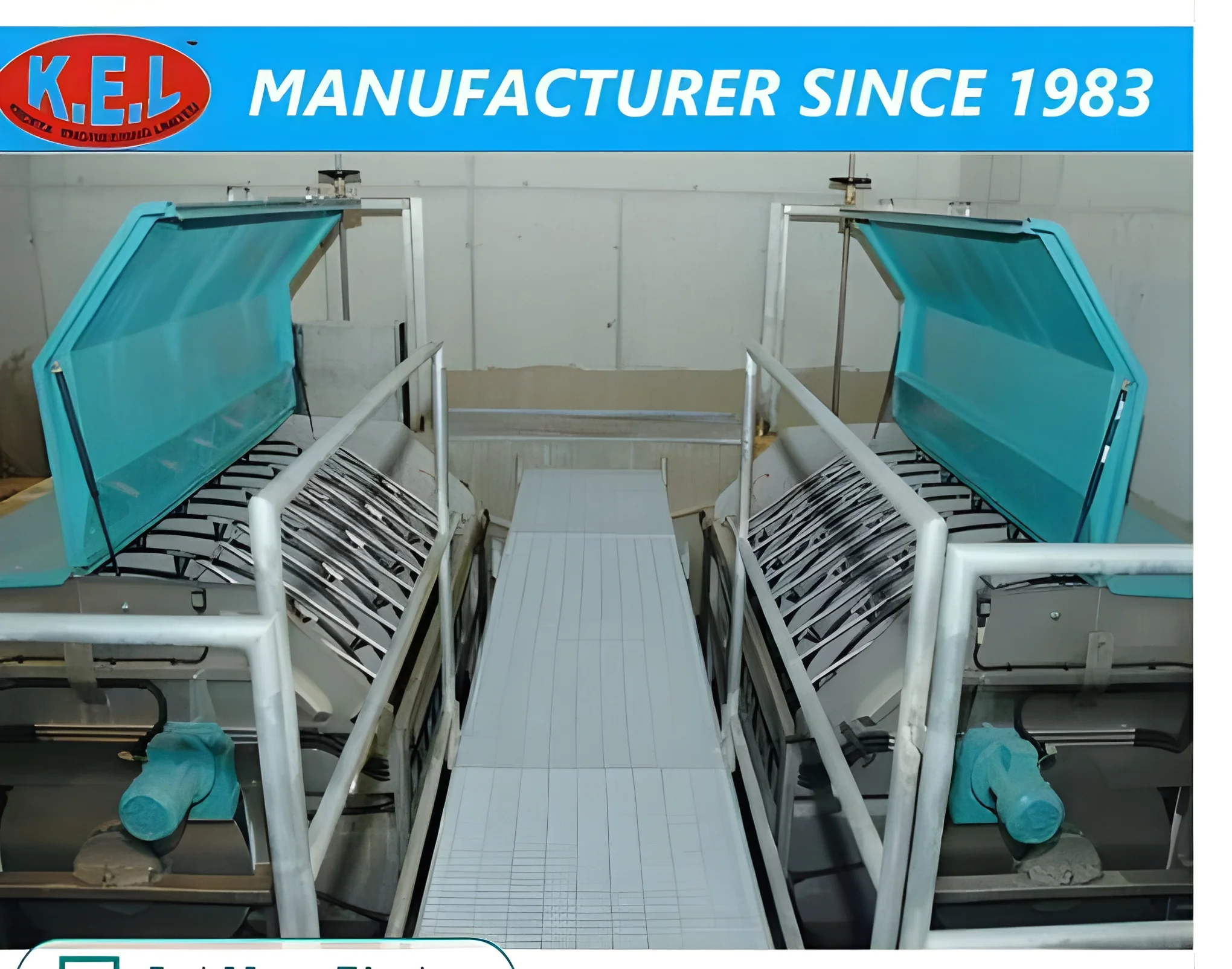
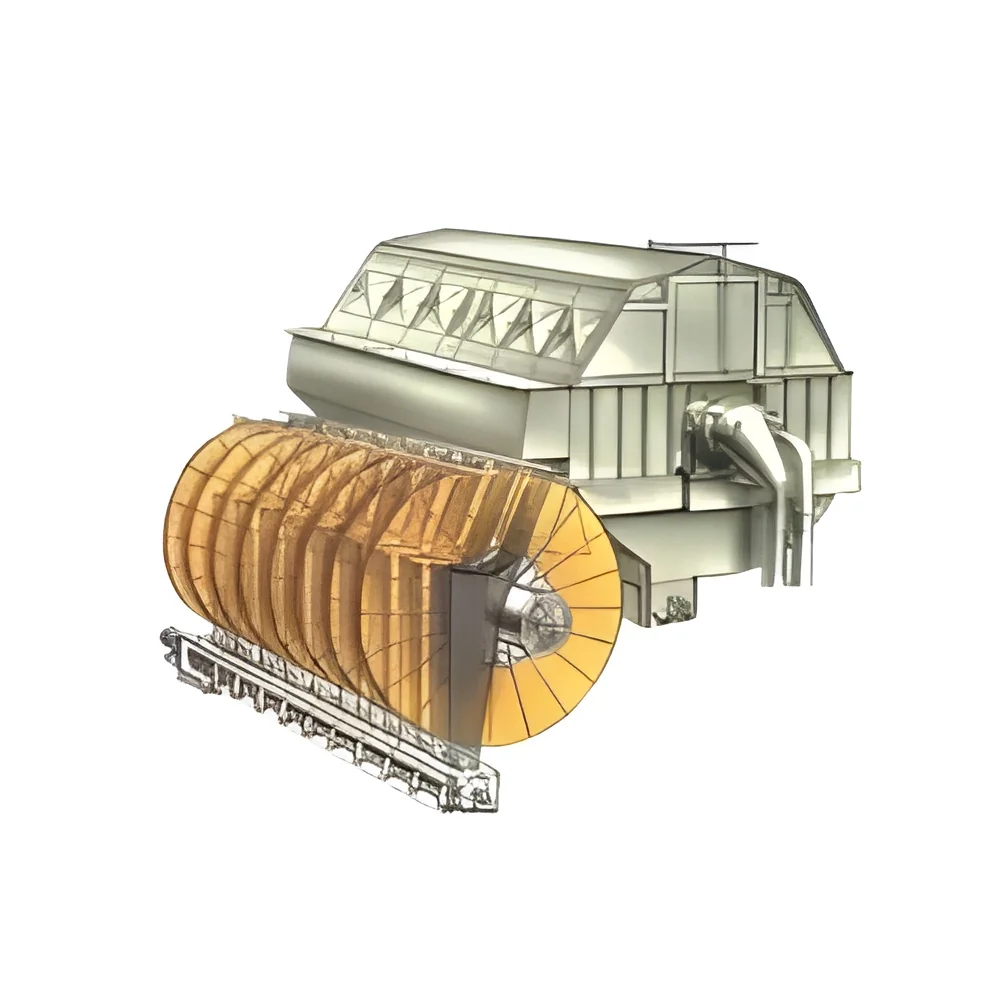
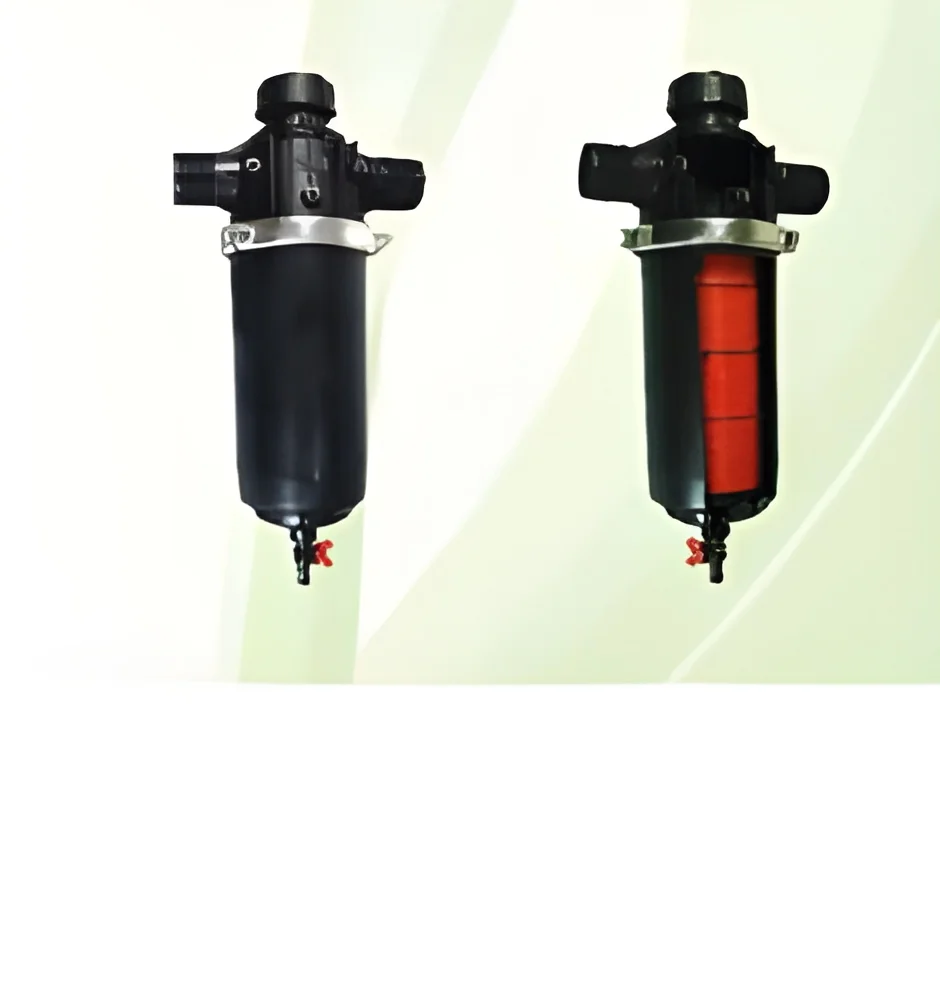
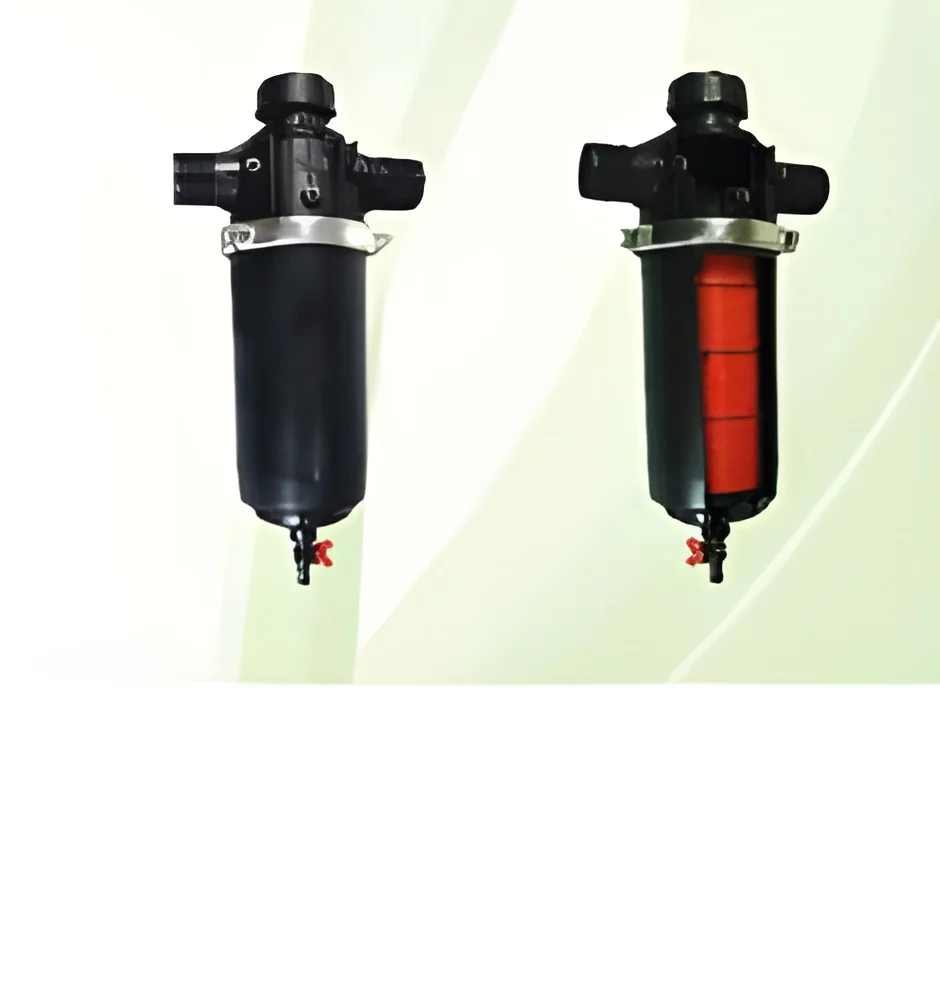
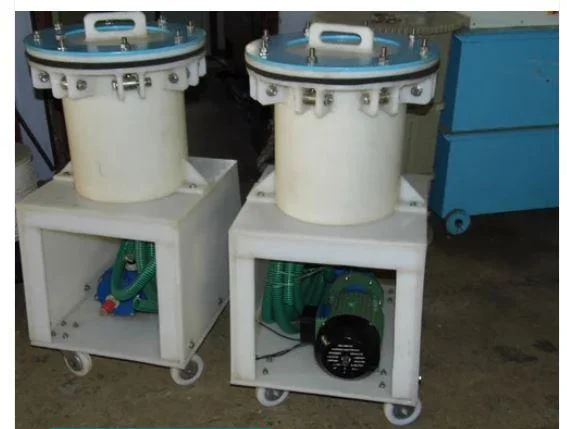
Disc filters are specialized filtration devices designed to remove contaminants from liquids. They employ a series of disc-shaped filter elements that create a significant surface area for effective filtration. The discs are typically made from materials like plastic or metal and are arranged in a way that allows for efficient flow while capturing particles of varying sizes. The design of disc filters makes them ideal for applications requiring high flow rates and minimal maintenance.
Disc filters are primarily used in industries such as agriculture, wastewater treatment, and industrial processes. In agriculture, they are commonly employed to filter irrigation water, ensuring that systems remain free of debris that could clog emitters. In wastewater treatment, disc filters help in removing solids from effluents before discharge or further processing. Given their versatility, disc filters are relevant across multiple sectors, providing effective solutions for maintaining fluid clarity and protecting downstream equipment.
Key Features and Specifications
Disc filters offer a range of features tailored to various industrial applications. Their design and technology contribute to their efficiency and reliability in filtration processes. Understanding the specifications is essential for selecting the right disc filter for your needs.
Key specifications include:
1. Filtration Area
- The total surface area available for filtration
- Typically ranges from 0.5 to several square meters depending on the model
2. Filtration Rating
- The size of particles that can be effectively filtered
- Common ratings are between 10 to 200 microns
3. Operating Pressure
- The pressure range within which the filter can operate
- Usually between 2 to 10 bar
4. Flow Rate
- The volume of liquid that can pass through the filter per unit time
- Ranges from a few liters per minute to several cubic meters per hour
5. Material of Construction
- The materials used for the filter body and discs
- Options include polypropylene, stainless steel, and other corrosion-resistant materials
6. Maintenance Requirements
- The frequency and ease of cleaning the filter
- Designed for either manual or automatic cleaning systems
7. Size and Dimensions
- Physical dimensions of the filter unit
- Varies based on the model and intended application
8. Connection Type
- The type of inlet and outlet connections for integration into systems
- Options include flanged, threaded, and quick-connect fittings
In summary, understanding these specifications will help businesses select the right disc filter to meet their operational requirements.
Common Applications and Use Cases
Disc filters find applications across various industries due to their efficiency and versatility. They are essential in maintaining fluid quality and protecting equipment.
1. Agriculture: Disc filters are used in irrigation systems to filter water, preventing clogging of emitters and ensuring optimal water delivery to crops.
2. Wastewater Treatment: In municipal and industrial plants, disc filters help remove solids from wastewater, improving the quality of effluents before discharge.
3. Chemical Processing: Disc filters are utilized to purify chemical solutions, ensuring that contaminants do not interfere with production processes.
4. Food and Beverage: These filters are employed to clarify liquids such as juices and oils, ensuring product quality and safety.
5. Mining: Disc filters are used in mineral processing to separate solids from slurries, aiding in the recovery of valuable resources.
6. Cooling Systems: In industrial cooling applications, disc filters help remove debris from water, protecting pumps and heat exchangers.
7. Marine Applications: Disc filters are used in ballast water treatment systems to ensure compliance with environmental regulations.
Product Variants and Subcategories
Disc filters come in various configurations to meet specific industry needs. This diversity allows businesses to choose options that best suit their applications.
Standard Disc Filter
This variant is designed for general-purpose filtration, suitable for agricultural and industrial applications. It features a robust design and is easy to maintain.
Automatic Cleaning Disc Filter
This variant includes an automatic backwashing feature, which reduces maintenance time. It is ideal for applications where continuous operation is necessary.
High-Flow Disc Filter
Designed for applications requiring large flow rates, this variant can handle significant volumes of liquid while maintaining effective filtration efficiency.
Benefits and Advantages
Selecting disc filters offers several advantages that can enhance operational efficiency and product quality.
1. High Efficiency: Disc filters provide a large filtration area, allowing for high flow rates while effectively capturing contaminants.
2. Reduced Maintenance: Many models feature automatic cleaning systems, minimizing downtime and maintenance efforts.
3. Versatile Applications: Disc filters can be used across various industries, making them a flexible solution for different filtration needs.
4. Cost-Effective: Their durability and efficiency lead to lower operational costs over time, representing a smart investment for businesses.
5. Easy Integration: Disc filters are designed with various connection types, making them easy to install in existing systems.
6. Improved Product Quality: By effectively removing impurities, disc filters contribute to higher-quality end products in industries like food and beverage.
Buying Guide for B2B Buyers
When considering the purchase of disc filters, it is essential to evaluate several key factors to ensure the right choice for your business needs.
1. Quality Assessment: Look for filters that meet industry standards and are constructed from durable materials. Quality assurance processes should be in place to guarantee performance.
2. Supplier Verification: Vet potential suppliers by checking their credentials, customer reviews, and certifications. A reliable supplier will have a proven track record in the industry.
3. Pricing and MOQ: Understand the pricing structure and minimum order quantities. Compare quotes from multiple suppliers to ensure competitive pricing.
4. Delivery and Lead Times: Consider logistics and the expected lead times for delivery. Timely delivery is crucial to avoid disruptions in your operations.
5. Compliance Requirements: Ensure that the filters comply with relevant regulations and industry standards, such as CE certification. This is especially important for applications in sensitive industries.
Compliance and Certifications
Disc filters are subject to various quality standards and certifications that ensure their reliability and safety. Common standards include ISO 9001, which focuses on quality management systems, and HACCP, which addresses food safety concerns. Compliance with these standards is crucial for industries like food and beverage and pharmaceuticals.
In addition, many disc filters carry CE certification, indicating they meet European safety, health, and environmental protection standards. This certification is essential for products sold in Europe and can enhance marketability.
Safety and testing requirements vary by industry, and manufacturers must adhere to rigorous testing protocols to demonstrate the integrity and performance of their filters. Regional compliance considerations may also come into play, particularly in markets with specific environmental and safety regulations.
Why Source Disc Filters from Pepagora?
Pepagora provides a trusted platform for sourcing disc filters, ensuring businesses access high-quality products from verified suppliers. The supplier network is carefully vetted, offering buyers peace of mind in the sourcing process.
The streamlined RFQ (Request for Quotation) process simplifies the procurement of disc filters. Buyers can quickly request quotes from multiple suppliers, facilitating informed decision-making.
Pepagora also offers trade assurance and support, protecting buyers throughout the transaction. This buyer protection ensures that investments are secure and that any issues can be resolved effectively.
With a strong regional coverage in India, the GCC, and Southeast Asia, Pepagora enables businesses to tap into a wide market for disc filters, allowing for efficient sourcing and distribution. This geographic reach enhances accessibility and convenience for buyers looking for reliable filtration solutions.




Frequently Asked Questions
What are Disc Filters?
Disc Filters are filtration devices that utilize a series of discs stacked together to filter out solid particles from liquids. They are commonly used in agricultural irrigation, industrial processes, and water treatment applications.
What are the different types of Disc Filters?
There are several types of Disc Filters, including manual, automatic, and semi-automatic filters. Each type is designed for specific applications, varying in terms of cleaning mechanisms and operational complexities.
How do I choose the right Disc Filters?
Choosing the right Disc Filters involves assessing the specific application requirements, including flow rate, particle size to be removed, and system pressure. Consulting with suppliers can provide insights into the most suitable options for your needs.
What are the standard specifications for Disc Filters?
Standard specifications for Disc Filters typically include filtration ratings (measured in microns), flow rates, and pressure ratings. Additionally, materials of construction and size dimensions are critical factors to consider.
What is the price range for Disc Filters?
The price range for Disc Filters can vary widely based on type, size, and manufacturer. Generally, prices can start from a few thousand rupees and go up to several tens of thousands of rupees.
What quality standards apply to Disc Filters?
Disc Filters are often required to meet international quality standards such as ISO and ASTM, depending on their application. Compliance ensures reliability, durability, and efficiency in filtration.
Where can I find Disc Filters suppliers in India?
Disc Filters suppliers in India can be found through online B2B marketplaces like Pepagora, industry trade shows, and manufacturer directories. Researching and comparing different suppliers can help in finding the best options.
Can Disc Filters be customized?
Yes, many manufacturers offer customization options for Disc Filters to meet specific requirements. Customizations may include size, material, and filtration ratings tailored to particular applications.
What is the typical minimum order quantity for Disc Filters?
The typical minimum order quantity (MOQ) for Disc Filters varies by supplier but often ranges from 10 to 50 units. It is advisable to check with individual suppliers for their specific MOQs.
What is the typical lead time for Disc Filters?
The typical lead time for Disc Filters can range from a few days to several weeks, depending on factors like order size, customization, and supplier location. Confirming lead times with suppliers at the time of order is recommended.
Why Businesses Trust Pepagora
Thousands of companies trust Pepagora to source smarter and sell faster
Expand Your Sales Globally

Source Smarter,Grow Faster
