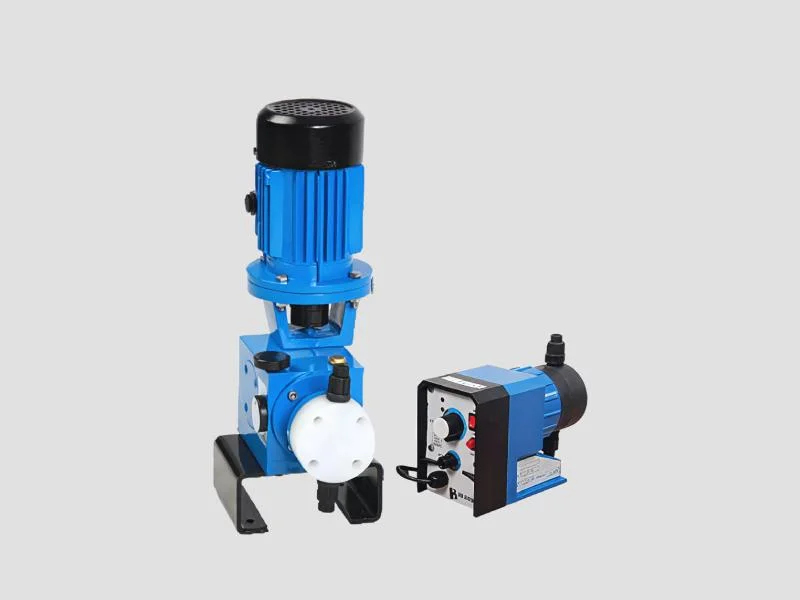
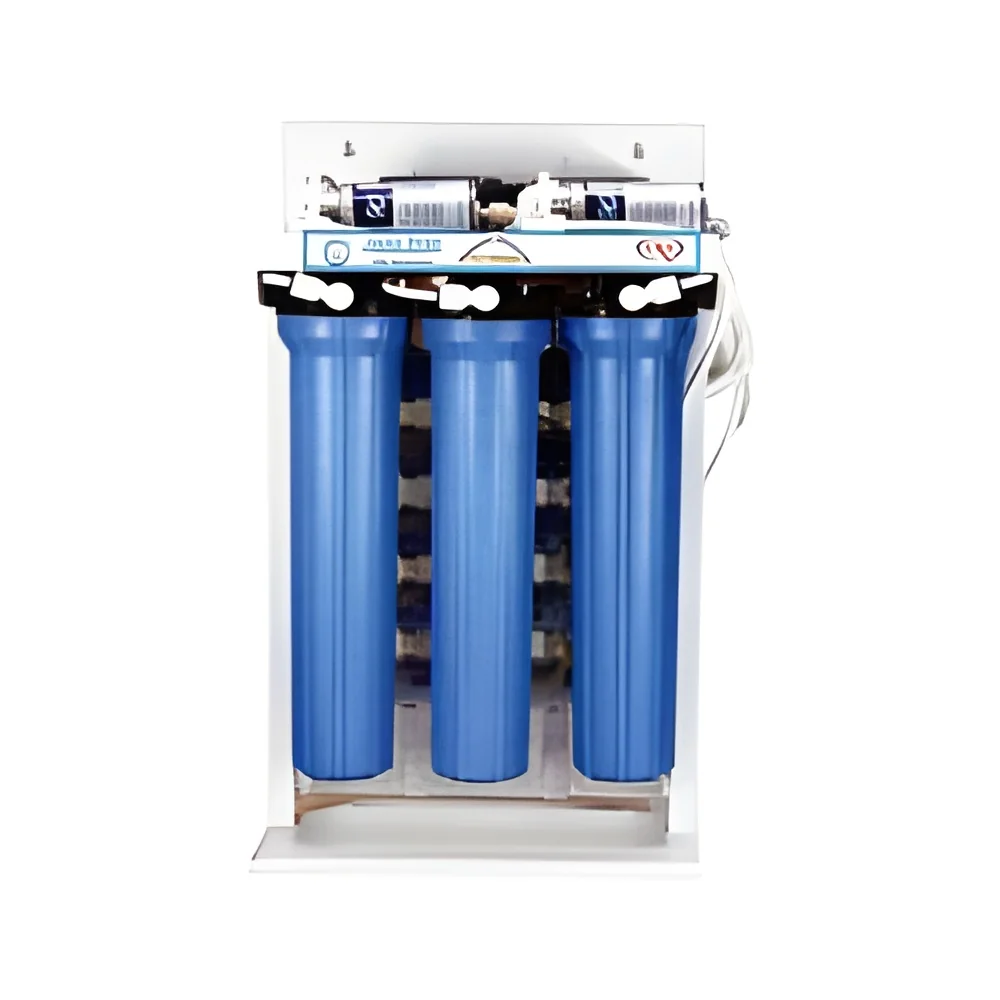
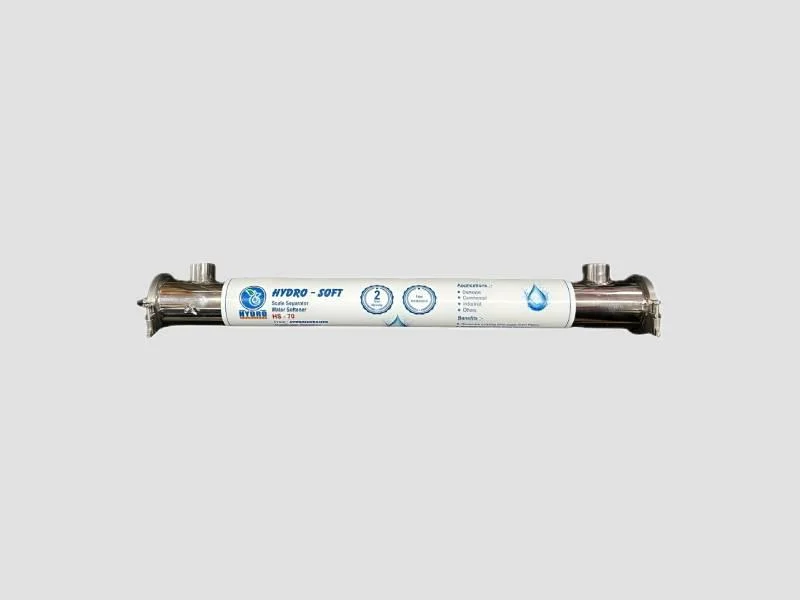
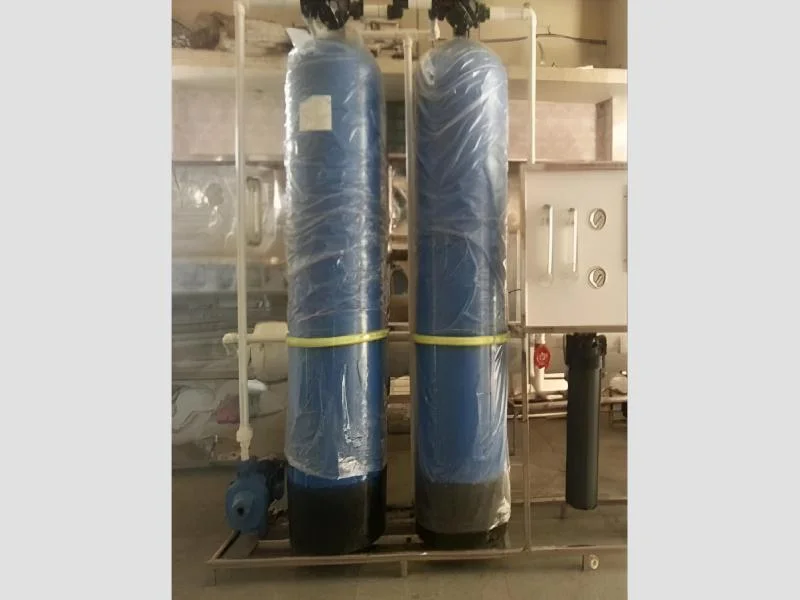
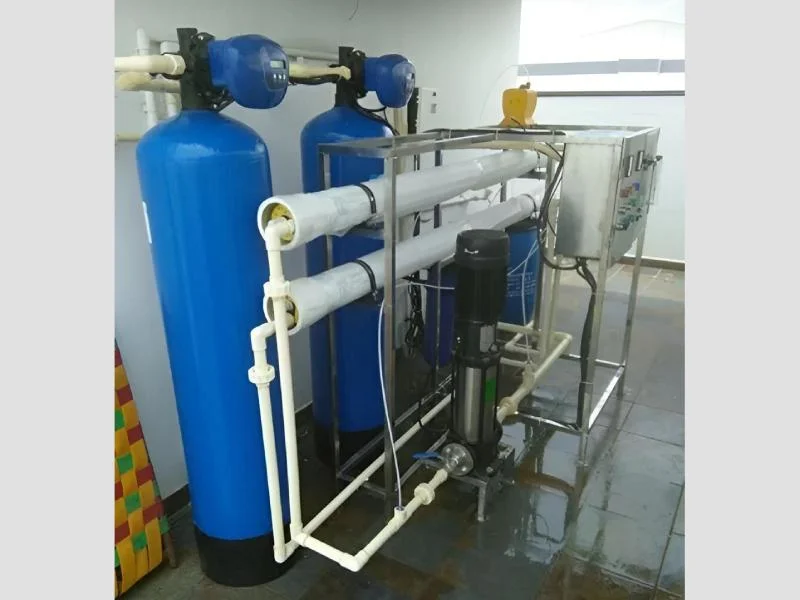
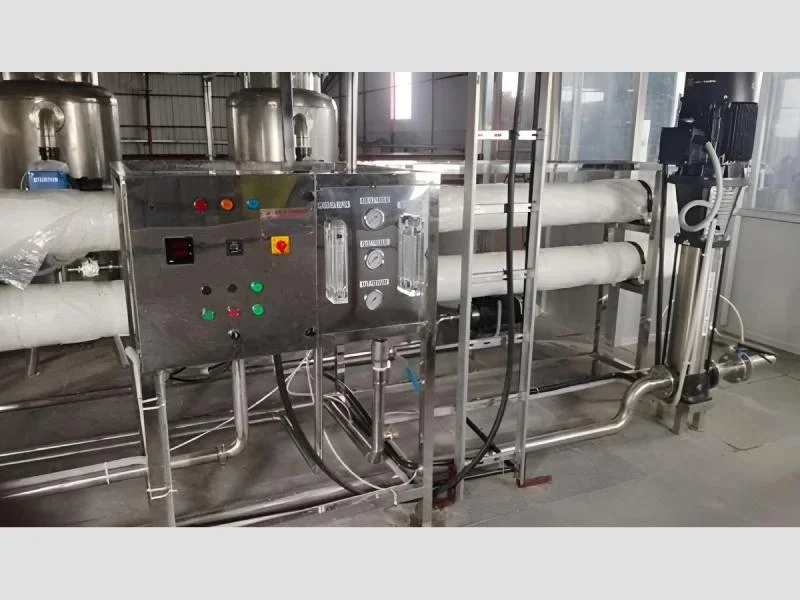
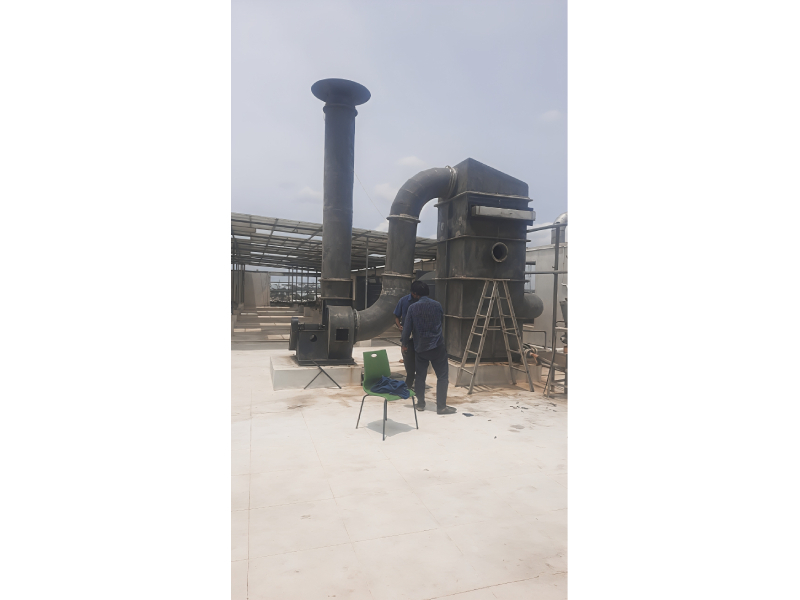
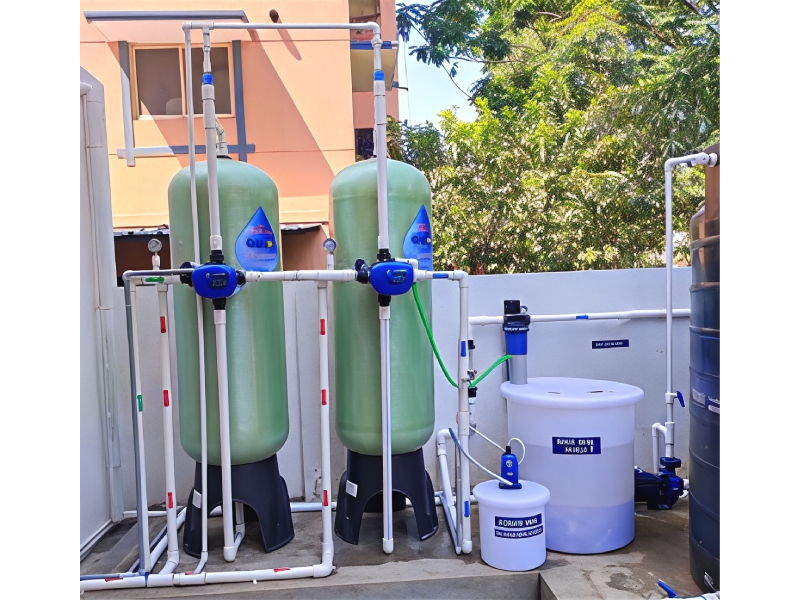
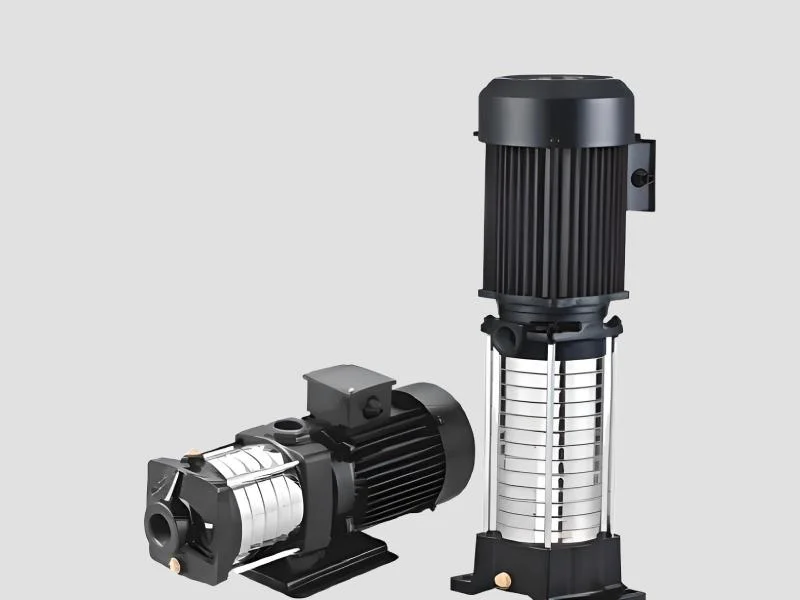
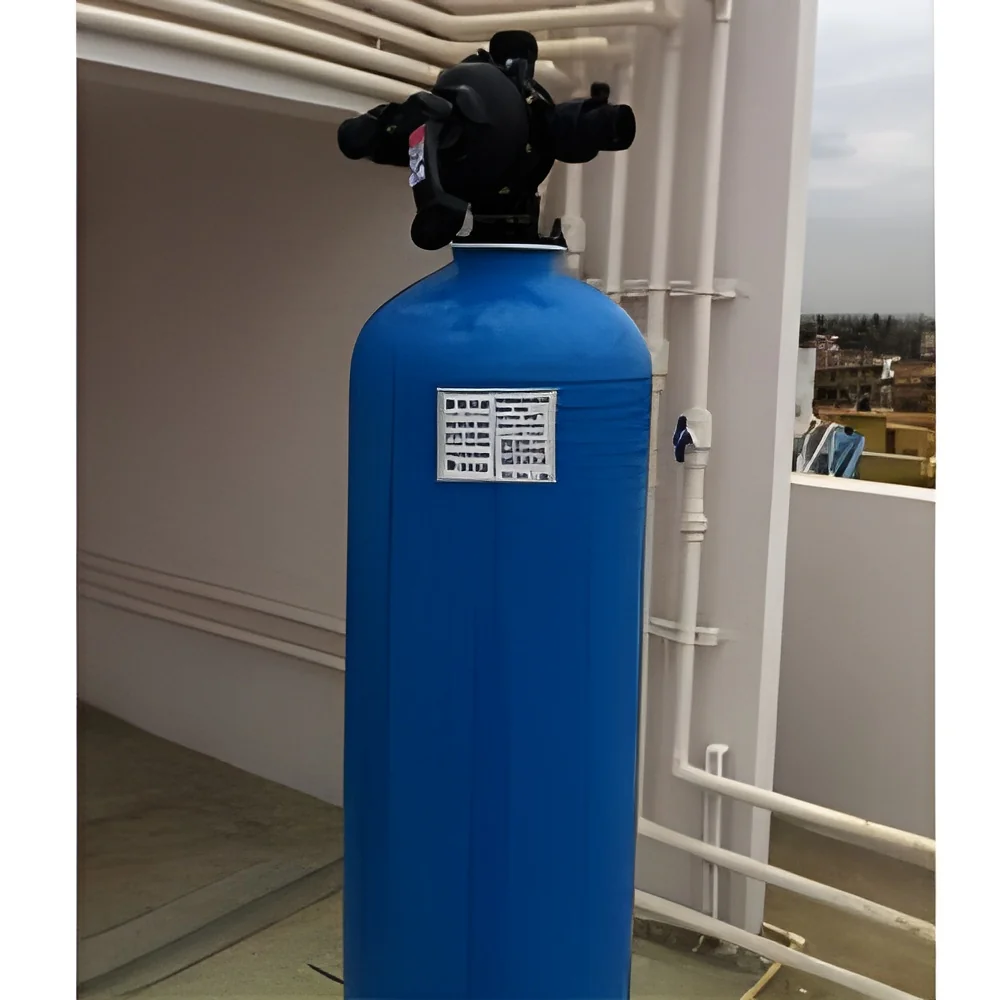
𝗪𝗵𝗮𝘁 𝗮𝗿𝗲 𝗪𝗮𝘁𝗲𝗿 𝗧𝗿𝗲𝗮𝘁𝗺𝗲𝗻𝘁 & 𝗣𝘂𝗿𝗶𝗳𝗶𝗰𝗮𝘁𝗶𝗼𝗻 𝗘𝗾𝘂𝗶𝗽𝗺𝗲𝗻𝘁?
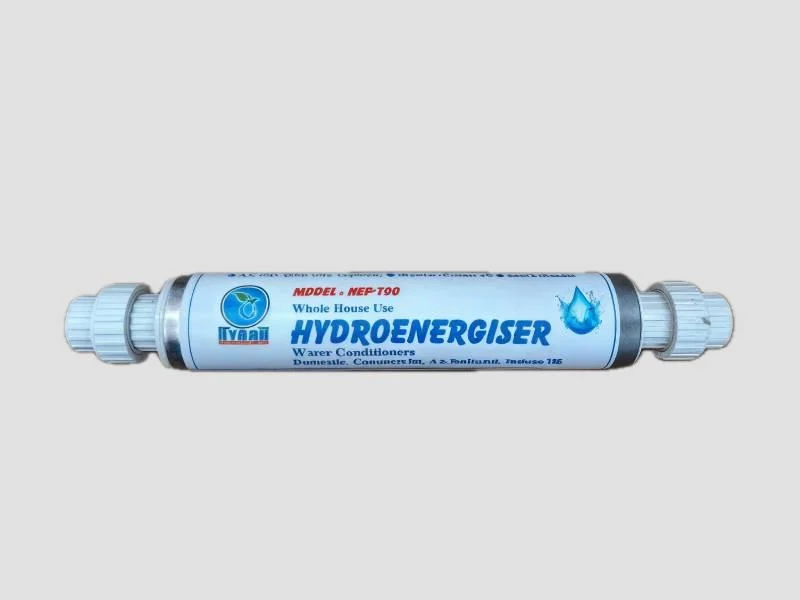
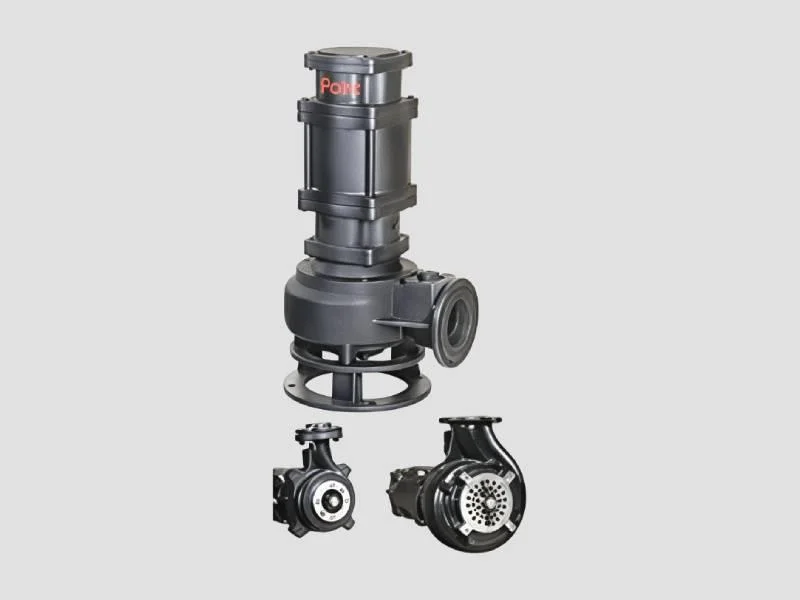
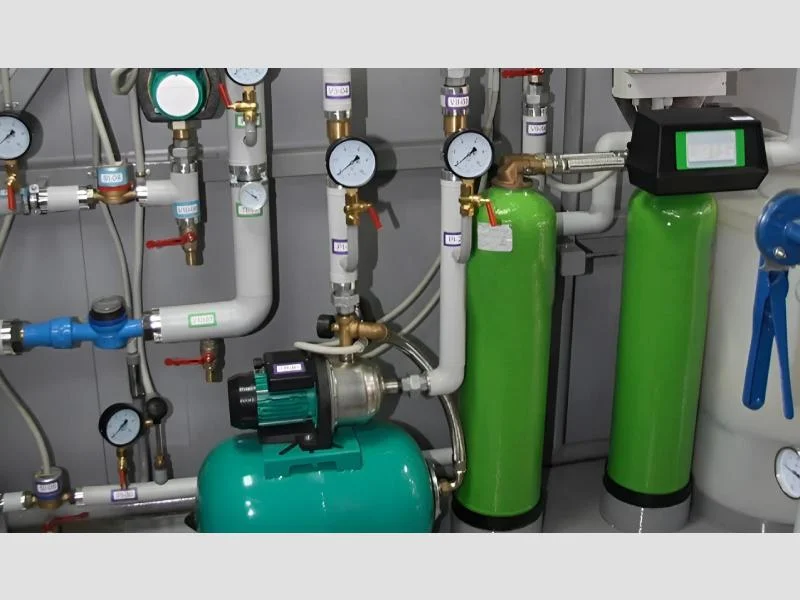
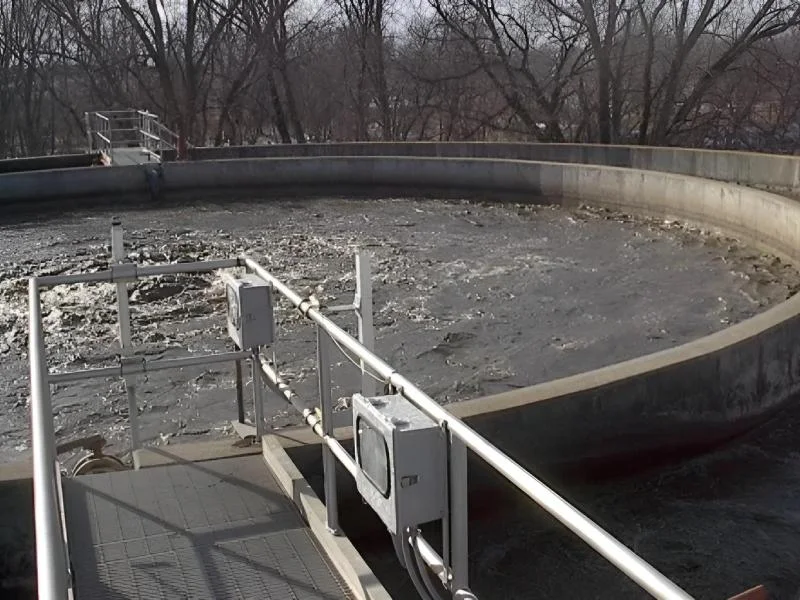
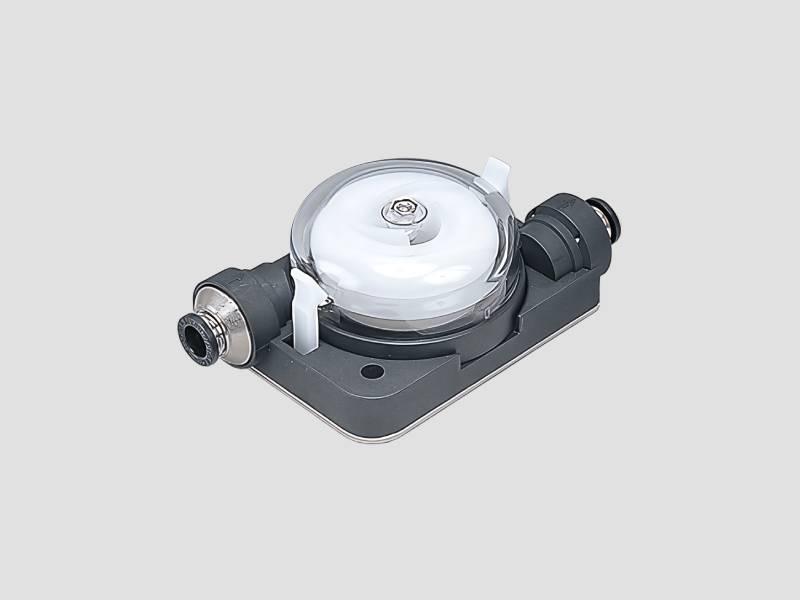
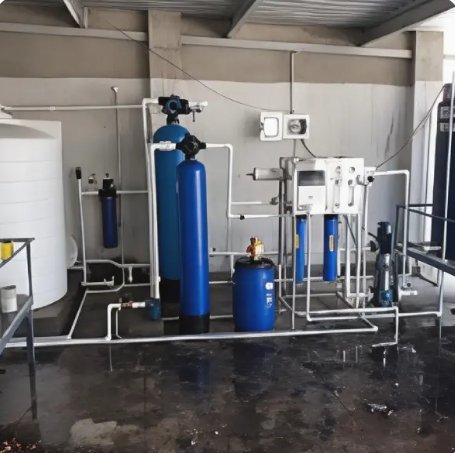
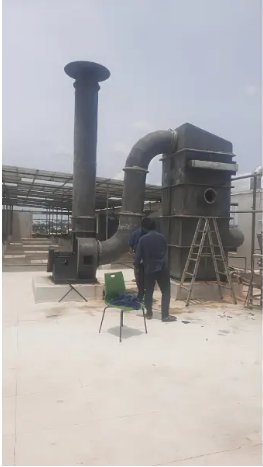
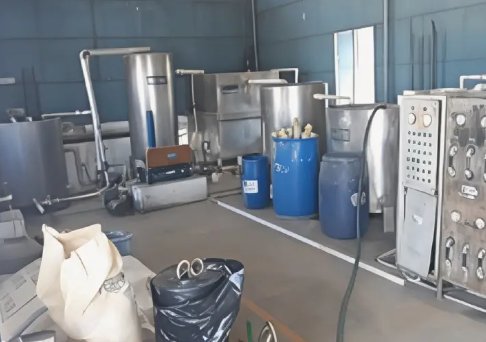
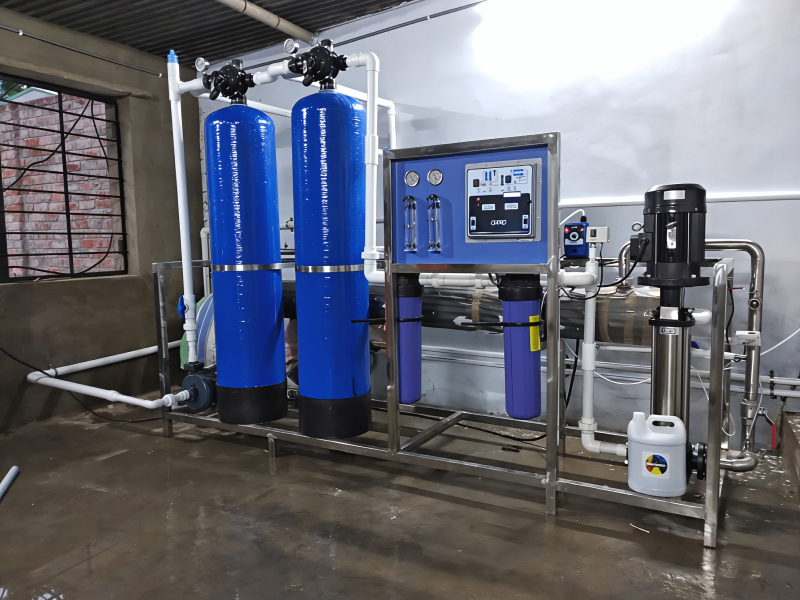
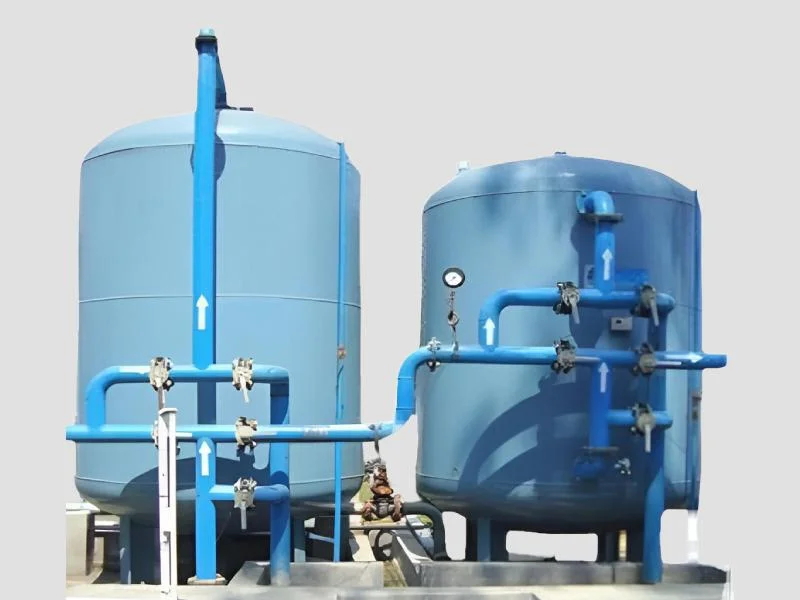
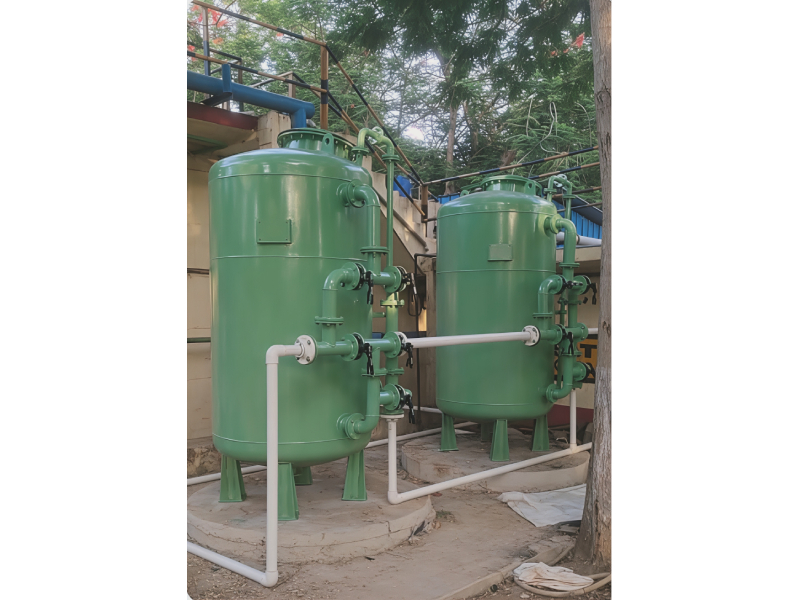
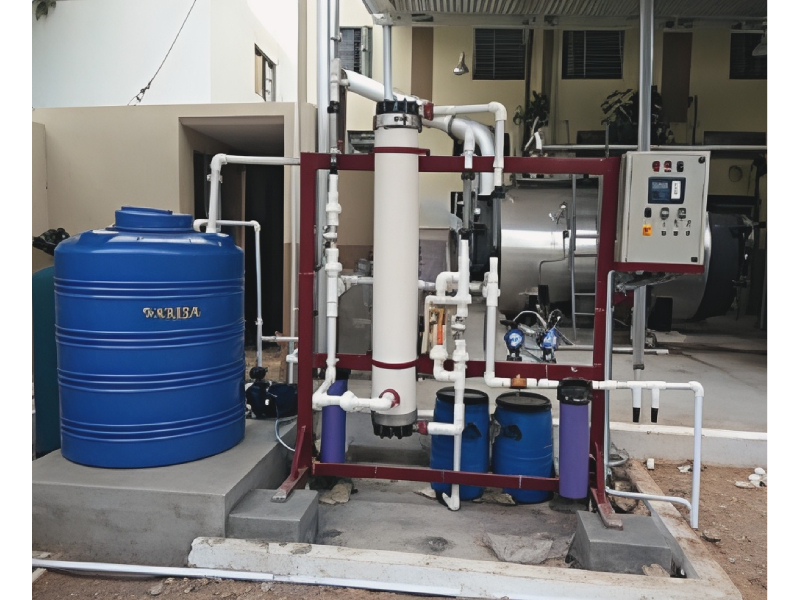
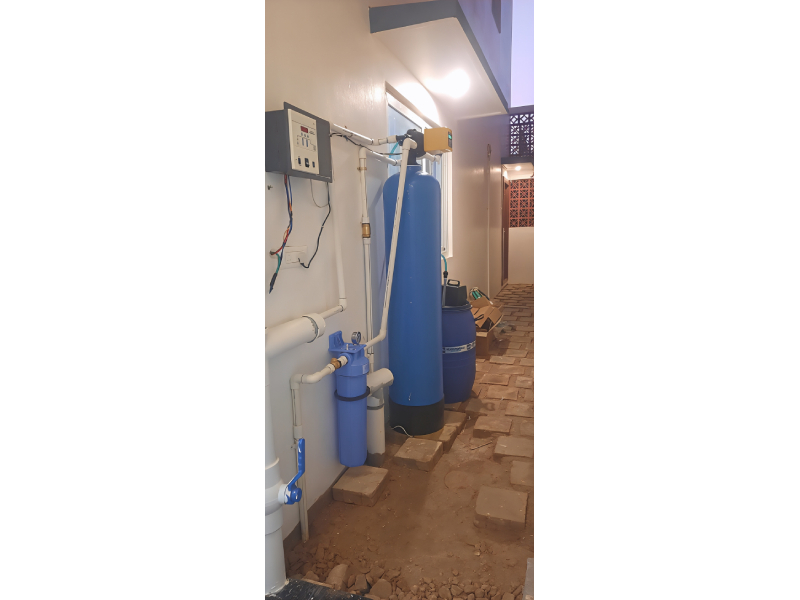
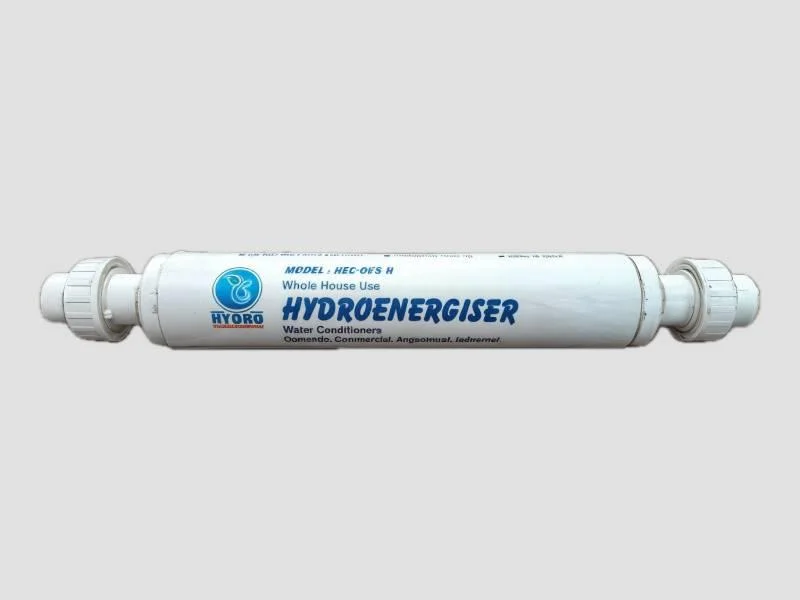
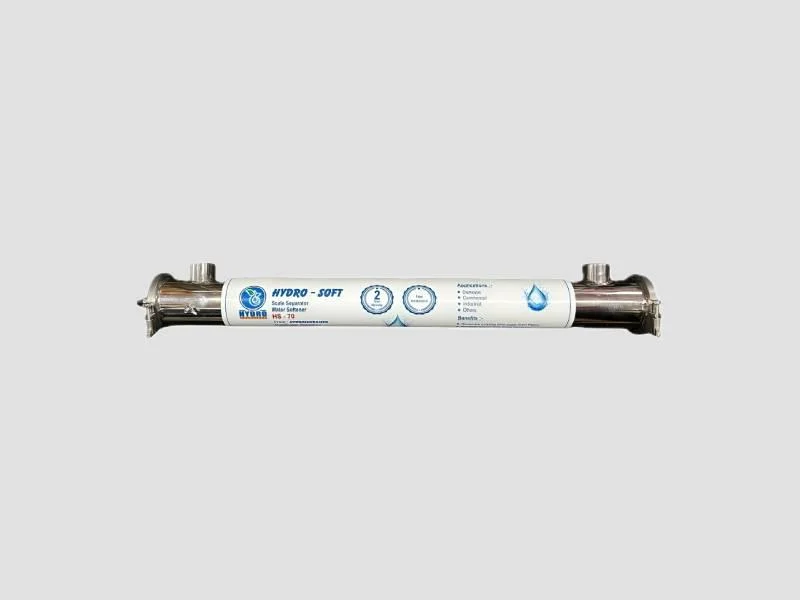
Water Treatment and Purification Equipment encompasses a range of systems designed to remove impurities from water. These systems are essential for ensuring that water meets safety and quality standards for various applications. The equipment employs various technologies, including filtration, chemical treatment, and reverse osmosis, to purify water and make it suitable for consumption or industrial use. By targeting contaminants such as bacteria, viruses, and heavy metals, these systems play a vital role in protecting public health and the environment.
These systems find extensive use across multiple industries, including municipal water supply, agriculture, food and beverage, pharmaceuticals, and manufacturing. In municipal applications, they ensure clean drinking water is available to communities. In industrial settings, they help maintain equipment efficiency and product quality by providing purified water for processes. As global water scarcity and pollution issues intensify, the relevance of water treatment and purification equipment in ensuring sustainable water management has become increasingly critical.
𝗞𝗲𝘆 𝗙𝗲𝗮𝘁𝘂𝗿𝗲𝘀 𝗮𝗻𝗱 𝗦𝗽𝗲𝗰𝗶𝗳𝗶𝗰𝗮𝘁𝗶𝗼𝗻𝘀
Water Treatment and Purification Equipment comes with various features and specifications that enhance its performance and reliability. Understanding these specifications is crucial for selecting the right equipment for specific applications.
Key specifications include:
1. Filtration Technology
- Various filtration methods, such as activated carbon, ceramic, and reverse osmosis
- Removal efficiency for different contaminants
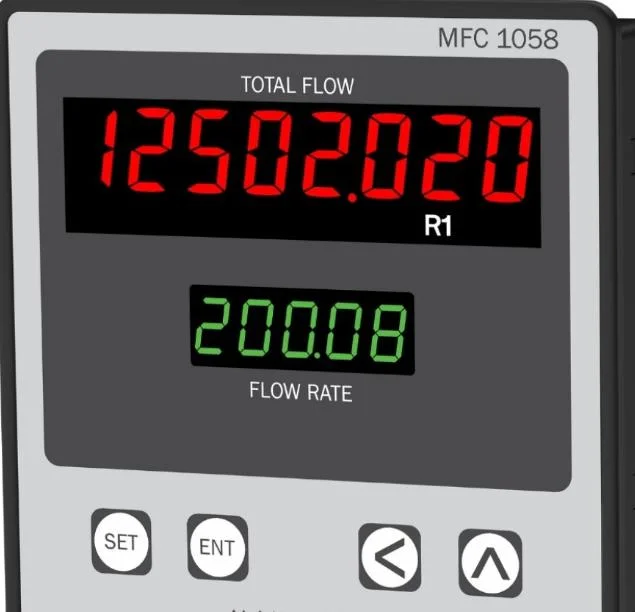
2. Flow Rate
- Measure of water processed per unit time
- Typical ranges vary based on system size and design
3. Capacity
- Daily water treatment capacity in liters or gallons
- Suitable for small-scale to large-scale operations
4. Power Requirements
- Voltage and wattage specifications
- Efficiency ratings for energy consumption
5. Maintenance Requirements
- Frequency of filter replacements and servicing
- Ease of maintenance procedures
6. Automation Features
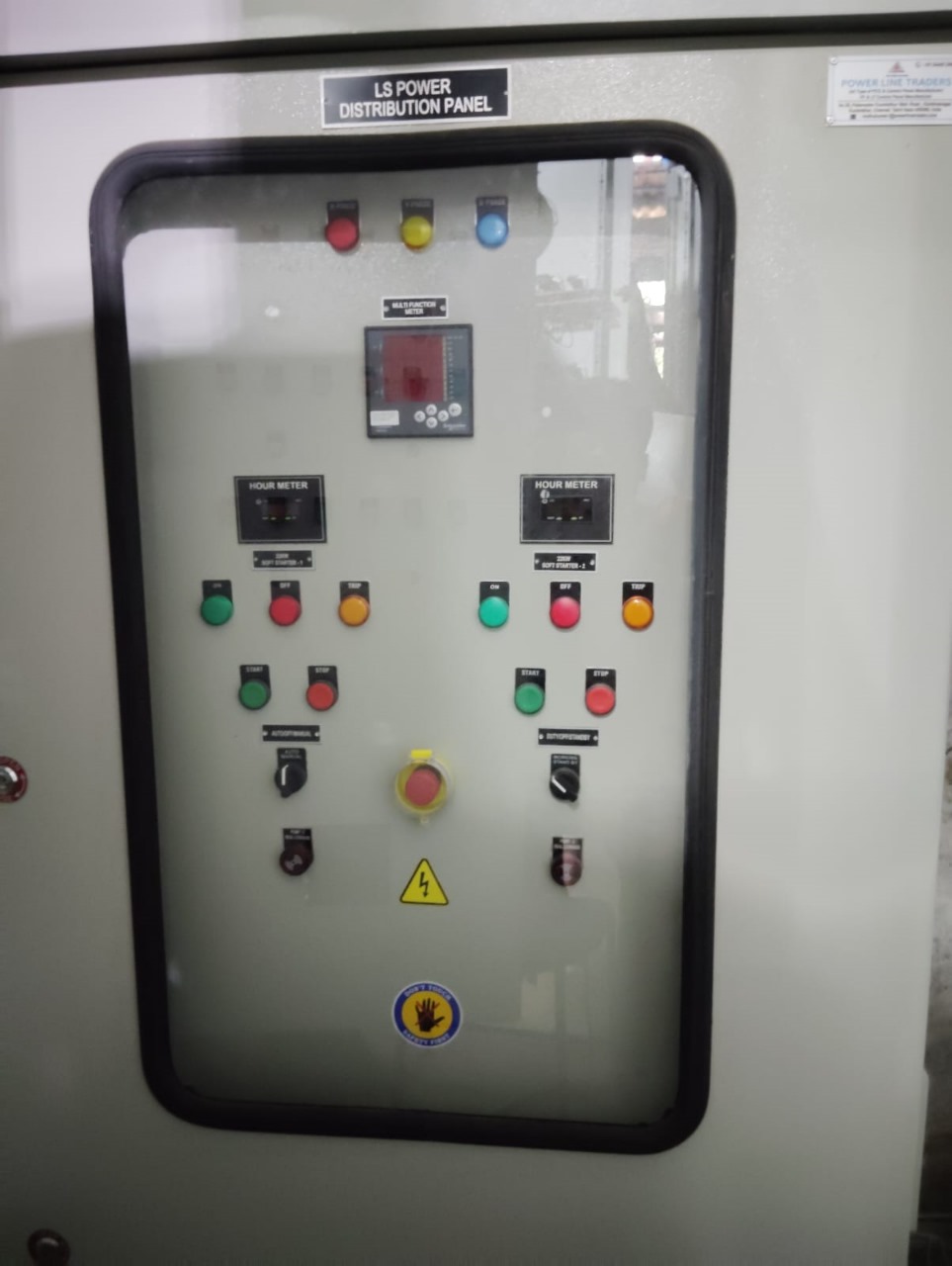
- Availability of automated monitoring and control systems
- Integration with IoT for remote management
7. Durability and Build Quality
- Materials used for construction, such as stainless steel or high-grade plastics
- Resistance to corrosion and wear
8. Compliance Standards
- Adherence to local and international quality standards
- Certifications such as CE for safety and performance
In summary, understanding the features and specifications of water treatment and purification equipment is essential for making informed purchasing decisions that align with organizational needs.
𝗖𝗼𝗺𝗺𝗼𝗻 𝗔𝗽𝗽𝗹𝗶𝗰𝗮𝘁𝗶𝗼𝗻𝘀 𝗮𝗻𝗱 𝗨𝘀𝗲 𝗖𝗮𝘀𝗲𝘀
Water treatment and purification equipment serves a wide array of industries with specific applications tailored to their requirements.
1. Municipal Water Supply: Equipment is used to treat and purify drinking water, ensuring safety and compliance with health regulations.
2. Agriculture: Farmers utilize water purification systems to provide clean water for irrigation and livestock, enhancing crop yield and livestock health.
3. Food and Beverage: In this industry, purified water is critical for maintaining product quality and adhering to health standards.
4. Pharmaceuticals: Water treatment systems are essential for producing high-purity water needed in drug manufacturing processes.
5. Industrial Manufacturing: Equipment is used to ensure the quality of water used in production processes, reducing downtime and equipment wear.
6. Hospitality: Hotels and restaurants use water purification systems to ensure safe drinking water and improve the quality of food and beverages.
7. Aquaculture: Clean water is vital for fish farming, where treatment systems help manage water quality and fish health.
𝗣𝗿𝗼𝗱𝘂𝗰𝘁 𝗩𝗮𝗿𝗶𝗮𝗻𝘁𝘀 𝗮𝗻𝗱 𝗦𝘂𝗯𝗰𝗮𝘁𝗲𝗴𝗼𝗿𝗶𝗲𝘀
Water treatment and purification equipment comes in various forms to cater to different needs and applications.
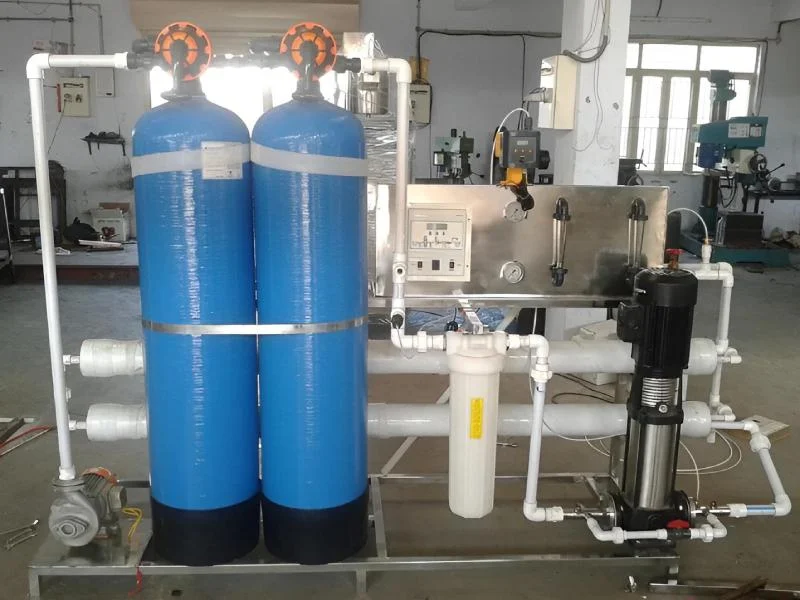
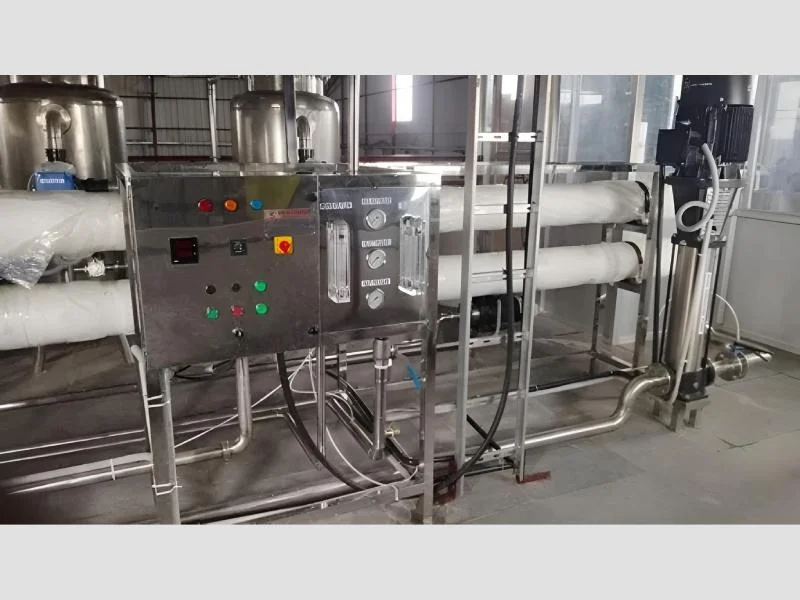
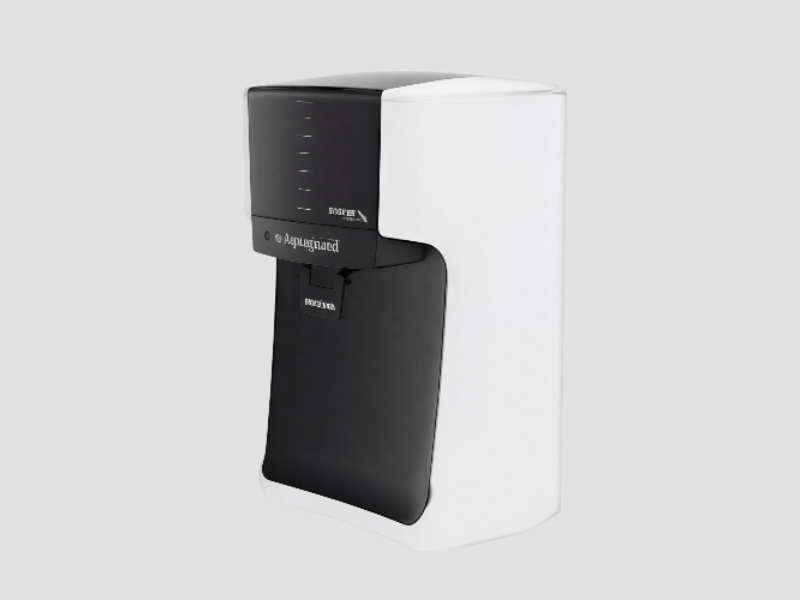
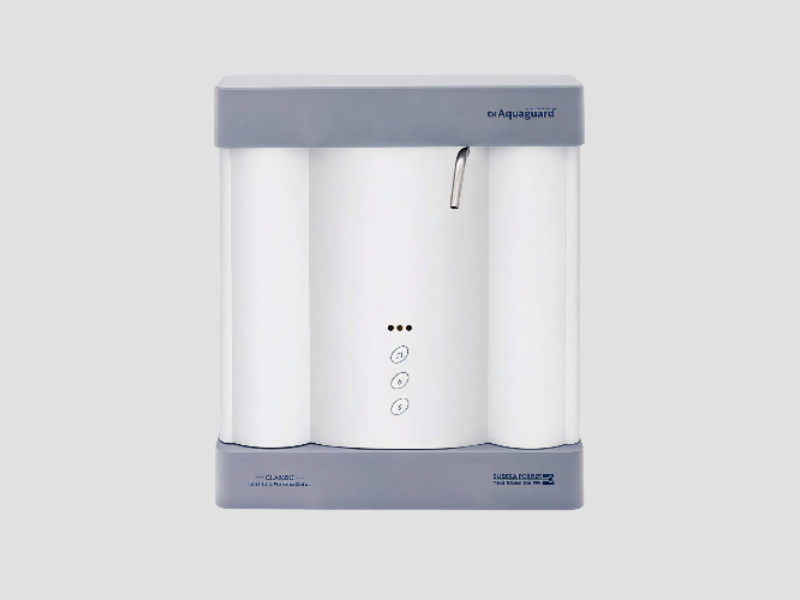
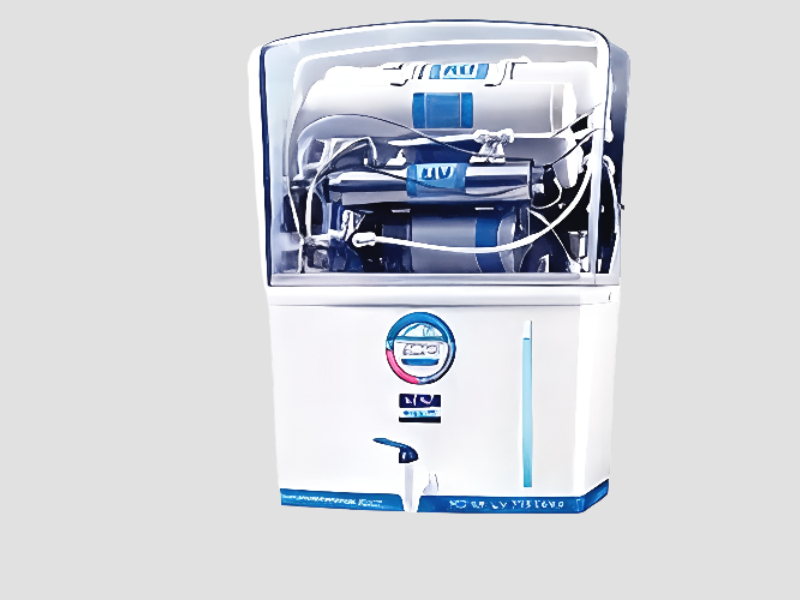
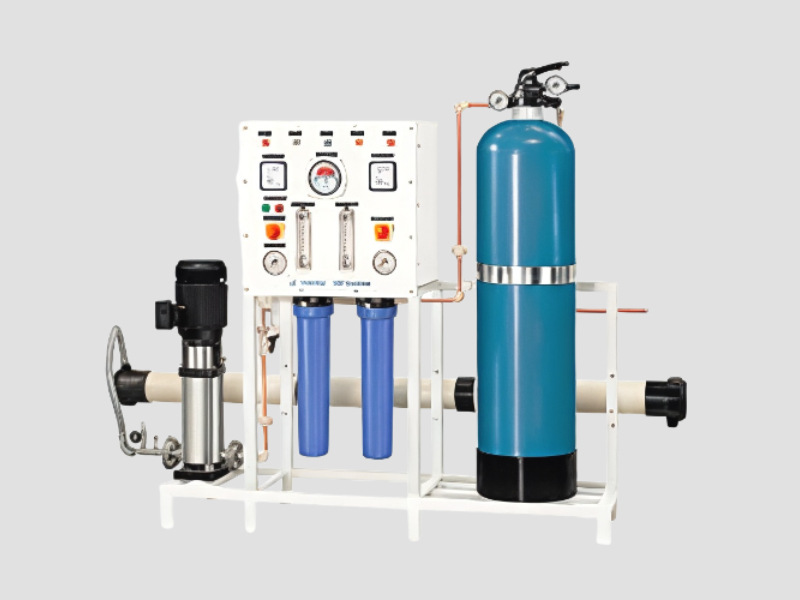
Reverse Osmosis Systems: These systems are popular for their ability to remove a wide range of contaminants, making them ideal for both residential and commercial use. They are highly effective for desalination and achieving high purity levels.
Ultraviolet (UV) Purification Systems: These systems use UV light to disinfect water without chemicals. They are commonly used in residential applications and small-scale commercial settings for their ease of use and low maintenance.
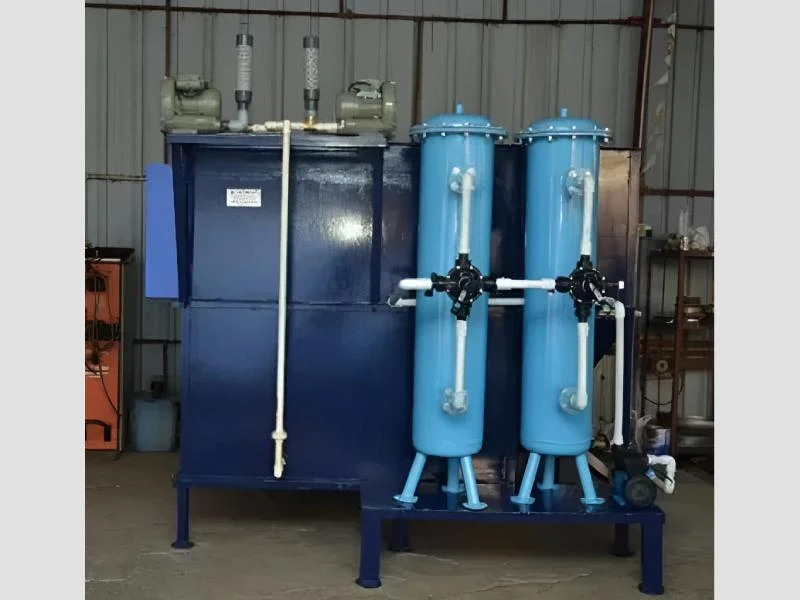
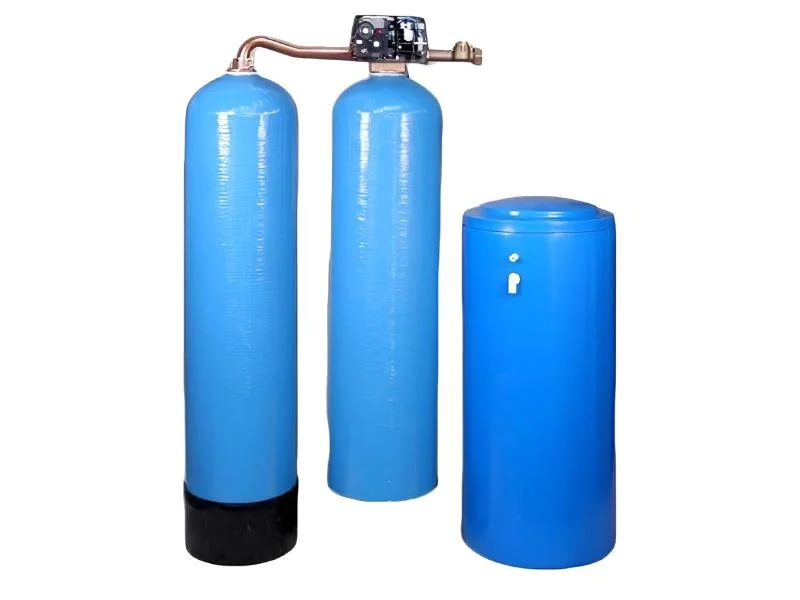
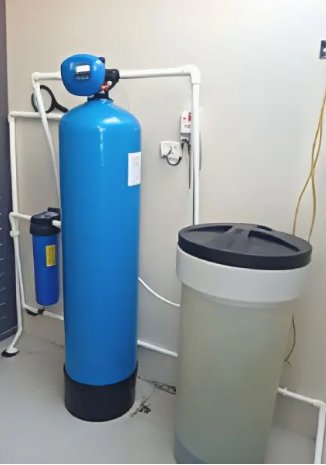
Filtration Units: Available in various designs, these units can include activated carbon filters, sediment filters, and more. They are versatile and can be used in both point-of-use and point-of-entry applications.
𝗕𝗲𝗻𝗲𝗳𝗶𝘁𝘀 𝗮𝗻𝗱 𝗔𝗱𝘃𝗮𝗻𝘁𝗮𝗴𝗲𝘀
Investing in water treatment and purification equipment offers numerous advantages.
1. Improved Water Quality: Enhanced purification processes ensure that water is free from harmful contaminants, promoting health and safety.
2. Compliance with Regulations: Equipment helps businesses adhere to local and international water quality standards, mitigating legal risks.
3. Cost Savings: Efficient systems can reduce water wastage and lower operational costs through effective water reuse and recycling.
4. Enhanced Equipment Longevity: Quality water reduces the risk of scaling and corrosion in industrial systems, leading to prolonged equipment life.
5. Environmental Sustainability: By ensuring proper treatment, these systems contribute to sustainable water management practices and conservation efforts.
6. Flexibility and Customization: Various equipment options allow businesses to tailor solutions to their specific needs, ensuring optimal performance.
𝗕𝘂𝘆𝗶𝗻𝗴 𝗚𝘂𝗶𝗱𝗲 𝗳𝗼𝗿 𝗕𝟮𝗕 𝗕𝘂𝘆𝗲𝗿𝘀
When sourcing water treatment and purification equipment, buyers should consider several critical factors to make informed decisions.
1. Quality Assessment: Evaluate the quality of materials and technology used in the equipment. Look for certifications that validate product effectiveness and safety.
2. Supplier Verification: Conduct thorough background checks on suppliers to ensure they have a reliable track record and offer quality products.
3. Pricing and MOQ: Understand the pricing structure and minimum order quantities. This ensures that the investment aligns with budget constraints and operational needs.
4. Delivery and Lead Times: Consider the logistics involved in acquiring the equipment, including shipping schedules and expected delivery times to avoid project delays.
5. Compliance Requirements: Familiarize yourself with local regulations and standards that apply to water treatment equipment to ensure compliance and avoid legal issues.
𝗖𝗼𝗺𝗽𝗹𝗶𝗮𝗻𝗰𝗲 𝗮𝗻𝗱 𝗖𝗲𝗿𝘁𝗶𝗳𝗶𝗰𝗮𝘁𝗶𝗼𝗻𝘀
The water treatment and purification industry is governed by several quality standards and certifications that ensure safety and effectiveness. Key among these is ISO 9001, which focuses on quality management systems and continuous improvement. Compliance with this standard is vital for manufacturers to demonstrate their commitment to quality.
Additionally, HACCP (Hazard Analysis Critical Control Point) is crucial in industries such as food and beverage and pharmaceuticals, where water quality directly impacts product safety. Companies should also strive for CE certification, which indicates that products meet European Union safety and environmental protection standards.
Safety and testing requirements are critical, as equipment must undergo rigorous assessments to verify performance and reliability. Regional compliance considerations may also vary, necessitating awareness of local regulations that govern water quality and treatment methods.
𝗪𝗵𝘆 𝗦𝗼𝘂𝗿𝗰𝗲 𝗪𝗮𝘁𝗲𝗿 𝗧𝗿𝗲𝗮𝘁𝗺𝗲𝗻𝘁 & 𝗣𝘂𝗿𝗶𝗳𝗶𝗰𝗮𝘁𝗶𝗼𝗻 𝗘𝗾𝘂𝗶𝗽𝗺𝗲𝗻𝘁 𝗳𝗿𝗼𝗺 𝗣𝗲𝗽𝗮𝗴𝗼𝗿𝗮?
Pepagora offers a trusted platform for sourcing water treatment and purification equipment, providing several key advantages to buyers.
Verified Supplier Network: Pepagora ensures that all suppliers in its network are thoroughly vetted, providing buyers with confidence in the quality and reliability of the equipment offered.
Streamlined RFQ Process: The platform features an efficient request for quotation system that allows buyers to obtain competitive pricing and tailored solutions quickly.
Trade Assurance and Support: Buyers can benefit from trade assurance programs that protect their purchases and provide support throughout the buying process, ensuring peace of mind.
Regional Coverage: With a strong presence in India, the GCC, and Southeast Asia, Pepagora facilitates access to a wide range of suppliers and products, making it easier for businesses to find the right water treatment solutions for their needs.

 IN
IN