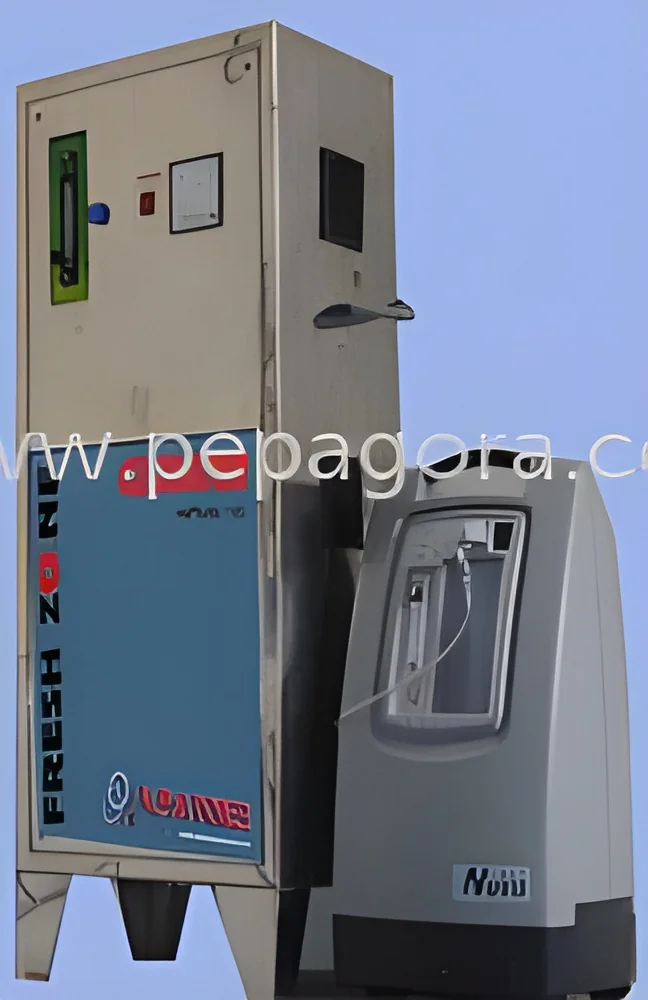
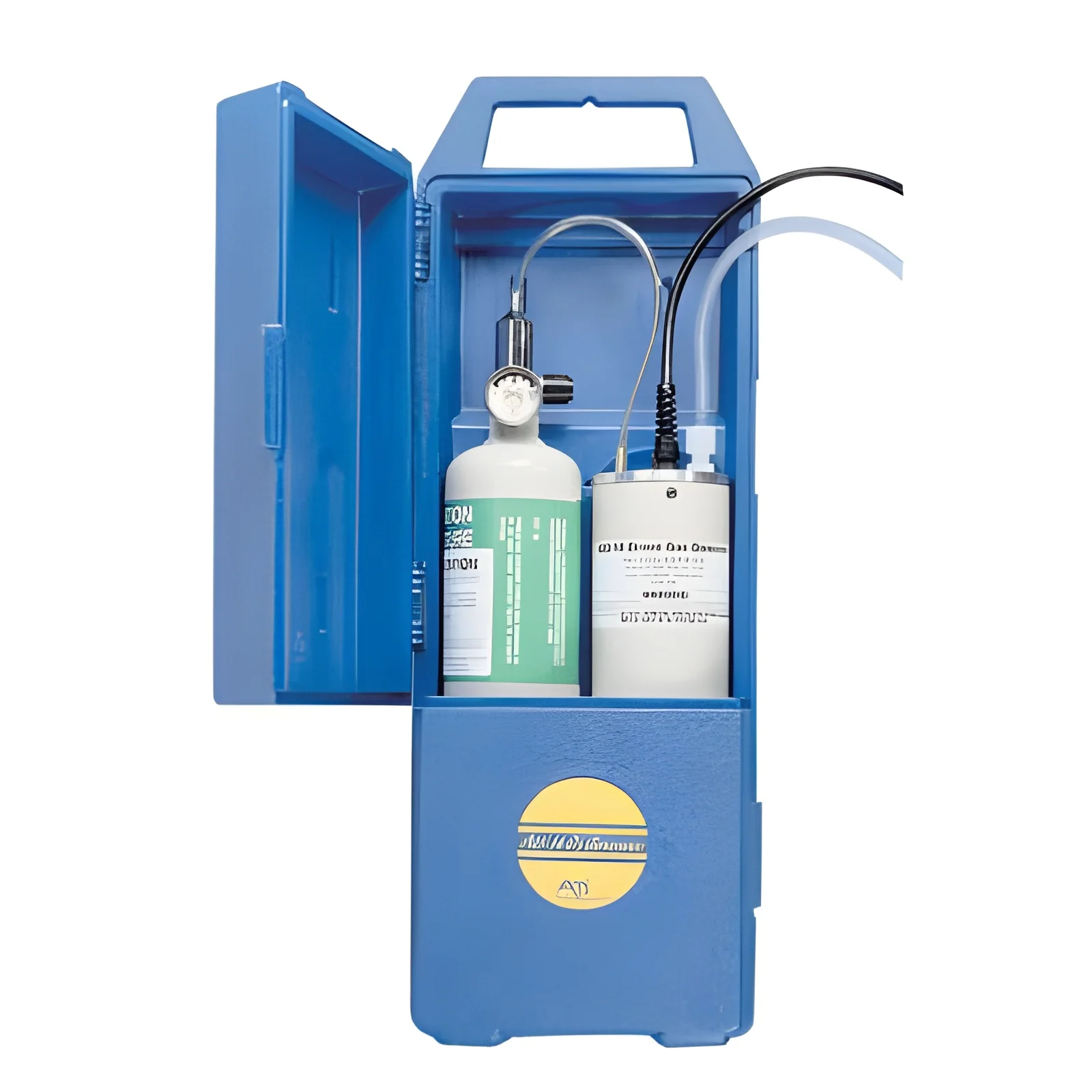
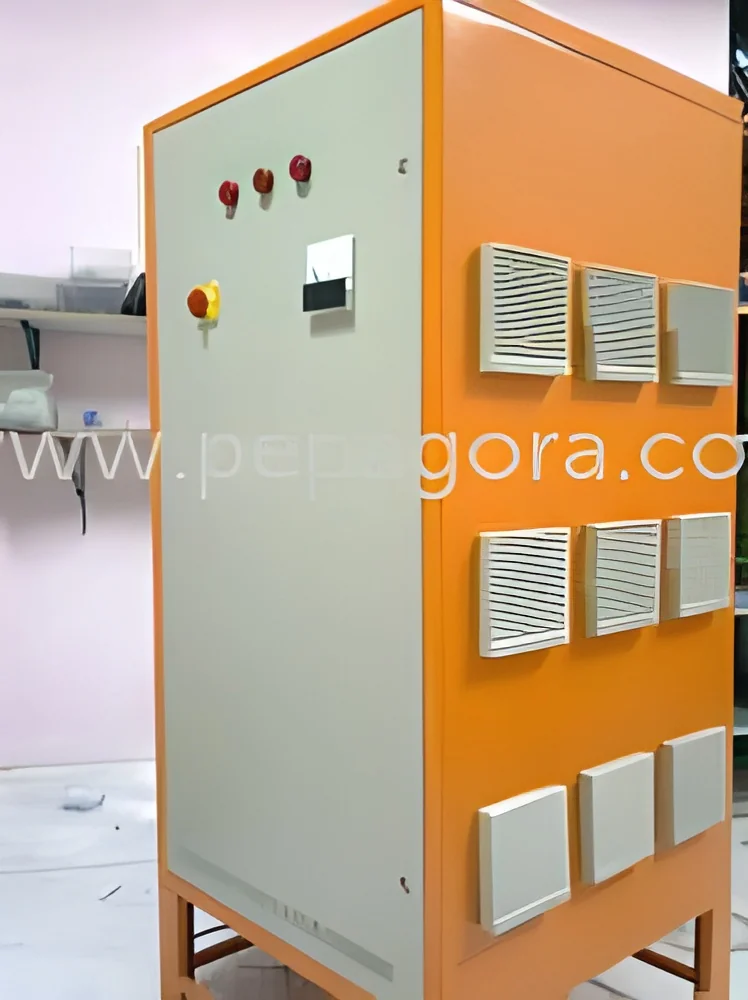
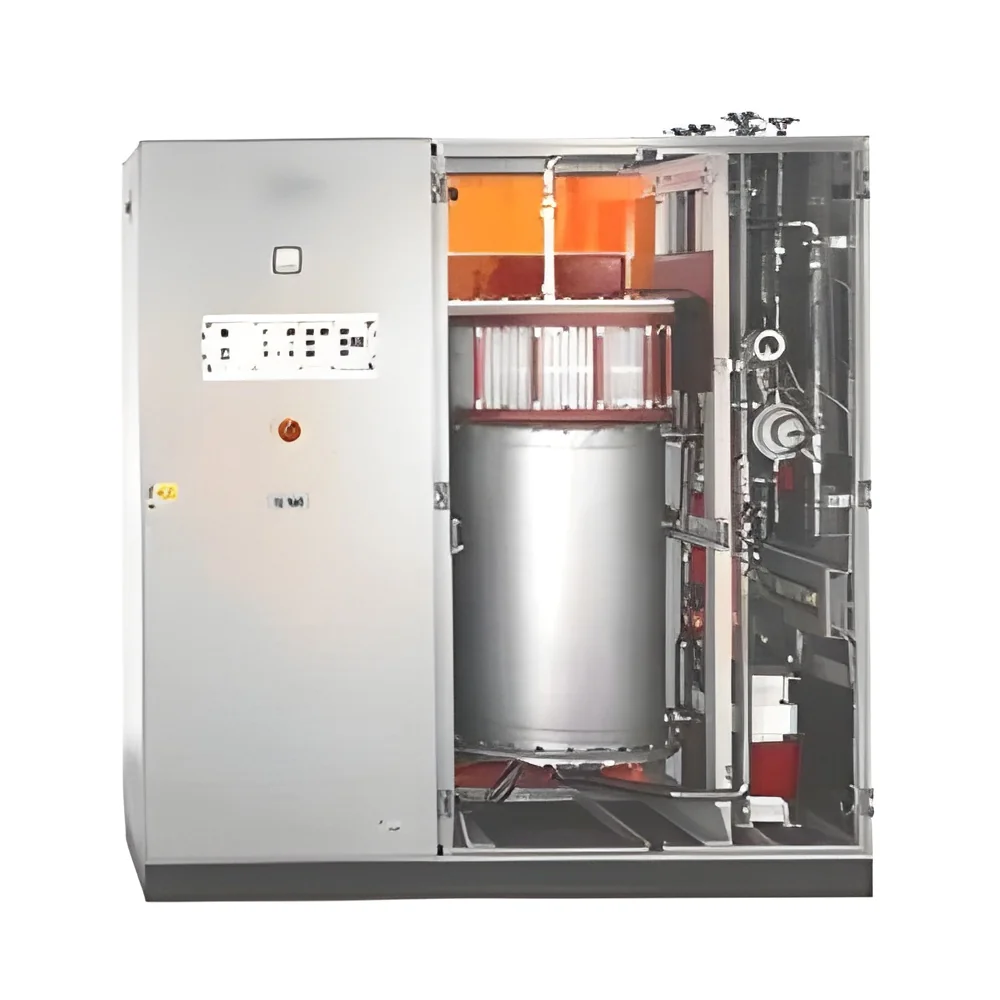
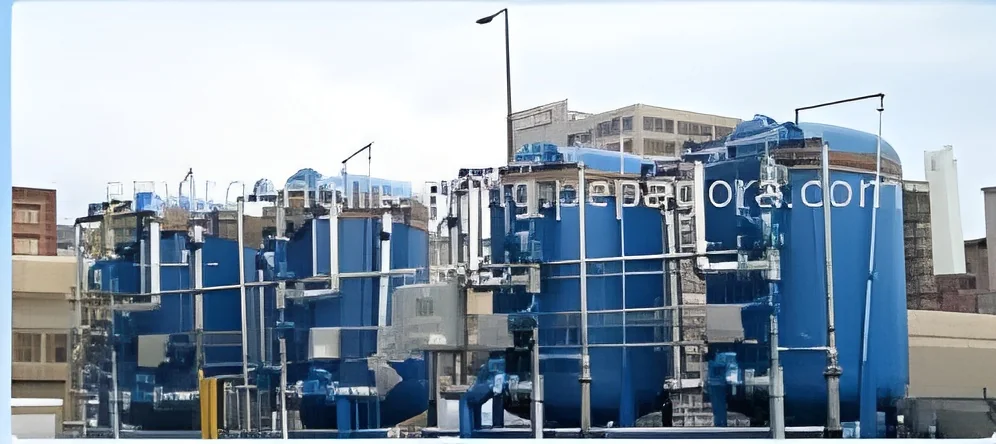
What are Ozone Water Treatment Units?
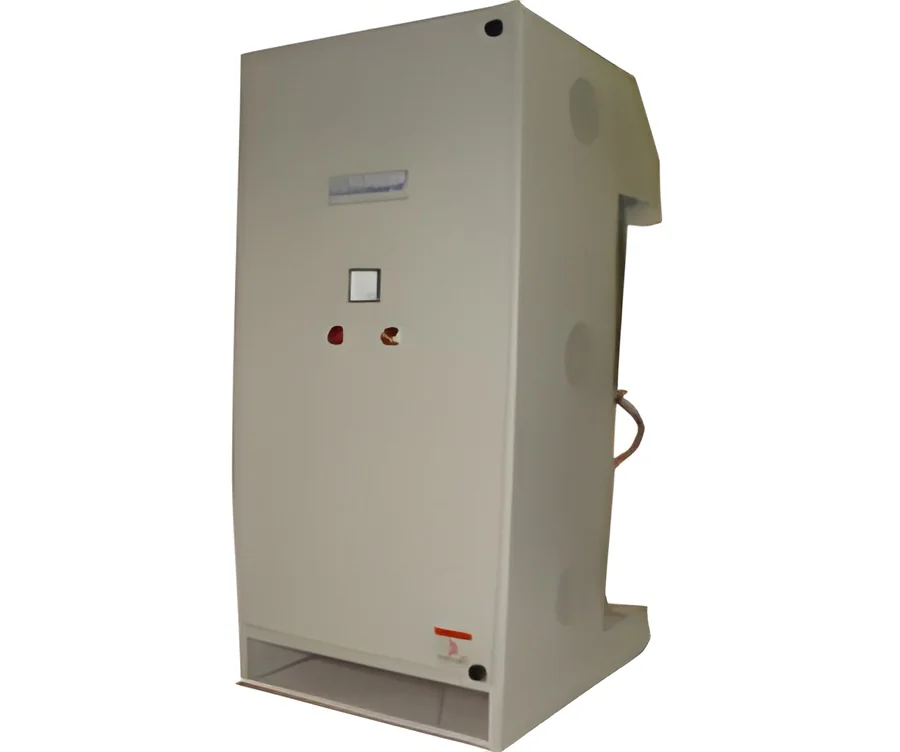
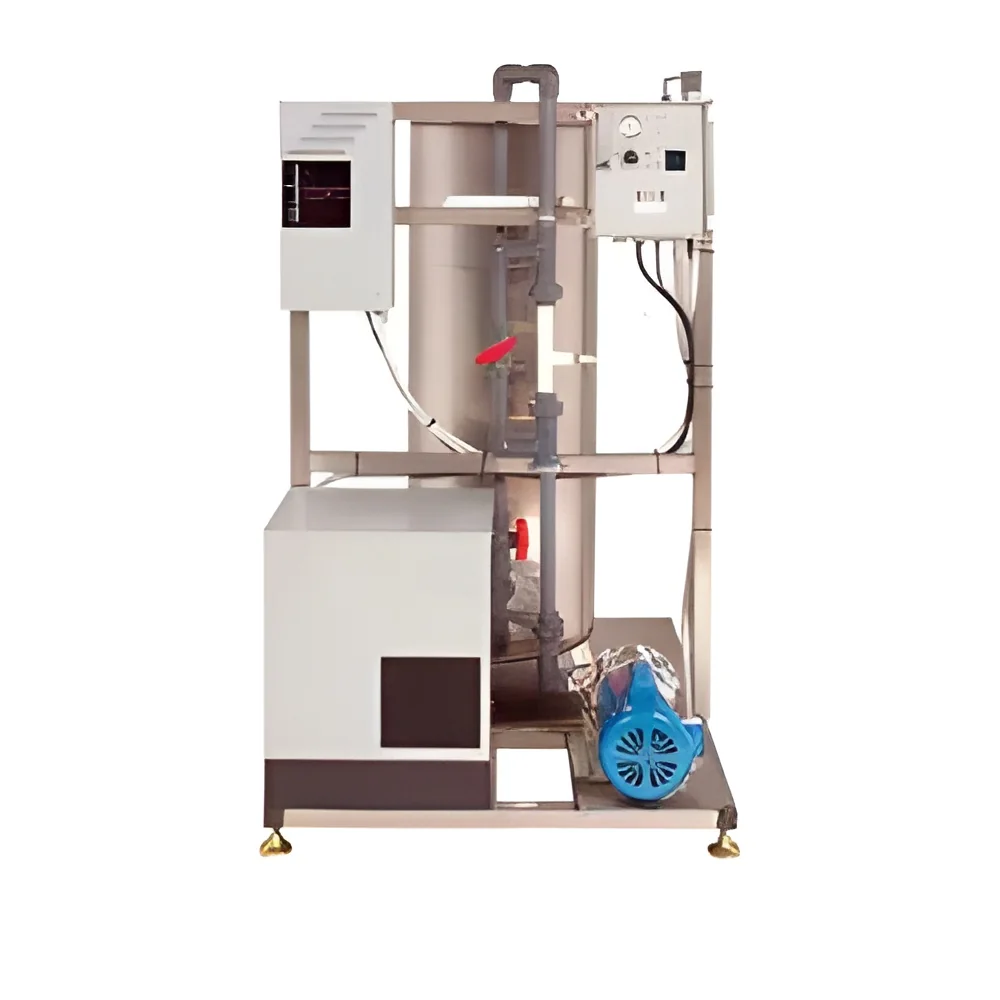
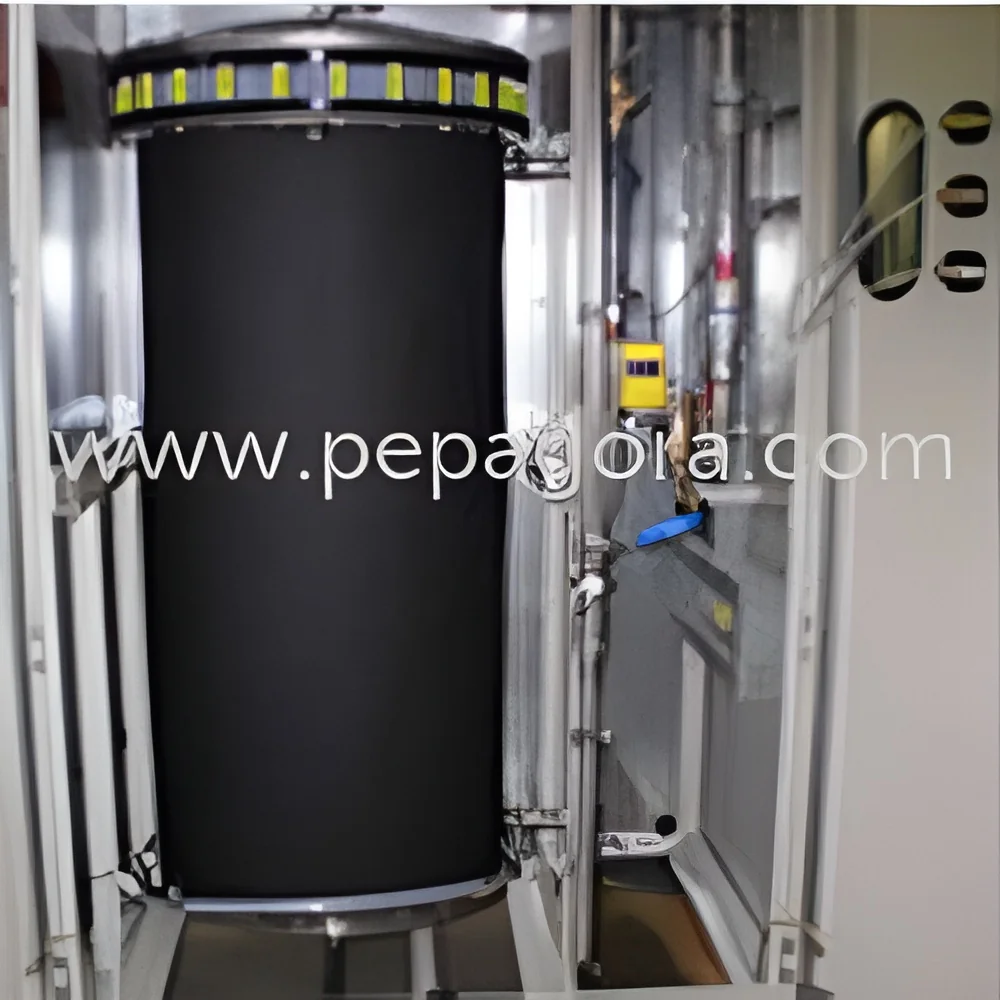
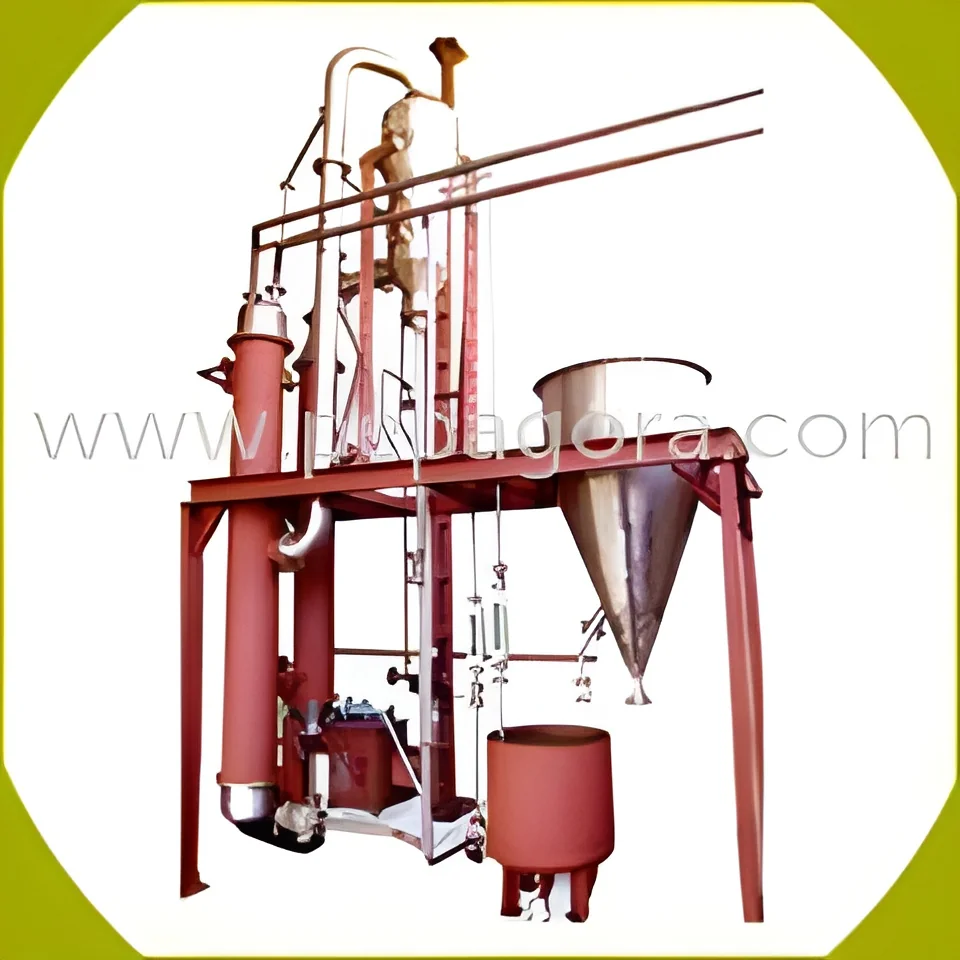
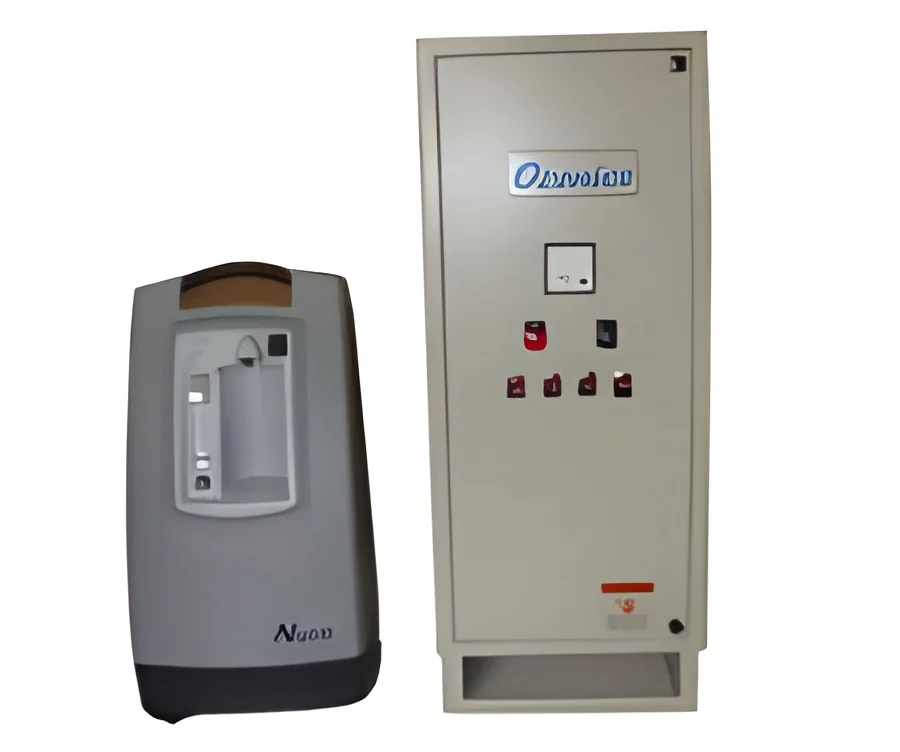
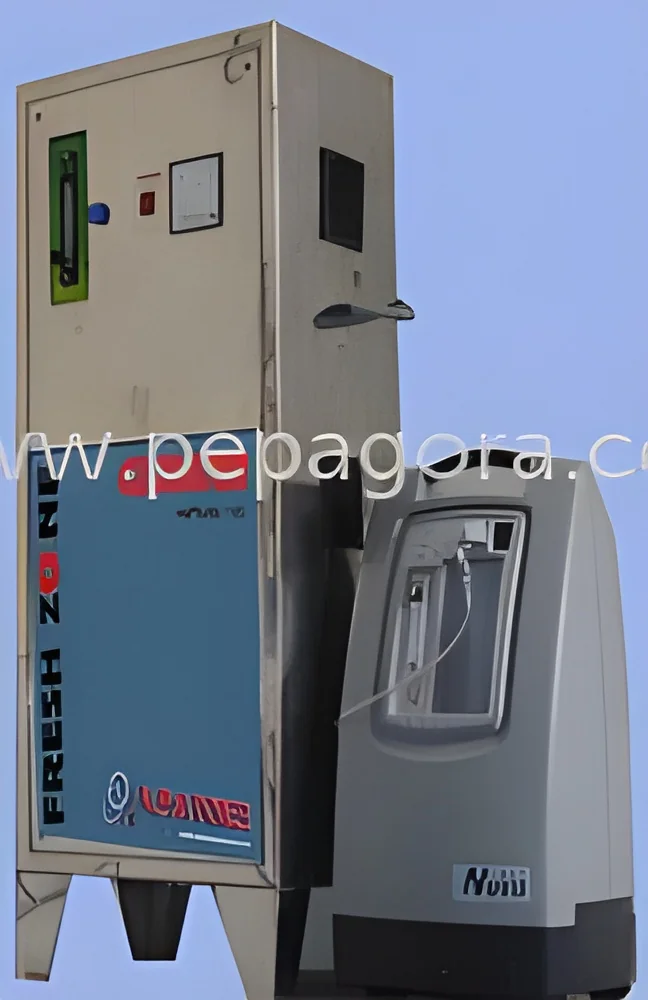
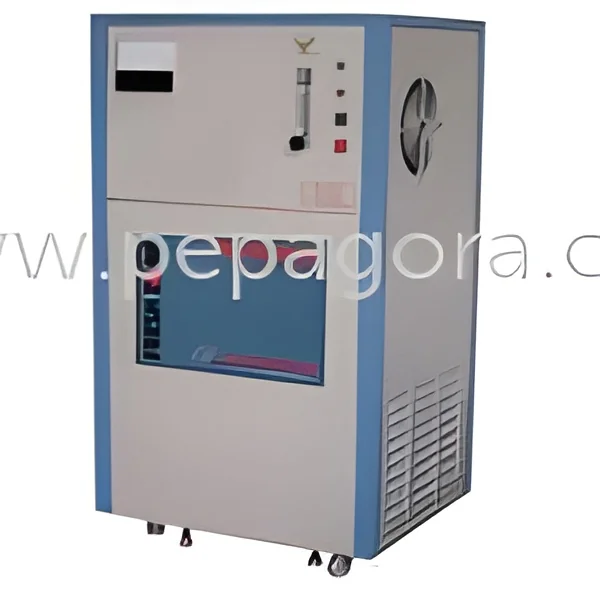
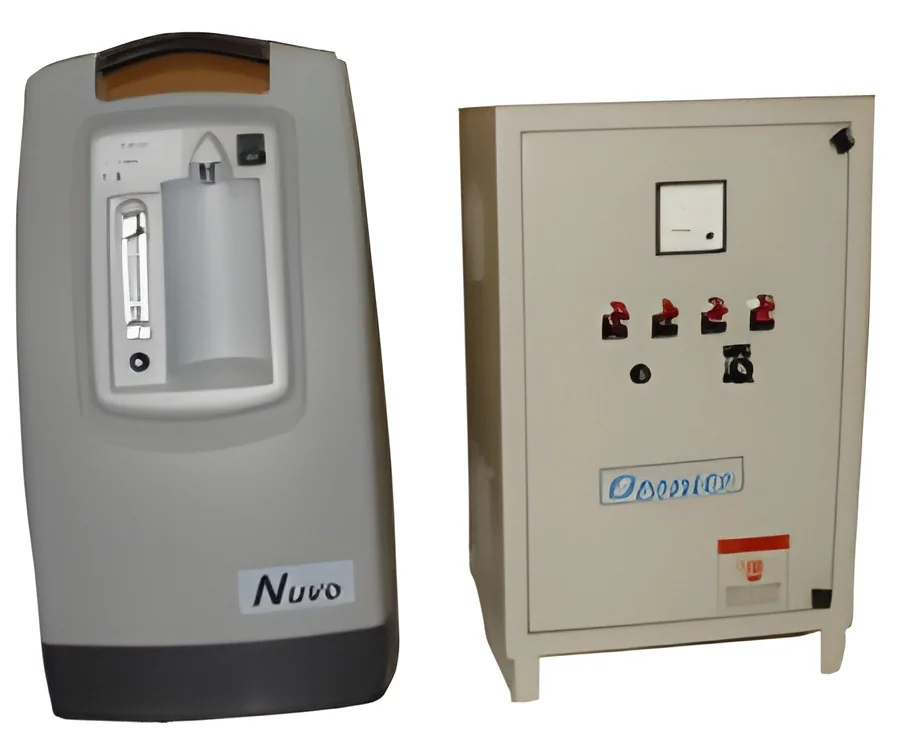
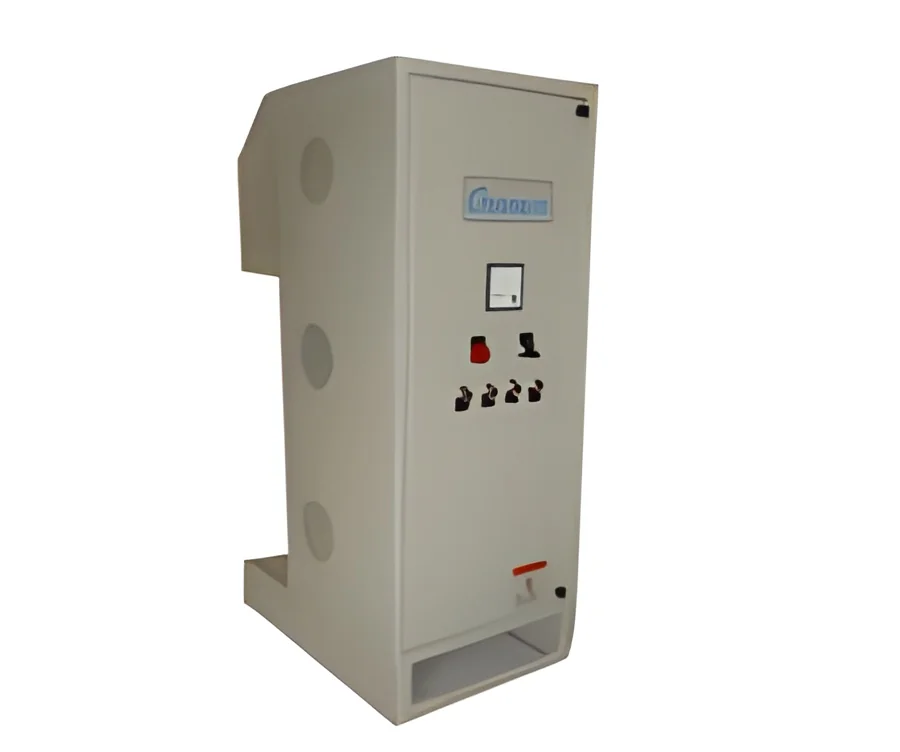
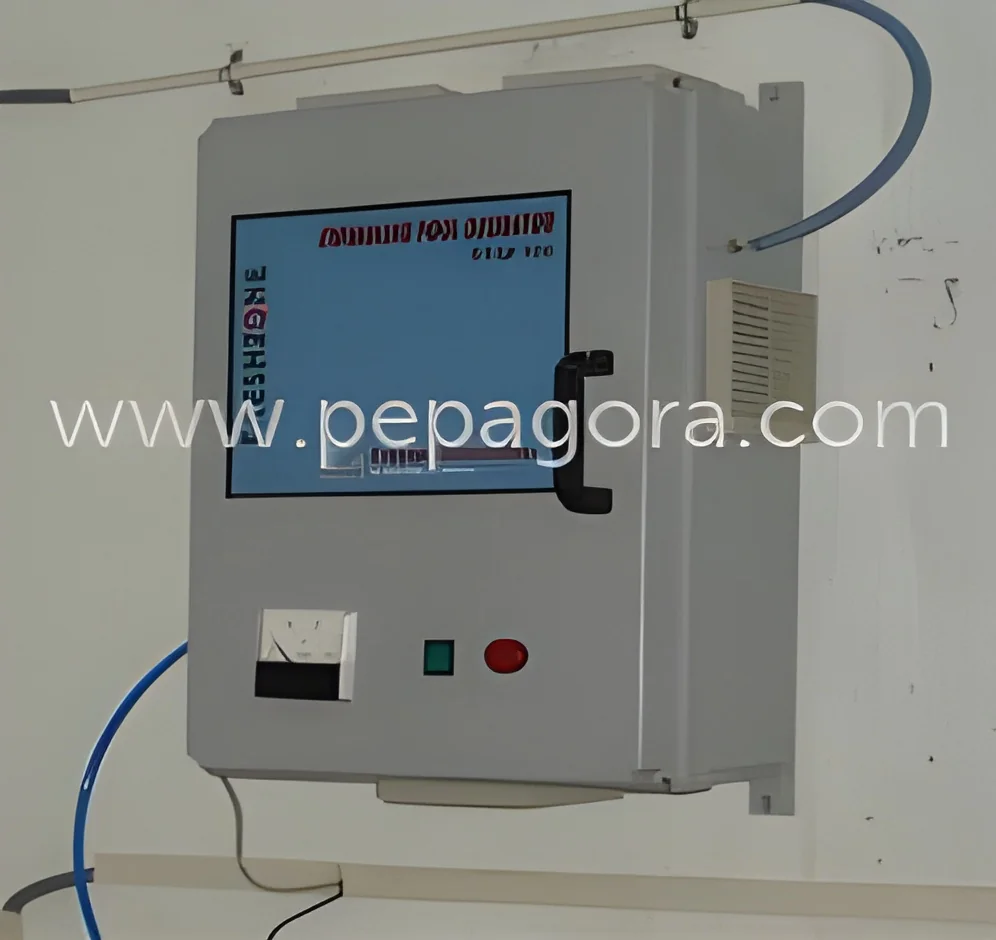
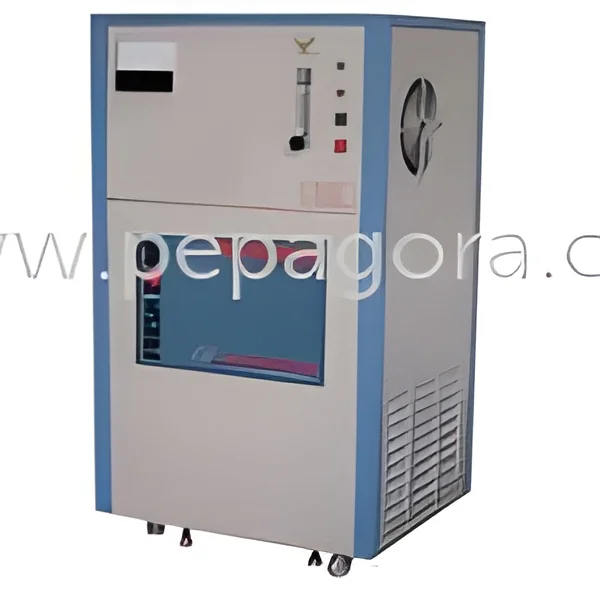
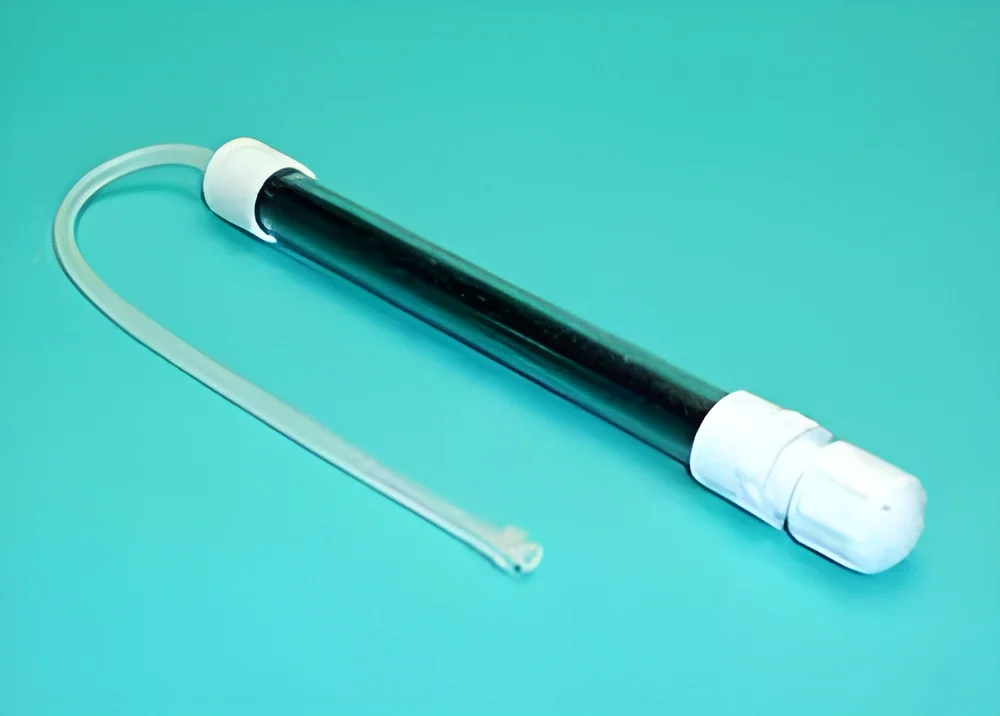
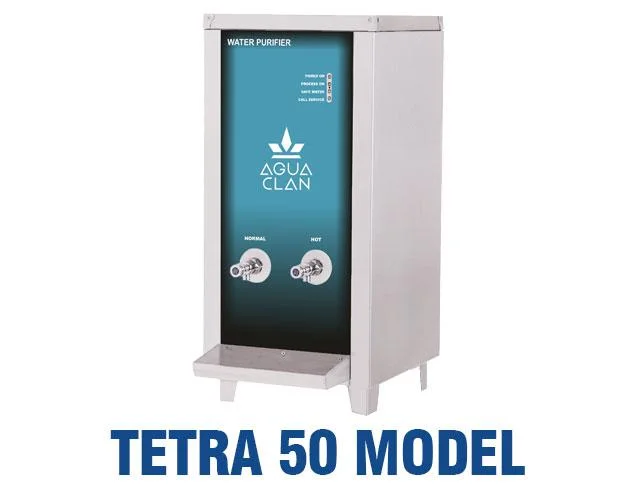
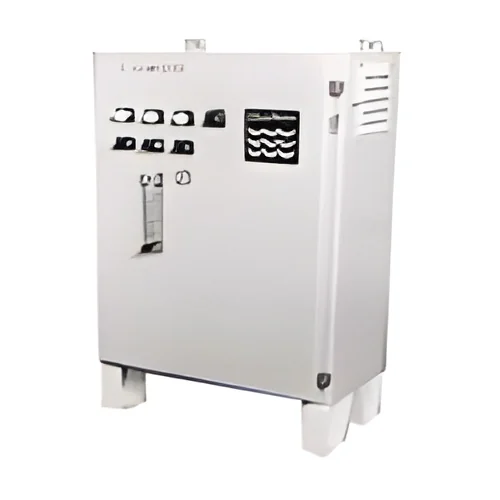
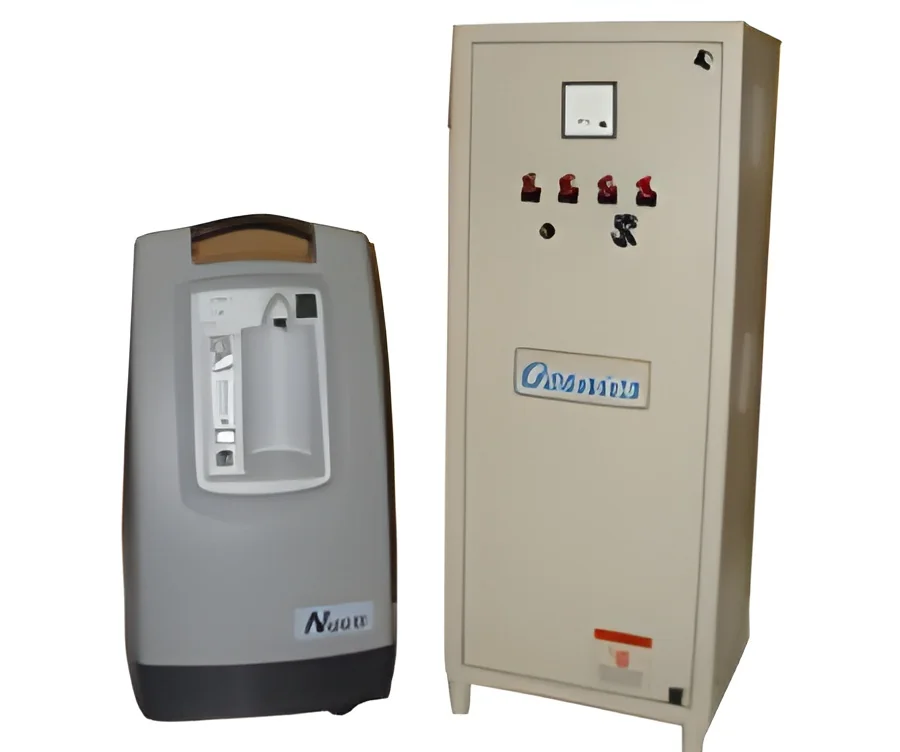
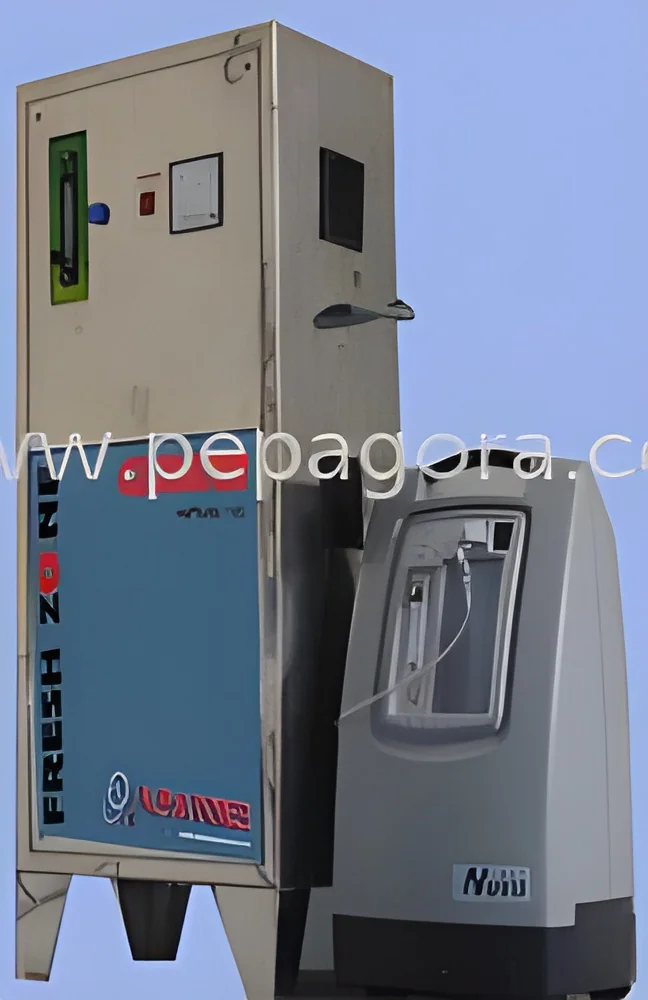
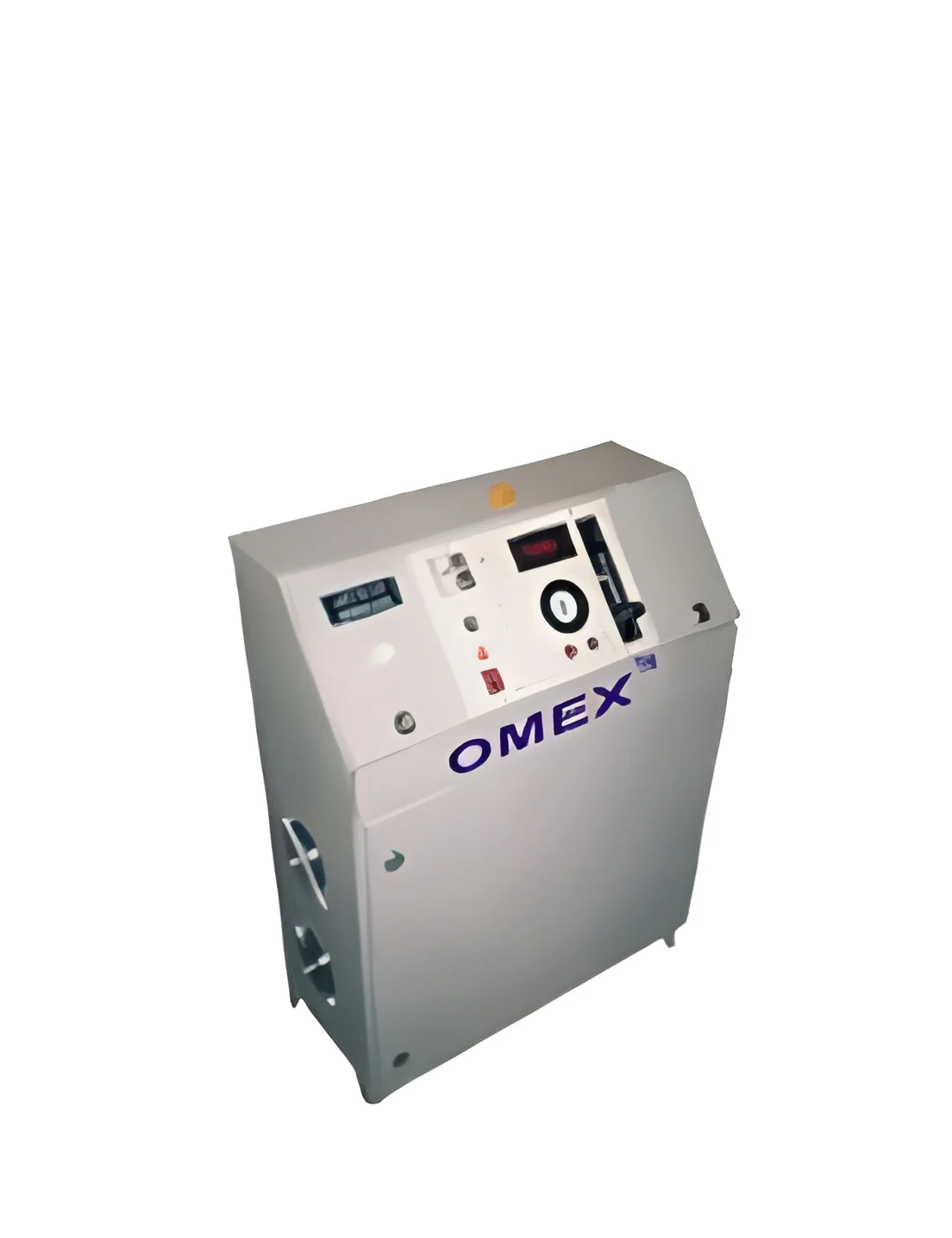
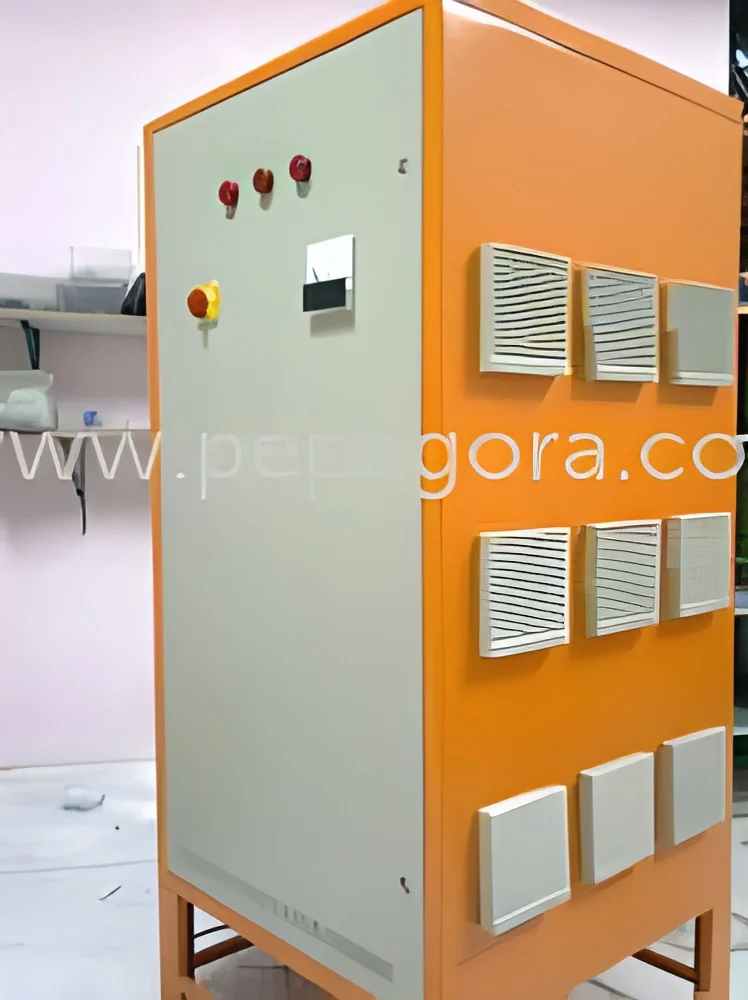
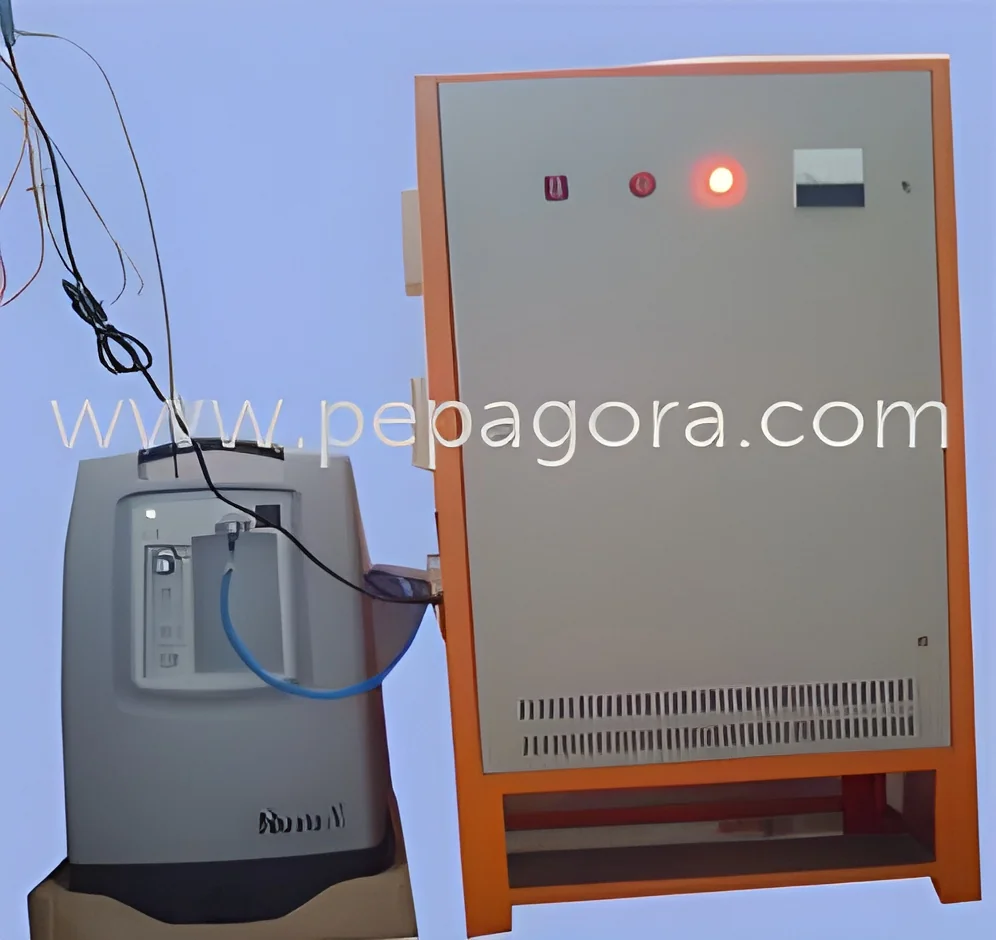
Ozone Water Treatment Units are advanced systems designed to purify water by utilizing ozone gas as a powerful oxidizing agent. These units generate ozone on-site and inject it into the water, effectively killing bacteria, viruses, and other pathogens. Ozone treatment is an environmentally friendly process that leaves no harmful residues, making it a preferred choice for many industries requiring high-quality water treatment solutions.
The primary applications of Ozone Water Treatment Units span various sectors, including municipal water treatment, food and beverage processing, aquaculture, and industrial wastewater management. Businesses rely on these units to enhance water quality, ensure food safety, and comply with stringent regulatory standards. Ozone treatment not only improves the clarity and taste of water but also helps in reducing chemical usage, thereby promoting sustainability.
In the context of the growing demand for clean and safe water, Ozone Water Treatment Units are becoming increasingly relevant in the market. As industries face challenges related to water contamination and environmental regulations, the adoption of ozone technology is rising. This trend highlights the importance of investing in efficient water treatment solutions that align with both operational needs and regulatory compliance.
Key Features and Specifications
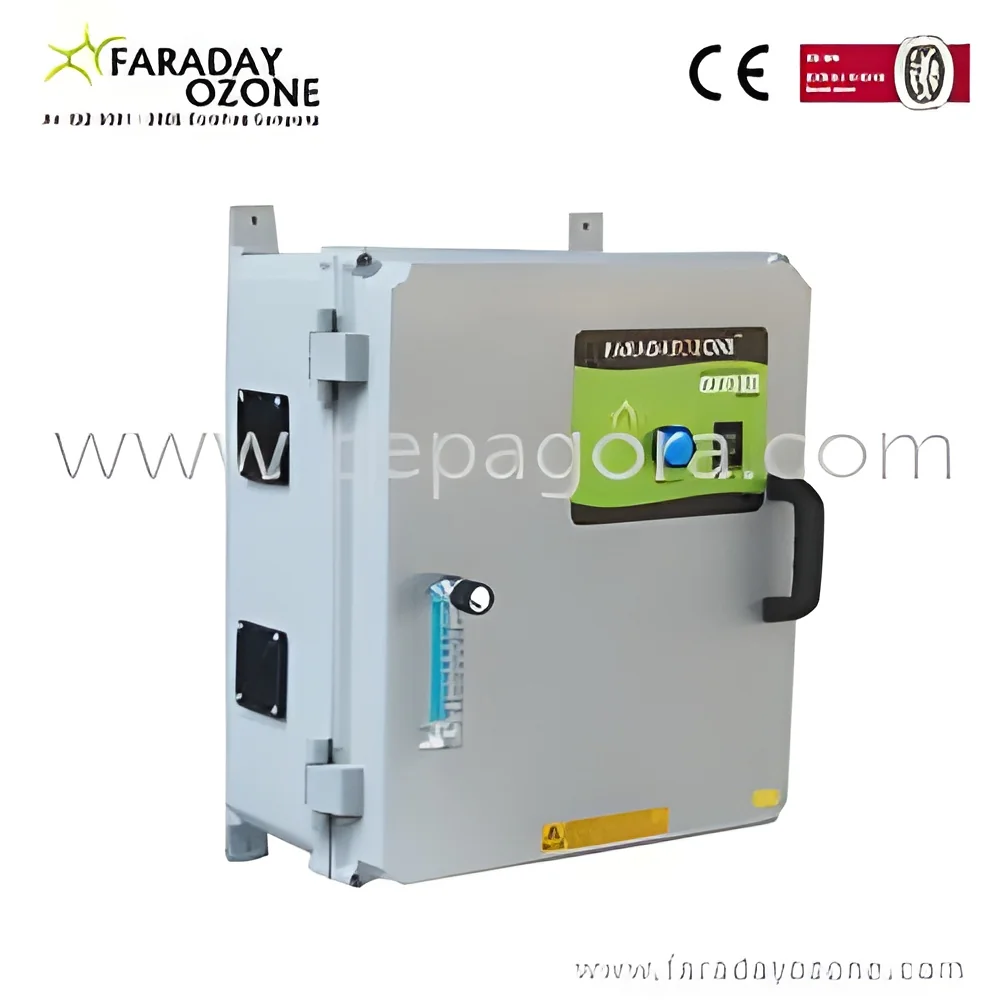
Ozone Water Treatment Units come equipped with a range of features designed to enhance their effectiveness and efficiency in water purification. These units can vary in size and capacity, making them suitable for different applications.
Key specifications include:
1. Ozone Generation Capacity
- This specification indicates the amount of ozone the unit can produce, typically measured in grams per hour (g/h).
- Common ranges may vary from 5 g/h for smaller units to over 100 g/h for larger systems.
2. Water Flow Rate
- This refers to the volume of water that can be treated by the unit within a specified time frame, usually measured in liters per hour (l/h).
- Flow rates can range from 500 l/h for residential units to several thousand l/h for industrial applications.
3. Power Consumption
- This specification details the electrical power required for the unit to operate, measured in kilowatts (kW).
- Typical consumption may range from 0.5 kW to 10 kW depending on the unit size and ozone generation capacity.
4. Operating Pressure
- This indicates the pressure levels at which the unit operates, measured in bars or psi.
- Most ozone treatment units operate at pressures between 1 to 3 bars.
5. Control System
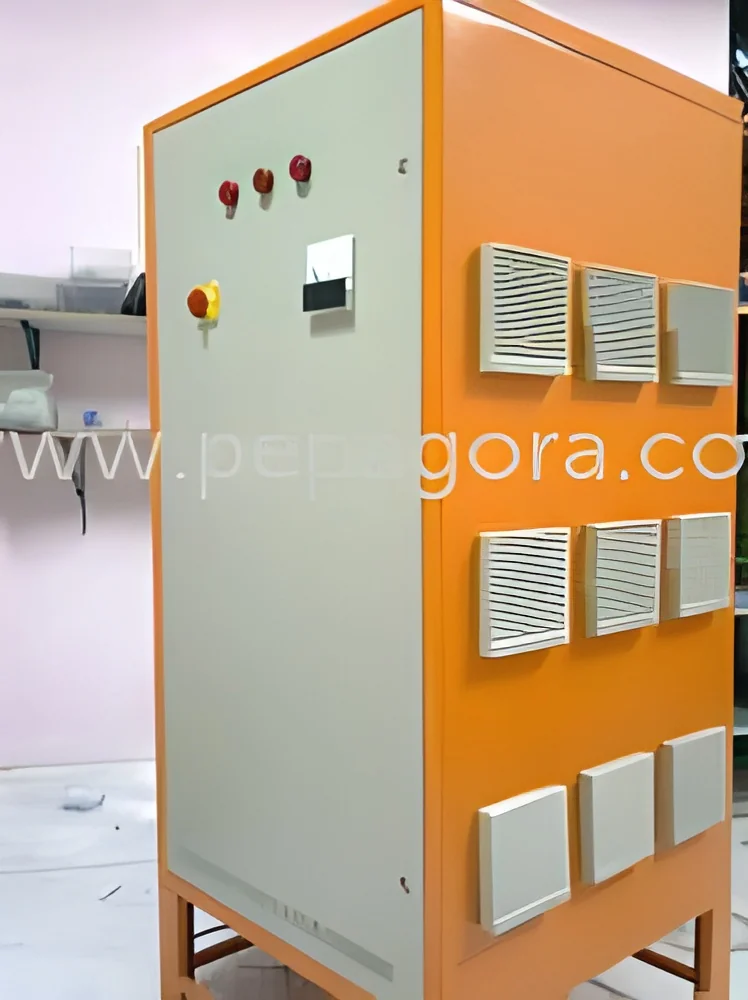
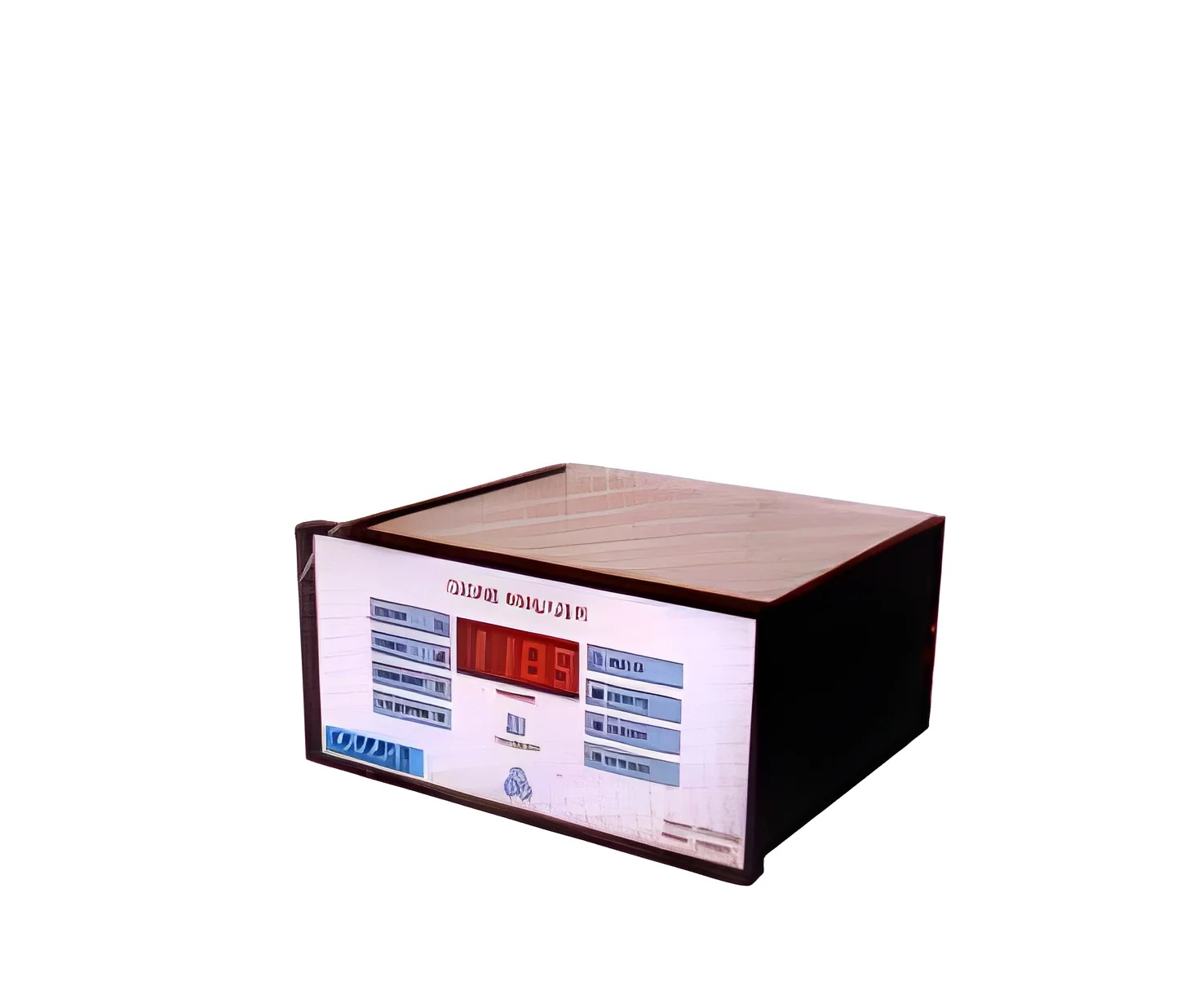
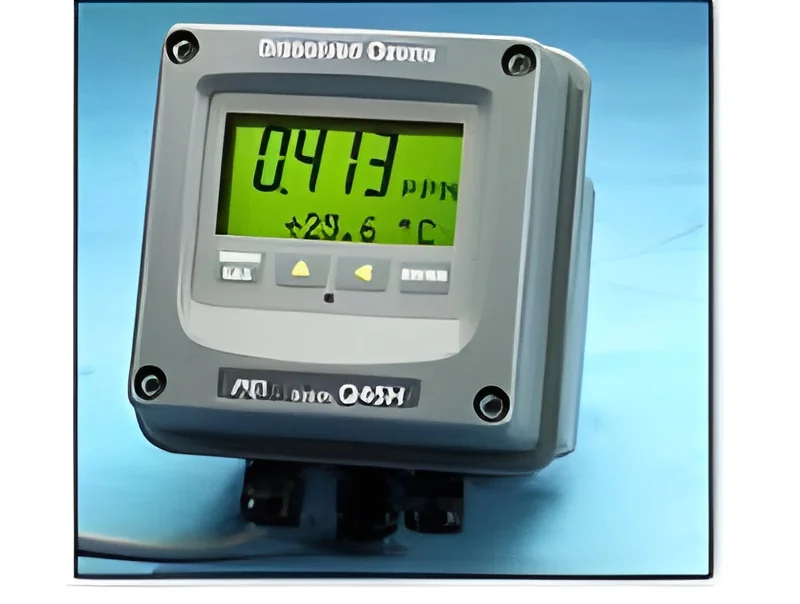
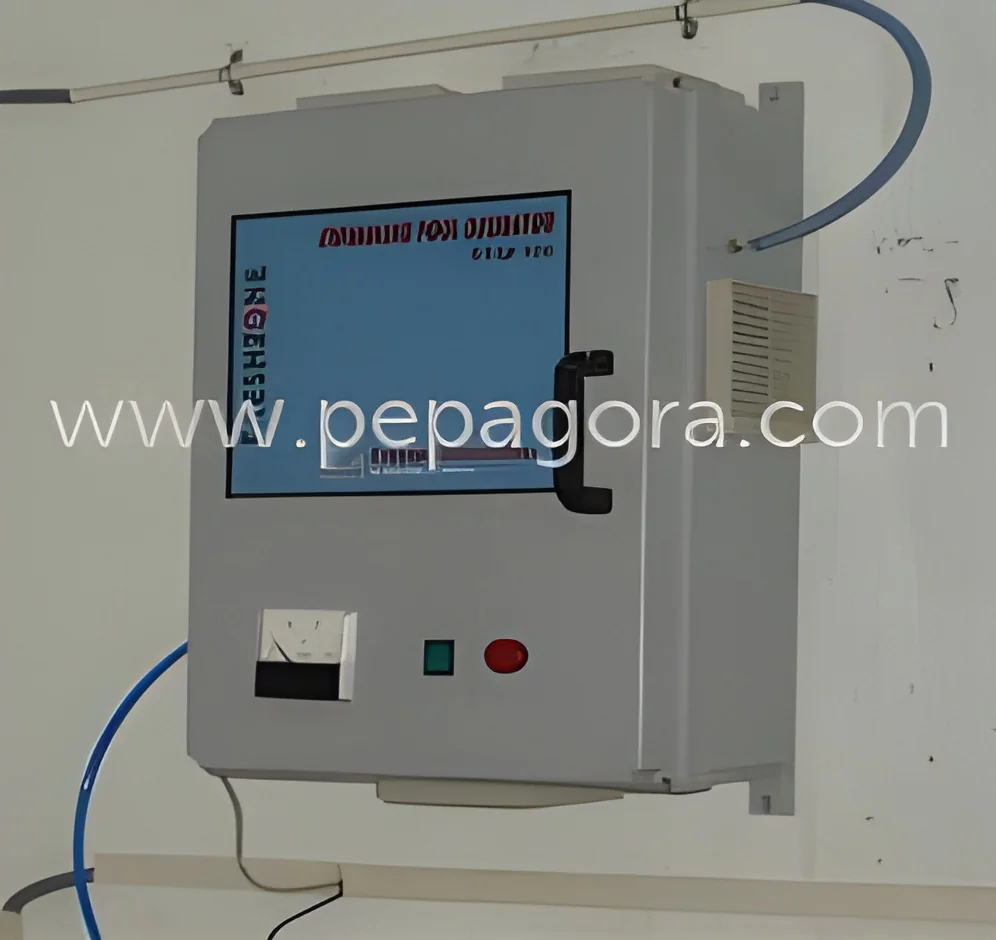
- Many units feature advanced control systems that allow for automated operation and monitoring of ozone levels in real time.
- These systems may include digital displays and remote access capabilities.
6. Material Construction
- Ozone treatment units are often made from corrosion-resistant materials to withstand the oxidative nature of ozone.
- Common materials include stainless steel and high-grade plastics.
7. Safety Features
- These units typically incorporate safety mechanisms to prevent ozone leaks and ensure safe operation.
- Features may include ozone detectors and automatic shut-off valves.
8. Certification Compliance
- Many units are certified according to industry standards such as CE, ensuring they meet safety and performance requirements.
In summary, Ozone Water Treatment Units are characterized by their efficient ozone generation, adaptability to various applications, and compliance with safety standards, making them an essential tool in modern water treatment processes.
Common Applications and Use Cases
Ozone Water Treatment Units find applications in various industries, enhancing water quality and safety.
1. Municipal Water Treatment: These units are used in municipal systems to disinfect drinking water, removing harmful pathogens and improving taste and odor.
2. Food and Beverage Processing: In this sector, ozone is utilized to sanitize equipment and surfaces, as well as to treat water used in food production, ensuring compliance with food safety regulations.
3. Aquaculture: Ozone treatment helps maintain water quality in fish farming by controlling pathogens and improving dissolved oxygen levels, which is crucial for fish health.
4. Industrial Wastewater Management: Industries use ozone treatment units to treat wastewater before discharge, reducing contaminants and meeting environmental regulations.
5. Swimming Pools and Spas: Ozone systems are employed in recreational water facilities to provide effective disinfection, reducing the need for chemical chlorine.
6. Pharmaceutical Manufacturing: Ozone is used to ensure the purity of water used in pharmaceutical processes, where even trace contaminants can affect product quality.
7. Cooling Towers: These units help control Legionella and other microorganisms in cooling systems, contributing to better efficiency and safety.
Product Variants and Subcategories
Ozone Water Treatment Units come in various configurations to suit different operational needs and environments.
Compact Ozone Generators
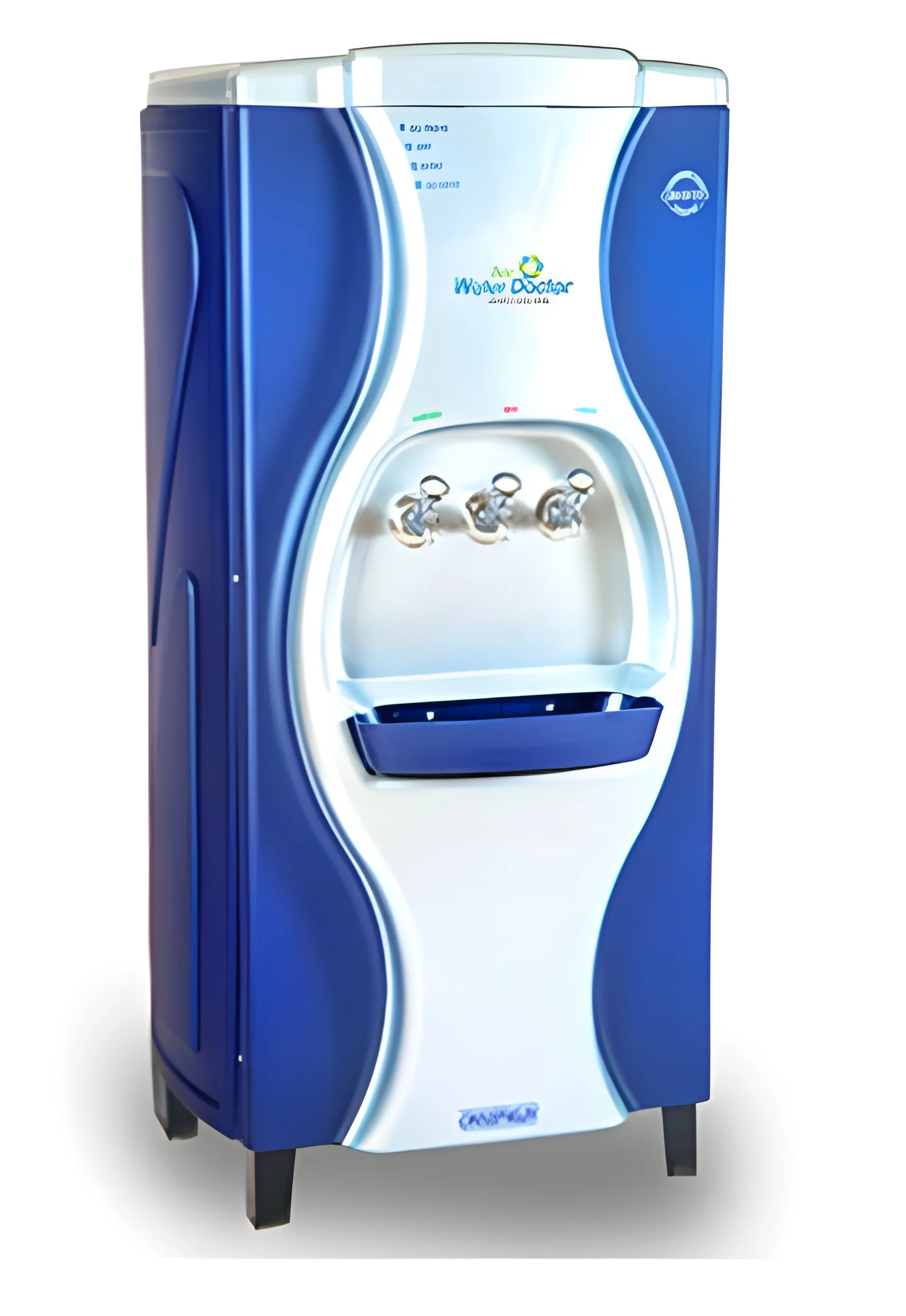
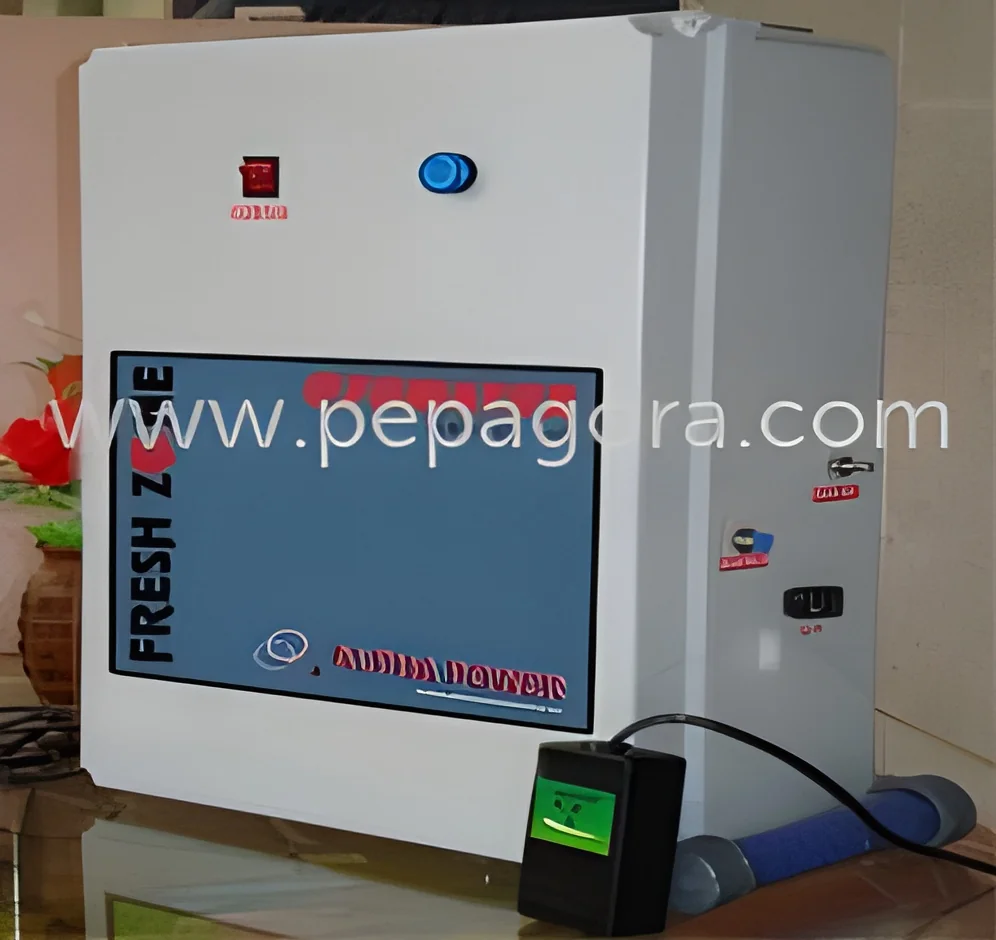
These are smaller units designed for residential or light commercial use. They offer a user-friendly design and are ideal for applications such as small swimming pools and home water systems.
Industrial Ozone Generators
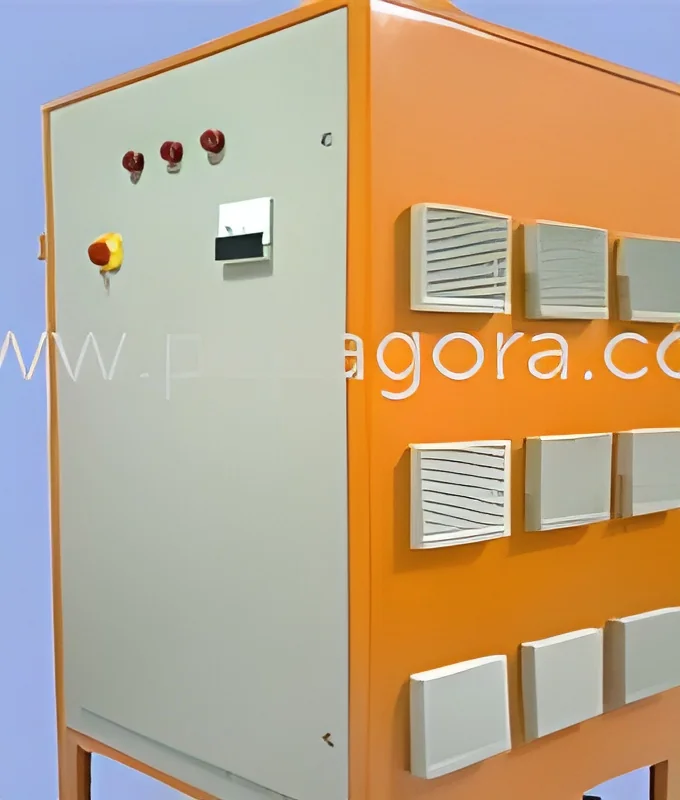
Larger and more robust, these units are built to handle high flow rates and ozone capacities. They are suitable for industrial applications, including wastewater treatment and food processing facilities.
Portable Ozone Treatment Units
These units are designed for mobility and can be easily transported for temporary applications. They are commonly used in situations where water treatment is required on-site, such as construction or emergency response.
Benefits and Advantages
Choosing Ozone Water Treatment Units provides several key benefits that enhance water treatment processes.
1. Superior Disinfection: Ozone is a powerful oxidizer that effectively kills bacteria, viruses, and protozoa, ensuring safe and clean water.
2. Chemical-Free Treatment: Ozone treatment reduces the need for chemical disinfectants, minimizing chemical residues and environmental impact.
3. Improved Water Quality: Ozone enhances the clarity and taste of water, making it more palatable for drinking and other uses.
4. Cost-Effectiveness: Although initial investment may be higher, ozone treatment can lead to significant savings by reducing chemical costs and improving operational efficiency.
5. Easy Maintenance: Many ozone systems are designed for easy maintenance, with components that can be readily accessed and serviced.
6. Compliance with Regulations: Ozone treatment helps businesses meet stringent regulatory standards for water quality and safety.
Buying Guide for B2B Buyers
When sourcing Ozone Water Treatment Units, several key factors should be considered to ensure an informed purchase.
1. Quality Assessment: Evaluate units based on performance metrics and reliability. Look for certifications that indicate compliance with industry standards.
2. Supplier Verification: Verify suppliers' credentials and reputation in the market. Check for customer reviews and case studies to gauge their reliability.
3. Pricing and MOQ: Understand the pricing structure and minimum order quantities. Compare quotes from multiple suppliers to ensure competitive pricing.
4. Delivery and Lead Times: Consider logistics and lead times for delivery. Ensure that the supplier can meet your project timelines.
5. Compliance Requirements: Assess the regulatory requirements specific to your industry and region. Ensure that the units sourced will comply with local laws and standards.
Compliance and Certifications
Ozone Water Treatment Units must adhere to several quality standards and certifications to ensure their effectiveness and safety.
ISO 9001 is a widely recognized standard that guarantees a consistent quality management system across organizations. Compliance with this standard indicates that the manufacturer follows best practices in production and service delivery.
CE certification demonstrates that the unit meets European health, safety, and environmental protection standards. This certification is essential for units sold in the European market.
Safety and testing requirements are critical to ensure the units function correctly without posing risks to users. Compliance with relevant national and international safety standards is necessary for the safe operation of these units.
Regional compliance considerations may vary. Buyers should be aware of specific regulations in their area regarding ozone usage and water treatment to ensure full compliance.
Why Source Ozone Water Treatment Units from Pepagora?
Pepagora offers a trusted platform for sourcing Ozone Water Treatment Units, providing several key advantages for B2B buyers.
Verified Supplier Network: Pepagora connects buyers with verified suppliers, ensuring that all listed manufacturers are reputable and meet quality standards. This verification process helps mitigate risks associated with sourcing industrial products.
Streamlined RFQ Process: The platform features a streamlined Request for Quotation (RFQ) system, allowing buyers to request quotes from multiple suppliers quickly. This process saves time and facilitates competitive pricing.
Trade Assurance and Support: Pepagora provides trade assurance, offering buyer protection throughout the purchasing process. This support ensures that buyers receive the products as described and in a timely manner.
Regional Coverage: Pepagora's network spans India, the GCC, and Southeast Asia, providing extensive geographic coverage. This reach ensures that buyers from various regions can find suitable suppliers for their specific needs.

 IN
IN