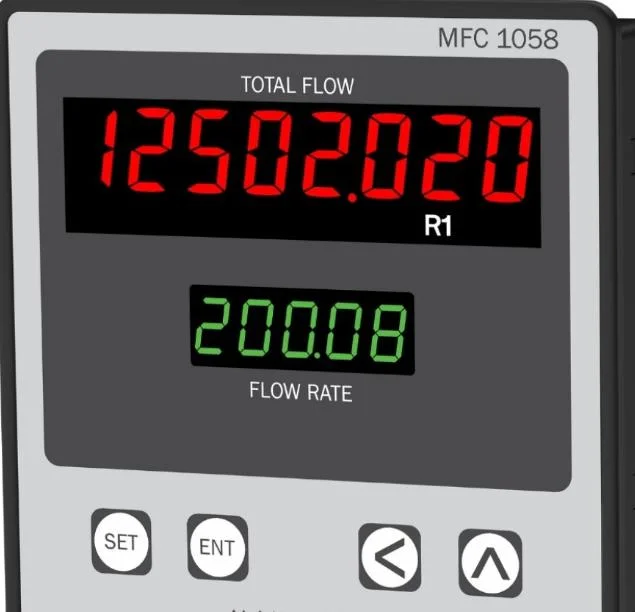
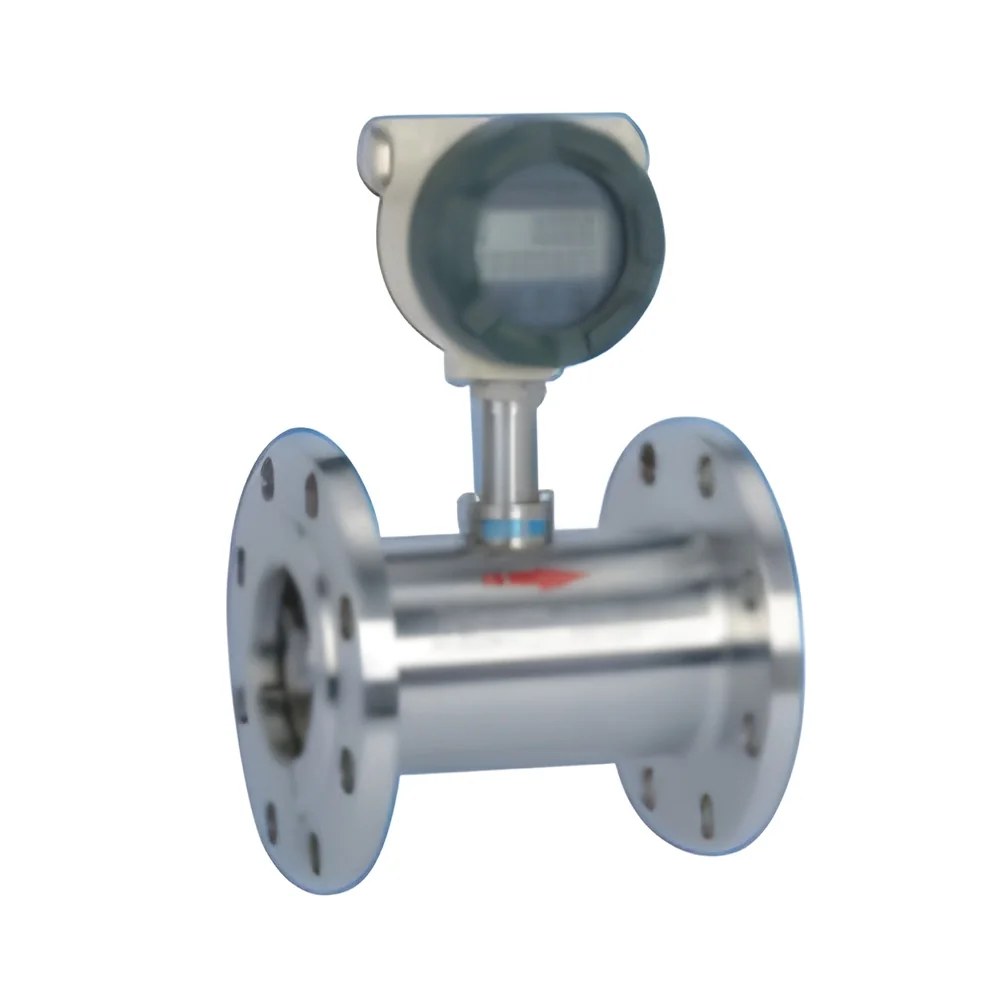
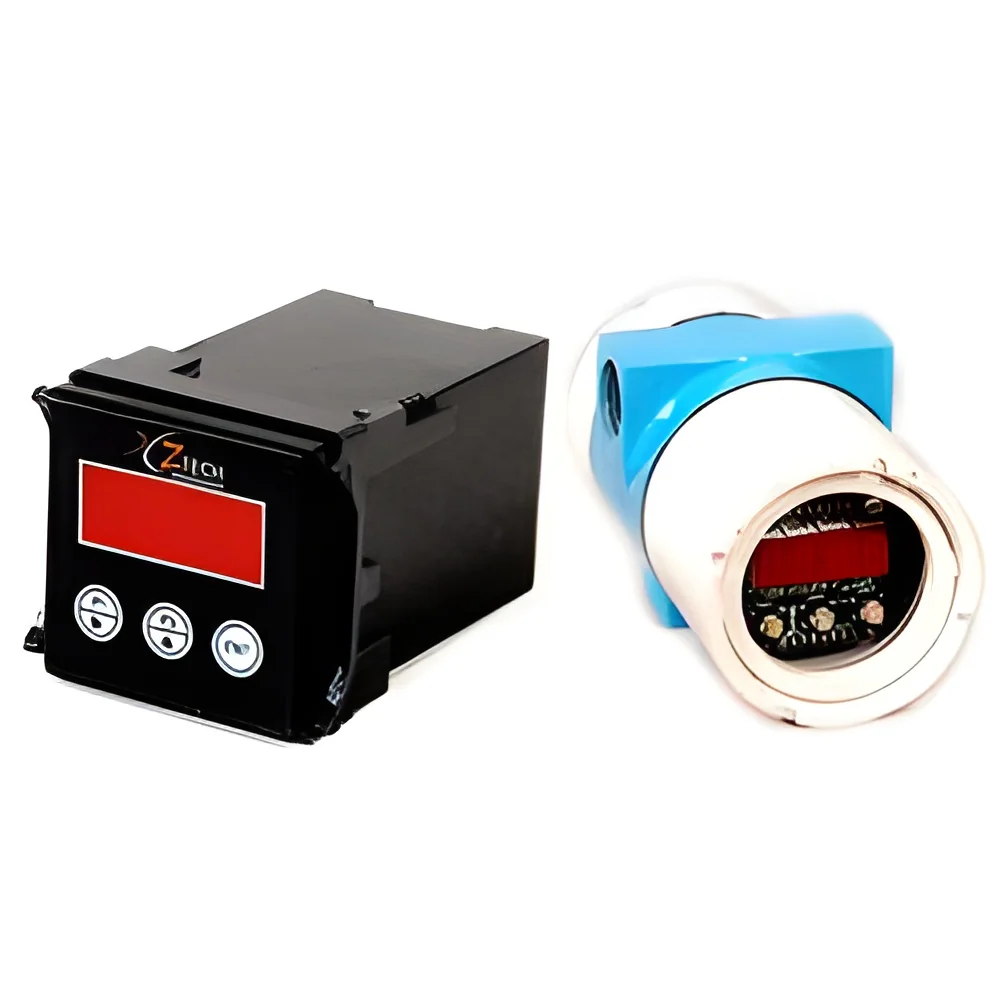
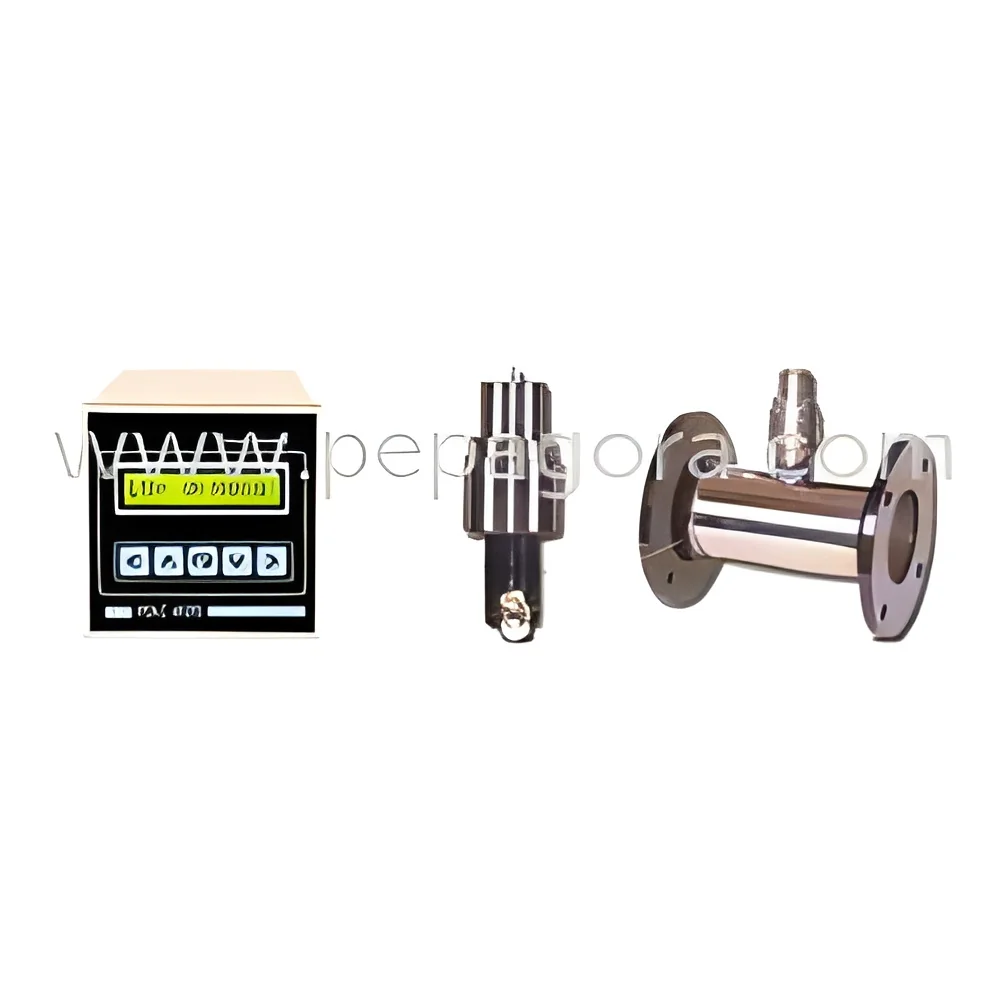
What are Digital Flowmeters?
Digital flowmeters are precise instruments used to measure the flow rate of liquids and gases in various industrial applications. They employ advanced technologies to convert the flow of a substance into a digital signal, enabling accurate readings and data logging. Unlike traditional mechanical flowmeters, digital flowmeters offer enhanced reliability, reduced maintenance needs, and the ability to monitor flow in real-time.
These devices find primary uses in industries such as water treatment, oil and gas, food and beverage, and chemical processing. Businesses utilize digital flowmeters to optimize processes, ensure regulatory compliance, and enhance operational efficiency. The increasing demand for automation and real-time monitoring in industrial settings drives the growth of the digital flowmeter market, highlighting its relevance across diverse sectors.
Key Features and Specifications
Digital flowmeters come equipped with numerous features that enhance their performance and usability. They provide accurate flow measurements, are easy to install, and offer various output options for data integration. Understanding the specifications is essential for selecting the right flowmeter for specific applications.
Key specifications include:
1. Measurement Range
- The flow rate range often varies by model, catering to different applications.
- Typical ranges could be from low flow rates of a few milliliters per minute to high flow rates exceeding thousands of liters per minute.
2. Accuracy
- Digital flowmeters generally offer high accuracy levels, often within 0.5% to 2% of the measured value.
- This accuracy is critical for applications requiring precise measurements.
3. Output Signal
- Common output signals include 4-20 mA, pulse, and modbus communication for easy integration with control systems.
- This versatility supports various data logging and monitoring requirements.
4. Power Supply
- Many digital flowmeters operate on standard AC or DC power supplies.
- Some models feature battery operation for remote locations.
5. Temperature Range
- Each model may support specific temperature ranges, suitable for different industrial environments.
- Data not available for exact temperature specifications.
6. Material Construction
- Flowmeters are constructed from materials such as stainless steel, plastics, or other alloys.
- These materials enhance durability and chemical resistance.
7. Operating Pressure
- Each flowmeter has a defined operating pressure range, crucial for maintaining performance.
- Specifications typically vary based on the intended application.
8. Certifications
- Most digital flowmeters come with industry certifications such as CE to ensure compliance with safety and quality standards.
In summary, selecting the right digital flowmeter involves considering these specifications to meet specific operational needs effectively.
Common Applications and Use Cases
Digital flowmeters are versatile tools utilized across various industries, each with unique applications.
1. Water and Wastewater Treatment: In this sector, digital flowmeters are essential for monitoring flow rates in treatment plants, ensuring compliance with environmental regulations.
2. Oil and Gas: These flowmeters play a critical role in measuring crude oil and gas flows, supporting efficient extraction and transportation processes.
3. Food and Beverage: In food processing, digital flowmeters ensure accurate measurement of ingredients and maintain quality control during production.
4. Chemical Processing: Digital flowmeters are used to regulate the flow of chemicals in manufacturing, enhancing safety and efficiency in operations.
5. Pharmaceutical: In the pharmaceutical industry, precise flow measurement is crucial for dosing medications accurately and ensuring product consistency.
6. HVAC Systems: Digital flowmeters monitor water and air flow in heating, ventilation, and air conditioning systems, improving energy efficiency.
7. Agriculture: These devices are used in irrigation systems to optimize water usage and enhance crop yield.
Product Variants and Subcategories
Digital flowmeters come in various types to cater to specific application needs. Understanding these variants helps in selecting the right product for particular requirements.
Electromagnetic Flowmeters: These flowmeters are ideal for conductive liquids and are widely used in water treatment and chemical industries. Their technology is based on Faraday's law of electromagnetic induction.
Ultrasonic Flowmeters: Using sound waves to determine flow rates, these flowmeters are suitable for applications involving clean water and other non-invasive measures. They are efficient for both liquids and gases.
Thermal Mass Flowmeters: Designed for measuring gases, these devices are commonly used in HVAC and industrial processes where gas flow measurement is necessary.
Coriolis Flowmeters: Known for their high accuracy, Coriolis flowmeters are used in a variety of industries, including food and beverage, for precise mass flow measurements.
Benefits and Advantages
The adoption of digital flowmeters offers numerous benefits that enhance operational efficiency and accuracy.
1. Enhanced Accuracy: Digital flowmeters provide precise measurements, reducing errors in flow rate readings and improving process control.
2. Real-Time Monitoring: They enable continuous monitoring of flow rates, allowing for immediate adjustments and better decision-making.
3. Reduced Maintenance: With fewer moving parts than mechanical alternatives, digital flowmeters require less maintenance, saving time and costs.
4. Versatile Applications: They can be used in a variety of industries, making them suitable for diverse operational needs.
5. Data Logging Capabilities: Many models come with data logging features, enabling businesses to track performance over time and analyze trends.
6. Compliance Support: Digital flowmeters assist in meeting regulatory requirements by providing accurate data for reporting and audits.
Buying Guide for B2B Buyers
When sourcing digital flowmeters, it is crucial for B2B buyers to consider several key factors to ensure they select the right product.
1. Quality Assessment: Evaluate the quality of the flowmeters by reviewing manufacturer specifications, performance data, and customer feedback. A reliable flowmeter is essential for accurate measurements.
2. Supplier Verification: Vet suppliers thoroughly to ensure they offer quality products and reliable customer support. Research their reputation in the industry and past customer satisfaction.
3. Pricing and MOQ: Understand the pricing structure and minimum order quantities (MOQ) to ensure they align with your budget and operational needs. Compare multiple suppliers to find the best deal.
4. Delivery and Lead Times: Consider logistics and the expected delivery timelines. Timely delivery is critical for maintaining production schedules and avoiding downtime.
5. Compliance Requirements: Ensure that the selected flowmeters meet relevant industry standards and certifications. Compliance with regulations is essential for operational integrity.
Compliance and Certifications
Digital flowmeters must adhere to various quality and safety standards to ensure reliability and performance in industrial applications. Standards such as ISO 9001 are critical for maintaining quality management systems, ensuring that manufacturers produce consistent and reliable products.
Industry certifications like CE indicate that the flowmeters comply with European safety and environmental standards. These certifications provide buyers with confidence in the quality and safety of their products.
Safety and testing requirements are also vital in the manufacturing process. Each flowmeter should undergo rigorous testing to ensure they perform under specified conditions without failure.
Additionally, compliance considerations may vary by region, necessitating awareness of local regulations that impact flowmeter selection and usage.
Why Source Digital Flowmeters from Pepagora?
Pepagora stands out as a trusted platform for sourcing digital flowmeters, offering several key advantages to B2B buyers.
Verified Supplier Network: Pepagora provides access to a network of verified suppliers, ensuring that buyers can source high-quality products with confidence. This verification process helps eliminate risks associated with unreliable suppliers.
Streamlined RFQ Process: The platform features a streamlined request-for-quotation (RFQ) system, allowing buyers to request quotes from multiple suppliers easily. This process saves time and helps in comparing options effectively.
Trade Assurance and Support: Pepagora offers trade assurance, providing buyers with protection against potential issues with orders. The platform also provides customer support to address any concerns during the purchasing process.
Regional Coverage: With a strong presence in India, the GCC, and Southeast Asia, Pepagora provides extensive geographic reach. This enables buyers to source digital flowmeters locally, reducing logistics costs and improving supply chain efficiency.

 IN
IN