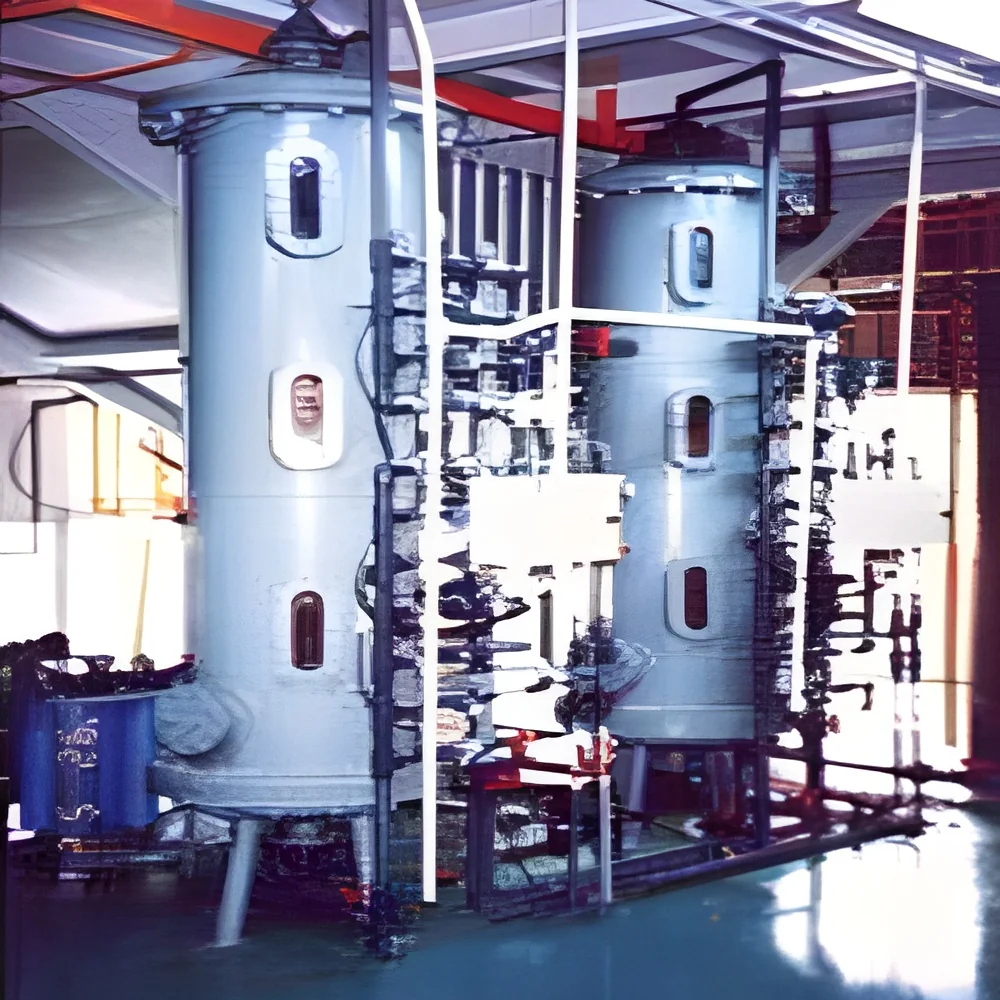
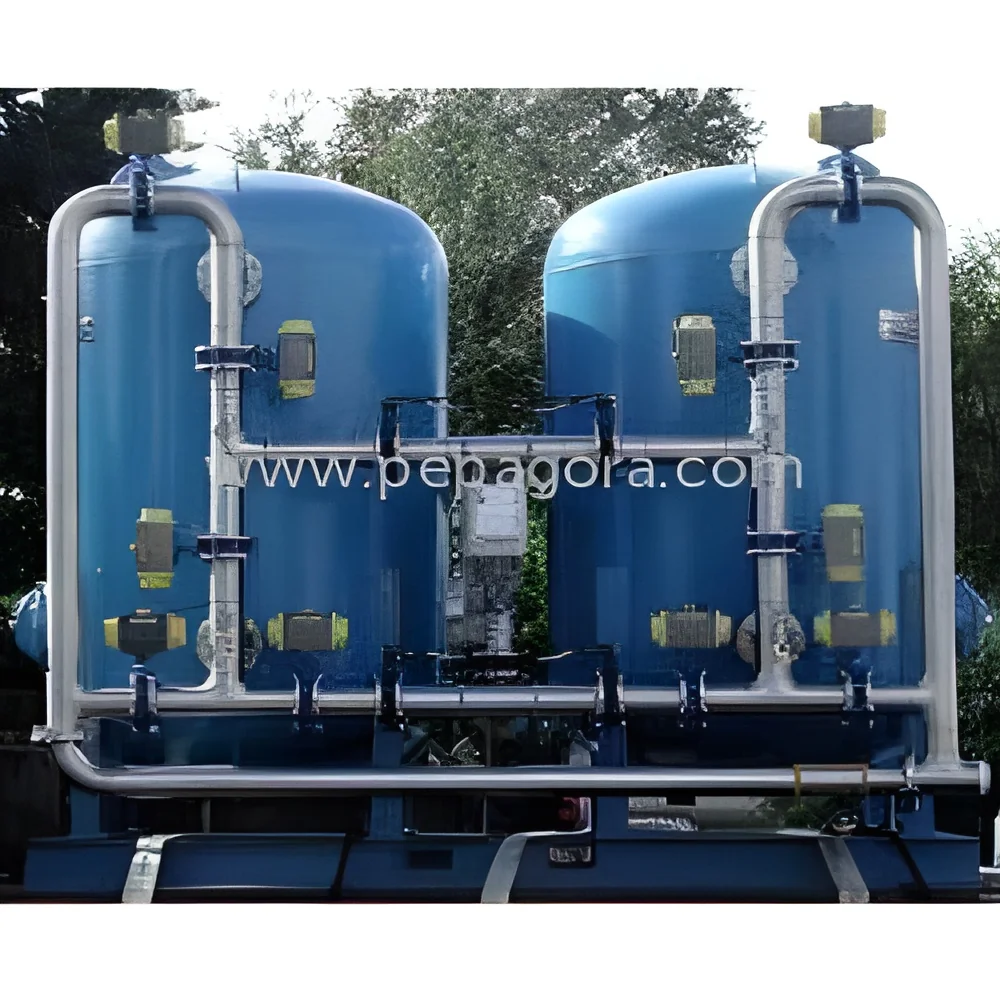
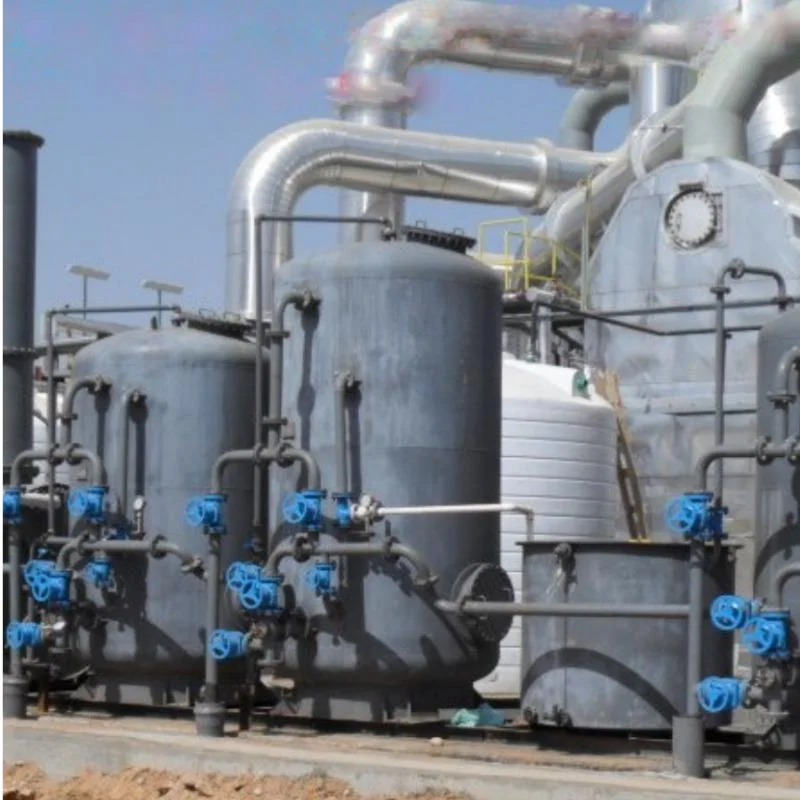
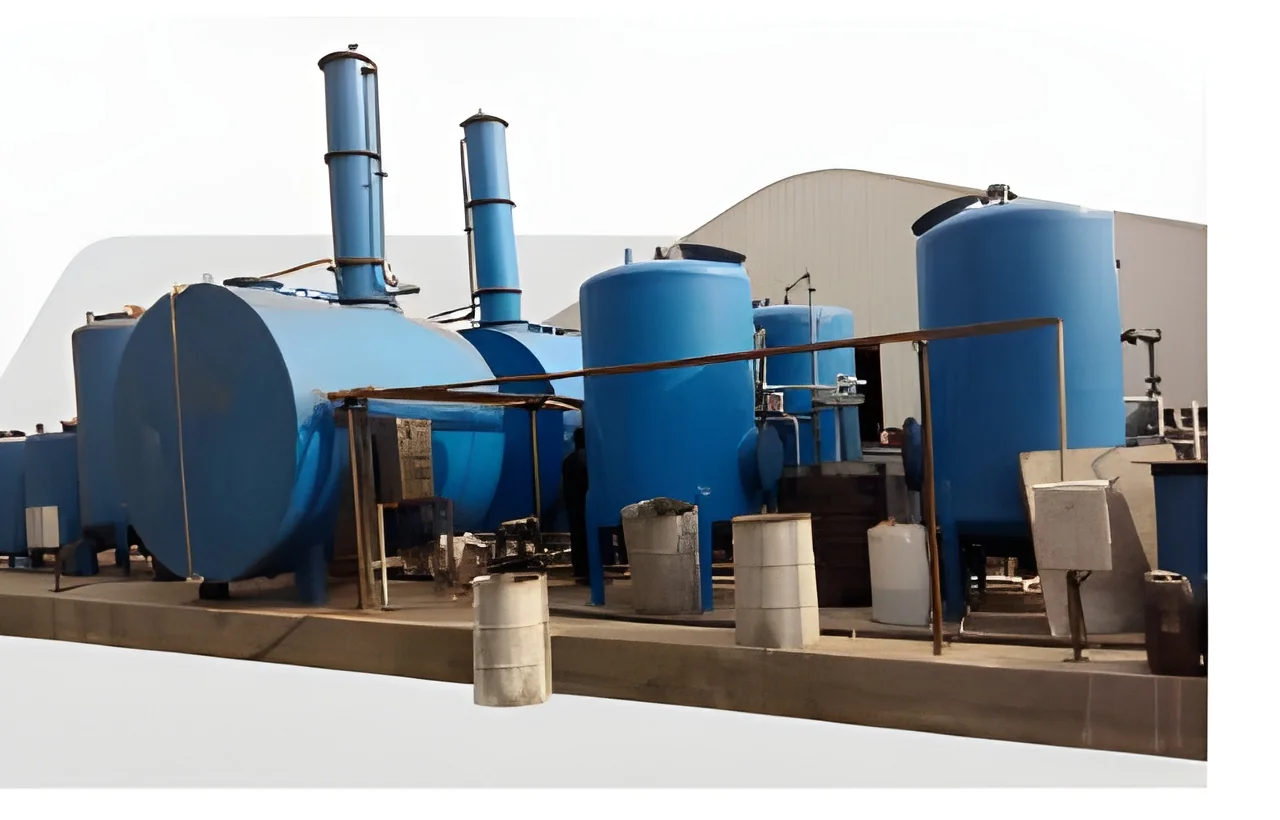
What are Two-Bed Demineralization Systems?
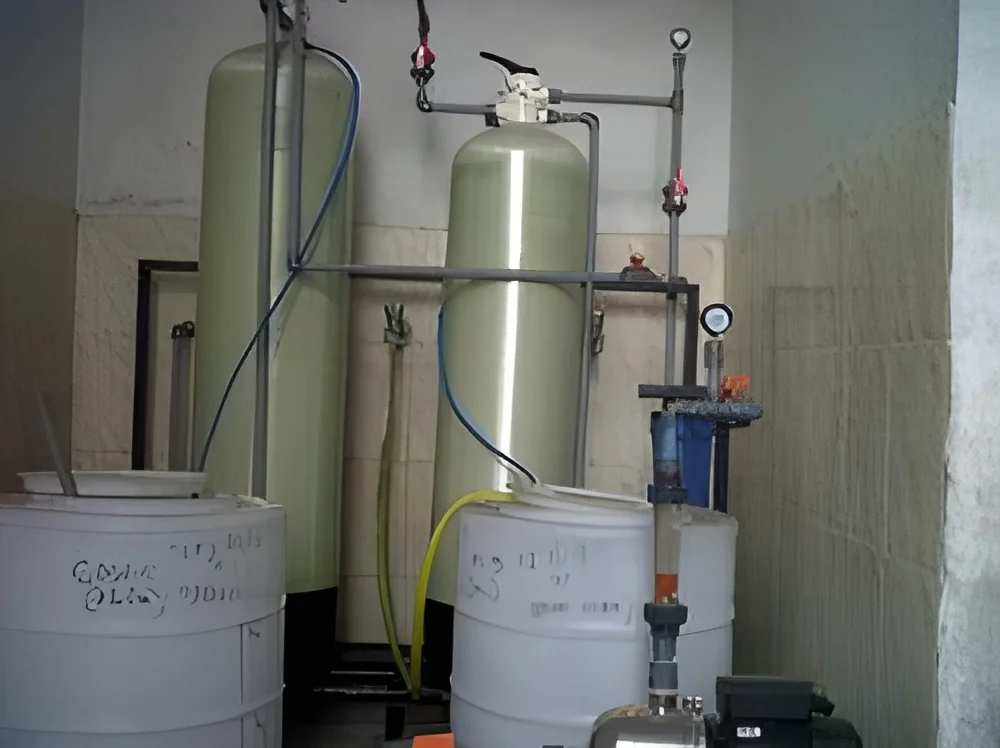
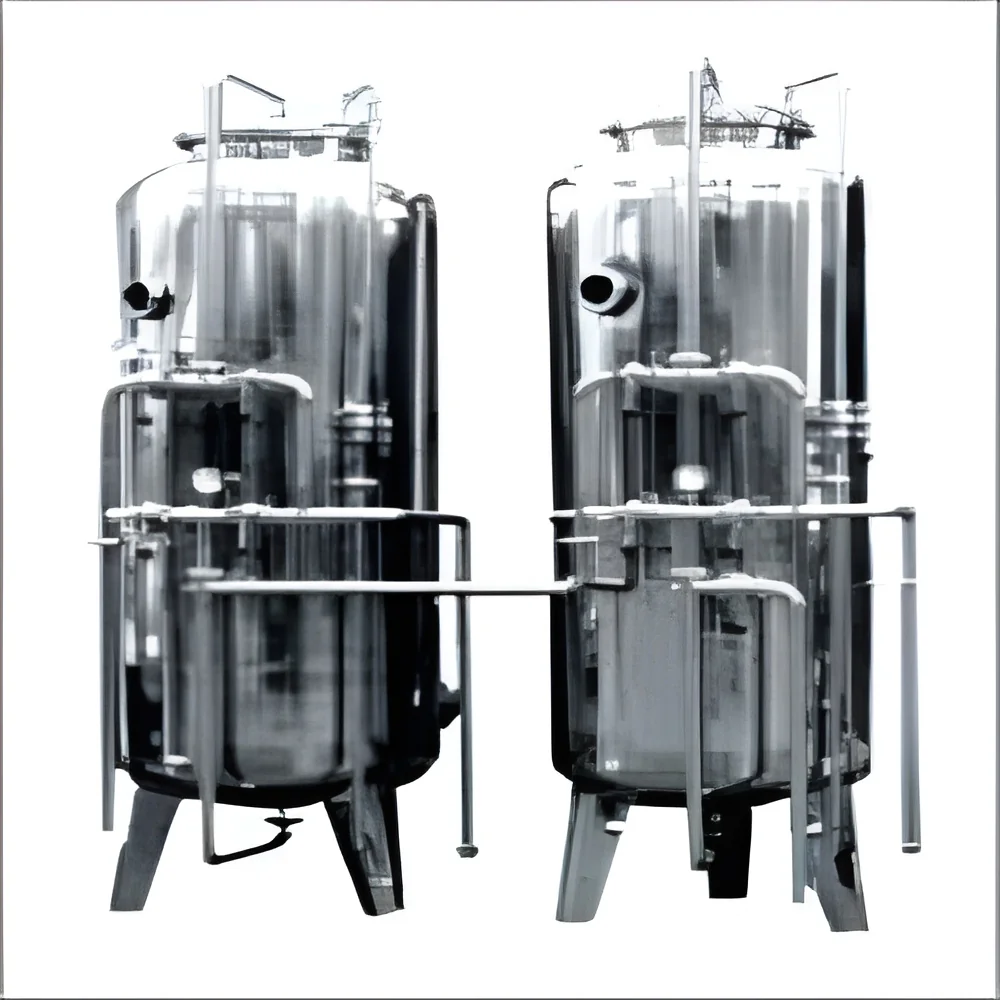
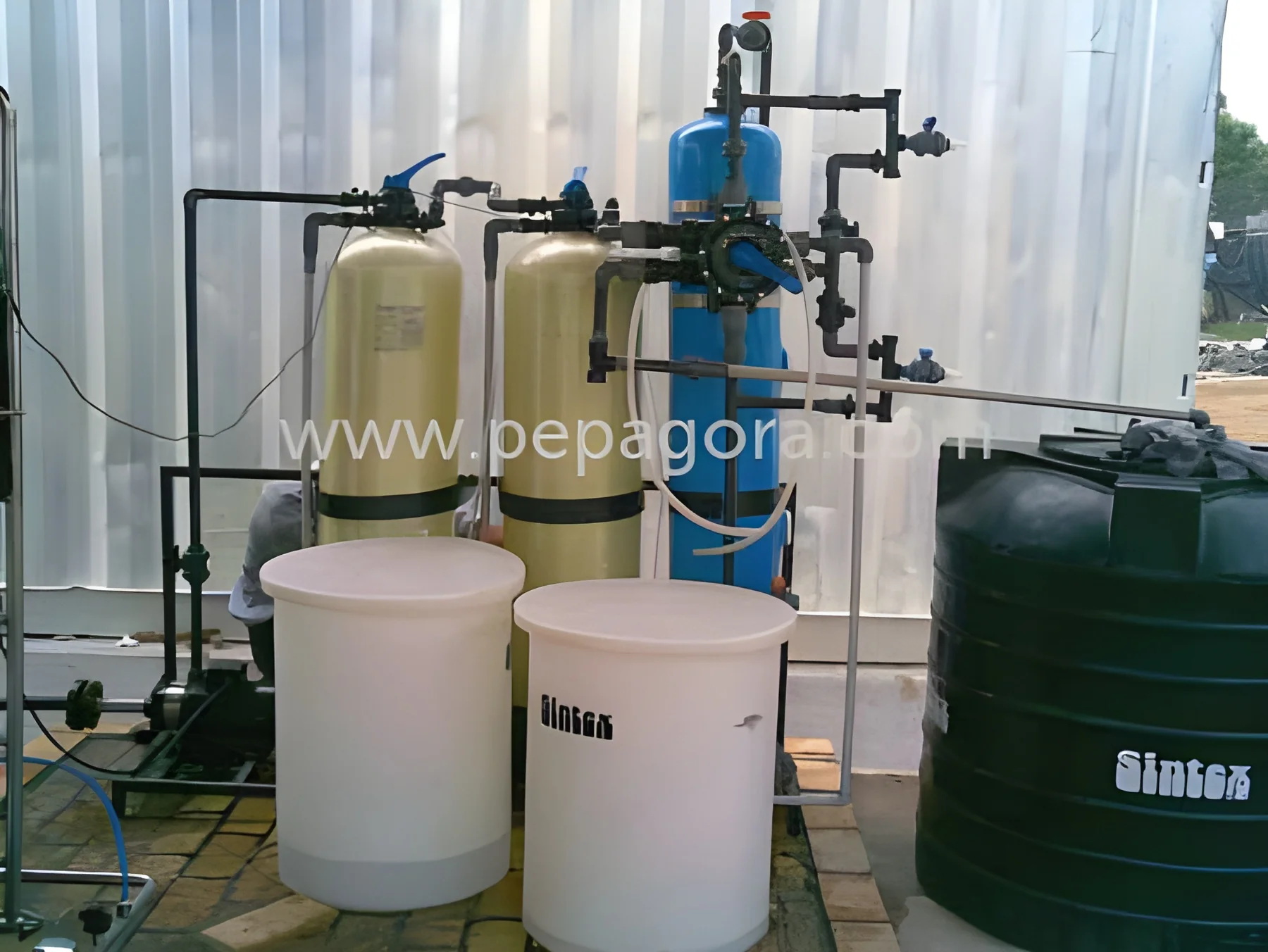
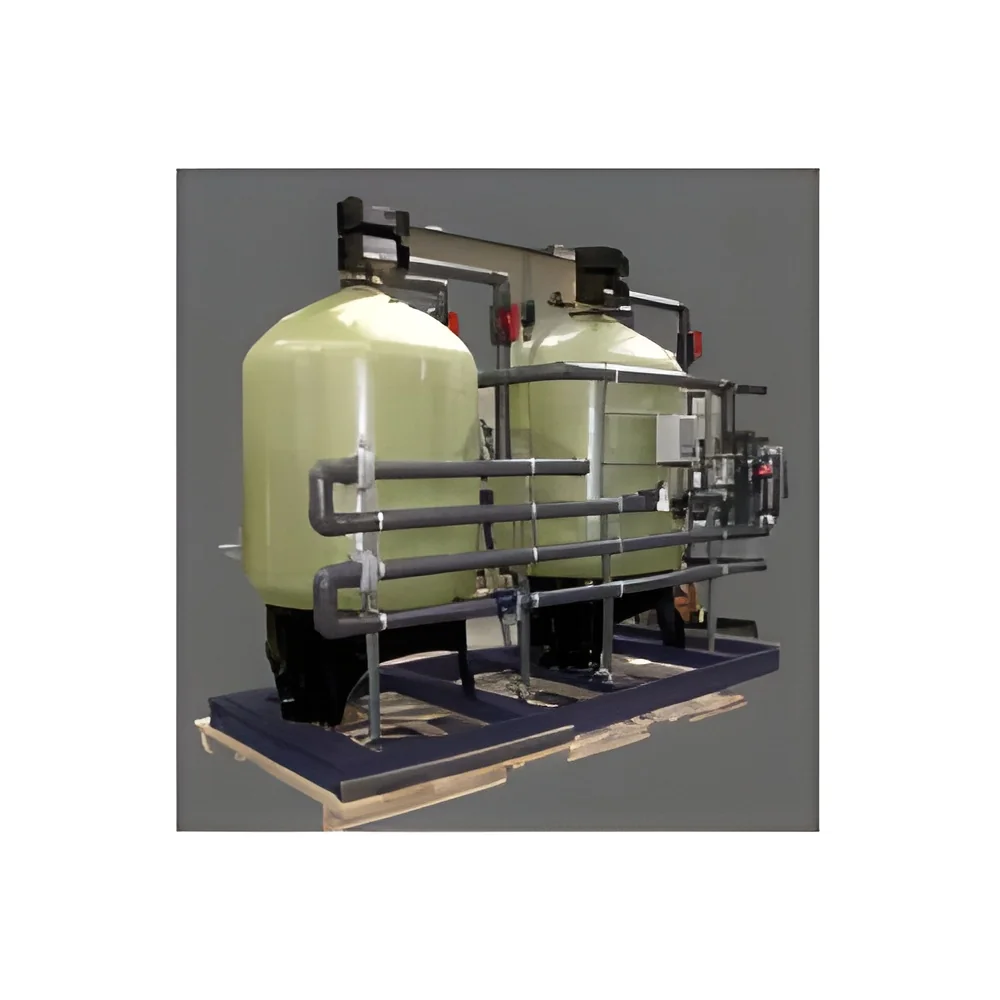
Two-Bed Demineralization Systems are advanced water treatment solutions designed to remove dissolved minerals and impurities from water. These systems utilize two separate vessels filled with ion exchange resins, one containing cation resin and the other containing anion resin. As water passes through these beds, positive ions are exchanged for hydrogen ions in the cation bed, while negative ions are exchanged for hydroxide ions in the anion bed. The result is highly purified water suitable for various industrial applications.
These systems are primarily used in industries where high-purity water is essential, such as power generation, pharmaceuticals, and electronics manufacturing. They help ensure that water quality meets stringent standards, preventing equipment damage and product contamination. The ability to supply consistent water quality makes Two-Bed Demineralization Systems critical in maintaining operational efficiency and compliance with industry regulations.
In the current market context, there is a growing demand for high-quality water treatment solutions driven by increasing industrial activities and environmental regulations. As industries continue to evolve, the need for reliable and efficient demineralization systems becomes increasingly important. This positions Two-Bed Demineralization Systems as a vital component in the water treatment landscape.
Key Features and Specifications
Two-Bed Demineralization Systems are characterized by their robust design and precise functionality. They are engineered to deliver consistent water quality while being easy to operate and maintain. These systems can be customized based on specific industrial requirements, making them versatile solutions for various applications.
Key specifications include:
1. Ion Exchange Capacity
- This specification indicates the amount of dissolved ions the system can remove.
- Typically measured in milliequivalents per liter (meq/L).
2. Flow Rate
- The maximum rate at which water can pass through the system.
- Often expressed in liters per hour (L/h) or gallons per minute (GPM).
3. Operating Pressure
- The pressure range within which the system operates effectively.
- Generally between 2 to 6 bar.
4. Regeneration Frequency
- This refers to how often the resins need to be regenerated to maintain performance.
- Varies based on usage and water quality.
5. Control System
- Many systems include automated controls for monitoring and operation.
- May feature digital displays for real-time data.
6. Size and Dimensions
- Overall dimensions of the system, which can vary based on capacity and design.
- Important for determining installation space.
7. Material of Construction
- Typically made from corrosion-resistant materials such as stainless steel or fiberglass.
- Ensures durability and longevity.
8. Certification
- Compliance with industry standards such as CE certification.
- Indicates adherence to safety and performance criteria.
These specifications highlight the important technical aspects that B2B buyers should consider when evaluating Two-Bed Demineralization Systems.
Common Applications and Use Cases
Two-Bed Demineralization Systems are utilized across various industries due to their ability to produce high-purity water.
1. Power Generation: These systems are essential for producing boiler feedwater, ensuring that steam systems operate efficiently and without scaling.
2. Pharmaceuticals: High-purity water is crucial for drug formulation and production processes, where contamination can lead to product failure.
3. Electronics Manufacturing: The semiconductor industry requires demineralized water for cleaning and rinsing components, preventing contamination during production.
4. Food and Beverage: In food processing, demineralized water is used in production lines to ensure safety and quality in consumables.
5. Chemical Processing: Many chemical reactions require water free from impurities to ensure product consistency and quality.
6. Textile Industry: Used in dyeing and finishing processes, demineralized water helps achieve uniform color application.
7. Laboratory Applications: In research and testing, high-purity water is essential for accurate results and reliable data.
Product Variants and Subcategories
While Two-Bed Demineralization Systems can vary based on size and capacity, the general concept remains the same. Customization allows these systems to meet specific industry requirements.
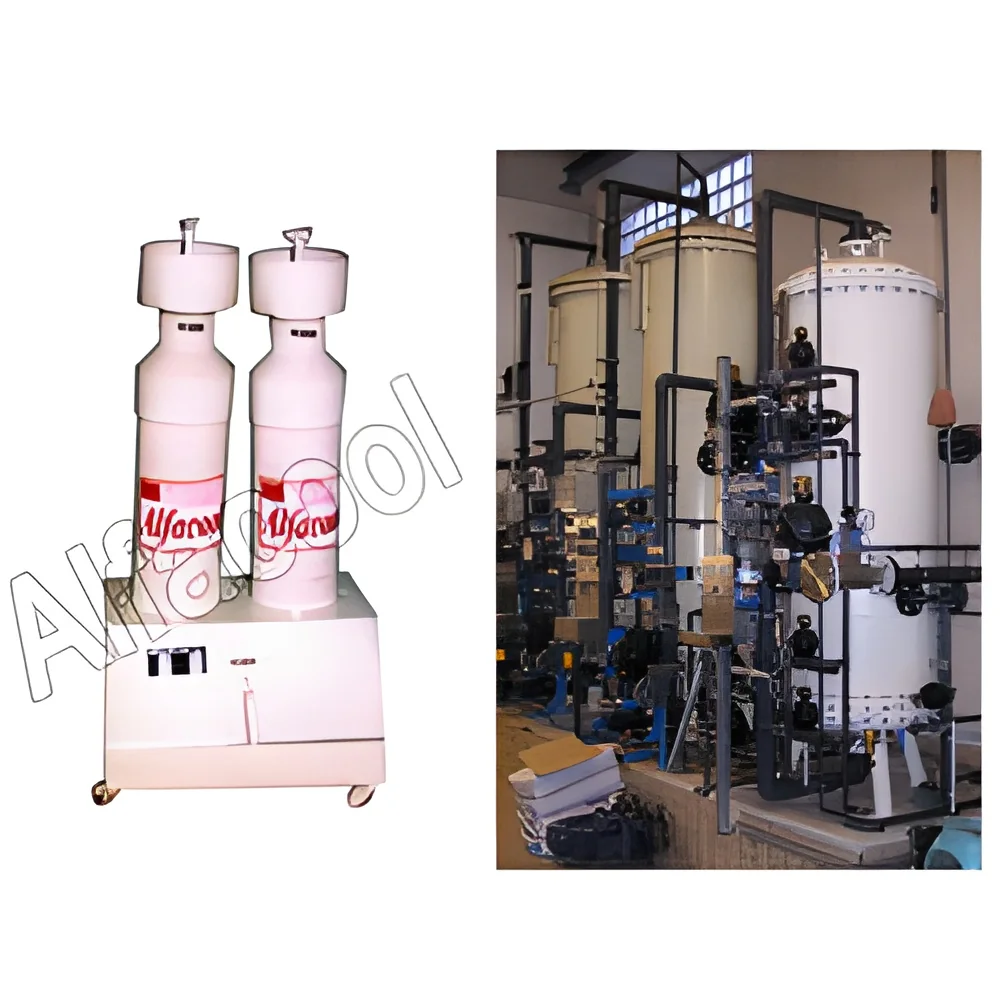
Compact Two-Bed Demineralization System: This variant is designed for smaller operations where space is limited. It offers high efficiency in a compact design, making it suitable for laboratories and small-scale production.
High-Capacity Two-Bed Demineralization System: Engineered for larger industrial applications, this variant can handle increased flow rates and higher ion exchange capacities, ensuring consistent performance in demanding environments.
Mobile Two-Bed Demineralization System: Designed for portability, this system is ideal for temporary setups or projects that require flexible water treatment solutions. Its easy transportability makes it suitable for construction sites and field applications.
Benefits and Advantages
Two-Bed Demineralization Systems offer several benefits that enhance operational efficiency and product quality.
1. High Purity Water: These systems effectively remove dissolved minerals, ensuring that water meets strict quality specifications.
2. Cost-Effective Operation: By preventing scaling and corrosion in equipment, these systems help reduce maintenance costs and extend equipment life.
3. Flexibility: The ability to customize systems based on specific needs allows businesses to optimize their water treatment processes.
4. Environmental Compliance: Utilizing these systems helps companies adhere to environmental regulations regarding water quality and discharge.
5. Improved Product Quality: High-purity water is essential in many industries, contributing to enhanced product safety and quality.
6. Simple Maintenance: Designed for ease of operation, these systems require minimal maintenance, allowing staff to focus on core business activities.
Buying Guide for B2B Buyers
When sourcing Two-Bed Demineralization Systems, B2B buyers should consider several key factors to ensure they select the right solution for their needs.
1. Quality Assessment: Evaluate the materials and construction of the system. Look for systems that comply with industry standards, ensuring reliability and performance.
2. Supplier Verification: Research potential suppliers to confirm their reputation and experience in providing water treatment solutions. Check for reviews and case studies.
3. Pricing and MOQ: Understand the pricing structures and any minimum order quantities. Compare costs among suppliers while considering the total cost of ownership.
4. Delivery and Lead Times: Inquire about logistics and lead times for delivery. Timely delivery is crucial for project schedules and operational continuity.
5. Compliance Requirements: Ensure that the systems meet any relevant regulatory or industry standards. Verify certifications to confirm compliance.
Compliance and Certifications
Two-Bed Demineralization Systems must adhere to various quality standards to ensure safe and effective operation. Compliance with ISO 9001 is crucial as it signifies a commitment to quality management and continuous improvement. Additionally, the CE certification indicates that these systems comply with European safety and health standards.
Safety requirements are paramount, and manufacturers should follow rigorous testing protocols to guarantee system performance and reliability. Regional compliance considerations may also apply, depending on the location of use. Ensuring that systems meet local regulations can prevent legal issues and enhance operational efficiency.
Why Source Two-Bed Demineralization Systems from Pepagora?
Pepagora offers a trusted platform for sourcing Two-Bed Demineralization Systems, providing numerous advantages to B2B buyers.
Verified Supplier Network: Pepagora connects buyers with a network of verified suppliers, ensuring that they have access to high-quality products from reputable manufacturers. This vetting process helps buyers make informed decisions.
Streamlined RFQ Process: The platform facilitates an efficient request for quotation (RFQ) process, allowing buyers to easily compare options and receive competitive pricing from multiple suppliers.
Trade Assurance and Support: Buyers can benefit from trade assurance, which offers protection for their purchases. Pepagora provides support throughout the sourcing process, enhancing buyer confidence.
Regional Coverage: With a strong presence in India, the GCC, and Southeast Asia, Pepagora ensures that buyers can access Two-Bed Demineralization Systems tailored to their regional needs. This broad geographic reach enables businesses to find suitable solutions regardless of their location.

 IN
IN